
Exploring the Mysteries of Andean Time: From Rituals to Astronomy

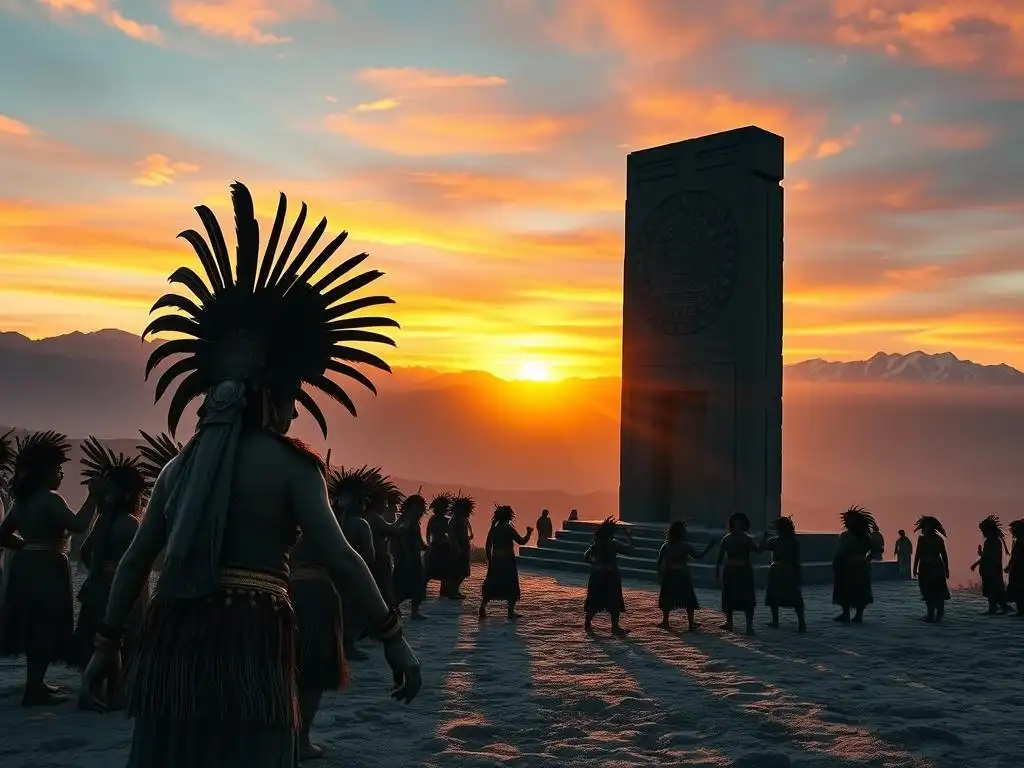
Step into a world lost to time, yet echoing with the whispers of ancient power. Unravel the intricate tapestry of Andean civilizations, where celestial observations intertwined seamlessly with elaborate rituals. Prepare to be captivated by the profound connection between Andean civilizations rituals astronomy, a legacy etched in the very mountains themselves. Discover how these sophisticated societies charted the cosmos, shaping their lives and beliefs in ways that continue to intrigue and inspire. Dare to explore the mysteries that lie ahead…
The Andean civilizations, encompassing a vast tapestry of cultures including the Incas, Moche, Nazca, and Tiahuanaco, possessed a profound understanding of time and space, deeply interwoven with their religious beliefs and daily lives. Their sophisticated astronomical knowledge wasn't merely a scientific pursuit; it was inextricably linked to their agricultural practices, social structures, and elaborate ritualistic ceremonies.
This article delves into the fascinating interplay between Andean rituals and their astronomical observations, revealing how these ancient peoples perceived and interacted with the cosmos, shaping their unique worldview and leaving behind a legacy of enigmatic sites and artifacts that continue to captivate us today. We will explore the intricate connections between celestial events and earthly practices, examining how the Andean understanding of time influenced their societal organization and spiritual beliefs.
This exploration will unveil the rich complexity of Andean cosmology and its enduring influence on our understanding of these remarkable civilizations. The study of Andean civilizations rituals and astronomy provides a captivating window into a world where the heavens and the earth were intimately connected.
The Sacred Calendar and Agricultural Cycles
Andean societies relied heavily on agriculture, and their calendar systems were meticulously aligned with the agricultural cycles. The precise timing of planting and harvesting was crucial for survival, and astronomical observations played a pivotal role in determining these crucial periods. Detailed records, though often fragmented, suggest sophisticated knowledge of solstices and equinoxes, used to predict seasonal changes with remarkable accuracy.
For example, the Inca utilized a complex system of knotted strings called quipus to record astronomical data and agricultural yields, showcasing a deep integration of practical knowledge with cosmological understanding. The accurate prediction of rainfall patterns, a critical factor in Andean agriculture, was likely facilitated by careful observation of constellations and celestial movements.
This intricate connection between celestial events and agricultural productivity highlights the practical application of Andean astronomical knowledge. Furthermore, the precise timing of festivals and rituals often coincided with specific astronomical events, further emphasizing the importance of the cosmos in their daily lives.
Celestial Alignments and Ritual Sites
Many Andean archaeological sites exhibit remarkable alignments with celestial bodies, suggesting a deliberate connection between architecture and astronomy. These alignments weren't accidental; they were carefully planned and executed, indicating a profound understanding of astronomical principles. For instance, [specific examples of sites and alignments pending] demonstrate a clear intention to incorporate astronomical observations into the design and function of sacred spaces.
These ritual sites, often located on mountaintops or other elevated positions, provided optimal viewing conditions for observing celestial events. The precise positioning of structures, such as temples and observatories, suggests a sophisticated knowledge of geometry and astronomy, far exceeding the capabilities often attributed to pre-Columbian societies. The careful orientation of these sites towards significant celestial events suggests that they served as important locations for ritual activities connected to the agricultural cycle and the broader cosmological worldview.
The Role of Astronomy in Andean Religious Beliefs
Astronomy was not simply a practical tool for the Andean people; it was deeply intertwined with their religious beliefs and spiritual practices. Celestial bodies were often personified, imbued with spiritual significance and incorporated into their complex mythology. The sun, moon, and stars played pivotal roles in Andean cosmology, representing powerful deities and forces that governed the natural world.
[Specific details on Andean deities and their celestial associations pending]. Rituals were performed to appease these celestial deities and ensure the continuity of the agricultural cycle and the well-being of the community. The careful observation of celestial phenomena served as a means of communicating with the divine, providing insights into the will of the gods and the future.
This intricate relationship between astronomy and religion underscores the profound influence of the cosmos on Andean culture and spirituality. The integration of astronomical knowledge into religious practices underscores the holistic nature of Andean worldview, where the sacred and the secular were inextricably linked.
Interpreting the Legacy: Modern Understanding of Andean Astronomy
Modern research continues to unravel the complexities of Andean astronomy, revealing new insights into their sophisticated observations and understanding of the cosmos. While much remains to be discovered, the existing evidence points to a level of astronomical expertise that was remarkable for its time. The integration of archaeological findings, ethnohistorical accounts, and advanced astronomical modeling is gradually revealing the intricate workings of Andean cosmology. [Specific examples of modern research and its findings pending].
This ongoing research not only enhances our understanding of Andean civilizations but also challenges preconceived notions about the scientific capabilities of pre-Columbian societies. The legacy of Andean astronomy serves as a powerful reminder of the richness and complexity of ancient cultures and their profound connection to the natural world. The continued study of Andean astronomy promises to further illuminate the mysteries of this captivating civilization.
- The Sacred Calendar and Agricultural Cycles
- Celestial Alignments and Ritual Sites
- The Role of Astronomy in Andean Religious Beliefs
- Interpreting the Legacy: Modern Understanding of Andean Astronomy
- What role did astronomy play in Andean civilizations?
- How did Andean rituals connect to their understanding of the cosmos?
- Which Andean civilizations are most known for their astronomical knowledge?
- What types of astronomical instruments did Andean civilizations use?
- How did Andean astronomy influence their agricultural practices?
The Andean Understanding of Time: A Cosmic Perspective
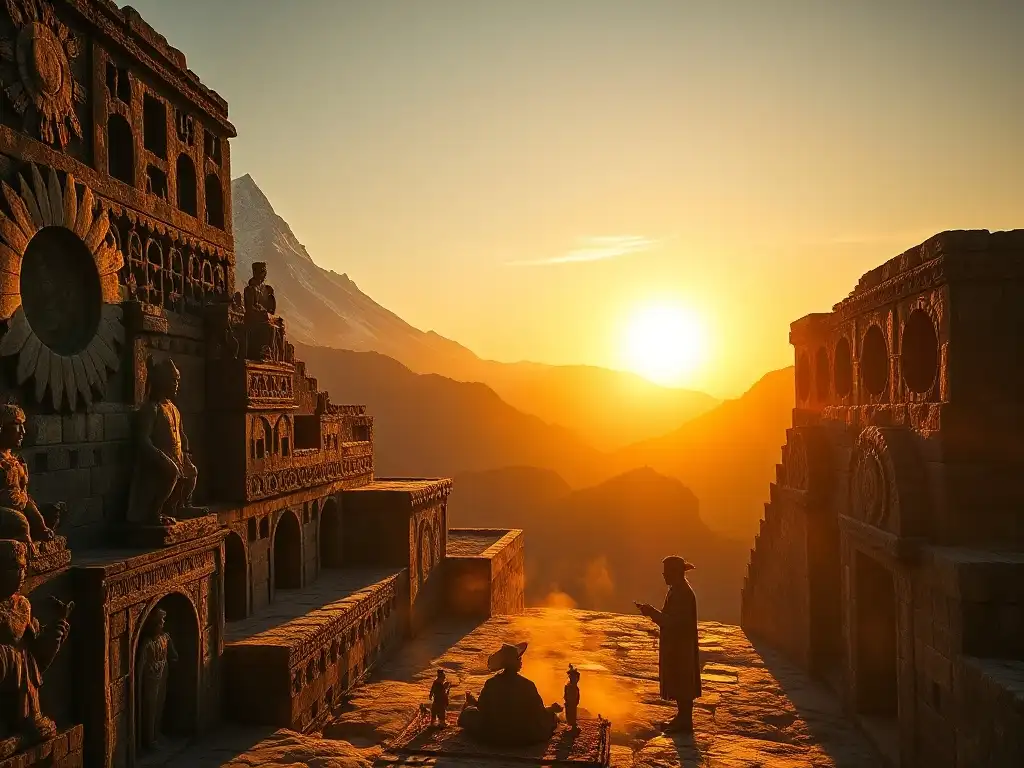
The Andean understanding of time differed drastically from the linear perception prevalent in many Western cultures. Instead of a unidirectional arrow from past to present to future, Andean civilizations viewed time as cyclical, interwoven with the rhythms of nature and the cosmos. This cyclical perspective is deeply embedded in their cosmology, influencing their agricultural practices, social structures, and, most significantly, their elaborate ritualistic practices.
This holistic worldview saw time not as a separate entity but as an integral part of the interconnectedness of all things. The sun, moon, stars, and the earth itself dictated the passage of time, shaping the lives and beliefs of Andean people. Understanding their concept of time is crucial to deciphering the meaning and purpose behind their impressive achievements in astronomy and their complex ritual calendar.
The very fabric of Andean society was woven from this cyclical understanding of time, making it a fundamental aspect of their cultural identity. This cyclical nature is reflected in their agricultural cycles, mirroring the natural cycles of planting, growth, harvest, and fallow periods.
Cyclical Time in Andean Cosmology
Andean cosmology embraced a cyclical view of time, often represented through the concept of pacha. Pacha encompasses the entire cosmos, including the heavens, the earth, and the underworld. It's a dynamic, ever-changing system, where time is not merely a sequence of events but a continuous flow, a cycle of creation, destruction, and renewal. This cyclical understanding is reflected in their agricultural practices, deeply connected to the annual cycles of the sun and the seasons.
The Inca, for example, meticulously observed the celestial movements to predict planting and harvesting times, ensuring the survival of their communities. Their sophisticated understanding of astronomy allowed them to develop a precise calendar system, perfectly synchronized with the agricultural cycles. This intricate relationship between astronomy and agriculture underscores the importance of cyclical time in their daily lives.
The cyclical nature of pacha also influenced their worldview, emphasizing the interconnectedness of all living things and the cyclical nature of life, death, and rebirth. This deep understanding of cyclical time shaped their societal structures, religious beliefs, and artistic expressions, reflecting a harmonious integration with the natural world. The cyclical nature of time was not merely a philosophical concept but a practical necessity for survival in the challenging Andean environment.
The Significance of Andean Rituals and Time
Andean rituals were not isolated events but integral parts of the cyclical flow of time. They served to maintain the cosmic balance, ensuring the continuity of pacha. These rituals, often meticulously planned and executed, were synchronized with specific astronomical events, reinforcing the connection between the celestial realm and earthly life. For instance, the Inca celebrated the Inti Raymi, the festival of the sun, at the winter solstice, a time of renewal and regeneration.
This festival, a testament to the Andean understanding of cyclical time, involved elaborate ceremonies, sacrifices, and feasts, aimed at ensuring a bountiful harvest and the continued prosperity of the empire. Other rituals were associated with specific agricultural cycles, reinforcing the interconnectedness between human activities and the natural world. The timing of these rituals was crucial, highlighting the precise astronomical knowledge possessed by Andean priests and astronomers. The intricate relationship between Andean rituals and their understanding of cyclical time underscores the importance of maintaining cosmic harmony, a concept deeply embedded in their worldview.
The precision and complexity of these rituals demonstrate the profound significance they held within Andean society, serving as a powerful reminder of the cyclical nature of time and the importance of maintaining balance within pacha. The meticulous observation of celestial events and the precise timing of rituals showcase the sophisticated understanding of astronomy and the profound integration of astronomy with their religious and social life. The legacy of these rituals continues to fascinate and inspire, offering a glimpse into the complex and rich cosmology of Andean civilizations.
Andean Civilizations and their Astronomical Knowledge
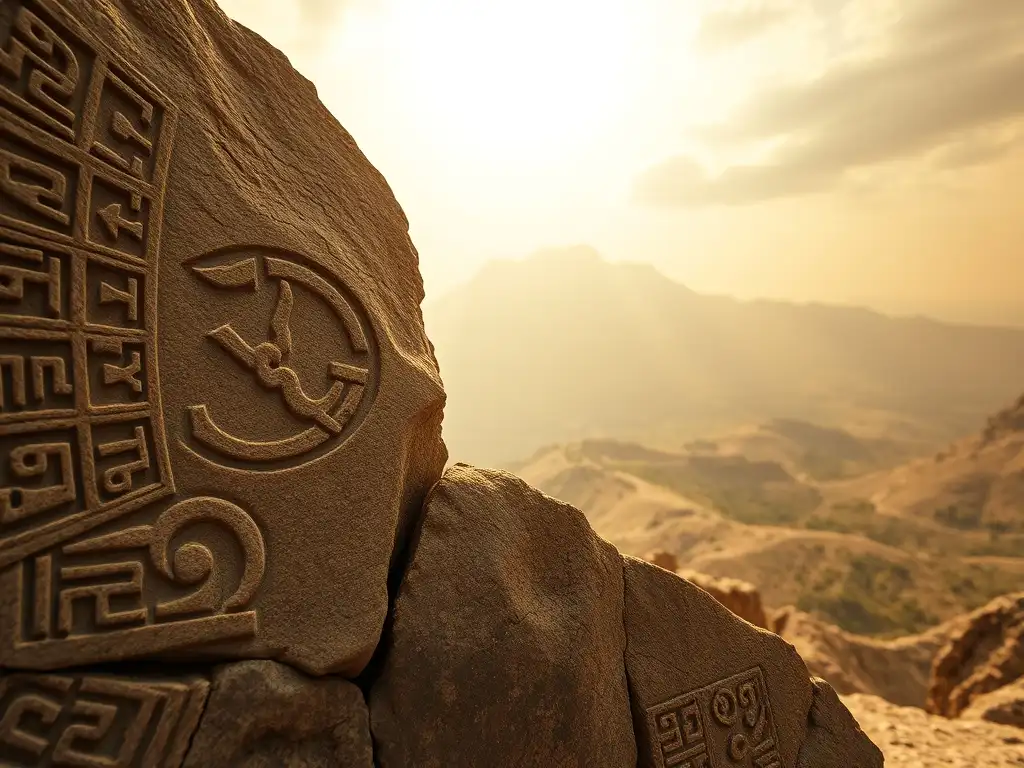
The Andean civilizations, renowned for their intricate social structures and breathtaking architectural feats, possessed a sophisticated understanding of astronomy deeply interwoven with their religious beliefs and daily life. Their astronomical knowledge wasn't merely a scientific pursuit; it was a fundamental aspect of their cosmology, shaping their agricultural practices, religious rituals, and societal organization.
This intricate relationship between the celestial bodies and earthly life is evident across various Andean cultures, from the Inca Empire to earlier civilizations like the Nazca and Moche. Understanding their astronomical prowess requires acknowledging the interconnectedness of their worldview, where the heavens and the earth were not separate entities but rather parts of a holistic, interconnected cosmos.
This section will explore the specific astronomical practices and knowledge of several Andean cultures, highlighting their unique approaches to observing and interpreting the cosmos. The study of Andean civilizations rituals and astronomy reveals a complex and fascinating relationship between humanity and the universe.
Astronomy in Inca Society: Observing the Cosmos
Inca astronomy was remarkably advanced, influencing every facet of their society. Their observations of the sun, moon, and stars were not merely for intellectual curiosity but were crucial for agricultural planning, religious ceremonies, and the very structure of their empire. The Inca calendar, intricately linked to the solar and lunar cycles, dictated the planting and harvesting seasons, ensuring the prosperity of their agricultural economy. Specific constellations held significant religious importance, often associated with deities and mythical narratives.
For instance, the constellation Colca, often associated with the llama, was likely linked to their agricultural practices and the importance of the llama in their society. Furthermore, the Inca utilized sophisticated instruments for astronomical observations, although the exact nature of these instruments remains a subject of ongoing research. Evidence suggests the use of simple instruments like gnomons for determining solstices and equinoxes, and more complex structures, possibly aligned with specific celestial events, are still being studied today.
The Inca's understanding of astronomy was crucial for their social and political stability, providing a framework for their society's organization and religious practices. The precision of their astronomical observations and their integration into daily life is a testament to their advanced understanding of the cosmos. The study of Inca society reveals a deeply spiritual connection to the cosmos, where astronomy was not a separate discipline but a fundamental component of their religious beliefs and practical life.
Pre-Inca Astronomical Practices: The Legacy of Ancient Andean Peoples
The Inca Empire’s astronomical achievements built upon a rich legacy of astronomical observation and knowledge developed by preceding Andean cultures. The Nazca, for example, are famous for their geoglyphs—massive figures etched into the desert landscape—some of which are hypothesized to be astronomical markers, possibly aligned with specific celestial events or constellations. While the exact purpose of many Nazca geoglyphs remains debated, their potential astronomical significance highlights the advanced astronomical knowledge of this pre-Inca civilization. Similarly, the Moche culture, known for its intricate pottery and sophisticated metalworking, also demonstrated an understanding of astronomy.
Their artwork often depicts celestial events and deities associated with the cosmos, suggesting a strong connection between their religious beliefs and astronomical observations. The Tiahuanaco culture, with its monumental architecture and complex urban planning, also likely incorporated astronomical knowledge into their city design and religious practices, though further research is needed to fully understand the extent of their astronomical expertise. The study of these pre-Inca civilizations reveals a continuous thread of astronomical observation and knowledge across different Andean cultures, demonstrating a long-standing tradition of celestial study that culminated in the sophisticated astronomical practices of the Inca Empire.
The legacy of these earlier civilizations significantly contributed to the Inca's astronomical achievements, providing a foundation upon which they built their complex astronomical system. Further investigation into these pre-Inca cultures is crucial for a complete understanding of the evolution of Andean astronomical knowledge. The intricate relationship between Andean civilizations rituals and astronomy is a testament to their deeply ingrained connection to the cosmos.
Andean Timekeeping: Calendars and Observatories
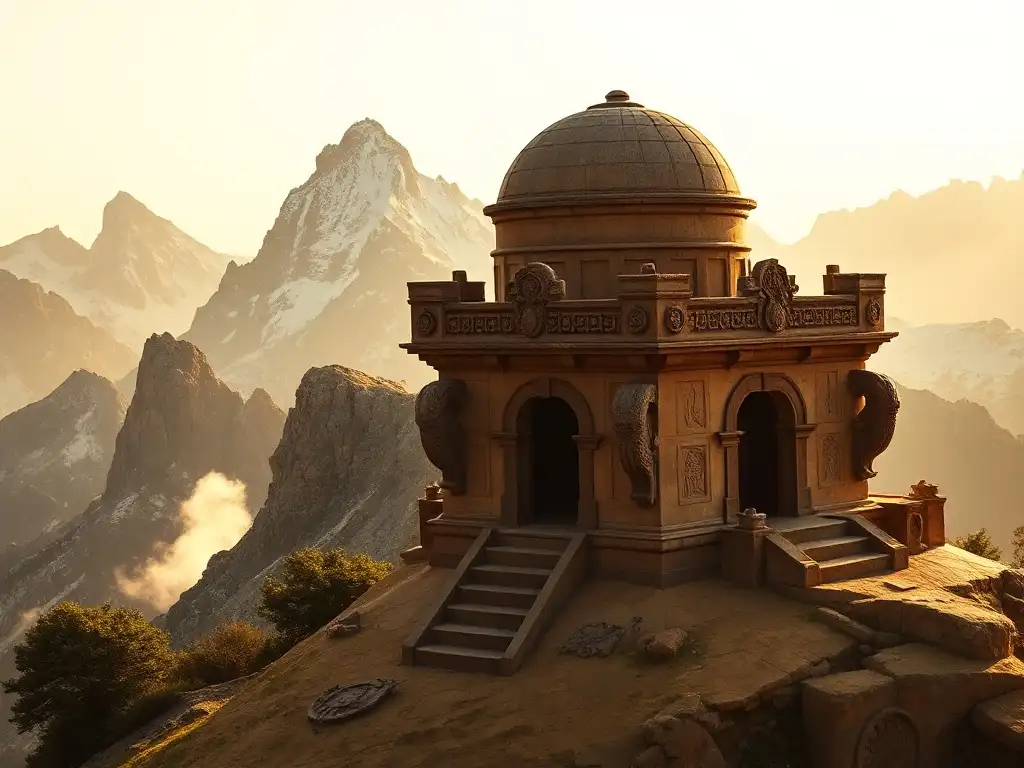
The Andean civilizations, renowned for their sophisticated understanding of the cosmos, developed intricate systems for tracking time, far surpassing simple agricultural cycles. Their calendars weren't merely tools for planting and harvesting; they were deeply interwoven with religious beliefs, social structures, and a profound understanding of astronomical phenomena. This intricate relationship between timekeeping, ritual, and astronomy is a key element in understanding Andean cosmology and worldview.
The precision and complexity of their systems reveal a deep engagement with the celestial sphere, a connection that informed their daily lives and shaped their spiritual understanding of the universe. This section will delve into the intricacies of their calendar systems and the remarkable observatories they constructed to monitor celestial events. The study of Andean civilizations rituals and astronomy offers a fascinating glimpse into a unique and sophisticated culture.
The Inca Calendar System: A Solar and Lunar Balance
The Inca calendar, unlike many others, wasn't solely based on a single celestial body. Instead, it skillfully integrated solar and lunar cycles, creating a complex system that reflected the Andean understanding of a balanced cosmos. The solar year, approximately 365 days, was divided into twelve lunar months, each consisting of approximately 30 days. This discrepancy between the solar and lunar cycles was addressed through the intercalation of additional days, a practice that demonstrates a sophisticated grasp of astronomical calculations. The Inca year was further divided into smaller periods, marked by significant agricultural and religious festivals.
These festivals, deeply rooted in Andean rituals, were meticulously timed to coincide with specific astronomical events, such as solstices and equinoxes. For instance, the Inti Raymi, the festival of the sun, was celebrated at the winter solstice, a time of vital importance for agricultural planning and renewal. This precise coordination between agricultural cycles and celestial events highlights the practical and spiritual significance of the Inca calendar.
The calendar wasn't just a means of organizing time; it was a living embodiment of their cosmological beliefs, connecting the earthly realm with the celestial sphere. Understanding this connection is crucial to understanding the depth and complexity of Inca culture.
Andean Observatories: Aligning with Celestial Events
Beyond their sophisticated calendar systems, the Andean civilizations constructed remarkable observatories, structures designed to precisely track celestial events. These weren't just simple viewing platforms; they were carefully engineered structures, often integrated into the landscape, that served as powerful tools for astronomical observation and ritual practice. Examples include the structures at Machu Picchu, where precise alignments with celestial bodies have been documented, and the various sites across the Andes where alignments with solstices and equinoxes are evident.
These observatories weren't isolated structures; they were often incorporated into broader religious and social contexts. For example, the placement of certain buildings within a city or the orientation of agricultural terraces might have been influenced by astronomical considerations. This suggests that astronomical knowledge was not confined to a specialized priestly class but was integrated into the very fabric of Andean society, influencing daily life and shaping their worldview.
The meticulous construction and precise alignments of these observatories underscore the advanced understanding of astronomy possessed by the Andean civilizations and their deep connection between the earthly and celestial realms. The careful study of these sites continues to reveal new insights into the sophistication of Andean astronomy and its integral role in their cultural and religious practices. Further research is needed to fully understand the complexity of these observatories and their role in Andean civilizations rituals and astronomy.
The Role of Astronomy in Andean Agriculture and Rituals
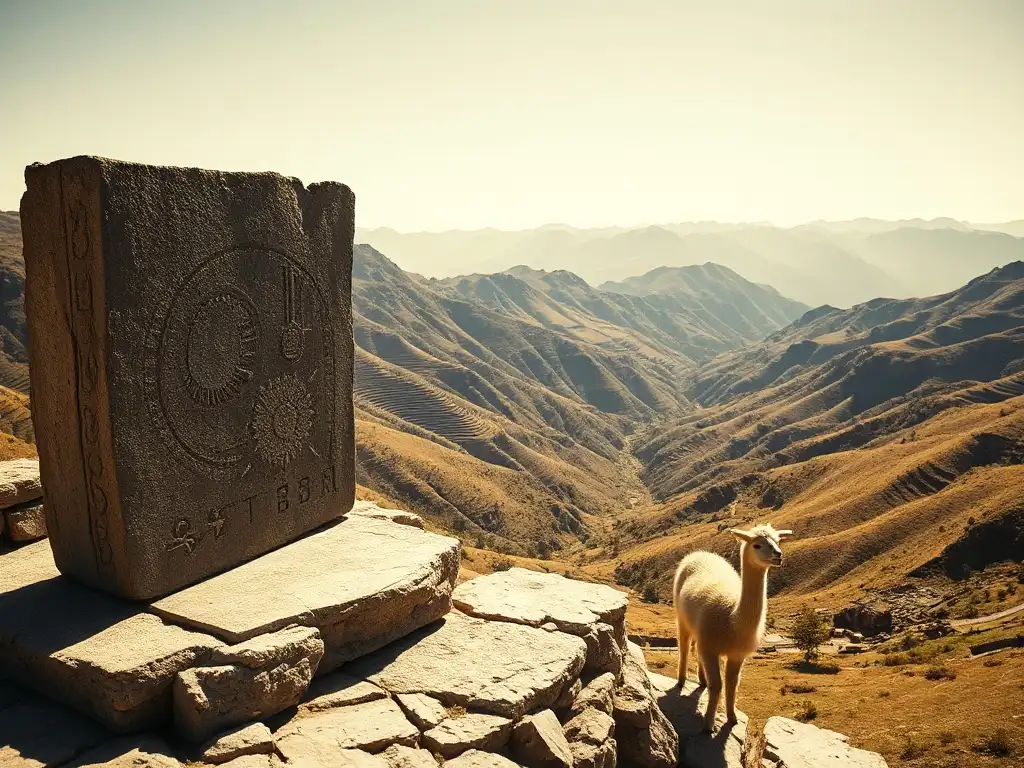
The intricate relationship between Andean civilizations and the cosmos profoundly impacted both their agricultural practices and religious rituals. Their understanding of celestial movements wasn't merely an intellectual pursuit; it was deeply intertwined with the practicalities of survival and the spiritual well-being of their communities. This section explores the ways in which astronomy informed and shaped Andean life, highlighting the sophisticated knowledge system they developed to predict and respond to the rhythms of the universe.
The meticulous observation of celestial bodies allowed them to develop a highly effective agricultural system and to structure their religious ceremonies around significant astronomical events. This connection between the earthly and the celestial reveals a worldview where the human experience was inextricably linked to the cosmic order. Understanding this relationship is key to unlocking a deeper appreciation of Andean cosmology and worldview.
Astronomy and Agricultural Cycles in the Andes
Andean farmers possessed an intimate understanding of the agricultural cycles, a knowledge largely derived from their astute observations of the stars and constellations. The appearance and positioning of specific constellations signaled the optimal times for planting, harvesting, and other crucial agricultural activities. For instance, the heliacal rising of certain stars coincided with the beginning of the rainy season in many regions, providing a vital cue for farmers to begin sowing their crops.
This precise timing, guided by astronomical knowledge, significantly increased crop yields and ensured the survival of their communities. The accuracy of their predictions demonstrates a sophisticated understanding of the relationship between celestial cycles and terrestrial events. Detailed records, though often fragmented, suggest a complex system of astronomical calendars, potentially using different methods depending on the specific region and the crops cultivated.
Further research into surviving agricultural tools, irrigation systems, and archaeological evidence is needed to fully elucidate the intricate interplay between Andean astronomy and agricultural productivity. The effectiveness of their system, however, is evident in the success of Andean agriculture for centuries.
Celestial Events and Andean Ceremonies
Celestial events held immense symbolic and ritualistic importance for Andean civilizations. Solar and lunar eclipses, solstices, and equinoxes were not simply observed; they were integrated into elaborate ceremonies designed to appease deities, ensure good harvests, and maintain cosmic balance. For example, the Inca celebrated Inti Raymi, the Festival of the Sun, at the winter solstice, a time of year crucial for the survival of their crops. This festival involved elaborate rituals, processions, and sacrifices, all aimed at honoring the sun god, Inti, and ensuring his continued benevolence.
Similarly, other Andean cultures developed unique rituals tied to specific celestial phenomena. The Moche, known for their intricate pottery depicting astronomical scenes, likely incorporated astronomical observations into their religious practices. The Nazca lines, though their purpose remains debated, might have served as astronomical markers, aligning with specific constellations or celestial events.
Unfortunately, the exact nature and significance of many Andean ceremonies are still poorly understood due to the limitations of surviving written records and the destruction of many sacred sites. However, the available evidence points towards a complex and deeply meaningful relationship between the celestial realm and the religious life of these ancient Andean cultures. The enduring mystery surrounding these rituals underscores the richness and complexity of Andean cosmology, a field that continues to fascinate and inspire researchers today.
Andean Rituals: Connecting with the Flow of Time
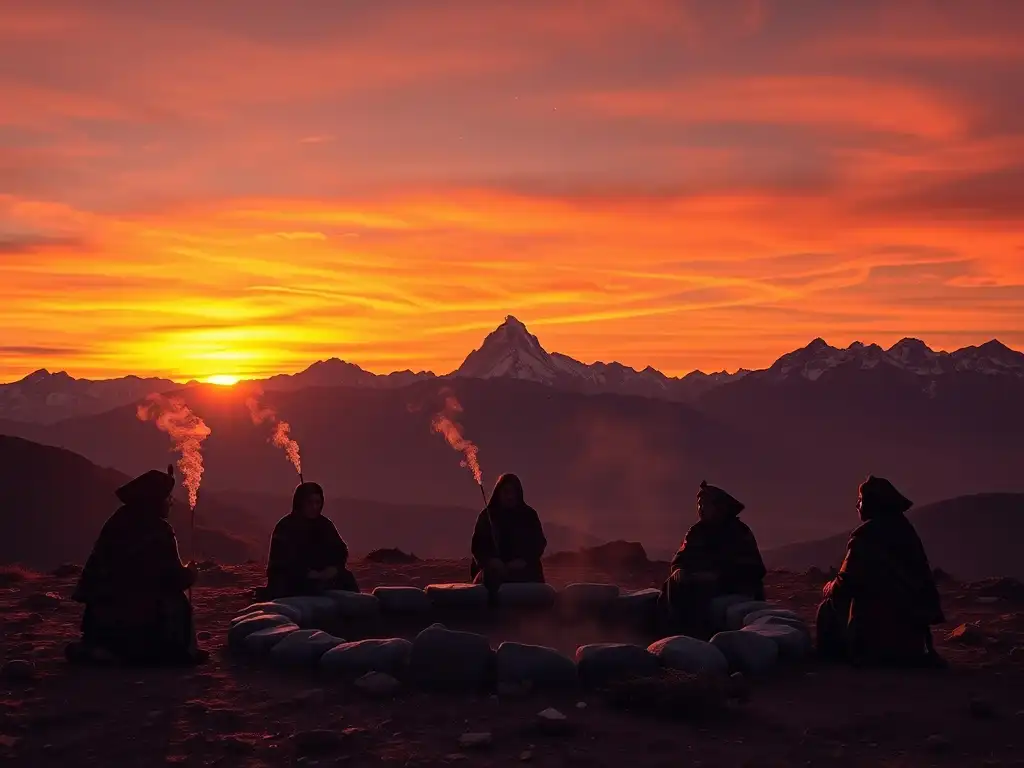
Andean civilizations didn't perceive time in a linear fashion, like many Western cultures. Instead, their understanding of time was cyclical, deeply intertwined with agricultural cycles, astronomical events, and the rhythms of nature. This cyclical perception is profoundly reflected in their elaborate rituals, which served not just as religious observances but as crucial mechanisms for maintaining cosmic balance and ensuring the continuity of life.
The concept of pachakuti, a cyclical transformation or upheaval, is central to understanding this Andean worldview. Pachakuti wasn't seen as solely destructive; it represented a necessary process of renewal and rebirth, mirroring the natural cycles of the Andes themselves – the seasons, the floods, and the growth of crops. Understanding Andean rituals requires grasping this fundamental concept of cyclical time and the importance of maintaining harmony within the pacha, the cosmos.
Rituals of Renewal and the Andean Concept of Time
Many Andean rituals focused on ensuring the continuous flow of time and the successful transition between cycles. These weren't merely symbolic acts; they were practical interventions designed to influence the natural world. For example, the capacocha sacrifices, while often viewed through a Western lens of brutality, were understood within the Andean worldview as essential offerings to ensure the fertility of the land and the continuation of the Inca empire.
These sacrifices, often involving children, were seen as gifts to the gods to maintain the balance of the pacha and secure a bountiful harvest. The timing of these ceremonies was crucial, often coinciding with significant astronomical events or agricultural cycles. The precise details of many rituals remain shrouded in mystery, but archaeological evidence, such as the discovery of intricately woven textiles and elaborate gold artifacts found in sacrificial sites, points to the significant investment of resources and the deeply held beliefs surrounding these practices.
The meticulous planning and execution of these rituals highlight the importance placed on maintaining harmony between the human world and the cosmos. Further research is needed to fully understand the nuanced understanding of time embedded within these ceremonies.
The Role of Sacred Sites in Andean Time Perception
Sacred sites, such as mountain peaks ( apu), caves, and springs, played a crucial role in the Andean perception of time. These locations weren't just geographically significant; they were considered portals connecting the human realm with the supernatural world. They served as focal points for rituals and ceremonies, marking the passage of time and facilitating communication with deities.
The placement of these sites was often carefully chosen, reflecting astronomical alignments and a deep understanding of the environment. For instance, many sites were positioned to align with the solstices and equinoxes, emphasizing the connection between celestial events and terrestrial activities. This alignment wasn't accidental; it indicates a sophisticated understanding of astronomy and its integration into the daily lives and spiritual practices of Andean communities.
The continuity of these sites across generations underscores their enduring significance in shaping the perception of time and the relationship between humans and the cosmos. The intricate network of sacred sites across the Andes serves as a testament to the rich and complex relationship between Andean civilizations, their rituals, and their understanding of time. Further investigation into the precise astronomical alignments of these sites could reveal even more detailed insights into their calendrical systems and their understanding of cyclical time.
Modern Interpretations of Andean Timekeeping
The understanding of Andean timekeeping has evolved significantly beyond simplistic interpretations of agricultural cycles and solar observations. Modern scholarship emphasizes the intricate interplay between astronomical knowledge, ritual practices, and societal structures in shaping Andean perceptions of time. Rather than a linear progression, Andean conceptions of time are often described as cyclical, emphasizing recurring patterns and the interconnectedness of past, present, and future.
This cyclical view is reflected in their agricultural practices, religious ceremonies, and even their architectural designs. For example, the precise alignment of many Andean structures with celestial events suggests a sophisticated understanding of astronomy that went far beyond practical applications. This wasn't simply about predicting planting seasons; it was about aligning human actions with the rhythms of the cosmos, reinforcing a worldview that saw humanity as an integral part of a larger, interconnected universe.
The sophisticated understanding of the celestial cycles by Andean civilizations, as evidenced by their architecture and ritual practices, underscores a complex relationship between the cosmos and human society. This complex interplay is a key element in understanding the richness of Andean cosmology and its enduring influence.
Contemporary Research on Andean Archaeoastronomy
Contemporary research in Andean archaeoastronomy is constantly refining our understanding of how these civilizations perceived and interacted with the cosmos. Researchers use a variety of techniques, including detailed site surveys, astronomical modeling, and ethnohistorical analysis, to uncover the subtle nuances of Andean astronomical knowledge. For instance, studies of sites like Machu Picchu reveal intricate alignments with solstices and equinoxes, suggesting a deep understanding of solar movements.
Furthermore, analysis of specific sites like Chankillo in Peru, reveals the oldest known solar observatory in the Americas, predating even the Inca Empire. This observatory demonstrates a remarkable level of astronomical precision and highlights the long history of astronomical observation in the Andes. The ongoing research focuses not only on identifying astronomical alignments but also on understanding their cultural significance within the broader context of Andean religion and society.
The intricate relationship between astronomical observations and ritual practices is a crucial area of ongoing research, seeking to decipher the symbolic meaning embedded within these celestial alignments. This detailed study of the sites provides invaluable insights into the sophisticated understanding of astronomy possessed by the Andean civilizations. The complexity of these findings challenges previous simplistic interpretations, portraying a rich and nuanced understanding of the cosmos.
Preserving the Legacy of Andean Time Concepts
Preserving the legacy of Andean time concepts requires a multi-faceted approach that combines archaeological research with efforts to revitalize indigenous knowledge systems. This involves not only the meticulous documentation of archaeological sites but also engaging with contemporary Andean communities who continue to maintain and adapt traditional practices. The preservation of this knowledge is crucial, not just for historical understanding but also for its potential contribution to contemporary discussions about sustainability and environmental stewardship.
Many indigenous communities in the Andes still hold a deep connection to the land and its cyclical rhythms, reflecting a worldview that emphasizes harmony with nature. Understanding and respecting their perspectives is essential for a holistic understanding of Andean timekeeping. Moreover, the preservation of these concepts can contribute to a broader dialogue on alternative ways of understanding and interacting with time, moving beyond the dominant Western linear model.
The preservation efforts should encompass not just physical artifacts but also the intangible cultural heritage – the stories, songs, and rituals that transmit these concepts across generations. The challenge lies in balancing the need for scientific study with the respect for the cultural significance of these sites and traditions. Protecting these sites and supporting indigenous communities in their efforts to preserve their cultural heritage is paramount for a complete understanding of Andean civilizations rituals and astronomy.
Frequently Asked Questions
What role did astronomy play in Andean civilizations?
Astronomy was integral to Andean cultures. It influenced their agriculture, religious beliefs, and calendar systems, shaping their daily lives and societal structures. Many rituals were timed according to celestial events.
How did Andean rituals connect to their understanding of the cosmos?
Andean rituals were deeply intertwined with their astronomical observations. Ceremonies often aimed to influence or interact with cosmic forces, ensuring successful harvests and maintaining cosmic balance. Sacred sites were frequently aligned with astronomical phenomena.
Which Andean civilizations are most known for their astronomical knowledge?
The Incas, Moche, and Nazca are particularly renowned for their advanced astronomical understanding. Evidence suggests sophisticated knowledge of solstices, equinoxes, and constellations, reflected in their architecture and artwork.
What types of astronomical instruments did Andean civilizations use?
While lacking sophisticated instruments like telescopes, Andean civilizations utilized observational techniques and architectural alignments to track celestial movements. Stone structures, such as Intihuatana stones, served as astronomical observatories.
How did Andean astronomy influence their agricultural practices?
Andean farmers relied heavily on astronomical observations to determine the best times for planting and harvesting. Knowledge of the seasons, guided by celestial events, ensured optimal crop yields and contributed to their agricultural success.
Final Reflection: Echoes of the Andes: A Legacy in Time
The intricate relationship between Andean cosmology, ritual practices, and astronomical observation remains profoundly relevant today. Our fascination with understanding the universe, our place within it, and the cyclical nature of time continues to mirror the sophisticated systems developed by Andean civilizations millennia ago. Their legacy is not simply a historical curiosity; it's a testament to the enduring human need to find meaning and order in the cosmos.
The enduring power of Andean cosmology lies in its holistic approach, seamlessly weaving together the spiritual and the physical. It reminds us that our understanding of time is not solely linear, but also cyclical, deeply connected to the rhythms of nature and the celestial bodies. The mountains are not just mountains, they are living beings, and the stars are not just lights in the sky, but guides and protectors.
This perspective, though expressed poetically, encapsulates the profound interconnectedness at the heart of Andean worldview, a perspective that offers a valuable counterpoint to our often fragmented modern existence. It challenges us to reconsider our relationship with the environment and the spiritual dimensions of our lives.
Consider the intricate astronomical knowledge embedded within Andean rituals. Reflect on how this deep understanding of the cosmos informed their agricultural practices, their social structures, and their very understanding of life and death. You, too, can find inspiration in this ancient wisdom. Take a moment to observe the night sky, to connect with the natural world around you, and to contemplate the cyclical nature of time. Let the echoes of the Andes resonate within you, inspiring a deeper appreciation for the interconnectedness of all things and the enduring power of human ingenuity in the face of the vast unknown.
Embrace the Andean Legacy Today!
Thank you for exploring the fascinating world of Andean culture with us! We hope you've gained a deeper understanding of the rich rituals and astronomical knowledge that shaped the lives of ancient Andean civilizations. Now, let's explore how you can further connect with this incredible heritage.
- **Explore Andean culture firsthand** by visiting local museums or exhibits that showcase indigenous history and artifacts.
- **Share your newfound appreciation** for Andean culture with friends and family. Perhaps host an evening focused on Andean astronomy, sharing what you've learned.
- **Connect with a vibrant online community** dedicated to Andean studies. This will allow you to exchange ideas and learn from fellow enthusiasts.
Which aspect of Andean culture resonated most with you, and how will you integrate these ancient perspectives into your life?