
The Art of Observation: How Nature Shaped Andean Technological Innovation

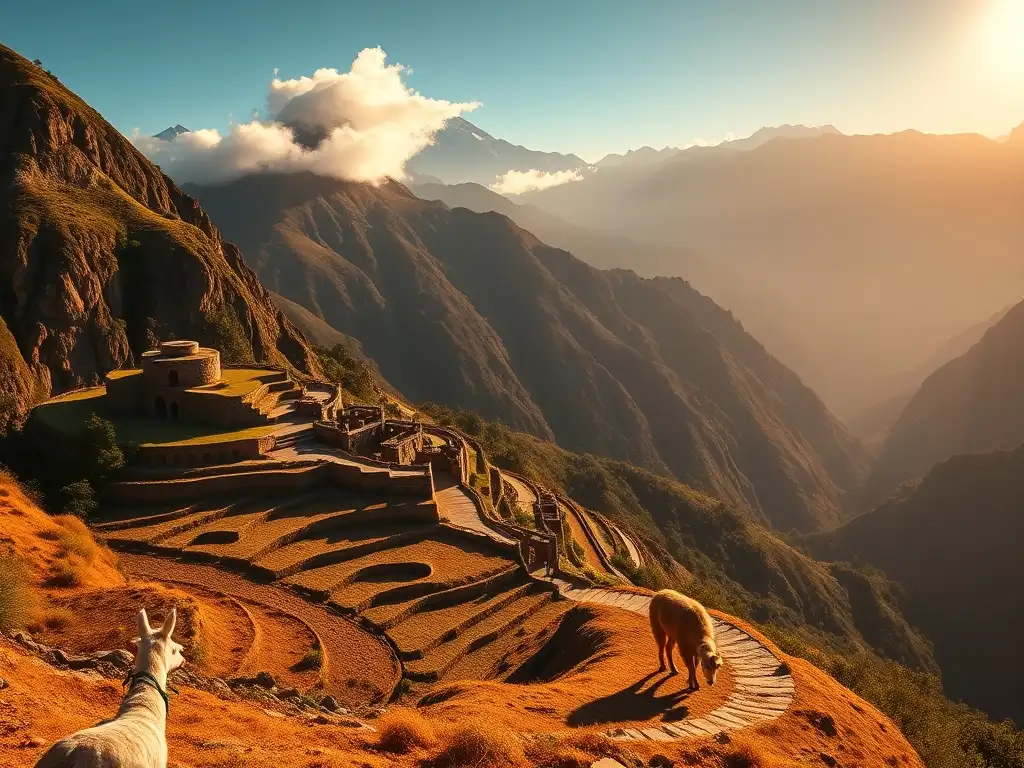
Step into a world lost to time, yet echoing with ingenuity. Imagine civilizations that harnessed the power of the Andes, crafting breathtaking artistry and astonishing technology from the very fabric of their environment. This is the story of the Andean civilizations, a tapestry woven from the threads of Inca, Moche, Nazca, and Tiahuanaco ingenuity. But how did they achieve such feats? Discover the secrets behind Andean civilization technological innovation in our exploration of their profound connection to the natural world – a connection that shaped their lives, their beliefs, and their extraordinary achievements. Prepare to be amazed.
The Andes Mountains, a colossal spine running down the western coast of South America, presented ancient Andean civilizations with a formidable yet inspiring challenge. This demanding environment, characterized by extreme altitude variations, diverse climates, and unpredictable weather patterns, far from hindering progress, became the crucible for remarkable technological innovation.
This article explores how the acute observation of nature, coupled with a deeply ingrained worldview that saw humanity as intrinsically connected to the natural world, fueled the development of sophisticated agricultural techniques, architectural marvels, and intricate textile production. We will examine how the ingenuity of the Incas, Moche, Nazca, and Tiahuanaco, amongst others, stemmed directly from their intimate understanding and respectful adaptation to their surroundings.
Understanding this relationship is crucial to appreciating the full scope of Andean civilization technological innovation and its enduring legacy. The ingenuity displayed in overcoming the challenges of the Andes provides a compelling case study in the power of observation and adaptation in human technological development.
The Andean Worldview: A Foundation for Innovation
The Andean worldview was not simply a set of beliefs; it was a living, breathing philosophy that permeated every aspect of life, from daily routines to monumental construction projects. This cosmology, characterized by a profound respect for Pachamama (Mother Earth) and a deep interconnectedness between the human and natural worlds, provided the philosophical bedrock for technological innovation. The concept of ayni—reciprocity—was central: people were expected to give back to the earth what they took from it, fostering a sustainable relationship with the environment.
This wasn't a passive relationship; it was active and dynamic, involving constant observation, careful management, and a profound understanding of ecological processes. For example, the intricate terrace farming systems weren't just clever engineering feats; they were manifestations of a worldview that valued balance and harmony with nature.
The success of Andean civilizations wasn't solely due to technological prowess, but also to their deep-seated ethical commitment to sustainable practices, a commitment born from their worldview. This holistic approach to life and the environment ensured the long-term viability of their innovations.
Nature as the Primary Teacher: Andean Knowledge Systems
Andean technological advancements weren't the result of abstract theorizing; they were born from meticulous observation and practical experimentation. The people of the Andes developed sophisticated knowledge systems based on their direct interaction with their environment. Their understanding of hydrology, for example, allowed them to create intricate irrigation systems that transformed arid lands into fertile agricultural zones.
The Nazca lines, though their precise purpose remains debated, demonstrate a remarkable understanding of astronomy and geometry, likely used for agricultural planning and religious practices. Similarly, the mastery of textile production, evident in the vibrant and incredibly durable fabrics produced across various Andean cultures, showcases an intimate knowledge of plant fibers and dyeing techniques, directly inspired by the diverse flora of the region. Furthermore, the development of sophisticated metalworking techniques, from the intricate goldwork of the Moche to the bronze tools of the Tiahuanaco, reveals an understanding of metallurgy acquired through experimentation and observation.
This process of learning from nature, through careful observation and iterative refinement, was the engine of Andean technological innovation, a testament to the power of experiential knowledge. The legacy of these systems continues to inspire sustainable practices today.
- The Andean Worldview: A Foundation for Innovation
- Nature as the Primary Teacher: Andean Knowledge Systems
- What role did nature play in Andean technological innovation?
- How did the Incas contribute to Andean technological advancements?
- What are some examples of Andean agricultural innovations?
- How did Andean civilizations utilize metals in their technology?
- Beyond agriculture and metallurgy, what other technological advancements were significant?
Observation and Experimentation in Ancient Andes
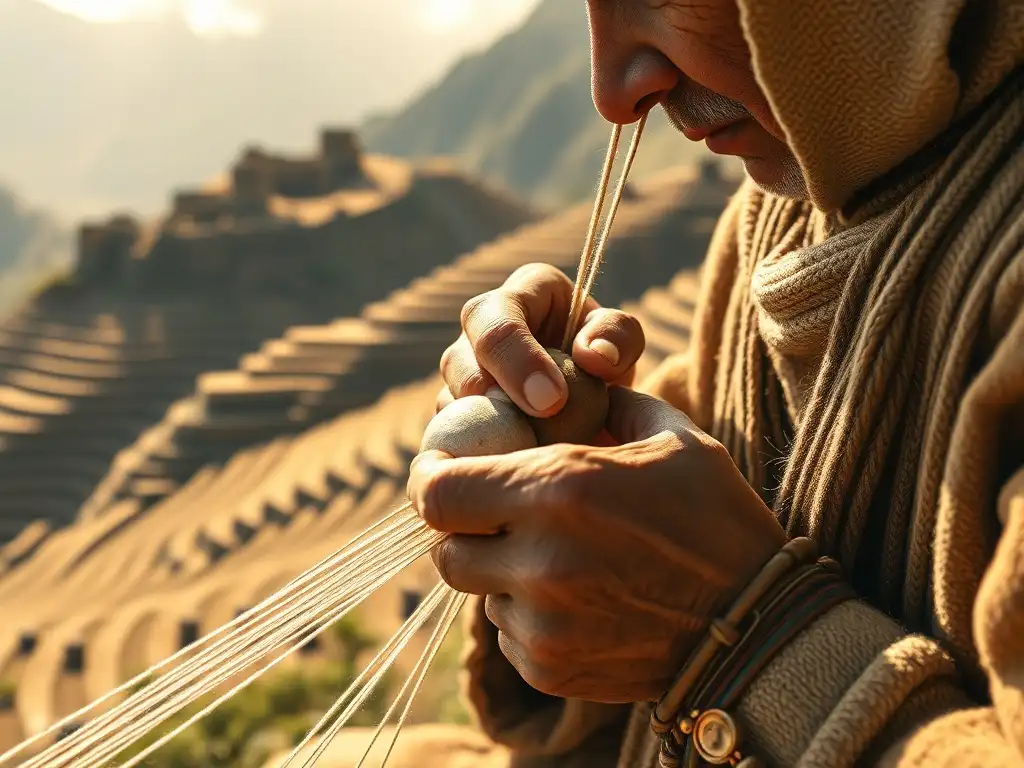
The remarkable technological achievements of Andean civilizations weren't born from abstract thought alone; they were deeply rooted in meticulous observation and relentless experimentation with the natural world. This intimate relationship with their environment fueled innovation across various domains, from sophisticated agricultural techniques to complex architectural designs and advanced metallurgical processes. The Andean worldview, deeply intertwined with the rhythms of nature, directly influenced their approach to problem-solving and technological development. Understanding this connection is key to appreciating the ingenuity and resilience of these ancient societies. The term "Andean civilization technological innovation" truly encapsulates the profound impact of their observational skills.
Detailed Observation of Andean Ecosystems
Andean societies displayed an unparalleled capacity for detailed observation of their diverse ecosystems. Their survival depended on it. The varied altitudes, climates, and terrains of the Andes presented both challenges and opportunities. From the high-altitude puna grasslands to the coastal deserts and the lush Amazonian foothills, each environment demanded a unique understanding and adaptation. This necessitated a profound knowledge of local flora and fauna, water cycles, and soil conditions.
For example, the intricate waru waru agricultural system, prevalent in the Tiwanaku region, demonstrates a deep understanding of water management and soil fertility. This system of raised beds and interconnected canals allowed for efficient irrigation and minimized water loss, particularly crucial in arid and semi-arid environments. The careful placement of these beds, often oriented to maximize solar radiation, further reveals a sophisticated understanding of microclimates and their impact on crop yields.
This wasn't just farming; it was a carefully orchestrated interaction with the natural environment, an example of Andean civilization technological innovation at its finest. The precise observation of plant growth cycles and animal behavior informed their agricultural practices, enabling them to cultivate a wide variety of crops, including potatoes, maize, quinoa, and beans, supporting large and complex societies.
Understanding Natural Cycles: Agriculture and Beyond
Beyond agriculture, the understanding of natural cycles permeated all aspects of Andean life. The precise observation of celestial bodies, particularly the sun and moon, played a critical role in their calendar systems, which in turn informed agricultural practices, religious rituals, and even social organization. The ability to predict seasonal changes, rainfall patterns, and the timing of solstices and equinoxes was essential for planning and resource management.
The construction of monumental structures like Machu Picchu, Ollantaytambo, and Sacsayhuamán further showcases this intimate understanding of natural forces. The precise placement of buildings, terraces, and irrigation channels demonstrates a mastery of engineering principles and a deep awareness of the topography and environmental conditions. The integration of architecture with the landscape wasn't merely aesthetic; it was a practical necessity, maximizing resource utilization and minimizing environmental impact. This exemplifies the sophisticated interplay between observation, technological innovation, and environmental adaptation characteristic of Andean civilization technological innovation.
Experimentation with Materials: The Basis of Andean Technology
Andean technological innovation was also driven by extensive experimentation with available materials. The Andes are rich in diverse resources, including various metals, stones, fibers, and clays. Andean artisans developed sophisticated techniques for working with these materials, constantly refining their methods through trial and error.
Metallurgy, for instance, reached remarkable heights in the Andes. The ability to extract, refine, and alloy metals like gold, silver, copper, and bronze, often using complex techniques like lost-wax casting, speaks to their ingenuity and experimental spirit. The intricate designs and high quality of their metalwork, from ceremonial objects to tools and weapons, demonstrate a deep understanding of material properties and metallurgical processes.
Similarly, their mastery of stonework, evident in the precisely cut and fitted stones of Inca constructions, required extensive experimentation with different stone types, tools, and construction techniques. This constant experimentation and refinement, driven by observation and a deep understanding of the properties of materials, is a testament to their innovative spirit and a cornerstone of Andean civilization technological innovation.
Key Areas of Andean Technological Innovation Inspired by Nature
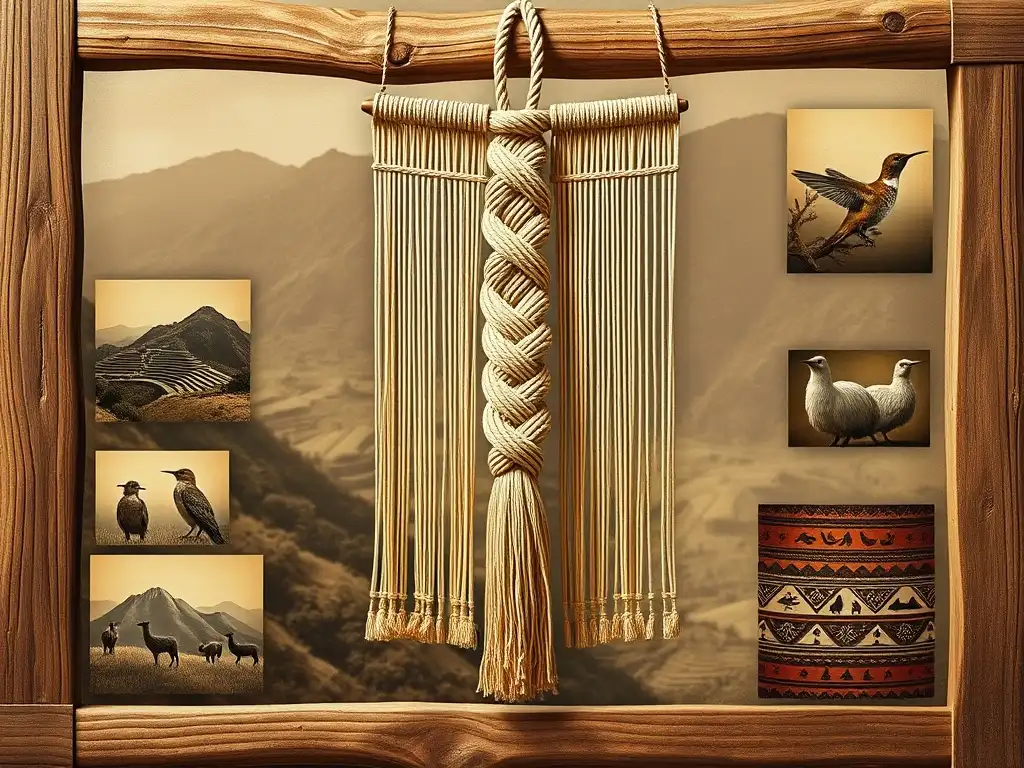
The Andean civilization's technological innovation wasn't born in isolation; it was a direct response to, and inspiration drawn from, the challenging yet bountiful Andean environment. Their ingenuity thrived on observation, adaptation, and a deep understanding of the natural world. This inherent connection fostered remarkable advancements in various fields, leaving an enduring legacy. The intricate relationship between Andean technology and nature is a testament to human adaptability and the power of understanding ecological systems. This section will explore some key areas where this relationship is most evident.
Agriculture: Adapting to Diverse Andean Landscapes
The Andes Mountains present a formidable challenge for agriculture, with steep slopes, varying altitudes, and unpredictable weather patterns. Yet, Andean societies developed sophisticated agricultural techniques to overcome these obstacles, showcasing remarkable ingenuity and a deep understanding of their environment. Their success stemmed from careful observation of natural processes and a meticulous adaptation to the specific conditions of each region. This "Andean civilization technological innovation" in agriculture allowed for population growth and the development of complex societies.
Terracing Techniques: Mimicking Mountain Slopes
Andean farmers mastered the art of terracing, creating flat platforms on steep slopes to maximize arable land. These terraces weren't merely haphazard cuttings; they were carefully designed to follow the contours of the land, minimizing soil erosion and optimizing sunlight exposure. The careful placement of retaining walls, often made of stone, prevented soil slippage and created stable platforms for cultivation.
This meticulous approach, mimicking the natural layering of mountain slopes, allowed for efficient and sustainable farming in challenging terrain. The scale and precision of these terraces are a testament to the sophisticated understanding of engineering principles possessed by Andean societies. Evidence suggests that different terrace designs were used depending on the slope angle and soil type, demonstrating an adaptive approach to agricultural engineering.
Irrigation Systems: Mastering Water Management
Water scarcity is a significant concern in many Andean regions. However, Andean civilizations developed sophisticated irrigation systems to manage water resources effectively. These systems involved canals, aqueducts, and reservoirs, often integrated into complex networks that diverted water from rivers and streams to agricultural fields. Some systems even incorporated sophisticated techniques for water storage and distribution, ensuring a reliable water supply even during dry periods.
The ingenuity of these systems is particularly evident in the arid coastal regions, where innovative water management techniques were crucial for survival. The precise construction and maintenance of these systems highlight a deep understanding of hydrology and the ability to manipulate water flow to optimize agricultural productivity. This technological prowess is a crucial part of the narrative of Andean civilization technological innovation.
Crop Diversity: Utilizing Nature's Abundance
Andean agriculture wasn't limited to a single crop; it embraced a remarkable diversity of plants adapted to different altitudes and climates. From potatoes and quinoa at higher elevations to maize and beans in lower valleys, Andean farmers cultivated a vast array of crops, ensuring food security and resilience against environmental fluctuations. This approach to crop diversity wasn’t simply a matter of chance; it reflects a deep understanding of ecological principles and a conscious effort to utilize the full potential of the Andean environment.
The selection and domestication of these crops over centuries showcases a remarkable understanding of plant genetics and adaptation. The diversity of Andean crops continues to be a valuable resource, contributing significantly to global food security. This biodiversity is a key element of Andean civilization technological innovation.
Textile Technology: Inspired by Natural Fibers and Dyes
The Andean region boasts a rich tradition of textile production, with sophisticated techniques developed over centuries. The textiles weren't just functional; they were also highly artistic, reflecting the intricate worldview and aesthetic sensibilities of Andean societies. The creation of these textiles showcases a remarkable understanding of natural fibers and dyes, representing a significant aspect of Andean civilization technological innovation.
Fiber Processing: Transforming Alpaca and Cotton
Andean textile production relied heavily on the processing of natural fibers, primarily alpaca and cotton. Alpaca fiber, renowned for its softness and warmth, required careful processing to achieve the desired texture and quality. This involved techniques for shearing, cleaning, spinning, and dyeing, each stage requiring specialized skills and knowledge.
Similarly, cotton, cultivated in lower altitudes, was processed to create strong and durable yarns. The tools used for fiber processing were often crafted from natural materials, showcasing an integrated approach to technology and resource management. The intricate processes involved in transforming raw fibers into usable yarns are a testament to the sophisticated understanding of material science possessed by Andean artisans.
Natural Dyes: Capturing Andean Colors
Andean textiles are celebrated for their vibrant and enduring colors, achieved through the use of natural dyes derived from plants, insects, and minerals. Cochineal, a scale insect, provided a rich crimson dye, while various plants yielded yellows, oranges, browns, and other hues. The ability to extract and apply these dyes effectively required a deep understanding of chemistry and color theory.
The remarkable permanence of many Andean dyes, some lasting for centuries, points to a mastery of dyeing techniques that remains impressive even today. The creation of these dyes demonstrates a significant aspect of Andean civilization technological innovation. The use of natural dyes was not only aesthetically pleasing but also reflected a harmonious relationship with the natural world.
Weaving Techniques: Creating Complex Patterns
Andean weaving techniques were exceptionally sophisticated, producing textiles with intricate patterns and designs. Different weaving styles were used to create various textures and effects, showcasing a high degree of skill and artistry. The complexity of some Andean textiles, particularly those from the Paracas and Nazca cultures, is astonishing, reflecting a deep understanding of geometric principles and a remarkable ability to manipulate threads to create complex visual effects.
These intricate weaving techniques were not only aesthetically impressive but also served as a means of communication and storytelling, conveying social status, beliefs, and narratives through visual representation. The skill and artistry involved in these weaving techniques represent a significant technological achievement and a powerful form of cultural expression. The legacy of Andean weaving techniques continues to inspire textile artists around the world.
Architecture and Engineering: Building in Harmony with the Environment
Andean civilizations demonstrated remarkable ingenuity in their architecture and engineering, seamlessly integrating their structures with the challenging natural environment. Their mastery of stonework, particularly evident in sites like Machu Picchu and Sacsayhuamán, showcases a deep understanding of both material properties and environmental forces. The impressive terraces carved into mountain slopes, like those found in the Sacred Valley, not only provided agricultural land but also served as a sophisticated system of water management, preventing erosion and maximizing crop yields.
This intricate interplay between human construction and the natural landscape exemplifies the Andean worldview, where humans are not separate from, but rather interwoven with, nature. The careful consideration of factors like slope stability, drainage, and seismic activity demonstrates a sophisticated understanding of environmental dynamics that significantly influenced their building practices. The integration of these considerations into their designs highlights a profound respect for and understanding of their surroundings.
Earthquake-Resistant Structures: Lessons from the Earth
The Andean region is highly susceptible to earthquakes, a fact that profoundly shaped the architectural strategies of its inhabitants. Instead of resisting seismic forces directly, Andean builders employed techniques that allowed their structures to absorb and dissipate energy. This is clearly evidenced in the Inca's use of interlocking stones, carefully fitted without mortar, forming a flexible structure capable of withstanding ground tremors.
The stones themselves were often carefully chosen for their size and shape, further enhancing the structure's resilience. The meticulous craftsmanship and the inherent flexibility of these structures, informed by centuries of experience living in a seismically active zone, stands as a testament to their keen observation of nature's forces and their ingenious adaptation to them. Studies of these ancient structures continue to inspire modern earthquake-resistant building techniques, highlighting the enduring value of this Andean knowledge.
Stone Cutting Techniques: Utilizing Natural Fractures
The precise stonework of Andean structures, particularly the massive blocks used in sites like Sacsayhuamán, required sophisticated techniques. Andean artisans displayed a remarkable understanding of the natural properties of stone, exploiting existing fractures and weaknesses within the rock to facilitate the quarrying and shaping process. This approach minimized the need for extensive cutting and shaping, reducing labor and maximizing efficiency.
Evidence suggests they used tools like copper chisels and stone hammers, but their skill lay in identifying and utilizing the natural geological features of the stone itself, demonstrating a keen eye for detail and a deep understanding of the material's inherent characteristics. This approach, combining human ingenuity with an appreciation for natural processes, represents a sustainable and efficient approach to construction that remains impressive even today.
Urban Planning: Integrating with Natural Topography
Andean urban planning wasn't simply about creating settlements; it was about harmoniously integrating human activity with the existing landscape. Cities like Cusco were strategically built to fit the contours of the terrain, utilizing natural features to their advantage. The use of terraces and strategically placed structures minimized environmental impact and maximized resource utilization.
Water channels and drainage systems were meticulously integrated into the urban fabric, showcasing an understanding of both hydrology and urban design. This holistic approach to urban development, where the built environment was an extension of the natural world, is a hallmark of Andean civilization's sophisticated relationship with its surroundings. The city's organic growth, shaped by the topography and its unique features, stands as a testament to their environmental sensitivity and their ability to adapt to the natural environment.
Ceramics and Metallurgy: Harnessing Earth's Resources
The Andean civilizations’ mastery of ceramics and metallurgy stemmed from a profound understanding of the earth's resources and their manipulation through heat and pressure. Their ability to transform raw materials into sophisticated tools, vessels, and ornaments showcases their deep knowledge of material science and their capacity for innovation. The diverse range of ceramics, from simple utilitarian pots to elaborate ceremonial vessels, highlights their artistic skills and technological advancements in kiln construction and firing techniques. Similarly, their metalworking skills, particularly in gold and silver, were unparalleled in the pre-Columbian Americas, demonstrating a sophisticated understanding of metallurgy and alloying.
Clay Sourcing and Shaping: Understanding Material Properties
The quality of Andean ceramics depended heavily on the selection and preparation of clay. Andean potters carefully identified clay sources that yielded the desired properties, such as plasticity and firing temperature. They understood how different types of clay behaved during shaping and firing, employing techniques like tempering (adding organic materials to improve workability) to enhance the final product's strength and durability.
This meticulous approach to material selection and preparation demonstrates a deep understanding of the material's properties and an ability to adapt their techniques to achieve the desired results. The diverse range of ceramic styles and forms across different Andean cultures demonstrates regional variations in clay sourcing and shaping techniques.
Metal Extraction and Alloys: From Earth to Tools
Andean metallurgy involved the extraction of metals from ores, a process that required sophisticated techniques and a detailed understanding of chemical processes. They developed methods for smelting copper, gold, silver, and other metals, often combining them to create alloys with specific properties. The creation of bronze, for example, involved combining copper and tin, resulting in a stronger and more durable material suitable for tools and weapons.
The artistry displayed in gold and silver objects shows a sophisticated understanding of metalworking techniques, including casting, hammering, and repoussé. This mastery of metallurgy was crucial to the development of Andean societies, providing tools for agriculture, weapons for warfare, and ornaments for ritual and social status.
Kiln Technologies: Mastering Fire
The firing of ceramics required precise control of temperature and atmosphere, achieved through the development of sophisticated kiln technologies. Andean kilns varied in design and size, ranging from simple open-air pits to more complex structures that allowed for greater control over the firing process. The ability to achieve high temperatures was crucial for creating durable and aesthetically pleasing ceramics.
The control over the atmosphere within the kiln, whether oxidizing or reducing, influenced the color and properties of the fired ceramic, demonstrating a deep understanding of chemical processes. The development of advanced kiln technologies was a significant technological achievement, allowing for the mass production of high-quality ceramics for a variety of purposes.
Legacy of Andean Ingenuity: A Model for Sustainable Innovation

Andean civilization technological innovation wasn't merely about creating tools; it was about deeply understanding and integrating with the natural world. This symbiotic relationship fostered remarkably sophisticated technologies that were both effective and environmentally sustainable—a stark contrast to many modern approaches. The ingenuity of Andean societies, from the Incas to the Moche, serves as a powerful model for sustainable innovation today. Their achievements weren't isolated incidents; they stemmed from a holistic worldview that prioritized harmony with the environment.
This perspective shaped their agricultural practices, construction techniques, and even their social structures, resulting in a legacy of remarkable resilience and adaptability. The Andean peoples weren’t simply reacting to their environment; they were actively shaping it in ways that promoted long-term sustainability. This proactive approach, deeply rooted in observation and understanding, provides valuable lessons for contemporary challenges.
The Enduring Relevance of Nature-Inspired Technology
The Andean civilizations' mastery of water management is a prime example of nature-inspired technology. Their sophisticated irrigation systems, like the waru waru agricultural technique, demonstrated a profound understanding of hydrology and soil conservation. These weren't simply canals; they were complex systems of raised beds and channels that maximized water retention, minimized erosion, and increased crop yields even in arid climates.
The waru waru system, for instance, utilized a network of interconnected channels to regulate water flow, mimicking natural wetland ecosystems. This approach not only ensured consistent water supply but also created a microclimate favorable for agriculture. Similarly, their terraced farming techniques, meticulously carved into mountain slopes, minimized soil erosion and maximized arable land.
These innovations weren't just technological feats; they were expressions of a deep respect for the environment and a commitment to long-term sustainability. The effectiveness of these techniques is still being studied and applied today, highlighting their enduring relevance. Further research into the precise engineering principles behind these systems could unlock even more insights into sustainable agricultural practices.
Lessons for Modern Innovation: Sustainability and Resilience
The Andean approach to technological innovation offers crucial lessons for modern society grappling with environmental challenges. Their emphasis on resource efficiency, adaptability, and integration with natural systems provides a compelling alternative to resource-intensive, unsustainable practices. The Andean civilizations demonstrated that technological advancement doesn't have to come at the expense of the environment.
Their ingenuity in adapting to diverse and challenging environments showcases the importance of resilience and flexibility in technological design. For example, the intricate knot systems (quipus) used for record-keeping demonstrate a sophisticated information management system that was both efficient and environmentally friendly, requiring minimal resources. This contrasts sharply with the resource-intensive nature of modern data storage technologies.
Studying the Andean approach to resource management, particularly their strategies for water conservation and soil preservation, can inform the development of more sustainable technologies in areas such as agriculture, infrastructure, and resource extraction. The lessons learned from their successes and failures can guide the creation of more environmentally responsible and resilient systems for the future.
Contemporary Applications of Andean Principles
The principles underpinning Andean technological innovation are finding renewed relevance in contemporary contexts. Researchers are exploring the application of waru waru techniques in modern agriculture to improve water use efficiency and crop yields in arid and semi-arid regions. The principles of terraced farming are being adapted to address soil erosion and land degradation in various parts of the world.
Furthermore, the Andean emphasis on community-based resource management offers valuable insights for collaborative approaches to environmental sustainability. The study of Andean textiles, with their intricate designs and use of natural dyes, inspires innovations in sustainable fashion and textile production. The deep understanding of local ecosystems and the use of readily available materials demonstrates a resourcefulness that is crucial for a future marked by resource scarcity.
The ongoing research and application of Andean principles highlight their enduring potential to contribute to a more sustainable and resilient future. The Andean legacy of innovation serves as a powerful reminder that technological progress and environmental stewardship are not mutually exclusive but rather intrinsically linked. The integration of traditional knowledge with modern science holds immense potential for addressing global challenges.
Frequently Asked Questions
What role did nature play in Andean technological innovation?
Andean civilizations were master observers of nature. Their technologies, from irrigation systems to terracing, were directly inspired by and adapted to their challenging environment. This close relationship fostered remarkable ingenuity.
How did the Incas contribute to Andean technological advancements?
The Inca Empire excelled in road building, stonework, and administrative systems. Their sophisticated quipu system for record-keeping is a prime example of their advanced technology, though not always understood today.
What are some examples of Andean agricultural innovations?
Terracing allowed for farming on steep slopes, while irrigation systems provided water to arid regions. Advanced knowledge of crop rotation and fertilization techniques ensured high yields in challenging terrain.
How did Andean civilizations utilize metals in their technology?
Andean cultures were skilled metallurgists, working with gold, silver, copper, and bronze. These metals were used for tools, weapons, ornaments, and religious objects, showcasing advanced techniques like alloying and casting.
Beyond agriculture and metallurgy, what other technological advancements were significant?
The development of complex textiles, sophisticated astronomical knowledge reflected in their architecture and calendar systems, and advanced construction techniques in stonework all represent significant technological achievements of the Andean civilizations.
Final Reflection: Echoes of Ingenuity in the Andes
The ingenuity of Andean civilizations, shaped by their intimate understanding of their environment, remains a powerful testament to human adaptability and innovation. Their remarkable achievements, from sophisticated agricultural techniques to intricate textile production, continue to inspire awe and offer valuable lessons for sustainable development in a world grappling with climate change and resource scarcity. The echoes of their ingenuity resonate even stronger today as we face similar challenges.
The profound impact of Andean technological innovation extends far beyond the realm of history books; it's a living legacy woven into the fabric of Andean culture and identity. Their mastery of their environment, a testament to careful observation and sustainable practices, serves as a potent counterpoint to our often exploitative relationship with nature. The earth provides enough to satisfy every man's needs but not every man's greed.
- Mahatma Gandhi. This quote, while not directly related to the Andes, perfectly encapsulates the crucial lesson we can learn from their sustainable approach to technology and resource management.
Consider the intricate terraces carved into the mountainsides, the sophisticated irrigation systems, the resilient crops they cultivated – these weren't merely technological feats; they were expressions of a deep connection to the land. You too can cultivate this connection, by paying closer attention to the world around you, by seeking sustainable solutions, and by appreciating the power of observation to unlock innovative possibilities. Let the legacy of Andean ingenuity inspire you to find creative and responsible solutions to the challenges we face today.
Embrace Nature's Lessons – Take Action Today!
Thank you for exploring the remarkable connection between nature and technological innovation with us! Your interest in this topic not only deepens your understanding but also inspires a more engaged approach to the world around you. Let's put your newfound insights into action!
Here are some practical steps you can take:
- Explore your local environment: Spend time in nature – a nearby park, a wooded area, even your own backyard – and observe the details. What patterns, materials, or systems do you notice that could inspire innovative solutions in your daily life? Consider the efficiency of a spider's web, the strength of a tree trunk, or the intricate design of a honeycomb.
- Share your observations: Discuss your findings with friends and family, encouraging them to look for inspiration in nature as well. You might be surprised by the creative ideas that emerge from a simple conversation.
- Join a community group: Engage with local environmental or technology groups. Collaborating with like-minded individuals broadens your perspective and empowers collective action.
What natural innovations have you discovered that could inspire positive change? Share your thoughts with us!