
The Spider's Web: Exploring the Significance of Insects in Andean Culture

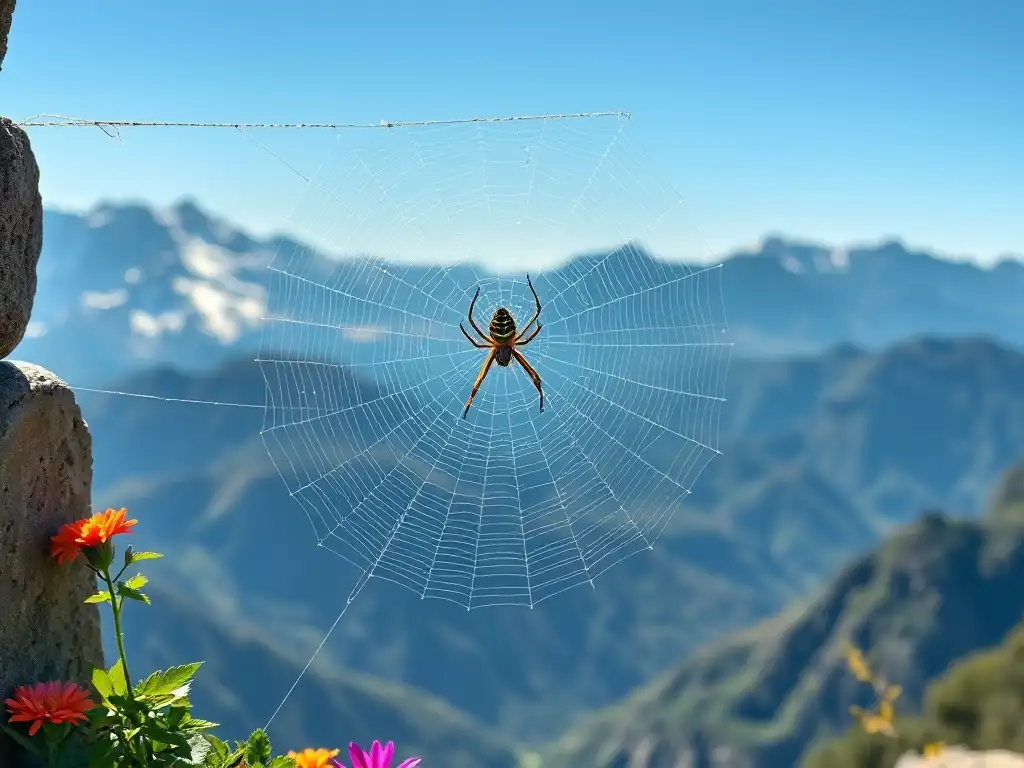
Step into a world woven from myth and mystery, where the threads of ancient Andean civilizations intertwine with the intricate lives of insects. Discover the surprising power and symbolism held by creatures great and small in a culture deeply connected to the natural world. Prepare to unravel the secrets behind Andean insect symbolism, a captivating journey into the heart of Andean cosmology and worldview, beginning with the enigmatic significance of the spider itself. What hidden meanings lie within its web? Explore further to find out.
The Andes Mountains, a spine of earth stretching along the western edge of South America, nurtured a tapestry of vibrant civilizations for millennia. From the towering heights of the Altiplano to the coastal deserts, Andean cultures developed complex belief systems deeply intertwined with the natural world.
This article delves into a fascinating aspect of Andean cosmology: the symbolic significance of insects, particularly exploring how their presence permeated daily life, religious practices, and artistic expressions. Understanding the role of insects within the Andean worldview provides crucial insight into the intricate relationship between these ancient societies and their environment, revealing a profound respect for the interconnectedness of all living things and a sophisticated understanding of ecological balance.
We will explore various Andean cultures, examining how different insect species held unique symbolic meanings, reflecting the diversity of beliefs and practices across the region. This exploration of Andean insect symbolism will illuminate a lesser-known yet vital facet of Andean civilization, enriching our comprehension of their rich and complex cultural heritage.
Introduction to Andean Cosmology and the Natural World
Andean cosmology presents a holistic worldview where the human realm is inextricably linked to the celestial and terrestrial spheres. The natural world wasn't simply a resource to be exploited; rather, it was a vibrant, sentient entity, teeming with spirits and imbued with sacred power. Mountains, rivers, and animals all played vital roles in the Andean worldview, each possessing its own unique energy and significance.
This deep connection with nature manifested in various aspects of Andean life, from agricultural practices reflecting a keen understanding of ecological cycles to elaborate religious ceremonies honoring the earth’s generative forces. The sun, moon, and stars held immense importance, influencing agricultural cycles and shaping the rhythms of daily life. This reverence extended to the seemingly insignificant creatures of the natural world, including insects.
Their roles, often overlooked in traditional historical narratives, reveal a nuanced understanding of the ecosystem and a sophisticated symbolic language woven into the fabric of Andean culture. The cyclical nature of life and death, so central to Andean beliefs, found its reflection in the metamorphosis of insects, further solidifying their symbolic importance.
The Role of Nature in Andean Worldview
The Andean worldview was profoundly animistic; the belief that all elements of nature, including insects, possessed a spirit or soul. This animistic perspective fostered a deep respect for the environment and its inhabitants. Insects weren't merely pests or nuisances; they were active participants in the cosmic drama, their actions and behaviors imbued with meaning.
For example, the intricate social structures of certain insects, like ants or bees, might have been seen as metaphors for the organization of Andean society itself. The transformative life cycle of insects, from egg to larva to adult, mirrored the cyclical nature of life, death, and rebirth, central to Andean religious beliefs. Furthermore, the diverse array of insects found in the varied Andean ecosystems – from the high-altitude grasslands to the lush rainforests – likely contributed to the rich tapestry of insect symbolism, with each species potentially holding a unique meaning or association within different Andean cultures.
Many agricultural practices were deeply intertwined with observations of insect behavior and seasonal changes, demonstrating a sophisticated understanding of ecological relationships and the delicate balance of the natural world. Evidence suggests that certain insects were even incorporated into rituals and ceremonies, further highlighting their importance within the Andean spiritual landscape. The precise details of these practices vary across different Andean cultures and require further research; however, the overall importance of insects in their worldview is undeniable.
Andean Insect Symbolism: A Deep Dive
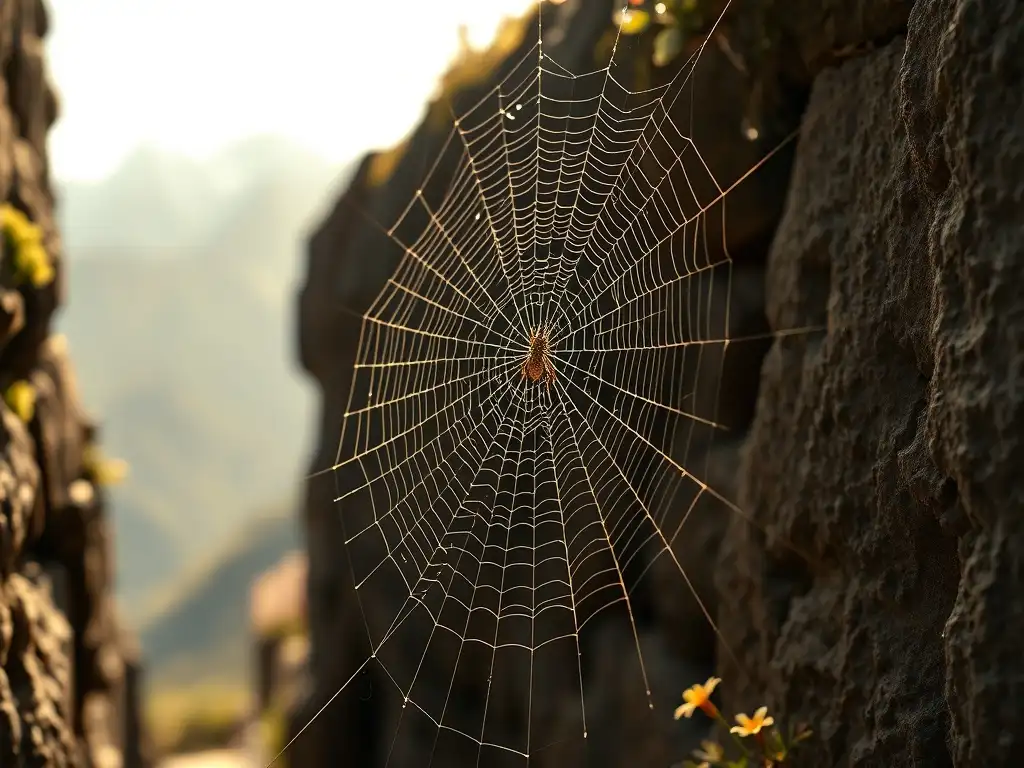
This section delves into the multifaceted role of insects within the complex tapestry of Andean beliefs and practices. Andean insect symbolism wasn't merely observational; insects were imbued with deep spiritual significance, often acting as intermediaries between the human and supernatural realms. Their presence in mythology, art, rituals, and daily life reveals a profound understanding of the interconnectedness of the natural world and the spiritual plane, reflecting a cosmology deeply intertwined with the environment.
Understanding this symbolism provides crucial insight into the Andean worldview and its enduring legacy. We will explore specific examples, focusing on the particularly prominent role of the spider within Andean culture.
Insects as Messengers in Andean Beliefs
Many insects served as messengers or omens in Andean belief systems. Their appearance, behavior, and even the specific species observed were interpreted as signs, often connected to impending events, both positive and negative. For instance, the flight patterns of certain butterflies might foretell good fortune, while the presence of specific beetles could signify a warning.
This intricate system of entomological divination reveals a keen observation of the natural world and its subtle cues. The interpretation of these signs varied across different Andean cultures and regions, reflecting the diverse expressions of their shared cosmological framework. Unfortunately, detailed records of specific insect interpretations are scarce, requiring further research to fully elucidate the nuances of this fascinating aspect of Andean belief.
However, the sheer prevalence of insect imagery in Andean art suggests the significance of these interpretations in daily life. Further research into regional folklore and surviving oral traditions may uncover more details about specific insects and their associated meanings.
The Spider: Weaver of Fate and Cosmic Order in Andean Mythology
The spider, a ubiquitous creature in the Andean landscape, holds a particularly prominent position in Andean mythology. Far from being viewed as simply a pest, the spider was often perceived as a powerful creator deity or a powerful symbol of creation, weaving the fabric of reality.
Its intricate webs were seen as metaphors for the complex interconnectedness of the cosmos, reflecting the Andean understanding of a holistic universe where everything is linked. This symbolism is particularly evident in the cosmology of the Inca, where the spider's web represents the intricate relationships between the various levels of existence, from the earthly realm to the celestial sphere.
The spider's ability to spin and create was associated with the creative power of the gods, highlighting its significance as a potent symbol of cosmic order and the interconnectedness of all things. The spider's eight legs, often interpreted as representing the eight directions or the eight principal deities, further reinforce this connection to cosmic order.
Spider Motifs in Andean Art and Textiles
The significance of the spider in Andean culture is vividly illustrated in the abundance of spider motifs found in Andean art and textiles. From intricate weavings to delicate pottery, spider imagery appears frequently, demonstrating its enduring importance across various artistic expressions. These depictions often show spiders in dynamic poses, emphasizing their creative energy and their role as weavers of destiny.
The meticulous detail and symbolic richness woven into these textiles and ceramics underscore the profound respect and reverence held for this creature. Specific examples include intricate khipus (knotted cords used for record-keeping) which sometimes incorporated spider designs, suggesting their potential role in Andean administration and knowledge transmission. Further analysis of these artistic representations could reveal deeper insights into the evolving interpretations of spider symbolism across different Andean cultures and time periods.
Spider Symbolism in Andean Rituals
While detailed accounts of rituals specifically centered around spiders are limited, their symbolic presence suggests their potential role in various ceremonies. The spider's association with creation and cosmic order likely placed it within the context of rituals related to fertility, prosperity, and the maintenance of cosmic harmony. The use of spider imagery in ritual objects, such as ceremonial textiles or pottery, further supports this interpretation. [Specific examples of ritual usage pending further research].
The lack of comprehensive documentation necessitates further investigation into Andean ritual practices to fully understand the spider's role in these contexts. The study of surviving archaeological remains and the careful analysis of ethnographic accounts could shed light on the significance of spiders in Andean religious life. The potential connection between spider symbolism and shamanistic practices also warrants further exploration.
The Importance of Butterflies and Moths in Andean Culture
Butterflies and moths, with their delicate wings and transformative life cycles, held significant symbolic weight in various Andean cultures. Their presence in art, textiles, and mythology reflects a deep understanding of their life cycle and its connection to broader cosmological beliefs. The vibrant colors and ethereal flight of butterflies, in particular, captivated the Andean imagination, leading to their frequent depiction in both religious and secular contexts.
Many indigenous communities viewed the butterfly's metamorphosis as a powerful metaphor for the cyclical nature of life, death, and rebirth, a concept deeply ingrained in their worldview. This symbolism extended beyond the individual to encompass the broader cycles of nature and the cosmos.
The delicate beauty of these insects also contributed to their use in decorative arts, adorning clothing, pottery, and other artifacts. Their presence often served as a reminder of the beauty and fragility of life, an important aspect of the Andean understanding of the world.
Butterflies as Symbols of Transformation and Rebirth
The butterfly's metamorphosis—from crawling larva to winged creature—served as a potent symbol of transformation and rebirth in Andean cultures. This powerful imagery resonated deeply with the cyclical nature of Andean cosmology, where death was not an end, but a transition to another stage of existence. The emergence of the butterfly from its chrysalis represented the renewal of life, the overcoming of obstacles, and the potential for spiritual growth.
This symbolism is evident in numerous artistic representations, where butterflies are depicted alongside deities associated with fertility, renewal, and the afterlife. Specific butterfly species, with their unique colors and patterns, might have held specific meanings within different Andean communities, although more research is needed to fully understand these nuances.
The vibrant colors of many butterfly species further enhanced their association with the sun, life force, and the spiritual realm. Their fleeting nature also emphasized the ephemeral beauty of life and the importance of appreciating each moment.
Moths and their Connection to the Spirit World
Unlike the brightly colored butterflies often associated with the sun and life, moths, particularly those with nocturnal habits, were sometimes linked to the underworld and the spirit world in Andean beliefs. Their association with darkness and the night imbued them with a mystical quality, connecting them to the unseen realms and the ancestors. While less frequently depicted than butterflies in Andean art, moths still held symbolic significance, often representing the transition between the physical and spiritual worlds. Their nocturnal flights might have been interpreted as messengers from the spirit world, carrying messages or guiding souls.
Further research is crucial to determine the precise variations in meaning assigned to moths across different Andean cultures and regions. The muted colors of many moth species further reinforced their association with the night and the hidden world. The mysterious nature of their lives helped solidify their connection to the spiritual realm.
Other Significant Insects in Andean Iconography
Beyond butterflies and moths, other insects played significant roles in Andean symbolism and iconography. Their presence in art, textiles, and mythology reveals a deep understanding of their ecological roles and their symbolic significance within the Andean worldview. The careful observation of insect behavior and their integration into their cultural narratives showcases the intricate relationship between humans and the natural world in the Andes. The symbolism associated with these insects often reflected their behaviors and characteristics, highlighting the interconnectedness of all living things.
Bees and Honey: Symbolism of Community and Sweetness
Bees and honey were highly valued in Andean societies, representing community, cooperation, and the sweetness of life. The intricate social structure of the beehive was seen as a model for human society, emphasizing the importance of collective effort and collaboration. Honey, a prized delicacy, symbolized abundance, prosperity, and the sweetness of existence.
The bee's diligent work in collecting pollen and creating honey was admired, and its role in pollination was undoubtedly recognized as essential for the survival of crops and the overall ecological balance. This appreciation is reflected in both artistic and ritualistic contexts, where bees and honey appear frequently. The symbolic connection between bees and community likely played a significant role in social organization and religious practices within various Andean societies.
Ants: Representing Hard Work and Cooperation
Ants, with their tireless work ethic and cooperative social structures, represented hard work, perseverance, and community in Andean symbolism. Their organized colonies and efficient foraging strategies were admired and served as a metaphor for the importance of collective effort and shared responsibility. The ants' capacity to overcome obstacles and achieve common goals through collaboration resonated with Andean values, highlighting the importance of community and mutual support. Their ubiquitous presence in the Andean landscape further strengthened their symbolic significance, making them a frequent motif in art and storytelling. Their industrious nature made them a powerful symbol of success and resilience.
Beetles: Symbolism of Strength and Resilience
Beetles, particularly those with hard exoskeletons, symbolized strength, resilience, and protection in Andean cultures. Their ability to withstand harsh conditions and their defensive mechanisms were seen as metaphors for human endurance and the ability to overcome adversity. Certain beetle species, with their striking colors and patterns, might have held specific symbolic meanings within different Andean communities.
The hard shell of the beetle became a symbol of protection against harm and a representation of the enduring spirit of the Andean peoples. This symbolism is evident in both decorative arts and religious practices, where beetles are depicted in ways that emphasize their resilience and strength.
Insects as Indicators of Time and Cycles in Andean Agriculture
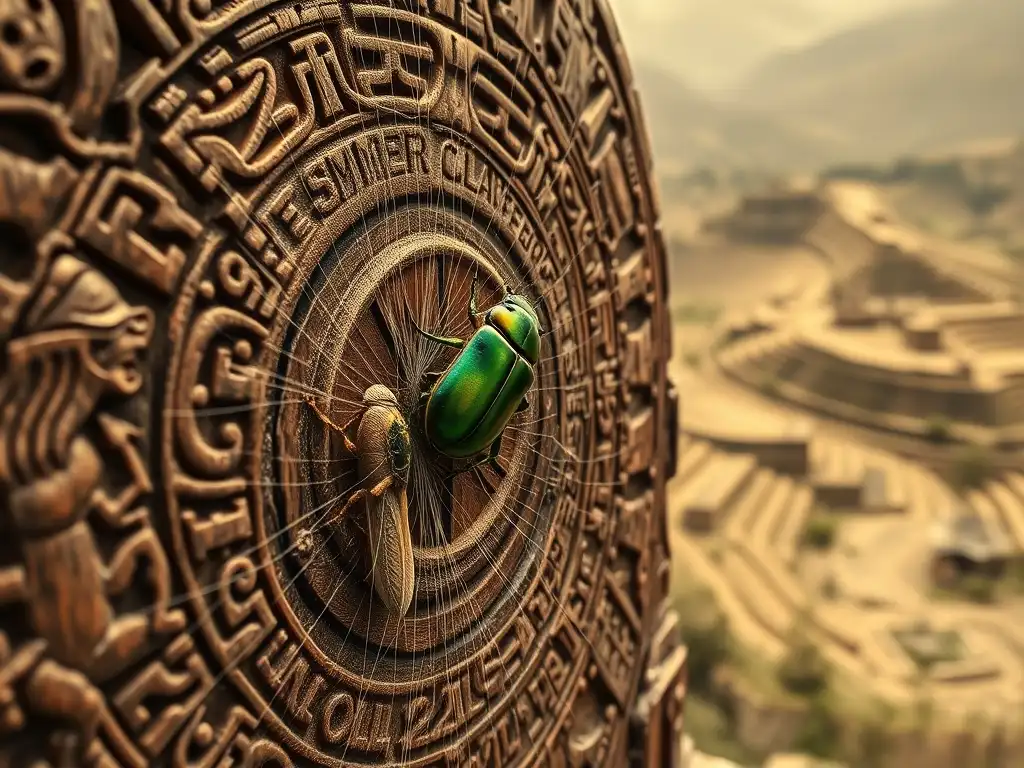
Andean insect symbolism wasn't merely decorative; it held deep practical significance, particularly within the context of agriculture. For societies heavily reliant on the success of their crops, understanding the intricate rhythms of nature was paramount. Insects, with their predictable life cycles and sensitivity to environmental changes, provided invaluable clues for optimizing planting and harvesting times.
This close observation of insect behavior represents a sophisticated form of ecological knowledge, highlighting the Andean peoples' deep understanding of their environment. The integration of insect observation into agricultural practices underscores the holistic worldview prevalent in Andean cultures, where the human sphere was intimately connected to the natural world.
The Observation of Insects as a Farming Practice
The Andean agricultural calendar wasn't solely based on celestial observations; it also incorporated meticulous monitoring of insect activity. Farmers meticulously observed the emergence of specific insect species, noting their developmental stages and abundance. For instance, the appearance of certain butterflies might signal the ideal time for planting maize, while the swarming of particular beetles could indicate the optimal moment for harvesting potatoes. This practice wasn't arbitrary; it was based on generations of accumulated empirical knowledge, passed down through oral traditions and practical experience.
The precision of these observations speaks to the Andean understanding of the complex interplay between insect life cycles and agricultural productivity. Specific insect species acted as reliable biological clocks, guiding farmers in their annual agricultural cycle. This system of knowledge demonstrates a remarkable level of ecological awareness and a deep respect for the interconnectedness of life within the Andean ecosystem.
Understanding Seasonal Changes Through Insect Behavior
Insect behavior served as a powerful predictor of seasonal shifts. The appearance or disappearance of specific insects signaled changes in temperature, rainfall, and other crucial environmental factors. For example, the emergence of certain species of locusts might herald the onset of the rainy season, while the absence of others could indicate a potential drought. This knowledge allowed farmers to adapt their farming practices accordingly, mitigating the risks associated with unpredictable weather patterns.
This wasn't simply a matter of passively observing nature; it involved a dynamic interaction, where human understanding shaped agricultural strategy in response to insect cues. The intricate understanding of insect behavior allowed Andean farmers to optimize their yields, ensuring the community's survival and prosperity. This demonstrates the practical application of Andean insect symbolism within a larger system of agricultural knowledge.
Insects and the Andean Agricultural Calendar
The Andean agricultural calendar was a complex system that integrated astronomical observations, meteorological data, and, crucially, insect behavior. The timing of planting, weeding, and harvesting was meticulously planned based on these various indicators. The interplay of these factors created a sophisticated system of agricultural management, demonstrating remarkable adaptability and resilience in the face of environmental challenges.
This calendar wasn't a static document; it was a living, evolving system, constantly refined through observation and experience, passed down through generations. The integration of insect behavior into this calendar demonstrates the deep respect and understanding the Andean peoples held for the natural world, and how that understanding was directly applied to their livelihoods.
In essence, insects weren’t just insects; they were integral components of a highly developed and nuanced agricultural system, reflecting a profound understanding of Andean insect symbolism and its practical implications. The calendar's success hinged on the accurate interpretation of these subtle ecological signals, highlighting the sophisticated knowledge system underlying Andean agriculture.
The Practical Use of Insects in Andean Life
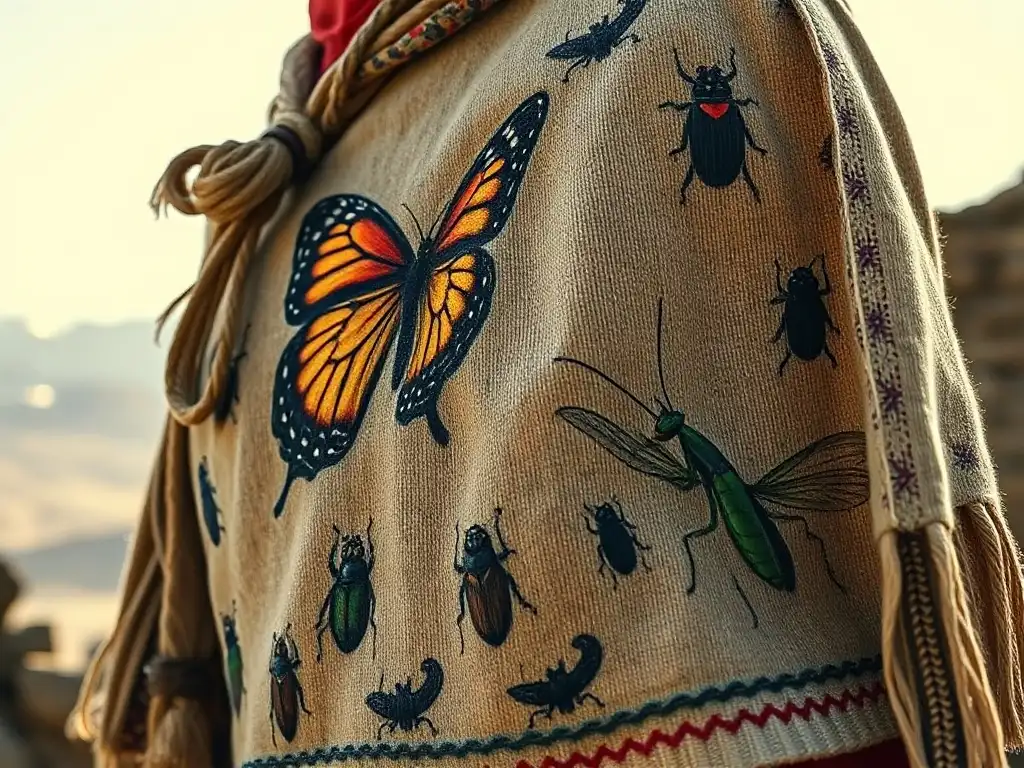
The Andean civilizations, renowned for their sophisticated understanding of their environment, integrated insects into various aspects of their daily lives. Far from being merely symbolic, insects held significant practical value, contributing to their sustenance, health, and craftsmanship. This pragmatic relationship with insects underscores the deep interconnectedness between Andean culture and the natural world, a cornerstone of their worldview. Understanding this practical dimension enriches our comprehension of Andean "Andean insect symbolism" and its multifaceted expressions.
Insects as a Source of Food and Medicine
Insects formed a crucial part of the Andean diet, particularly in regions with limited agricultural resources. Certain species of beetle larvae, grasshoppers, and ants were regularly consumed, providing a valuable source of protein and essential nutrients. The precise methods of preparation varied across different Andean cultures, with some insects being roasted, boiled, or incorporated into stews and other dishes.
Ethnoentomological studies reveal a nuanced understanding of insect edibility and nutritional value, with specific species being selected based on their taste, texture, and availability. Furthermore, certain insects were believed to possess medicinal properties. For example, specific ant species were used to treat wounds and infections, highlighting the close link between food and medicine in Andean traditions.
[Specific examples of insect species used for food and medicine pending further research]. The use of insects for medicinal purposes was not limited to a few isolated cases. Rather, it represents a broader pattern of utilizing natural resources, including insects, for healthcare, emphasizing the holistic approach to health and wellness characteristic of Andean societies.
Natural Dyes and Pigments from Insects
The vibrant colors found in Andean textiles and ceramics were often derived from natural sources, including insects. Cochineal, a scale insect that feeds on prickly pear cacti, was a particularly important source of crimson and scarlet dyes. The harvesting and processing of cochineal involved complex techniques, passed down through generations, reflecting the high value placed on this precious resource.
The rich, enduring colors produced by cochineal contributed significantly to the aesthetic and symbolic significance of Andean art. [Data on the specific techniques used in cochineal processing is needed]. Beyond cochineal, other insect species likely provided additional pigments and dyes, although detailed information on these practices remains scarce.
Further research into Andean textile production and archaeological findings could shed light on the full spectrum of insect-derived colors used by these civilizations. The use of insect-based dyes highlights a sophisticated understanding of chemistry and color manipulation, adding another layer to the complexity of Andean technology.
Insect-Based Crafts and Tools
In addition to their uses as food and sources of dye, insects also served as inspiration and materials for Andean crafts and tools. The intricate designs found on textiles and pottery often incorporated insect motifs, demonstrating a deep familiarity with the insect world and its symbolic importance. [Specific examples of insect motifs in Andean art pending].
Furthermore, some insects may have been utilized in the construction of tools or other artifacts, although this aspect requires further investigation. The potential use of insect secretions or exoskeletons as binding agents or components in crafting tools remains an area of ongoing research. Understanding the full extent of this practical application of insects in Andean craftsmanship would offer valuable insights into their material culture and technological ingenuity.
The integration of insects in different aspects of daily life points towards a holistic view of the natural world, where all elements, including insects, played a crucial role in the functioning and development of Andean societies. This deep integration underscores the intricate relationship between humans and nature in the Andean worldview and the enduring significance of insects within their cultural tapestry.
The Enduring Legacy of Insect Symbolism in Andean Culture
The Andean worldview, deeply intertwined with nature's rhythms and cycles, assigned profound symbolic meaning to various elements of the natural world. Insects, far from being mere pests, held significant positions within this complex cosmology. Their presence in Andean art, mythology, and daily life reveals a nuanced understanding of their roles within the ecosystem and their symbolic resonance with human experiences. Understanding Andean insect symbolism provides a crucial lens through which to interpret the beliefs and practices of these remarkable civilizations. The intricate tapestry of Andean culture is, in many ways, woven with threads of insect symbolism.
Modern Interpretations of Andean Insect Symbolism
While the precise interpretations of specific insect symbols can vary across different Andean cultures and time periods, some common themes emerge. The butterfly, for instance, frequently represents transformation and the cyclical nature of life and death, mirroring the Andean understanding of the cosmos. Its metamorphosis from a crawling larva to a winged creature perfectly embodies the cyclical processes of renewal and rebirth central to Andean cosmology.
Similarly, the spider, often depicted in textiles and ceramics, often symbolizes creativity, patience, and the intricate web of interconnectedness that constitutes Andean society and the natural world. The spider's ability to create a complex web mirrors the intricate social structures and the interconnectedness of the Andean ecosystem. This symbolic representation transcends simple observation; it reflects a deep understanding of ecological balance and the delicate relationships within the environment.
Anthropological studies continue to reveal further nuances in the interpretation of these symbols, enriching our understanding of Andean beliefs. For example, recent research suggests that specific beetle species, due to their association with certain agricultural cycles, held important symbolic value related to fertility and abundance. This highlights the deeply practical and spiritual connection between insects and Andean life.
Contemporary Artistic Expressions Featuring Insect Motifs
The enduring power of Andean insect symbolism is evident in contemporary artistic expressions. Modern artists continue to draw inspiration from the rich tapestry of ancient motifs, incorporating insect imagery into their work to explore themes of transformation, interconnectedness, and the ongoing dialogue between humans and nature. Textiles, particularly, remain a vital medium for expressing these themes, with intricate designs incorporating stylized representations of butterflies, spiders, and other insects.
These contemporary works not only showcase the beauty of Andean artistic traditions but also serve as a powerful reminder of the enduring relevance of ancient symbols. The use of insects in contemporary Andean art often carries a layer of social commentary, reflecting contemporary issues related to environmental conservation and the preservation of cultural heritage.
This demonstrates the adaptability and continuing relevance of Andean insect symbolism within a modern context. The ongoing exploration of these themes enriches our understanding of both the ancient and contemporary Andean world, highlighting the powerful legacy of insect symbolism within Andean culture.
Conclusion: A Deeper Understanding of Andean Culture Through Insects
By examining the role of insects in Andean art, mythology, and daily life, we gain a deeper appreciation for the intricate worldview of these ancient civilizations. Andean insect symbolism is not simply a decorative element; it's a key to unlocking a profound understanding of their relationship with the natural world and their sophisticated cosmological beliefs. From the transformative butterfly to the creative spider, each insect carries a unique symbolic weight, enriching the vibrant tapestry of Andean culture.
Further research into specific insect species and their associated meanings within different Andean communities will undoubtedly continue to shed light on the complex and fascinating relationship between humans and the insect world in the Andes. The study of Andean insect symbolism offers a compelling example of how a seemingly minor element of the natural world can hold profound cultural significance, revealing the interconnectedness of all living things within the Andean worldview. 🦋🕷️
Frequently Asked Questions
What role did insects play in Andean cultures?
Insects held significant symbolic meaning in various Andean cultures. They were often incorporated into religious beliefs, art, and textiles, reflecting their importance in the worldview of these civilizations. Their presence was not merely decorative, but imbued with deep spiritual significance.
Were specific insects more important than others?
While many insects featured in Andean symbolism, spiders were particularly prominent. Their webs were associated with creation myths, weaving techniques, and the very fabric of Andean society. Other insects, like butterflies and beetles, also held symbolic value depending on the specific culture.
How did Andean people depict insects in their art?
Insects were depicted in various art forms, including textiles, pottery, and metalwork. They were often stylized, but recognizable, integrated into larger designs or featured prominently as central motifs. This artistic representation showcases their cultural importance.
What is the connection between insects and Andean mythology?
Insects often featured in Andean myths and legends. For example, spider imagery often relates to creation stories and the interconnectedness of life. These narratives highlight the spiritual and cosmological significance of these creatures.
Where can I learn more about Andean insect symbolism?
You can explore further by researching specific Andean cultures like the Inca, Moche, Nazca, and Tiahuanaco. Museums showcasing Andean artifacts and academic journals on Andean archaeology and anthropology are also excellent resources for deeper understanding.
Final Reflection: Weaving a Legacy of Insect Symbolism
The intricate tapestry of Andean culture, richly woven with threads of tradition and spirituality, continues to be profoundly shaped by its relationship with insects. Their presence, far from being merely biological, holds deep symbolic meaning that resonates even in our modern world. Understanding this connection offers a unique lens through which to appreciate the enduring power of cultural heritage.
The enduring influence of insect symbolism in Andean communities is a testament to the enduring power of storytelling and the interconnectedness of nature and human experience. These tiny creatures, often overlooked in other cultures, hold significant weight in Andean cosmology, representing everything from fertility and transformation to death and rebirth. The spider, with its intricate web, is a powerful symbol of creation and the interconnectedness of all things,
a Quechua elder once told me, a sentiment echoed throughout Andean folklore. This profound respect for the natural world, and the symbolic language it inspires, offers a valuable lesson in appreciating the intricate details of life.
Consider the symbolism you encounter in your own life. What seemingly insignificant details hold deeper meaning? I urge you to look closer, to observe the subtle ways in which the natural world speaks to us, and to recognize the rich tapestry of symbolism that surrounds us, just as it has for generations in the Andes. By understanding and appreciating these connections, we can weave a stronger, more meaningful relationship with the world around us, and with our own cultural heritage.
Embrace the Wonder of Andean Insects!
Thank you for joining us on this fascinating exploration of the role insects play in Andean culture. Your curiosity will enrich your understanding and help preserve these vital traditions. Now, let's deepen your connection with this vibrant world!
- Dive deeper: Research specific insect species, such as the brightly colored Morpho butterfly or the industrious leafcutter ants, and discover their cultural significance in various Andean communities. Explore the rich symbolism and traditional uses of these insects.
- Share your insights: Discuss your discoveries with friends and family, sparking conversations about the cultural significance of insects and the importance of biodiversity. Share your learning on social media to engage a wider audience.
- Join a community: Connect with others who share your interest in Andean cultures and biodiversity by joining online forums or local groups dedicated to these topics. Participate in discussions and learn from others' experiences.
As we unravel the intricate connections between culture and the natural world, we invite you to reflect on how nature and culture intersect in your own life.