
The Power of the Serpent: Decoding the Symbolism of Reptiles in Andean Culture

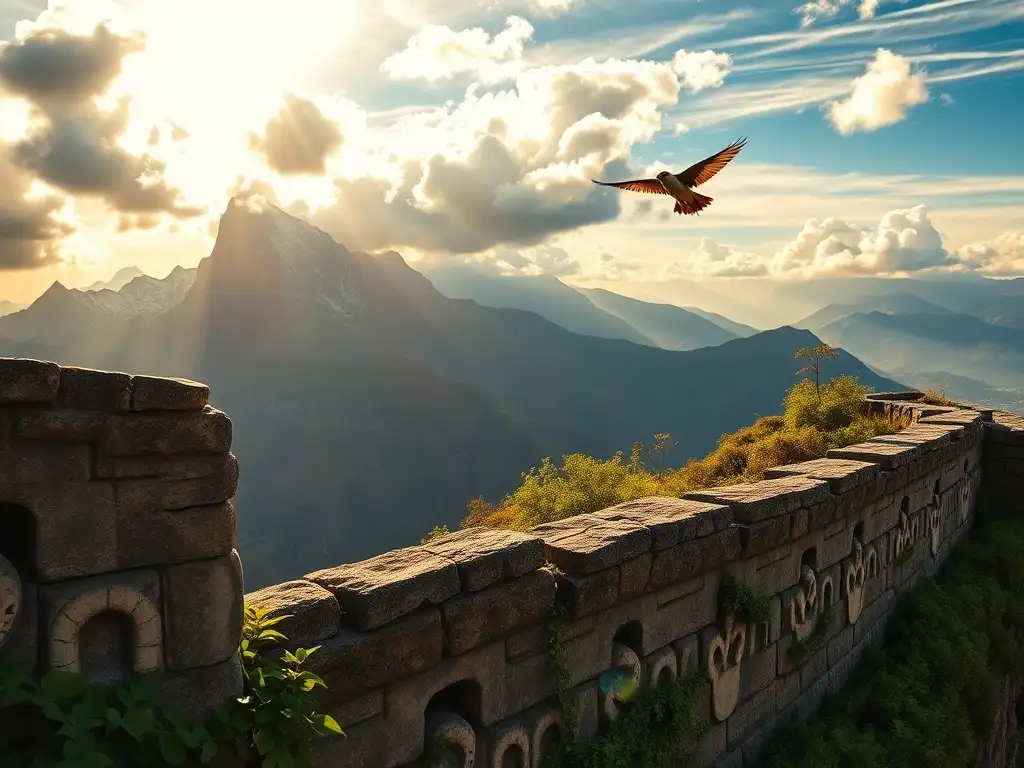
Dive into the enigmatic world of the Andes, where towering mountains meet captivating mysteries. For centuries, the ancient Andean civilizations – Incas, Moche, Nazca, and Tiahuanaco – wove intricate narratives into their very fabric of existence. But what secrets do their powerful symbols hold? Unravel the compelling story behind Andean serpent symbolism, a pervasive motif that speaks volumes about their cosmology and worldview. Prepare to be amazed by the hidden meanings coiled within this ancient enigma…
The Andes Mountains, a spine of towering peaks stretching along the western coast of South America, were not merely a geographical feature to the ancient Andean civilizations. They were a living, breathing entity, a source of life and spirituality deeply woven into their cosmology and worldview.
Understanding the Andean relationship with nature requires delving into their complex symbolic systems, and among the most powerful and pervasive symbols is that of the serpent. This article explores the multifaceted symbolism of reptiles, particularly serpents, within Andean cultures, examining their significance across various civilizations, from the Incas to the Moche and Nazca, revealing how these creatures transcended mere biological existence to become potent emblems of power, fertility, and cosmic forces.
We will uncover how the interpretation of Andean serpent symbolism provides valuable insights into their beliefs, rituals, and understanding of the world around them. This exploration will shed light on the profound connection between these ancient societies and the natural world, a connection that continues to resonate today.
Serpents as Symbols of Fertility and Renewal
The serpent's ability to shed its skin was interpreted by many Andean cultures as a potent symbol of renewal, rebirth, and the cyclical nature of life and death. This shedding process, representing a transition from old age to youthful vitality, was deeply connected to agricultural cycles and the promise of abundant harvests. Numerous archaeological findings, including pottery and textiles depicting serpents, support this interpretation.
For example, Moche pottery frequently showcases serpents intertwined with plants and other symbols of fertility, clearly linking the reptile's regenerative power to the bounty of the land. The cyclical nature of the serpent's life cycle mirrored the Andean understanding of the cosmos, emphasizing continuous renewal and the interconnectedness of all things.
This perspective is further reinforced by the presence of serpent motifs on agricultural tools and ritual objects, suggesting a direct link between the serpent's symbolic power and agricultural practices. The vibrant colors often associated with these depictions further emphasize the life-giving and vibrant nature of the serpent's symbolism.
The Serpent as a Guardian and Protector
Beyond fertility, the serpent also held significant power as a protective deity. In some Andean cultures, serpents were seen as guardians of sacred sites, protecting them from harm and ensuring the continued flow of vital energy. This role is evident in the numerous depictions of serpents guarding temples, springs, and other places of spiritual importance.
The serpent's protective nature is also reflected in its association with water sources, which were essential for life in the arid Andean highlands. These life-giving waters were often considered sacred, and the serpent, as a guardian of these sources, became a powerful symbol of protection and abundance. The imagery of the serpent coiled around sacred objects further emphasizes its role as a protector, symbolizing the preservation of spiritual power and the sanctity of the sacred space.
The Andean worldview encompassed a complex understanding of the cosmos, recognizing a multi-layered reality that included the upper world (Hanan Pacha), the earthly world (Kay Pacha), and the underworld (Uku Pacha). Serpents, with their subterranean habits, were frequently associated with the underworld, acting as intermediaries between the different realms. Their ability to move through both the visible and invisible worlds made them powerful symbols of transformation and spiritual journeys.
This association is evident in the depiction of serpents in funerary contexts, suggesting their role in guiding souls to the afterlife. The intricate designs and symbolic elements often found on these depictions provide further clues to the complex beliefs surrounding the serpent's role in the spiritual realm. Furthermore, the serpent's connection to the underworld also reflects the Andean understanding of the cyclical nature of life, death, and rebirth, further highlighting the profound significance of this powerful symbol.
Variations in Andean Serpent Symbolism: A Diverse Iconography
It's crucial to acknowledge the diversity within Andean cultures. While the serpent frequently represents fertility, protection, and the underworld, its specific meaning could vary across different civilizations and regions. For instance, the Incas might have emphasized one aspect of serpent symbolism more than the Nazca, resulting in subtle yet significant differences in their artistic representations. Further research into the specific iconography of each Andean culture is needed to fully understand the nuances of their respective serpent symbolism.
Detailed comparative studies of artifacts and iconographic elements from different Andean cultures are needed to fully appreciate this diversity. This requires a careful analysis of regional variations in artistic styles and symbolic interpretations. This understanding will enrich our overall comprehension of Andean cosmology and the significance of the serpent within it.
This initial exploration reveals just a glimpse into the rich and complex symbolism surrounding serpents in Andean culture. Further research is needed to fully decipher the intricate meanings and variations across different Andean societies. The serpent, however, undeniably stands as a powerful symbol, reflecting the ancient Andean's deep connection with nature and their intricate understanding of the cosmos. The continued study of Andean serpent symbolism offers valuable insight into the beliefs, rituals, and worldview of these fascinating civilizations.
- Serpents as Symbols of Fertility and Renewal
- The Serpent as a Guardian and Protector
- Serpents and the Underworld: Navigating the Spiritual Realm
- Variations in Andean Serpent Symbolism: A Diverse Iconography
The Significance of Reptiles in Andean Worldview
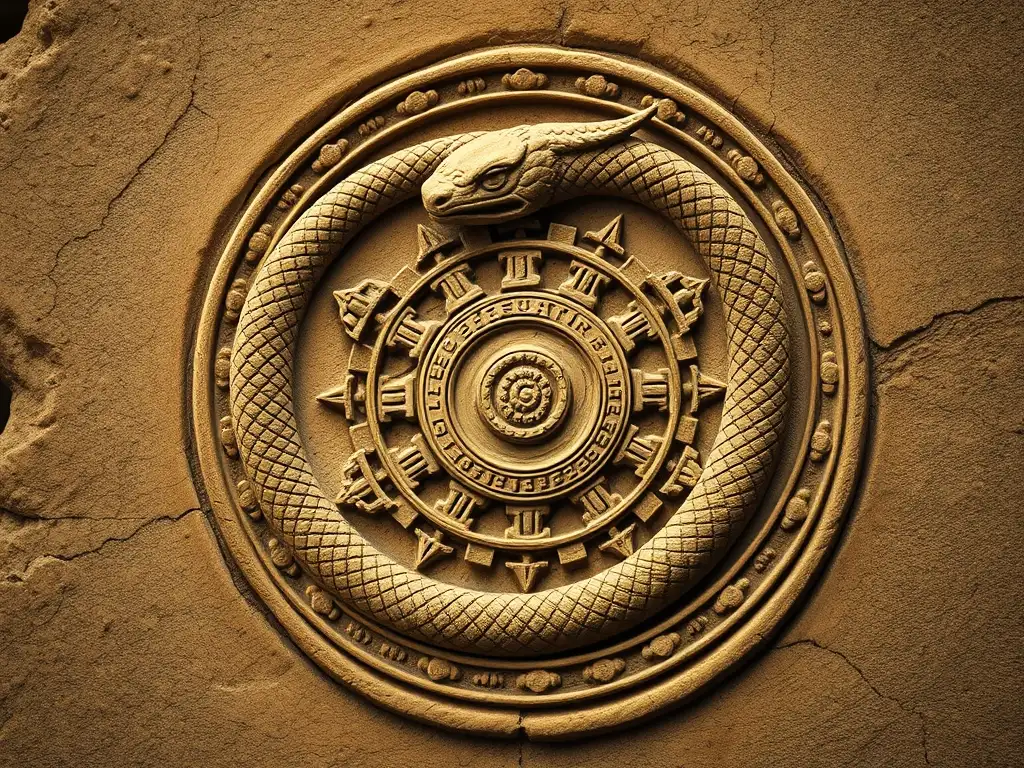
Reptiles, particularly snakes and serpents, held a position of profound significance within the complex tapestry of Andean cosmology. Unlike the often-negative connotations associated with serpents in other cultures, Andean civilizations viewed these creatures with a nuanced perspective, recognizing their power and symbolic weight within their worldview. This wasn't simply a matter of folklore; the pervasive presence of serpentine imagery in Andean art, architecture, and mythology underscores its deep-rooted cultural importance.
The understanding of Andean serpent symbolism requires delving into the intricate relationship between humans and the natural world as perceived by these ancient societies. Their reverence for the environment extended to even the most seemingly fearsome creatures, imbuing them with spiritual and cosmological meaning.
This section will explore the multifaceted role of reptiles, focusing on the serpent, within the Andean worldview, highlighting its connection to fertility, water, and the cyclical nature of life and death. The sheer volume of archaeological evidence – from textiles depicting serpents to ceramic vessels adorned with reptilian motifs – attests to the centrality of this symbolism.
Andean Cosmology and the Serpent's Role
Andean cosmology, a complex system of beliefs concerning the origin, structure, and destiny of the cosmos, placed great emphasis on the interconnectedness of all things. The serpent, often depicted as a powerful, sinuous being, frequently symbolized the life-giving forces of nature, particularly water and fertility. Many Andean cultures believed that underground water sources were connected to the realm of the supernatural, and the serpent, often associated with these subterranean waters, served as a conduit between the human world and the spirit world.
The serpent's ability to shed its skin symbolized renewal, regeneration, and the cyclical nature of life and death – key elements within the Andean understanding of time and existence. Evidence for this can be found in numerous examples across different Andean cultures. For instance, the Moche civilization, renowned for its elaborate pottery, frequently depicted serpents in scenes associated with agricultural abundance and rainfall.
The intricate details of these depictions highlight the significance placed upon the serpent's role in maintaining the balance of the ecosystem. This was not simply a symbolic representation; it was a deeply held belief that influenced their agricultural practices and rituals.
Reptiles as Intermediaries Between Worlds
The serpent's association with the underworld and the supernatural realm further strengthened its role as an intermediary between different levels of existence. In Andean belief systems, the world wasn't perceived as a singular entity, but rather as a layered cosmos, with the human world situated between a celestial realm above and an underworld below.
Reptiles, with their ability to inhabit both terrestrial and subterranean environments, were seen as natural messengers and mediators between these realms. Their presence in both the visible and hidden worlds served as a constant reminder of the interconnectedness of the cosmos and the power of the unseen.
This belief system is reflected in the numerous narratives and myths surrounding reptiles found within Andean oral traditions, though much of this knowledge was passed down orally and requires further research to fully understand its nuances. The scarcity of written records from these cultures necessitates a careful analysis of surviving artifacts and the limited ethnographic accounts available.
The Serpent as a Symbol of Duality and Transformation
The symbolic representation of the serpent in Andean culture wasn't limited to a single interpretation. Rather, it encompassed a complex interplay of dualities – life and death, creation and destruction, fertility and sterility. The serpent's ability to shed its skin was a powerful metaphor for transformation, regeneration, and the cyclical nature of existence.
This cyclical understanding of time, deeply embedded in Andean cosmology, is mirrored in the serpent's symbolic representation. The serpent, therefore, wasn't simply a symbol of good or evil, but rather a potent symbol encompassing the paradoxical nature of life itself. This duality is also reflected in the frequent depiction of serpents alongside other symbolic elements, such as jaguars or condors, suggesting a more complex interplay of forces within the Andean worldview.
Furthermore, the varying styles and interpretations of serpent imagery across different Andean cultures suggest a dynamic evolution of the symbol over time, adapting and evolving to reflect the changing beliefs and practices of these societies. The detailed study of these variations across time and space provides valuable insights into the rich tapestry of Andean thought and the enduring power of the serpent symbol.
Andean Serpent Symbolism: A Closer Look
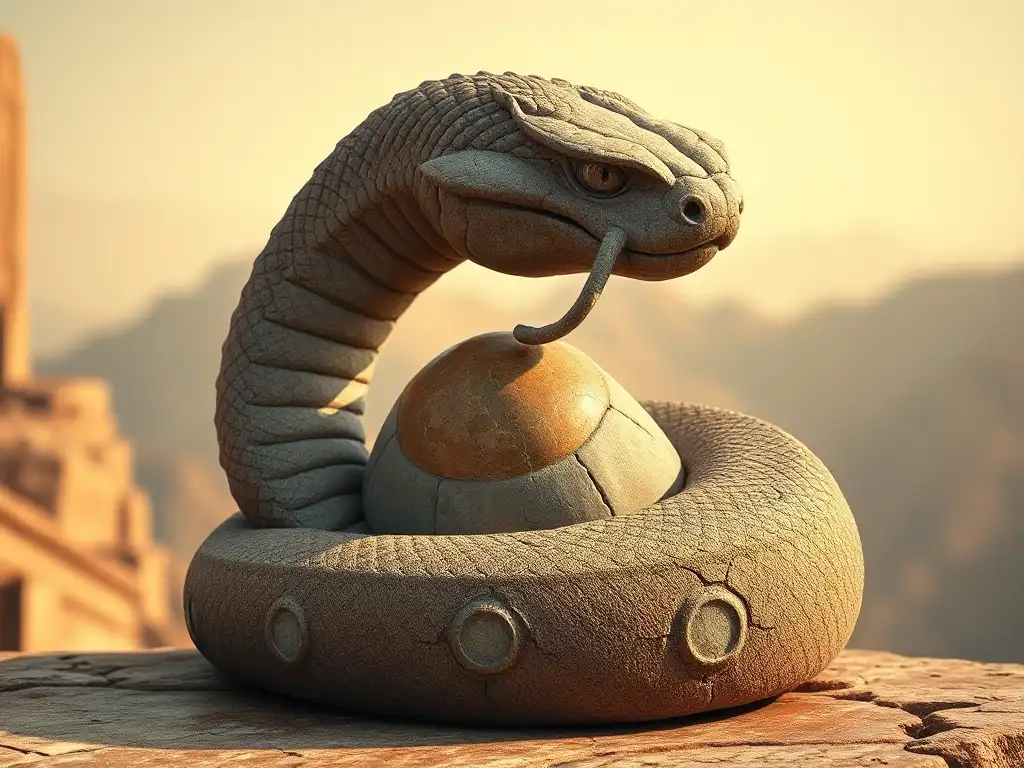
This section delves into the multifaceted symbolism of serpents within the diverse tapestry of Andean cultures. Understanding the significance of these reptilian figures requires examining their representation across various artistic mediums and geographical locations, revealing a complex interplay of religious beliefs, cosmological understandings, and societal structures. The serpent, far from being a simple motif, served as a potent symbol reflecting the Andean worldview and its intricate relationship with the natural world.
Analyzing Andean serpent symbolism allows us to gain deeper insights into the spiritual beliefs and societal practices of these fascinating civilizations. The recurring motif of the serpent highlights the profound connection between the Andean people and their environment, demonstrating how nature profoundly influenced their cultural expressions and spiritual beliefs.
The Serpent in Andean Art and Iconography
Serpents in Andean art are rarely depicted in a straightforward manner. Instead, their representation is often stylized, symbolic, and deeply embedded within a larger narrative. They appear in various forms: as sinuous lines winding through textiles, as intricately carved figures on pottery, and as monumental geoglyphs etched into the landscape. These diverse depictions highlight the fluidity and adaptability of the serpent symbol, its meaning shifting depending on the context and the specific cultural group.
For example, the serpent's association with water is prevalent throughout Andean iconography. This is unsurprising considering the crucial role of water in the Andean ecosystem and the importance of irrigation for agriculture. In some depictions, the serpent is intertwined with water sources, symbolizing fertility, abundance, and the life-giving power of water. In other instances, the serpent might be depicted emerging from or disappearing into water, suggesting its connection to the underworld or the realm of the ancestors.
The use of color also plays a significant role in conveying meaning. Certain colors might be associated with specific deities or spiritual concepts, further enriching the symbolism of the serpent. For instance, a serpent depicted in red might symbolize power and aggression, while a green serpent could represent growth and fertility. This intricate layering of symbolism underscores the sophistication of Andean artistic expression and the depth of their understanding of the natural world. Further research is needed to fully understand the nuances of color symbolism in different Andean cultures. [Specific information pending on color symbolism in different Andean cultures]
Depictions of Serpents in Moche Ceramics
The Moche civilization (100-800 CE) is renowned for its exquisite ceramics, which often feature intricate depictions of serpents. Moche pottery frequently portrays serpents engaged in dynamic interactions with other creatures, humans, or deities. These depictions often depict scenes of ritualistic sacrifice or mythological narratives, illustrating the complex role of serpents within Moche cosmology.
One striking example is the frequent portrayal of serpents in combat with other animals, often jaguars or birds of prey. These scenes might symbolize the cyclical nature of life and death, the struggle for dominance in the natural world, or the triumph of good over evil. The style of the serpent's depiction – its posture, its colors, the presence of other symbolic elements – all contribute to the interpretation of the specific narrative.
The detail in Moche ceramics is astonishing; even minor variations in the serpent's representation can hold significant symbolic meaning. More detailed analysis of Moche ceramic collections is needed to fully understand the range of symbolic meanings associated with serpents in their art. [Specific examples of Moche pottery depicting serpents and their interpretations pending]
Nazca Lines and the Enigmatic Serpent Figures
Among the most famous depictions of serpents in Andean culture are the geoglyphs of the Nazca Lines (500 BCE – 500 CE). These enormous figures, etched into the desert landscape, represent a significant challenge for interpretation. While many of the lines depict animals and plants, several clearly represent serpents, often of considerable length and complexity.
The sheer scale of these serpent figures is awe-inspiring, highlighting the investment of time and effort required to create them. Their purpose remains a subject of debate among scholars, but several theories propose a connection to religious rituals, astronomical observations, or the marking of sacred pathways. The exact meaning of these serpent figures within the broader context of Nazca culture requires further investigation. The placement of the serpent figures in relation to other geoglyphs and geographical features might also hold clues to their significance. [Further research on the correlation between Nazca serpent geoglyphs and astronomical events pending]
The enigma of the Nazca Lines and their serpent figures exemplifies the enduring mystery surrounding Andean serpent symbolism. These immense figures serve as a powerful testament to the spiritual and artistic achievements of the Nazca civilization, leaving a lasting legacy for future generations to decipher. The ongoing study of the Nazca Lines continues to reveal new insights into the rich and complex cultural heritage of the Andean region. The enduring power of the serpent symbol, manifested in such diverse forms across different Andean cultures, underscores its importance as a key element in understanding Andean cosmology and worldview. 🐍
Serpent Motifs in Inca Architecture and Textiles
Serpents, far from being mere decorative elements, held profound symbolic significance within Inca culture, frequently appearing in their architecture and textiles. Their presence wasn't random; rather, it reflected a deep-seated understanding of the serpent's power and its connection to the Andean worldview. The intricate weaving techniques employed by Inca artisans allowed them to represent serpents with remarkable detail, capturing the sinuous movement and powerful presence of these creatures.
These weren't simplistic depictions; the artists meticulously crafted the scales, the forked tongues, and even the piercing gaze of the serpent, imbuing the textile with a sense of life and power. The use of vibrant colors—rich reds, deep blues, and earthy browns—further enhanced the visual impact of these serpent motifs, making them stand out as significant elements within the overall design.
The incorporation of serpent imagery in Inca architecture was equally deliberate. While less readily apparent than in textiles, careful observation reveals subtle yet powerful representations of serpents in stone carvings, particularly in friezes and decorative elements adorning palaces and temples. These stone carvings, often weathered by time, still manage to convey the strength and agility associated with the serpent. The placement of these architectural motifs was also significant, often strategically located to enhance their symbolic power within the structure.
For example, serpents might be carved near entrances or in places of ritual importance, suggesting a protective or spiritual role. Further research is needed to fully understand the specific contexts and meanings associated with these architectural representations, but their presence undeniably indicates the importance of the serpent within the Inca worldview. The interplay between the architectural and textile representations of serpents reinforces the multifaceted nature of this symbol within Inca society, highlighting its significance across various aspects of their culture.
The careful craftsmanship and strategic placement of these motifs demonstrate the profound respect and reverence the Inca held for the serpent and its symbolic power. Understanding these subtle yet powerful representations requires a careful examination of both the artistic techniques and the socio-religious context in which they were created. This detailed analysis reveals the depth of Andean serpent symbolism and its enduring legacy.
Decoding the Andean Serpent's Meanings
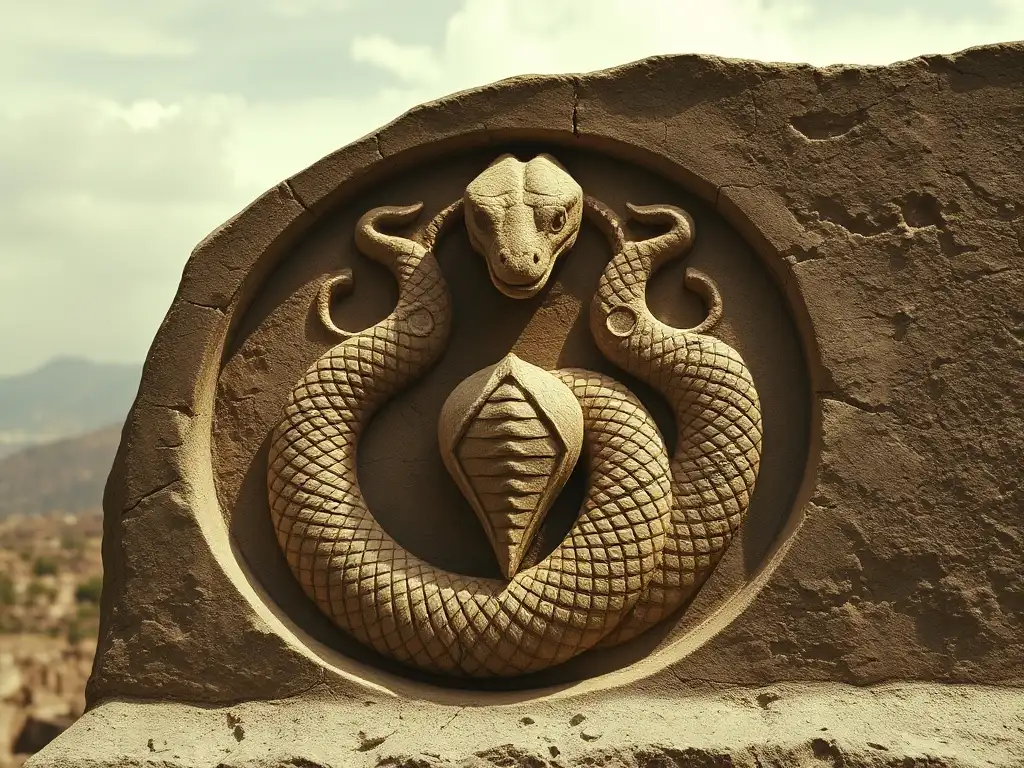
The Andean region, home to a plethora of vibrant cultures, reveals a complex and fascinating relationship with the natural world. Nowhere is this more evident than in the pervasive symbolism of serpents throughout Andean art, mythology, and cosmology. Understanding Andean serpent symbolism requires moving beyond simple interpretations and delving into the nuanced meanings attributed to these creatures across different cultures and time periods.
This section will explore key facets of this rich symbolism, focusing on the serpent's multifaceted roles within Andean societies. The prevalence of serpent imagery in textiles, ceramics, and monumental architecture underscores its significance as a potent symbol deeply intertwined with Andean worldview.
The Serpent as a Symbol of Water and Fertility
The serpent's association with water sources is a recurring motif in Andean iconography. In many cultures, the serpent is depicted near springs, rivers, and lakes, often intertwined with aquatic plants or emerging from water itself. This visual representation directly links the serpent to the life-giving properties of water, essential for agriculture and sustenance. The connection between serpents and water symbolizes not only physical sustenance but also spiritual renewal and fertility. For example, the Moche culture's ceramic art frequently portrays serpents in scenes of ritual offerings related to water and fertility, suggesting a deep-seated belief in the serpent's power to influence these vital aspects of life. The undulating body of the serpent mirrors the flowing nature of water, reinforcing this symbolic association. Furthermore, the serpent's ability to shed its skin was interpreted as a symbol of rebirth and regeneration, further strengthening its connection to fertility and the cyclical nature of life.
The Connection Between Serpents and Agricultural Cycles
The Andean civilizations were heavily reliant on agriculture, and their understanding of natural cycles was deeply interwoven with their spiritual beliefs. Serpents, with their cyclical shedding of skin and their association with underground water sources, became potent symbols of the agricultural cycle. The serpent's journey through the earth, mirroring the growth of crops from seed to harvest, represented the renewal of life and abundance.
The emergence of the serpent from the earth could be interpreted as the sprouting of crops, while the serpent's shedding of its skin symbolized the transition from one agricultural season to another. Archaeological evidence, such as the discovery of serpent effigies in agricultural contexts, supports this interpretation.
The precise ways in which different Andean cultures connected serpents to specific agricultural practices requires further research [specific information pending], but the general association is undeniable. This connection highlights the intimate relationship between Andean cosmology and the practical realities of their agricultural existence.
The Serpent as a Guardian of Sacred Places
Beyond its association with water and fertility, the Andean serpent also served as a powerful symbol of protection and guardianship. Serpents were frequently depicted guarding sacred sites, temples, and burial grounds, acting as protectors of the spiritual realm. This role is highlighted in many examples of Andean art, where serpents are shown coiled around sacred objects or positioned at the entrances of important structures.
The serpent's formidable presence served as a visual deterrent, but also symbolized the spiritual power protecting these sacred spaces. The fearsome nature of the serpent, combined with its association with the underworld and the unseen forces of nature, made it an ideal guardian.
The placement of serpent imagery strategically within sacred architecture suggests a deliberate attempt to harness the serpent's protective powers, ensuring the sanctity and security of these important places. This use of the serpent as a guardian further emphasizes the complex and multifaceted nature of Andean serpent symbolism, extending its influence from the natural world to the spiritual realm.
Serpents and the Concept of Ancestral Power
The serpent, in many Andean cultures, wasn't simply a creature of the earth; it represented a potent connection to the ancestral world. This wasn't a fear-based association, but rather a profound reverence for the power and wisdom embodied by those who came before. The serpent's ability to shed its skin was interpreted as a powerful symbol of transformation, rebirth, and the cyclical nature of life and death – mirroring the Andean understanding of the cosmos and the continuous renewal of the earth.
This cyclical perspective, deeply woven into their agricultural practices and worldview, saw death not as an end, but as a transition, a shedding of the old to make way for the new. Ancestor veneration was central to Andean societies, and the serpent served as a potent visual and conceptual link to this vital connection to the past, reminding them of the continuous flow of life and the enduring legacy of their ancestors.
The wisdom and power of past generations, embodied in the serpent, guided present actions and informed future aspirations. This profound respect for ancestry is evident in various Andean rituals and artistic expressions, where serpents frequently appear alongside representations of ancestors or deities.
The connection between serpents and ancestral power is further strengthened by the frequent depiction of serpents entwined around or emerging from funerary objects and burial sites. These artistic representations were not merely decorative; they were powerful statements of the ongoing connection between the living and the dead.
The serpent, in its sinuous form, symbolized the continuous flow of life force – a vital energy connecting past, present, and future generations. Archaeological discoveries continually uncover new evidence of this profound relationship, such as intricately carved serpent motifs on pottery and textiles found within tombs, reinforcing the serpent's role as a conduit to the ancestral realm.
The sheer prevalence of this symbolism across diverse Andean cultures, from the Incas to the Moche, highlights the widespread and deeply ingrained understanding of the serpent as a potent symbol of ancestral power and continuity. This connection underscores the fundamental importance of ancestral veneration in shaping Andean cosmology and social structures.
Specific Examples of Serpent Deities and Myths
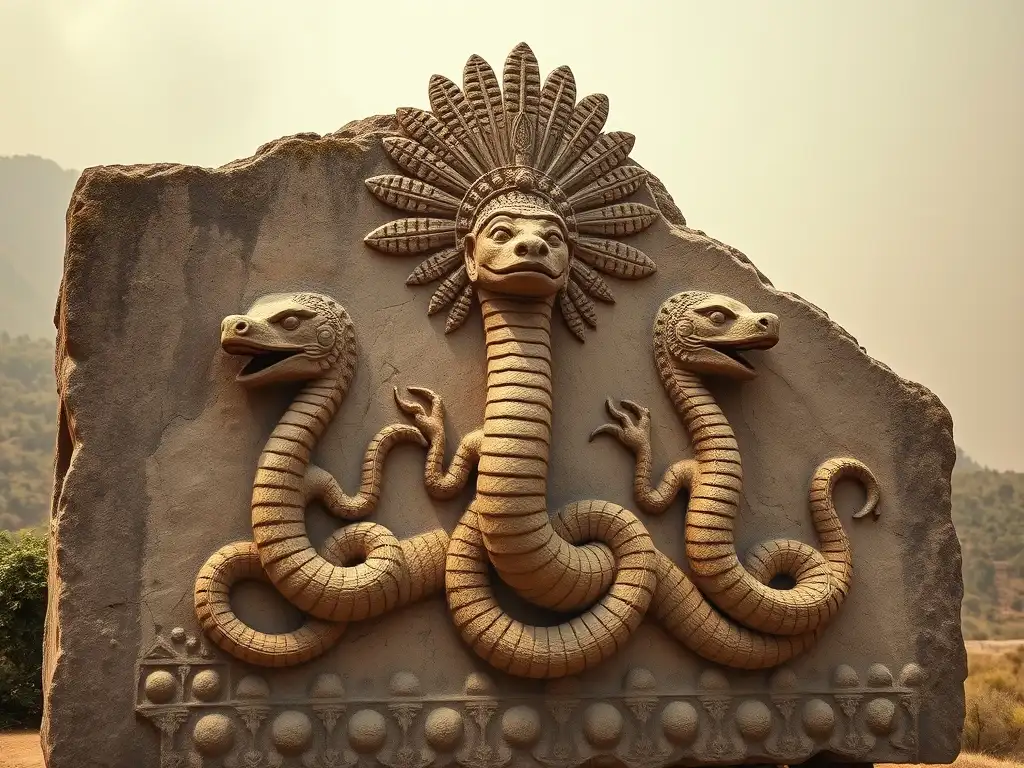
This section delves into specific examples of serpent deities and myths prevalent across various Andean cultures, illustrating the diverse interpretations and roles attributed to these reptilian figures. Understanding these specific examples allows for a more nuanced appreciation of the pervasive influence of Andean serpent symbolism in their cosmology and worldview. We will explore the symbolic power of the serpent across different Andean societies, highlighting the common threads and unique variations in their representations. The enduring presence of the serpent in Andean iconography speaks volumes about its deep-seated importance in their spiritual and social fabric.
Amaru: The Mythical Serpent of the Incas
The Inca civilization revered the Amaru, a powerful serpentine deity often depicted with feathered wings and a regal bearing. Far from being solely a symbol of evil or chaos, as in some other cultures, the Amaru embodied both creation and destruction, fertility and power. Its dual nature reflected the Inca understanding of the cyclical nature of life, death, and rebirth. The Amaru was intricately linked to water sources, considered vital for agricultural success and the prosperity of the Inca Empire.
Depictions of the Amaru frequently adorned Inca textiles, pottery, and architecture, underscoring its significance in their society. The Amaru wasn't just a religious symbol; it served as a powerful emblem of imperial authority, reinforcing the Inca ruler's divine right to rule and their connection to the supernatural world. Further research is needed to fully understand [specific nuances of regional variations in Amaru iconography pending].
The Role of Serpents in the Myth of Unu Pachakuti
The myth of Unu Pachakuti, a foundational creation myth for many Andean cultures, features serpents in a pivotal role. While details vary across different interpretations of the myth, serpents are consistently depicted as agents of transformation and renewal. They often symbolize the primordial waters from which life emerged, representing the chaotic yet fertile energies of creation.
In some versions, a serpent plays a direct role in shaping the landscape, creating mountains or valleys through its movements. The serpent's ability to shed its skin is often interpreted as a metaphor for cyclical renewal and the constant process of creation and destruction inherent in Andean cosmology.
The myth of Unu Pachakuti, therefore, highlights the serpent not as a mere creature, but as an active participant in the creation of the world, deeply entwined with the origins of Andean civilization and its relationship with the natural world. Analysis of [specific archaeological evidence supporting this interpretation pending] would further enrich our understanding.
Serpent symbolism wasn't limited to the Inca Empire; pre-Inca cultures also integrated serpents into their religious beliefs and iconography. The Moche civilization, for example, featured serpent motifs prominently in their elaborate pottery and metalwork. These depictions often show serpents intertwined with other mythical creatures, highlighting a complex web of interconnected deities and spiritual beliefs.
The Nazca lines, while famous for their geoglyphs of animals, also include representations of serpents, suggesting their importance in Nazca cosmology. The Tiahuanaco culture, known for its monumental architecture, also incorporated serpent imagery into its stone carvings and textiles. However, [detailed comparative analysis of serpent symbolism across these pre-Inca cultures pending] is crucial for a comprehensive understanding of the evolution and diversity of Andean serpent mythology.
The consistent presence of serpent imagery across different Andean cultures, despite variations in style and interpretation, underscores its enduring significance in their worldview. Understanding the nuances of these variations requires further investigation of [specific archaeological findings and textual evidence pending].
This detailed exploration of specific examples reveals the complexity and depth of Andean serpent symbolism, highlighting its multifaceted role in their mythology, religion, and worldview. The serpent was not merely a creature, but a powerful symbol laden with meaning, reflecting their profound understanding of the natural world and their place within it. 🐍
The Serpent's Influence on Andean Rituals and Ceremonies
The serpent's powerful symbolism deeply permeated Andean rituals and ceremonies, shaping their practices and beliefs. Evidence suggests that many rituals involved offerings and sacrifices intended to appease or honor serpent deities. These offerings varied depending on the specific culture and the context of the ritual, but frequently included precious metals, ceramics, textiles, and even human sacrifices in some extreme cases. The location of these rituals also held significance, often taking place at sacred sites associated with water sources, such as springs, lakes, or rivers – places believed to be closely connected to the serpent's power and life-giving energy.
Archaeological discoveries have unearthed numerous artifacts that directly relate to serpent-themed rituals. For instance, the discovery of intricately carved serpent effigies within ceremonial contexts strongly suggests their use in rituals. These effigies, often made of precious metals like gold or silver, might have served as representations of specific deities or as tools to facilitate communication with the spiritual world. Furthermore, the presence of serpent imagery on textiles and pottery found in burial sites indicates the importance of serpent symbolism in funerary rites, suggesting beliefs about the serpent's role in the afterlife.
The specific rituals varied considerably across different Andean cultures. While the Moche civilization is renowned for its elaborate depictions of serpents in their art and iconography, suggesting a central role for these creatures in their religious practices, the Inca might have incorporated serpent symbolism into their state religion in a more subtle manner, possibly linking it to agricultural fertility and the abundance of water. Further research is needed to fully understand the nuances of serpent-related rituals within each distinct Andean culture, but the available evidence clearly illustrates the pervasive influence of the serpent on religious practices.
The complexity and diversity of these rituals reflect the multifaceted nature of the Andean worldview and its deep connection to the natural world. Understanding these rituals offers valuable insights into the Andean peoples' profound reverence for the serpent and its perceived power.
The Enduring Legacy of Serpent Symbolism
The serpent, a creature both feared and revered, holds a significant place in the cosmology and worldview of Andean civilizations. Its symbolism transcends simple representation, weaving itself into the very fabric of Andean life, from religious beliefs and mythology to artistic expression and daily practices. Understanding the enduring legacy of the serpent requires acknowledging its multifaceted nature: a symbol of both destruction and creation, death and rebirth, fertility and the underworld.
This complex symbolism is not static; it evolved and adapted across different Andean cultures and time periods, reflecting the dynamic interplay between humans and their environment. Analyzing Andean serpent symbolism reveals profound insights into their understanding of the natural world and their place within it.
The enduring power of this symbol is evident in its continued presence in contemporary Andean culture, where it retains much of its ancient significance. This section will explore the diverse manifestations of the serpent throughout Andean history and its lasting impact on modern Andean society.
Contemporary Andean Interpretations of Serpent Imagery
Even today, the serpent's image persists in various Andean communities. While the specific interpretations may vary depending on the region and indigenous group, the serpent often continues to symbolize important concepts. For example, in some communities, the serpent is still associated with water sources, representing life-giving power and abundance.
This connection to water is deeply rooted in the arid Andean landscape, where access to water is crucial for survival. The serpent's ability to move through both the earth and water reinforces its connection to the cyclical processes of life, death, and rebirth, mirroring the natural cycles of the Andean ecosystem. Furthermore, the serpent's shedding of its skin is often interpreted as a symbol of transformation and renewal, a powerful metaphor for the continuous cycle of life and the resilience of the Andean people.
Anthropological studies show a remarkable continuity between ancient and modern interpretations, suggesting a strong cultural memory connected to this potent symbol. The subtle shifts in meaning reflect the adaptation of ancient beliefs to the realities of contemporary Andean life. For instance, some communities now associate the serpent with healing, drawing parallels between the serpent's venom and the power of medicinal plants.
The Serpent's Presence in Modern Andean Art and Crafts
The enduring legacy of Andean serpent symbolism is vividly illustrated in contemporary Andean art and crafts. From intricately woven textiles to meticulously carved wooden sculptures, the serpent motif continues to appear, showcasing the enduring power of this ancient symbol. In many cases, the serpent is depicted in highly stylized forms, reflecting both traditional artistic techniques and contemporary artistic expression.
For example, the serpent might be integrated into designs representing the Andean cosmos, symbolizing the interconnectedness of the earthly and spiritual realms. In other instances, the serpent might be depicted alongside other sacred animals, further enriching its symbolic meaning. Textiles, in particular, often feature serpent imagery, with the designs reflecting both the specific region of origin and the individual artist's interpretation.
These textiles are not merely decorative items; they often serve a ritualistic purpose, embodying the spiritual beliefs and cultural traditions of the community. The continued use of serpent imagery in contemporary Andean art and crafts highlights its enduring significance and its integration into the daily lives of Andean communities. The vibrant colors and intricate details of these artworks testify to the enduring creativity and spiritual depth of Andean culture.
Understanding the Serpent's Importance in Andean Culture Today
Understanding the serpent's importance in Andean culture today requires acknowledging its multifaceted role. It's not simply a relic of the past but a living symbol, continuously reinterpreted and adapted to contemporary contexts. The serpent's enduring presence in Andean art, rituals, and storytelling underscores its continued significance within Andean communities.
It serves as a potent reminder of the deep connection between Andean people and their environment, embodying the cyclical nature of life and the resilience of the Andean spirit. Furthermore, the serpent's symbolism provides a framework for understanding the complex relationship between humans, nature, and the spirit world within the Andean worldview. The ongoing research into Andean cosmology and its relationship with nature continues to shed light on the evolving interpretations of this powerful symbol.
Continued study and respect for traditional knowledge are crucial in preserving and understanding the rich symbolic legacy of the serpent within Andean culture. The serpent, therefore, remains a key element in understanding the complex tapestry of Andean beliefs and practices, demonstrating the enduring power of ancient symbols in shaping contemporary Andean identity.
The Continuing Relevance of Andean Serpent Symbolism
The enduring power of serpent symbolism in Andean cultures extends far beyond mere historical artifact analysis. The imagery, deeply embedded in the collective consciousness, continues to resonate in modern Andean societies, albeit often in subtly transformed forms.
While the overt worship of serpent deities might have waned with the arrival of European colonizers and the subsequent suppression of indigenous religions, the symbolic power of the serpent persists in various manifestations. This enduring legacy is not merely a matter of historical inertia; it's a testament to the enduring relevance of the serpent's symbolic attributes – fertility, healing, transformation, and the connection to the underworld – which remain deeply meaningful to many Andean communities.
For instance, certain Andean crafts and textiles still incorporate serpent motifs, although often subtly integrated into more contemporary designs. These motifs can be found on clothing, pottery, and other artisan products, functioning as a quiet affirmation of ancestral heritage and a continued connection to the spiritual world. Furthermore, the serpent's association with healing persists in some traditional Andean medicine practices, where certain plants and remedies are symbolically connected to the serpent's power to regenerate and cure. These practices often involve rituals and ceremonies that echo ancient traditions, showcasing the living legacy of serpent symbolism.
The persistence of serpent symbolism also highlights the complex relationship between indigenous Andean cultures and the dominant cultures that followed. While colonial efforts attempted to eradicate indigenous beliefs and practices, the symbolism persisted, often adapting and transforming to navigate the changing socio-cultural landscape. This adaptation underscores the resilience and adaptability of Andean cultures and their ability to integrate elements of their ancestral heritage into their contemporary lives.
The serpent, therefore, becomes a symbol not just of the past, but also of the ongoing cultural continuity and resistance of Andean communities. Understanding this continuing relevance requires moving beyond a purely historical analysis to engage with the living traditions and beliefs that still carry the weight of ancient Andean cosmology. The serpent, in its enduring presence, serves as a powerful reminder of the continuous thread connecting the past to the present in Andean cultural identity.
Frequently Asked Questions
What is the significance of serpents in Andean cultures?
Serpents held powerful symbolic meaning across various Andean civilizations. They represented fertility, water, and the underworld, often embodying both creation and destruction. Their imagery appears frequently in art and religious practices.
How did the Incas view serpents?
The Inca viewed serpents as symbols of power and royalty, connecting them to their divine ancestors and the cosmos. Serpent motifs adorned royal garments and architecture, highlighting their importance.
Yes, many Andean cultures, including the Moche, Nazca, and Tiahuanaco, incorporated serpent imagery into their art and mythology, although the specific interpretations varied. Shared themes of fertility and power often emerged.
What forms did serpent symbolism take in Andean art?
Serpent symbolism manifested in various forms, including pottery, textiles, and metalwork. They often appear as stylized figures, sometimes intertwined with other important symbols, like the sun or moon.
Where can I learn more about Andean serpent symbolism?
Further research can be found in academic publications and museum exhibits focusing on Andean archaeology and iconography. Many books and websites delve into the rich symbolism of Andean cultures, including their unique use of serpent imagery.
Final Reflection: The Enduring Coil of Andean Serpent Symbolism
The intricate symbolism woven around serpents in Andean culture remains profoundly relevant today, a testament to the enduring power of myth and its capacity to shape our understanding of the world. This enduring legacy speaks to the deep connection between humanity and the natural world, a connection that continues to resonate in our increasingly disconnected modern society. Understanding this ancient symbolism offers a powerful lens through which to examine our own relationship with the environment and the spiritual forces we perceive within it.
The serpent's multifaceted representation – from life-giving waters to the cyclical nature of existence – continues to shape Andean artistic expression, spiritual practices, and even contemporary narratives. Its influence is not merely historical; it's a living thread woven into the fabric of Andean identity. The serpent is not simply a creature; it is a metaphor for the ever-changing, ever-flowing nature of reality itself.
This quote, though not directly from an Andean source, captures the essence of the serpent's enduring power and its capacity to represent the complexities of life and death, creation and destruction.
Consider the enduring power of these symbols. How might understanding the Andean perspective on the serpent, with its blend of fear and reverence, enrich your own understanding of the natural world and the spiritual forces that shape our lives? Let the coiled wisdom of the Andean serpent inspire you to explore the deeper meanings hidden within the seemingly mundane, to recognize the cyclical nature of existence, and to find your own connection to the ancient rhythms of the earth. Embrace the power of symbolism, and discover the potent narratives that lie coiled within your own heart.
Unleash the Power of Andean Symbols Today!
Thank you for exploring the fascinating world of Andean symbolism! We hope you've discovered the profound connections between powerful Andean creatures and their cultural significance. Now, let's delve even deeper into this captivating subject.
Here are a few ways you can continue your exploration:
- **Engage with the Community:** Join our discussion forum on Andean Civilizations and share your thoughts on how Andean serpent symbolism resonates with you and your experiences. Discuss its meaning and impact.
- **Expand Your Knowledge:** Explore other significant symbols in Andean culture. Choose one that particularly interests you and research its history and meaning.
- **Share Your Insights:** Write a short article or blog post about your understanding of serpents in Andean culture and share it with us! We love seeing how our community engages with these rich themes. Use the hashtag #AndeanSymbolism to help us find your work.
Which aspect of serpent symbolism do you find most compelling, and how does it connect with your own beliefs or experiences?