
The Dance of Elements: Exploring the Interplay of Fire, Water, Earth, and Air

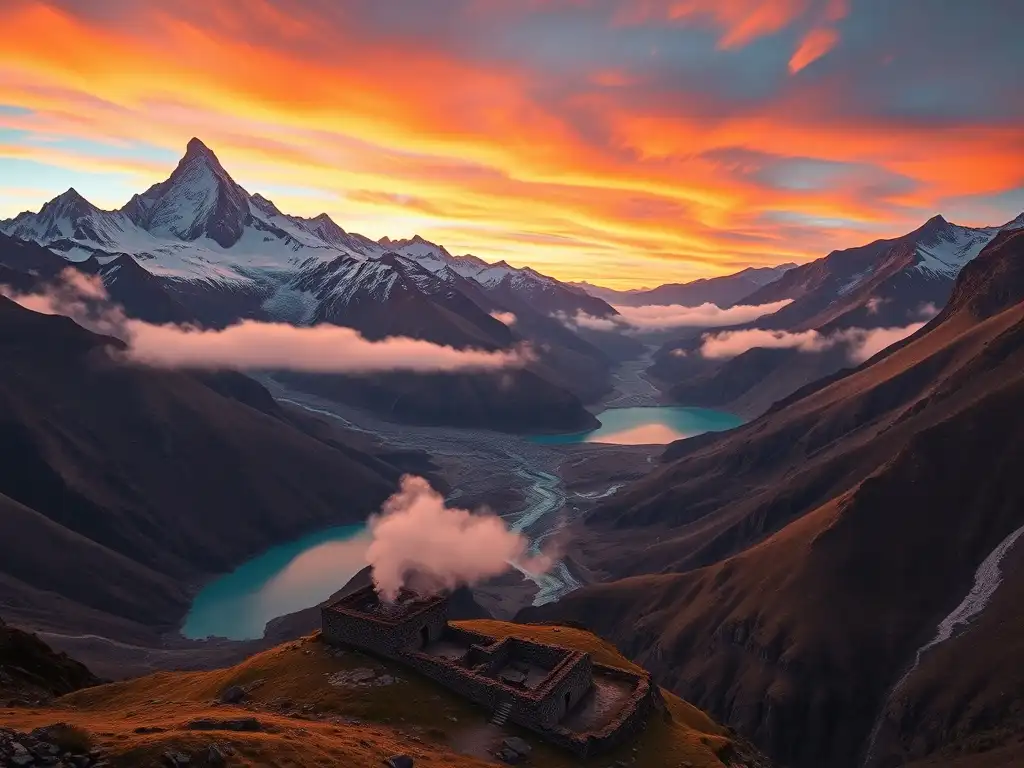
Step into a world where the whispers of ancient spirits still echo through the towering Andes. Prepare to unravel the mysteries of the Andean civilizations, where the elements of fire, water, earth, and air weren't just forces of nature, but the very fabric of life itself. Discover how these civilizations wove together a breathtaking tapestry of cosmology and worldview, a legacy that continues to intrigue and inspire. Dare to delve into the Dance of Elements and uncover the secrets they left behind.
-
The Dance of Elements: Exploring the Interplay of Fire, Water, Earth, and Air in Andean Civilizations
- Introduction to Andean Cosmology and the Four Elements
- The Significance of Fire in Andean Cultures
- Water: The Lifeblood of Andean Civilizations
- Earth: The Foundation of Andean Life
- Air: The Breath of Life in the Andes
- Interconnectedness of the Elements in Andean Thought
- Examples from specific Andean Cultures
- The Legacy of Andean Elemental Understanding
- Conclusion: The Enduring Power of the Four Elements in Andean Civilizations
- Frequently Asked Questions
- Final Reflection: Echoes of the Andes: A Legacy Woven in Fire, Water, Earth, and Air
- Ignite Your Curiosity and Embrace Nature's Elements!
The Dance of Elements: Exploring the Interplay of Fire, Water, Earth, and Air in Andean Civilizations
The Andean civilizations, encompassing a vast tapestry of cultures including the Incas, Moche, Nazca, and Tiahuanaco, developed a profound and intricate cosmology deeply intertwined with the natural world. Their worldview wasn't merely a passive observation of nature, but an active engagement, a dance with the elements of fire, water, earth, and air. This article delves into this fascinating relationship, exploring how these Andean societies perceived and incorporated the four elements into their daily lives, religious practices, and technological advancements.
Understanding this interplay provides crucial insight into the spiritual and practical foundations of these remarkable civilizations and their enduring legacy. We will examine how fire, water, earth, and air were not merely physical forces, but powerful symbols shaping their beliefs, rituals, and societal structures, offering a unique perspective on the Andean understanding of the universe and their place within it.
This exploration will reveal the sophisticated ways in which these ancient peoples harnessed the power of nature, demonstrating a remarkable level of ingenuity and a deep respect for the environment. Prepare to be captivated by the intricate dance between humanity and nature in the heart of the Andes.
Introduction to Andean Cosmology and the Four Elements
Andean cosmology wasn't a monolithic system; beliefs varied across different cultures and regions. However, a common thread runs through many of these belief systems: the profound significance of the four elements – fire, water, earth, and air – and their interconnectedness. These elements weren't simply physical components of the world; they were imbued with spiritual meaning, representing fundamental forces shaping life, death, and the cosmos itself.
The Andes' diverse geography – encompassing towering mountains, fertile valleys, arid deserts, and vast oceans – undoubtedly contributed to this elemental worldview. The dramatic landscape served as a constant reminder of nature's power and the cyclical nature of life. The interplay between these elements was perceived as a dynamic, ever-changing process, reflecting the cyclical rhythms of the Andean world, from the seasons to the life cycle itself.
This understanding permeated all aspects of Andean life, from agriculture and construction to religious rituals and artistic expression. Understanding this fundamental framework is key to unlocking the secrets of Andean civilization.
The Significance of Fire in Andean Cultures
Fire held a particularly prominent position in Andean cosmology, symbolizing a range of powerful concepts and playing a vital role in various aspects of Andean life. Its transformative power was deeply revered, and its presence was both practical and symbolic.
Fire as a Symbol of Power and Transformation
🔥 In many Andean cultures, fire was seen as a powerful symbol of creation, purification, and transformation. It represented the sun's life-giving energy and the ability to change and renew. The act of creating fire itself was often viewed as a sacred ritual, connecting humans to the divine power of creation.
The sun, often depicted as a fiery deity, was a central figure in Andean religion, and fire served as a tangible representation of its energy and power. The ability to control fire allowed for warmth, protection from predators, and the preparation of food, significantly enhancing the survival and prosperity of Andean communities.
Ritual Uses of Fire in Andean Ceremonies
Many Andean ceremonies involved the use of fire as a central element. 🔥Bonfires were often lit during important rituals, representing the connection between the earthly and spiritual realms. Incense burning was a common practice, believed to purify spaces and appease the gods. The offering of food and other items to the fire was also a significant ritual act, symbolizing a form of communication and appeasement with the supernatural forces.
Specific rituals and their associated fire practices varied across different Andean cultures, reflecting the diversity of their religious beliefs and practices. Detailed accounts of these rituals, however, often remain fragmented or incomplete, requiring further research to fully understand their complexity and significance. [Specific information pending: detailed descriptions of specific fire rituals from different Andean cultures].
Fire in Andean Metallurgy and Craftsmanship
The mastery of fire was also crucial for Andean technological advancements. The sophisticated metallurgical skills of the Andean civilizations relied heavily on the controlled use of fire for smelting metals. The ability to extract and work with metals like gold, silver, copper, and bronze allowed for the creation of intricate jewelry, tools, and weapons. The precise temperatures and techniques required for successful metalworking demonstrate a deep understanding of the properties of fire and its transformative potential.
Furthermore, fire played a critical role in the creation of ceramics, textiles, and other crafts. The firing of pottery, for instance, required precise control of temperature and duration to achieve the desired results. [Specific information pending: examples of specific Andean metallurgical techniques and their reliance on fire].
Water: The Lifeblood of Andean Civilizations
The Andean civilizations thrived in diverse environments, from arid coastal deserts to high-altitude mountain ranges. However, the common thread uniting these geographically disparate cultures was their deep dependence on water. Water wasn't merely a resource; it was the very essence of life, deeply intertwined with their spiritual beliefs, agricultural practices, and societal structures. The availability and management of water directly impacted the prosperity and survival of these ancient communities.
Their ingenuity in harnessing this vital resource is a testament to their profound understanding of their environment and their ability to adapt to its challenges. The intricate relationship between Andean civilizations and water is a fascinating study in human ingenuity and spiritual connection. Understanding this relationship is crucial to grasping the core of Andean cosmology and worldview.
The Importance of Water for Andean Agriculture
Water was the cornerstone of Andean agriculture, a system that sustained their complex societies. The agricultural practices of the Incas, for example, relied heavily on sophisticated irrigation systems to cultivate crops like potatoes, maize, and quinoa in diverse terrains. The availability of water determined the success of their harvests, directly impacting food security and population growth.
Without efficient water management, the vast agricultural achievements of the Andean civilizations would have been impossible. The ingenuity displayed in their irrigation systems, terraces, and water storage techniques is a testament to their deep understanding of hydrological principles and their commitment to sustainable agriculture. These systems were not merely functional; they were carefully integrated into the landscape, reflecting a holistic approach to land management that prioritized balance and harmony with nature.
Water Management Techniques in the Andes
Andean civilizations developed remarkable water management techniques tailored to their specific environments. In the arid coastal regions, they constructed sophisticated canal systems to divert water from rivers and streams to irrigate their fields. In the highlands, they built intricate terrace systems that not only prevented soil erosion but also maximized water retention, allowing them to cultivate crops at high altitudes.
These techniques included the use of acequias (irrigation channels), andenes (terraces), and qochas (artificial lakes) – all carefully designed and maintained to ensure a reliable water supply. The construction and maintenance of these systems required substantial community effort, highlighting the importance of collective action and social organization in Andean societies. The advanced understanding of hydraulics and engineering displayed in these water management systems is a testament to the ingenuity and practicality of Andean civilizations.
Water Deities and Spiritual Significance of Water
Water held immense spiritual significance for Andean civilizations, often represented by powerful deities associated with fertility, abundance, and cleansing. For example, the Inca revered various water deities, including the Mamacocha (Mother Ocean) and various mountain spirits associated with water sources. These deities were not merely abstract concepts; they were deeply embedded in daily life, influencing rituals, ceremonies, and agricultural practices.
The offering of coca leaves and other sacred objects to water sources was a common practice, demonstrating the reverence and respect afforded to this vital element. The deep spiritual connection between water and Andean societies highlights the interconnectedness of their worldview, where the natural world and the spiritual realm were inextricably linked. The reverence for water was not merely a matter of faith; it was a practical acknowledgment of its vital role in sustaining life.
Earth: The Foundation of Andean Life
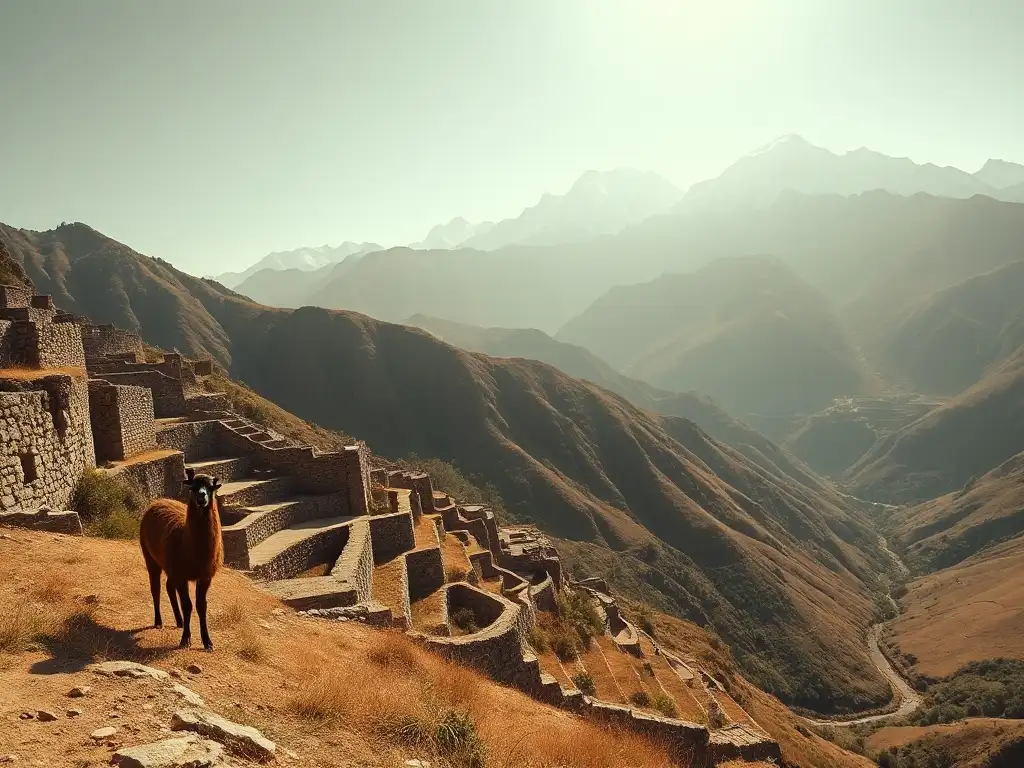
The Andean worldview places immense importance on the Earth, considered the foundation of life and the source of all sustenance. Their relationship with the land was not merely utilitarian; it was deeply spiritual and integral to their identity and culture. The Earth was not just a resource to be exploited, but a living entity, a sacred mother to be revered and respected.
This perspective shaped their agricultural practices, their social structures, and their spiritual beliefs, creating a unique and harmonious relationship between humanity and the natural world. Understanding this profound connection is crucial to understanding Andean civilizations' resilience and their remarkable achievements.
The Andean Concept of Pachamama (Mother Earth)
The concept of Pachamama (Mother Earth) is central to the Andean worldview. Pachamama is not merely the physical Earth; she is a powerful deity, the source of life and fertility, and the provider of all sustenance. She is revered and respected, and her well-being is considered essential to the well-being of the community.
Rituals and offerings are made to Pachamama to ensure a bountiful harvest, good health, and overall prosperity. This deep connection with the Earth shaped agricultural practices, social structures, and spiritual beliefs, creating a unique and harmonious relationship between humanity and nature. The reverence for Pachamama is a testament to the profound respect for the natural world inherent in Andean cosmology.
Agriculture and the Relationship with Earth
Agriculture was not simply an economic activity for the Andean civilizations; it was a sacred act, a way of expressing their gratitude and respect for Pachamama. Their agricultural practices were deeply intertwined with their spiritual beliefs, reflecting a holistic approach that prioritized balance and harmony with nature. The careful cultivation of the land, the use of terraces to prevent erosion, and the rotation of crops all demonstrate a deep understanding of ecological principles and a commitment to sustainable agriculture.
This approach ensured not only food security but also the preservation of the land for future generations, reflecting a long-term perspective that was deeply ingrained in their culture. The success of Andean agriculture was not just a testament to their ingenuity but also to their profound respect for the Earth.
Sacred Sites and Earth Energies in Andean Beliefs
Numerous sacred sites across the Andes bear witness to the deep spiritual connection between the Andean people and the Earth. These sites, often located in areas with significant geological features or perceived earth energies, served as places of worship, pilgrimage, and ritual. The construction of these sites often involved intricate alignments with celestial bodies and the landscape, reflecting a profound understanding of astronomy and cosmology.
These sacred sites were not merely places of worship; they were living embodiments of the spiritual energy of Pachamama, reflecting the deep interconnectedness between the spiritual and physical worlds in Andean beliefs. The enduring legacy of these sacred sites serves as a powerful reminder of the profound respect for the Earth that characterized Andean civilizations.
Air: The Breath of Life in the Andes
The Andes Mountains, with their towering peaks and vast, windswept plains, instilled a profound reverence for air in the Andean worldview. Air, or hawa in Quechua, wasn't simply the atmosphere; it was a vital force, a life-giving element intrinsically linked to the spiritual and physical well-being of the Andean peoples. The thin air at high altitudes served as a constant reminder of the precarious balance between life and death, between the earthly realm and the celestial. The very act of breathing, of inhaling the crisp mountain air, became a ritualistic connection to the cosmos.
This deep understanding of air's importance shaped their religious practices, social structures, and daily routines. Understanding their relationship with air provides a crucial insight into the complex tapestry of Andean cosmology. The sheer scale of the Andes, with its dramatic variations in altitude and climate, further emphasized the power and unpredictability of air.
The Role of Air in Andean Spirituality
Air, in Andean spirituality, held a central position, often associated with breath, spirit, and the divine. It was believed to be the medium through which deities communicated with humans and through which the spiritual world interacted with the physical world. Prayers and offerings were often carried aloft on the wind, symbolizing their ascension to the heavens. Shamans, or paqos, utilized air in their rituals, harnessing its power for healing and divination.
Certain ceremonies involved specific breathing techniques designed to connect with the spiritual realm via the air. The concept of ayni, reciprocal exchange, extended to the air; respect for the wind and the atmosphere was seen as essential for maintaining balance and receiving its blessings. The Andean peoples understood that the air, like all elements, needed to be treated with respect and reverence.
Wind Deities and Atmospheric Phenomena
Andean mythology is rich with deities associated with air and atmospheric phenomena. Specific deities were often linked to particular winds or weather patterns, reflecting the diverse climatic conditions across the Andes. For example, some deities represented gentle breezes associated with fertility and abundance, while others embodied fierce storms and destructive winds, signifying the unpredictable nature of the mountains. These deities were not merely abstract entities; they were active forces influencing daily life and demanding respect.
The appearance of certain atmospheric phenomena, such as rainbows or unusual cloud formations, were interpreted as signs from the gods, often requiring specific rituals or offerings. These interpretations reflect a deep understanding of the environment and its impact on their lives. The study of these deities offers a window into the Andean understanding of meteorology and its cosmological significance.
Air as a Messenger and Connection to the Heavens
The Andean people viewed air as a powerful messenger, connecting the earthly realm with the celestial. The wind carried prayers and offerings to the heavens, acting as a conduit between the human and divine worlds. The elevation of the Andes emphasized this connection; the closer one was to the sky, the closer one felt to the spiritual realm.
This is reflected in the placement of many sacred sites at high altitudes, where the air was considered purest and closest to the gods. The movement of air, its ability to travel vast distances, symbolized the interconnectedness of all things, a core concept within Andean cosmology. The breath itself, the constant exchange of air, represented this constant flow of energy and communication between worlds.
Interconnectedness of the Elements in Andean Thought
The Andean worldview didn't compartmentalize the elements; instead, it emphasized their profound interconnectedness. Fire, water, earth, and air weren't viewed as separate entities but as integral parts of a dynamic, interdependent system. This holistic perspective is reflected in their art, religious practices, and agricultural techniques.
The elements were seen as constantly interacting, influencing and shaping one another in a continuous cycle of creation and destruction. This understanding of interconnectedness influenced their perception of the cosmos and their place within it. The concept of balance, or equilibrio, was paramount; disruption in one element was believed to affect the others, creating imbalance and potentially leading to catastrophe.
The Balance of Fire, Water, Earth, and Air
Maintaining a harmonious balance between fire, water, earth, and air was crucial for the Andean civilizations. This balance wasn't just a philosophical ideal; it was a practical necessity for their survival. Their agricultural practices, for instance, were deeply intertwined with understanding the interplay of these elements.
Proper irrigation systems were crucial for harnessing water, while understanding the effects of wind and sunlight (fire) on crop growth was equally important. The use of fire for cooking, pottery, and metalworking had to be carefully managed to avoid causing environmental damage. Disruptions to this balance, whether through natural disasters or human actions, were seen as ominous signs, often prompting rituals aimed at restoring equilibrium.
How the Elements Influence Andean Daily Life
The elements played a significant role in shaping Andean daily life. Agricultural cycles were dictated by the interplay of water, earth, and sun (fire). The construction of houses and settlements was influenced by the prevailing winds and the terrain. Clothing styles were adapted to the varying temperatures and weather conditions.
Even social structures and governance were influenced by the elements, with rulers often seen as intermediaries between the human world and the forces of nature. The daily rhythm of life was deeply intertwined with the cycles of the elements, reflecting a profound understanding of the environment and its power. The seasonal changes dictated not only agricultural activities but also social events and religious festivals.
The Cosmic Significance of Elemental Harmony
The harmony of the elements wasn't simply a matter of practical survival; it held profound cosmic significance. The Andean worldview saw the elements as reflections of the broader cosmic order. Maintaining balance among them was seen as essential for maintaining cosmic harmony, ensuring the well-being of the world and the continuation of life.
Disruptions to this balance were interpreted as indicators of cosmic imbalance, potentially foreshadowing misfortune or catastrophe. This deep understanding of the interconnectedness between the earthly and cosmic realms is a hallmark of Andean cosmology and a testament to their sophisticated understanding of the natural world. The pursuit of elemental harmony was, therefore, not only a practical concern but a spiritual imperative.
Examples from specific Andean Cultures

The Andean worldview wasn't a monolithic entity; different cultures interpreted and interacted with the four elements—fire, water, earth, and air—in unique ways. Understanding these variations provides a richer appreciation of the diverse tapestry of Andean civilizations and their relationship with the natural world. The subtle differences in emphasis and symbolism reveal fascinating insights into each culture's unique cosmology and spiritual beliefs.
The interconnectedness of these elements, however, remained a constant thread weaving through their diverse expressions. This interconnectedness wasn't just a philosophical concept; it was deeply embedded in their daily lives, influencing their agriculture, social structures, and artistic expressions. The reverence for these elements wasn't simply passive observation; it was an active engagement, a dance of reciprocity where humans played a vital role in maintaining the balance of the cosmos.
The Inca Perspective on the Four Elements
The Inca Empire, at the height of its power, incorporated the four elements into its intricate worldview. While specific textual records are scarce, their sophisticated agricultural practices, elaborate ceremonies, and monumental architecture reveal a deep understanding of the interplay of fire, water, earth, and air. For example, their terraced farming systems, andenes, skillfully manipulated water flow and soil composition, demonstrating a mastery of earth and water management.
Fire, representing the sun's life-giving energy, was central to their religious rituals and agricultural cycles. Air, often personified as wind, played a significant role in their mythology and agricultural practices, influencing weather patterns and crop yields. The Inca's understanding of these elements wasn't just theoretical; it was practical, shaping their daily lives and ensuring their survival in the challenging Andean environment.
Their sophisticated understanding of the elements influenced not only their agricultural techniques but also their societal structure and spiritual beliefs. This holistic perspective highlights the deep integration of the elements into the fabric of Inca society.
Moche Art and the Representation of Nature
The Moche civilization, known for its vibrant and intricate pottery, vividly depicted the four elements in their art. Their ceramic vessels often portray scenes of powerful deities associated with natural forces, showcasing their understanding of the elements' power and influence. The Moche depicted powerful storms, the life-giving waters of rivers, and the fertile earth teeming with life. Representations of volcanic eruptions and the sun's fiery energy further demonstrate their keen observation and appreciation for the forces of nature.
The Moche's artistic representations weren't merely aesthetic; they were deeply symbolic, illustrating their beliefs and their connection to the natural world. Through their art, the Moche communicated their complex understanding of the elements and their role in the cosmos. Their detailed portrayals highlight the dynamic relationship between humanity and nature, emphasizing the cyclical nature of life and death.
Nazca Lines and their possible Elemental Connections
The enigmatic Nazca Lines, etched into the desert landscape, remain a source of fascination and speculation. While their precise purpose is still debated, some scholars suggest a possible connection to the four elements. The lines' intricate designs, often depicting animals and plants, could represent a symbolic connection to the earth and its life-giving forces.
The lines' alignment with celestial events could indicate a connection to the air and the movements of the sun and stars. Water, crucial for survival in the arid Nazca region, might be represented indirectly through the lines' relationship to underground water sources. Fire, while less directly represented, could be linked to the sun's role in the desert ecosystem.
It’s important to note that these connections are largely interpretative, and further research is needed to fully understand the meaning and purpose of these remarkable geoglyphs. However, exploring these potential elemental connections provides a richer understanding of the Nazca worldview and their connection to the natural world.
Tiahuanaco and the Integration of Cosmology
The Tiahuanaco culture, known for its monumental architecture and sophisticated urban planning, integrated the four elements into their cosmological beliefs. Their city, located at a high altitude in the Andes, was strategically designed to harness the power of the elements. Water management systems, intricate canals, and sophisticated agricultural terraces demonstrate a deep understanding of water control and its significance for survival.
The use of stone, a powerful representation of the earth, is evident in their massive structures. The sun, a powerful source of fire, was central to their religious beliefs and rituals. The wind, a potent force in the high Andes, was likely incorporated into their understanding of the cosmos, although specific evidence requires further study.
Tiahuanaco's advanced understanding of the elements and their integration into urban planning and religious practices showcases their sophisticated worldview and their ability to thrive in a challenging environment. The city's layout and architecture serve as powerful testaments to their deep understanding of the elements and their interconnectedness.
The Legacy of Andean Elemental Understanding
The Andean civilizations' deep understanding of the interplay of fire, water, earth, and air continues to resonate today. Their sophisticated approaches to agriculture, water management, and urban planning offer valuable lessons for contemporary societies facing environmental challenges. Their worldview, deeply rooted in respect for nature and the interconnectedness of all things, provides a powerful counterpoint to modern anthropocentric perspectives. This understanding, passed down through generations, continues to influence Andean cultures and shapes their relationship with the environment. The legacy isn't simply historical; it's a living tradition that continues to inform their practices and beliefs.
Influence on Contemporary Andean Culture
Contemporary Andean cultures continue to maintain many traditions that reflect their ancestors' understanding of the four elements. Many agricultural practices still incorporate ancient techniques for water management and soil conservation. Religious ceremonies often involve offerings and rituals related to the elements, reflecting the ongoing spiritual significance of these forces.
Traditional medicine frequently incorporates plants and natural remedies, highlighting the deep connection between the earth and healing. The influence is not just confined to rural communities; it's also reflected in many aspects of urban life, from artistic expressions to environmental activism. This enduring connection underlines the enduring relevance of their ancient wisdom.
Lessons for Modern Societies
The Andean civilizations' harmonious relationship with nature offers valuable lessons for modern societies grappling with environmental degradation and climate change. Their sustainable agricultural practices, their respect for the interconnectedness of ecosystems, and their understanding of the limits of natural resources provide insights into how to live in balance with the planet. Their worldview, emphasizing reciprocity and respect for nature, provides a powerful model for a more sustainable and equitable future. The emphasis on community and shared responsibility offers valuable lessons in collective action to address global environmental challenges.
Preserving the Ancient Wisdom of the Andes
Preserving the ancient wisdom of the Andes requires a multifaceted approach. This includes supporting indigenous communities in maintaining their traditional practices, promoting research and education on Andean cosmology and environmental knowledge, and integrating traditional ecological knowledge into modern conservation efforts. Protecting sacred sites and promoting sustainable tourism are also crucial aspects of this effort. The preservation of this knowledge is not just a historical imperative; it's a vital contribution to global efforts towards environmental sustainability and a more balanced relationship with nature. It's a legacy that deserves to be cherished and protected for the benefit of future generations.
Conclusion: The Enduring Power of the Four Elements in Andean Civilizations
The Andean worldview, deeply intertwined with the natural world, reveals a sophisticated understanding of the interconnectedness of fire, water, earth, and air. These elements weren't merely physical components of the environment; they were vibrant, active forces shaping Andean cosmology, influencing their social structures, agricultural practices, and spiritual beliefs. The careful observation of these elements and their cyclical interactions formed the foundation of their survival and prosperity for centuries.
The intricate systems of irrigation, terraced agriculture, and sophisticated astronomical knowledge all testify to this profound relationship. Understanding the Andean civilizations' reverence for these elements offers invaluable insight into their ingenuity and resilience.
The enduring power of this worldview is evident even today. Many Andean communities continue to maintain traditions and practices that reflect this deep connection with nature. Their agricultural methods, often passed down through generations, are a testament to the sustained relevance of this ancient wisdom.
The continued celebration of festivals and rituals honoring the elements underscores the enduring spiritual significance of fire, water, earth, and air in shaping Andean identity and cultural continuity. The legacy of the Andean civilizations serves as a powerful reminder of the importance of respecting and understanding the delicate balance within the natural world, a lesson that remains profoundly relevant in our modern era. Their sophisticated understanding of ecological harmony offers a valuable perspective for sustainable practices and a more harmonious relationship between humanity and the environment.
The cyclical nature of the elements, as observed and revered by the Andean people, continues to inspire a holistic approach to life and a profound appreciation for the interconnectedness of all things. 🌿🔥🌊⛰️💨
Frequently Asked Questions
What role did fire play in Andean civilizations?
Andean civilizations used fire for cooking, pottery, metalworking, and ritual purposes. Control of fire was essential for their survival and cultural practices. It was deeply integrated into their daily lives and spiritual beliefs.
How did Andean people interact with water resources?
Water management was crucial. They built complex irrigation systems to support agriculture in diverse environments, demonstrating advanced engineering skills. Water also held significant religious and symbolic meaning.
What was the importance of earth to Andean cultures?
The earth provided sustenance through agriculture. Andean people developed sophisticated farming techniques, including terracing, to maximize food production. The earth was also viewed as a sacred entity connected to their ancestors and deities.
How did Andean civilizations utilize air and altitude?
Air and altitude significantly impacted their lives. They adapted to high-altitude environments through specialized farming techniques and developed unique respiratory adaptations. Air also played a role in their religious beliefs and astronomical observations.
How did the interplay of fire, water, earth, and air influence Andean technology?
The four elements shaped Andean technology. For instance, mastery of fire led to advancements in metallurgy, while understanding water resulted in innovative irrigation systems. Their technology reflects a deep understanding of their environment and its elements.
Final Reflection: Echoes of the Andes: A Legacy Woven in Fire, Water, Earth, and Air
The intricate relationship between Andean civilizations and the four elements remains profoundly relevant today. Understanding their deep connection to the natural world offers a crucial lens through which to examine our own relationship with the environment and the urgent need for sustainable practices in a rapidly changing climate. The wisdom gleaned from their harmonious existence with nature serves as a powerful reminder of our interconnectedness.
The enduring legacy of the Andean worldview, where the elements are not merely resources but sacred forces, continues to shape cultural landscapes and spiritual practices. Their reverence for the earth, their ingenuity in harnessing water, their respect for fire's power, and their understanding of air's vital role are not merely historical footnotes; they are living traditions that resonate deeply. The earth is what we all have in common.
– Wendell Berry. This quote speaks to the universality of our dependence on the natural world, a truth the Andean civilizations understood with profound clarity.
Consider the profound implications of their understanding. How can we, in our modern world, re-learn the balance they achieved? How can we integrate a deeper respect for the elements into our daily lives? I urge you, reader, to reflect on your own relationship with the natural world. Embrace the opportunity to reconnect with the earth, to appreciate the life-giving properties of water, to harness the transformative power of fire responsibly, and to breathe deeply, appreciating the air that sustains us. Let the echoes of the Andes inspire a more harmonious and sustainable future for us all.
Ignite Your Curiosity and Embrace Nature's Elements!
Thank you for joining us on this exploration of the magnificent interplay between fire, water, earth, and air in Andean civilizations! Your interest enriches your understanding and fosters a deeper connection to these elemental forces. Let's continue our journey together!
- Engage your senses: Visit a local park, a nearby mountain range, or even your own backyard to observe the elements in action. Feel the wind on your skin, appreciate the texture of the earth beneath your feet, and reflect on the power of a flowing stream or the warmth of the sun.
- Share your insights: Discuss how these elements influence your daily life with friends, family, or online communities. Share your thoughts and experiences on social media and tag us at @AndeanCivilizations!
- Deepen your knowledge: Explore our extensive resource list for recommended books and documentaries that delve deeper into the role of these elements in various cultures around the world. You'll find links to these resources on our website.
How have you observed the elements shaping your own life and environment? Let's start a conversation!