
Andean Music and Time: Rhythms that Echo the Cosmos

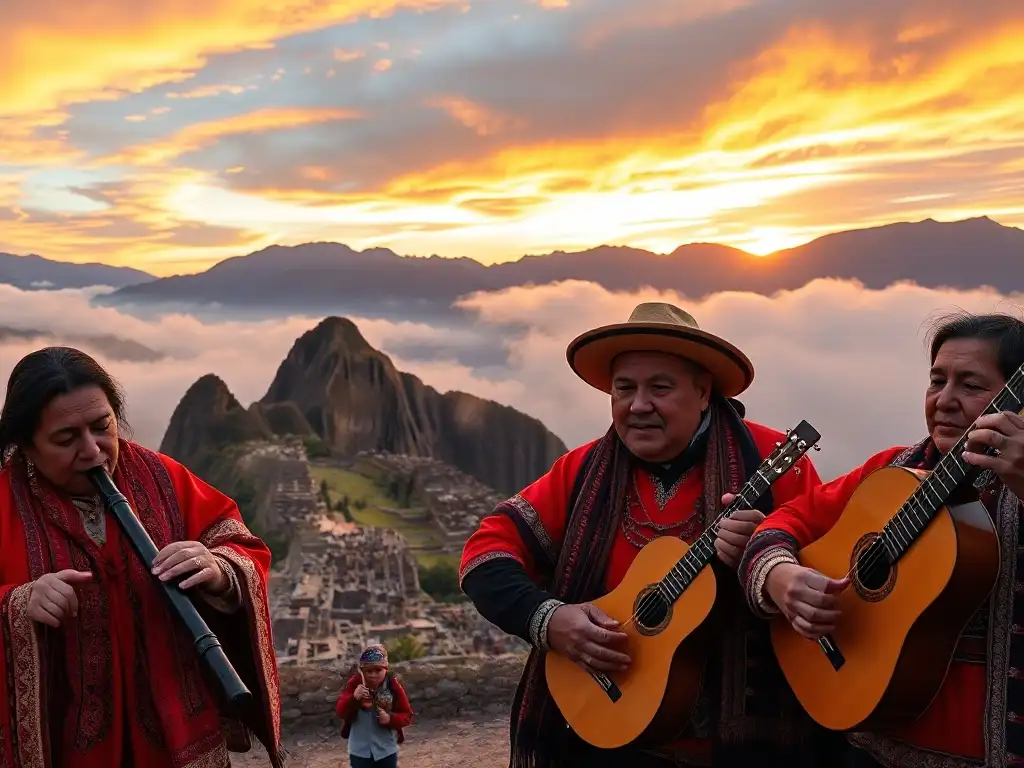
Step into a world lost to time, yet echoing with the vibrant rhythms of a forgotten era. Imagine the soaring melodies and intricate harmonies that once filled the sacred plazas of the Andes. This is more than just history; it's a journey through the soul of Andean civilization. Uncover the secrets of Andean preColumbian music history and discover how these ancient sounds reflected a profound connection to the cosmos, a connection that still resonates today. Prepare to be amazed...
The Andes Mountains, a spine of rock and ice stretching along the western edge of South America, have borne witness to millennia of vibrant civilizations. These cultures, from the Nazca Lines' creators to the Inca Empire's builders, didn't just inhabit this dramatic landscape; they became a part of it, weaving their understanding of the cosmos into every aspect of their lives – including their music.
This article delves into the fascinating intersection of Andean pre-Columbian music history and cosmology, exploring how rhythmic structures, musical instruments, and sonic landscapes reflected and reinforced their profound connection to time and space. We will uncover how Andean music wasn't merely entertainment, but a vital component of their spiritual practices, social structures, and agricultural cycles, echoing the rhythms of the cosmos itself.
Understanding Andean pre-Columbian music history unlocks a deeper appreciation for the sophisticated worldview of these ancient societies and their enduring legacy. Prepare to journey through the sonic tapestry of a civilization that saw music as a pathway to the divine.
Introduction to Andean Pre-Columbian Music History and Cosmology
Andean pre-Columbian music, a vast and diverse field of study, presents a significant challenge to modern researchers. The absence of written musical notation necessitates reliance on archaeological findings, ethnomusicological studies of surviving Andean traditions, and iconographic evidence from pottery, textiles, and stone carvings. This limited evidence, however, offers glimpses into a rich musical landscape.
Many scholars believe that Andean cosmology, deeply rooted in an understanding of cyclical time and the interconnectedness of the natural world, profoundly influenced musical practices. The cyclical nature of the agricultural calendar, for instance, likely found expression in repetitive musical patterns and the use of instruments associated with specific harvests or ceremonies. Furthermore, the importance of celestial bodies in Andean belief systems suggests a strong correlation between musical rhythms and astronomical events.
The sounds of nature – the wind whistling through mountain passes, the rush of rivers, the calls of birds – undoubtedly served as inspiration and integral components within their musical traditions. Understanding these influences requires examining various aspects of Andean culture, including their instruments, musical forms, and ritual contexts.
The surviving evidence suggests a remarkable diversity in musical styles across different Andean cultures. While generalizations are difficult, we can identify some common threads. The use of panpipes ( antara) and flutes ( pututo), for example, appears widespread, suggesting their importance across various regions and time periods.
Percussion instruments, such as drums ( tinku) and rattles ( sonajas), likely played a crucial role in ceremonial contexts, providing rhythmic foundations for dances and rituals. Unfortunately, [specific information pending] regarding the exact melodic structures and harmonic practices of Andean pre-Columbian music, making reconstruction a complex process demanding careful interpretation of the available evidence. However, by examining surviving instruments and their cultural contexts, we can begin to reconstruct a picture of the soundscape of the Andes before the arrival of Europeans.
Further Considerations:
The study of Andean pre-Columbian music is an ongoing process. New archaeological discoveries and advancements in ethnomusicological research continuously refine our understanding. The challenge lies in bridging the gap between the limited surviving material evidence and the rich musical traditions that undoubtedly flourished in the Andes for centuries.
- What is the focus of Andean pre-Columbian music history?
- What types of instruments were used in Andean pre-Columbian music?
- How did Andean music connect with the cosmos?
- What is known about the musical notation systems used by Andean civilizations?
- How has Andean pre-Columbian music influenced music today?
The Intertwined Relationship Between Music and Time in Andean Cultures
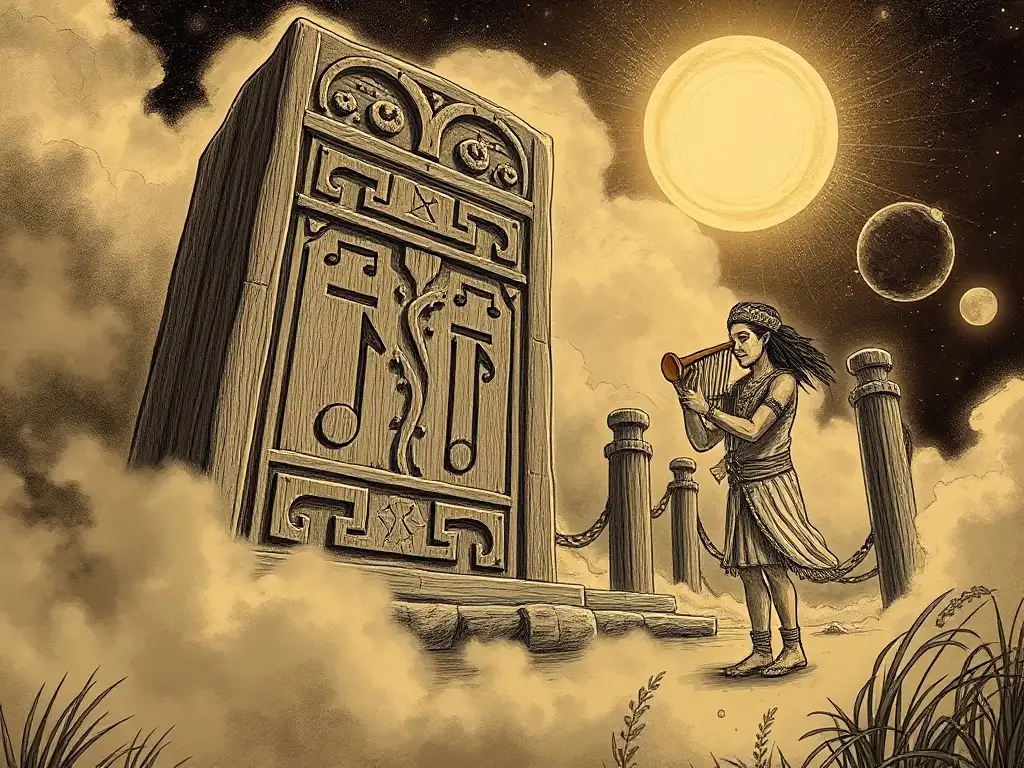
Andean preColumbian music history reveals a profound interconnectedness between music and the perception of time. Unlike Western linear conceptions of time, Andean cultures often viewed time as cyclical, mirroring the natural rhythms of the cosmos – the rising and setting of the sun, the changing seasons, the phases of the moon. Music, therefore, wasn't simply entertainment; it was a powerful tool for engaging with, understanding, and even influencing these cyclical processes.
Ritualistic music played a crucial role in marking significant moments within these cycles, from agricultural festivals celebrating planting and harvest to ceremonies honoring deities associated with specific celestial events. The very act of musical performance was a way of aligning oneself with the cosmic order and participating in its continuous flow.
This understanding of time as cyclical and deeply interwoven with the natural world is fundamental to interpreting the role of music in Andean societies. The sounds themselves were believed to possess inherent power, capable of influencing the forces of nature and shaping human destiny.
The Significance of Rhythm in Andean Worldview
Rhythm in Andean music is not merely a structural element; it's a fundamental reflection of the cyclical nature of time and the cosmos. The repetitive patterns, often based on natural phenomena like the heartbeat or the rhythmic flow of a river, create a sense of continuity and endless renewal. Consider the intricate rhythms found in the music of the Inca Empire, for example.
These rhythms, often played on panpipes or drums, were not just aesthetically pleasing; they were believed to mimic the movements of celestial bodies, reinforcing the connection between the earthly and the divine. Specific rhythmic patterns were associated with specific deities or events, creating a complex system of musical symbolism. Furthermore, the rhythmic structure of many Andean songs was closely tied to agricultural cycles.
The tempo and intensity of the music could even vary depending on the stage of the agricultural process, reflecting the changing needs of the community. This close relationship between rhythm, agricultural practices, and the perception of time highlights the holistic nature of Andean cosmology. The rhythmic pulse of Andean music was a tangible manifestation of the continuous cycle of life, death, and rebirth.
Andean Musical Instruments and Their Connection to Time Cycles
The instruments themselves played a significant role in this conceptualization of time. Many Andean instruments were crafted from materials deeply connected to nature – wood, stone, bone, and metal – further emphasizing the link between music, nature, and the cyclical flow of time. For example, the pututu, a shell trumpet, was often used in ceremonies related to agricultural cycles and the worship of weather deities, reflecting the importance of these natural forces in shaping the rhythm of life.
The antara, a panpipe, with its multiple pipes producing a range of notes, could be used to represent the multiple stages of a cycle or the interplay of different celestial bodies. The precise construction and tuning of these instruments were not arbitrary; they reflected a deep understanding of acoustics and their relationship to the natural world. Moreover, the materials used in instrument creation often held symbolic significance, further enriching the instruments' connection to the cyclical nature of Andean time.
Even the act of playing these instruments was a ritualistic act, reinforcing the connection between music and the cosmos. The sounds produced were not simply sounds; they were believed to possess a power that could influence the very fabric of time and the natural world. Detailed studies of Andean musical instruments and their cultural context are still needed to fully uncover the complexity of their relationship to Andean concepts of time.
Exploring the Rhythms of Ancient Andean Civilizations
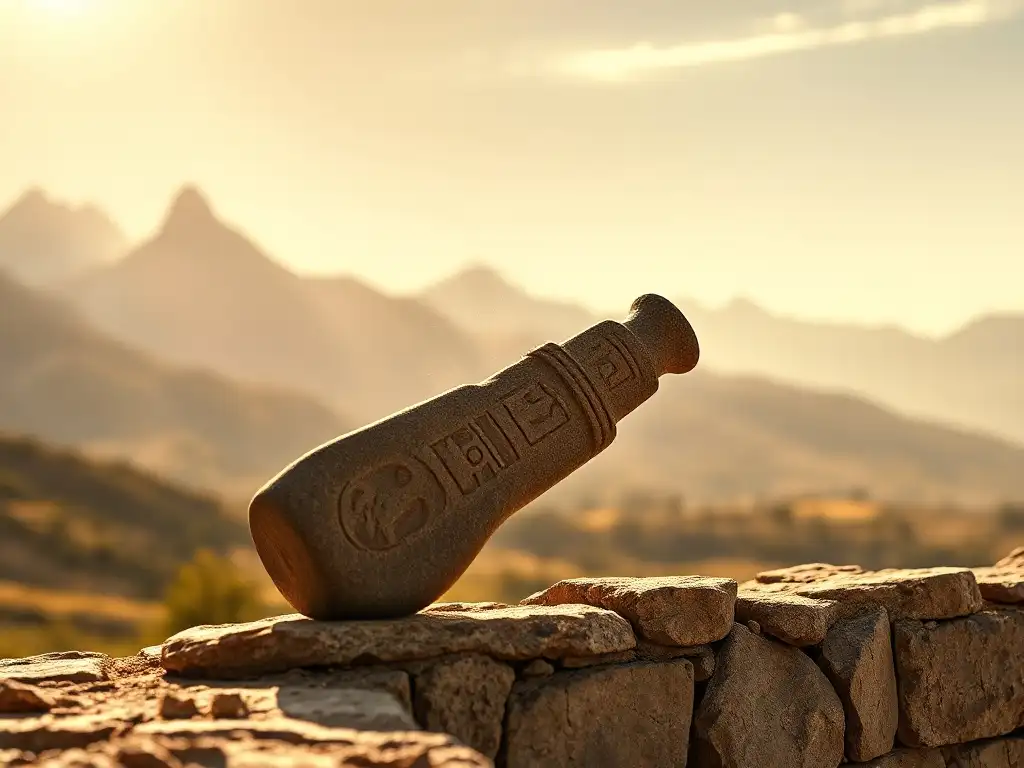
This section delves into the intricate relationship between music and the perception of time within various Andean pre-Columbian cultures. We will explore how rhythmic patterns, musical instruments, and musical practices were interwoven with their understanding of the cosmos and the cyclical nature of time. Understanding Andean preColumbian music history requires acknowledging its deep connection to the spiritual and social fabric of these societies. The soundscapes of the Andes weren't merely entertainment; they were integral components of their worldview, reflecting their sophisticated understanding of astronomy, agriculture, and social organization.
Musical Traditions of the Inca Empire and their Timekeeping
The Inca Empire, the largest pre-Columbian state in South America, possessed a rich musical tradition deeply intertwined with their sophisticated system of timekeeping. Inca music wasn't simply a form of artistic expression; it played a crucial role in regulating social life, marking agricultural cycles, and facilitating religious rituals. The Inca calendar, based on meticulous astronomical observations, dictated the timing of festivals and ceremonies, many of which were accompanied by specific musical performances.
Inca Music's Role in Rituals and Calendrical Cycles
Inca rituals, often tied to agricultural cycles and the movements of celestial bodies, were integral to their society. Music played a vital role in these ceremonies. Specific songs and musical instruments were associated with particular deities and agricultural events.
For example, the qena, a panpipe, was frequently used in religious ceremonies, its melodies believed to communicate with the spirits of the mountains and the ancestors. The rhythmic complexity of Inca music, often characterized by polyrhythms and intricate layering of melodies, may have reflected their understanding of the interconnectedness of the cosmos and the cyclical nature of time. Further research into surviving musical fragments and ethnographic accounts is needed to fully illuminate the precise relationship between specific rhythms and specific calendrical events.
[Specific examples of Inca songs and their calendrical associations pending]. The preservation of Inca musical traditions was unfortunately hampered by the Spanish conquest, which led to the suppression of indigenous cultures and the loss of much of their musical heritage. However, some elements have survived, providing glimpses into this fascinating aspect of Andean preColumbian music history.
The Rhythmic Heritage of the Moche Culture
The Moche civilization (c. 100–800 CE), known for its impressive artistry and sophisticated irrigation systems, left behind a rich visual record of their musical practices. Unlike the Inca, who left behind limited musical notations, the Moche's musical legacy is primarily documented through their exquisite pottery. These ceramics vividly depict musicians playing various instruments, offering invaluable insights into their musical traditions and instruments.
Moche Pottery and the Depiction of Musical Practices
Moche pottery frequently portrays musicians playing instruments such as drums, flutes, and possibly stringed instruments. The depictions often showcase musicians performing in elaborate ceremonies, suggesting the importance of music in religious and social contexts. The vibrant colors and detailed craftsmanship of these ceramic pieces highlight the high status and cultural significance afforded to music within Moche society.
Analyzing the postures and expressions of the musicians depicted in the pottery can offer clues about the emotional impact of their music and its role in Moche ritual life. The rhythmic patterns employed in Moche music, though largely speculative in the absence of surviving audio recordings, are likely to have been influenced by the cyclical nature of their agricultural practices and their cosmological beliefs. Further study of Moche iconography and comparative analysis with other Andean cultures can shed more light on the nuances of their musical traditions and their role in shaping their understanding of time and space.
The detailed depictions on Moche pottery provide a unique window into the rhythmic heart of this ancient Andean civilization, offering a tangible link to their lost soundscapes. The study of Andean preColumbian music history is continuously enriched by new discoveries and interpretations of existing archaeological evidence.
This section only provides a glimpse into the rich tapestry of Andean pre-Columbian music history. Further research is needed to fully unravel the intricate connections between music, time, and cosmology within these fascinating ancient cultures. The legacy of Andean music continues to resonate today, a testament to its enduring power and cultural significance.
Nazca Lines and the Possible Connection to Musical Rhythms
The enigmatic Nazca Lines, sprawling across the Peruvian desert, have captivated researchers for decades. While their primary purpose remains debated, a compelling hypothesis suggests a connection between these geoglyphs and the musical rhythms of the Nazca culture. The lines themselves, with their intricate designs and vast scale, could represent a visual manifestation of musical scores or cosmic cycles reflected in their musical traditions. Consider the geometric precision of many designs; could these precise angles and curves represent specific musical intervals or rhythmic patterns?
Further research into the mathematical relationships within the lines' geometry might reveal underlying musical structures. The apparent alignment of some lines with celestial events also strengthens this theory. If the lines chart astronomical movements, this could indicate a culture deeply entwined with a cosmology expressed through music, where the celestial movements dictated the rhythmic patterns of their songs and rituals.
The lack of extant musical instruments from the Nazca culture complicates this theory, but the possibility remains that the lines themselves served as a form of "score," visually representing music tied to their spiritual and astronomical beliefs. Further investigation into similar geometric patterns found in other Andean cultures' artifacts could provide valuable comparative data to strengthen this hypothesis. The exploration of this connection between visual art and musical expression offers a fascinating glimpse into the rich, complex worldview of the Nazca people.
Nazca Geoglyphs as a Reflection of Cosmic Music
The Nazca Lines' possible connection to music goes beyond simple geometric patterns. The vast scale of the geoglyphs, visible only from the air, suggests a connection to a broader, perhaps cosmic, perspective. Many researchers believe that the lines represent constellations or celestial pathways, suggesting that the Nazca people saw their music as intrinsically linked to the movements of the stars and planets.
This cosmic music, expressed visually through the lines, might have been integral to their rituals and agricultural cycles. The idea that the lines represent a musical score reflecting the celestial movements suggests a sophisticated understanding of astronomy and its connection to their musical practices. This hypothesis is supported by evidence of advanced astronomical knowledge in other Andean cultures, suggesting a common thread of cosmic influence on music throughout the region.
However, the exact nature of this "cosmic music" remains speculative, requiring further interdisciplinary research combining archaeology, astronomy, and musicology to uncover the full extent of the relationship between the Nazca Lines and their musical heritage. The lack of direct textual evidence poses a significant challenge, but the sheer scale and precision of the lines themselves hint at a profound connection between the earthly and the celestial expressed through their unique musical and artistic traditions.
Tiahuanaco Music and its Relation to Astronomical Observation
The Tiahuanaco culture, known for its monumental architecture and sophisticated urban planning, likely possessed a complex musical tradition deeply intertwined with astronomical observation. The precise alignment of Tiahuanaco's structures with cardinal directions and celestial events suggests a society profoundly aware of astronomical cycles. These cycles, in turn, likely influenced their musical practices, with rhythms and melodies reflecting the movements of the sun, moon, and stars.
Furthermore, the intricate carvings and symbols found on Tiahuanaco artifacts, often depicting celestial bodies, could represent musical notations or symbolic representations of cosmic rhythms. While direct evidence of Tiahuanaco music is scarce, the meticulous nature of their architectural designs hints at a profound understanding of mathematical principles, which could have been applied to their musical compositions as well.
The potential for a complex relationship between astronomy and music in Tiahuanaco culture is underscored by the overall precision and deliberate planning evident in their city's layout and artifacts. Further research focusing on comparative analysis with other Andean cultures, particularly those with well-documented musical traditions, could shed light on this fascinating connection.
Tiahuanaco's Architectural Design and its Musical Resonance
The monumental architecture of Tiahuanaco, with its massive stone structures and intricate carvings, presents a compelling case for exploring the possible musical resonance within its design. The precise placement of stones, the carefully crafted angles, and the overall symmetry of the structures suggest a deliberate design aimed at achieving acoustic effects. This could have been intentional, creating spaces designed to enhance the reverberation of music during rituals or ceremonies.
The dimensions of specific structures, such as the Kalasasaya temple, might have been chosen to resonate at particular frequencies, creating specific acoustic environments for musical performances. The use of specific materials and construction techniques could also have influenced the acoustics of the structures. Imagine the impact of a ceremonial song echoing through the Kalasasaya, amplified by the very architecture of the space.
The potential relationship between architectural design and musical acoustics in Tiahuanaco warrants further investigation, involving acoustic analysis of remaining structures to determine if their dimensions and materials were chosen to enhance musical resonance. This interdisciplinary approach could provide valuable insights into the cultural significance of music within Tiahuanaco society, highlighting its potential role in religious practices and social cohesion. The possibility of uncovering a sophisticated system of acoustic design within Tiahuanaco's architecture would greatly enhance our understanding of Andean pre-Columbian music history.
Andean Musical Scales and Their Temporal Significance
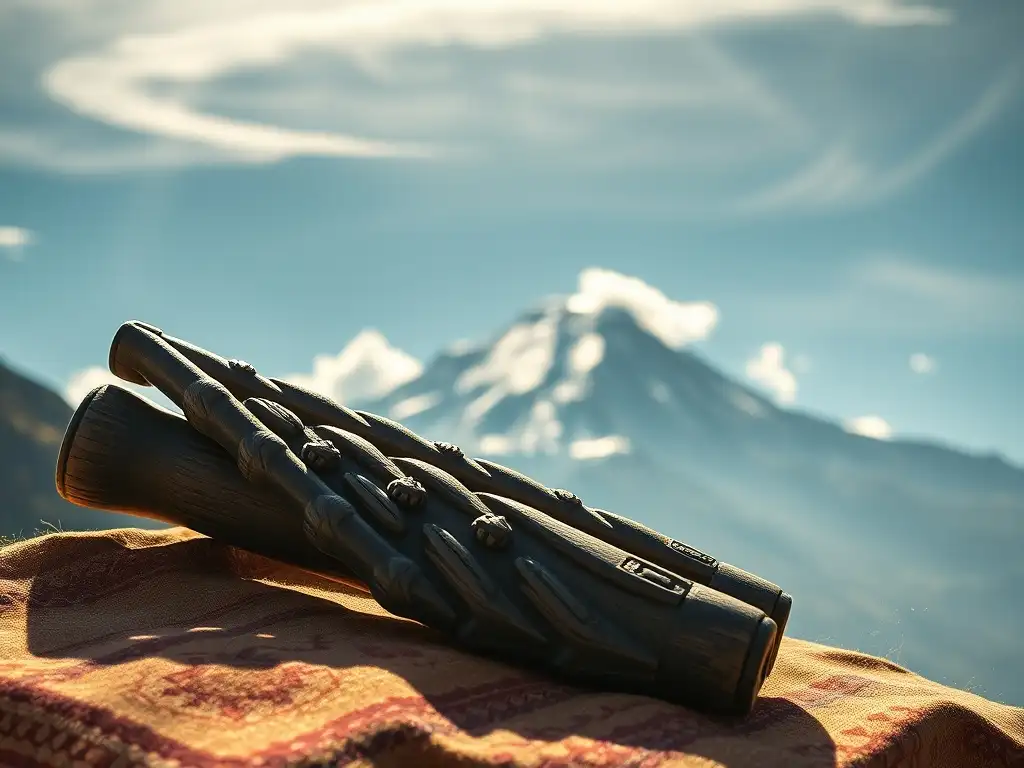
The study of Andean preColumbian music history reveals a fascinating relationship between musical scales and the perception of time. Unlike Western music's reliance on diatonic scales, Andean music frequently utilizes pentatonic and modal structures, which offer unique insights into how these ancient cultures understood and experienced the passage of time. The scales themselves, with their characteristic intervals, seem to mirror the cyclical nature of Andean cosmology, reflecting the recurring patterns observed in agriculture, astronomy, and spiritual beliefs.
Analyzing these scales provides a key to unlocking a deeper understanding of Andean conceptions of temporality. Further research into specific instruments and their tuning systems would be beneficial in refining our understanding of this relationship.
The use of Pentatonic Scales in Ancient Andean Music
Pentatonic scales, characterized by five notes within an octave, are prevalent throughout Andean musical traditions. This five-note structure resonates with the quinary system found in various aspects of Andean life, from the five fingers on a hand to the five-pointed star often associated with celestial deities. The absence of certain intervals in the pentatonic scale creates a unique sonic texture, often described as both melancholic and serene.
This characteristic sound might be interpreted as a reflection of the Andean worldview, where the cyclical nature of life, death, and rebirth is accepted as a fundamental aspect of existence. The limited number of notes could symbolize the inherent constraints and limitations within the cyclical passage of time itself, while the melodic possibilities within the pentatonic framework highlight the potential for renewal and repetition.
Detailed analysis of surviving musical fragments and ethnographic accounts of contemporary Andean music reveals a rich diversity of pentatonic scales, suggesting regional variations and possible shifts in musical practice over time. The specific intervals used within these pentatonic scales, and how they vary across different regions and time periods, are areas deserving further investigation.
Modal Structures and Their Representation of Cyclical Time
Beyond pentatonic scales, the use of modal structures in Andean preColumbian music history further emphasizes the cyclical perception of time. Modal music relies on the selection and emphasis of particular notes within a scale, creating distinct melodic and harmonic characteristics. These modes could be interpreted as musical representations of different phases within the larger cyclical processes of the Andean worldview, such as the agricultural cycle, the celestial movements, or the rhythms of life and death.
For example, a specific mode might be associated with the planting season, characterized by ascending melodic lines and bright tones, while another mode could represent the harvest, with descending melodies and richer harmonies. The transition between modes could then represent the continuous flow of time, the seamless shift between one phase of the cycle to the next. Unfortunately, the precise meanings associated with specific modes are often difficult to determine due to the limited availability of historical documentation.
More research is needed into the surviving musical traditions, iconographic representations, and archaeological findings to illuminate the relationship between specific musical modes and the cyclical experiences of time within Andean cosmology. Ethnomusicological studies of contemporary Andean music could provide valuable insights into the continuity and evolution of these modal structures.
The Role of Andean Music in Ritual and Ceremony
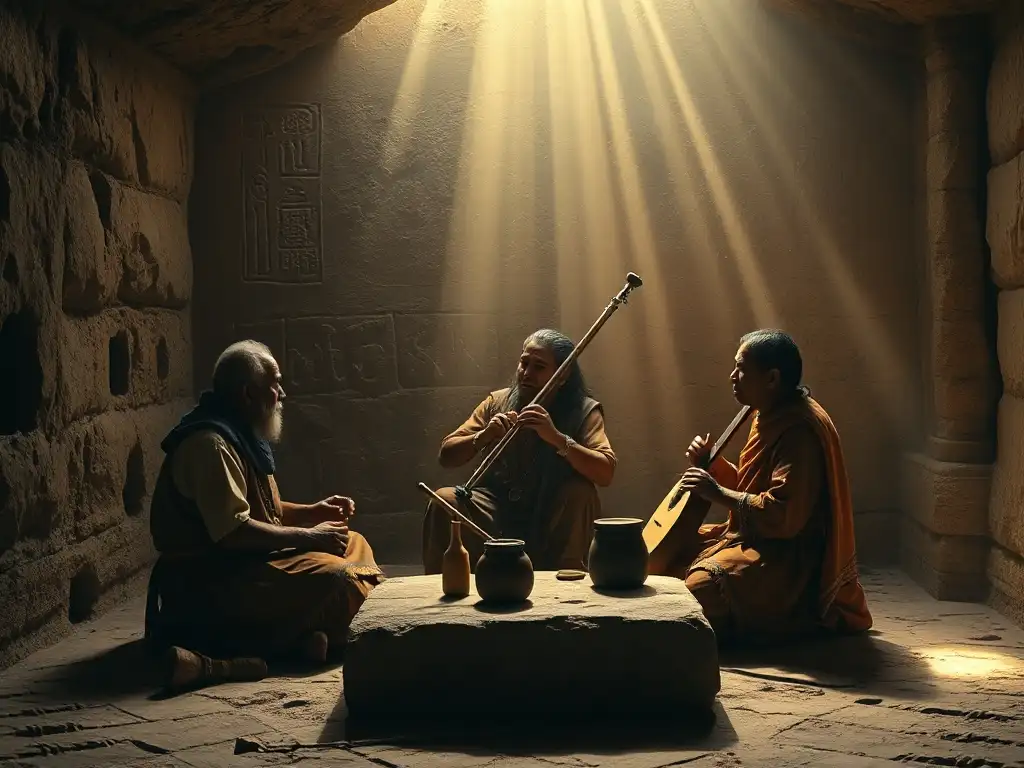
Andean preColumbian music history is deeply intertwined with ritual and ceremony. Music wasn't merely entertainment; it was a fundamental element in shaping the relationship between the Andean peoples and the cosmos. It served as a powerful tool for connecting with the spiritual world, influencing agricultural cycles, and reinforcing social structures.
The intricate melodies, rhythmic patterns, and instrumentation were carefully chosen to evoke specific energies and communicate with deities, ancestors, and the forces of nature. Understanding this role requires examining the specific contexts in which music was performed and its intended effects. The soundscapes of ancient Andean societies were far more than just pleasing to the ear; they were integral to the very fabric of their existence.
Music as a Conduit to the Sacred in Andean Societies
The Andean worldview emphasized a close relationship between the human and spiritual realms. Music played a crucial role in bridging this gap. Shamans, or paqos, often used music and song during healing ceremonies, believing that the vibrations and rhythms could influence the flow of energy within the body and restore balance.
These ceremonies frequently involved the use of instruments like the pututu (a conch shell trumpet), which produced powerful, resonant sounds believed to summon spirits and deities. The songs themselves often contained complex narratives and prayers, invoking specific deities or ancestral figures to intercede on behalf of the community. Archaeological evidence, such as the discovery of musical instruments in burial sites, further supports the significance of music in funerary rites and ancestor veneration.
For example, the discovery of intricately carved panpipes in Moche tombs suggests a strong connection between music and the afterlife. The melodies and rhythms used in these ceremonies were often passed down through generations, maintaining a continuous link to the ancestral past. This continuity underscores the deep-seated importance of music in maintaining cultural identity and spiritual connection.
The Use of Music in Agricultural and Solar Festivals
Agricultural cycles and the movements of the sun were central to the Andean way of life. Music played a vital role in marking these crucial times and influencing the outcome of harvests. Festivals dedicated to the sun god, Inti, often involved elaborate musical performances, featuring large ensembles of musicians playing a variety of instruments. These festivals were not merely celebrations but also rituals designed to ensure a bountiful harvest.
The rhythmic repetition in many Andean musical forms may have been intended to mimic the cyclical nature of the seasons and to influence the fertility of the land. Researchers have observed correlations between the timing of specific musical events and important agricultural periods, suggesting a deliberate attempt to synchronize human activities with natural rhythms. The music used in these festivals often incorporated specific instruments and melodies associated with particular deities or agricultural spirits. For instance, the use of specific flutes might have been linked to rain-making rituals, while the tarka (a type of Andean flute) might have been used in ceremonies related to the harvest.
These musical practices reflect a sophisticated understanding of the relationship between music, agriculture, and the cosmic order. The meticulous observation of celestial events and their incorporation into musical rituals highlight the advanced astronomical knowledge of these societies and their ability to integrate this knowledge into their daily lives and religious practices. Further research into the specific musical notations and archaeological findings related to these festivals would provide a more complete picture of the role of Andean preColumbian music history in agricultural practices.
The Evolution of Andean Music Through Time
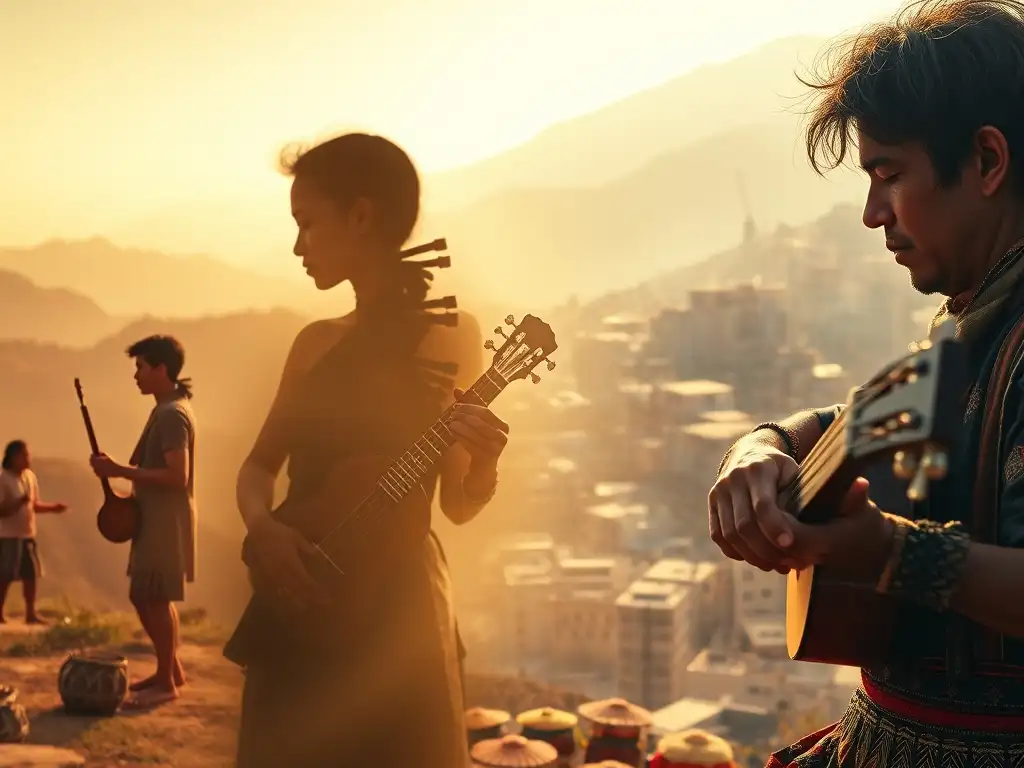
Andean pre-Columbian music history is a vast and complex tapestry woven from diverse cultural threads. Understanding its evolution requires acknowledging the significant variations between different Andean cultures and the impact of both internal migrations and external influences. While written musical notation wasn't used, archaeological evidence, ethnographic studies of surviving traditions, and analysis of musical instruments provide valuable insights into the soundscapes of past Andean societies. The concept of time itself played a crucial role, with musical rhythms often reflecting cyclical patterns of nature, agricultural cycles, and cosmological beliefs.
The Impact of Spanish Colonization on Traditional Andean Music
The arrival of the Spanish in the 16th century dramatically altered the trajectory of Andean music. The imposition of Catholicism led to the suppression of many indigenous musical practices, deemed "pagan" by the colonizers. Traditional instruments were often destroyed or forbidden, and indigenous musical forms were actively discouraged. However, complete eradication failed.
Instead, a process of cultural syncretism occurred, where indigenous musical elements blended with European musical styles. This resulted in hybrid forms, often incorporating Spanish instruments like the guitar and incorporating European musical scales and harmonies into existing Andean melodies. The yaraví, a melancholic song form expressing longing and sorrow, for example, is often cited as a testament to this fusion, reflecting both indigenous emotional expression and European harmonic structures.
The impact varied regionally; some areas experienced more forceful suppression than others, resulting in a diverse range of musical outcomes across the Andes. Quantitative data on the specific number of instruments destroyed or songs suppressed is unfortunately unavailable, highlighting the need for further research in this crucial area of Andean preColumbian music history. The long-term effects of this cultural clash are still felt today, shaping the very fabric of Andean musical traditions.
Modern Interpretations of Pre-Columbian Andean Rhythms
Despite the disruptive forces of colonization, Andean music persevered. Modern interpretations of pre-Columbian Andean rhythms demonstrate a vibrant revival and reimagining of ancient musical forms. Contemporary Andean musicians actively research and reconstruct ancient musical practices, often utilizing archaeological findings and ethnomusicological studies to inform their work.
This involves the painstaking recreation of instruments using traditional techniques and materials, and the careful study of surviving musical traditions to understand the nuances of ancient performance practices. Some groups focus on recreating the soundscapes of specific Andean cultures, while others explore innovative fusions, blending traditional Andean rhythms with modern musical genres. This process is not simply a replication of the past but rather a dynamic engagement with history, reflecting contemporary social and political concerns.
The use of modern technology, such as recording and sound amplification, also expands the reach and accessibility of these revived traditions. The resurgence of interest in Andean preColumbian music history, fuelled by both academic research and popular culture, has contributed to a renewed appreciation for the richness and complexity of these ancient musical traditions. The contemporary Andean music scene is a testament to the enduring power and adaptability of these rhythms that echo the cosmos.
Conclusion: The Enduring Legacy of Andean Music
The study of Andean preColumbian music history reveals a sophisticated understanding of time and cosmology deeply interwoven with musical practices. From the intricate rhythms of the panpipes to the haunting melodies of ceremonial songs, music served not merely as entertainment but as a vital component of Andean societies, reflecting their worldview and shaping their daily lives. The legacy of this rich musical tradition continues to resonate today, influencing contemporary Andean music and inspiring ongoing research and appreciation. Understanding this legacy is crucial for comprehending the complexities of Andean civilizations and their enduring connection to their ancestral past.
The Importance of Preserving Ancient Andean Musical Heritage
Preserving ancient Andean musical heritage is paramount for several reasons. Firstly, it safeguards a vital part of human cultural history. These musical traditions represent thousands of years of accumulated knowledge, beliefs, and artistic expression. Losing this heritage would mean losing a significant piece of the puzzle in understanding human creativity and cultural evolution. Secondly, the preservation of these musical traditions contributes to the cultural identity and pride of contemporary Andean communities.
Music plays a crucial role in maintaining cultural continuity, transmitting values and traditions across generations. The loss of this musical heritage would have a devastating impact on the cultural fabric of these communities. Thirdly, the study and preservation of Andean preColumbian music offers valuable insights into the past. Analyzing ancient instruments, musical notation (where it exists), and the cultural context in which the music was produced can provide valuable information about social structures, religious beliefs, and daily life in ancient Andean societies. The meticulous documentation and analysis of surviving musical artifacts, including instruments and fragmented musical scores, are crucial steps in this process.
Finally, the preservation of this heritage opens doors for intercultural dialogue and understanding. By studying and appreciating the music of ancient Andean civilizations, we can foster a greater appreciation for the diversity of human culture and promote cross-cultural understanding. This is especially pertinent in the context of the growing global interest in Andean preColumbian music history and its rich tapestry of sounds. The task of preservation requires a multi-faceted approach, involving collaboration between archaeologists, musicologists, anthropologists, and the Andean communities themselves. This collaborative effort is essential to ensure that the enduring legacy of Andean music is not only preserved but also celebrated and shared with the world.
Understanding Andean Time Concepts Through Their Music
Andean preColumbian music history reveals a cyclical understanding of time, profoundly different from linear Western conceptions. The music often reflects the cyclical nature of agricultural practices, the movement of celestial bodies, and the rhythms of life and death. For example, the repetitive patterns found in many Andean melodies may represent the cyclical nature of the seasons, while the use of specific instruments or musical scales might be associated with specific celestial events or deities. Furthermore, the tempo and structure of musical pieces often reflected the cosmological worldview of the Andean peoples.
Slower tempos might have been associated with moments of reflection or reverence, while faster tempos might have been used during celebrations or festivals. The incorporation of natural sounds, such as bird calls or the sounds of flowing water, further emphasizes the interconnectedness between music, nature, and the cosmos. Detailed analysis of musical scores, where available, and careful observation of existing musical practices in contemporary Andean communities can reveal further insights into these connections. The study of Andean musical instruments themselves—their materials, construction, and symbolic meaning—also provides valuable clues to understanding the Andean concept of time.
The careful crafting of instruments, often from materials with symbolic significance, suggests a deep connection between the creation of music and the cosmic order. The use of specific instruments in different rituals or ceremonies further reinforces the idea that music was an integral part of the Andean worldview and played a crucial role in shaping their understanding of time and space. By studying the intricate relationship between music, cosmology, and social practices in ancient Andean cultures, we can gain a deeper appreciation for their unique perspective on time and its relationship to the cosmos. This approach offers a compelling counterpoint to Western linear notions of time, highlighting the richness and diversity of human experiences of temporality.
Frequently Asked Questions
What is the focus of Andean pre-Columbian music history?
Andean pre-Columbian music history explores the musical traditions of civilizations like the Incas, Moche, Nazca, and Tiahuanaco before European contact. It examines instruments, musical styles, and the social and religious significance of music in these societies.
What types of instruments were used in Andean pre-Columbian music?
Panpipes, drums, flutes, and various types of percussion instruments were common. The specific instruments and their construction varied between cultures and regions, reflecting diverse musical practices.
How did Andean music connect with the cosmos?
Andean cultures often saw music as a link between the earthly and spiritual realms. Musical rituals were integral to their religious beliefs and agricultural cycles, reflecting a deep connection with the cosmos.
What is known about the musical notation systems used by Andean civilizations?
While formal written musical notation as we know it was absent, evidence suggests the use of mnemonic devices and oral traditions to preserve and transmit musical knowledge across generations. Archaeological findings offer insights into these practices.
How has Andean pre-Columbian music influenced music today?
The legacy of Andean pre-Columbian music is evident in many contemporary musical styles. Traditional instruments and melodies continue to be used, and their influence can be heard in both folk and modern Andean music.
Final Reflection: Echoes of the Andes, Whispers of the Cosmos
The enduring power of Andean music transcends mere historical significance; it's a living testament to a civilization's profound connection with the cosmos, a connection that resonates deeply even in our modern world. The intricate rhythms and haunting melodies, passed down through generations, offer a powerful counterpoint to the frenetic pace of contemporary life, reminding us of a slower, more deliberate engagement with time and spirituality. This legacy continues to inspire artists and listeners alike, proving the timeless quality of its cultural impact.
The exploration of Andean pre-Columbian music reveals not only a sophisticated musical tradition but also a complex worldview deeply intertwined with nature and the cyclical rhythms of the universe. This understanding of time, so different from our linear Western perspective, offers a valuable lens through which to examine our own relationship with the world around us. Music is the universal language of mankind.
– Henry Wadsworth Longfellow. This quote, while broad, perfectly encapsulates the ability of Andean music to transcend linguistic and cultural barriers, connecting us to a shared human experience that stretches back millennia.
Consider the intricate patterns woven into the textiles, the echoes of ancient instruments in modern compositions, the enduring spiritual practices that inform the music's creation. These are not merely historical artifacts; they are living threads connecting us to a rich and vibrant past. You, the reader, are now invited to listen more deeply, not just to the music itself, but to the whispers of the cosmos it carries within its melodies. Seek out the sounds of the Andes, let them resonate within you, and discover the timeless wisdom they hold.
Embrace the Rhythms of the Andean Cosmos!
Thank you for exploring the enchanting world of Andean music with us! We hope you felt the powerful connection between the music and the universe, discovering how these melodies embody rich cultural stories and the passage of time. Now, let's build on your newfound appreciation.
Here are some ways you can continue your journey:
- **Listen to traditional Andean music:** Create a playlist of Andean tracks on your favorite streaming service and let the rhythms enrich your daily life.
- **Share your favorite Andean song:** Introduce your friends to the beauty of Andean music by sharing a track on social media. Use the hashtag #AndeanEchoes to connect with others who share your passion.
- **Learn to play an Andean instrument:** Consider taking a class or workshop to learn to play the charango or pan flute. Hands-on experience deepens your connection to the music.
What aspect of Andean music resonates most deeply with you, and how will you integrate it into your life?