
The Andean Concept of "Kawsay": The Living Energy of Time and Space

Welcome to Andean Civilizations, where the echoes of a lost world whisper secrets of ingenuity and wonder. Prepare to journey through the breathtaking tapestry of Andean history, art, and technology, encountering civilizations that defied the limits of human achievement. But first, unravel the enigma of Kawsay: What is the true meaning of this Andean concept, and how did it shape their perception of time, space, and the very essence of life itself? Discover the answer and more as you delve into the fascinating world of Andean cosmology and worldview.
The Andean worldview, far from being a static collection of beliefs, pulsed with a vibrant, dynamic energy encapsulated in the concept of Kawsay. This isn't simply a word for "life" in the Western understanding; instead, Kawsay represents a profound interconnectedness between time, space, and all living beings, a holistic perspective that permeates every aspect of Andean cosmology.
Understanding Kawsay unlocks a deeper appreciation of the intricate relationship ancient Andean societies held with their environment, their spirituality, and their understanding of the universe. This article delves into the multifaceted meaning of Kawsay, exploring its implications for Andean societies and its relevance to contemporary interpretations of Andean thought.
We'll examine how this concept shaped their social structures, artistic expressions, and technological advancements, revealing a sophisticated worldview centered around the continuous flow of life force and its impact on the very fabric of reality. Prepare to journey into the heart of Andean cosmology and uncover the rich tapestry of meaning woven into the very essence of Kawsay.
Understanding the Nuances of Kawsay: Beyond Simple "Life"
The simplistic translation of Kawsay as "life" significantly undersells its depth and complexity. While encompassing the biological existence of beings, it transcends this limited definition. Think of it as a dynamic, ever-flowing energy that animates the cosmos, connecting everything from the mountains and rivers to humans and animals in a continuous cycle of creation, transformation, and regeneration. 1 This energy isn't static; it's a process, a continuous unfolding of existence, reflecting a cyclical rather than linear perception of time. This understanding is crucial to grasping the core of Andean thought, which saw the universe not as a collection of separate entities, but as a single, interconnected organism. This holistic approach is evident in their agricultural practices, their rituals, and their artistic representations, all reflecting a deep reverence for the Kawsay that permeates all things.
The concept of Kawsay profoundly influenced the social structures of Andean civilizations. The emphasis on interconnectedness fostered a strong sense of community and reciprocity. Individuals weren't seen as isolated entities, but as integral parts of a larger, interdependent web of life. This understanding manifested in the ayni system, a form of reciprocal exchange that ensured the well-being of the entire community.
The success of the community depended on the harmonious flow of Kawsay, and individuals contributed their skills and resources to maintain this balance. Failure to participate in this reciprocal system could disrupt the flow of Kawsay, potentially leading to negative consequences for the entire community. This highlights the profound social implications of a worldview centered around the continuous flow of life force.
Kawsay and Andean Art: Expressions of Living Energy
Andean art serves as a powerful visual representation of Kawsay. From the intricate textiles of the Nazca to the monumental stonework of the Inca, artistic expressions were not merely aesthetic creations but rather potent manifestations of the living energy that permeated their world. The vibrant colors, intricate patterns, and symbolic imagery all reflect the dynamic nature of Kawsay, capturing the continuous cycle of life, death, and regeneration.
Consider, for instance, the recurring motifs of animals, plants, and celestial bodies, all symbolically representing the interconnectedness of the natural world and its inherent life force. The very act of creation was seen as a participation in the continuous flow of Kawsay, a way of actively engaging with and celebrating the life force that animated their world.
Kawsay in Contemporary Interpretations: A Continuing Legacy
The concept of Kawsay continues to resonate in contemporary Andean communities and is increasingly gaining recognition in broader discussions on environmentalism and sustainability. 2 Its emphasis on interconnectedness and reciprocity offers valuable insights into alternative ways of interacting with the natural world. The emphasis on balance and harmony provides a powerful counterpoint to the exploitative tendencies often associated with Western perspectives. The enduring legacy of Kawsay lies in its ability to offer a holistic and sustainable worldview that acknowledges the intrinsic value of all living beings and the delicate balance that sustains life on Earth. Understanding Kawsay is not simply an academic exercise; it's a pathway to a deeper understanding of the interconnectedness of life and a potential model for a more sustainable future.
1 Further research is needed to specify the exact sources and interpretations of Kawsay across different Andean cultures. 2 Specific examples of contemporary applications of Kawsay principles require further research and detailed case studies.
- Understanding the Nuances of Kawsay: Beyond Simple "Life"
- Kawsay in Andean Social Structures: Harmony and Reciprocity
- Kawsay and Andean Art: Expressions of Living Energy
- Kawsay in Contemporary Interpretations: A Continuing Legacy
Understanding Kawsay: The Core of Andean Cosmology
This section delves into the nuanced understanding of Kawsay, a fundamental concept within Andean cosmology that significantly differs from the Western notion of "life." It's not simply the biological existence of an organism; instead, it represents a vibrant, dynamic energy permeating all aspects of reality, connecting time and space in a profoundly interconnected web. Understanding Kawsay is key to grasping the Andean worldview and their intricate relationship with the natural world. The Andean concept of Kawsay meaning extends far beyond a simple definition, encompassing a complex interplay of forces and energies.
Defining Kawsay: More Than Just "Life"
The direct translation of Kawsay from Quechua is often given as "life," but this is a vast oversimplification. While encompassing the biological life cycle, Kawsay transcends mere existence. It encompasses the vital force, the animating energy, that flows through all things – from mountains and rivers to humans and animals. Think of it as the inherent energy that allows things to be, to exist and interact within the cosmos.
It's the essence of being, the ongoing process of becoming, and the continuous cycle of creation and renewal. It’s the living energy that animates the universe and binds all elements together in a complex, interwoven system. This Andean concept of Kawsay meaning is best understood as a holistic and dynamic process, not a static state.
Kawsay as a Dynamic Force: Energy in Motion
Kawsay is not static; it is a dynamic, ever-flowing energy. It's constantly in motion, transforming, renewing, and evolving. This energy is not confined to living beings; it's present in the landscape itself, in the mountains, the rivers, and the very air we breathe. The Andean people perceived this energy as a vital force that could be harnessed and channeled, influencing their agricultural practices, social structures, and spiritual beliefs.
For example, the precise timing of agricultural cycles was deeply connected to the understanding of Kawsay's flow and its influence on the fertility of the land. They recognized the cyclical nature of Kawsay, reflecting the continuous cycles of birth, death, and rebirth observed in the natural world. The Andean concept of Kawsay meaning, therefore, is intrinsically linked to the cycles of nature and the continuous flow of energy.
The Interconnectedness of Kawsay: Linking All Existence
The concept of Kawsay emphasizes the deep interconnectedness of all things. Everything in the Andean worldview—humanity, nature, and the cosmos—participates in this shared energy. There is no separation between the living and the non-living; all are woven together in a complex tapestry of Kawsay. This interconnectedness is reflected in their worldview and practices, highlighting the importance of living in harmony with nature and respecting the Kawsay that flows through all things.
This understanding fostered a profound respect for the environment and a sustainable way of life, intricately linked to the cyclical rhythms of the Andes. The Andean concept of Kawsay meaning underscores the responsibility humans have to maintain the balance and flow of this vital energy, ensuring the continued flourishing of all life. This holistic perspective offers a powerful framework for understanding the Andean civilization's deep connection with its environment and its sophisticated understanding of the world.
The understanding of *Kawsay* provides a crucial lens through which to interpret Andean art, technology, and social structures. Further research is needed to fully explore the multifaceted implications of this powerful concept.
Kawsay and the Andean Perception of Time
The Andean concept of Kawsay, often translated as "life" or "living energy," transcends a simple biological definition. It represents a dynamic, interconnected force that permeates all aspects of Andean cosmology, profoundly shaping their perception of time and space. Unlike linear Western conceptions of time, Kawsay emphasizes a cyclical and interconnected understanding, where past, present, and future are not distinct entities but rather interwoven threads within a continuous flow of energy. This understanding is deeply rooted in the observation of natural cycles and the intimate relationship between humans and the environment.
Understanding the Andean concept of Kawsay meaning requires appreciating this fundamental difference in temporal perspective. The word itself evokes a sense of vitality, continuity, and the ever-present force that animates the universe. This section will delve into the nuances of this powerful concept and its implications for Andean worldview.
Cyclical Time and Kawsay: Rhythms of Nature
The Andean perception of time is fundamentally cyclical, mirroring the recurring rhythms of nature. The cycles of the sun, moon, and stars, the changing seasons, the planting and harvesting of crops—all these natural phenomena profoundly influenced the Andean understanding of Kawsay. The year was not seen as a linear progression but as a continuous loop, a repeating pattern of growth, decay, and renewal.
This cyclical view is reflected in their agricultural practices, festivals, and religious beliefs. For example, the Inti Raymi, the Inca festival of the sun, celebrated the solstice and the renewal of life, highlighting the cyclical nature of Kawsay and its connection to the cosmic order. The concept of pachakuti, a cyclical transformation or upheaval, further emphasizes this perspective; it's not merely a historical event but a recurring process within the continuous flow of Kawsay.
This cyclical understanding is not just a matter of observation; it’s a deeply ingrained belief system that shapes their worldview and informs their actions. The cyclical nature of Kawsay emphasizes the interconnectedness of all things and the importance of maintaining balance within this continuous flow.
Kawsay and the Past, Present, and Future: A Continuum
Unlike Western linear conceptions of time, where the past is considered fixed and the future uncertain, the Andean understanding of Kawsay views past, present, and future as a continuous, interwoven flow. The past is not simply something to be left behind but a source of knowledge, wisdom, and ancestral energy that informs the present. Similarly, the future is not a separate entity but a continuation of the present, shaped by the actions and choices of the present moment.
This understanding is reflected in their veneration of ancestors and the importance of maintaining a connection to the past. Rituals and ceremonies often involve invoking the presence of ancestors to seek guidance and blessings. This doesn't imply a passive acceptance of fate, but rather a recognition that the past, present, and future are inextricably linked, and that actions in the present have consequences that extend across time.
The concept of Kawsay thus fosters a sense of responsibility towards both the past and the future. This continuous flow of Kawsay means that actions have reverberations across time, emphasizing the importance of living in harmony with the natural world and respecting the cyclical rhythms of life.
The Role of Pachamama in Kawsay's Temporal Manifestation
Pachamama, the Earth Mother, plays a central role in the manifestation of Kawsay across time. She is not merely a deity but the embodiment of the life-giving force that sustains all living things. Her fertility and bounty are directly linked to the cyclical rhythms of Kawsay, reflecting the continuous flow of energy between the earth and the cosmos.
The agricultural cycles, so crucial to Andean life, are seen as a direct manifestation of Pachamama's power and her influence on the passage of time. The health and well-being of Pachamama are directly connected to the flourishing of Kawsay, and conversely, disrespect towards the Earth is seen as disrupting the natural flow of life-giving energy. Rituals and offerings to Pachamama are essential for maintaining the balance and ensuring the continuity of Kawsay across generations.
The reverence for Pachamama is not a mere religious practice; it is a fundamental aspect of the Andean worldview, integral to their understanding of time, space, and the continuous flow of life. The health of Pachamama is intrinsically linked to the health of Kawsay, underscoring the deep interconnectedness of all things within the Andean cosmology.
Kawsay and the Andean Understanding of Space
The Andean concept of Kawsay, often translated as "life" or "living energy," transcends a simple biological definition. It encompasses a dynamic, interconnected force permeating all aspects of existence – a vital energy that animates not only living beings but also the landscape, the cosmos, and even time itself. Understanding Kawsay requires grasping its profound implications for the Andean understanding of space, a perspective vastly different from Western, Cartesian notions of a static, separate space.
Instead, Andean space is vibrant, pulsating with Kawsay, a sacred geography imbued with spiritual significance. This section delves into the spatial dimensions of Kawsay, exploring how this concept shaped Andean perceptions of their world and their relationship with it. The search for the "Andean concept of Kawsay meaning" leads us to this intricate relationship between life force and the physical world.
Spatial Significance of Kawsay: Sacred Places and Energies
For Andean cultures, space wasn't merely a void to be occupied; it was a tapestry woven with Kawsay. Certain places held a heightened concentration of this vital energy, transforming them into sacred sites. These weren't simply aesthetically pleasing locations; they were considered potent nodes within the energetic landscape, places where the veil between the human and spiritual realms was thin.
Examples include mountain peaks ( apus), considered sacred beings themselves, and springs and rivers, conduits of Kawsay flowing through the earth. These sites served as focal points for rituals, ceremonies, and offerings designed to maintain the flow of Kawsay and ensure the wellbeing of the community. The precise locations and their specific significance varied across different Andean cultures, reflecting the diversity of their landscapes and beliefs.
However, the underlying principle remained consistent: the sacred geography was integral to the maintenance of Kawsay. The careful management and respect shown for these sites underscore the deep connection between the physical world and the spiritual energy that animated it, a core aspect of the "Andean concept of Kawsay meaning."
Archaeological evidence supports this understanding. The meticulous construction of Inca roads, for example, wasn't solely for practical purposes; they also served as pathways for Kawsay, connecting sacred sites and facilitating the movement of this life force across the empire. Similarly, the precise placement of buildings and agricultural terraces often aligned with significant geographic features, reflecting a deep understanding of the energetic landscape. This deep understanding of the "Andean concept of Kawsay meaning" as it relates to space is a testament to the sophisticated worldview of these ancient civilizations.
Kawsay Flowing Through the Cosmos: The Celestial Connection
The influence of Kawsay extended beyond the terrestrial realm. Andean cosmology envisioned a dynamic, interconnected universe where the celestial sphere played a crucial role in the flow of Kawsay. The sun, moon, stars, and constellations were not merely astronomical bodies but active participants in the cosmic dance of life energy.
Their movements, cycles, and alignments were carefully observed and interpreted, providing a framework for understanding the rhythms of Kawsay and predicting events on Earth. This celestial connection is reflected in numerous Andean myths, rituals, and artistic expressions, highlighting the inextricable link between the earthly and cosmic realms in the context of Kawsay.
The Andean calendar, for instance, was intricately linked to celestial events, reflecting a profound understanding of the cyclical nature of Kawsay. Agricultural practices were often synchronized with the movements of the sun and moon, ensuring the optimal flow of life energy into the crops. This highlights how the "Andean concept of Kawsay meaning" extended to the cyclical nature of the cosmos and the importance of aligning human activities with these cosmic rhythms.
The intricate astronomical observations and calendar systems demonstrate a sophisticated understanding of the cosmos and their influence on the flow of Kawsay. This is a significant element in understanding the "Andean concept of Kawsay meaning" in its broadest context.
Living with Kawsay: Harmonizing with the Environment
The Andean concept of Kawsay emphasizes a harmonious relationship between humans and their environment. Living in accordance with Kawsay meant respecting the interconnectedness of all things and ensuring the continuous flow of this vital energy. This involved sustainable agricultural practices, careful resource management, and a deep respect for the natural world, reflecting a worldview that prioritized balance and reciprocity. The "Andean concept of Kawsay meaning" is deeply rooted in this reciprocal relationship.
This holistic approach is evident in traditional Andean agriculture, which often employed techniques that minimized environmental impact and maximized biodiversity. Terracing, for example, not only increased arable land but also helped to prevent soil erosion and maintain water resources. Similarly, the practice of ayni—reciprocal exchange—extended beyond human interactions to encompass the relationship between humans and the natural world, emphasizing the mutual dependence and obligation to maintain the balance of Kawsay.
This understanding of the "Andean concept of Kawsay meaning" as a reciprocal relationship with the environment provides a valuable lesson for contemporary society facing environmental challenges. The emphasis on sustainability and respect for nature offers a powerful counterpoint to exploitative practices.
The Manifestation of Kawsay in Andean Culture
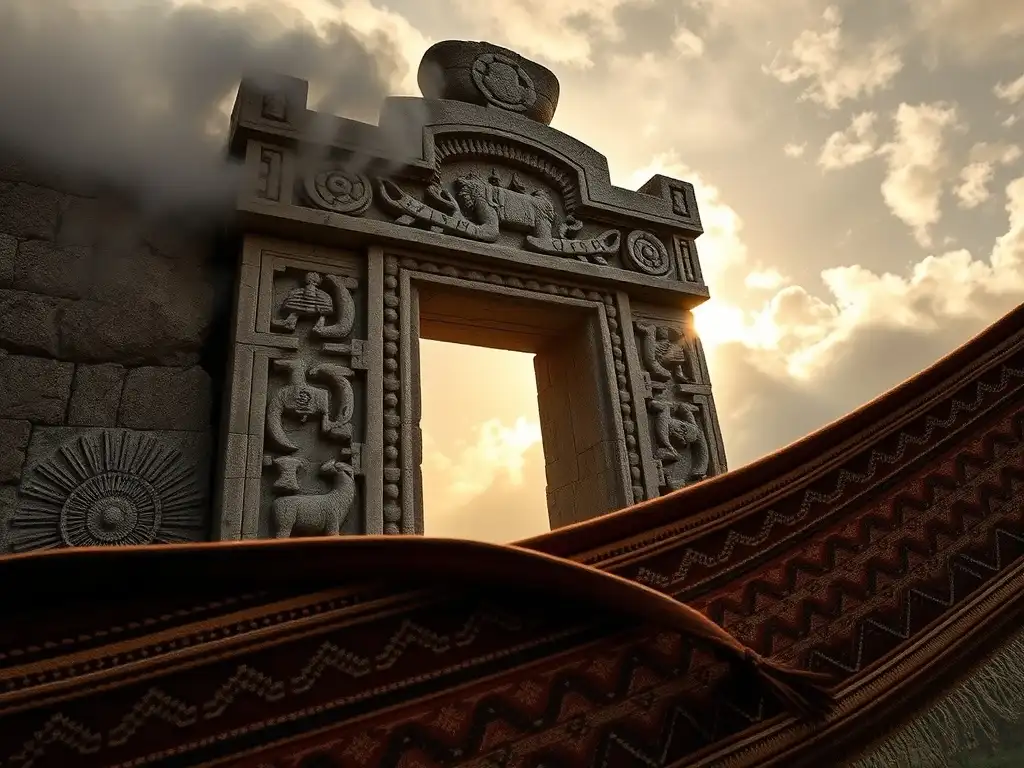
The Andean concept of Kawsay, often translated as "life" or "living energy," extends far beyond a simple biological definition. It encompasses a dynamic, interconnected force that animates all aspects of the Andean worldview, permeating time, space, and the relationships between humans, nature, and the supernatural. Understanding Kawsay requires exploring its tangible manifestations within Andean culture, revealing how this vital energy shaped daily life, beliefs, and practices.
The Andean concept of Kawsay meaning is deeply rooted in a holistic understanding of existence, where everything is imbued with this life force. This section will delve into the various ways Kawsay was expressed and honored in ancient Andean societies.
Rituals and Ceremonies: Honoring the Energy of Kawsay
Rituals and ceremonies played a central role in maintaining and honoring the flow of Kawsay. These weren't simply religious observances; they were active engagements with the life force itself, aimed at ensuring its continued vitality and positive influence. For example, the Inca Capac Raymi, the most important festival in the Inca calendar, celebrated the sun's power and its role in sustaining life—a direct manifestation of Kawsay.
The elaborate ceremonies, involving sacrifices, processions, and feasts, were designed to replenish and strengthen the Kawsay of the land and its people. Smaller, localized rituals, often connected to agricultural cycles, also served to maintain this vital energy. These included offerings to apus (mountain spirits), pachamama (Earth Mother), and other deities, ensuring a harmonious balance within the ecosystem and the continued flow of Kawsay.
The intricate details of these rituals, often involving specific offerings and precise timings, highlight the deep respect and understanding of the interconnectedness of all things within the Andean worldview. The precise nature of many rituals, especially those of less prominent Andean cultures like the Moche, remains a subject of ongoing research, but available evidence consistently points to the central role of Kawsay in shaping their structure and purpose.
Art and Symbolism: Representing Kawsay Visually
Andean art serves as a powerful visual record of the Kawsay concept. Textiles, ceramics, and metalwork are replete with symbols and motifs that represent the life force and its various manifestations. The intricate designs woven into textiles, for example, often depict animals, plants, and celestial bodies, all imbued with Kawsay.
These weren't merely decorative elements; they were active representations of the interconnected web of life, each element contributing to the overall flow of energy. Similarly, Moche pottery frequently depicts scenes of life, death, and rebirth, highlighting the cyclical nature of Kawsay and its ever-present renewal. The vibrant colors and dynamic forms used in Andean art further emphasize the energy and vitality associated with this concept.
Analyzing the symbolism within Andean art provides a compelling visual narrative of Kawsay, offering insights into how the ancient Andean people perceived and interacted with the life force that permeated their world. The use of specific colors, such as red (associated with energy and blood) and green (representing fertility and growth), further underscores the multifaceted nature of the Andean concept of Kawsay meaning.
The Importance of Ayni: Reciprocity and Kawsay
The principle of ayni, reciprocal exchange, is inextricably linked to the concept of Kawsay. Ayni emphasizes the interconnectedness of all beings and the need for balance and harmony within the ecosystem. By engaging in acts of reciprocity—sharing resources, labor, and support—individuals contribute to the overall flow of Kawsay, ensuring its continued vitality.
The failure to participate in ayni was seen as disrupting the natural order and potentially diminishing the life force. This system of mutual exchange wasn't merely a social convention; it was a fundamental aspect of maintaining the balance of Kawsay. The concept of ayni highlights the social and ecological dimensions of Kawsay, emphasizing the responsibility of individuals to contribute to the well-being of the community and the environment.
Examples of ayni in practice ranged from communal labor on agricultural projects to the exchange of goods and services within the community. The enduring legacy of ayni in contemporary Andean communities underscores its enduring relevance and its deep connection to the fundamental principle of Kawsay. The Andean concept of Kawsay meaning is therefore inseparable from the practice of ayni, demonstrating a holistic worldview where individual actions directly impact the collective flow of life energy.
Comparing Kawsay with Western Concepts of Energy
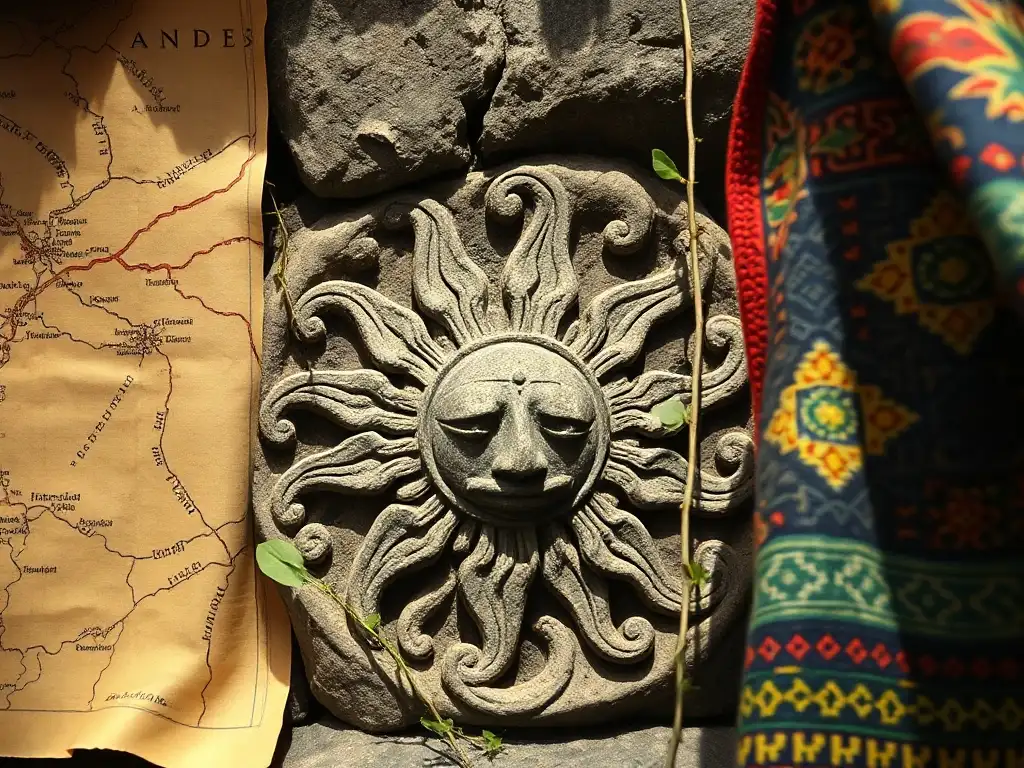
The Andean concept of Kawsay, often translated as "living energy," presents a fascinating contrast to Western understandings of energy. While Western science largely compartmentalizes energy into distinct forms (kinetic, potential, thermal, etc. ), Kawsay encompasses a far more holistic and interconnected perspective.
It's not merely a quantifiable force, but a dynamic, vital principle permeating all aspects of existence – animate and inanimate. This fundamental difference influences how Andean cultures perceive the world and their place within it. For example, a mountain isn't just a geological formation; it's a living entity imbued with Kawsay, a sacred space with its own energy and spirit.
Similarly, a river isn't simply water flowing downhill; it’s a life-giving force, a vein of Kawsay nourishing the land and its inhabitants. This holistic view contrasts sharply with the tendency in Western thought to dissect and analyze phenomena into their constituent parts, often losing sight of the interconnectedness of the whole.
Contrasting Kawsay with Western Ideas of "Life Force"
While the Western concept of a "life force" or "vital energy" bears some resemblance to Kawsay, crucial distinctions remain. Some spiritual traditions in the West posit a vital force animating living beings, but this often remains a separate entity from the physical world, a spiritual essence distinct from material reality. Kawsay, however, is inextricably linked to the physical world. It's not a separate entity but the very essence of being, the dynamic energy that shapes and sustains both the physical and spiritual realms.
Think of the Pachamama (Mother Earth) – the very ground beneath our feet is infused with Kawsay, a tangible force that sustains all life. This inherent interconnectedness is a key element distinguishing the Andean understanding from many Western interpretations of vital energy. The Andean worldview doesn't separate the spiritual from the material; they are interwoven aspects of a single, vibrant reality.
The Holistic Approach of Kawsay vs. Reductionist Views
The Andean understanding of Kawsay reflects a profoundly holistic worldview, directly contrasting with the often reductionist approaches prevalent in Western science and philosophy. Western scientific inquiry frequently dissects complex systems into their smaller components to understand their workings. While this approach has yielded significant advancements, it can sometimes overlook the emergent properties and interconnectedness of the whole.
Kawsay, in contrast, emphasizes the interconnectedness of all things. The energy that flows through a mountain, a river, a person, and the cosmos is ultimately the same – a continuous, dynamic flow of Kawsay. Understanding this interconnectedness was central to Andean societies' harmonious relationship with their environment and their deeply spiritual understanding of the world.
This holistic approach offers a valuable counterpoint to the sometimes fragmented perspective of Western thought. Consider the intricate agricultural terraces of the Andes – a testament to a deep understanding of the interplay between human activity, the environment, and the flow of Kawsay.
Learning from Kawsay: A Path to a More Balanced Worldview
The Andean concept of Kawsay offers valuable insights for contemporary society grappling with ecological challenges and a sense of disconnection from the natural world. By embracing a more holistic perspective, as exemplified by Kawsay, we might cultivate a deeper appreciation for the interconnectedness of all life and a more sustainable relationship with our environment. The understanding that everything is infused with this living energy encourages respect, responsibility, and reciprocity in our interactions with the natural world.
Learning to perceive the world through the lens of Kawsay might lead to more ethical and sustainable practices, fostering a more balanced and harmonious relationship between humanity and the planet. The inherent interconnectedness implied by Kawsay suggests a path towards a more responsible and sustainable future, a future where human actions are guided by a deeper understanding of our place within the intricate web of life.
This resonates deeply with contemporary ecological concerns and calls for a paradigm shift towards more sustainable and interconnected ways of living. The wisdom embedded within the Andean concept of Kawsay offers a powerful framework for navigating the complexities of the modern world.
Kawsay and its Relevance Today
The Andean concept of Kawsay, often translated as "living energy" or "life force," transcends a simple definition. It's a holistic worldview encompassing the interconnectedness of time, space, and all living beings. Understanding Kawsay isn't merely an academic exercise; it offers profound insights applicable to contemporary challenges. The Andean understanding of Kawsay emphasizes a reciprocal relationship between humanity and the natural world, a concept increasingly relevant in our era of environmental crisis and social inequality.
This intricate web of life, where every element possesses inherent value and contributes to the overall balance, resonates deeply with modern ecological and spiritual movements. The essence of Kawsay lies in recognizing our place within this intricate system, fostering responsibility and respect for the interconnectedness of all things. This ancient wisdom provides a powerful framework for re-evaluating our relationship with the planet and each other.
It challenges the anthropocentric views prevalent in many societies, urging a shift towards a more sustainable and equitable future. The enduring power of Kawsay lies in its ability to offer practical guidance for navigating the complexities of the modern world. It provides a potent antidote to the fragmentation and alienation that often characterize contemporary life.
Applying the Principles of Kawsay in Modern Life
The principles embedded within the Andean concept of Kawsay—reciprocity, respect for nature, and interconnectedness—can be actively integrated into modern life. This isn't about adopting a specific ritual, but rather about cultivating a mindset that values balance and sustainability. For example, mindful consumption, reducing our ecological footprint, and supporting fair trade practices all reflect the spirit of Kawsay.
Consider the impact of our daily choices: Do our purchasing decisions support communities and ecosystems, or do they contribute to exploitation and environmental degradation? The Andean worldview encourages us to consider the long-term consequences of our actions, recognizing that our choices ripple outwards, affecting not only ourselves but future generations. Furthermore, fostering strong community bonds and practicing empathy towards others, mirroring the interconnectedness inherent in Kawsay, can lead to more harmonious and resilient societies.
This holistic approach emphasizes the importance of balancing individual needs with collective well-being, a crucial element often overlooked in modern, individualistic societies. The concept of ayni, reciprocal exchange, is a key aspect of Kawsay, reminding us that true prosperity lies not in accumulation but in mutual support and cooperation.
Kawsay and Sustainable Practices: A Model for the Future
The Andean concept of Kawsay offers a powerful model for sustainable practices, emphasizing the importance of living in harmony with nature. Traditional Andean agriculture, for example, demonstrates a deep understanding of ecological balance and resource management. Techniques like andenes (terraced agriculture) and the careful selection of crops suited to specific microclimates show a remarkable level of environmental stewardship.
These practices demonstrate the long-term vision inherent in Kawsay, prioritizing the health of the ecosystem over short-term gains. In contrast to modern industrial agriculture's often destructive practices, the Andean approach prioritizes biodiversity, soil health, and water conservation. Applying these principles to contemporary challenges like climate change and resource depletion offers a viable pathway towards a more sustainable future.
The emphasis on reciprocity inherent in Kawsay translates into a responsibility to protect and regenerate the natural world, recognizing that our well-being is inextricably linked to the health of the planet. Understanding the interconnectedness of all living things, as understood in Kawsay, is essential for developing effective and lasting solutions to environmental problems.
The Enduring Wisdom of the Andean Concept of Kawsay
The enduring relevance of the Andean concept of Kawsay lies in its ability to provide a holistic framework for understanding our place in the world. It's not simply a set of beliefs but a practical philosophy that encourages a mindful and responsible approach to life. In a world increasingly characterized by environmental degradation, social inequality, and spiritual fragmentation, Kawsay offers a powerful counter-narrative.
It provides a pathway towards a more sustainable, equitable, and meaningful existence, emphasizing the interconnectedness of all living things and the importance of living in harmony with nature. The wisdom embedded within this ancient Andean worldview provides valuable insights for navigating the complexities of the modern world and building a more just and sustainable future. The concept of Kawsay continues to inspire and inform contemporary discussions on sustainability, environmental ethics, and indigenous knowledge systems, demonstrating its enduring value and relevance in the 21st century.
Its emphasis on a balanced and reciprocal relationship with the natural world offers a vital perspective in addressing the pressing environmental and social challenges facing humanity. The continued study and application of Kawsay principles hold immense potential for creating a more harmonious and sustainable future for all.
Frequently Asked Questions
What is the Andean concept of Kawsay?
Kawsay is a Quechua word encompassing a holistic worldview. It signifies living energy that permeates all things, connecting time, space, and the spiritual realm. It's not simply "life," but the dynamic force of existence.
How does Kawsay relate to the Andean worldview?
Kawsay is fundamental to the Andean understanding of the universe. It emphasizes the interconnectedness of all living beings and the constant flow of energy. This concept informs their beliefs about nature, spirituality, and society.
What is the significance of time and space in Kawsay?
Time and space aren't seen as separate entities but as integral aspects of Kawsay. They are interwoven and dynamic, reflecting the continuous flow of energy and the cyclical nature of life and death. Everything is interconnected.
How did the Incas understand and apply the concept of Kawsay?
The Inca Empire's social structures, agricultural practices, and religious beliefs were all deeply influenced by Kawsay. They saw themselves as part of a larger, living system, striving for balance and harmony within it.
Are there modern applications or interpretations of Kawsay?
Yes, the concept of Kawsay continues to resonate today. It informs contemporary Andean activism, environmental movements, and spiritual practices, emphasizing sustainability and holistic living.
Final Reflection: Kawsay: A Living Legacy for the Future
The Andean concept of Kawsay, far from being a relic of the past, offers a potent framework for understanding our relationship with time, space, and the interconnectedness of all things in the present day. Its emphasis on reciprocal relationships and the inherent vitality of the cosmos resonates deeply with contemporary concerns about environmental sustainability and social justice, offering a powerful alternative to linear, exploitative models of progress.
The enduring influence of Kawsay on Andean cultures is undeniable, shaping their worldview and practices to this day. It's a concept that permeates everything from agricultural techniques to spiritual beliefs, reminding us of the profound impact a holistic philosophy can have on a society. The Earth is not something we inherit from our ancestors; it is something we borrow from our children.
This sentiment, although not directly from Andean tradition, perfectly encapsulates the spirit of Kawsay and its emphasis on responsible stewardship.
Consider, then, how you might integrate the principles of Kawsay into your own life. How can you foster a deeper connection with the natural world and the communities around you? How can you move beyond a purely transactional relationship with time and space, embracing instead a sense of reciprocity and interconnectedness? Let the vibrant energy of Kawsay inspire you to live more consciously, more sustainably, and more meaningfully, creating a future where the living energy of time and space flows freely for generations to come.
Embrace the Energy of Kawsay Today!
Thank you for exploring the profound concept of **Kawsay** with us! Your interest highlights the beauty of understanding the interconnectedness of energy, time, and space within the Andean worldview. Now that you've gained insight into this vibrant philosophy, let's explore how to integrate it into your daily life.
Here are some practical steps you can take:
- **Reflect on Kawsay:** Take a few moments each day to meditate on the life force flowing through you. Consider journaling your reflections and insights.
- **Connect with Nature:** Spend time in nature—a park, a forest, even your own backyard. **Embrace the vibrant energy** of the natural world and draw inspiration from your surroundings.
- **Share Your Understanding:** Discuss the concept of Kawsay with friends and family, or share your thoughts online. Help others appreciate its significance.
Understanding Kawsay is just the beginning. How will you weave this dynamic energy into the fabric of your everyday life?