
Plant Wisdom: How Andean Civilizations Harnessed Botanical Knowledge for Survival

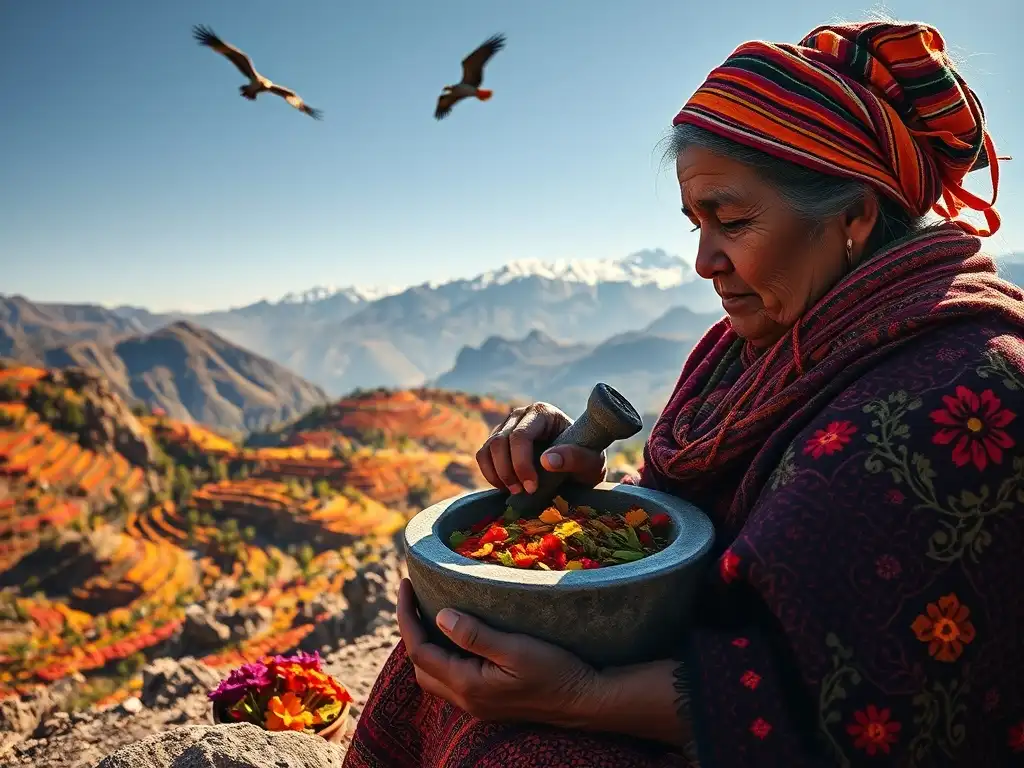
Step into a world lost to time, yet echoing with the wisdom of the ancients. Imagine a civilization where the mountains whispered secrets, and plants held the key to survival. Andean Civilizations unveils the fascinating story of their intricate relationship with the natural world, revealing the astonishing power of Andean plant medicine knowledge. Prepare to be captivated as we delve into the profound cosmology and worldview that shaped their mastery of botanical healing – a legacy that continues to resonate today. Discover the secrets they held...
- Andean Plant Wisdom: Harnessing Botanical Knowledge for Survival
- Core Andean Plant Medicine Knowledge
- Cultivating Life: Andean Agriculture and Plant Diversity
- Preservation of Andean Botanical Heritage
-
Frequently Asked Questions
- What role did plants play in the survival of Andean civilizations?
- How did Andean cultures use plants for medicinal purposes?
- Were there specific plants particularly important in Andean medicine?
- How did Andean knowledge of plant medicine compare to other cultures?
- How is Andean plant medicine knowledge preserved today?
- Final Reflection: Echoes of the Andes: A Legacy of Botanical Wisdom
- Unveil the Power of Plant Wisdom Today!
Andean Plant Wisdom: Harnessing Botanical Knowledge for Survival
The Andes Mountains, a spine of towering peaks stretching along the western coast of South America, nurtured some of the world's most sophisticated pre-Columbian civilizations. For millennia, cultures like the Inca, Moche, Nazca, and Tiahuanaco didn't just coexist with their environment; they deeply understood and integrated it into every facet of their lives. This intricate relationship with nature is perhaps most profoundly reflected in their advanced knowledge of plants – a knowledge system encompassing not only sustenance and agriculture but also medicine, ritual, and even social structures.
This article delves into the fascinating world of Andean ethnobotany, exploring how this profound understanding of plants ensured the survival and flourishing of these remarkable civilizations. We will uncover the intricate connection between Andean plant medicine knowledge and their cosmology, revealing a holistic worldview where the natural and spiritual realms were inextricably intertwined.
The sophisticated knowledge of Andean plant life serves as a testament to their ingenuity and deep respect for the ecological balance of their unique environment. Understanding this legacy provides valuable insights into sustainable practices and the potential of traditional knowledge for modern challenges.
Introduction to Andean Ethnobotany
Andean ethnobotany, the study of the relationship between Andean peoples and plants, reveals a complex tapestry of knowledge passed down through generations. It wasn't simply a matter of identifying edible plants; Andean cultures possessed a detailed understanding of the medicinal properties, ritualistic significance, and practical uses of a vast array of species. Their knowledge encompassed everything from cultivating staple crops like potatoes and maize to utilizing diverse plants for textiles, construction materials, and dyes.
This intricate knowledge was not merely scientific; it was deeply interwoven with their spiritual beliefs, creating a holistic system where plants held a central role in their worldview. Consider, for example, the coca leaf ( Erythroxylum coca ), which wasn't just a stimulant but held profound religious and social significance, playing a crucial role in ceremonies and daily life.
Similarly, many other plants held specific medicinal and ritualistic properties, their use carefully regulated and passed down through oral traditions and specialized practitioners. This deep understanding of botany, passed down through generations, allowed these civilizations to thrive in challenging Andean environments.
The Significance of Plants in Andean Cosmology
The Andean worldview wasn't compartmentalized; the spiritual and the material were seamlessly integrated. Plants weren't simply objects; they were imbued with power and spiritual significance. Many species were believed to possess magical or healing properties, connecting the human realm with the spiritual world.
This belief system influenced agricultural practices, medicinal uses, and even social structures. For example, certain plants were used in rituals to appease deities or ensure successful harvests, demonstrating the deep connection between the spiritual and the practical aspects of life. The Inca, for instance, held particular reverence for certain plants, integrating them into their elaborate religious ceremonies and incorporating them into their intricate system of beliefs surrounding the Pachamama (Mother Earth).
This intricate relationship, where the divine and the earthly were interconnected through the agency of plants, highlights the profound influence of botanical knowledge on Andean society and its cosmology. The understanding of Andean plant medicine knowledge is, therefore, not solely a study of botany, but also a journey into the heart of their spiritual beliefs and worldview. Further research is needed to fully elucidate the complex interplay between specific plant uses and the diverse Andean cosmologies, as the nuances varied significantly between different cultural groups and regions within the Andes.
Core Andean Plant Medicine Knowledge
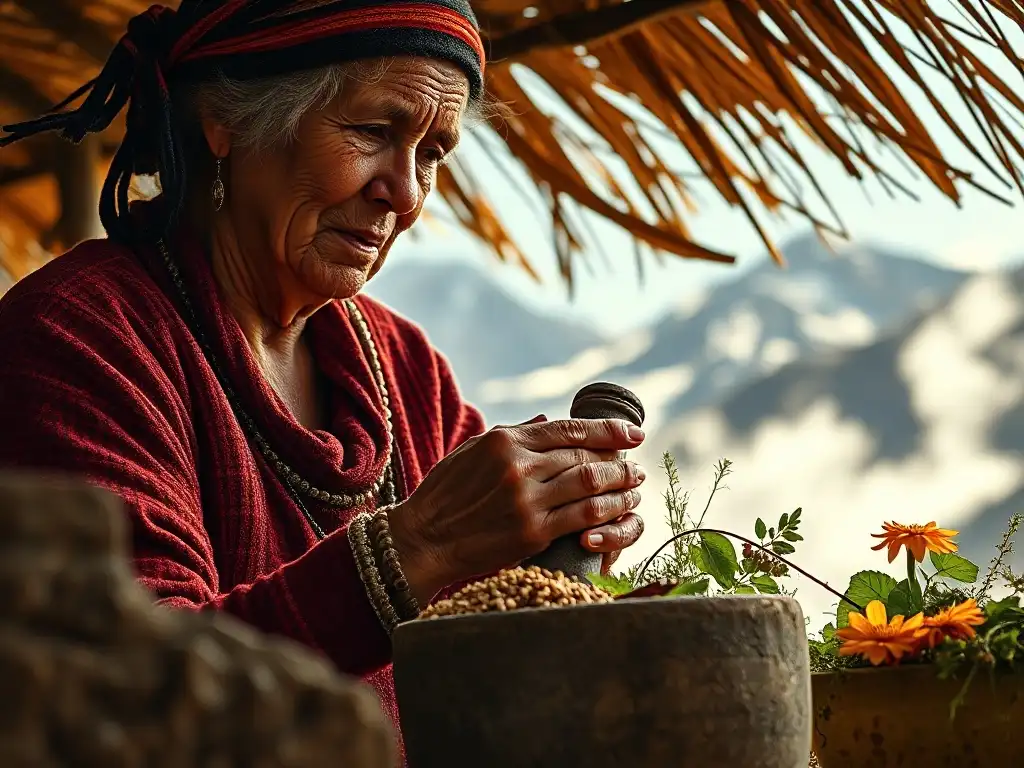
The Andes Mountains, a colossal spine running down the western edge of South America, fostered a profound relationship between its inhabitants and the plant life that thrived in its diverse ecosystems. This relationship wasn't merely utilitarian; it was deeply spiritual, woven into the fabric of Andean cosmology and worldview. For centuries, Andean civilizations developed an intricate system of knowledge surrounding plant medicine, utilizing a vast pharmacopoeia of herbs, shrubs, trees, and cacti for both physical and spiritual well-being.
This sophisticated understanding of Andean plant medicine knowledge continues to fascinate and inspire researchers today, revealing the ingenuity and deep connection to nature that characterized these ancient cultures. The effectiveness of many traditional Andean remedies is now being validated by modern scientific research, highlighting the enduring relevance of this ancient wisdom.
Sacred Plants of the Andes: Spiritual and Medicinal Uses
The Andes are home to a pantheon of plants considered sacred, possessing both medicinal and spiritual significance. These plants weren't simply used for healing; they were integral to rituals, ceremonies, and spiritual practices, connecting the Andean peoples to the divine and the cosmos. Their use was often tightly regulated, with specialized shamans or healers responsible for their proper administration and interpretation. The potency and effects of these plants, combined with the spiritual context of their use, created a powerful synergy that transcended the purely physical realm.
Coca: Energy, Altitude Sickness, and Ritual
Coca ( Erythroxylum coca), a shrub native to the Andes, holds a central position in Andean culture. Its leaves, when chewed or brewed into a tea (mate de coca), provide a gentle stimulant, alleviating fatigue, hunger, and the effects of altitude sickness – a critical adaptation for life in the high Andes. Beyond its practical uses, coca played, and continues to play, a vital role in Andean rituals and ceremonies, symbolizing energy, vitality, and connection to the spiritual world.
The precise methods of coca leaf preparation and use varied among different Andean cultures, reflecting the rich diversity of traditions. Scientific studies have confirmed coca's effectiveness in combating altitude sickness and providing sustained energy, supporting the traditional Andean understanding of its properties.
San Pedro Cactus: Visionary Experiences and Healing
The San Pedro cactus ( Echinopsis pachanoi) is another iconic plant of the Andes, renowned for its psychoactive properties. Indigenous cultures have utilized San Pedro for centuries in healing ceremonies and spiritual rituals, inducing visionary experiences believed to facilitate healing, self-discovery, and connection with the spirit world. The cactus's active compounds, primarily mescaline, are thought to induce altered states of consciousness, allowing for introspection and therapeutic insights.
Ethnobotanical studies have documented the complex rituals surrounding San Pedro use, highlighting the careful preparation and interpretation necessary for safe and effective application. The use of San Pedro is a complex topic with both historical and contemporary implications, requiring careful consideration and respect.
Ayahuasca: Spiritual Exploration and Personal Growth
While not strictly native to the Andes, ayahuasca, a brew made from various plants including Banisteriopsis caapi and Psychotria viridis, has gained prominence in recent years due to its use in spiritual exploration and personal growth. Although its use is less deeply rooted in traditional Andean practices compared to coca and San Pedro, its increasing popularity highlights the enduring interest in plant-based psychoactive substances for spiritual purposes.
Understanding the cultural context and potential risks associated with ayahuasca is crucial, particularly given its increasing global use. Scientific research is actively investigating the potential therapeutic applications of ayahuasca, focusing on its effects on mental health and well-being.
Andean Herbal Remedies: A Practical Approach to Health
Beyond the sacred plants, Andean civilizations possessed a rich knowledge of herbal remedies for a wide range of ailments. This practical approach to healthcare emphasized the use of readily available plants to treat common illnesses and injuries. The knowledge of these remedies was often passed down through generations within families and communities, forming a complex and nuanced system of botanical medicine.
Medicinal Herbs and Their Applications
Andean herbal medicine utilized a diverse array of plants, each with specific medicinal properties. For example, [specific information pending] was used to treat [specific ailment], while [specific information pending] was employed as an antiseptic. The precise preparation and application of these remedies varied depending on the specific plant and the ailment being treated.
Many of these traditional remedies are still used today in Andean communities, alongside modern medicine, highlighting the enduring value of this ancient knowledge. Further research is needed to fully document and understand the vast pharmacopoeia of Andean herbal remedies, many of which remain undocumented or understudied. The potential for discovering new and effective medicines from this rich botanical heritage is significant, offering exciting prospects for future research and development in the field of Andean plant medicine knowledge.
The Role of Andean Healers
Andean healers, often referred to as curanderos or yatiri, played—and continue to play—a pivotal role in their communities. Their expertise extended far beyond simply treating physical ailments; they were deeply intertwined with the spiritual and social fabric of Andean society. These healers weren't just practitioners of medicine; they were spiritual guides, interpreters of dreams, and keepers of ancient traditions.
Their understanding of Andean plant medicine knowledge was not simply a collection of recipes but a holistic approach to well-being, deeply rooted in the interconnectedness of the natural world and the spiritual realm. Their knowledge encompassed a vast array of plants, their properties, and their appropriate applications, often passed down through generations within their families. The process of healing wasn't solely about administering remedies; it involved rituals, ceremonies, and spiritual cleansing, all aimed at restoring balance and harmony within the individual and their community.
The effectiveness of their treatments stemmed from a deep understanding of the patient's physical and spiritual state, reflecting a sophisticated understanding of the mind-body connection. The role of the curandero was, and remains, one of profound respect and trust within Andean communities.
The Interconnection of Plants, Spirituality, and Well-being
Andean plant medicine knowledge was not simply a practical matter of survival; it was intrinsically linked to their cosmology and spiritual beliefs. The Andean worldview emphasizes a profound interconnectedness between the human world and the natural world, viewing plants not merely as sources of medicine but as sentient beings with their own spirits and energies. Many plants were considered sacred, imbued with spiritual power, and capable of interacting with the spiritual realm.
The use of plants in healing rituals wasn't simply about treating symptoms; it was about restoring harmony between the individual, the community, and the cosmos. For example, the coca leaf, widely used in Andean ceremonies and daily life, wasn't just a stimulant; it was a sacred offering, a connection to the ancestors, and a conduit for communication with the spiritual world. Similarly, many other plants were associated with specific deities or spirits, their use carefully regulated by tradition and ritual.
This deep spiritual connection to plants underpinned their efficacy in healing, highlighting the inseparable link between physical and spiritual well-being in the Andean worldview. This holistic approach to health emphasized the importance of living in balance with nature and respecting the spiritual power inherent in the plant kingdom.
Intergenerational Transfer of Botanical Knowledge
The transmission of Andean plant medicine knowledge was, and continues to be, a vital aspect of maintaining cultural heritage and ensuring the survival of this invaluable tradition. This knowledge wasn't simply written down in books; it was passed down through generations orally, through apprenticeships, and within family lineages. Experienced healers would meticulously guide younger practitioners, sharing not only the practical knowledge of identifying and using plants but also the spiritual and ritual aspects associated with their application.
This oral tradition ensured the preservation of detailed knowledge about the properties of various plants, their appropriate uses, and the specific rituals required for effective treatment. The learning process was often long and arduous, involving years of observation, practice, and participation in healing ceremonies. This intimate transfer of knowledge fostered a strong bond between generations of healers, solidifying the continuity of this ancient tradition.
However, the increasing influence of Western medicine and modernization poses a significant challenge to the preservation of this invaluable knowledge, making the documentation and dissemination of this tradition even more crucial. The loss of this knowledge would represent a significant loss to both the Andean communities and the global understanding of traditional medicine. Efforts to preserve and document this knowledge are crucial for the future.
Cultivating Life: Andean Agriculture and Plant Diversity
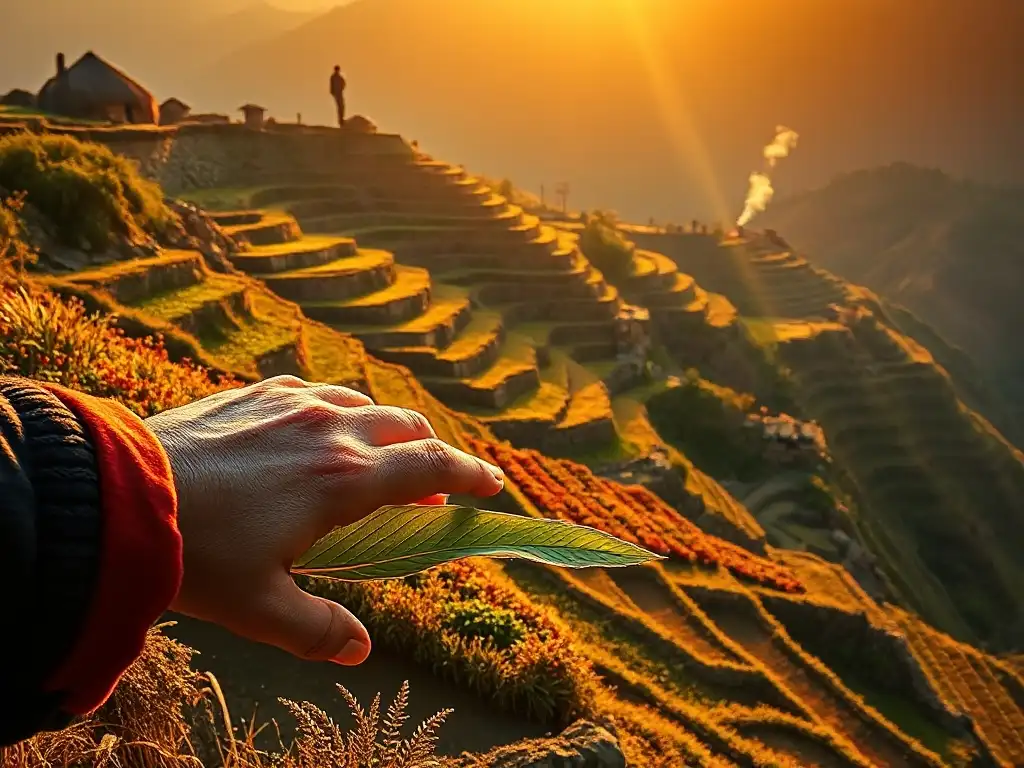
The mastery of Andean plant medicine knowledge was intrinsically linked to a profound understanding and manipulation of the Andean ecosystem. This wasn't simply a matter of survival; it was a deeply spiritual relationship, where plants held significant cosmological importance. The sophisticated agricultural techniques developed by Andean civilizations weren't merely practical; they were expressions of their worldview, reflecting a deep respect for the interconnectedness of all living things. This section will explore the intricate relationship between Andean agricultural practices and their remarkable botanical knowledge, focusing on how these practices fostered biodiversity and resilience in challenging environments.
Traditional Andean Agricultural Practices
Andean agricultural practices were remarkably advanced, showcasing ingenuity and adaptation to the diverse and often harsh Andean terrain. These weren't simply methods of food production; they were complex systems that shaped the landscape and ensured the sustainable use of resources. The ingenuity and sustainability of these methods are still relevant today, offering valuable lessons for modern agriculture.
Terracing and Water Management Techniques
The dramatic Andean topography, characterized by steep slopes and varying altitudes, posed significant challenges to agriculture. However, Andean civilizations overcame these obstacles by developing sophisticated terracing systems. These terraces, meticulously carved into hillsides, created level platforms for cultivation, reducing soil erosion and maximizing arable land. Furthermore, intricate systems of canals and irrigation channels were constructed to efficiently distribute water from rivers and meltwater sources, ensuring a reliable water supply even in arid regions.
This mastery of water management was crucial for maximizing crop yields and minimizing the impact of droughts. The precision and scale of these projects are testaments to the advanced engineering and organizational capabilities of these societies. For instance, the impressive terraces of Moray, near Cusco, are believed to have served as experimental agricultural plots, showcasing a deep understanding of microclimates and their impact on crop growth.
Crop Diversification and Soil Conservation
Andean farmers understood the importance of crop diversification for maintaining soil fertility and minimizing the risk of crop failure. Instead of monoculture, they practiced polyculture, planting a variety of crops together in the same field. This technique not only enhanced soil health through natural nitrogen fixation and pest control but also provided nutritional diversity. Furthermore, the use of crop rotation helped prevent soil depletion and the build-up of pests and diseases.
The Andean understanding of soil conservation went beyond simple crop rotation. They employed techniques such as composting and the use of organic fertilizers derived from animal manure and plant residues to enrich the soil and maintain its productivity over time. This holistic approach to agriculture ensured sustainable food production for generations.
The Importance of Andean Crop Varieties
The Andean region boasts an incredible diversity of crops, many of which are uniquely adapted to the high-altitude environment. These crops not only provided sustenance but also played vital roles in Andean medicine, rituals, and social structures. The careful selection and cultivation of these varieties demonstrate a deep understanding of plant genetics and adaptation.
Potatoes: Diversity and Nutritional Value
The potato ( Solanum tuberosum) is arguably the most iconic Andean crop. Far from the limited varieties found in many parts of the world, the Andes are home to thousands of potato varieties, each adapted to specific environmental conditions and possessing unique nutritional and culinary properties. This incredible diversity reflects centuries of careful selection and cultivation by Andean farmers.
The nutritional value of potatoes is well-established, providing essential carbohydrates, vitamins, and minerals. Different varieties offer varying levels of these nutrients, highlighting the importance of maintaining this biodiversity for food security and nutritional well-being. The wide range of colors, shapes, and flavors of Andean potatoes also showcases their culinary significance, contributing significantly to the rich gastronomic heritage of the region.
Quinoa: A Staple Grain of the Andes
Quinoa ( Chenopodium quinoa) is another staple crop of the Andes, renowned for its high nutritional value and adaptability to harsh conditions. A complete protein source, quinoa contains all nine essential amino acids, making it a valuable food source, particularly in regions where protein is scarce. Its resilience to drought and frost makes it a crucial crop for food security in the Andes, where climate variability poses significant challenges.
The cultivation of quinoa reflects a deep understanding of its unique needs and environmental tolerances, showcasing the sophisticated agricultural practices of Andean civilizations. The resurgence of quinoa in global markets highlights the value of this ancient Andean crop and its potential to contribute to sustainable food systems worldwide.
Maca: Adaptogenic Properties and Uses
Maca ( Lepidium meyenii) is a root vegetable grown at high altitudes in the Andes, renowned for its purported adaptogenic properties. Traditionally used in Andean medicine, maca is believed to enhance energy levels, improve fertility, and alleviate symptoms of menopause. While scientific research on maca's purported benefits is ongoing, its traditional use showcases the sophisticated understanding of medicinal plants within Andean cultures.
The cultivation of maca requires specific environmental conditions, further demonstrating the intricate relationship between Andean agriculture and their knowledge of plant ecology. The continued use of maca in traditional medicine and its growing popularity as a dietary supplement highlight the enduring legacy of Andean botanical knowledge.
Preservation of Andean Botanical Heritage
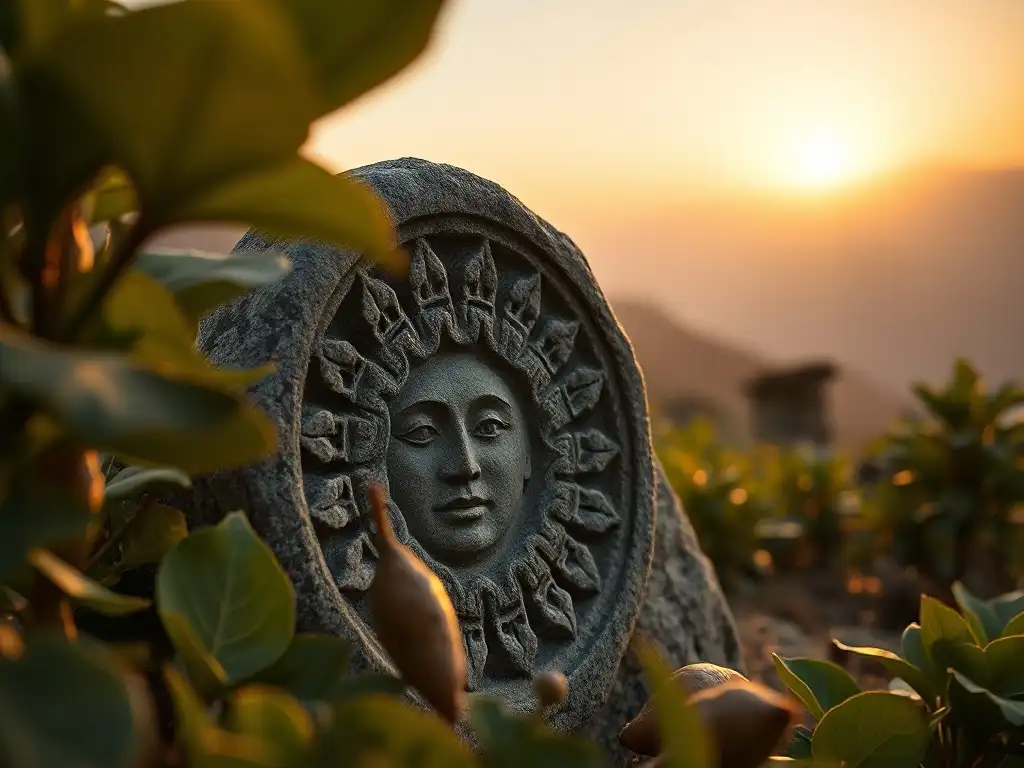
The profound relationship between Andean civilizations and their environment extended far beyond mere sustenance. Their sophisticated understanding of plants, encompassing medicinal, agricultural, and ritualistic applications, represents a treasure trove of knowledge accumulated over millennia. Preserving this legacy – this rich tapestry of "Andean plant medicine knowledge" – is crucial not only for understanding the past but also for securing a sustainable future.
The intricate web of botanical understanding woven by these cultures offers valuable insights into sustainable agriculture, natural remedies, and a holistic worldview that deeply respects the interconnectedness of all living things. However, this invaluable heritage faces significant challenges in the modern world.
Challenges to Traditional Plant Knowledge
The transmission of Andean plant medicine knowledge, traditionally passed down through generations via oral traditions and practical apprenticeship, is increasingly threatened by a confluence of factors. The erosion of indigenous cultures, coupled with environmental degradation, poses a serious risk to the survival of this vital knowledge base. Without concerted efforts to document, preserve, and revitalize this heritage, a significant part of human history and a potential wellspring of scientific and medicinal breakthroughs will be irretrievably lost.
Cultural Erosion and Loss of Indigenous Languages
The decline of indigenous languages directly impacts the preservation of traditional plant knowledge. Many plant names and associated medicinal uses are embedded within these languages. As languages disappear, so too does the nuanced understanding of plants' properties and applications.
For example, the Quechua language, spoken across the Andes, contains a rich vocabulary describing the various uses of plants, including subtle distinctions in their medicinal properties which are often lost in translation. The loss of this linguistic diversity represents a significant loss of knowledge, impacting not only the understanding of plants but also the cultural context in which this knowledge exists. Quantifying this loss is difficult, but linguistic studies show a clear correlation between language endangerment and the erosion of traditional ecological knowledge.
Deforestation and Habitat Destruction
The destruction of Andean ecosystems through deforestation, mining, and unsustainable agricultural practices directly threatens the survival of many plant species crucial to traditional medicine. The loss of biodiversity undermines the very foundation of Andean plant medicine knowledge. For instance, the shrinking habitat of certain high-altitude medicinal plants reduces their availability and hinders access for traditional healers.
This not only limits the availability of remedies but also disrupts the cultural practices and knowledge transmission associated with them. The precise number of plant species threatened is difficult to ascertain due to limited data in some regions, but satellite imagery and field studies consistently indicate alarming rates of habitat loss across the Andes.
Efforts to Revitalize and Protect Andean Plant Wisdom
Despite the challenges, significant efforts are underway to document, preserve, and revitalize Andean plant medicine knowledge. These initiatives range from community-based conservation projects to scientific research that integrates traditional knowledge with modern methodologies. These collaborative approaches are essential to ensure the long-term survival of this invaluable heritage.
Indigenous-Led Conservation and Research
Many indigenous communities are actively involved in preserving their traditional knowledge and protecting their ancestral lands. These initiatives often involve community-based conservation programs, the establishment of protected areas, and the development of sustainable harvesting practices. This indigenous-led approach recognizes the importance of empowering local communities to manage their own resources and safeguard their cultural heritage. Examples include community-managed botanical gardens that preserve endangered species and serve as centers for knowledge sharing and education. The success of these initiatives is often reliant on securing adequate funding and navigating complex legal and political landscapes.
Ethnobotanical Studies and Community Engagement
Ethnobotanical research plays a crucial role in documenting traditional plant knowledge and understanding its scientific basis. This interdisciplinary field combines botanical science with anthropological and sociological approaches to study the relationship between people and plants. However, it is crucial that this research is conducted ethically and collaboratively, with the full participation and informed consent of the indigenous communities involved.
Effective ethnobotanical studies involve close collaboration with local communities, ensuring that traditional knowledge is respected and shared appropriately. This collaborative approach ensures that research contributes meaningfully to conservation efforts and community empowerment, fostering a sustainable future for Andean plant medicine knowledge. Successful collaborations often involve community-based participatory mapping initiatives, which allow locals to identify and document the distribution of important medicinal plants within their territories.
Frequently Asked Questions
What role did plants play in the survival of Andean civilizations?
Andean civilizations relied heavily on plants for survival. They used them for food, medicine, clothing, and construction, demonstrating a deep understanding of their properties. This intricate knowledge ensured their prosperity in challenging environments.
How did Andean cultures use plants for medicinal purposes?
Andean cultures possessed vast botanical knowledge, employing a wide range of plants for healing. They developed sophisticated techniques, including herbal remedies, infusions, and other preparations to treat various ailments. This knowledge was often passed down through generations.
Were there specific plants particularly important in Andean medicine?
Yes, many plants held significant importance. Coca, for example, was used for rituals and medicinal purposes, while other plants like quina (cinchona) were crucial sources of antimalarial medication. The specific plants varied across different Andean cultures.
How did Andean knowledge of plant medicine compare to other cultures?
Andean plant medicine knowledge was exceptionally advanced and sophisticated, comparable to other ancient civilizations. Their understanding of botany, pharmacology, and medicinal applications was remarkable, given the limited technology available at the time.
How is Andean plant medicine knowledge preserved today?
Much of this knowledge is still preserved within indigenous communities, although it faces challenges from modern medicine and environmental changes. Efforts to document and preserve this invaluable heritage are underway, ensuring that this ancient wisdom continues to inspire and benefit people today.
Final Reflection: Echoes of the Andes: A Legacy of Botanical Wisdom
The intricate relationship between Andean civilizations and their plant world remains profoundly relevant today. As we grapple with climate change, biodiversity loss, and the search for sustainable solutions, understanding the deep knowledge systems of indigenous cultures offers invaluable insights and potential pathways forward. The sophisticated understanding of Andean plant medicine, far from being a relic of the past, holds the key to unlocking innovative approaches to healthcare and environmental stewardship.
The enduring legacy of Andean botanical knowledge continues to shape our understanding of plant-based medicine and sustainable agriculture. Their profound respect for the interconnectedness of all living things resonates deeply with contemporary ecological concerns. The Earth is what we all have in common.
This simple yet powerful statement encapsulates the Andean worldview, a perspective that emphasizes the vital role of plants not just for human survival, but for the well-being of the entire ecosystem. Their practices, passed down through generations, serve as a potent reminder of the importance of respecting and protecting the natural world.
Consider the wisdom embedded within the Andean approach to plant use. You, the reader, are now equipped with a deeper understanding of this rich heritage. Let this knowledge inspire you to explore the natural world around you with greater curiosity and respect. Seek out sustainable practices in your own life, support initiatives that protect biodiversity, and appreciate the profound interconnectedness of all living things. The echoes of Andean wisdom call to us, urging us to embrace a more harmonious relationship with the planet and its remarkable botanical bounty.
Unveil the Power of Plant Wisdom Today!
Thank you for exploring the fascinating world of Andean civilizations and their profound connection with the natural world! You've learned how these cultures utilized their extensive botanical knowledge for survival. Now, it's time to apply that knowledge yourself!
- **Discover** the healing properties of plants in your local environment. Take a nature walk and keep a journal to record your observations and any plants that catch your interest.
- **Share** this article with friends and family to encourage conversations about sustainable living and the vital importance of biodiversity.
- **Join** a local community garden or an online forum dedicated to herbalism and botany to connect with other enthusiasts.
What unexpected plant or herb has recently surprised you and broadened your appreciation for nature's abundance? Share your discoveries in the comments below!