
The Jaguar's Prowl: Decoding the Significance of Felines in Andean Art

Uncover the mysteries hidden within the breathtaking landscapes of the Andes! Journey through time and explore the vibrant tapestry of ancient Andean civilizations, from the Inca's ingenuity to the enigmatic Nazca lines. But first, prepare to be captivated by the powerful symbolism woven into the very fabric of Andean culture: Andean jaguar art. What secrets do these majestic felines hold? Dive into the world of Andean cosmology and discover the answers within.
The Andean civilizations, renowned for their intricate artistry and profound connection to the natural world, imbued their creations with deep symbolic meaning. This article delves into the captivating world of feline imagery in Andean art, specifically focusing on the jaguar – a powerful symbol whose presence resonates across various cultures and time periods. From the majestic mountain ranges to the fertile valleys, the jaguar's influence permeates Andean cosmology and worldview, reflecting its significance as a potent force in their spiritual and social landscape.
We will explore the diverse representations of jaguars in Andean art, analyzing their stylistic variations, contextual clues, and the multifaceted symbolism they convey, revealing the intricate tapestry of beliefs and practices surrounding these magnificent creatures. Understanding the Andean jaguar's artistic portrayal provides a unique window into the rich tapestry of Andean cosmology and their complex relationship with the natural world.
This exploration promises to unveil the profound significance of the jaguar as a powerful symbol of strength, power, and the mystical forces shaping Andean life. We will uncover the nuances of "Andean jaguar art symbolism," revealing how these representations transcended mere aesthetics and served as vital components of their cultural identity.
The Jaguar as a Deity and Symbol of Power
The jaguar, with its striking appearance and elusive nature, held a position of reverence in several Andean cultures. It wasn't simply depicted; it was experienced as a potent symbol of power, often associated with deities and rulers. Evidence suggests that the jaguar represented strength, ferocity, and the ability to navigate both the earthly and spiritual realms. In some cultures, the jaguar was linked to shamanistic practices, embodying the transformative power of the spirit world.
For example, certain Moche ceramics vividly depict jaguars in ritualistic contexts, suggesting their importance in religious ceremonies and their role as intermediaries between the human and supernatural worlds. These depictions showcase the jaguar's powerful presence, its gaze often direct and intense, reinforcing its status as a divine or semi-divine entity. The artistry employed, from the meticulous detail to the vibrant colors, further emphasizes the jaguar's revered status within Andean society.
Variations in Artistic Representation Across Different Andean Cultures
The stylistic representation of jaguars varied significantly across different Andean cultures, reflecting their unique artistic traditions and cosmological beliefs. While the general characteristics of the jaguar were consistently portrayed—powerful build, spotted coat, and piercing gaze—the details differed substantially. The Nazca culture, for instance, often depicted jaguars in a more stylized manner, integrating them into complex textile designs and pottery motifs. In contrast, the Incas often incorporated jaguar imagery into their metalwork and stone carvings, emphasizing the animal's strength and regal bearing. These variations, far from being random, offer valuable insights into the specific beliefs and practices of each Andean culture, highlighting the diverse interpretations of the jaguar's symbolism. Further research is needed to fully understand the subtle nuances within each representation and their contextual significance.
For example, [specific information pending] regarding the use of specific colors in different cultures' jaguar depictions.
The Jaguar and the Underworld: Exploring the Shamanic Connection
The jaguar's association with the underworld was a prominent theme in Andean cosmology. Many cultures believed the jaguar served as a guide or intermediary between the living world and the realm of the dead. This belief is reflected in numerous artistic representations, where the jaguar is depicted in contexts associated with death, rebirth, and the shamanistic journey.
The jaguar's nocturnal nature and powerful presence made it a fitting symbol for the mysterious and often perilous underworld. Shamanic practices, often involving altered states of consciousness, may have further solidified this connection. The jaguar, in this context, represents the power to traverse the unseen realms, embodying the shaman's ability to communicate with the spiritual world and navigate the liminal spaces between life and death.
The intricate details within these artistic portrayals often allude to specific shamanic rituals and beliefs, adding layers of complexity to our understanding of Andean spiritual practices. Further research into specific shamanic traditions could illuminate these connections further.
The Jaguar's Legacy: Enduring Symbolism in Contemporary Andean Culture
Even today, the jaguar’s symbolism continues to resonate within contemporary Andean culture. While the specific interpretations may have evolved over time, the jaguar remains a powerful symbol of strength, power, and connection to the natural world. Its image persists in various forms of modern Andean art, reflecting its enduring importance in the cultural identity of the region.
The jaguar's enduring presence highlights the deep-rooted connection between Andean peoples and their ancestral heritage, demonstrating the lasting impact of these ancient beliefs and artistic traditions. This continuity underscores the richness and resilience of Andean culture, illustrating how ancient symbols continue to inform and inspire contemporary expressions of identity and spirituality. Further studies could investigate the ways in which the jaguar's symbolism is manifested in contemporary Andean art forms, music, and literature.
- The Jaguar as a Deity and Symbol of Power
- Variations in Artistic Representation Across Different Andean Cultures
- The Jaguar and the Underworld: Exploring the Shamanic Connection
- The Jaguar's Legacy: Enduring Symbolism in Contemporary Andean Culture
The Revered Feline: Introduction to Andean Jaguar Symbolism
The jaguar, a creature of immense power and mystery, holds a prominent place in the art and cosmology of several Andean cultures. Its representation transcends mere aesthetic appreciation; it embodies complex religious beliefs, social structures, and a deep understanding of the natural world. This section delves into the multifaceted symbolism associated with the jaguar in Andean art, exploring its significance across various pre-Columbian societies. Analyzing Andean jaguar art symbolism reveals not only artistic skill but also a profound connection between humanity and the powerful forces of the natural world.
The prevalence of jaguar motifs in textiles, ceramics, and metalwork underscores its importance as a potent symbol throughout the Andean region. This exploration will uncover the intricate tapestry of meaning woven into these captivating depictions. Understanding the nuances of Andean jaguar art symbolism requires examining the cultural context in which these representations were created.
The Jaguar's Place in Andean Cosmology
The jaguar's significance in Andean cosmology is deeply rooted in its perceived attributes. Its nocturnal habits, powerful build, and elusive nature linked it to the underworld and supernatural realms. In many Andean belief systems, the jaguar was associated with shamanistic practices and the ability to traverse between the worlds of the living and the dead.
For example, the Moche culture depicted jaguars in scenes of ritual sacrifice and shamanic journeys, suggesting a connection between the feline and the spirit world. This association is further reinforced by the frequent portrayal of jaguars with shamanistic paraphernalia, such as hallucinogenic plants or ritual objects. The jaguar's spots, often interpreted as stars or constellations, also solidified its celestial connection, emphasizing its role as a mediator between the earthly and cosmic spheres.
Some scholars suggest that the jaguar's powerful presence in Andean cosmology may reflect a deep-seated respect for apex predators and their role in maintaining ecological balance. The jaguar wasn't simply a feared creature; it was a revered symbol of power, mystery, and the unseen forces that shaped the Andean worldview. Further research is needed to fully understand the specific nuances of jaguar symbolism across different Andean cultures, as regional variations are likely.
Why the Jaguar Became a Powerful Symbol in Andean Art
The jaguar’s prominence in Andean art stems from a convergence of factors. Its inherent power and ferocity naturally lent itself to artistic representation as a symbol of strength and authority. Rulers and elite figures often associated themselves with the jaguar, using its imagery to reinforce their status and legitimacy. The jaguar's association with the supernatural, described above, further enhanced its symbolic weight.
Its representation in art served not only as an aesthetic choice but also as a powerful statement of religious and political authority. Moreover, the jaguar's physical attributes—its muscular form, striking markings, and piercing gaze—provided artists with a visually compelling subject. The intricate details and stylistic variations found in jaguar depictions across different Andean cultures highlight the artistic skill and creative ingenuity of these societies. The use of different materials, techniques, and artistic styles further amplified the jaguar's symbolic meaning.
For instance, a jaguar sculpted in gold might signify a different level of power and divinity compared to one rendered in pottery. The consistent use of jaguar imagery across centuries and diverse Andean cultures underscores its enduring significance as a potent and multifaceted symbol. The study of Andean jaguar art symbolism provides valuable insight into the artistic, religious, and socio-political dynamics of these ancient societies.
Depictions of the Jaguar in Ancient Andean Cultures
The jaguar, a creature of immense power and mystery, holds a prominent place in the artistic expressions of various Andean cultures. Its recurring presence in pottery, textiles, metalwork, and even monumental structures reveals a deep-seated symbolic significance that transcended mere aesthetic representation. Understanding these depictions requires a nuanced approach, acknowledging the cultural diversity across different Andean societies and the evolution of feline symbolism over time.
While the jaguar's representation often evokes themes of ferocity and power, its symbolism also encompassed concepts of transformation, shamanism, and the connection between the earthly and spiritual realms. This section will explore some key examples of Andean jaguar art, focusing on the unique interpretations prevalent in different cultural contexts. The analysis will reveal the multifaceted nature of the Andean jaguar art symbolism, highlighting its importance within the broader Andean worldview.
Moche Jaguar Art: Ferocity and Power
Moche art, renowned for its vibrant and detailed ceramics, frequently portrays jaguars in scenes of intense action and power. These depictions often showcase the animal's predatory nature, emphasizing its physical strength and hunting prowess. Moche jaguar imagery frequently appears in the context of warfare and ritual sacrifice.
The jaguar's fierce gaze and bared fangs are rendered with remarkable realism, conveying a sense of untamed power. For example, many Moche vessels depict jaguars in combat with other animals or humans, symbolizing the triumph of power and dominance. The detailed rendering of muscles, fur, and even the animal's menacing expression illustrates the Moche artists' keen observation skills and their ability to capture the essence of the jaguar's ferocity.
This focus on the jaguar's physical attributes underscores its role as a potent symbol of earthly power within the Moche cosmology. The intense colors and dynamic compositions further enhance the sense of dynamism and aggression associated with the feline. Analysis of numerous Moche artifacts reveals a consistent emphasis on the jaguar as a symbol of strength, both physical and spiritual, reflective of the Moche's warrior culture and their reverence for the natural world's powerful forces.
Chavín Jaguar Iconography: Transformation and Shamanism
In contrast to the Moche's focus on the jaguar's raw power, Chavín culture presents a more complex and multifaceted portrayal. Chavín jaguar iconography often incorporates elements that suggest transformation and shamanistic practices. The jaguar is frequently depicted in hybrid forms, combined with other animals or human features, highlighting its role as a mediator between different realms.
This intertwining of the human and animal forms suggests a powerful shamanistic connection, where the jaguar's attributes are imbued with supernatural significance. The Chavín jaguar's stylized features, often featuring exaggerated fangs, claws, and eyes, may represent the jaguar's ability to see into the spirit world or to transform into other beings. The intricate carvings found on Chavín temple structures and ceramics often depict jaguars in ritualistic contexts, suggesting their involvement in shamanic ceremonies and their capacity to facilitate communication with the supernatural.
The feline's presence is not solely about physical power, but also about spiritual transformation and access to the unseen. The ambiguity and hybridity of the Chavín jaguar imagery reflect the complex cosmology of this influential Andean civilization, demonstrating the nuanced and layered interpretations of Andean jaguar art symbolism.
Nazca Lines and Feline Representations
While less directly represented than in ceramics or textiles, feline figures also appear subtly within the vast Nazca Lines. Although the purpose of the Nazca Lines remains debated, some researchers suggest that certain geoglyphs represent animals, including jaguars, with their shapes subtly mimicking the feline's form. The scale of these representations is monumental, contrasting sharply with the smaller-scale depictions found in other Andean art forms.
The intricate detail visible only from the air suggests a carefully planned and executed design, underscoring the cultural significance of these enigmatic figures. Interpretations vary, but the possible inclusion of a jaguar among the Nazca Lines' animal figures suggests its continued importance in the worldview of the Nazca people, even within the context of this unique and large-scale artistic expression. Further research, including advanced imaging techniques and detailed analysis of the geoglyphs' alignment with astronomical events, may shed further light on the specific meaning and function of these feline representations within the larger context of the Nazca Lines.
The potential presence of jaguar imagery in the Nazca Lines adds another fascinating layer to the understanding of Andean jaguar art symbolism, emphasizing its enduring significance across diverse artistic media and cultural expressions. The scale and mystery surrounding the Nazca Lines make the potential presence of the jaguar all the more intriguing.
Tiwanaku Art: The Jaguar as a Cosmic Entity
The Tiwanaku civilization, flourishing in the Andean highlands from approximately 300 CE to 1000 CE, integrated the jaguar powerfully into its artistic and cosmological worldview. Unlike some other Andean cultures where the jaguar held a more terrestrial role, Tiwanaku art frequently depicts the jaguar as a celestial being, a potent symbol linked to the cosmos and the supernatural. This elevated status is evident in the recurring motif of the jaguar in monumental architecture, ceramics, and textiles. The jaguar's association with the night sky, underworld, and powerful forces of nature is profoundly ingrained in Tiwanaku iconography.
One striking example is found in the intricate carvings adorning the Gate of the Sun, a monolithic gateway at the Tiwanaku ceremonial center. While the central figure remains a subject of scholarly debate, several interpretations associate it with a powerful deity, often linked to the jaguar through its feline features and powerful stance. The surrounding panels are filled with intricate designs, including stylized jaguars, further reinforcing the feline's cosmic significance within the Tiwanaku pantheon. The meticulous detail and scale of these carvings underscore the importance of the jaguar in their religious beliefs and cosmology.
Furthermore, Tiwanaku ceramics often feature jaguar representations, albeit stylized and sometimes abstract. These depictions are not mere decorative elements; they are deeply symbolic, often integrated into narrative scenes or ritual contexts. The jaguars are portrayed in various postures and settings, sometimes associated with other mythical creatures or celestial bodies, further highlighting their complex role in the Tiwanaku worldview. The presence of the jaguar in these everyday objects suggests that its cosmic power was not confined to monumental architecture, but was a pervasive element of daily life.
The use of specific colors and materials in Tiwanaku jaguar depictions also adds to their symbolic depth. The choice of materials, whether it’s the stone used in monumental sculptures or the clays used for pottery, likely held specific ritual significance. The colors, often deep reds, blacks, and yellows, may have been selected to further emphasize the jaguar’s connection to the underworld, night, and powerful energies. Unfortunately, the precise meanings of these color choices remain subject to ongoing scholarly interpretation and require further research. However, their deliberate use suggests a sophisticated understanding of the symbolic language within Tiwanaku art.
The jaguar in Tiwanaku art transcends simple animal representation. It embodies a powerful, cosmic entity, deeply integrated into their religious beliefs and cosmological understanding of the universe. Its presence in monumental structures and everyday objects reinforces its significance as a potent symbol of power, the supernatural, and the connection between the earthly realm and the cosmos. Further investigation into Tiwanaku art and its context is crucial to fully decipher the nuanced symbolism of the jaguar within this fascinating Andean civilization.
Decoding the Andean Jaguar Art Symbolism
This section delves into the multifaceted symbolism of the jaguar in Andean art, exploring its representation across different cultures and time periods. We'll examine how the powerful feline transcended mere depiction to become a potent symbol deeply embedded within the Andean worldview, reflecting concepts of power, spirituality, and the interconnectedness of the natural and supernatural realms. Understanding the nuances of Andean jaguar art symbolism provides crucial insight into the cosmology and beliefs of these fascinating ancient civilizations.
The prevalence of jaguar imagery in various art forms, from ceramics and textiles to monumental architecture, highlights its significant role in Andean societies. This analysis will primarily focus on the Inca, Moche, and Nazca cultures, known for their distinctive artistic styles and rich mythological traditions.
The Jaguar as a Symbol of Power and Leadership
The jaguar's imposing presence and predatory prowess made it a natural choice to represent power and leadership within Andean societies. In Inca iconography, for example, the jaguar frequently appears alongside royal figures, emphasizing their divine authority and connection to the supernatural. This association wasn't limited to rulers; elite members of society also utilized jaguar motifs to signify their high status and influence within their communities. The jaguar's strength and ferocity were seen as reflections of the qualities desired in leaders—courage, decisiveness, and the ability to command respect.
Consider the intricate gold and silver artifacts unearthed from Inca tombs. Many depict jaguars in dynamic poses, often adorned with elaborate headdresses and jewelry, further reinforcing their regal symbolism. The meticulous craftsmanship and precious materials used underscore the importance placed upon these representations. The jaguar's image wasn't merely decorative; it served as a visual affirmation of power and authority, both earthly and divine. Even the use of jaguar pelts as clothing or ceremonial regalia further solidified this association between the feline and leadership.
The Jaguar's Connection to the Spirit World
Beyond its earthly connotations of power, the Andean jaguar held profound spiritual significance. It was often linked to shamanistic practices and the ability to traverse between the worlds—the earthly realm and the spirit world. The jaguar's nocturnal habits and elusive nature added to its mystical aura, making it a fitting symbol for the unseen forces and entities believed to inhabit the Andean landscape.
The Moche culture, particularly renowned for its sophisticated ceramics, frequently depicted jaguars in scenes depicting shamanic rituals and encounters with supernatural beings. These depictions often portray jaguars with human-like characteristics, highlighting the blurring of boundaries between the human and animal realms. The jaguar's ability to navigate both worlds made it a powerful intermediary between the living and the dead, a conduit for communication with ancestral spirits and divine forces. This interpretation of the Andean jaguar art symbolism is supported by the discovery of numerous artifacts showing jaguars intertwined with other mythological creatures and symbols associated with the spirit world.
Jaguar Imagery in Andean Rituals
The jaguar's importance extended beyond artistic representation. Evidence suggests that jaguars played a crucial role in Andean rituals and ceremonies, further emphasizing their spiritual significance. While specific details about these rituals remain somewhat elusive due to limited historical records, archaeological findings offer some clues.
For example, the discovery of jaguar bones and teeth in ceremonial contexts suggests that they were likely used in rituals aimed at harnessing the jaguar's power. The use of jaguar pelts in sacred ceremonies further supports this interpretation. These rituals may have been intended to invoke the jaguar's strength and protection, or to communicate with the spirit world through the intermediary of this powerful feline.
The Nazca culture, famous for its geoglyphs, may have incorporated jaguar imagery into their ceremonies, though concrete evidence of this is still under investigation. Further research, including detailed analysis of archaeological finds and existing ethnohistorical accounts, is needed to fully unravel the complexity of Andean jaguar rituals and their connection to the broader worldview.
The integration of jaguar imagery within these ceremonies underscores its central role in Andean religious and spiritual life. The jaguar, therefore, wasn’t merely a symbol; it was an active participant in the shaping of Andean cosmology and worldview.
The Jaguar and the Agricultural Cycle
The jaguar's association with the agricultural cycle in Andean art is profound and multifaceted. It's not simply a matter of depicting the animal alongside agricultural scenes; rather, the jaguar embodies the vital forces governing the cycle itself. The jaguar's powerful presence symbolizes the potent energy of the earth, the fertile darkness from which life springs forth. Its spotted coat, reminiscent of the night sky speckled with stars, connects the terrestrial realm with the celestial, emphasizing the cosmic influence on agricultural success.
Ancient Andean farmers understood the cyclical nature of life and death, growth and decay, mirroring the jaguar's own life cycle and its role as both predator and prey within its ecosystem. The jaguar's image thus served as a potent reminder of the cyclical nature of agriculture, a powerful symbol of renewal and regeneration. The successful harvest was seen as a direct consequence of harnessing these powerful, cyclical forces, and the jaguar's representation served to reinforce this connection.
Farmers likely performed rituals invoking the jaguar's power to ensure bountiful harvests, a practice echoing the deep spiritual connection between the people and the natural world. This connection isn't merely symbolic; the jaguar's ecological role as a regulator of prey populations mirrors the farmers' own need to maintain balance and sustainability within their agricultural systems. The jaguar, therefore, becomes a powerful totem, embodying both the wild untamed forces of nature and the careful management needed for successful cultivation.
The representation of jaguars in agricultural contexts often shows the feline in a dynamic posture, sometimes depicted amidst growing plants or even interacting with human figures engaged in agricultural activities. This isn't merely decorative; it actively reinforces the jaguar’s role as a participant in the cycle. For example, the jaguar's predatory behavior can be interpreted as a representation of the necessary culling of weaker plants to ensure the overall health of the crop.
Similarly, its power and vitality symbolize the strength needed to endure the challenges of farming, from unpredictable weather to the constant labor involved. The jaguar, therefore, serves as both a symbol of the power of nature and the resilience of the human spirit in harnessing that power for agricultural success.
The careful observation of jaguar behavior and its integration into the cosmological worldview of the Andean people highlights their sophisticated understanding of ecological balance and the interconnectedness of all living things. This understanding extended beyond mere survival; it formed the basis of a complex spiritual and social order deeply rooted in the rhythms of nature.
The Jaguar in Textiles and Ceramics
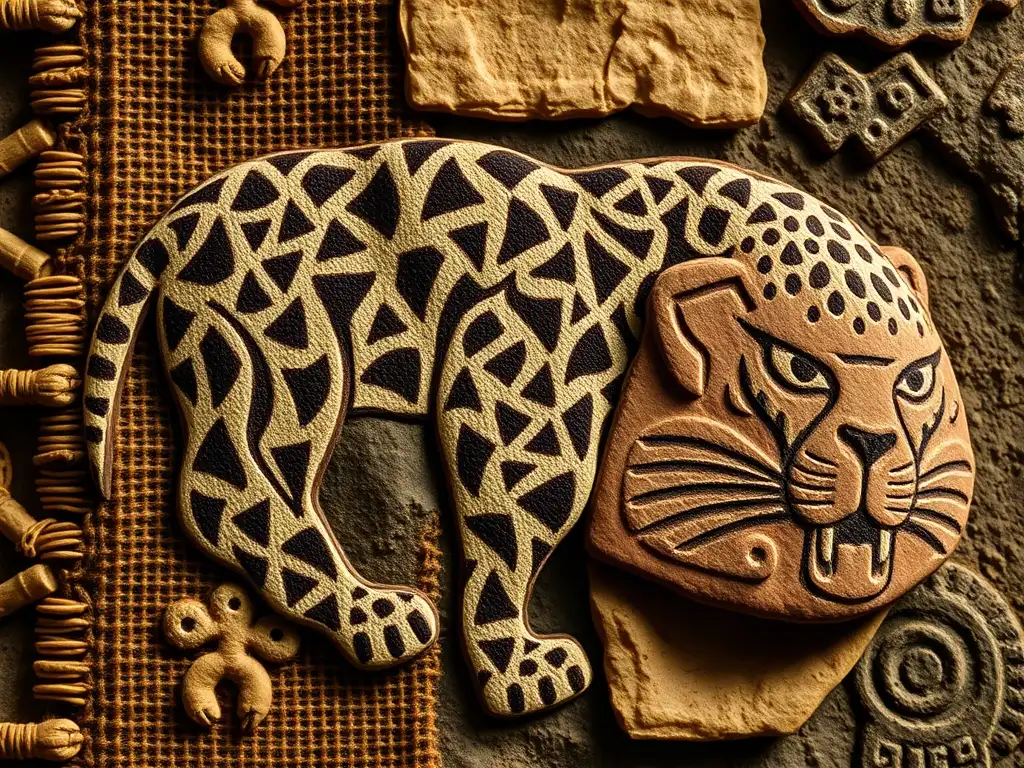
The Andean jaguar, a powerful symbol in the region's rich tapestry of art and mythology, finds prominent expression in textiles and ceramics. These mediums, crucial for Andean cultural expression, offer valuable insights into the diverse interpretations of the feline's symbolism across different cultures and time periods. Analyzing these artifacts allows us to understand the jaguar's multifaceted role, from a deity associated with power and shamanism to a representation of earthly and celestial forces.
The prevalence of jaguar motifs indicates their deep integration into the Andean worldview, revealing complex social structures and religious beliefs. The meticulous craftsmanship and vibrant colors used in their depiction further highlight the significance attributed to this powerful creature. Understanding Andean jaguar art symbolism requires a careful examination of both the artistic techniques employed and the contextual clues surrounding the artifacts themselves.
Weaving the Jaguar: Textile Art and its Meaning
Andean textile art, renowned for its intricate designs and vibrant colors, frequently features the jaguar. These representations, often woven into tunics, mantles, and other garments, were not merely decorative. The choice of colors, the intricacy of the weave, and the overall composition of the design conveyed complex meanings. For example, the use of specific dyes, sourced from natural pigments like plants and minerals, might have held symbolic significance, possibly relating the jaguar to specific deities or cosmological events.
The positioning of the jaguar within the larger textile design could also indicate its role within the Andean worldview. Was it a central figure, suggesting supreme power? Or was it integrated into a narrative, perhaps depicting a mythological scene or a ritualistic practice? Unfortunately, [specific interpretations of color symbolism in Andean jaguar textiles pending] which would greatly enhance our understanding.
However, we can infer that the effort and skill invested in creating these intricate jaguar designs indicate the high value placed upon this powerful symbol. The jaguar's presence on textiles likely served to imbue the wearer with the feline's attributes—strength, power, and perhaps even shamanic abilities. Certain textiles, especially those discovered in elite burials, might have further signified status and social standing.
Pottery and the Jaguar: Forms and Symbolism
Ceramics offer another rich source for studying Andean jaguar art symbolism. From the Moche culture's elaborate stirrup-spout vessels to the Nazca's painted pottery, jaguars appear in a variety of forms and contexts. Moche pottery, known for its realistic depictions of animals and humans, often portrays jaguars with remarkable detail, capturing the feline's powerful musculature and intense gaze. These depictions frequently appear in scenes of ritual sacrifice or combat, highlighting the jaguar's association with power and warfare.
The detailed rendering of the jaguar's features, including its spots and claws, suggests more than a simple aesthetic choice; it reflects a profound understanding and respect for the animal. In contrast, Nazca pottery often depicts stylized jaguars, with simpler lines and forms, perhaps emphasizing symbolic representation over realistic detail. These variations in style across different cultures underscore the diverse interpretations of the jaguar's symbolism within the Andean region. The context of discovery of these ceramic pieces—whether found in tombs, temples, or domestic settings—provides further clues to understanding their intended meaning.
For instance, a jaguar depicted on a vessel found in a burial context might suggest a connection to the afterlife or shamanic practices. [Further research is needed to fully correlate specific ceramic styles with particular Andean cultures and their beliefs regarding the jaguar]. The analysis of pottery styles and their associated contexts is crucial to deciphering the complex meanings embedded within Andean jaguar art.
The diverse manifestations of the jaguar in Andean textiles and ceramics demonstrate its pervasive influence across different cultures and time periods. These artifacts, carefully crafted and imbued with symbolic meaning, continue to offer valuable insights into the rich tapestry of Andean cosmology and worldview. Further research into [specific details on regional variations in jaguar depictions pending] will undoubtedly enrich our understanding of this powerful symbol's complex role in Andean civilization.
The Jaguar's Legacy in Modern Andean Culture
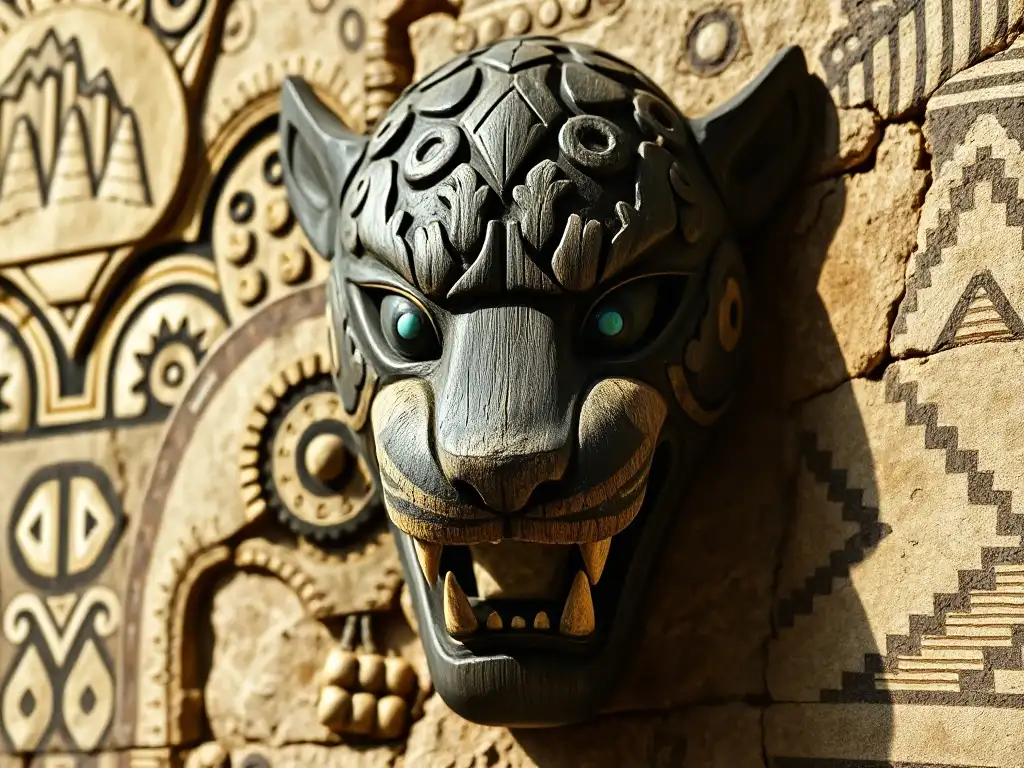
The powerful symbolism of the jaguar in Andean art hasn't faded with the passage of time. While the Inca empire and other pre-Columbian societies are long gone, the jaguar's representation continues to resonate deeply within contemporary Andean cultures. This enduring presence manifests in various forms, reflecting a complex interplay of historical memory, spiritual belief, and artistic expression.
The jaguar's legacy is not merely a historical artifact; it's a living testament to the enduring power of ancient Andean cosmology. Understanding this legacy requires examining how modern artists and communities reinterpret and revitalize the ancient symbolism. This section will explore the multifaceted ways the jaguar continues to "prowl" the cultural landscape of the Andes.
Contemporary Interpretations of Andean Jaguar Art
Modern Andean artists frequently incorporate jaguar motifs into their work, demonstrating a conscious engagement with the rich symbolic heritage of their ancestors. These interpretations are not mere replications of ancient styles; rather, they often reflect contemporary social and political contexts. For example, some artists utilize the jaguar as a symbol of resistance against oppression, drawing parallels between the jaguar's power and the resilience of indigenous communities.
Others use the feline imagery to express spiritual connection, highlighting the jaguar's role as a powerful intermediary between the human and spirit worlds. This modern Andean jaguar art symbolism often incorporates mixed media techniques, blending traditional materials like textiles and ceramics with more contemporary materials, creating a dynamic and evolving artistic dialogue. The use of vibrant colors, often echoing the hues found in the Andean landscape, further enhances the visual impact and emotional resonance of these works.
The jaguar's presence is not static; it's a dynamic force, constantly being reinterpreted and reimagined within the context of modern Andean life and artistic expression. Analyzing this contemporary art provides valuable insights into the enduring relevance of ancient Andean beliefs and worldviews. The continued use of jaguar imagery in textiles, pottery, and painting showcases the animal’s persistent role as a powerful symbol in the Andean region.
The Enduring Importance of the Feline in Andean Worldview
The persistent presence of the jaguar in modern Andean culture underlines its fundamental importance within the Andean worldview. The jaguar's symbolic power transcends mere artistic representation; it is deeply interwoven with spiritual beliefs, social structures, and ecological understanding. The feline continues to be associated with strength, power, shamanic abilities, and the ability to navigate between the earthly and spiritual realms.
Many indigenous communities still regard the jaguar with a sense of reverence and respect, viewing it as a powerful protector or a symbol of ancestral spirits. This deep-rooted reverence is evident in various cultural practices, including rituals, ceremonies, and storytelling traditions. The jaguar's continued significance in modern Andean society underscores its enduring relevance as a symbol of cultural identity and spiritual connection.
It's a powerful reminder of the persistent links between the past and the present within Andean communities, showcasing the remarkable continuity of cultural traditions. The jaguar is not simply a creature of the past; it is a living symbol, continuing to shape and inform the Andean worldview in the 21st century. The ongoing importance of the jaguar in Andean cosmology highlights its significance as a keystone species—both literally and symbolically—in the region's rich tapestry of beliefs and traditions.
Conclusion: The Profound Meaning of the Jaguar in Andean Art
The pervasive presence of the jaguar in Andean art, spanning diverse cultures and centuries, speaks volumes about its profound symbolic significance. Far from being merely decorative elements, these feline depictions served as powerful vehicles for expressing complex religious beliefs, societal structures, and the intricate relationship between humanity and the natural world. The jaguar's multifaceted symbolism, encompassing power, shamanism, the underworld, and even fertility, reflects the rich tapestry of Andean cosmology and worldview.
Understanding the nuances of Andean jaguar art symbolism provides a crucial key to unlocking a deeper appreciation of these ancient civilizations. The meticulous detail, diverse artistic styles, and consistent thematic elements across various Andean cultures highlight the enduring importance of this powerful creature in their spiritual and cultural landscape.
Further research into specific regional variations and the evolution of jaguar iconography over time would undoubtedly enrich our understanding even further. This deep-seated reverence for the jaguar wasn’t simply aesthetic; it was integral to the very fabric of Andean society.
The Lasting Impact of Andean Feline Iconography
The legacy of Andean feline iconography extends far beyond the ancient civilizations themselves. The enduring power of the jaguar's image continues to resonate in modern Andean art, culture, and even politics. Elements of the ancient symbolism are subtly woven into contemporary expressions, demonstrating the persistent cultural memory and the continuing relevance of these powerful symbols. We can trace these influences in textiles, ceramics, and even modern interpretations of traditional Andean mythology.
The jaguar, once a central figure in religious rituals and royal iconography, continues to inspire artists and storytellers, albeit in transformed forms adapted to contemporary contexts. Analyzing this continuity helps us to understand not only the past, but also the enduring cultural identity of Andean peoples. The jaguar, a symbol of strength, mystery, and the power of the natural world, remains a potent and evocative image, a testament to the lasting influence of Andean art and the profound connection between humanity and the animal kingdom.
The continued presence of the jaguar motif in contemporary Andean art serves as a powerful reminder of the deep-rooted spiritual and cultural significance of this magnificent creature. The study of this enduring legacy offers a unique opportunity to bridge the gap between ancient and modern Andean cultures, enhancing our appreciation for the rich artistic traditions that have persisted through time. Indeed, the jaguar's enduring presence underscores the profound impact of Andean art and its capacity to transcend historical boundaries.
Further Research Avenues
A deeper exploration could focus on:
* Comparative analysis of jaguar depictions across different Andean cultures (e.g., Inca, Moche, Nazca). * The role of jaguar imagery in specific Andean rituals and ceremonies. * The connection between jaguar symbolism and the Andean concept of the underworld. * The influence of Andean jaguar art on subsequent artistic traditions in the Americas. * A detailed study of the materials and techniques used to create Andean jaguar art.
Frequently Asked Questions
What is the significance of jaguars in Andean art?
Jaguars held a position of great power and reverence in Andean cultures. They symbolized strength, ferocity, and shamanic abilities, often representing deities or powerful figures. Their presence in art reflected the importance of these attributes within the society.
How did different Andean cultures depict jaguars?
Depictions varied across cultures. The Incas often showed jaguars in regal settings, while the Moche portrayed them in dynamic, often violent scenes. Style and symbolism differed, reflecting unique cultural beliefs.
What materials were used to create Andean jaguar art?
Andean artisans utilized a variety of materials including ceramics, textiles, and metalwork to depict jaguars. The choice of material often depended on the intended use and the specific cultural context of the artwork.
What is the connection between jaguars and shamanism in Andean cultures?
Jaguars were frequently associated with shamanic practices and the spirit world. They were seen as powerful intermediaries between the human and spirit realms, guiding shamans on their journeys.
Where can I see examples of Andean jaguar art?
Examples can be found in museums worldwide showcasing pre-Columbian art, and in some archaeological sites in the Andes region itself. Many online resources also provide images and information on Andean jaguar art.
Final Reflection: The Enduring Roar of the Andean Jaguar
The enduring power of the jaguar in Andean art isn't merely a historical curiosity; it's a potent symbol resonating deeply with contemporary concerns about environmental stewardship and cultural preservation. The intricate depictions of jaguars across diverse Andean cultures speak to a profound connection with the natural world, a connection we urgently need to rekindle in our increasingly fragmented society.
The jaguar's continued presence in modern Andean art, from textiles to murals, underscores its enduring significance as a symbol of power, strength, and spiritual connection. It's a testament to the resilience of indigenous cultures and their enduring wisdom. The jaguar is not just an animal; it is a spirit, a force of nature, and a guardian of the sacred.
This sentiment, echoed across generations, highlights the profound respect and reverence held for this magnificent creature, a respect we must strive to emulate in our relationship with the natural world.
Consider the intricate details, the vibrant colors, the sheer artistry poured into these ancient depictions. Let the jaguar's gaze challenge you to contemplate your own connection to the land, to the animals that share our planet, and to the rich tapestry of human cultures that have thrived alongside them. Embrace the legacy of the Andean jaguar; let its powerful symbolism inspire you to become a protector of our shared heritage and a champion for environmental justice.
Unleash Your Curiosity: Dive Deeper into Andean Art!
Thank you for joining us on this fascinating journey exploring the significance of felines in Andean art. We hope you gained valuable insights into this captivating subject. Now, let's explore further.
Here are a few impactful next steps:
- Visit Local Museums: Immerse yourself in the world of Andean art by visiting a museum or art exhibit featuring Andean artifacts. Experience the history and symbolism of feline imagery firsthand.
- Share Your Knowledge: Discuss your newfound understanding with friends, family, or online communities. Sharing your insights helps spread appreciation for Andean cultures.
- Create Your Own Art: Let the wisdom of Andean artistry inspire your own creative endeavors. Try drawing, painting, sculpting, or any other medium to express your interpretation of feline motifs.
Reflecting on this rich cultural legacy, consider this: What does the enduring presence of felines in Andean art reveal about the values and beliefs of these ancient civilizations?