
The Art of Weaving: How Andean Textiles Reflected their Natural World

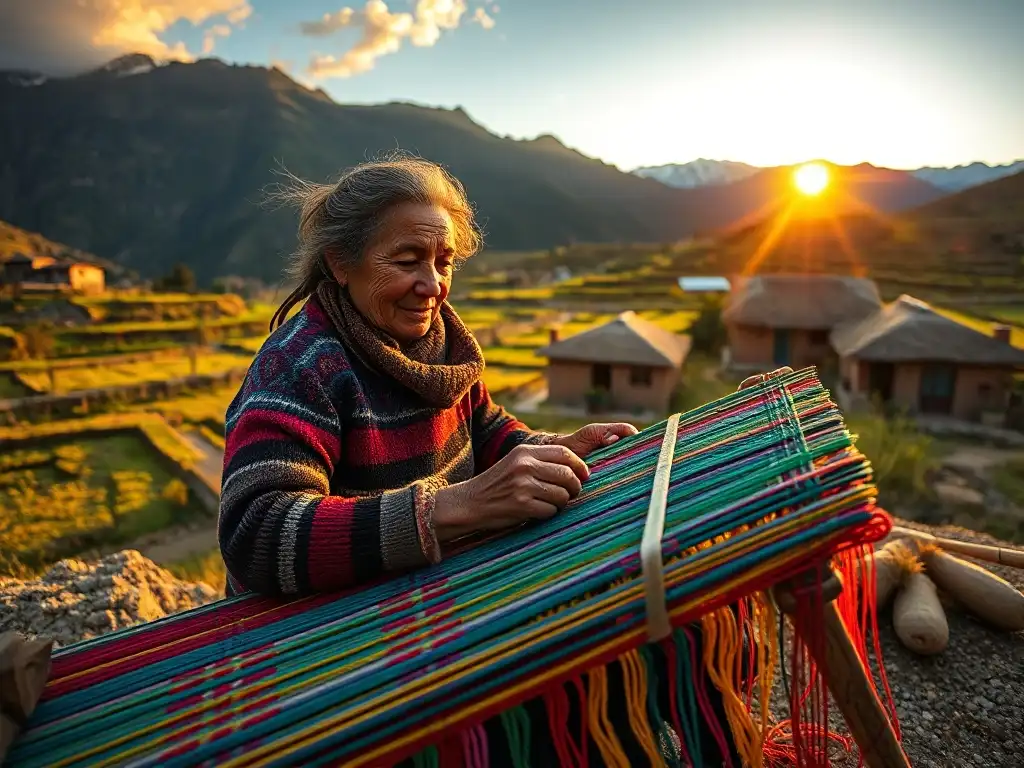
Step into a world woven from myth and mastery. For centuries, the Andean civilizations – from the Incas to the Nazca – expressed their profound connection to the cosmos through intricate textiles. Discover the secrets behind Andean textiles weaving techniques, and unravel the breathtaking artistry that mirrored their unique worldview in the main article, "The Art of Weaving: How Andean Textiles Reflected their Natural World." Prepare to be amazed by the ingenuity and spiritual depth embedded within every thread.
- Andean Textiles: Weaving the Natural World
- Andean Textile Weaving Techniques and Materials
-
The Reflection of Nature in Andean Textile Designs
- Andean Cosmology and its Influence on Textile Patterns: The Chakana Cross
- Representing the Andean Landscape in Textile Art: Mountain and River Motifs
- Depictions of Flora and Fauna in Andean Weaving: Condor and Llama Designs
- Symbolic Motifs and their Connection to the Natural World: Fertility and Ancestral Spirits
-
Regional Variations in Andean Textile Weaving
- Unique Weaving Styles of the Inca Empire: Geometric Patterns and Tapestry
- The Artistic Legacy of Moche Textiles: Mythological Scenes and Iconography
- Nazca Textile Art and its Distinctive Features: Elaborate Embroidered Designs
- Tiahuanaco Textile Weaving and its Symbolic Language: Staff God Representations
- The Enduring Legacy of Andean Textile Weaving
- Frequently Asked Questions
- Final Reflection: Threads of Time, Echoes of Nature
- Experience the Weaving Wonders of the Andes!
Andean Textiles: Weaving the Natural World
The Andes Mountains, a spine of towering peaks and fertile valleys stretching along the western coast of South America, nurtured some of the world's most sophisticated and visually stunning civilizations. For millennia, Andean cultures—including the Incas, Moche, Nazca, and Tiahuanaco—developed intricate systems of beliefs and practices deeply intertwined with the natural world. Nowhere is this connection more vividly expressed than in their textiles.
This article delves into the art of Andean weaving, exploring how these magnificent fabrics not only served practical purposes but also acted as powerful symbols, reflecting the Andean worldview and their profound relationship with their environment. We will examine the techniques employed, the symbolic meanings embedded within the designs, and the enduring legacy of this remarkable craft, showcasing the artistry and ingenuity of Andean textile production.
This exploration will illuminate the deep connection between Andean cosmology and their mastery of textile weaving, a connection that continues to fascinate and inspire today. Prepare to be amazed by the intricate detail and vibrant colors that tell the story of a people deeply connected to their land.
The Significance of Andean Weaving Traditions
Andean weaving wasn't merely a craft; it was a fundamental aspect of their social, religious, and economic life. Textiles served a multitude of purposes, from everyday clothing and household items to elaborate ceremonial garments and prestigious offerings for deities. The creation of textiles was a highly skilled process, often involving specialized labor and intricate techniques passed down through generations.
The fibers themselves, sourced from the natural world—alpaca, llama, vicuña, cotton—held significant symbolic meaning, reflecting the Andean appreciation for the animals and plants that sustained them. The choice of fiber, color, and design all contributed to the overall meaning and value of the textile. For example, certain colors were associated with specific deities or events, while particular patterns represented agricultural cycles, celestial bodies, or mythological figures.
The intricate designs were not arbitrary; they were carefully chosen to convey specific messages and narratives. This careful attention to detail highlights the profound spiritual significance attached to textile production in Andean societies. The creation of textiles wasn't just a mundane task; it was a sacred act, connecting the weaver with the spiritual realm and the natural world.
Understanding Andean Textile Art as a Cultural Expression
The vibrant colors, complex patterns, and intricate techniques used in Andean textiles provide invaluable insights into the cultural expressions of these societies. These textiles weren't simply functional items; they were canvases upon which Andean people depicted their world, their beliefs, and their history. The use of natural dyes derived from plants, minerals, and insects resulted in a breathtaking array of colors, each possessing its own symbolic significance. Red, for example, might represent blood, fertility, or power, while yellow could symbolize the sun or gold.
The patterns themselves were equally significant, often incorporating geometric designs, zoomorphic motifs (animal shapes), and anthropomorphic representations (human-like figures). These motifs frequently depicted scenes from daily life, mythological narratives, or astronomical events. The mastery of various weaving techniques, such as tapestry, brocade, and embroidery, further enhanced the complexity and artistry of the textiles. Detailed analysis of these techniques and designs allows researchers to reconstruct aspects of Andean social structures, religious practices, and their understanding of the cosmos.
The preservation of these textiles provides a tangible link to the past, offering a unique window into the rich and complex cultures of the Andes. Studying them allows us to appreciate the ingenuity and artistry of Andean weavers and the profound connection they had with their natural environment. The legacy of their work continues to inspire awe and admiration today.
Andean Textile Weaving Techniques and Materials
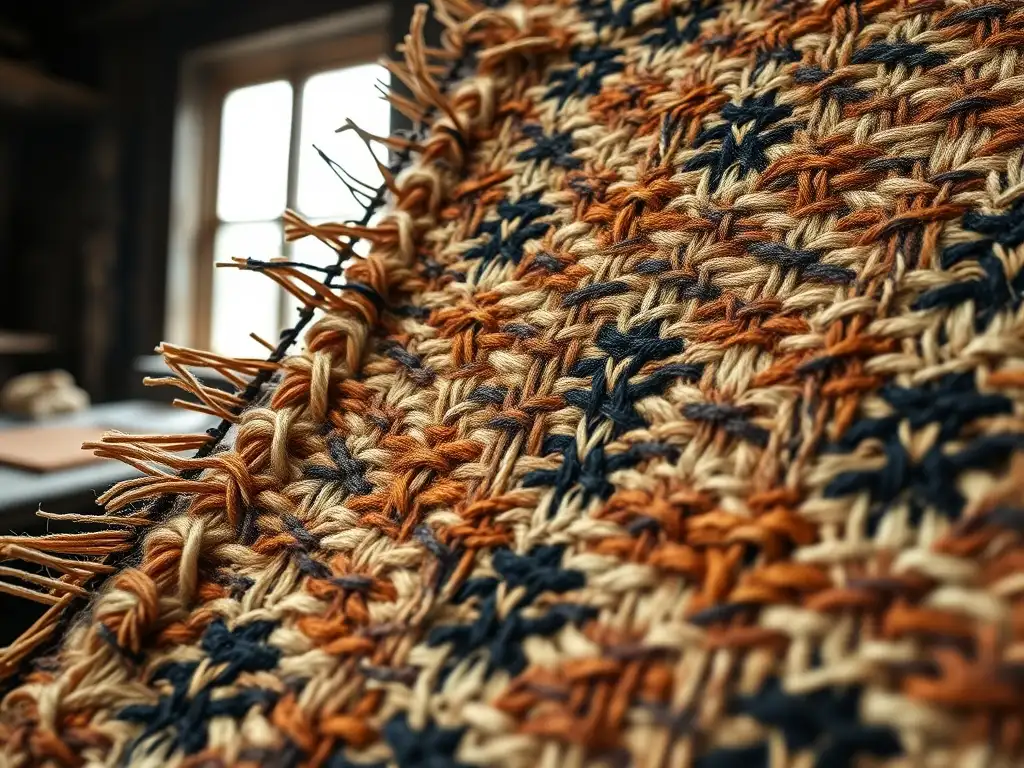
This section delves into the intricate artistry and sophisticated techniques employed by Andean civilizations in textile production, focusing on the materials and methods that reflect their deep connection with the natural world. Understanding these techniques provides crucial insight into the Andean worldview and their remarkable ability to harness the resources available to them. The mastery of Andean textiles weaving techniques is a testament to their ingenuity and enduring cultural legacy.
Traditional Andean Weaving Methods: Backstrap Loom Techniques
The backstrap loom is arguably the most iconic tool in the history of Andean textile production. This portable and versatile loom, often made from readily available wood and readily available materials, allowed weavers unparalleled flexibility. Its portability facilitated weaving in diverse locations, from mountain slopes to valley settlements. The process involves securing one end of the warp threads to a stationary object (like a tree or a post) and the other to a belt worn around the weaver's waist. By leaning back and forth, the weaver controls the tension on the warp threads, creating the shed for weft insertion.
This seemingly simple mechanism allowed for the creation of incredibly complex and intricate designs. The backstrap loom's adaptability allowed for a wide variety of textile formats, from simple cloths to finely detailed garments and tapestries. The precision required to manipulate the loom and create intricate patterns speaks volumes about the skill and patience of Andean weavers.
Mastering the backstrap loom demanded years of dedicated practice, passed down through generations within families and communities. The mastery of this technique was not merely a craft, but a crucial element of Andean social structure and identity. Even today, this ancient technique continues to be practiced, demonstrating the enduring relevance of this technology.
Natural Fibers Used in Andean Textile Production: Alpaca and Vicuña Wool
Andean textiles are renowned for their luxurious softness and durability, qualities directly attributable to the exceptional fibers used in their creation. Alpaca and vicuña, camelids native to the Andes, provided the primary sources of wool for these exquisite textiles. Alpaca wool, known for its softness, warmth, and hypoallergenic properties, was widely used for clothing and household textiles. Its fine texture and rich colors made it a prized material across various social strata.
Vicuña wool, however, holds a unique place in Andean history. Considered the finest and most luxurious fiber in the world, vicuña wool was reserved for the elite classes, often used to create garments for royalty and religious figures. Its exceptional softness, strength, and water resistance made it a highly sought-after commodity.
The delicate nature of vicuña wool dictated specific shearing practices, emphasizing the deep respect Andean societies held for their environment and its resources. The sustainable practices surrounding vicuña fiber harvesting highlight the Andean understanding of ecological balance and responsible resource management. The scarcity and high quality of vicuña wool contributed to its symbolic significance, reinforcing its position as a symbol of wealth and power within Andean society.
The Role of Natural Dyes in Andean Textile Coloration: Indigo and Cochineal
The vibrant and enduring colors of Andean textiles are not just aesthetically pleasing; they also reflect a profound understanding of the natural world and its potential for artistic expression. Andean artisans skillfully employed natural dyes derived from plants, insects, and minerals to achieve a stunning array of hues. Two particularly significant dyes were indigo and cochineal.
Indigo, obtained from the indigo plant, produced a range of blues, from deep indigo to lighter shades of blue. This dye was widely used across various cultures and civilizations, and its presence in Andean textiles highlights the widespread adoption of this valuable resource. The process of extracting and preparing the indigo dye involved careful observation of the plant's growth cycle and meticulous processing techniques. This process was not simply a technical procedure but a ritualistic act that connected the weaver with the natural world.
Cochineal, on the other hand, was derived from a small insect that feeds on the prickly pear cactus. This insect produced a brilliant crimson dye, highly valued for its intensity and longevity. Cochineal dye was often associated with royalty and religious figures, further emphasizing the symbolic importance of color in Andean culture.
The use of cochineal demonstrates the Andean understanding of the interconnectedness of the natural world, leveraging even the smallest organisms for artistic and symbolic expression. The precise control over the dyeing process allowed Andean artisans to produce textiles with incredibly rich and nuanced color palettes, underscoring their mastery of both technical and artistic skills.
The Reflection of Nature in Andean Textile Designs
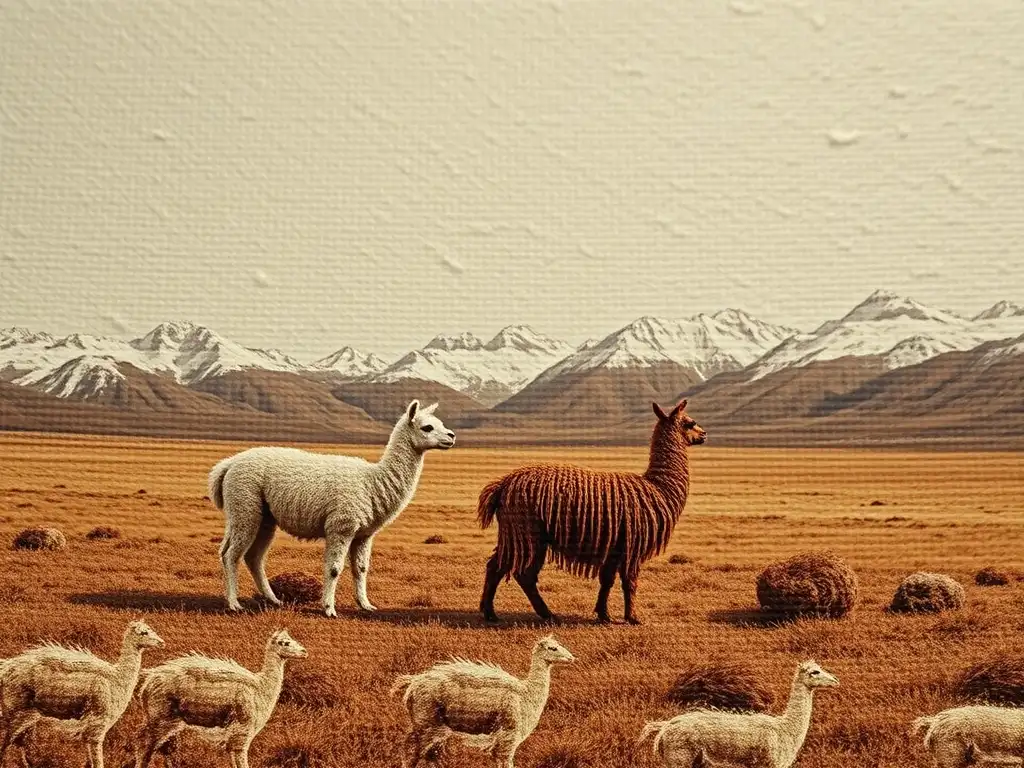
Andean textiles are renowned not just for their intricate weaving techniques, but also for their profound connection to the natural world. The vibrant colors, complex patterns, and choice of materials all speak to a deep understanding and reverence for the Andean environment. This section delves into how Andean textile designs mirrored their surroundings, offering a glimpse into their cosmology and worldview.
Understanding these artistic expressions provides valuable insight into the sophisticated cultural practices of these ancient civilizations, showcasing their masterful skill in "Andean textiles weaving techniques". The use of natural dyes, sourced from plants and minerals found locally, further underscores this intimate relationship.
Andean Cosmology and its Influence on Textile Patterns: The Chakana Cross
The chakana, or Andean cross, is a powerful symbol found repeatedly in Andean textiles. This iconic design represents the four cardinal directions, the four elements (earth, air, fire, water), and the interconnectedness of the cosmos. Its presence in woven fabrics isn't merely decorative; it's a powerful statement about the Andean worldview, reflecting their belief in a harmonious relationship between the human world and the spiritual realm.
The meticulous precision in its execution, using various "Andean textiles weaving techniques" like backstrap loom weaving and supplementary weft techniques, demonstrates the spiritual significance imbued in the creation process. Different variations of the chakana, incorporating additional elements or colors, can signify different aspects of the Andean cosmology, requiring further research to fully decipher their nuanced meanings.
For example, the number of arms in the cross or the inclusion of specific geometric shapes can alter its overall interpretation. Detailed analysis of these variations within different Andean cultures requires a deeper examination of existing textile collections and archaeological findings.
Representing the Andean Landscape in Textile Art: Mountain and River Motifs
The dramatic Andean landscape, characterized by towering mountains and rushing rivers, is vividly depicted in Andean textiles. Mountain ranges are often represented through stylized peaks and valleys, using a variety of colors and textures to create a sense of depth and scale. Rivers, crucial for life and sustenance, are commonly depicted as flowing lines or bands, sometimes incorporating symbolic representations of water sources.
The use of specific colors in these representations can also hold symbolic meaning. For example, the deep blues and greens might represent the glacial meltwater feeding rivers, while browns and ochres could depict the earth itself. These representations aren't simply realistic depictions; they are infused with symbolic meaning, reflecting the importance of these natural features in the Andean worldview.
The masterful application of "Andean textiles weaving techniques" allowed the artisans to create a three-dimensional effect, even on a flat surface. This skill is evident in the manipulation of the weft and warp threads, creating subtle variations in texture and color that mimic the contours of the landscape.
Depictions of Flora and Fauna in Andean Weaving: Condor and Llama Designs
Andean textiles are replete with representations of the region's unique flora and fauna. The condor, a majestic bird symbolizing power and strength, is a frequently recurring motif. Its stylized depiction, often rendered in bold colors and intricate details, underscores its importance in Andean mythology and cosmology. Similarly, the llama, a crucial animal for Andean societies, is often depicted in textiles.
Its representation varies depending on the specific context and the techniques employed. Weaving techniques, such as supplementary weft or tapestry weaving, allowed artisans to create a sense of movement and depth, capturing the essence of these animals with remarkable accuracy. The use of natural dyes, meticulously extracted from plants and minerals found in the Andean region, reflects their deep understanding and respect for the natural world.
The meticulous representation of these animals, using advanced "Andean textiles weaving techniques", further showcases the artisan's skills and their connection to their environment. Detailed studies on the specific dyes used and their regional variations would provide further insight into the rich tapestry of Andean artistic traditions. Further research is needed to fully understand the specific symbolic meanings attached to different representations of these animals across various Andean cultures.
Symbolic Motifs and their Connection to the Natural World: Fertility and Ancestral Spirits
Andean textiles are replete with symbolic motifs deeply intertwined with the natural world, reflecting a cosmology that venerated fertility and ancestral spirits. The connection between the woven designs and the Andean worldview is profound, with patterns often representing a complex interplay of agricultural cycles, animal life, and spiritual beliefs. For example, the frequent depiction of camelids—llamas and alpacas—wasn't simply aesthetic. These animals were crucial to Andean life, providing wool, meat, and transportation. Their presence in textiles symbolized prosperity, abundance, and the successful continuation of life itself, directly reflecting the importance of these animals within their agricultural economy.
Furthermore, the representation of stylized plants, such as maize, potatoes, and coca, wasn't merely decorative. These crops were fundamental to Andean survival and were imbued with spiritual significance. Maize, in particular, often symbolized fertility and regeneration, its depiction frequently associated with deities linked to agricultural bounty.
The intricate weaving of these plant motifs showcases the deep reverence the Andean people held for their agricultural achievements and their dependence on a benevolent natural order. The detailed representation of these plants, often meticulously rendered with different colors and textures to simulate the actual plants, highlights the spiritual connection between the textile and the life-sustaining power of nature.
Beyond the depictions of plants and animals, the incorporation of abstract symbols also played a crucial role in expressing the Andean worldview. These symbols, often geometric in nature, are believed to represent ancestral spirits and the connection between the living and the dead. The use of specific colors and patterns in these abstract designs likely held specific meanings, potentially related to specific ancestral lineages or significant events.
While the precise interpretation of these symbols remains a subject of ongoing research, their prominent presence in Andean textiles underscores the importance of ancestral veneration within their society and the belief in the continuous interaction between the living and the spirit world. The enduring legacy of these abstract symbols highlights the rich spiritual tapestry woven into the fabric of Andean culture.
This complex interplay of naturalistic and abstract motifs, meticulously woven into the textiles, showcases the profound connection between the Andean people and their natural environment, demonstrating how their artistic expression served as a powerful medium for expressing their cosmological beliefs. The careful preservation of these textiles offers invaluable insight into the rich spiritual life and interconnectedness with nature that defined Andean civilizations.
Regional Variations in Andean Textile Weaving
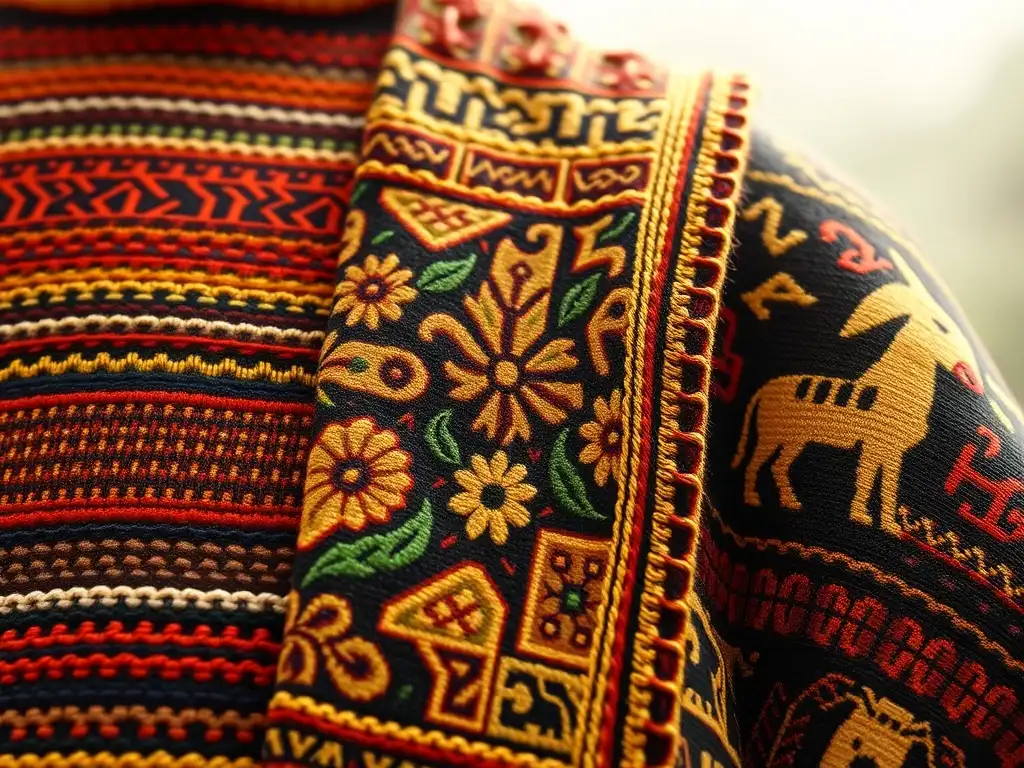
The vibrant tapestry of Andean civilizations is not only reflected in their monumental architecture and sophisticated social structures but also, perhaps most intimately, in their textiles. Andean textiles weaving techniques varied significantly across different regions and cultures, reflecting diverse environments, beliefs, and artistic sensibilities. The unique characteristics of each region's textile traditions offer invaluable insights into the worldview and daily life of these ancient societies.
Analyzing these variations allows us to appreciate the richness and complexity of Andean artistry and its deep connection to the natural world. Understanding the specific techniques used – from spinning and dyeing to weaving and embellishment – provides a crucial key to deciphering the symbolic meanings embedded within these remarkable artifacts.
The sheer diversity of Andean textile traditions underscores the ingenuity and adaptability of these cultures, showcasing their mastery over diverse materials and techniques tailored to their specific environments. This section will explore some key regional variations, focusing on the Inca, Moche, and Nazca cultures.
Unique Weaving Styles of the Inca Empire: Geometric Patterns and Tapestry
The Inca Empire, known for its vast territorial expanse and sophisticated administrative system, also left behind a legacy of impressive textile production. Inca Andean textiles weaving techniques were characterized by a preference for geometric patterns and the masterful use of tapestry weaving. Their textiles often featured intricate designs incorporating squares, triangles, and zigzags, often arranged in repeating motifs.
These geometric patterns were not merely decorative; they frequently held symbolic meaning, representing celestial bodies, agricultural cycles, or even specific deities. The use of tapestry weaving, a technique involving the interweaving of colored threads to create detailed images, allowed Inca artisans to achieve remarkable levels of complexity and precision in their designs. Furthermore, the Incas utilized a wide range of high-quality materials, including alpaca and vicuña wool, known for their softness and warmth, reflecting their sophisticated understanding of animal husbandry and textile production.
The vibrant colors, often derived from natural dyes, further enhanced the visual impact of their textiles. Examples of surviving Inca textiles showcase a remarkable level of standardization, suggesting a highly organized and centralized system of textile production, possibly overseen by state workshops. This systematic approach to textile creation underlines the importance of textiles within Inca society, serving both practical and symbolic functions.
The Artistic Legacy of Moche Textiles: Mythological Scenes and Iconography
The Moche civilization, flourishing on the northern coast of Peru between 100 and 800 CE, produced textiles that stand out for their vibrant colors and dynamic depictions of mythological scenes and iconography. Unlike the Inca's preference for geometric patterns, Moche Andean textiles weaving techniques frequently showcased narrative scenes, often portraying deities, mythical creatures, and rituals. These depictions provide invaluable insights into Moche religious beliefs and cosmology.
The Moche artisans skillfully employed various weaving techniques, including weft-faced plain weave and embroidery, to create intricate details and textures. Their mastery of natural dyes allowed them to achieve a wide range of vivid colors, further enhancing the expressiveness of their designs. Common motifs include anthropomorphic figures, felines, birds, and plants, often intertwined in complex compositions that vividly tell stories of their mythology.
The Moche textiles are remarkable for their ability to convey narratives and convey rich symbolic meaning through carefully rendered details. These textiles were not only used for clothing and adornment but also served as important ritual objects, further underscoring their significance within Moche society. The preservation of these textiles offers a unique window into the artistic and spiritual world of this remarkable civilization.
Nazca Textile Art and its Distinctive Features: Elaborate Embroidered Designs
The Nazca culture, known for its enigmatic geoglyphs, also produced textiles characterized by elaborate embroidered designs and intricate patterns. Nazca Andean textiles weaving techniques often featured highly stylized representations of animals, plants, and geometric shapes. These designs, executed with exceptional precision, were often created using embroidery, a technique involving the stitching of decorative threads onto a woven base.
The Nazca artisans demonstrated a mastery of color and design, using a diverse palette of natural dyes to create vibrant and visually striking textiles. Their textiles often incorporated complex symbolic systems, with specific motifs likely representing deities, ancestral figures, or important aspects of their world view. The use of fine, lightweight materials, such as cotton and camelid fibers, allowed for the creation of delicate and intricately detailed pieces.
The exceptional quality and artistic merit of Nazca textiles showcase the advanced skills and artistic sensibilities of their weavers. The survival of these textiles offers a unique opportunity to study the sophisticated techniques and symbolic language of this fascinating culture. Their distinctive style, characterized by elaborate embroidery and complex iconography, sets them apart from the textile traditions of other Andean cultures, underscoring the remarkable diversity of Andean artistic expression.
Tiahuanaco Textile Weaving and its Symbolic Language: Staff God Representations
Tiahuanaco textiles, produced by the sophisticated civilization flourishing in the Bolivian Altiplano between 500 and 1000 CE, are renowned for their intricate designs and symbolic richness. Unlike the vibrant, often naturalistic depictions found in coastal cultures, Tiahuanaco textiles frequently employ a more abstract and symbolic visual language, deeply rooted in their cosmology and religious beliefs. A prominent motif within these textiles is the representation of the Staff God, a key figure in Tiahuanaco iconography.
The Staff God is typically depicted as a stylized humanoid figure, often holding a staff or scepter, sometimes with feline features or other symbolic attributes. These representations in textiles are not merely decorative; they are powerful statements about religious authority, cosmic order, and the relationship between the human and divine realms. The careful placement and repetition of the Staff God within the textile's design further emphasizes its significance.
The size and detail of the Staff God figure often vary depending on the textile's function and intended use. For example, larger, more elaborate representations might be found on ceremonial garments worn by elite members of society, while smaller, simpler depictions could appear on everyday clothing.
The colors used in depicting the Staff God also hold symbolic meaning. While precise color interpretations are still debated among scholars, certain colors are consistently associated with specific concepts. For example, red might represent blood, sacrifice, or the energy of the sun, while dark blues or blacks could symbolize the underworld or the night.
The use of these colors in conjunction with the Staff God iconography contributes to a complex tapestry of meaning, reflecting a sophisticated understanding of the cosmos and the spiritual world. Researchers are constantly uncovering new details about the significance of color use in Tiahuanaco textiles through ongoing analysis of surviving fragments and the application of advanced scientific techniques.
The techniques employed in weaving these complex designs are equally impressive. Tiahuanaco weavers mastered various techniques, including tapestry weaving, which allowed them to create intricate patterns with multiple colors. The precision and skill required to weave the often-minute details of the Staff God representations demonstrate a high level of technical proficiency and artistic mastery. The surviving examples, though often fragmented, showcase the remarkable craftsmanship of these ancient artisans and their dedication to representing their religious beliefs through their art.
Further study of these textiles is crucial for a deeper understanding of Tiahuanaco religion and society. The survival of these textiles, despite the passage of centuries, is a testament to the durability of both the materials and the techniques employed by these ancient weavers. Their intricate designs continue to fascinate and inspire researchers and art enthusiasts alike, offering a glimpse into the rich cultural heritage of the Tiahuanaco civilization.
The Enduring Legacy of Andean Textile Weaving
The legacy of Andean textile weaving is profoundly intertwined with the region's unique environment and cosmology. For centuries, the intricate designs and masterful techniques employed in creating these textiles served not merely as decorative elements but as powerful expressions of Andean worldview, reflecting their deep connection to the natural world. From the vibrant colors inspired by the Andean landscape to the symbolic patterns representing celestial bodies and agricultural cycles, Andean textiles offer a rich tapestry of cultural and historical significance.
The enduring popularity of these textiles today is a testament to their artistry and the enduring cultural memory they embody. Understanding the techniques behind Andean textiles requires appreciating the sophisticated knowledge systems passed down through generations of skilled artisans. This knowledge encompasses not only the technical aspects of weaving but also the profound spiritual and social dimensions inherent in the craft.
The Contemporary Relevance of Traditional Techniques: Sustainable Practices
The techniques employed in traditional Andean textile weaving hold remarkable relevance in today's context, particularly concerning sustainable practices. Many traditional methods prioritize the use of natural, locally sourced materials, minimizing environmental impact. For example, the use of alpaca and llama fibers, renowned for their softness and durability, showcases a sustainable approach to fiber production that aligns with modern ecological consciousness.
Moreover, the intricate weaving techniques often minimize waste, reflecting a mindful approach to resource management. These sustainable practices are not merely historical curiosities; they offer valuable lessons for contemporary textile production, highlighting the potential for environmentally responsible craftsmanship. Studies comparing the carbon footprint of traditional Andean textile production with modern mass-produced textiles show a significantly lower environmental impact for the former.
This underscores the importance of preserving and promoting these traditional techniques as sustainable alternatives. The revival of interest in natural dyes, derived from plants and minerals found in the Andes, further exemplifies the sustainable ethos inherent in Andean textile traditions. This echoes a global movement towards eco-friendly practices in the textile industry, demonstrating the enduring value of traditional Andean knowledge.
The Preservation of Andean Textile Weaving Heritage: Supporting Artisan Communities
The preservation of Andean textile weaving heritage requires a concerted effort to support the artisan communities that continue to practice these traditions. These communities face numerous challenges, including economic pressures that often lead to the abandonment of traditional techniques in favor of more commercially viable options. Initiatives aimed at fair trade practices, providing access to markets, and offering training programs are crucial in sustaining these communities and their invaluable craft.
Furthermore, documentation efforts, including detailed photographic records and ethnographic studies, play a vital role in preserving the knowledge and skills associated with Andean textile weaving. The creation of archives and museums dedicated to Andean textiles not only safeguards this heritage but also provides opportunities for education and cultural exchange. Organizations dedicated to promoting Andean textiles often work directly with artisan communities, providing support through micro-loans and marketing assistance.
This collaborative approach ensures that the artisans receive fair compensation for their work while preserving their cultural heritage. The success of these initiatives hinges on a multifaceted strategy that addresses both economic and cultural factors, ensuring the long-term survival of this significant tradition.
The Future of Andean Textile Art: Innovation and Cultural Exchange
The future of Andean textile art lies in a delicate balance between preserving tradition and embracing innovation. While the preservation of traditional techniques is paramount, encouraging experimentation and creative exploration can ensure the continued vitality of the craft. Collaborations between established Andean artisans and contemporary designers can foster new perspectives, leading to the creation of innovative textile designs that honor the heritage while appealing to modern aesthetics.
This cultural exchange can bring renewed appreciation for Andean textile art, attracting a wider audience and ensuring its continued relevance. The integration of modern technologies, such as digital design tools, without compromising the core values of the craft, can also enhance the creative process.
Furthermore, the use of social media and online platforms offers exciting opportunities to showcase Andean textiles to a global audience, promoting cultural understanding and economic opportunities for artisan communities. The future success of Andean textile art depends on its ability to adapt while maintaining its integrity, striking a balance between tradition and innovation to ensure its enduring legacy.
Frequently Asked Questions
What makes Andean textiles so unique?
Andean textiles are renowned for their vibrant colors, intricate designs, and the use of high-quality materials like alpaca and llama wool. The techniques employed were incredibly sophisticated for their time.
What were the primary weaving techniques used by Andean civilizations?
Andean weavers mastered various techniques including backstrap loom weaving, spindle spinning, and complex dyeing processes. These methods allowed for incredibly detailed and durable textiles.
How did Andean textile designs reflect their environment?
Designs frequently depicted animals, plants, and celestial elements significant to their culture and environment. This connection to nature is a key characteristic of Andean art.
What role did textiles play in Andean societies?
Textiles were not merely clothing; they held significant social and religious meaning. They were used in ceremonies, as status symbols, and even as forms of currency.
Where can I learn more about Andean textile weaving techniques?
Many museums and online resources offer detailed information on Andean weaving. You can also find books and documentaries dedicated to this fascinating subject.
Final Reflection: Threads of Time, Echoes of Nature
The intricate artistry of Andean textiles continues to resonate today, a powerful testament to the enduring connection between human creativity and the natural world. These weren't simply garments; they were living tapestries, imbued with stories, beliefs, and a profound understanding of the Andean ecosystem. Their vibrant colors and complex designs still hold the power to captivate and inspire, reminding us of the ingenuity and resilience of ancient cultures.
The legacy of Andean weaving techniques extends far beyond the realm of historical artifacts; it's a living tradition that continues to shape cultural identity and artistic expression. The meticulous craftsmanship, the symbolic language woven into each thread, the deep respect for the materials – these elements remain deeply relevant in contemporary art and design. The threads themselves are a metaphor for life, each strand representing a moment, a memory, a connection to the past and the future.
This quote, though not from an Andean weaver, perfectly encapsulates the enduring power and significance of their work. It's a legacy we must actively preserve and appreciate.
Consider the intricate details, the vibrant colors, the stories whispered in the patterns of these ancient textiles. Let their enduring beauty inspire you to connect more deeply with the natural world and to appreciate the artistry and skill embedded in the objects around you. Embrace the spirit of innovation and resilience that characterized the Andean weavers, and find ways to weave your own unique story into the fabric of your life. Let the threads of their legacy inspire your own creative journey.
Experience the Weaving Wonders of the Andes!
Thank you for exploring the vibrant world of Andean textiles and their deep connection to nature. You've discovered how culture and craftsmanship intertwine to create stunning works of art that tell stories of the landscape and heritage. Now, let's put that inspiration into action!
- Explore an Andean Artisan Market: Visit a local artisan market or online store to support the talented weavers who continue this ancient craft. Experience the beauty of their creations firsthand!
- Engage with Crafting Communities: Participate in a weaving workshop or join a local crafting group to learn the techniques and hear the stories behind Andean textiles. It's a fantastic way to connect with others who share your passion.
- Share the Art: Post a photo or share a story about your favorite textile piece on social media using the hashtag #AndeanWeavings. Let's spread appreciation for this incredible art form!
What aspect of Andean textile design appeals to you most, and how do you see nature reflected in your own life?