
Sacred Groves: Exploring the Ritualistic Use of Forests in Andean Civilizations

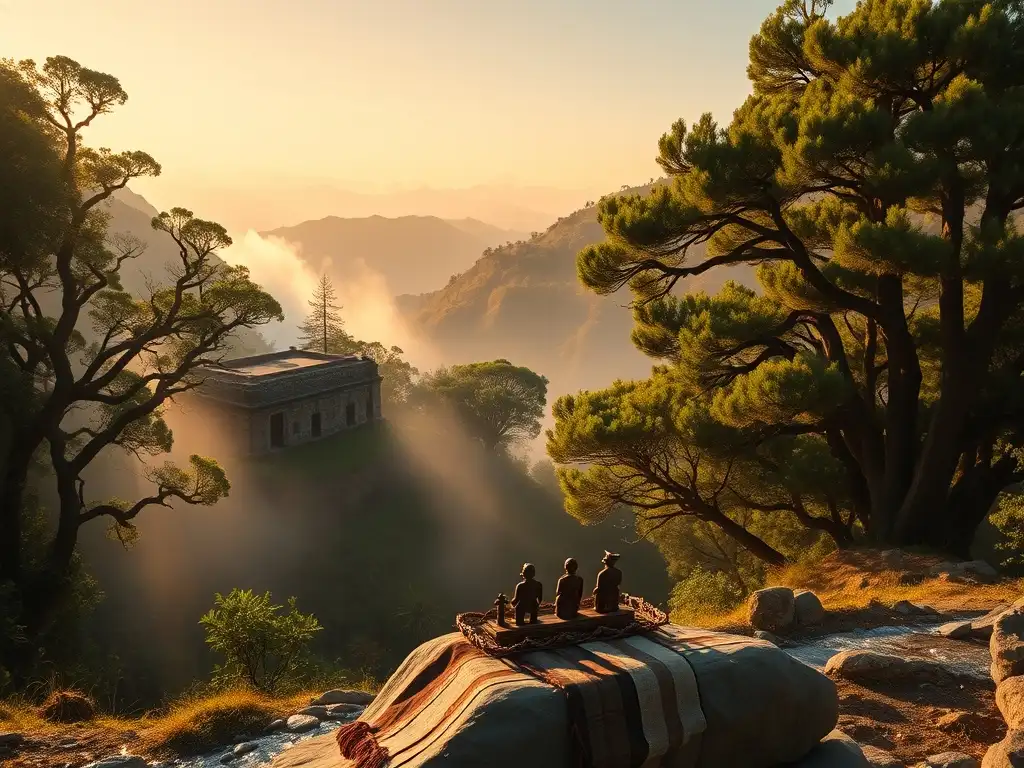
Step into a world lost to time, yet echoing with the whispers of ancient spirits. Discover the secrets held within the sacred groves of the Andes, where vibrant civilizations like the Incas, Moche, and Nazca intertwined their lives with the mystical power of the forest. Unravel the mysteries of Andean forest ritual use—a practice far richer and more complex than you ever imagined. Prepare to be captivated by the intricate tapestry of Andean cosmology and worldview, revealed through the lens of their profound relationship with nature. Journey with us, and unlock the hidden meanings behind these sacred spaces.
The Andean civilizations, renowned for their intricate social structures and impressive engineering feats, held a deeply spiritual relationship with the natural world. This reverence extended beyond the majestic mountains and fertile valleys to encompass the forests themselves, which served as vital components in their complex cosmology and ritual practices.
This article delves into the significant role of sacred groves – specifically designated forest areas – in the religious and social life of various Andean cultures, including the Incas, Moche, Nazca, and Tiahuanaco. We will explore how these forests were not merely sources of resources, but rather imbued with sacred meaning, serving as locations for rituals, ceremonies, and offerings, reflecting a profound interconnectedness between the human and spiritual realms within the Andean worldview.
Understanding the ritualistic use of Andean forests provides crucial insights into the beliefs, practices, and societal structures of these fascinating ancient societies. The exploration of "Andean forest ritual use" reveals a rich tapestry of spiritual beliefs and practices woven into the fabric of Andean life.
The Inca's Sacred Forests: A Tapestry of Ritual and Power
Inca society, known for its sophisticated empire spanning across the Andes, integrated sacred groves deeply into its religious and political systems. These groves, often located near important Inca sites or along pilgrimage routes, were carefully managed and protected. Evidence suggests that specific trees were considered sacred, possibly representing deities or ancestors.
The Inca likely performed various rituals within these groves, including offerings of coca leaves, llama sacrifices, and prayers to ensure agricultural prosperity and maintain cosmic balance. Furthermore, the selection and preservation of specific tree species within these sacred groves may have held symbolic significance, reflecting the Inca's understanding of the interconnectedness between the earthly and spiritual realms. The precise details of these rituals remain partially obscured by the passage of time, however, archaeological findings and ethnographic accounts from later Andean cultures provide valuable clues.
We can hypothesize that the management of these groves, much like the meticulous organization of Inca agriculture, was a reflection of their centralized power and hierarchical social structure. The sacred groves served not only as religious sites but also as symbols of Inca authority and control over their vast empire.
Pre-Inca Traditions: Evidence from the Moche, Nazca, and Tiahuanaco
While the Inca's use of sacred groves is well-documented, evidence suggests that the ritualistic use of forests predates the Inca empire significantly. The Moche culture, known for its elaborate ceramics depicting ritual scenes, offers visual representations of forest-related rituals. These depictions, though not explicitly showing designated groves, hint at the importance of specific trees and forest locations in their ceremonies.
Similarly, the Nazca's famous geoglyphs, while primarily located in the desert, may indirectly reflect a reverence for natural elements, including forests, which could have been incorporated into their ritual practices in other areas. The Tiahuanaco culture, with its monumental architecture and complex religious beliefs, likely also utilized sacred groves, though the specific nature of their use remains less clear due to the limited archaeological evidence currently available.
Further research, including detailed analysis of existing archaeological sites and comparative studies with related cultures, is necessary to fully understand the diverse ways in which pre-Inca Andean societies interacted with and utilized their forests for ritual purposes. This necessitates a multidisciplinary approach, combining archaeological findings, anthropological insights, and botanical studies to paint a complete picture of "Andean forest ritual use" before the Inca era.
The Symbiotic Relationship: Forest Resources and Ritual Offerings
The Andean forests were not merely spiritual spaces; they also provided essential resources for the inhabitants. This duality – the sacred and the practical – highlights the holistic worldview of Andean civilizations. Trees provided wood for construction, fuel for fires, and materials for various crafts.
Fruits, medicinal plants, and other forest products played crucial roles in daily life. This symbiotic relationship is reflected in the ritualistic use of forest resources. Offerings often included products derived from the forest, such as fruits, resins, or specific types of wood, reinforcing the interconnectedness between the spiritual and material realms.
This practice underscores the idea that the forest was not exploited but rather respected and reciprocated with offerings, ensuring continued abundance and maintaining the balance of the ecosystem. Detailed studies of the types of offerings found at sacred grove sites could reveal more about the specific plants and their associated spiritual significance within different Andean cultures. The analysis of pollen and other organic remains found in these sites could provide additional insights into this complex relationship.
The Legacy of Sacred Groves: Modern Implications and Preservation
The legacy of sacred groves in the Andes continues to resonate today. Many communities still maintain traditional practices that link them to the spiritual significance of forests. Understanding the historical use of sacred groves is not merely an academic exercise; it holds practical implications for modern conservation efforts. Recognizing the cultural significance of forests can help foster sustainable practices and protect these vital ecosystems.
The preservation of these spaces and the knowledge associated with them is crucial for maintaining biodiversity and cultural heritage. The ongoing study of "Andean forest ritual use" can inform contemporary environmental management strategies, ensuring the responsible and respectful use of Andean forests for generations to come. By understanding the past, we can better protect the future of these invaluable ecosystems and the cultural traditions they represent. The integration of traditional ecological knowledge with modern scientific approaches is crucial for effective conservation strategies.
- The Inca's Sacred Forests: A Tapestry of Ritual and Power
- Pre-Inca Traditions: Evidence from the Moche, Nazca, and Tiahuanaco
- The Symbiotic Relationship: Forest Resources and Ritual Offerings
- The Legacy of Sacred Groves: Modern Implications and Preservation
The Significance of Nature in Andean Cosmology
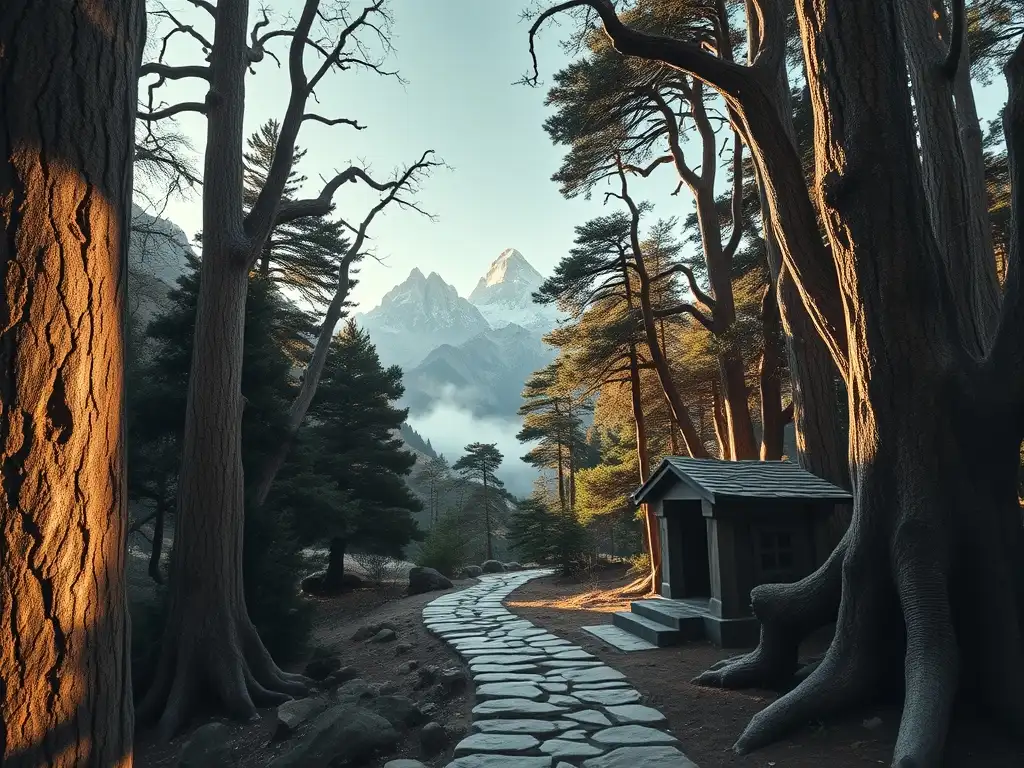
The Andean worldview was profoundly intertwined with the natural world, a perspective deeply rooted in a complex cosmology that viewed nature not as separate from humanity, but as an integral part of a vibrant, interconnected system. This holistic understanding permeated all aspects of Andean life, from agriculture and daily routines to elaborate religious ceremonies and sophisticated technologies. Understanding the Andean forest ritual use requires appreciating this fundamental connection.
The reverence for nature wasn't simply a matter of practicality; it was a spiritual imperative, shaping beliefs, social structures, and the very fabric of Andean societies. This section will explore how this profound relationship manifested, particularly focusing on the ritualistic use of forests.
Andean Worldview and the Natural World
The Andean worldview didn't recognize a clear separation between the sacred and the profane. Mountains, rivers, forests – all were considered sacred entities, imbued with spiritual power and inhabited by deities and spirits. This wasn't a passive observation; Andeans actively engaged with these natural forces, seeking their favor through offerings, prayers, and carefully orchestrated rituals. Their understanding of the natural world was deeply animistic, with a belief that all living things, including plants, animals, and even inanimate objects, possessed a spirit or essence.
This animistic perspective is crucial to understanding the significance of forests in their cosmology. The trees themselves, the animals that inhabited them, and even the soil beneath their roots were seen as active participants in the cosmic order. The forest wasn't merely a source of resources; it was a living, breathing entity worthy of respect and reverence.
The Role of Pachamama in Andean Beliefs
Central to the Andean understanding of nature was the concept of Pachamama, often translated as "Mother Earth." Pachamama wasn't simply a deity; she was the very essence of the earth, the fertile ground that sustained life, and the source of all bounty. Pachamama's influence extended to all aspects of the natural world, including forests. The forests were considered extensions of Pachamama's body, providing sustenance and shelter to her children.
Consequently, the Andean forest ritual use often involved appeasing and honoring Pachamama, ensuring her continued benevolence and protection. Rituals often involved offerings of coca leaves, chicha (a fermented corn beverage), and other gifts placed at the base of trees or in sacred groves, demonstrating a tangible connection between the people and the earth's life-giving power. These practices were not mere superstitions; they were fundamental to the survival and prosperity of Andean communities.
Mountains, Rivers, and Forests as Sacred Spaces
Andean civilizations revered specific geographical features as sacred spaces. Mountains were often considered the dwelling places of powerful deities, while rivers symbolized life's flow and fertility. Forests, too, held a special place in Andean cosmology, serving as sacred groves or apachetas – sites for ritual offerings and spiritual communion. These weren't randomly chosen locations; rather, they were carefully selected sites often characterized by unique geographical features or the presence of specific plant species considered sacred.
The Andean forest ritual use varied depending on the specific location and the purpose of the ritual. Some groves might be dedicated to specific deities, others to ancestral spirits, and still others to ensuring successful harvests or protection from harm. The specific rituals employed varied across different Andean cultures and even within individual communities, reflecting the rich diversity of beliefs and practices within the region. These sacred groves served as vital links between the human and spiritual realms, highlighting the deep-seated connection between Andean societies and the natural world.
The meticulous preservation of these spaces speaks volumes about the importance of maintaining this relationship. Further research is needed to fully delineate the specific rituals and associated plant species used in different Andean forest locations. [Specific information pending]
Andean Forest Ritual Use: A Deep Connection
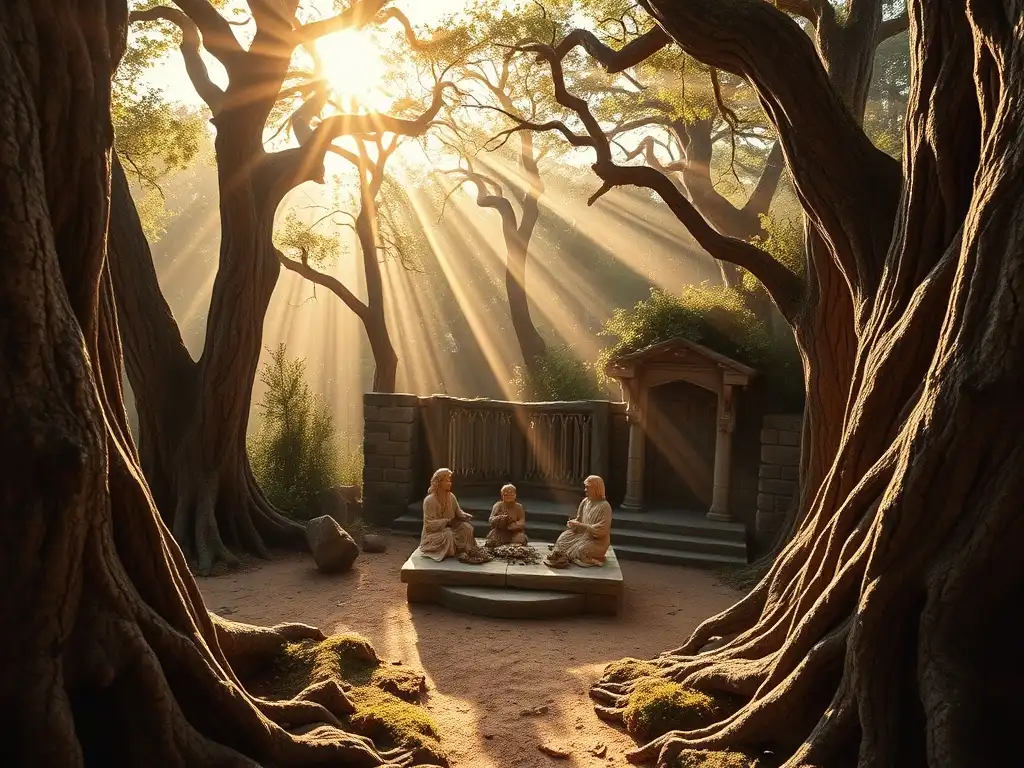
This section delves into the profound relationship between ancient Andean civilizations and their forests, exploring the ritualistic practices and beliefs surrounding these vital ecosystems. The term "Andean forest ritual use" encapsulates a complex interplay of spiritual beliefs, practical necessities, and intricate social structures. Understanding this relationship offers crucial insight into the Andean worldview and its enduring legacy. We will examine specific examples across different cultures, highlighting the diversity and complexity of forest use within the Andean region.
Ancient Andean Civilizations and their Relationship with Forests
Ancient Andean societies, including the Inca, Moche, Nazca, and Tiahuanaco, didn't view forests as mere resources to be exploited. Instead, forests held immense spiritual significance, deeply intertwined with their cosmology and daily life. Forests provided essential resources—wood for construction and fuel, fruits and medicinal plants for sustenance and healing, and materials for textiles and tools. However, the relationship extended far beyond mere utility.
The Andean worldview saw the natural world as imbued with spiritual power, with mountains, rivers, and forests as dwelling places of deities and ancestral spirits. This perspective shaped their interaction with the environment, leading to practices that reflected reverence and respect. The concept of ayni, reciprocal exchange, was central; people believed they had a responsibility to maintain a balanced relationship with nature to ensure its continued bounty and their own well-being.
This reciprocal exchange is evident in the careful management of forest resources and the rituals performed to maintain harmony with the forest spirits. The sustainable practices employed by many Andean communities stand in stark contrast to many modern exploitative approaches, showcasing the wisdom and foresight of these ancient civilizations. Further research into specific archaeological sites and ethnobotanical studies is needed to fully understand the nuances of this relationship in different Andean regions and across various time periods.
The Concept of Sacred Groves in the Andes
The concept of sacred groves—specific forested areas dedicated to religious or spiritual purposes—was prevalent across various Andean cultures. These weren't simply untouched areas; they were actively managed and maintained, reflecting a conscious effort to preserve and honor these sacred spaces. These groves often housed shrines, ceremonial platforms, or other structures associated with rituals and offerings. The trees themselves were often considered sacred, representing specific deities or ancestral spirits.
Certain species, possessing unique medicinal or symbolic properties, might hold a particularly elevated status. For example, [specific tree species and their significance pending]. The location of sacred groves was often carefully chosen, frequently situated near water sources, mountain passes, or other geographically significant locations, underscoring their cosmological importance.
The preservation of these groves wasn't solely a religious matter; it played a vital role in maintaining ecological balance, ensuring the continued provision of resources, and reinforcing social cohesion. The meticulous management of these sacred spaces demonstrates a sophisticated understanding of ecology and a deep commitment to sustainable resource management. Archaeological evidence, including the discovery of ritual objects and the layout of settlements near sacred groves, provides tangible proof of their significance.
Specific Andean Forest Rituals and Practices
Andean forest ritual use involved a wide range of practices, varying across different cultures and time periods. These rituals often involved offerings of food, drink, coca leaves, and other items intended to appease or honor the forest spirits. Ceremonies might be performed to ensure successful harvests, to request protection from natural disasters, or to seek guidance from ancestral spirits. Evidence suggests that specific rituals were associated with particular stages of the agricultural cycle, reflecting the deep connection between forest resources and agricultural practices.
For instance, [specific ritual examples from the Moche, Nazca, or Inca cultures pending, including descriptions of offerings, ceremonies, and their associated beliefs]. Furthermore, the use of hallucinogenic plants, such as ayahuasca or other psychoactive substances found in the Andean forests, played a significant role in many shamanistic practices. These substances were believed to facilitate communication with the spirit world and provide access to knowledge and healing.
The integration of these practices within a framework of respect for the forest ecosystem highlights the holistic nature of Andean spirituality and its deep connection to the natural world. The complexity and diversity of these rituals underscore the importance of continued research to fully appreciate the nuanced relationship between ancient Andean civilizations and their forests. 🌳
Ritualistic Practices within Andean Sacred Groves
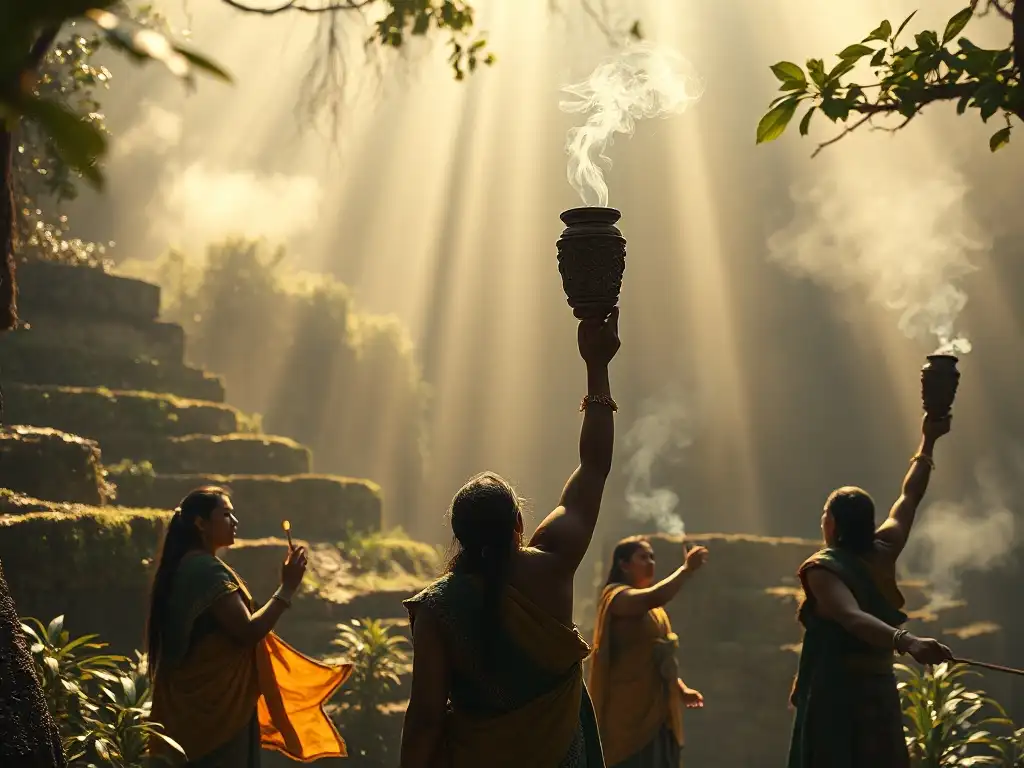
This section delves into the diverse ritualistic practices associated with sacred groves in Andean civilizations. These practices, deeply intertwined with the Andean worldview, reveal a profound connection between humanity and the natural world, highlighting the forest's crucial role in their spiritual and social life. Understanding these rituals provides insight into the complex cosmology and beliefs of these ancient cultures, revealing a sophisticated understanding of the environment and its spiritual significance. The term "Andean forest ritual use" itself encapsulates the multifaceted relationship between these societies and their forested environments.
Offerings and Ceremonies in Andean Forests
Offerings and ceremonies within Andean sacred groves were not merely symbolic acts; they were fundamental aspects of maintaining the delicate balance between the human and spiritual realms. These rituals involved a wide range of offerings, from meticulously crafted textiles and ceramics to agricultural products like coca leaves and maize. The specific offerings varied depending on the specific deity or spirit being addressed, the season, and the purpose of the ceremony. For instance, during times of drought, offerings might focus on appeasing water deities, while harvests would be celebrated with bountiful offerings of agricultural goods.
The ceremonies themselves were often elaborate affairs, involving music, dance, and ritualistic processions. Evidence suggests the participation of shamans or priests, who played crucial roles in mediating between the human and spiritual worlds. Archaeological findings frequently uncover evidence of these ceremonies, including remnants of ritual structures, scattered offerings, and specialized artifacts.
The placement of offerings within the grove was also significant, with certain locations considered more sacred than others, reflecting a detailed understanding of the forest's spatial organization and spiritual energy. The meticulous nature of these offerings and ceremonies underscores the importance placed upon maintaining harmonious relations with the forest and its inhabiting spirits.
The Use of Medicinal Plants and Herbs in Rituals
Andean sacred groves served as vital sources of medicinal plants and herbs, integral to both healing practices and ritualistic ceremonies. A deep understanding of botany and pharmacology was interwoven with their spiritual beliefs. Many plants held both medicinal and spiritual significance, used to treat ailments and to connect with the spirit world. The preparation and administration of these medicinal concoctions were often overseen by shamans, whose expertise in herbal medicine was highly valued within the community.
Specific plants, such as coca, ayahuasca, and various cacti, played significant roles in ritual contexts. These plants were not simply used for their pharmacological properties but also acted as conduits to the spiritual realm, facilitating communication with spirits and deities. The precise methods of preparation and consumption varied depending on the specific plant and the ritual's purpose, reflecting a complex body of knowledge passed down through generations.
The use of these plants in ritual contexts highlights the close relationship between healing, spirituality, and the natural world within Andean cultures, further emphasizing the crucial role of the forest in their worldview. Detailed analysis of archaeological remains continues to reveal new insights into the specific plants used and their significance in Andean forest ritual use. Further research is needed to fully understand the specific applications of [specific plant information pending].
Shamanic Practices and Forest Spirits
Shamanic practices were central to the ritualistic use of Andean forests. Shamans, acting as intermediaries between the human and spiritual worlds, held a profound understanding of the forest's ecology and spiritual energies. They facilitated communication with forest spirits, deities, and ancestors, performing rituals and ceremonies to maintain balance and harmony within the ecosystem. The shaman's ability to interact with these entities was considered crucial for the well-being of the community.
These interactions often involved altered states of consciousness, achieved through the use of medicinal plants or other ritualistic practices. The shaman's role extended beyond simple healing; they were also involved in divination, prophecy, and the resolution of conflicts, playing a vital role in the social and political life of the community. The forest itself was often viewed as a living entity, inhabited by a multitude of spirits and deities, each with their own specific roles and powers.
Understanding the forest's spiritual ecology was crucial for the shaman's success in mediating between the human and spiritual realms. The intricate relationship between shamans, forest spirits, and ritualistic practices underscores the deeply spiritual and ecological dimension of Andean forest ritual use. Further research is needed on [specific shamanic practices pending] to fully elucidate these complex interactions.
Examples of Sacred Groves in Andean Cultures
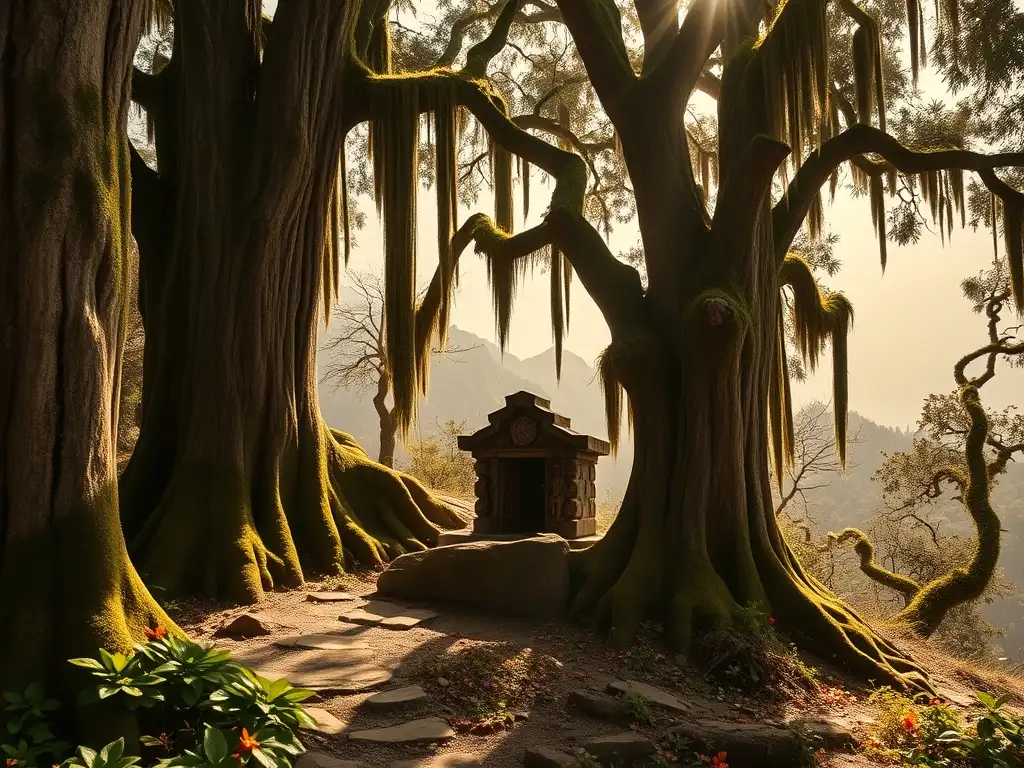
This section delves into specific examples of sacred groves and their ritualistic significance across various Andean cultures, highlighting the diverse ways in which these forests were integrated into their spiritual and social lives. Understanding these examples provides crucial insight into the complex relationship between Andean civilizations and their environment, demonstrating the profound respect and reverence they held for the natural world. The term "Andean forest ritual use" encapsulates the multifaceted nature of this relationship, encompassing everything from ceremonial practices to resource management.
The Sun Temple at Machu Picchu as a Sacred Site
Machu Picchu, while renowned for its impressive stonework, was more than just a city; it functioned as a complex religious and administrative center deeply integrated within its surrounding environment. The carefully cultivated terraces and the surrounding cloud forest were not merely practical features but integral parts of the site’s sacred geography. The Sun Temple itself, positioned strategically within the landscape, likely played a central role in solar observances and rituals.
Its location, high in the Andes and surrounded by lush vegetation, emphasizes the Incas' belief in the interconnectedness of the celestial and terrestrial realms. The specific rituals performed within the Sun Temple remain partially enigmatic, but evidence suggests the use of offerings, possibly including coca leaves and other sacred plants harvested from the surrounding forest. Archaeological findings, though still under analysis, continue to shed light on the intricate relationship between the built environment and the sacred groves that surrounded Machu Picchu.
Furthermore, the careful management of the forest itself—through terracing and selective agriculture—suggests a sustainable approach that underscored the spiritual value of the surrounding ecosystem. This demonstrates a nuanced understanding of “Andean forest ritual use” extending beyond simply using the forest for rituals, but also sustainably managing it to ensure its continued spiritual and practical importance.
The Ceja de Selva Region and its Ritualistic Significance
The Ceja de Selva, or cloud forest, region, which sits between the Andes mountains and the Amazon rainforest, held immense spiritual significance for several Andean cultures. Characterized by its unique biodiversity and misty atmosphere, this ecological zone was often considered a liminal space—a threshold between the earthly and supernatural realms. The abundance of medicinal plants, unique fauna, and the mystical quality of the cloud forest contributed to its sacred status.
For example, the Moche culture, known for its elaborate iconography, depicted cloud forest imagery in their ceramics and textiles, suggesting its importance in their mythology and ritual practices. While specific rituals are difficult to definitively reconstruct, the presence of ceremonial sites and evidence of offerings in the Ceja de Selva points to a significant ritualistic use of this environment.
The diverse flora and fauna of this region likely provided materials for rituals, further solidifying the connection between the sacred and the natural world. This underscores the vital role the Ceja de Selva played in shaping the spiritual worldview of Andean societies, expanding our understanding of the scope of "Andean forest ritual use".
The Use of Polylepis Woodlands in Tiahuanaco Rituals
The Tiahuanaco culture, flourishing in the Altiplano region, utilized the high-altitude Polylepis woodlands in their rituals. These hardy trees, capable of surviving harsh conditions, were likely seen as symbols of resilience and longevity. The wood itself may have been used in the construction of ceremonial objects, or in the creation of sacred fires during important ceremonies.
Furthermore, the Polylepis forests provided a secluded and awe-inspiring setting for rituals, enhancing their spiritual impact. The limited archaeological evidence currently available requires further investigation; however, ethnobotanical studies of contemporary Andean communities suggest a continued connection between Polylepis woodlands and spiritual practices. This continuity hints at the deep-rooted importance of these forests in the Andean worldview, reinforcing the enduring significance of "Andean forest ritual use" across different cultures and time periods.
Further research focusing on analyzing pollen samples from Tiahuanaco sites and studying the distribution of Polylepis remnants could provide valuable insights into the extent of their ritualistic use. The potential discovery of more ceremonial artifacts made from Polylepis wood would significantly contribute to our understanding of this aspect of Tiahuanaco culture and its relationship with the Andean forest.
The Sacredness of the Cloud Forests for the Yanesha
The Yanesha, an indigenous group inhabiting the Peruvian Amazon, deeply revered the cloud forests as sacred spaces intimately connected to their spiritual and physical well-being. Their cosmology intricately weaves the forest's life into their understanding of the world, viewing it not merely as a resource but as a living entity, a powerful force deserving of respect and reverence. The Yanesha believe that spirits, both benevolent and malevolent, inhabit the various plants, animals, and natural features of the cloud forest, making every interaction a potential spiritual encounter.
This belief system profoundly influenced their approach to forest management, ensuring sustainable practices that prioritized harmony with nature over exploitation. Their traditional knowledge, passed down through generations, contains detailed understanding of the medicinal properties of various plants, and their use in rituals was directly linked to the forest's perceived sacredness.
The act of harvesting medicinal plants, for example, was not a simple extraction but a ritualistic process involving prayers, offerings, and respect for the spirit residing within the plant itself. This deep connection to the forest highlights the profound intertwining of spirituality, daily life, and environmental sustainability in Yanesha culture, showcasing a compelling example of "Andean forest ritual use".
The Yanesha's relationship with the cloud forest extended beyond medicinal plants. Specific trees, waterfalls, and caves held particular spiritual significance, serving as locations for ceremonies and rituals. These places weren't merely geographical points but were considered gateways to the spirit world, places where communication with ancestral spirits and powerful deities was possible.
The annual cycle of agricultural activities, for instance, was closely tied to rituals performed in these sacred groves, ensuring a bountiful harvest and maintaining the balance between the human world and the spiritual realm. These rituals, often involving elaborate dances, offerings of food and drink, and intricate chants, reinforced the community's bond with the forest and its spirits, ensuring the continued health and prosperity of both. The continuity of these traditions underscores the long-standing importance of Andean forest ritual use in shaping Yanesha identity and ensuring ecological harmony.
The intricate details of these practices, passed down orally through generations, provide a rich and complex understanding of the Yanesha worldview and their profound connection to their environment. Their example illuminates how deep spiritual reverence can translate into sustainable environmental practices.
The preservation of Yanesha culture and their traditional practices is crucial not only for maintaining their unique cultural heritage but also for understanding sustainable approaches to forest management. Their example challenges modern anthropocentric views, demonstrating the benefits of considering the spiritual and ecological interconnectedness of humans and nature.
The continuing study of Yanesha traditions offers valuable insights into the complex relationship between Andean forest ritual use and the sustainable management of natural resources, enriching our understanding of the intricate interplay between spirituality, culture, and ecology. Further research into their specific rituals and beliefs will undoubtedly reveal even more details about their sophisticated understanding of and deep respect for the cloud forest, strengthening our understanding of "Andean forest ritual use" within the broader context of Andean cosmology.
The Importance of Conservation and Preservation
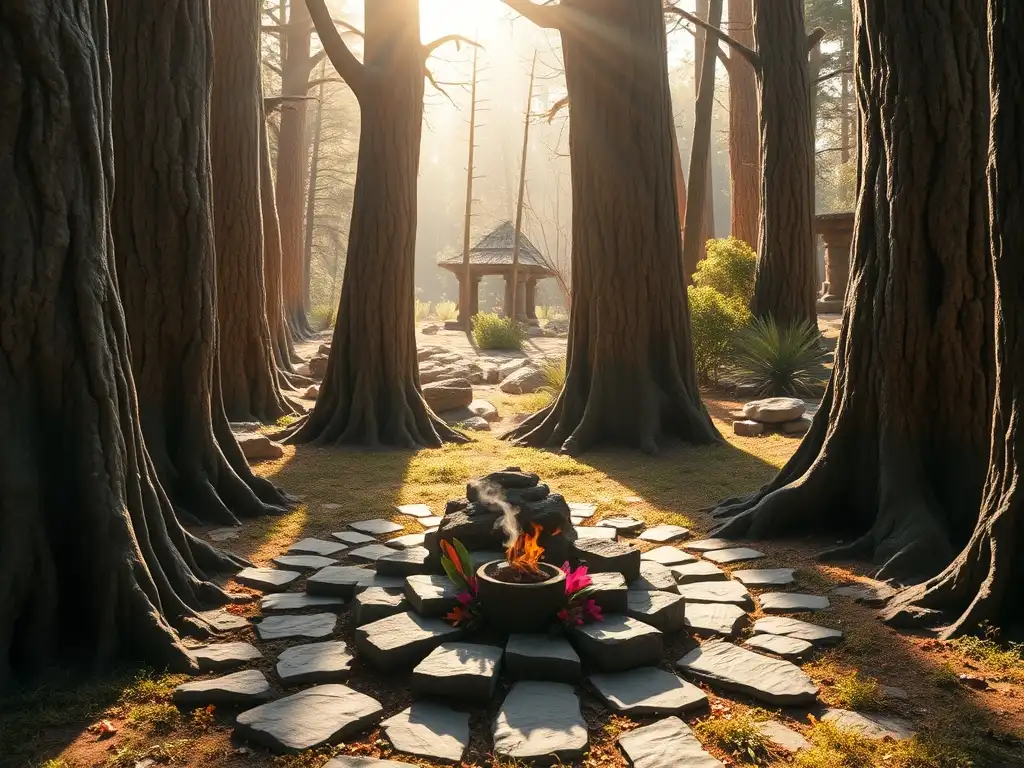
The preservation of Andean forests is not merely an ecological imperative; it's a crucial step in safeguarding a vital part of the Andean cultural heritage. The ritualistic use of these forests, deeply intertwined with the spiritual beliefs and practices of ancient Andean civilizations, continues to resonate in modern indigenous communities. Understanding and respecting this interconnectedness is fundamental to effective conservation strategies.
The loss of these sacred groves represents more than just environmental damage; it's a severance from a rich history and a profound spiritual connection that has endured for millennia. The unique biodiversity found within these forests, often adapted to high-altitude conditions and possessing medicinal and cultural significance, is also at stake.
Failing to protect these ecosystems risks the irreversible loss of invaluable genetic resources and traditional knowledge. Therefore, conservation efforts must go beyond simply protecting the trees; they must also encompass the preservation of the cultural practices and spiritual beliefs tied to these sacred spaces.
The Modern Relevance of Andean Forest Ritual Use
Even today, many Andean communities maintain a strong connection to their sacred groves. These forests are not simply viewed as sources of resources, but as living entities, imbued with spiritual power and ancestral memory. Traditional ceremonies, rituals, and practices continue to be performed within these sacred spaces, demonstrating the enduring relevance of these ancient traditions.
For example, the use of specific plants for medicinal purposes, or the performance of rituals to ensure successful harvests, directly links modern practices to ancestral knowledge. This continuity highlights the importance of integrating indigenous perspectives into conservation initiatives. Recognizing the spiritual significance of these forests is crucial for ensuring their long-term protection.
Failing to acknowledge this spiritual dimension risks alienating the very communities whose knowledge and participation are essential for successful conservation efforts. [Specific examples of modern ritual use in different Andean communities pending]. The integration of indigenous knowledge systems with modern conservation science is key to developing effective and culturally sensitive strategies.
Protecting Sacred Groves from Deforestation
Deforestation, driven by agricultural expansion, logging, and mining, poses a significant threat to Andean sacred groves. The encroachment of human activities into these sensitive ecosystems leads to habitat loss, biodiversity decline, and the disruption of traditional practices. Effective protection requires a multi-pronged approach. This includes strengthening legal frameworks to protect these areas, promoting sustainable land management practices, and empowering local communities to actively participate in conservation efforts. Community-based conservation initiatives, where local people are directly involved in managing and protecting their sacred groves, have proven particularly effective. These initiatives not only protect the environment but also strengthen community ties and reinforce cultural identity. [Data on deforestation rates in specific Andean regions pending]. Furthermore, education and awareness campaigns are crucial to raise public awareness about the importance of preserving these fragile ecosystems and their cultural significance. A holistic approach that incorporates ecological, social, and cultural dimensions is essential for long-term success.
The Continuity of Traditional Practices
The preservation of Andean forest ritual use is intrinsically linked to the continuity of traditional practices. The transmission of ancestral knowledge, including medicinal plant use, ritualistic ceremonies, and sustainable resource management techniques, is essential for maintaining the cultural and ecological integrity of these sacred groves. This knowledge transfer often occurs through intergenerational learning within families and communities.
However, factors such as migration, globalization, and the influence of external cultures can threaten the continuity of these traditions. Efforts to support and strengthen these traditional practices are therefore crucial for long-term conservation. This includes documenting and archiving traditional knowledge, supporting community-based education programs, and fostering intergenerational dialogue.
[Data on the effectiveness of different knowledge transmission methods pending]. The preservation of these practices is not merely a matter of cultural preservation; it is also a key element in ensuring the sustainable management of Andean forests and the continuation of a rich cultural heritage. The vibrant tapestry of Andean culture is interwoven with the very fabric of its forests, and their future is inextricably linked.
Andean Forest Spirituality: A Legacy
The Enduring Influence of Forest Beliefs in Andean Culture
The reverence for Andean forests wasn't merely a practical matter of resource management; it was deeply intertwined with the spiritual fabric of Andean societies. These sacred groves, apus (mountain spirits), and the interconnectedness of all living things formed the bedrock of their cosmology. Beliefs about the forest's spiritual power persisted across various Andean cultures, from the Incas to pre-Inca societies like the Moche and Nazca. Evidence suggests that specific trees, plants, and even geographical features within the forest held significant ritualistic importance.
For instance, certain trees might be designated as dwelling places for ancestral spirits or deities, leading to their protection and veneration. This deep-rooted spiritual connection fostered a sustainable relationship with the environment, where the forest wasn't just a source of resources but a vital part of their spiritual ecosystem. The rituals performed in these sacred spaces weren't merely symbolic; they were seen as crucial for maintaining the cosmic balance and ensuring the prosperity of the community.
The legacy of this spiritual connection continues to influence contemporary Andean communities, shaping their environmental practices and worldview. Many indigenous communities still maintain traditional practices, demonstrating the enduring power of these ancient beliefs. Understanding this spiritual legacy is crucial to comprehending the complex relationship between Andean civilizations and their environment.
Lessons from Andean Cosmovision on Environmental Stewardship
The Andean cosmovision, with its emphasis on reciprocity ( ayni) and balance, offers valuable lessons for contemporary environmental stewardship. The concept of ayni, which emphasizes mutual exchange and responsibility, permeated all aspects of Andean life, including their interaction with the forest. Respect for the forest wasn't a matter of altruism; it was a fundamental principle for maintaining the equilibrium of the cosmos. Harvesting resources was viewed as a reciprocal exchange, requiring offerings and respect to ensure continued abundance.
This approach contrasts sharply with modern exploitative practices. Analyzing Andean practices reveals a sophisticated understanding of ecological interconnectedness. Their agricultural techniques, often integrated within forest ecosystems, demonstrated a deep understanding of soil fertility, water management, and biodiversity conservation. The intricate knowledge of medicinal plants and their uses further highlights their intimate relationship with the forest and its resources.
By studying their sustainable practices, we can glean valuable insights into alternative models of environmental management that prioritize balance and reciprocity over unsustainable exploitation. This holistic approach, rooted in a deep spiritual connection with nature, offers a powerful counterpoint to contemporary environmental challenges. The Andean model of Andean forest ritual use provides a compelling example of how spiritual beliefs can effectively translate into sustainable environmental practices.
The Ongoing Search for Meaning in the Natural World
The enduring influence of Andean forest spirituality is evident in the ongoing efforts to protect and preserve these sacred sites. Contemporary Andean communities continue to actively participate in the conservation of these spaces, often incorporating traditional practices and knowledge into modern conservation strategies. The integration of traditional ecological knowledge with scientific approaches is crucial for effective conservation efforts.
This collaborative approach recognizes the value of both indigenous perspectives and scientific methodologies in addressing contemporary environmental challenges. The continuing significance of these sacred forests highlights the importance of recognizing the spiritual and cultural dimensions of environmental conservation. Protecting these sites is not merely a matter of preserving biodiversity; it is about safeguarding a vital part of Andean cultural heritage and spiritual identity.
The ongoing search for meaning in the natural world, deeply rooted in Andean cosmology, provides a powerful framework for understanding the importance of preserving these sacred groves and promoting sustainable practices. The ongoing research and documentation of Andean forest ritual use are crucial for ensuring the preservation of this rich cultural and ecological heritage. The continued reverence for the forest showcases the enduring power of Andean spirituality in shaping contemporary environmental consciousness and providing alternative models for a more sustainable future.
Frequently Asked Questions
What role did forests play in Andean cultures?
Andean forests held immense spiritual significance, serving as sacred spaces for rituals and ceremonies. They were considered abodes of deities and powerful forces of nature.
Were all Andean forests considered sacred?
No, while many forests held religious importance, not all were considered sacred. The sacredness often depended on specific geographical features, proximity to water sources, or the presence of particular plants or animals.
What types of rituals were performed in Andean sacred groves?
Rituals varied widely depending on the specific culture and time period, but common practices included offerings to deities, ceremonies related to agriculture and fertility, and shamanic practices.
How did the Inca Empire utilize sacred groves?
The Inca incorporated existing sacred groves into their imperial system, often building temples and shrines within or near them, reinforcing their importance and integrating them into their religious and political structures.
What evidence exists to support the ritual use of Andean forests?
Archaeological evidence includes the discovery of offerings, artifacts, and structures within and around forests, alongside ethnographic accounts documenting similar practices in later Andean cultures. Analysis of pollen and plant remains further supports these findings.
Final Reflection: The Enduring Whisper of the Andean Forest
The reverence for sacred groves in Andean civilizations wasn't merely a historical practice; it's a potent reminder of humanity's intrinsic connection to the natural world, a connection urgently needed in our current era of environmental crisis. The lessons learned from these ancient rituals offer a powerful counterpoint to the exploitative relationship many modern societies maintain with their ecosystems. Understanding this ancient wisdom is not just an academic exercise; it's a crucial step towards a more sustainable future.
The enduring influence of Andean forest rituals is palpable, even today. The deep respect for the interconnectedness of life, evident in these practices, continues to resonate in indigenous communities who maintain these traditions. The mountains are not just mountains, but the dwelling places of spirits, the source of life and power.
This sentiment, echoing through generations, highlights the profound spiritual and ecological significance of these forests, a significance often overlooked in a world increasingly dominated by technological advancement and economic priorities.
Consider the profound wisdom embedded in these ancient practices. How can we, in our modern lives, rediscover a sense of reverence for the natural world? How can we integrate the principles of respect, reciprocity, and sustainability demonstrated by these Andean cultures into our own interactions with the environment? Let the whispers of the sacred groves guide you towards a more conscious and harmonious relationship with the Earth. Let us learn from the past to build a more sustainable future, one where the sacredness of nature is not forgotten, but celebrated and protected.
Embrace Nature: Act on the Wisdom of Forests!
Thank you for exploring the fascinating world of Andean civilizations and their deep connection with sacred groves. You've discovered incredible insights into how these ancient cultures lived in harmony with nature, and now you can honor that legacy.
Here's how you can further immerse yourself in this rich heritage and make a difference:
- Reconnect with nature: Spend time in a local park or forest, reflecting on its importance to your community and exploring your personal connection to the earth. Consider creating your own rituals to strengthen this bond.
- Share your experiences: Document and share your time in nature on social media, encouraging others to reflect on their own relationship with natural spaces. Use the hashtag #SacredGroves to spread awareness and inspire others.
- Support nature conservation: Get involved with local organizations dedicated to forest preservation, ensuring future generations can also experience the spiritual connection to nature.
What unique rituals or traditions connect you to the natural world? Share them with us in the comments below!