
The Three Worlds: Andean Concepts of Time and Spatial Dimensions


Unravel the mysteries of a world beyond your comprehension. Journey through the breathtaking landscapes and intricate societies of the Andean civilizations, where time itself flowed differently. Prepare to be captivated by the enigmatic Andean concepts of time and space, explored in our insightful article, " The Three Worlds: Andean Concepts of Time and Spatial Dimensions." Discover how their unique understanding of the cosmos shaped their lives and left an enduring legacy. Dare to delve deeper into the fascinating world of Andean cosmology and uncover the secrets they held.
- Andean Civilizations Time Concepts: Exploring the Three Worlds
- The Andean Cosmos: A Tripartite Division
- Time and Space in the Andean Worldview
- The Three Worlds and Their Symbolic Representations
- Andean Civilizations and the Concept of Cosmic Order
- Influence of the Three Worlds in Andean Art and Architecture
- Legacy of the Three Worlds in Modern Andean Culture
-
Frequently Asked Questions
- How did Andean civilizations perceive time differently than Western cultures?
- What is the significance of the "Three Worlds" in Andean cosmology?
- How did the concept of the "Three Worlds" influence Andean timekeeping?
- What role did astronomical observations play in Andean concepts of time?
- How did Andean technology reflect their unique concepts of time?
- Final Reflection: Weaving the Threads of Time in the Andes
- Unveil the Mysteries of Andean Time and Space!
Andean Civilizations Time Concepts: Exploring the Three Worlds
The Andean worldview, far from a linear perception of time as understood in Western cultures, embraced a complex and interwoven understanding of the cosmos. This article delves into the fascinating concept of the "Three Worlds" – a cosmological model that profoundly influenced the Andean civilizations' perception of time and space. We'll explore how this framework shaped their daily lives, their rituals, their art, and their understanding of their place within the universe.
Understanding the Andean concept of time is crucial to grasping the depth and richness of their achievements, from intricate agricultural systems to awe-inspiring architectural marvels. This exploration will unveil how their sophisticated understanding of time, deeply intertwined with their environment and spiritual beliefs, provided a framework for their societal structures and technological advancements.
We'll examine specific examples from various Andean cultures, including the Incas, Moche, Nazca, and Tiahuanaco, highlighting the common threads and unique variations within this compelling cosmological model. Prepare to journey beyond the linear perception of time and discover a profoundly different, yet deeply insightful, worldview.
The Three Worlds: Hanan Pacha, Kay Pacha, and Ukhu Pacha
The Andean cosmological model centers around the concept of three interconnected worlds: Hanan Pacha, Kay Pacha, and Ukhu Pacha. These are not simply geographical locations but represent distinct realms of existence, each with its own characteristics and significance. Think of them less as separate places and more as interwoven layers of reality, constantly interacting and influencing each other.
- Hanan Pacha (Upper World): This is the realm of the gods, celestial bodies, and ancestral spirits. It's associated with light, power, and the divine. Think of the sun, moon, stars, and the constellations as potent symbols inhabiting this realm. Many Andean rituals were aimed at communicating with and appeasing the entities of Hanan Pacha, ensuring favorable weather, successful harvests, and protection from harm. The precise nature of the deities and the rituals varied across different Andean cultures, reflecting their unique adaptations to diverse environments and beliefs.
- Kay Pacha (This World): This is the earthly realm, the world of human existence and interaction. It is the space where the Andean people lived, worked, and built their communities. It's the sphere of action, where everyday life unfolded, and where the balance between the other two worlds was maintained. Kay Pacha is not merely a passive setting but an active participant in the larger cosmological system, requiring respect, reciprocity, and mindful interaction with its resources.
- Ukhu Pacha (Underworld): This is the realm of the dead, the ancestors, and the powerful forces of the earth. It's associated with darkness, mystery, and the origins of life. The underworld was not necessarily a place of fear, but rather a realm of immense power and potential. Many Andean cultures believed that the ancestors continued to exert influence from Ukhu Pacha, providing guidance and protection to the living. The connection to Ukhu Pacha was vital, often manifested through rituals and offerings designed to maintain harmony and balance within the entire cosmological system.
Cyclical Time and the Importance of Rituals
Unlike the linear perception of time prevalent in many Western cultures, the Andean understanding of time was profoundly cyclical. Time was not a progression towards a single endpoint but a continuous cycle of creation, destruction, and renewal, mirroring the natural cycles of the Andean environment—the changing seasons, the phases of the moon, and the annual flooding of rivers. This cyclical perspective is reflected in the emphasis on ritual and ceremony.
Rituals served not only as religious observances but also as vital mechanisms for maintaining harmony and balance within the Three Worlds. They were carefully timed to coincide with significant celestial events and agricultural cycles, reinforcing the interconnectedness between the human world and the cosmos.
Spatial Dimensions and the Integration of the Three Worlds
The Andean concept of space was not limited to geographical locations but extended to encompass the entire cosmos. The Three Worlds were not isolated entities but were intricately interconnected, overlapping and influencing each other. This concept is reflected in their architecture, art, and social structures.
For instance, the intricate design of Andean cities, often built on a terraced landscape, reflected their understanding of the connection between the three worlds. The verticality of their structures, reaching towards the heavens (Hanan Pacha) and rooted in the earth (Ukhu Pacha), symbolized this integration. Their art, with its recurring motifs of celestial bodies, animals, and mythical beings, further illustrates the pervasive influence of the Three Worlds on their worldview.
Examples from Different Andean Cultures
The concept of the Three Worlds was not a monolithic system but manifested differently across various Andean cultures. While the fundamental structure remained consistent, the specific deities, rituals, and artistic representations varied depending on the unique environmental and cultural contexts of each civilization. Further research into the specific beliefs and practices of the Incas, Moche, Nazca, and Tiahuanaco is crucial to fully appreciating the diversity and complexity of Andean cosmological thought.
[Specific examples and detailed analysis pending]. This section will be further enriched with data and specific examples from each culture to highlight the nuanced interpretations of the Three Worlds.
This initial exploration provides a foundation for understanding the Andean concept of time and its profound implications for their culture and civilization. The following sections will delve deeper into the specific manifestations of these concepts within individual Andean cultures.
The Andean Cosmos: A Tripartite Division
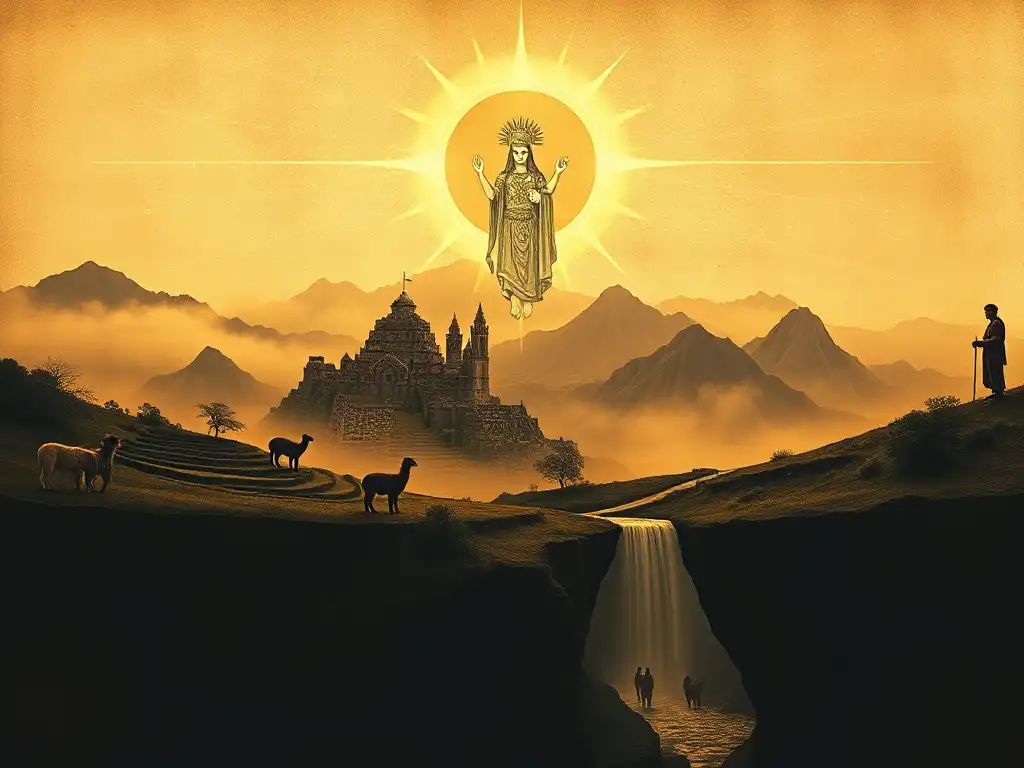
The Andean worldview, a complex tapestry woven from millennia of observation and spiritual practice, is fundamentally structured around the concept of a tripartite cosmos. This understanding of the universe, deeply ingrained in the belief systems of various Andean civilizations—from the Incas to the earlier Moche and Nazca cultures—shaped their social structures, religious practices, and even their agricultural techniques. Understanding this tripartite division—the Hanan Pacha, Kay Pacha, and Uku Pacha—is crucial to grasping the unique Andean concepts of time and space, and ultimately, their rich cultural heritage.
This framework wasn't simply a geographical model; it was a dynamic, interconnected system reflecting the cyclical nature of life, death, and rebirth, profoundly influencing their perception of time itself. The Andean civilizations time concepts are inextricably linked to this cosmological model.
Understanding the Hanan Pacha: The Upper World
Hanan Pacha, often translated as the "upper world," encompasses the celestial realm, the sky, and everything beyond the terrestrial plane. This wasn't merely a physical space; it was the dwelling place of powerful deities, ancestors, and celestial beings. The sun, moon, stars, and constellations were not just astronomical bodies but active participants in the cosmic order, influencing earthly events and holding significant spiritual power.
Andean cosmology viewed the celestial bodies as powerful forces, directly impacting agricultural cycles and human destiny. The Inti (Sun God) was paramount, representing life, energy, and authority, and its movements dictated the agricultural calendar and many aspects of daily life. The observation of celestial phenomena was therefore not merely a scientific endeavor but a deeply religious and spiritual practice.
The precise positioning of stars and constellations marked important moments in the agricultural year and guided crucial ceremonies and festivals. The intricate astronomical knowledge of Andean civilizations is evident in their monumental structures, many of which are precisely aligned with celestial events, showcasing a sophisticated understanding of astronomy deeply intertwined with their religious beliefs. This meticulous attention to celestial movements highlights the importance of Hanan Pacha in shaping their understanding of time, linking the earthly realm to the divine.
Kay Pacha: The World of the Present and Human Existence
Kay Pacha represents the earthly realm, the world of human existence and interaction. This is the "here and now," the tangible world where Andean communities lived, cultivated their land, and built their societies. While seemingly separate, Kay Pacha was not isolated from the other two worlds; it was the point of intersection, the space where the celestial and underworld realms interacted with the human world.
Mountains, rivers, and other geographical features were not simply geographical entities but also imbued with spiritual significance, often considered sacred sites or dwelling places of deities. The concept of Pachamama (Mother Earth) embodies this interconnectedness, highlighting the sacredness of the earth and its intimate relationship with human life. Andean agricultural practices were deeply intertwined with their cosmology, reflecting a profound respect for the earth and its life-giving properties.
The careful cultivation of crops, the precise timing of planting and harvesting, and the rituals associated with agriculture all highlight their understanding of the delicate balance between the human world and the forces of nature, emphasizing the cyclical nature of time within Kay Pacha and its connection to the celestial and underworld realms. The concept of reciprocity—the exchange of offerings and respect for the earth—was central to their worldview, ensuring the continued fertility of the land and the well-being of the community.
Uku Pacha: The Underworld and Its Significance
Uku Pacha, the "underworld," is the realm of the dead, the ancestral spirits, and the unseen forces that shape the world. It is not necessarily a place of darkness or evil but a realm of transformation and renewal. Death was not viewed as an end but as a transition, a passage to the ancestral realm. Ancestor veneration was a crucial aspect of Andean culture, with deceased relatives believed to continue to influence the lives of the living.
Uku Pacha also housed powerful deities associated with fertility, water, and the earth's bounty. The cyclical nature of time is powerfully emphasized in the Andean worldview's understanding of Uku Pacha. The transition to the underworld was not a linear progression but part of a continuous cycle of life, death, and rebirth.
This cyclical view of time is reflected in their agricultural practices, their religious ceremonies, and their understanding of the universe as a dynamic and ever-changing entity. The mummies carefully preserved by Andean cultures, often adorned with rich textiles and offerings, demonstrate the reverence for their ancestors and their belief in the continued importance of Uku Pacha in the cosmic balance. The significance of Uku Pacha demonstrates the Andean civilizations' profound understanding of the interconnectedness of all aspects of existence, highlighting the cyclical nature of time and the importance of respecting the past to ensure the future.
Time and Space in the Andean Worldview
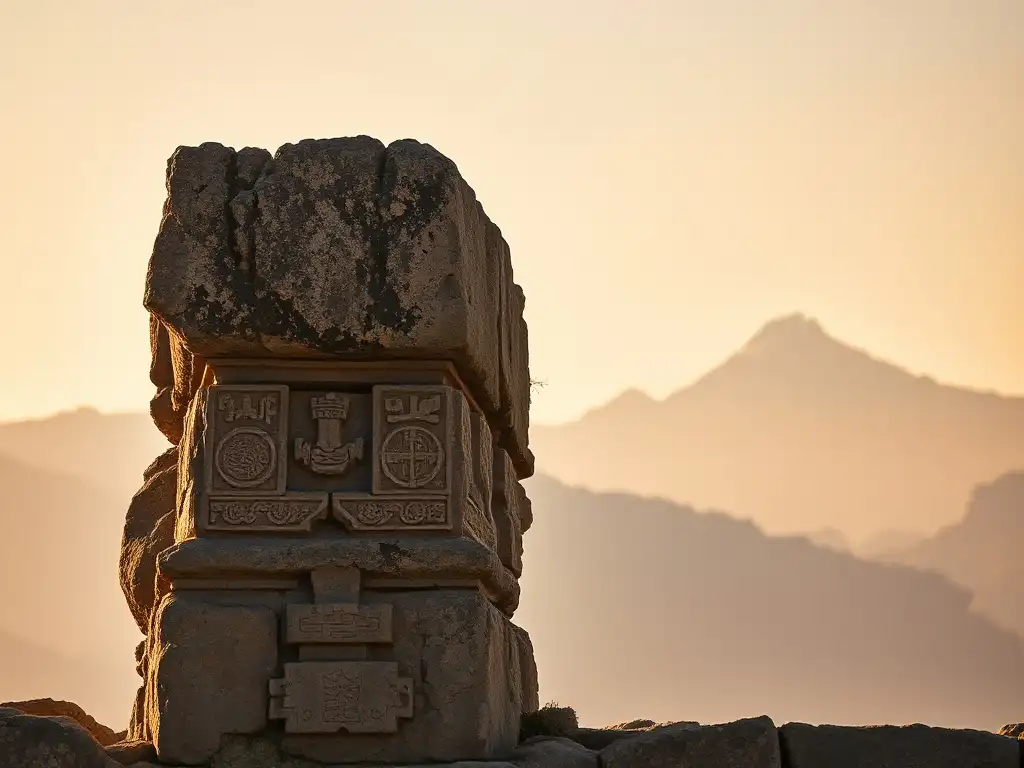
This section delves into the intricate relationship between time and space within the Andean worldview, a perspective profoundly different from Western linear conceptions. Understanding this unique framework is crucial to interpreting Andean cosmology, art, architecture, and social structures. The Andean concept of time wasn't merely a sequence of events; it was interwoven with spatial dimensions, creating a holistic and interconnected understanding of existence.
This interconnectedness shaped their daily lives, religious practices, and even their understanding of the cosmos itself. The concept of pacha, often translated as "world" or "cosmos," encompassed this intricate interplay, highlighting the seamless integration of temporal and spatial elements.
Cyclical Time in Andean Cultures: Beyond Linear Progression
Unlike the Western linear perception of time as a continuous progression from past to future, Andean civilizations viewed time as cyclical. This cyclical understanding is evident in their agricultural practices, deeply intertwined with the rhythms of nature. The annual agricultural cycle, mirroring the celestial movements, represented a continuous renewal and regeneration. The return of the sun after the winter solstice, for instance, was not just a chronological event but a symbolic rebirth, a powerful reminder of cyclical time's regenerative power.
This cyclical perspective extended beyond agriculture. Many Andean societies, including the Inca, celebrated festivals and rituals aligned with the agricultural calendar and celestial events. These ceremonies weren't just commemorations of past events; they were active participations in the continuous cycle of renewal, ensuring the well-being of the community and the continuation of life.
The capac raymi, the Inca festival celebrating the winter solstice, is a prime example. This grand ceremony reaffirmed the cyclical nature of time and the sun's vital role in sustaining life. Detailed records, though fragmented, indicate elaborate preparations and symbolic acts aimed at ensuring the sun’s continued journey and the subsequent agricultural bounty.
Spatial Dimensions: The Connection Between Worlds
Andean cosmology recognized three distinct but interconnected worlds: the Hanan Pacha (upper world), the Kay Pacha (here and now world), and the Ukhu Pacha (underworld). This tripartite division wasn't merely a geographical classification; each world possessed its own unique characteristics, inhabitants, and significance within the overall cosmological structure.
The Hanan Pacha, often associated with the celestial realm, was home to the gods and ancestral spirits. The Kay Pacha, the earthly realm, was where humans lived and interacted with the natural world. The Ukhu Pacha, representing the underworld, was the realm of the dead and the source of life-giving resources. These three worlds weren't isolated entities; they were dynamically interconnected, with pathways and portals connecting them.
This interconnectedness is reflected in Andean art, architecture, and religious practices, emphasizing the constant interaction and exchange between these realms. For example, the construction of huacas (sacred sites) often incorporated elements representing all three worlds, symbolizing their interconnectedness and the importance of maintaining balance between them. The precise placement and orientation of these sites, often tied to astronomical alignments, further emphasize the close relationship between the earthly and celestial realms within the Andean cosmological framework.
The Interplay of Time and Space: Shaping Andean Rituals
The Andean understanding of time and space profoundly shaped their religious rituals and practices. These rituals weren't merely performances; they were active interventions designed to maintain balance and harmony within the cosmos. By carefully aligning their actions with the cyclical rhythms of nature and the spatial organization of the three worlds, Andean people sought to ensure the continuity of life and the well-being of their communities.
Rituals often involved offerings to deities and ancestors, traversing the boundaries between the three worlds. These offerings, carefully selected and placed, were believed to facilitate communication and exchange between the human realm and the supernatural. The precise timing and location of these rituals were crucial, emphasizing the importance of synchronicity between time and space.
The intricate calendar systems employed by various Andean cultures, with their detailed observations of celestial events, demonstrate the meticulous planning and precision involved in these rituals. The integration of astronomical knowledge into religious practices underscored the Andean understanding of the cosmos as a dynamic and interconnected system, where temporal and spatial elements were inseparably linked. Further research is needed to fully understand the specific rituals and their variations across different Andean cultures, but existing evidence clearly points to the profound influence of this unique worldview on their religious practices.
The Three Worlds and Their Symbolic Representations
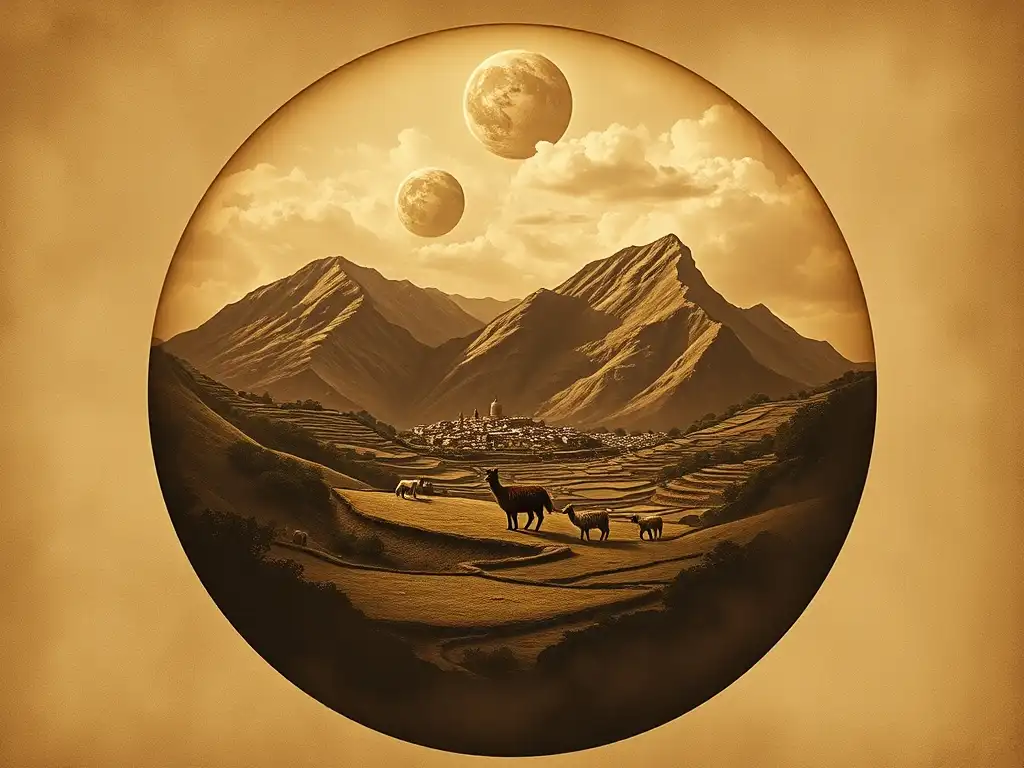
The Andean concept of time and space wasn't linear, as in Western thought, but rather a complex interplay between three interconnected worlds: Hanan Pacha (the upper world), Kay Pacha (the middle world), and Uku Pacha (the lower world). This understanding profoundly influenced Andean civilizations' time concepts, shaping their worldview, rituals, and social structures. Understanding these three worlds is key to deciphering the intricate tapestry of Andean cosmology and its impact on daily life.
The cyclical nature of time, deeply embedded in agricultural practices and cosmological beliefs, is inextricably linked to the spatial arrangement of these three realms. This holistic view of time and space, unlike our linear perception, emphasizes interconnectedness and cyclical renewal.
Symbolism of the Hanan Pacha: Celestial Deities and Power
The Hanan Pacha, the upper world, represented the realm of the celestial deities, the sun, moon, and stars. It was a source of power, authority, and divine intervention. This world wasn't simply a physical location; it was a symbolic space associated with creation, cosmic order, and the power wielded by the ruling elite. The Inca emperors, for example, were considered intermediaries between the Hanan Pacha and the Kay Pacha, their authority legitimized by their connection to the divine.
The symbolism of the Hanan Pacha is rich and multifaceted. Celestial bodies weren't just astronomical phenomena; they were living entities with agency and influence over human affairs. The sun, particularly, held immense significance, representing life, energy, and the emperor himself. The Inca calendar, meticulously observed and deeply entwined with agricultural cycles, demonstrates the importance placed on celestial events and their impact on the earthly realm.
The intricate astronomical observations and the construction of sites like Machu Picchu, strategically positioned to align with celestial movements, further highlight the profound connection between the Hanan Pacha and Andean daily life. Even the clothing and adornments of the elite often incorporated celestial motifs, underscoring their symbolic link to the upper world's power. The use of gold, associated with the sun's brilliance, further reinforces the link between the celestial realm and earthly power.
The Kay Pacha and its Reflection of Daily Life
The Kay Pacha, the middle world, is where Andean civilizations lived, worked, and interacted. This is the realm of human existence, encompassing the physical landscape, social structures, and daily activities. Unlike the more abstract Hanan Pacha and Uku Pacha, the Kay Pacha is tangible and directly experienced. However, it's not merely a mundane reality; it's deeply intertwined with the other two worlds, reflecting their influence in every aspect of life.
The Kay Pacha was seen as a reflection of the cosmic order established in the Hanan Pacha. Agricultural practices, for instance, were carefully synchronized with the celestial cycles, demonstrating a profound understanding of the interconnectedness between the heavens and the earth. The intricate system of ayllus (kinship groups) and the reciprocal exchange of goods and services within the community mirrored the harmonious balance believed to exist in the cosmos.
The construction of cities and settlements, often aligned with geographical features and reflecting the surrounding landscape, further emphasizes the integration of the Kay Pacha within the broader cosmological framework. The careful cultivation of crops, the intricate weaving techniques, and the meticulous construction of buildings all demonstrate the Andean people's deep respect for the balance of nature and their place within it. This balance, reflecting the cosmic harmony, was central to their understanding of time and space.
The Uku Pacha as the Source of Life and Death
The Uku Pacha, the underworld, represented the realm of death, ancestors, and the source of life. While seemingly a place of darkness and mystery, it was not viewed solely as a negative space. Instead, it was considered the source of fertility, renewal, and the cyclical nature of existence. The Andean understanding of death wasn't an ending but a transformation, a return to the earth to nourish new life. This cyclical perspective is crucial to comprehending their concepts of time.
The Uku Pacha was associated with powerful deities and spirits, often linked to the earth's fertility and the underworld's resources. Mummy bundles, meticulously preserved and revered, demonstrate the importance placed on ancestors and their continued connection to the living.
The reverence for the earth and its resources, as well as the importance of agricultural practices, are all linked to this understanding of the Uku Pacha as a source of life. Death wasn't feared as an absolute end, but rather as a stage in a continuous cycle of life, death, and rebirth, mirroring the cyclical nature of the seasons and the agricultural calendar.
The elaborate funerary rituals and the construction of underground tombs further highlight the significant role the Uku Pacha played in the Andean worldview and their understanding of time's cyclical nature. This deep connection with the underworld, far from being a morbid preoccupation, was a fundamental aspect of their relationship with the cosmos and their understanding of life's continuous flow.
Andean Civilizations and the Concept of Cosmic Order
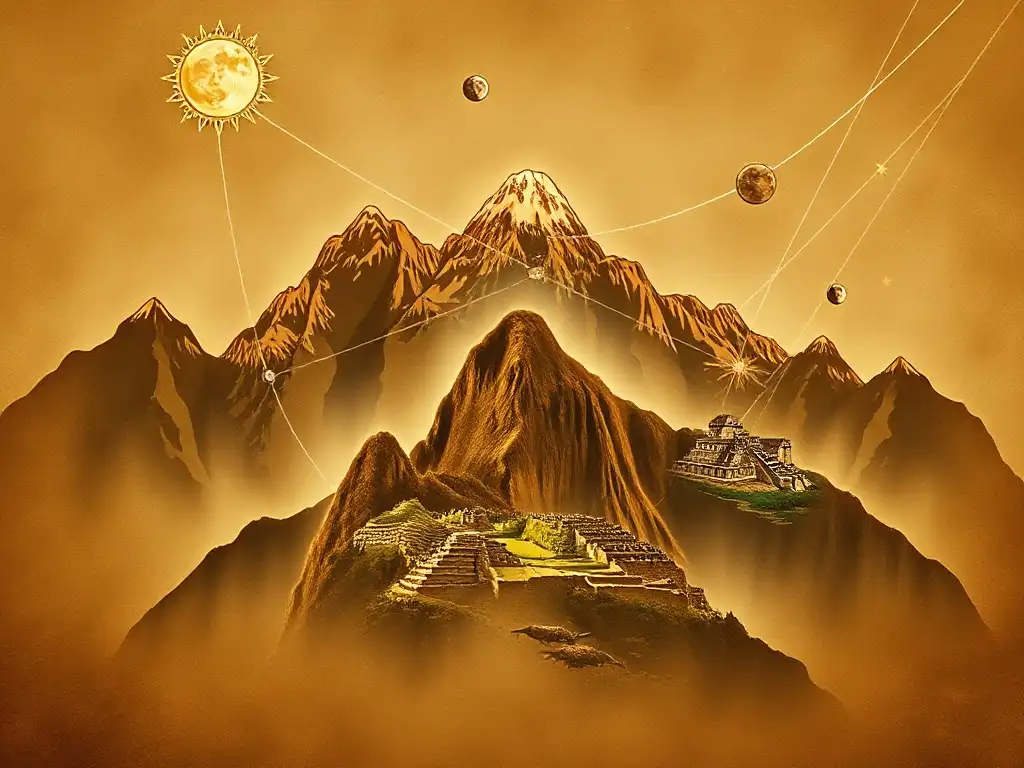
The Andean concept of time wasn't linear like the Western understanding; instead, it was cyclical and deeply intertwined with the spatial dimensions of their world. This cosmological perspective, crucial to understanding Andean civilizations time concepts, viewed the universe as composed of three interconnected worlds: the hanan pacha (upper world), the kay pacha (middle world—where humans reside), and the ukhu pacha (underworld). These weren't simply geographical locations but layered realities, each influencing and interacting with the others.
The harmonious coexistence and balance between these three worlds were paramount, determining prosperity, health, and social stability. Disruptions to this balance, whether through natural disasters or human actions, were believed to have significant consequences. Understanding this intricate relationship is key to deciphering the Andean worldview and their sophisticated understanding of time.
The cyclical nature of their time perception is reflected in their agricultural practices, religious ceremonies, and social organization, all designed to maintain equilibrium within this cosmic framework. The passage of time was not simply a linear progression but a continuous cycle of renewal and regeneration, mirroring the natural rhythms of the Andes. This understanding profoundly shaped their perception of history, their relationship with the environment, and their societal structures.
Maintaining Balance Between the Three Worlds
Maintaining equilibrium between the hanan pacha, kay pacha, and ukhu pacha was central to Andean life. This wasn't a passive acceptance but an active engagement requiring constant attention and ritualistic practices. The Andean people believed that the actions in the kay pacha directly impacted the other two worlds.
For example, agricultural practices were not merely about sustenance; they were acts of communion with the cosmos, ensuring the fertility of the earth and maintaining the flow of energy between the worlds. The planting and harvesting seasons were carefully timed, aligning with celestial events and considered sacred moments connecting the human realm with the divine. Similarly, offerings and sacrifices were made to appease deities and maintain harmony.
These offerings, ranging from agricultural products to precious metals, were intended to express gratitude and ensure continued prosperity. Failure to maintain this balance could lead to droughts, famines, or illnesses, demonstrating the profound interconnectedness of the three worlds in the Andean worldview. The intricate system of ayllus, or community groups, also played a vital role in maintaining this cosmic equilibrium, with responsibilities shared to ensure the well-being of the entire community and the balance of the three worlds.
Andean Rituals and their Connection to the Cosmic Order
Andean rituals were not mere ceremonies but powerful tools for maintaining the balance between the three worlds and influencing the cyclical passage of time. These rituals, often involving elaborate costumes, music, and offerings, were meticulously planned and executed. The Capac Raymi, for instance, the Inca festival dedicated to the sun god Inti, was a monumental event that reinforced the relationship between the kay pacha and the hanan pacha.
These celebrations weren't solely entertaining; they were vital for reaffirming the cosmic order and ensuring the continued flow of energy between the worlds. The detailed preparations involved in these rituals, the precise timing, and the symbolic meaning of every element, underscore the profound importance of these practices in maintaining the Andean concept of a harmonious universe. Furthermore, smaller, more localized rituals were performed throughout the year, reflecting the cyclical nature of time and the need for continuous engagement with the cosmos.
These rituals were often linked to specific agricultural activities or astronomical events, further emphasizing the close relationship between the Andean people and their environment. The complexity of these rituals highlights the sophisticated understanding of Andean civilizations time concepts and their cosmic order.
The Andean concept of the three worlds significantly shaped their social structures. The hierarchical organization of Andean societies reflected the layered nature of the cosmos. The Inca emperor, considered a divine intermediary, represented the connection between the hanan pacha and the kay pacha. His authority was legitimized by his role in maintaining cosmic balance.
The ayllu system, based on kinship and reciprocal obligations, ensured social harmony and cooperation, mirroring the interconnectedness of the three worlds. This intricate social structure, deeply rooted in their cosmological beliefs, promoted stability and resilience. The importance placed on communal work, such as agricultural projects and infrastructure development, reinforced the idea of collective responsibility in maintaining cosmic equilibrium.
Furthermore, the distribution of resources and the social hierarchy were all tied to this cosmological framework, with each individual playing a specific role in maintaining the balance of the three worlds. Deviating from these established social norms could be seen as disrupting the cosmic order, highlighting the deep intertwining of Andean beliefs and their societal structures. This emphasis on collective responsibility and cosmic harmony resulted in a society that prioritized cooperation and sustainability.
Influence of the Three Worlds in Andean Art and Architecture
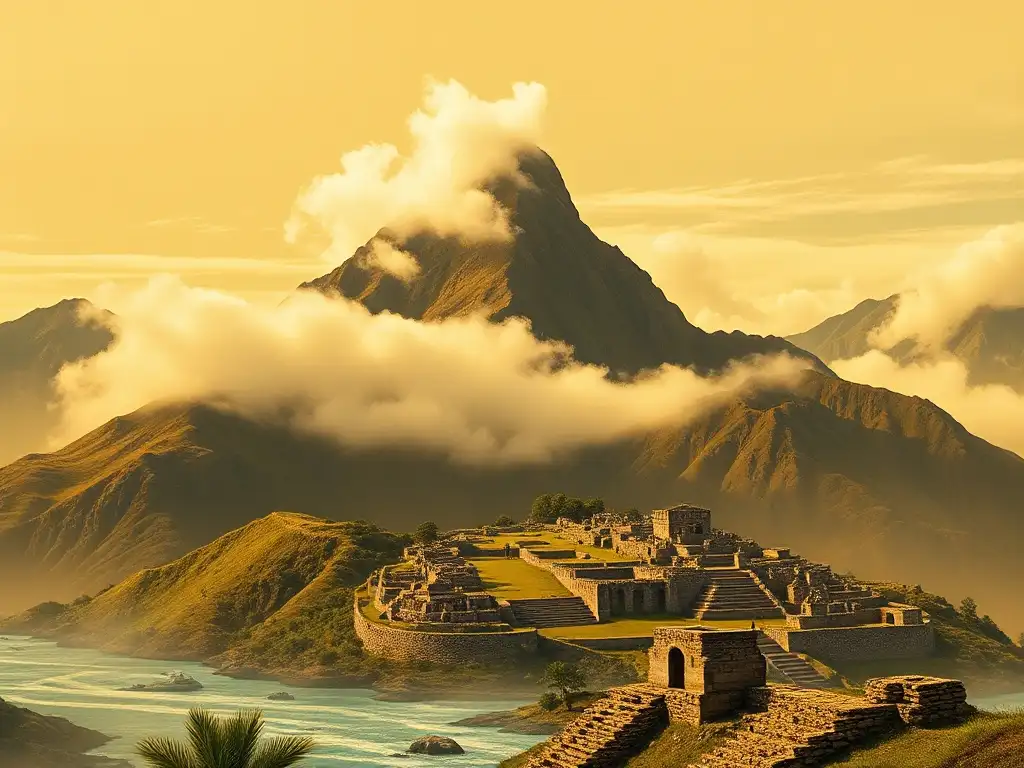
The Andean worldview, profoundly shaped by the concept of the Three Worlds – Hanan Pacha (upper world), Kay Pacha (middle world), and Uku Pacha (underworld) – significantly impacted the art and architecture of these civilizations. Understanding this cosmological framework is key to deciphering the symbolism and meaning embedded within their creations.
The intricate relationship between these three realms permeated all aspects of Andean life, from daily rituals to monumental constructions, leaving an enduring legacy in their artistic and architectural achievements. This section will explore how these three cosmological layers manifested in the visual arts and built environment of the Andean civilizations, offering a deeper understanding of their complex cosmology and its influence on their material culture.
The concept of time itself was inextricably linked to these spatial dimensions, with cyclical patterns reflecting the continuous interaction and flow between the three worlds. This intricate interplay offers a rich tapestry for understanding Andean time concepts.
Artistic Representations of the Hanan Pacha
The Hanan Pacha, the celestial realm, was often depicted in Andean art through celestial bodies, deities, and mythical creatures. Think of the intricate goldwork of the Moche culture, where elaborate headdresses and ornaments featured stylized birds, jaguars, and other creatures associated with the upper world. These weren't simply decorative; they were powerful symbols representing the power and influence of the celestial realm on earthly affairs.
The Nazca lines, though their exact purpose remains debated, are also frequently interpreted as a representation of celestial pathways and constellations, connecting the earthly realm to the Hanan Pacha. Furthermore, depictions of the sun, moon, and stars frequently appear in textiles and ceramics, emphasizing the vital role these celestial bodies played in the Andean worldview. The meticulous detail and vibrant colors used in these artistic expressions underscore the importance and reverence held for the Hanan Pacha.
The stylistic choices themselves were not arbitrary. For example, the use of specific colors—like gold representing the sun's brilliance and the power of the Hanan Pacha—reinforced the symbolic meaning. The use of specific motifs, such as condors (representing the sun) or celestial serpents, further strengthened this connection to the upper world. Analyzing these visual elements provides crucial insights into how Andean civilizations perceived and represented their connection to the cosmos. Detailed studies of these art pieces reveal a sophisticated understanding of astronomy and a deep spiritual connection to the celestial realm.
Architectural Manifestations of the Kay Pacha
The Kay Pacha, the earthly realm, is where the majority of Andean architecture is found. The impressive stonework of the Inca, with its precise cuts and masterful fitting of stones, perfectly embodies the Andean understanding of the middle world. Consider the monumental structures of Machu Picchu, Ollantaytambo, and Sacsayhuamán. These sites weren't just practical settlements; they were carefully planned and constructed to reflect the Andean cosmology. The integration of the landscape into the architecture, the use of terraces to optimize agricultural production, and the strategic placement of buildings all speak to a deep understanding of the earthly realm's importance.
The careful alignment of structures with astronomical events further strengthens the link between the Kay Pacha and the other worlds. Many sites were strategically positioned to align with solstices and equinoxes, emphasizing the cyclical nature of time and the interaction between the celestial and earthly realms. This is a testament to the sophisticated astronomical knowledge possessed by Andean civilizations, showcasing their profound understanding of the interaction between the cosmos and their earthly existence. The integration of water features, such as fountains and canals, further reflects the life-giving nature of the Kay Pacha and its essential role in sustaining life.
The Uku Pacha in Andean Iconography
The Uku Pacha, the underworld, is often depicted in Andean iconography through representations of death, rebirth, and the ancestors. While less visually prominent than the Hanan Pacha in some art forms, its significance is undeniable. Consider the use of subterranean burial chambers and the emphasis placed on ancestor veneration.
These practices suggest a belief in the continued influence of the underworld on the living. The frequent depiction of snakes, jaguars, and other subterranean creatures in Andean art further emphasizes this connection. Moreover, the use of specific colors, such as dark blues and blacks, in certain contexts often symbolizes the underworld's mysterious and powerful nature.
The visual representation of the Uku Pacha was often more subtle and symbolic than that of the Hanan Pacha. While the upper world's glory was expressed through vibrant colors and bold imagery, the underworld's power was often conveyed through a more subdued aesthetic, utilizing textures and patterns to evoke a sense of depth and mystery. The use of caves and subterranean spaces in rituals also reflects the importance of this realm and its connection to the cycle of life, death, and rebirth.
This suggests a complex and nuanced understanding of the underworld's role in the Andean worldview, highlighting the interconnectedness of all three realms in their cosmological framework. The cyclical nature of time, as understood by Andean civilizations, is deeply intertwined with the concept of death and rebirth, linking the Uku Pacha directly to the continuous flow of existence and the cyclical nature of "Andean civilizations time concepts".
Legacy of the Three Worlds in Modern Andean Culture
The concept of the Three Worlds – the Upper World (Hanan Pacha), the Middle World (Kay Pacha), and the Lower World (Ukhu Pacha) – wasn't simply a cosmological model for ancient Andean civilizations; it profoundly shaped their worldview and continues to resonate in contemporary Andean communities. Understanding this enduring legacy requires examining how these spatial dimensions intertwined with their perception of time, creating a holistic understanding of existence. The cyclical nature of time, deeply rooted in agricultural practices and celestial observations, is still reflected in many modern traditions.
This intricate relationship between space and time, a core element of Andean cosmology, persists in various forms today. It's crucial to recognize that the expression of these concepts varies across different Andean communities, reflecting the diversity of cultural practices and beliefs. While the specific rituals and interpretations might differ, the underlying framework of the Three Worlds remains a powerful organizing principle.
Contemporary Andean Communities and their Beliefs
Many contemporary Andean communities still actively engage with the Three Worlds cosmology. For instance, in the daily lives of Quechua and Aymara communities, the concept of Pachamama (Mother Earth) – representing the Middle World – remains central. Farmers continue to perform rituals of reciprocity ( ayni) with Pachamama, offering gifts and prayers in exchange for a bountiful harvest.
This practice demonstrates the ongoing connection between the physical act of farming and the spiritual understanding of the interconnectedness of the Three Worlds. Moreover, the veneration of Apus (mountain spirits) – powerful entities inhabiting the Upper World – persists in many regions. These mountain spirits are considered guardians and providers, and their appeasement through offerings is seen as vital for community well-being.
These practices are not merely nostalgic traditions; they are integral to the social fabric and economic activities of these communities. The cyclical nature of time, deeply embedded in agricultural cycles and linked to the celestial movements, continues to influence the timing of festivals, agricultural activities, and even daily routines. Analyzing these practices provides invaluable insight into the enduring influence of ancient Andean worldviews.
The Enduring Influence of Andean Cosmology
The influence of Andean cosmology extends beyond the realm of religious practice. It permeates various aspects of Andean life, including social structures, artistic expressions, and even political discourse. The hierarchical structure of the Inca empire, for example, mirrored the cosmological model of the Three Worlds, with the emperor occupying a position of divine authority bridging the realms.
This hierarchical structure, while modified over time, continues to subtly influence social dynamics in some Andean communities. Furthermore, Andean art, particularly textiles and ceramics, often depicts scenes and symbols related to the Three Worlds, showcasing the ongoing relevance of this cosmology. The intricate designs and symbolic representations embedded in these artworks serve as a visual testament to the enduring power of these ancient beliefs.
Even in modern interpretations of Andean history and identity, the Three Worlds framework provides a powerful lens through which to understand the past and shape the future. Scholarly interpretations and even political movements frequently draw upon these concepts, highlighting their persistent importance in shaping Andean identity and self-representation.
Preserving the Heritage of Andean Time Concepts
The preservation of Andean time concepts and the Three Worlds cosmology is crucial for understanding the rich cultural heritage of the Andean region. This preservation requires a multi-faceted approach. Firstly, it involves supporting and documenting the traditional practices and beliefs of contemporary Andean communities. Ethnographic studies, oral history projects, and the careful recording of rituals and ceremonies are essential for preserving this knowledge.
Secondly, it involves promoting education and awareness about Andean cosmology, both within Andean communities and globally. Educational programs, museum exhibits, and public awareness campaigns can help to disseminate this knowledge and foster a deeper understanding and appreciation for this unique worldview. Finally, it requires actively combating the erasure of indigenous knowledge systems through colonization and globalization.
This involves supporting indigenous communities in their efforts to maintain their cultural autonomy and protect their intellectual property rights. The protection of these concepts is not merely an academic pursuit; it's a vital step towards ensuring the cultural survival and self-determination of Andean communities. The preservation of these concepts is directly linked to the preservation of Andean cultural identity and the ongoing vitality of Andean civilizations.
Frequently Asked Questions
How did Andean civilizations perceive time differently than Western cultures?
Andean concepts of time were not linear like Western views. Instead, they viewed time as cyclical, interwoven with the natural world, focusing on recurring events and the rhythms of nature. This is reflected in their agricultural practices and cosmology.
What is the significance of the "Three Worlds" in Andean cosmology?
The "Three Worlds" represent a vertical cosmology, encompassing the upper world (Hanan Pacha), the human world (Kay Pacha), and the underworld (Ukhu Pacha). These realms were interconnected and influenced each other, shaping Andean worldview and understanding of time.
How did the concept of the "Three Worlds" influence Andean timekeeping?
The cyclical nature of the "Three Worlds" influenced their understanding of time. Events were viewed in relation to seasonal changes and the cycles of life and death, rather than a linear progression from past to future. This is evident in their agricultural calendars and ceremonies.
What role did astronomical observations play in Andean concepts of time?
Andean civilizations were skilled astronomers, using observations of the sun, moon, and stars to track time and predict agricultural cycles. This knowledge was crucial for planning planting and harvesting, integrating their understanding of time with their agricultural practices.
How did Andean technology reflect their unique concepts of time?
Andean technology, such as calendrical systems and agricultural terraces, directly reflects their cyclical understanding of time. These technologies were designed to work within the rhythms of nature, showcasing a deep integration of time, space, and technology in their society.
Final Reflection: Weaving the Threads of Time in the Andes
The intricate tapestry of Andean time, woven from threads of cyclical understanding and interconnected spatial dimensions, remains profoundly relevant today. Our modern, linear perception of time often fails to grasp the holistic worldview offered by Andean cosmologies, a worldview that holds valuable lessons for navigating the complexities of our interconnected world. Understanding these ancient perspectives can offer a richer, more nuanced approach to our own relationship with the past, present, and future.
The enduring influence of Andean concepts of time is evident in the continued reverence for ancestral practices and the ongoing struggle for indigenous rights. These concepts are not merely historical relics; they are living traditions that shape contemporary Andean identities and perspectives. The cyclical understanding of time, with its emphasis on renewal and interconnectedness, offers a powerful counterpoint to the often-destructive linearity of Western thought. Time is not a line, but a circle; it is a continuous flow, a river that returns to its source.
This sentiment, though not directly from an Andean source, captures the essence of their cyclical worldview and its enduring power.
Consider the implications of this Andean perspective on your own life. How might embracing a more cyclical understanding of time, one that values the interconnectedness of past, present, and future, enrich your own experience? Challenge yourself to move beyond a purely linear perception and explore the possibilities inherent in a more holistic approach to time and space. Let the wisdom of the Andes inspire you to cultivate a deeper appreciation for the cyclical rhythms of life and the enduring power of interconnectedness.
Unveil the Mysteries of Andean Time and Space!
Thank you for exploring the captivating Andean concepts of time and space. This understanding provides a deeper appreciation of Andean culture and its impact on community perspectives.
To further connect with the Andean way of life, consider these suggestions:
- Deepen your knowledge: Explore books, documentaries, and scholarly articles on Andean cosmology to expand your understanding.
- Engage with the community: Join online forums or local groups focused on Andean civilizations to share your insights and learn from others.
- Experience Andean culture firsthand: Visit a museum or cultural center featuring Andean artifacts and stories for a richer, more immersive experience.
Reflecting on these rich concepts, consider how a deeper understanding of the Andean perspective on time might shift your own worldview.