
The Language of Animals: Decoding the Symbolic Role of Fauna in Andean Art

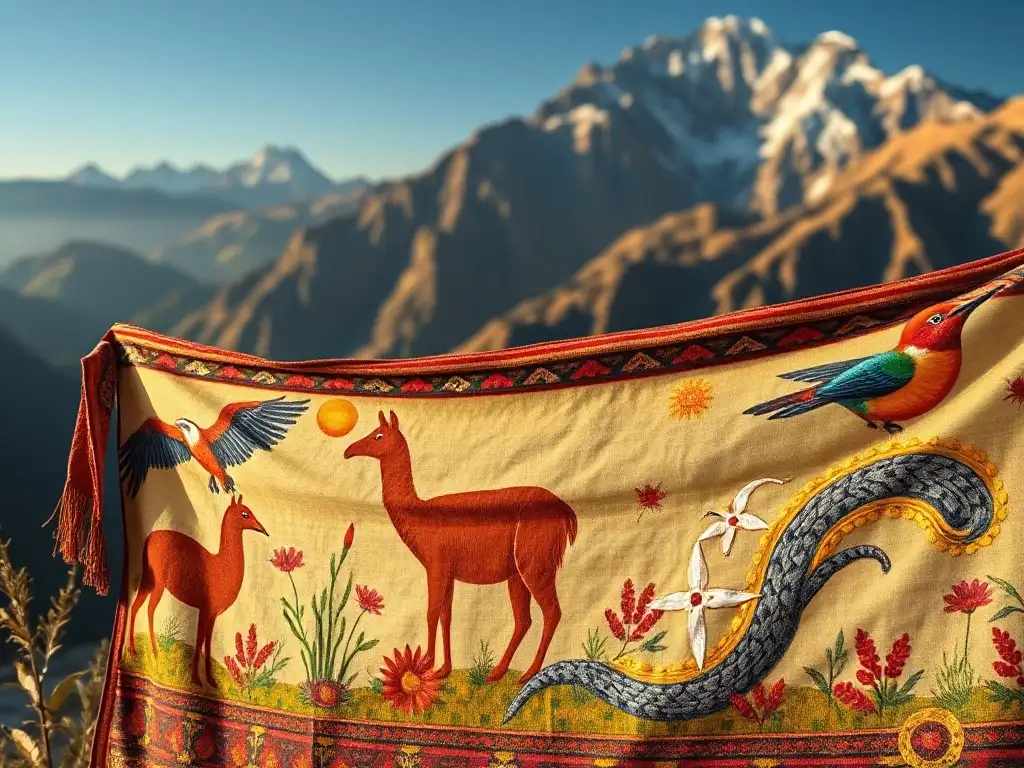
Step into a world lost to time, yet echoing with vibrant life. Uncover the secrets whispered through the intricate artistry of the Andes, where Andean animal symbolism in art held profound meaning for ancient civilizations like the Incas, Moche, and Nazca. Prepare to be captivated by a fascinating exploration of their cosmology and worldview—a journey that will reveal how these creatures transcended mere representation, becoming powerful symbols of power, fertility, and the very essence of their existence. Dare to decipher their enigmatic language?
The Andes Mountains, a spine of towering peaks and fertile valleys stretching along the western coast of South America, nurtured a vibrant tapestry of ancient civilizations. For millennia, these cultures—including the Incas, Moche, Nazca, and Tiahuanaco—developed intricate belief systems deeply intertwined with the natural world.
Understanding their cosmology requires deciphering the rich symbolism woven into their art, a language often expressed through the depiction of animals. This article explores the profound significance of Andean animal symbolism in art, revealing how fauna served not merely as decorative elements but as potent symbols reflecting spiritual beliefs, social structures, and the intricate relationship between humanity and the environment.
We will delve into specific examples, analyzing how different animals represented distinct concepts within the Andean worldview, providing insight into the sophisticated understanding of the natural world held by these remarkable cultures. This exploration of Andean animal symbolism in art offers a key to unlocking a deeper comprehension of Andean cosmology and worldview.
Introduction to Andean Animal Symbolism
Andean animal symbolism in art is remarkably diverse and complex. Unlike many cultures where a single animal might represent a single concept, Andean civilizations often layered meanings, imbuing animals with multiple symbolic interpretations depending on context, artistic style, and the specific culture creating the artwork. For example, the condor, a majestic bird soaring high above the Andes, frequently symbolizes power, royalty, and the connection between the earthly and celestial realms.
However, its representation could vary significantly between the Inca Empire and earlier cultures like the Nazca. The Nazca, known for their stunning geoglyphs, might have depicted the condor in a more shamanistic context, associating it with altered states of consciousness and communication with the spirit world. Similarly, the puma, a powerful feline predator, often represents strength, ferocity, and earthly power, but its portrayal could also signify guardianship or even a connection to the underworld.
This rich layering of meaning makes the study of Andean animal symbolism a fascinating and ongoing endeavor. The intricate details within each depiction, from the posture of the animal to the accompanying elements in the artwork, provide valuable clues to understanding these complex symbolic systems. Further research is needed to fully understand the nuances of regional variations in animal symbolism.
The Significance of Animals in Andean Cosmology
Andean cosmology viewed the world as a dynamic interplay between the celestial and terrestrial realms, the living and the dead, and the human and the divine. Animals played a crucial role in this worldview, serving as intermediaries between these different planes of existence. The three-world cosmology—the hanan pacha (upper world), kay pacha (middle world), and ukhu pacha (underworld)—was often visually represented through the depiction of specific animals.
For instance, birds like the condor, often associated with the hanan pacha, symbolized the sun, the sky, and the gods, while creatures inhabiting the earth and the underworld, such as snakes and pumas, frequently appeared in contexts related to the kay pacha and ukhu pacha respectively. The relationship between humans and animals was also deeply spiritual, with many Andean communities believing in animal spirits or huacas, possessing supernatural powers and the ability to interact with the human world. This belief is reflected in the frequent portrayal of animals alongside human figures in Andean art, often depicted in scenes of ritual, sacrifice, or interaction with the supernatural.
The careful consideration of the animal's position, size, and interaction with other elements within the artwork provides essential insight into the specific beliefs and rituals of the culture in question. Moreover, the materials used in creating the artwork—from precious metals to textiles—further emphasize the importance attributed to these animal representations.
- What is the main focus of this article?
- Which Andean cultures are discussed in relation to animal symbolism?
- What types of animals are commonly depicted in Andean art?
- How did Andean artists represent animals in their work?
- What can the study of Andean animal symbolism reveal about these ancient societies?
Key Andean Animals and Their Symbolic Meanings
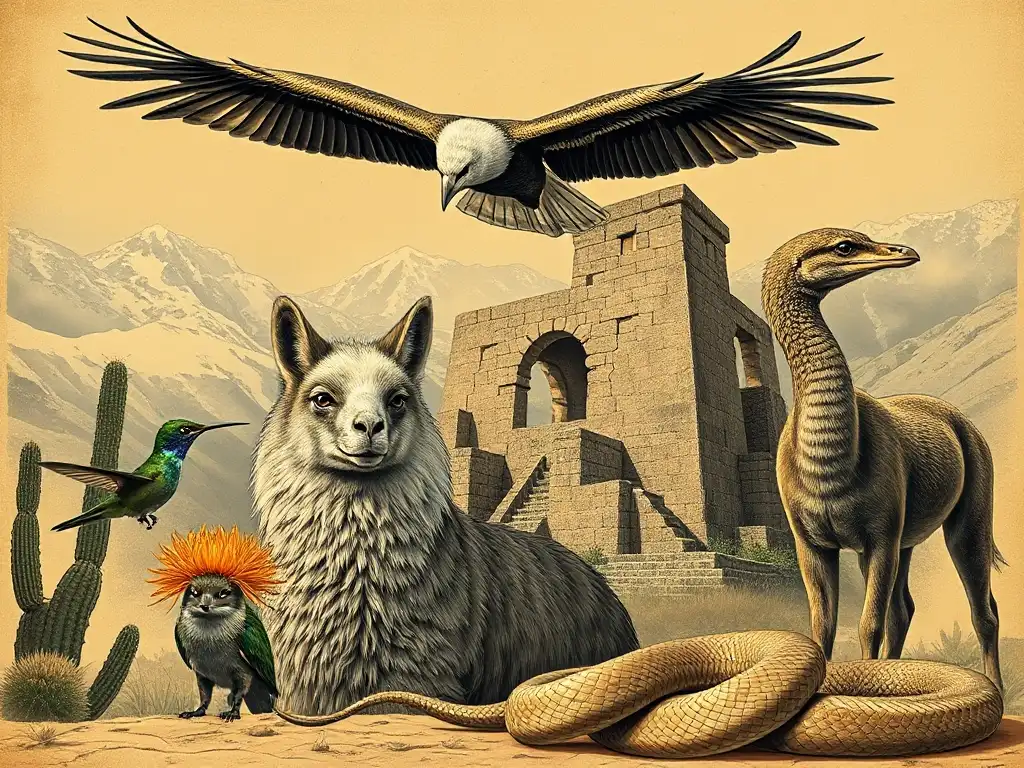
This section delves into the profound significance of specific animals within the rich tapestry of Andean art. Understanding the symbolic language embedded in these depictions offers a crucial window into the Andean worldview, revealing their intricate relationship with the natural world and their sophisticated cosmological beliefs. The careful observation of these animals in various artistic expressions provides invaluable insights into the beliefs, social structures, and spiritual practices of these ancient cultures.
We'll examine some key examples, exploring the nuances of their representation and the multifaceted meanings they conveyed. The consistent recurrence of certain animals highlights their central role in Andean cosmology and their enduring symbolic power.
The Powerful Andean Condor: Symbol of the Upper World
The Andean condor ( Vultur gryphus), with its majestic presence and soaring flight, held a position of paramount importance in Andean symbolism. Frequently depicted in textiles, ceramics, and metalwork, the condor's representation transcended mere aesthetic appeal; it served as a powerful symbol of the hanan pacha, the upper world, the realm of the gods and celestial forces. Its ability to effortlessly navigate the skies connected it to the sun, representing power, strength, and spiritual elevation.
The condor's sharp vision was associated with divine sight and prophecy, while its longevity symbolized endurance and resilience. In some artistic representations, the condor is shown carrying the sun or other celestial bodies, further solidifying its connection to the heavens. The detailed depictions of its plumage and powerful wings in Andean art showcase the meticulous observation and reverence for this magnificent creature.
The symbolic weight of the condor is further emphasized by its frequent appearance in royal insignia and religious ceremonies, underscoring its role as a divine messenger and a symbol of Andean royalty. The condor's powerful image instilled awe and respect, reflecting the Andean reverence for the forces of nature and the spiritual world.
The Sacred Puma: Representation of Strength and Earthly Power
The puma ( Puma concolor), a creature deeply ingrained in Andean mythology and culture, represents the kay pacha, the earthly realm. Unlike the condor's celestial association, the puma embodies strength, power, and the earthly forces that shape the Andean landscape. Its agility, stealth, and predatory prowess were mirrored in the Inca's own military strength and political dominance.
Depicted in a wide range of artistic expressions – from intricate gold ornaments to intricately woven textiles – the puma's symbolic meaning varied across different Andean cultures. However, its consistent association with power and authority remained a constant. In some instances, the puma served as a symbol of royal lineage, connecting rulers to the powerful forces of the earth.
Other representations highlighted the puma's association with fertility and abundance, reflecting its role as a vital part of the Andean ecosystem. The recurring motif of the puma in Andean art speaks to its enduring symbolic significance, showcasing the intricate relationship between the Andean people and the powerful creatures that inhabited their world. The puma's powerful presence in Andean art speaks volumes about the reverence for the natural world and its integral connection to Andean identity.
The Wise Serpent: Symbol of the Underworld and Rebirth
The serpent, a recurring motif in Andean art, represents the ukhu pacha, the underworld, a realm associated with both danger and renewal. Unlike the overtly positive symbolism associated with the condor and puma, the serpent embodies a more complex and multifaceted meaning. Its connection to the earth and its hidden depths links it to fertility, water sources, and the cyclical processes of life, death, and rebirth.
Different types of serpents held varying symbolic meanings. Some were associated with healing and medicinal properties, while others represented the potentially destructive forces of nature. The serpent's ability to shed its skin symbolized transformation and regeneration, a powerful metaphor for the cyclical nature of life and the cosmos. In some depictions, the serpent is intertwined with other symbolic elements, further enriching its meaning and highlighting the interconnectedness of the Andean worldview.
The serpent's presence in Andean art, therefore, is not simply a depiction of a creature but a complex symbol that encapsulates the mysteries of the underworld and the enduring cycle of life and death. Its depiction in art emphasizes the Andean appreciation for the cyclical processes of nature and the power of transformation. 🐍 The serpent's image served as a potent reminder of the delicate balance between the earthly and spiritual realms.
Animal Representations in Different Andean Cultures
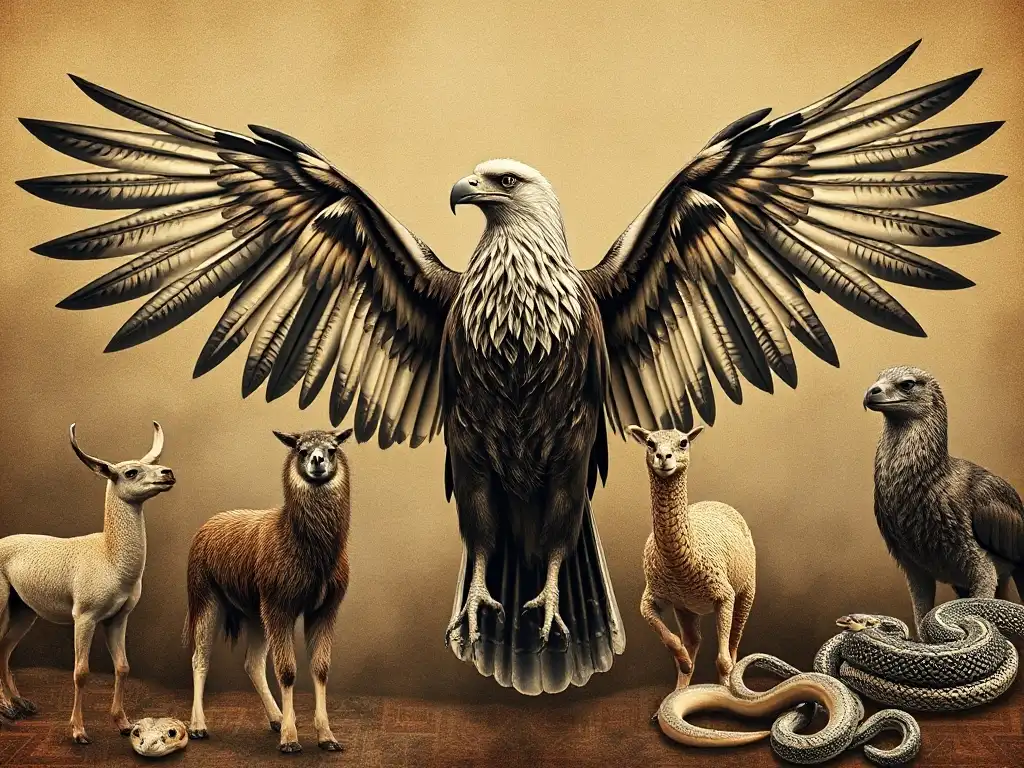
This section delves into the diverse ways Andean cultures represented animals in their art, exploring the symbolic meanings embedded within these depictions. The rich tapestry of Andean art reveals a profound connection with the natural world, where animals weren't merely depicted realistically but served as powerful symbols within their complex belief systems. Understanding these representations offers a crucial insight into their cosmology, social structures, and daily lives.
Analyzing Andean animal symbolism in art provides a window into the spiritual and practical significance fauna held for these ancient societies. We will focus on two prominent cultures: the Moche and the Nazca, known for their unique artistic styles and compelling animal imagery.
Moche Art: Depictions of Animals in Daily Life and Mythology
Moche art, primarily expressed through exquisite ceramics, showcases a remarkable realism in its animal portrayals. Animals were not just decorative elements; they were integral to Moche mythology, reflecting their beliefs about the natural world and the supernatural. The intense detail and vibrant colors used in their pottery demonstrate a deep understanding and respect for the animals they depicted.
This artistic expression wasn't limited to elite contexts; animal imagery appeared across various social strata, suggesting a widespread cultural significance. The Moche's sophisticated understanding of animal behavior and anatomy is evident in their depictions, hinting at a close relationship with the surrounding environment.
The Moche Squid: Symbolism and Representation in Ceramics
Moche ceramics frequently feature the squid, a creature of the sea that held significant symbolic meaning. The squid's depiction often involves dynamic poses, capturing its movement and power. Some scholars suggest the squid symbolized fertility and abundance, reflecting its role in the Moche economy. The detailed rendering of its tentacles and body shows a keen observation of nature.
The squid's appearance in Moche art is often associated with ritual contexts, suggesting a link to religious beliefs and practices. Further research is needed to fully understand the nuances of the squid's symbolism within the broader Moche worldview. The variety of representations—from realistic portrayals to stylized depictions—suggests multiple layers of meaning, influenced by the specific context of each artwork.
The Moche Owl: Its Role and Meaning in Ritualistic Contexts
The owl, a nocturnal creature, holds a prominent place in Moche iconography. Unlike the often positive connotations associated with other animals, the owl's symbolism appears more complex and potentially ambivalent. While some interpretations suggest a connection to death or the underworld, others point to its association with wisdom and prophecy. The owl's presence in ritual contexts, as depicted in certain ceramic vessels, suggests a role in shamanic practices or religious ceremonies.
The varying depictions of the owl—sometimes realistic, sometimes stylized—indicate the multifaceted nature of its symbolic meaning. More research is needed to fully decipher the owl's role within the intricate Moche belief system. The position of the owl within a particular scene, alongside other symbolic elements, is crucial in determining its precise meaning within a given context.
Nazca Lines: Animal Geoglyphs and Their Astronomical Significance
The Nazca Lines, vast geoglyphs etched into the desert landscape, present a unique form of Andean animal symbolism. Unlike the detailed ceramic representations of the Moche, the Nazca Lines utilize a simpler, more stylized approach. However, the scale and precision of these animal figures are awe-inspiring.
These geoglyphs are not merely artistic expressions; many scholars believe they served astronomical or ritualistic purposes, aligning with celestial events or marking sacred sites. The vast size of these figures suggests a communal effort, reflecting the collaborative nature of Nazca society. The impact of the environment, particularly the desert landscape, on the design and execution of these geoglyphs is also a significant area of study.
The Nazca Monkey: Precision and Symbolic Meaning
The Nazca monkey geoglyph stands out for its remarkable precision and detail, considering its immense scale. The representation captures the monkey's characteristic features with surprising accuracy. The symbolic meaning of the monkey in Nazca culture remains a subject of ongoing discussion.
Some scholars suggest a link to fertility or shamanistic practices, given the monkey's agility and association with the forest—a source of life and resources. The precise location of the monkey geoglyph in relation to other lines and astronomical features is also a key area of research. The intricate details within the monkey's depiction hint at a profound understanding of the animal's anatomy and behavior.
The Nazca Whale: Its Connection with Water and Fertility
The Nazca whale geoglyph, like other animal representations, highlights the importance of water in the Nazca worldview. The whale, a creature of the sea, likely symbolized abundance, fertility, and the life-giving power of water in a desert environment. The whale's size and prominence within the Nazca Lines suggest its significant role in their cosmology.
The placement of the whale in relation to other geoglyphs and potential astronomical alignments remains a topic of ongoing investigation. Further research is needed to fully understand the whale's symbolic significance within the broader context of Nazca culture and its relationship to other animal representations found in the Lines. The challenges of interpreting these vast geoglyphs necessitate a multidisciplinary approach, combining archaeology, astronomy, and anthropology.
Inca Art: Animal Motifs in Architecture and Textiles
Inca art, renowned for its intricate detail and symbolic richness, frequently incorporated animal motifs into its architecture and textiles. These weren't merely decorative elements; they held profound religious and social meaning, reflecting the Inca worldview and their deep connection with the natural world. The careful selection and placement of animal imagery within Inca art reveal a sophisticated understanding of the symbolic power of animals.
For instance, the use of specific animals in royal contexts highlights their association with power, divinity, and the Inca lineage. This careful curation of animal imagery within their art demonstrates a sophisticated understanding of symbolic power and their relationship with the cosmos.
The Inca's meticulous craftsmanship, evident in their stonework and textiles, ensured that these symbolic representations were not only visually stunning but also durable, intended to endure through generations. Their artistry serves as a powerful testament to their reverence for nature and its integral role in their society.
The Inca Llama: Economic and Spiritual Significance
The llama, a vital part of the Inca economy, held a position of significance far beyond its practical uses. Its role in providing wool, meat, and transport made it indispensable to Inca society. However, its symbolic importance extended beyond its economic value. Llamas were frequently depicted in Inca textiles and ceramics, often in association with deities and sacred sites. This suggests a strong connection between the llama and the spiritual realm.
The llama’s depiction in ceremonial contexts further underscores its sacred status, representing fertility, abundance, and the Inca's connection to the Andean landscape. Depictions varied; sometimes they were shown in naturalistic ways, other times stylized and integrated into complex narrative scenes. This variety demonstrates the multifaceted significance of the llama within Inca culture, reflecting both its practical and spiritual importance. The llama's enduring presence in Inca iconography highlights its crucial role in their material and spiritual lives.
The Inca Hummingbird: Its Presence in Royal Iconography
The hummingbird, with its vibrant plumage and rapid flight, captured the Inca imagination, becoming a symbol of royalty and divine communication. Its presence in royal iconography, particularly in textiles and goldwork associated with the Inca elite, suggests a link between the hummingbird and the Inca ruler's power. The hummingbird's swift movements and ability to hover were likely associated with the speed and agility of the Inca messengers and the swiftness of divine intervention.
Its small size, coupled with its brilliant colors, may have also symbolized the preciousness and rarity of royal objects and the Inca's connection to the spiritual world. Specific depictions of hummingbirds in royal contexts are still being studied, but initial findings suggest a significant connection between these birds and the Inca royal family’s divine legitimacy. More research is needed to fully understand the nuances of hummingbird symbolism within Inca art.
Tiahuanaco Art: Animal Deities and Their Cosmic Roles
Tiahuanaco art, characterized by its monumental architecture and intricate carvings, features a pantheon of animal deities that played crucial roles in their cosmology. Unlike Inca art which often features animals within narrative scenes, Tiahuanaco art frequently depicts animals as central figures, representing powerful cosmic forces and embodying divine attributes. The animals chosen for this elevated status reflect the landscape and environment surrounding Lake Titicaca and the broader Andean region.
The artistic representations of these deities, often integrated into monumental structures, served to reinforce their power and influence within the Tiahuanaco worldview. The precise meaning of these animal deities is still under scholarly debate, but their prominent role in Tiahuanaco iconography undeniably reflects a complex and deeply spiritual relationship with the natural world. The style itself – bold, geometric, and often stylized – further emphasized the divine nature of these animal figures.
The Tiahuanaco Condor: Power and Divine Authority
The condor, with its majestic presence and soaring flight, was a powerful symbol in Tiahuanaco culture, often associated with the sun god and divine authority. Its depiction in stone carvings and ceramics showcases its elevated status within the Tiahuanaco pantheon. The condor’s association with high altitudes and the sun's power likely contributed to its symbolic significance. It may have represented the connection between the earthly and celestial realms, embodying the power and authority of the ruling elite.
Detailed examination of Tiahuanaco art reveals the condor often positioned in dominant positions within compositions, further emphasizing its elevated status. The condor's powerful symbolism within Tiahuanaco art underscores its role as a divine messenger and a representation of supreme power. The precise meaning of its various representations is still being interpreted, but its prominence is undeniable.
The Tiahuanaco Catfish: Symbolic Significance in Lake Titicaca
The catfish, an inhabitant of Lake Titicaca, held significant symbolic meaning for the Tiahuanaco people, likely due to its association with the lake's ecological and spiritual importance. Depictions of the catfish in Tiahuanaco art, often found in carvings and pottery, suggest a connection between the fish and fertility, abundance, and the life-giving properties of the lake itself. The catfish’s aquatic nature might have symbolized the underworld or the depths of the spiritual realm, connecting it to the origins of life and the cyclical nature of existence.
Further research is needed to fully understand the complexity of the catfish’s symbolism, but its presence in Tiahuanaco art suggests a vital connection between this creature and the spiritual beliefs of the culture. Its representation in art likely served to reinforce the importance of Lake Titicaca as a sacred body of water, central to their worldview and daily lives.
Decoding Animal Symbolism in Andean Art: Techniques and Materials
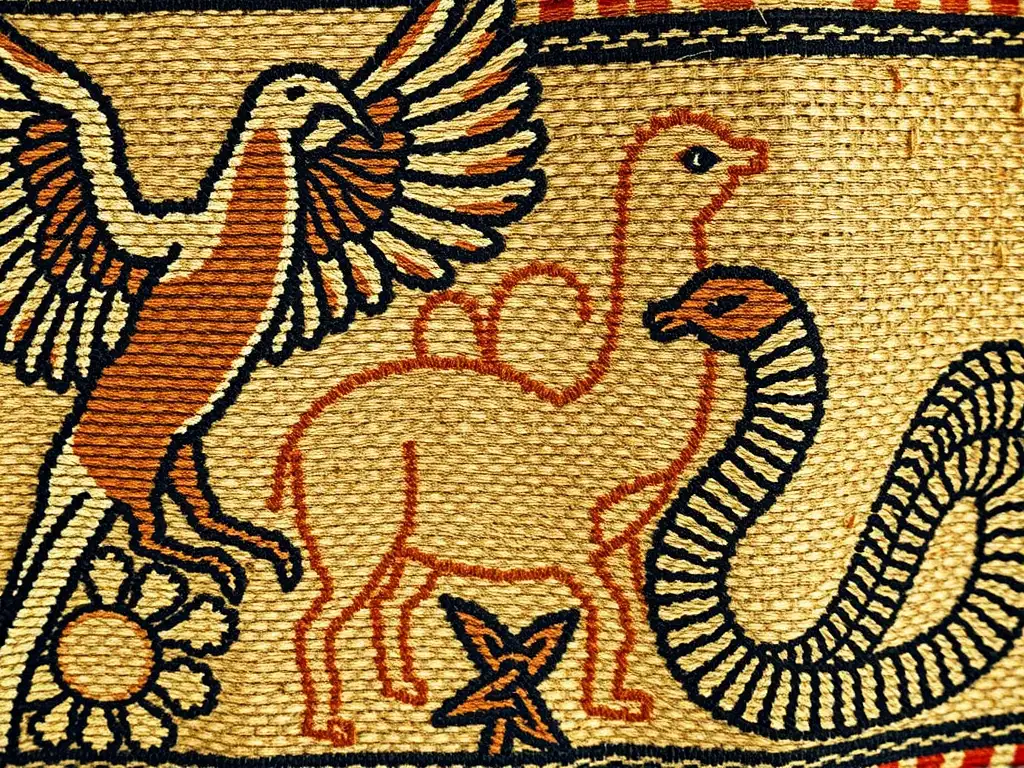
Andean animal symbolism in art is not merely decorative; it's a complex system of communication reflecting the profound relationship between ancient Andean societies and the natural world. Understanding this symbolism requires careful examination of the techniques and materials employed by Andean artists. The choice of material itself often holds symbolic weight, contributing to the overall meaning of the artwork. For example, the vibrant colors of textiles, the enduring strength of stone, and the malleability of clay all played significant roles in conveying specific messages about the represented animals and their associated spiritual significance.
Use of Materials: Clay, Stone, and Textiles in Animal Representations
The Andean region boasts a wealth of natural resources, each lending itself to distinct artistic expressions. Clay, readily available throughout the Andes, was a crucial medium for creating animal figurines, often depicting deities or mythological creatures. The Moche culture, known for its sophisticated pottery, produced remarkably realistic depictions of animals like jaguars, monkeys, and birds, often portrayed in dynamic poses, suggesting movement and vitality.
These weren't simply decorative pieces; their meticulous detail and expressive features point to a deep understanding of animal behavior and their symbolic meaning within Moche cosmology. The use of distinct colors in Moche pottery, for instance, likely encoded further layers of meaning, though deciphering this aspect requires further research. [Specific color symbolism in Moche pottery pending].
Stone, another readily accessible material, was used for larger-scale sculptures and carvings, often representing powerful animals associated with Andean deities. The puma, for example, frequently appears in Inca art as a symbol of strength, power, and royalty. The meticulous carving of stone puma figures, found in various Inca sites, demonstrates the technical skill and reverence for these animals. The choice of stone itself could also have held symbolic meaning; [Specific types of stone and their symbolic significance in Andean art pending].
Textiles, particularly those produced by the Nazca culture, offer a different perspective on Andean animal symbolism. The intricate weaving techniques allowed for the creation of detailed animal representations, often incorporated into larger tapestries or garments. These textiles depict a wide range of animals, from hummingbirds to condors, reflecting the diverse fauna of the Andean region.
The vibrant colors and complex designs of Nazca textiles suggest a sophisticated understanding of dyeing techniques and a deep appreciation for the beauty and diversity of the natural world. The use of specific fibers might also carry symbolic weight; [Specific fiber types and their symbolic meaning in Nazca textiles pending].
Stylistic Variations and Regional Differences in Animal Art
The artistic representation of animals varied significantly across different Andean cultures and regions. While certain animals, such as the puma and the condor, held pan-Andean significance, their stylistic portrayal differed considerably. The Inca, for example, often depicted animals in a more stylized and formalized manner, emphasizing their regal and symbolic aspects. Their representations tend to be more geometric and less naturalistic compared to the highly realistic depictions found in Moche pottery.
Regional variations in artistic style are also evident. Coastal cultures, such as the Moche, focused on marine animals, reflecting their proximity to the ocean. Their depictions of fish, marine birds, and other sea creatures often display a high level of realism and dynamism.
In contrast, highland cultures, such as the Tiahuanaco, focused on animals associated with the mountains and high-altitude environments, such as llamas, vicuñas, and condors. Their artistic representations, often carved in stone, reflect the rugged and imposing landscape of the Andes. The stylistic differences reflect not only the different environments but also the unique cosmologies and belief systems of each culture.
Further research is needed to fully understand the nuances of these regional variations and their impact on the interpretation of Andean animal symbolism in art. The development of a comprehensive database documenting these variations would significantly contribute to a more complete understanding of Andean animal symbolism in art. 🗺️
The Enduring Legacy of Andean Animal Symbolism
The vibrant tapestry of Andean art is interwoven with the symbolic representation of animals, reflecting a profound connection between humans and the natural world. This wasn't merely decorative; animal imagery conveyed complex religious beliefs, social structures, and cosmological understandings. The enduring legacy of this symbolism continues to resonate today, influencing everything from contemporary art to our understanding of ancient Andean societies.
Understanding this legacy requires analyzing the specific animals used, their recurring motifs, and how these motifs shifted across different Andean cultures and time periods. The sheer diversity of Andean animal symbolism highlights the nuanced relationship between humans and their environment.
The Influence of Andean Animal Iconography on Modern Art
Andean animal iconography has experienced a remarkable resurgence in contemporary art. Artists draw inspiration from the powerful imagery of ancient textiles, ceramics, and metalwork, reimagining these motifs in new and innovative ways. This isn't simply imitation; rather, it represents a dialogue across millennia, a conversation between past and present.
Contemporary artists often use Andean animal symbolism to explore themes of environmentalism, cultural identity, and the enduring power of ancient traditions. For example, the condor, a symbol of power and royalty in Inca culture, frequently appears in modern Andean art, often representing a connection to ancestral heritage or a call for environmental protection. Similarly, the llama, a crucial animal for Andean economies, is used to represent resilience, community, and the enduring spirit of Andean peoples.
This renewed interest in Andean animal symbolism reflects a growing global appreciation for Indigenous cultures and their artistic expressions. The use of vibrant colors, geometric patterns, and stylized animal forms characteristic of ancient Andean art continues to inspire contemporary artists, showcasing the enduring relevance of these ancient motifs. The impact extends beyond visual arts, influencing fashion design and other creative fields.
Preservation and Importance of Understanding Andean Animal Symbolism
Preserving and understanding Andean animal symbolism is crucial for several reasons. Firstly, it provides invaluable insights into the worldview and beliefs of past Andean civilizations. By analyzing the context in which these animals appear—in religious ceremonies, burial sites, or everyday objects—we can gain a deeper understanding of their social structures, political systems, and spiritual practices. Secondly, the study of Andean animal symbolism contributes to a broader understanding of human-animal relationships across cultures and historical periods.
It demonstrates the diverse ways in which different societies have interacted with and interpreted the natural world. Thirdly, preserving this knowledge helps protect cultural heritage and promote cultural pride among Andean communities. Understanding the significance of these symbols allows for a more nuanced appreciation of the richness and complexity of Andean cultures. Finally, the continued study and preservation of Andean animal symbolism can inform modern conservation efforts, highlighting the importance of respecting and protecting the animals that played such a significant role in ancient Andean life.
This ongoing research is essential to ensuring that future generations can continue to appreciate and learn from the enduring legacy of Andean animal symbolism. The continued documentation and analysis of this rich artistic tradition are vital for preserving a crucial piece of human history and cultural heritage. Without this effort, a significant part of our understanding of Andean civilizations and their relationship with the natural world would be lost.
Frequently Asked Questions
What is the main focus of this article?
This article explores the symbolic meaning of animals in the art of the ancient Andean civilizations, such as the Incas, Moche, Nazca, and Tiahuanaco. It delves into how these cultures used animals to represent religious beliefs, social structures, and cosmological concepts.
Which Andean cultures are discussed in relation to animal symbolism?
The article covers the Inca, Moche, Nazca, and Tiahuanaco cultures, examining their unique styles and interpretations of animal symbolism in their artwork. Specific examples from each culture are analyzed to illustrate the diversity of Andean animal representation.
What types of animals are commonly depicted in Andean art?
Commonly depicted animals include condors, jaguars, snakes, llamas, and other creatures significant to the Andean environment. The article explores the varied symbolism associated with each animal, showing how meaning could change across different cultures and contexts.
How did Andean artists represent animals in their work?
Andean artists used a variety of mediums, including pottery, textiles, and metalwork, to depict animals. The article examines the artistic styles and techniques used to create these representations, noting the differences between cultures and time periods.
What can the study of Andean animal symbolism reveal about these ancient societies?
By studying Andean animal symbolism, we gain insight into the religious beliefs, social hierarchies, and worldview of these ancient civilizations. The article argues that analyzing animal imagery provides a valuable window into their complex cultural systems.
Final Reflection: Whispers from the Andes: A Legacy in Fur and Feather
The symbolic language woven into Andean art, a vibrant tapestry of animal imagery, continues to resonate deeply in our modern world. Understanding this ancient communication offers not only a glimpse into a rich cultural past but also a powerful lens through which to examine our own relationship with the natural world and the enduring power of symbolic representation. The intricate details, the carefully chosen animals, and the enduring presence of these motifs across centuries speak volumes about the interconnectedness of humanity and nature.
The enduring influence of Andean animal symbolism is undeniable, shaping not only artistic expression but also spiritual beliefs and societal structures. These animals, far from mere decoration, served as potent symbols of power, fertility, and spiritual connection. Their presence in textiles, ceramics, and metalwork reflects a profound understanding of the natural world and its inherent power. The animals are not just depicted; they are invoked, their essence imbued into the very fabric of Andean life.
This quote, though hypothetical, captures the essence of the deep connection between the Andean people and their animal companions, a connection that continues to inspire awe and wonder.
Consider the animals you encounter in your daily life. What stories do they tell? What meanings do you ascribe to them? Take a moment to reflect on the power of symbolism in your own life, and how it shapes your understanding of the world around you. By engaging with the rich legacy of Andean animal symbolism, we can not only appreciate the artistry of a bygone era but also cultivate a deeper appreciation for the intricate web of life that connects us all, a web woven with threads of meaning as ancient and enduring as the mountains themselves.
Unveil the Secrets of Andean Fauna!
Thank you for exploring the fascinating world of Andean art and its rich symbolism! Understanding the cultural significance of animals in Andean art reveals a deep connection between wildlife and artistic expression. Now, let's put that knowledge to use!
- Get Creative: Incorporate animal symbolism into your own artwork or crafts. Experiment with designs inspired by Andean creatures like the majestic condor or the elusive llama.
- Join the Conversation: Share your interpretations of animal symbolism in Andean art! Discuss your insights with other enthusiasts online or in forums to expand your understanding.
- Explore Further: Visit a museum or online exhibition featuring Andean art to experience these symbols firsthand and appreciate their cultural context.
What animal resonates most with your personal journey, and how can you express that connection through art?