
The Colors of Nature: How Andean Artists Extracted Pigments from the Earth

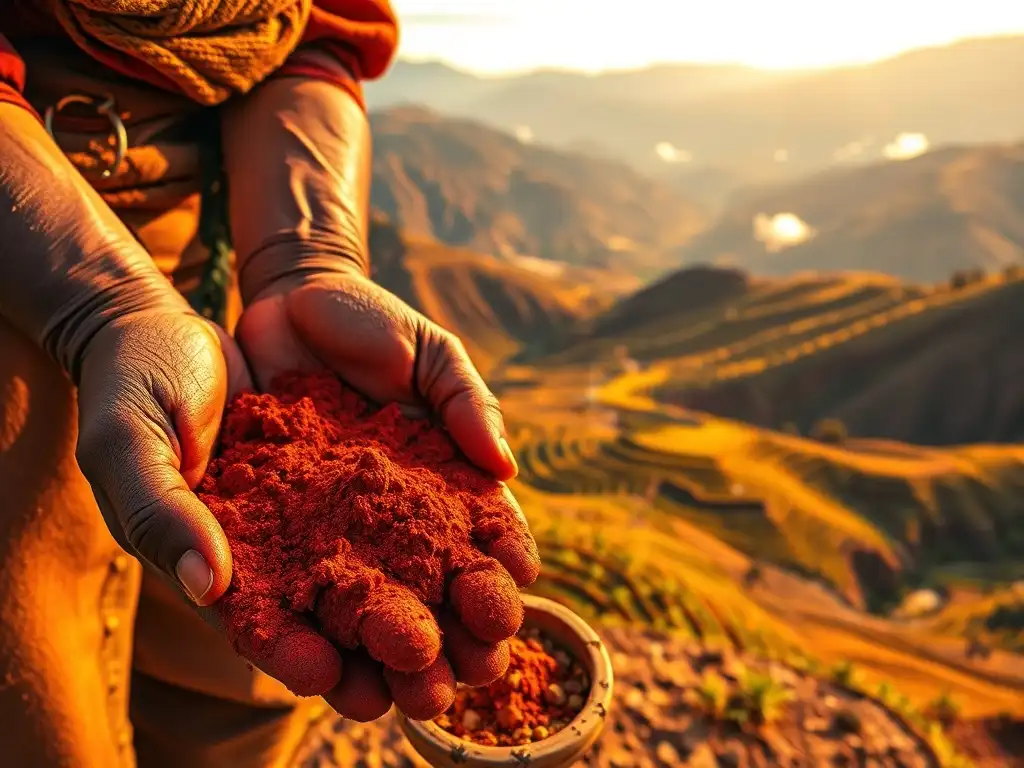
Uncover the secrets whispered by the Andes Mountains! For centuries, vibrant hues have painted the story of ancient Andean civilizations. But how did these masterful artists achieve such breathtaking colors? Journey with us into the captivating world of Andean natural pigments, where the very earth yielded its secrets to create the stunning art and cosmology of the Incas, Moche, Nazca, and Tiahuanaco. Prepare to be amazed by the ingenuity and artistry that transformed nature's palette into enduring legacies. Discover the vibrant truth behind the colors.
The vibrant hues adorning the textiles, ceramics, and murals of the ancient Andean civilizations weren't the product of imported dyes; instead, they sprang directly from the earth itself. This article delves into the fascinating world of Andean natural pigments, exploring the ingenious methods employed by artists to extract and utilize these earth-derived colors.
From the ochre reds of the desert landscapes to the deep blues found in certain minerals, the Andean palette reflects a profound connection between the people and their environment, a relationship intrinsically linked to their cosmology and worldview. We'll examine the specific techniques used, the significance of color within Andean culture, and the lasting legacy of this remarkable artistic tradition.
Understanding the source and application of these pigments provides a deeper appreciation for the artistry and ingenuity of the Andean civilizations, illuminating their sophisticated understanding of both art and the natural world. This exploration of "Andean natural pigments" will reveal how the landscape itself became the canvas for their expressive culture.
Andean Art and the Use of Natural Pigments
Andean artists displayed remarkable skill in harnessing the natural resources around them to create a stunning array of colors. Their palette wasn't limited; they utilized a diverse range of minerals, plants, and insects to produce pigments for their art. The most common sources included:
- Ochre: Various iron oxides yielded a spectrum of reds, yellows, and browns. The intensity of the color depended on the specific mineral composition and the level of hydration. These were widely used in pottery, textiles, and body paint.
- Charcoal: A readily available source of black pigment, charcoal was used extensively in both painting and drawing.
- Azurite and Lapis Lazuli: These rare blue minerals, when ground into fine powders, provided intensely vibrant blues. Their use often signified status and spiritual importance.
- Malachite: This green copper carbonate mineral provided a range of greens, from bright emerald to muted olive shades.
- Plants: Certain plants, particularly those containing tannins or other color-producing compounds, were also used to create dyes for textiles and other materials. [Specific plant examples and their resulting colors pending]
The extraction process itself was often quite laborious. Minerals would be mined, then painstakingly ground into fine powders using stone mortars and pestles. The resulting pigments were then mixed with a binder, often a gum or clay, to create a paint suitable for application to various surfaces.
The quality of the pigment, as well as the skill of the artist in blending and applying it, determined the final vibrancy and longevity of the artwork. This meticulous process highlights the high value placed on artistic expression within Andean societies. The use of these pigments wasn't merely decorative; they were imbued with symbolic meaning deeply rooted in Andean cosmology.
The Significance of Color in Andean Culture
Color in Andean culture wasn't simply aesthetic; it held profound symbolic meaning, often reflecting cosmological beliefs and social hierarchies. Red, for example, often represented blood, sacrifice, and the sun, while yellow might symbolize gold, power, and divinity. Blue, due to the rarity of blue pigments, often held a sacred connotation, possibly representing the sky or the supernatural. Green represented fertility and life, while black could represent the underworld or death.
The specific meanings could vary depending on the context and the specific Andean culture. For instance, the Moche civilization’s elaborate pottery often featured a complex interplay of colors, each with its own symbolic weight within their narrative scenes. The Inca, with their vast empire, likely standardized certain color associations across their domain, though regional variations undoubtedly persisted. The careful selection and application of Andean natural pigments weren't arbitrary acts; they were deliberate choices that conveyed complex messages and beliefs.
Further research is needed to fully elucidate the nuanced meanings associated with each color across different Andean cultures and time periods. The study of these pigments is therefore crucial for a complete understanding of Andean art and cosmology. The colors themselves are a tangible link to the rich spiritual and symbolic world of these ancient civilizations.
Sourcing Andean Natural Pigments: A Deep Dive into the Earth
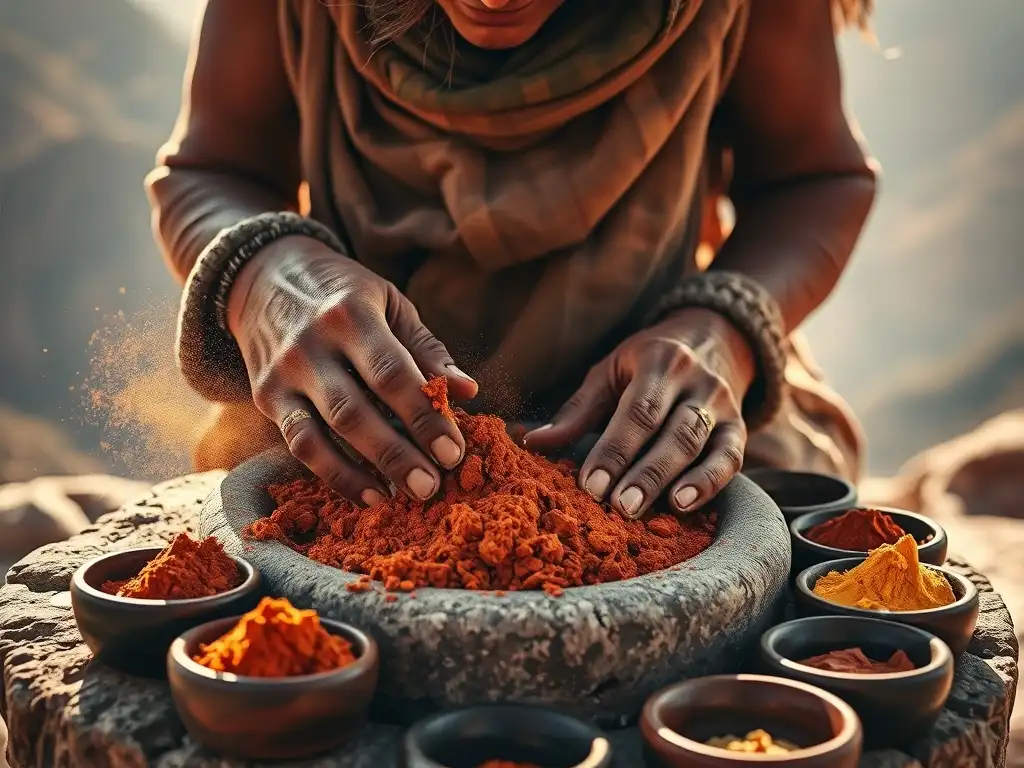
The vibrant hues adorning Andean textiles, ceramics, and murals weren't the result of imported dyes; instead, they sprang directly from the earth itself. Andean artists possessed a profound understanding of their environment, skillfully extracting pigments from a diverse range of natural sources, creating a palette as rich and varied as the landscapes they inhabited. This mastery of natural pigments is a testament to their ingenuity and intimate connection with the Andean ecosystem, a key element of Andean cosmology and worldview.
Understanding these sourcing methods provides a window into their sophisticated knowledge of botany, geology, and chemistry. The study of "Andean natural pigments" reveals a complex interplay between artistic expression and environmental resourcefulness.
Mineral-Based Andean Colorants: From Rocks to Pigments
Andean artisans expertly harnessed the earth's mineral wealth, transforming rocks and minerals into stunning pigments. Their methods, often passed down through generations, involved meticulous grinding, processing, and mixing to achieve the desired shades and intensities. The availability of specific minerals greatly influenced the color palettes of different Andean cultures and regions, showcasing the diversity inherent in their artistic traditions.
Iron Oxides: Red, Yellow, and Brown Andean Pigments
Iron oxides, ubiquitous in the Andean region, provided a range of warm hues. Hematite yielded deep reds, while goethite produced yellows and ochres. The precise shade depended on factors like the mineral's composition, the degree of oxidation, and the method of preparation. For instance, a finely ground hematite could produce a brilliant, intense red, while a coarser grind might yield a more muted, earthy tone.
The intensity of the color could also be modified by adding other materials during the mixing process. Evidence suggests that these pigments were often mixed with clay or other binders to create durable paints for murals and pottery. The prevalence of red pigments, particularly in Inca textiles and ceramics, underscores their cultural significance.
Copper Minerals: Green and Blue Andean Color Sources
Copper minerals, such as azurite and malachite, provided the rarer and highly valued blues and greens. Azurite, a deep blue, and malachite, a vibrant green, were prized for their brilliance and intensity. Obtaining these pigments required more specialized knowledge and potentially access to specific geological formations. The scarcity of these materials may explain their use in elite contexts, such as adornments for important figures or ceremonial objects. The precise techniques for extracting and processing these copper-based pigments remain a subject of ongoing research, but archaeological evidence points to sophisticated methods of grinding and purification.
Other Mineral Pigments Used by Andean Artists
Beyond iron and copper, Andean artists utilized other minerals to expand their color palettes. Black pigments were often derived from manganese oxides, while white pigments could be obtained from clay minerals like kaolin. The use of these less common minerals highlights the depth of their understanding of the local geology and their ability to exploit a variety of resources. Further research is needed to fully document the range of mineral pigments employed and the specific techniques used for their extraction and preparation. [Specific information pending on less common mineral sources and processing techniques].
Plant-Based Andean Dyes: The Botanical Palette
While mineral pigments provided a strong foundation for Andean art, the vibrant world of Andean flora offered an equally rich source of dyes. Plants, with their diverse chemical compounds, provided a wide spectrum of colors, from soft yellows and oranges to deep purples and indigos. The use of plant-based dyes demonstrates a deep understanding of botanical properties and a sophisticated knowledge of dyeing techniques.
Extracting Color from Andean Flowers and Leaves
Many Andean flowers and leaves yielded valuable dyes. The bright yellows and oranges often seen in textiles were likely obtained from plants like Bixa orellana (achiote), whose seeds produce a vibrant reddish-orange dye. Other flowers and leaves, depending on the species and processing, could provide yellows, greens, and even subtle blues. The process often involved boiling the plant material in water, sometimes with the addition of mordants to enhance colorfastness and vibrancy. The precise methods varied according to the desired color and the specific plant used.
Roots and Barks as Sources of Natural Andean Pigments
Roots and barks, rich in tannins and other color-producing compounds, played a crucial role in the Andean dyeing tradition. Certain tree barks could yield rich browns and reddish-browns, while roots provided a range of shades, including yellows, oranges, and even deep reds. The extraction process often involved more elaborate procedures, such as prolonged boiling or fermentation, to achieve the desired color. The use of roots and barks as a source of dyes showcases the resourcefulness of Andean artisans, who utilized every part of the plant to create their vibrant color palettes.
Seeds and Fruits Used for Andean Dyes
Seeds and fruits, like those of the Bixa orellana mentioned earlier, also contributed significantly to the Andean palette. Various fruits, depending on their composition, yielded a range of colors, adding to the complexity and variety of natural dyes available. The use of seeds and fruits, often abundant and readily available, provided a sustainable and accessible source of colorants for the Andean communities.
The processing techniques likely varied considerably depending on the specific fruit or seed used, reflecting the extensive botanical knowledge of the Andean peoples. Further research is needed to fully catalog the range of plants and the specific techniques used for extracting dyes from them. 🌳
Animal-Derived Andean Pigments: A Less Common Source
While the Andean palette overwhelmingly relied on minerals and plants for its vibrant hues, animal sources did contribute, albeit less frequently, to the rich tapestry of Andean art. The scarcity of these sources, coupled with the often more laborious extraction processes, likely limited their widespread use. However, the intensity and unique qualities of certain animal-derived pigments made them highly valued for specific applications and artistic effects. These pigments were carefully selected and used sparingly, often reserved for important ceremonial objects or elite individuals.
The availability of these animal sources would have varied regionally, influencing the specific pigments accessible to different Andean communities. Further research is needed to fully understand the regional variations in the use of animal-derived pigments and their significance within specific Andean cultures. The impact of ecological factors on the availability of these resources also remains an area ripe for investigation.
Cochineal: The Source of Vibrant Red Andean Color
Cochineal, derived from the cochineal insect ( Dactylopius coccus), provided a strikingly vibrant crimson and carmine red. This insect, which feeds on prickly pear cacti, was cultivated in certain regions of the Andes, adding another layer of complexity to its use. The process of extracting the pigment involved meticulously collecting and drying the insects, then grinding them into a powder.
The intensity of the resulting color varied depending on the processing techniques and the quality of the harvested insects. The rarity and labor-intensive nature of cochineal production likely contributed to its use in prestigious textiles and ceremonial objects, reserving it for elite members of society or important religious contexts.
Archaeological findings have confirmed the presence of cochineal in textiles and other artifacts from various Andean cultures, underscoring its importance as a prized pigment. The precise methods employed in different Andean regions for harvesting, processing, and applying cochineal remain areas of ongoing scholarly investigation, promising further insights into Andean artistic practices and social structures.
Other Animal-Based Pigments in Andean Art
Beyond cochineal, other animal sources may have contributed to the Andean color palette, although evidence remains limited. For example, some researchers suggest that certain bird feathers or mollusk shells might have been used to create specific shades or finishes. However, the identification and confirmation of these alternative sources require further analysis of pigments found in Andean artifacts using advanced techniques like spectroscopy.
The potential use of bone char, a black pigment derived from burnt animal bones, is another area requiring more in-depth study. The scarcity of direct evidence related to these less common animal-based pigments highlights the challenges in reconstructing the full range of materials used by Andean artists.
Ongoing research combining archaeological findings with scientific analyses will be crucial to unveiling the complete story of Andean pigment sourcing and artistic techniques. The complexity of this topic underscores the need for interdisciplinary approaches to fully appreciate the ingenuity and resourcefulness of Andean artists.
Traditional Techniques for Extracting Andean Natural Pigments
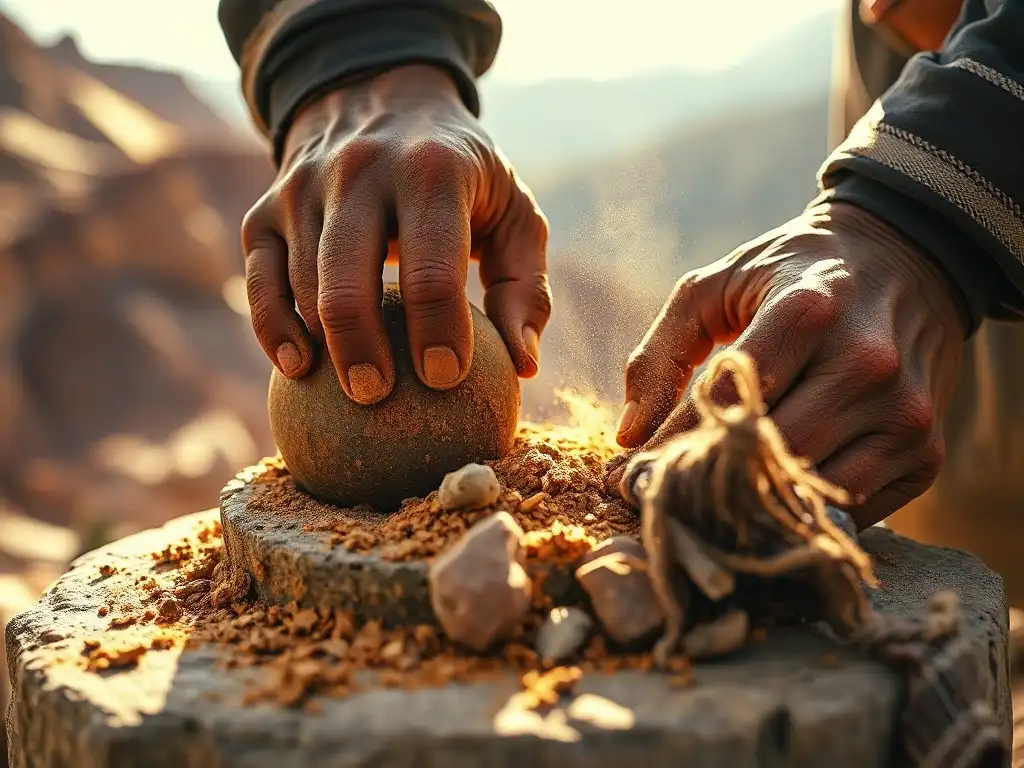
The vibrant colors adorning Andean textiles, ceramics, and murals weren't the product of imported paints. Instead, ancient Andean artists developed sophisticated techniques for extracting pigments directly from their environment, showcasing a deep understanding of both their surroundings and the chemical properties of the materials they used. This mastery of "Andean natural pigments" allowed them to create a breathtaking palette of hues, reflecting the diverse landscape that surrounded them. The process was often laborious, requiring specialized knowledge passed down through generations. Understanding these techniques provides insight into the ingenuity and resourcefulness of these ancient societies.
Grinding and Processing Mineral Pigments
Mineral pigments, sourced from rocks, clays, and minerals, formed the backbone of many Andean color palettes. Obtaining these pigments involved a multi-step process. First, the raw material, often identified through meticulous observation of color and texture, had to be located and extracted. This could involve quarrying, mining, or simply collecting surface deposits. The location of these resources often held symbolic significance, further reinforcing the spiritual connection between the artists and the earth.
Following extraction, the mineral was meticulously ground. This was typically done using hand-held grinding stones, a process that could take hours, even days, depending on the hardness of the material and the desired fineness of the pigment. The grinding process itself was not merely mechanical; the artists likely employed various techniques to achieve optimal particle size and color intensity.
For instance, adding water during grinding could have helped to break down the material more efficiently and create a smoother paste. Some pigments, like those derived from hematite (producing reds and browns), might have required additional processing, such as heating to enhance their color vibrancy.
The resulting pigment powder would then be carefully sifted to remove any coarse particles or impurities. The fineness of the powder was crucial for achieving even color distribution and preventing a grainy texture in the final artwork. The level of refinement often corresponded to the intended use of the pigment, with finer powders reserved for more delicate applications like textile dyeing. This careful preparation underscores the high value placed on the quality and consistency of the pigments, reflecting the dedication to producing exceptional works of art.
Preparing Plant-Based Dyes: Boiling, Soaking, and Fermenting
Beyond mineral sources, Andean artists also expertly harnessed the coloring potential of the region's diverse flora. Plant-based dyes provided a range of hues, from the deep yellows of Tara pods to the rich purples of various berries and flowers. However, extracting these dyes required different techniques compared to mineral pigments.
The preparation typically began with the careful selection and harvesting of the plant material. The specific parts of the plant used varied depending on the desired color and the plant itself. Leaves, roots, bark, flowers, and fruits all served as potential sources of dye. Once harvested, the plant material underwent a process of preparation that often involved multiple steps:
- Boiling: Many plant dyes were extracted by boiling the plant material in water. The length of boiling time, the temperature, and the addition of mordants (substances that help the dye bind to the fiber) all played critical roles in determining the final color and its fastness.
- Soaking: Some plants yielded their dye more effectively through prolonged soaking in water or other liquids. This slower process allowed the color molecules to leach out gradually, resulting in a richer and more concentrated dye.
- Fermenting: In some cases, fermentation was employed to enhance the color intensity or to modify the hue. This involved allowing the plant material to decompose partially, altering the chemical composition of the dyes and producing unique shades.
The resulting dye extract was then filtered to remove any plant debris before being used to color textiles or other materials. The precise methods used varied across different regions and communities, reflecting the rich diversity of Andean dyeing traditions and their deep connection to the natural world.
Fixing and Preserving Andean Pigments for Longevity
The longevity of Andean artwork is a testament to the artists' understanding of pigment stabilization and preservation. Simply applying pigment to a surface wasn't enough; the color had to be fixed to prevent fading, leaching, or deterioration over time. This process, often overlooked, was crucial for ensuring the artworks’ endurance for centuries.
For mineral pigments, the process of fixing often involved incorporating a binding agent, such as a natural gum or resin. These agents acted as adhesives, helping the pigment particles adhere to the surface and creating a more durable layer. The choice of binding agent often depended on the type of pigment and the material being painted. For example, a different binder might be used for painting on pottery compared to textiles.
Plant-based dyes required a different approach. Mordants, as mentioned earlier, played a critical role in fixing the dye to the fibers. These mordants, often derived from natural sources like alum or tannins, chemically bonded with both the dye and the fiber, creating a more permanent coloration. The type of mordant used could influence the final shade of the dye, adding another layer of complexity to the dyeing process.
The careful selection and application of both binders and mordants demonstrate a sophisticated understanding of chemistry and material science. This knowledge, combined with the skilled artistry of the Andean people, resulted in the creation of vibrant and enduring artworks that continue to inspire and amaze us today. The enduring beauty of these pieces serves as a powerful reminder of the profound relationship between the Andean civilizations and their environment—a relationship woven into the very fabric of their artistic traditions.
Applications of Andean Natural Pigments in Art and Textiles
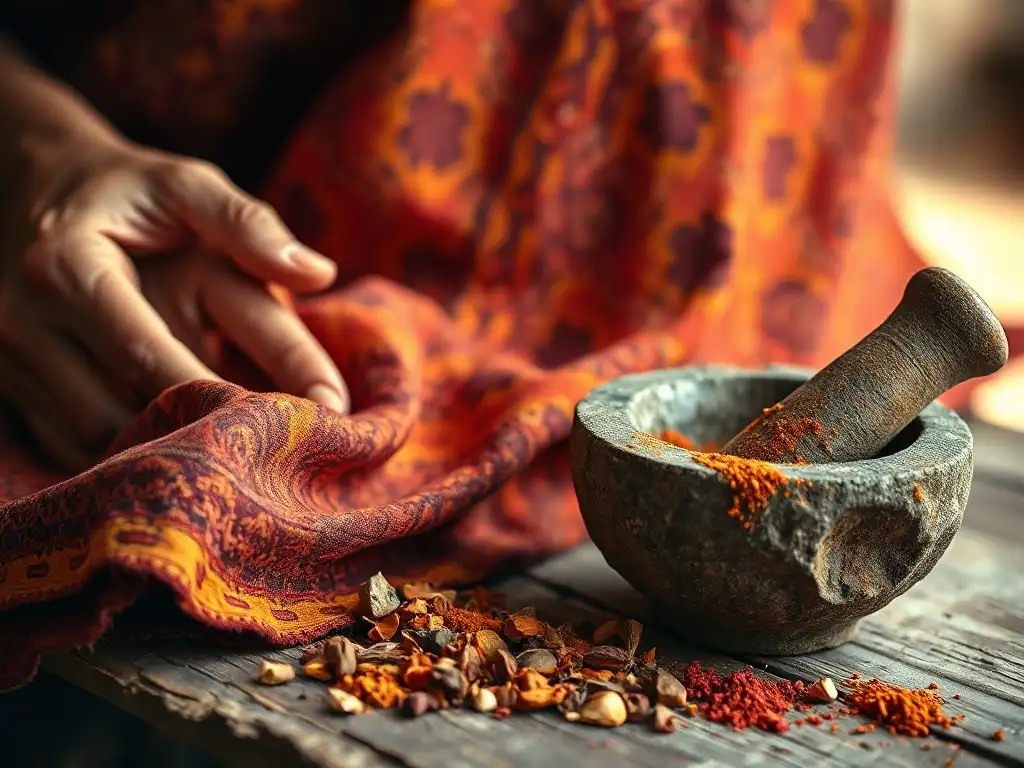
The vibrant hues adorning Andean art and textiles weren't the result of imported dyes; instead, they stemmed from a deep understanding and masterful manipulation of Andean natural pigments. These pigments, extracted from the diverse Andean landscape, played a crucial role in expressing cultural beliefs, social status, and the deep connection between the people and their environment. The palette available to Andean artists was remarkably extensive, ranging from earthy browns and reds to striking yellows and blues, all sourced from readily available natural materials. This section explores the diverse applications of these pigments across various art forms.
Andean Natural Pigments in Pottery and Ceramics
Andean pottery and ceramics provide a rich tapestry of color, reflecting both the ingenuity of the artisans and the abundance of natural resources at their disposal. The most common pigments used in pottery were derived from minerals and clays found throughout the region. For instance, red hues were frequently obtained from iron oxides found in ochre-rich soils. These oxides, depending on their concentration and the firing temperature, could produce shades ranging from a soft terracotta to a deep, fiery red.
Similarly, yellow and brown pigments were derived from various clays and iron oxides with different mineral compositions. The mastery of these Andean artists lay in their ability to control the firing process, which significantly affected the final color and intensity of the pigment. They achieved a remarkable range of textures and finishes, from highly polished surfaces to matte effects, further enhancing the visual impact of their creations. Analysis of ancient pottery shards reveals sophisticated techniques, suggesting a deep understanding of chemistry and material science, far beyond simple application of color.
For example, some pottery exhibits a complex layering of pigments, creating intricate patterns and subtle color gradations. This demonstrates a level of technical skill and artistic vision that continues to inspire awe and admiration today. The use of these pigments wasn't merely decorative; the colors themselves often held symbolic meaning, reflecting cosmological beliefs and social hierarchies.
Andean Textile Dyeing Techniques: Weaving with Natural Colors
The Andean textiles, famous for their intricate designs and vibrant colors, represent another significant application of Andean natural pigments. Dyeing techniques varied across different cultures and time periods, but the source of the colors remained consistently rooted in the natural world. Plants, insects, and minerals all contributed to the rich palette. For example, the deep reds and purples often seen in Inca textiles were obtained from the cochineal insect, a tiny creature that produces carminic acid, a powerful red dye.
Other plant-based dyes included various species of shrubs and trees, yielding yellows, oranges, and browns. Interestingly, the preparation of these natural dyes often involved complex processes, including the use of mordants – substances that help the dye bind to the fibers. These mordants were often sourced from natural minerals and plants, demonstrating a sophisticated understanding of chemical interactions. The techniques of dyeing and weaving were passed down through generations, forming an integral part of Andean cultural heritage.
The intricate designs and symbolic meanings woven into the textiles are a testament to the artists' skill and the deep connection between their art and their cosmology. The durability and vibrancy of many ancient textiles are a testament to the effectiveness of these natural dyeing techniques. The diversity of colors and the precision of the designs reflect a high level of sophistication in Andean textile production. The study of these techniques continues to provide valuable insights into Andean technology and artistry.
Andean Mural Painting and the Use of Earth Pigments
Andean mural painting, particularly prominent in sites like Tiahuanaco, offers compelling evidence of the extensive use of Andean natural pigments in large-scale artistic endeavors. The murals, often depicting religious scenes, mythological figures, or historical events, showcase a remarkable mastery of color and composition. The pigments used in these murals were primarily earth-based, sourced from readily available minerals and clays. Reds, yellows, and browns, derived from various iron oxides and clays, were commonly used, creating a palette that reflected the natural environment.
However, the artists also employed more sophisticated techniques, including the mixing of pigments to create a wider range of hues and the application of multiple layers to achieve depth and texture. The preparation of the pigments likely involved grinding and mixing processes, ensuring a smooth and consistent application. The durability of many of these murals, despite the passage of centuries, attests to the quality of the pigments and the skill of the artists.
The preservation of these works provides invaluable insights into Andean artistic practices and their cosmological beliefs. The colors and imagery depicted in the murals are often imbued with symbolic meaning, reflecting religious rituals and social structures. The study of Andean mural painting continues to unveil the richness and complexity of Andean artistic traditions and their profound connection to the natural world.
The Legacy of Andean Natural Pigments
The vibrant hues adorning ancient Andean textiles, ceramics, and murals weren't the product of imported dyes. Instead, Andean artists masterfully extracted a breathtaking palette of pigments directly from their environment, showcasing a deep understanding of their natural surroundings and a sophisticated approach to color creation. This profound connection between Andean art and nature is reflected in the diverse range of minerals, plants, and insects used to produce their distinctive colors.
The legacy of these "Andean natural pigments" continues to inspire awe and fascination, highlighting the ingenuity and artistry of these ancient cultures. Their use wasn't merely decorative; colors held symbolic meaning, often linked to cosmology, spirituality, and social status. The meticulous techniques employed in pigment extraction and application reveal a level of technical skill that rivals any contemporary practice.
The enduring vibrancy of many surviving artworks is a testament to the quality and permanence of these naturally derived pigments. Analysis of these pigments has revealed a complex understanding of chemistry and material science, far exceeding previous assumptions about ancient Andean technological capabilities.
Modern Rediscovery and Appreciation of Andean Colors
The resurgence of interest in Andean natural pigments is fueled by several factors. Firstly, there's a growing global appreciation for sustainable and eco-friendly practices. Secondly, contemporary artists and researchers are actively investigating and recreating traditional techniques, leading to a renewed understanding of the historical significance of these colors.
This rediscovery is not just an academic pursuit; it's a vibrant movement influencing contemporary art, fashion, and design. We're seeing a revival of traditional Andean color palettes in various artistic expressions, from textiles and ceramics to murals and digital art. Moreover, the scientific analysis of ancient Andean pigments continues to unveil new insights into their composition, extraction methods, and the remarkable stability of these natural dyes.
This scientific research enhances our appreciation of the sophistication of Andean technology and provides valuable data for conservation efforts. For example, recent studies on the pigments used in Nazca textiles have revealed previously unknown combinations of minerals and organic materials, further highlighting the complexity of their color palettes.
Preservation of Traditional Andean Pigment Extraction Techniques
The preservation of traditional Andean pigment extraction techniques is crucial for several reasons. It safeguards cultural heritage, promotes sustainable practices, and provides valuable insights into ancient technologies. However, the transmission of these techniques is facing challenges due to the loss of traditional knowledge and the increasing influence of industrial pigments. Efforts to document and preserve these methods are underway, involving collaboration between archaeologists, anthropologists, and local communities.
These projects typically involve detailed ethnographic studies, recording oral histories and practical demonstrations of pigment extraction. The documentation includes not only the specific steps involved but also the associated rituals, beliefs, and social contexts that shaped the practice. This holistic approach ensures a comprehensive understanding of the cultural significance of these techniques.
Furthermore, training programs are being established to educate younger generations in traditional methods, ensuring the continuity of these valuable practices. The creation of community-based workshops and museums dedicated to Andean pigments plays a vital role in preserving this knowledge for future generations. This active preservation ensures that the unique artistry and sustainable practices of Andean color traditions continue to thrive.
The Sustainable Approach of Andean Color Use
The Andean approach to pigment extraction and use exemplifies a sustainable model for artistic production. Unlike modern industrial methods, which often rely on environmentally damaging processes, Andean artists harvested pigments responsibly, minimizing their impact on the environment. The use of locally sourced materials reduced transportation needs and carbon footprint.
The pigments themselves were often derived from readily available resources, minimizing environmental disruption. Furthermore, the utilization of natural binders and fixatives, such as plant gums and resins, further enhanced the eco-friendly nature of the process. This careful stewardship of resources stands in stark contrast to the environmental costs associated with many modern industrial pigments.
The study of Andean pigment extraction can, therefore, offer valuable lessons for contemporary artists and designers seeking more sustainable practices. The Andean model highlights the potential for creating vibrant and durable art while minimizing environmental impact, demonstrating a harmonious relationship between artistic creation and environmental responsibility. The principles of sustainable sourcing, minimal processing, and the use of biodegradable materials found in Andean color practices provide a valuable framework for a more environmentally conscious approach to art production today.
Frequently Asked Questions
What were Andean pigments primarily made from?
Andean pigments were mainly derived from natural sources, including minerals, plants, and insects. Earth pigments like clays and ochres provided a wide range of colors.
How did Andean artists extract these pigments?
The process involved crushing and grinding the raw materials, often using stone tools. Subsequent steps included purification and mixing with binders like gum arabic or egg white.
What colors were most commonly used in Andean art?
Reds, yellows, browns, and blacks were prevalent, derived from ochre, hematite, and charcoal. Other colors, like blues and greens, were less common and often more difficult to obtain.
Were any unusual materials used for Andean pigments?
Yes, some pigments were derived from insects, like the cochineal insect which produced a vibrant red. Certain minerals and clays also offered unique hues.
How did the use of Andean pigments reflect the culture?
The availability and use of specific pigments reflected environmental resources and held symbolic meaning. Colors had spiritual and social significance within their artwork.
Final Reflection: Echoes of the Andes: A Legacy in Pigment
The vibrant hues extracted from the Andean earth, once used to adorn textiles and ceramics, continue to resonate today, not just as beautiful artifacts, but as a testament to the ingenuity and deep connection between humans and their environment. These pigments, painstakingly gathered and prepared, speak volumes about a culture that understood the power of nature's palette and its intrinsic link to identity and spirituality.
The enduring legacy of Andean natural pigments transcends mere aesthetics; it represents a profound understanding of the land and its resources. Their use wasn't simply decorative; it was a ritual, a way of imbuing objects with meaning and connecting the physical world to the spiritual realm. The colors themselves were not just colors, but stories, memories, and prayers woven into the fabric of life.
This quote, though hypothetical, captures the essence of the deep cultural significance embedded within these pigments. The continued study and appreciation of these techniques offer a powerful lens through which to understand the rich tapestry of Andean culture and its enduring influence on art and society.
Consider, for a moment, the rich tapestry of colors surrounding you. Where did those colors originate? What stories do they tell? Let the legacy of Andean natural pigments inspire you to appreciate the natural world and the artistry it provides, fostering a deeper connection to the earth and its boundless creative potential. Seek out the stories behind the colors you encounter, and perhaps, you too will discover the vibrant echoes of ancient traditions resonating in the present.
**Unlock Nature's Palette: Dive into Andean Artistic Traditions! **
Thank you for joining us on this vibrant journey through the Andean landscape, where nature inspires breathtaking creativity. Your exploration of how Andean artists skillfully extract pigments from the earth has undoubtedly revealed the stunning depth of their cultural heritage and artistic expression. Let's continue to immerse ourselves in this rich tradition.
Here are a few engaging activities you can pursue:
- **Experiment with Natural Dyes:** Gather flowers, fruits, or spices from your kitchen and try creating your own natural pigments at home. The results might surprise you!
- **Explore Andean Art:** Delve deeper into the fascinating world of Andean art by visiting local galleries or museums showcasing indigenous artwork. You'll find a wealth of inspiration there.
- **Share Your Discoveries:** Discuss your newfound knowledge with friends or on social media—your insights could inspire others to appreciate the beauty and artistry found in nature's colors!
What natural elements in your environment could inspire your next artistic creation? Consider the possibilities!