
The Bee's Bounty: How Andean Civilizations Utilized Honey and Pollination

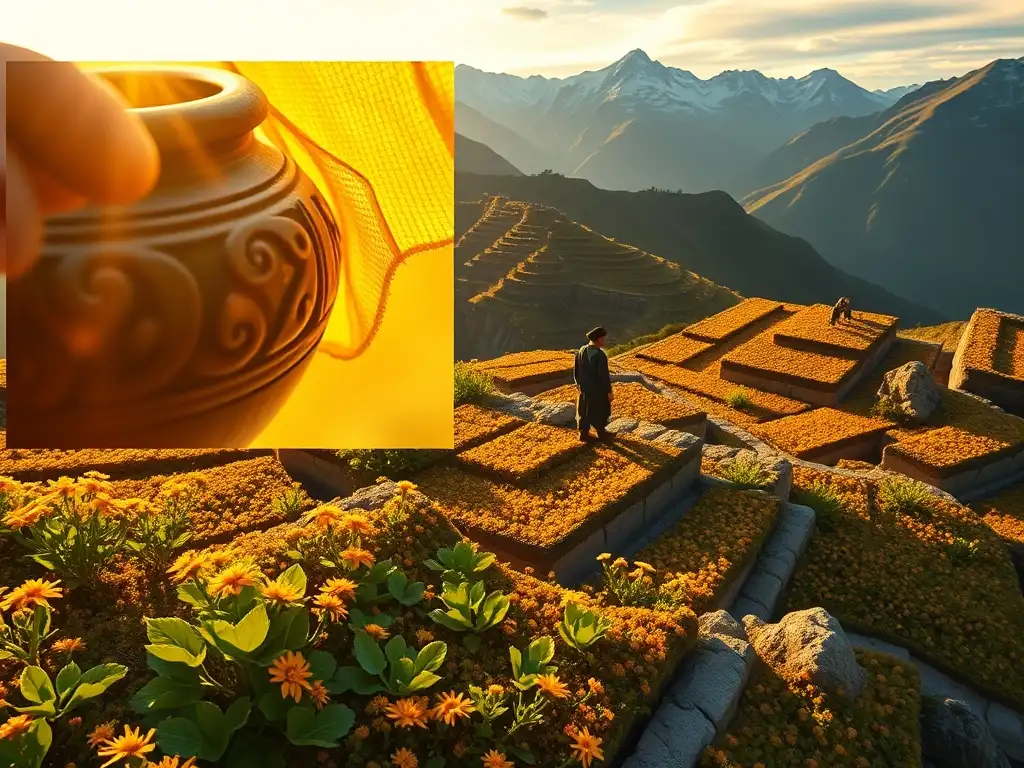
Welcome to Andean Civilizations, where the echoes of a lost world whisper secrets of ingenuity and resilience. Journey with us through the breathtaking landscapes and captivating cultures of the Andes, from the Incas to the Nazca. But first, prepare to be amazed: did you know the ancient Andean peoples held a profound connection to the Andean honey use history? Uncover the surprising role of honey and pollination in their cosmology and daily life – a story far richer and stranger than you can imagine. Explore the mysteries that await...
The Andean region, a breathtaking tapestry of towering mountains, fertile valleys, and diverse ecosystems, nurtured some of the world's most fascinating ancient civilizations. These societies, including the Incas, Moche, Nazca, and Tiahuanaco, developed a profound understanding of their environment, weaving intricate relationships with the natural world that deeply impacted their spiritual beliefs, social structures, and daily lives. This article explores a particularly fascinating aspect of this relationship: the vital role of honey and pollination in Andean societies, revealing how these civilizations harnessed the bounty of the bee for sustenance, medicine, and ritual.
Understanding their sophisticated use of honey and their awareness of pollination provides crucial insight into the ingenuity and interconnectedness of their worldview, adding another layer to our appreciation of their rich cultural heritage. We will delve into the historical evidence, archaeological findings, and anthropological interpretations to paint a vivid picture of Andean honey use history.
Honey as a Staple Food Source
Honey served as a significant dietary component for Andean civilizations. Archaeological excavations have unearthed remnants of honey pots and containers in various sites, suggesting widespread honey consumption across different cultures and time periods. The high nutritional value of honey, providing readily available carbohydrates and energy, made it a crucial element in their diet, especially in high-altitude regions where agricultural yields could be challenging.
Furthermore, honey's natural sweetness likely served as a valuable alternative to refined sugars, which were not available to these societies. Evidence suggests that honey was not only consumed directly but also used as a sweetener in various food preparations and beverages, enhancing the flavor and nutritional profile of their meals. The sheer quantity of honey-related artifacts discovered points to its importance as a staple food, not just a luxury item.
Honey's Role in Andean Medicine
Beyond its nutritional value, honey held a prominent place in Andean medicinal practices. Its antiseptic and wound-healing properties were recognized and utilized extensively. Ethnobotanical studies reveal that honey was applied topically to treat wounds, burns, and skin infections. Its antibacterial and anti-inflammatory characteristics likely contributed to its effectiveness in these applications.
Furthermore, honey was possibly incorporated into various medicinal concoctions and remedies, potentially used to alleviate digestive issues or respiratory ailments. The precise formulations and applications of these remedies remain partially undocumented, requiring further research to fully uncover the extent of honey's medicinal use in Andean cultures. However, the prevalence of honey in archaeological contexts strongly suggests its widespread use in healthcare.
The Symbolic Significance of Honey and Bees
The symbolic importance of honey and bees within Andean cosmology is undeniable. Bees, often associated with fertility, prosperity, and the sun's life-giving energy, frequently appeared in Andean art and mythology. Their industrious nature and the transformative power of nectar into honey likely resonated with Andean beliefs about creation, renewal, and the interconnectedness of life.
Honey itself was often linked to sacred rituals and ceremonies, possibly representing abundance, sweetness, and divine favor. Depictions of bees and honey in pottery, textiles, and other artifacts highlight their significance within the spiritual and ritualistic fabric of Andean societies. Further research could illuminate the specific symbolic connotations associated with honey and bees across different Andean cultures.
The Unintentional Impact: Pollination and Andean Agriculture
While not explicitly understood in the same scientific terms as today, Andean civilizations implicitly recognized the crucial role of bees and other pollinators in their agricultural systems. The cultivation of crops like maize, potatoes, and quinoa relied heavily on successful pollination, and the presence of beehives near agricultural fields suggests a practical understanding of the relationship between bees and crop yields. Although they may not have grasped the intricate mechanisms of pollination, their agricultural practices inadvertently fostered biodiversity and supported the populations of pollinators essential for food production.
This highlights the remarkable harmony between their agricultural practices and the natural environment. Further investigation into ancient Andean agricultural techniques could reveal more precise details about their understanding and management of pollination. 🐝
- Honey as a Staple Food Source
- Honey's Role in Andean Medicine
- The Symbolic Significance of Honey and Bees
- The Unintentional Impact: Pollination and Andean Agriculture
- What role did honey play in Andean societies?
- Were all Andean civilizations equally reliant on honey?
- Beyond consumption, how else was honey used by Andean cultures?
- What evidence exists to support the historical use of honey in the Andes?
- What about pollination? Did Andean civilizations understand its importance?
Andean Honey Use History: An Introduction to Ancient Practices
This section delves into the fascinating history of honey use within Andean civilizations, exploring its multifaceted role beyond mere sustenance. We will examine the evidence suggesting not only consumption but also the symbolic and ritualistic significance attributed to honey and bees themselves, highlighting the intricate relationship between these ancient cultures and the natural world. Understanding the Andean honey use history requires looking beyond simple culinary applications; it necessitates recognizing the profound spiritual and societal implications woven into their interaction with bees and their products.
This exploration will reveal how deeply intertwined the lives of Andean peoples were with the buzzing activity of bees and the sweet bounty of their hives. The keyword "Andean honey use history" is central to understanding this complex relationship.
The Significance of Bees in Andean Cosmology
Bees held a position of significant reverence within Andean cosmology. Unlike their portrayal in some other cultures, bees weren't merely seen as industrious insects; they were imbued with symbolic meaning, often linked to concepts of fertility, abundance, and the divine. Archaeological findings, though limited in direct depictions, suggest the presence of bee motifs in textiles and ceramics from various Andean cultures. This suggests a symbolic association that went beyond practical application.
For example, some scholars interpret certain patterns found on Nazca textiles as representing stylized bees or honeycombs, indicating a possible connection to agricultural abundance and the life-giving properties associated with honey. Further research is needed to fully understand the nuances of these interpretations, but the initial evidence strongly suggests a deeper symbolic layer to the Andean relationship with bees.
The lack of extensive written records, however, presents a challenge in fully deciphering the specific cosmological beliefs surrounding bees. More research into iconography and potentially ethnobotanical studies of contemporary Andean communities with preserved traditions could illuminate this aspect of Andean honey use history further.
Early Evidence of Honey Consumption in the Andes
Direct evidence of honey consumption in the Andes is primarily derived from archaeological excavations. While the preservation of organic materials like honey is challenging, residue analysis of pottery shards and other artifacts has revealed traces of honey and beeswax in several sites dating back to pre-Columbian times. This suggests that honey was not just a sporadic food source but a relatively common element of the Andean diet, at least in certain regions and periods.
Specifically, studies of Moche and Tiwanaku sites have uncovered compelling evidence. Traces of honey have been found in pottery vessels associated with ritual contexts, suggesting its use in ceremonies or offerings. In addition, the discovery of honey residues in domestic contexts points to its regular consumption as a food item.
The quantity and distribution of these findings strongly suggest a widespread practice of honey harvesting and consumption across diverse Andean communities, playing a crucial role in their sustenance and cultural practices. Further research, particularly focused on isotopic analysis of recovered residues, could provide more precise information on the types of honey consumed and the specific floral sources used by the bees. This would greatly enrich our understanding of Andean honey use history and the sophistication of their apicultural practices, if any existed.
Honey as a Culinary Staple in Andean Cultures
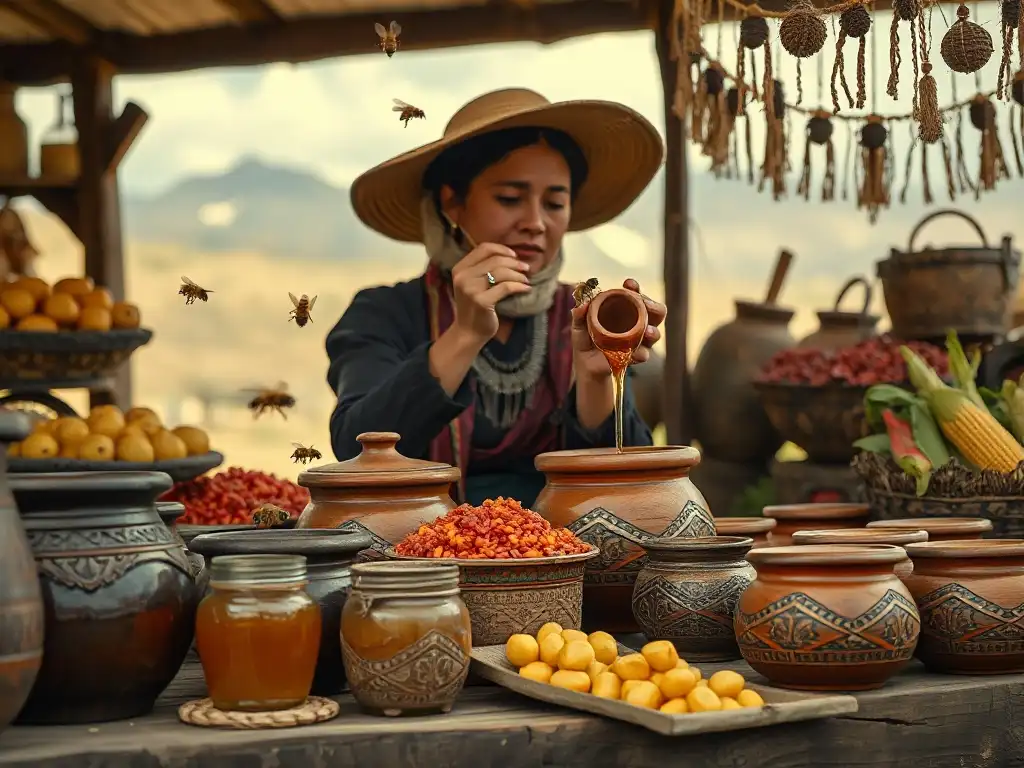
The sweet bounty of honey held a significant place in the daily lives of Andean civilizations. Far from being a mere sweetener, honey served as a versatile ingredient, preservative, and even a form of currency in some regions. Its importance is evident in the archaeological record, with evidence of honey production dating back centuries.
Analysis of ancient pottery shards and remnants found in various Andean sites reveal traces of honey, suggesting its widespread use across diverse cultures and geographical locations. The Andean honey use history, therefore, extends far beyond mere culinary application; it's deeply intertwined with their social structures, religious practices, and economic systems. Understanding this intricate relationship provides a crucial lens through which to examine their complex societies.
The availability of honey likely varied regionally depending on the floral diversity and the presence of suitable bee species, influencing its role in different Andean communities. Further research into specific regional variations in honey use is needed to fully appreciate the nuanced history of this valuable resource.
Traditional Andean Recipes Incorporating Honey
Traditional Andean cuisine frequently incorporated honey, adding sweetness and complexity to both savory and sweet dishes. While precise recipes are difficult to reconstruct due to the limited written records, ethnographic studies and archaeological findings offer valuable clues. Honey was likely used to sweeten beverages like chicha, a fermented maize drink crucial to Andean social life.
The addition of honey not only enhanced the flavor but also contributed to preservation, extending the drink's shelf life. Furthermore, honey served as a key ingredient in various porridges and stews, adding a subtle sweetness that balanced the other flavors. In some communities, honey was combined with fruits and spices to create sweet treats, reflecting the creativity and resourcefulness of Andean cooks in utilizing readily available ingredients.
For example, some accounts mention the use of honey in the preparation of humintas, steamed corn cakes, adding a delicate sweetness to the otherwise savory dish. The specific ways in which honey was incorporated varied considerably across different Andean cultures, reflecting diverse culinary traditions and local preferences. More research, specifically focused on reconstructing traditional recipes, is necessary to fully understand the culinary role of honey.
Honey's Role in Andean Feasting and Rituals
Beyond its culinary applications, honey played a significant role in Andean feasting and religious rituals. The sweetness of honey was often associated with fertility, abundance, and the power of the gods. Archaeological evidence suggests that honey was offered as a sacred offering in ceremonies and festivals, symbolizing the bounty of the land and the favor of the divine.
Its use in rituals points to its symbolic value, transcending its practical uses. In certain Andean communities, honey was incorporated into offerings to mountain spirits or apus, believed to control the weather and agricultural cycles. The act of offering honey was a gesture of respect and an attempt to appease these powerful entities, ensuring a successful harvest.
Furthermore, honey may have been used in ceremonies related to healing and purification, reflecting the belief in its medicinal properties. The specific rituals and ceremonies involving honey varied widely across different Andean cultures, highlighting the diversity of religious beliefs and practices within the region. More detailed ethnographic studies are needed to shed more light on the precise role of honey in these sacred contexts.
Variations in Honey Types and Their Uses
The diverse geography of the Andes resulted in a variety of honey types, each with unique characteristics and uses. The floral sources varied across different altitudes and regions, impacting the honey's flavor, color, and potential medicinal properties. High-altitude honey, for example, might have had a distinct flavor profile compared to honey produced in lower-lying valleys.
The different types of honey were likely valued differently based on their perceived qualities and potential uses. Some honeys might have been favored for their sweetness, others for their purported medicinal properties, and still others for their use in specific rituals. This diversity in honey types highlights the intricate relationship between the Andean civilizations and their environment.
Detailed studies examining the botanical origins of ancient Andean honey, combined with an analysis of ancient texts and oral traditions, are essential to fully understand this aspect of Andean honey use history. Further research into the specific properties of different honey types and their corresponding uses is needed to complete our understanding of this crucial aspect of Andean life.
Pollination: The Unsung Contribution of Andean Bees
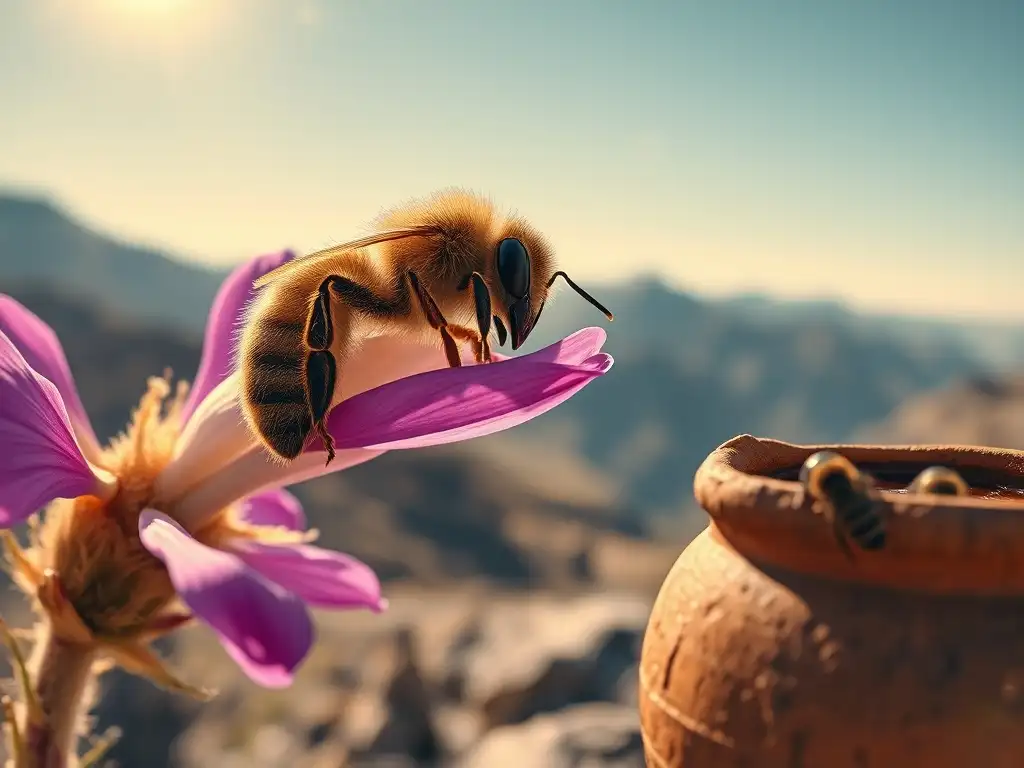
The vibrant tapestry of Andean agriculture, renowned for its resilience and ingenuity, was intricately woven with the silent work of pollinators, primarily bees. While the grandeur of Inca architecture and the artistry of Moche pottery often steal the spotlight, the crucial role of bees in sustaining Andean food systems remains a fascinating, often overlooked, aspect of their "Andean honey use history."
Understanding the relationship between Andean civilizations and their pollinators reveals a sophisticated understanding of ecological interdependence, far surpassing simple honey harvesting. This section delves into the intricacies of this relationship, highlighting the diverse bee species, agricultural practices, and the profound impact of pollination on the success of Andean crops.
Native Bee Species and Their Importance to Agriculture
The Andean region boasts an extraordinary biodiversity of native bee species, many of which remain unstudied. However, evidence suggests a crucial role for these bees in the pollination of vital Andean crops. Unlike the European honeybee ( Apis mellifera), which was introduced much later, these native bees were integral to the pre-Columbian agricultural landscape. Their diverse foraging behaviors and nesting habits contributed to the successful pollination of a wide range of crops, including:
- Potatoes ( Solanum tuberosum)
- Quinoa ( Chenopodium quinoa)
- Maize ( Zea mays)
- Various beans ( Phaseolus spp.)
- Tomatoes ( Solanum lycopersicum)
The specific contributions of individual bee species to the pollination of these crops are still being investigated. [Specific data on bee species and their pollination efficiency pending]. However, archaeological evidence, such as pollen found in ancient settlements, suggests a long and complex history of interaction between Andean peoples and their native bees.
The decline in native bee populations due to modern agricultural practices poses a significant threat to the continued success of traditional Andean agriculture. This underscores the importance of conservation efforts to protect this invaluable natural resource. Understanding this "Andean honey use history" requires acknowledging the crucial role of these native pollinators.
Andean Agricultural Techniques and Pollination Management
Andean agricultural practices, developed over millennia, often incorporated strategies that implicitly or explicitly supported bee populations and pollination. Terracing, for example, created diverse microclimates that supported a wider range of plant species, thus providing diverse foraging opportunities for bees. The practice of crop diversification—interplanting different crops within the same field—further enhanced pollination efficiency by increasing the abundance and diversity of floral resources available to bees throughout the growing season. This wasn't simply a matter of chance; evidence suggests a degree of intentional management, though the extent remains a subject of ongoing research.
Did Andean farmers actively cultivate specific plants known to attract bees? Did they employ specific techniques to protect bee nests? These are questions that require further investigation to fully illuminate the sophisticated understanding of ecological interactions within Andean agriculture. The intricate relationship between Andean agricultural techniques and pollination represents a compelling case study in sustainable agricultural practices.
The Interdependence of Bees and Andean Crops
The relationship between Andean bees and their crops was one of profound interdependence. Bees provided the essential pollination service, ensuring successful seed and fruit production. In return, the crops provided the bees with food (nectar and pollen).
This symbiotic relationship was fundamental to the sustenance of Andean communities. The disruption of this balance, through factors such as habitat loss, pesticide use, and climate change, threatens both the survival of native bee populations and the productivity of traditional Andean crops. Understanding this delicate balance is critical not only for preserving the rich biodiversity of the Andes but also for ensuring the continued food security of the region.
The deep historical connection between Andean people, their crops, and their pollinators highlights the need for a holistic approach to conservation that recognizes the interconnectedness of all living things. This holistic view is essential for a complete understanding of "Andean honey use history" and its implications for the future.
Beyond Food: Medicinal and Other Uses of Honey
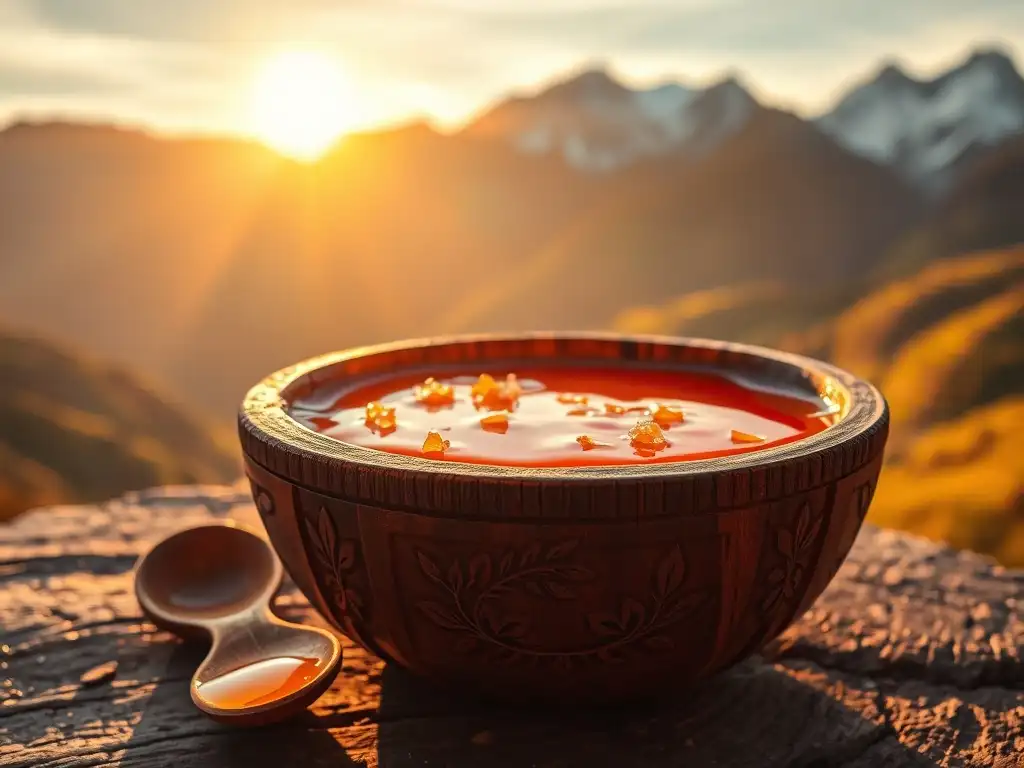
The Andean civilizations' relationship with honey extended far beyond its culinary applications. Honey, prized for its sweetness, also held significant medicinal and practical value, deeply interwoven into their daily lives and spiritual beliefs. Understanding the diverse uses of honey provides crucial insight into the sophisticated knowledge and resourcefulness of these ancient cultures. The term "Andean honey use history" itself understates the multifaceted role this golden liquid played.
Honey's Healing Properties in Andean Traditional Medicine
Andean traditional medicine, a rich tapestry of knowledge passed down through generations, recognized honey's potent healing properties. Chronicles and archaeological findings reveal its use as an antiseptic, antibiotic, and anti-inflammatory agent. Honey's natural antibacterial qualities, particularly effective against a range of bacterial infections prevalent in the Andean region, made it a crucial component of wound care.
Evidence suggests its application to burns, cuts, and other skin ailments to promote healing and prevent infection. Furthermore, honey was ingested to soothe coughs, alleviate respiratory issues, and treat digestive problems. The specific preparation methods varied across different Andean cultures, reflecting the diverse flora and medicinal practices.
For example, some communities might combine honey with herbs or other natural ingredients to create specialized remedies tailored to specific conditions. The efficacy of these traditional remedies is currently being explored by modern scientific research, revealing the potential of ancient Andean knowledge in contemporary medicine. The depth of their understanding of honey's properties is remarkable, showcasing the sophisticated medical practices developed in the absence of modern technology.
Honey in Andean Craftsmanship and Art
Beyond its medicinal applications, honey also played a crucial role in Andean craftsmanship and art. While direct evidence is limited due to the perishable nature of honey, indirect clues suggest its use in various processes. For example, the distinctive golden hues in some textiles and pottery might indicate the use of honey as a dye or glaze. The sticky nature of honey may have facilitated the binding of materials in specific crafts.
Further research is needed to fully understand the extent of honey's role in these artistic endeavors. However, existing evidence strongly points to its contribution to the vibrant tapestry of Andean material culture. The potential for honey in various crafts is a fascinating area of study, linking the practical aspects of Andean life with their artistic expressions. This area of research offers a rich opportunity to uncover new insights into the ingenuity and creativity of Andean artisans.
The Symbolic Value of Honey and Bees in Andean Beliefs
The symbolic significance of honey and bees within Andean cosmologies is profound. Bees, with their industrious nature and role in pollination, were often associated with fertility, abundance, and the life-giving forces of nature. Honey, as a product of their labor, became imbued with these same symbolic values.
In some Andean cultures, honey was offered as a sacred offering in religious ceremonies, symbolizing prosperity and good fortune. The intricate relationship between bees, honey, and the Andean worldview highlights the deep respect and understanding these civilizations had for the natural world. The symbolic importance of honey emphasizes its position not just as a resource, but as a sacred element deeply connected to their spiritual beliefs and practices.
Further research into Andean mythology and religious texts is essential to fully elucidate the complex symbolic meanings associated with honey and bees. The exploration of this topic promises to unravel deeper layers of understanding of the Andean relationship with their environment and the spiritual underpinnings of their civilization.
The Decline of Andean Bee Populations: Threats and Preservation

The vibrant tapestry of Andean civilization, intricately woven with threads of agriculture, spirituality, and a deep understanding of the natural world, was significantly influenced by honeybees and their crucial role in pollination. However, the historical abundance of these vital insects is now facing unprecedented challenges, threatening not only biodiversity but also the cultural heritage associated with their use.
Understanding the decline of Andean bee populations is crucial for preserving both the ecological balance and the legacy of ancient practices. The "Andean honey use history" is inextricably linked to the health of these populations, and their dwindling numbers represent a significant loss.
Modern Challenges to Andean Bee Health
Modern agricultural practices, particularly the widespread use of pesticides and herbicides, pose a significant threat to Andean bee health. These chemicals, designed to control pests and weeds, often have unintended consequences, harming or killing bees directly or contaminating their food sources. The resulting decline in bee populations directly impacts pollination rates, affecting crop yields and the overall ecosystem. Studies have shown a correlation between increased pesticide use in Andean agricultural regions and a marked decrease in native bee species diversity.
Furthermore, the introduction of non-native, invasive bee species can outcompete native populations, leading to displacement and a reduction in genetic diversity. This competition for resources further exacerbates the pressures on already vulnerable populations. The impact extends beyond the immediate environment, influencing the cultural practices and traditional knowledge related to honey production and beekeeping that have been passed down through generations.
The Impact of Climate Change and Deforestation
Climate change is another major factor contributing to the decline of Andean bee populations. Changes in temperature and precipitation patterns disrupt the delicate balance of ecosystems, affecting the availability of floral resources and the timing of flowering cycles. Bees are highly sensitive to temperature fluctuations, and extreme weather events, such as droughts and floods, can decimate entire colonies. Deforestation, driven by agricultural expansion and logging, further reduces the habitat available for bees, limiting their foraging range and access to nesting sites.
The loss of diverse flora through deforestation also means a reduction in the variety of pollen and nectar sources, impacting bee nutrition and overall colony health. This intricate web of interconnected factors highlights the complex challenges faced by Andean bee populations, underscoring the urgent need for conservation efforts. The historical abundance reflected in accounts of "Andean honey use history" is starkly contrasted with the current precarious situation.
Efforts to Preserve Native Bee Species and Their Habitats
Efforts to preserve native Andean bee species and their habitats are crucial for maintaining biodiversity and sustaining the cultural heritage associated with honey production. These initiatives encompass a range of strategies, including the establishment of protected areas and wildlife reserves to safeguard crucial bee habitats. Promoting sustainable agricultural practices, such as reducing pesticide use and implementing integrated pest management techniques, is essential for minimizing the negative impacts of modern farming on bee populations.
Furthermore, supporting local beekeepers and promoting traditional beekeeping methods helps preserve indigenous knowledge and fosters a more sustainable approach to honey production. Education and awareness campaigns are also vital in raising public awareness about the importance of bees and the threats they face.
These multifaceted approaches, encompassing both conservation and community engagement, are crucial for ensuring the long-term survival of Andean bee species and the preservation of their significant contribution to the Andean ecosystem and cultural heritage. The future of "Andean honey use history" depends heavily on the success of these ongoing and future preservation initiatives.
Lessons from the Past: Revaluing Andean Ecological Knowledge
This section delves into the historical relationship between Andean civilizations and honeybees, highlighting the sophisticated understanding and utilization of these insects far beyond simple honey harvesting. The Andean "honey use history" reveals a deep interconnectedness with the natural world, offering valuable lessons for contemporary sustainable practices. Understanding this historical context is crucial for appreciating the complexity of traditional Andean agriculture and its potential contribution to modern ecological challenges.
Rediscovering Ancient Practices for Sustainable Agriculture
Ancient Andean agricultural techniques were remarkably sophisticated, demonstrating a profound understanding of ecological balance. Their methods weren't simply about maximizing yield; they were intricately woven into a broader understanding of the environment, with honeybees playing a significant role. Archaeological evidence suggests the use of diverse bee species, with specific hives and harvesting methods adapted to different ecological niches.
For example, evidence from pre-Inca sites in the highlands shows specialized pottery used for honey storage, indicating a long-standing tradition of beekeeping. This wasn't merely a matter of acquiring a sweetener; honey served as a vital food source, medicine, and even a ritual offering. The careful management of pollinators, like bees, ensured the success of their diverse agricultural systems, contributing to the overall resilience of their food production.
This holistic approach stands in stark contrast to many modern, intensive agricultural practices that often disregard the importance of biodiversity and pollination services. We can learn much from their sustainable methods, particularly in the face of current environmental challenges such as declining pollinator populations and climate change. Further research into the specific techniques employed, including the types of plants cultivated and the methods used to manage bee populations, could provide invaluable insights for developing more sustainable agricultural practices today.
The Importance of Indigenous Knowledge for Biodiversity Conservation
The Andean "honey use history" underscores the crucial role of indigenous knowledge in biodiversity conservation. Traditional ecological knowledge (TEK) often holds valuable insights into the complex relationships within ecosystems, offering practical solutions for conservation challenges. The Andean understanding of bee ecology, for instance, encompassed not only honey production but also the broader role of bees in maintaining plant diversity and ecosystem health.
This intimate knowledge extended to understanding the specific needs of different bee species, their habitats, and their interactions with other organisms within the ecosystem. Sadly, much of this invaluable knowledge has been lost or marginalized due to colonization and the imposition of external agricultural models. However, there's a growing recognition of the importance of integrating TEK with modern scientific approaches to conservation.
By working collaboratively with indigenous communities, researchers can gain a deeper understanding of Andean bee diversity, their ecological roles, and traditional management practices. This collaborative approach is essential for developing effective conservation strategies that respect the rights and knowledge of indigenous populations while also addressing the urgent need to protect biodiversity. The preservation of Andean bee species is not just about protecting a specific insect; it's about safeguarding a vital component of a complex and fragile ecosystem, rich in cultural and ecological significance.
Future Directions for Research and Conservation of Andean Bees
The study of Andean honeybees and their historical use presents many exciting avenues for future research. Further investigation into the diversity of bee species across different Andean regions is needed, including genetic studies to assess the evolutionary relationships between various populations. Ethnobotanical research can illuminate the traditional uses of different honey types and the associated plant-bee interactions. This research should prioritize collaboration with indigenous communities to ensure the ethical and respectful preservation of their knowledge and cultural heritage.
Moreover, research into the impact of modern agricultural practices and climate change on Andean bee populations is essential for developing effective conservation strategies. This might involve assessing the impacts of pesticide use, habitat loss, and changing climate patterns on bee populations and their interactions with plant communities. Finally, the development of community-based conservation initiatives is crucial to ensure the long-term survival of Andean bee populations. These initiatives should involve the active participation of indigenous communities, empowering them to manage and protect their natural resources while also promoting sustainable livelihoods.
The future of Andean bee conservation depends on a concerted effort to integrate traditional ecological knowledge, modern scientific research, and community-based initiatives. Only through this collaborative approach can we ensure the preservation of this vital component of Andean biodiversity and its associated cultural heritage. The continued exploration of the Andean "honey use history" is paramount for understanding and protecting this valuable resource.
Frequently Asked Questions
What role did honey play in Andean societies?
Honey served a multifaceted role. It was a valued sweetener and food source, used in both everyday life and religious ceremonies. It also held symbolic importance, representing wealth and power.
Were all Andean civilizations equally reliant on honey?
The importance of honey varied. While the Incas are well-documented for their honey use, the extent of its use in other cultures like the Nazca or Moche is still under research, although evidence suggests its significance.
Beyond consumption, how else was honey used by Andean cultures?
Honey had medicinal applications, used to treat wounds and ailments. It was also a crucial component in religious rituals and offerings to deities.
What evidence exists to support the historical use of honey in the Andes?
Archaeological findings such as honey residues in pottery and depictions of beekeeping in textiles and artwork provide strong evidence of honey's significance in Andean life.
What about pollination? Did Andean civilizations understand its importance?
While direct evidence is limited, the sophisticated agricultural practices of the Andean civilizations suggest an understanding of the crucial role of pollination in crop production, even if they didn't fully grasp the mechanics.
Final Reflection: The Enduring Legacy of Andean Honey
The intricate relationship between Andean civilizations and honey extends far beyond simple sustenance; it represents a profound understanding of ecological interdependence and sustainable resource management, a lesson profoundly relevant in our current climate crisis. The meticulous techniques employed by these ancient cultures, from harvesting wild honey to cultivating pollinator-friendly environments, offer invaluable insights into a harmonious coexistence with nature that we are only beginning to rediscover.
The enduring impact of honey on Andean culture is not merely historical; it continues to resonate in contemporary practices and beliefs. The deep-rooted connection between bees, honey, and spiritual life persists, a testament to the enduring power of tradition. The honeybee, a tiny creature, teaches us the importance of community and collaboration, a lesson as vital today as it was centuries ago.
This quote encapsulates the enduring relevance of understanding the Andean approach to beekeeping and its broader implications for our relationship with the natural world. We can learn much from their respect for the delicate balance of ecosystems and the sustainable practices they developed.
Consider, for a moment, the implications of this ancient wisdom. How can we, in our modern world, re-engage with the principles of sustainable resource management demonstrated by these ancient cultures? What steps can you take, in your own life, to support pollinators and appreciate the vital role they play in our ecosystem? Let the legacy of Andean honey inspire you to cultivate a deeper connection with nature and to champion practices that ensure the bounty of the bee continues to flourish for generations to come.
Unveil the Sweet Legacy of Bees and Take Action!
Thank you for exploring the fascinating ways Andean civilizations utilized honey and harnessed the power of pollination! Your interest in this rich cultural heritage is a crucial first step in understanding the vital roles bees play in our ecosystems.
Now, let's take action to connect with this enduring legacy. Here are some ways you can get involved:
- Create a pollinator-friendly garden to support your local ecosystem and honor ancient traditions. Planting a variety of flowering plants will provide essential food sources for bees and other pollinators.
- Share this article with your friends and family, or post it on social media to raise awareness about the vital role bees play in both agriculture and history.
- Participate in a local beekeeping workshop to learn sustainable practices that help protect these essential creatures. Many communities offer classes that teach responsible beekeeping techniques.
How will you help preserve these buzzing friends and their incredible legacy? We'd love to hear your ideas!