
Guardians of Nature: The Role of Andean Priests in Maintaining Ecological Balance

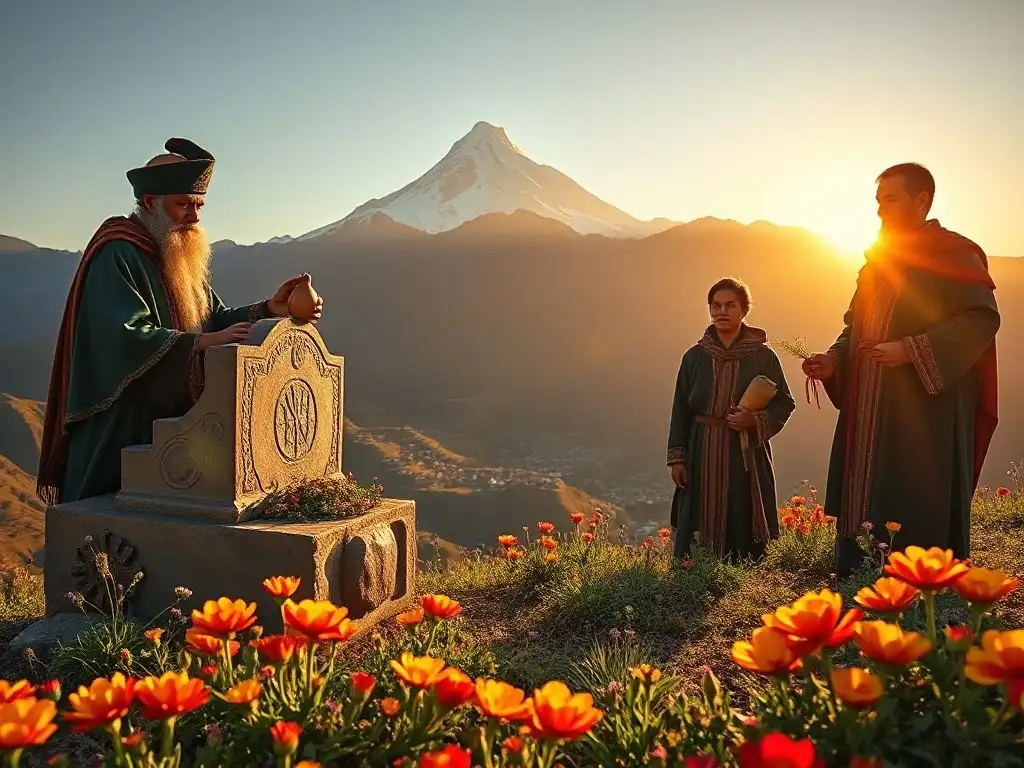
Uncover the mysteries of the Andes! Journey beyond the iconic Machu Picchu and delve into the fascinating world of ancient Andean civilizations. Did you know that the seemingly spiritual role of Andean priests held the key to maintaining a delicate ecological balance? Explore the unexpected connection between their rituals and the preservation of the environment in our in-depth look at the Andean priests' ecological role, a crucial element of Andean cosmology and worldview. Prepare to be amazed by the ingenuity and wisdom of these ancient cultures.
The Andes Mountains, a spine of towering peaks and fertile valleys stretching along the western coast of South America, cradled some of the most sophisticated pre-Columbian civilizations. These cultures, including the Incas, Moche, Nazca, and Tiahuanaco, didn't simply inhabit this dramatic landscape; they were deeply interwoven with it, viewing the natural world not as a resource to be exploited, but as a sacred entity demanding respect and reciprocity.
Central to this intricate relationship was the role of Andean priests, who acted as crucial intermediaries between the human and spiritual realms, actively participating in maintaining ecological balance. This article delves into the multifaceted roles of these spiritual leaders, exploring their practices and beliefs that shaped a sustainable relationship with their environment, offering a compelling case study in how indigenous knowledge systems can contribute to environmental stewardship.
We will examine how their actions, far from being purely ritualistic, were directly linked to the preservation of Andean ecosystems and the overall well-being of their communities. Understanding their ecological role is crucial to appreciating the complexity of Andean cosmology and its enduring lessons for contemporary environmental challenges.
The Priest as Intermediary: Communicating with the Apus and Pachamama
Andean cosmology is characterized by a profound reverence for the apus (mountain spirits) and Pachamama (Mother Earth). Priests, often highly trained and possessing specialized knowledge inherited through generations, served as the primary communicators with these powerful entities. Their rituals, far from being mere ceremonies, were vital acts of ecological management.
For example, prayers and offerings weren't simply directed towards abstract deities; they were specifically aimed at ensuring the fertility of the land, the abundance of crops, and the health of livestock – all directly impacting the ecological balance. They understood the interconnectedness of all living things and their actions reflected this understanding. Detailed records, though scarce due to the destruction of many historical documents, suggest that priests meticulously observed natural phenomena, using this knowledge to predict weather patterns, manage water resources, and plan agricultural cycles.
This close observation allowed them to anticipate environmental changes and take proactive steps to mitigate potential harm. Their detailed understanding of the environment was integral to their role as ecological stewards.
Rituals and Practices: Ensuring the Flow of Energy and Resources
The priests' activities weren't confined to prayer and divination. They actively participated in a range of practices designed to maintain ecological harmony. These included:
- Ceremonial agriculture: Rituals were performed to ensure successful harvests, often involving specific planting and harvesting techniques designed to minimize environmental impact.
- Water management: Priests played a key role in managing water resources, overseeing the construction and maintenance of irrigation systems crucial for Andean agriculture. Their knowledge of water cycles and hydrology was essential for sustainable water use.
- Animal husbandry: Rituals relating to animal welfare and agricultural practices were common, reflecting an understanding of the interconnectedness of human and animal life within the ecosystem.
- Resource allocation: Evidence suggests priests played a crucial role in regulating the distribution of resources, ensuring equitable access and preventing overexploitation.
These practices weren't simply isolated events; they were integrated into the daily life of Andean communities, reinforcing the importance of ecological responsibility. The priests’ authority and influence ensured the adherence to these practices, creating a system of sustainable resource management.
The Legacy of Andean Ecological Wisdom: Lessons for Today
The ecological role of Andean priests offers valuable insights into sustainable living. Their deep understanding of the interconnectedness of the natural world, their respect for the apus and Pachamama, and their active participation in maintaining ecological balance provide a powerful example for contemporary societies grappling with environmental challenges. Their practices demonstrate that a harmonious relationship with nature is not only possible but essential for the long-term well-being of both humanity and the planet.
The wisdom embedded in their traditions holds valuable lessons for developing sustainable practices that respect the intricate balance of ecosystems. Further research into surviving records and archaeological findings could reveal even more about the sophisticated ecological understanding and practices of these ancient Andean civilizations. Their legacy serves as a powerful reminder of the importance of integrating spiritual and practical approaches to environmental stewardship.
- The Priest as Intermediary: Communicating with the Apus and Pachamama
- Rituals and Practices: Ensuring the Flow of Energy and Resources
- The Legacy of Andean Ecological Wisdom: Lessons for Today
- What was the primary role of Andean priests concerning the environment?
- How did Andean priests influence agricultural practices?
- What specific rituals did Andean priests perform to maintain ecological harmony?
- Did the ecological knowledge of Andean priests influence their social structures?
- How did the Andean priests' understanding of ecology differ from modern approaches?
The Interconnectedness of Andean Cosmology and Environmental Stewardship
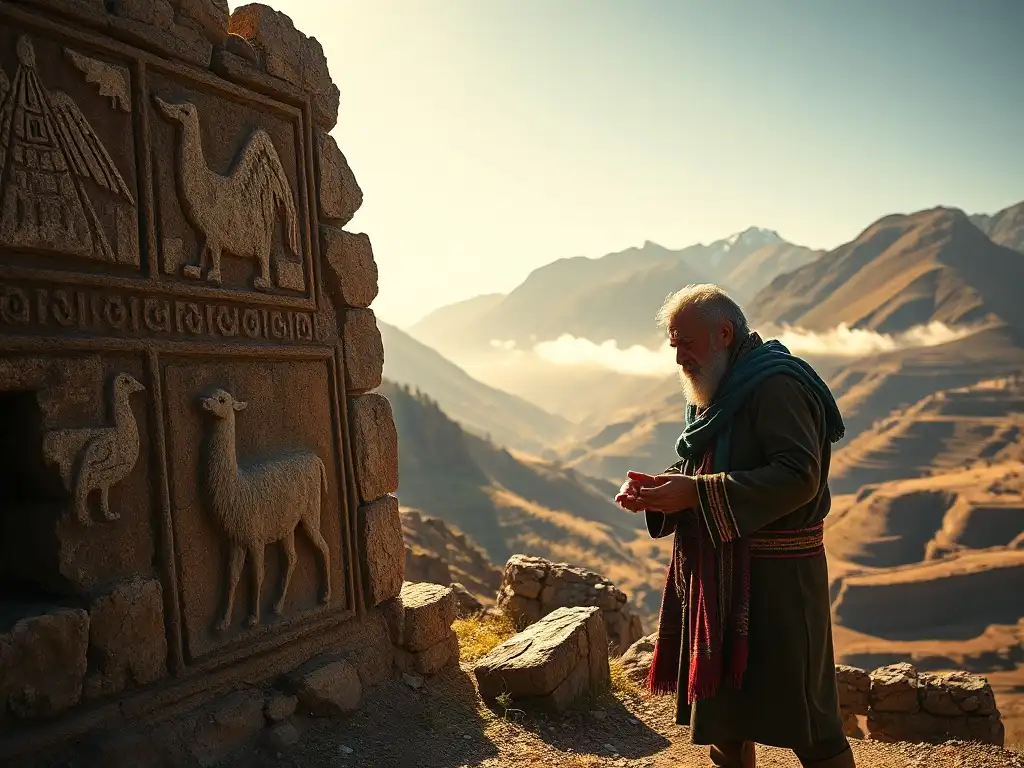
The Andean worldview wasn't simply a set of beliefs; it was a deeply ingrained understanding of the interconnectedness between humanity and the natural world. This understanding formed the bedrock of their environmental stewardship, shaping their practices and beliefs in profound ways. The concept of ayni, reciprocal exchange, was central to this philosophy. It wasn't just about exchange between people; it extended to a reciprocal relationship with the apus (mountain spirits), the rivers, and the earth itself, Pachamama.
Failure to uphold ayni was believed to disrupt the delicate balance of the cosmos and invite misfortune. This understanding permeated all aspects of Andean life, from agriculture to resource management. The Andean priests, as interpreters of this cosmology, played a critical role in maintaining this delicate balance, acting as intermediaries between the human and spiritual realms.
Their actions were not merely religious rituals; they were essential practices for ensuring the continued prosperity and well-being of their communities and the environment. Understanding this interconnectedness is key to appreciating the sophisticated ecological role of Andean priests. Their influence extended far beyond mere religious ceremonies; their actions directly impacted the sustainable practices of Andean societies.
Andean Worldview: A Foundation for Ecological Harmony
Andean cosmology viewed the world as a living, breathing entity. The mountains ( apus), rivers, and the earth ( Pachamama) were not merely inanimate objects but sentient beings with agency and power. This animistic worldview fostered a profound respect for nature and a deep understanding of its inherent value.
Spiritual power wasn't confined to temples or shrines; it was pervasive throughout the landscape. Sacred sites were often located in ecologically significant areas, such as springs, mountain passes, or fertile valleys, highlighting the intrinsic link between spirituality and the environment. This perspective fostered a sense of responsibility towards the natural world, encouraging sustainable practices and discouraging exploitation.
The cyclical nature of Andean agriculture, mirroring the cycles of the sun and the seasons, further emphasizes their deep understanding and respect for the natural rhythms of the land. This wasn't simply a practical approach to farming; it was a spiritual practice, reflecting the harmonious relationship between humanity and nature central to Andean belief. Evidence of this can be found in the meticulous terracing systems and sophisticated irrigation techniques that were developed and maintained over centuries, showcasing a deep understanding of ecological principles and a commitment to sustainable resource management.
The Sacred Landscape: Mountains, Water, and Pachamama
The Andean landscape was not just a backdrop to life; it was an active participant in the spiritual and material existence of Andean communities. Mountains, considered sacred entities ( apus), were seen as protectors and providers, their peaks often shrouded in clouds and mist, considered the breath of the apus. Rivers, too, held immense spiritual significance, representing the lifeblood of the land and the pathways of the gods. Pachamama, Mother Earth, was the ultimate source of sustenance, providing nourishment and supporting all life.
The priests' role was to maintain a harmonious relationship with these sacred elements. This involved rituals designed to appease the apus, ensure the flow of water, and show respect for the bounty of Pachamama. These weren't arbitrary practices; they were directly tied to the ecological well-being of the communities. For example, rituals involving offerings to the apus might coincide with crucial agricultural periods, ensuring a good harvest.
Similarly, ceremonies related to water sources aimed to maintain the purity and flow of vital water resources. This close relationship between religious practices and environmental stewardship emphasizes the integrated nature of Andean cosmology and its impact on their ecological practices. The preservation of these sacred sites and the continuation of these rituals were essential for the continued prosperity and ecological balance of the Andean societies.
The Role of Spirituality in Andean Environmental Practices
The Andean priests weren't simply religious figures; they were crucial actors in the ecological management of their communities. Their expertise in Andean cosmology allowed them to interpret environmental signs and guide practices towards sustainability. For instance, their understanding of the cyclical patterns of nature informed agricultural practices, ensuring the long-term health of the land. They also played a vital role in conflict resolution, mediating disputes over resources and ensuring equitable access.
Their authority stemmed from their spiritual knowledge and their ability to connect with the sacred forces of nature. This spiritual authority was instrumental in promoting environmental stewardship and ensuring the long-term sustainability of Andean societies. The priests' actions were deeply intertwined with the daily lives of their communities, shaping their relationships with the environment and influencing their practices.
The meticulous record-keeping of environmental events, often encoded in textiles or other forms of art, further highlights the importance of environmental monitoring and the priests' role in interpreting this information. This deeply ingrained connection between spirituality and environmental practice underscores the significance of Andean priests' ecological role in shaping the sustainable development of their civilizations. Further research into specific rituals and practices is needed to fully elucidate the extent of their influence.
Andean Priests: Key Figures in Environmental Management

The Andean worldview was deeply intertwined with the natural environment. Mountains, rivers, and even specific plants and animals were considered sacred, imbued with spiritual power and deserving of respect. Central to maintaining this delicate balance were the Andean priests, paqos or yatiri, who acted not just as religious leaders but as crucial figures in environmental management.
Their role extended far beyond the performance of religious rituals; they were active participants in shaping and sustaining the ecological well-being of their communities. This intricate relationship between Andean priests and the environment is a key aspect of understanding the sophisticated ecological practices of these ancient civilizations, a testament to their profound understanding of the interconnectedness of life. The term "Andean priests ecological role" accurately reflects this profound influence.
The Functions of Andean Priests: Beyond Religious Rituals
The functions of Andean priests were multifaceted, encompassing a wide range of responsibilities that directly impacted the environment. Their role went beyond simply conducting ceremonies and interpreting omens. They were actively involved in:
- Agricultural practices: Andean priests often played a vital role in determining the optimal times for planting and harvesting, guided by their observations of celestial cycles and their understanding of the local environment. They might perform rituals to ensure a bountiful harvest and protect crops from pests and disease. Evidence suggests that their knowledge contributed significantly to the sophisticated agricultural techniques employed in the Andes, such as terracing and irrigation.
- Water management: Access to water was crucial for survival in the Andes. Andean priests were intimately involved in the construction and maintenance of irrigation systems, ensuring equitable distribution of water resources amongst the communities. Their understanding of water flow and the spiritual significance of water sources played a key role in this crucial aspect of Andean life.
- Resource allocation: Andean priests oversaw the equitable distribution of resources, ensuring sustainable practices and preventing overexploitation. This involved careful monitoring of animal populations, forest resources, and other essential elements of the ecosystem. Their decisions were guided by both religious and practical considerations, aiming to maintain a harmonious relationship between humans and nature.
- Conflict resolution: Disputes over resources were likely mediated by Andean priests, whose authority and understanding of the interconnectedness of the ecosystem could help prevent environmental degradation. Their interventions aimed at fostering cooperation and ensuring that resource management practices were sustainable.
Andean Priests as Stewards of the Land and Resources
The Andean priests acted as stewards of the land and its resources, responsible for maintaining the ecological balance. This stewardship wasn't merely a passive role; it involved active intervention and management. They carefully monitored environmental indicators, such as animal migration patterns and the health of crops, using this information to guide their actions and advise community leaders. Their understanding of the interconnectedness of the ecosystem enabled them to predict potential problems and implement preventative measures.
For example, the observation of unusual weather patterns or changes in animal behavior might prompt a ritual aimed at appeasing nature spirits and restoring ecological balance. The survival and prosperity of the Andean communities depended heavily on the effectiveness of these priests as environmental managers. The successful implementation of sustainable practices demonstrates a sophisticated understanding of ecological principles far ahead of its time.
Understanding the Andean Priests' Connection with Nature Spirits
The Andean priests' deep connection with nature stemmed from their belief in the presence of apu (mountain spirits), mallquis (ancestral spirits), and other supernatural entities inhabiting the natural world. These spirits were not seen as separate from the environment but as integral parts of it. The priests' role involved maintaining a harmonious relationship with these spirits through rituals, offerings, and prayers.
Neglecting these spirits or disrespecting the environment could lead to ecological imbalance, resulting in crop failures, droughts, or other calamities. Therefore, the actions of Andean priests were not solely dictated by practical considerations; they were deeply rooted in a spiritual understanding of the world. This spiritual dimension provided a strong moral framework for environmental stewardship, ensuring the long-term sustainability of Andean societies.
Understanding this connection is key to appreciating the holistic nature of their environmental management practices and their lasting impact on the Andean landscape. The reverence for nature spirits and their role in maintaining ecological balance was central to the Andean priests' worldview.
The Ecological Practices Guided by Andean Priests
Andean priests played a crucial role in maintaining the ecological balance within their societies. Their influence extended far beyond religious ceremonies; they were actively involved in shaping sustainable agricultural practices, managing vital water resources, and overseeing animal husbandry. Understanding their ecological role provides critical insights into the sophisticated relationship between Andean civilizations and their environment, a relationship that ensured the long-term viability of their communities. The term "Andean priests ecological role" accurately reflects their multifaceted contribution to environmental stewardship.
Agricultural Rituals and the Cycle of Life
Agricultural rituals were central to the Andean worldview, deeply intertwined with the cyclical nature of life and the need for sustainable farming. Priests oversaw these rituals, ensuring the fertility of the land and the abundance of crops. These weren't simply symbolic acts; they were practical strategies integrated with agricultural knowledge.
For instance, the capacocha sacrifice, while often misunderstood, sometimes involved the offering of agricultural products – a symbolic act to appease the gods and ensure a bountiful harvest. The timing of planting and harvesting was often dictated by astronomical observations and interpreted by priests, maximizing yields and minimizing environmental impact. Detailed records, though often fragmented, suggest that different crops were rotated to maintain soil health, a practice reflecting a sophisticated understanding of soil fertility and preventing depletion.
Evidence from archeological sites shows the use of terraces and raised fields, techniques that reduced soil erosion and optimized water usage—practices likely guided and regulated by priestly authority. The priests' understanding of the agricultural cycle, extending beyond mere farming, was crucial for the long-term prosperity of the Andean communities. This holistic approach to agriculture underscores the profound connection between religious belief and ecological sustainability.
Water Management and the Importance of Irrigation Systems
Water was a precious resource in the Andean highlands, and its management was essential for survival. Andean priests played a vital role in overseeing the construction and maintenance of sophisticated irrigation systems, often involving complex canals and aqueducts. The intricate network of canals, many of which are still visible today, testifies to the engineering prowess of these societies, a feat made possible by meticulous planning and coordination, likely under the direction of priestly authorities.
Rituals associated with water sources, such as springs and rivers, were common, underscoring the sacred nature of water and the need for its respectful management. These rituals weren't simply superstitious; they reinforced the importance of water conservation and responsible use within the community. The priests likely monitored water levels, allocated resources, and enforced regulations to ensure equitable distribution and prevent conflicts over this vital resource.
Their authority in water management was crucial for maintaining social harmony and preventing ecological damage through over-exploitation. The success of these systems, which enabled thriving agriculture in challenging environments, demonstrates the effectiveness of the Andean priests' ecological role in resource management.
Animal Husbandry and Sustainable Practices
Andean priests also played a significant role in regulating animal husbandry practices, ensuring sustainable use of animal resources. Llamas and alpacas were essential to the Andean economy, providing wool, meat, and transportation. However, overgrazing could have devastating consequences on the fragile Andean ecosystems.
Priests likely monitored herd sizes, regulated grazing patterns, and enforced rules to prevent overgrazing and maintain the health of the pastures. Rituals associated with animal sacrifices were also crucial, not merely for religious purposes, but potentially also for population control and maintaining ecological balance. The selection of animals for sacrifice may have been based on factors such as age and health, ensuring that only specific animals were removed from the herd.
This controlled culling, guided by priestly authority, may have helped prevent overpopulation and its potential negative effects on the environment. Further research is needed to fully understand the intricacies of these practices, but it’s clear that the Andean priests’ ecological role extended to the responsible management of livestock, contributing to the long-term sustainability of Andean pastoral systems. This holistic approach to animal husbandry highlights the integrated nature of their ecological responsibilities and their profound impact on the Andean landscape.
The Andean Priests' Role in Preserving Biodiversity

The Andean priests, far from being solely religious figures, played a crucial role in maintaining the ecological balance of their environment. Their influence extended beyond spiritual guidance; they were active participants in the preservation of biodiversity, acting as custodians of nature and its resources. This intricate relationship between religious practice and environmental stewardship is a key aspect of understanding Andean cosmology and worldview, highlighting the deep interconnectedness between the spiritual and the material realms.
The Andean priests' ecological role was multifaceted, encompassing a wide range of practices designed to protect and sustain the natural world. Their actions demonstrate a sophisticated understanding of ecological principles, far ahead of its time.
Protection of Sacred Groves and Natural Habitats
Andean societies revered specific locations as sacred, often groves of trees or unique natural formations. These areas were considered apu (powerful mountain spirits) or dwelling places of other deities, making their protection paramount. Priests actively enforced regulations preventing exploitation of these sacred groves. These weren't simply places of worship; they were functioning ecosystems vital to the overall health of the environment.
The priests ensured the continued existence of these habitats through ritualistic practices and community engagement. For example, the Inca yachaq (wise ones) would often lead ceremonies to appease the spirits inhabiting these places, reinforcing the community’s respect for them. This religious reverence translated into practical conservation, prohibiting logging, hunting, or any activity that could damage the sanctity and ecological integrity of these vital areas.
Evidence suggests that this system effectively protected diverse plant and animal life within these sanctuaries, contributing significantly to the overall biodiversity of the region. The size and distribution of these protected areas varied across different Andean cultures, reflecting the specific ecological needs and beliefs of each society. Further research is needed to fully quantify the impact of this sacred grove protection on biodiversity.
Traditional Knowledge of Medicinal Plants and Their Uses
Andean priests possessed extensive knowledge of medicinal plants and their properties. This knowledge wasn't merely a collection of remedies; it was deeply intertwined with their understanding of the interconnectedness of all living things. The priests acted as healers and guardians of this botanical knowledge, carefully managing the collection and cultivation of medicinal plants to ensure their continued availability.
Their deep understanding of plant life extended beyond simple medicinal applications; it informed their agricultural practices, ensuring sustainable use of resources. Many Andean cultures developed sophisticated agricultural techniques, including terracing and irrigation, which minimized environmental impact while maximizing yields. The priests played a key role in transmitting this knowledge across generations, ensuring the continuity of sustainable practices.
For instance, the use of specific plants in ceremonies and rituals served not only a spiritual purpose but also reinforced their importance in maintaining ecological balance. The detailed records of medicinal plants and their properties, although often passed down orally, provide insights into the advanced botanical understanding of Andean societies. [Specific examples of plant uses and associated rituals pending].
Conservation of Endangered Species and Ecosystems
The Andean priests' commitment to conservation extended to the protection of endangered species and entire ecosystems. Their understanding of the interconnectedness of life meant that the decline of one species or habitat could have cascading effects on the entire environment. While specific conservation strategies varied across different Andean cultures, a common thread was the deep respect for all living things, regardless of their perceived economic value. The priests often played a mediating role between humans and nature, ensuring that resource extraction occurred sustainably.
This involved establishing quotas for hunting, fishing, and harvesting, as well as implementing practices to regenerate depleted resources. For example, [Specific examples of conservation practices implemented by Andean priests pending]. These practices demonstrate an understanding of ecological principles that are remarkably relevant today.
The challenge lies in reconstructing the full extent of these conservation efforts due to the limited written records and the oral nature of much of the traditional knowledge. However, the surviving evidence strongly suggests that Andean priests played a crucial role in fostering a sustainable relationship between human societies and their environment. Further research into Andean agricultural practices and resource management could significantly enhance our understanding of their advanced ecological consciousness.
The Impact of Andean Priests' Practices on Local Ecosystems

The Andean priests, far from being solely religious figures, played a crucial role in maintaining the ecological balance of their environments. Their influence extended beyond spiritual guidance; their practices directly impacted the health and sustainability of local ecosystems. Their deep understanding of the interconnectedness of the natural world informed their actions, contributing to a remarkable level of environmental stewardship. This section will examine the tangible effects of their interventions on the Andean landscape. The term "Andean priests ecological role" accurately reflects their multifaceted contributions.
Maintaining Soil Health and Fertility Through Traditional Methods
Andean priests were deeply involved in agricultural practices, not just as spiritual overseers, but as active participants in ensuring the fertility of the land. Their knowledge of sustainable farming techniques, passed down through generations, was vital in preserving soil health. They employed methods such as terracing, which reduced soil erosion on steep slopes, and the use of organic fertilizers derived from animal manure and other natural sources. These practices prevented nutrient depletion and maintained the long-term productivity of the agricultural lands.
Detailed records, though scarce, suggest the priests oversaw the rotation of crops, ensuring that the soil wasn't exhausted by continuous cultivation of the same plant. This meticulous approach to agriculture showcases the Andean priests' commitment to sustainable resource management and their profound understanding of ecological principles. They weren't just praying for a good harvest; they were actively working to achieve it through environmentally sound methods.
The effectiveness of these techniques is evidenced by the enduring fertility of some Andean agricultural lands even today, despite centuries of cultivation. This long-term success underscores the wisdom embedded within the traditional practices overseen by the Andean priests. Further research into ancient Andean agricultural techniques could yield valuable insights for modern sustainable agriculture practices.
The Balance of Natural Resources and Their Sustainable Use
The Andean priests' influence extended beyond agriculture. They played a critical role in regulating the use of natural resources, ensuring their sustainable exploitation. For instance, they likely monitored hunting and fishing practices, possibly implementing seasonal restrictions or quotas to prevent overexploitation. This careful management was crucial in maintaining the biodiversity of the Andean ecosystems. Evidence suggests that the priests acted as intermediaries between the community and the natural world, mediating access to resources and ensuring their responsible use.
The concept of ayni – a reciprocal exchange of goods and services within the community – likely played a crucial role in resource management. This system fostered a sense of shared responsibility for the environment, ensuring that individual needs were balanced with the collective good. The Andean priests, as spiritual leaders and community organizers, were instrumental in upholding the principles of ayni and promoting a harmonious relationship between people and nature.
The priests’ role in this system demonstrates a sophisticated understanding of resource management and its impact on long-term ecological balance. Further investigation into the specific mechanisms of resource management is needed to fully understand the extent of their influence.
Preventing Environmental Degradation: Lessons from the Past
The actions of Andean priests demonstrate a proactive approach to environmental protection, highlighting the importance of preventing environmental degradation rather than just reacting to it. Their emphasis on sustainable practices, resource management, and community responsibility offers valuable lessons for contemporary environmental stewardship. By studying their methods, we can gain insights into effective strategies for conserving biodiversity, maintaining soil health, and promoting sustainable resource use.
The Andean priests' deep understanding of the interconnectedness of the natural world is a key takeaway. Their practices weren't simply about maintaining a food supply; they were about nurturing a healthy and harmonious relationship with the environment. This holistic approach to environmental management, recognizing the spiritual and ecological dimensions of nature, provides a powerful framework for addressing modern environmental challenges.
Understanding the Andean priests’ ecological role provides a rich historical perspective on sustainable practices and offers valuable insights for contemporary environmental management strategies. The wisdom of these ancient traditions remains relevant today, offering valuable lessons for a more sustainable future.
Challenges and the Modern Relevance of Andean Environmental Wisdom
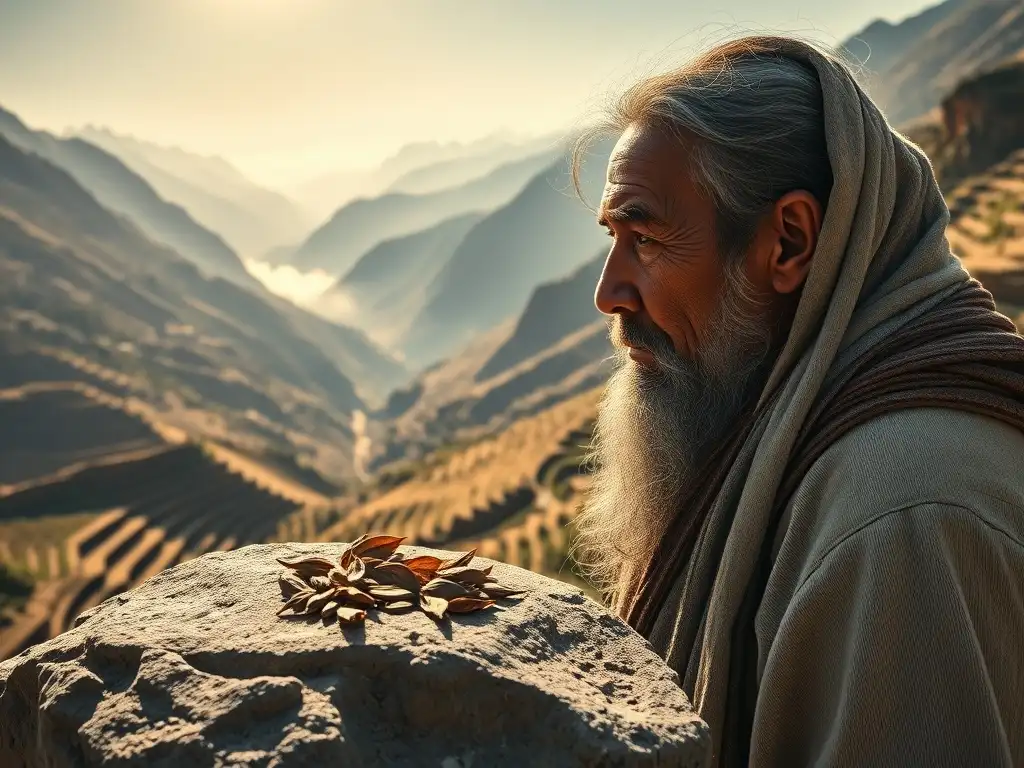
The Andean worldview, deeply intertwined with the natural world, presented a unique understanding of ecological balance, one actively maintained by a complex priestly class. Their role extended far beyond ritualistic practices; it encompassed a profound responsibility for environmental stewardship. However, the arrival of European colonizers and subsequent modernization drastically altered this delicate equilibrium, posing significant challenges to the preservation of this invaluable Andean heritage.
Understanding these challenges is crucial to appreciating the continued relevance of Andean environmental wisdom in contemporary conservation efforts. The very concept of "Andean priests ecological role" is now, more than ever, a subject of vital study and application.
The Impact of Modernization on Traditional Practices
Modernization, characterized by industrialization, urbanization, and intensive agriculture, profoundly impacted traditional Andean practices. The introduction of monoculture farming, for example, replaced the diverse crop rotations and terracing systems meticulously managed by Andean priests for centuries. This shift led to soil erosion, reduced biodiversity, and increased vulnerability to environmental disasters. Furthermore, the extraction of natural resources, often driven by unsustainable practices, depleted crucial ecosystems and disrupted the delicate balance that Andean priests had worked to maintain.
The construction of large-scale infrastructure projects, without considering the ecological impact, further fragmented habitats and displaced indigenous communities, severing their connection to ancestral lands and traditional ecological knowledge. The consequences are evident in the increased frequency and intensity of natural disasters in the Andes, highlighting the fragility of ecosystems stripped of their traditional management systems. The loss of this knowledge represents a significant blow to sustainable development efforts.
The Re-evaluation of Andean Ecological Knowledge
The detrimental effects of modernization have spurred a re-evaluation of Andean ecological knowledge. Scholars and conservationists are increasingly recognizing the value of integrating traditional practices into contemporary conservation strategies. Research focusing on the "Andean priests ecological role" has unearthed detailed descriptions of sophisticated water management systems, sustainable agricultural techniques, and strategies for biodiversity conservation. These practices, developed over millennia, offer valuable insights into achieving sustainable resource management in the face of climate change and environmental degradation.
Studies analyzing ancient agricultural terraces, for instance, reveal remarkable engineering feats designed to optimize water use and prevent soil erosion. This knowledge, often passed down orally through generations, is now being documented and analyzed to inform modern conservation initiatives. The revival of this knowledge is not simply an academic exercise; it's a critical step towards building more resilient and sustainable ecosystems.
Integrating Indigenous Knowledge into Contemporary Conservation
The integration of indigenous knowledge, including that held by Andean communities and reflected in the practices of Andean priests, is no longer a matter of choice but a necessity. Successful conservation efforts increasingly depend on collaboration with indigenous communities, recognizing their deep understanding of local ecosystems and their traditional management practices. This collaborative approach necessitates respecting indigenous rights, acknowledging traditional land tenure systems, and ensuring that the benefits of conservation initiatives are shared equitably.
The concept of "Andean priests ecological role" serves as a powerful example of how deeply intertwined spiritual beliefs and environmental practices can be. By acknowledging the holistic nature of Andean cosmology, conservationists can develop more effective and culturally sensitive strategies.
This includes supporting community-based conservation projects, incorporating traditional ecological knowledge into environmental impact assessments, and promoting policies that recognize the rights of indigenous communities to manage their ancestral lands. The future of Andean ecosystems and their biodiversity depends on this collaborative and respectful approach.
Conclusion: The Enduring Legacy of Andean Priests
The profound connection between the Andean priests and the natural world offers a compelling case study in the intricate relationship between spirituality, society, and environmental stewardship. Their roles extended far beyond ritualistic practices; they were active participants in maintaining ecological balance, acting as custodians of the land and its resources. Understanding their methods and beliefs offers valuable insights into sustainable practices and the importance of a holistic worldview.
This deep-seated reverence for nature, woven into the fabric of Andean cosmology, serves as a powerful reminder of humanity's interconnectedness with the environment. The legacy of Andean priests, though rooted in a specific time and place, resonates with contemporary concerns about environmental degradation and the urgent need for sustainable solutions.
Their actions demonstrate that environmental responsibility isn't simply a modern concept; it has deep historical roots in cultures that understood the delicate balance of the natural world. Further research into specific priestly practices across different Andean cultures could reveal even more nuanced understandings of their ecological role and provide further inspiration for modern environmental initiatives.
Lessons for Modern Environmentalism
The Andean priests' approach to environmental management offers several crucial lessons for modern environmentalism. Their emphasis on reciprocity – the idea of giving back to nature in exchange for its bounty – is particularly relevant in a world grappling with resource depletion and climate change. Their understanding of the interconnectedness of all living things, reflected in their cosmology, highlights the limitations of a fragmented, anthropocentric approach to environmental issues.
Unlike modern systems often characterized by compartmentalized management strategies, the Andean priests' holistic approach emphasized the interdependence of different ecosystems and the need for integrated solutions. This integrated approach is exemplified by their agricultural practices, which often involved complex terracing and irrigation systems designed to minimize soil erosion and maximize crop yields while respecting the natural contours of the landscape. Furthermore, their reverence for sacred sites and natural features – mountains, rivers, and forests – serves as a reminder of the importance of protecting biodiversity and preserving natural habitats.
By studying their methods, we can learn to develop more sustainable and culturally sensitive approaches to environmental management. The success of their practices, evident in the flourishing ecosystems they helped maintain for centuries, stands as a powerful testament to the effectiveness of a holistic and respectful approach to nature.
The Value of Andean Cosmovision for a Sustainable Future
The Andean cosmovision, with its emphasis on interconnectedness and reciprocity, holds immense value for shaping a more sustainable future. Integrating elements of this worldview into contemporary environmental policies and practices could lead to more effective and culturally relevant solutions. For instance, the concept of ayni, reciprocal exchange, could inform collaborative approaches to resource management, fostering a sense of shared responsibility for environmental protection.
Similarly, the Andean understanding of Pachamama, Mother Earth, as a living entity worthy of respect and reverence, could inspire a more ethical and sustainable relationship with the natural world. The deep spiritual connection between the Andean people and their environment fostered a sense of responsibility that transcended mere economic considerations. This is a crucial element often missing in modern environmental discourse, which frequently prioritizes economic growth over ecological well-being.
By incorporating the spiritual and ethical dimensions of the Andean cosmovision, we can cultivate a deeper and more enduring commitment to environmental sustainability. Adopting a more holistic and culturally sensitive approach to environmental issues, informed by the wisdom of past Andean civilizations, represents a crucial step towards creating a more just and sustainable future for all.
Promoting Ecological Balance and Cultural Preservation
Promoting ecological balance necessitates a parallel commitment to cultural preservation. The Andean priests' role highlights the inextricable link between environmental stewardship and cultural identity. Their practices were deeply embedded in their worldview, and their knowledge was passed down through generations, ensuring the continuity of both ecological balance and cultural traditions.
Protecting these traditions is vital, not only for preserving cultural heritage but also for safeguarding the valuable ecological knowledge they embody. This integrated approach requires collaborative efforts between indigenous communities, researchers, and policymakers to ensure the sustainable management of natural resources while respecting and promoting the cultural values and practices that underpin these efforts. This includes supporting indigenous-led initiatives for environmental conservation, promoting intercultural dialogue, and integrating traditional ecological knowledge into modern environmental management strategies.
The preservation of Andean cultural heritage, including the knowledge and practices of Andean priests, is not merely a historical endeavor; it is a crucial component of achieving long-term ecological sustainability. The wisdom of these ancient cultures offers invaluable lessons that can help us navigate the complex environmental challenges of the 21st century. Failure to recognize and incorporate this knowledge risks perpetuating unsustainable practices and losing invaluable insights into a more harmonious relationship with the natural world.
Frequently Asked Questions
What was the primary role of Andean priests concerning the environment?
Andean priests weren't just religious figures; they played a crucial role in maintaining ecological balance. Their understanding of nature informed their rituals and practices, ensuring the sustainability of their societies.
How did Andean priests influence agricultural practices?
Priests often oversaw agricultural cycles and rituals aimed at ensuring bountiful harvests. They interpreted natural signs and advised farmers on planting and harvesting times, contributing to effective resource management.
What specific rituals did Andean priests perform to maintain ecological harmony?
Many rituals involved appeasing deities associated with nature, such as mountains, water sources, and the sun. These ceremonies often included offerings and prayers for successful harvests and favorable weather.
Absolutely. Their deep understanding of the environment and their role in maintaining it gave them significant social power and influence. This knowledge shaped their communities' relationship with nature and its resources.
How did the Andean priests' understanding of ecology differ from modern approaches?
While differing in methodology, both shared a focus on sustainability. Andean priests relied on spiritual and ritual practices, integrated with empirical observation, achieving balance through a holistic understanding of their environment.
Final Reflection: Weaving the Sacred Thread: Andean Priests and the Future of Our Planet
The intricate relationship between Andean priests and the ecological balance of their environment remains profoundly relevant today. As we grapple with climate change and biodiversity loss on a global scale, understanding traditional ecological knowledge, like that held by these spiritual leaders, offers crucial insights into sustainable practices and a harmonious coexistence with nature. The wisdom of the past holds the key to unlocking a more sustainable future.
The enduring influence of Andean priests' ecological stewardship is undeniable, shaping not only the landscape but also the cultural identity of the Andes for millennia. Their deep connection to the land, expressed through rituals, ceremonies, and a profound respect for the Pachamama (Mother Earth), serves as a powerful reminder of our interconnectedness with the natural world. The earth does not belong to man; man belongs to the earth.
This sentiment, though not directly from an Andean source, encapsulates the core philosophy that guided these spiritual guardians and continues to resonate with those seeking a more sustainable path.
Consider the profound wisdom embedded in their practices. What can we learn from their reverence for the land, their understanding of cyclical processes, and their commitment to maintaining balance? You, the reader, hold the power to integrate these lessons into your own life. Embrace mindful consumption, support sustainable initiatives, and advocate for policies that protect our planet. Let the legacy of the Andean priests inspire you to become a guardian of nature in your own way, weaving a sacred thread of responsibility and respect into the fabric of your existence.
Embrace Nature's Guardianship Today!
Thank you for exploring the fascinating role of Andean priests in maintaining ecological balance. Their wisdom offers invaluable lessons on sustainability and our connection to the earth. Inspired by their example, let's work together to protect our planet. Here's how you can contribute:
- Adopt sustainable practices in your daily life. This could involve reducing waste, planting native trees and flowers, or supporting local conservation efforts.
- Share this article with friends and family to raise awareness about the importance of environmental stewardship and inspire others to act.
- Join a local environmental group to collaborate with others on conservation projects. Collective action makes a significant difference!
What steps will you take today to become a guardian of nature in your community?