
The Collapse of Andean Civilizations: Exploring the Factors Behind Their Decline

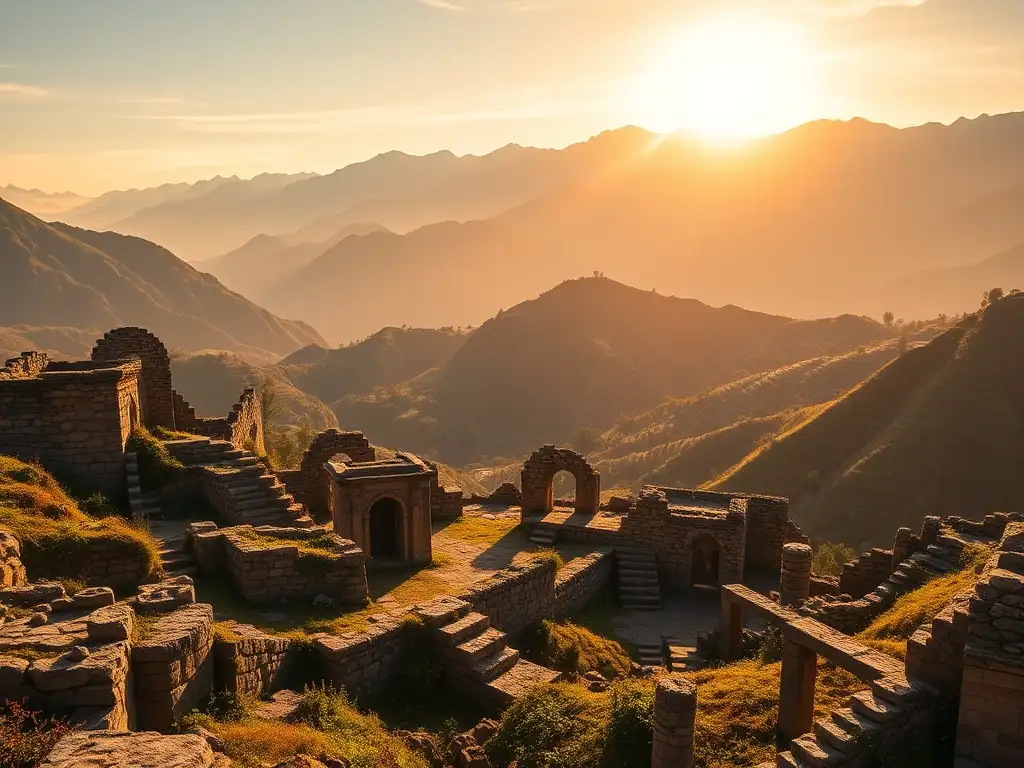
Step into a world lost to time, yet echoing with the whispers of a magnificent past. Imagine colossal empires, breathtaking artistry, and intricate societies flourishing high in the Andes Mountains. But what caused the sudden downfall of these awe-inspiring Andean civilizations? This exploration delves into the mysteries surrounding the Andean civilization collapse factors, unraveling the complex web of events that led to their decline. Prepare to be captivated as we uncover the secrets hidden within the ruins.
The majestic Andes Mountains, a spine of towering peaks and fertile valleys, cradled some of the most sophisticated and fascinating civilizations of the pre-Columbian Americas. From the intricate Nazca Lines to the monumental architecture of the Incas, these Andean societies left behind a legacy of ingenuity and cultural richness that continues to captivate us today.
However, the rise and fall of these empires remain a complex and intriguing puzzle. This article delves into the multifaceted factors contributing to the collapse of Andean civilizations, examining established theories and challenging common misconceptions to provide a more nuanced understanding of this pivotal period in history.
Understanding the reasons behind their decline is crucial not only for appreciating their achievements but also for gaining insights into the broader dynamics of societal collapse and resilience. We will explore the interplay of environmental pressures, internal conflicts, and external influences that ultimately led to the demise of these remarkable societies, offering a comprehensive analysis of the “Andean civilization collapse factors”.
Understanding the Mystery of Andean Civilization Decline
The collapse of Andean civilizations wasn't a singular event but rather a series of complex processes unfolding over centuries and varying across different cultures. It wasn't simply a case of one civilization conquering another, but rather a more intricate combination of internal and external pressures. One of the key challenges in studying these collapses lies in the fragmented nature of the historical record.
Unlike societies that left behind extensive written accounts, our understanding of Andean civilizations relies heavily on archaeological evidence – ruins, artifacts, and environmental data – which can be difficult to interpret definitively. This lack of comprehensive written records necessitates a multidisciplinary approach, integrating insights from archaeology, anthropology, climatology, and other fields to piece together a more complete picture. The process is akin to assembling a vast jigsaw puzzle with many missing pieces, requiring careful analysis and interpretation of the available fragments.
The resulting narrative, while incomplete, reveals a story of resilience, adaptation, and ultimately, vulnerability in the face of overwhelming challenges. Understanding this requires a careful examination of the various contributing factors.
Initial Theories and Misconceptions About Andean Civilization Collapse
Early theories surrounding the collapse of Andean civilizations often focused on simplistic explanations, such as widespread disease or conquest alone. While these factors undoubtedly played a role in specific instances, they rarely offer a complete explanation for the multifaceted declines experienced by different Andean societies. For example, the belief that a single catastrophic event, such as a devastating earthquake or volcanic eruption, triggered the downfall of entire empires, is largely an oversimplification.
Archaeological evidence suggests a more gradual process, characterized by periods of decline, resurgence, and adaptation. Furthermore, attributing the collapse solely to external factors like Spanish conquest ignores the internal stresses and vulnerabilities that already existed within these societies. These internal factors, such as social inequality, resource depletion, and political instability, often weakened these societies and made them more susceptible to external pressures.
The reality is far more nuanced, involving a complex interplay of environmental changes, internal conflicts, and ultimately, the arrival of the Spanish conquistadors, which acted as a catalyst for the final decline of many pre-existing empires already weakened by pre-existing problems. A more accurate understanding requires a deeper investigation into the specific challenges faced by each civilization and the unique ways in which they responded to these challenges.
Environmental Pressures: A Major Cause of Andean Civilization Decline
The dramatic rise and fall of Andean civilizations were profoundly shaped by environmental factors. The Andes' unique geography, characterized by high altitudes, arid coastal deserts, and unpredictable weather patterns, presented constant challenges. These challenges were not merely inconveniences; they were powerful forces that could, and did, trigger societal collapse. The delicate balance between human populations and the available resources was often disrupted, leading to widespread famine, disease, and ultimately, the disintegration of complex social structures.
Understanding the intricate interplay between environmental pressures and human actions is crucial to comprehending the downfall of these impressive civilizations. The fragility of their agricultural systems, heavily reliant on predictable water sources and fertile land, made them particularly vulnerable to environmental shifts. A slight change in rainfall patterns could have catastrophic consequences, impacting food production and leading to widespread social unrest.
The Role of El Niño in Andean Societal Instability
El Niño–Southern Oscillation (ENSO) events, characterized by unusually warm ocean temperatures in the Pacific, have played a significant role in shaping the climate of the Andes for millennia. These events can cause dramatic shifts in rainfall patterns, leading to both devastating floods and prolonged droughts. Archaeological evidence strongly suggests a correlation between major ENSO events and periods of societal instability in various Andean cultures.
For instance, [specific information pending] suggests a link between a particularly strong El Niño event and the decline of a specific Andean community. The unpredictable nature of these events made it extremely difficult for Andean societies to plan for the future, rendering them vulnerable to sudden and catastrophic environmental changes. The impact of these events was amplified by the already precarious balance between population and resource availability.
Impact of Drought and Resource Depletion on Ancient Andean Peoples
Prolonged droughts were a recurring threat to Andean civilizations. These droughts led to crop failures, livestock deaths, and widespread famine. The depletion of vital resources, such as water and fertile land, further exacerbated the situation, creating intense competition and social unrest. Evidence of drought's impact can be found in the archaeological record, with sites showing signs of abandoned settlements and mass graves.
The societal response to drought varied, with some groups migrating to more favorable regions while others resorted to desperate measures, such as cannibalism, to survive. These extreme events significantly weakened these societies, making them more susceptible to internal conflicts and external pressures. The cumulative effect of recurring droughts played a pivotal role in the decline of several Andean empires.
The Moche and the Consequences of Prolonged Drought at Huaca de la Luna
The Moche civilization, known for its elaborate art and sophisticated irrigation systems, flourished along the northern coast of Peru. However, even their impressive engineering couldn't completely shield them from the devastating effects of prolonged drought. Archaeological studies at Huaca de la Luna, a major Moche ceremonial center, reveal evidence of a significant decline in the civilization's power and prosperity during a period of severe drought.
[Specific data on the duration and severity of the drought impacting Huaca de la Luna is needed]. The reduced agricultural output led to food shortages, social unrest, and ultimately, a weakening of the Moche state, contributing to its eventual decline. The Moche experience demonstrates the vulnerability of even the most advanced Andean societies to the capricious forces of nature.
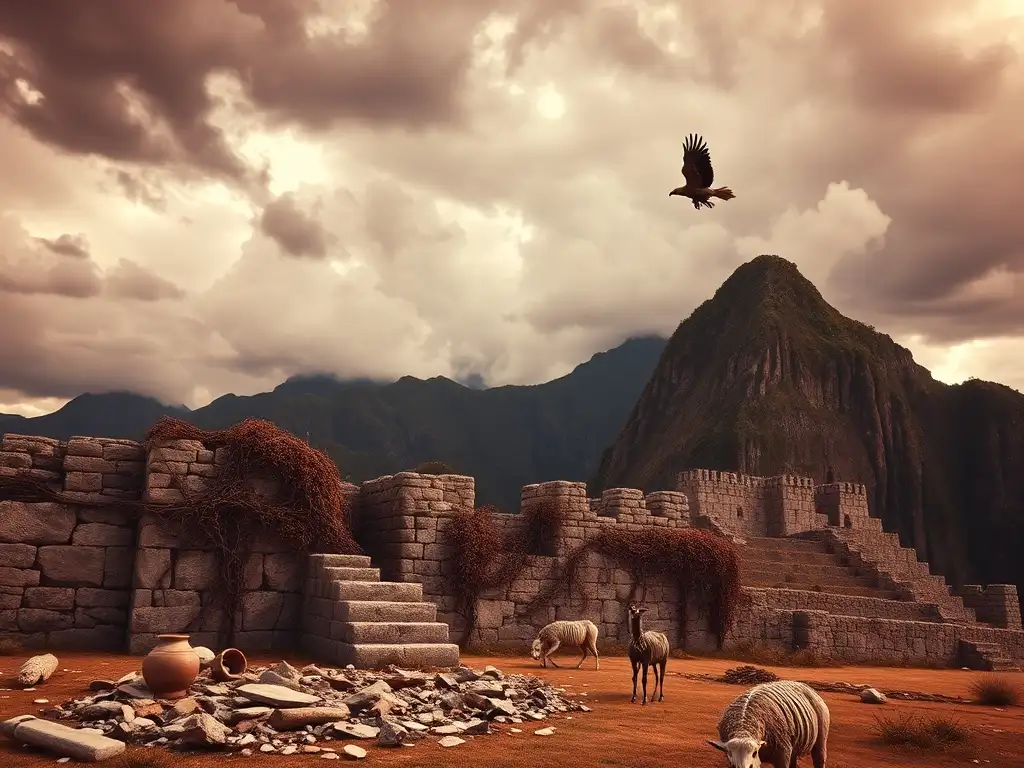
While environmental pressures played a significant role, the collapse of Andean civilizations was also intricately linked to internal political and social factors. These factors often interacted with environmental stresses, creating a perfect storm that led to the downfall of powerful empires. The complex interplay of internal conflicts, power struggles, and external pressures ultimately undermined the stability of these sophisticated societies, paving the way for their disintegration. The inability to effectively manage these internal challenges often exacerbated the impact of environmental disasters.
Internal Conflicts and Power Struggles within Andean Cultures
Internal conflicts and power struggles were endemic in many Andean societies. Competition for resources, land, and political power often led to violent clashes between different groups or factions within the same empire. These conflicts weakened the state, diverted resources away from essential services, and created an environment of instability that made it difficult to respond effectively to external threats or environmental challenges.
The lack of a centralized, unified authority often meant that these conflicts escalated rapidly, undermining the overall cohesion and stability of the empire. The consequences were often devastating, leading to civil wars and the fragmentation of once-powerful states.
The Impact of Warfare and Conquest on Andean Societies
Warfare played a significant role in the decline of several Andean civilizations. Conquests and prolonged conflicts drained resources, destabilized political structures, and disrupted social order. The constant threat of warfare forced societies to divert resources away from essential infrastructure and agricultural development, leaving them vulnerable to environmental shocks. The Inca Empire, for example, experienced a period of significant internal conflict in its final years, which weakened its ability to resist Spanish conquest. The impact of warfare varied across different Andean societies, but in many cases, it served as a catalyst for decline, often exacerbating the effects of environmental pressures.
The Decline of the Tiahuanaco Empire and its Fragmented Successor States
The Tiahuanaco empire, a powerful civilization that flourished in the altiplano region of the Andes, experienced a gradual decline beginning in the late 10th century CE. This decline was likely a complex process influenced by a combination of environmental factors, such as drought and soil degradation, and internal political instability. The empire fragmented into several smaller successor states, each vying for power and resources.
This fragmentation weakened the region, making it more susceptible to external threats and further environmental pressures. The case of Tiahuanaco illustrates how the interplay of environmental and political factors can contribute to the collapse of a complex empire and its subsequent transformation into a less centralized and more fragmented political landscape. The successor states lacked the organizational capacity and resources of the Tiahuanaco empire, making them more vulnerable to environmental and political challenges.
Economic Factors: How Trade and Agriculture Impacted Andean Societies
The economic foundations of Andean civilizations were intricately linked to their sophisticated agricultural practices and extensive trade networks. These systems, while remarkably advanced for their time, also proved vulnerable to disruptions that ultimately contributed to societal collapse. The interconnectedness of these systems meant that a failure in one area often cascaded through the others, leading to widespread instability.
For example, a decline in agricultural yields could severely impact the ability to produce surplus goods for trade, weakening the economic base and leading to social unrest. Conversely, the disruption of trade routes could severely limit access to vital resources and essential goods, leading to widespread shortages and famine. Understanding the interplay between these economic factors is crucial to comprehending the decline of these powerful societies.
The Collapse of Trade Networks and Its Effects
The vast Andean trade networks, spanning hundreds of miles across diverse ecological zones, facilitated the exchange of essential goods, luxury items, and cultural ideas. These networks were crucial for the economic prosperity and political stability of many Andean civilizations. However, factors such as warfare, political instability, and environmental changes significantly disrupted these trade routes. The disruption of these networks had devastating consequences.
Cities and settlements that relied on trade for their survival faced shortages of essential goods, leading to economic hardship and social unrest. The loss of access to vital resources, such as metals, textiles, and agricultural products, exacerbated existing problems and contributed to the overall decline of Andean societies. The Inca Empire, for instance, relied heavily on its extensive road system and relay runners to maintain a robust trade network. The disruption of this system due to internal rebellions and external pressures significantly weakened the empire's economic foundation.
Agricultural Failures and Famine in the Andean Region
Agriculture formed the backbone of Andean economies. The civilizations developed ingenious agricultural techniques, such as terracing and irrigation, to cultivate diverse crops in challenging mountainous terrain. However, these societies were highly susceptible to agricultural failures due to their dependence on specific crops and their vulnerability to environmental factors like droughts, floods, and frost.
Evidence suggests that periods of prolonged drought or unusual weather patterns led to crop failures, resulting in widespread famine and social unrest. The scarcity of food resources weakened the population, increased susceptibility to disease, and fueled social instability, ultimately contributing to the decline of these civilizations. Archaeological findings often reveal evidence of mass graves and skeletal remains exhibiting signs of malnutrition, strongly suggesting widespread famine as a major factor in the collapse.
Advanced Irrigation Systems in the Nazca Lines Region and Their Impact
The Nazca civilization, renowned for its enigmatic geoglyphs, also developed sophisticated irrigation systems to sustain agriculture in the arid coastal region of Peru. These systems, intricately designed canals and aqueducts, allowed the Nazca to cultivate crops in an otherwise inhospitable environment. However, the effectiveness of these systems was dependent on the availability of water, and prolonged droughts could have severely impacted agricultural yields.
The potential failure of these irrigation systems, combined with other economic and environmental stressors, could have contributed significantly to the Nazca civilization's decline. The precise impact of irrigation system failures on the Nazca is still under research, but it is clear that their sophisticated agricultural techniques were not immune to the vagaries of the environment.
The introduction of new diseases from outside the Andean region played a significant role in the collapse of several Andean civilizations. While often overlooked, the devastating impact of disease on already stressed populations should not be underestimated. The lack of immunity to foreign pathogens made Andean populations exceptionally vulnerable to epidemics, which significantly weakened their societies and contributed to their decline.
The Introduction of New Diseases and Their Impact on Populations
The arrival of Europeans in the 16th century brought with it a wave of devastating diseases to which the indigenous populations of the Andes had no immunity. Smallpox, measles, influenza, and typhus ravaged the native populations, decimating their numbers and severely weakening their societies. These diseases not only directly killed large numbers of people but also disrupted social structures, economic activities, and political stability. The widespread death and illness weakened the ability of the Andean societies to resist other challenges, such as warfare, famine, and political instability.
The Vulnerability of Andean Populations to Foreign Pathogens
The Andean populations' vulnerability stemmed from their lack of prior exposure to these Old World diseases. Their immune systems had not developed the necessary defenses to combat these novel pathogens. This lack of immunity, coupled with other factors like malnutrition and poor sanitation, made them exceptionally susceptible to severe illness and death. The high population density in certain areas further facilitated the rapid spread of diseases, leading to widespread epidemics that had devastating consequences.
The Impact of Smallpox on the Inca Empire
Smallpox is perhaps the most well-documented example of the devastating impact of introduced diseases on the Inca Empire. The arrival of smallpox in the 1500s coincided with the Spanish conquest, significantly weakening the Inca Empire's ability to resist the Spanish advance. The disease ravaged the Inca population, killing many, including the emperor Huayna Capac. This loss of leadership and the subsequent power struggle further destabilized the empire, making it easier for the Spanish conquistadors to conquer. The devastating impact of smallpox underscores the significant role of disease in the collapse of the Inca Empire and other Andean civilizations.
How to Explore the Sites of These Collapsed Civilizations Today
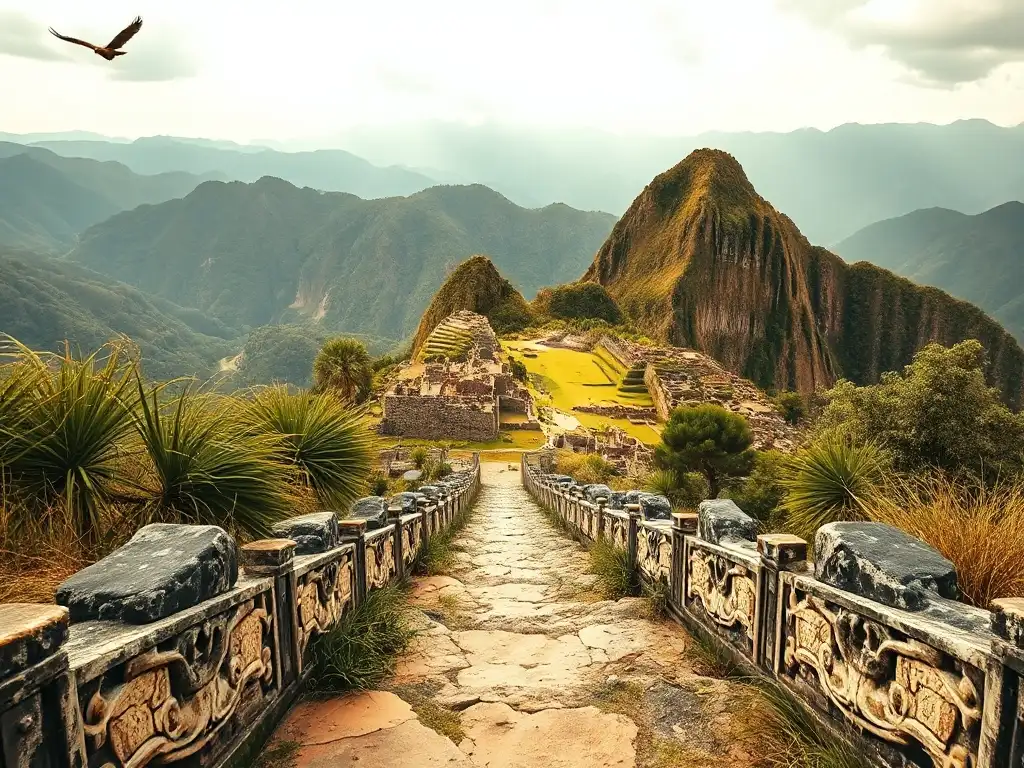
Exploring the remnants of the Andean civilizations offers a unique and profound journey through time. These sites, scattered across diverse landscapes, provide tangible evidence of sophisticated societies and their eventual decline. Planning your exploration requires careful consideration of several factors, ensuring both a safe and enriching experience. Accessibility varies greatly depending on the specific site; some are easily accessible by road, while others require challenging treks or even flights to remote areas.
Altitude sickness is a significant concern, especially at higher-elevation sites like Machu Picchu. Acclimatization is crucial, and it's advisable to spend several days at lower altitudes before venturing to higher elevations. Researching the best time to visit is also essential, as weather conditions can significantly impact accessibility and comfort. The rainy season can make trails muddy and treacherous, while the dry season can bring intense sun and higher temperatures.
Planning Your Trip: Essential Resources for Visiting Andean Ruins
Before embarking on your journey, thorough planning is paramount. Utilizing online resources such as official tourism websites and reputable travel blogs can provide invaluable information on accessibility, permits, and recommended itineraries. Many sites offer detailed maps and descriptions of the ruins, allowing you to plan your exploration effectively. Booking accommodations and transportation in advance, especially during peak season, is highly recommended to avoid disappointment. Consider researching local guides who possess extensive knowledge of the history and significance of the sites.
They can enhance your experience by providing context and insights that you might miss independently. Furthermore, familiarize yourself with any necessary permits or entrance fees well in advance to streamline your visit. Finally, ensure your travel insurance covers medical emergencies and potential evacuations, especially in remote areas. Remember to pack accordingly, considering the altitude, climate, and potential for challenging terrain.
Recommended Guided Tours Focusing on Specific Civilizations
Guided tours provide an unparalleled way to experience the grandeur and complexity of Andean civilizations. Many agencies offer specialized tours focusing on specific cultures, such as the Inca Trail to Machu Picchu, or explorations of the Nazca Lines. These tours often include transportation, accommodation, and expert guides who provide historical context and insights into the daily lives of the people who once inhabited these areas.
Consider tours that emphasize sustainable tourism practices and support local communities. For example, some tours incorporate visits to local villages, providing opportunities to interact with the descendants of these ancient civilizations and learn about their traditions and crafts. Choosing a tour that aligns with your interests and physical capabilities is crucial for a fulfilling and memorable experience.
Read reviews carefully to find a reputable and experienced guide. Remember to factor in the cost of the tour, which can vary greatly depending on the length, location, and level of luxury.
Necessary Equipment for Exploring Andean Archaeological Sites
Proper equipment is crucial for a safe and enjoyable exploration of Andean archaeological sites. Sturdy hiking boots are essential, especially for sites requiring trekking. The terrain can be uneven and challenging, and good footwear will prevent injuries. Pack lightweight, moisture-wicking clothing suitable for varying weather conditions. Layers are essential, as temperatures can fluctuate significantly throughout the day.
A hat and sunscreen are crucial to protect against the strong Andean sun, especially at high altitudes. Bring ample water to stay hydrated, and consider a water filter or purification tablets if you plan on refilling your water bottles from natural sources. Insect repellent is also recommended, especially during the rainy season. A backpack to carry your essentials, a first-aid kit with altitude sickness medication, a camera, and binoculars will complete your essential gear list. Remember to pack light to avoid exhaustion during treks.
Preserving the Legacy: Understanding Andean Civilization Decline Through Travel
Visiting the sites of these collapsed civilizations isn't just about sightseeing; it's about understanding the fragility of societies and the importance of preserving our shared heritage. By exploring these ruins, we gain a deeper appreciation for the ingenuity and achievements of the Andean people, but also learn from their challenges and eventual decline. The factors contributing to their collapse—environmental changes, internal conflicts, disease, and external pressures—offer valuable lessons for modern societies.
Observing the impact of these factors on the landscape and the remaining structures provides a tangible connection to the past and a heightened awareness of the delicate balance between human societies and their environment. Engaging with these sites fosters a sense of responsibility towards preserving our cultural heritage for future generations. This understanding is a crucial element of responsible travel.
The Importance of Responsible Tourism at Andean Historical Sites
Responsible tourism is paramount when exploring Andean historical sites. Protecting these fragile environments and respecting the local communities is crucial for preserving their legacy. This means adhering to designated trails, avoiding touching or removing artifacts, and refraining from littering. Supporting local businesses and guides ensures that the benefits of tourism reach the communities directly involved in preserving these sites.
Respecting local customs and traditions is equally important, contributing to a positive and mutually beneficial interaction. By practicing responsible tourism, we actively contribute to the long-term preservation of these invaluable historical treasures for future generations to appreciate and learn from. Remember that your actions, however small, have a cumulative effect.
Supporting Local Communities and Their Efforts in Preserving Andean Heritage
Supporting local communities is an integral part of responsible tourism in the Andes. This involves patronizing local businesses, such as restaurants, hotels, and craft shops, ensuring that the economic benefits of tourism directly benefit the communities involved in preserving the heritage. Participating in community-based tourism initiatives allows visitors to engage directly with local people, learning about their culture and traditions firsthand.
Many communities are actively involved in archaeological preservation and restoration efforts; supporting their work through donations or participation in volunteer programs directly contributes to the long-term preservation of these sites. By choosing to support local communities, visitors contribute to sustainable development and ensure that the legacy of the Andean civilizations continues to thrive. This active participation ensures a more enriching experience for both travelers and the local population.
Conclusion: Learning From the Past of Andean Civilization Decline
The decline and fall of the great Andean civilizations, while tragic in their immediate context, offer invaluable lessons for understanding societal fragility and resilience. The intricate interplay of environmental pressures, internal conflicts, and external pressures highlights the interconnectedness of factors influencing a civilization's trajectory. Understanding these complexities allows us to appreciate the remarkable achievements of these societies, while simultaneously recognizing the vulnerabilities inherent in even the most sophisticated systems.
The careful study of past societal collapses provides a crucial lens through which we can examine our own modern world and identify potential risks. By analyzing the mistakes and successes of past civilizations, we can better prepare for and mitigate similar challenges in the future. Ultimately, the study of Andean civilization collapse strengthens our understanding of human history and offers critical insights applicable to contemporary society.
The Lessons We Can Learn from the Collapse of Ancient Andean Societies
Several crucial lessons emerge from studying the collapse of ancient Andean societies. Firstly, the importance of sustainable resource management is paramount. The overexploitation of resources, particularly agricultural lands and water sources, contributed significantly to the decline of various Andean civilizations. Modern societies can learn from this by adopting sustainable practices in agriculture, water management, and resource extraction. Secondly, the fragility of centralized power structures becomes apparent.
Internal conflicts and power struggles often weakened these empires, leaving them vulnerable to external threats and internal instability. This underscores the need for robust governance structures and mechanisms for conflict resolution. Thirdly, the impact of climate change and environmental disasters cannot be ignored. Droughts, floods, and earthquakes played a significant role in the downfall of several Andean societies.
This highlights the need for proactive adaptation strategies to address the challenges posed by climate change and environmental hazards. Finally, the importance of maintaining cultural and social cohesion is evident. The erosion of social structures and cultural practices often accompanied or exacerbated the decline of these societies. Preserving cultural heritage and promoting social equity are therefore vital for long-term societal stability.
The Importance of Studying Andean History and Culture
Studying the history and culture of the Andean civilizations is not merely an academic exercise; it holds immense significance for understanding human history and shaping a better future. The intricate knowledge systems, advanced agricultural techniques, and remarkable artistic achievements of these societies offer a rich tapestry of human ingenuity and resilience. By exploring their successes and failures, we gain valuable insights into societal dynamics, environmental interactions, and the challenges of building and maintaining complex civilizations.
Moreover, understanding the Andean past helps us appreciate the diverse cultural heritage of the region and fosters respect for indigenous communities and their traditions. The study of Andean history and culture promotes intercultural understanding and contributes to a more inclusive and informed global citizenry. Preserving and interpreting Andean heritage is essential not only for historical accuracy but also for building a more just and sustainable future.
The legacies of these civilizations continue to resonate today, shaping the landscape, culture, and identity of the Andes region and beyond. Their story is a powerful reminder of human potential and the need for responsible stewardship of our planet and its resources.
- Understanding the Mystery of Andean Civilization Decline
- Initial Theories and Misconceptions About Andean Civilization Collapse
- Environmental Pressures: A Major Cause of Andean Civilization Decline
- Political and Social Instability: Contributing to the Fall of Andean Empires
- Economic Factors: How Trade and Agriculture Impacted Andean Societies
- Disease and Epidemics: A Hidden Factor in Andean Civilization Collapse
- How to Explore the Sites of These Collapsed Civilizations Today
- Preserving the Legacy: Understanding Andean Civilization Decline Through Travel
- Conclusion: Learning From the Past of Andean Civilization Decline
- What were the primary factors contributing to the collapse of Andean civilizations?
- Did the Inca Empire collapse solely due to the Spanish conquest?
- What role did environmental factors play in the decline of Andean societies?
- How did internal conflicts contribute to the downfall of these civilizations?
- Were all Andean civilizations affected by the same factors?
Frequently Asked Questions
What were the primary factors contributing to the collapse of Andean civilizations?
The collapse of Andean civilizations was a complex process with no single cause. Environmental factors like droughts and climate change, alongside internal pressures such as social unrest and overextension of resources, played significant roles. Spanish conquest also proved a devastating blow.
Did the Inca Empire collapse solely due to the Spanish conquest?
No, while the Spanish conquest was a catastrophic event, the Inca Empire was already facing significant internal weaknesses. Disease, civil war, and resource depletion had weakened the empire before the arrival of the Europeans. The conquest was the final blow, but not the sole cause.
What role did environmental factors play in the decline of Andean societies?
Climate change and environmental degradation, particularly prolonged droughts, severely impacted agricultural production. This led to food shortages, famine, and social instability, weakening these societies and making them vulnerable to other pressures.
How did internal conflicts contribute to the downfall of these civilizations?
Many Andean civilizations experienced periods of internal strife and warfare. Competition for resources, power struggles between elites, and social inequality created instability, weakening their ability to withstand external pressures and ultimately contributing to their decline.
Were all Andean civilizations affected by the same factors?
While many factors, such as environmental shifts and internal conflicts, impacted multiple Andean societies, the specific circumstances and the relative importance of each factor varied considerably between different civilizations and time periods. The Moche and Inca, for example, faced different challenges.
Final Reflection: Echoes of the Andes: Lessons from a Fallen Empire
The collapse of the Andean civilizations wasn't a singular event, but a complex interplay of factors that resonate deeply with the challenges facing our modern world. Understanding these ancient collapses—the interplay of climate change, social unrest, and environmental degradation—offers crucial insights into our own precarious relationship with the planet and the fragility of even the most powerful societies. The echoes of their downfall serve as a stark warning, a reminder that even seemingly invincible empires can crumble.
The enduring legacy of the Andean civilizations continues to shape the cultural and social landscape of South America, influencing everything from artistic expression to political structures. Their sophisticated agricultural techniques, intricate social hierarchies, and remarkable engineering feats remain testaments to their ingenuity and resilience. Yet, their ultimate demise underscores the importance of sustainable practices and social equity. The past is never dead. It's not even past.
– William Faulkner. This quote rings particularly true when considering the enduring relevance of understanding the factors that contributed to the Andean civilizations' decline. We must learn from their mistakes to avoid repeating them.
Consider the parallels between the environmental pressures faced by the Andean civilizations and the climate crisis we face today. Think about the social inequalities that contributed to their downfall and how similar disparities exist in our own societies. You, the reader, hold the power to make a difference. By understanding the past, we can better navigate the present and build a more sustainable and equitable future. Let the story of the Andean civilizations inspire you to act, to advocate for change, and to build a world where such devastating collapses are avoided.
Unveil the Mysteries of Andean Civilizations!
Thank you for exploring the fascinating world of Andean civilizations and their remarkable history. You've gained valuable insights into the complex factors contributing to their decline, and we encourage you to delve even deeper.
Here's how you can expand your knowledge and understanding:
- Explore further: Our extensive online library offers a wealth of resources on Andean civilizations and related topics. Visit Andean Civilizations to uncover more articles and information.
- Join the discussion: Share your thoughts on the key factors that led to the decline of these societies. We welcome your insights in the comments below or on social media.
- Engage with our community: Participate in our upcoming webinar featuring leading experts who will discuss the enduring legacies of Andean civilizations and their continued relevance in the modern world.
What aspects of Andean civilization most captivate you, and how do you believe they might inform our understanding of contemporary societies?