
Sustainable Tourism in the Andes: Protecting the Heritage for Future Generations

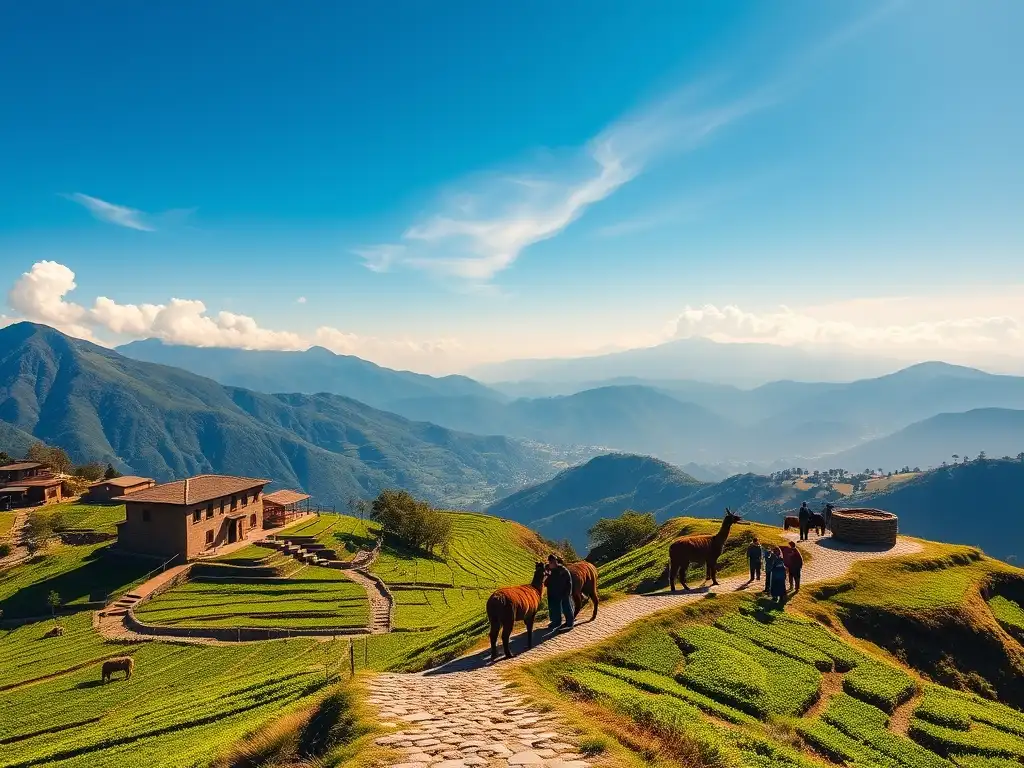
Step into a world lost in time, yet echoing with vibrant life. Imagine colossal mountain citadels, intricate textiles woven with ancient wisdom, and breathtaking landscapes that inspired awe for millennia. Here at Andean Civilizations, we delve into the captivating legacy of the Incas, Moche, Nazca, and Tiahuanaco, but we also look to the future. Discover the crucial role of Andean sustainable tourism practices in safeguarding this unparalleled heritage for generations to come – a journey of discovery awaits in our exploration of Exploring the Andes Today.
The breathtaking landscapes and captivating historical sites of the Andes attract millions of visitors each year. From the majestic ruins of Machu Picchu to the enigmatic Nazca Lines, the region boasts a rich tapestry of cultural heritage and natural beauty.
However, this influx of tourism presents a significant challenge: how can we ensure that future generations can also experience the wonder of the Andes without compromising the very heritage that draws visitors in the first place? This article explores the critical issue of sustainable tourism in the Andes, examining the challenges posed by mass tourism, identifying the environmental and cultural impacts, and proposing solutions to embrace responsible travel and protect this invaluable legacy for years to come.
We will delve into specific Andean sustainable tourism practices, highlighting the crucial role of responsible travelers and the implementation of effective strategies for preserving this unique and fragile ecosystem. The goal is to understand how we can appreciate the Andes' wonders while actively contributing to their preservation, ensuring the legacy of these ancient civilizations endures.
The Challenge of Mass Tourism in Andean Historical Sites
The rapid growth of tourism in the Andes, while boosting local economies, has placed immense pressure on the region's fragile ecosystems and cultural heritage. The sheer volume of visitors can lead to overcrowding at popular sites, causing damage to infrastructure, artifacts, and the natural environment. For example, the Inca Trail to Machu Picchu, once a relatively pristine path, has experienced significant erosion and degradation due to the high volume of hikers.
This isn't just limited to well-known sites; lesser-known but equally important archaeological locations are also vulnerable to the negative impacts of uncontrolled tourism. The strain on resources, including water and sanitation, further exacerbates the problem, particularly in remote communities with limited infrastructure.
Furthermore, the influx of tourists can lead to a rise in the cost of living for local populations, potentially displacing them from their ancestral lands. The delicate balance between economic development and environmental preservation is a constant struggle in the Andean region.
Identifying the Problems: Environmental and Cultural Impact
The negative impacts of unsustainable tourism in the Andes are multifaceted and interconnected. Environmental damage includes soil erosion, pollution of water sources, and habitat destruction. The increased waste generated by tourists, coupled with inadequate waste management systems, contributes significantly to pollution. Furthermore, the construction of new hotels and infrastructure to accommodate the growing number of tourists can lead to deforestation and the loss of biodiversity. The cultural impact is equally concerning.
The commercialization of indigenous traditions can lead to the erosion of cultural identity and the commodification of sacred sites. The influx of tourists can also disrupt traditional lifestyles and social structures, particularly in smaller, more isolated communities. The pressure to cater to tourist demands can lead to the abandonment of traditional practices and the adoption of unsustainable economic activities. Understanding these complex interactions is crucial to developing effective solutions.
Solutions: Embracing Responsible Travel in the Andes
Sustainable tourism in the Andes requires a multi-pronged approach involving collaboration between governments, local communities, tourism operators, and individual travelers. Key strategies include implementing stricter regulations on visitor numbers at sensitive sites, improving waste management systems, and promoting eco-friendly transportation options. Educating tourists about responsible travel practices is equally crucial.
This includes encouraging visitors to support local businesses, respect local customs and traditions, and minimize their environmental impact. Furthermore, promoting alternative tourism experiences that focus on community engagement and cultural exchange can help distribute the economic benefits of tourism more equitably and foster a deeper understanding and appreciation of Andean cultures. The development of community-based tourism initiatives empowers local communities to manage and benefit from tourism while preserving their heritage.
This includes initiatives like homestays, guided tours led by local experts, and participation in traditional cultural events. Investing in sustainable infrastructure and promoting responsible tourism practices are essential steps towards ensuring the long-term preservation of this invaluable region. Ultimately, the future of Andean tourism hinges on a commitment to sustainable practices that balance economic development with environmental protection and cultural preservation.
Recommended Practices for Andean Sustainable Tourism
Practicing sustainable tourism in the Andes requires a conscious effort from both travelers and tour operators. It's about minimizing your environmental impact while maximizing the positive effects on local communities. This means choosing accommodations and tour operators committed to ethical and sustainable practices. Look for businesses that actively support local communities, prioritize the use of renewable energy, and implement waste reduction strategies.
For example, a truly sustainable hotel might utilize solar power, source food locally, and employ staff from the surrounding villages. Furthermore, responsible travelers should respect local customs and traditions, learn a few basic phrases in the local language (Quechua, Aymara, etc. ), and avoid activities that could damage fragile ecosystems. Respecting the cultural heritage of the Andes is paramount; this involves avoiding the purchase of illicit artifacts and supporting local artisans who create authentic, ethically produced goods.
Remember, sustainable Andean tourism is not just about minimizing harm; it's about actively contributing to the well-being of the Andean region and its people. Choosing to travel sustainably is a powerful way to support the preservation of this incredible heritage for generations to come. Engage with local guides who are knowledgeable about the area's ecology and history, ensuring that your travels contribute to the preservation of the Andean environment.
Products and Services Supporting Sustainable Andean Travel

Several products and services directly support sustainable Andean travel. Eco-lodges and community-based tourism initiatives offer authentic experiences while minimizing environmental damage and maximizing benefits for local communities. These businesses often prioritize sustainable building materials, waste management, and water conservation. They also frequently engage in community development projects, such as supporting local schools or providing healthcare access.
Another key element is choosing tour operators committed to responsible tourism practices. These operators should have clear policies on waste management, carbon offsetting, and community engagement. They will often prioritize smaller group sizes to minimize environmental impact and ensure a more authentic experience. Furthermore, look for companies that offer carbon offsetting programs to compensate for the emissions generated by your travel.
Supporting local artisans and purchasing handcrafted goods directly from them contributes to the preservation of traditional skills and cultural heritage, providing economic benefits to local communities. By actively seeking out these types of products and services, travelers can significantly contribute to the sustainability of Andean tourism. The rise of "slow travel" also encourages longer stays in fewer locations, promoting deeper cultural immersion and reducing the overall environmental footprint.
Preserving Andean Heritage Through Conscious Choices
Preserving the Andean heritage is intrinsically linked to sustainable tourism practices. The preservation of archaeological sites, ancient ruins, and traditional ways of life is crucial for future generations. Responsible travelers play a critical role in this preservation by respecting site regulations, avoiding touching or damaging artifacts, and staying on marked trails.
Supporting local museums and cultural centers helps fund conservation efforts and promotes the appreciation of Andean culture. Respecting local communities and their traditions is also paramount; this includes refraining from intrusive photography, seeking permission before taking photos of individuals, and dressing modestly when visiting sacred sites. Furthermore, supporting local businesses and artisans ensures the continuation of traditional crafts and skills, contributing to the economic vitality of Andean communities and the preservation of their cultural identity.
By making conscious choices about where to stay, what to buy, and how to interact with local communities, travelers can contribute significantly to the preservation of the rich and diverse heritage of the Andes for future generations. This commitment to responsible tourism ensures that the unique beauty and cultural significance of the Andes are safeguarded for years to come. Choosing sustainable options directly empowers local communities and ensures the long-term preservation of this invaluable heritage.
Conclusion: Your Role in Sustainable Andean Tourism
Choosing to visit the Andes is a fantastic opportunity to experience a rich tapestry of history, culture, and breathtaking landscapes. However, the responsibility of preserving this unique heritage for future generations rests not only on governments and organizations but also on each individual traveler. By making conscious choices and adopting sustainable travel practices, you become a vital part of the solution.
Your impact, while seemingly small on its own, becomes significant when multiplied by the thousands, even millions, of visitors who travel to the Andes each year. Consider the cumulative effect of responsible choices: minimizing your carbon footprint through efficient transportation, supporting local businesses and communities by choosing locally owned accommodations and restaurants, and respecting the environment by avoiding littering and adhering to established guidelines within archaeological sites. These seemingly small actions collectively contribute to a larger, positive impact on the preservation of Andean heritage.
Furthermore, engaging with local communities respectfully and authentically fosters a deeper understanding and appreciation for their culture and traditions. This means being mindful of local customs, respecting sacred sites, and avoiding activities that could negatively impact the environment or the livelihoods of local people. Learning a few basic phrases in the local language can go a long way in demonstrating respect and fostering positive interactions. Supporting local artisans and purchasing handcrafted goods directly from them helps sustain their livelihoods and preserves valuable traditional skills.
Ultimately, sustainable Andean tourism is not just about minimizing negative impacts; it's about maximizing positive contributions. By actively seeking out eco-friendly accommodations, participating in responsible tourism activities, and supporting local communities, you actively contribute to the long-term preservation of these invaluable sites. Your conscious choices directly support the preservation of the Andean cultural legacy, allowing future generations to experience the magic and wonder of this remarkable region.
Remember, every traveler has the power to make a difference. Let's work together to ensure that the beauty and history of the Andes endure for years to come. 🌍 Let's protect our shared heritage!
- The Challenge of Mass Tourism in Andean Historical Sites
- Identifying the Problems: Environmental and Cultural Impact
- Solutions: Embracing Responsible Travel in the Andes
- Recommended Practices for Andean Sustainable Tourism
- Products and Services Supporting Sustainable Andean Travel
- Preserving Andean Heritage Through Conscious Choices
- Conclusion: Your Role in Sustainable Andean Tourism
- What are some examples of sustainable tourism practices in the Andes?
- How can tourists contribute to sustainable tourism in the Andean region?
- What is the importance of preserving Andean cultural heritage through sustainable tourism?
- How does sustainable tourism impact local Andean communities?
- What are the environmental challenges faced by sustainable tourism in the Andes?
Frequently Asked Questions
What are some examples of sustainable tourism practices in the Andes?
Sustainable tourism in the Andes focuses on minimizing environmental impact, supporting local communities, and preserving cultural heritage. Examples include eco-lodges, community-based tourism initiatives, and responsible trekking practices.
How can tourists contribute to sustainable tourism in the Andean region?
Tourists can contribute by choosing eco-friendly accommodations and tour operators, respecting local customs and traditions, and supporting local businesses. Reducing your carbon footprint through responsible travel is also crucial.
What is the importance of preserving Andean cultural heritage through sustainable tourism?
Preserving Andean cultural heritage ensures the continuation of unique traditions and knowledge. Sustainable tourism provides economic incentives for local communities to protect their heritage, rather than exploit it.
How does sustainable tourism impact local Andean communities?
Sustainable tourism can provide economic opportunities for local communities through employment in tourism-related businesses and the sale of local crafts. This can help reduce poverty and improve living standards.
What are the environmental challenges faced by sustainable tourism in the Andes?
The Andes face challenges such as waste management, water conservation, and preserving biodiversity. Sustainable tourism initiatives must address these challenges to ensure long-term environmental protection and the responsible use of natural resources.
Final Reflection: Weaving a Sustainable Future in the Andes
The delicate balance between economic growth and environmental preservation in the Andes is not merely a regional concern; it's a crucial model for sustainable development worldwide. The practices discussed—from community-based tourism initiatives to responsible waste management and the preservation of indigenous knowledge—are not just beneficial to the Andes, but offer vital lessons for navigating the complexities of tourism's impact on fragile ecosystems everywhere. The future of tourism, globally, hinges on our ability to adopt and adapt these strategies.
The enduring legacy of Andean culture and its breathtaking landscapes are inextricably linked. The vibrant traditions, the awe-inspiring mountains, and the rich biodiversity are all at risk if we fail to prioritize sustainable practices. The impact of irresponsible tourism is already visible in many parts of the world, a stark warning against unchecked development. The greatest threat to our planet is the belief that someone else will save it.
– Robert Swan. This quote underscores the individual responsibility we all share in protecting these precious resources, not just for ourselves, but for generations to come.
Consider the choices you make when planning your next adventure. Will you seek out experiences that prioritize the well-being of local communities and the environment? Will you support businesses committed to sustainable practices? You have the power to be a force for positive change. By choosing responsible tourism, you are not just experiencing a destination; you are actively contributing to its preservation, ensuring that the beauty and cultural richness of the Andes—and similar destinations worldwide—continue to thrive for years to come.
Embrace Sustainable Travel: Protect the Andes for Tomorrow!
Thank you for exploring the wonders of sustainable tourism in the Andes! Your interest is crucial to preserving this breathtaking region and its rich cultural heritage. Now that you've learned about conscious travel, let's work together to ensure the Andes' majestic landscapes and vibrant cultures thrive for generations to come.
Here are some impactful ways you can make a difference:
- Choose Eco-Friendly Options: Select accommodations and transportation that minimize your environmental impact. Every small decision contributes to a larger positive effect!
- Share Your Experiences: Inspire others to travel sustainably by sharing your adventures and tips on social media. Let's build a community committed to responsible tourism.
- Support Local Businesses: Directly support local artisans and businesses during your travels. This helps preserve traditional cultures and fosters economic sustainability within the communities.
As you plan your next adventure, consider how your travel choices can contribute to protecting the incredible heritage of the Andes. Share your thoughts below!