
Combining Hiking and History: MultiDay Treks to Remote Andean Sites

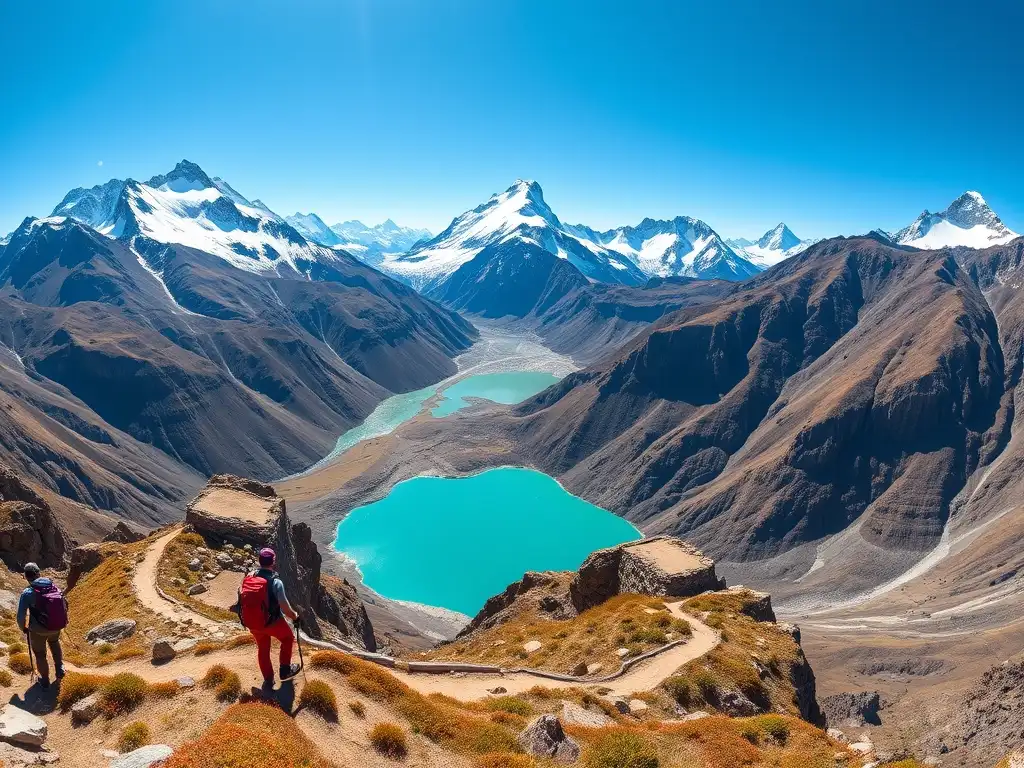
Step into a world lost to time, yet echoing with the whispers of empires. Journey through the breathtaking landscapes of the Andes, where ancient civilizations carved their legacies into the very mountains themselves. Discover the secrets of the Incas, Moche, Nazca, and Tiahuanaco, not just through dusty museum exhibits, but by experiencing their profound impact firsthand. Are you ready to uncover the untold stories embedded within the Andean hiking history tours? Explore the Andes today and embark on an unforgettable adventure.
The majestic Andes Mountains, a spine of towering peaks and breathtaking landscapes stretching along the western coast of South America, are not merely a geographical feature; they are a living testament to millennia of human history and ingenuity. For centuries, vibrant Andean civilizations—the Incas, Moche, Nazca, and Tiahuanaco among them—thrived in this challenging yet rewarding environment, leaving behind an incredible legacy of architectural marvels, intricate artistry, and sophisticated technologies.
This article explores the unique opportunity to combine the thrill of Andean hiking with the profound experience of discovering these ancient cultures firsthand through multi-day trekking adventures. We'll delve into the reasons why multi-day treks offer an unparalleled approach to understanding Andean history, highlighting the allure of remote sites often inaccessible to typical day trips, and ultimately, showcasing why these journeys are the ideal way to experience the rich tapestry of Andean civilization.
Prepare to embark on a virtual journey that will inspire you to plan your own immersive Andean hiking history tour.
Discovering Andean Hiking History Tours: An Immersive Experience
Embarking on an Andean hiking history tour is more than just a physical journey; it's a transformative experience that connects you deeply with the past. These meticulously planned treks often incorporate visits to archaeological sites, offering unparalleled access to ancient ruins and the surrounding landscapes that shaped these remarkable cultures. Imagine standing amidst the awe-inspiring stonework of a pre-Columbian city, feeling the echoes of history resonate around you.
These tours are carefully designed to blend physical activity with historical insights. Expert guides provide invaluable context, sharing stories, interpreting archaeological findings, and bringing the past vividly to life. The immersive nature of multi-day treks, allowing for sustained engagement with the environment and historical sites, fosters a deeper understanding than any brief visit could achieve.
The combination of physical exertion and intellectual stimulation creates a truly memorable and enriching experience. You'll not only witness stunning natural beauty but also gain a profound appreciation for the resilience, innovation, and cultural richness of the Andean civilizations. Think of the intricate details of Nazca lines visible from above, or the breathtaking views of Machu Picchu nestled in the cloud forest – these are experiences that stay with you long after the trek is over.
Why Choose Multi-Day Treks for Exploring Andean History?
Multi-day treks offer several significant advantages over shorter excursions when it comes to exploring Andean history. Firstly, they provide access to remote and less-visited sites, allowing for a more intimate and less crowded experience. Imagine exploring ancient ruins without the hustle and bustle of large tour groups, allowing for a more contemplative and meaningful engagement with the history.
Secondly, the extended time allows for a deeper immersion in the local culture and environment. You'll have the opportunity to interact with local communities, learn about their traditions, and gain a more holistic understanding of the region's history and present-day life. Thirdly, multi-day treks allow for a gradual and paced exploration of the landscape, providing ample time to appreciate the natural beauty and its connection to the historical sites.
The gradual ascent through varied terrains offers unique perspectives of the land, allowing for a deeper appreciation of the environmental challenges faced by ancient Andean people. Finally, the extended duration allows for a more comprehensive and nuanced understanding of the historical narrative, moving beyond superficial observations to a deeper engagement with the complexities of Andean civilizations. The journey itself becomes an integral part of the learning experience.
The Allure of Remote Andean Sites: Beyond the Usual Tourist Trail
Stepping beyond the well-trodden tourist paths unveils a hidden world of historical significance. Many incredibly important Andean sites remain relatively unexplored, offering a unique opportunity for adventurous travelers seeking an authentic and less-crowded experience. These remote locations often preserve a more pristine historical landscape, allowing for a clearer understanding of the original context of these ancient settlements and their relationship to the surrounding environment.
Imagine discovering a lesser-known Inca trail, walking in the footsteps of ancient travelers, or uncovering hidden ruins nestled high in the mountains. These remote sites offer a chance to truly connect with the spirit of the Andes and gain a unique perspective on the ingenuity and resilience of the Andean civilizations. The challenge of reaching these locations adds to the overall adventure, rewarding the traveler with a sense of accomplishment and a deeper appreciation for the historical significance of these places.
The experience provides a richer, more personal connection to the Andean past, far removed from the usual tourist crowds. It's a journey of discovery, both physically and intellectually, that leaves a lasting impact on the traveler.
- Discovering Andean Hiking History Tours: An Immersive Experience
- Why Choose Multi-Day Treks for Exploring Andean History?
- The Allure of Remote Andean Sites: Beyond the Usual Tourist Trail
Planning Your Andean Hiking History Tour: Key Considerations
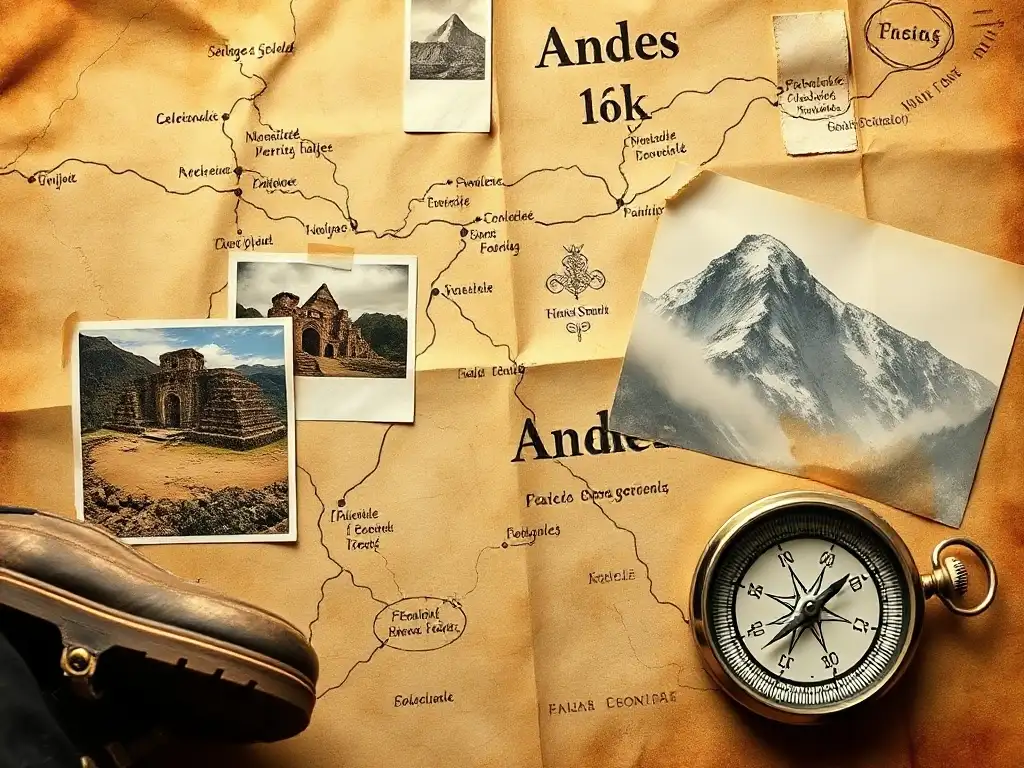
This section delves into the crucial aspects of planning your Andean hiking history tour, ensuring a safe, enriching, and unforgettable experience. We'll cover route selection, operator choices, and permit acquisition, vital elements for a successful journey into the heart of Andean history. Remember, careful planning translates directly into a more rewarding and meaningful exploration of these incredible sites.
Selecting the Right Andean Trekking Route: Matching Difficulty to Your Experience
Choosing the right trekking route is paramount. Andean trails range from relatively gentle strolls to strenuous climbs demanding significant physical fitness and prior trekking experience. Matching your abilities to the difficulty level ensures both enjoyment and safety. Misjudging your fitness level can lead to exhaustion, injury, and potentially compromise the overall experience.
Moderate Treks: Exploring Inca Trails and Pre-Inca Ruins
Moderate treks offer a balance between accessibility and historical significance. These trails often lead to well-preserved Inca sites or impressive pre-Inca ruins, requiring a reasonable level of fitness. Expect moderate daily distances with manageable elevation gains. For example, sections of the Inca Trail to Machu Picchu (excluding the Classic Inca Trail which requires permits months in advance) or trails around Ollantaytambo offer stunning views and manageable challenges.
These treks are ideal for those with some hiking experience but may not be ready for more demanding expeditions. The emphasis here is on enjoying the history and scenery at a comfortable pace. Expect breathtaking vistas and opportunities for insightful historical interpretations from your guide.
Challenging Treks: Reaching Less-Known Andean Archaeological Sites
For seasoned hikers seeking a more adventurous experience, challenging treks offer access to remote and less-visited Andean archaeological sites. These trails often involve longer daily distances, significant elevation changes, and potentially challenging terrain. Treks to remote ruins in the Cordillera Blanca or exploring less-traveled Inca pathways require excellent physical fitness, proper acclimatization to high altitude, and experience with challenging terrain.
These treks are not for the faint of heart, but the rewards—the solitude, the breathtaking scenery, and the discovery of lesser-known historical gems—are immense. Remember to prioritize safety by choosing a reputable operator with experienced guides. Thorough preparation, including physical training and packing appropriate gear, is crucial for successful completion.
Booking Your Andean Trek: Tour Operators and Permits
Booking your Andean trek involves careful consideration of tour operators and the necessary permits for accessing historical sites. Choosing the right operator and securing the required permits in advance are critical steps to ensure a smooth and legal trip. Failure to do so can lead to delays, denied access, and even legal repercussions.
Choosing a Reputable Tour Operator Specializing in Andean History
Selecting a reputable tour operator is crucial. Look for operators specializing in Andean history and trekking, with a proven track record of safety and customer satisfaction. Read reviews, check certifications, and inquire about their guides' qualifications and experience. A knowledgeable guide can significantly enhance your understanding and appreciation of the historical sites you visit. They will not only navigate the trails safely but also provide valuable insights into the history, culture, and significance of the places you explore. Consider operators with a strong commitment to sustainability and responsible tourism practices.
Understanding Permit Requirements for Historical Andean Sites
Many Andean historical sites require permits for access. These permits are often necessary to manage visitor numbers and protect these fragile environments. Some sites, like the Classic Inca Trail to Machu Picchu, have highly restricted access and require booking months, even years, in advance. Others may have less stringent requirements, but securing permits well in advance is always recommended to avoid disappointment.
Your chosen tour operator should assist you in obtaining the necessary permits, providing guidance on the process and ensuring you have the correct documentation for your trek. Failure to obtain the required permits can result in denied access to the sites. The process may vary depending on the specific location, so confirming permit requirements well in advance is crucial for a seamless experience.
Essential Gear for Multi-Day Andean Hiking History Tours
Planning an Andean hiking history tour requires careful consideration of your gear. The Andes present unique challenges, from high altitudes and unpredictable weather to rugged terrain. Packing the right equipment is crucial for a safe and enjoyable experience. This section will outline essential items, categorized for clarity.
Remember, the specific needs will depend on the chosen trek and time of year, so always consult with your tour operator for detailed recommendations. Proper preparation is key to fully appreciating the historical sites and breathtaking landscapes. Ignoring this crucial step can lead to discomfort, injury, and ultimately, a less-than-ideal experience. Prioritize comfort and safety to maximize your Andean adventure.
Hiking Boots and Socks: Protecting Your Feet on the Trail
Your feet are your most important asset on any multi-day hike, particularly in the challenging Andean terrain. Invest in high-quality, broken-in hiking boots that provide ankle support and are waterproof or water-resistant. Leather boots are often preferred for their durability and breathability, but consider the weight and climate. Avoid brand-new boots for your tour; blisters are a common problem for hikers with new footwear.
Pair your boots with moisture-wicking hiking socks—wool or synthetic blends are best—to prevent blisters and keep your feet dry. Consider bringing multiple pairs of socks to change throughout the day. Proper footwear and sock selection are fundamental to preventing injuries and ensuring comfortable trekking. Remember to bring a small first-aid kit specifically for foot care, including blister treatment and moleskin.
Backpacks and Hydration: Carrying Your Essentials Comfortably
Choosing the right backpack is paramount. Opt for a comfortable, well-fitting backpack with a capacity appropriate for a multi-day trek. A 50-70 liter backpack is generally suitable, but this depends on the length of your trip and the amount of gear you need. Ensure your backpack has a good hip belt and shoulder straps to distribute weight evenly, preventing back strain. Hydration is crucial at altitude; pack a water reservoir or multiple water bottles.
Consider a water filter or purification tablets to refill your water sources along the trail, reducing the weight of carrying excessive water. Organize your backpack efficiently to easily access essential items. Don't forget trekking poles for added stability and reduced strain on your knees and ankles, especially on steep inclines and declines. Proper weight distribution and hydration management are essential for comfortable and safe trekking.
Clothing and Layers: Adapting to the Andean Climate
The Andean climate is notoriously unpredictable. Pack clothing in layers to adapt to changing conditions. This typically includes base layers (moisture-wicking materials), mid-layers (fleece or lightweight down jacket), and an outer shell (waterproof and windproof jacket). Consider the temperature variation between day and night; nights in the Andes can be significantly colder than days, even in summer. Bring warm hats, gloves, and a scarf.
Quick-drying clothing is also highly recommended, as unexpected rain showers are common. Sun protection is vital at high altitudes; pack a wide-brimmed hat, sunglasses, and high SPF sunscreen. Proper clothing choices will ensure comfort and protection throughout your Andean hiking adventure. Remember that layering allows you to regulate your body temperature effectively, crucial in the varying conditions of the Andes.
Navigation and Safety: Ensuring a Safe and Informed Trek
Safety should be your top priority. While guided tours handle most navigation, having a backup navigation system is wise. A map and compass are essential, and learning basic navigation skills beforehand is highly recommended. A GPS device or smartphone with offline maps can provide additional reassurance. Inform someone of your itinerary and expected return time.
Pack a comprehensive first-aid kit, including altitude sickness medication, pain relievers, and antiseptic wipes. A whistle can be useful for signaling in emergencies. Carrying a headlamp or flashlight is essential for navigating in low-light conditions. Understanding basic wilderness safety protocols, such as recognizing signs of altitude sickness and responding appropriately, can make all the difference in ensuring a safe and enjoyable Andean hiking history tour. Prioritize safety to fully enjoy the historical sites and breathtaking landscapes.
Maximizing Your Andean Historical Experience on the Trail
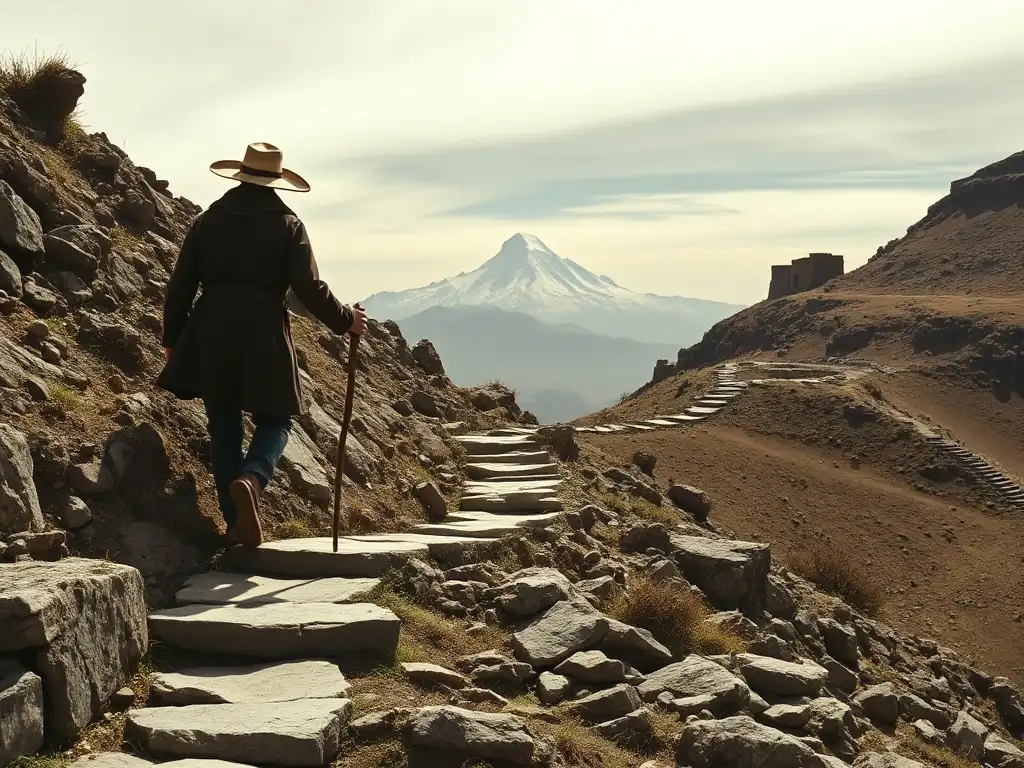
This section focuses on enriching your "Andean hiking history tours" by maximizing your engagement with the historical significance of the sites you'll visit and the local Andean communities you'll encounter. We'll explore ways to deepen your understanding and appreciation of the rich tapestry of Andean history and culture, transforming your trek from a simple hike into a truly immersive experience.
Understanding the History of the Sites You'll Visit
Understanding the context of the places you'll be hiking is paramount to a fulfilling Andean hiking experience. By delving into the history of these sites beforehand, you'll gain a much richer appreciation for the landscapes and the cultures that shaped them. Careful pre-trip research can turn a scenic walk into a journey through millennia.
Pre-Inca Cultures: Exploring the Legacy of the Chavin and Wari
Long before the Inca Empire, sophisticated civilizations flourished in the Andes. The Chavín culture (900-200 BCE), for example, left behind impressive architectural marvels and intricate religious iconography, evident in sites like Chavín de Huántar. Their influence spread widely, shaping subsequent Andean societies. Similarly, the Wari Empire (600-1000 CE) exerted considerable political and economic control over a vast territory, leaving behind significant urban centers and impressive road systems.
Understanding these pre-Inca foundations provides crucial context for appreciating the later Inca achievements. Many trekking routes pass near or incorporate sites associated with these powerful pre-Columbian cultures, offering unique opportunities for historical exploration. Consider researching specific sites along your chosen route to anticipate what you might encounter.
The Inca Empire: Unveiling the Secrets of Sacsayhuaman and Ollantaytambo
The Inca Empire (1438-1533 CE) left an indelible mark on the Andean landscape. Sites like Sacsayhuaman, a massive fortress overlooking Cusco, and Ollantaytambo, a remarkably preserved agricultural and administrative center, showcase the Inca's mastery of stonework and engineering. These sites are not just impressive structures; they represent the culmination of centuries of Andean development and innovation.
The Inca's sophisticated agricultural techniques, evidenced in their terracing systems, and their intricate social organization, reflected in the urban planning of their cities, are themes that you can explore on your trek. For example, observing the precision of Inca stonework at Ollantaytambo allows for a deeper understanding of their architectural prowess and societal organization. Understanding the Inca’s sophisticated water management systems, often visible in the ruins, adds another layer to your appreciation of their ingenuity.
Engaging with Local Communities: Respecting Andean Culture
Your "Andean hiking history tours" should prioritize respectful engagement with the local communities that inhabit these regions. This is crucial for experiencing the authentic culture of the Andes and for contributing positively to the sustainability of these communities.
Supporting Local Guides and Businesses on Your Trek
Choosing local guides and supporting local businesses is not only ethical but also enhances your experience. Local guides possess invaluable knowledge about the history, culture, and ecology of the region, providing insights far beyond what you could glean from guidebooks. Furthermore, supporting local businesses, such as homestays and restaurants, directly contributes to the economic well-being of the communities you visit, fostering a mutually beneficial relationship. This direct interaction strengthens the sustainability of "Andean hiking history tours" and allows for a more authentic cultural exchange.
Learning Basic Quechua Phrases: Enhancing Your Cultural Interaction
Learning a few basic Quechua phrases can significantly enhance your interactions with local communities. Even simple greetings, such as "Imaynallas kanki?" (How are you?) and "Gracias" (Thank you), demonstrate respect and show your willingness to engage with the local culture.
This simple gesture can create a more meaningful and personal connection, fostering a deeper understanding and appreciation of the Andean way of life. A small effort to learn a few basic phrases can go a long way in creating a positive and respectful exchange during your Andean hiking adventure. Consider downloading a phrasebook or utilizing a language-learning app before your trip to facilitate this cultural immersion.
Post-Trek: Reflecting on Your Andean Hiking History Adventure
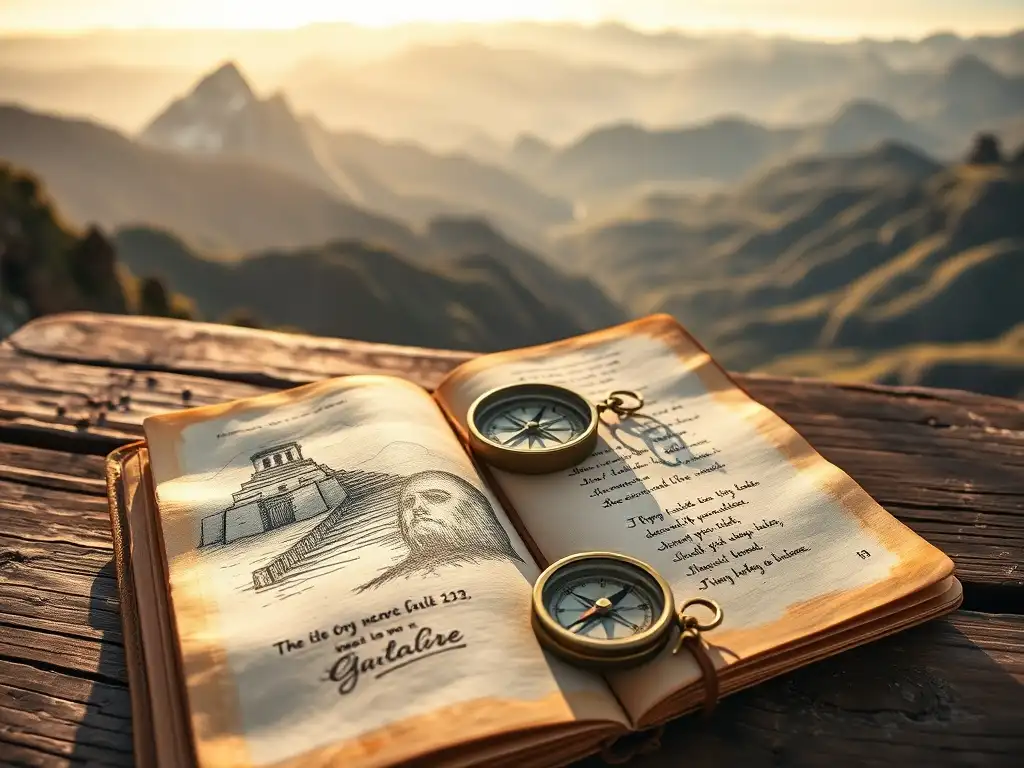
After completing your challenging yet rewarding Andean hiking history tour, take some time to reflect on your journey. The experience is far more than just physical exertion; it's a profound immersion into a rich tapestry of history, culture, and breathtaking landscapes. Allow yourself to savor the memories, the sights, and the sheer accomplishment of traversing these ancient paths.
This post-trek reflection is crucial for truly appreciating the depth of your Andean adventure. Consider journaling your experiences, noting the specific sites that resonated most deeply with you and the emotions they evoked. This process helps solidify the lessons learned and the connections made during your Andean hiking history tours.
Preserving the Memory: Sharing Your Experiences and Photos
Your Andean hiking history tour is a story waiting to be told. Sharing your experiences not only helps you relive the adventure but also inspires others to embark on similar journeys. There are several ways to effectively preserve and share the memories you've made.
Creating a Photo Album or Video Montage of Your Andean Journey
A visual record of your trek is invaluable. Create a photo album or video montage, carefully selecting images and videos that capture the essence of your journey. Include not only stunning landscapes but also details that showcase the history and culture you encountered. Think of shots of ancient ruins, intricate textiles, traditional dances, and the vibrant faces of the people you met.
Adding captions detailing the historical context of each location will elevate your visual narrative, transforming a simple collection of images into a compelling story of your Andean hiking history adventure. You could even incorporate music that evokes the spirit of the Andes to enhance the emotional impact of your creation. Sharing this visual record with friends, family, and online communities will allow others to vicariously experience the wonder of your journey, further fueling interest in Andean hiking history tours.
Continuing Your Andean History Exploration
Your Andean hiking history tour should not be the end of your exploration, but rather a springboard to further learning and discovery. The Andes hold countless secrets still waiting to be uncovered, and there are numerous avenues to continue your engagement with this captivating region.
Recommended Books and Documentaries on Andean Civilizations
Delve deeper into the history and culture of the Andes by exploring the wealth of resources available. Numerous books and documentaries provide detailed insights into the various Andean civilizations, their achievements, and their enduring legacy. Seek out works focusing on specific aspects that piqued your interest during your trek, such as Inca engineering, Moche artistry, or Nazca cosmology.
Engaging with these resources will enrich your understanding of the sites you visited, providing a more nuanced appreciation of their historical significance. Look for titles that offer a blend of scholarly research and engaging storytelling, making the learning process both informative and enjoyable. This continued learning will enhance your overall experience and solidify your appreciation for Andean hiking history tours.
Further Travel Ideas: Exploring Other Andean Historical Destinations
The Andes are vast and diverse. Your initial trek is merely a glimpse into the rich tapestry of Andean history and culture. Consider planning future trips to explore other remarkable sites.
Perhaps you'll venture to Machu Picchu, delve into the mysteries of the Chavín culture, or explore the high-altitude settlements of the Tiwanaku civilization. Each new journey will add another layer to your understanding of this captivating region, expanding your knowledge and deepening your appreciation for the enduring legacy of the Andean civilizations. The possibilities are endless, and each new adventure will further refine your appreciation for the unique appeal of Andean hiking history tours.
Concluding Thoughts on Andean Hiking History Tours
This section focuses on the lasting value and unique experiences offered by combining adventurous hiking with historical exploration in the Andes. We'll explore the profound impact such journeys have on travelers, emphasizing the blend of physical challenge and intellectual stimulation. Understanding the enduring appeal of "Andean hiking history tours" requires examining their unique ability to connect participants with both the past and the present. The key to the success of these tours lies in the carefully curated balance between physical exertion and historical immersion.
The Lasting Impact of Combining Adventure and Historical Exploration
The experience of an Andean hiking history tour is far more than simply ticking off sites on a bucket list. It's a transformative journey that leaves a lasting impression on participants. The physical challenge of the trek fosters a sense of accomplishment and resilience, while the historical immersion provides a deeper understanding and appreciation for the ingenuity and resilience of past Andean civilizations.
This combination creates a powerful synergy, enriching the experience beyond what either component could achieve alone. For example, reaching a remote Inca ruin after days of challenging trails instills a profound appreciation for the engineering feats of the Inca, and the sheer effort involved in constructing such sites in such challenging terrain. This is not simply about learning facts; it's about visceral understanding.
The combination of physical and intellectual stimulation leads to a more profound and lasting memory of the experience. Many participants report a heightened sense of self-awareness and a renewed appreciation for human history and achievement following such a tour. This is further enhanced by the opportunity for personal reflection that the solitude of the Andean landscapes offers.
A Unique Way to Connect with the Past and the Present in the Andes
Andean hiking history tours offer a unique approach to experiencing the Andes. Unlike traditional museum visits or guided city tours, these treks immerse participants directly into the historical context. The landscapes themselves become integral to the narrative, providing a tangible connection to the past. Walking the same paths as ancient peoples, seeing the ruins nestled within the dramatic scenery, and learning about the historical significance of the location in situ creates a powerful sense of connection.
This is truly experiential learning. Furthermore, the tours often incorporate elements of local culture, including interactions with contemporary Andean communities. This creates a fascinating juxtaposition between past and present, allowing participants to witness the enduring legacy of Andean civilizations in the lives of modern-day communities. This dual perspective enhances the understanding of history and its relevance to the present day.
The blend of adventure and history, coupled with cultural immersion, creates a rich and rewarding travel experience that few other forms of tourism can replicate. The enduring appeal of these tours lies precisely in this unique combination, proving a potent formula for those seeking a more meaningful and immersive travel experience. This is why the demand for "Andean hiking history tours" continues to grow among discerning travelers seeking a more profound way to engage with the incredible history and breathtaking landscapes of the Andes Mountains.
Frequently Asked Questions
What types of historical sites can I expect to see on these tours?
Our multi-day treks offer access to a variety of remarkable sites, including Inca ruins, pre-Inca settlements, and other ancient Andean structures. You'll experience firsthand the impressive architecture and engineering of these civilizations.
How challenging are the hikes included in these tours?
The difficulty varies depending on the specific tour, ranging from moderate to challenging. We provide detailed descriptions of each trek's difficulty level, including elevation gain and terrain. Fitness levels are considered when choosing a tour.
What is included in the tour price for Andean hiking history tours?
Prices typically include accommodation, meals, guided hikes, and entrance fees to historical sites. Some tours may also include transportation to and from the starting point. Specific inclusions vary depending on the tour package.
Are these tours suitable for solo travelers?
Absolutely! Many of our tours are popular with solo travelers and offer opportunities to meet like-minded individuals. We ensure a safe and supportive environment for all participants, regardless of travel style.
How do I book an Andean hiking history tour?
You can book a tour directly through our website. We provide detailed itineraries and booking information for each tour. Simply select your preferred tour and follow the online booking process. Contact us with any questions.
Final Reflection: Echoes of the Past, Steps Towards the Future
The Andes Mountains, silent witnesses to millennia of human history, are experiencing a renewed surge of interest, not just as breathtaking landscapes, but as living museums. These ancient pathways, once trod by Inca messengers and colonial conquistadors, now beckon a new generation of travelers seeking adventure interwoven with profound historical understanding. The combination of challenging multi-day treks and immersive historical exploration offers a unique opportunity to connect with the past in a deeply personal and meaningful way.
The enduring legacy of Andean civilizations continues to shape the cultural landscape of South America, influencing everything from artistic expression to social structures. The echoes of their ingenuity and resilience resonate even today. The mountains are calling, and I must go.
– John Muir. This sentiment, while originally about a different mountain range, perfectly captures the irresistible allure of the Andes and the profound connection one can forge with these majestic peaks and their rich history. The more we explore these sites, the more we understand the complexities and triumphs of those who came before us, enriching our own understanding of human potential and perseverance.
Consider the stories etched into the very stones of these ancient sites. Imagine the lives lived, the struggles overcome, the triumphs celebrated. You, too, can become a part of this ongoing narrative. Embrace the challenge of a multi-day trek, immerse yourself in the history unfolding before you, and carry the lessons learned – of resilience, adaptation, and the enduring power of the human spirit – into your own life. Let the Andes inspire you, not just as a destination, but as a catalyst for personal growth and a deeper appreciation for the interconnectedness of past, present, and future.
Embark on Your Andean Adventure Today!
Thank you for exploring the fascinating intersection of hiking and history! We hope you're inspired by the incredible journeys awaiting you in the heart of the Andes. Now that you've discovered the beauty of these multi-day treks, it's time to plan your own adventure.
Here's how to get started:
- Plan your trip: Choose a historic site that excites you—Machu Picchu, perhaps, or the ruins of Ingapirca—and plan your trekking route based on your fitness level and interests. Research local guides who can enhance your experience with captivating stories of the past.
- Join a community: Connect with fellow outdoor enthusiasts on social media or join a local hiking group. Sharing experiences, tips, and itineraries will enrich your journey.
- Spread the word: Share this article with adventurous friends! Inspire others to explore the majestic Andean sites and the rich history they hold.
What hidden gem in the Andes are you most excited to discover on your next hike?