
Family Adventures in the Andes: Engaging Kids with History and Culture

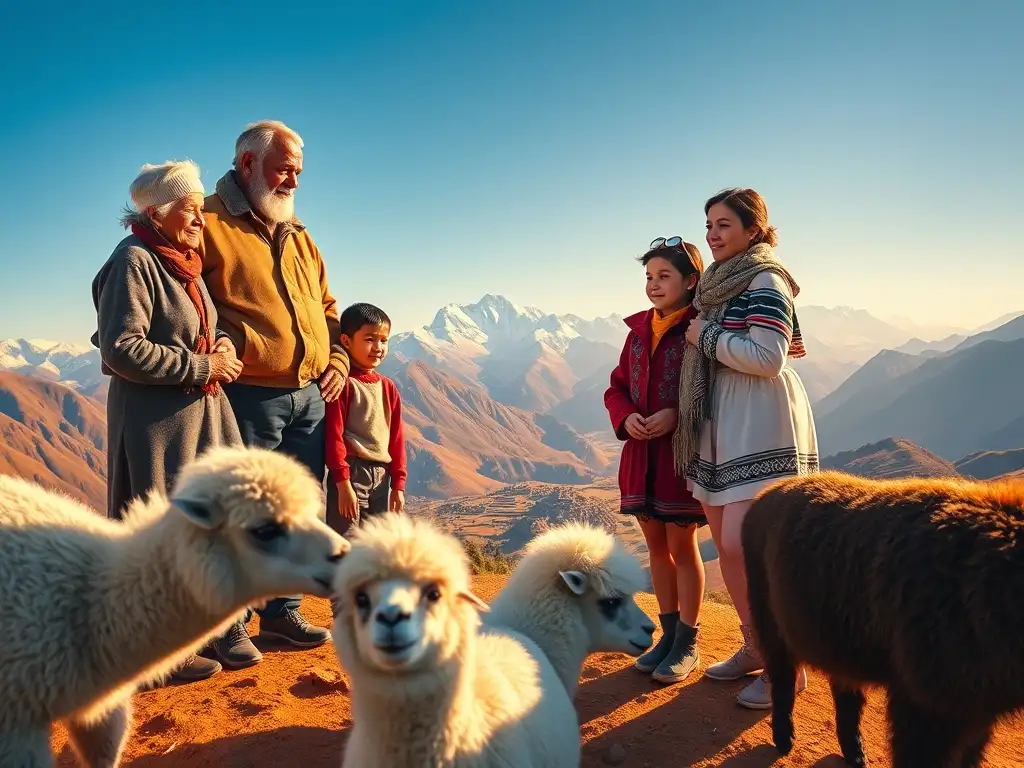
Uncover the secrets of a lost world! Step into the breathtaking landscapes and captivating cultures of the Andes, where ancient empires thrived. Imagine exploring the mysteries of the Incas, Moche, Nazca, and Tiahuanaco alongside your children – discover how Andean history family activities can transform learning into an unforgettable adventure. Ready to embark on a journey through time? Let's explore the Andes together!
Exploring the majestic Andes Mountains offers a unique opportunity to delve into the fascinating world of ancient civilizations while creating unforgettable family memories. This article provides a practical guide for planning an Andean adventure that captivates children and fosters a deeper appreciation for the rich history and culture of this remarkable region. We'll explore ways to make learning about Inca, Moche, Nazca, and Tiahuanaco civilizations engaging and fun for kids of all ages, transforming a historical journey into a thrilling family experience.
From interactive museum visits to hands-on activities, we'll equip you with the tools to make your Andean family vacation both educational and exciting, ensuring that the wonders of Andean history leave a lasting impression on your children. This guide focuses on practical tips and specific examples to help you plan an enriching and memorable trip, making it a perfect resource for families seeking "Andean history family activities."
Planning Your Andean Family Trip: A Journey Through Time
Planning a family trip to explore Andean history requires careful consideration of your children's ages and interests. To ensure a successful and engaging experience, it's crucial to tailor your itinerary to their developmental stages. Younger children might benefit from shorter visits to sites with interactive exhibits, while older children can engage more deeply with detailed historical information and complex archaeological sites.
Consider structuring your trip thematically, perhaps focusing on a specific civilization each day or dedicating certain days to specific activities like pottery making or weaving workshops. This approach helps prevent information overload and keeps children engaged.
Here's a sample itinerary framework to get you started:
| Day | Location/Activity | Focus | Child-Friendly Aspects |
|---|---|---|---|
| 1 | Cusco & Sacsayhuamán | Inca Empire | Explore impressive ruins; search for hidden Inca structures. |
| 2 | Sacred Valley (Ollantaytambo) | Inca Agriculture & Terracing | Observe terraces, imagine daily life; learn about farming. |
| 3 | Machu Picchu | Inca City & Engineering | Amazing views; storytelling about Inca emperors and daily life. |
| 4 | Arequipa & Museo Santuarios Andinos | Andean artifacts, Juanita the Ice Maiden | See mummies and artifacts; learn about ancient preservation. |
Remember to factor in travel time between locations and incorporate plenty of downtime for rest and relaxation. This will help avoid burnout and ensure everyone enjoys the trip. Don't forget to pack snacks and drinks to keep energy levels high throughout the day!
Making Andean History Fun for Kids: Interactive Exploration
Transforming the learning process into an exciting adventure is key to captivating children's interest in Andean history. Avoid lengthy lectures and instead, opt for interactive and hands-on activities that stimulate their curiosity.
- Storytelling: Engage children with captivating tales of Inca emperors, brave warriors, and ingenious engineers. Use vivid descriptions and imaginative language to bring the past to life.
- Role-Playing: Encourage children to role-play as Inca farmers, artisans, or messengers, imagining their daily lives and challenges.
- Crafts: Participate in traditional Andean crafts such as weaving, pottery making, or creating miniature replicas of Inca structures. This provides a tangible connection to the culture.
- Games: Play games that reinforce historical facts, such as a scavenger hunt at archaeological sites or a quiz about Inca mythology. Consider using interactive apps or educational games to enhance engagement.
- Museum Visits: Choose museums with interactive exhibits and kid-friendly displays to make learning fun and accessible. Many museums offer special programs for children.
Remember to celebrate their discoveries and encourage their questions. By making learning an active and engaging experience, you'll foster a lifelong appreciation for Andean history and culture in your children. The key is to make it an adventure, not just a lesson! 🎉
- Planning Your Andean Family Trip: A Journey Through Time
- Making Andean History Fun for Kids: Interactive Exploration
- What makes Andean history engaging for families?
- Are there family-friendly sites to explore in the Andes?
- How can I make learning about Andean civilizations fun for my children?
- What age group are these Andean history activities suitable for?
- Where can I find more resources for learning about Andean history with my family?
Step-by-Step Guide: Immersing Your Family in Andean Culture
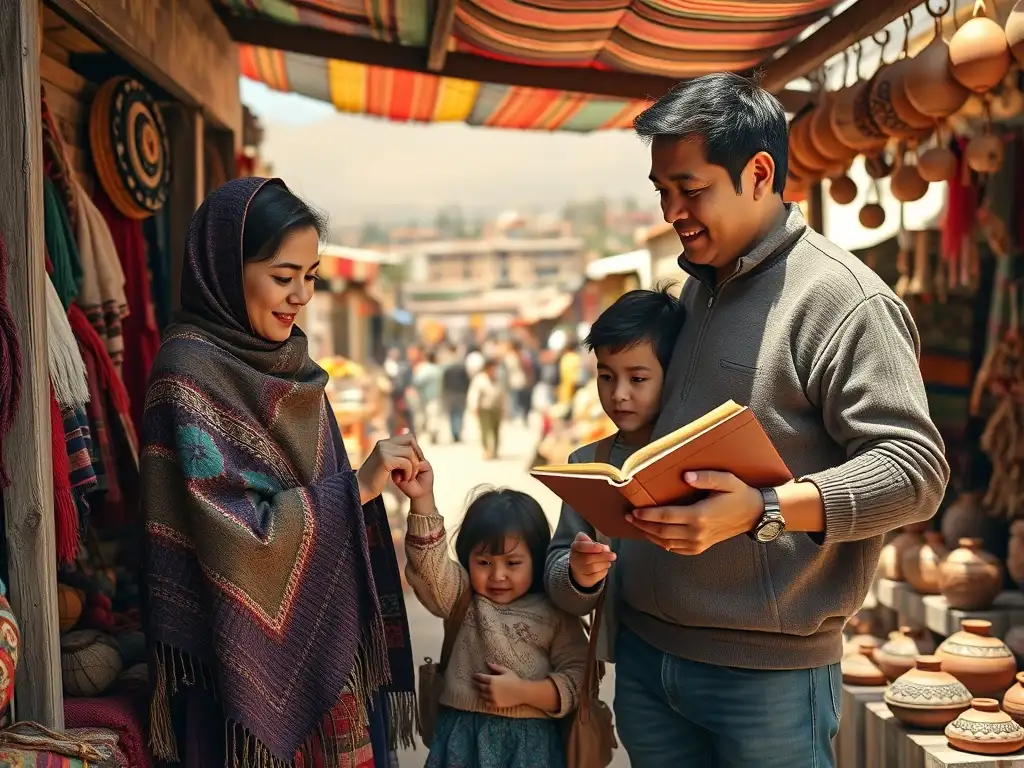
This section provides a practical, step-by-step guide to planning an Andean history family adventure, focusing on engaging activities suitable for children while exploring the fascinating history and culture of the region. We'll cover destination selection, altitude preparation, and engaging activities to make your Andean family vacation unforgettable. Remember, careful planning is key for a successful and enjoyable trip, especially when traveling with children. This guide will help you navigate the intricacies of Andean history family activities.
Step 1: Choosing Your Andean Destination: Inca Trails or Coastal Wonders?
Choosing the right location is paramount for a successful Andean history family activity. The Andes offer diverse experiences, from the high-altitude Inca ruins to the coastal mysteries of the Moche and Nazca cultures. Consider your family's interests and the ages of your children when making your decision.
Option 1: Exploring the Sacred Valley with Kids: Cusco and Machu Picchu
The Sacred Valley of the Incas, encompassing Cusco and Machu Picchu, offers a captivating blend of history and stunning landscapes. Cusco, a vibrant city steeped in Inca heritage, provides a fantastic base for exploration. Many family-friendly tours cater specifically to children's interests, offering engaging storytelling and interactive activities. Machu Picchu, the iconic "Lost City of the Incas," is awe-inspiring, but remember that the altitude and the trek can be challenging for younger children.
Consider the Inca Trail alternatives, such as the less strenuous train journey, to make the experience more accessible for the whole family. Remember to book well in advance, especially during peak season. Planning your Andean history family activities in this area should include acclimatization time in Cusco.
Option 2: Coastal Adventures: Unveiling Moche and Nazca Mysteries
For a different Andean experience, explore the Peruvian coast. The Moche and Nazca cultures left behind remarkable archaeological sites, including the stunning Nazca Lines and the intricate Moche pyramids. These sites offer a unique perspective on Andean history, showcasing distinct artistic and technological achievements.
Coastal areas generally have milder climates than the high Andes, potentially making them a more comfortable option for families with young children. Consider the travel time between sites and plan for appropriate transportation, such as hiring a private driver or utilizing guided tours, to optimize your time and enhance your Andean history family activities. The coastal climate is generally warmer and drier than the highlands.
Step 2: Preparing for the Andean Altitude and Climate
Preparing for the unique challenges of the Andean altitude and climate is crucial for a safe and enjoyable family trip. Altitude sickness is a real concern, and proper acclimatization is essential. The weather in the Andes can also be unpredictable, requiring careful packing.
Altitude Sickness Prevention: Essential for Family Travel
Altitude sickness can affect anyone, regardless of age or fitness level. Gradual ascent is key; spend a few days acclimatizing at a lower altitude before heading to higher elevations. Staying hydrated is crucial – encourage your children to drink plenty of water throughout the day. Avoid strenuous activity during the first few days at altitude.
Pack altitude sickness medication (consult your doctor beforehand) and be aware of the symptoms: headache, nausea, dizziness, and shortness of breath. Early intervention is crucial; if symptoms worsen, descend to a lower altitude immediately. Planning your Andean history family activities should always prioritize safety and well-being.
Clothing and Gear: Layering for the Andean Weather
The Andean weather can be unpredictable, varying significantly depending on altitude and time of year. Layering is essential. Pack warm clothing, including fleece jackets, sweaters, and waterproof outerwear. Sunscreen and hats are crucial to protect against the strong Andean sun, even on cloudy days. Comfortable, sturdy walking shoes are a must, especially for exploring Inca trails or archaeological sites. Consider packing insect repellent, especially for the lower altitudes and coastal regions. A first-aid kit containing essential medications and supplies is also highly recommended. Proper planning ensures your Andean history family activities are comfortable and safe. Don't forget sunglasses! ☀️
Step 3: Engaging Kids with Andean History Before You Go
Before embarking on your Andean adventure, sparking your children's interest in Andean history and culture is crucial for a more enriching experience. Preparing them beforehand transforms a simple sightseeing trip into a captivating journey of discovery. Children who understand the context of what they're seeing will engage more deeply and retain the information longer.
This pre-trip engagement can also manage expectations and reduce potential boredom during longer travel days or less visually stimulating parts of the journey. Think of it as laying the groundwork for an unforgettable family experience – one where learning and fun seamlessly intertwine. The more excited they are beforehand, the more enthusiastic they'll be during the actual trip!
Learning Tools: Books, Documentaries, and Interactive Games
A wealth of resources exists to make learning about Andean civilizations fun and accessible for children. Age-appropriate books offer captivating narratives and stunning visuals, bringing the ancient world to life. For example, books featuring colorful illustrations of Inca textiles or Moche pottery can ignite their imagination. Documentaries, especially those designed for younger audiences, provide a dynamic visual experience, showcasing the grandeur of Machu Picchu or the intricate designs of Nazca lines.
Look for documentaries that use animation or engaging storytelling techniques to keep children hooked. Interactive games, readily available online or in educational apps, offer a playful approach to learning. These games can focus on anything from building virtual Inca structures to deciphering ancient symbols, transforming learning into an enjoyable activity. Remember to choose resources that align with your children's age and interests to maximize engagement.
Don't be afraid to mix and match different learning tools for a more well-rounded experience. The key is to make it fun and interactive, avoiding dry lectures or overwhelming amounts of information. Consider incorporating short quizzes or interactive activities to reinforce learning and gauge their understanding. This way, your family can learn together, fostering a shared sense of anticipation for the journey ahead.
Creating a Pre-Trip Family Project: Building a Model Inca City
Transforming learning into a hands-on family project is a fantastic way to boost excitement and understanding. Building a model Inca city, for instance, is a fun and educational activity that engages children's creativity and spatial reasoning skills. This project can be as simple or as elaborate as you wish. You could start with a basic cardboard model, using readily available materials like construction paper, popsicle sticks, and clay to represent buildings, terraces, and even miniature llamas!
Researching Inca architecture beforehand will add an educational layer to the project. Children can learn about the Inca's innovative building techniques, their use of stone, and the strategic placement of their cities in the mountainous terrain. As they build, they can discuss the societal structures of the Inca empire, the roles of different citizens, and the challenges faced by the civilization. This collaborative endeavor fosters teamwork and communication, strengthening family bonds while enriching their understanding of Andean culture.
Consider involving the children in researching Inca city design and choosing the specific buildings and features they want to include. Displaying the completed model prominently in your home serves as a visual reminder of the upcoming trip, further fueling their excitement. The process of creating the model is as important as the final product; it's an opportunity for shared learning, creative expression, and family bonding. This activity creates a tangible link between their learning and the upcoming adventure, promising a more meaningful and engaging experience in the Andes.
Maximizing Cultural Immersion During Your Trip
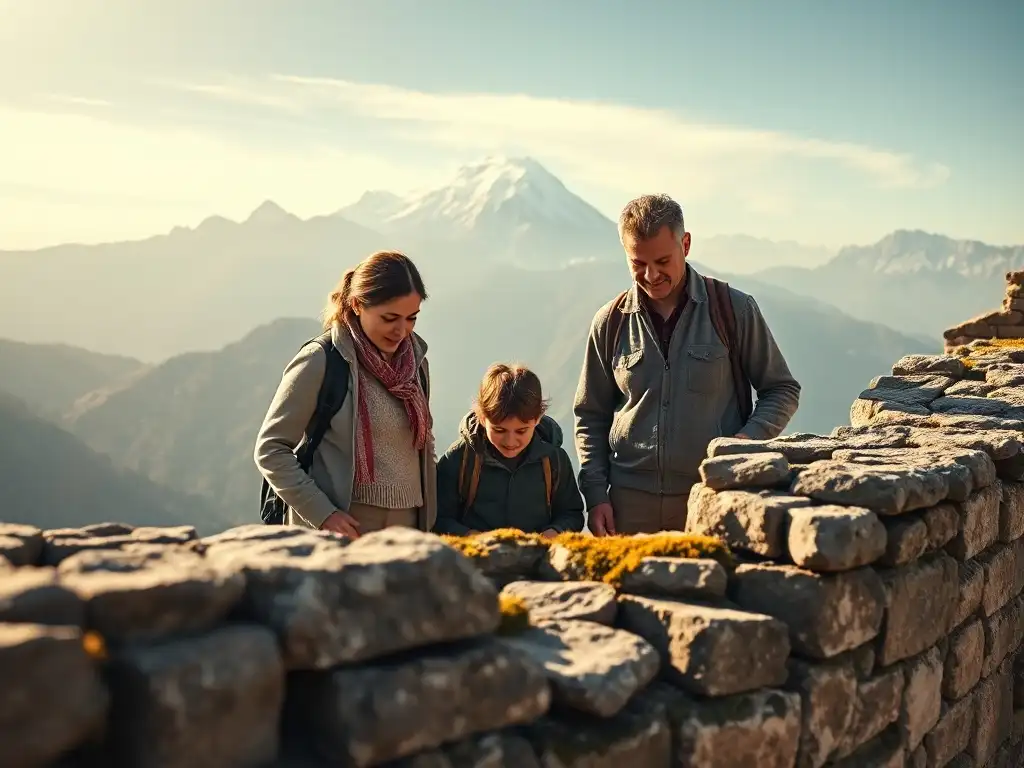
This section focuses on enriching your Andean adventure by actively engaging your family in the vibrant culture of the region. Forget passive sightseeing; let's transform your trip into a hands-on experience that fosters genuine appreciation for Andean history and traditions. We'll explore ways to make your Andean history family activities both educational and incredibly fun.
Hands-On Activities: Pottery, Weaving, and Cooking Classes
Direct engagement with Andean crafts provides a unique window into the past. Participating in workshops allows your children to understand the techniques and artistry behind these ancient traditions, fostering a deeper connection with Andean heritage. More than just a fun activity, these workshops offer valuable insights into daily life in past Andean civilizations.
Experience Examples: Family Pottery Workshop in Cusco with a focus on ancient techniques and Peruvian cooking classes for kids involving traditional recipes.
Imagine your family, hands covered in clay, recreating ancient pottery techniques in a Cusco workshop. The instructor, a skilled artisan, guides you through the process, explaining the historical significance of the designs and the tools used. This isn't just about creating a souvenir; it's about understanding the dedication and skill involved in shaping clay into functional and beautiful objects, a practice that stretches back millennia in Andean history. Similarly, a Peruvian cooking class tailored for kids can transform a simple meal into an adventure.
Learning to prepare traditional dishes like papa a la huancaína or cuy (guinea pig – if your family is adventurous!) provides a delicious and engaging way to learn about Andean cuisine and its historical roots. These experiences aren't just about learning a skill; they're about connecting with the culture on a sensory level, creating lasting memories, and enriching your understanding of Andean history family activities.
Local Markets and Artisan Visits: Supporting Andean Communities
Beyond the organized workshops, exploring local markets and visiting artisan communities provides an authentic and immersive experience. These interactions offer a glimpse into the daily lives of Andean people and allow you to support local economies while learning about their unique crafts and traditions. This approach enriches your understanding of the living legacy of Andean civilization.
Recommendations: Visiting the Pisac Market on a Sunday and artisan workshops in Chinchero specializing in textiles.
A Sunday visit to the bustling Pisac Market is a sensory feast. The vibrant colors, the aromas of exotic fruits and spices, and the lively interactions between vendors and customers create a captivating atmosphere. Beyond the shopping, observing the intricate textiles, hand-carved wood, and other handicrafts provides a tangible link to Andean artistry.
It's an opportunity to see how these ancient skills are preserved and adapted in modern Andean life. In Chinchero, you can delve deeper into the world of textiles. Many workshops offer demonstrations and even allow participation in the weaving process, giving you a firsthand understanding of the time and skill involved in creating these beautiful and historically significant pieces.
By interacting with the artisans directly, you learn about their techniques, their stories, and their connection to their heritage, fostering a more meaningful and respectful appreciation for Andean culture. These encounters strengthen your understanding of Andean history family activities, transforming your trip from a simple sightseeing tour into a truly immersive cultural experience.
Storytelling and Cultural Performances: Bringing History to Life
Engaging children with Andean history requires bringing the past to life in a way that captures their imagination. Storytelling and cultural performances are invaluable tools for achieving this. Instead of simply reciting facts, these methods create an immersive experience, allowing children to connect emotionally with the history and culture of the Andes. The vibrant narratives of Inca legends, the haunting melodies of ancient Andean music, and the captivating visuals of traditional dances all contribute to a richer understanding that goes beyond rote memorization.
This active participation fosters a deeper appreciation for the region's heritage, transforming a potentially dry historical lesson into an exciting adventure. The key is to find performances that are specifically tailored, or at least adaptable, for younger audiences. Look for interactive elements that encourage participation, such as question-and-answer sessions or opportunities for children to try on traditional clothing. The more senses engaged, the more memorable the experience will be.
Consider the setting as well; an outdoor performance under the Andean sun, surrounded by the breathtaking scenery, can further enhance the immersion. Think of it as a living history museum, where the stories unfold before your eyes. The power of storytelling is undeniable; it allows children to step into the shoes of ancient Andean people, experiencing their lives, struggles, and triumphs firsthand, albeit in a fun and engaging way. This approach helps to create lasting memories and a genuine love for Andean culture.
Experience Examples: Traditional Andean music performances with interactive segments for children and puppet shows depicting Inca legends.
Traditional Andean music, with its haunting melodies and rhythmic instrumentation, offers a captivating entry point for children into the region's rich cultural heritage. Performances featuring interactive segments, such as allowing children to try playing simple instruments or participate in a short dance lesson, can greatly enhance engagement. Imagine the excitement of a young child learning to play a panpipe or trying out a traditional Andean step. These hands-on experiences transform passive observation into active participation, fostering a deeper connection with the music and its cultural significance.
Puppet shows, on the other hand, provide a visually engaging way to introduce children to Inca legends and mythology. The vibrant colors, expressive puppets, and captivating storytelling create a magical atmosphere, drawing children into the narrative and igniting their curiosity about the stories and beliefs of the Inca people. For example, a puppet show could depict the creation myth of the Inca, the story of Manco Cápac and Mama Ocllo, or perhaps a tale of a brave warrior or a cunning trickster.
These stories, when brought to life through puppetry, become far more accessible and engaging for young audiences, fostering an appreciation for the rich tapestry of Inca mythology. The use of puppets also allows for a simplified presentation of complex themes, making them easily understandable for children of various ages.
The combination of music and puppetry provides a dynamic and multifaceted approach to cultural immersion, ensuring a memorable and enriching experience for the whole family. 👪
Post-Trip Activities: Keeping the Andean Spirit Alive
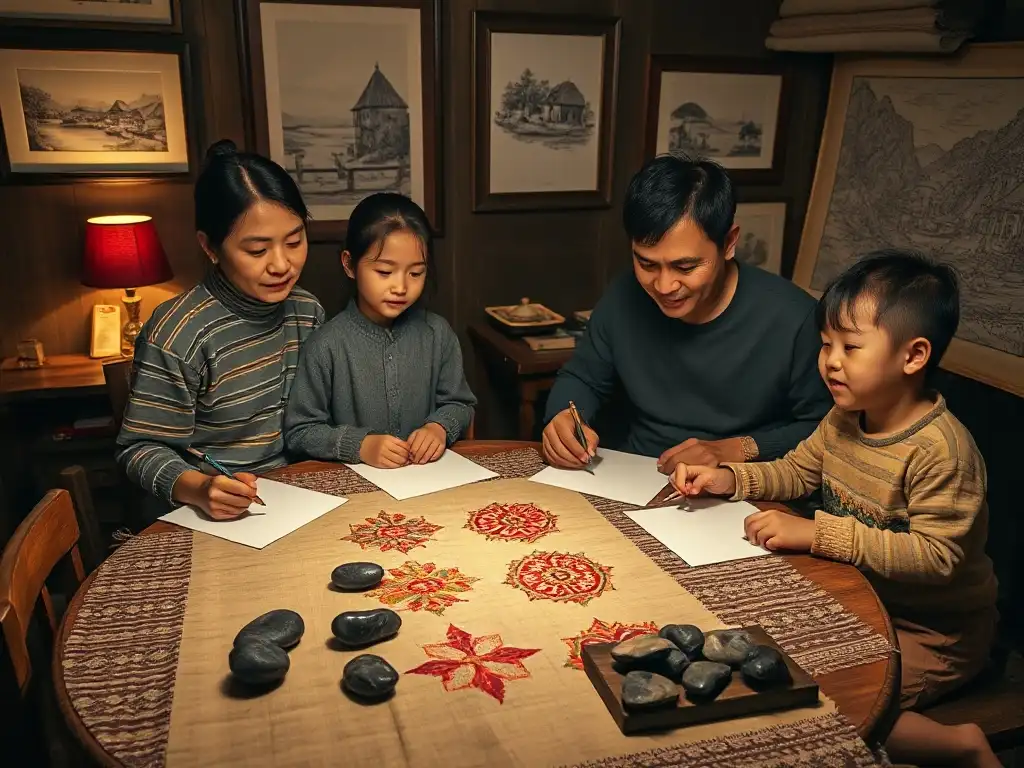
Returning from an Andean adventure doesn't mean the journey ends. To truly maximize the impact of your family's experience and foster a lasting appreciation for Andean history, consider engaging in post-trip activities that reinforce the learning and fun. These activities can solidify your children's understanding of the cultures they encountered and create lasting memories for the entire family.
Sustaining this engagement will transform a simple vacation into a powerful educational experience, enriching your family’s understanding of Andean history for years to come. This section will provide concrete ideas and resources to help you extend the Andean experience beyond the trip itself, keeping the spirit of adventure alive.
Creating a Family Scrapbook: Remembering the Adventure
A family scrapbook is more than just a collection of photos; it's a tangible representation of your shared journey. This hands-on activity allows children to actively participate in preserving their memories, enhancing their engagement with the Andean history they witnessed. Encourage them to select their favorite photos, write short captions describing what they saw and felt, and even include small artifacts like entry tickets or brochures. The process of creating the scrapbook itself becomes an extension of the adventure, prompting discussions about their experiences and reinforcing key learnings.
The best scrapbooks are collaborative efforts. Involve everyone in selecting photos, writing captions, and decorating the pages. This collaborative process fosters family bonding and creates a shared experience around the memories. Consider incorporating maps of the sites visited, drawings of significant artifacts, or even small pieces of nature collected responsibly during the trip (like pretty stones or pressed flowers). This multi-sensory approach helps cement the memories and makes the scrapbook a richer, more meaningful keepsake.
Product Recommendation: Archival quality photo albums and travel journal kits with Andean-themed stickers.
Sharing your Andean adventure with others is a fantastic way to extend the educational benefits beyond your immediate family. Not only does it reinforce your own learning, but it also inspires others to explore the wonders of Andean history and culture. Consider sharing your experiences through various channels, focusing on the aspects that particularly resonated with your children. What were the most memorable moments? What did they learn that surprised them? Sharing these stories can spark curiosity and encourage other families to embark on similar adventures.
Remember to focus on the positive aspects of your family's adventure. Highlight the engaging activities, the fascinating historical insights, and the overall fun you had. Positive storytelling is contagious and can inspire others to embrace Andean history family activities. This positive approach is crucial for generating interest and encouraging exploration.
Recommendation: Social media sharing tips with #AndeanAdventures and #FamilyTravelPeru. Consider creating a short video montage of your trip, highlighting the key moments and incorporating fun music. This visually appealing format is ideal for capturing attention and sharing your experiences effectively. Remember to include relevant hashtags to reach a wider audience interested in Andean history family activities and family travel in Peru. Sharing your experience fosters a sense of community amongst families with similar interests and encourages future exploration of Andean culture.
Conclusion: Creating Lasting Memories in the Andes
This journey through Andean history, tailored for family adventures, offers a unique opportunity to connect with a captivating past. By thoughtfully integrating engaging activities into your exploration of Inca, Moche, Nazca, and Tiahuanaco sites, you're not just sightseeing; you're fostering a deeper understanding and appreciation of these remarkable Andean civilizations.
The vibrant tapestry of Andean culture—its intricate textiles, awe-inspiring architecture, and fascinating mythology—provides a rich backdrop for creating lasting memories that extend far beyond the trip itself. Remember, the goal isn't just to see the sites, but to experience them, transforming a simple vacation into a powerful educational journey for the whole family.
The Lasting Impact of Andean Cultural Experiences on Children
Exposure to Andean history at a young age can have a profound and lasting impact. Children are naturally curious, and the mysteries surrounding ancient civilizations, like the Nazca Lines or the intricate stonework of Machu Picchu, ignite their imaginations. These experiences cultivate a love for history and a broader appreciation for diverse cultures.
Studies show that hands-on learning, such as participating in traditional Andean crafts or storytelling sessions, significantly enhances knowledge retention and fosters a deeper connection with the subject matter. Moreover, sharing these experiences as a family strengthens bonds and creates shared memories that will be cherished for years to come.
Think about the stories your children will tell, the knowledge they will retain, and the respect for different cultures they will develop – these are invaluable gifts far exceeding the typical tourist experience. The impact of these carefully planned "Andean history family activities" transcends mere entertainment; it shapes young minds, cultivating empathy, critical thinking, and a lifelong interest in history and culture.
Encouraging future exploration and learning about Andean civilizations
The seeds of curiosity sown during a family Andean adventure can blossom into a lifelong passion for learning. To further nurture this interest, consider incorporating Andean-themed activities into your daily routines after returning home. This could involve reading books about Andean civilizations, watching documentaries, exploring online resources dedicated to Andean history, or even attempting some simple Andean crafts.
You could even start a family project, such as creating a timeline of significant events in Andean history, building a miniature model of a significant site like Sacsayhuamán, or researching the unique characteristics of different Andean cultures. Remember, the learning doesn't have to be formal; it can be integrated seamlessly into everyday life. Encouraging continued exploration helps children connect the amazing experiences of their trip with broader educational contexts, solidifying their understanding and deepening their appreciation for Andean civilizations.
By consistently engaging with the subject, you are not only reinforcing what they learned but also nurturing a lifelong love for exploration and learning – a gift that keeps on giving long after your Andean adventure concludes. This sustained engagement is key to transforming a fleeting holiday into a catalyst for lifelong learning and appreciation of Andean history.
Frequently Asked Questions
What makes Andean history engaging for families?
Andean history offers vibrant cultures and fascinating stories, perfect for sparking children's imaginations. From ancient ruins to colourful textiles, there's something to captivate everyone. Learning about these civilizations becomes an exciting adventure for the whole family.
Are there family-friendly sites to explore in the Andes?
Absolutely! Many archaeological sites offer kid-friendly tours and activities. Consider places like Sacsayhuamán near Cusco or the Machu Picchu Youth Hostel, catering specifically to families. Look for options with interactive exhibits and engaging guides.
How can I make learning about Andean civilizations fun for my children?
Use interactive methods like storytelling, games, and crafts. Create a timeline charting the rise and fall of different Andean empires. Even watching documentaries together can turn learning into a shared family experience.
What age group are these Andean history activities suitable for?
Andean history activities are adaptable to various age groups. Younger children might enjoy hands-on activities like creating miniature Inca structures, while older kids can delve deeper into the complexities of Andean societies and their innovations.
Where can I find more resources for learning about Andean history with my family?
Many excellent books and websites cater to families. Look for children's books with engaging illustrations and age-appropriate language. Museums and educational websites offer interactive resources and virtual tours, bringing the Andes to your home.
Final Reflection: Echoes of the Andes: Shaping Future Explorers
The vibrant tapestry of Andean history, woven with threads of ancient civilizations and breathtaking landscapes, continues to resonate today, offering invaluable lessons for families seeking enriching experiences. Understanding our shared past fosters empathy, critical thinking, and a deeper appreciation for the world around us, making family adventures like those explored in this article not just fun, but fundamentally important.
The impact of engaging children with history at a young age is profound; it sparks curiosity, cultivates a sense of wonder, and instills a lifelong love of learning. The future belongs to those who believe in the beauty of their dreams.
- Eleanor Roosevelt. This quote perfectly encapsulates the potential we unlock when we nurture a child's innate curiosity about the world, especially when we explore it through the lens of history and culture, as we did in the Andes. The echoes of Inca ingenuity and the resilience of Andean communities continue to inspire, shaping not only our understanding of the past but also our vision for a more sustainable and equitable future.
Now, consider your own family's story. What adventures await you? Perhaps it's planning a trip to a local museum, researching your family's heritage, or simply engaging in a conversation about the history embedded in your everyday surroundings. Embrace the spirit of exploration, for the journey of discovery is as important as the destination. Let the echoes of the Andes inspire you to create your own meaningful family adventures, fostering a legacy of learning, connection, and a deep appreciation for the rich tapestry of human history.
**Ignite Family Adventures: Explore the Rich Heritage of the Andes! **
Thank you for joining us on this journey through the captivating history and culture of the Andes! We hope this exploration inspires your family to create unforgettable memories by engaging meaningfully with the past. Let's now delve deeper into Andean culture together!
- **Plan your next family adventure:** Choose a historical site or cultural festival in the Andes to visit. Immerse your children in the local traditions and stories, fostering a deeper understanding and appreciation for Andean heritage.
- **Create a cultural night at home:** Prepare a traditional Andean meal together and share stories from the region's rich history. Transform your kitchen into a vibrant space where you explore and connect with Andean culture.
- **Share your discoveries:** Start a family blog or social media account to document your adventures and learnings about Andean civilizations. Inspire others to embark on their own journeys of discovery and celebrate the wonders of Andean culture.
What unique experiences do you believe would most resonate with your family as you explore the rich tapestry of Andean culture?