
Photography Tips for Andean Ruins: Capturing the Majesty of Ancient Civilizations

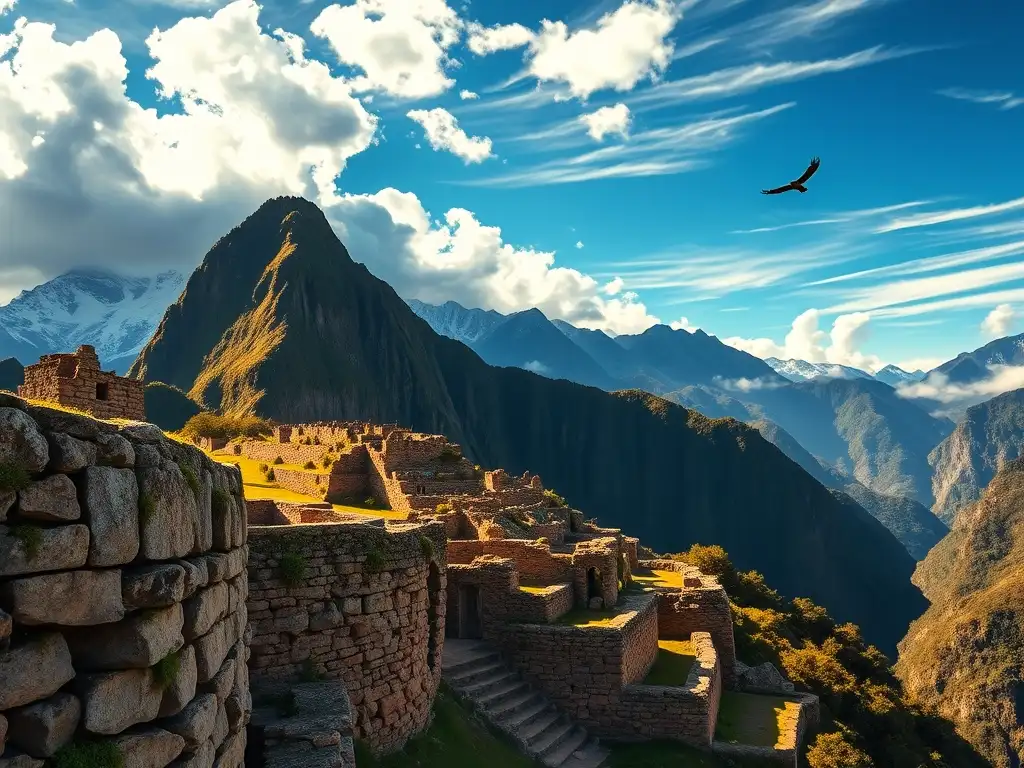
Uncover the secrets whispered by the wind across the breathtaking Andean peaks. For centuries, these majestic ruins have stood as silent witnesses to empires lost and civilizations reborn. But what if you could capture their enduring majesty? Dive into our expert guide on Andean ruins photography tips, and learn how to transform your snapshots into timeless testaments to the incredible legacy of the Incas, Moche, Nazca, and Tiahuanaco. Prepare to be amazed – and inspired – by the power of photography to unveil the wonders of the Andes.
- Andean Ruins Photography Tips: Capturing the Majesty of Ancient Civilizations
-
Frequently Asked Questions
- What are the best times of day to photograph Andean ruins?
- What equipment is essential for photographing Andean ruins?
- How can I avoid crowds in my Andean ruin photographs?
- What are some creative photography techniques for Andean ruins?
- How can I best showcase the scale and grandeur of the ruins in my photos?
- Final Reflection: Preserving Majesty Through the Lens
- **Unleash Your Inner Photographer Today! **
Andean Ruins Photography Tips: Capturing the Majesty of Ancient Civilizations
The Andes Mountains, a spine of towering peaks running down the western edge of South America, are home to some of the most fascinating and awe-inspiring ancient ruins on Earth. From the intricate stonework of Machu Picchu to the enigmatic Nazca Lines, these sites offer a captivating glimpse into the ingenuity and artistry of civilizations that thrived centuries ago. This guide provides essential photography tips to help you capture the majesty and mystery of these incredible Andean ruins, ensuring your images truly reflect the grandeur and historical significance of these locations.
We’ll cover everything from essential gear and trip planning to mastering the art of composition and lighting in these unique environments, turning your Andean adventure into a photographic triumph. Get ready to elevate your photography skills and immortalize the breathtaking beauty of these ancient wonders.
Introduction: Unveiling the Secrets of Andean Photography
Photographing Andean ruins presents unique challenges and opportunities. The high altitudes, varying light conditions, and the sheer scale of these sites require careful planning and execution. The dramatic landscapes, often featuring stunning mountain backdrops, offer incredible compositional possibilities. However, capturing the intricate details of the stonework, the subtle textures of the ancient structures, and the overall atmosphere requires a thoughtful approach.
This section will lay the groundwork for a successful photographic journey, equipping you with the knowledge and techniques to capture truly memorable images. Think about capturing not just the structures themselves, but also the feeling of history, the vastness of the landscape, and the subtle details that tell a story. 📸
Preparing for Your Andean Ruins Photography Adventure
Before embarking on your photographic expedition, thorough preparation is key to ensuring a smooth and productive trip. This involves not only packing the right gear but also strategically planning your itinerary to optimize your photography opportunities. Remember, the best photos often result from careful planning and a deep understanding of the environment and the subjects you'll be photographing. Let's dive into the details.
Essential Photography Gear for Andean Sites
Packing the right equipment is crucial for Andean ruins photography. The high altitudes and unpredictable weather demand versatility and robustness. Here's a checklist of essential gear:
- Camera Body: A high-resolution DSLR or mirrorless camera with good low-light performance is ideal.
- Lenses: A versatile zoom lens (e.g., 24-70mm) is essential for capturing both wide shots and detailed close-ups. Consider a wider angle lens (e.g., 16-35mm) for landscape shots and a telephoto lens (e.g., 70-200mm) for compressing perspective and isolating details.
- Tripod: A sturdy tripod is indispensable for sharp images, especially in low-light conditions or when using longer exposures. Consider a lightweight carbon fiber tripod for easier portability at higher altitudes.
- Filters: A polarizing filter will help reduce glare and enhance colors, while a graduated neutral density (GND) filter will help balance exposure in scenes with bright skies and darker foregrounds.
- Extra Batteries and Memory Cards: High altitudes can drain batteries faster, so pack plenty of spares. Similarly, ensure you have sufficient memory card capacity.
- Cleaning Kit: Keep your lenses clean to avoid dust and smudges impacting image quality.
Planning Your Photography Trip: Time of Day and Location Scouting
The time of day significantly impacts the quality of your photographs. The "golden hour" (sunrise and sunset) offers warm, soft light that is ideal for capturing the textures and details of the ruins. Harsh midday sun can create strong shadows and washed-out colors. Therefore, plan your visits around these optimal lighting conditions. Furthermore, scouting locations beforehand, either through research or on-site reconnaissance, is crucial.
Identify vantage points that offer compelling compositions, considering the interplay of light, shadow, and the surrounding landscape. Think about foreground elements to add depth and context to your images. Consider the weather forecast, as unpredictable conditions can dramatically affect your photography opportunities. ☀️
Step-by-Step Guide to Photographing Andean Ruins
This section provides a practical, step-by-step guide to help you capture stunning photographs of Andean ruins. Remember, patience and observation are key to achieving truly memorable shots. The unique light, textures, and vastness of these sites demand careful planning and execution. Let's dive into the specifics.
Step 1: Composition Techniques for Andean Ruins
Mastering composition is paramount when photographing Andean ruins. Think about the "rule of thirds," placing key elements off-center to create a more dynamic image. Utilize leading lines—ancient pathways, walls, or even shadows—to draw the viewer's eye into the scene. Experiment with different perspectives; get down low to emphasize the scale of the structures or climb to a higher vantage point for a sweeping panoramic view.
Consider the negative space; sometimes, leaving empty space around the subject can enhance the overall impact of the photograph. For example, a lone, weathered stone against a vast, empty sky can convey a powerful sense of history and isolation. Don't be afraid to experiment; try different compositions until you find one that truly captures the essence of the ruin. The unique shapes and lines found in Andean architecture offer endless compositional possibilities.
Step 2: Mastering Lighting and Exposure in the Andes
The Andean light can be challenging but also incredibly rewarding. The high altitude and intense sunlight can lead to harsh shadows and overexposed areas. The best time to shoot is during the "golden hour"—sunrise and sunset—when the light is softer and warmer, casting long shadows that add depth and drama to your images. Use a polarizing filter to reduce glare and enhance color saturation, particularly important in the bright Andean sun.
Learn to utilize your camera's exposure compensation settings to adjust for the varying light conditions. Bracket your shots—take several exposures at different settings—to ensure you capture the best possible image, especially in challenging lighting situations. Pay close attention to the shadows; they can add a sense of mystery and depth, highlighting the textures and contours of the ancient stonework. Understanding the interplay of light and shadow is critical for capturing the dramatic beauty of these sites.
Step 3: Capturing Architectural Details and Textures
Andean ruins are rich in intricate details and weathered textures. Get up close and personal to capture these fascinating elements. Use a macro lens or get close with your standard zoom to reveal the subtle carvings, intricate stonework, and the effects of time and erosion on the structures. Pay attention to the textures of the stone—rough, smooth, pitted, or layered—and try to capture these nuances in your photographs.
Consider using shallow depth of field (a wide aperture) to isolate specific details and blur the background, drawing attention to the textures and patterns. For example, a close-up of intricately carved stonework can reveal the artistry and craftsmanship of the ancient builders. The details tell a story, revealing the skill and dedication of those who built these magnificent structures.
Step 4: Photographing People and Culture at Andean Sites
While focusing on the ruins themselves, remember to capture the human element. Photographs of local people interacting with the site, or simply going about their daily lives near the ruins, can add context and a sense of place to your images. Always be respectful and ask permission before photographing individuals.
Capture the interaction between people and the ancient structures; perhaps a child playing near a crumbling wall or a local artisan crafting souvenirs. These images can provide a powerful narrative, weaving together the past and the present. Remember that responsible and ethical photography is crucial, prioritizing respect for the local culture and avoiding exploitative imagery.
Step 5: Post-Processing Your Andean Ruins Photographs
Post-processing is an essential step in enhancing your Andean ruins photographs. Use software like Adobe Lightroom or Photoshop to adjust exposure, contrast, and color balance. Correct any lens distortions or chromatic aberration. Carefully consider sharpening and noise reduction; these tools can enhance details and improve image clarity, particularly in low-light conditions.
Experiment with different editing styles to find what works best for your images. However, avoid over-processing; aim for natural-looking enhancements that complement the beauty of the original scene. Remember, the goal is to enhance the image, not to drastically alter it. A subtle and careful approach will yield the best results.
Monetization Opportunities: Turning Your Passion into Profit
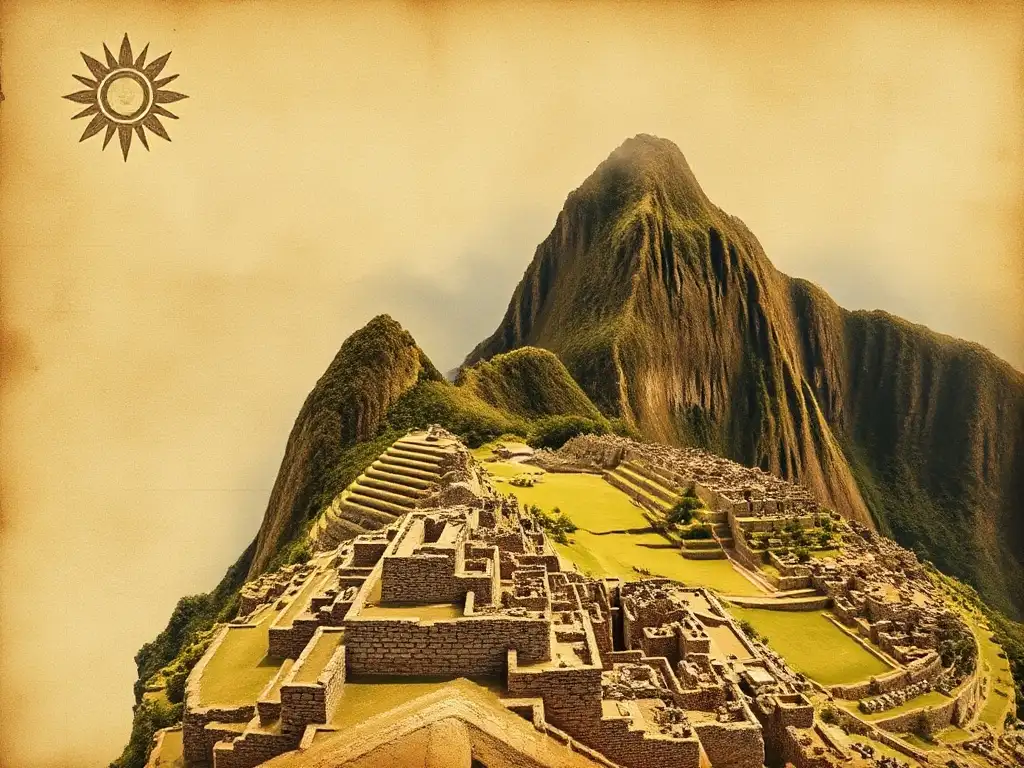
Your stunning photographs of Andean ruins can be more than just a personal collection; they can also be a source of income. Here are some avenues to explore.
Affiliate Links for Photography Equipment
Consider partnering with photography equipment retailers and including affiliate links in your blog posts or social media captions. This can generate income whenever someone purchases equipment through your links. Ensure you only recommend products you genuinely believe in and have used personally. Transparency and honesty are crucial for building trust with your audience. This is a great way to share your passion for photography while earning passive income.
Promoting Photography Tours and Experiences
If you're knowledgeable about Andean ruins and photography, you could create and promote your own photography tours or workshops. Alternatively, you could partner with existing tour operators to offer specialized photography experiences. This creates a unique and valuable offering for those interested in both travel and photography. This requires careful planning and marketing but can be highly rewarding. Offering a niche photography experience adds value and can attract a dedicated clientele.
Conclusion: Preserving the Beauty of Andean Ruins Through Photography
Responsible photography is paramount when documenting the majesty of Andean ruins. These sites are not just breathtaking landscapes; they are fragile remnants of incredibly rich cultures, carrying the weight of millennia of history. Our photographs should reflect this reverence. Avoid actions that could damage the structures or surrounding environment. Refrain from climbing on walls or touching artifacts, as even seemingly minor actions can contribute to significant long-term deterioration.
Respect any signage or instructions provided by park rangers or local authorities. Remember, these sites are protected for future generations to appreciate, and our role as photographers is to capture their beauty responsibly, ensuring their preservation for years to come. The enduring legacy of the Andean civilizations deserves nothing less. By practicing mindful photography, we can help ensure that these wonders remain accessible and inspiring for generations to come.
Let's strive to leave these sites as we found them—untouched and awe-inspiring. Consider the ethical implications of every shot, and always prioritize the preservation of these incredible historical treasures. This thoughtful approach not only protects the sites but also elevates the quality and impact of your photography, transforming it from mere snapshots into meaningful documentation of our shared cultural heritage. The beauty of the Andes is a gift, and responsible photography is our way of giving something back.
Sharing your experiences and inspiring others to explore the Andes
Beyond the personal satisfaction of capturing stunning images, sharing your Andean ruins photography can inspire others to explore these incredible sites. The power of visual storytelling is undeniable. A well-composed photograph can evoke a sense of wonder and adventure, prompting viewers to learn more about the history and culture of the Andes.
Sharing your photos on social media platforms, or even creating a personal travel blog, can reach a wide audience and spark a newfound interest in Andean history and archaeology. Remember to include details about your experiences and any tips you learned along the way; this can be invaluable for aspiring photographers and travelers alike. Your photographs can act as a virtual guide, helping others plan their trips and learn about the best locations and photography techniques for capturing the essence of these ancient sites.
By sharing your passion and knowledge, you contribute to a larger conversation about the importance of preserving these cultural treasures, creating a ripple effect of appreciation and exploration. In essence, your photography becomes a tool for education and cultural preservation, enriching both your personal journey and the experiences of others. Let your images not only showcase the beauty of the Andes but also inspire others to embark on their own journeys of discovery.
Frequently Asked Questions
What are the best times of day to photograph Andean ruins?
The golden hours, shortly after sunrise and before sunset, offer the warmest, softest light, ideal for highlighting the textures and colors of the ruins. Avoid harsh midday sun.
What equipment is essential for photographing Andean ruins?
A wide-angle lens is crucial for capturing the scale of the sites. A tripod is recommended for sharp images, especially in low light. Consider a polarizing filter to reduce glare.
How can I avoid crowds in my Andean ruin photographs?
Arrive early in the morning or stay later in the afternoon to beat the crowds. Experiment with different angles and perspectives to minimize visible people.
What are some creative photography techniques for Andean ruins?
Try using leading lines created by pathways or walls to draw the viewer's eye. Experiment with different compositions, including close-ups of details and wide shots of the entire site. Silhouettes against the setting sun can be stunning.
How can I best showcase the scale and grandeur of the ruins in my photos?
Include human elements (a person standing at a distance) to provide a sense of scale. Use a wide-angle lens to capture the vastness of the site. Focus on the overall architectural features to highlight their magnificence.
Final Reflection: Preserving Majesty Through the Lens
The breathtaking beauty of Andean ruins continues to resonate today, a testament to civilizations that shaped our world. These ancient sites, etched into the very landscape, offer not only a glimpse into the past but also a powerful connection to the enduring spirit of human ingenuity and resilience. Capturing their majesty through photography is not merely a technical exercise; it's an act of preservation, a way to share their stories with a wider audience and inspire future generations to appreciate their significance.
The impact of photography on our understanding and appreciation of Andean ruins is undeniable. It allows us to experience these sites, even if only virtually, fostering a sense of wonder and respect that can translate into tangible efforts for their preservation. As the renowned photographer Sebastião Salgado once said, Photography is a way of feeling, of touching, of loving. What you have caught on film is captured forever.
This sentiment rings particularly true when applied to the delicate balance between capturing the beauty of these ancient sites and ensuring their protection from the ravages of time and irresponsible tourism.
Consider the power you now hold. You've learned techniques to capture the essence of these magnificent places, to illuminate their intricate details and the vastness of their landscapes. Now, go forth and use your newfound skills not only to create stunning images but also to advocate for the responsible exploration and preservation of these irreplaceable cultural treasures. Let your photographs be a testament to the enduring power of human creativity, both past and present, and inspire others to experience the majesty of the Andes for themselves.
**Unleash Your Inner Photographer Today! **
Thank you for reading our guide on capturing the awe-inspiring beauty of Andean ruins! The tips and insights provided will help you create stunning photographs that truly tell the story of these ancient civilizations. Now, it's time to put your newfound knowledge into practice.
Here are a few ways you can continue your photographic journey:
- **Plan your next trip** to explore the majestic Andean ruins and experience their magic firsthand.
- Connect with other photography enthusiasts by **joining a local photography group**. Sharing your work and learning from others will significantly improve your skills.
- Consider **sharing your adventure through a travel blog**. Showcase your best photographs and insights from your journey through the Andes.
What unique perspective will you focus on during your next visit to the Andean ruins? Share your thoughts in the comments!