
The Art of Observation: Binoculars and Tools for Wildlife Spotting in the Andes

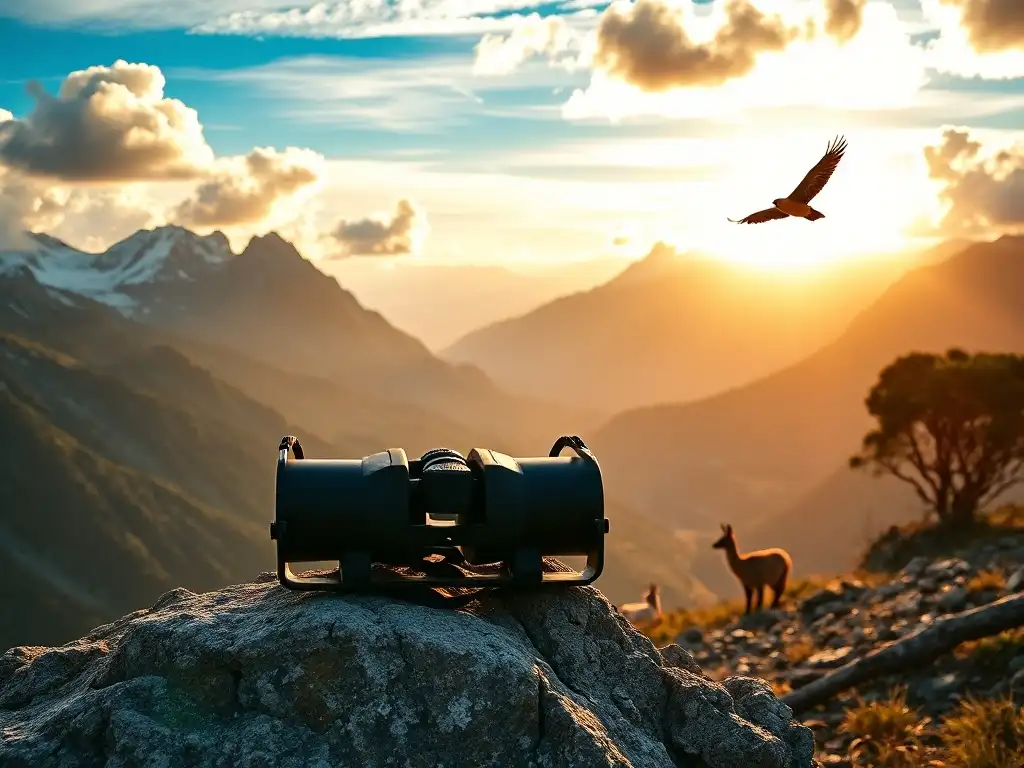
Uncover the secrets whispered on the wind across the Andes Mountains. For centuries, these majestic peaks have guarded the legacies of incredible civilizations—the Incas, Moche, Nazca, and more. But their story doesn't end with the past. Today, the Andes offer a breathtaking spectacle of wildlife, a vibrant tapestry waiting to be explored. Prepare to journey into the heart of this ancient land with our guide on Andean wildlife spotting binoculars, the essential tool for unlocking the wonders that still thrive amongst the ruins. Discover how the right equipment can transform your Andean adventure.
Exploring the breathtaking landscapes of the Andes Mountains offers an unparalleled opportunity to witness a vibrant tapestry of wildlife. From the soaring Andean condor to the elusive spectacled bear, the region teems with fascinating creatures adapted to its unique high-altitude environment. However, observing these animals in their natural habitat requires more than just keen eyes; it demands the right tools to enhance your experience and ensure responsible wildlife viewing.
This article delves into the essential gear needed for Andean wildlife spotting, focusing on binoculars and other tools that will allow you to appreciate the incredible biodiversity of the Andes while minimizing your impact on these delicate ecosystems. We'll explore the crucial factors to consider when selecting binoculars specifically designed for the challenging conditions of the Andes, ensuring you're well-equipped to make the most of your wildlife-spotting adventures.
Understanding the nuances of choosing the right equipment will transform your Andean journey into an unforgettable experience of wildlife observation. Let's embark on a journey to discover the best tools for responsible and rewarding Andean wildlife spotting.
Unveiling the Andean Wilderness: Why Binoculars are Essential
The Andes Mountains present a unique challenge for wildlife viewing. The vast distances, varied terrains, and often shy nature of the animals necessitate the use of high-quality binoculars. Without them, many incredible sightings would remain unseen. Imagine trying to spot a tiny hummingbird flitting amongst the vibrant flora or a vicuña blending seamlessly into the rocky landscape.
Binoculars bridge this gap, bringing the wildlife closer and allowing for a more detailed and respectful observation. Moreover, responsible wildlife viewing is crucial. By using binoculars, you can maintain a safe and respectful distance from the animals, minimizing disturbance to their natural behavior and habitat.
This approach ensures the preservation of these magnificent creatures and their fragile ecosystems for generations to come. The use of binoculars is not just about improving your viewing experience; it's about practicing ethical and sustainable wildlife tourism. It allows for a more profound appreciation of the Andean wilderness and its inhabitants.
Choosing the Right Binoculars for Andean Wildlife Viewing
Selecting the perfect binoculars for Andean wildlife spotting requires careful consideration of several key factors. The high altitude, varying weather conditions, and diverse wildlife necessitate a specific set of features. The magnification power, the lens diameter, and the field of view all play crucial roles in your ability to effectively observe animals in their natural environment. You also need to consider the ruggedness and durability of the binoculars to withstand potential impacts and harsh weather conditions inherent to the Andean region.
Furthermore, the weight and size of the binoculars are important considerations for comfort and portability, especially during extended hikes and treks. Choosing the right binoculars is an investment that will significantly enhance your wildlife spotting experiences in the Andes. It's a balance between optical performance, durability, and comfortable portability.
Understanding Binocular Specifications for High-Altitude Environments
When choosing binoculars for the Andes, understanding the specifications is paramount. Magnification (e.g., 8x42, 10x42) significantly impacts how close the wildlife appears. Higher magnification (e.g., 10x) brings distant objects closer but often reduces the field of view and requires steadier hands.
Lower magnification (e.g., 8x) offers a wider field of view, better for tracking moving animals. The objective lens diameter (the second number, e.g., 42mm in 8x42) influences light gathering—larger lenses are better in low-light conditions, common at high altitudes or in shaded areas. A larger lens diameter also generally improves image brightness and clarity.
Consider the field of view (FOV), expressed in degrees or feet at 1000 yards; a wider FOV allows you to track moving animals more easily. Finally, consider weatherproofing and durability—look for binoculars with nitrogen purging to prevent fogging at high altitudes and a robust build to withstand the challenges of Andean environments. Investing in high-quality, appropriately specified binoculars is crucial for a rewarding and responsible wildlife-spotting experience in the Andes.
Top Binocular Recommendations for Andean Wildlife Spotting
Choosing the right binoculars for Andean wildlife spotting is crucial for a rewarding experience. The high altitudes, diverse terrains, and sometimes challenging weather conditions demand binoculars that are durable, reliable, and offer excellent optical performance. Consider factors like magnification, objective lens diameter, field of view, and weight when making your selection.
Remember, higher magnification allows for closer observation of distant animals, but it also reduces the field of view and can make hand-holding more difficult. A larger objective lens diameter gathers more light, improving low-light performance, which is beneficial in the often-shadowed Andean landscapes. A wider field of view is helpful for quickly scanning large areas, while a lighter weight is preferable for extended periods of observation.
The Vortex Diamondback HD Binoculars: Premium Performance for Serious Spotters
The Vortex Diamondback HD binoculars are a popular choice among serious birdwatchers and wildlife enthusiasts. Their high-quality lenses deliver exceptional clarity and brightness, making them ideal for spotting elusive Andean wildlife in various lighting conditions. The rugged, waterproof design ensures they can withstand the rigors of Andean travel, protecting them from rain, dust, and accidental drops.
While they represent a higher price point, their superior optical performance and durability justify the investment for those seeking a premium experience. Specific models within the Diamondback HD line offer different magnification levels, allowing you to choose the best fit for your needs and preferred viewing distance. Many users praise their ergonomic design, making them comfortable to use even during extended periods of observation.
The Nikon Prostaff 3S Binoculars: Versatile and Reliable Mid-Range Option
For a versatile and reliable mid-range option, the Nikon Prostaff 3S binoculars offer excellent value. They strike a balance between performance, durability, and affordability, making them a suitable choice for both casual and more serious wildlife observers. These binoculars provide crisp, clear images, suitable for spotting a wide range of Andean wildlife.
Their relatively lightweight design makes them comfortable to carry on long hikes, while their robust construction ensures they can withstand the challenges of the Andean environment. The Nikon Prostaff 3S binoculars are a solid all-around choice, offering excellent performance without breaking the bank. Numerous user reviews highlight their ease of use and consistent performance across various weather conditions.
The Celestron Trailseeker Binoculars: Compact and Portable for Casual Observation
If you're looking for a more compact and portable option for casual wildlife observation, the Celestron Trailseeker binoculars are a great choice. Their smaller size and lighter weight make them easy to pack and carry, making them ideal for day trips or shorter excursions. While they might not offer the same level of optical performance as higher-end models, they still provide clear and sharp images, sufficient for spotting common Andean wildlife.
Their affordability makes them an accessible entry point for those new to wildlife spotting or who prefer a lighter, more easily manageable option. The compact design is especially beneficial for travelers who prioritize portability without sacrificing essential viewing capabilities.
Beyond Binoculars: Essential Gear for Andean Wildlife Observation
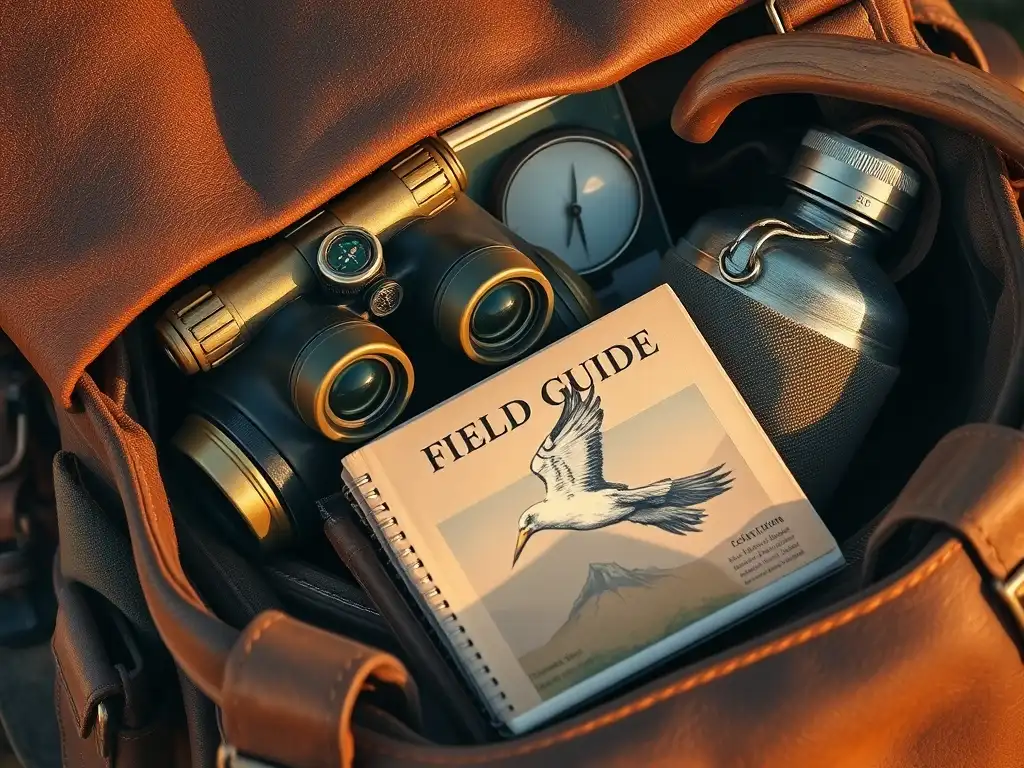
While binoculars are essential, several other pieces of equipment can significantly enhance your Andean wildlife spotting experience. Careful planning and the right gear can make the difference between a frustrating day and a truly memorable wildlife encounter. Consider the following additions to your kit.
Field Guides: Identifying Andean Flora and Fauna
A comprehensive field guide is indispensable for identifying the diverse flora and fauna of the Andes. These guides provide detailed descriptions, illustrations, and maps, helping you accurately identify the species you observe. Choose a guide that specifically covers the region you'll be visiting, as species vary significantly across different Andean ecosystems. A good field guide will include information on the animal's habitat, behavior, and conservation status, enriching your understanding and appreciation of the Andean wildlife. Consider purchasing a waterproof or water-resistant version for protection against unexpected showers.
Camera Equipment: Capturing Memorable Wildlife Encounters
Capturing photographic evidence of your wildlife sightings is a rewarding aspect of Andean wildlife observation. A good camera with a telephoto lens is essential. Consider factors like image stabilization, autofocus speed, and low-light performance when making your selection. A high-quality memory card and extra batteries are also crucial, as opportunities for capturing incredible shots may arise unexpectedly. Remember to respect the animals' space and avoid disturbing their natural behavior while photographing them.
Spotting Scopes: For Detailed Observations at a Distance
For detailed observations of distant animals, a spotting scope offers superior magnification and clarity compared to binoculars. Spotting scopes are particularly useful for observing birds and other animals that might be too far away for comfortable viewing with binoculars. They are often heavier and require a tripod for stable viewing, but their ability to provide extremely detailed views makes them a valuable addition for serious wildlife enthusiasts. Consider the magnification level and lens diameter when choosing a spotting scope; higher magnification offers closer views but at the cost of a narrower field of view.
Tripods: Stabilizing Your View for Sharper Images
A sturdy tripod is essential for using spotting scopes and for taking sharp photographs of wildlife. Choose a tripod that is lightweight yet stable enough to support your equipment. Consider the height and adjustability of the tripod, ensuring it can be adapted to various terrains and viewing angles. A good tripod will significantly improve image stability, reducing blur and improving your overall observation experience. Investing in a quality tripod is crucial for both photography and spotting scope use, especially in areas with uneven terrain.
Clothing and Accessories: Staying Comfortable and Protected
Appropriate clothing and accessories are crucial for comfortable and safe wildlife observation in the Andes. Pack layers of clothing to adapt to changing weather conditions, including waterproof outerwear and warm layers for higher altitudes. Consider sturdy, comfortable hiking boots, sunscreen, insect repellent, and a hat for sun protection. A backpack to carry your equipment and essentials is also essential. Remember that comfortable and appropriate gear will enhance your overall experience and allow you to focus on enjoying the incredible wildlife of the Andes.
Preparing for Your Andean Wildlife Spotting Adventure
Embarking on a wildlife spotting adventure in the Andes requires meticulous preparation. The diverse altitudes and climates of the Andes mean you'll need to pack accordingly. Consider the specific region you'll be visiting; the high-altitude páramo will demand different gear than the lower cloud forests. Layering is key: pack thermal underwear, fleece mid-layers, and a waterproof outer shell to handle fluctuating temperatures.
Sturdy, waterproof hiking boots are essential, as trails can be uneven and weather unpredictable. Don't forget a wide-brimmed hat for sun protection and sunglasses to shield your eyes from the intense Andean sun. A daypack to carry water, snacks, sunscreen, and insect repellent is also crucial. Remember that even in seemingly dry areas, high-altitude sun can be intense and dehydration a real threat.
Researching Wildlife Hotspots in the Andes
Before you even pack your bags, thorough research is paramount for successful Andean wildlife spotting. Identifying specific locations known for particular species significantly increases your chances of a successful sighting. Websites and guidebooks dedicated to Andean wildlife, along with scientific publications, can provide valuable insights into the distribution and habitat preferences of different animals. Consider focusing on a specific region or ecosystem to maximize your chances of spotting target species.
For example, focusing on the high-altitude páramo of Ecuador might yield sightings of spectacled bears or condors, while the cloud forests of Peru might offer encounters with monkeys and colorful birds. Knowing the best times of year to visit, considering factors like breeding seasons and migration patterns, will also enhance your experience. Local guides often possess invaluable knowledge about the best viewing locations and times, significantly improving your chances of success.
Practicing Responsible Wildlife Observation
Responsible wildlife observation is crucial for preserving the delicate Andean ecosystems. Maintaining a safe distance from animals is paramount, avoiding any actions that could disturb their natural behavior or habitat. Never approach or attempt to feed wildlife; this can disrupt their natural foraging patterns and potentially endanger both the animals and yourself. Using binoculars and spotting scopes responsibly also contributes to minimizing your impact.
Avoid using flash photography, which can startle animals, and keep noise levels low to reduce disturbance. Respect any regulations or guidelines established by local authorities or conservation organizations. Remember, the goal is to observe and appreciate the wildlife without causing any harm or disruption to their environment. Leaving no trace behind is also critical; pack out all trash and stay on marked trails.
Conclusion: Enhancing Your Andean Experience Through Observation
The Andes offer unparalleled opportunities for wildlife observation, providing a truly immersive experience into the rich biodiversity of this remarkable region. By combining careful planning, responsible practices, and the right equipment, including high-quality Andean wildlife spotting binoculars, you can significantly enhance your chances of encountering the incredible animals that call this region home.
Remember, the goal is not only to see these animals but also to appreciate their natural habitats and contribute to their conservation. The Andean wildlife spotting binoculars are just one tool in your kit; responsible behavior and respect for the environment are equally important aspects of a successful and fulfilling Andean wildlife adventure.
Maximizing Your Enjoyment of Andean Nature
Beyond simply spotting wildlife, maximizing your enjoyment of the Andean landscape involves embracing all that the region offers. Take time to appreciate the stunning scenery, from the snow-capped peaks to the lush cloud forests. Consider engaging in other activities that complement your wildlife spotting, such as hiking, birdwatching, or simply relaxing and taking in the panoramic views.
The Andes offer a diverse range of experiences, and integrating wildlife spotting into a broader appreciation of the region's natural beauty will enrich your overall journey. Remember to take advantage of opportunities to learn more about the local flora and fauna, enhancing your understanding and appreciation of the ecosystem. Engaging with local guides and communities provides a deeper cultural immersion, enriching your experience beyond simple wildlife sightings.
Investing in Quality Gear for Unforgettable Encounters
Investing in quality gear, especially high-quality binoculars specifically designed for Andean wildlife spotting, is crucial for a truly memorable experience. Look for binoculars with good magnification and a wide field of view, suitable for spotting wildlife in diverse terrains and varying light conditions. Features like image stabilization and robust construction are also important considerations, given the often challenging conditions in the Andes. Consider the weight and size of the binoculars; you'll be carrying them for extended periods, so comfort and portability are essential.
Don't forget a sturdy tripod for added stability when using spotting scopes or binoculars at higher magnifications. Choosing quality gear is an investment that will pay dividends in unforgettable wildlife encounters and lasting memories of your Andean adventure. The right equipment ensures you can fully appreciate the details and beauty of the Andean wildlife, turning each sighting into a truly remarkable experience.
- Unveiling the Andean Wilderness: Why Binoculars are Essential
- Choosing the Right Binoculars for Andean Wildlife Viewing
- Top Binocular Recommendations for Andean Wildlife Spotting
- Beyond Binoculars: Essential Gear for Andean Wildlife Observation
- Preparing for Your Andean Wildlife Spotting Adventure
- Conclusion: Enhancing Your Andean Experience Through Observation
- What kind of binoculars are best for Andean wildlife spotting?
- Are there specific animals I should look out for when using my binoculars in the Andes?
- What other tools might be helpful alongside binoculars for wildlife observation in the Andes?
- Where are the best places in the Andes to use binoculars for wildlife viewing?
- How can I minimize my impact on Andean wildlife while using binoculars?
Frequently Asked Questions
What kind of binoculars are best for Andean wildlife spotting?
For Andean wildlife spotting, you'll want binoculars with good low-light performance and image stabilization, given the varied light conditions and potential for shaky hands at altitude. Consider 8x42 or 10x42 models.
Are there specific animals I should look out for when using my binoculars in the Andes?
Yes! Keep an eye out for condors, vicuñas, llamas, alpacas, and various species of hummingbirds. The specific animals you see will depend on your location and altitude.
What other tools might be helpful alongside binoculars for wildlife observation in the Andes?
A good field guide is essential for identification. A camera with a telephoto lens can capture stunning images. Waterproof clothing and hiking boots are also crucial for comfort and safety.
Where are the best places in the Andes to use binoculars for wildlife viewing?
Many national parks offer excellent opportunities. Consider Manu National Park in Peru, Cajas National Park in Ecuador, or Torres del Paine National Park in Chile, depending on your interests and accessibility.
How can I minimize my impact on Andean wildlife while using binoculars?
Maintain a safe distance from animals, avoid disturbing their natural behavior, and leave no trace. Respect designated trails and follow any park guidelines for responsible wildlife viewing.
Final Reflection: Sharpening Our Vision, Protecting Andean Wonders
The art of observation isn't merely about spotting wildlife; it's about fostering a deeper connection with the natural world, a connection urgently needed in our increasingly disconnected times. The breathtaking biodiversity of the Andes, showcased through the lens of our chosen binoculars, demands our attention and protection. The detailed specifications and comparisons presented in this article serve not just as a guide for purchasing the best equipment, but as a call to action for responsible engagement with these fragile ecosystems.
The impact of human activity on Andean wildlife is undeniable, and the subtle shifts in populations, habitats, and behaviors are only visible through careful observation. The greatest threat to our planet is the belief that someone else will save it.
- Robert Swan. This quote underscores the individual responsibility we all share in preserving the Andean wilderness. My own experiences in the field, armed with nothing more than a pair of high-quality binoculars and a keen eye, have profoundly shaped my understanding of the interconnectedness of life in these majestic mountains. The more we observe, the more we understand, and the more effectively we can advocate for conservation.
Now, consider your own role in this delicate balance. What steps can you take, armed with the knowledge gained from this article, to contribute to the preservation of Andean wildlife? Perhaps it's choosing sustainable tourism options, supporting conservation organizations, or simply sharing your passion for observation with others. Let the beauty of the Andes, glimpsed through your own binoculars, inspire you to become a guardian of this incredible natural heritage. Let's work together to ensure future generations can experience the same awe-inspiring sights.
Unveil the Wonders of Wildlife Spotting!
Thank you for exploring the art of observation with us! You've learned valuable insights into how binoculars and other tools can enhance your wildlife viewing adventures. Now, it’s time to put that knowledge into practice!
Here are a few ways you can begin your wildlife observation journey:
- Grab your binoculars and head outdoors! Explore a local nature reserve or a trail and start spotting wildlife. Challenge yourself to identify at least three new species.
- Join a wildlife watching group or online community to share your experiences and learn from fellow enthusiasts. Connecting with others can significantly enhance your understanding and enjoyment of wildlife.
- Document your findings through journaling or photography. Create a scrapbook of your observations and share it with friends to inspire them to join you on your next adventure!
What amazing wildlife have you encountered that left you in awe? Share your stories with us!