
Inca Royal Estates: Exploring the Grandeur of Imperial Architecture

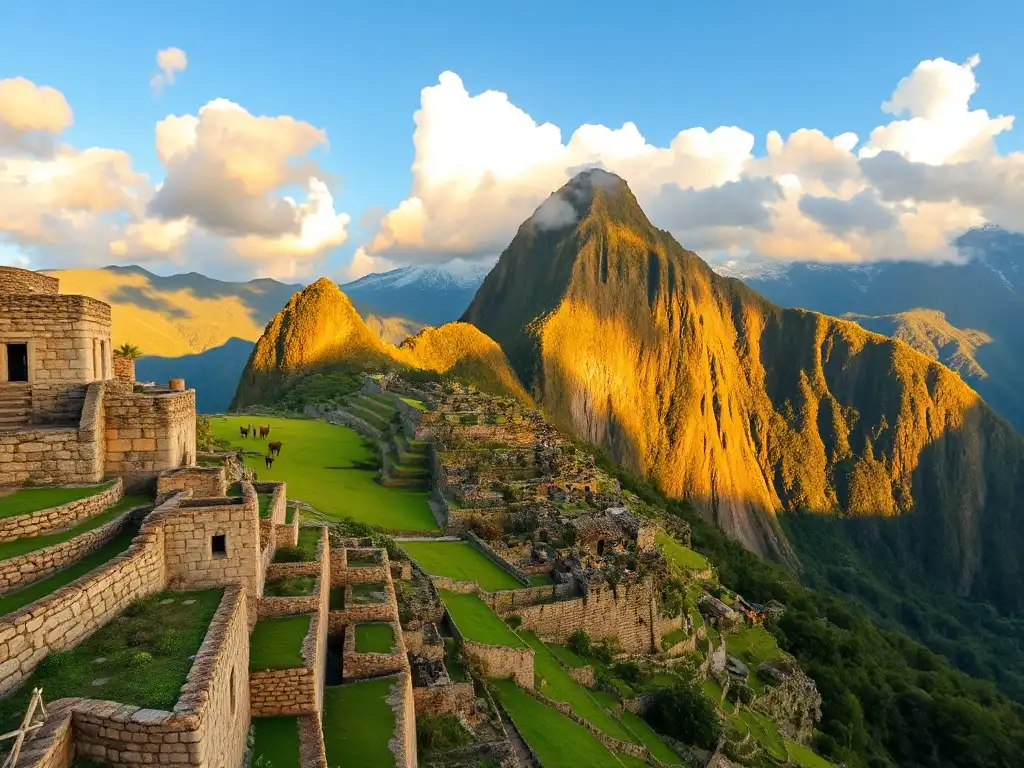
Step into a world lost to time, yet echoing with the grandeur of empires past. Andean Civilizations unveils the secrets of a fascinating tapestry woven from intricate artistry, advanced engineering, and captivating mythology. But what truly defined the power of the Inca? Prepare to be amazed by the sheer magnificence of Inca royal estate architecture, a testament to ingenuity and imperial might. Discover the stories etched in stone, the mysteries hidden within their structures, and the legacy that continues to inspire awe centuries later. Explore the wonders that await…
The Inca Empire, a civilization that flourished in the Andes Mountains from the 15th to the 16th century, left behind a legacy of breathtaking architecture. This article delves into the fascinating world of Inca royal estates, exploring the unique features, sophisticated engineering, and symbolic significance of these impressive structures.
We will examine how Inca royal estate architecture reflected imperial power, religious beliefs, and the intricate social organization of the empire. From the meticulously crafted stonework to the strategic placement of palaces and agricultural terraces, we will uncover the grandeur and ingenuity behind these remarkable sites, providing a detailed look at what makes Inca royal estate architecture so captivating and enduring.
Understanding this architectural style offers a keyhole view into the heart of Inca society and its sophisticated understanding of both engineering and symbolic representation. Prepare to be amazed by the ingenuity and artistry of these imperial residences, a testament to the advanced civilization that once thrived in the Andes.
The Strategic Location and Layout of Royal Estates
Inca royal estates weren't randomly placed; their locations were carefully chosen for both strategic and symbolic reasons. Often situated in fertile valleys with access to water resources and defensible positions, these estates served as centers of power and administration. The layout itself often followed a clear hierarchical structure, reflecting the Inca's social organization.
The main palace, typically the largest and most elaborately decorated building, would be at the heart of the estate, surrounded by smaller residences for nobles, priests, and other important figures. Agricultural terraces, meticulously carved into the landscape, provided sustenance for the royal court and the surrounding population, demonstrating the Inca's mastery of agricultural engineering and their deep understanding of the Andean ecosystem.
Detailed records of specific estate layouts, unfortunately, are lacking in many cases, requiring further archeological research to fully understand the nuances of each site. However, the surviving structures provide compelling evidence of a sophisticated planning process focused on both practical needs and symbolic representation.
Masterful Stonework: Precision and Symbolism in Inca Construction
The hallmark of Inca royal estate architecture is undoubtedly its masterful stonework. Inca masons were incredibly skilled, fitting stones together with such precision that even a knife blade couldn't be inserted between them. This technique, known as ashlar masonry, is breathtaking in its accuracy and demonstrates a profound understanding of engineering principles. Beyond its technical brilliance, the stonework also carried symbolic meaning.
The carefully selected stones, often featuring intricate carvings and patterns, were not just building materials; they were integral components of the royal estate's overall aesthetic and symbolic power. The use of specific types of stone, their color, and their placement likely held deeper, culturally specific meaning, unfortunately, much of which remains to be deciphered. Further research is needed to fully decode the symbolic language embedded within the stonework itself.
Royal Residences: Palaces and Temples as Centers of Power and Ritual
Inca royal estates housed impressive palaces and temples, which served as both residences for the Inca ruler and centers for religious ceremonies. These structures were often decorated with elaborate carvings, gold and silver ornaments, and vibrant textiles, reflecting the wealth and power of the empire. The palaces were not merely places of dwelling; they were also centers of administration, where the Inca ruler conducted state business and received ambassadors from other regions.
Temples, on the other hand, served as sacred spaces where religious rituals were performed and offerings were made to the Inca gods. The intricate relationship between these palaces and temples underscored the close connection between political power and religious authority in Inca society.
The size and complexity of these structures varied considerably depending on the importance of the estate and the Inca ruler who commissioned them. Archaeological excavations continue to unearth new details, enriching our understanding of the grandeur and complexity of these royal residences.
Agricultural Terraces: Engineering Marvels Supporting Royal Life
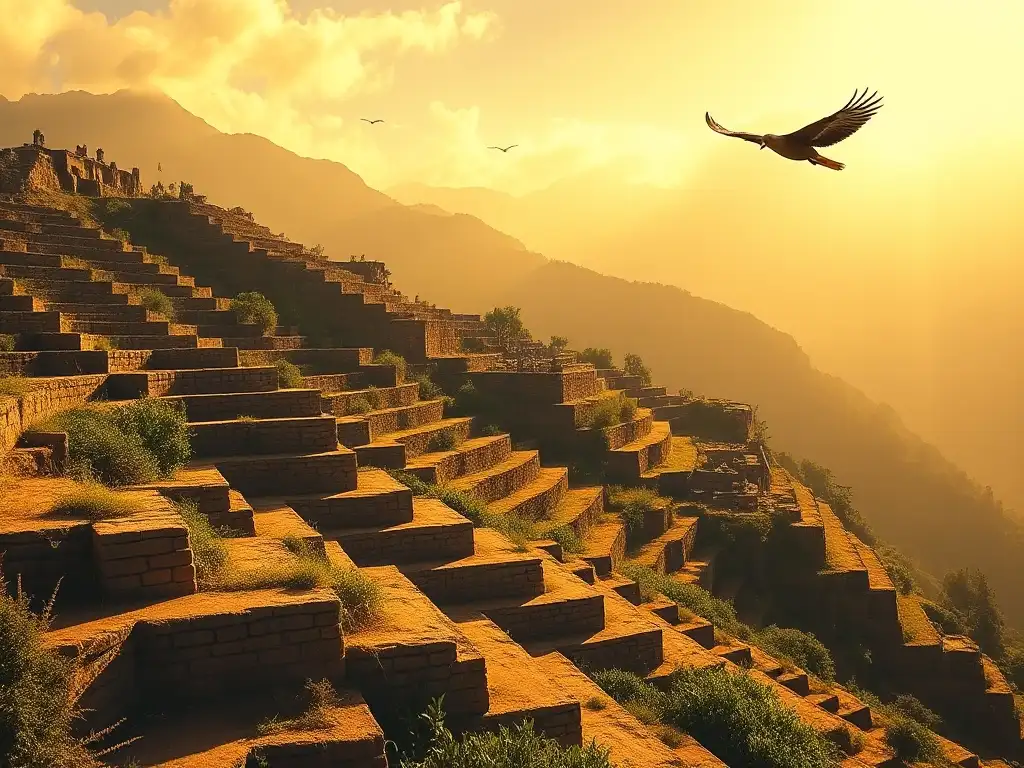
The Inca's mastery of agricultural engineering is clearly evident in the extensive systems of agricultural terraces that supported royal estates. These terraces, carved into hillsides and mountains, allowed for the cultivation of crops at varying altitudes, maximizing agricultural output and providing year-round sustenance for the royal court and the surrounding population. The construction of these terraces was a monumental undertaking, requiring immense labor and sophisticated engineering techniques.
The intricate network of irrigation canals and drainage systems ensured efficient water management, enabling the cultivation of crops even in challenging terrains. The terraces themselves were not merely functional; they also contributed to the aesthetic beauty of the royal estates, integrating seamlessly with the surrounding landscape.
The sheer scale and sophistication of these terrace systems remain a testament to the Inca's ingenuity and their remarkable ability to adapt to their environment. Detailed studies of specific terrace systems reveal innovative water management techniques that are still relevant today.
The Legacy of Inca Royal Estate Architecture
The legacy of Inca royal estate architecture continues to inspire awe and wonder. These remarkable structures serve as a powerful testament to the ingenuity, artistry, and sophisticated social organization of the Inca Empire. Their enduring presence in the Andes Mountains provides a tangible link to a rich and complex past, offering valuable insights into the lives, beliefs, and achievements of one of the most fascinating civilizations in history.
Preservation efforts are crucial to ensuring that future generations can appreciate the grandeur and significance of these architectural marvels. Ongoing research and archaeological discoveries continue to refine our understanding of Inca royal estate architecture, revealing new details about the culture and technology of this remarkable empire.
The study of Inca architecture offers a powerful lens through which we can better understand the complexities of this sophisticated civilization. The impact of Inca royal estate architecture extends beyond its immediate physical presence; it represents a profound connection between people, land, and spirituality.
- The Strategic Location and Layout of Royal Estates
- Masterful Stonework: Precision and Symbolism in Inca Construction
- Royal Residences: Palaces and Temples as Centers of Power and Ritual
- Agricultural Terraces: Engineering Marvels Supporting Royal Life
- The Legacy of Inca Royal Estate Architecture
- What makes Inca royal estate architecture unique?
- How did the Inca build such impressive structures?
- Where are some notable examples of Inca royal estate architecture?
- What materials did the Inca primarily use in their royal estates?
- How did Inca royal estate architecture reflect their social structure?
Understanding the Significance of Inca Royal Estates
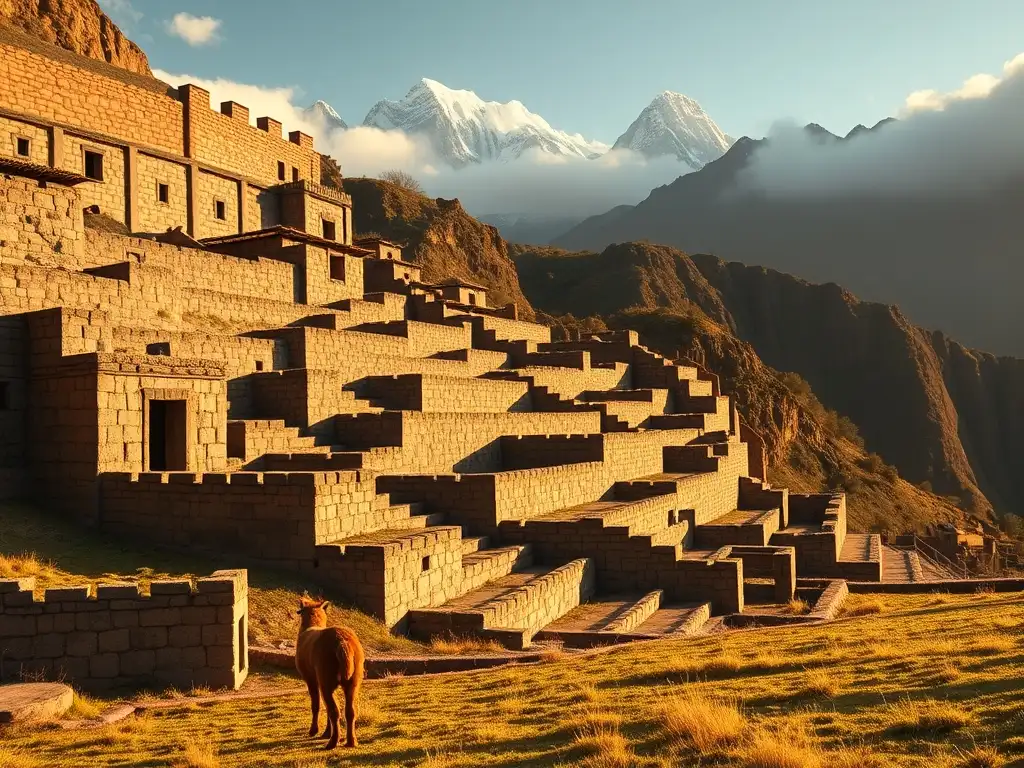
The Inca Empire, renowned for its sophisticated infrastructure and intricate societal structure, relied heavily on a network of strategically located royal estates, or tambos. These weren't merely opulent residences for the Inca elite; they served crucial administrative, economic, and symbolic functions, solidifying the empire's power and control. Understanding the significance of these estates is key to appreciating the complexity of Inca royal estate architecture and its role in maintaining imperial authority.
Their distribution across the vast Andean landscape reflects a deliberate policy of integrating diverse regions into the Inca system, ensuring both resource extraction and the projection of imperial power. The construction techniques, materials used, and overall design of these estates reveal a deep understanding of Andean geography and engineering principles, showcasing the Inca's mastery of construction and their ability to adapt to varied terrains and climates.
The sheer scale of some of these estates, coupled with their intricate internal layouts, speaks volumes about the Inca's organizational prowess and the immense resources at their disposal. Analysis of surviving structures reveals a clear hierarchy within the estates themselves, reflecting the social stratification within the Inca society.
The Role of Royal Estates in the Inca Empire
Inca royal estates functioned as vital hubs within the empire's intricate administrative network. They served as:
- Administrative Centers: Royal estates housed officials responsible for overseeing local governance, collecting taxes (in the form of mita labor and agricultural produce), and managing resources within their designated regions. These officials ensured the smooth flow of goods and services throughout the empire.
- Economic Powerhouses: Many estates controlled vast agricultural lands, providing food and other resources for the Inca court and supporting the empire's extensive infrastructure projects. They also facilitated the storage and redistribution of goods, crucial for a large and complex empire. The strategic placement of these estates near vital resources like water sources and fertile land further highlights their economic importance.
- Symbolic Representations of Imperial Power: The grandeur of Inca royal estate architecture served as a powerful symbol of imperial authority, demonstrating the Inca's wealth, power, and control over the conquered territories. The very existence of these estates in a particular region served as a constant reminder of the empire's presence and dominance. The meticulous craftsmanship and use of high-quality materials further reinforced this symbolic message.
- Relay Stations and Lodging: Strategically placed along the extensive Inca road system, some estates served as relay stations for messengers and travelers, facilitating rapid communication and transportation across the empire. They also provided lodging for officials and travelers, strengthening the connectivity and efficiency of the imperial administration.
Architectural Purpose of Inca Royal Residences
The architectural design of Inca royal residences wasn't merely about aesthetics; it was deeply intertwined with practical considerations and symbolic meanings. Several key features highlight this:
- Integration with the Landscape: Inca architects skillfully integrated their structures into the surrounding landscape, using natural features like hillsides and terraces to create visually stunning and structurally sound buildings. This harmonization with the environment was not only aesthetically pleasing but also practical, minimizing environmental impact and maximizing resource utilization.
- Strategic Placement: The location of royal estates was carefully chosen, considering factors such as access to resources, defensibility, and proximity to major roads. This strategic placement ensured both the economic viability and the security of the estates.
- Use of Local Materials: While employing sophisticated techniques, Inca builders primarily used locally sourced materials such as stone, wood, and adobe, minimizing transportation costs and showcasing an understanding of local environmental conditions. This approach also ensured a harmonious blend between the architecture and its environment.
- Internal Layout and Hierarchy: The internal layout of royal estates reflected the hierarchical structure of Inca society. The most important structures were typically located in the most prominent positions, with smaller, less ornate structures for supporting staff and other personnel. This spatial arrangement visually reinforced the social hierarchy. The presence of specialized rooms for storage, workshops, and religious activities further underscores the multifaceted functions of these estates. Detailed studies of surviving foundations and remaining structures continue to reveal the intricacy of their designs and the sophistication of Inca planning. Future research may uncover even more about the fascinating nuances of Inca royal estate architecture.
Key Features of Inca Royal Estate Architecture
Inca royal estate architecture, a testament to the ingenuity and power of the Inca Empire, presents a unique blend of functionality and aesthetic grandeur. Unlike the standardized structures found in other Inca settlements, royal estates showcase a level of sophistication and artistry reflecting the emperor's elevated status and the empire's wealth. The defining features of this architectural style include a focus on precise stonework, intricate designs, and a harmonious integration with the surrounding landscape.
These estates weren't merely residences; they were centers of political power, religious ceremonies, and administrative functions, meticulously planned to project imperial authority and maintain social order. The scale and complexity of these projects underscore the advanced organizational capabilities of the Inca civilization. Analyzing these features allows us to appreciate the sophisticated engineering and architectural prowess of the Inca master builders.
The design principles, material selection, and construction techniques all contributed to creating structures that were both visually stunning and remarkably durable, enduring for centuries. The strategic placement of royal estates further emphasized their importance within the Inca's broader administrative network.
Design Principles in Inca Royal Estate Construction
Inca royal estate construction followed specific design principles reflecting both practical considerations and symbolic meanings. The integration with the natural environment was paramount. Estates were often strategically positioned on terraces carved into hillsides, maximizing available space and offering spectacular views. This symbiotic relationship between architecture and landscape wasn't merely aesthetic; it held deep symbolic significance, connecting the rulers to the sacred Pachamama (Mother Earth).
The use of symmetry and precise alignments was another key element, reflecting the Inca belief in order and cosmic harmony. Buildings were often arranged around central courtyards, creating a sense of enclosure and privacy. Furthermore, the incorporation of water features, such as fountains and canals, was common, emphasizing the importance of water in Inca cosmology and daily life.
The careful planning and execution of these designs demonstrate a profound understanding of engineering principles and an exceptional level of craftsmanship. Research suggests that the placement of buildings and the orientation of walls within the estates were often astronomically aligned, indicating a sophisticated understanding of celestial movements. These precise alignments may have served both practical and religious purposes.
Materials and Techniques Used in Inca Imperial Architecture
The Inca mastered the art of stonework, employing sophisticated techniques to create structures of unparalleled precision. Their primary building material was stone, meticulously cut and fitted together without mortar. This "dry-stone masonry," often referred to as ashlar, showcases an astounding level of precision, with stones fitting together so tightly that a blade cannot be inserted between them.
Different types of stone, selected based on their availability and properties, were used in construction. The choice of material often reflected the region and the intended function of the structure. In addition to stone, other materials such as wood, adobe, and thatch were used for roofing and interior elements.
The Inca employed various techniques to shape and join the stones, including the use of copper tools and possibly rudimentary levers and rollers for moving large blocks. The remarkable precision of Inca stonework is a testament to their advanced understanding of engineering and their commitment to quality craftsmanship. Analysis of the construction techniques reveals a deep understanding of structural integrity and seismic considerations, allowing the structures to withstand earthquakes and other natural disasters.
The Significance of Stone in Inca Palaces
The use of stone in Inca palaces transcended mere construction; it held deep cultural and symbolic significance. Stone, particularly finely-hewn stone, represented permanence, power, and the connection to the earth. The intricate stonework, with its precise joints and decorative elements, served as a powerful symbol of imperial authority and the Inca's mastery over their environment.
The choice of stone type, color, and the intricacy of the carvings often varied depending on the building's purpose and the status of the occupants. Palaces built with exceptionally fine stonework signaled the emperor's power and prestige. The monumental scale of some structures, achieved through the precise placement of massive stone blocks, further reinforced this message of imperial grandeur.
Moreover, the enduring nature of stone symbolized the continuity of Inca rule and the empire's lasting legacy. The meticulous craftsmanship displayed in Inca stonework continues to inspire awe and admiration, a testament to the skill and artistry of the Inca builders and the enduring power of their imperial vision. The legacy of this precise and symbolic application of stone is evident in the surviving ruins, which continue to stand as a testament to their engineering and artistic achievements.
Notable Examples of Inca Royal Estates
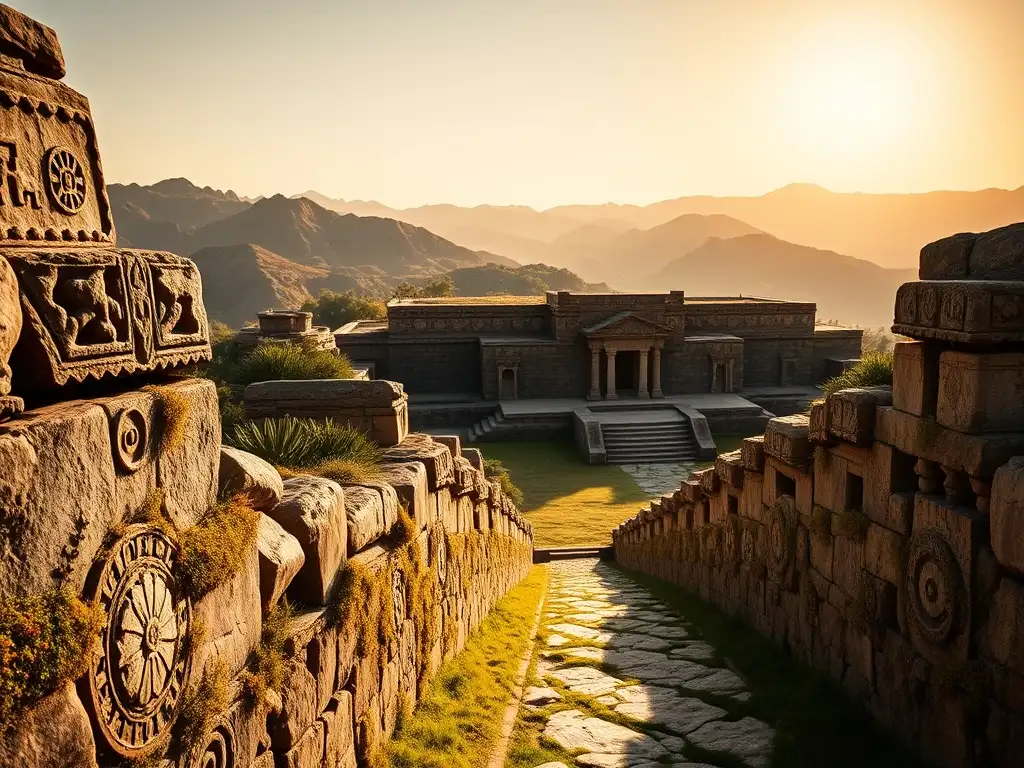
This section delves into specific examples of Inca royal estates, showcasing the diversity and sophistication of their architectural achievements. These sites, while varying in scale and function, all reflect the Inca's mastery of stonework, agricultural engineering, and urban planning, solidifying their legacy as master builders of the Andes. Understanding the architecture of these estates provides crucial insights into the Inca's social structure, power dynamics, and sophisticated understanding of their environment. The term "Inca royal estate architecture" encompasses not just the buildings themselves, but also the intricate systems of terraces, irrigation channels, and roadways that supported them.
Pisac: A Royal Estate with Agricultural Terraces
Pisac, located in the Sacred Valley, is a prime example of an Inca royal estate intricately integrated with its agricultural surroundings. More than just a residential area for the Inca elite, Pisac demonstrates a remarkable synergy between royal living and agricultural production. The estate's architecture is characterized by its stunning agricultural terraces carved into the mountainside. These weren't merely aesthetic features; they were a vital part of the Inca's sophisticated agricultural system, allowing them to cultivate crops at varying altitudes and maximize land use.
The terraces at Pisac are a testament to the Inca's advanced understanding of hydrology and soil management. They employed a complex system of irrigation channels to efficiently distribute water across the terraces, ensuring optimal crop yields even in challenging terrain. The precise stonework of the terraces, with their perfectly fitted blocks, is a marvel of engineering, showcasing the Inca's meticulous attention to detail.
Beyond the terraces, the royal residential areas boasted impressive stone structures, including palaces, temples, and storage facilities, highlighting the integration of royal power and agricultural productivity within a single complex. The layout of Pisac, with its distinct residential and agricultural zones, suggests a highly organized and efficient society. Archaeological evidence suggests ongoing habitation and agricultural use throughout different periods of Inca occupation, demonstrating the enduring importance of this royal estate.
Ollantaytambo: Fortress and Royal Retreat
Ollantaytambo stands as a powerful symbol of Inca ingenuity and military might, but its function extended beyond a mere fortress. It served as a crucial royal estate, a strategically located retreat for Inca royalty, and a center of agricultural production. Unlike Pisac, which emphasizes agricultural integration, Ollantaytambo showcases a more imposing and defensive architectural style. Its massive stone blocks, some weighing several tons, are a testament to the Inca's remarkable engineering prowess. The sheer scale of the construction and the complexity of its layout suggest a significant investment of resources and manpower, reflecting its importance as a royal center.
The architecture of Ollantaytambo is characterized by its imposing terraces, which served both defensive and agricultural purposes. The terraces, unlike those in Pisac, are more steeply sloped and integrated into the mountain's natural contours, providing strategic vantage points and defensive positions. The presence of sophisticated irrigation systems further underscores the estate's agricultural function.
The royal residential areas, though partly ruined, reveal intricate stonework and impressive structures, indicating a level of craftsmanship and luxury befitting an Inca royal estate. Ollantaytambo's strategic location along the Inca Trail, linking Cusco to other important sites, reinforces its significance as both a royal retreat and a crucial point in the Inca's road network. The site's multifaceted nature—fortress, royal estate, and agricultural center—demonstrates the Inca's ability to integrate various functions within a single, monumental complex.
Machu Picchu: The Iconic Inca Citadel and its Royal Function
Machu Picchu, often called the "Lost City of the Incas," is arguably the most famous example of Inca architecture. While its exact function remains a subject of ongoing debate, evidence strongly suggests that it served as a royal estate, possibly a retreat for Inca royalty or a significant administrative center. The breathtaking setting, high in the Andes Mountains, hints at its exclusive nature, reinforcing the idea of a royal retreat.
The meticulous planning and execution of Machu Picchu's architecture are striking. The city is remarkably integrated into its mountainous environment, with buildings seamlessly blending into the landscape. The use of precisely cut stones, without mortar, showcases the Inca's mastery of stonework.
The layout of Machu Picchu reveals a complex social structure. Distinct residential areas, religious structures, and agricultural terraces are clearly defined, indicating a sophisticated urban plan. The presence of elaborate water management systems, including fountains and baths, underscores the Inca's concern for comfort and luxury within the royal estate.
The royal residences, characterized by their superior construction and privileged locations, stand out among the other buildings. While the exact purpose of some structures remains uncertain, the overall design and layout of Machu Picchu strongly suggest its function as a sophisticated royal estate, showcasing the pinnacle of Inca architectural achievement and further enriching the understanding of "Inca royal estate architecture." The ongoing research and discoveries at Machu Picchu continue to unravel its mysteries and solidify its place as a testament to the grandeur of the Inca Empire.
Chinchero: A Royal Estate with Weaving Traditions
Chinchero, nestled high in the Urubamba Valley, stands as a captivating example of Inca royal estate architecture. Its significance extends beyond its impressive structures; it's deeply intertwined with the rich textile traditions of the Inca Empire. The area's fertile land, ideal for agriculture, was undoubtedly a key factor in its selection as a royal estate.
Evidence suggests that Chinchero served as a crucial agricultural center, providing sustenance for the Inca elite and potentially serving as a crucial hub for the distribution of goods throughout the empire. The carefully constructed terraces that still cling to the hillsides today are a testament to the Inca's mastery of agricultural engineering, maximizing the limited arable land in the high Andes.
These terraces, meticulously planned and built, represent a sophisticated understanding of water management and soil conservation, crucial elements for successful high-altitude farming. The intricate network of irrigation channels, many of which remain functional even today, further underscores this sophisticated agricultural system.
Beyond its agricultural importance, Chinchero's legacy is inextricably linked to its vibrant textile traditions. The area is renowned for its exceptional quality of wool and the intricate weaving techniques passed down through generations. The surviving architecture, though significantly altered over the centuries, hints at the grandeur of the original Inca structures. While much of the stonework has been incorporated into later colonial buildings, remnants of Inca foundations and walls can still be identified, showcasing the characteristic Inca style of precisely cut and fitted stones.
The integration of Inca architectural elements into the colonial structures provides a unique blend of historical styles, offering a fascinating glimpse into the evolution of the settlement over time. Furthermore, the continued practice of traditional weaving in Chinchero serves as a living testament to the enduring legacy of Inca craftsmanship. The women of Chinchero continue to produce exquisite textiles using techniques and designs that have been handed down for centuries, perpetuating a vital aspect of Inca cultural heritage.
This makes Chinchero not just a remarkable example of Inca royal estate architecture, but a living museum of Andean textile artistry. The vibrant colors and intricate patterns of their textiles reflect the rich cultural tapestry of the region, showcasing the continuity of tradition despite the passage of centuries. Visiting Chinchero provides a unique opportunity to appreciate both the architectural and cultural significance of this important Inca site, demonstrating the multifaceted nature of Inca royal estates.
The Layout and Organization of Inca Royal Estates
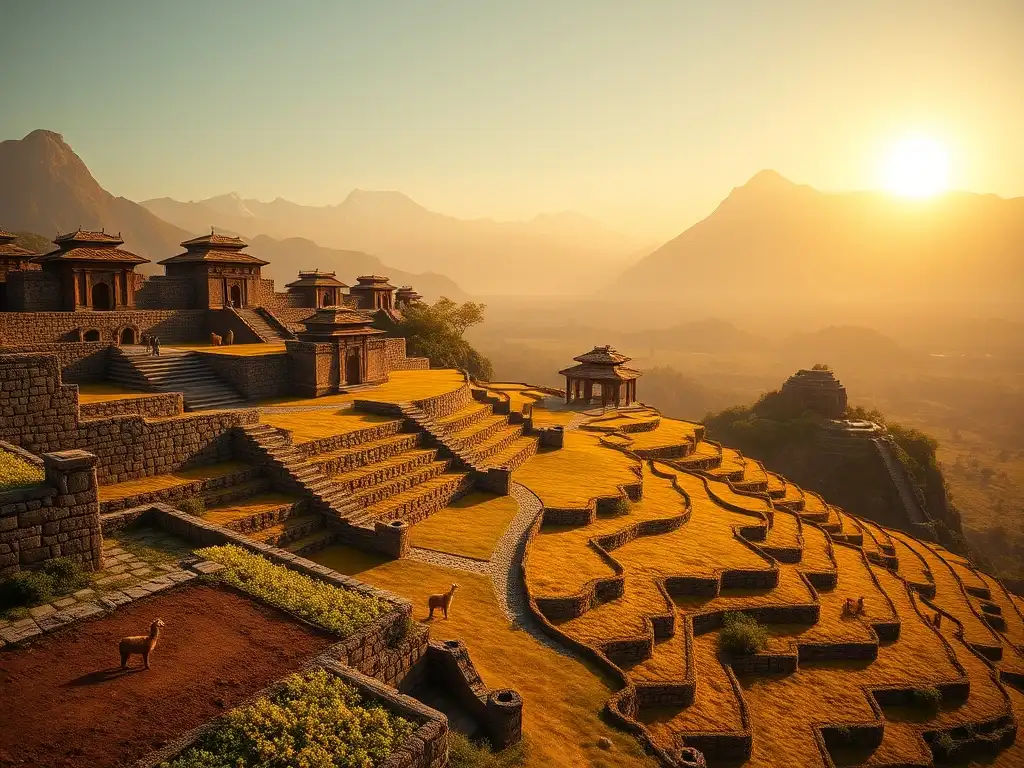
Inca royal estate architecture reveals a sophisticated understanding of urban planning and social hierarchy. These estates, far from being merely opulent residences, served as administrative centers, religious hubs, and symbols of imperial power. Their layout, meticulously planned and executed, reflected the Inca worldview and their highly structured society.
The careful integration of functional spaces with ceremonial areas showcases the Inca's ability to seamlessly blend the practical with the sacred, a hallmark of their architectural style. Understanding this organization allows us to appreciate the complexity and intentionality behind their designs, going beyond mere aesthetics to uncover the underlying social and political structures. Analyzing the spatial relationships within these estates provides key insights into the Inca's power dynamics and their sophisticated systems of governance.
The strategic placement of buildings, the use of open spaces, and the incorporation of agricultural terraces all contributed to the overall functionality and symbolic meaning of these impressive complexes. The scale of these estates, often encompassing vast areas, further underscores the immense resources and organizational capabilities of the Inca Empire.
The Central Plaza and its Importance
The central plaza formed the heart of every Inca royal estate, serving as a focal point for social, political, and religious life. Its size varied depending on the estate's importance and location, but it consistently occupied a prominent position within the overall layout. These plazas were not merely empty spaces; they were carefully designed areas, often paved with stone and featuring intricate water features, such as fountains or canals.
The presence of water, a vital resource in the Andean region, symbolized life, fertility, and the Inca's connection to the natural world. Furthermore, the plaza served as a venue for important ceremonies, public gatherings, and markets, showcasing the Inca's ability to manage large crowds and maintain social order. Evidence suggests that the central plaza was also used for the display of royal power, with processions and public appearances by the Sapa Inca (emperor) taking place within its boundaries.
The architecture surrounding the plaza, including administrative buildings, temples, and residences, further reinforced its central role in the estate's functionality. The strategic positioning of key structures relative to the plaza highlights the meticulous planning and symbolic significance embedded within the estate's layout. We can envision the daily life within these estates, with the central plaza acting as the stage for the unfolding of Inca social and political life.
Residential Areas for Inca Royalty and Nobility
Inca royal estates included separate residential areas for the Sapa Inca, his family, and the nobility. These residences were typically characterized by their size, elaborate construction, and luxurious amenities. While precise details vary depending on the specific estate, common features included finely crafted stone walls, intricate doorways, and sophisticated ventilation systems. The use of high-quality materials, such as polished stone and gold, further emphasized the status of the occupants.
The layout of these residential areas often included multiple interconnected chambers, courtyards, and private gardens, providing both privacy and comfort. Archaeological evidence suggests that these residences incorporated advanced sanitation systems and running water, demonstrating the Inca's remarkable engineering prowess. The presence of storage rooms, workshops, and possibly even bathing facilities within these residential areas hints at a high level of comfort and convenience. The careful organization of these spaces reflects the Inca's hierarchical social structure, with the most elaborate residences reserved for the elite.
The size and opulence of these residences served not only as a symbol of royal power but also as a means of reinforcing social order and demonstrating the Inca's control over resources. Further research is needed to fully understand the nuances of residential design in different Inca royal estates. [Specific information pending on variations in residential architecture across different estates].
Functional Spaces: Storage, Workshops, and Religious Sanctuaries
Beyond residential areas, Inca royal estates incorporated a range of functional spaces crucial to the empire's administration and religious practices. Extensive storage facilities were necessary to manage the vast quantities of agricultural products, textiles, and other goods collected as tribute. These storage areas were often strategically located within the estate, ensuring easy access and protection from the elements. Workshops for craftspeople, including skilled artisans specializing in textiles, metalwork, and pottery, were also integrated into the estate's layout.
The presence of these workshops suggests a degree of self-sufficiency within the estates, allowing for the production of goods for royal use and the maintenance of the estate itself. Finally, religious sanctuaries played a vital role within Inca royal estates. These spaces were dedicated to the worship of the Inca deities and served as centers for religious ceremonies and rituals. The architecture of these sanctuaries, often featuring intricate carvings and symbolic motifs, reflected the importance of religion in Inca society.
The proximity of these functional spaces to the residential areas and central plaza highlights the close integration of daily life, governance, and religious practices within the Inca worldview. The intricate interplay between these different zones underscores the holistic nature of Inca royal estates, demonstrating their role as both administrative centers and sacred spaces. Analyzing the layout and function of these spaces offers a deeper understanding of the Inca's sophisticated social, political, and religious organization. The presence of specialized workshops also emphasizes the advanced level of craftsmanship and technological innovation within the Inca Empire.
The Influence of Inca Royal Estate Architecture
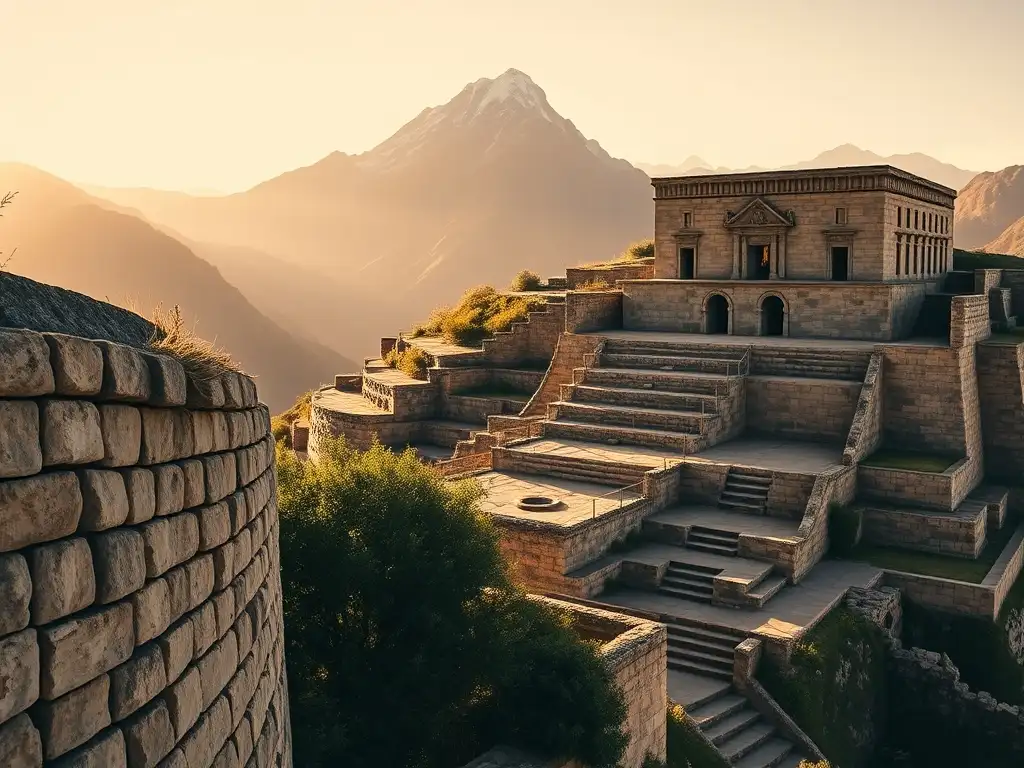
The Inca royal estate architecture stands as a testament to the sophisticated engineering and artistic capabilities of the Inca Empire. Its influence extended far beyond its immediate practical function, shaping social structures, religious beliefs, and even the very landscape of the Andes. This architectural style wasn't merely about building structures; it was about projecting imperial power, reinforcing social hierarchies, and reflecting a deep connection with the natural world.
The meticulous planning and execution of these estates, from the precise placement of buildings to the intricate stonework, reveal a level of organization and skill rarely seen in other pre-Columbian societies. The use of specific materials, such as finely-cut stone and gold, further emphasized the imperial authority and the divine right of the Sapa Inca. This section will explore how these architectural choices contributed to the overall impact of Inca royal estate architecture.
How Inca Royal Estates Reflected Imperial Power
Inca royal estates, often located in strategically advantageous positions, served as powerful symbols of imperial control. Their sheer scale and grandeur demonstrated the Inca's wealth and dominance. The meticulously crafted stonework, requiring immense labor and expertise, showcased the empire's organizational prowess and ability to mobilize vast resources.
The use of kanchas, or enclosed courtyard complexes, within these estates, created a sense of order and control, mirroring the hierarchical structure of Inca society. For instance, the estate at Ollantaytambo, with its intricate agricultural terraces and imposing structures, not only provided a residence for the Sapa Inca but also served as a powerful demonstration of imperial power over the surrounding populace. The impressive size and sophisticated engineering of these estates directly communicated the Inca's authority and ability to command resources on a massive scale.
The very existence of these estates, often lavishly decorated, served as a constant reminder of the Inca's power and legitimacy. This visual display of power reinforced the social hierarchy and solidified the Inca's position at the apex of Andean society.
The Legacy of Inca Architecture in Modern Andean Culture
The legacy of Inca royal estate architecture continues to resonate in modern Andean culture. Many aspects of Inca architectural techniques and design principles are still visible in contemporary Andean building practices. The use of locally sourced materials, such as stone and adobe, reflects a continuity of tradition.
Furthermore, the principles of harmonious integration with the natural environment, evident in the Inca's use of terraces and carefully planned settlements, are still valued and emulated in many Andean communities today. The enduring appeal of Inca architectural aesthetics is also evident in the ongoing efforts to preserve and restore these historical sites. Tourism centered around Inca ruins is a significant economic driver in many Andean regions, showcasing both the cultural and economic significance of this architectural legacy.
Moreover, the architectural styles and techniques employed in Inca royal estates have influenced modern interpretations of Andean identity and national pride. The structures serve as powerful reminders of a rich and complex past, inspiring both artistic expression and nationalistic sentiment. The enduring appeal of Inca aesthetics is visible in modern architectural designs that incorporate elements of Inca style, demonstrating a continuing connection to the past.
The Adaptation of Inca Techniques in Colonial Architecture
Following the Spanish conquest, Inca architectural techniques were surprisingly adapted and integrated into colonial architecture. While the Spanish introduced their own styles, they also leveraged the existing Inca expertise and infrastructure. The availability of skilled Inca masons and the practicality of Inca building techniques led to a fascinating blend of styles.
For example, the use of ashlar masonry, a hallmark of Inca architecture, can be seen in many colonial buildings, often combined with European architectural features. This fusion demonstrates the resilience of Inca architectural knowledge and its adaptability to new cultural influences. However, this adaptation was not without its complexities.
The colonial powers often imposed their own aesthetic preferences and building codes, leading to a sometimes uneasy synthesis of Inca and European elements. Further research is needed to fully understand the extent of Inca influence on colonial architecture and the specific ways in which Inca techniques were adapted and modified to suit colonial needs. Analyzing surviving colonial structures could reveal more about this fascinating period of architectural cross-cultural exchange, providing a deeper understanding of the lasting legacy of Inca architectural knowledge.
Preserving and Studying Inca Royal Estate Architecture
The grandeur of Inca royal estate architecture is undeniable, but its preservation presents significant challenges. Understanding the intricacies of these structures requires a multi-faceted approach, combining meticulous archaeological investigation with community engagement and sustainable preservation techniques.
The unique materials and construction methods employed by the Inca, coupled with the effects of time and environmental factors, necessitate a careful balance between research and conservation efforts to ensure these invaluable sites endure for future generations. Proper preservation not only safeguards our understanding of Inca civilization but also contributes to the sustainable tourism that supports local communities.
Effective strategies must account for the delicate balance between accessibility for researchers and the public while simultaneously minimizing the impact of human interaction on these fragile historical landmarks. The long-term goal is to create a sustainable model for the management of Inca royal estates, ensuring their continued existence as vital sources of historical knowledge and cultural heritage.
Challenges in the Preservation of Inca Sites
The preservation of Inca royal estate architecture is fraught with difficulties. The very materials that make these structures unique—primarily stone, adobe, and thatch—are susceptible to degradation. Seismic activity in the Andes region poses a constant threat, causing structural instability and damage. Furthermore, the effects of weathering, erosion, and even human encroachment contribute to the slow but steady deterioration of these sites. Specific challenges include:
- Erosion and weathering: Exposure to the elements, particularly harsh sun, rain, and wind, gradually erodes stonework and weakens adobe structures.
- Seismic activity: Earthquakes are a recurring threat, causing damage to already vulnerable structures. The Inca's masterful engineering techniques often mitigated some of these risks, but centuries of seismic activity have still taken their toll.
- Human impact: Tourism, while beneficial for local economies, can also contribute to site degradation through foot traffic, accidental damage, and the removal of artifacts.
- Biodeterioration: The growth of plants and the activity of insects and other organisms can also cause significant damage to building materials.
- Lack of resources: Often, sufficient funding and trained personnel are lacking, hindering effective preservation efforts.
The study of Inca royal estate architecture requires a multifaceted approach, encompassing meticulous documentation, advanced conservation techniques, and community involvement to ensure the long-term preservation of these irreplaceable cultural treasures. Understanding the challenges allows for the development of targeted strategies for mitigating risk and ensuring the longevity of these remarkable sites. For instance, the implementation of controlled access pathways, the use of biocides to combat biodeterioration, and the development of advanced seismic monitoring systems are all crucial components of a comprehensive preservation strategy.
Archaeological Research and Discoveries at Royal Estates
Archaeological research at Inca royal estates has yielded a wealth of information about Inca social organization, technological prowess, and artistic achievements. Excavations have uncovered intricate details of architectural design, revealing sophisticated engineering techniques and the use of precise stonework. The discovery of artifacts within these estates—from fine pottery and textiles to elaborate metalwork—provides further insights into the lifestyles of the Inca elite and the daily functioning of these imperial centers.
For example, research at [Specific Inca Royal Estate Name pending] has revealed evidence of sophisticated water management systems, showcasing the Inca's ingenuity in harnessing natural resources. The discovery of [Specific artifact type pending] offers insights into [Specific aspect of Inca culture pending]. Detailed analysis of the architectural layout of these estates, including the arrangement of buildings, courtyards, and terraces, provides valuable data on social hierarchies and the spatial organization of Inca society.
Continued research is crucial for a complete understanding of the complex social, political, and economic functions of these sites within the broader context of the Inca empire. The meticulous recording of architectural details and the careful cataloging of artifacts are essential for building a comprehensive picture of Inca royal estate architecture and its significance within the Inca world.
Community Involvement in Site Management
Sustainable management of Inca royal estates requires active participation from the local communities. Their intimate knowledge of the sites, their cultural connection to the heritage, and their vested interest in the preservation of these sites are invaluable assets. Collaboration with local communities ensures that preservation efforts are culturally sensitive and ethically sound. This can involve:
- Training local residents: Providing opportunities for residents to participate in site monitoring, maintenance, and even archaeological research.
- Developing sustainable tourism: Creating employment opportunities linked to the preservation and tourism of the sites, empowering the local economy and fostering a sense of ownership and responsibility.
- Community-based monitoring: Establishing local committees tasked with overseeing site maintenance and visitor management, ensuring that the sites are protected from damage.
- Cultural education programs: Educating local communities and visitors about the significance of Inca heritage, fostering a sense of pride and encouraging responsible tourism.
Involving local communities is not merely a matter of good practice; it is essential for the long-term sustainability of Inca royal estate preservation. Their active participation ensures that these sites are not only preserved but also celebrated as living testaments to the rich heritage of the Inca Empire. 🤝
The effective management and preservation of Inca royal estate architecture hinges on a collaborative approach that integrates scientific research, conservation strategies, and active community involvement. This holistic approach ensures the long-term protection of these invaluable historical sites and their continued contribution to our understanding of Inca civilization. By fostering a sense of shared responsibility, we can collectively safeguard this remarkable legacy for generations to come.
Frequently Asked Questions
What makes Inca royal estate architecture unique?
Inca royal estates were characterized by their monumental scale, precise stonework, and integration with the landscape. They showcased the power and wealth of the Inca empire, often incorporating intricate water systems and agricultural terraces.
How did the Inca build such impressive structures?
The Inca utilized sophisticated techniques like dry-stone masonry, requiring no mortar. Their understanding of engineering and architecture allowed them to create incredibly strong and durable buildings, many of which still stand today. Precise cutting and fitting of stones was key to their success.
Where are some notable examples of Inca royal estate architecture?
Saksaywaman, near Cusco, is a prime example, showcasing impressive military and ceremonial architecture. Other significant sites include Machu Picchu, a mountaintop citadel, and Tambomachay, with its intricate water channels. These sites show the diversity of Inca building styles.
What materials did the Inca primarily use in their royal estates?
The Incas primarily used locally sourced stone, carefully selected and shaped to fit perfectly. They also employed wood, thatch, and adobe for less prominent structures within the estates, showcasing resourcefulness and adaptation to different environments.
The scale and location of the estates reflected the hierarchy within Inca society. The elaborate design and craftsmanship demonstrated the power and prestige of the Inca elite, contrasting with the simpler dwellings of commoners. Strategic placement also played a significant role in controlling resources and maintaining authority.
Final Reflection: Echoes of Empire in Stone
The grandeur of Inca royal estate architecture continues to resonate today, a testament to the ingenuity and power of a civilization that shaped the Andes. These meticulously crafted structures, far from being mere relics of the past, offer invaluable insights into sophisticated engineering, intricate social structures, and the enduring human desire for both practical functionality and breathtaking beauty. Their survival, often against the ravages of time and conquest, speaks volumes about the skill and dedication of the Inca builders.
The impact of Inca architecture extends far beyond the physical remains; it permeates the cultural landscape of the Andes, influencing artistic expression, tourism, and even national identity. The very stones themselves whisper stories of a rich and complex past, reminding us of the ingenuity and resilience of the Inca people. The past is never dead. It's not even past.
– William Faulkner. This quote rings particularly true when considering the enduring legacy of Inca royal estates, whose influence continues to shape the present. Their sophisticated water management systems, for example, still offer lessons in sustainable living that are relevant in our increasingly environmentally conscious world.
Consider the intricate details, the masterful stonework, the breathtaking vistas commanded by these estates. Reflect on the human effort, the societal organization, and the sheer vision required to create such marvels. Let the legacy of Inca royal estate architecture inspire you to appreciate the power of human ingenuity, the importance of preserving our cultural heritage, and the enduring beauty that can be found in the careful construction of a life well-lived. Let these echoes of empire inspire you to build your own legacy, one that is both beautiful and enduring.
Unveil the Majesty of Inca Architecture Today!
Thank you for exploring the fascinating world of Inca royal estates with us! We hope you've been captivated by the awe-inspiring elements of their imperial architecture and the rich cultural stories they reveal. Now, let's turn that inspiration into action. Here are some ways to continue your exploration of this captivating history:
- Join a local archaeology group or take a guided tour to experience Inca architecture firsthand and connect with other enthusiasts.
- Share this article with friends and family or post it on social media to spark conversations about the Inca civilization and its incredible architectural achievements.
- Visit a museum or explore an online exhibit dedicated to Inca culture and architecture to deepen your understanding of their enduring legacy.
What aspect of Inca architecture most fascinates you, and how will you delve deeper into it?