
The Power of Preparation: PreTrip Checklist for a Smooth Andean Experience

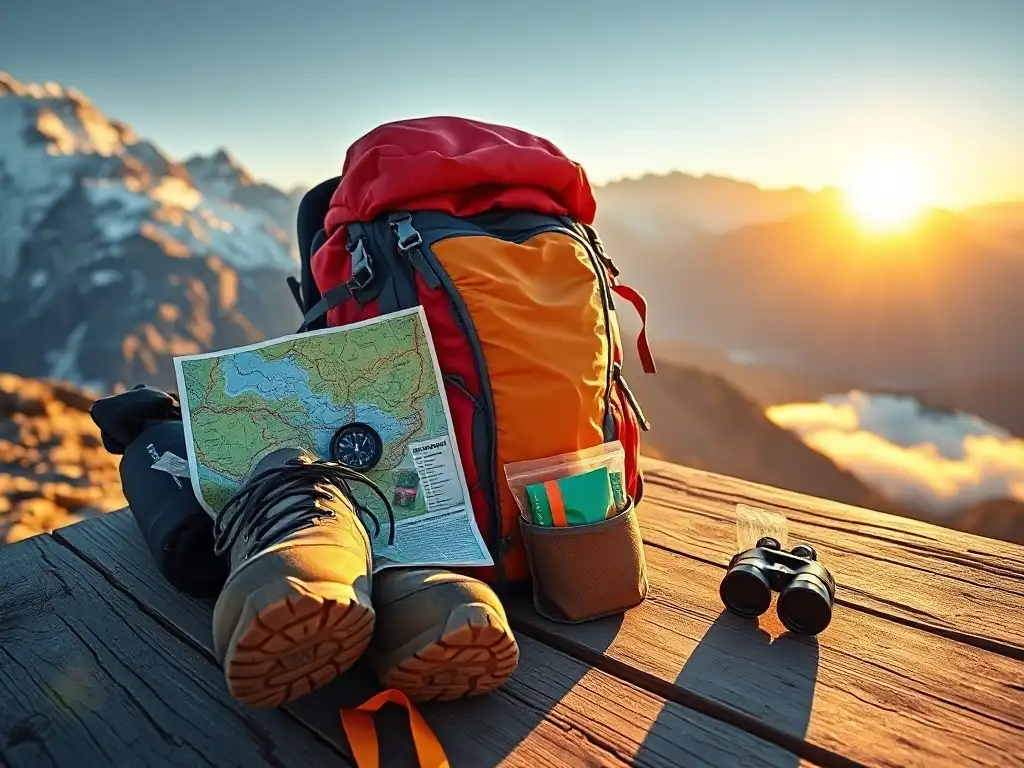
Uncover the mysteries of the Andes! Did you know that meticulous planning is key to unlocking the full wonder of these ancient lands? Before you embark on your own Andean adventure, delve into our essential Andean pretrip checklist. This indispensable guide ensures a seamless journey through the breathtaking landscapes and captivating history of the Incas, Moche, Nazca, and Tiahuanaco—leaving you free to fully immerse yourself in the magic. Let us prepare you for an unforgettable experience.
Embarking on a journey to explore the breathtaking Andes Mountains—home to the remnants of fascinating ancient civilizations like the Incas, Moche, Nazca, and Tiahuanaco—requires meticulous planning. This isn't just a vacation; it's an expedition into a unique environment demanding respect and preparedness. This comprehensive Andean pre-trip checklist will equip you with the knowledge and tools necessary to ensure a smooth, safe, and ultimately rewarding experience, maximizing your time to delve into the rich history and culture of this remarkable region.
From understanding the altitude sickness risks to packing the right gear, we'll cover everything you need to know before setting foot on this ancient land. This guide focuses on optimizing your Andean adventure, allowing you to fully immerse yourself in the wonders that await. Let's ensure your trip is unforgettable for all the right reasons!
Why an Andean Travel Checklist is Crucial for Your Journey
Planning a trip to the Andes is more than just booking flights and hotels; it's about understanding the unique challenges and opportunities this incredible region presents. A well-structured Andean pre-trip checklist is your compass, guiding you through the logistical complexities and ensuring you're prepared for any eventuality. Failing to plan adequately can lead to unforeseen problems, potentially ruining aspects of your journey. Consider these points:
- Altitude Sickness: The Andes boast some of the world's highest peaks. Altitude sickness is a real threat, and proper acclimatization is crucial. Your checklist should include strategies for managing this, such as a gradual ascent, ample hydration, and potentially medication.
- Weather Variability: Andean weather is notoriously unpredictable. One moment you might be basking in sunshine, and the next battling a sudden downpour or experiencing extreme temperature fluctuations. Packing versatile clothing is essential.
- Accessibility: Some sites are remote, requiring careful consideration of transportation and potential logistical hurdles. Planning your route and transportation in advance is key.
- Cultural Sensitivity: Respecting local customs and traditions is paramount. Researching basic Quechua phrases or understanding appropriate behavior can significantly enhance your experience and show respect for the Andean people and their heritage.
- Health and Safety: Vaccinations, necessary medications, and emergency contact information are crucial for a safe and worry-free trip.
Understanding the Andean Environment: Preparing for the Unexpected
The Andes are a diverse and challenging environment. Understanding its nuances is crucial for a successful trip. This section focuses on the practical aspects of preparing for the unexpected:
The Andean climate varies dramatically depending on altitude and location. High-altitude areas can experience freezing temperatures, even during the day. Low-altitude regions might be significantly warmer, but rainfall can be intense. Therefore, packing layers is essential, including:
- Thermal Underwear: Provides a base layer of warmth.
- Fleece Jacket: Excellent for mid-layers, offering insulation and breathability.
- Waterproof and Windproof Outer Shell: Protection against unexpected weather changes is vital.
- Warm Hat, Gloves, and Scarf: Essential for high-altitude areas.
- Hiking Boots: Sturdy, well-broken-in hiking boots are crucial for navigating varied terrain.
- Sunscreen and Sunglasses: High-altitude sun is intense; protection is crucial.
Beyond clothing, consider these environmental factors and how to prepare for them:
- Altitude Acclimatization: Plan for gradual ascent to minimize the risk of altitude sickness. Allow sufficient time to adjust to the changing altitude before undertaking strenuous activities. Consider consulting a doctor about altitude sickness medication if necessary.
- Water Supply: Access to clean drinking water can be limited in certain areas. Carry a water filter or purification tablets, or ensure you have access to bottled water.
- Wildlife: While most wildlife is not dangerous, it's prudent to be aware of your surroundings. Consider carrying insect repellent and appropriate clothing to protect yourself from potential bites or stings.
- Emergency Preparedness: Carry a well-stocked first-aid kit, including any personal medications. Inform someone of your itinerary and expected return. Consider having a satellite phone or personal locator beacon (PLB) in remote areas.
This detailed preparation will ensure your Andean adventure is filled with awe-inspiring moments and unforgettable memories, rather than unexpected setbacks. Remember, thorough planning is the key to unlocking the full potential of your journey through this captivating region.
- Why an Andean Travel Checklist is Crucial for Your Journey
- Understanding the Andean Environment: Preparing for the Unexpected
Essential Gear for Your Andean Adventure: Your Pre-Trip Checklist

This section focuses on the crucial gear you'll need for a comfortable and safe Andean adventure. Proper preparation is key to enjoying the stunning landscapes and rich culture of the Andes, minimizing discomfort, and maximizing your experience. This Andean pre-trip checklist will help you pack efficiently and effectively. Remember, conditions in the Andes can change rapidly, so adaptability is crucial.
Clothing: Layering for Varying Andean Climates
The Andes boast diverse microclimates. One day you might be basking in sunshine, and the next facing freezing winds at high altitude. Layering is essential to regulate your body temperature effectively. This Andean pre-trip checklist emphasizes the importance of a layered approach to clothing.
Base Layers: The Foundation for Comfort
Your base layer is the foundation of your thermal system. Opt for moisture-wicking fabrics like merino wool or synthetic materials. Avoid cotton, which retains moisture and can lead to chilling. Pack at least three sets to allow for washing and drying. Consider thermal underwear for extra warmth at higher altitudes. The best base layer will feel comfortable against your skin and help regulate your temperature throughout the day. Think about lightweight options for warmer days and heavier options for cooler evenings or high altitude trekking.
Insulating Layers: Staying Warm in High Altitudes
Insulating layers trap warm air close to your body, providing an extra buffer against the cold. Fleece jackets or lightweight down jackets are excellent choices. Consider a mid-weight fleece for moderate conditions and a heavier fleece or down jacket for colder temperatures. Remember that even on sunny days, temperatures can drop significantly at higher altitudes, especially once the sun sets. Pack at least two insulating layers for flexibility.
Outer Layers: Protection from the Elements
Your outer layer acts as a shield against wind, rain, and snow. A waterproof and windproof jacket is crucial, regardless of the time of year. Look for breathable materials to prevent overheating. A durable, lightweight rain jacket is a must-have in any Andean pre-trip checklist, offering protection from unexpected showers and mountain breezes. For added protection, consider bringing waterproof hiking pants. Remember to choose clothing that is both functional and packable, allowing you to adapt to varied conditions throughout your journey.
Footwear: Choosing the Right Boots for Andean Terrain
Choosing the right footwear is paramount for a comfortable and safe Andean experience. The terrain can be challenging, ranging from well-maintained trails to uneven, rocky paths. This section of your Andean pre-trip checklist will help you select the appropriate footwear.
Hiking Boots: Support and Stability for Trails
High-quality, well-broken-in hiking boots are non-negotiable. Look for boots with ankle support, waterproof membranes, and durable soles with good traction. Consider the type of terrain you'll be traversing; boots designed for rugged terrain will offer better protection and stability. Before your trip, make sure your boots are comfortable and properly fitted. Breaking them in before your trip is crucial to prevent blisters and discomfort during your hikes. Remember to pack extra laces, just in case.
Hiking Socks: Preventing Blisters and Enhancing Comfort
Hiking socks are often overlooked, but they are crucial for preventing blisters and keeping your feet comfortable. Choose moisture-wicking socks made from merino wool or synthetic materials. Avoid cotton socks, which can trap moisture and lead to blisters. Pack several pairs to change throughout the day, keeping your feet dry and preventing discomfort. Consider bringing both lightweight and heavier socks, depending on the temperature and intensity of your activities. A good pair of socks is an often overlooked, but essential, part of any Andean pre-trip checklist.
This detailed checklist provides a solid foundation for your Andean packing. Remember to adapt it based on the specific activities and regions you plan to visit. Happy travels! ✈️
Backpacks: Carrying Your Essentials Comfortably
Choosing the right backpack is paramount for a comfortable and successful Andean adventure. The type of backpack you need will depend heavily on the length and type of your trip. Consider factors like capacity, weight, comfort features (such as hip belts and adjustable straps), and durability when making your selection. A well-fitted backpack distributes weight evenly, preventing strain and discomfort during long days of trekking. Look for backpacks made from durable, water-resistant materials to protect your belongings from the elements.
Remember that even the best backpack can become uncomfortable if overloaded, so pack strategically and efficiently. Prioritize essential items and leave behind anything non-essential to lighten your load. A properly fitted backpack is an investment in your comfort and enjoyment throughout your Andean journey. Don't underestimate the importance of a well-fitting and durable pack; it's your constant companion on your Andean exploration.
Daypacks: For Shorter Hikes and City Explorations
For shorter hikes, day trips to nearby towns, and exploring cities like Cusco or Quito, a daypack is ideal. These smaller backpacks typically range from 20 to 40 liters in capacity, providing ample space for essentials like water bottles, snacks, sunscreen, a rain jacket, and a camera. Look for features like multiple compartments to organize your belongings and comfortable shoulder straps for easy carrying.
Consider a daypack with a hydration reservoir for convenient water access during hikes. The lightness and maneuverability of a daypack make it perfect for navigating bustling markets and cobblestone streets while still providing enough storage for your daily needs. Choosing a lightweight, yet durable, daypack will allow for maximum comfort and efficiency during your shorter Andean excursions.
Trekking Backpacks: For Multi-Day Adventures
If you're planning multi-day treks, such as the Inca Trail or the Salkantay Trek, a larger trekking backpack is essential. These backpacks typically range from 50 to 80 liters, offering ample space for all your gear, including clothing, sleeping bag, cooking equipment, and food. Trekking backpacks feature robust construction, comfortable hip belts for weight distribution, and numerous attachment points for trekking poles and other equipment. Consider features like rain covers for protection from unexpected showers and adjustable torso lengths to ensure a proper fit.
Proper fit is crucial for comfort and injury prevention during extended periods of carrying heavy loads. Investing in a high-quality trekking backpack is a crucial step in ensuring a safe and enjoyable multi-day Andean adventure. The right backpack can be the difference between a memorable experience and a painful one.
Navigating the Andes can be challenging, with unpredictable weather and sometimes unreliable infrastructure. Having the right navigation and safety tools is crucial for a safe and enjoyable trip. This section will highlight the importance of preparation and the tools that can ensure your safety and peace of mind throughout your journey. Careful planning is key to mitigating potential risks, ensuring a smooth and successful trip.
GPS Devices: Accurate Positioning in Remote Areas
A GPS device is invaluable for navigating remote areas in the Andes, especially when trails are poorly marked or nonexistent. A handheld GPS, or a GPS-enabled smartphone with offline maps, can provide accurate positioning, allowing you to track your progress and avoid getting lost. Ensure your device is fully charged before setting out, and consider carrying extra batteries or a portable charger.
Familiarize yourself with the device's operation before your trip to avoid any surprises in the field. Knowing how to use your GPS effectively could be the difference between a successful trek and a potentially dangerous situation. Remember that GPS technology can be affected by weather conditions and terrain, so always have a backup navigation plan.
First-Aid Kit: Addressing Minor Injuries and Ailments
A comprehensive first-aid kit is a must-have for any Andean adventure. Your kit should include items to address minor injuries such as cuts, scrapes, blisters, and altitude sickness. Essential items include bandages, antiseptic wipes, pain relievers, anti-diarrheal medication, motion sickness medication, and any personal medications you require. Consider including a small survival blanket for warmth in case of emergency.
Remember to check expiration dates before your trip and replenish any items as needed. A well-stocked first-aid kit provides peace of mind and allows you to address minor issues effectively, preventing them from escalating into more serious problems. Prioritize items based on your planned activities and potential risks.
Communication Devices: Staying Connected in Remote Locations
Maintaining communication is vital, especially in remote areas of the Andes. While cell service can be spotty or nonexistent, a satellite messenger device can provide a lifeline in emergencies. These devices allow you to send and receive messages even without cell service, providing crucial communication with loved ones and emergency services. Consider a device with GPS tracking capabilities for added safety.
Alternatively, a portable satellite phone offers voice communication, but is often more expensive and heavier than a satellite messenger. Choosing the right communication device depends on your budget and the level of connectivity you require. Remember to plan for potential communication gaps and to inform someone of your itinerary before embarking on your adventure.
Health and Wellbeing: Preparing Your Body for the Andes

The Andes Mountains present unique challenges to travelers, and prioritizing your health and wellbeing before your trip is crucial for a smooth and enjoyable Andean experience. Failing to adequately prepare can significantly impact your journey, potentially leading to discomfort or even serious health issues. This section focuses on practical steps you can take to mitigate these risks and ensure you're in peak condition for exploring the breathtaking landscapes and fascinating cultures of the Andes. Proper preparation will allow you to fully immerse yourself in the wonders of the Andean region.
Altitude Sickness Prevention: Acclimatization Strategies
Altitude sickness, or acute mountain sickness (AMS), is a common concern for travelers venturing to high altitudes in the Andes. The reduced oxygen pressure at higher elevations can cause various symptoms, ranging from mild headaches and nausea to more severe conditions like high altitude pulmonary edema (HAPE) and high altitude cerebral edema (HACE). The key to preventing altitude sickness is gradual ascent and proper acclimatization.
Gradual Ascent: Allowing Your Body to Adjust
Avoid rushing to high altitudes. Instead of immediately flying or driving to a high-altitude destination, spend a few days at a lower elevation to allow your body to adjust to the decreasing oxygen levels. A gradual ascent gives your body time to produce more red blood cells, improving your oxygen-carrying capacity. For example, if you're planning to trek in the Cordillera Blanca, consider spending a few days in Huaraz (around 3,000 meters) before ascending to higher camps. Each day spent at a lower altitude is an investment in your health and wellbeing.
Hydration: Staying Properly Hydrated at High Altitudes
Dehydration exacerbates the effects of altitude sickness. At high altitudes, your body loses fluids more rapidly. Therefore, maintaining adequate hydration is paramount. Drink plenty of water throughout your journey, even before you arrive in the Andes. Aim for at least 3-4 liters of water per day, especially during strenuous activities. Electrolyte drinks can also be beneficial to replace lost salts. Listen to your body; if you feel thirsty, drink more water. Ignoring thirst signals can have serious consequences at altitude.
Altitude Sickness Medication: Consulting Your Doctor
While acclimatization is the best preventative measure, some individuals may benefit from altitude sickness medication. Consult your physician well in advance of your trip to discuss your risk factors and potential medication options. They can assess your individual needs and recommend the appropriate medication, such as acetazolamide, if necessary. Remember, medication is not a substitute for proper acclimatization strategies. Always follow your doctor's instructions carefully.
Vaccinations and Medical Advice: Consulting Your Physician
Before embarking on your Andean adventure, a visit to your physician is highly recommended. They can provide personalized advice based on your itinerary, health history, and any pre-existing medical conditions. This consultation will ensure you're adequately prepared to handle any potential health challenges that may arise during your trip. Remember, proactive healthcare is essential for a worry-free Andean experience.
Recommended Vaccinations: Ensuring Your Health and Safety
Depending on your itinerary and the specific regions you'll be visiting in the Andes, certain vaccinations may be recommended. These might include those for typhoid, hepatitis A and B, and yellow fever. Your physician will determine which vaccinations are appropriate for you based on your travel plans and health status. Ensure that you get your vaccinations well in advance of your departure to allow sufficient time for your body to build immunity.
Travel Insurance: Protecting Yourself from Unexpected Medical Costs
Comprehensive travel insurance is essential for any international trip, and this is especially true for travel to the Andes. Medical emergencies at high altitudes can be expensive, and even a minor ailment can quickly escalate into a costly situation. Choose a policy that covers medical evacuation, hospitalization, and repatriation. Review the policy details carefully to ensure it meets your specific needs and covers any activities you plan to undertake in the Andes. This peace of mind is invaluable when exploring such a remote and challenging region.
Documentation and Planning: Your Pre-Departure Checklist

This section focuses on the crucial documentation and planning aspects of your Andean adventure, ensuring a smooth and hassle-free trip. Thorough preparation is key to maximizing your experience and minimizing unforeseen complications. Remember, meticulous planning translates directly into a more rewarding and enjoyable exploration of the Andes. Let's delve into the specifics.
Passport and Visa Requirements: Checking Entry Policies
Before embarking on your Andean journey, verifying your passport and visa requirements is paramount. Passport validity is crucial; ensure your passport remains valid for at least six months beyond your intended stay. This is a standard requirement for many countries, and neglecting it could lead to significant delays or even prevent your entry. Different nationalities have varying visa requirements depending on their citizenship. Some nationalities may enjoy visa-free entry to certain Andean nations, while others might need to obtain a visa in advance.
For example, citizens of the United States generally require a tourist visa for many countries in the Andean region. This visa must be applied for well in advance of your departure date, often involving completing online forms and providing supporting documentation. Conversely, citizens of certain South American countries might enjoy reciprocal visa-free travel agreements. Always check the specific entry requirements for your nationality and your intended destination country well in advance of your planned trip.
The official government websites of the countries you plan to visit are the most reliable sources for this information. Don't rely on outdated or unofficial information; confirm directly with the relevant embassy or consulate. Failing to do so could lead to significant delays or even prevent your entry. Procrastination in this area can severely impact your travel plans.
To help you organize this critical information, consider using a simple table:
| Country | Visa Required for US Citizens? | Visa Application Website | Processing Time (approx.) |
|---|---|---|---|
| Peru | Yes | [Specific information pending] | [Specific information pending] |
| Bolivia | Yes | [Specific information pending] | [Specific information pending] |
| Ecuador | No (for tourism, up to 90 days) | N/A | N/A |
| Colombia | No (for tourism, up to 90 days) | N/A | N/A |
Remember to make copies of your passport and visa (if applicable) and store them separately from the originals. This precaution can be invaluable should your passport be lost or stolen.
Travel Itinerary: Planning Your Route and Activities
Crafting a well-defined travel itinerary is essential for a successful Andean expedition. This itinerary should outline your planned route, specifying the cities, towns, and sites you intend to visit. Include planned dates for each location, allowing for sufficient travel time between destinations. The Andes are vast and geographically diverse; traveling between locations can take longer than anticipated, especially in remote areas.
Consider incorporating specific activities into your itinerary. Do you plan on hiking the Inca Trail? Visiting Machu Picchu? Exploring the Nazca Lines? Including these details in your itinerary helps you allocate sufficient time for each activity and ensures you don't miss out on any key experiences.
Remember to factor in potential delays due to weather conditions, especially if you're planning on high-altitude trekking. A flexible itinerary, allowing for adjustments based on unforeseen circumstances, is always advisable. This flexibility will allow you to better adapt to the unexpected challenges that might arise during your trip. Careful planning and consideration for potential delays can significantly enhance your overall travel experience. Don't forget to research opening hours and potential booking requirements for popular sites.
A well-structured itinerary might look something like this:
- Day 1-3: Cusco – Acclimatization, city tour, exploring San Blas.
- Day 4-6: Sacred Valley – Ollantaytambo, Pisac Market, Moray terraces.
- Day 7-8: Machu Picchu – Hiking, exploring the citadel, returning to Cusco.
- Day 9-10: Lake Titicaca – Boat trip to the Uros floating islands.
Travel Bookings: Securing Flights and Accommodations
Securing flights and accommodations is a crucial step in your Andean pretrip checklist. Booking flights well in advance, especially during peak tourist seasons, is highly recommended to secure the best prices and availability. Consider using flight comparison websites to find the most suitable options. Remember to factor in potential airport transfer times and costs, especially if you're flying into smaller airports.
Similarly, booking accommodations in advance is essential, particularly if you're traveling during peak season or planning to stay in popular tourist destinations. A wide range of options is available, from budget-friendly hostels to luxurious hotels. Researching and booking accommodations that align with your budget and preferences is crucial for a comfortable and enjoyable trip. Think about location; proximity to key sites and transportation hubs can significantly impact your daily travel experience.
Consider factors like proximity to transportation, amenities, and reviews from other travelers when making your decisions. Carefully review booking policies, cancellation terms, and any potential hidden fees before confirming your reservations. A well-planned accommodation strategy will contribute greatly to the overall success of your journey.
Cultural Sensitivity: Preparing for Meaningful Interactions

Embarking on an Andean adventure means more than just ticking off sightseeing spots; it's about engaging with a vibrant culture rich in history and tradition. Thorough preparation regarding cultural sensitivity will significantly enrich your experience and foster respectful interactions with the local communities. A successful trip hinges not only on logistical planning but also on demonstrating awareness and respect for the Andean way of life.
This section focuses on practical steps to ensure your trip is both enjoyable and ethically sound. Ignoring cultural nuances can lead to unintentional offense, while embracing them unlocks deeper connections and more meaningful encounters. Understanding and respecting Andean culture is paramount for a truly rewarding journey.
Learning Basic Spanish Phrases: Enhancing Communication
While English is spoken in tourist areas, learning even basic Spanish phrases can dramatically improve your interactions with locals. It shows respect for their language and culture and opens doors to more authentic experiences. Simple phrases like "Buenos días" (good morning), "Gracias" (thank you), "Por favor" (please), and "De nada" (you're welcome) go a long way. Beyond greetings, learning phrases related to shopping, dining, and asking for directions will prove invaluable. Consider using a language learning app or taking a short introductory course before your trip.
This effort will undoubtedly enhance your Andean experience, allowing for more natural and engaging conversations with the people you meet. Remember, even a few words spoken in Spanish can create a positive impression and foster deeper connections. The added bonus? You'll feel more confident navigating daily situations.
Understanding Local Customs and Traditions: Respecting Andean Culture
Andean cultures are diverse, with unique customs and traditions varying across regions. Researching these customs before your trip is essential. For example, understanding appropriate dress, greetings, and dining etiquette will prevent unintentional faux pas. Many Andean communities hold strong beliefs and practices, and demonstrating respect for these is crucial. This could involve things like being mindful of sacred sites, understanding local religious practices, and being aware of any cultural taboos.
Remember to ask permission before taking photographs, especially of people. Observing local customs not only shows respect but also deepens your appreciation for the richness and complexity of Andean culture. A little research can significantly impact your experience and help you navigate these cultural landscapes with grace and sensitivity. Consider consulting reputable travel guides and cultural resources specific to the regions you plan to visit.
Supporting Local Businesses: Contributing to the Andean Economy
Beyond cultural sensitivity, consider the economic impact of your travels. Actively supporting local businesses contributes directly to the Andean economy and helps sustain its communities. This can involve choosing locally owned hotels, restaurants, and tour operators over large international chains. Purchasing handicrafts directly from artisans empowers local communities and ensures fair wages.
Engage with local markets and farmers' markets to experience authentic Andean products and support local producers. By prioritizing local businesses, you are not only experiencing the authentic Andean culture but also contributing to its sustainability and prosperity. This conscious approach to travel aligns with responsible tourism and fosters a more positive and mutually beneficial relationship between travelers and the Andean communities. Remember, your choices as a traveler can have a significant impact – choose wisely and make a difference.
Final Touches: Last-Minute Checks for Your Andean Trip
This section focuses on the crucial final steps before embarking on your Andean adventure. Proper preparation minimizes on-site stress and maximizes your enjoyment of the incredible cultural and natural wonders awaiting you. We'll cover essential last-minute checks to ensure a smooth and unforgettable trip. Remember, even the most meticulous planner can benefit from a final review! This Andean pre-trip checklist will help you avoid those last-minute panics.
Packing Checklist: Ensuring You Have Everything
Before you even think about heading to the airport, meticulously check your bags. An organized packing list is your best friend. Consider the diverse climates you might encounter, ranging from the sun-drenched coast to the high-altitude Andes. Packing cubes are invaluable for organization.
Here's a sample packing list, adaptable to your specific trip length and activities:
| Item Category | Specific Items | Notes |
|---|---|---|
| Clothing | Lightweight, breathable shirts; layers (fleece, jacket); warm socks; hiking pants; rain jacket; comfortable walking shoes; hat; sunglasses | Pack versatile items that can be layered for changing weather conditions. |
| Toiletries | Sunscreen (high SPF); insect repellent; lip balm; first-aid kit; any personal medications; toiletries in travel-sized containers | Check airline regulations for liquid restrictions. |
| Documents | Passport (with at least six months validity); visa (if required); flight/bus tickets; hotel reservations; travel insurance information; copies of important documents (stored separately) | Keep digital copies in the cloud, too, for extra security. |
| Electronics | Phone; charger; adapter; camera; batteries; portable power bank | Ensure your electronics are fully charged before departure. |
| Other Essentials | Water bottle; reusable shopping bag; small backpack; binoculars (optional); phrasebook (Spanish highly recommended); cash (local currency); map | A phrasebook can significantly enhance your interactions with locals. |
Remember to weigh your luggage beforehand to avoid unexpected fees. Don't forget a small, lightweight daypack for daily excursions. Think about layering your clothing strategically to adapt to fluctuating Andean temperatures. 🎒
Confirming Bookings: Double-Checking Details
A crucial final step is verifying all bookings. This includes flights, accommodation, and any pre-booked tours or activities. Confirm times, locations, and any special instructions. A simple email or phone call can prevent costly mistakes or unexpected delays. Consider printing out confirmations as a backup, especially if you'll be in areas with limited internet access.
- Flights: Double-check flight times, gate numbers (if available), and baggage allowance.
- Accommodation: Confirm your check-in/check-out times and any special requests (e.g., high-floor room, extra bed).
- Tours and Activities: Verify the meeting point, time, and any necessary equipment.
This seemingly simple step can save you significant stress and potential financial losses. It’s better to be over-prepared than to find yourself scrambling at the last minute.
Pre-Trip Excitement: Getting Ready for Your Andean Adventure
The final stage is about embracing the excitement! Revisit your itinerary, review any research you’ve done on the Andean culture and history, and mentally prepare for the incredible journey ahead. Learn a few basic Spanish phrases – even a simple "Hola" and "Gracias" will be appreciated.
Consider downloading offline maps and travel guides to your phone. This is particularly useful in areas with limited internet connectivity. Perhaps start a travel journal to record your experiences. Most importantly, relax and anticipate the breathtaking landscapes, fascinating history, and rich culture that await you in the Andes. Enjoy the anticipation! ✨
Frequently Asked Questions
What should I pack for an Andean trip?
Pack layers of clothing to adapt to varying temperatures. Don't forget sturdy hiking boots, sunscreen, a hat, and insect repellent. Consider bringing a reusable water bottle and any necessary medications.
What vaccinations are recommended for travel to the Andes?
Consult your doctor well in advance of your trip. Standard vaccinations like Hepatitis A and Typhoid are usually recommended. Altitude sickness medication might also be discussed. Yellow Fever may be required depending on your origin and travel history.
How can I prepare for the altitude sickness in the Andes?
Gradual ascent is crucial to avoid altitude sickness. Stay hydrated by drinking plenty of water, avoid alcohol and strenuous activity initially, and get plenty of rest. Consider using coca tea to help with acclimatization.
What are some essential cultural considerations for visiting the Andes?
Respect local customs and traditions. Learn a few basic Quechua phrases. Be mindful of appropriate dress, especially when visiting religious sites. Bargaining is common in markets, but do so respectfully.
What are some must-see sites in the Andes for a first-time visitor?
Consider visiting Machu Picchu, Cusco, and the Sacred Valley in Peru. Explore the Nazca Lines or the Tiwanaku ruins in Bolivia. Your choices will depend on your interests and the time you have available.
Final Reflection: Embracing the Andes: Preparation as a Path to Transformation
The meticulous planning detailed in this Andean pre-trip checklist isn't just about avoiding logistical nightmares; it's about unlocking the transformative power of a truly immersive experience. A well-prepared journey allows you to fully engage with the breathtaking landscapes, rich cultures, and vibrant spirit of the Andes, rather than being bogged down by unforeseen challenges. This isn't simply about ticking boxes; it's about setting the stage for an unforgettable adventure.
The impact of careful preparation extends far beyond the practical. It fosters a sense of anticipation and excitement, allowing you to cultivate a deeper connection with the journey even before you set foot on Andean soil. The process itself becomes a form of meditation, a way to connect with the spirit of exploration. As the renowned explorer, Wilfred Thesiger, once wrote: The journey is the reward.
This sentiment rings especially true when embarking on a trip to the Andes, where the preparation itself becomes an integral part of the overall experience, shaping your perspective and enriching your understanding.
Now, consider your own upcoming adventures, whether they be grand expeditions or smaller journeys closer to home. What preparations can you make to not only ensure a smooth experience, but to also cultivate a deeper appreciation for the journey itself? Embrace the power of preparation; let it be your compass, guiding you towards a richer, more meaningful experience, wherever your path may lead. The Andes await, but the journey begins with you.
Elevate Your Andean Adventure: A Journey of Preparation
Thank you for embarking on this Andean adventure! Your commitment to thorough preparation is the key to a truly exceptional experience. Let's translate that preparation into action to ensure an unforgettable trip.
Here's how to get started:
- Craft Your Personalized Packing List: Begin by compiling a list of essential items, considering both practical gear and culturally sensitive aspects of your trip.
- Connect with Fellow Explorers: Join our vibrant online community at Andean Civilizations to exchange tips, share experiences, and ask any questions you may have about your upcoming journey.
- Uncover Hidden Gems: Research lesser-known Andean sites and local traditions to enrich your adventure and gain a deeper understanding of the region. This will add unique and memorable layers to your experience.
What's one indispensable item you'll be taking with you, and why is it so crucial for your journey? We'd love to hear your thoughts!