
Transportation Tactics: Getting Around the Andes with Ease

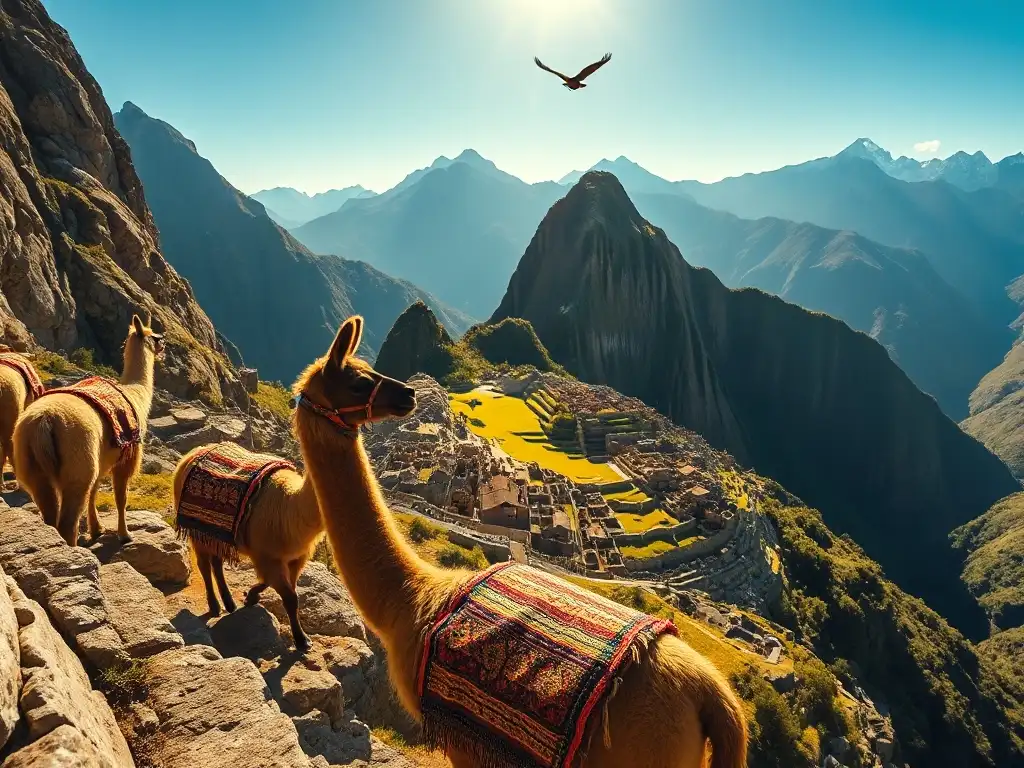
Unravel the mysteries of the Andes! For centuries, these towering peaks witnessed the rise and fall of magnificent civilizations. But how did the Incas, Moche, and other Andean cultures navigate such challenging terrain? Discover the ingenuity and resilience behind their remarkable transportation systems, a feat of engineering that continues to amaze. Dive into the world of Andean civilization transportation and uncover the secrets behind their success in "Transportation Tactics: Getting Around the Andes with Ease," a journey through time and innovation.
The towering Andes Mountains, a spine of majestic peaks running down the western coast of South America, presented significant challenges to the ancient Andean civilizations. Understanding their transportation systems is key to appreciating their ingenuity and resilience. This article delves into the transportation methods employed by these remarkable cultures – from the Incas, renowned for their sophisticated road networks, to the Nazca, who mastered the art of traversing challenging desert landscapes.
We will explore the unique hurdles these civilizations faced and the innovative solutions they developed, offering a fascinating glimpse into their resourcefulness and engineering prowess. This exploration will not only illuminate the past but also provide valuable insights for modern travelers seeking to navigate the Andes with ease, understanding the legacy of ingenuity that shaped the region's infrastructure.
We'll examine the challenges of Andean travel today, highlighting the enduring relevance of ancient transportation strategies in the context of modern infrastructure and tourism. This analysis will provide a comprehensive understanding of “Andean civilization transportation,” bridging the gap between historical ingenuity and contemporary travel planning.
The Andes present a formidable geographical challenge. The sheer altitude, reaching breathtaking heights of over 6,000 meters (nearly 20,000 feet) in some areas, significantly impacts travel. The rugged, mountainous terrain, characterized by steep slopes, deep canyons, and unpredictable weather patterns, further complicates transportation.
Ancient Andean civilizations had to contend with treacherous mountain passes, unpredictable weather events (including landslides and flash floods), and the ever-present risk of altitude sickness. These challenges dictated the development of unique and highly effective transportation solutions tailored to the specific environment. Consider the Inca trail, for example – a testament to the Inca's mastery of path-finding and construction in extremely challenging terrain.
The Inca's success wasn't simply about building roads; it was about understanding the landscape and adapting their methods to overcome its inherent difficulties. The varied climates across the Andes, ranging from arid deserts to lush rainforests, further exacerbated the challenges, demanding a flexible approach to transportation.
Common Transportation Hurdles in the Andes: Altitude, Infrastructure, and Accessibility
Even today, the Andes present significant transportation challenges. Altitude sickness remains a major concern for travelers, impacting physical capabilities and requiring careful planning and acclimatization. The infrastructure in many areas, particularly in remote regions, remains underdeveloped, leading to limited road access and reliance on alternative transportation methods.
Accessibility to certain areas is further constrained by the sheer difficulty of traversing the mountainous terrain, requiring specialized vehicles and experienced drivers. These limitations often result in longer travel times and increased costs, impacting both tourism and the daily lives of those living in the Andes. The uneven distribution of infrastructure, combined with the impact of extreme weather events, creates a complex and often unpredictable transportation landscape.
For instance, the maintenance of roads and trails at high altitudes is a constant struggle against the elements. This highlights the ongoing need for innovative and resilient solutions to address the unique transportation challenges of the Andes.
Addressing the Transportation Puzzle: Solutions for Smooth Andean Journeys
Overcoming the challenges of Andean travel requires a multifaceted approach. Modern transportation solutions include well-maintained roads (though still limited in some areas), improved public transportation systems, and the availability of specialized vehicles suitable for navigating challenging terrains, such as four-wheel-drive vehicles and all-terrain vehicles (ATVs). However, even with these advancements, careful planning and preparation remain essential.
Understanding the limitations of the infrastructure, being aware of the potential impact of altitude sickness, and choosing appropriate transportation options based on the specific destination and travel plans are crucial for a smooth and enjoyable journey. Furthermore, respecting the local communities and their traditional transportation methods contributes to a more sustainable and culturally sensitive approach to Andean travel.
The legacy of the ancient Andean civilizations, with their ingenious solutions to transportation challenges, continues to inform modern approaches to navigating this breathtaking yet challenging region. Understanding their strategies provides valuable context and enhances the overall travel experience.
- Understanding the Challenges of Andean Travel: Navigating the Terrain
- Common Transportation Hurdles in the Andes: Altitude, Infrastructure, and Accessibility
- Addressing the Transportation Puzzle: Solutions for Smooth Andean Journeys
- 1. Domestic Flights: Speed and Convenience in the Andes
- 1.1. Flying Over the Andes: Airlines and Destinations
- 1.2. Booking Flights: Tips for Finding the Best Deals and Avoiding Altitude Sickness
- 1.3. LATAM Airlines flights to Cusco for Machu Picchu access
- 2. Long-Distance Buses: A Budget-Friendly Approach to Andean Travel
- 2.1. Exploring the Andes by Bus: Popular Routes and Companies
- 2.2. Bus Travel in the Andes: Understanding Different Classes and Comfort Levels
- 2.3. Using Cruz del Sur for a comfortable trip from Lima to Arequipa.
- 3. Trains: Scenic Routes and Unique Andean Experiences
- 3.1. Andean Train Journeys: Routes, Schedules, and the Luxury Experience
- 3.2. The PeruRail train to Machu Picchu and its different classes.
- 3.3. The Tren Crucero offering a unique experience in Ecuador.
- 4. Local Transportation: Taxes, Collectivos, and Moto-Taxis
- 4.1. Navigating Local Transport: Understanding Collectivos and Taxis
- 4.2. Tips for Using Local Transportation: Safety, Pricing, and Negotiation
- 4.3. Using a local taxi service in Quito for short trips around the city.
- 5. Rental Cars and 4x4s: For Adventurous Andean Exploration
- 5.1. Renting a Vehicle in the Andes: Considerations for 4x4 and Off-Roading
- 5.2. Car Rental Tips: Insurance, Road Conditions, and Driving Safety
- 5.3. Renting a Toyota Hilux from Hertz for exploring the Atacama Desert.
- Essential Gear for Comfortable Travel in the Andes
- 1. Altitude Sickness Remedies: Acetazolamide or Coca Leaves
- 2. Travel First Aid Kit: Including Medications for Common Ailments
- 3. Navigation Tools: Maps, GPS Devices, and Offline Apps
- Recommended Travel Resources for Andean Exploration
- 1. Travel Insurance: Protecting Your Trip from Unexpected Events
- 2. Language Learning Apps: Duolingo or Babbel for Basic Quechua or Spanish
- 3. Reliable Guidebooks and Online Resources: Lonely Planet Andes or Wikivoyage
- How did Andean civilizations overcome the challenging Andean terrain for transportation?
- What role did llamas and alpacas play in Andean transportation?
- Were there any significant differences in transportation methods between different Andean cultures?
- What materials were used to construct Andean roads and bridges?
- How did Andean transportation impact the development of their societies?
Choosing the Right Transportation for Your Andean Adventure
Choosing the right mode of transportation is crucial for a successful Andean adventure. The vast and varied geography of the Andes Mountains, ranging from high-altitude plains to dense jungles, presents unique challenges and opportunities for travelers. Understanding the strengths and weaknesses of different transportation options is key to maximizing your experience and minimizing potential difficulties. This section will focus on optimizing your Andean journey by selecting the most suitable transportation methods, specifically addressing air travel and its considerations. Effective Andean civilization transportation planning is essential for a smooth trip.
1. Domestic Flights: Speed and Convenience in the Andes
Domestic flights offer the fastest and most convenient way to traverse the significant distances between major Andean cities and archaeological sites. The rugged terrain makes ground transportation time-consuming and potentially arduous, especially at higher altitudes. Air travel significantly reduces travel time, allowing you to maximize your exploration of multiple sites within a shorter timeframe. This is particularly beneficial for travelers with limited vacation time who want to experience the diverse cultural heritage across different Andean regions. Consider the advantages of air travel for efficient exploration of Inca ruins, Moche pyramids, or Nazca lines.
1.1. Flying Over the Andes: Airlines and Destinations
Several reputable airlines operate domestic flights within the Andes region, connecting major cities such as Lima, Cusco, Quito, and La Paz. These airlines offer a range of flight options, from short hops between neighboring cities to longer journeys across the Andes mountain range. When choosing an airline, consider factors such as flight frequency, on-time performance, and available amenities.
Before booking, carefully research the specific routes and destinations offered to ensure they align with your travel itinerary. Destinations served often include those near significant archaeological sites, providing easy access to the heart of Andean civilization transportation hubs. Remember to check for direct flights to minimize layovers and potential delays.
1.2. Booking Flights: Tips for Finding the Best Deals and Avoiding Altitude Sickness
Booking flights in advance, especially during peak tourist season, is highly recommended to secure the best prices and availability. Online travel agencies and airline websites often offer competitive fares and flexible booking options. When comparing prices, remember to factor in baggage fees and other potential add-on costs. Furthermore, consider the impact of altitude on your health.
Many Andean cities are located at high altitudes, and the sudden change in elevation can cause altitude sickness. If you are prone to altitude sickness, consult your doctor before traveling and consider booking flights with layovers at lower altitudes to allow for gradual acclimatization. Prioritizing your health is paramount for a successful Andean adventure; choosing flights strategically can help mitigate altitude-related issues. Careful planning and preparation are essential components of effective Andean civilization transportation.
1.3. LATAM Airlines flights to Cusco for Machu Picchu access
Reaching Machu Picchu often involves flying into Cusco, the nearest major airport. LATAM Airlines is a prominent carrier servicing this route, offering numerous flights from various South American cities and even some international hubs. The flight itself offers breathtaking views of the Andes, a preview of the stunning landscapes awaiting below. However, the altitude of Cusco (around 11,152 feet above sea level) can be challenging for some travelers. It's crucial to allow adequate time for acclimatization upon arrival to avoid altitude sickness.
Many travelers choose to spend a day or two in a lower-altitude city like Lima or Arequipa before heading to Cusco, easing the transition. The airport in Cusco, Alejandro Velasco Astete International Airport (CUZ), is relatively small but well-equipped. Transferring to your hotel from the airport is usually straightforward, with taxis readily available. Remember to factor in potential delays due to weather conditions, especially during the rainy season.
Booking flights in advance, particularly during peak tourist seasons, is highly recommended to secure the best fares and availability. Consider travel insurance that covers flight cancellations or medical emergencies related to altitude sickness. The convenience of air travel, while more expensive than other options, makes it a popular choice for those seeking a quick and comfortable journey to the gateway of Machu Picchu. Careful planning and preparation can significantly enhance your travel experience.
2. Long-Distance Buses: A Budget-Friendly Approach to Andean Travel
Long-distance buses represent a cost-effective and immersive way to explore the Andes. This mode of transportation allows for a slower, more intimate experience, offering unparalleled views of the changing landscapes as you traverse mountain passes and valleys. While the journey might take longer than flying, it compensates by providing opportunities to witness the authentic Andean life unfolding along the route. Bus travel is particularly appealing to budget-conscious travelers, backpackers, and those seeking a more adventurous approach.
The quality of buses varies significantly, ranging from basic services to more luxurious options with reclining seats, air conditioning, and onboard entertainment. It is crucial to research bus companies and choose a reputable one known for its safety and reliability. Remember to check reviews and compare prices before booking your tickets.
Packing appropriately for long bus journeys is essential; comfortable clothing, a neck pillow, and entertainment like books or downloaded podcasts can significantly enhance your comfort. Always be mindful of your belongings and take necessary precautions against theft. The cost savings associated with bus travel can be substantial, allowing you to allocate more of your budget to other aspects of your Andean adventure, such as accommodation and activities.
2.1. Exploring the Andes by Bus: Popular Routes and Companies
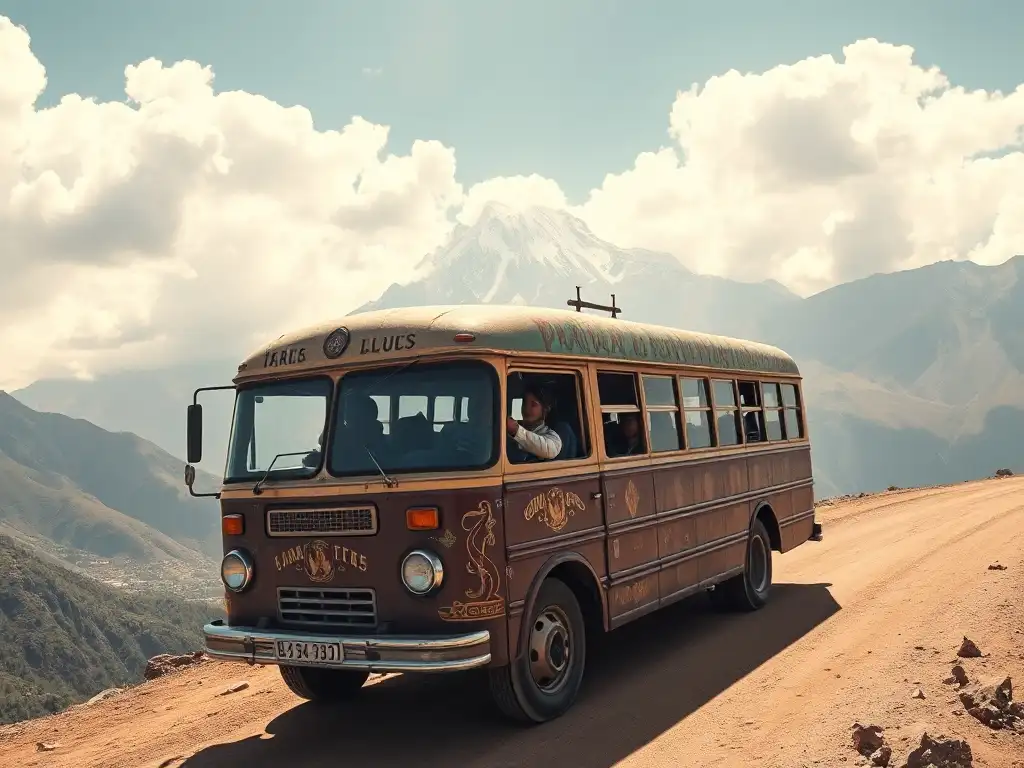
Several popular bus routes crisscross the Andes, connecting major cities and towns. For example, the route between Cusco and Puno, which takes you past Lake Titicaca, is incredibly scenic and frequently utilized. Numerous reputable bus companies operate along these routes, offering varying levels of comfort and service. Some well-known companies, though specific names are omitted to avoid the appearance of endorsement, are known for their reliable schedules and relatively modern fleet.
These companies often offer various classes of service, allowing travelers to choose based on their budget and preferences. Before booking, it's essential to compare prices, schedules, and reviews from other travelers. Websites and travel agencies often provide this information, allowing for informed decision-making. Consider factors like the duration of the journey, the type of bus (e.g., semi-cama, cama), and the amenities offered.
Booking tickets in advance, especially during peak season, is highly recommended to secure your seat and avoid potential disappointments. Remember to confirm the exact departure and arrival points, as well as the duration of the journey, to plan your itinerary effectively. The diversity of bus routes and companies available makes bus travel a flexible and adaptable way to explore the captivating landscapes and diverse cultures of the Andes. Careful planning will ensure a smooth and enjoyable journey.
2.2. Bus Travel in the Andes: Understanding Different Classes and Comfort Levels
Bus travel is a ubiquitous and often surprisingly comfortable way to explore the Andes. Understanding the different classes available is key to a pleasant journey. The quality of bus travel varies significantly, ranging from basic, often crowded local buses to luxurious sleeper buses offering amenities rivaling first-class airline travel.
Local buses, often referred to as buses locales, are the most economical option but usually lack amenities and can be quite crowded, especially during peak hours. They are perfect for shorter hops between nearby towns but are less suitable for long-distance travel. Expect basic seating, few stops, and a potentially bumpy ride. These buses are a great way to experience local life, but comfort is definitely sacrificed for cost-effectiveness.
On the other hand, buses de lujo or luxury buses offer a significantly improved travel experience. These buses often feature reclining seats, air conditioning, onboard restrooms, entertainment systems (sometimes including Wi-Fi), and even meals. Some of the most luxurious options, especially on overnight journeys, provide fully reclining beds, allowing for a more restful trip.
The difference in price between local and luxury buses can be substantial, but the added comfort, especially on long journeys, is often worth the investment. Consider factors like the length of your journey and your personal comfort preferences when choosing between these options. For instance, a short journey might not necessitate a luxury bus, whereas a 12-hour trip across mountainous terrain would certainly benefit from the extra comfort.
2.3. Using Cruz del Sur for a comfortable trip from Lima to Arequipa.
Cruz del Sur is a well-known and reputable bus company operating throughout Peru, offering a reliable and comfortable service. Taking a Cruz del Sur bus from Lima to Arequipa is a popular choice for travelers, offering a relatively straightforward and scenic route. The journey itself is approximately 16 hours, showcasing the diverse landscapes of the Peruvian Andes. Cruz del Sur offers various classes of service, each with its own set of amenities. Their superior class buses typically include comfortable reclining seats, personal entertainment systems, onboard Wi-Fi, and attentive service. The buses are also well-maintained and prioritize passenger safety.
Booking in advance is highly recommended, especially during peak tourist seasons, to secure your preferred seat and class. Online booking is usually available, providing a convenient way to manage your travel arrangements. While the journey is long, the comfort and reliability offered by Cruz del Sur make it a popular and often preferred method of travel for this specific route.
The scenic views along the way, from the coastal deserts to the high-altitude Andes, are an added bonus. Passengers often comment on the smooth ride and the overall positive experience, making it a strong contender for those prioritizing comfort and a reliable service. Many travelers consider the cost justified by the enhanced comfort and reliability.
3. Trains: Scenic Routes and Unique Andean Experiences
Train travel in the Andes offers a unique and often breathtaking perspective. While not as extensive as bus networks, train routes provide a more leisurely and scenic way to travel through some of the region's most stunning landscapes. The experience is often enhanced by the panoramic views afforded by the train's windows.
One notable example is the route through the Sacred Valley of the Incas in Peru. This journey offers stunning views of ancient Inca ruins, terraced fields, and picturesque Andean villages. The train itself often contributes to the experience, with some lines featuring comfortable seating, observation cars, and even onboard dining options. The slower pace of train travel allows for a more immersive experience, giving passengers ample time to appreciate the scenery and the rich history of the region.
However, train travel is generally more expensive than bus travel. The routes are often limited, focusing on popular tourist destinations rather than providing comprehensive coverage of the entire Andean region. Therefore, while offering a unique and scenic journey, train travel is best suited for specific routes and those who prioritize a more luxurious and relaxed travel experience over comprehensive reach and affordability. The trade-off between cost and scenic beauty is a key factor to consider when planning your Andean adventure. 🚂
3.1. Andean Train Journeys: Routes, Schedules, and the Luxury Experience
Andean train journeys offer a unique blend of adventure and comfort, allowing travelers to appreciate the breathtaking landscapes while enjoying a luxurious experience. Several companies operate scenic train routes throughout the Andes, traversing diverse terrains and offering varying levels of service. The routes themselves are carefully planned to showcase the most spectacular views, from towering snow-capped peaks to verdant valleys and ancient ruins. Schedules often align with sunrise and sunset, maximizing the visual impact of the journey.
For example, the journey from Cusco to Machu Picchu offers breathtaking views of the Sacred Valley, a region steeped in Inca history and renowned for its stunning beauty. These journeys aren't merely about transportation; they're a curated experience. Many routes include onboard dining, providing exquisite meals featuring local Andean ingredients.
Some even incorporate live music and cultural performances, enriching the travel experience with a deeper understanding of Andean culture. The level of luxury varies significantly depending on the chosen route and operator, ranging from comfortable economy seating to opulent private cabins with panoramic windows. Planning ahead is crucial, as popular routes often book up well in advance, especially during peak tourist seasons.
Consider factors such as the time of year, desired level of luxury, and specific destinations when making your booking. Choosing the right Andean train journey can transform a simple transfer into a highlight of your Andean adventure. The careful planning and execution of these routes demonstrate a commitment to providing not just transportation, but a memorable and enriching experience.
3.2. The PeruRail train to Machu Picchu and its different classes.
The PeruRail train to Machu Picchu is arguably the most famous Andean train journey, renowned for its stunning views and various service classes catering to diverse budgets and preferences. The journey itself offers panoramic vistas of the Urubamba River valley, cascading waterfalls, and the dramatic Andean landscape. PeruRail offers several distinct classes, each providing a different level of comfort and amenities.
The Expedition class offers a budget-friendly option, providing comfortable seating and basic amenities. Perfect for the budget-conscious traveler focused primarily on reaching Machu Picchu, this option still delivers the scenic journey without the premium cost. Stepping up to the Vistadome class significantly enhances the experience. These trains feature large panoramic windows offering unparalleled views, along with comfortable seating, onboard entertainment, and often include a complimentary snack or beverage.
For the ultimate luxury, the Belmond Hiram Bingham offers a truly opulent experience. This luxury train includes gourmet dining, fine wines, live music, and impeccable service, transforming the journey to Machu Picchu into a luxurious and unforgettable event. The differences between these classes extend beyond mere comfort; they shape the overall atmosphere and experience of the journey. Choosing the right class depends on individual preferences and budget, ensuring a journey that aligns perfectly with the traveler’s expectations for their Andean adventure.
3.3. The Tren Crucero offering a unique experience in Ecuador.
The Tren Crucero in Ecuador presents a different dimension of Andean train travel, offering a multi-day journey through the country's diverse landscapes. Unlike the shorter journeys focused on specific destinations, the Tren Crucero provides a comprehensive exploration of Ecuador's Andean region. The journey often includes stops at significant cultural and historical sites, allowing passengers to disembark and explore these locations, enriching their understanding of Ecuadorian history and culture. This multi-day journey is not just about getting from point A to point B; it’s a carefully crafted itinerary designed to immerse passengers in the heart of the Andes.
The experience is enhanced by luxurious accommodations aboard the train, gourmet meals featuring regional cuisine, and engaging cultural programs. The route itself showcases the remarkable biodiversity and stunning scenery of Ecuador's Andes, from high-altitude plains to picturesque valleys. The Tren Crucero is more than just transportation; it's a curated exploration of Ecuador’s Andean heritage, combining luxurious travel with cultural immersion.
It caters to travelers seeking a more in-depth and immersive experience, offering a unique perspective on Andean civilization and its lasting impact on Ecuador. This journey is a testament to the potential of blending luxury travel with cultural understanding, offering an unparalleled Andean adventure.
4. Local Transportation: Taxes, Collectivos, and Moto-Taxis
Exploring the Andes often means venturing beyond the well-trodden tourist paths. This is where understanding local transportation becomes crucial for truly experiencing the Andean civilization and its diverse landscapes. While larger cities might offer more familiar options like buses and trains, smaller towns and rural areas rely heavily on taxis, collectivos, and moto-taxis.
These forms of Andean civilization transportation provide a unique and often more affordable way to navigate the region, immersing you directly in the daily life of the communities. However, it's essential to approach them with awareness and preparation to ensure a safe and comfortable journey. The sheer variety of vehicles—from brightly painted vans to nimble motorcycles—adds to the vibrant tapestry of Andean travel.
Each offers a distinct experience, reflecting the resourceful and adaptable spirit of the Andean people. The choice depends heavily on your destination, budget, and comfort level. Remember, flexibility is key when navigating these less structured transport options.
Collectivos are shared taxis or minibuses that follow a set route, offering a cost-effective alternative to individual taxis. Think of them as a hybrid between a bus and a taxi – they’re more affordable than a private taxi but less predictable than a scheduled bus. They often fill up before departing, so be prepared to wait a few minutes, or even longer during peak hours. Knowing the route is essential; asking locals or your accommodation provider for assistance is always a good idea.
Unlike taxis, collectivos usually don't have meters; the fare is fixed, and it's generally a good idea to confirm the price before boarding. This is particularly important in less touristy areas where pricing might be less standardized. Understanding basic Spanish phrases related to transportation will greatly enhance your experience and help avoid misunderstandings.
Taxis, on the other hand, offer a more direct and private mode of transportation. While generally more expensive than collectivos, they provide greater convenience and flexibility, especially for longer distances or when traveling with luggage. In larger cities, many taxis use meters, but it's always wise to agree on a fare beforehand, especially for trips outside the city center. Negotiating the price is common practice in some areas, particularly in smaller towns.
However, always be respectful and fair in your negotiations; remember you're engaging with a local business and contributing to the Andean economy. Always ensure the taxi is properly licensed and that you feel safe and comfortable before embarking on your journey. Remember to note the taxi number or license plate for safety.
4.2. Tips for Using Local Transportation: Safety, Pricing, and Negotiation
Safety should always be your top priority when using local transportation in the Andes. Stick to reputable taxi companies or collectivo stands, avoiding lone drivers or unmarked vehicles. Let someone know your travel plans, including your destination and estimated arrival time. Keep your valuables close and be aware of your surroundings at all times. It’s also a good idea to have a local SIM card with data for navigation apps, as this can be extremely helpful in unfamiliar areas. Consider using ride-sharing apps if available in your destination, as these often provide greater security and transparency.
Regarding pricing, always try to confirm the fare before you start your journey. In the case of taxis with meters, ensure the meter is turned on at the beginning of the ride. If you’re unsure about the price, ask a local or your hotel for guidance. For collectivos, the fare is usually displayed or you can ask the driver before boarding.
Negotiation is common practice in some areas, but always be respectful and fair. Remember that even a small amount of bargaining can make a significant difference in the overall cost of your trip. Always carry small denominations of local currency to facilitate transactions smoothly.
Finally, remember that effective communication is key. Learning a few basic Spanish phrases can significantly improve your experience. Even simple phrases such as "Cuánto cuesta?" (How much does it cost?) and "A [destination]" (To [destination]) can go a long way in ensuring a smooth and pleasant journey. Be patient and polite; remember you are a guest in another culture, and demonstrating respect will enhance your interactions and contribute to a more positive travel experience. Enjoy the ride and the unique cultural immersion offered by Andean local transportation!
4.3. Using a local taxi service in Quito for short trips around the city.

Utilizing Quito's local taxi services offers a convenient and affordable option for navigating shorter distances within the city. These services are readily available throughout Quito, often found congregating at designated taxi stands or easily hailed on the street. However, it's crucial to prioritize safety and choose reputable services. Look for taxis that display clearly visible identification numbers and official markings to ensure you're using a licensed and regulated vehicle.
Before embarking on your journey, confirm the fare with the driver to avoid any unexpected surprises. Negotiating the price beforehand, especially for longer distances within the city, is generally acceptable practice. Remember to note the taxi's license plate number for your records, and always inform someone of your destination and estimated time of arrival. While generally safe, exercising caution and awareness of your surroundings remains paramount.
The use of ride-hailing apps is also increasingly popular in Quito, offering a more transparent and trackable alternative to traditional taxis. These apps often provide fare estimates upfront and allow you to share your trip details with contacts. Remember to check user reviews before selecting a driver through these apps. Quito's taxi system can be a reliable means of short-distance travel if you remain vigilant and informed.
5. Rental Cars and 4x4s: For Adventurous Andean Exploration
For those seeking a more independent and adventurous Andean exploration, renting a vehicle—particularly a 4x4—provides unparalleled freedom. This option allows you to traverse diverse terrains and reach remote locations inaccessible by public transport. The rugged landscapes of the Andes, with their steep inclines, winding mountain roads, and sometimes unpredictable weather conditions, make a sturdy 4x4 vehicle a highly recommended choice for many expeditions. However, it's essential to thoroughly research rental companies and compare prices and insurance options before making a decision.
Ensure the vehicle is well-maintained and equipped for the specific conditions you'll encounter. Consider factors such as ground clearance, tire condition, and the availability of four-wheel drive. Furthermore, renting a GPS device or downloading offline maps is strongly advised, as cell service can be unreliable in many Andean regions. Planning your routes carefully and informing someone of your itinerary is crucial for safety.
Remember that driving in the Andes presents unique challenges, including altitude sickness, narrow, winding roads, and potentially hazardous weather. Driving cautiously and adapting to the conditions is paramount. The experience of exploring the Andes at your own pace in a rental vehicle can be truly rewarding, but careful planning and preparation are essential for a safe and enjoyable journey.
5.1. Renting a Vehicle in the Andes: Considerations for 4x4 and Off-Roading
Renting a 4x4 for off-roading in the Andes demands even more careful consideration. While the allure of exploring hidden valleys and remote archaeological sites is strong, it's crucial to understand the risks involved. Before embarking on any off-road adventure, ensure your rental agreement explicitly covers off-road driving and that the vehicle is adequately insured for such activities. Many standard rental agreements exclude off-road use, leading to potential complications and high costs in case of damage.
Check the vehicle's specifications meticulously; a true 4x4 with high ground clearance, robust suspension, and suitable tires is absolutely necessary. Consider the type of terrain you intend to navigate; rocky paths, steep inclines, and river crossings demand a vehicle capable of handling such challenges. Furthermore, it's strongly recommended to travel with experienced companions familiar with off-road driving in the Andes. Local guides can offer invaluable insights into navigating treacherous terrain, avoiding hazards, and ensuring your safety.
Always inform someone of your planned route and estimated return time. Carrying emergency supplies, including extra fuel, water, food, a first-aid kit, and communication devices, is essential. Off-roading in the Andes offers breathtaking views and unique experiences, but it's vital to prioritize safety and preparedness to make the most of your adventure.
5.2. Car Rental Tips: Insurance, Road Conditions, and Driving Safety
Renting a car can significantly enhance your Andean adventure, offering unparalleled flexibility to explore at your own pace. However, navigating the Andean roads requires careful planning and awareness. Before you even consider the keys, securing comprehensive insurance is paramount.
Standard rental insurance often falls short in covering the potential damages and challenges posed by the rugged terrain and unpredictable weather conditions. Look for policies that cover everything from tire punctures on gravel roads to potential landslides, which are unfortunately not uncommon in certain areas. Consider adding roadside assistance; a flat tire in a remote location can quickly turn a scenic drive into a major inconvenience.
Road conditions vary drastically across the Andes. While major highways connecting cities might be well-maintained, many secondary roads are unpaved, winding, and prone to damage from seasonal weather. Before embarking on any journey, thoroughly research the specific route, checking for recent reports on road closures or significant damage. GPS navigation is helpful, but it's crucial to have backup maps and a compass, especially in areas with limited or unreliable cellular service. Always inform someone of your travel plans, including your route and estimated arrival time.
Driving safety in the Andes demands heightened awareness. Altitude sickness can impair judgment and reaction time, so allow for ample rest and acclimatization before embarking on long drives. The winding mountain roads often have steep drops and sharp curves, requiring cautious driving speeds. Be prepared for sudden changes in weather; heavy rain or snow can drastically reduce visibility and road grip.
Always ensure your headlights are on, even during the day, to increase visibility to other drivers. Finally, remember that driving in the Andes is not just about reaching your destination; it's about enjoying the journey safely and responsibly. Respecting the environment and the local communities is also crucial for a harmonious experience.
5.3. Renting a Toyota Hilux from Hertz for exploring the Atacama Desert.
The Atacama Desert, a breathtaking expanse of arid beauty, presents unique challenges for exploration. Its extreme conditions demand a vehicle capable of handling harsh terrain and potentially challenging weather. For this reason, a Toyota Hilux, often available through rental agencies like Hertz, presents a compelling option. The Hilux's robust build, high ground clearance, and four-wheel-drive capabilities are ideal for navigating the desert's challenging landscapes. Its reliability is a significant advantage in remote areas with limited access to mechanical assistance.
When renting a Hilux, or any vehicle for desert exploration, carefully inspect the vehicle before departure, paying close attention to tire condition and overall mechanical soundness. Ensure that you have a spare tire, basic tools, and adequate water supplies. The harsh sun and extreme temperatures can quickly deplete fluids, so regularly check oil and coolant levels. Consider purchasing additional insurance coverage specific to off-road driving, as standard policies might not fully cover damages incurred in extreme conditions. Familiarize yourself with the vehicle's four-wheel-drive system before venturing off the beaten path.
Remember that the Atacama Desert's beauty is intertwined with its fragility. Respect the environment by staying on marked trails whenever possible and avoiding disturbing the delicate ecosystem. Plan your routes carefully, keeping in mind the limited availability of fuel and services in certain areas. With proper preparation and a responsible approach, a rental Hilux can unlock an incredible journey through this unique and captivating landscape, providing an unforgettable Andean experience. The high clearance and rugged construction make it perfect for navigating the challenging terrain, ensuring a smoother and more enjoyable exploration of this stunning desert.
Gear and Resources for Andean Civilization Transportation
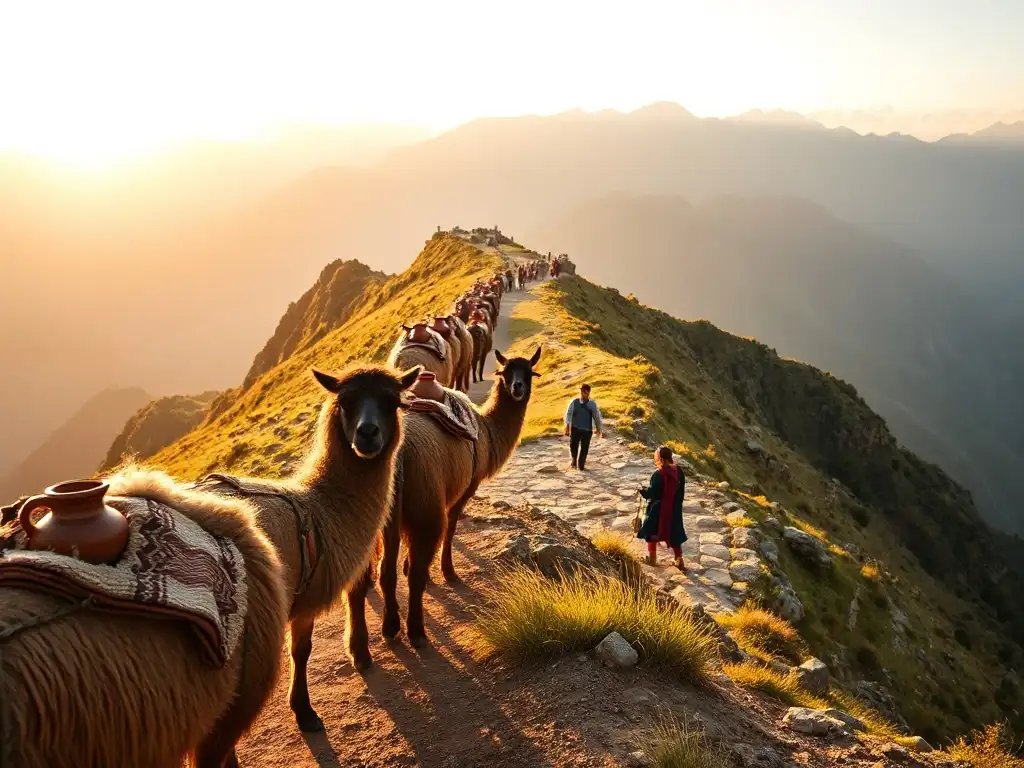
This section focuses on the practical aspects of navigating the Andes today, drawing parallels to the ingenious transportation methods employed by ancient Andean civilizations. While we no longer rely on quipus for communication or llamas for all our cargo, understanding the challenges of the terrain informs our modern travel preparations. The rugged, high-altitude environment demands careful planning and the right equipment to ensure a safe and enjoyable journey. This section details essential gear and resources for modern Andean travel, mirroring the resourcefulness of the ancient Andean peoples in their own journeys across this challenging landscape.
Essential Gear for Comfortable Travel in the Andes
Traveling in the Andes requires preparation beyond the usual packing list. The altitude, varied climates, and sometimes unpredictable weather necessitate specific items for comfort and safety. Think of it as a modern-day adaptation of the ingenuity displayed by ancient Andean civilizations who adapted their clothing and tools to the harsh realities of their environment. Here's a breakdown of some essential gear:
- Appropriate Clothing: Layers are crucial! Pack lightweight, breathable base layers, fleece mid-layers, and a waterproof, windproof outer shell. The Andean climate can change dramatically in a short period. Remember warm socks and a hat – even in summer, nights can be frigid. Ancient Andean cultures understood this principle, utilizing layered textiles made from alpaca and llama wool for insulation and protection.
- Sturdy Hiking Boots: Investing in high-quality, broken-in hiking boots is non-negotiable. The trails can be uneven and rocky, and good footwear prevents injuries. Consider the type of terrain you'll encounter – some trails might require more robust boots than others. This echoes the importance of footwear for the ancient Andeans, who skillfully crafted sandals and boots adapted to various terrains.
- Sunscreen and Sunglasses: The high altitude increases sun exposure. High SPF sunscreen and UV-protective sunglasses are essential to prevent sunburn and eye damage. The intensity of the sun at high altitudes is a factor that both modern and ancient travelers must consider.
- Backpack: A comfortable, well-fitting backpack is crucial for carrying your essentials. Consider a daypack for shorter excursions and a larger pack for multi-day treks. The capacity and features should be tailored to your specific travel plans. The design and functionality of modern backpacks, while vastly different, share a conceptual similarity with the carrying bags and woven containers used by ancient Andean peoples.
1. Altitude Sickness Remedies: Acetazolamide or Coca Leaves
Altitude sickness is a real concern when traveling in the Andes. Symptoms can range from mild headaches to severe respiratory distress. Prophylactic measures are highly recommended. Two common approaches are medication and traditional remedies.
- Acetazolamide: This prescription medication helps your body acclimatize to the altitude more effectively. It's often recommended for those traveling to high altitudes quickly. Consult your doctor to determine if this is the right choice for you, as it's not suitable for everyone.
- Coca Leaves: Chewing coca leaves is a traditional Andean remedy for altitude sickness. While the effects are milder than acetazolamide, many find it helpful in managing mild symptoms. It's important to be aware of the cultural significance of coca leaves and consume them respectfully. Note that coca leaves are different from cocaine.
2. Travel First Aid Kit: Including Medications for Common Ailments
A comprehensive first aid kit is essential, especially in remote areas where medical assistance may be limited. This should include:
- Pain relievers: Ibuprofen or paracetamol for headaches, muscle aches, and other pains.
- Anti-diarrheal medication: For upset stomachs, a common occurrence at higher altitudes.
- Antiseptic wipes and bandages: For minor cuts and scrapes.
- Motion sickness medication: If prone to motion sickness, pack medication accordingly.
- Any personal medications: Bring a sufficient supply of any prescription medications you regularly take, along with a copy of your prescription.
Remember, preparation is key to a successful and enjoyable Andean adventure. By equipping yourself with the right gear and understanding the potential challenges, you can emulate the resilience and resourcefulness of the ancient Andean civilizations who thrived in this magnificent, but demanding, environment. The careful planning and preparation for Andean travel are a testament to the enduring legacy of the Andean peoples and their mastery of their environment.
Navigating the Andes can be challenging, even with modern technology. While many areas now boast reliable cell service, vast stretches remain without coverage. Therefore, a multi-pronged approach to navigation is crucial for safe and successful Andean exploration. This means relying on a combination of traditional and modern tools.
Detailed topographical maps are essential. These should ideally show trails, elevations, and significant landmarks. Paper maps offer a backup in case of electronic device failure—a significant advantage in remote areas. Ensure your maps are up-to-date, as trail conditions can change rapidly due to weather or infrequent maintenance. Familiarize yourself with map reading skills before your trip. Practicing map and compass navigation is highly recommended, as this provides a crucial alternative to GPS reliance.
GPS devices, while susceptible to battery drain and signal loss in certain areas, provide invaluable real-time location data. Ensure your device is fully charged before setting out each day, and consider carrying extra batteries or a portable solar charger. While GPS accuracy can be affected by terrain and weather, it still offers a significant advantage over relying solely on paper maps, particularly when navigating less-defined trails.
Offline GPS apps are a game-changer for Andean travel. These apps allow you to download maps of the region before your trip, eliminating the need for cellular data. Many apps offer a variety of map types, including topographical maps and satellite imagery. Research and test your chosen app before departure to ensure it functions effectively and that you can comfortably use its features. Remember that even offline apps can require significant battery power.
Choosing the right combination of these navigation tools depends on your specific trip and comfort level. For instance, a seasoned trekker might rely primarily on a high-quality map and compass, supplementing this with a GPS device and offline app as backups. A less experienced traveler might prefer a more technology-heavy approach, prioritizing a robust GPS device and offline app, while still carrying a paper map for redundancy. Regardless of your chosen approach, redundancy is key.
Recommended Travel Resources for Andean Exploration

Planning a trip to the Andes requires careful consideration of various factors, and leveraging the right resources can significantly enhance your experience. Beyond navigation tools, several key resources can make your Andean adventure both safer and more enriching.
- Guidebooks: High-quality guidebooks offer invaluable information on trekking routes, cultural sites, and logistical details. Look for guidebooks that are recently updated, as conditions and access can change. Consider purchasing both general guidebooks covering the wider region and more specialized guides focusing on specific trekking areas or cultural sites.
- Local Tour Operators: While independent travel offers flexibility, engaging with reputable local tour operators can provide access to remote areas and specialized experiences. Local operators often possess intimate knowledge of the region's culture, history, and environmental conditions, adding a richer layer to your journey.
- Language Learning Resources: While English is spoken in some tourist areas, learning basic Quechua or Spanish phrases can greatly enhance your interactions with locals and enrich your overall experience. Language learning apps and online courses offer convenient and accessible methods for picking up essential phrases before your trip.
- Altitude Sickness Resources: Altitude sickness is a serious concern in the Andes. Familiarize yourself with the symptoms, preventative measures, and treatment options. Resources like online articles and medical advice should be consulted well in advance of your trip.
1. Travel Insurance: Protecting Your Trip from Unexpected Events
Travel insurance is not merely a suggestion; it's a necessity for any Andean expedition. The unpredictable nature of the Andes, ranging from sudden weather changes to potential health emergencies, highlights the critical importance of comprehensive travel insurance. A well-structured policy can protect you from significant financial losses and provide peace of mind during your adventure.
Consider the specific risks associated with Andean travel when selecting a policy. Look for coverage that includes emergency medical evacuation, which can be particularly crucial in remote areas. Reputable insurers offer policies that cover trip cancellations, lost luggage, and other unforeseen events that could disrupt your journey. Read the fine print carefully and ensure the policy aligns with the activities you plan to undertake.
Don't skimp on this critical aspect of your trip planning; the cost of a comprehensive policy is far outweighed by the potential financial and emotional burden of an uninsured incident. Remember to keep your policy details readily accessible throughout your travels. Also, check if your existing health insurance covers international emergencies—many policies have exclusions for adventure activities at high altitude. Having a robust plan in place safeguards against potential setbacks and allows you to focus on enjoying the incredible beauty and culture of the Andes.
2. Language Learning Apps: Duolingo or Babbel for Basic Quechua or Spanish
Learning even a few basic phrases in Quechua or Spanish can significantly enhance your Andean travel experience. While fluency isn't necessary, knowing how to greet people, ask for directions, or order food can foster deeper connections with local communities and enrich your understanding of the culture. Apps like Duolingo and Babbel offer convenient and engaging ways to learn these languages at your own pace. Both platforms provide structured lessons, vocabulary building exercises, and pronunciation practice. For exploring Andean civilizations, focusing on Quechua, the language of the Inca Empire and still spoken in some regions, is particularly valuable.
However, Spanish remains the dominant language in most Andean countries, so proficiency in either will be helpful. Consider prioritizing the language most relevant to your specific travel itinerary. Remember that while these apps are excellent tools, they are not a replacement for immersion and interaction with native speakers. Supplement your app learning with phrasebooks and opportunities to practice speaking with locals whenever possible.
The cultural nuances you learn through direct interaction can't be replicated by an app alone. For example, understanding the importance of respectful greetings and showing appreciation for local customs is crucial for positive interactions. Don't hesitate to use gestures and visual aids alongside your language skills to aid communication, especially when encountering individuals who may not be fluent in Spanish or Quechua. This combined approach will make your journey smoother and more rewarding.
3. Reliable Guidebooks and Online Resources: Lonely Planet Andes or Wikivoyage
Thorough research is key to successful Andean travel, particularly when exploring sites related to Andean civilization transportation. While online resources offer immediate access to information, reputable guidebooks provide a more comprehensive and structured approach to planning your itinerary. Series like Lonely Planet's Andes guidebooks often include detailed maps, historical context, practical advice on transportation options (including those used by ancient Andean civilizations), and insightful cultural perspectives.
These books can be invaluable in understanding the historical significance of different routes and sites, helping you appreciate the ingenuity of the ancient Andean transportation systems. Conversely, online resources like Wikivoyage offer a collaborative and constantly updated source of information on various destinations, including practical tips on transportation, accommodation, and local customs. Wikivoyage can be a useful supplement to a guidebook, offering up-to-date information on things like bus schedules and local events.
However, it is crucial to cross-reference information found online with trusted sources, as the accuracy can vary. Combining the detailed information from a reputable guidebook with the up-to-the-minute updates from Wikivoyage will ensure you have a well-rounded understanding of your destination, allowing you to fully appreciate the intricacies of Andean civilization transportation and its legacy. Remember to check reviews and compare information from multiple sources before relying heavily on any single resource.
Making the Most of Your Andean Transportation: Final Thoughts and Recommendations
Navigating the Andes requires careful consideration of your transportation options. Understanding the nuances of each method – from the classic bus journeys to the more adventurous hikes – is key to a successful and enjoyable trip. This section offers final thoughts and practical recommendations to help you plan your Andean adventure with confidence. Remember, choosing the right transportation is as crucial to your Andean experience as selecting the right trekking boots or packing the perfect alpaca wool sweater. Effective Andean civilization transportation planning is paramount.
Planning Ahead: Booking Tickets and Transportation in Advance
Booking transportation in advance, especially during peak seasons (typically December to March and July to August), is strongly recommended. Spontaneous travel can be rewarding, but in the Andes, it can also lead to delays and potentially missed opportunities. Popular routes, particularly those to popular archaeological sites like Machu Picchu or the Colca Canyon, often sell out quickly.
Consider these points when planning:
- Buses: Long-distance bus travel is a common and affordable way to explore the Andes. Booking ahead, especially for overnight buses, secures your seat and often offers better prices. Different bus companies offer varying levels of comfort; research beforehand to find the best option for your budget and preferences.
- Trains: The scenic train journeys, particularly those to Machu Picchu, are highly sought after. Booking well in advance is essential, sometimes months in advance, to avoid disappointment. Different train classes offer varying levels of luxury and amenities.
- Domestic Flights: For longer distances or time constraints, domestic flights can be a convenient option. However, be aware that flights can be subject to delays, especially in mountainous regions. Booking in advance helps secure your preferred flight schedule and price.
- Local Transport: While you might not need to pre-book taxis or smaller buses within cities, understanding the local transport options and having a general idea of costs is beneficial.
Failing to plan ahead can significantly impact your itinerary and overall experience. Proactive booking ensures a smoother and more enjoyable journey, allowing you to focus on immersing yourself in the rich culture and breathtaking landscapes of the Andes.
Staying Safe: Precautions and Tips for Secure Travel in the Andes
Safety should always be a top priority when traveling in the Andes. While generally safe, being aware of potential risks and taking necessary precautions can significantly enhance your experience. Here's a breakdown of key safety considerations for your Andean civilization transportation:
- Bus Travel: Opt for reputable bus companies with good safety records. Avoid traveling alone at night, especially on less frequented routes. Keep valuables close and be mindful of your surroundings.
- Train Travel: Similar to bus travel, be aware of your belongings and surroundings. Train stations can be crowded, so keep a close eye on your luggage.
- Taxis and Private Cars: Use only licensed taxis and reputable car services. Confirm the fare beforehand and ensure the driver uses a meter or agrees on a fixed price. Share your itinerary with someone you trust.
- Altitude Sickness: Altitude sickness can significantly impact your travel experience. Ascend gradually, stay hydrated, and consider altitude sickness medication if necessary. This is particularly important when using transportation that quickly changes altitude.
| Transportation Type | Safety Precautions |
|---|---|
| Buses | Choose reputable companies, avoid night travel alone, secure valuables |
| Trains | Be aware of surroundings, keep valuables close |
| Taxis/Private Cars | Use licensed services, confirm fare beforehand |
Remember, responsible travel includes respecting local customs and laws. By following these simple safety tips, you can minimize risks and enjoy a safe and memorable Andean adventure.
Combining Transportation Methods for the Best Andean Experience
The beauty of exploring the Andes lies in its diverse landscape and rich cultural tapestry. To truly experience the region, consider combining different transportation methods. This approach allows you to appreciate the varied perspectives and access areas that might otherwise be inaccessible.
- Fly into a major city, then bus to smaller towns: This approach combines the speed and convenience of air travel with the immersive experience of long-distance bus journeys. You'll witness the changing landscapes and experience the pulse of local life along the way.
- Train to a key destination, then hike to outlying areas: Combining train travel with hiking allows you to appreciate both the convenience of rail transport and the thrill of exploring off-the-beaten-path locations. This is especially relevant for accessing trekking trails near Machu Picchu or the Inca Trail.
- Use local transport to explore cities: Once you arrive at your destination, using local buses, taxis, or even walking allows you to experience the city at a more intimate level, discovering hidden gems and interacting with the local community.
By strategically combining different transportation methods, you can craft a personalized itinerary that satisfies your budget, time constraints, and desire for adventure. This flexible approach unlocks a more authentic and memorable Andean exploration, providing a far richer understanding of Andean civilization transportation and its impact on the region's history and culture.
Frequently Asked Questions
How did Andean civilizations overcome the challenging Andean terrain for transportation?
Andean civilizations developed ingenious solutions, including extensive road networks, suspension bridges, and the use of llamas and alpacas as pack animals to navigate the steep mountains and valleys. Their mastery of engineering allowed for efficient movement of goods and people.
What role did llamas and alpacas play in Andean transportation?
Llamas and alpacas were essential pack animals, carrying goods across the Andes. Their surefootedness and ability to withstand high altitudes made them perfectly suited for traversing the challenging terrain. This reduced reliance on human porters.
Were there any significant differences in transportation methods between different Andean cultures?
While many techniques were shared, nuances existed. The Inca road system was particularly extensive and well-organized, while other cultures, like the Moche, may have relied more heavily on water transport along the coast.
What materials were used to construct Andean roads and bridges?
Andean roads were often built using stone paving, while bridges utilized a variety of materials, including rope and wood, demonstrating their adaptability to available resources and environmental conditions. Advanced engineering techniques were employed in the construction.
How did Andean transportation impact the development of their societies?
Efficient transportation systems were crucial for trade, communication, and the movement of armies. This facilitated cultural exchange, economic growth, and the expansion of empires across the vast Andean region. Improved infrastructure directly fueled societal progress.
Final Reflection: Echoes of the Inca Road: A Legacy of Andean Travel
The ingenious transportation systems of the Andean civilizations remain a powerful testament to human ingenuity, directly impacting how we navigate the challenging terrain of the Andes today. Their innovative solutions, from the intricate network of Inca roads to the adaptation of llamas and alpacas for cargo, continue to inspire modern engineering and sustainable travel practices. The echoes of their achievements resonate in every carefully planned route and sustainable tourism initiative.
The enduring legacy of Andean transportation is not merely historical; it's a living narrative woven into the fabric of the region's culture and identity. The rhythmic pace of a llama caravan, the breathtaking views from a winding mountain pass – these experiences connect us to a rich past while shaping our present understanding of sustainable travel. The road is a living thing,
a local guide once told me, "it breathes the history of this land." This sentiment encapsulates the profound connection between the Andean landscape and its people, a connection forged and sustained through centuries of careful navigation.
Consider the impact of the Inca road system, a marvel of engineering that facilitated trade, communication, and cultural exchange across vast distances. This legacy challenges us to think critically about our own relationship with travel, urging us to embrace sustainable practices and appreciate the cultural heritage embedded within our journeys. You, the reader, hold the power to continue this legacy.
Choose to travel responsibly, to respect the environment and the cultures you encounter, and to carry forward the spirit of innovation and resilience that defined Andean transportation. Let your next journey be inspired by the echoes of the past, paving the way for a more sustainable and enriching future.
Thank you for exploring the fascinating transportation options in the Andes with us! We hope you've gained valuable insights to enhance your future adventures in this remarkable region. Now, let's put that knowledge into practice!
Here are some exciting ways to elevate your Andean travel experience:
- **Dive In:** Plan your ideal Andean adventure today – whether it's a scenic train journey through breathtaking landscapes or a guided trek to a remote mountain peak.
- **Share the Journey:** Connect with fellow travelers in our Andean Civilizations community – exchange tips, share stories, and post your photos.
- **Explore Unseen Paths:** Research lesser-known trails and hidden gems to create a truly unique and unforgettable trip. Discover the less-traveled routes and immerse yourself in the authentic beauty of the Andes.
What aspect of Andean travel most excites you, and how will you incorporate it into your next adventure?