
Inca Cosmology: Understanding the World and the Universe

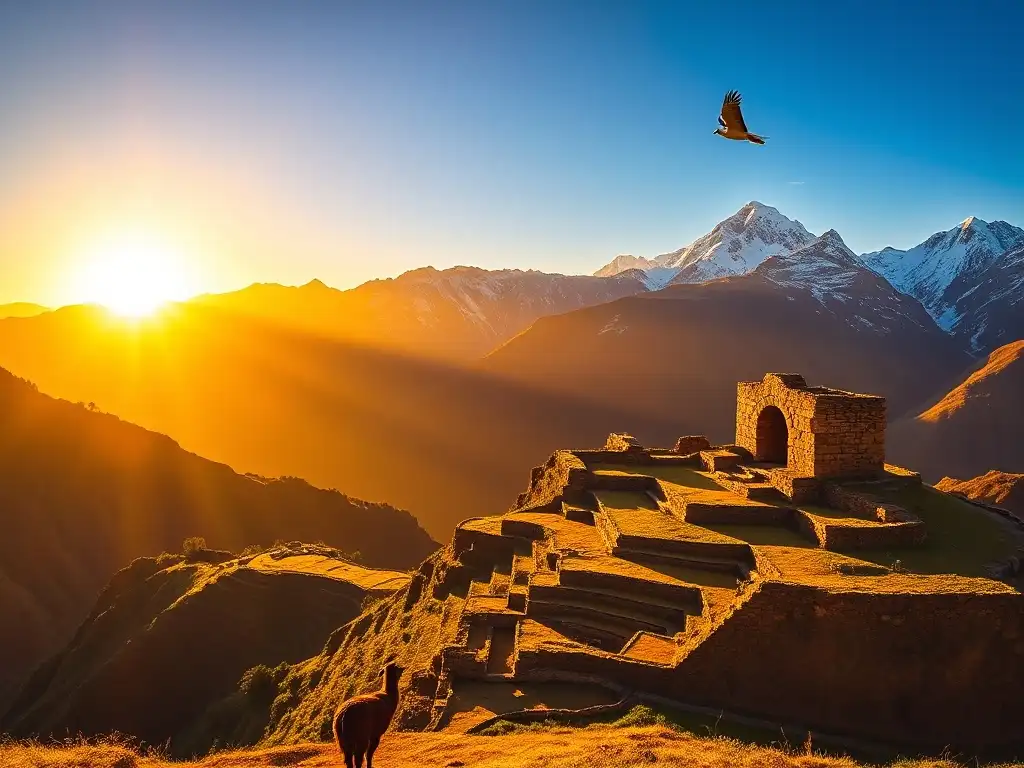
Step into a world lost to time, yet echoing with vibrant life. Imagine a civilization that saw the cosmos reflected in their daily lives, where mountains were sacred and the stars dictated their destiny. Unravel the mysteries of Inca cosmology beliefs, a fascinating glimpse into the spiritual heart of the Inca Empire. Prepare to be captivated by the intricate tapestry of Andean culture – their breathtaking artistry, ingenious engineering, and profound connection to the universe. Dive in and discover a world beyond your wildest imagination.
The Inca Empire, a civilization that flourished in the Andes Mountains from the 15th to the 16th century, left behind a legacy far richer than its impressive architectural feats. Their sophisticated understanding of the world, their cosmology, deeply influenced their social structure, political organization, and daily life. This article delves into the fascinating world of Inca cosmology beliefs, exploring their perception of the universe and its impact on their society.
Understanding Inca cosmology provides crucial insight into the intricate workings of the Inca Empire, revealing the complex interplay between their spiritual beliefs and their practical governance. We will explore the three-world model that structured their understanding of existence, examining the celestial realms, the human world, and the underworld, and how these beliefs shaped their worldview and their political and administrative systems. This exploration will reveal how deeply intertwined their spiritual and political lives truly were.
Introduction to Inca Worldview and Beliefs
Inca cosmology wasn't a rigid, codified doctrine like some religious systems. Instead, it was a complex interplay of beliefs, rituals, and practices woven into the fabric of daily life. Their worldview was deeply connected to the natural world, with mountains, rivers, and celestial bodies holding immense spiritual significance.
The Inca believed in a powerful creator god, Viracocha, who was responsible for the creation of the universe and humanity. However, a pantheon of other deities, each associated with specific elements of nature or aspects of human life, also played crucial roles. This polytheistic system, alongside ancestor veneration and shamanistic practices, formed a rich and multifaceted spiritual landscape.
The Inca saw the cosmos as a dynamic, interconnected system, where the actions in one realm could directly impact others, highlighting the importance of maintaining balance and harmony throughout the universe. This holistic worldview profoundly influenced their political and administrative structures, leading to a system where religious and secular authority were often intertwined. Understanding this interconnectedness is vital to deciphering the complexities of Inca governance.
The Three Worlds of Inca Cosmology
The Inca worldview was structured around the concept of three interconnected worlds: Hanan Pacha (the upper world), Kay Pacha (the middle world), and Uku Pacha (the lower world). This tripartite division profoundly influenced their understanding of the cosmos and their place within it. The interaction and balance between these three worlds were considered essential for maintaining cosmic harmony and ensuring the prosperity of the Inca Empire.
Disruptions to this balance, whether through natural disasters or human actions, were seen as ominous signs requiring ritualistic intervention to restore equilibrium. The intricate relationship between these three realms extended beyond spiritual beliefs, shaping their social structure, agricultural practices, and even their political strategies.
Hanan Pacha: The Upper World of the Gods
Hanan Pacha, the upper world, was the realm of the gods, celestial bodies, and powerful spirits. The sun, moon, and stars were revered as divine entities, each possessing unique powers and influences. The sun god, Inti, was particularly important, considered the most significant deity and the ancestor of the Inca emperors.
Inti's worship was central to Inca religious practices, with elaborate temples and festivals dedicated to honoring him. The Inca believed that the celestial movements influenced earthly events, and meticulous astronomical observations played a critical role in their agricultural calendar and administrative decisions.
This celestial realm wasn't simply a distant, abstract concept; it was actively involved in the affairs of the middle world, directly impacting the lives of the Inca people. The Inca rulers sought legitimacy through their connection to the divine, emphasizing their lineage to the sun god and their ability to maintain harmony between the celestial and terrestrial realms.
Kay Pacha: The Middle World of Human Existence
Kay Pacha, the middle world, represented the earthly realm where humans lived. This was the world of daily life, agriculture, social structures, and political power. Mountains, rivers, and other geographical features held significant spiritual importance, representing the boundaries between the worlds and serving as sites for rituals and offerings. The Inca carefully organized their society around the principles of reciprocity and balance, reflecting their cosmological beliefs.
The emperor, as the intermediary between the divine and human realms, played a crucial role in maintaining this balance. His authority was divinely sanctioned, and his actions were believed to have significant repercussions for the prosperity and stability of the entire empire. The intricate system of administration, with its network of officials and tribute system, aimed to maintain order and harmony within Kay Pacha, mirroring the cosmic order of the universe.
Uku Pacha: The Underworld and Realm of the Dead
Uku Pacha, the underworld, was the realm of the dead, spirits, and ancestors. It wasn't necessarily a place of punishment but rather a continuation of existence, where the spirits of the deceased could influence the living. Ancestor veneration was an essential aspect of Inca religion, with rituals and offerings performed to appease the spirits of deceased ancestors and maintain their benevolent influence.
The Inca believed that the underworld was connected to the other two realms, and disruptions in Uku Pacha could manifest as problems in Kay Pacha. This belief underscored the importance of proper burial rituals and honoring the ancestors, highlighting the interconnectedness of all three worlds in the Inca worldview. This understanding also influenced their approach to governance, with the emperor's authority extending beyond the living to encompass the spirits of the ancestors.
Key Concepts in Inca Cosmological Beliefs
Inca cosmology, the Inca understanding of the universe, wasn't a rigid, codified system like some other ancient belief systems. Instead, it was a complex interwoven tapestry of beliefs and practices deeply embedded in their daily lives. Their worldview was profoundly interconnected, seeing a spiritual essence in all aspects of the natural world.
The cosmos, for the Inca, wasn't a separate entity but an integral part of their existence, a dynamic interplay of powerful deities, celestial bodies, and earthly elements. This understanding profoundly influenced their social structures, political organization, and agricultural practices. Understanding Inca cosmology requires appreciating its holistic and interconnected nature.
The Inca didn't simply believe in gods; they lived with them, their lives shaped by the rhythms and forces of the cosmos. This intimate relationship is key to grasping their belief system's essence. Their religious practices weren't confined to temples or priests but were woven into the fabric of daily life, from agricultural rituals to royal ceremonies.
The Importance of Inti: The Sun God
Inti, the sun god, held paramount importance in Inca cosmology. He wasn't merely a deity; he was the supreme ruler, the source of life, and the embodiment of power and authority. The Inca emperor, the Sapa Inca, was considered Inti's direct descendant, legitimizing his rule and connecting the earthly realm to the divine. The sun's daily journey across the sky mirrored the Inca's own lives, highlighting the cyclical nature of time and the importance of maintaining cosmic balance.
The sun's energy fueled their agricultural practices, and its warmth was vital for their survival. Temples and shrines dedicated to Inti were built throughout the empire, reflecting his central role in Inca society. Elaborate festivals and ceremonies, like the Inti Raymi, celebrated the sun's power and ensured its continued benevolence. The Inca's reverence for Inti extended beyond mere worship; it was an integral part of their political, social, and economic life.
Mama Quilla: The Moon Goddess and Her Significance
Mama Quilla, the moon goddess, held a significant position in Inca cosmology, complementing Inti's influence. While Inti represented the masculine principle, Mama Quilla embodied the feminine, representing fertility, cycles of life and death, and the ebb and flow of time. Her phases mirrored the cyclical nature of the universe and influenced agricultural practices, particularly planting and harvesting cycles.
Unlike some cultures that associated the moon with darkness or mystery, the Inca revered Mama Quilla as a vital force of nature, essential for balance and harmony. Her influence extended beyond agriculture, shaping their understanding of feminine power and the cyclical nature of life itself. While Inti's influence was often associated with the emperor's authority, Mama Quilla's presence was more subtly woven into the fabric of daily life, representing the nurturing and cyclical aspects of the natural world.
Illapa: The God of Thunder and Lightning
Illapa, the god of thunder and lightning, represented a powerful and awe-inspiring force in Inca cosmology. His storms, while sometimes destructive, were also seen as essential for renewing the land and sustaining life. Illapa's presence was a constant reminder of the power of nature and the unpredictable forces that shaped the Inca world. He was associated with both creation and destruction, reflecting the dual nature of the cosmos.
Unlike Inti and Mama Quilla, Illapa's influence was less directly tied to the emperor's authority, but his power was widely acknowledged and respected throughout the empire. Rituals and offerings were made to appease him and ensure the prosperity of the land. The sound of thunder and the flash of lightning were interpreted as manifestations of Illapa's power, reminding the Inca of the forces beyond their control.
Pachamama: The Earth Mother and Her Role
Pachamama, the Earth Mother, was a central figure in Inca cosmology, representing the fertile earth and the source of all life. She was revered as the provider of sustenance, the nourisher of crops, and the protector of the people. Unlike the celestial deities, Pachamama's influence was directly tied to the land and its productivity. Rituals and offerings were made to Pachamama to ensure good harvests, abundant resources, and the overall well-being of the community.
Her role transcended mere agriculture; she was seen as a maternal figure, providing for and protecting her children. The Inca's deep respect for Pachamama reflected their intimate connection to the land and their understanding of the interconnectedness of all living things. The health and prosperity of Pachamama were directly linked to the well-being of the Inca people.
Wiracocha: The Creator God and Origin of the Universe
Wiracocha, the creator god, held a unique position in Inca cosmology. He was seen as the supreme being, responsible for the creation of the universe, the earth, and humankind. Unlike other deities, Wiracocha wasn't directly involved in the daily affairs of the Inca. His role was more of a distant creator, a transcendental figure who established the order of the cosmos and then largely withdrew from active participation.
Different Inca groups had varying interpretations of Wiracocha's role and attributes, highlighting the diversity of beliefs within the empire. His existence provided a framework for understanding the origin and structure of the universe, offering a cosmological foundation for other deities and beliefs. While less directly worshipped than Inti or Pachamama, Wiracocha's presence permeated Inca cosmology, providing a framework for their understanding of the world.
The Inca Understanding of Time and Space
The Inca perception of time and space was intricately interwoven with their cosmology, profoundly influencing their worldview and societal structures. Their understanding wasn't linear, as in many Western perspectives, but rather cyclical, reflecting the recurring patterns of nature and the cosmos. This cyclical view of time and the interconnectedness of space had significant implications for their social organization, agricultural practices, and religious beliefs.
Cyclical Time: Inca Perception of the Universe
The Inca perceived time as a cyclical process, marked by the recurring patterns of the sun, moon, and stars. The seasons, the agricultural cycles, and the life cycles of humans and animals all reinforced this understanding. Their calendar system, based on observation of celestial bodies, reflected this cyclical view, marking significant moments in time and guiding their agricultural practices.
This understanding of cyclical time emphasized the importance of maintaining balance and harmony within the cosmos. Disruptions to this natural order were seen as potentially catastrophic, leading to rituals and ceremonies aimed at restoring equilibrium. The cyclical nature of time wasn't simply a matter of abstract belief; it was deeply embedded in their daily lives.
Sacred Geography: The Importance of the Andes Mountains
The Andes Mountains played a central role in Inca cosmology, forming the backbone of their sacred geography. The mountains weren't merely geographical features; they were considered sacred entities, the dwelling places of powerful deities and the source of life-giving waters. The towering peaks, snow-capped summits, and fertile valleys were all imbued with spiritual significance, shaping the Inca’s understanding of their place in the cosmos.
The mountains were seen as intermediaries between the heavens and the earth, connecting the celestial realm with the human world. This sacred geography influenced the location of cities, temples, and agricultural terraces, reflecting the Inca's deep reverence for the natural world.
Ceque System: Spatial Organization of Huacas
The Ceque system was a complex network of lines that crisscrossed the Inca capital, Cusco, and its surrounding region. These lines connected sacred sites, known as huacas, which included mountains, springs, rocks, and other natural features considered to possess spiritual power. The Ceque system served as a spatial map of the Inca worldview, organizing the sacred landscape and connecting it to the celestial realm.
Each line represented a specific deity or ancestral lineage, highlighting the intricate relationships between the human and divine worlds. The Ceque system wasn't merely a geographical arrangement; it was a symbolic representation of the Inca's cosmological beliefs, reflecting their understanding of the interconnectedness of space and time. The meticulous planning and construction of this system showcase the Inca's advanced understanding of both engineering and cosmology.
Inca Astronomical Knowledge and Practices
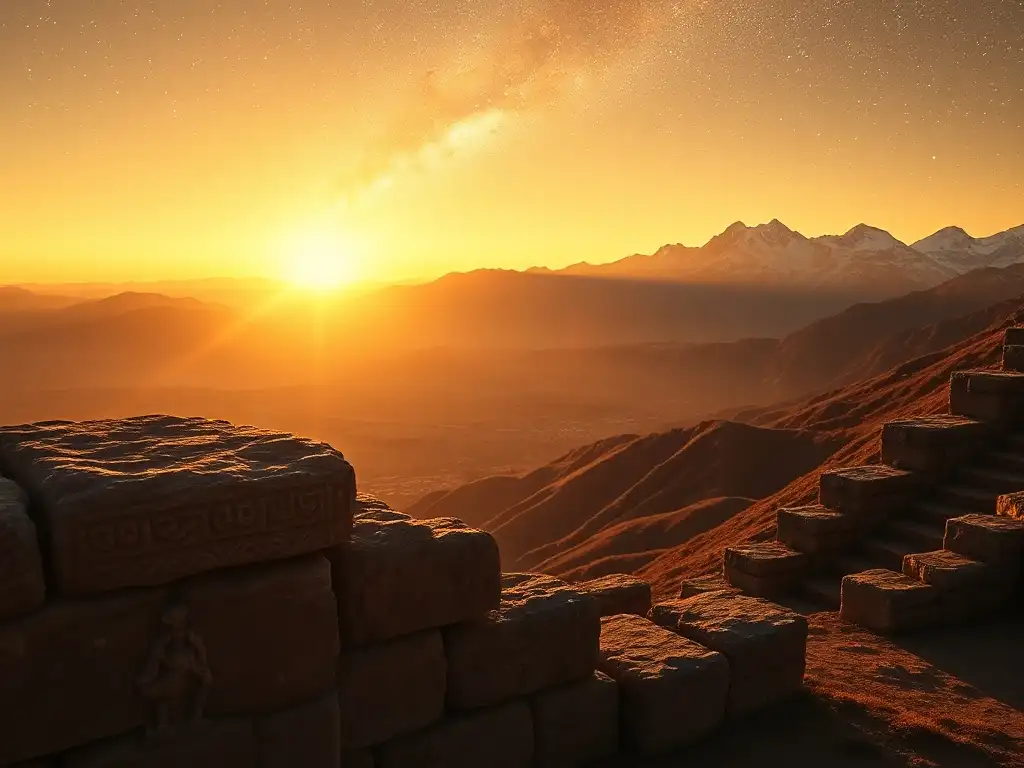
The Inca civilization possessed a sophisticated understanding of astronomy, crucial for their agricultural practices and religious beliefs. Their knowledge wasn't based on theoretical calculations like the Greeks, but rather on meticulous observation and practical application. They lacked writing in the same way as other advanced civilizations, so their astronomical knowledge was transmitted orally through generations of priests and astronomers, known as amautas. This oral tradition ensured the continuity of their cosmological understanding.
The accuracy of their observations is evidenced by the precision of their architectural alignments and the effectiveness of their agricultural calendar. Their ability to predict celestial events, particularly solstices and equinoxes, played a vital role in their societal organization and religious rituals. The Inca's understanding of the cosmos was deeply intertwined with their daily lives, shaping their worldview and influencing their social structures.
Observation of the Sun, Moon, and Stars
Inca astronomers were keen observers of the celestial bodies. The sun, as the central deity, Inti, held paramount importance. They meticulously tracked its movements throughout the year, noting its solstices and equinoxes with remarkable precision. These observations were not merely academic exercises; they were essential for predicting the best times for planting and harvesting.
Similarly, the moon's phases were closely monitored, influencing the timing of agricultural activities and religious ceremonies. The stars, too, played a significant role, with specific constellations used to mark the passage of time and guide navigation. While we lack written records detailing their specific star charts, the accuracy of their calendar and the alignment of their structures strongly suggest a deep understanding of stellar movements. The Inca's observational skills were honed over centuries, passed down through generations of skilled astronomers.
Inca Calendars for Agriculture and Rituals
The Inca calendar was not a single, unified system, but rather a complex interplay of different cycles. They utilized a solar calendar based on the sun's movements, closely tied to the agricultural cycle. This calendar helped them determine the optimal planting and harvesting times for various crops, ensuring sufficient food supply for the population. This solar calendar was intricately linked to a lunar calendar, tracking the phases of the moon and their influence on agricultural activities and religious rituals.
The precision of these calendars demonstrates a sophisticated understanding of celestial mechanics and their impact on the terrestrial world. The Inca's ability to synchronize these calendars highlights their advanced astronomical knowledge and its practical applications in their society. The intricate interplay between these calendars demonstrates a profound understanding of the interconnectedness of celestial and earthly cycles.
Rituals and Ceremonies Related to Solstices and Equinoxes
The solstices and equinoxes were significant events in the Inca calendar, marked by elaborate rituals and ceremonies. The winter solstice, marking the shortest day of the year, was often associated with renewal and rebirth. Celebrations during this time involved offerings to Inti, the sun god, and prayers for a bountiful harvest in the coming year. The summer solstice, conversely, celebrated the longest day, signifying abundance and prosperity.
Equinoxes were also marked by important ceremonies, often involving communal feasts and offerings to ensure the balance of the cosmos. These rituals were not merely symbolic; they were integral to maintaining the social order and ensuring the continued favor of the gods. The precise timing of these ceremonies, reflecting their advanced astronomical knowledge, further underscores the importance of astronomy in Inca culture.
The Intihuatana and Other Astronomical Markers
The Intihuatana, meaning "sun-tying," is a significant example of Inca astronomical markers. These structures, often found atop mountains or within sacred sites, were used for astronomical observations and rituals. Their precise alignments with the solstices and equinoxes suggest a deep understanding of celestial movements. Though the exact purpose of many Intihuatana remains debated, their construction demonstrates advanced engineering and astronomical knowledge.
Other astronomical markers, such as aligned buildings and strategically placed stones, further suggest a widespread use of astronomy in both religious and practical contexts. These markers, scattered throughout the Inca empire, serve as tangible evidence of their advanced astronomical understanding and its integration into their daily lives. The precision of these alignments points to a highly developed understanding of astronomy and its significance in Inca culture.
The Influence of Inca Cosmology on Society
Inca cosmology profoundly impacted all aspects of Inca society, from their social structure to their art and architecture. Their worldview, shaped by their astronomical observations and religious beliefs, provided a framework for understanding the world and their place within it. The intricate relationship between the celestial and terrestrial realms dictated their social organization, rituals, and artistic expressions. This cosmological perspective permeated every facet of their lives, shaping their governance, economy, and spiritual beliefs. The Inca's deep-seated belief in the interconnectedness of the cosmos influenced their daily lives and actions.
Inca Social Hierarchy and Religious Authority
The Inca social hierarchy was closely tied to their cosmological beliefs. The emperor, considered a descendant of the sun god Inti, held supreme religious and political authority. This divine connection reinforced his power and legitimacy. The priesthood, responsible for interpreting celestial events and conducting rituals, occupied a position of considerable influence within society.
Their knowledge of astronomy and cosmology gave them authority and respect, shaping the lives of the common people. The hierarchical structure mirrored the celestial order, with the emperor at the apex and the commoners at the base. This religious and political hierarchy reinforced the Inca worldview and ensured social stability.
Inca Art and Architecture Reflecting Cosmological Beliefs
Inca art and architecture reflect their cosmological beliefs. The precise alignments of buildings and temples with celestial events, such as solstices and equinoxes, demonstrate a deliberate integration of astronomy into their construction. The use of specific motifs and symbols in textiles, pottery, and metalwork often depicts celestial bodies and cosmological concepts.
These artistic expressions served not only as aesthetic creations but also as tangible representations of their worldview. The intricacy and precision of these artistic and architectural endeavors highlight the importance of cosmology in Inca society. The close relationship between art, architecture, and astronomy clearly demonstrates the pervasive influence of cosmology on all aspects of Inca culture.
Inca Mythology and Oral Traditions
Inca mythology and oral traditions are rich with cosmological narratives. Stories passed down through generations explain the creation of the world, the role of celestial bodies, and the relationship between humans and the gods. These narratives provided a framework for understanding the world and its mysteries.
While much of this oral tradition was lost after the Spanish conquest, surviving accounts reveal a complex and sophisticated understanding of the cosmos. These myths and stories served to reinforce the importance of cosmology within Inca society and provided a framework for understanding their place in the universe. The preservation of these narratives, though fragmented, offers valuable insights into Inca cosmology and its impact on their culture.
Inca Cosmological Beliefs and Their Legacy
Inca cosmology, a complex system of beliefs encompassing the universe's structure and the relationship between humanity and the cosmos, profoundly influenced Inca society and continues to resonate in modern Andean culture. Their worldview wasn't a rigid dogma but a flexible system adapted to different regions and circumstances. Central to their beliefs was the concept of Pachakuti, a cyclical view of time where creation and destruction were intertwined, leading to periods of upheaval and renewal. This understanding shaped their societal structure, agricultural practices, and even their political system.
The Inca believed the world was divided into three distinct realms: the Hanan Pacha (upper world), the Kay Pacha (middle world, where humans lived), and the Ukhu Pacha (underworld). Each realm was populated by deities and spirits, influencing daily life. The Inti, the sun god, held supreme importance, representing power, fertility, and order. Other prominent deities included Mama Killa (the moon), Illapa (the thunder god), and various mountain spirits, reflecting the importance of the natural world in their cosmology.
This intricate system of beliefs influenced everything from royal lineage (claiming descent from the sun god) to agricultural practices (appeasing deities for successful harvests). The precise details of Inca cosmology are debated by scholars due to the limited written records left by the Inca, relying heavily on interpretations of archaeological evidence, colonial chronicles, and surviving Andean traditions. However, the overarching themes of interconnectedness, cyclical time, and the reverence for nature remain central to our understanding of Inca beliefs.
Surviving Inca Cosmological Ideas in Andean Communities
Despite the Spanish conquest and the subsequent suppression of many Inca traditions, elements of Inca cosmology persist in various Andean communities today. Indigenous communities throughout the Andes still maintain rituals and ceremonies connected to the Inca’s cosmological beliefs, albeit often syncretized with Catholic practices. For example, the celebration of Inti Raymi, the Inca festival honoring the sun god, continues to be observed in many regions, albeit in adapted forms.
The worship of mountain spirits ( apus) and other deities remains an integral part of Andean spiritual life. Furthermore, traditional agricultural practices, such as the careful observation of celestial cycles for planting and harvesting, reflect a continuity with Inca cosmological knowledge. This enduring presence demonstrates the deep-rooted nature of Inca beliefs and their enduring significance in shaping Andean identity and cultural practices.
The oral transmission of these beliefs across generations has been crucial in their survival, preserving aspects of Inca cosmology that might have otherwise been lost. Studying these contemporary practices offers invaluable insights into the dynamism of Inca cosmological thought and its adaptation to changing historical contexts. The resilience of these traditions underscores the profound impact Inca cosmology had on the Andean worldview.
The Impact of Inca Beliefs on Modern Andean Culture
The influence of Inca cosmology extends far beyond the realm of religious practices. The Inca worldview continues to shape artistic expression, literature, and social structures in modern Andean communities. Inca iconography, featuring motifs of the sun, moon, and stars, frequently appears in contemporary Andean art, reflecting a continued engagement with their ancestral cosmology.
Traditional Andean textiles often incorporate designs representing celestial bodies and other cosmological elements, demonstrating the persistence of these symbols in daily life. Moreover, the Inca emphasis on community and reciprocity, rooted in their cosmological understanding of interconnectedness, finds resonance in contemporary Andean social structures and values. The concept of Ayni, reciprocal exchange and mutual support, remains a fundamental principle in many Andean communities, reflecting the enduring influence of Inca beliefs on social organization.
Finally, the cyclical understanding of time inherent in Inca cosmology finds expression in contemporary Andean perspectives on development and environmental sustainability, emphasizing the long-term consequences of human actions on the natural world. The legacy of Inca cosmology is thus deeply woven into the fabric of modern Andean culture, influencing various aspects of Andean identity and shaping their relationship with the environment.
Contemporary Interpretations of Inca Cosmology
Contemporary scholars and Andean communities themselves offer diverse interpretations of Inca cosmology. Academic research continues to refine our understanding of Inca beliefs, using interdisciplinary approaches that combine archaeological evidence, anthropological studies, and ethnohistorical sources. These studies often challenge earlier Eurocentric interpretations, emphasizing the complexity and diversity of Inca cosmological thought.
Furthermore, indigenous scholars and communities are increasingly active in reclaiming and reinterpreting Inca cosmology, offering perspectives grounded in their lived experiences and cultural traditions. This involves not only preserving traditional practices but also engaging in critical dialogue about the relevance of Inca cosmology in a contemporary context. This active engagement with Inca cosmology highlights the dynamic and evolving nature of its interpretation.
The process of rediscovering and reinterpreting Inca beliefs provides a powerful example of cultural revitalization and the ongoing significance of the Inca legacy. These diverse perspectives enrich our understanding of Inca cosmology, revealing its multifaceted nature and its continuing relevance in the 21st century.
Conclusion: The Enduring Significance of Inca Cosmology
Inca cosmology, with its intricate system of beliefs and its profound impact on Inca society, continues to hold significant relevance in the modern world. From the surviving rituals and ceremonies in Andean communities to the influence on contemporary art, literature, and social structures, the legacy of Inca cosmological beliefs is undeniable. The cyclical view of time, the reverence for nature, and the emphasis on community and reciprocity remain powerful concepts that resonate with contemporary concerns about environmental sustainability and social justice.
The ongoing academic and indigenous reinterpretations of Inca cosmology further highlight its enduring significance, demonstrating the dynamism and adaptability of these ancient beliefs. Ultimately, understanding Inca cosmology offers a valuable lens through which to examine the complex relationship between humanity and the cosmos, and the enduring power of cultural traditions to shape identity and worldview.
The study of Inca cosmology is not merely an exercise in historical reconstruction; it is a vital exploration of enduring human values and their continuing relevance in the modern world. The multifaceted nature of Inca cosmological beliefs presents a rich tapestry of ideas that continues to inspire and inform.
- Introduction to Inca Worldview and Beliefs
- The Three Worlds of Inca Cosmology
- Key Concepts in Inca Cosmological Beliefs
- The Inca Understanding of Time and Space
- Inca Astronomical Knowledge and Practices
- The Influence of Inca Cosmology on Society
- Inca Cosmological Beliefs and Their Legacy
- Conclusion: The Enduring Significance of Inca Cosmology
Frequently Asked Questions
What was the most important element in Inca cosmology?
The sun was the most important element in Inca cosmology. It was viewed as the source of life and energy, and the Inca emperor was considered a direct descendant of the sun god, Inti. Inti's power permeated all aspects of Inca life and beliefs.
How did the Inca understand the universe?
The Inca perceived the universe as a structured and ordered system, with three distinct realms: the upper world (Hanan Pacha), the human world (Kay Pacha), and the underworld (Ukhu Pacha). These realms were interconnected and influenced each other.
What role did mountains play in Inca cosmology?
Mountains were considered sacred places, dwelling places of powerful spirits and deities. They were vital geographical features that structured the Inca worldview and impacted their religious practices. Apus, mountain spirits, were revered and appeased.
What were some of the Inca's beliefs about the afterlife?
Inca beliefs about the afterlife were complex. They believed in a spiritual continuation after death, with the soul potentially going to an underworld realm. Ancestor veneration was a significant aspect of their culture, demonstrating a belief in the continued influence of the dead.
How did Inca cosmology influence their daily life?
Inca cosmology permeated every aspect of daily life, influencing agriculture, architecture, social structure, and religious ceremonies. Their understanding of the cosmos shaped their societal norms and practices.
Final Reflection: Weaving the Threads of Inca Cosmology
The intricate tapestry of Inca cosmology, far from being a relic of a bygone era, continues to resonate with contemporary understandings of our place in the universe. Its emphasis on interconnectedness, respect for nature, and the cyclical nature of time offers a powerful counterpoint to our often fragmented and linear worldview. The enduring relevance of these beliefs challenges us to reconsider our relationship with the environment and the very fabric of existence.
The Inca worldview, with its profound respect for the Pachamama (Mother Earth) and the celestial bodies, offers a compelling alternative to anthropocentric perspectives. It reminds us that we are not separate from, but intrinsically woven into, the natural world. The universe is not a machine, but a living being, and we are all part of it.
This sentiment, though not directly from Inca texts, encapsulates the spirit of their cosmology and its enduring power to inspire a deeper sense of responsibility towards our planet. The ongoing struggle for environmental sustainability finds a powerful ally in the ancient wisdom of the Inca, urging us to recognize the interconnectedness of all things.
Consider the profound implications of this ancient wisdom for your own life. How can you incorporate a greater sense of interconnectedness and respect for the natural world into your daily actions? Embrace the cyclical nature of life, acknowledging both growth and decay as essential parts of a larger, harmonious whole. Let the enduring legacy of Inca cosmology inspire you to live more consciously, more sustainably, and more in tune with the rhythms of the universe.
Unveil the Mysteries of Inca Cosmology!
Thank you for exploring the fascinating world of Inca cosmology with us! We hope you've gained a deeper understanding of the Inca worldview and the intricate relationship they perceived between the heavens and the earth. Now, let's build on this knowledge!
Here are some ways to further explore and appreciate Inca cosmology:
- Join our community! Sign up for our newsletter to connect with other enthusiasts and participate in in-depth discussions about Andean cultures and their unique cosmologies.
- Experience it firsthand! Visit Inca archaeological sites to witness the remarkable celestial alignments still visible today. These locations offer a tangible connection to the past, allowing you to appreciate how ancient knowledge continues to shape our understanding of the world.
- Share your discoveries! Discuss what you've learned with friends and family, or share your insights on social media. You might inspire others to explore the wonders of Inca beliefs!
What aspects of Inca cosmology resonate most with you? Let's discuss in the comments below!