
Tiahuanaco's Roads and Pathways: Connecting the City and its Hinterland

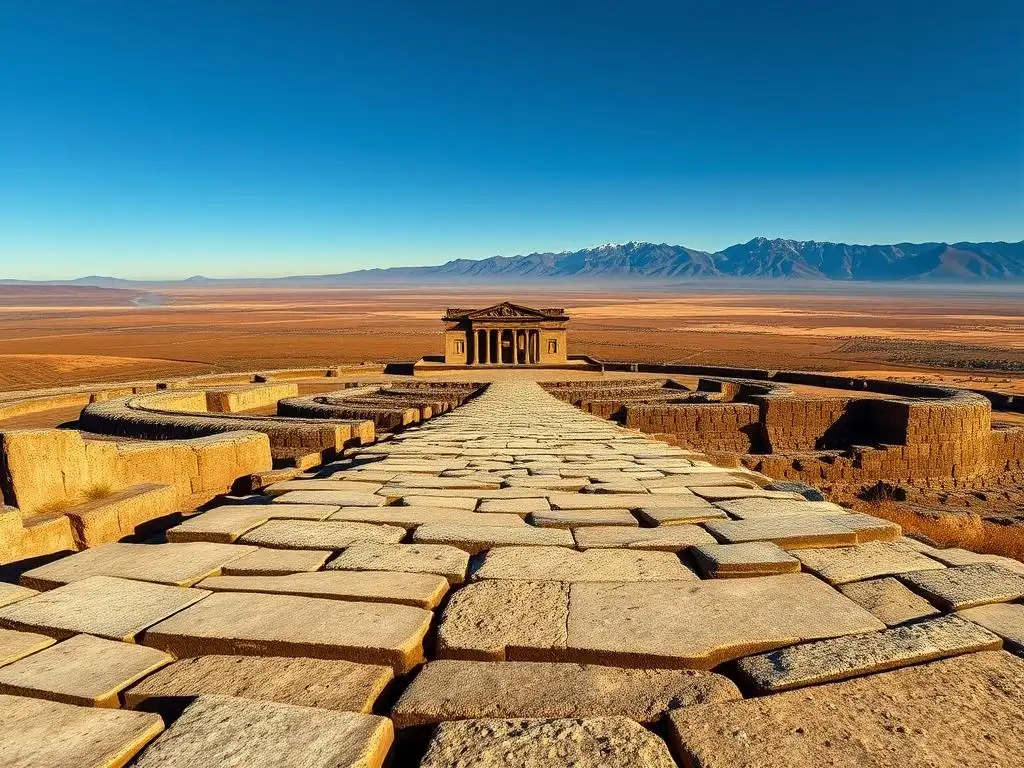
Unravel the mysteries of a lost world. For centuries, the Andean Civilizations have captivated imaginations with their ingenuity and power. But what secrets lie hidden within the intricate Tiahuanaco road system Inca? Journey with us as we delve into the remarkable engineering feats and far-reaching influence of this ancient civilization, revealing a story far more complex than you ever imagined. Prepare to be amazed.
The city of Tiahuanaco, a powerful and enigmatic pre-Columbian civilization flourishing in the Andes between 500 and 1000 CE, stands as a testament to sophisticated urban planning and engineering. While its monumental architecture, such as the Kalasasaya complex and the Gate of the Sun, often captures the most attention, a crucial yet often overlooked aspect of Tiahuanaco's power and influence lies in its extensive road system.
This network of pathways, meticulously crafted across challenging Andean terrain, played a vital role in connecting the city to its sprawling hinterland, facilitating trade, communication, and the control of resources that underpinned the civilization's remarkable success. Understanding Tiahuanaco's road system is key to comprehending the complexity and sophistication of this influential Andean culture and its lasting legacy, especially considering its potential connections to the later Inca road system.
This article will delve into the importance of this infrastructure, exploring its purpose, construction, and the significant impact it had on the Tiahuanaco's economic and political landscape. The keyword "Tiahuanaco road system Inca" will be explored throughout this analysis, examining potential links and influences between the two civilizations.
The Importance of Infrastructure in Tiahuanaco Society
Tiahuanaco's success wasn't solely dependent on its impressive religious and ceremonial centers. The city's ability to manage and control a vast territory hinged on efficient infrastructure. The road network acted as the arteries of the state, enabling the movement of goods, people, and information across significant distances.
This intricate system facilitated the flow of agricultural products from surrounding regions into the urban center, supporting a large population and sustaining the complex social hierarchy. The roads also served as crucial channels for the dissemination of religious beliefs and political power, reinforcing Tiahuanaco's dominance across its sphere of influence. The construction and maintenance of this extensive network required a highly organized workforce and a sophisticated understanding of engineering principles, indicating a level of centralized power and administrative capacity rarely seen in other contemporary Andean societies.
Evidence suggests that the control and management of this road network were closely tied to the political and religious authority of Tiahuanaco, further highlighting its importance in the overall functioning of the civilization. The sheer scale of the undertaking also points to a highly organized and centralized society capable of mobilizing significant resources for long-term infrastructure projects.
Understanding the Tiahuanaco Road System
The Tiahuanaco road system wasn't a haphazard collection of paths. Archaeological evidence suggests a planned and deliberate approach to its construction, utilizing advanced techniques adapted to the challenging Andean terrain. These roads varied in size and complexity, ranging from simple pathways suitable for foot traffic to wider, more substantial routes capable of accommodating pack animals and potentially even wheeled vehicles (although definitive evidence of wheeled transport remains debated amongst scholars). The routes often followed natural contours, utilizing existing valleys and ridges to minimize construction difficulties.
[Specific details on construction techniques pending]. The system likely incorporated strategically placed waystations or resting points to facilitate long-distance travel and trade. Many of these routes connected Tiahuanaco to important agricultural zones, resource-rich areas, and potentially other settlements within its sphere of influence. The precise extent of the network is still being researched, but preliminary findings suggest a significantly broader reach than previously assumed.
The Purpose of Tiahuanaco Roads: Beyond Simple Transportation
While facilitating the movement of goods and people was undoubtedly a primary function, the Tiahuanaco road system likely served multiple purposes. It acted as a crucial instrument of political control, enabling the rapid deployment of troops and the effective administration of the empire. The roads also played a significant role in the dissemination of religious beliefs and practices, connecting distant communities to the central cult sites in Tiahuanaco.
The transportation of ceremonial objects, religious leaders, and pilgrims along these routes would have reinforced the city's religious authority and cultural influence. Additionally, the road network likely facilitated trade and economic exchange, connecting Tiahuanaco to a wider network of regional and potentially even inter-regional trade routes.
The movement of luxury goods, raw materials, and agricultural products along these routes contributed significantly to the economic prosperity and stability of the Tiahuanaco state. The presence of strategically placed waystations suggests a system of control and management beyond simply providing transportation infrastructure.
Key Features of the Tiahuanaco Road Network
The Tiahuanaco road network displayed several key features indicative of sophisticated planning and engineering. The use of durable materials, such as stone and earth compacted using advanced techniques, ensured the longevity of the roads. [Specific examples of road construction materials and techniques pending].
The routes often incorporated ingenious solutions to overcome challenging terrain, such as bridges and retaining walls, demonstrating a high level of engineering skill. The strategic placement of waystations and resting points facilitated long-distance travel and trade, and some sections of the roads may have been deliberately designed to enhance visibility or to serve symbolic or ceremonial purposes. The integration of the road network with other elements of Tiahuanaco's infrastructure, such as irrigation canals and agricultural terraces, further highlights the comprehensive and integrated nature of the city's urban planning.
The enduring legacy of the Tiahuanaco road network is evident in its influence on later Andean civilizations, including the Inca, who built upon and expanded upon established road systems. The potential connections and influences between the Tiahuanaco and Inca road systems are a subject of ongoing research and debate, adding another layer of complexity to the study of this fascinating pre-Columbian civilization.
Tiahuanaco Road System vs. Inca Road System: A Comparison
The Tiahuanaco road system, while predating the Inca empire by centuries, shares some intriguing similarities with the famously extensive Inca Qhapaq Ñan. However, crucial differences in scale, technology, and overall purpose highlight the distinct characteristics of each civilization's approach to road construction and its integration into their respective societies. Understanding these similarities and differences provides valuable insight into the engineering capabilities and societal structures of both the Tiahuanaco and Inca cultures.
The comparison isn't simply about contrasting two road networks; it's about understanding the evolution of Andean roadbuilding techniques and their reflection of broader cultural values and priorities. Further research into the specific materials used in each system, particularly the sourcing and processing of stones, could shed more light on these differences. Analysis of preserved road sections, where possible, could reveal variations in construction techniques and the types of labor employed.
Similarities Between Tiahuanaco and Inca Road Construction
Despite the chronological gap, both the Tiahuanaco and Inca road systems demonstrate a shared understanding of the importance of strategically placed roadways for facilitating trade, communication, and military movement. Both cultures utilized stone paving in many sections of their roads, showcasing sophisticated stone-cutting and fitting techniques. The careful selection of durable, locally sourced stone reflects a practical approach to construction, minimizing transportation costs and maximizing the longevity of the infrastructure.
Furthermore, both networks likely incorporated elements of landscape engineering, adapting the routes to the natural terrain, minimizing the need for extensive earthworks. The precise alignment of certain sections of both road systems also suggests a sophisticated understanding of surveying and planning. While the specific techniques might have varied, the fundamental principles of road construction – durability, strategic placement, and integration with the environment – were clearly shared values.
Differences in Scale and Technology: Tiahuanaco vs. Inca Roads
The Inca Qhapaq Ñan is renowned for its immense scale, stretching thousands of kilometers across the Andes. In contrast, the Tiahuanaco road system, while significant for its time, was considerably smaller in extent, primarily serving the city and its immediate hinterland. This difference reflects the differing political and economic power of the two civilizations. The Inca empire's vast territorial control necessitated a correspondingly vast road network to maintain order and facilitate communication across its empire.
Technological differences also existed. While both utilized stone, the Inca road system often employed more advanced techniques, including sophisticated suspension bridges and sophisticated drainage systems. The Tiahuanaco system, while impressive for its time, shows a less developed understanding of complex engineering solutions such as these. The scale of the Inca undertaking is truly staggering, reflecting a level of centralized planning and organizational capacity unmatched by the Tiahuanaco civilization.
Exploring Tiahuanaco's Pathways: Routes and Destinations
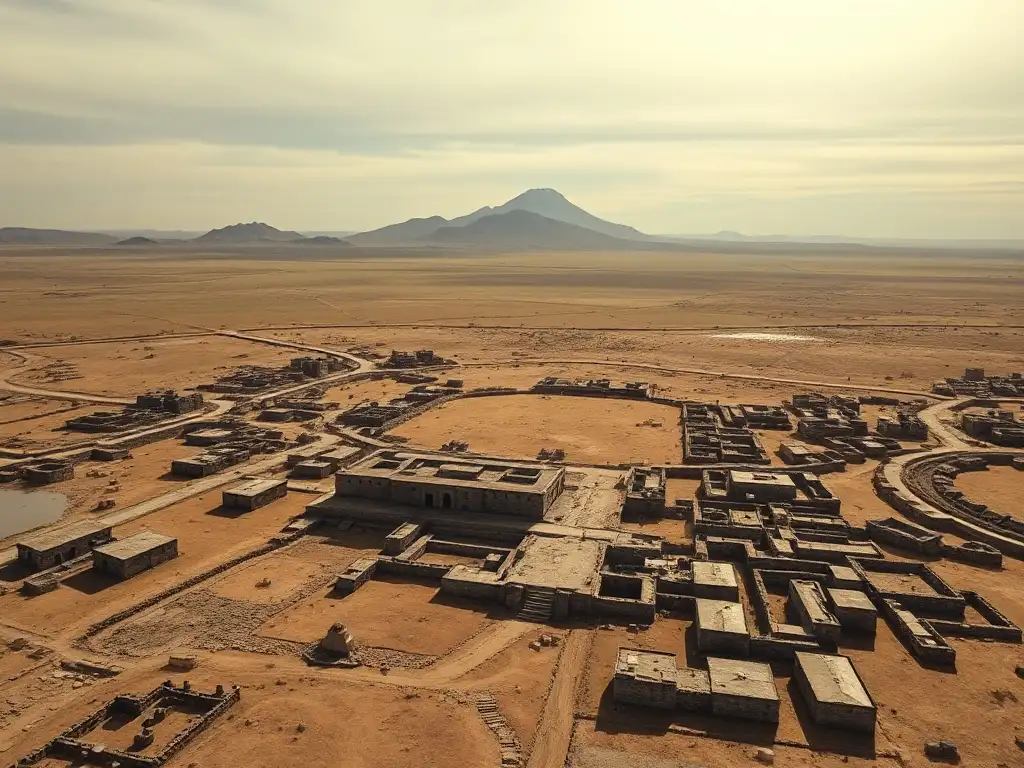
The Tiahuanaco pathways formed a complex network radiating outwards from the city center, connecting it to vital resources and settlements across the Altiplano. This network wasn't just a collection of random trails; it was a strategically planned system designed to support the city's economic and social needs. The pathways varied in size and construction, reflecting their intended use and the importance of the destinations they served.
Detailed mapping of these routes, combined with archaeological investigations along their lengths, could significantly improve our understanding of Tiahuanaco's interaction with the surrounding environment and its control over regional resources. The routes weren't just arteries of trade; they were also channels of cultural exchange, facilitating the spread of Tiahuanaco's influence throughout the region.
Primary Routes Connecting Tiahuanaco to Lake Titicaca
Lake Titicaca, a crucial source of fresh water and sustenance, was undoubtedly connected to Tiahuanaco by a primary route, or possibly several interconnected paths. This route likely facilitated the transportation of essential resources, including fish and reeds, back to the city. The presence of settlements along this route suggests the existence of well-established trade networks and a degree of centralized control over the lake's resources.
The exact location and characteristics of this primary route remain a subject of ongoing research, requiring more extensive archaeological surveys and analysis of existing geographical data. The precise nature of the transportation methods used—whether by foot, llama, or boat—also needs further investigation.
Secondary Paths and Local Access within the Tiahuanaco Territory
Beyond the major routes, a network of secondary paths provided access to smaller settlements, agricultural fields, and quarry sites within the Tiahuanaco territory. These paths, often less well-constructed than the major arteries, still played a vital role in the day-to-day functioning of the city and its surrounding communities. These secondary routes likely facilitated the movement of agricultural produce, building materials, and other goods between the city and its hinterland.
Their analysis offers crucial insights into the local economic activities and the organization of agricultural production in Tiahuanaco's sphere of influence. Unfortunately, much of this network remains poorly documented, highlighting the need for further archaeological investigation and detailed mapping of the region.
The Engineering Marvel of Tiahuanaco Road Construction
The construction of Tiahuanaco's road network represents a remarkable feat of engineering for its time. Consider the challenges: the high altitude, the often-treacherous Andean terrain, and the need to transport vast quantities of materials over significant distances. The sheer scale of the undertaking, coupled with the sophistication of the techniques employed, points to a highly organized and technologically advanced society.
Archaeological evidence suggests a level of planning and execution that surpasses many contemporary civilizations. The precision with which roads were laid out, often following natural contours to minimize disruption and maximize efficiency, speaks volumes about the expertise of Tiahuanaco's engineers and builders. Further research into the surveying techniques used would greatly enhance our understanding of their capabilities.
We can only imagine the logistical complexities involved in coordinating such a massive project, requiring not only skilled labor but also a robust system of resource management and labor organization. The enduring legacy of these roads testifies to the ingenuity and resilience of the Tiahuanaco people. Their mastery of road building contributed significantly to the city's growth and influence within the wider Andean region.
Materials and Techniques Used in Tiahuanaco Road Building
While detailed information on the exact materials and techniques used in Tiahuanaco road construction remains limited, archaeological findings offer valuable clues. Evidence suggests that local materials were predominantly used, minimizing transportation costs and environmental impact. Stone, readily available in the Andean region, likely formed the base of many roads. This could have involved carefully selected and shaped stones, possibly bound together with a type of mortar or packed earth.
The precise composition of any binding agents remains a subject of ongoing investigation. In some areas, we may find evidence of paved surfaces, possibly using smaller, more uniformly sized stones for a smoother road surface. The construction techniques likely varied depending on the terrain and the intended use of the road.
For example, roads leading to agricultural areas may have been built differently than those connecting Tiahuanaco to distant settlements. Further research, including analysis of road sections and the identification of any surviving tools, is needed to fully understand the sophisticated techniques employed by the Tiahuanaco builders. The resilience of these roads to the elements over many centuries speaks to the quality of the craftsmanship and materials used.
Adapting to the Andean Terrain: Tiahuanaco's Engineering Solutions
The Andean terrain presents significant challenges to road construction, including steep inclines, rocky outcrops, and unpredictable weather patterns. The Tiahuanaco engineers demonstrated remarkable ingenuity in overcoming these obstacles. Evidence suggests they employed a variety of techniques to adapt their road designs to the specific features of the landscape.
For instance, roads were often strategically routed to avoid the most difficult terrain, utilizing natural passes and valleys whenever possible. Where necessary, they may have utilized terracing or retaining walls to stabilize slopes and prevent erosion. Bridges, possibly made from stone or wood, may have been constructed to span rivers and ravines, though direct evidence of such structures is currently limited.
The precise methods used to navigate particularly challenging sections of the terrain remain an area of ongoing research. However, the very existence of the extensive road network demonstrates a sophisticated understanding of engineering principles and a remarkable ability to adapt to the challenging environment. The success of these engineering solutions contributed significantly to the expansion and prosperity of the Tiahuanaco civilization.
The Impact of Tiahuanaco Roads on Trade and Communication
Tiahuanaco's extensive road network played a crucial role in the city's economic and political dominance within the Andean region. The roads facilitated trade and communication, connecting Tiahuanaco to a wide network of settlements and agricultural areas. This interconnectedness fostered economic growth, cultural exchange, and political stability.
The efficient movement of goods and people along these roads fostered a thriving exchange network, contributing significantly to the city's prosperity. The roads not only linked Tiahuanaco to its immediate surroundings but also extended to more distant regions, suggesting a far-reaching influence and a sophisticated understanding of regional geography. The impact of this infrastructure extended beyond mere economic benefits; it also played a significant role in shaping the social and political landscape of the region.
Facilitating Trade and Exchange Through the Tiahuanaco Road Network
The Tiahuanaco road system served as the backbone of a vibrant trade network, connecting the city to distant communities and facilitating the exchange of goods and resources. Agricultural products, such as maize, potatoes, and quinoa, were likely transported along these roads from surrounding farming communities to Tiahuanaco, providing the city with essential food supplies. In return, Tiahuanaco likely exported manufactured goods, such as textiles, ceramics, and metalwork, to these communities.
This exchange fostered economic interdependence and contributed to the growth and prosperity of both the city and its surrounding regions. The efficiency of the road network ensured that goods could be transported quickly and safely, minimizing losses and maximizing profits.
The scale of this trade is evident in the widespread distribution of Tiahuanaco artifacts found throughout the Andean region. Further research into the specific goods traded and the trading routes utilized would shed more light on the economic significance of Tiahuanaco's road system.
The Role of Roads in Communication and Governance
Beyond their economic function, Tiahuanaco's roads played a vital role in communication and governance. They facilitated the movement of messengers and officials, enabling efficient communication between the city and its outlying regions. This allowed for the swift dissemination of information, orders, and decrees, contributing to political stability and effective administration.
The roads also likely played a role in military movements, allowing for the rapid deployment of troops in response to threats or rebellions. The ability to quickly communicate and mobilize resources was crucial to maintaining control over a large territory. The strategic placement of roads, connecting key settlements and administrative centers, suggests a deliberate effort to consolidate political power and maintain control over a vast region.
The construction and maintenance of this extensive road network was undoubtedly a significant undertaking, requiring substantial resources and coordinated effort, highlighting the importance of communication and governance within the Tiahuanaco empire. The impact of the road system on the political and social structure of Tiahuanaco society remains a subject of ongoing research and debate.
Archaeological Evidence of the Tiahuanaco Road System
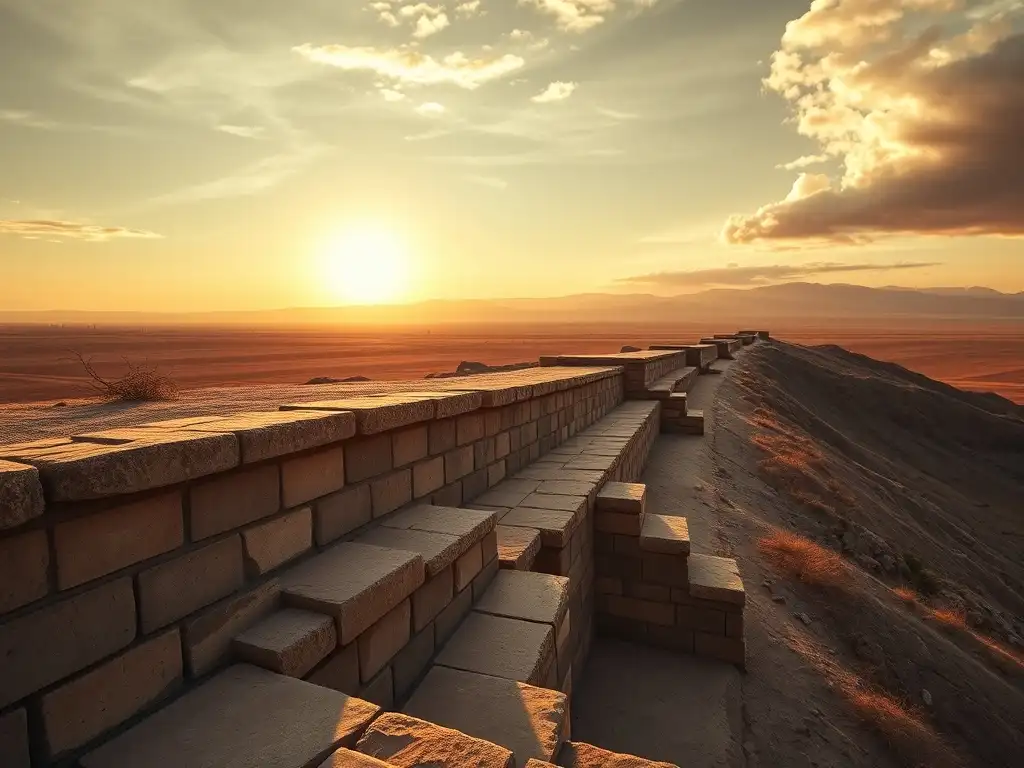
The archaeological record offers compelling evidence of an extensive road system emanating from Tiahuanaco, a testament to the city's sophisticated planning and control over its surrounding region. While not as extensively documented as, say, the Inca road network, numerous findings point to a complex network of pathways connecting Tiahuanaco to its agricultural hinterlands and potentially to other significant settlements. These roads weren't simply haphazard trails; evidence suggests careful planning in their construction, including considerations of terrain and resource accessibility.
The use of durable materials, such as stone paving in certain sections, indicates a commitment to long-term functionality and the importance of these routes for the city's economic and political life. Further research is needed to fully understand the extent and complexity of this system, but initial discoveries are already quite revealing.
The strategic placement of some pathways, for example, suggests a deliberate effort to facilitate trade and the movement of goods and people across diverse landscapes. The discovery of artifacts along these routes further supports this interpretation, providing glimpses into the daily lives of those who used these vital arteries of communication and commerce.
Excavations and Discoveries Related to Tiahuanaco Roads
Excavations around Tiahuanaco have unearthed significant evidence of its road system. Archaeologists have discovered sections of paved roads, often made of carefully fitted stones, indicating a level of engineering skill and planning beyond simple trails. These paved sections, often located near key agricultural zones or potential resource extraction sites, suggest purposeful construction rather than accidental formation.
The discovery of large stone blocks, some bearing possible markings or symbols, raises questions about the potential use of these roads for ceremonial or ritual purposes in addition to their practical functions. Further, the unearthing of settlements along these routes provides crucial insights into the social organization and economic activities of the Tiahuanaco empire. Analysis of these settlements reveals patterns of trade and resource exchange, reinforcing the importance of the road network in facilitating economic interaction.
Careful study of the materials used in road construction, including the sourcing of stones and other materials, will further help illuminate the organization and scale of the Tiahuanaco state's infrastructure projects. Detailed mapping of these discoveries, using modern surveying techniques, is crucial for a comprehensive understanding of the Tiahuanaco road system.
Preservation and Current Research on Tiahuanaco Pathways
Preservation of the remaining Tiahuanaco pathways is a significant challenge, given the passage of time and the effects of erosion and human activity. Many sections of the road system are likely lost, buried beneath layers of sediment or destroyed by agricultural practices. Current research focuses on identifying and documenting surviving sections, using techniques like ground-penetrating radar and aerial photography to map the extent of the network.
Efforts are underway to conserve the visible remnants of the roads, including careful cleaning and stabilization of the stone paving. These projects require meticulous attention to detail, as any intervention needs to be carefully planned to avoid damaging these precious historical artifacts. Furthermore, ongoing research is exploring the environmental impact of the road construction, analyzing the potential effects on local ecosystems and water management systems.
This integrated approach, combining archaeology with environmental science, provides a more comprehensive understanding of the long-term consequences of Tiahuanaco's infrastructure projects. The creation of detailed digital models of the road system will also be crucial for future studies and for better public understanding of this remarkable achievement of Andean engineering.
The Legacy of Tiahuanaco Roads: Influence on Later Andean Societies
The Tiahuanaco road system left a significant imprint on subsequent Andean cultures, influencing their own approaches to infrastructure development. The sophisticated engineering techniques employed by the Tiahuanaco, particularly in the construction of durable pathways, likely served as a model for later Andean societies. The strategic planning evident in the Tiahuanaco system, emphasizing connectivity and resource access, appears to have been adopted and adapted by later groups.
This is particularly evident in the Inca road network, which, while vastly larger and more extensive, shares certain similarities in its design and function with the Tiahuanaco system. Studying these parallels allows us to understand the continuity and evolution of Andean road-building traditions over centuries. The impact of the Tiahuanaco system extends beyond mere technical influence; its symbolic importance, potentially representing the reach and power of the Tiahuanaco state, may have also resonated with later societies.
The Influence of Tiahuanaco Road Design on Inca Engineering
The Inca road system, a marvel of ancient engineering, showcases influences from earlier Andean traditions, including those of Tiahuanaco. While the Incas created a vastly more extensive network, certain design elements suggest a connection to the earlier Tiahuanaco system. The emphasis on strategic placement of roads to connect key settlements and resource areas reflects a continuity in Andean planning principles. The use of durable materials, while refined and expanded upon by the Incas, echoes the Tiahuanaco emphasis on long-lasting infrastructure.
However, the Incas also introduced innovations, such as sophisticated suspension bridges and advanced techniques in stonework, demonstrating a clear evolution in road construction. The comparison of the two systems reveals a fascinating interplay of continuity and innovation in Andean engineering, highlighting the long-term legacy of Tiahuanaco's achievements. Further research comparing the construction techniques, materials, and overall design philosophies of both systems will shed more light on this relationship.
Lessons Learned from the Tiahuanaco Road System
The study of the Tiahuanaco road system offers valuable insights for modern infrastructure planning and management. The emphasis on strategic placement, durable materials, and careful consideration of terrain demonstrates a long-term perspective on infrastructure development that is often lacking in modern projects. The Tiahuanaco system reminds us of the importance of integrating infrastructure projects with the surrounding environment and the needs of local communities.
Understanding how the Tiahuanaco system facilitated trade, communication, and resource access provides valuable lessons for contemporary societies grappling with similar challenges. The study of the system's eventual decline, and the factors that contributed to its disrepair, also offers cautionary tales about the importance of sustainable practices and long-term planning in infrastructure development.
By learning from the successes and failures of the Tiahuanaco road system, we can improve our approaches to building and maintaining sustainable infrastructure for future generations. The meticulous archaeological work and preservation efforts also serve as a model for future archaeological projects, emphasizing careful documentation and conservation of cultural heritage.
Future Research and Unanswered Questions About Tiahuanaco Roads
The study of Tiahuanaco's road system, while revealing, still leaves many questions unanswered. Further research is crucial to fully understand the extent and purpose of this intricate network. Several key areas require further investigation:
First, high-resolution aerial photography and LiDAR scanning could significantly improve our understanding of the road network's extent beyond the currently visible sections. Many routes might be obscured by vegetation or subtle changes in the landscape, requiring advanced imaging techniques for detection. This would allow for a more comprehensive mapping of the system, revealing potential connections to previously unknown settlements or resource areas. Detailed analysis of the imagery could also reveal subtle engineering features or construction techniques currently invisible to the naked eye.
Second, geophysical surveys are needed to uncover subsurface features associated with the roads. These could include buried sections of the roadways, supporting structures, or evidence of associated infrastructure like bridges or resting places. Such surveys could shed light on the construction methods and the overall scale of the engineering effort involved in building and maintaining these roads. For example, uncovering evidence of sophisticated drainage systems would highlight the advanced engineering capabilities of the Tiahuanaco people.
Third, detailed petrographic analysis of road materials is essential. Identifying the source of the stones used in road construction could reveal the geographical reach of Tiahuanaco's influence and the logistical challenges involved in transporting materials over long distances. This analysis could also provide insights into the quarrying techniques employed and the level of organization required for such large-scale projects. Comparing the composition of stones from different sections of the road system could reveal potential shifts in construction practices or resource availability over time.
Finally, interdisciplinary collaboration is vital to address these questions. Archaeologists, geographers, engineers, and other specialists must work together to interpret the available evidence and develop more complete models of Tiahuanaco's road system and its function within the broader context of the civilization. This holistic approach will be key to unlocking the secrets of this fascinating ancient infrastructure and understanding its role in the socio-political and economic organization of the Tiahuanaco state.
For instance, combining archaeological findings with anthropological studies of similar road systems in other Andean cultures could offer valuable comparative perspectives. The integration of multiple data sources and perspectives will be crucial to answer the many remaining questions about Tiahuanaco's remarkably sophisticated road network. The potential for new discoveries and a deeper understanding of this crucial aspect of Tiahuanaco culture is significant and warrants further dedicated research.
- The Importance of Infrastructure in Tiahuanaco Society
- Understanding the Tiahuanaco Road System
- Tiahuanaco Road System vs. Inca Road System: A Comparison
- Exploring Tiahuanaco's Pathways: Routes and Destinations
- The Engineering Marvel of Tiahuanaco Road Construction
- The Impact of Tiahuanaco Roads on Trade and Communication
- Archaeological Evidence of the Tiahuanaco Road System
- The Legacy of Tiahuanaco Roads: Influence on Later Andean Societies
- Future Research and Unanswered Questions About Tiahuanaco Roads
- What was the significance of Tiahuanaco's road system?
- How did the Tiahuanaco road system compare to that of the Inca?
- What materials were used in the construction of Tiahuanaco roads?
- Did the Tiahuanaco road system influence later Andean civilizations, such as the Inca?
- What challenges did the builders of the Tiahuanaco roads face?
Frequently Asked Questions
What was the significance of Tiahuanaco's road system?
Tiahuanaco's road system was crucial for trade, communication, and administration across its vast empire. These pathways facilitated the movement of goods, people, and information, connecting the city to its surrounding regions and beyond. Its extent highlights the sophisticated organization of the civilization.
How did the Tiahuanaco road system compare to that of the Inca?
While both the Tiahuanaco and Inca civilizations developed extensive road networks, the Inca system was arguably more extensive and sophisticated, featuring advanced engineering techniques like suspension bridges. Tiahuanaco's roads predate the Inca's, however, influencing later road construction.
What materials were used in the construction of Tiahuanaco roads?
The construction materials varied depending on the terrain and available resources. Stone, earth, and possibly wood were common components. The roads were often built to withstand the harsh Andean climate and terrain.
Did the Tiahuanaco road system influence later Andean civilizations, such as the Inca?
Yes, there's evidence suggesting that the Tiahuanaco road network significantly influenced subsequent Andean road systems, including the Inca's. The Inca likely learned from and built upon the existing infrastructure and engineering techniques developed by Tiahuanaco.
What challenges did the builders of the Tiahuanaco roads face?
Building roads in the high Andes presented significant challenges, including steep slopes, unpredictable weather, and limited resources. The builders had to overcome these obstacles using innovative engineering and logistical planning to create a functional road network.
Final Reflection: Echoes of Tiahuanaco: A Legacy in Stone and Spirit
The intricate road system of Tiahuanaco, far from being a relic of the past, offers a powerful lesson in sustainable infrastructure and interconnectedness, a lesson desperately needed in our hyper-connected yet often fragmented world. Understanding how this ancient civilization managed resource allocation and communication across vast distances provides a compelling counterpoint to the challenges of modern globalization and its environmental impact. The ingenuity displayed in Tiahuanaco's engineering continues to inspire awe and wonder.
The enduring influence of Tiahuanaco's road network extends beyond its physical presence; it speaks to the power of human ingenuity and collaborative effort in shaping a society. Its impact resonates even today in the cultural landscape of the Andes, shaping identities and narratives. The very stones themselves whisper tales of a sophisticated civilization, a testament to human potential. The past is never dead. It's not even past.
- William Faulkner. This quote perfectly encapsulates the enduring relevance of Tiahuanaco's legacy, reminding us that the lessons learned from studying its road system are not confined to history books but are actively shaping our present and future.
Consider, for a moment, the implications of Tiahuanaco's achievements. What can we learn from their approach to sustainable resource management? How can we apply their understanding of interconnectedness to address the challenges of our modern world? You, the reader, hold the power to carry forward this legacy. Let the echoes of Tiahuanaco inspire you to build bridges, both literally and figuratively, fostering connection and sustainability in your own life and community. Let us strive to create a future as enduring and impactful as the roads of this remarkable civilization.
**Explore the Ancient Pathways of Tiahuanaco! **
Thank you for exploring the fascinating world of Tiahuanaco's roads and pathways! You've discovered how these remarkable routes shaped the connectivity of this ancient site and its surrounding landscape. Now, let's delve deeper into this incredible history.
Here are some exciting ways to continue your exploration:
- **Visit the Tiahuanaco site** in person or virtually to experience its wonders firsthand and walk the ancient paths. Imagine the lives of those who travelled them centuries ago.
- **Share your discoveries! ** Discuss what you've learned with friends, family, or in online communities dedicated to Andean civilizations. Spark engaging conversations and learn from others' perspectives.
- Explore **archaeological documentaries** or consider joining a guided tour to gain a comprehensive understanding of Tiahuanaco's influence on the region. Many resources offer detailed insights into its rich history and culture.
What crucial lessons can we learn from Tiahuanaco's road network about preserving our own modern connections and infrastructure? How can we apply the ingenuity and resilience of past civilizations to the challenges we face today?