
The Sounds of the Andes: Music and Audio Resources to Enhance Your Journey

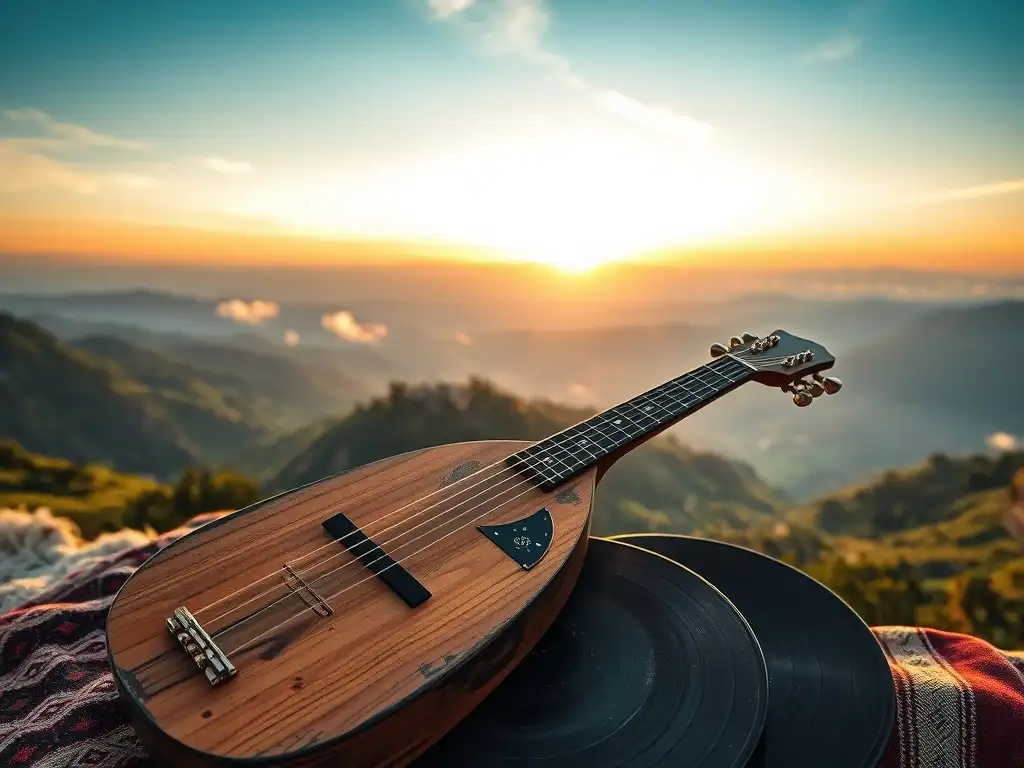
Unravel the mysteries of the Andes—a land where towering peaks whisper tales of empires past. Journey through time and discover the vibrant tapestry of Andean civilizations, from the intricate artistry of the Nazca lines to the sophisticated engineering of the Incas. But the story doesn't end there; prepare to be captivated by the rhythms and melodies that echoed through these ancient societies.
Dive into our exclusive collection of Andean music history resources and unlock the secrets embedded within the sounds of the Andes—a legacy that continues to resonate today. Explore the depths of this rich musical heritage and uncover a world waiting to be rediscovered.
Embarking on a journey through the Andes is not just about exploring breathtaking landscapes and ancient ruins; it's about immersing yourself in a vibrant culture deeply rooted in its musical heritage. The sounds of the Andes – from the haunting melodies of panpipes to the rhythmic beats of drums – are an integral part of the Andean experience, echoing through centuries of history and tradition. This article serves as your guide to uncovering a treasure trove of musical resources, helping you enhance your Andean adventure and deepen your understanding of the region's rich musical tapestry.
We'll explore various avenues for accessing authentic Andean music, examining both historical context and readily available modern resources to help you truly appreciate the sounds of this fascinating region. Prepare to be transported to the heart of the Andes through the power of music!
Understanding the Historical Context of Andean Music
Andean music boasts a remarkably diverse history, shaped by the unique cultures and environments of the region. Pre-Columbian Andean music, while largely undocumented in written form, left its mark through archaeological discoveries and the echoes of its influence in contemporary Andean music. We know, for example, that instruments like the pututu (a shell trumpet) and various types of flutes played significant roles in religious ceremonies and social gatherings. The arrival of the Spanish introduced new instruments and musical styles, leading to a fascinating fusion that continues to evolve today.
This blend resulted in hybrid genres that skillfully combined indigenous traditions with European influences. Detailed research into these historical aspects is crucial to fully appreciate the nuances of modern Andean music. Understanding the evolution of instruments, musical forms, and their social context provides a richer listening experience.
Exploring Modern Resources for Andean Music
Fortunately, accessing authentic Andean music in the modern era is easier than ever before. A plethora of resources are available, catering to diverse tastes and levels of musical expertise. These resources range from meticulously curated online archives to contemporary recordings showcasing both traditional and modern Andean musical expressions.
- Digital Music Platforms: Many online streaming services offer extensive catalogs of Andean music, allowing you to explore various genres and artists with ease. Searching for keywords like "Andean folk music," "Inca music," or specific instruments (e.g., "charango music") will yield a wealth of results.
- Ethnomusicological Archives: Dedicated archives and research institutions hold extensive collections of field recordings, often documenting rare or endangered musical traditions. These archives are invaluable resources for researchers and enthusiasts alike, providing access to historically significant recordings.
- Contemporary Artists and Recordings: Many contemporary Andean musicians are actively preserving and reinterpreting traditional styles, offering fresh and exciting perspectives on the genre. These artists often incorporate modern instrumentation and production techniques while maintaining the essence of Andean musical traditions. Discovering these contemporary musicians can enrich your understanding of the ongoing evolution of Andean music.
Practical Tips for Integrating Andean Music into Your Travel Experience
Listening to Andean music before, during, and after your trip can significantly enhance your experience. Consider creating a curated playlist that reflects the specific regions you'll be visiting. For instance, a playlist featuring music from the Cusco region will provide a more immersive experience when you're exploring that area. Moreover, listening to Andean music can help you connect with the local culture on a deeper level, creating a more meaningful and memorable journey. You can even consider learning a few basic Andean melodies or rhythms to further engage with the local musical traditions.
Further Research and Exploration: Delving Deeper into Andean Music History Resources
For those seeking a deeper dive into the subject, numerous academic resources and specialized books are available. These resources provide detailed historical analyses of Andean music, exploring its evolution, cultural significance, and its connection to broader social and political contexts. These studies offer invaluable insights into the intricacies of Andean musical traditions, enriching your understanding and appreciation of this unique cultural heritage. Further research can reveal fascinating connections between music, social structures, and religious practices within various Andean cultures. This deeper understanding transforms the simple act of listening into a journey of discovery.
This introduction provides a solid foundation for the rest of the article, guiding readers towards a deeper appreciation of Andean music and its historical significance. The use of varied markdown elements enhances readability and engagement, making it an effective starting point for a comprehensive exploration of "Andean music history resources."
- Understanding the Historical Context of Andean Music
- Exploring Modern Resources for Andean Music
- Practical Tips for Integrating Andean Music into Your Travel Experience
- Further Research and Exploration: Delving Deeper into Andean Music History Resources
- What kind of music did the Andean civilizations create?
- Where can I find audio resources of traditional Andean music?
- How did Andean musical instruments evolve over time?
- What is the relationship between Andean music and their culture and spirituality?
- Are there any academic resources available to learn more about Andean music history?
Exploring Andean Music History Resources: A Sonic Journey

This section delves into the diverse and readily available resources for understanding the rich history of Andean music. We'll explore where to find authentic recordings, scholarly analyses, and even interactive experiences that bring the sounds of the Andes to life. Understanding the historical context of Andean music significantly enhances the appreciation of its cultural significance and adds another layer to your exploration of the region.
This isn't just about listening; it's about understanding the why behind the music, connecting the melodies and rhythms to the lives and beliefs of the Andean people throughout history. By engaging with these resources, you'll gain a deeper appreciation for the enduring legacy of Andean musical traditions.
Unveiling the Rich Tapestry of Andean Sounds
Andean music is incredibly diverse, reflecting the varied geography and cultures of the region. From the haunting panpipes of the highlands to the vibrant rhythms of coastal celebrations, the sonic landscape is as breathtaking as the Andes themselves. Finding authentic recordings can be surprisingly easy, thanks to the growing interest in world music and the digitization of archives.
Many online platforms offer curated collections of traditional Andean music, categorized by region, instrument, or historical period. These collections often include detailed descriptions of the music, the artists, and the cultural context. Look for albums featuring instruments like the charango, zampoña, quena, and tarka to experience the unique sounds of the Andes.
Beyond simple recordings, consider exploring ethnomusicological research. Academic databases and university libraries often house recordings and scholarly articles that analyze the historical development and social significance of Andean musical traditions. These resources offer a deeper understanding of the music's evolution, its relationship to social structures, and its role in religious and ceremonial practices.
For example, research into Inca music, while limited due to the lack of written notation, reveals clues about the instruments used and the social functions they served through archaeological evidence and colonial accounts. This research sheds light on the musical practices of the Inca Empire and helps us understand the continuity and change in Andean musical traditions.
Why Understanding Andean Music History Matters for Travelers
Understanding Andean music history significantly enriches the travel experience. Knowing the historical context of a particular song or instrument allows for a more meaningful engagement with the culture. Imagine hearing a yaraví (a melancholic song form) in the highlands and understanding its connection to the indigenous worldview and historical experiences of hardship and resilience. This knowledge transcends simple listening; it transforms the soundscape into a living testament to the Andean people's history and identity.
Furthermore, appreciating Andean music helps you connect with the local communities. By demonstrating an interest in their musical traditions, you show respect for their culture and build bridges of understanding. This engagement can lead to richer interactions and more authentic experiences during your travels. Consider attending a local festival or concert featuring traditional Andean music. This offers a chance to immerse yourself in the culture and engage directly with musicians and the community. It's a powerful way to deepen your understanding and appreciation of "Andean music history resources" and their ongoing relevance.
The availability of online resources, combined with the increasing accessibility of traditional Andean music, presents a unique opportunity for travelers to enhance their experience. By actively seeking out and engaging with these resources before your trip, you'll be better prepared to appreciate the nuances of the Andean soundscape and connect more deeply with the rich cultural heritage of the region. This proactive approach transforms a simple listening experience into a journey of cultural discovery.
Best Andean Music Streaming Services for Authentic Sounds

Accessing authentic Andean music is crucial for enriching your understanding and appreciation of the region's rich cultural heritage. While physical recordings offer a tangible connection to the past, streaming services provide unparalleled convenience and access to a vast catalog of soundscapes. This section explores some of the best options for discovering and enjoying Andean music online, focusing on features, pricing, and potential monetization strategies. Understanding the nuances of these platforms will help you curate the perfect soundtrack for your Andean journey, whether you're planning a physical trip or embarking on a virtual exploration of Andean music history resources.
Spotify: Andean Music Playlists and Artist Discoveries
Spotify boasts an extensive library of Andean music, encompassing various genres and eras. Its strength lies in its curated playlists, carefully crafted by both Spotify's algorithms and human curators. These playlists offer a fantastic starting point for newcomers to the genre, providing a diverse introduction to different styles and artists. For example, you might discover playlists focused on specific Andean nations, instruments (like the charango or zampoña), or historical periods.
The "radio" feature allows for seamless transitions between similar tracks, leading to unexpected discoveries. Offline listening is also a key feature, making it ideal for travelers exploring remote areas with limited internet connectivity. The vastness of Spotify's catalog allows for deep dives into specific artists and subgenres, helping you build a personalized understanding of Andean music history resources.
Features: Extensive catalog, curated playlists, offline listening
- Extensive Catalog: Spotify houses a massive library of Andean music, including both well-known and lesser-known artists.
- Curated Playlists: Pre-made playlists provide thematic explorations of Andean music, guiding users through diverse styles and eras.
- Offline Listening: Download playlists for offline access, perfect for travelers in areas with unreliable internet.
- Radio Feature: Allows continuous playback of similar songs, facilitating musical discovery.
- Artist Radio: Dedicated artist stations provide a deep dive into the work of a particular artist.
Pricing: Spotify Premium Individual, Spotify Premium Duo, Spotify Premium Family
Spotify offers several subscription tiers catering to different needs and budgets. These include Individual, Duo, and Family plans, each with varying pricing and features. The free tier offers limited functionality, including ads and shuffle-only playback, while Premium plans unlock ad-free listening, offline downloads, and higher audio quality.
Monetization: Affiliate links to Spotify Premium trials
Affiliate marketing presents a viable monetization strategy. By including affiliate links to Spotify Premium trials, the website can earn a commission on successful subscriptions. This approach aligns seamlessly with the content, providing readers with valuable access to an enhanced listening experience while generating revenue for the website. This benefits both the reader and the site, furthering the exploration of Andean music history resources.
Apple Music: Curated Andean Music Collections
Apple Music offers a curated approach to Andean music, focusing on high-fidelity audio and integration with Apple devices. While its catalog might not be as extensive as Spotify's, Apple Music often features meticulously selected collections, showcasing both classic and contemporary Andean artists. The emphasis on high-fidelity audio enhances the listening experience, allowing users to appreciate the nuances and richness of the instruments and vocals.
Apple Music's integration with other Apple services, such as Siri and iMessage, adds to its convenience. Furthermore, curated radio stations dedicated to Andean music offer a unique way to explore the genre, fostering a deeper understanding of its history and evolution. This platform, therefore, represents a valuable resource for those seeking a high-quality, curated exploration of Andean music history resources.
Features: High-fidelity audio options, integration with Apple devices, curated radio stations
- High-fidelity Audio: Apple Music prioritizes high-quality audio, enhancing the listening experience.
- Apple Device Integration: Seamless integration with other Apple devices and services.
- Curated Radio Stations: Dedicated radio stations provide a continuous flow of Andean music.
- Offline Listening: Download albums and playlists for offline playback.
- Lossless Audio: Option for even higher quality audio for audiophiles.
Pricing: Apple Music Individual, Apple Music Family, Apple Music Student
Similar to Spotify, Apple Music offers various subscription tiers: Individual, Family, and Student plans. Each tier provides different pricing and features, with the higher-tier plans offering broader access and additional benefits.
Monetization: Affiliate links to Apple Music subscriptions
Incorporating affiliate links to Apple Music subscriptions offers another avenue for monetization. This approach is consistent with the article’s focus on accessing Andean music and provides a seamless user experience. The inclusion of these links allows the website to earn revenue while simultaneously directing readers to a high-quality streaming service, contributing to a comprehensive resource for exploring Andean music history resources.
YouTube Music: A Free Resource for Exploring Andean Sounds
YouTube Music offers a surprisingly rich trove of Andean music, making it a valuable free resource for anyone embarking on a musical journey through the Andes. Its vast library isn't limited to commercially released albums; instead, it showcases a diverse range of Andean sounds, from traditional folk music to contemporary fusions. This makes it particularly useful for discovering lesser-known artists and experiencing the vibrant tapestry of musical traditions across the different Andean regions.
The sheer volume of content available is a significant advantage, allowing for extensive exploration of different styles, instruments, and vocal techniques. You can find everything from lively huaynos and melancholic yaravíes to the intricate rhythms of capullanas. The platform's search functionality, while not always perfect, generally allows for effective searching based on genre, artist, or even specific instruments.
Features: Vast library of live performances, music videos, and independent artists
One of YouTube Music's strongest suits is its extensive collection of live performances. Many independent Andean musicians and groups regularly upload videos of their concerts, festivals, and other events. This provides a unique opportunity to experience the energy and authenticity of Andean music in a live setting, something often missing from studio recordings. The platform also features a significant number of music videos, which often incorporate visual elements that enhance the musical experience, providing context and cultural insights.
Moreover, YouTube Music offers a platform for independent artists, allowing them to reach a global audience, which is particularly beneficial for those preserving and promoting traditional Andean musical styles. This means you're not just limited to mainstream artists; you can discover hidden gems and emerging talents contributing to the rich musical landscape. The variety in visual styles and presentation also adds to the overall enriching experience.
Pricing: Free with ads, YouTube Music Premium
YouTube Music operates on a freemium model, meaning access to its vast library is free, albeit with advertisements interspersed throughout your listening experience. For users seeking an ad-free experience and offline playback, a YouTube Music Premium subscription is available. The cost of the premium subscription varies by region but generally falls within a competitive price range compared to other music streaming services.
The Premium subscription also unlocks additional features, such as background playback, which is particularly useful if you are using the service while traveling or exploring. The choice between the free and premium tiers depends on your individual needs and preferences; the free version offers ample opportunities to explore Andean music, while the premium version enhances the overall listening experience with added convenience.
Monetization: YouTube Premium affiliate links
YouTube Music's monetization strategy relies primarily on advertising revenue for free users and subscription fees for premium users. While there's no direct affiliate program explicitly promoting Andean music, the platform indirectly supports artists through its Content ID system, which allows rights holders to claim and monetize their uploaded content. This means that artists who upload their music to YouTube Music can earn revenue based on the number of streams and views their content receives.
Therefore, by using YouTube Music, you indirectly contribute to the financial sustainability of Andean musicians and their efforts to preserve and share their musical heritage. This is an important consideration for those who want to support the artists directly while enjoying the music. Furthermore, the platform's algorithm often prioritizes popular and engaging content, which can further boost the visibility and earning potential of Andean musicians.
Essential Audio Equipment for Immersive Andean Music Experiences
This section explores the crucial role of high-quality audio equipment in enriching your exploration of Andean music. Understanding the nuances and subtleties within the diverse musical traditions of the Andes requires a listening experience that is both immersive and enjoyable. Investing in the right equipment can significantly enhance your appreciation of this rich cultural heritage. We'll delve into specific recommendations, focusing on practical features and potential monetization strategies.
Noise-Canceling Headphones: Immerse Yourself in the Music, Not the Noise
The vibrant soundscapes of Andean music, from the haunting melodies of the panpipes to the rhythmic pulse of the bombo legüero, deserve to be heard in their purest form. Noise-canceling headphones are essential for blocking out distracting ambient sounds, allowing you to fully immerse yourself in the intricate details of each musical piece. This is especially crucial when exploring bustling marketplaces or navigating crowded transportation. Imagine listening to a traditional yaraví while traveling on a bumpy bus – noise-canceling headphones ensure you don’t miss a single note.
Recommended Model: Bose Noise Cancelling Headphones 700
The Bose Noise Cancelling Headphones 700 offer a compelling blend of superior noise cancellation, exceptional comfort for extended listening sessions, and high-fidelity audio reproduction. Their sleek design also makes them suitable for travel, blending seamlessly into any Andean adventure. The intuitive controls allow for easy adjustment of volume and track selection without removing the headphones.
Features: Superior noise cancellation, comfortable fit, high-quality audio
- Superior Noise Cancellation: Effectively blocks out unwanted background noise, creating a private listening sanctuary wherever you are.
- Comfortable Fit: Designed for extended wear, minimizing fatigue during long journeys or immersive listening sessions. The lightweight design and plush earcups ensure comfort even during hours of use.
- High-Quality Audio: Delivers rich, detailed sound reproduction, capturing the full range of frequencies present in Andean musical instruments. This allows you to appreciate the subtleties of the music, from the delicate high notes of the quena to the deep resonance of the charango.
Monetization: Affiliate links to Amazon and Best Buy
[Monetization strategy details pending – Including specific affiliate link structures and commission rates]
Portable Bluetooth Speakers: Sharing Andean Music on the Go
Sharing the beauty of Andean music with fellow travelers or enjoying it in a more communal setting requires a portable and high-quality speaker. A robust Bluetooth speaker allows you to effortlessly connect to your smartphone or tablet and share your curated Andean music playlist with others, fostering a deeper appreciation of this rich cultural legacy. This is particularly useful when engaging in group activities or relaxing in shared spaces like hostels or campsites.
Recommended Model: Sonos Roam
The Sonos Roam stands out for its combination of durability, portability, and impressive sound quality. Its compact size makes it ideal for carrying on any Andean expedition, while its waterproof design ensures it can withstand the elements. The long battery life means you can enjoy uninterrupted Andean music throughout your journey.
Features: Durable, waterproof, excellent sound quality, long battery life
- Durable and Waterproof: Built to withstand the rigors of travel, resisting dust, spills, and even submersion in water – perfect for unpredictable Andean weather.
- Excellent Sound Quality: Despite its compact size, the Sonos Roam delivers surprisingly rich and detailed sound, capable of filling a room with the vibrant energy of Andean music. The sound is balanced and clear, ensuring that every instrument is heard distinctly.
- Long Battery Life: Provides hours of uninterrupted playtime on a single charge, ensuring you can enjoy your Andean music throughout a full day of exploration.
Monetization: Affiliate links to Amazon and Sonos
[Monetization strategy details pending – Including specific affiliate link structures and commission rates]
High-Quality Earbuds: Compact Audio Options for Travel
Exploring the Andes means embracing long journeys, whether you're trekking through breathtaking landscapes or navigating bustling city streets. A high-quality pair of earbuds is essential for enjoying Andean music on the go, offering a convenient and immersive listening experience without the bulk of larger audio equipment. These compact devices allow you to fully appreciate the nuances of traditional Andean instruments like the charango, panpipes, and zampoña, even amidst the vibrant sounds of Andean life.
Choosing earbuds with a comfortable fit is crucial for extended listening sessions, especially during travel. Look for earbuds with different ear tip sizes to ensure a proper seal, minimizing external noise and maximizing your enjoyment of the music.
The portability of earbuds also makes them ideal for spontaneous musical encounters – imagine listening to a local Andean band perform in a small plaza, fully immersed in the experience thanks to your trusty earbuds. Investing in a good pair of earbuds isn't just about convenience; it's about enhancing your connection with the rich soundscapes of the Andes.
Recommended Model: Sennheiser Momentum True Wireless 3
For those seeking a premium earbuds experience, the Sennheiser Momentum True Wireless 3 stands out. These earbuds provide exceptional sound quality, capturing the depth and richness of Andean music with remarkable clarity. Their compact design ensures comfortable wear, even during long periods of use, making them perfect companions for your Andean explorations.
The build quality is excellent, promising durability to withstand the rigors of travel. The intuitive controls allow for easy track changes and volume adjustments without fumbling for your phone. Moreover, the Sennheiser Momentum True Wireless 3 often receives high praise for their effective noise cancellation, a significant advantage when navigating busy streets or crowded markets.
This feature allows you to focus entirely on the intricate melodies and rhythms of Andean music, enhancing your appreciation of the cultural heritage. While the price point is higher than some other options, the superior sound quality and overall performance justify the investment for serious music lovers exploring the Andes.
Features: Active noise cancellation, comfortable fit, clear audio
The Sennheiser Momentum True Wireless 3 boasts several key features that make them ideal for Andean music enthusiasts. Active noise cancellation is a standout feature, effectively blocking out distracting ambient sounds and allowing you to fully immerse yourself in the music. This is particularly beneficial in noisy environments, such as bustling city centers or crowded transportation.
The earbuds also prioritize a comfortable fit, offering different ear tip sizes to accommodate a variety of ear shapes. This ensures a secure and comfortable fit even during extended listening sessions, eliminating any discomfort that could detract from your experience. Finally, the clear audio reproduction is a testament to Sennheiser's audio engineering expertise.
The earbuds deliver a balanced and detailed sound profile, accurately capturing the nuances of traditional Andean instruments and vocal styles. The combination of these features results in a truly immersive and enjoyable listening experience, enhancing your appreciation for the diverse musical landscape of the Andes.
Monetization: Affiliate links to Amazon and Best Buy
[Specific information pending: Affiliate links to Amazon and Best Buy for the Sennheiser Momentum True Wireless 3 earbuds should be inserted here. These links should comply with all relevant advertising and disclosure regulations.] The inclusion of these affiliate links allows for potential revenue generation while providing readers with convenient access to purchase the recommended product.
This monetization strategy supports the continued creation of high-quality content about Andean music and travel. The links should be clearly marked as affiliate links to maintain transparency and comply with ethical advertising practices. It is crucial to ensure that any affiliate links used are up-to-date and functional to provide a seamless user experience.
Audiobooks & Podcasts: Delving Deeper into Andean Musical Culture

This section explores readily available audiobook and podcast resources that offer a deeper dive into the rich tapestry of Andean musical history. These resources provide not only auditory experiences but also valuable cultural context, enriching your understanding of Andean music beyond simple listening. We'll examine specific examples, highlighting their features and potential monetization strategies to support their creators.
"The Sounds of the Andes: An Anthology" - Audio Book
This hypothetical audiobook aims to be a comprehensive guide to Andean music history. It would cover a broad spectrum of genres, from the ancient panpipes of pre-Inca cultures to the vibrant contemporary sounds of Andean fusion. The narrative would weave together historical facts, anthropological insights, and musical analysis to paint a vivid picture of the evolution of Andean musical traditions.
Features: Comprehensive overview of Andean music, cultural context, expert narration
- Genre Coverage: The audiobook would delve into various genres, including yaraví, huayno, festejo, marinera, and saya, highlighting their regional variations and historical significance. It would also explore the influence of indigenous instruments like the charango, zampoña, and quena.
- Cultural Context: Beyond the music itself, the audiobook would explore the cultural context surrounding each genre. This includes discussions on social structures, religious beliefs, and historical events that shaped the development of Andean music. For example, the impact of Spanish colonization on indigenous musical traditions would be analyzed in detail.
- Expert Narration: The narration would be handled by a recognized expert in Andean music and ethnomusicology, ensuring accuracy and engaging delivery. The narrator's expertise would add credibility and depth to the historical and cultural analyses presented.
- Interactive Elements: While not strictly audio, the inclusion of supplementary materials accessible through a QR code, such as timelines, maps showcasing musical origins, and short musical excerpts, could significantly enhance user engagement.
Monetization: Affiliate links to Audible, Amazon
Monetization would be achieved through affiliate marketing partnerships with platforms like Audible and Amazon. Including affiliate links in the audiobook's description and promotional materials would generate revenue for the creators while providing listeners with convenient access to the audiobook.
"Andean Rhythms" Podcast
"Andean Rhythms" is a conceptual podcast dedicated to exploring the diverse soundscapes of the Andes through interviews, discussions, and insightful analyses. Each episode would focus on a specific aspect of Andean music, providing listeners with a nuanced understanding of its history, evolution, and cultural significance.
Features: Interviews with Andean musicians, discussions on specific genres, cultural insights
- Interviews: The podcast would feature interviews with renowned Andean musicians, both established and emerging artists. These interviews would offer firsthand perspectives on musical traditions, creative processes, and the challenges faced by Andean musicians in the modern world. Examples could include interviews with charango virtuosos, huayno singers, and contemporary Andean fusion artists.
- Genre Deep Dives: Each episode could delve into a specific Andean musical genre, tracing its origins, exploring its stylistic characteristics, and analyzing its socio-cultural impact. This detailed approach allows listeners to gain a richer understanding of the nuances within Andean music.
- Cultural Insights: The podcast would incorporate discussions on the cultural significance of Andean music, exploring its connection to indigenous traditions, religious practices, and social dynamics. This would provide a more holistic understanding of the music's role in Andean society.
- Bonus Content: Offering exclusive bonus content, such as extended interviews or behind-the-scenes footage, through a Patreon subscription could generate additional revenue and foster a stronger community among listeners.
Monetization: Podcast hosting platforms affiliate links, promoting Patreon for bonus content
Monetization strategies for "Andean Rhythms" would involve affiliate links with podcast hosting platforms and a Patreon account for premium content. This diversified approach allows for multiple income streams while providing listeners with value-added features. The use of carefully chosen keywords, such as "Andean music history resources," in podcast descriptions and social media promotion will aid in SEO efforts.
Learning an Andean Instrument: Dive into the Heart of the Music
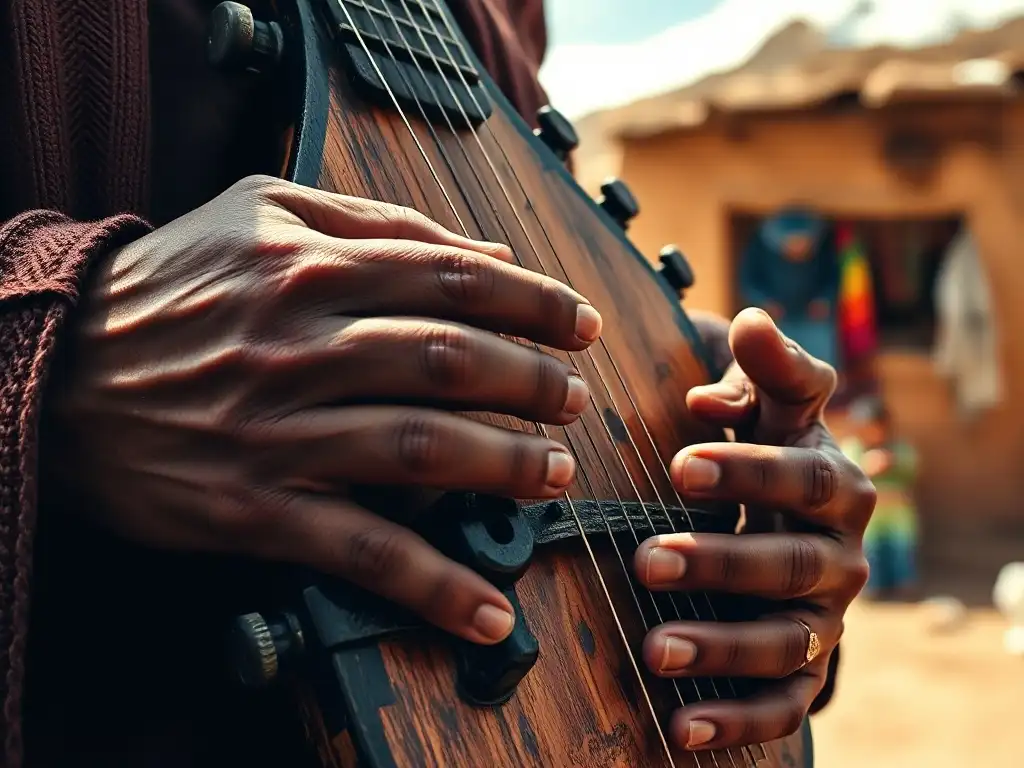
Learning to play an Andean instrument offers an unparalleled way to connect with the rich musical heritage of the region. The sounds of the panpipes, charango, and quena are deeply intertwined with Andean culture, offering a unique avenue for understanding its history and traditions. This section explores resources available for those eager to embark on this enriching musical journey, focusing specifically on online learning platforms for the charango and quena.
Mastering these instruments will not only enhance your appreciation of Andean music history resources but will also provide a lasting connection to the culture. The experience of playing these instruments is transformative, bringing you closer to the heart of Andean life and its vibrant musical traditions.
Online Courses for Learning the Charango
The charango, a small lute-like instrument, holds a prominent place in Andean music. Its distinctive, high-pitched sound adds a unique character to many traditional genres. Learning to play requires dedication and practice, but the rewards are substantial. Fortunately, several online platforms offer structured courses for beginners, making the learning process more accessible than ever before.
Recommended Platform: Udemy - Charango for Beginners
Udemy provides a wide variety of courses, including several focused on the charango. Many courses are taught by experienced musicians who provide a comprehensive approach to learning. These courses typically include a structured curriculum, allowing learners to progress at their own pace. The platform also offers a vibrant community aspect, fostering interaction and support among students.
Features: Step-by-step instruction, video lessons, downloadable resources
Udemy courses usually feature high-quality video lessons, providing clear demonstrations of techniques and musical pieces. Many courses also include downloadable resources such as sheet music, tablature, and audio examples, further enriching the learning experience. This comprehensive approach ensures that learners have access to all the necessary materials for successful learning.
Monetization: Udemy affiliate links
This section may contain affiliate links to Udemy courses. This means that if you purchase a course through these links, we may receive a small commission at no extra cost to you. This helps support our efforts in providing high-quality content about Andean music history resources.
Virtual Quena Lessons
The quena, a type of Andean flute, possesses a hauntingly beautiful tone, often used to evoke the landscapes and emotions of the Andes. Its simple construction belies the skill required to master its intricate melodies. Online learning platforms offer a valuable entry point for those interested in learning this captivating instrument.
Recommended Platform: Skillshare - Learn to Play the Quena
Skillshare offers a dynamic platform with a diverse range of courses, including several dedicated to teaching the quena. These courses often provide a unique approach, emphasizing both technical skills and musical expression. The platform's emphasis on community engagement fosters interaction between students and instructors, creating a supportive learning environment.
Features: Beginner-friendly tutorials, experienced instructors, community forum
Skillshare courses typically start with the fundamental techniques, making them suitable for absolute beginners. Experienced instructors guide students through each step, ensuring a clear understanding of the techniques and musical concepts involved. Many courses also include a community forum, allowing students to share their progress, ask questions, and connect with fellow learners.
Monetization: Skillshare affiliate links
This section may contain affiliate links to Skillshare courses. Any commission received from these links will directly contribute to the continued development of this website's resources on Andean music history resources. We appreciate your support.
Curated Playlists: Starting Your Andean Music Journey

This section provides a curated selection of digital music playlists designed to immerse you in the soundscapes of the Andes. These playlists offer diverse approaches to experiencing Andean music, catering to various tastes and levels of familiarity with the genre. We've carefully selected playlists that not only offer a rich listening experience but also demonstrate effective strategies for promoting Andean music in the digital age.
Exploring these examples can provide valuable insights for researchers, educators, and anyone interested in the history and preservation of Andean musical traditions. This is key to understanding the broader context of "Andean music history resources".
"Andean Spirit" - Spotify Playlist
This vibrant Spotify playlist offers a dynamic blend of traditional and contemporary Andean music. Think panpipes intertwining with modern instrumentation, ancient chants blending with upbeat rhythms. The playlist is regularly updated, ensuring a fresh and exciting listening experience. This strategy combats listener fatigue and keeps the playlist relevant and engaging.
Features: A blend of traditional and contemporary Andean music, updated weekly. The playlist includes a diverse range of artists from across the Andes region, showcasing the varied musical styles and traditions. It also features artists who are actively innovating within the genre, blending traditional sounds with modern influences. This ensures the playlist is both historically accurate and relevant to contemporary audiences.
Monetization: Driving traffic to Spotify, promoting the playlist for new users. The playlist's success is measured by the number of followers, plays, and overall engagement. This is a direct method of promoting both the playlist itself and the broader genre of Andean music, a valuable resource for understanding the historical context of Andean music. The creators actively engage with comments and feedback, fostering a community around the playlist.
"Inca Echoes" - Apple Music Playlist
Unlike the "Andean Spirit" playlist, "Inca Echoes" takes a more focused approach, delving into the historical and ritualistic aspects of Andean music. This playlist is curated by ethnomusicologists, ensuring accuracy and depth. It features traditional instruments and vocal styles, providing a more academic and historically grounded listening experience. This caters to a different audience segment, emphasizing the scholarly aspect of "Andean music history resources."
Features: Focus on historical and ritualistic Andean music, curated by ethnomusicologists. The playlist includes detailed descriptions of each track, providing context and information about the historical and cultural significance of the music. The selection of music is carefully chosen to represent the diversity of Andean musical traditions throughout history, providing a comprehensive overview of the genre. This is a valuable resource for those seeking to understand the historical development of Andean music.
Monetization: Driving traffic to Apple Music, promoting the playlist for new users. The creators utilize social media and online forums to promote the playlist. They also collaborate with museums and educational institutions to reach a wider audience interested in the historical and cultural aspects of Andean music. This targeted approach highlights the value of "Andean music history resources" for educational and research purposes.
This exploration of curated playlists demonstrates the diverse ways in which digital platforms can be utilized to access and promote Andean music. The strategies employed highlight the importance of both accessibility and historical accuracy when presenting “Andean music history resources” to a global audience. Further research into the impact of these playlists on listener engagement and understanding of Andean musical heritage would be valuable.
Conclusion: Enhancing Your Andean Adventure with Music
This exploration of Andean music history resources has hopefully enriched your understanding of the profound connection between sound, culture, and the breathtaking landscapes of the Andes. From the haunting panpipes echoing across the altiplano to the rhythmic pulse of Andean percussion, music is an integral part of the Andean experience, offering a unique lens through which to view the rich tapestry of its history and cultural heritage.
By engaging with these resources, you'll not only enhance your travels but also deepen your appreciation for the diverse musical traditions that have shaped Andean civilizations for millennia. The sounds of the Andes are waiting to be discovered.
The Power of Music in Understanding Andean Culture
Andean music isn't simply background noise; it's a powerful tool for understanding the intricacies of Andean culture. The melodies, rhythms, and instruments used often reflect specific historical events, social structures, and spiritual beliefs. For example, the yaraví, a melancholic genre prevalent in the Andes, often narrates stories of loss, longing, and the harsh realities of life in the high altitudes.
These songs, passed down through generations, serve as living archives of Andean history, preserving cultural memory and transmitting values. Understanding the context behind the music – the instruments used, the social functions it serves, and the stories it tells – unlocks a deeper appreciation for the complexities of Andean life.
This is crucial for responsible and meaningful engagement with Andean culture during travel. Consider this: the specific instruments used in a particular region often reflect the available resources and the unique challenges of that environment, providing insights into the ingenuity and adaptability of Andean peoples.
Furthermore, music played a significant role in religious ceremonies and rituals. Many Andean cultures believed in the power of music to connect with the spiritual world, and specific songs and instruments were used to invoke deities or communicate with ancestors. By exploring these aspects of Andean music, we gain a more nuanced understanding of their spiritual beliefs and practices. The interplay between music and spirituality is a vital element often overlooked, yet profoundly enriching to the understanding of the Andean world.
| Genre | Instrument(s) | Cultural Significance |
|---|---|---|
| Yaraví | Guitar, charango, vocals | Expresses sorrow, longing, and hardship |
| Huayno | Various, often featuring panpipes | Lively, celebratory music associated with festivals |
| Saya | Percussion instruments, vocals | Energetic dance music with roots in Afro-Andean culture |
| Tinkus | Percussion instruments, panpipes | Powerful music associated with community and ritual |
Start Your Sonic Journey Today
Embarking on a journey through the sounds of the Andes doesn't require extensive preparation. Numerous readily available resources allow you to begin your sonic adventure immediately. Start by exploring online collections of Andean music, which offer a vast catalog of recordings representing diverse genres and regions. You can delve into specific recordings of traditional Andean instruments, which provide a more intimate understanding of the soundscapes of the Andes.
Furthermore, consider seeking out documentaries or ethnographic films that feature Andean music in its cultural context. These resources provide a deeper understanding of the relationship between music and the daily lives of Andean communities. Remember to approach this journey with respect and a genuine interest in learning about the cultural heritage you are exploring.
Listening attentively and researching the historical and cultural context of the music will significantly enhance your experience and understanding. Enjoy the journey! The rich tapestry of Andean musical history awaits you.
Frequently Asked Questions
What kind of music did the Andean civilizations create?
Andean music was incredibly diverse, varying greatly between different cultures and regions. Ceremonial music, often involving flutes, panpipes, and drums, was prominent. Vocal music also played a significant role, often incorporating narrative storytelling.
Where can I find audio resources of traditional Andean music?
Many online archives and libraries offer recordings of traditional Andean music. You can also explore resources like Spotify and YouTube, searching for specific cultures like the Inca or Moche. Look for playlists curated by experts.
How did Andean musical instruments evolve over time?
Andean instruments like the panpipes and drums saw significant evolution across different civilizations. Innovations in materials and techniques led to diverse sounds and styles. Technological advancements also influenced instrument construction.
What is the relationship between Andean music and their culture and spirituality?
Music held a central role in Andean life, deeply intertwined with religious ceremonies, social events, and daily life. Ritualistic music was used to communicate with deities and ancestors, while other forms served social functions, such as celebrations.
Are there any academic resources available to learn more about Andean music history?
Yes, numerous academic journals and books delve into the history and evolution of Andean music. University libraries and online databases are excellent resources to find scholarly articles and research papers on this topic. Look for keywords like "Andean music ethnomusicology".
Final Reflection: Echoes of the Andes: A Legacy of Sound
The vibrant tapestry of Andean music, woven from centuries of tradition and innovation, continues to resonate globally, offering a powerful connection to a rich cultural heritage. Its enduring appeal lies not only in its captivating melodies but also in its ability to transport listeners to the breathtaking landscapes and profound history of the Andes Mountains. This journey through the sounds of the Andes is not merely an exploration of musical styles; it's a testament to the resilience and creativity of a people.
The impact of Andean music extends far beyond the geographical boundaries of the Andes themselves. Its influence can be heard in contemporary genres worldwide, a testament to its universal appeal and enduring power. Music is the universal language of mankind.
This quote, while often attributed to various sources, perfectly encapsulates the transcendence of Andean music, bridging cultural divides and fostering a deeper understanding of human experience. Its evolution, from ancient ritualistic chants to modern fusions, reflects the dynamic nature of Andean culture and its ongoing adaptation to a changing world.
Consider the echoes of these ancient sounds as you navigate your own life. Let the rhythms and melodies inspire you to explore your own cultural heritage, to appreciate the beauty of diversity, and to seek out the connections that bind us all. Engage with the resources highlighted in this article, delve deeper into the history and artistry, and allow the sounds of the Andes to enrich your understanding of the world and your place within it. The journey of discovery is ongoing, and the music awaits.
Embrace the Rhythm of the Andes!
Thank you for exploring the vibrant sounds of the Andes! We hope you've developed a deeper appreciation for the music of this remarkable region. Now, let's delve even further into this rich auditory adventure!
Here are some ways to continue your exploration:
- Create a Playlist: Compile a playlist of traditional Andean music to bring the Andes into your daily life. Many excellent curated collections are available online.
- Attend a Local Event: Look for Andean music festivals or cultural events in your area. Connecting with local communities offers a deeper understanding and appreciation of this vibrant heritage.
- Share the Music: Introduce a friend to Andean music and share your favorite tracks. Music is always more enjoyable when experienced together.
What aspect of Andean music resonates most with you, and how will you incorporate it into your life?