
Money Matters: Currency Exchange and Budgeting Tips for Andean Travel

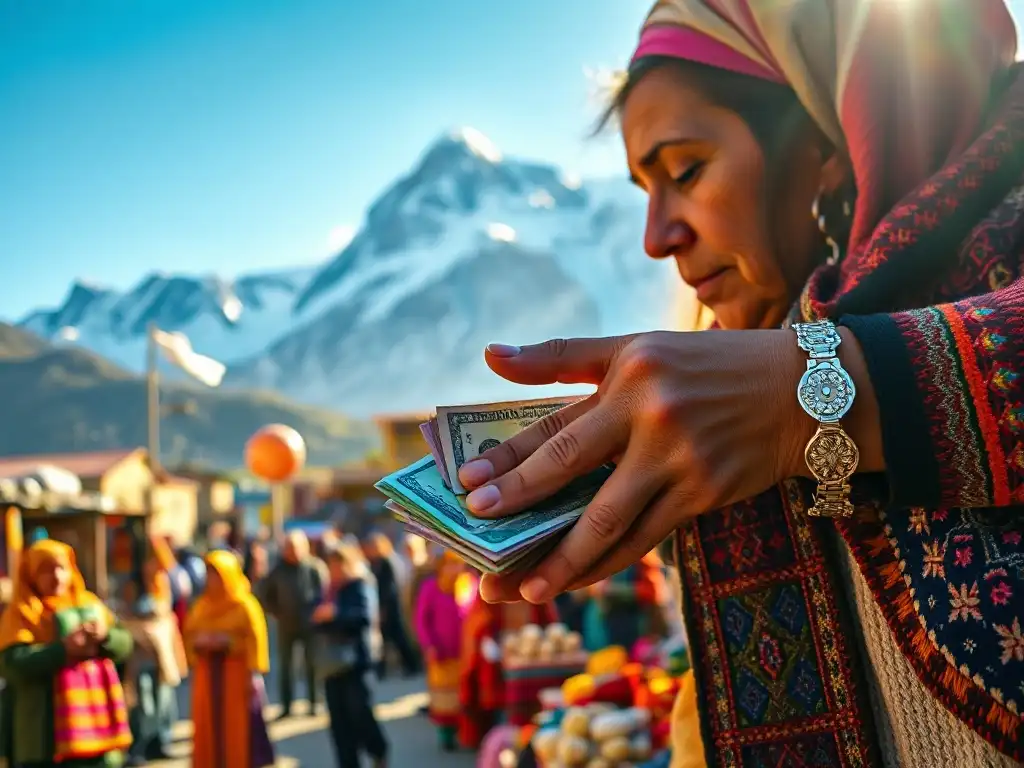
Uncover the secrets of the Andes—a land sculpted by ancient empires and brimming with untold stories. From the majestic Incas to the enigmatic Nazca lines, their legacy continues to resonate. But before you embark on your own Andean adventure, discover how to navigate the complexities of Andean travel budgeting. Our expert tips on currency exchange and smart spending will ensure your journey is as unforgettable as the civilizations themselves, leaving you with more time to explore and less time to worry. Let's unlock the gateway to the Andes, one meticulously planned budget at a time.
Exploring the majestic Andes Mountains offers an unparalleled journey through breathtaking landscapes, vibrant cultures, and fascinating ancient ruins. However, planning a trip to this region requires careful consideration of your budget. This guide provides essential information on currency exchange and budgeting tips for your Andean adventure, ensuring you can fully immerse yourself in the experience without breaking the bank.
We'll cover key currencies, exchange strategies, and practical advice to help you maximize your spending power and minimize unexpected costs, so you can focus on enjoying the incredible beauty and history of the Andes. This guide is tailored to help you effectively plan your budget for Andean travel, ensuring a memorable and financially responsible trip. Let's delve into the specifics to make your Andean dream a reality!
Introduction: Planning Your Andean Adventure on a Budget
Planning a trip to the Andes requires careful budgeting to balance the desire for immersive experiences with financial responsibility. The cost of your trip will depend heavily on several factors, including the length of your stay, your travel style (luxury versus budget), and the specific destinations you choose. For example, exploring popular tourist sites like Machu Picchu in Peru will naturally be more expensive than visiting less-traveled regions. It’s crucial to research accommodation costs (ranging from hostels to luxury hotels), transportation options (buses, trains, domestic flights), and the cost of food and activities in advance.
Remember to factor in unexpected expenses, such as potential medical needs or unforeseen travel delays. A well-structured budget will allow you to fully enjoy the rich cultural heritage and natural wonders of the Andes without undue financial stress. We will explore practical strategies to help you manage your finances effectively throughout your journey.
Understanding Andean Currencies: A Guide to Local Money
Navigating the diverse currencies of the Andean region is a crucial aspect of successful travel planning. While some countries have adopted the US dollar (USD), others retain their own national currencies. Understanding these differences and planning your currency exchange accordingly will save you money and prevent unforeseen complications. It is vital to research the current exchange rates and familiarize yourself with the local currency before your departure. This will help you avoid unfavorable exchange rates at airports or tourist traps. Let's examine the key currencies and exchange strategies in more detail.
Key Currencies in the Andes: Peruvian Sol, Colombian Peso, Ecuadorian Sucre (USD)
The Andean region encompasses several countries, each with its own currency. Peru uses the Peruvian Sol (PEN), Colombia uses the Colombian Peso (COP), and Ecuador officially uses the United States dollar (USD). Bolivia uses the Boliviano (BOB) and other countries may also have their own unique currencies. Knowing which currency is used in your planned destinations is the first step in effective financial planning for your trip. Remember to check the most up-to-date information before your departure, as exchange rates can fluctuate.
Currency Exchange Rates: How to Get the Best Deals for your Peruvian Trip
Obtaining favorable exchange rates is crucial for maximizing your budget. Avoid exchanging currency at airports or tourist-heavy areas, as they often charge higher fees and offer less favorable rates. Instead, research local banks or reputable exchange bureaus with competitive rates. Consider using your debit or credit card for larger purchases, but be aware of potential fees associated with international transactions. It's always wise to carry some local currency in smaller denominations for smaller purchases and tips. Comparing exchange rates from multiple sources before your departure can save you a considerable amount of money over the course of your trip.
Avoiding Hidden Fees: Tips for Exchanging Currency Before and During Your Trip
Hidden fees can significantly impact your budget. Be aware of potential commission charges, transaction fees, and other hidden costs associated with currency exchange. Always clarify all fees upfront before making any transaction. For example, some banks or exchange bureaus might charge a commission percentage on top of the exchange rate. It's a good idea to check the daily exchange rate online before you leave home, and compare that to rates offered at exchange bureaus near your accommodation. By being vigilant and informed, you can minimize these hidden costs and make your money go further in the Andes.
Creating a Realistic Andean Travel Budget: A Step-by-Step Guide
Planning a trip to the Andes requires careful consideration of your budget. Creating a realistic budget isn't about restricting your experience, but rather about maximizing your enjoyment within your financial means. This step-by-step guide will help you navigate the process. First, determine your trip's duration. A week-long trek will naturally demand a larger budget than a shorter city break.
Next, identify your travel style. Luxury travel will significantly increase costs compared to backpacking. Consider the level of comfort you desire in accommodation and transportation. Finally, research average costs for your chosen destinations.
Websites and travel blogs often provide insights into typical daily expenses in various Andean regions. Remember to factor in all aspects – flights, accommodation, activities, food, and unforeseen expenses. This detailed approach will ensure you have a clear picture of your overall Andean travel budget. Don't forget to account for currency exchange rates, which can fluctuate, potentially impacting your overall spending.
Estimating Your Daily Expenses in the Andes: Accommodation, Food, and Activities
Accurately estimating daily expenses is crucial for effective Andean travel budgeting. Accommodation costs vary greatly depending on your choice: budget hostels can cost as little as $10-$20 USD per night, while mid-range hotels might range from $40-$80 USD, and luxury options can be significantly more expensive. Food expenses are equally variable. Eating at local markets and smaller restaurants can cost around $10-$20 USD per day, while dining in tourist-centric establishments can easily double or triple that amount. Activities also impact your daily budget. Free activities like hiking and exploring local markets are readily available, but guided tours or entrance fees to significant sites can range from $20-$100 USD or more per activity. A realistic daily budget should encompass these fluctuating costs, allowing for flexibility and ensuring you account for both frugal and more extravagant days. Consider tracking your spending during your trip to refine your budgeting skills for future adventures.
Budgeting for Transportation in the Andes: From Buses to Domestic Flights
Transportation within the Andes presents a range of options, each with its own price tag. Budget-conscious travelers can utilize extensive bus networks, with prices varying depending on distance and comfort level. Expect to pay anywhere from a few dollars for shorter journeys to upwards of $20-$50 USD for longer routes. Domestic flights offer a faster alternative, but are considerably more expensive.
Prices for domestic flights within the Andean region depend heavily on the route and time of year, with peak season commanding higher fares. Consider train travel as another option, especially for scenic routes. Remember to factor in transportation to and from airports and bus stations, as well as potential taxi or ride-sharing costs. Planning your routes in advance and booking transportation in advance, especially flights, can often lead to significant savings.
Factoring in Entrance Fees and Permits for Inca Sites and other Attractions
Many significant Andean sites require entrance fees and, in some cases, permits. The most famous example is Machu Picchu, where entrance fees can be substantial. Similar costs apply to other major Inca sites and archaeological wonders across the region. These fees can vary significantly depending on the site and the type of ticket (e.g., general admission vs. guided tour).
Researching these costs in advance is essential. Many sites require booking tickets online well in advance, which is highly recommended to avoid disappointment and potential price increases at the gate. Furthermore, consider the additional costs associated with guided tours, which can significantly enhance your experience but add to the overall expense. Remember to factor these costs into your budget early in your planning process.
Allowing for Unexpected Costs: A Contingency Fund for Your Andean Journey
Unexpected costs are an inevitable part of travel. A contingency fund is crucial to handle any unforeseen circumstances that may arise during your Andean adventure. These could include medical emergencies, lost luggage, flight delays, or simply needing to extend your stay due to unforeseen circumstances.
A good rule of thumb is to allocate 10-20% of your total budget to this contingency fund. This buffer allows for flexibility and peace of mind, ensuring that unexpected events don't derail your trip financially. Consider purchasing travel insurance to cover some potential costs, but remember that insurance doesn't always cover everything, highlighting the importance of a dedicated contingency fund.
Smart Money-Saving Strategies for Andean Explorers
Exploring the Andes doesn't have to break the bank. With a little planning and resourcefulness, you can significantly reduce your travel expenses while still enjoying an unforgettable experience. This section details some smart strategies to help you save money. By following these tips, you can experience the beauty and culture of the Andes without compromising your financial well-being. Remember, smart travel is about making conscious choices that maximize your experience while minimizing your spending.
Choosing Affordable Accommodation: Hostels, Guesthouses, and Local Stays
One of the most significant expenses during Andean travel is accommodation. Opting for budget-friendly alternatives can dramatically reduce your costs. Hostels offer a social and affordable option, often providing dormitory-style rooms or private rooms at significantly lower prices than hotels. Guesthouses, often family-run, provide a more intimate experience at competitive prices.
Consider seeking out local stays, such as homestays or casas particulares, for an authentic cultural immersion and potentially even lower costs. These alternatives offer a more immersive experience while saving money compared to traditional hotels. Remember to book in advance, especially during peak season, to secure the best rates and availability.
Eating Like a Local: Exploring Markets and Budget-Friendly Restaurants
Food costs can quickly add up. Embrace the local culinary scene by exploring local markets and smaller, less tourist-oriented restaurants. Markets offer fresh produce and local delicacies at significantly lower prices than restaurants catering to tourists. Look for menú del día options, offering a set lunch menu at a fixed price, for a budget-friendly and authentic meal. Avoid restaurants in heavily touristic areas, as these often inflate their prices. By eating like a local, you can significantly reduce your food costs while gaining a deeper appreciation of the Andean culture and cuisine.
Free Activities and Attractions: Enjoying Nature and Cultural Immersion
The Andes offer numerous free activities and attractions. Hiking in stunning landscapes, exploring local markets, and visiting free cultural events are just a few examples. Many smaller towns and villages offer free walking tours, providing insights into local history and culture. Take advantage of these free opportunities to immerse yourself in the Andean experience without adding to your expenses. Embrace the natural beauty of the region by exploring hiking trails and enjoying panoramic views. This approach will allow you to save money while still experiencing the richness of the Andes.
Negotiating Prices: Tips for Bargaining in Andean Markets and with Local Vendors
Bargaining is a common practice in many Andean markets and with local vendors. Don't be afraid to negotiate prices, politely offering a lower price than initially quoted. Start by offering a price that you feel is fair, leaving room for negotiation. Be respectful and friendly throughout the process. Remember that bargaining is a part of the cultural experience, and it's often expected. However, be mindful of the vendor's livelihood and try to reach a price that is fair for both parties. Practice your bargaining skills in less crucial situations before attempting to negotiate for more significant purchases.
Maximizing Your Budget: Using Money Management Apps and Travel Cards

Planning a trip to the Andes requires careful budgeting. To make the most of your hard-earned soles (and dollars! ), consider utilizing money management apps and strategic travel cards. These tools can significantly streamline your financial tracking and minimize unnecessary expenses, ensuring you have more funds available to explore the breathtaking landscapes and rich cultural heritage of the Andean region. Proper financial planning is crucial for a smooth and enjoyable Andean adventure. Without careful consideration of your finances, you could find yourself facing unexpected difficulties while exploring fascinating sites like Machu Picchu or the Nazca Lines.
Recommended Travel Budget Apps: Trail Wallet, Trabee Pocket, Spendee
Several excellent apps can assist with meticulous budget tracking. Trail Wallet, for example, allows for detailed expense categorization and offers insightful visualizations of your spending habits. This feature is particularly helpful for identifying areas where you might be able to cut back. Trabee Pocket provides similar functionality, with the added benefit of currency conversion tools, essential for managing your finances across multiple currencies during your Andean travels.
Spendee, on the other hand, focuses on a simpler, more user-friendly interface, making it ideal for travelers who prefer a less complex budgeting solution. Each app offers a unique set of features tailored to various budgeting styles, enabling you to choose the one that best suits your needs and preferences. Experiment with a few free trials to determine which best fits your Andean travel budgeting needs.
Travel Credit and Debit Cards: Avoiding Foreign Transaction Fees and ATMs
Choosing the right payment method is paramount for effective Andean travel budgeting. Many standard credit and debit cards charge significant foreign transaction fees, quickly eating into your travel budget. Before your trip, investigate cards that waive these fees, saving you considerable money over the course of your journey. Additionally, research the availability of ATMs in the areas you plan to visit.
While ATMs are generally widespread in major cities, they might be less common in remote areas. Planning ahead and understanding potential ATM limitations will help you avoid unexpected financial setbacks and ensure a smoother travel experience. Knowing where to find readily available ATMs can ease the stress of managing your finances while exploring the wonders of the Andes.
Prepaid Travel Cards: A Secure Way to Manage Your Funds in the Andes
Prepaid travel cards offer a secure and convenient alternative to traditional credit or debit cards. Loading a specific amount onto the card before your trip eliminates the risk of overspending and provides a clear overview of your remaining funds. Moreover, prepaid cards often offer better protection against theft or loss compared to carrying large sums of cash.
This security feature is particularly valuable when exploring less populated areas of the Andes. The peace of mind offered by a prepaid card allows you to fully immerse yourself in the experience, without the constant worry of managing large amounts of cash. Choosing the right prepaid card is an important aspect of responsible Andean travel budgeting.
Affiliate Opportunities: Recommended Gear and Services for Budget-Conscious Travelers
Smart spending extends beyond just managing your money; it includes making informed decisions about the gear and services you choose for your Andean adventure. Investing in high-quality, durable equipment can save you money in the long run by preventing replacements and ensuring your comfort throughout your journey. Consider these recommendations to maximize your resources and minimize your expenses while exploring the Andes.
Travel Backpacks: Osprey Backpacks for Efficient Packing and Security
A reliable travel backpack is essential for any Andean expedition. Osprey backpacks are renowned for their durability, comfort, and efficient design, allowing you to pack strategically and comfortably carry your belongings across varied terrains. The right backpack can help you avoid unnecessary baggage fees and ensure the safe transport of your valuable possessions. Investing in a quality backpack is a wise financial decision that will benefit you throughout your travels. This is particularly important in the often challenging Andean landscapes.
Money Belts and Anti-Theft Wallets: Secure Your Valuables While Exploring
Protecting your valuables is crucial, and money belts and anti-theft wallets provide an extra layer of security against pickpockets and theft, common concerns in crowded tourist areas. These items offer peace of mind, allowing you to focus on enjoying your Andean adventure without the constant worry of losing your money or important documents. A small investment in these security measures can prevent significant financial losses.
Travel Insurance: Protecting Your Trip Investment with World Nomads
Travel insurance is often overlooked but is a critical aspect of responsible travel budgeting. Comprehensive travel insurance protects your trip investment against unforeseen circumstances like medical emergencies, trip cancellations, or lost luggage. While it might seem like an added expense, the peace of mind and potential cost savings it offers far outweigh the premium. The unexpected can happen; travel insurance is your safety net.
Budget Accommodation Booking Services: Booking.com for Value Stays
Finding affordable accommodation is key to successful Andean travel budgeting. Websites like Booking.com offer a wide range of options, from budget-friendly hostels to more comfortable hotels, allowing you to find the best value for your money. Careful comparison shopping and leveraging discounts and deals can significantly reduce your accommodation costs, leaving more funds for exploring the Andes' many attractions. Booking.com offers a large selection of budget-friendly options, and comparing prices across multiple platforms will further enhance your savings.
Real-Life Examples: Andean Budget Travel Success Stories
Budgeting for Andean travel can seem daunting, but with careful planning, it's entirely achievable to explore the region without breaking the bank. Let's look at some real-life examples of travelers who successfully navigated the financial aspects of their Andean adventures. These stories offer practical tips and inspiration for your own trip planning. Successful Andean travel budgeting isn't about deprivation; it's about prioritizing your experiences and making smart choices.
By learning from others' successes, you can create a memorable and affordable journey. Remember, the beauty of the Andes is accessible to everyone, regardless of their budget. The key is planning and resourcefulness.
Maria's Experience: How She Traveled the Andes for 6 Weeks on a Budget
Maria, a recent graduate, spent six weeks exploring Peru on a budget of $2000. She prioritized free activities like hiking and exploring local markets, opting for hostels over hotels and embracing local cuisine instead of expensive restaurants. Maria meticulously tracked her spending using a budgeting app, allowing her to adjust her plans as needed. She cleverly utilized free walking tours in cities like Lima and Cusco, learning about the history and culture while saving money on guided tours.
By embracing a flexible itinerary, she also took advantage of last-minute deals on transportation and accommodation. Her experience highlights the importance of flexibility and resourcefulness in Andean travel budgeting. Maria's trip demonstrates that an incredible Andean adventure is within reach even with a limited budget.
Carlos's Tips for Saving Money in Cusco
Carlos, an experienced traveler, shared his insights on saving money in Cusco, a popular tourist hub in the Andes. He emphasized the importance of researching accommodation options beyond the main tourist areas. He found excellent, affordable hostels and guesthouses slightly outside the city center, which saved him a significant amount of money compared to centrally located options. He also suggests taking advantage of the city's excellent public transportation system instead of relying on taxis.
This simple change dramatically reduced his transportation costs. Carlos also recommends exploring local markets for affordable and authentic meals, avoiding tourist traps that often inflate prices. His strategy underscores the value of proactive research and the rewards of venturing slightly off the beaten path to discover hidden gems and budget-friendly alternatives.
Common Mistakes to Avoid: Learn from Others' Andean Travel Budgeting Errors
Many travelers make common mistakes that can significantly impact their Andean travel budgets. One frequent error is overestimating the cost of transportation. Failing to factor in the cost of internal flights or bus journeys between cities can lead to unexpected expenses. Another common pitfall is underestimating the cost of food, especially in tourist areas. Sticking to a strict budget can be challenging when faced with tempting options, leading to overspending.
Finally, many travelers underestimate the importance of travel insurance. While seemingly an added expense, it can save significant costs in case of unexpected events like medical emergencies or trip cancellations. By avoiding these common pitfalls and carefully planning your budget, you can prevent financial setbacks and ensure a smoother, more enjoyable Andean adventure. Learning from others' mistakes is a crucial aspect of responsible and effective Andean travel budgeting.
Conclusion: Mastering Your Finances for an Unforgettable Andean Experience
Planning your finances effectively is key to unlocking an unforgettable Andean experience. By learning from real-life examples, understanding common pitfalls, and utilizing the tips shared, you can confidently budget for your Andean journey. Remember, responsible budgeting isn't about sacrificing the experience; it's about maximizing your resources to enjoy the richness of the Andes without unnecessary financial strain. With careful planning and a proactive approach, you can create a budget that aligns with your travel style and allows you to fully immerse yourself in the incredible culture and landscapes of the Andes. Embrace the adventure, and enjoy every moment! 💰✈️
- Introduction: Planning Your Andean Adventure on a Budget
- Understanding Andean Currencies: A Guide to Local Money
- Creating a Realistic Andean Travel Budget: A Step-by-Step Guide
- Smart Money-Saving Strategies for Andean Explorers
- Maximizing Your Budget: Using Money Management Apps and Travel Cards
- Affiliate Opportunities: Recommended Gear and Services for Budget-Conscious Travelers
- Real-Life Examples: Andean Budget Travel Success Stories
- Conclusion: Mastering Your Finances for an Unforgettable Andean Experience
- What is the best way to exchange currency for my Andean trip?
- How much should I budget daily for food in the Andes?
- What are some ways to save money on accommodation in the Andes?
- What are the typical transportation costs in the Andean region?
- Are there any free or low-cost activities I can enjoy in the Andes?
Frequently Asked Questions
What is the best way to exchange currency for my Andean trip?
It's recommended to exchange currency before your trip at a reputable bank or exchange bureau to get a better rate. Avoid exchanging money at the airport, as they often have higher fees. You can also use ATMs once you arrive, but check your bank's international transaction fees beforehand.
How much should I budget daily for food in the Andes?
Daily food costs depend on your eating habits. A budget of $25-$50 USD per day should cover a mix of local and tourist-oriented meals. You can eat much cheaper by choosing local eateries instead of restaurants in tourist areas.
What are some ways to save money on accommodation in the Andes?
Consider staying in budget-friendly hostels or guesthouses instead of hotels. Airbnb can also offer affordable options, particularly for longer stays. Look for deals and book in advance, especially during peak season.
What are the typical transportation costs in the Andean region?
Transportation costs vary greatly depending on your travel style. Buses are generally the cheapest option, while domestic flights are more expensive. Consider using colectivos (shared taxis) for shorter distances to save money.
Are there any free or low-cost activities I can enjoy in the Andes?
Yes! Many Andean cities offer free walking tours, showcasing their history and culture. Visiting local markets, exploring ancient ruins (with entry fees often affordable), and hiking in the stunning natural landscapes are also great budget-friendly activities.
Final Reflection: The Enduring Power of the Andean Peso
Mastering currency exchange and budgeting isn't just about saving money on your Andean adventure; it's about unlocking a deeper, richer experience. The seemingly mundane act of managing your finances becomes a gateway to truly engaging with the vibrant cultures and breathtaking landscapes of the Andes. Without careful planning, the allure of these incredible destinations can easily be overshadowed by financial stress.
The impact of responsible travel budgeting extends far beyond the individual traveler. It influences the local economies, ensuring that tourism benefits the communities directly, rather than lining the pockets of large corporations. By supporting local businesses and understanding the nuances of the local currency, we contribute to a more sustainable and equitable tourism model. Travel is fatal to prejudice, bigotry, and narrow-mindedness,
– Mark Twain. This quote resonates deeply, as mindful spending allows us to connect with the Andean people on a more authentic level, challenging preconceived notions and fostering genuine understanding.
Now, consider your own upcoming adventures. Will you approach your next trip with a renewed sense of financial awareness, viewing budgeting not as a restriction, but as a tool to empower your journey? I encourage you to embrace the challenge of navigating currency exchange and budgeting, not just for the financial benefits, but for the transformative experience it offers. Let the Andean mountains inspire you to travel responsibly, thoughtfully, and with a deeper appreciation for the cultures you encounter.
Maximize Your Andean Adventure!
Thank you for reading our article on currency exchange and budgeting tips for your Andean travels! We hope you now feel confident and prepared to manage your finances while exploring these vibrant cultures. Ready to plan the next stage of your trip? Here's how to make the most of your journey:
- **Track Your Spending:** Use a budgeting app or spreadsheet to monitor your daily expenses. This will help you stay on track and ensure you can enjoy every moment without exceeding your budget.
- **Connect with Fellow Travelers:** Join online forums or social media groups dedicated to Andean travel. Sharing tips and experiences with others can provide valuable insider knowledge and enhance your trip.
- **Discover Hidden Gems:** Research lesser-known attractions; these often offer a more authentic and affordable experience, leading to unforgettable memories.
What budgeting strategies have you found most effective during your travels? Share your tips in the comments below!