
Navigating the Terrain: Footwear Essentials for Exploring Ancient Andean Paths

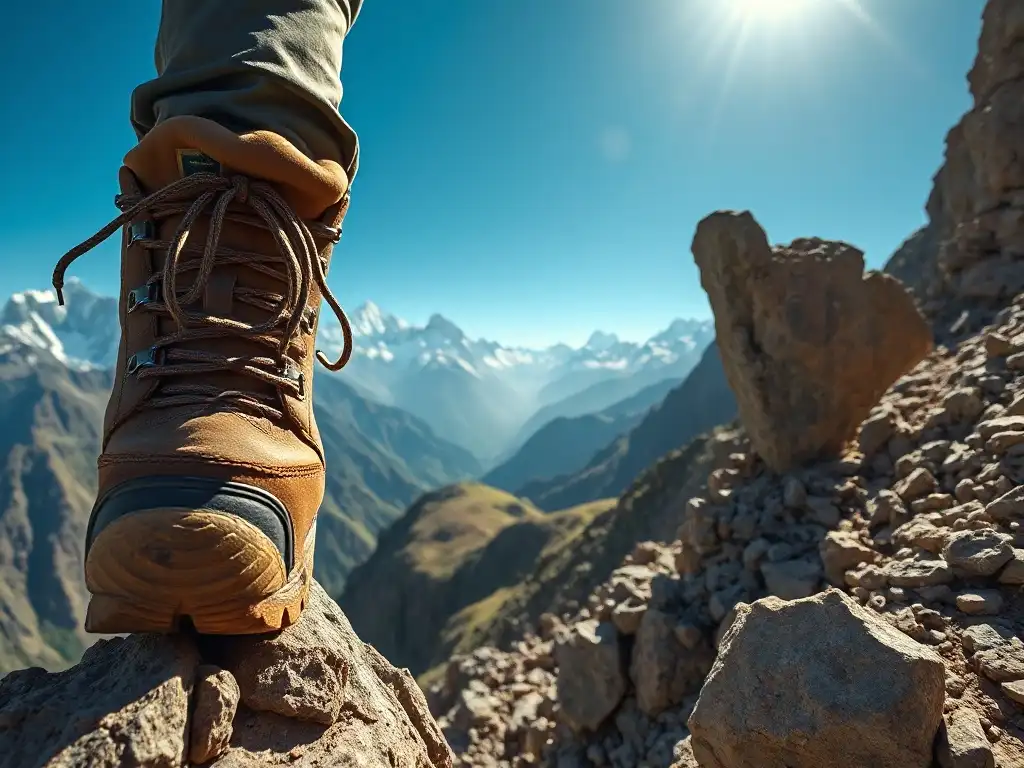
Uncover the secrets woven into the very fabric of the Andes! Journey with us through millennia of breathtaking ingenuity, exploring the vibrant tapestry of ancient Andean civilizations – from the Incas to the Nazca. But first, consider this: how did these remarkable cultures conquer the treacherous Andean terrain? Prepare to be amazed by the sophisticated technology behind Ancient Andean hiking footwear, a crucial element in their survival and expansion. Dive into the fascinating story of their ingenious designs and discover how these innovations helped shape their world. Let's explore!
Exploring the breathtaking landscapes of the Andes Mountains, once traversed by Incas, Moche, and other ancient Andean civilizations, requires careful consideration of your equipment. This article focuses on a critical element for any successful Andean expedition: footwear. Proper footwear isn't just about comfort; it's about safety, preventing injuries, and ensuring you can fully appreciate the incredible historical sites and stunning natural beauty of the region.
We'll delve into the specific needs of hiking on ancient Andean trails, considering the unique challenges presented by the terrain and altitude. Understanding these challenges will empower you to make informed choices about your hiking boots and ultimately enhance your experience exploring these remarkable historical landscapes. This guide will help you select the best “Ancient Andean hiking footwear” for your adventure, ensuring a safe and unforgettable journey.
Introduction: Stepping into the Past – The Importance of Proper Footwear on Andean Trails
The ancient pathways of the Andes, carved into the mountainsides centuries ago, present a unique set of challenges for modern hikers. These trails, often steep and uneven, demand footwear that provides superior ankle support, traction, and protection. Improper footwear can lead to a variety of problems, including:
- Ankle Sprains: Uneven terrain and loose rocks increase the risk of ankle injuries. Supportive boots are crucial for stability.
- Blisters: Long days of hiking can lead to blisters if your boots don't fit properly or lack sufficient cushioning.
- Foot Fatigue: Poorly fitting or inadequate footwear can cause significant foot fatigue, impacting your enjoyment and ability to complete your trek.
- Hypothermia (Altitude related): Wet feet significantly increase the risk of hypothermia, especially at higher altitudes where temperatures can drop dramatically. Waterproof or water-resistant boots are essential.
Choosing the right footwear is therefore not merely a matter of personal preference; it's a critical safety precaution. The following sections will explore the key features to look for in hiking boots designed for the unique demands of the Andean trails. We'll examine different boot types, materials, and considerations for altitude and weather conditions. Remember, your feet are your foundation – treat them well! 🥾
Key Features of Suitable Andean Hiking Boots
When selecting boots for Andean trekking, several key features should be prioritized. These features directly impact your comfort, safety, and overall experience. Consider these essential characteristics:
- Ankle Support: Robust ankle support is paramount, given the uneven and often steep terrain. Look for high-cut boots with good stiffness.
- Traction: The soles of your boots need to provide exceptional grip on varied surfaces, including rock, loose scree, and potentially mud or snow. Vibram soles are a popular and reliable choice.
- Waterproofness/Water Resistance: Andean weather can be unpredictable. Waterproof or at least water-resistant boots are crucial for protecting your feet from moisture and preventing hypothermia.
- Breathability: While waterproofing is important, breathability is equally crucial to prevent sweat build-up and maintain foot comfort. Look for boots with breathable liners or membranes.
- Durability: Andean trails can be tough on footwear. Choose durable boots made from high-quality materials that can withstand the rigors of the terrain.
- Fit: Proper fit is absolutely essential. Your boots should be snug but not constricting, allowing for comfortable movement and preventing blisters. Consider trying on boots at the end of the day when your feet are slightly swollen.
Choosing boots with these features will significantly enhance the safety and enjoyment of your Andean adventure. Remember to break in your boots thoroughly before embarking on your trek to prevent discomfort and blisters.
The Andean terrain demands different types of footwear depending on the specific trail and conditions. Here's a breakdown of common boot types and their suitability:
| Boot Type | Terrain Suitability | Pros | Cons |
|---|---|---|---|
| High-Cut Hiking Boots | Steep, uneven trails, rocky terrain | Excellent ankle support, protection, and traction | Can be heavier and less breathable than other options. |
| Mid-Cut Hiking Boots | Moderately challenging trails, less steep terrain | Good balance between support, flexibility, and weight | Less ankle support than high-cut boots. |
| Approach Shoes | Less challenging trails, smoother terrain | Lightweight, comfortable, and flexible | Limited protection and ankle support. |
Regarding materials, leather and synthetic materials each offer advantages and disadvantages:
- Leather: Durable, waterproof (when treated), provides excellent support. However, can be heavier and require more break-in time.
- Synthetic: Lightweight, often breathable and quick-drying. May not be as durable or waterproof as leather without proper treatment.
The best choice will depend on your specific needs and preferences. Consult with an experienced outdoor retailer for personalized advice.
Altitude Considerations: Preparing for Thin Air
Hiking at high altitudes in the Andes presents unique challenges. The thinner air and increased risk of altitude sickness can impact your physical performance and require careful consideration of your footwear. Here are some specific altitude-related considerations:
- Increased Risk of Cold: At high altitudes, temperatures can drop significantly, even during the day. Ensure your boots offer adequate insulation and protection from the cold.
- Potential for Wet Conditions: Altitude can influence weather patterns, making wet conditions more likely. Waterproof or water-resistant boots are even more crucial at high altitudes.
- Foot Swelling: Altitude can cause foot swelling. Ensure your boots have enough space to accommodate this. Consider bringing a second pair of socks for changes.
Proper acclimatization is crucial before undertaking strenuous hikes at high altitudes. Listen to your body and don't push yourself too hard.
Remember, careful planning and the right equipment are key to a safe and enjoyable Andean adventure. Prioritize your safety and comfort by selecting the appropriate footwear for the unique challenges of the Andean terrain and altitude.
- Introduction: Stepping into the Past – The Importance of Proper Footwear on Andean Trails
- Key Features of Suitable Andean Hiking Boots
- Boot Types and Materials: Navigating the Options
- Altitude Considerations: Preparing for Thin Air
- What type of footwear is best suited for hiking ancient Andean paths?
- Are sandals or lighter shoes suitable for Andean hiking?
- What should I consider regarding the climate when choosing footwear?
- How important is the fit of my hiking boots when exploring ancient Andean sites?
- Where can I find appropriate footwear for Andean hiking?
Understanding the Demands of Ancient Andean Terrain
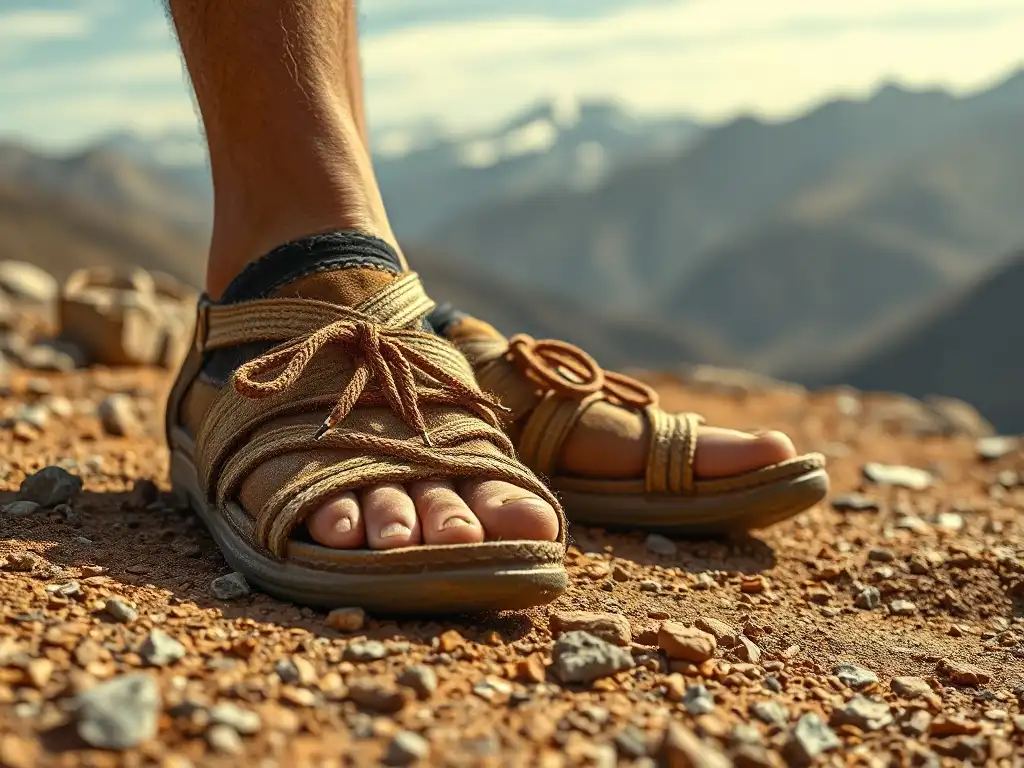
The Andes Mountains present a unique set of challenges for hikers, even more so when traversing ancient paths. Understanding these challenges is crucial to selecting appropriate footwear for a safe and enjoyable experience. Successfully navigating these trails requires footwear that can withstand the specific demands of the Andean environment, a far cry from the typical conditions encountered on modern hiking trails.
This section will explore the key factors influencing footwear choices for exploring ancient Andean paths, focusing on the unique characteristics that make this environment so demanding. The term "Ancient Andean hiking footwear" itself highlights the specialized nature of the equipment needed.
The Unique Challenges of Andean Trails: Altitude, Terrain, and Weather
Andean trails are notoriously demanding due to a combination of factors. Altitude significantly impacts the experience. Thin air at high altitudes leads to reduced oxygen levels, increasing fatigue and potentially impacting judgment. This necessitates footwear that provides excellent support and comfort to minimize strain on already challenged bodies. The terrain itself varies drastically, from rocky scree slopes and steep inclines to muddy sections and narrow, uneven paths.
Footwear must offer both stability and traction across diverse surfaces. Finally, weather in the Andes is unpredictable. Sudden changes from sunshine to rain, or even snow at higher elevations, demand footwear that is both waterproof and breathable to prevent discomfort and potential injury. Consider the following table summarizing these challenges:
| Challenge | Impact on Footwear Choice | Example |
|---|---|---|
| High Altitude | Requires lightweight, supportive shoes to minimize fatigue. | Reduced weight, enhanced ankle support |
| Varied Terrain | Needs robust soles with superior grip on various surfaces. | Deep lugs, durable outsoles |
| Unpredictable Weather | Demands waterproof and breathable materials. | Gore-Tex lining, quick-drying materials |
Choosing the right footwear is paramount to mitigating these risks and ensuring a successful and enjoyable trek. Ignoring these factors can lead to injuries, discomfort, and ultimately, a less fulfilling experience exploring these incredible ancient paths. The impact of altitude, in particular, can't be understated when considering "Ancient Andean hiking footwear."
Why Modern Hiking Shoes Are Not Always the Best Choice for Ancient Paths
While modern hiking shoes offer many advancements in technology, they aren't always the ideal choice for navigating ancient Andean trails. Many modern designs prioritize features like lightweight construction and aggressive tread patterns suitable for modern, well-maintained trails. However, ancient paths often lack these characteristics. They are frequently narrow, uneven, and rocky, requiring footwear that provides superior ankle support and stability. The emphasis on lightweight materials in many modern shoes may compromise durability and protection needed when encountering sharp rocks and uneven terrain.
Furthermore, the breathability prioritized in many modern hiking shoes might be a disadvantage in wetter conditions or at higher altitudes where sudden temperature drops are common. This means that while breathability is important, it shouldn't come at the cost of sufficient waterproofing. Ancient Andean paths demand a balance between breathability and protection.
A shoe optimized for a well-maintained trail in moderate conditions might not provide the necessary protection and support needed for the unique challenges posed by ancient Andean trails. The ideal "Ancient Andean hiking footwear" needs to consider the specific conditions of these ancient pathways. This often means prioritizing robustness and ankle support over some of the features prioritized in modern designs for other contexts.
Choosing the Right Footwear for Your Andean Adventure
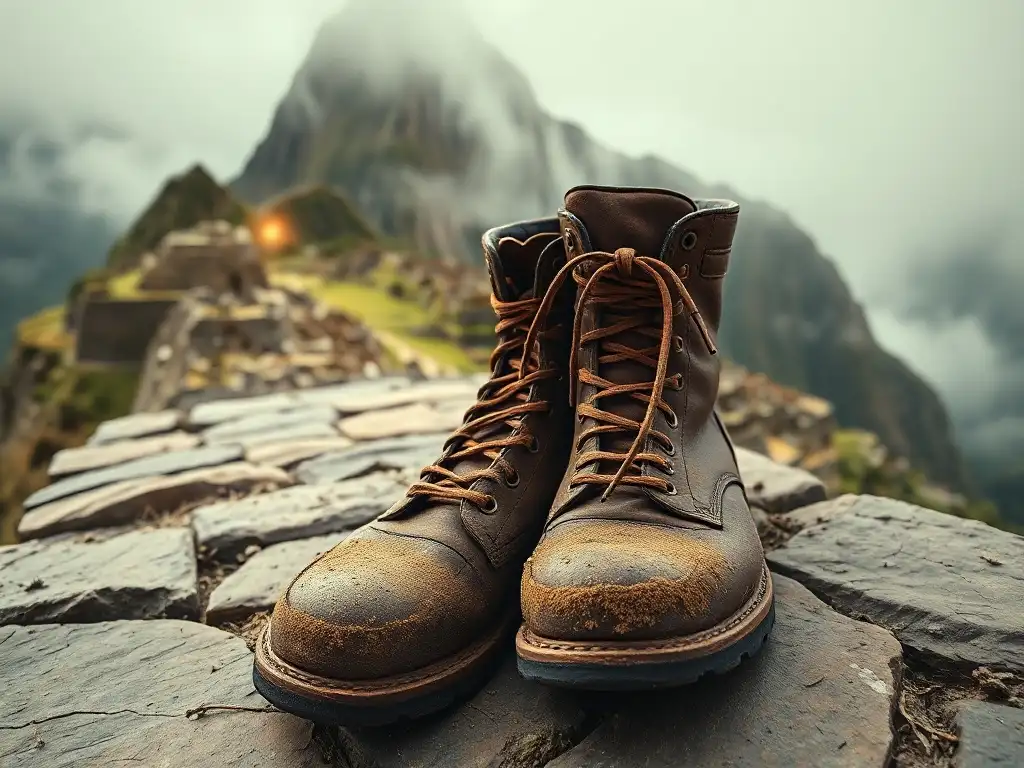
This section focuses on selecting appropriate footwear for navigating the challenging terrain encountered while exploring ancient Andean paths. Understanding the specific needs of this environment is crucial for a safe and enjoyable journey. The right footwear will significantly impact your comfort and ability to fully appreciate the breathtaking landscapes and archaeological wonders of the Andes. Proper "Ancient Andean hiking footwear" is paramount.
Key Features to Look for in Ancient Andean Hiking Footwear
Choosing the right footwear is vital for a successful Andean expedition. The diverse terrain—from high-altitude trails to steep inclines and potentially unstable ground—demands boots that prioritize protection, stability, and comfort. Neglecting this aspect can lead to injuries that hinder your exploration. Let's examine the key characteristics to consider when selecting your boots.
Ankle Support: Protecting Against Twists and Sprains
Ankle support is paramount when traversing uneven Andean trails. High-top boots, offering significant ankle protection, are strongly recommended. Look for features like stiff midsoles and robust ankle collars that provide exceptional stability. This is particularly important on rocky paths or when traversing inclines and declines. A well-supported ankle significantly reduces the risk of sprains and twists, common injuries on challenging trails. Consider boots with additional reinforcement around the ankle area for enhanced protection. Investing in superior ankle support translates directly into a safer and more enjoyable hiking experience.
Traction: Ensuring Grip on Uneven Surfaces
The Andean terrain is notoriously varied, with loose scree, rocky paths, and muddy sections. Therefore, your boots must provide exceptional traction. Look for boots with deep, aggressive tread patterns, ideally incorporating a combination of lug designs for optimal grip in multiple conditions.
The outsole material is also critical; durable rubber compounds offering superior abrasion resistance are necessary for tackling the rugged terrain. Vibram soles are a popular and highly reliable choice, known for their excellent grip and longevity. Furthermore, consider the type of terrain you'll be facing: a boot suitable for scree slopes might not be ideal for muddy trails, and vice-versa.
Water Resistance: Keeping Your Feet Dry in Variable Weather
Andean weather can be unpredictable, with sudden downpours and high humidity. Water-resistant or waterproof boots are essential to keep your feet dry and comfortable. Look for boots treated with a durable water repellent (DWR) coating or constructed with a waterproof membrane, such as Gore-Tex. While fully waterproof boots are ideal, consider breathability (discussed below) to avoid overheating and potential blistering. Proper waterproofing will protect your feet from the elements, preventing discomfort and potential health issues associated with prolonged exposure to moisture.
Durability: Withstanding the Rugged Andean Environment
The Andean trails are unforgiving; your boots will face significant wear and tear. Invest in durable boots constructed from high-quality materials. Full-grain leather is a classic choice, known for its strength and longevity. Synthetic materials, such as nylon or ripstop fabrics, offer lighter weight alternatives with good durability.
Reinforcements at key stress points, like the toe cap and heel counter, further enhance the boots' lifespan. Consider the overall construction quality; well-stitched seams and robust construction are indicative of a durable boot built to withstand the rigors of Andean trekking. A long-lasting boot represents a worthwhile investment for repeated Andean adventures.
Breathability: Preventing Overheating and Blisters
While waterproofing is crucial, it's equally important to consider breathability to prevent overheating and blisters. Overheating can lead to discomfort and increased susceptibility to blisters, especially during strenuous hikes. Look for boots with features that promote airflow, such as mesh panels or breathable linings. A balance between waterproofing and breathability is key; choose a boot that offers sufficient protection from the elements while also allowing your feet to breathe. This will significantly enhance your comfort throughout your Andean exploration, ensuring a more enjoyable experience. Remember, well-ventilated boots are less likely to cause blisters, even on long treks.
Top Footwear Options for Exploring Ancient Andean Sites
Choosing the right footwear is paramount when navigating the challenging and often unpredictable terrain of the ancient Andean paths. The best choice depends heavily on the length and difficulty of your trek, the type of terrain you'll encounter (rocky trails, sandy paths, high-altitude climbs), and your personal preferences. Selecting appropriate Ancient Andean hiking footwear is crucial for a safe and enjoyable experience, preventing injuries and maximizing your exploration. This section explores some top options, categorized by hiking style.
Hiking Boots: The Reliable Choice for Extended Treks
Hiking boots offer superior ankle support, protection, and durability, making them ideal for longer treks and more challenging trails common in the Andes. Their sturdy construction provides excellent protection against rocks, uneven surfaces, and potential hazards encountered on ancient paths. Features like waterproof membranes and robust outsoles are particularly beneficial in the varied Andean climate. Remember to break in your boots well before your trip to avoid blisters and discomfort. Properly fitting boots are essential for preventing injuries and ensuring comfortable exploration of Ancient Andean sites.
The Salomon Quest 4 GTX: A Durable Option for Demanding Trails
The Salomon Quest 4 GTX is a popular choice among experienced hikers, renowned for its durability and all-around performance. Its Gore-Tex lining provides excellent waterproofing, while the Contagrip outsole offers exceptional traction on varied terrains, from rocky paths to muddy sections. The supportive design helps prevent ankle sprains, crucial when traversing uneven ancient pathways. Its relatively lightweight design minimizes fatigue during extended treks, allowing you to focus on the breathtaking scenery. The Salomon Quest 4 GTX is a reliable option for those seeking a balance of durability, comfort, and protection for their Ancient Andean hiking footwear.
The Lowa Renegade GTX Mid: Great for Stability and Comfort
The Lowa Renegade GTX Mid offers excellent stability and comfort, making it suitable for hikers who prioritize a secure fit and all-day wearability. The mid-cut design provides ample ankle support without feeling overly restrictive. The Vibram outsole delivers reliable traction on a variety of surfaces, crucial when navigating the varied terrain found near ancient Andean ruins.
Like the Salomon Quest 4 GTX, it features a Gore-Tex membrane for waterproof protection, keeping your feet dry even in unexpected showers. The Lowa Renegade GTX Mid is a strong contender among Ancient Andean hiking footwear for those seeking a comfortable and supportive boot for longer explorations.
Trail Running Shoes: Lightweight Agility for Shorter Hikes
For shorter, less challenging hikes or day trips to nearby ancient Andean sites, trail running shoes provide a lightweight and agile alternative to heavier hiking boots. They offer a good balance of protection and flexibility, allowing for quicker movement on less technical terrain. However, they provide less ankle support than hiking boots, so they are not recommended for particularly rugged or steep trails.
The Hoka Speedgoat 5: Superior Cushioning and Traction
Known for its exceptional cushioning and aggressive outsole, the Hoka Speedgoat 5 provides a comfortable and grippy ride on varied terrains. Its Vibram Megagrip outsole offers superior traction, making it suitable for both rocky and muddy sections of a trail. The generous cushioning helps absorb shock, minimizing fatigue on longer excursions. Although less protective than a hiking boot, its lightweight design allows for quicker movement and enhanced agility, making it a great option for shorter explorations of Ancient Andean sites.
The Brooks Cascadia 16: Rugged Build for Varied Terrains
The Brooks Cascadia 16 strikes a balance between cushioning, protection, and durability. Its rugged build and TrailTack outsole provide excellent grip on varied terrains, while its protective toe cap safeguards against stubbed toes on rocky paths. While not as cushioned as the Hoka Speedgoat 5, it offers a more supportive fit and better protection for more challenging trails, making it a versatile choice for shorter hikes near ancient Andean locations. The Brooks Cascadia 16 is a solid option for those seeking Ancient Andean hiking footwear that prioritize both comfort and protection for shorter, more varied treks.
Trekking Sandals: Breathable Comfort for Gentler Paths
Trekking sandals offer a compelling alternative to traditional hiking boots for exploring gentler Andean paths. Their open design promotes breathability, crucial in the often humid and warm climates of the lower altitudes. This breathability helps prevent the development of blisters and foot fungus, common issues with enclosed footwear in such conditions.
However, it's important to note that trekking sandals are not suitable for all terrains. Their lack of ankle support and protection makes them unsuitable for challenging, rocky trails or areas with dense vegetation. Choosing sandals for Andean exploration requires careful consideration of the specific route and weather conditions.
Opt for sandals with sturdy soles offering good traction and protection from sharp objects, such as thorns or rocks. Look for adjustable straps to ensure a secure and comfortable fit, preventing slippage and potential injuries. The right sandals can provide a comfortable and lightweight option for exploring less strenuous sections of ancient Andean sites.
The Teva Hurricane XLT2: A Versatile Option for Warm Weather Hikes
The Teva Hurricane XLT2 is a popular choice among hikers seeking a versatile and durable sandal for warm-weather adventures. Its robust construction features a durable rubber outsole providing excellent traction on varied terrains, including some moderately challenging trails. The adjustable straps allow for a customizable fit, accommodating different foot shapes and sizes. The quick-drying material is ideal for humid conditions, and the cushioned footbed provides ample comfort even during extended periods of wear.
While not ideal for extreme hikes or steep, rocky ascents, the Teva Hurricane XLT2 offers a solid balance between comfort, durability, and breathability, making it a suitable option for exploring many ancient Andean sites with less demanding trails. Many experienced hikers appreciate its lightweight nature, which reduces fatigue during long days of exploration. However, always check the specific trail conditions before relying on sandals for your Andean adventures.
The Chaco Z/Cloud: Excellent Arch Support and Durability
For those seeking superior arch support and exceptional durability, the Chaco Z/Cloud stands out. Known for their robust construction and comfortable fit, Chaco sandals are a favorite among hikers who value longevity and comfort. The Z/Cloud model incorporates a unique LUVSEAT™ footbed that provides excellent cushioning and arch support, crucial for long days of walking on uneven terrain. The durable rubber outsole offers exceptional traction, even on wet or slippery surfaces.
These sandals are more robust than the Teva Hurricane XLT2 and are suitable for a wider range of trails, although still not ideal for highly technical ascents or extremely rocky paths. The Chaco Z/Cloud's superior arch support can be particularly beneficial for hikers with pre-existing foot conditions or those prone to plantar fasciitis. The durable construction ensures that they will withstand the rigors of exploration in the Andes, making them a worthwhile investment for multiple trips.
Considerations for Specific Ancient Sites
Choosing the right footwear depends significantly on the specific ancient Andean site you plan to visit. Different sites present unique challenges in terms of terrain, altitude, and weather conditions. Failing to consider these factors can lead to discomfort, injury, and a less enjoyable experience. Careful planning and consideration of footwear are crucial for a successful journey. Always research the specific trails and conditions before embarking on your adventure.
Footwear Recommendations for the Inca Trail
The Inca Trail presents unique challenges due to its altitude, varied terrain, and sometimes unpredictable weather. For this challenging trek, sturdy hiking boots with good ankle support are essential. Waterproof and breathable boots are ideal, as rain and mud are common occurrences. The trail incorporates steep ascents and descents, requiring robust footwear that offers stability and protection.
Lightweight yet durable boots are preferred to minimize fatigue. It is crucial to break in your boots well before embarking on the Inca Trail to prevent blisters and discomfort. Additionally, consider trekking poles for additional stability and to reduce strain on your knees and ankles.
Footwear Recommendations for the Sacred Valley
The Sacred Valley offers a more varied range of terrain compared to the Inca Trail. While some areas might require sturdy hiking boots, many trails are gentler and more suitable for lighter footwear. Trekking shoes or even comfortable walking shoes with good traction might suffice for much of the Sacred Valley's exploration. However, it's still wise to pack a pair of sturdy shoes for potentially more challenging sections. Consider the weather conditions and choose footwear accordingly, prioritizing breathability in warmer months and waterproofing in the rainy season. Always prioritize comfort and support, especially if you plan on extensive walking.
Footwear Recommendations for Exploring Machu Picchu
Machu Picchu's trails are generally well-maintained but often involve uneven stone steps and paths. Comfortable walking shoes or sturdy trainers with good traction are usually sufficient. However, some sections can be steep and uneven, so consider lightweight hiking shoes or boots for added ankle support and protection. Remember that you'll likely be doing a lot of walking, so prioritize comfort and support. The uneven surfaces and potentially crowded paths call for footwear that offers both stability and protection. Avoid sandals or flip-flops as they offer little protection and will likely be uncomfortable on the uneven terrain.
How to Properly Break in Your Hiking Footwear
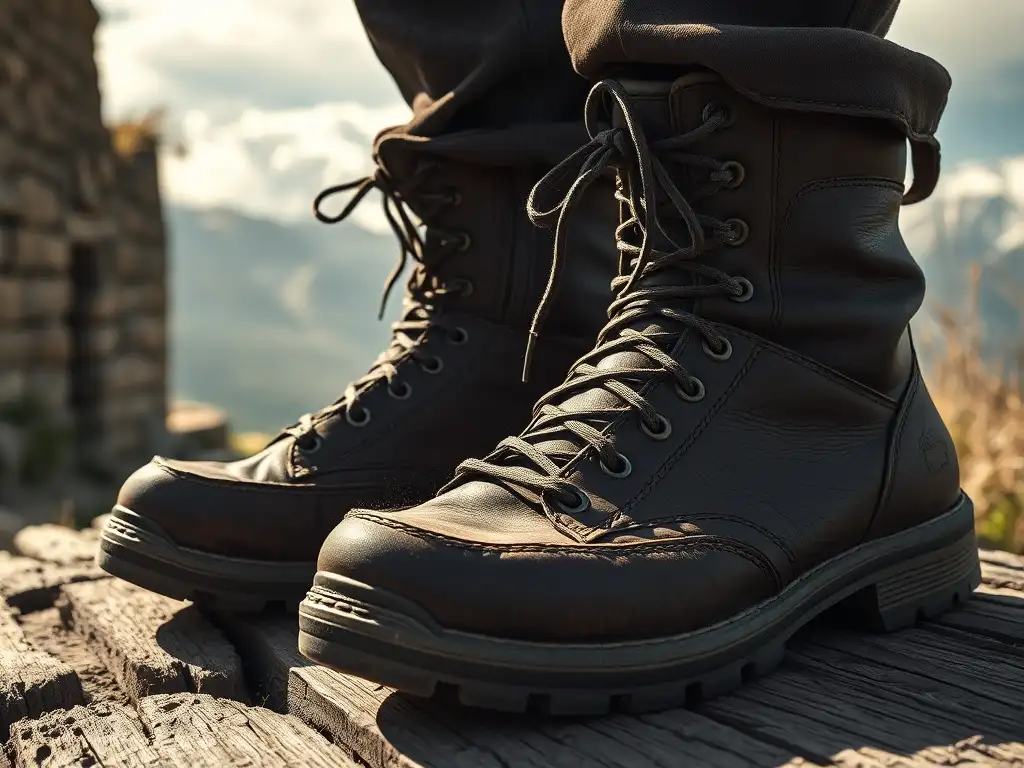
Properly breaking in your hiking footwear is crucial for a comfortable and safe journey exploring Ancient Andean paths. Ignoring this critical step can lead to blisters, foot pain, and ultimately, a ruined trip. The unique terrain of the Andes – from steep inclines to rocky trails – demands footwear that's already molded to your feet. This section focuses on preparing your boots or shoes for the rigors of Ancient Andean hiking.
The Importance of Breaking in New Shoes Before Your Trip
Think of your feet as the foundation of your Andean adventure. Neglecting to break in your new hiking footwear is like attempting to climb a mountain with a shaky base. New shoes, regardless of their advertised comfort, will likely cause friction and discomfort, especially over long distances and challenging terrain. This friction is the primary culprit behind blisters, a hiker's worst nightmare, especially at high altitudes where skin is more susceptible to damage.
Breaking in your boots allows the materials to conform to the unique shape of your feet, reducing pressure points and significantly minimizing the risk of blisters and other foot problems. Investing the time in this process will pay dividends in comfort and prevent potential injuries that could derail your exploration of Ancient Andean sites. Remember, your feet are your most valuable asset on these trails.
Tips and Tricks for Breaking in Hiking Boots and Shoes
Breaking in your Ancient Andean hiking footwear doesn't have to be a painful process. Several methods can expedite the process and ensure comfort. Here are some tips and tricks:
- Wear them around the house: Start by wearing your boots or shoes around the house for short periods. Gradually increase the duration each day. This allows your feet to adapt to the shape and feel of the footwear.
- Use thick socks: Wearing thick, cushioned socks while breaking in your boots will help to fill any gaps and reduce friction.
- Moisturize your feet: Keeping your feet well-moisturized will prevent dryness and cracking, reducing the risk of blisters.
- Walk on varied surfaces: Don't just stick to flat surfaces. Walk on different terrains, including grass, gravel, and even slightly uneven ground, to mimic the conditions you'll encounter on the Andean trails.
- Use a boot stretcher: For particularly stiff boots, consider using a boot stretcher to gently widen them and alleviate pressure points.
- Don't rush the process: Be patient. It's better to take your time and properly break in your boots than to rush the process and end up with painful feet. A gradual approach is key to achieving optimal comfort. Aim for at least a month of consistent wear before your trip, even more for particularly stiff leather boots.
Avoiding Blisters and Foot Pain on the Trail
Even with properly broken-in footwear, blisters and foot pain can still occur. Here's how to minimize these risks on your Ancient Andean hiking journey:
- Choose the right sock type: Moisture-wicking socks are essential for preventing blisters. Wool or synthetic blends are preferable to cotton, which retains moisture.
- Bring blister treatment: Pack blister plasters and other first-aid supplies to address any issues that may arise.
- Take breaks: Regularly stop to rest your feet and remove your boots to allow for air circulation.
- Pay attention to your feet: Monitor your feet regularly throughout your hikes. Address any discomfort immediately to prevent minor issues from becoming major problems.
- Consider custom orthotics: If you have specific foot problems, custom orthotics can provide additional support and cushioning, preventing pain and blisters.
Remember, your comfort and safety are paramount when exploring the incredible landscapes of the Andes. Properly broken-in footwear, combined with preventative measures, will greatly enhance your experience and ensure that you can fully enjoy the breathtaking beauty of the Ancient Andean trails.
Where to Buy Your Ancient Andean Hiking Footwear
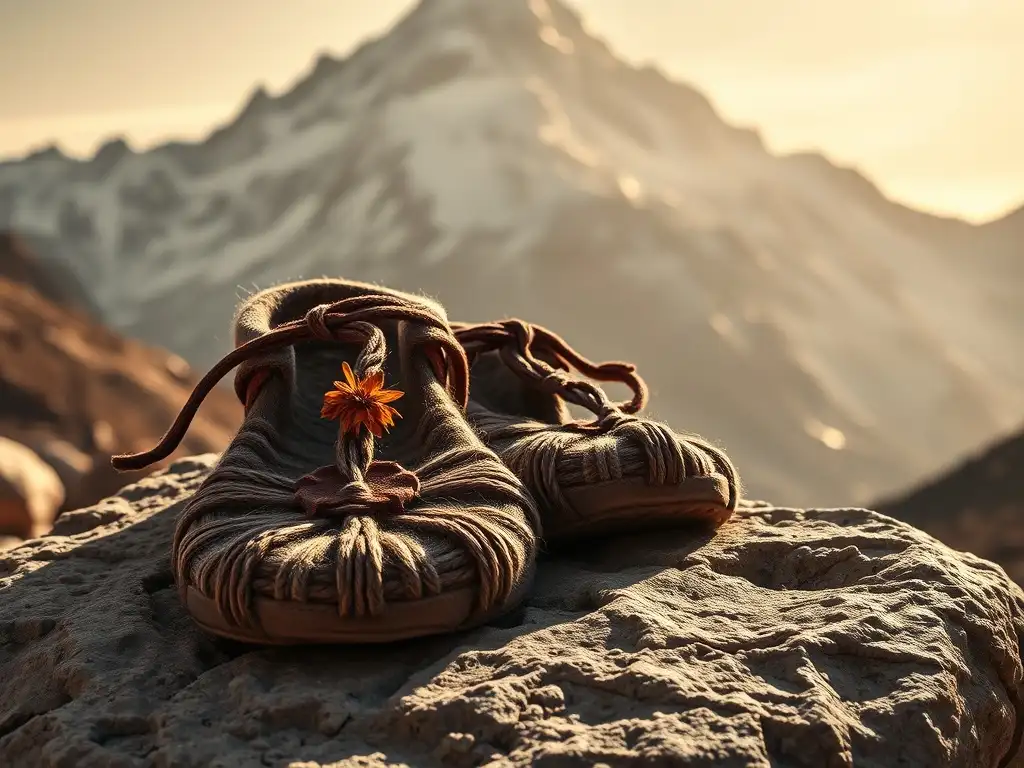
Finding the right footwear for exploring ancient Andean paths is crucial for a comfortable and safe journey. The terrain can be challenging, ranging from rocky trails to high-altitude passes, requiring boots that offer both durability and support. Choosing the right retailer is just as important as choosing the right boots themselves.
This section explores the best places to purchase your "Ancient Andean hiking footwear," focusing on both online and local options. Remember, the right fit is paramount; consider factors like arch support, ankle stability, and overall comfort before making a purchase. Proper footwear is key to making your Andean adventure a success!
Online Retailers: Accessing a Wide Range of Options
Online retailers offer unparalleled convenience and a vast selection of hiking boots. You can easily browse various brands, models, and price points from the comfort of your home. However, the inability to physically try on footwear is a significant drawback. Carefully examine size charts and read customer reviews before ordering to minimize the risk of an ill-fitting purchase. Consider the return policies of different retailers, as you may need to exchange your boots for a different size or model. Remember, the best "Ancient Andean hiking footwear" is the one that fits you perfectly.
Recommended Online Store: REI
REI (Recreational Equipment, Inc.) boasts a strong reputation for high-quality outdoor gear and excellent customer service. Their website features detailed product descriptions, user reviews, and size charts. REI also frequently offers sales and discounts, allowing you to find great deals on reputable brands. Their return policy is generally customer-friendly, offering peace of mind when purchasing online. They often stock specialized hiking boots suitable for challenging terrain, making them a solid choice for your Andean adventure. Searching for "hiking boots for rugged terrain" or "high-altitude hiking boots" on their site will yield relevant results.
Recommended Online Store: Amazon
Amazon's massive selection and competitive pricing make it a popular choice for outdoor gear. You'll find a wide range of brands and models, including many specifically designed for high-altitude trekking. However, be mindful of counterfeit products and always verify the seller's legitimacy.
Read customer reviews thoroughly to assess the quality and fit of the boots before purchasing. Amazon's robust customer service and return policies can ease concerns about online purchases, making it a viable option for sourcing your "Ancient Andean hiking footwear." Remember to filter your search using keywords like "waterproof hiking boots," "ankle support hiking boots," and "durable hiking boots" to refine your results.
Local Outdoor Stores: Getting Expert Advice and Try-Ons
While online shopping offers convenience, visiting a local outdoor store offers invaluable benefits. Expert staff can provide personalized advice, helping you select boots suited to your specific needs and the type of Andean trekking you'll be undertaking. The ability to try on different boots ensures a proper fit, reducing the risk of blisters and discomfort during your expedition. Local stores often carry a curated selection of high-quality brands, focusing on durability and performance.
They can also offer advice on other essential gear, such as socks and trekking poles, to complement your "Ancient Andean hiking footwear" purchase. This personalized service makes local stores a valuable resource for planning your Andean adventure. Don't underestimate the value of a knowledgeable staff member's guidance; their expertise can significantly enhance your hiking experience.
Consider Secondhand Options: Sustainable and Budget-Friendly Choices
Finding high-quality, durable footwear for trekking in the Andes doesn't always require breaking the bank. Exploring secondhand options offers a sustainable and budget-friendly alternative to buying brand new. Many reputable outdoor gear stores and online marketplaces specialize in pre-owned equipment, often meticulously inspected and sometimes even reconditioned.
This is particularly advantageous for specialized hiking boots designed for high-altitude trekking, which can be quite expensive when purchased new. Buying used allows you to acquire robust, already broken-in boots at a significantly reduced price. This is not only economically beneficial but also environmentally responsible, reducing the demand for newly manufactured goods and extending the lifespan of existing products.
The key to success when purchasing secondhand hiking boots lies in careful inspection. Examine the soles for wear and tear, paying close attention to the tread depth and any signs of significant damage. Check the uppers for any rips, tears, or excessive wear.
Pay particular attention to the stitching, ensuring it's intact and secure. If possible, try the boots on to ensure a comfortable and supportive fit. Remember, well-maintained secondhand boots can provide excellent performance and longevity, offering a practical and environmentally conscious approach to equipping yourself for your Andean adventure.
Consider the potential savings compared to buying new; this could free up funds for other essential gear or experiences during your journey. Remember to thoroughly clean and treat the boots before your trip to ensure they are in optimal condition for the challenging Andean terrain. This careful approach ensures you'll be well-equipped for your exploration of ancient Andean paths while minimizing your environmental impact and maximizing your budget.
Beyond Footwear: Essential Foot Care for Andean Adventures
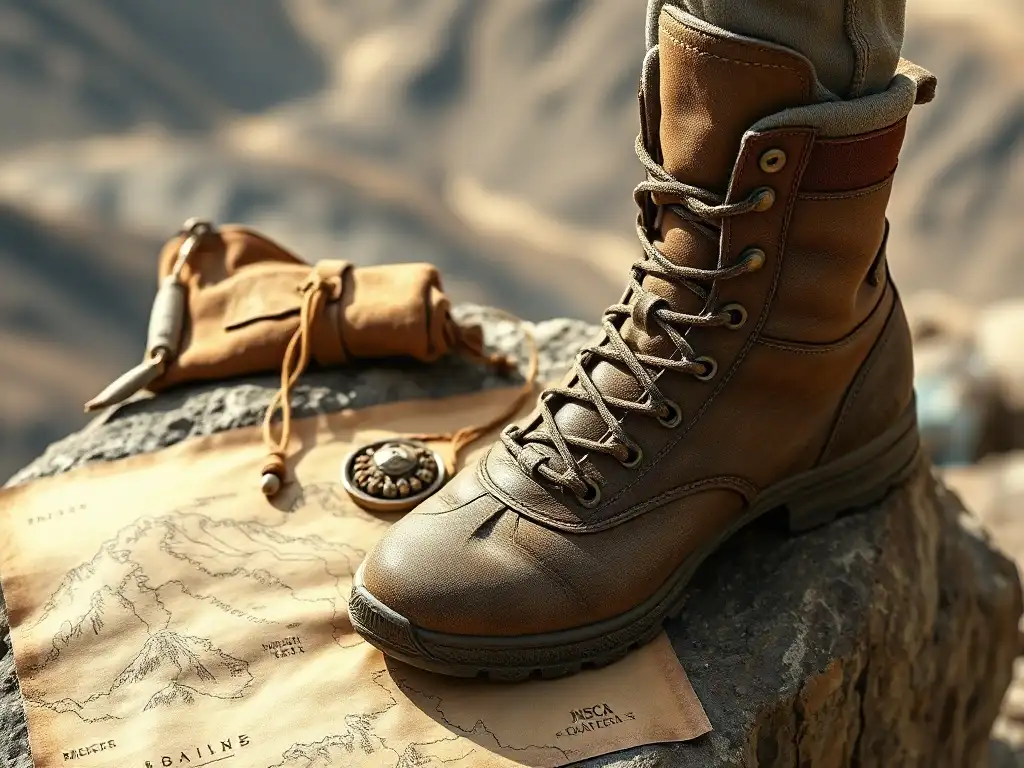
Exploring the ancient Andean paths requires more than just sturdy Ancient Andean hiking footwear; proper foot care is paramount to a comfortable and successful journey. Neglecting this aspect can quickly turn an exciting adventure into a painful ordeal. This section focuses on crucial foot care elements that complement your footwear choice, ensuring your feet remain healthy and happy throughout your Andean exploration. We'll delve into the importance of quality hiking socks and effective blister prevention and treatment strategies.
The Importance of Quality Hiking Socks
The right socks are your first line of defense against blisters, discomfort, and even foot infections. Choosing inferior socks can lead to moisture buildup, friction, and ultimately, a ruined trek. Opt for socks made from moisture-wicking materials like merino wool or synthetic blends designed specifically for hiking.
These materials help keep your feet dry, reducing the risk of blisters and fungal infections. The fit is also crucial; socks that are too tight can restrict blood flow, while socks that are too loose can bunch up and cause friction. Look for socks with reinforced toes and heels for added durability in challenging terrain.
Consider the thickness of the sock as well, choosing a heavier sock for colder climates or longer treks and a lighter sock for warmer weather. Remember, investing in quality socks is an investment in the comfort and success of your Andean adventure. The difference between a good and bad sock is truly felt after miles of hiking!
The Darn Tough Hiker Boot Sock: Premium Merino Wool Socks
Darn Tough Vermont socks are renowned for their exceptional durability and comfort. Their Hiker Boot Sock, crafted from premium merino wool, offers superior cushioning and moisture-wicking capabilities. The reinforced toe and heel ensure longevity, even on rugged trails. These socks are a worthwhile investment for serious hikers tackling the demanding Andean terrain. The seamless construction minimizes friction points, further reducing the risk of blisters. Many hikers swear by their resilience and comfort, even after multiple washes. Their lifetime guarantee speaks volumes about their confidence in the product's quality.
The Smartwool PhD Run Light Elite: Breathable and Durable
For those seeking a lighter and more breathable option, the Smartwool PhD Run Light Elite socks offer a compelling alternative. While slightly thinner than the Darn Tough Hiker Boot Sock, they still provide excellent cushioning and moisture-wicking performance. The Indestructawool™ technology ensures durability, while the strategic cushioning in high-impact areas provides targeted protection. These socks are ideal for warmer conditions or faster-paced hikes, offering a comfortable and supportive fit without the bulk. The mesh ventilation zones promote breathability, keeping your feet cool and dry, even during strenuous activity.
Blister Prevention and Treatment
Blisters are a common ailment among hikers, especially in challenging environments like the Andes. Proactive measures are crucial in preventing these painful irritations. Properly fitting footwear and moisture-wicking socks are the first steps. However, additional strategies can significantly reduce your risk. Regularly inspect your feet for any signs of friction or hotspots, and address these areas promptly. Using preventative measures like moleskin or second-skin bandages can provide an extra layer of protection in vulnerable areas. Even seemingly minor issues can escalate into significant problems if left untreated.
Recommended Product: Compeed Blister Plasters
Compeed blister plasters provide a hydrocolloid dressing that cushions and protects the blister, promoting faster healing. These plasters create a moist environment that encourages the blister to heal naturally, reducing pain and discomfort. They are highly effective in preventing further rubbing and irritation. They are particularly useful for treating existing blisters, minimizing pain and allowing you to continue your hike.
Recommended Product: Moleskin Padding
Moleskin padding offers a preventative measure against blisters. This soft, adhesive padding can be applied to areas prone to friction, creating a barrier between your skin and your footwear. It's particularly useful for preventing blisters on heels, toes, and other pressure points. Moleskin is readily available and relatively inexpensive, making it an essential addition to any hiker's first-aid kit. It’s lightweight and easily fits into a backpack, allowing for on-the-go blister prevention. Remember to apply it strategically to areas showing early signs of redness or irritation.
Foot Hygiene: Keeping Your Feet Healthy on the Trail
Maintaining impeccable foot hygiene is paramount when trekking through the challenging Andean terrain. The combination of sweat, friction from your boots, and potential exposure to elements like dust and moisture creates a breeding ground for bacteria and fungi, leading to uncomfortable and potentially debilitating conditions like athlete's foot and blisters. Preventing these issues requires a proactive approach.
Before even setting foot on the trail, ensure your feet are clean and dry. Wash them thoroughly with soap and water, paying special attention to the spaces between your toes. Pat them completely dry afterwards; leaving moisture trapped can significantly increase the risk of infection. Consider using an antifungal powder, like talcum powder or a specialized foot powder, to absorb excess moisture and prevent fungal growth. Reapply this powder throughout the day, especially if you anticipate sweating heavily.
During your hike, take regular breaks to assess the condition of your feet. Remove your boots and socks to allow for air circulation. If you notice any signs of irritation, redness, or blistering, address them immediately. Cleanse the affected area with antiseptic wipes and apply a suitable ointment or cream to promote healing. Changing into clean, dry socks regularly is equally crucial. Carrying several pairs of moisture-wicking socks is a wise investment for any Andean adventure. Cotton socks should be avoided, as they retain moisture and increase the risk of blisters.
Proper foot care extends beyond the trail itself. Upon returning to your accommodation each evening, repeat the cleaning and drying process. Inspect your feet carefully for any signs of infection or injury. If you notice anything concerning, seek medical attention promptly.
Neglecting even minor foot problems can quickly escalate into significant issues, potentially jeopardizing your entire trekking experience. Remember, your feet are your foundation in the Andes – treat them with the respect they deserve. Investing time in preventative foot hygiene is a small price to pay for the comfort and safety of your journey. The rugged beauty of the Andes awaits, but only if your feet are up to the task!
Conclusion: Ensuring a Safe and Comfortable Journey Through Ancient Lands
This exploration of ancient Andean hiking footwear highlights the crucial role appropriate footwear plays in a successful and enjoyable journey through the Andes. The diverse terrain, ranging from high-altitude trails to steep, rocky inclines, demands careful consideration of your footwear choices. Failing to prioritize this aspect can significantly impact your experience, potentially leading to discomfort, injury, and even compromising the safety of your expedition.
Remember, the Andes are not to be underestimated; proper preparation is paramount. Investing in high-quality, well-suited footwear is an investment in your comfort, safety, and the overall enjoyment of your Andean adventure.
By understanding the nuances of different boot types and their suitability for varying conditions, you can significantly enhance your chances of a memorable and rewarding exploration of these ancient lands. The legacy of the Incas, Moche, Nazca, and Tiahuanaco awaits, and with the right footwear, you'll be well-equipped to traverse the very paths they once trod.
Investing in the Right Footwear is Essential for an Enjoyable Andean Experience
The impact of poorly chosen footwear on an Andean trek cannot be overstated. Blisters, sprains, and even more serious injuries are common occurrences for those who underestimate the importance of proper foot protection. Consider this: Ancient Andean trails were often rough and unforgiving, requiring sturdy footwear even then.
While modern technology offers advancements in materials and design, the fundamental need for robust and supportive footwear remains unchanged. Investing in high-quality hiking boots, specifically designed for challenging terrain and varying altitudes, is not a luxury, but a necessity. This investment translates directly into a more comfortable, safer, and ultimately, more enjoyable experience.
Think about the time and effort you've put into planning your trip – don't let inadequate footwear undermine the fruits of your labor. Choosing the right boots is a crucial step in ensuring a successful and memorable Andean adventure. Remember to prioritize comfort and support; your feet will thank you for it.
Final Thoughts on Choosing the Best Footwear for Your Specific Needs
The ideal "Ancient Andean hiking footwear" isn't a one-size-fits-all solution. The best choice depends entirely on the specific nature of your planned trek. Factors such as the length of your journey, the altitude you'll be reaching, the terrain you'll be traversing, and even the time of year all play a crucial role in determining the most appropriate footwear.
For shorter, less challenging hikes, lighter hiking shoes might suffice. However, for longer treks at higher altitudes or on more demanding terrain, sturdy, high-ankle boots providing excellent ankle support and protection are essential. Consider the climate as well; waterproof boots are invaluable during the rainy season, while breathable materials are preferable in warmer, drier conditions.
Don't hesitate to consult with experts at outdoor gear stores; they can offer valuable guidance based on your individual needs and planned itinerary. Remember to break in your boots well before your trip to avoid discomfort during your travels. Prioritize quality over price; a well-made pair of boots will serve you well for many adventures to come.
Encouraging Readers to Prepare Properly for Their Andean Adventure
Embarking on an Andean adventure is a truly rewarding experience, offering a unique opportunity to connect with history, culture, and breathtaking natural beauty. However, it's crucial to approach your journey with thorough preparation. This includes not only meticulous planning of your itinerary and packing essential gear, but also prioritizing the selection of appropriate footwear. Remember, the Andes present a unique set of challenges, and neglecting your foot protection can significantly impact your journey. By investing in high-quality "Ancient Andean hiking footwear," you're investing in the success of your trip. Thoroughly research the specific conditions you'll encounter and choose footwear that meets those demands. Remember that comfort and safety should be your top priorities. With the right preparation, including the right footwear, your Andean adventure will be a truly unforgettable experience, leaving you with lasting memories of the stunning landscapes and rich history of this remarkable region. 🥾 Enjoy the journey!
Frequently Asked Questions
What type of footwear is best suited for hiking ancient Andean paths?
The best footwear for hiking Andean paths is sturdy hiking boots with good ankle support, water-resistant material, and aggressive tread. Consider boots specifically designed for rugged terrain.
Are sandals or lighter shoes suitable for Andean hiking?
Sandals and lighter shoes are generally not recommended for hiking in the Andes. The terrain is often uneven and rocky, requiring substantial protection for your feet.
What should I consider regarding the climate when choosing footwear?
Andean weather can be unpredictable. Choose footwear that is breathable to avoid overheating but also water-resistant to protect against rain and potential stream crossings.
How important is the fit of my hiking boots when exploring ancient Andean sites?
Proper fit is crucial. Ill-fitting boots can lead to blisters and discomfort, significantly impacting your hiking experience. Break in your boots before your trip.
Where can I find appropriate footwear for Andean hiking?
You can find suitable footwear at outdoor gear stores, both online and in physical locations. Look for brands specializing in hiking and mountaineering boots. Consult with experts for personalized recommendations.
Final Reflection: Echoes on the Inca Trail: A Legacy in Every Step
The enduring allure of the Ancient Andean trails continues to beckon adventurers, demanding not only physical prowess but also the right equipment to ensure a safe and respectful journey. The choices we make in footwear, as this article has explored, directly impact our experience and the preservation of these invaluable historical sites. Ignoring this crucial detail risks both personal discomfort and environmental damage.
The impact of responsible trekking extends far beyond the individual experience. It shapes the very perception and preservation of these ancient paths, influencing how future generations will interact with this rich history. The mountains are calling, and I must go,
a sentiment often echoed by trekkers, carries a profound responsibility. Our choices, from the soles of our boots to our overall approach, contribute to the ongoing narrative of these incredible landscapes. We are not merely visitors; we are participants in a living history.
Consider the weight of each step you take on these ancient paths. What legacy will you leave behind? Choose your footwear wisely, not just for the comfort of your journey, but for the preservation of a heritage that deserves our utmost respect. Embrace the challenge, prepare thoughtfully, and let your journey become a testament to the power of mindful exploration. The mountains await, and the echoes of your steps will resonate for years to come.
Step Into Adventure: Equip Yourself for Ancient Andean Trails!
Thank you for exploring the essential footwear needed for traversing the captivating ancient Andean paths! Your interest in these rich cultural experiences is truly appreciated. Now, let's put that knowledge into practice.
Here are some actionable steps to enhance your Andean exploration:
- Invest in high-quality, comfortable hiking boots designed for rugged terrain. Your feet will thank you for it!
- Connect with a local hiking group or online community focused on the Andes to share experiences and learn from fellow adventurers.
- Document your journey by starting a travel blog or sharing highlights on social media—inspire others with your adventures!
How will you prepare your footwear for your next Andean adventure? Share your thoughts and tips below!