
The Enigma of the Andean Potato: A Staple of Survival

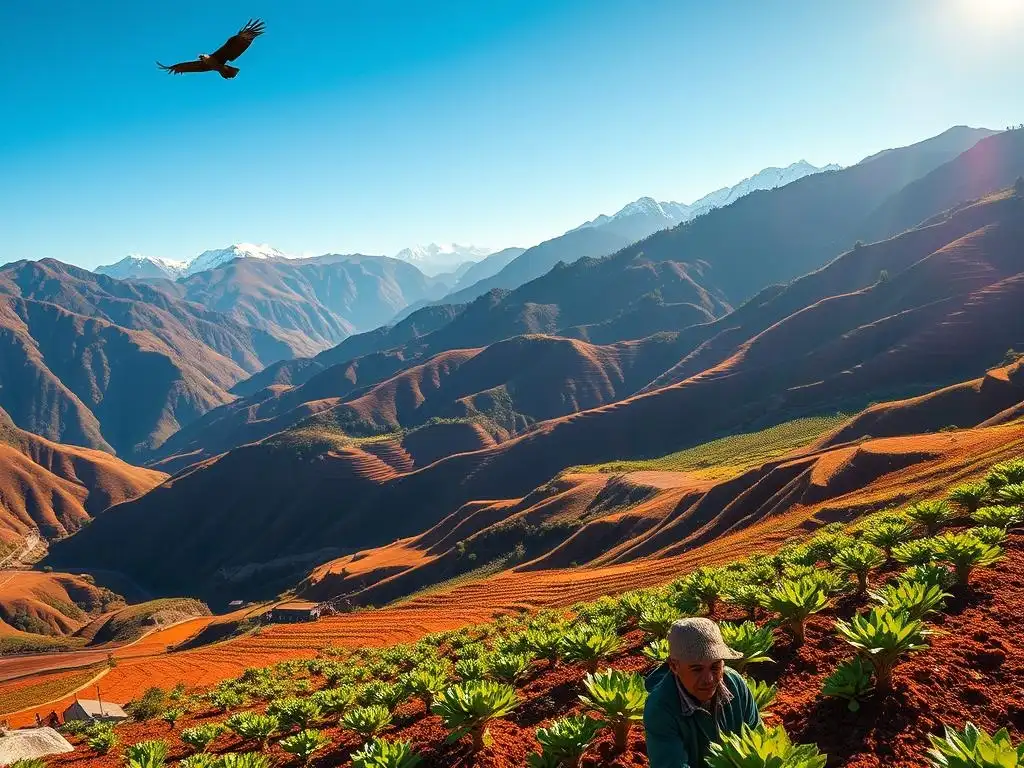
Step into a world lost to time, yet echoing with the whispers of a remarkable civilization. Imagine a landscape sculpted by the Andes, where ingenuity and resilience intertwined to shape the destiny of empires. Unlock the secrets behind the ancient Andean potato cultivation, a cornerstone of survival that fueled the rise and fall of powerful societies like the Incas, Moche, and Nazca. Prepare to be captivated by the story of this humble yet extraordinary plant, and its profound impact on the Andean world. Dive in and discover more...
The potato, a seemingly humble tuber, holds a position of paramount importance in the history and survival of ancient Andean civilizations. Far from a simple food source, the potato represents a remarkable testament to human ingenuity and adaptation to a challenging environment.
This article delves into the fascinating history of potato cultivation in the Andes, exploring its origins, early farming techniques, and its enduring significance as a staple crop that sustained vast populations for millennia. We will uncover the secrets behind its cultivation, highlighting its crucial role in shaping the social, economic, and cultural fabric of ancient Andean societies, from the pre-Inca cultures to the Inca Empire itself.
Understanding the ancient Andean potato cultivation is key to appreciating the resilience and agricultural prowess of these remarkable civilizations. This exploration will reveal how the potato, far from being a mere agricultural product, became inextricably linked to the very survival and prosperity of these communities, proving its status as more than just a food; it was a cornerstone of Andean life.
Introduction to the Andean Potato and its Importance
The potato ( Solanum tuberosum ) is not just a food; it's a cultural icon, a symbol of resilience, and a cornerstone of Andean identity. Its significance extends far beyond its nutritional value. The high caloric density of the potato provided essential energy for the physically demanding lifestyles of Andean communities, allowing for population growth and the development of complex societies.
Furthermore, its versatility in preparation – boiled, roasted, dried, or fermented – made it a crucial component of the diverse Andean diet, adapting to different altitudes and climates. The potato’s adaptability to various soil conditions and its relatively high yield in challenging terrains made it a uniquely valuable crop, particularly in the harsh Andean environment. This adaptability, coupled with its high nutritional value, allowed the potato to become the foundation upon which the intricate agricultural systems of the Andes were built.
Different varieties, each suited to specific ecological niches, were carefully cultivated, contributing to the biodiversity and resilience of Andean agriculture. The potato wasn't just a source of food; it was a source of social cohesion, economic stability, and cultural identity.
The Origins of Potato Cultivation in the Andes
Pinpointing the exact origins of potato cultivation remains a subject of ongoing research, but the prevailing consensus points to the Andes Mountains of South America as its center of domestication. While wild potato species existed across the Andes, the process of selecting and cultivating specific varieties with desirable traits – such as larger tubers, increased yields, and improved taste – likely began thousands of years ago.
The earliest evidence suggests that potato cultivation emerged sometime between 8000 and 7000 years ago, although the precise timeline varies depending on the specific region and the methods used for dating archaeological finds. Genetic studies are providing increasingly refined insights into the evolutionary history of the potato, helping to trace its domestication process and understand the dispersal of different varieties across the vast Andean landscape.
This process was gradual, with different groups independently domesticating various wild potato species, leading to the incredible diversity of potato varieties found in the Andes today. Archaeological findings, such as the discovery of potato remains in ancient settlements, are vital in piecing together this complex history.
Early Evidence of Potato Farming in Ancient Andean Societies
Evidence of early potato farming practices is abundant in archaeological sites across the Andes. Researchers have discovered ancient storage facilities, indicating sophisticated techniques for preserving potatoes throughout the year. These structures, often built underground or in elevated locations to protect against pests and the elements, demonstrate a deep understanding of agricultural practices and the importance of food security.
Furthermore, the discovery of specialized tools, such as digging sticks and grinding stones, suggests that potato farming was not a simple activity, but rather a complex and carefully managed process. Analysis of ancient soil samples reveals the presence of potato remains and provides valuable information about the agricultural practices employed by these early Andean societies. The development of sophisticated irrigation systems, particularly in regions with limited water resources, further highlights the advanced agricultural techniques used in potato cultivation.
These early farming practices were not only essential for survival, but they also laid the foundation for the complex agricultural systems that would characterize later Andean civilizations, including the Inca Empire. The ingenuity and adaptability displayed in these early farming techniques are a testament to the deep connection between Andean societies and their environment.
The Diversity of Andean Potato Varieties
The Andean potato's success story isn't just about one type of potato; it's about an astonishing diversity of varieties, each uniquely adapted to the challenging Andean terrain. Scientists estimate that there are over 4,000 different potato varieties cultivated in the Andes, a testament to the ingenuity of ancient Andean farmers. This incredible biodiversity is a result of centuries of careful selection and adaptation by indigenous communities.
Each variety possesses distinct characteristics, including variations in size, shape, color (from the familiar browns and reds to vibrant purples and yellows), taste, and nutritional content. Some varieties thrive at high altitudes, while others flourish in warmer, lower-lying regions. This remarkable range reflects the diverse ecological niches within the Andes and the sophisticated understanding of these ecosystems held by ancient cultivators.
This genetic diversity also proved crucial in the potato's global success, providing resilience against diseases and pests that threatened monoculture crops elsewhere. The preservation of this vast genetic library remains a critical concern for modern agricultural practices and food security. The sheer number of varieties underlines the importance of the potato not just as a staple crop, but as a cornerstone of Andean cultural identity.
Papa Amarilla, Papa Huayro, and Papa Peruanita
Let's delve into the specifics of a few notable examples. Papa Amarilla, or yellow potato, is a widely cultivated variety known for its creamy texture and sweet flavor. It's often used in traditional Andean dishes, contributing a rich color and pleasant taste. Its adaptability to various altitudes makes it a staple across many Andean communities.
Papa Huayro, on the other hand, is characterized by its reddish-brown skin and floury texture, ideal for making chuño, a freeze-dried potato product that played (and continues to play) a vital role in Andean diets, providing a long-lasting and easily stored food source. The remarkable shelf-life of chuño was crucial for survival in the harsh Andean environment. Finally, Papa Peruanita, a small, round potato with a distinctive purple hue, showcases the diversity of color and taste within Andean potato varieties.
This specific variety is often appreciated for its unique flavor profile and is frequently used in soups and stews. These three examples, though only a tiny fraction of the total, highlight the wide range of characteristics and uses of Andean potatoes. Understanding their unique qualities provides insight into the sophisticated agricultural practices of ancient Andean societies and their deep connection to the land.
Ancient Andean Potato Cultivation Techniques
Ancient Andean farmers developed sophisticated techniques to cultivate potatoes in the challenging Andean environment. Terracing, for instance, was a crucial innovation. By carving step-like platforms into the mountain slopes, they created level fields that prevented soil erosion and optimized water retention. This ingenious method allowed for efficient irrigation and farming on otherwise unsuitable terrain.
Furthermore, they employed a system of crop rotation and intercropping, planting potatoes alongside other crops like beans and quinoa. This diversified their food sources and improved soil fertility. The use of waru waru raised-field agriculture in wetland areas is another striking example of their ingenuity. These raised fields provided better drainage and warmer microclimates, allowing for increased yields even in challenging conditions.
Their knowledge of different potato varieties and their specific needs enabled them to cultivate them at varying altitudes and environmental conditions. This deep understanding of their environment, coupled with innovative agricultural techniques, allowed ancient Andean civilizations to thrive despite the challenges posed by the Andes Mountains, establishing the potato as a fundamental component of their food security and cultural identity. The legacy of these techniques continues to influence modern agricultural practices in the region. The sustainable and environmentally conscious methods employed by ancient Andean farmers remain relevant today, offering valuable lessons for sustainable agriculture in the face of climate change and increasing food insecurity.
Terracing and Irrigation for Potato Growth
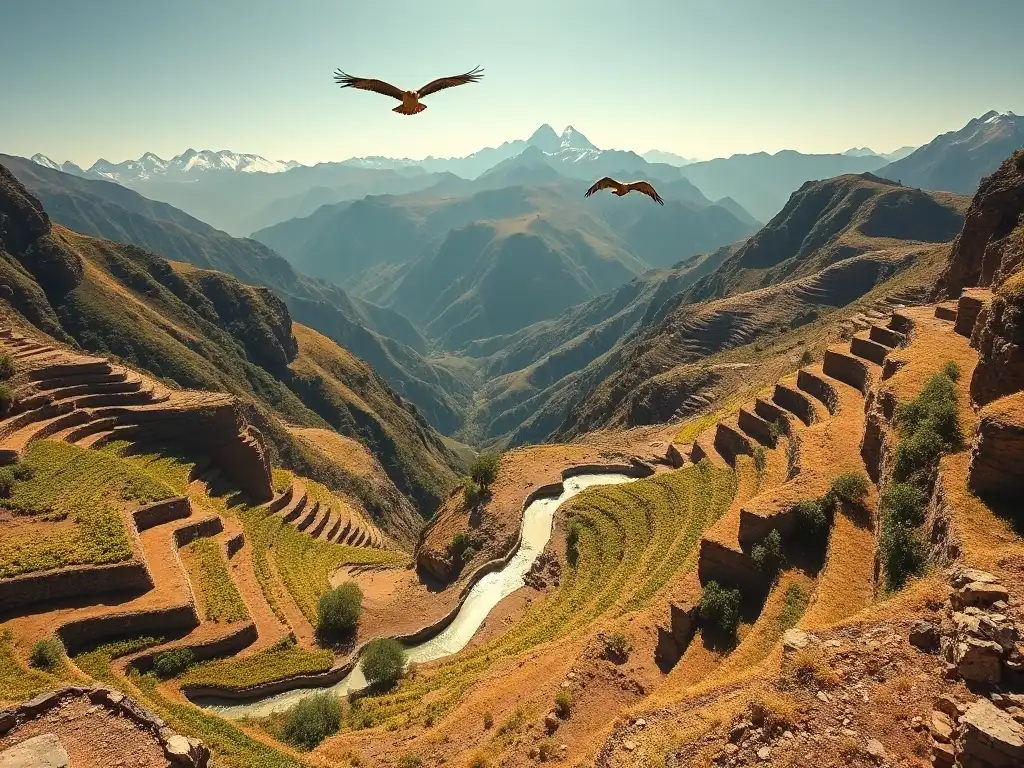
Andean potato cultivation wasn't simply a matter of planting seeds and waiting for a harvest. The ingenuity of ancient Andean farmers is evident in their sophisticated techniques for maximizing potato yields in challenging terrains. Terracing, a remarkable feat of engineering, transformed steep slopes into a series of level platforms. These terraces not only increased the available land for cultivation but also dramatically improved water management.
By creating level surfaces, water runoff was minimized, preventing soil erosion and ensuring that precious moisture was retained where the potato plants needed it most. The construction of these terraces, often involving intricate stonework, required considerable labor and planning, showcasing the advanced organizational skills of Andean societies. The precise orientation and design of the terraces also often took into account factors like sun exposure and drainage to optimize growing conditions for different potato varieties. Evidence of these sophisticated terracing systems can still be seen across the Andean highlands, standing as testament to the agricultural prowess of ancient civilizations.
Moreover, the integration of irrigation systems further enhanced potato production. Canals and ditches were carefully constructed to channel water from rivers and springs to the terraces, ensuring a consistent water supply even during dry periods. This intricate system of water management was crucial for sustaining high yields of potatoes, a crop vital to the survival and prosperity of Andean communities.
The Use of Chaquitaclla and Waru Waru Systems
Beyond terracing and irrigation, ancient Andean farmers developed innovative agricultural technologies to optimize potato cultivation. One such technology was the chaquitaclla, a unique foot-powered plow. This tool, made from wood and stone, allowed farmers to efficiently till the soil, preparing it for planting. Its design was perfectly adapted to the Andean environment, minimizing soil disturbance and preserving the delicate soil structure crucial for potato growth.
The chaquitaclla significantly reduced the labor required for land preparation compared to manual methods, increasing efficiency and allowing farmers to cultivate larger areas. The use of the chaquitaclla demonstrates a deep understanding of soil mechanics and the importance of soil conservation in the challenging Andean environment. Furthermore, the waru waru system, a type of raised-field agriculture, played a significant role in ancient Andean potato cultivation. This system involved creating raised beds separated by canals.
These canals served not only as irrigation channels but also as reservoirs, helping to regulate water temperature and humidity. This system proved particularly effective in mitigating the effects of frost and drought, common challenges in the Andean highlands. The waru waru system showcases the advanced understanding of water management and its impact on crop production, highlighting the ingenuity of Andean agricultural practices. The effectiveness of the waru waru system in optimizing potato yields is further supported by its continued use in some Andean communities today.
The Role of the Potato in Andean Diets
The potato wasn't merely a staple crop; it was central to the very fabric of Andean society. Its nutritional value, providing essential carbohydrates, vitamins, and minerals, made it a cornerstone of the Andean diet. Potatoes were prepared in countless ways, reflecting the rich culinary traditions of the region. They were boiled, roasted, fried, and dried, providing a versatile food source that could be consumed throughout the year. Different varieties of potatoes were cultivated, each with unique characteristics that made them suitable for specific culinary purposes.
Some varieties were better suited for storage, while others were preferred for their taste or texture. The diversity of potato varieties reflects the deep understanding of the crop's characteristics and the adaptation of agricultural practices to different ecological zones. Moreover, the potato's importance extended beyond its nutritional value. It played a significant role in religious ceremonies and social gatherings. The potato was often incorporated into offerings to deities, reflecting its symbolic significance in Andean cosmology.
Its abundance or scarcity could significantly impact social stability and economic prosperity. The potato's central role in Andean diets demonstrates its significance not just as a food source, but also as a symbol of cultural identity and social cohesion. The enduring legacy of the potato in Andean cuisine is a testament to its enduring importance throughout history. The continued cultivation and consumption of diverse potato varieties across the Andes today serves as a living link to the ancient agricultural practices that shaped Andean civilizations.
Nutritional Value of Andean Potatoes
Andean potatoes, encompassing the vast diversity of Solanum tuberosum varieties cultivated across the Andes Mountains, offer a remarkable nutritional profile crucial to the survival and prosperity of ancient Andean cultures. Unlike the relatively uniform potatoes common in many parts of the world today, ancient Andean varieties boasted a wide spectrum of nutritional content, varying significantly depending on the specific cultivar and its growing conditions. This diversity provided a crucial safety net, ensuring access to essential nutrients even in times of crop failure or environmental stress.
Many varieties were, and still are, rich sources of carbohydrates, providing the necessary energy for demanding physical activities at high altitudes. Beyond carbohydrates, these potatoes contained varying levels of protein, essential for building and repairing tissues. Furthermore, they provided significant amounts of essential vitamins and minerals, including vitamin C (a crucial antioxidant often lacking in high-altitude diets), vitamin B6, potassium (important for regulating blood pressure), and iron.
The high fiber content also aided in digestion and overall gut health. The specific nutritional composition varied widely, with some varieties being particularly rich in certain nutrients, while others excelled in different areas. This inherent variability within the potato itself contributed significantly to the resilience of Andean societies.
For example, some varieties were more resistant to frost, offering a crucial food source even during harsh winters, while others were better adapted to drier conditions. This biological diversity mirrored the cultural and social diversity that characterized Andean civilizations.
Potato-Based Dishes in Andean Culinary Traditions
The Andean potato's centrality to the diet is reflected in the incredible diversity of culinary traditions built around it. Far from being a simple staple, the potato formed the backbone of countless dishes, each reflecting the unique cultural practices and environmental conditions of specific Andean communities. Preparation methods varied widely, reflecting both the available resources and the characteristics of different potato varieties. Some varieties were best suited for boiling, resulting in hearty stews and soups. Others were ideal for roasting over open fires, imparting a smoky flavor that became a hallmark of Andean cuisine.
Examples of traditional dishes include chupe, a hearty potato soup often enriched with cheese and other ingredients; papa a la huancaína, a popular Peruvian dish featuring boiled potatoes covered in a creamy, spicy sauce; and locro, a thick stew containing potatoes, corn, and various meats or vegetables. These dishes, along with many others, highlight the ingenuity and adaptability of Andean culinary traditions, showcasing the potato's versatility and its capacity to nourish entire communities. The preparation techniques often involved preserving methods like sun-drying or freezing to ensure food security throughout the year.
These practices reflected a deep understanding of both the potato's properties and the challenges of a high-altitude environment. The development of such diverse culinary techniques emphasizes the importance of the potato not merely as a food source, but as a cultural cornerstone.
The Potato and Andean Rituals and Beliefs
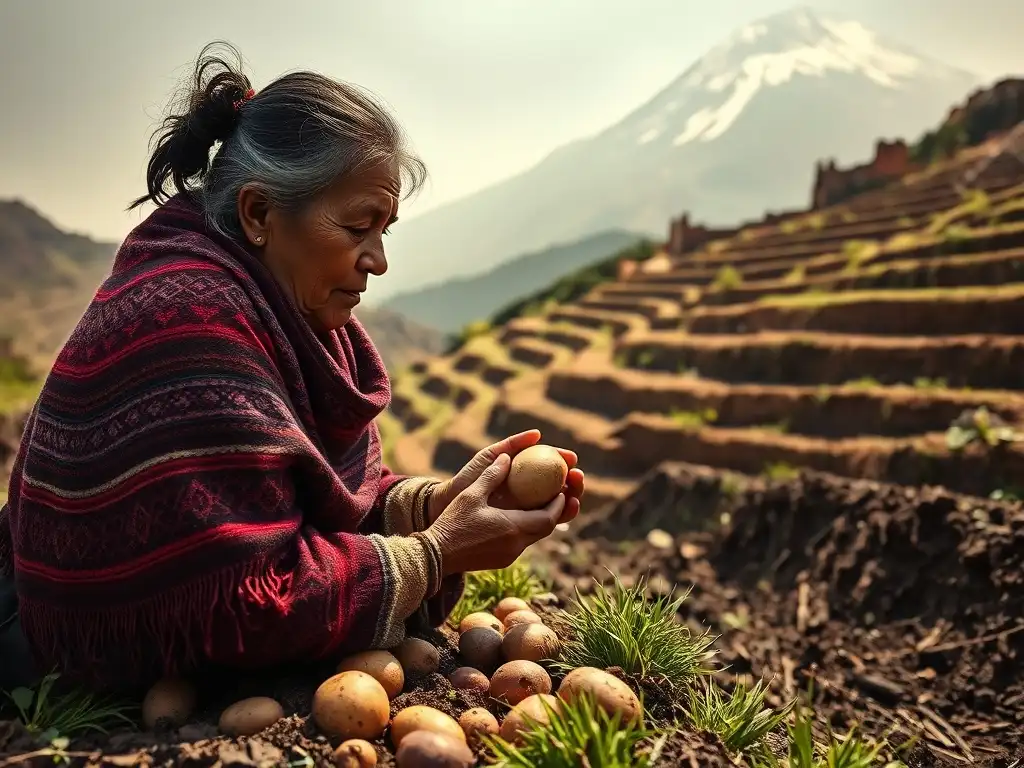
The potato's significance extended far beyond its nutritional value; it played a central role in the spiritual and religious beliefs of many Andean cultures. The potato was not simply a food; it was a life-giving entity, deeply intertwined with the earth, the cycles of nature, and the spiritual well-being of the community. Many rituals and ceremonies revolved around the potato's cultivation, harvesting, and consumption. Farmers would often perform offerings and prayers to ensure a bountiful harvest, demonstrating a profound respect for the earth and the potato's role in sustaining life.
Evidence suggests that certain potato varieties were associated with specific deities or spirits, reinforcing the plant's sacred status. The planting and harvesting seasons were often marked by elaborate ceremonies, signifying the importance of these agricultural events in the community's life cycle. Moreover, the potato's diverse colors and shapes likely held symbolic meanings, reflecting the Andean worldview and their intricate understanding of the natural world.
The potato wasn't just sustenance; it was a symbol of fertility, abundance, and the interconnectedness of humanity and the natural environment. These rituals and beliefs highlight a deep spiritual connection to the land and its bounty, reflecting a holistic worldview that embraced the potato as a central element of their existence. The enduring legacy of these rituals demonstrates the profound impact of the potato on Andean culture and spirituality, extending far beyond its practical uses.
The Potato as a Symbol of Fertility and Abundance
The potato, far from being merely a staple food, held deep symbolic meaning for Andean cultures. Its ability to multiply underground, producing numerous tubers from a single seed, resonated with concepts of fertility and abundance. This inherent reproductive capacity made it a potent symbol, frequently associated with the cyclical renewal of life and the bounty of the earth.
Depictions of potatoes in ancient Andean art, while not as prevalent as other motifs, often appear alongside representations of fertility goddesses and agricultural deities, reinforcing its symbolic significance. For example, some pottery shards from the Moche culture (100-800 CE) feature stylized representations of potatoes alongside other agricultural products, suggesting their importance in the overall context of agricultural prosperity. The tubers' ability to survive harsh conditions and provide sustenance even during lean times further solidified its status as a symbol of resilience and enduring life, mirroring the tenacity of the Andean people themselves.
This symbolic weight extended beyond the purely agricultural realm, influencing religious practices, artistic expressions, and even social structures. The potato's symbolic power contributed significantly to its integral role in Andean society, making it more than just a food source but a cornerstone of their worldview.
Offerings to Pachamama and the Harvest Festival of Inti Raymi
The Andean reverence for the potato is vividly illustrated in their religious practices. Pachamama, the Earth Mother, was a central deity in many Andean cultures, and offerings to her were crucial for ensuring successful harvests. Potatoes, given their vital role in sustenance, were frequently included in these offerings, representing gratitude for the earth's bounty and a plea for continued fertility.
The harvest festival of Inti Raymi, dedicated to the sun god Inti, provided another significant occasion for honoring the potato. This festival, celebrated during the winter solstice, was a time of great celebration and thanksgiving. The festivities included elaborate ceremonies, feasts, and processions, during which potatoes played a central role.
The largest and finest potatoes were often selected for offerings to the sun god, symbolizing the peak of the harvest and a prayer for the sun's continued energy to sustain life and ensure a prosperous future. The rituals associated with Inti Raymi and offerings to Pachamama highlight the deep spiritual connection between the Andean people, their agricultural practices, and the potato itself, demonstrating that its cultivation was not merely a practical activity but a deeply spiritual one. The meticulous preparations and the significant role of the potato in these ceremonies emphasize the plant's profound importance within their culture.
The Impact of the Potato on Andean Population Growth
The cultivation of the potato significantly impacted the demographic development of the Andean region. Its high yield and nutritional value allowed for a denser population than would have been possible with other crops. A single potato plant can produce many tubers, resulting in a considerable increase in food production per unit of land compared to other staple crops of the time.
Moreover, the potato's adaptability to diverse altitudes and climates in the Andes allowed for its cultivation across a wide range of environments, further expanding agricultural potential. This increased food security led to a rise in population density in the Andean highlands, fueling the growth of complex societies and the development of sophisticated agricultural techniques. Archaeological evidence, including the size and distribution of settlements, supports the assertion that potato cultivation played a crucial role in the expansion and sustainability of Andean populations.
While precise figures are difficult to determine due to limitations in historical data, it is evident that the potato's unique characteristics dramatically improved the sustainability of Andean communities, enabling them to thrive in challenging environments and fostering population growth over centuries. This impact extended beyond mere sustenance; it laid the groundwork for the development of the intricate social structures and impressive civilizations that characterized the Andean region.
How the Potato Supported Larger Communities
The potato's high caloric density and adaptability to diverse Andean environments were instrumental in supporting the growth of larger, more complex communities. Unlike many other crops prevalent in the region, the potato offered a reliable and substantial food source, even in challenging terrains and climates. This consistent yield allowed populations to settle in areas previously unsuitable for large-scale agriculture, leading to increased population density and the development of more sophisticated social structures.
The storage capabilities of potatoes were also crucial. The ability to store potatoes for extended periods, particularly through techniques like chullpas (ancient Andean storage structures), provided a crucial buffer against seasonal food shortages and ensured community survival during lean times. This reliable food supply freed up a significant portion of the population from the constant need for food production, allowing individuals to specialize in other crafts and professions, contributing to the overall development and complexity of Andean societies.
The surplus generated from successful potato harvests also facilitated trade and exchange networks, strengthening inter-community relationships and contributing to regional stability and prosperity. This reliable food security, therefore, was a fundamental factor in enabling the rise of larger and more complex Andean settlements.
The Potato's Contribution to the Development of Andean Civilizations
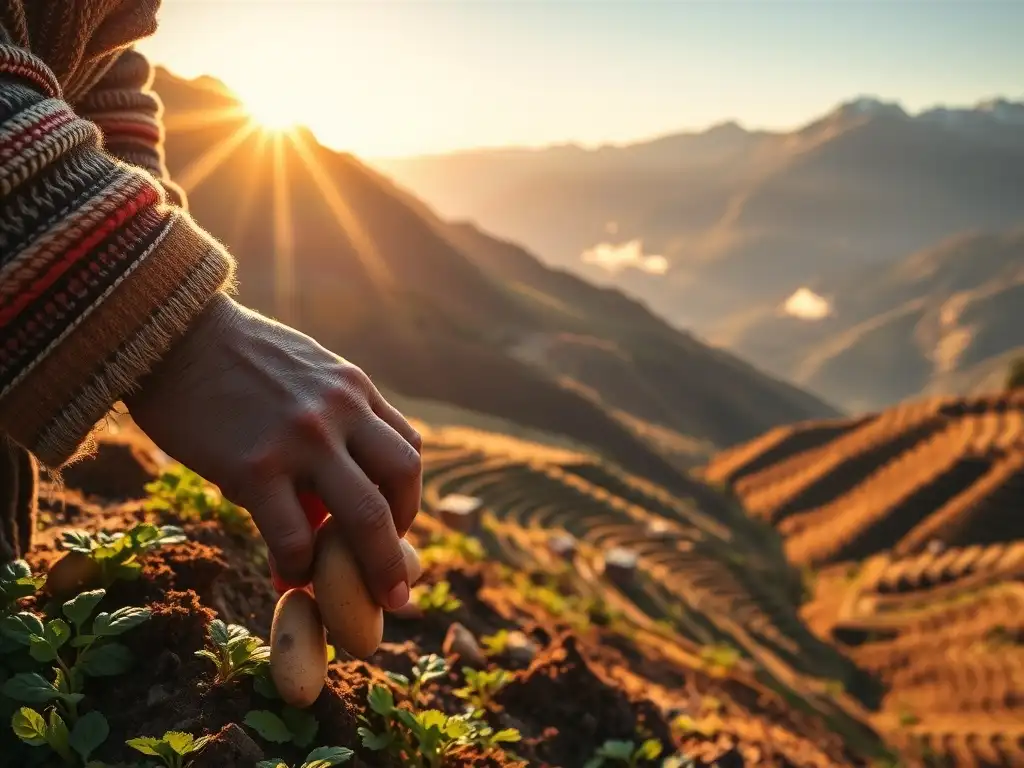
The cultivation of the potato wasn't merely a means of sustenance; it was a catalyst for the development of sophisticated Andean civilizations. The potato's versatility fueled innovation in agricultural techniques. Andean farmers developed intricate terracing systems, irrigation canals, and sophisticated fertilization methods to optimize potato yields in challenging terrains.
This agricultural expertise required a high level of cooperation and organization within communities, fostering social cohesion and the development of complex social hierarchies. The surplus generated from successful potato harvests also allowed for the development of specialized labor, leading to advancements in various fields such as pottery, textiles, and metalworking. Moreover, the potato's importance in the Andean diet is reflected in their mythology and religious practices.
The potato held significant symbolic value, representing fertility, abundance, and the connection to the sacred earth. The widespread cultivation of the potato, therefore, was not only a crucial factor in supporting population growth and social complexity but also a significant driver in the overall development of Andean culture, religion, and technology. The potato's centrality to their lives is undeniable in shaping the unique character of these remarkable civilizations.
The Legacy of Ancient Andean Potato Cultivation
The legacy of ancient Andean potato cultivation continues to resonate today. Modern agricultural practices in the Andes still incorporate many of the traditional techniques developed centuries ago, showcasing the enduring wisdom of ancient Andean farmers. The remarkable diversity of potato varieties cultivated in the Andes—thousands of unique cultivars—is a testament to the ingenuity and adaptability of Andean agricultural practices.
This biodiversity is a crucial resource for food security and resilience in the face of climate change and other challenges. Furthermore, understanding ancient Andean potato cultivation methods offers valuable insights for sustainable agriculture practices globally. The emphasis on biodiversity, water conservation, and soil fertility inherent in traditional Andean farming techniques provides important lessons for modern agriculture seeking to minimize its environmental impact.
The preservation and study of ancient Andean potato cultivation practices are therefore not simply a matter of historical interest; they hold critical implications for global food security and sustainable development in the 21st century. The ongoing research into the genetic diversity of Andean potatoes is also contributing to the development of new, climate-resilient varieties, securing the future of this vital crop.
The Potato's Global Spread from the Andes
The potato's journey from its Andean birthplace to becoming a global staple is a fascinating tale of exploration, colonization, and adaptation. Its introduction to Europe, primarily through the Spanish conquistadors in the 16th century, marked a pivotal moment. Initially met with skepticism and even suspicion in some parts of Europe, the potato gradually gained acceptance, particularly among the peasantry. Its high yield and nutritional value proved invaluable, especially in regions with less fertile land.
The potato's adaptability to diverse climates and soil conditions further fueled its spread. Interestingly, the initial varieties brought from the Andes were not always the most palatable or productive, leading to centuries of selective breeding and cultivation to develop the many potato varieties we know today. This process of adaptation and improvement, driven by both farmers and scientists, showcases the potato's inherent resilience and its capacity to thrive in vastly different environments.
The potato's global spread wasn't a linear process; it faced challenges, including periods of famine and disease outbreaks (like the Irish potato blight in the 19th century), which highlighted the vulnerability of relying on a single crop variety. This underscored the crucial importance of maintaining genetic diversity in potato cultivation, a lesson that resonates even more strongly today. The story of the potato's global spread serves as a potent example of how a single crop can profoundly impact global food security and cultural landscapes.
Modern Importance of Preserving Andean Potato Biodiversity
The preservation of Andean potato biodiversity is paramount for ensuring future food security and addressing the challenges of climate change. The Andes are home to an astonishing diversity of potato species – far exceeding the limited number of commercial varieties grown globally. These wild and cultivated relatives hold a treasure trove of genetic material that could be invaluable in developing new potato varieties resistant to pests, diseases, and changing climatic conditions.
For example, some Andean potato varieties exhibit remarkable tolerance to drought, salinity, and frost, traits highly sought after in the face of increasing environmental pressures. The loss of this biodiversity would represent an irreplaceable loss of potential solutions to global food challenges. Efforts to preserve this genetic heritage involve a multifaceted approach, including in situ conservation (preserving potatoes in their natural environment) and ex situ conservation (preserving them in gene banks and research facilities).
Community-based conservation programs are also crucial, empowering local farmers to safeguard traditional potato varieties and traditional agricultural knowledge. This collaborative approach is vital to ensure the long-term survival and sustainable use of this invaluable resource. The future of potato cultivation globally depends heavily on the success of these initiatives, protecting not just a crop but a legacy of ancient Andean agricultural ingenuity.
Conclusion: The Enduring Significance of the Andean Potato
The Andean potato's journey, from its humble origins in the high altitudes of the Andes to its current status as a global food staple, is a testament to its resilience and adaptability. Its significance extends far beyond its nutritional value; it represents a rich cultural heritage, a symbol of ingenuity in adapting to harsh environments, and a crucial resource for future food security. Understanding the history of ancient Andean potato cultivation helps us appreciate the intricate relationship between humans and their environment.
The diverse varieties cultivated by Andean communities represent centuries of careful selection and adaptation, highlighting the profound knowledge and skills passed down through generations. The ongoing efforts to preserve Andean potato biodiversity are not just about conserving a crop; they are about safeguarding a legacy of agricultural innovation and ensuring the availability of a vital food source for future generations.
The potato’s enduring significance underscores the importance of respecting and learning from traditional agricultural practices and the crucial role of biodiversity in meeting the challenges of a changing world. 🥔 The future of food security, in part, rests on the shoulders of this humble, yet mighty, tuber.
- Introduction to the Andean Potato and its Importance
- The Origins of Potato Cultivation in the Andes
- Early Evidence of Potato Farming in Ancient Andean Societies
- The Diversity of Andean Potato Varieties
- Papa Amarilla, Papa Huayro, and Papa Peruanita
- Ancient Andean Potato Cultivation Techniques
- Terracing and Irrigation for Potato Growth
- The Use of Chaquitaclla and Waru Waru Systems
- The Role of the Potato in Andean Diets
- Nutritional Value of Andean Potatoes
- Potato-Based Dishes in Andean Culinary Traditions
- The Potato and Andean Rituals and Beliefs
- The Potato as a Symbol of Fertility and Abundance
- Offerings to Pachamama and the Harvest Festival of Inti Raymi
- The Impact of the Potato on Andean Population Growth
- How the Potato Supported Larger Communities
- The Potato's Contribution to the Development of Andean Civilizations
- The Legacy of Ancient Andean Potato Cultivation
- The Potato's Global Spread from the Andes
- Modern Importance of Preserving Andean Potato Biodiversity
- Conclusion: The Enduring Significance of the Andean Potato
- What role did potatoes play in ancient Andean civilizations?
- How did ancient Andean people adapt potato cultivation to diverse environments?
- What are some examples of ancient Andean potato varieties?
- What evidence exists to show the importance of potato cultivation in Andean societies?
- How did ancient Andean potato cultivation techniques differ from those used in other parts of the world?
Frequently Asked Questions
What role did potatoes play in ancient Andean civilizations?
Potatoes were an absolute staple crop, providing essential carbohydrates and nutrients for the survival and growth of Andean populations. Their cultivation shaped their economies and societies.
How did ancient Andean people adapt potato cultivation to diverse environments?
Andean farmers developed remarkable techniques to cultivate potatoes in diverse and challenging environments, including terracing, irrigation, and the selection of specific varieties suited to different altitudes and climates.
What are some examples of ancient Andean potato varieties?
Ancient Andean farmers cultivated a vast array of potato varieties, many of which are still grown today. These included potatoes adapted to various altitudes, climates, and soil conditions, showcasing their sophisticated agricultural knowledge.
What evidence exists to show the importance of potato cultivation in Andean societies?
Archaeological evidence, including ancient tools, storage facilities, and depictions of potatoes in art, demonstrates the centrality of potato cultivation in Andean life. Genetic analysis further reveals the history of potato domestication.
How did ancient Andean potato cultivation techniques differ from those used in other parts of the world?
Andean cultivation methods were uniquely adapted to the high altitude and variable climate of the Andes. Techniques like freeze-drying (chuño) were essential for preservation and extended the growing season.
Final Reflection: The Enduring Legacy of the Andean Potato
The humble potato, a cornerstone of Andean civilization, continues to feed billions globally, a testament to the ingenuity and resilience of ancient farming practices. Its journey from the high altitudes of the Andes to tables worldwide is a story of adaptation, innovation, and the enduring power of agricultural heritage. Understanding this history is not merely an academic exercise; it holds crucial lessons for addressing modern food security challenges.
The impact of Andean potato cultivation extends far beyond mere sustenance; it shaped entire cultures, influencing social structures, religious beliefs, and artistic expression. The intricate systems of terracing, irrigation, and crop diversification developed over millennia remain a source of wonder and inspiration. As the world grapples with climate change and the need for sustainable agriculture, these ancient techniques offer invaluable insights. The potato is not just a food; it is a symbol of life, resilience, and the enduring connection between humanity and nature.
This simple statement encapsulates the profound significance of the Andean potato's legacy.
Consider, for a moment, the vast diversity of potato varieties still cultivated in the Andes, each uniquely adapted to its environment. This biodiversity is a treasure trove of genetic resources, crucial for developing climate-resilient crops capable of withstanding future challenges.
You, the reader, can play a vital role in preserving this legacy by supporting sustainable agriculture, appreciating the rich history of our food systems, and advocating for policies that protect biodiversity. Let the enigma of the Andean potato inspire you to explore the interconnectedness of our past, present, and future, and to actively participate in building a more sustainable and equitable food system for all.
Unearth the Wonders of the Andean Potato!
Thank you for exploring the fascinating world of the Andean potato—a staple food and a testament to human ingenuity. Discovering its rich agricultural history reveals not only the crop's significance but also its profound impact on Andean cultures. Now, let's put that knowledge to work!
Here are some ways to appreciate the legacy of the Andean potato:
- Embrace Andean cuisine: Experiment with traditional Andean potato dishes, savoring the unique flavors and textures of this remarkable tuber.
- Share your newfound knowledge: Discuss the cultural importance of the Andean potato with friends and family—let's spread the word!
- Connect with a community: Explore local farmers' markets or online groups dedicated to heirloom crops. Connect with fellow enthusiasts to exchange ideas and recipes.
What aspect of Andean potato culture most captivates you, and how will you celebrate its rich heritage?