
Kalasasaya: Tiahuanaco's Standing Stones and the Mysteries of their Alignment

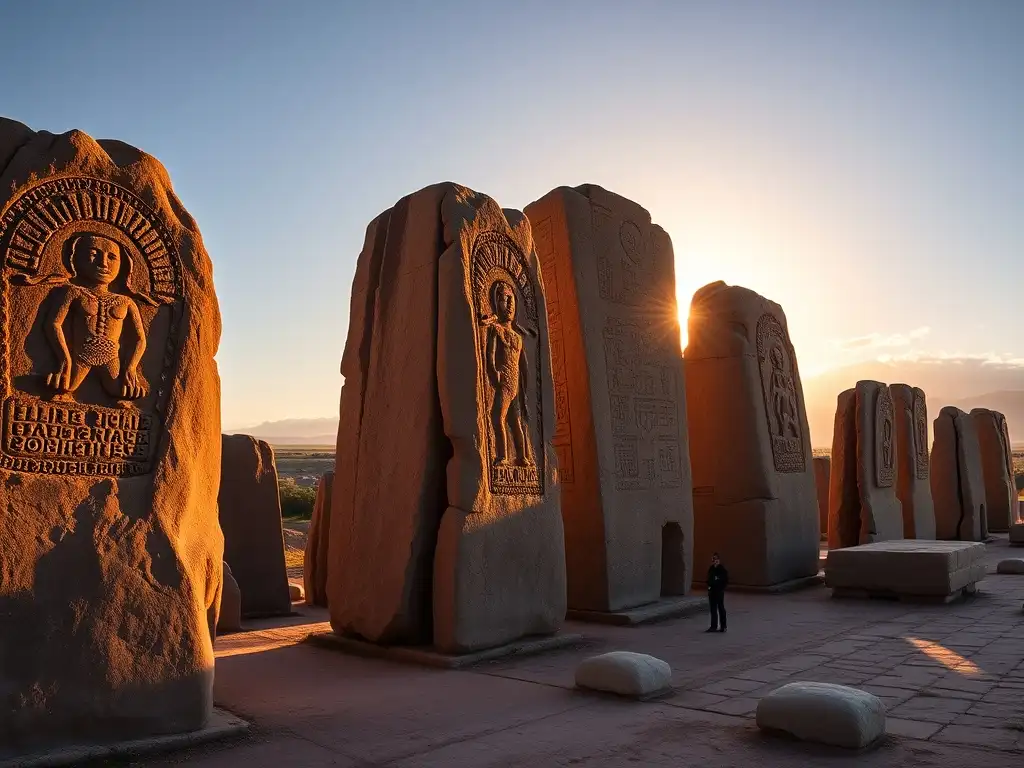
Prepare to be amazed. Journey with us into the heart of the Andes, where ancient secrets whisper from the stones. For centuries, the Tiahuanaco Kalasasaya stone alignment has baffled scholars and captivated imaginations. What celestial knowledge did these masterful builders possess? Uncover the mysteries and breathtaking artistry of the Andean civilizations – from the Incas to the Nazca – and delve into the enigma of Tiahuanaco's enduring legacy. Explore the fascinating world that awaits you, starting with the Kalasasaya's astonishing precision.
- Kalasasaya: Exploring Tiahuanaco's Standing Stones and their Alignment
- The Enigmatic Kalasasaya Platform at Tiahuanaco
- Kalasasaya's Standing Stones: A Closer Look
- The Mystery of Tiahuanaco Kalasasaya Stone Alignment
- Investigating the Engineering of Kalasasaya
- Kalasasaya and its Place within Tiahuanaco Civilization
- Modern Research and Interpretations of Kalasasaya
- Frequently Asked Questions
- Final Reflection: Unraveling the Whispers of Kalasasaya
- Unveil the Mysteries of Kalasasaya!
Kalasasaya: Exploring Tiahuanaco's Standing Stones and their Alignment
The enigmatic city of Tiahuanaco, nestled high on the Altiplano of Bolivia, holds a captivating place in Andean history. Its monumental architecture, particularly the Kalasasaya complex, continues to fascinate archaeologists and researchers alike. This article delves into the mysteries surrounding the Kalasasaya's standing stones and the precise alignment of these impressive structures, exploring the potential astronomical, religious, and societal significance behind their placement.
We will examine the current understanding of the Kalasasaya stone alignment, considering various theories and the ongoing research that sheds light on this remarkable feat of ancient engineering and its connection to the Tiahuanaco civilization's cosmological beliefs. Understanding the Kalasasaya's alignment is key to unlocking a deeper understanding of Tiahuanaco's sophisticated culture and its place within the broader tapestry of Andean civilizations. Prepare to be amazed by the ingenuity and precision of this ancient marvel, and the enduring questions it poses to modern researchers.
The Kalasasaya Complex: A Monumental Structure
The Kalasasaya, meaning "standing stones" in Aymara, is the most impressive structure within the Tiahuanaco site. It’s a large, rectangular plaza surrounded by monumental walls constructed from massive blocks of red sandstone. These blocks, some weighing many tons, were precisely cut and fitted together without the use of mortar, showcasing an advanced level of stone-working technology.
The complex features several significant elements, including the iconic Gate of the Sun, intricately carved with religious and possibly astronomical imagery, and a series of standing stones that are the focus of much scholarly debate. The sheer scale of the Kalasasaya, combined with its intricate carvings and precise alignment, points to a highly organized and technologically advanced society. Further research is needed to fully understand the construction methods employed by the Tiahuanaco people, and the monumental effort required to erect such a structure at such a high altitude.
Astronomical Alignment: Sun, Stars, and the Kalasasaya
One of the most intriguing aspects of the Kalasasaya is the apparent astronomical alignment of its standing stones. Several studies suggest that specific stones were positioned to mark solstices and equinoxes, or to align with significant constellations. The precision of these alignments is remarkable, hinting at a sophisticated understanding of celestial movements. However, the exact purpose of these alignments remains a subject of ongoing debate.
Were they used for religious ceremonies, calendrical calculations, or a combination of both? Some researchers propose that the Kalasasaya served as a kind of astronomical observatory, while others suggest it held a more ceremonial significance, with the astronomical alignments serving to enhance the sacred nature of the site. Further research, including advanced astronomical modeling and detailed analysis of the stones' positions, is crucial to clarifying these hypotheses.
Beyond the astronomical alignments, the Kalasasaya's standing stones may also hold profound religious and social significance. Many of the stones feature intricate carvings, including depictions of deities, animals, and abstract symbols. The interpretation of these carvings is a complex undertaking, requiring careful consideration of Tiahuanaco iconography and its relationship to broader Andean religious beliefs.
Some researchers suggest that the stones represented specific deities or ancestors, while others propose that they symbolized important social structures or cosmological concepts. The complex interplay of astronomical alignment and symbolic imagery suggests that the Kalasasaya served multiple functions, acting as both an astronomical observatory and a sacred center for religious and social life. Understanding the complex symbolism is crucial to unraveling the multifaceted nature of this ancient site.
Ongoing Research and Future Directions: Unraveling the Mysteries
The study of the Kalasasaya and its stone alignment is an ongoing process. New technologies and methodologies are constantly being applied to refine our understanding of this remarkable site. Further archaeological excavations, detailed 3D modeling, and advanced astronomical analyses are all crucial for advancing our knowledge.
Furthermore, interdisciplinary collaboration between archaeologists, astronomers, and anthropologists is essential to achieve a comprehensive understanding of the Kalasasaya's multifaceted significance. The mysteries surrounding the Kalasasaya's stone alignment continue to challenge and inspire researchers, promising further exciting discoveries in the years to come. The precision and sophistication of the Kalasasaya stand as a testament to the ingenuity and advanced understanding of the Tiahuanaco civilization, offering a window into the rich cultural and cosmological landscape of ancient Andean societies.
The Enigmatic Kalasasaya Platform at Tiahuanaco
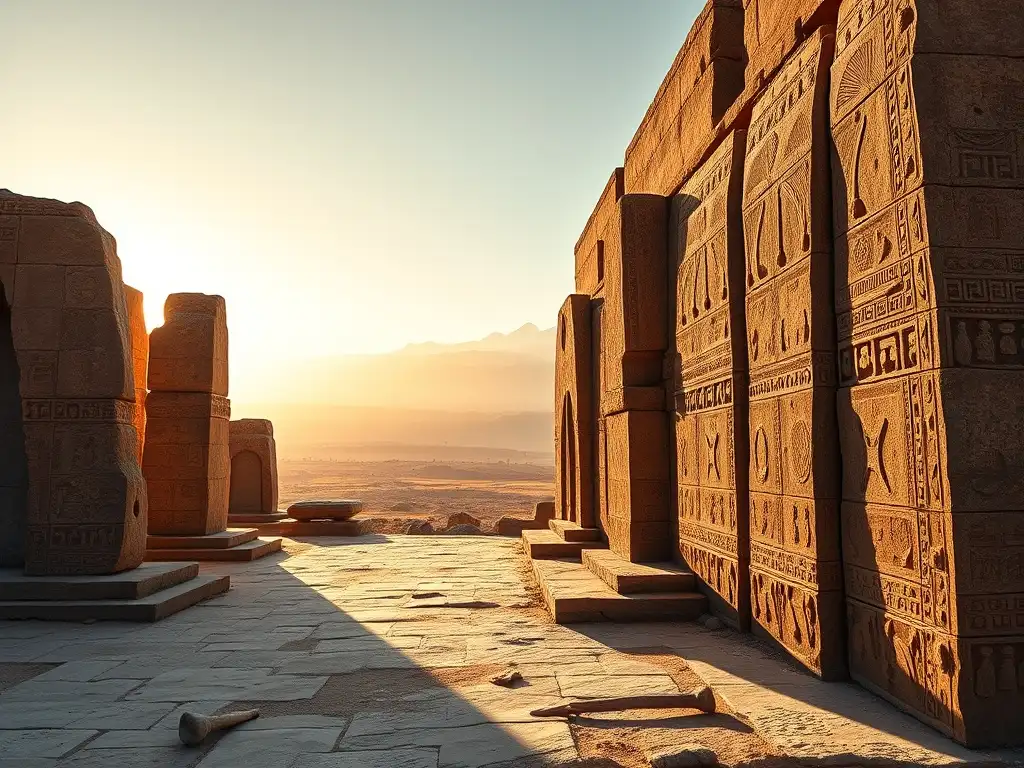
The Kalasasaya platform, a cornerstone of the Tiahuanaco archaeological site, stands as a testament to the advanced architectural and engineering prowess of the Tiahuanaco civilization. Its precise stone alignment, intricate carvings, and monumental scale have captivated researchers and visitors for centuries, fueling countless theories about its purpose and the astronomical knowledge embedded within its design. The very name "Kalasasaya," meaning "standing stones" in Aymara, hints at the structure's imposing presence and the enduring mystery surrounding its creation.
This section delves into the specifics of the Kalasasaya platform, exploring its features and the ongoing debate surrounding its astronomical significance within the broader context of Tiahuanaco's urban planning. Understanding the Tiahuanaco Kalasasaya stone alignment is key to unlocking a deeper understanding of this enigmatic civilization.
Understanding the Significance of the Tiahuanaco Kalasasaya Complex
The Kalasasaya complex isn't simply a single structure; it's a multifaceted site encompassing a large platform, surrounding smaller structures, and monumental gateways. Its significance extends beyond its impressive architecture. The precise alignment of its stones with celestial events, particularly solstices and equinoxes, suggests a sophisticated understanding of astronomy.
This astronomical alignment wasn't accidental; it was meticulously planned and executed, reflecting a deep connection between the Tiahuanaco people and the cosmos. Some scholars believe the Kalasasaya complex served as a ceremonial center, a place where astronomical observations informed religious practices and agricultural cycles. Others propose that it held a broader socio-political function, symbolizing the power and authority of the Tiahuanaco elite.
The complexity of the site, encompassing various architectural features and potential functions, makes definitive conclusions challenging, highlighting the enduring enigma of Tiahuanaco Kalasasaya stone alignment. Further research, including detailed analysis of the site's stratigraphy and artifact assemblages, is needed to fully comprehend its significance.
The layout itself speaks volumes. The careful placement of the monoliths, the precise angles, and the integration of other architectural elements within the complex all point to a level of planning and execution rarely seen in other contemporary sites. The sheer scale of the project—the immense weight of the stones and the precision required for their placement—is a testament to the organizational and technological capabilities of the Tiahuanaco people.
This level of precision in the Tiahuanaco Kalasasaya stone alignment suggests a highly organized society with sophisticated engineering techniques. The use of massive stones, some weighing many tons, necessitated advanced knowledge of quarrying, transportation, and construction methods.
Architectural Features of the Kalasasaya Platform
The Kalasasaya platform boasts several notable architectural features. The most striking is the presence of massive, intricately carved stones, some adorned with zoomorphic and anthropomorphic figures. These carvings, often deeply weathered, provide valuable clues about the religious beliefs and artistic styles of the Tiahuanaco civilization. The platform itself is constructed from precisely cut and fitted andesite blocks, showcasing the advanced stone-working techniques employed. The meticulous craftsmanship is evident in the tight joints between the stones, with minimal mortar used. This suggests a high degree of precision in both the quarrying and the construction phases.
Examples of Architectural Details
The Gateway of the Sun, located near the Kalasasaya, is a prime example of Tiahuanaco's artistic and engineering skills. Its intricate carvings depict a central figure, possibly a deity, surrounded by other symbolic representations. The precision with which the stones were cut and fitted is remarkable, further emphasizing the advanced knowledge of the Tiahuanaco masons. Similarly, the Bennett monolith, a large, freestanding stone, displays elaborate carvings, adding to the complex iconography of the site. The alignment of these elements with the solstice and equinox further complicates the understanding of the Tiahuanaco Kalasasaya stone alignment, suggesting a multi-layered significance.
The platform's layout also includes strategically placed smaller structures and plazas, suggesting a complex organization of space. The arrangement of these elements within the larger Kalasasaya complex may have had ritual or ceremonial functions, potentially reflecting the social hierarchy and religious practices of the Tiahuanaco society. The purposeful arrangement of structures and the integration of astronomical alignments strongly suggest a planned urban layout, indicating sophisticated urban planning skills far ahead of their time.
Further research is needed to definitively determine the specific functions of each architectural element within the Kalasasaya platform and its overall contribution to the Tiahuanaco Kalasasaya stone alignment. The mysteries surrounding this site continue to fascinate and challenge researchers, highlighting the enduring legacy of the Tiahuanaco civilization.
Kalasasaya's Standing Stones: A Closer Look
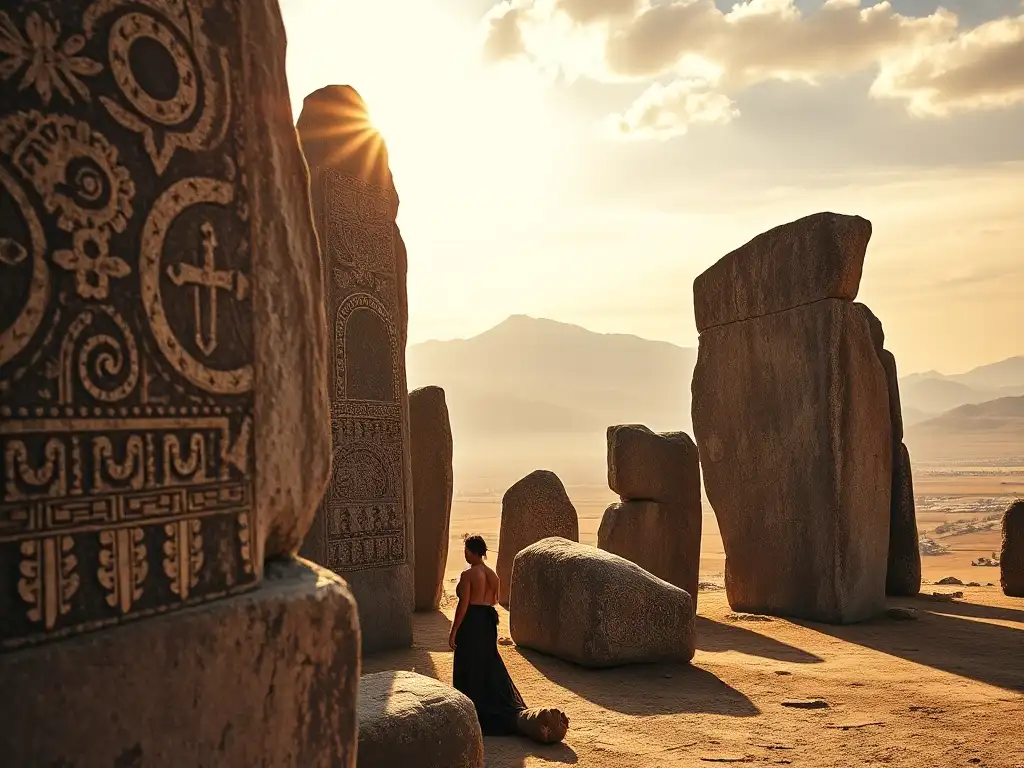
This section delves into the remarkable standing stones of Kalasasaya, a crucial part of the Tiahuanaco archaeological site. Understanding these monoliths is key to unlocking the mysteries surrounding their precise alignment and the advanced engineering capabilities of the Tiahuanaco civilization. The meticulous placement of these massive stones, some weighing many tons, speaks volumes about their astronomical knowledge and societal organization.
The sheer scale of the undertaking highlights the importance of Kalasasaya within the broader Tiahuanaco complex. We'll explore the characteristics of these stones, their composition, and the impressive feats of engineering involved in their construction and placement. The enduring enigma of the Tiahuanaco Kalasasaya stone alignment continues to fascinate researchers and visitors alike, prompting ongoing investigation and debate.
The Monoliths of Kalasasaya: Description and Characteristics
The Kalasasaya platform is dominated by numerous standing stones, varying significantly in size and shape. Many are intricately carved with intricate reliefs and designs, reflecting the sophisticated artistic capabilities of the Tiahuanaco people. These carvings often depict stylized figures, geometric patterns, and possibly celestial symbols, further fueling speculation about their astronomical significance. The largest monoliths are truly impressive, standing several meters tall and weighing many tons.
Their precise placement, often within a meticulously planned arrangement, suggests a deep understanding of geometry and engineering. Some stones show evidence of significant weathering and erosion, providing clues about the age and exposure of the site. Careful analysis of these weathering patterns, combined with other dating techniques, helps refine our understanding of the construction timeline of Kalasasaya. Detailed studies of the carvings themselves, including their style, motifs, and potential symbolism, are ongoing, constantly revealing new insights into Tiahuanaco culture and beliefs.
The sheer number and variety of these monoliths present a rich field of study for archaeologists and art historians alike. The meticulous craftsmanship evident in even the smallest details underscores the exceptional skill and dedication of the builders. For example, the precise fitting of some stones together, with minimal gaps, demonstrates an advanced understanding of stoneworking techniques.
The sheer scale of these monoliths, and their precise placement within the Kalasasaya complex, speaks volumes about the engineering capabilities of the Tiahuanaco people. The weight and size of some stones necessitate sophisticated techniques for extraction, transport, and placement. The precise alignment of certain stones, especially in relation to the solstices and equinoxes, points towards a sophisticated understanding of astronomy and its practical application.
Researchers are still debating the exact methods used to achieve such precision, with many theories focusing on advanced knowledge of levers, ramps, and possibly even the use of water or other mechanisms to move these colossal stones. The ongoing research into the Tiahuanaco Kalasasaya stone alignment continues to reveal new aspects of this fascinating site.
Andesite and the Construction of the Tiahuanaco Monoliths
The vast majority of the standing stones in Kalasasaya are composed of andesite, a volcanic rock known for its strength and durability. The Tiahuanaco people sourced this andesite from quarries located several kilometers from the site, demonstrating their logistical capabilities and organizational skills. The selection of andesite itself speaks to their understanding of materials science; its hardness and resistance to weathering ensured the longevity of these monumental structures.
The process of quarrying, shaping, and transporting these massive blocks of andesite required considerable skill and manpower. Archaeological evidence suggests the use of sophisticated stone-working tools, including copper and possibly bronze implements, to carve and shape the stones. The precision of the cuts and the overall quality of the workmanship are remarkable, highlighting the advanced level of craftsmanship within the Tiahuanaco civilization.
The transport of the andesite blocks from the quarries to the Kalasasaya platform presented a significant logistical challenge. Researchers continue to debate the precise methods employed, with theories ranging from the use of wooden rollers and ramps to the potential utilization of water-based transport systems. The sheer weight of some of these monoliths suggests the involvement of a large workforce, coordinated effort, and a sophisticated understanding of engineering principles.
The impressive scale of this undertaking further underscores the significance of Kalasasaya within the broader Tiahuanaco society. The precise alignment of the stones within the Kalasasaya complex, coupled with the use of andesite, highlights the sophisticated interplay of engineering, astronomy, and cultural significance within the Tiahuanaco civilization.
The Mystery of Tiahuanaco Kalasasaya Stone Alignment
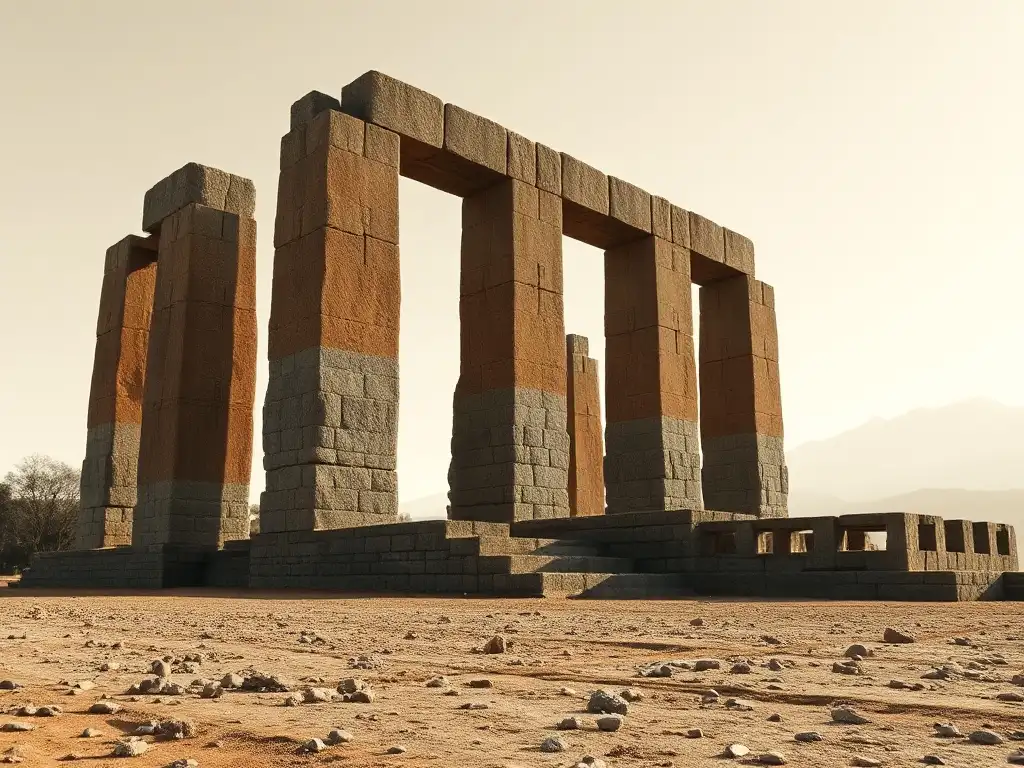
The Kalasasaya complex at Tiahuanaco, Bolivia, remains one of the most enigmatic archaeological sites in the Andes. Its massive stone structures, particularly the Kalasasaya platform, are renowned for their precise construction and intriguing alignments. The precise purpose of these alignments, however, continues to spark debate amongst researchers, generating significant interest in the "Tiahuanaco Kalasasaya stone alignment".
This section will delve into the various theories surrounding the alignment of the stones within the Kalasasaya, exploring astronomical interpretations and considering alternative possibilities. The sheer scale and precision of the stonework itself are already impressive feats of engineering, but the underlying intention behind the layout continues to fascinate and challenge our understanding of this ancient civilization. The complexity of the site, with its interwoven structures and intricate carvings, adds layers to the mystery, making the search for answers all the more compelling.
Celestial Alignment Theories of the Kalasasaya Structure
One dominant theory revolves around the celestial alignment of the Kalasasaya structure. Many researchers believe that the positioning of the stones, particularly the monumental gateway and other significant features, was carefully planned to mark solstices, equinoxes, or other astronomically significant events. The precision with which these alignments seem to have been achieved is remarkable, suggesting a sophisticated understanding of astronomy far exceeding what was previously attributed to pre-Columbian Andean cultures. For example, some argue that the main axis of the Kalasasaya aligns with the rising and setting points of the sun during the winter solstice.
This theory is supported by the presence of other structures within the Tiahuanaco complex that also appear to be astronomically aligned, reinforcing the idea of a deliberate, planned astronomical observatory. However, the exact nature and extent of these alignments remain subject to ongoing research and debate. Further investigation, including detailed geodetic surveys and advanced astronomical modeling, is needed to definitively confirm or refute these claims and fully understand the intricacies of the Tiahuanaco Kalasasaya stone alignment. The potential for errors in measurement and interpretation also necessitates a cautious approach to interpreting these alignments.
Astronomical Significance of the Kalasasaya Platform
The Kalasasaya platform itself is a crucial element in understanding the astronomical significance of the site. Its dimensions, orientation, and the placement of its various features all contribute to the complex interplay of astronomical alignments. The platform's massive stones, some weighing tens of tons, were meticulously placed and shaped, reflecting a level of engineering skill that continues to impress modern engineers. The presence of smaller, more intricately carved stones within the larger structure adds another layer of complexity. These smaller stones often feature intricate designs, possibly representing celestial bodies or constellations, further supporting the astronomical interpretation.
The location of the site, high in the Andes, also plays a significant role. The high altitude provides a clear view of the night sky, making it an ideal location for astronomical observations. This prime location, combined with the precision of the stone alignments, suggests a deliberate attempt to track celestial movements and possibly use these observations for calendrical or ritualistic purposes.
However, more research is needed to fully decipher the meaning and purpose of these alignments within the broader context of Tiahuanaco culture and cosmology. The symbolic significance of the astronomical events observed from Kalasasaya remains a fascinating area of ongoing research.
Theories on the Purpose of the Kalasasaya Stone Arrangements
While celestial alignment is a leading theory, the purpose of the Kalasasaya stone arrangements remains a matter of ongoing discussion. Some researchers propose that the site served as a ceremonial center, where religious rituals and observances were conducted. The scale and grandeur of the structures certainly suggest a site of significant importance within Tiahuanaco society. The precise arrangement of the stones might have been intended to create a specific atmosphere or facilitate specific rituals, using the alignments as a focal point.
Furthermore, the possibility that the Kalasasaya served multiple purposes cannot be ruled out. It is conceivable that the site functioned both as an astronomical observatory and a ceremonial center, with the astronomical alignments playing a crucial role in the rituals performed there. [Specific information pending] on the nature of the rituals performed at the site and their connection to the astronomical observations could further illuminate the purpose of these arrangements.
Further investigation into the artifacts found within the Kalasasaya complex could offer invaluable clues. The interplay of astronomy, ritual, and social organization within the Tiahuanaco culture presents a rich area for future research concerning the "Tiahuanaco Kalasasaya stone alignment".
Investigating the Engineering of Kalasasaya
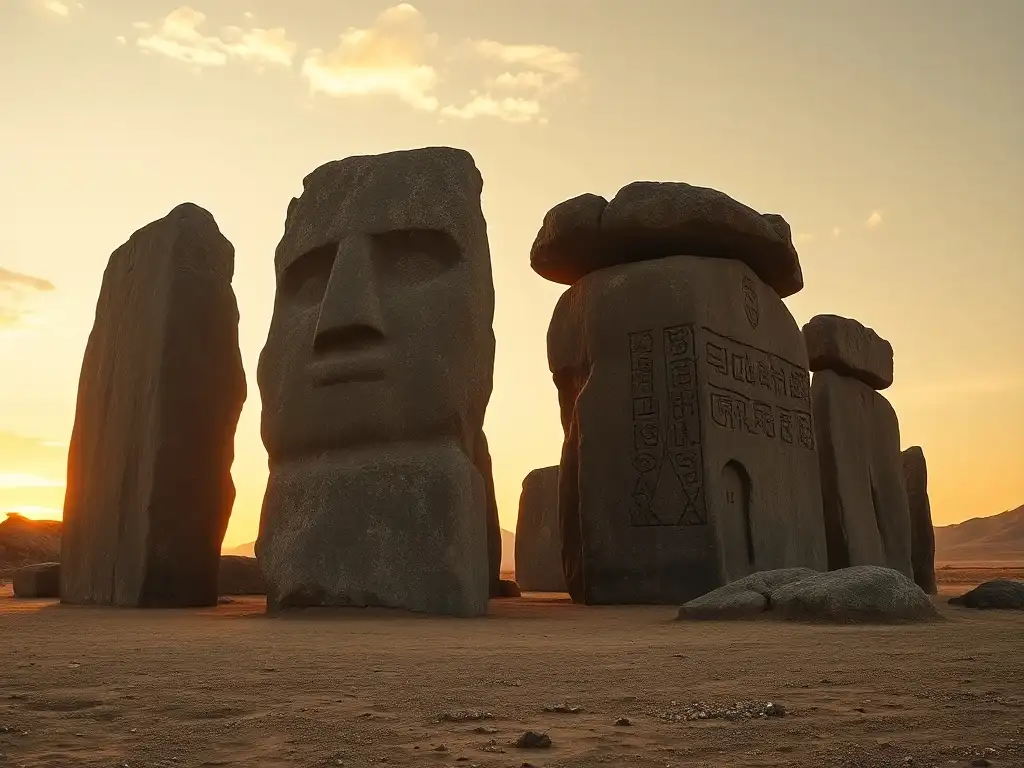
This section delves into the remarkable engineering feats achieved in the construction of Kalasasaya, the iconic standing stones of Tiahuanaco. We will explore the techniques employed, the precision of the stonework, and the immense organizational effort required to erect such a monumental structure. Understanding these aspects provides crucial insight into the advanced capabilities of the Tiahuanaco civilization and their mastery of stone architecture. The precise alignment of the Kalasasaya stones, a key aspect of the "Tiahuanaco Kalasasaya stone alignment", remains a subject of ongoing research and fascination.
Construction Techniques Employed at Kalasasaya
The construction of Kalasasaya presented significant engineering challenges, particularly considering the massive size of the stones and the precision of their placement. Archaeological evidence suggests the Tiahuanaco builders utilized a combination of techniques. They likely employed sophisticated quarrying methods to extract the large andesite blocks from distant sources.
The process involved meticulous planning and the use of specialized tools, although the exact nature of these tools remains a subject of ongoing debate among researchers. Once extracted, the blocks were transported to the construction site, a feat requiring considerable manpower and ingenuity. Evidence suggests the use of ramps and rollers, although the precise methods remain unclear.
Furthermore, the precise fitting of the stones, some weighing many tons, required advanced knowledge of stone cutting and shaping, as well as sophisticated techniques for lifting and positioning these massive blocks with remarkable accuracy. The lack of mortar between many of the stones further emphasizes the builders' skill in achieving such a stable structure. The intricate carvings and designs on some of the stones also demonstrate a high level of artistic and technical skill.
Precise Stone Cutting and Positioning in Tiahuanaco
The precision of the stone cutting and positioning in Kalasasaya is truly astonishing. Many of the stones are cut with remarkable accuracy, fitting together with minimal gaps. The builders achieved incredibly tight tolerances, a feat that would challenge even modern engineers using advanced tools.
This precision is particularly evident in the monumental gateway, adorned with intricate carvings. The alignment of the stones themselves is another testament to their advanced understanding of geometry and astronomy. Some scholars believe that the orientation of the Kalasasaya complex reflects a deep understanding of solstices and equinoxes, potentially used for astronomical observations or ritualistic purposes.
The "Tiahuanaco Kalasasaya stone alignment" is not merely a matter of chance; it reflects a deliberate and highly skilled approach to construction. Further research is needed to fully understand the methods used to achieve this level of precision, but it undoubtedly points to advanced knowledge of engineering and mathematics. The sheer scale of the project, coupled with the precision of the workmanship, underscores the sophistication of the Tiahuanaco civilization's engineering capabilities.
The Role of Labor and Organization in Kalasasaya Construction
The construction of Kalasasaya was a massive undertaking, requiring a highly organized workforce and sophisticated logistical planning. The sheer scale of the project suggests a complex social structure, with specialized labor forces and efficient management systems. The transport of the enormous stone blocks from distant quarries, their precise cutting and shaping, and their careful placement all point to a highly organized and coordinated effort.
Evidence suggests a hierarchical system, with skilled artisans working alongside laborers, all overseen by a central authority. The coordination of such a large workforce over an extended period required sophisticated planning and management techniques. Furthermore, the provision of food, shelter, and other resources for the workers would have been a major logistical challenge.
The successful completion of Kalasasaya stands as a testament to the Tiahuanaco civilization's ability to mobilize and manage large-scale projects, showcasing their advanced social and organizational skills, as crucial as the engineering prowess itself in the creation of the "Tiahuanaco Kalasasaya stone alignment". Further research into the social and economic organization of Tiahuanaco society is needed to fully understand the logistical aspects of this monumental construction project.
Kalasasaya and its Place within Tiahuanaco Civilization
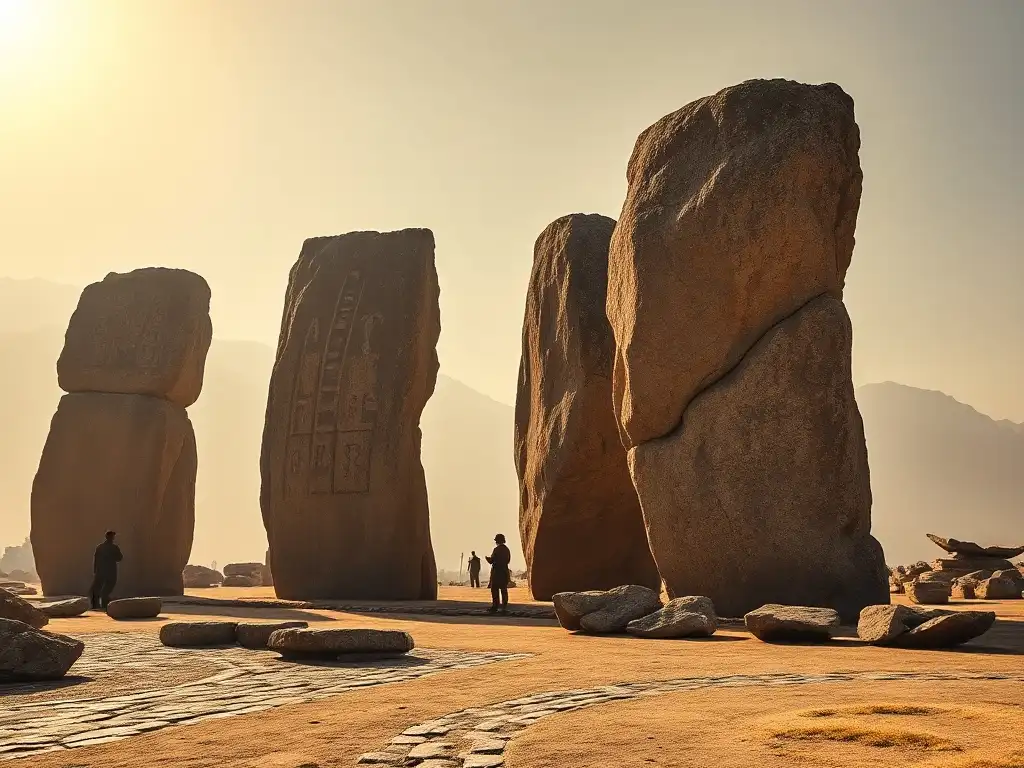
Kalasasaya, meaning "standing stones" in Aymara, is arguably the most iconic structure within the sprawling ruins of Tiahuanaco. Its monumental standing stones, precisely aligned with astronomical events, speak volumes about the advanced astronomical knowledge and sophisticated engineering capabilities of the Tiahuanaco culture. Understanding its place within the broader context of Tiahuanaco is crucial to appreciating its significance.
The city itself, situated on the shores of Lake Titicaca at an altitude of approximately 12,500 feet, was a major ceremonial and administrative center, commanding influence across a vast area of the Andes. Kalasasaya wasn't just an isolated monument; it was a central component of a complex urban plan, integrated with other structures and serving as a focal point for religious and societal activities. The precise layout and orientation of Kalasasaya, meticulously planned and executed, suggest a sophisticated understanding of urban planning, far beyond what many scholars initially attributed to the Tiahuanaco people.
Its position within the city, its relationship to other significant structures, and its apparent astronomical alignments all contribute to its importance in understanding Tiahuanaco's overall design and purpose. Further research into the city's layout and the interconnectivity of its various structures is needed to fully understand Kalasasaya's role within the broader Tiahuanaco urban landscape. This includes detailed mapping of existing structures and further archaeological investigation to uncover potential hidden structures and pathways.
Kalasasaya's Relationship to Other Tiahuanaco Structures
Kalasasaya's relationship to other Tiahuanaco structures is complex and not fully understood. It's situated near the Akapana pyramid and the Puma Punku complex, two other monumental constructions within the Tiahuanaco site. The proximity suggests a functional relationship, possibly indicating a ceremonial procession route or a symbolic connection between different aspects of Tiahuanaco religion or governance.
Some theories propose that Kalasasaya served as a central plaza or gathering space, connecting the Akapana (potentially a temple or administrative building) and Puma Punku (possibly a complex of workshops or storage facilities). The precise nature of this relationship, however, remains a subject of ongoing debate and research. Analyzing the spatial arrangement of these structures, their architectural styles, and the artifacts found within them may reveal more about their interconnectedness.
For example, a detailed comparative analysis of the stonework and construction techniques used in Kalasasaya, Akapana, and Puma Punku could reveal patterns suggesting collaborative efforts or temporal relationships between the construction of these structures. Further investigation into the orientation and alignments of these structures in relation to each other and to astronomical phenomena could also unveil significant insights into the Tiahuanaco worldview and their sophisticated knowledge of astronomy and engineering. The potential existence of subterranean structures or pathways connecting these sites also warrants further investigation.
The Cultural and Religious Context of Kalasasaya
The cultural and religious significance of Kalasasaya is deeply intertwined with the cosmology and beliefs of the Tiahuanaco people. The precise alignment of its stones with the solstices and equinoxes strongly suggests its use as an astronomical observatory, a place where celestial events were observed and interpreted. This suggests a society with a sophisticated understanding of astronomy and its connection to agricultural cycles and religious practices.
Furthermore, the presence of intricate carvings and sculptures within the site, depicting various deities and mythological figures, points to its role as a center for religious rituals and ceremonies. The discovery of artifacts, such as ceramics and textiles, further illuminates the cultural practices associated with Kalasasaya. Analysis of these artifacts can provide valuable information about the religious beliefs, social structures, and daily life of the Tiahuanaco people.
For instance, studying the iconography depicted on the ceramics can help decipher the mythology and religious beliefs of the civilization. Similarly, analyzing the textiles can reveal information about their clothing styles, social hierarchy, and craftsmanship. The combination of astronomical alignments, sculptural elements, and discovered artifacts provides compelling evidence of a complex religious and cultural system centered around Kalasasaya.
Tiahuanaco's Legacy and the Importance of Kalasasaya
Tiahuanaco's influence extended far beyond its geographical boundaries, leaving an indelible mark on subsequent Andean cultures. Its advanced architectural and engineering techniques, evidenced in structures like Kalasasaya, inspired generations of builders and artisans. The sophisticated astronomical knowledge reflected in the stone alignments at Kalasasaya also suggests a level of scientific understanding that was remarkably advanced for its time. This legacy is reflected in the enduring fascination with Tiahuanaco and its monuments, inspiring continued research and scholarly debate.
Kalasasaya, as a prominent example of Tiahuanaco's achievements, stands as a testament to the ingenuity and cultural complexity of this remarkable civilization. Its study continues to provide valuable insights into the development of Andean societies and their interaction with the environment and cosmos. The precise astronomical alignments, the monumental scale of the construction, and the intricate carvings all contribute to its lasting significance.
Understanding Kalasasaya allows us to better comprehend not only Tiahuanaco's unique contributions but also the broader trajectory of Andean civilization. The ongoing research and preservation efforts surrounding Kalasasaya are crucial for ensuring that this remarkable site and its lessons continue to inspire and educate future generations. The mysteries surrounding its precise function and the full extent of its astronomical knowledge remain a compelling incentive for continued investigation.
Modern Research and Interpretations of Kalasasaya
Modern research on the Kalasasaya complex at Tiahuanaco significantly expands upon earlier interpretations, offering nuanced perspectives on its construction, purpose, and astronomical significance. The meticulous study of the stone alignment, not just in Kalasasaya itself but in relation to other structures within the Tiahuanaco site, reveals a sophisticated understanding of engineering and possibly celestial events. Sophisticated surveying techniques, including 3D laser scanning and ground-penetrating radar, are now utilized to unveil previously hidden features and refine our comprehension of the site's layout.
This advanced technology has allowed archaeologists to create highly detailed models of the Kalasasaya, providing a far more accurate representation of the monument than previously possible. Analysis of the stone blocks themselves, including their composition, quarrying methods, and transportation logistics, adds another layer to our understanding of Tiahuanaco's impressive technological capabilities. The precision involved in the Tiahuanaco Kalasasaya stone alignment speaks volumes about the builders' skill and knowledge.
Archaeological Findings at the Kalasasaya Site
Excavations at Kalasasaya have unearthed a wealth of artifacts providing crucial insights into the daily life and rituals of the Tiahuanaco people. These discoveries include intricately carved stone sculptures, ceramic fragments depicting religious iconography, and evidence of sophisticated water management systems. The presence of these artifacts within the immediate vicinity of the monumental stones suggests a close relationship between the ceremonial functions of Kalasasaya and the broader social and cultural life of the city.
For instance, the discovery of numerous fragmented ceramic vessels near the central platform suggests the performance of rituals or offerings. Furthermore, the identification of distinct building phases through careful stratigraphic analysis reveals a complex history of construction and modification, hinting at evolving religious practices and societal changes over time. The meticulous documentation of these findings, combined with advanced dating techniques like radiocarbon dating, allows researchers to build a more complete timeline of Kalasasaya's development and use.
Analyzing the chemical composition of the stones themselves also helps to determine their origins and potentially the extent of the Tiahuanaco's trade networks. The sheer volume of artifacts recovered underscores the significance of Kalasasaya as a central hub within the Tiahuanaco civilization.
Ongoing Debates on the Function of Kalasasaya
Despite significant progress, the precise function of Kalasasaya remains a subject of ongoing debate among researchers. While some scholars emphasize its role as a primarily religious or ceremonial center, others propose a more multifaceted interpretation, suggesting that it served multiple functions simultaneously. The alignment of the stones with specific celestial events, like solstices and equinoxes, supports the hypothesis of astronomical significance.
However, the lack of definitive evidence regarding specific rituals performed within the complex complicates this interpretation. The presence of architectural elements suggestive of a possible plaza or public space adds another layer of complexity, prompting speculation about its potential use for gatherings, processions, or even political ceremonies. The debate centers on the interpretation of the available evidence and the weighting of different aspects of the site's design and artifacts.
Further research, including detailed analysis of the remaining architectural features and the ongoing excavation of surrounding areas, is crucial to resolve these ongoing questions surrounding the Tiahuanaco Kalasasaya stone alignment and its purpose. The ongoing investigation may reveal new clues that will help to clarify the mysteries surrounding this remarkable site.
Preserving the Kalasasaya Stones for Future Generations
The preservation of Kalasasaya presents a significant challenge, given the site's age and exposure to the elements. The effects of weathering, erosion, and human activity pose a constant threat to the integrity of the standing stones. Therefore, ongoing conservation efforts are crucial to ensure that this remarkable archaeological site remains accessible for future generations.
These efforts involve a multi-pronged approach, including the implementation of protective measures against erosion and environmental damage, such as the use of specialized coatings and drainage systems. Furthermore, careful monitoring of the site's condition and the implementation of preventative maintenance strategies are essential for long-term preservation. Educating the public about the importance of preserving this historical landmark and promoting responsible tourism practices are also vital aspects of the conservation strategy.
The long-term preservation of Kalasasaya requires a holistic approach that combines scientific expertise, community engagement, and sustained funding to ensure the protection of this invaluable piece of Andean heritage. The future of the Tiahuanaco Kalasasaya stone alignment depends on our collective efforts to preserve it.
Frequently Asked Questions
What is Kalasasaya?
Kalasasaya is a massive stone structure located in the Tiahuanaco archaeological site in Bolivia. It's renowned for its precise stonework and the mysterious alignment of its standing stones. This complex is believed to have served a significant ceremonial purpose.
Why is the stone alignment at Kalasasaya significant?
The alignment of the stones at Kalasasaya seems to be connected to astronomical events, potentially marking solstices and equinoxes. Scholars debate its purpose, with theories ranging from religious observances to sophisticated calendar systems. This precise alignment showcases the advanced understanding of astronomy and engineering in Tiahuanaco.
What is the purpose of the Kalasasaya stones?
While the exact purpose remains a mystery, it's believed that Kalasasaya served as a ceremonial and possibly astronomical center. The precise alignments suggest a sophisticated understanding of the cosmos, possibly used for rituals or observations. Further research is needed to fully uncover its function.
What makes the Kalasasaya stonework so impressive?
The massive size and precision of the stones used in Kalasasaya are remarkable. The fitting of the stones is extraordinarily tight, demonstrating advanced engineering techniques for the time. The scale and artistry of the construction are truly impressive.
How does the Kalasasaya stone alignment relate to other Andean sites?
The Kalasasaya alignment may reflect a broader Andean astronomical tradition. Similar astronomical alignments have been found at other sites, suggesting a shared cultural understanding and possibly interconnected networks of knowledge and practice across different Andean civilizations.
Final Reflection: Unraveling the Whispers of Kalasasaya
The precise astronomical alignments of Kalasasaya's standing stones remain a testament to the sophisticated knowledge and advanced understanding of the Tiahuanaco civilization, a legacy that continues to challenge and inspire us today. This intricate arrangement, far from being a mere curiosity of the past, offers a powerful glimpse into a culture that possessed a profound connection to the cosmos, a connection that resonates deeply with our contemporary fascination with space exploration and our ongoing quest to understand our place within the universe.
The enduring mystery surrounding Kalasasaya's purpose and the ingenuity of its construction underscores the importance of preserving and studying such remarkable sites. These ancient stones whisper tales of a civilization far removed from our own, yet their message—one of meticulous observation, profound spiritual understanding, and a deep connection to the natural world—remains remarkably relevant. The past is never dead. It's not even past.
– William Faulkner. This quote perfectly encapsulates the enduring power of Kalasasaya; its stones continue to speak to us, challenging our assumptions and broadening our understanding of human potential.
Consider the implications of this ancient knowledge. What can we learn from the Tiahuanaco's dedication to astronomical observation? How can we apply their meticulous attention to detail and their profound respect for the natural world to our own lives and to the challenges facing our planet?
Let the mysteries of Kalasasaya inspire you to look beyond the surface, to seek deeper meaning in the world around you, and to appreciate the enduring legacy of civilizations that came before us. Embrace the wonder of the unknown, and let the whispers of these ancient stones guide you on your own journey of discovery.
Unveil the Mysteries of Kalasasaya!
Thank you for exploring the wonders of Kalasasaya and the fascinating alignments of Tiahuanaco. We hope this journey has sparked your interest in these ancient marvels and their importance in Andean history. Now, it's your turn to continue your exploration!
Here are a few ways you can delve deeper into this captivating subject and connect with others who share your passion:
- Visit museums and archaeological sites dedicated to Andean cultures to learn more about the astronomical alignments.
- Discuss this article with friends or join online forums dedicated to ancient civilizations to share your thoughts and insights.
- Attend local archaeological workshops or lectures to learn from experts and gain new perspectives on Kalasasaya that you won't find in books.
What aspect of Tiahuanaco's mysteries intrigues you most, and how will you explore it further?