
Packing Essentials for Andean Archaeology Trips: Gear Up for Adventure

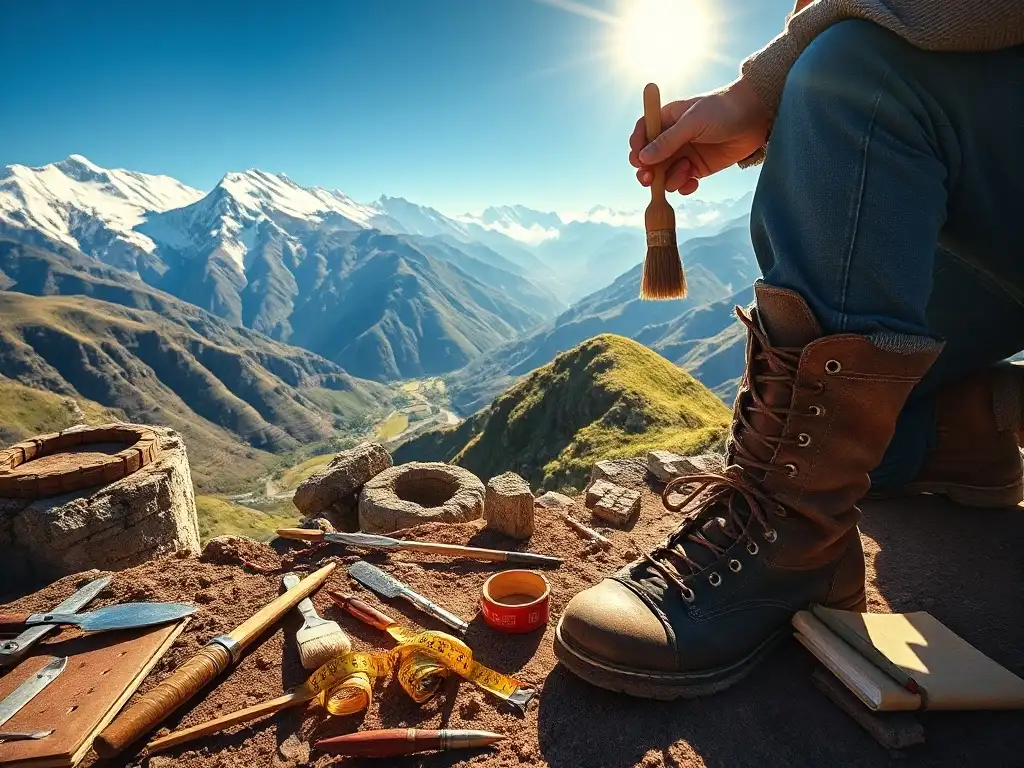
Ready to unlock the mysteries of the Andes? Imagine yourself trekking through breathtaking landscapes, uncovering ancient secrets left behind by the Incas, Moche, and other fascinating Andean civilizations. Before you embark on your own incredible archaeological adventure, ensure you're perfectly prepared. This website delves into the rich tapestry of Andean history and culture, and we're starting with something crucial: our essential Andean archaeology trip packing list. Discover what you'll need to make your journey unforgettable – the adventure awaits!
- Planning Your Andean Archaeology Trip: The Essential Packing List
- The Ultimate Andean Archaeology Trip Packing List: Gear Breakdown
- Tips for Packing Your Andean Archaeology Gear
- Where to Purchase Your Andean Archaeology Trip Essentials
- Final Thoughts: Gearing Up for a Successful Andean Archaeology Trip
-
Frequently Asked Questions
- What clothing should I pack for an Andean archaeology trip?
- What kind of equipment is essential for Andean archaeological site visits?
- Are there any specific health precautions I should take before an Andean archaeology trip?
- What should I do to prepare for high altitudes in the Andes?
- What about permits and necessary documentation for Andean archaeological sites?
- Final Reflection: Unearthing Adventure: The Legacy of Andean Exploration
- **Gear Up and Embark on Your Andean Adventure! **
Planning Your Andean Archaeology Trip: The Essential Packing List
Embarking on an Andean archaeology trip promises an unparalleled journey through time, immersing you in the captivating legacy of ancient civilizations. From the majestic ruins of Machu Picchu to the enigmatic Nazca Lines, the Andes Mountains hold a treasure trove of historical wonders waiting to be explored. However, a successful and enjoyable expedition requires meticulous preparation, and a well-thought-out packing list is paramount.
This guide will equip you with the essential items to ensure a comfortable, safe, and enriching experience as you delve into the fascinating world of Andean archaeology. We'll cover everything from clothing suitable for diverse climates to specialized equipment for navigating challenging terrain, ensuring you're fully prepared for whatever the Andes throw your way.
This comprehensive packing list will help you conquer the challenges and fully appreciate the incredible rewards of an Andean archaeology adventure. Remember, proper planning is the cornerstone of a successful Andean archaeology trip – let's get started!
Why a Proper Packing List is Crucial for Andean Archaeology Expeditions
An Andean archaeology trip often involves navigating varied and sometimes unpredictable conditions. From high-altitude trekking to exploring ancient sites in diverse climates, proper preparation is key to a safe and enjoyable experience. A comprehensive packing list minimizes risks and maximizes your ability to fully engage with the archaeological wonders you'll encounter. Neglecting essential items can lead to discomfort, delays, and even potential safety hazards. Consider these points:
- Altitude Sickness: Many archaeological sites are located at high altitudes, increasing the risk of altitude sickness. Proper acclimatization and carrying necessary medication are crucial.
- Weather Variability: Andean weather is notoriously unpredictable. Packing for a range of conditions, from scorching sun to unexpected rain and even potential snow at higher elevations, is essential.
- Terrain Challenges: Many sites require trekking over uneven and sometimes challenging terrain. Appropriate footwear and clothing are vital for comfort and safety.
- Site Preservation: Respecting the delicate nature of archaeological sites is paramount. Packing light and carrying only essential items helps minimize your environmental impact.
- Unexpected Delays: Be prepared for potential unexpected delays or changes in plans. Having extra supplies on hand can provide peace of mind and prevent unnecessary stress.
Failing to plan adequately can severely impact your ability to fully appreciate the historical significance of your journey. A well-prepared packing list allows you to focus on the incredible experience awaiting you, rather than worrying about missing essentials. Think of it as an investment in your journey – a small effort that yields significant rewards. Let's move on to understanding the specific climatic conditions you'll face.
Understanding the Diverse Andean Climate and Terrain: A Key Factor in Your Packing Strategy
The Andes boast incredible biodiversity and dramatic variations in climate and terrain across relatively short distances. Understanding these variations is crucial for packing effectively. You might experience everything from arid desert conditions to lush cloud forests and even glacial environments, all within a single trip! This requires a layered approach to clothing and gear.
Here's a breakdown of key considerations:
| Region | Climate | Terrain Characteristics | Packing Considerations |
|---|---|---|---|
| Coastal Desert | Arid, hot during the day, cool at night | Flat to rolling, sandy areas | Lightweight, breathable clothing; sunscreen; hat; sunglasses; sturdy walking shoes |
| High Andes | Cold, windy, potential for snow | Rugged, mountainous, steep inclines and declines | Warm layers; waterproof and windproof jacket; hiking boots; trekking poles; gloves; hat |
| Cloud Forest | Humid, temperate | Lush vegetation, muddy trails | Moisture-wicking clothing; rain gear; insect repellent; sturdy hiking boots |
Remember that altitude significantly impacts temperature and weather conditions. Even in seemingly mild regions, temperatures can drop drastically at higher elevations. Therefore, packing versatile layers is essential for adapting to these fluctuations. Always be prepared for unexpected changes in weather patterns. Planning for versatility will ensure you're comfortable and safe throughout your Andean archaeology adventure.
The Ultimate Andean Archaeology Trip Packing List: Gear Breakdown
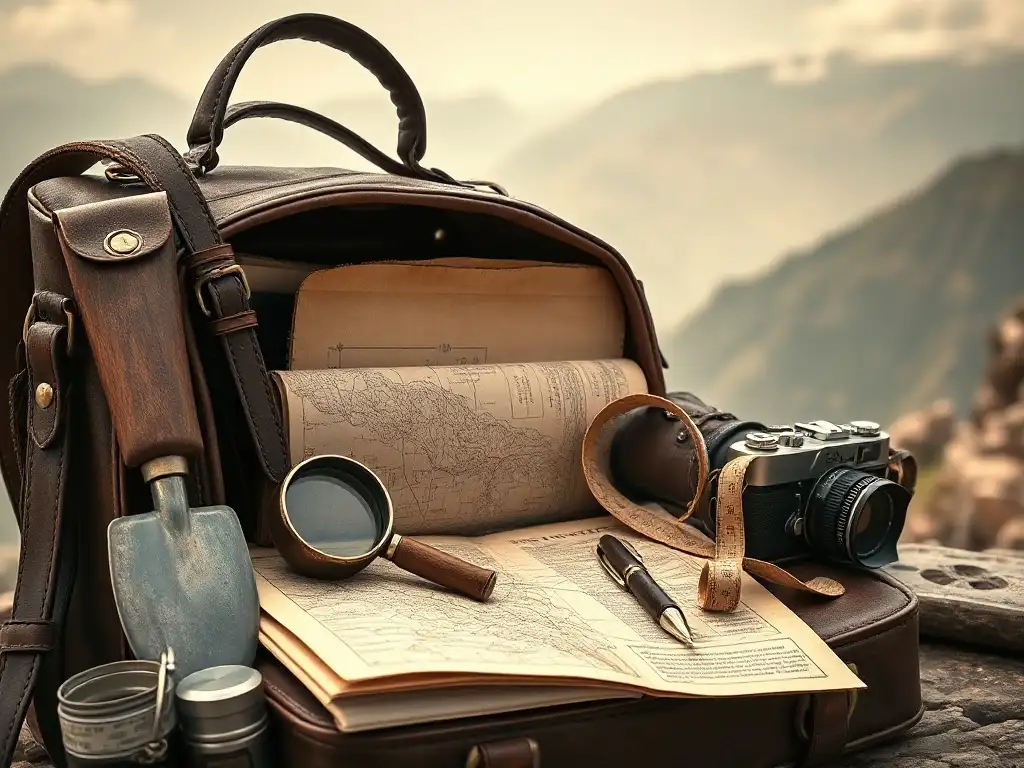
This section provides a detailed packing list specifically tailored for an Andean archaeology trip. We'll break down essential clothing, gear, and other necessities to ensure a safe and productive exploration of these remarkable ancient sites. Remember, conditions in the Andes can vary drastically depending on altitude and location, so adaptability is key. This list prioritizes functionality and durability, crucial aspects for any serious Andean archaeology enthusiast. Planning your Andean archaeology trip packing list meticulously will significantly enhance your experience.
Essential Clothing for Archaeological Exploration in the Andes
Appropriate clothing is paramount for a successful Andean archaeology trip. The Andes' diverse climates demand a layered approach, ensuring you're prepared for fluctuating temperatures and unpredictable weather patterns. Proper clothing will keep you comfortable and focused on your archaeological pursuits, regardless of the conditions.
Layering is Key: Base Layers for Andean Treks
Base layers are your first line of defense against the Andean elements. Opt for moisture-wicking fabrics like merino wool or synthetic blends. These materials pull sweat away from your skin, keeping you dry and comfortable even during strenuous hikes. Pack at least three sets of base layers (tops and bottoms) to allow for washing and drying. Consider thermal underwear for exceptionally cold conditions at higher altitudes. Don't underestimate the importance of comfortable base layers; they're the foundation of your clothing system.
Durable and Practical Outerwear: Protecting You from the Elements
The Andean weather is notoriously unpredictable. A durable and waterproof outer shell jacket is absolutely essential. Look for a jacket with a hood and good ventilation to regulate body temperature. A lightweight fleece or down jacket provides an excellent mid-layer for warmth. Consider a windbreaker for those breezy Andean days, offering an extra layer of protection without adding excessive bulk. Remember, protection from the elements is crucial for the success of your Andean archaeology trip.
Hiking Pants and Trousers: Comfort and Durability for Fieldwork
Choose durable hiking pants or trousers made from quick-drying, abrasion-resistant materials. Avoid cotton, which retains moisture and can become heavy and uncomfortable. Zip-off pants offer versatility, allowing you to convert them to shorts depending on the weather and activity level. Consider reinforced knees for added protection during fieldwork involving kneeling or crawling. Comfort and durability are paramount for long days of archaeological exploration.
Hiking Boots and Footwear: Supporting Your Archaeological Adventures
High-quality hiking boots are non-negotiable. Choose boots that provide ankle support, waterproof protection, and good traction. Break them in well before your trip to avoid blisters. Pack lightweight camp shoes or sandals for evenings at the campsite. Proper footwear is critical for navigating challenging terrain and preventing injuries during your Andean archaeology trip.
Essential Gear for Andean Archaeological Sites
Beyond clothing, specific gear is crucial for a successful Andean archaeology expedition. This section outlines the essential tools and equipment to ensure a safe, efficient, and rewarding experience.
Backpacks for Archaeological Fieldwork
A robust, comfortable backpack is essential for carrying your equipment. Consider a pack with a capacity of 40-60 liters depending on the length of your trips. Look for features like adjustable straps, hip belts, and chest straps to distribute the weight evenly. Internal compartments for organizing your tools and supplies will also improve efficiency. A well-chosen backpack is vital for carrying your archaeological tools and personal belongings.
Hydration Systems: Staying Hydrated at Altitude
Staying hydrated is crucial, particularly at higher altitudes. Carry a hydration reservoir or multiple water bottles. Consider a water filter or purification tablets to ensure access to safe drinking water. Dehydration can significantly impact your energy levels and overall health, so prioritize hydration throughout your Andean archaeology trip.
Navigation Tools: Essential for Remote Andean Locations
Navigation tools are critical, especially in remote Andean locations. A detailed map of the region is essential, along with a compass and ideally, a GPS device. Familiarize yourself with map reading and compass navigation before your trip. Knowing how to navigate effectively will significantly enhance your safety and efficiency.
Sun Protection Gear: Shielding Yourself from the Intense Andean Sun
The Andean sun is intense, especially at high altitudes. Pack a wide-brimmed hat, sunglasses with UV protection, and high SPF sunscreen. Reapply sunscreen frequently, especially after sweating. Sunburn can quickly derail your trip, so prioritize sun protection.
Headlamps and Flashlights: Essential for Early Starts and Late Finishes
Headlamps and flashlights are essential for early morning starts and late-night finishes. Choose headlamps with bright LEDs and long battery life. Pack extra batteries as a precaution. Adequate lighting is crucial for safety and efficient fieldwork, especially in low-light conditions.
Specialized Gear for Andean Archaeological Research
This section focuses on equipment crucial for serious archaeological fieldwork in the Andes. The rugged terrain and often unpredictable weather necessitate careful planning and robust, reliable equipment. Investing in high-quality gear is an investment in the success and safety of your expedition. Let's explore some key items.
Camera Equipment for Documenting Archaeological Findings
High-resolution photography and videography are paramount in Andean archaeology. Detailed images of artifacts, excavation sites, and stratigraphic profiles are essential for accurate record-keeping and future analysis. Your camera kit should include a high-megapixel DSLR or mirrorless camera with interchangeable lenses. Consider lenses suited for macro photography (for detailed shots of artifacts), wide-angle lenses (for capturing the context of the site), and a telephoto lens (for photographing distant features or details). Don't forget extra batteries, memory cards (plenty of them!
), and a reliable external hard drive for backing up your data daily. A sturdy tripod is also essential for sharp, clear images, especially in low-light conditions common in many Andean sites. Furthermore, consider investing in a waterproof camera housing, especially if you anticipate working near water sources or in potentially wet conditions. Remember to pack a lens cleaning kit to maintain optimal image quality throughout your trip.
Notebooks and Writing Materials: Recording Field Notes
Meticulous record-keeping is fundamental to archaeological research. While digital recording is increasingly common, physical notebooks remain essential for immediate note-taking in the field. Choose durable, waterproof notebooks with numbered pages. Pens should be archival-quality, preferably waterproof and smudge-proof, to ensure the longevity of your field notes. Consider bringing pencils as well, as they are less susceptible to damage from moisture.
A small, lightweight ruler and a measuring tape will also prove invaluable for accurately documenting the dimensions of artifacts and features. A system for organizing your notes, such as a color-coded system or a clear indexing system, will be crucial for efficiently managing your data later. Also, consider bringing extra paper for sketches and diagrams. Remember, your notes are the foundation of your research, so choose materials that will withstand the rigors of fieldwork in the Andes.
Archaeological Tools: Depending on the Specific Project
The specific tools needed will depend heavily on the nature of the archaeological project. However, some common tools include trowels (various sizes), brushes (various bristle types and sizes), dental picks, whisk brooms, and sieves. It is crucial to coordinate with your project team to ensure you have the appropriate tools for the tasks involved. Remember to pack tools in a sturdy, well-organized carrying case to prevent damage and loss.
Additionally, consider bringing extra replacement parts for frequently used tools, and always prioritize safety by using appropriate safety gear when handling tools, including safety glasses and gloves. Properly maintained tools are crucial for efficient and accurate fieldwork. The type of tools will also be influenced by the type of Andean site and the preservation conditions of the artifacts. For example, working on a high-altitude site may require different tools than working in a coastal region.
Personal Care and First Aid for Andean Expeditions
The Andean environment presents unique challenges to personal health and well-being. Preparing for these challenges with a comprehensive first-aid kit and personal care items is crucial for a successful and safe expedition.
Essential First Aid Kit: Addressing Minor Injuries and Altitude Sickness
A well-stocked first-aid kit is non-negotiable for any Andean expedition. It should include supplies to address minor injuries like cuts, scrapes, blisters, and insect bites. Essential items include antiseptic wipes, bandages of various sizes, adhesive tape, pain relievers (such as ibuprofen or acetaminophen), anti-diarrheal medication, and anti-nausea medication. Crucially, include medication for altitude sickness, such as acetazolamide (Diamox), as altitude sickness is a serious risk in the Andes.
Familiarize yourself with the symptoms of altitude sickness and know when to descend to a lower altitude. Consult your physician before your trip to discuss any necessary precautions or medication. Consider including a comprehensive guide to wilderness first aid. Remember, prevention is key; ensure you are physically fit and acclimatize properly to high altitudes.
Personal Hygiene Items: Maintaining Health and Comfort
Maintaining good hygiene is essential for preventing illness and maintaining comfort during an Andean archaeological expedition. Pack biodegradable soap, toothbrush, toothpaste, sunscreen (high SPF), insect repellent (with DEET), lip balm with SPF, and a hat for sun protection. Wet wipes are incredibly useful for cleaning up in situations where water is scarce. Hand sanitizer is also crucial, especially when access to water is limited. Consider packing personal medications, such as any prescription drugs you require, in a clearly labeled container.
For women, ensure you have sufficient sanitary products. Remember that weather conditions in the Andes can be unpredictable, so pack layers of clothing to help you stay warm and dry. Prioritize items that are lightweight and easy to pack. Maintaining personal hygiene is paramount for your health and well-being throughout your Andean adventure.
Tips for Packing Your Andean Archaeology Gear
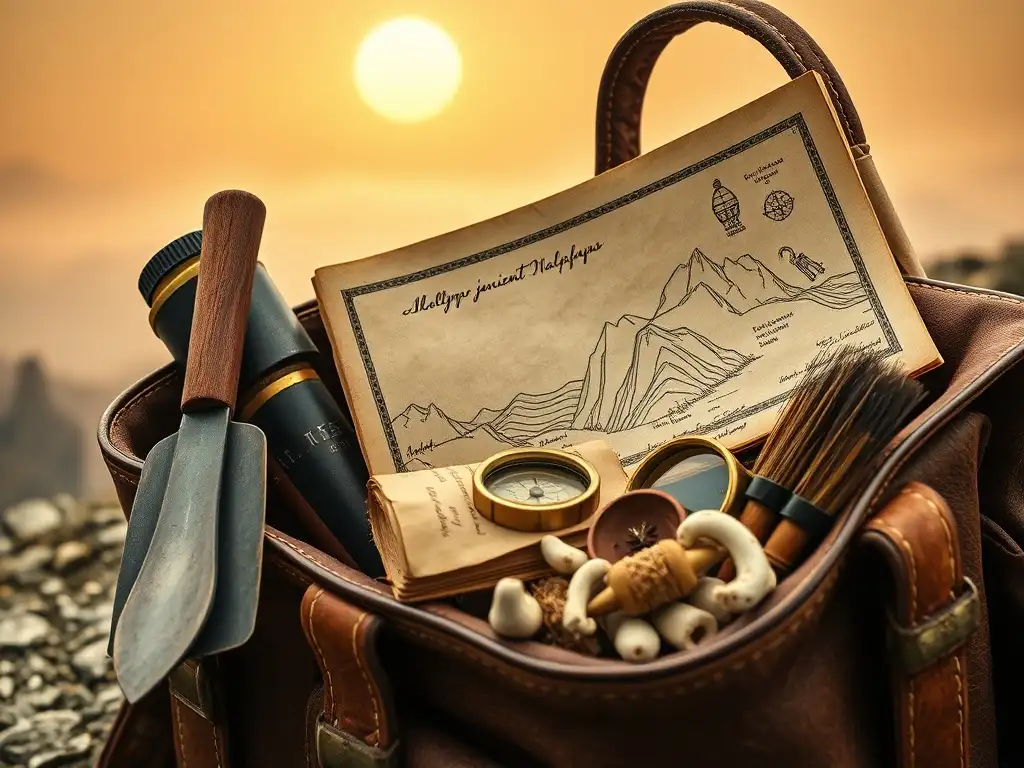
This section focuses on essential advice for packing your gear for an Andean archaeology trip, ensuring you're prepared for the unique challenges of the region. We'll cover efficient packing strategies, adapting to variable weather, and protecting your valuable equipment. Remember, a well-planned packing list is crucial for a successful and enjoyable Andean archaeology adventure. This list is designed to optimize your experience, allowing you to focus on the incredible historical sites and not worry about your gear.
Packing Light and Efficiently: Maximizing Space and Minimizing Weight
Efficient packing is paramount for Andean archaeology trips. High-altitude trekking often involves carrying your own gear, so minimizing weight is key. Consider these strategies:
- Choose versatile clothing: Pack clothing items that can be layered for various temperatures and conditions. Avoid bulky items that serve only one purpose. Think merino wool base layers, quick-drying trousers, and a lightweight, packable down jacket.
- Compression sacks: These are invaluable for reducing the volume of your clothing and gear. Use them to compress soft items like sweaters and fleece jackets.
- Roll, don't fold: Rolling your clothes instead of folding them saves space and minimizes wrinkles. This technique also helps to keep your clothing organized and easily accessible.
- Utilize every space: Stuff socks and underwear into shoes and boots to maximize space. Smaller items can be tucked into pockets and crevices of your backpack.
- Leave unnecessary items behind: Be ruthless in evaluating what you truly need. Resist the urge to pack "just in case" items that could easily be replaced or are readily available at your destination. This includes many toiletries which can be bought at your destination.
Remember, every ounce counts when trekking at altitude. A lighter pack means less strain on your body and more energy for exploring ancient Andean sites. Prioritize essential items and leave non-essentials at home. This will make a huge difference in your overall comfort and enjoyment of the trip. Efficient packing is an important part of preparing for an Andean archaeology trip.
Preparing for Variable Weather Conditions: Layering Strategies
The Andes experience dramatic shifts in weather, even within a single day. Sun, rain, wind, and even snow are all possibilities. Layering is the key to staying comfortable and preventing hypothermia or overheating. Your layering system should consist of at least three layers:
- Base layer: A moisture-wicking base layer (merino wool or synthetic) keeps sweat away from your skin, preventing chills.
- Mid-layer: A fleece jacket or lightweight down jacket provides insulation. You can add or remove this layer as needed to adjust to temperature changes.
- Outer layer: A waterproof and windproof jacket protects you from the elements. A breathable shell is best to prevent overheating while still providing protection from precipitation.
Consider adding a warm hat, gloves, and scarf for colder conditions. These items can easily be stored in your backpack and are crucial for maintaining your body temperature in high-altitude environments. This preparation will enable you to adapt to the diverse weather conditions you're likely to encounter.
Protecting Your Gear: Waterproofing and Durable Storage
Protecting your valuable equipment from the elements is crucial. Investing in waterproof bags and cases can prevent damage from unexpected rain or snow.
- Waterproof backpack cover: A waterproof backpack cover is essential for protecting your main pack from rain.
- Waterproof bags: Use waterproof dry bags or zip-lock bags to protect electronics, documents, and other sensitive items from moisture.
- Durable cases: Consider hard cases for fragile items like cameras and binoculars. These cases offer extra protection from bumps and scratches.
- Organization: Use packing cubes and dividers to keep your gear organized and prevent items from shifting around during travel. This will also aid in locating items quickly.
Remember, the Andean climate can be harsh on equipment. Taking proactive steps to protect your gear will ensure that it remains functional throughout your trip. A small investment in waterproof protection will save you from potential loss or damage of your essential equipment. This is a crucial part of your Andean archaeology trip packing list.
Where to Purchase Your Andean Archaeology Trip Essentials
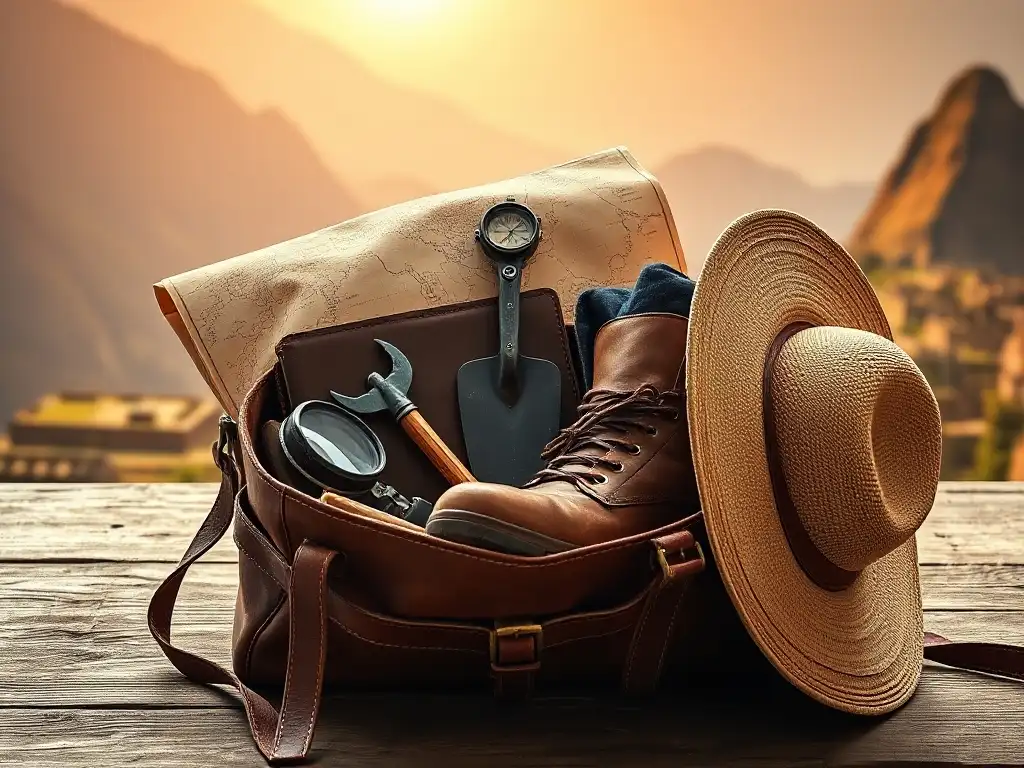
Planning your Andean archaeology trip requires meticulous preparation, and acquiring the right gear is paramount. Where you source your equipment significantly impacts not only the quality of your expedition but also the sustainability of your travel. This section explores the best options for purchasing your essential items, balancing convenience with ethical considerations.
Recommended Online Retailers for Outdoor Gear and Equipment
The convenience of online shopping cannot be overlooked, especially when assembling a comprehensive packing list for an Andean archaeology trip. Reputable online retailers offer a vast selection of high-quality gear from leading brands, often with competitive pricing and detailed product descriptions. Before making any purchases, however, carefully scrutinize reviews and compare prices across multiple platforms. Look for retailers specializing in outdoor and expedition equipment, ensuring they cater to the specific demands of high-altitude trekking and archaeological site exploration.
Consider these factors when selecting an online retailer:
- Shipping times and costs: Ensure timely delivery to your desired location, accounting for potential delays.
- Return policies: Have a clear understanding of the retailer's return policy in case you need to exchange or return items.
- Customer service: A responsive and helpful customer service team can be invaluable if you encounter any issues with your order.
- Sustainability practices: Increasingly, consumers are prioritizing environmentally and socially responsible businesses. Look for retailers that highlight their commitment to sustainable practices.
Many reputable online retailers offer specialized gear for Andean archaeology trips, although the exact offerings may vary depending on location and season. For example, a retailer might stock lightweight, quick-drying clothing ideal for the variable Andean climate, durable backpacks suited to carrying archaeological equipment, and high-quality hiking boots appropriate for varied terrain. Remember to always check the specifications and reviews before purchasing any item.
Local Stores in Andean Regions: Supporting Local Economies
While online shopping offers convenience, purchasing some of your Andean archaeology trip essentials locally contributes significantly to the local economies of the Andean regions. Supporting local businesses not only boosts the community but also provides opportunities to discover unique and handcrafted items that may not be available elsewhere. Furthermore, purchasing gear locally allows you to gain valuable insights into regional products and potentially encounter unique, locally-made equipment tailored to the specific needs of Andean exploration.
Consider these advantages of buying locally:
- Unique, handcrafted items: You might discover one-of-a-kind items, like locally-made ponchos or hats, providing authentic Andean flair to your trip.
- Direct support for local communities: Your purchases directly contribute to the economic well-being of the Andean communities.
- Opportunities for interaction: Engaging with local shopkeepers can offer valuable insights into the region's culture and traditions.
- Access to specialized gear: Local stores may carry specific gear adapted to the unique challenges of the Andean environment.
However, remember that availability may be limited, and prices might be slightly higher compared to online retailers. Thorough research before your trip will help you determine which items are best sourced locally and which are better purchased online. A balanced approach, combining the convenience of online shopping with the ethical and cultural benefits of local purchasing, will ensure a more fulfilling and sustainable Andean archaeology trip.
Final Thoughts: Gearing Up for a Successful Andean Archaeology Trip
Successfully navigating an Andean archaeology trip hinges on meticulous planning and the right gear. This isn't just about comfort; it's about safety, efficiency, and maximizing your experience exploring these incredible historical sites. Remember, the Andean region presents unique challenges, from high altitudes and varied climates to potentially difficult terrain. Proper preparation is paramount.
The Importance of Research and Preparation for Archaeological Expeditions
Thorough research is the cornerstone of a successful Andean archaeology trip. Before even considering packing, delve into the specifics of your chosen sites. Understand the altitude, the typical weather conditions for the time of year you'll be visiting, and the type of terrain you'll be encountering. This knowledge will directly inform your packing decisions. For instance, a trip to Machu Picchu in the rainy season demands vastly different gear than exploring the Nazca Lines in the dry season.
Consider the following crucial research points:
- Altitude Sickness: Many Andean archaeological sites are located at high altitudes. Research the altitude of each site and understand the potential risks of altitude sickness. Packing appropriate medication and understanding acclimatization strategies is critical.
- Weather Patterns: The Andes experience diverse microclimates. Research the specific weather forecasts and historical data for your travel dates. Be prepared for unexpected changes; layers are your friend!
- Site Regulations: Some sites have specific regulations regarding clothing, photography, or even the type of equipment allowed. Research these beforehand to avoid any issues.
- Accessibility: Assess the accessibility of the sites. Some require strenuous hikes or involve challenging terrain. Your footwear and physical preparedness should reflect this.
- Local Customs: Research local customs and traditions to ensure respectful interaction with local communities and authorities.
Enjoying the Journey: The Rewards of Andean Archaeological Exploration
An Andean archaeology trip is more than just ticking off sites on a list; it's an immersive experience that connects you with millennia of human history and ingenuity. The rewards are immense: witnessing breathtaking landscapes, marveling at the architectural prowess of ancient civilizations, and gaining a deeper understanding of the human spirit's resilience and creativity.
Imagine:
- Standing in awe before the majestic ruins of Machu Picchu, feeling the weight of history beneath your feet.
- Tracing the intricate lines of the Nazca geoglyphs, pondering their enigmatic purpose.
- Exploring the monumental structures of Tiahuanaco, imagining the bustling city that once thrived there.
- Discovering the artistry and technological advancements of the Moche culture, reflected in their pottery and sophisticated irrigation systems.
These experiences are not just sights to behold; they are opportunities for profound learning and personal growth. By investing in proper preparation and packing the right gear, you'll be fully equipped to embrace the challenges and reap the incredible rewards of Andean archaeological exploration. Remember to pack not just your physical essentials, but also an open mind and a spirit of adventure! The journey itself is a significant part of the experience, and with careful preparation, you’ll be ready to create lasting memories. 🎒✨
Frequently Asked Questions
What clothing should I pack for an Andean archaeology trip?
Pack layers of clothing to adapt to changing temperatures. Essential items include warm fleece jackets, rain gear, sturdy hiking boots, and sun hats. Don't forget light and breathable clothing for warmer days.
What kind of equipment is essential for Andean archaeological site visits?
Bring binoculars for better viewing of sites and artifacts from a distance. A good camera with extra batteries and memory cards is crucial for capturing the experience. A daypack to carry water, snacks, and sunscreen is also recommended.
Are there any specific health precautions I should take before an Andean archaeology trip?
Consult your doctor about necessary vaccinations and medications, especially for altitude sickness. Pack a first-aid kit including motion sickness remedies, pain relievers, and any personal prescription medications. Stay hydrated throughout your trip.
What should I do to prepare for high altitudes in the Andes?
Acclimatization is key! Plan to spend a few days at a lower altitude before heading to higher elevations. Drink plenty of water, avoid alcohol and strenuous activity initially, and listen to your body. Consider altitude sickness medication as a precaution.
What about permits and necessary documentation for Andean archaeological sites?
Check the requirements for each specific site you plan to visit well in advance. You may need permits or guided tours. Ensure your passport is valid and you have travel insurance that covers medical emergencies and evacuation.
Final Reflection: Unearthing Adventure: The Legacy of Andean Exploration
The meticulous preparation detailed in this packing list isn't just about logistical efficiency; it's about ensuring a safe and enriching experience that allows for a deeper connection with the profound history of the Andes. A well-packed bag is the key that unlocks access to breathtaking landscapes and invaluable archaeological sites, transforming a simple trip into a transformative journey.
The impact of responsible Andean archaeology extends far beyond the academic sphere. It fosters a crucial dialogue between past and present, reminding us of the intricate societies that thrived in this region and the importance of preserving their legacy. The past is never dead. It's not even past.
- William Faulkner. This quote resonates deeply, as the artifacts and landscapes we encounter on these trips are tangible links to a vibrant past, demanding our respect and careful stewardship. We must remember that our exploration is not just about discovery, but also about preservation for future generations.
Consider the weight of your backpack not just in kilograms, but in the responsibility it carries. You are embarking on a journey to witness history firsthand, to learn from the past, and to contribute to its ongoing preservation. Take a moment to reflect on the privilege of this experience, and let the lessons learned in preparing for your trip inform your approach to responsible travel and cultural understanding.
Let the spirit of adventure guide you, but let the weight of history ground you. Embrace the challenge, and return with not only incredible memories, but also a renewed appreciation for the rich tapestry of Andean civilization.
**Gear Up and Embark on Your Andean Adventure! **
Thank you for joining us on this journey through the essentials of packing for your Andean archaeology trip! We hope you found valuable insights that will enhance your adventure into the rich history of the Andes. Now, let's take the next step toward an unforgettable experience!
**Here’s how you can prepare for your trip:**
- Plan your packing list: Create a comprehensive checklist, considering the varied climates and activities you'll encounter. Ensure you have appropriate clothing, sturdy footwear, and any necessary medications before you leave.
- Connect with fellow adventurers: Join our online forum dedicated to Andean Civilizations to share your experiences and exchange tips with other travelers. You can find valuable advice and build excitement for your journey.
- Explore local culture: Research the cultural practices and historical sites you plan to visit. Showing respect for local customs is essential, and bringing a small, thoughtful gift can be a wonderful way to connect with the communities you encounter.
Are you ready to delve into the mysteries of the Andes? Share with us: What's the one essential item you always pack for your adventures?