
PreInca Civilizations: Unveiling the Rich History Before the Inca Empire

Step into a world lost to time, yet echoing with vibrant life. Forget everything you think you know about the Incas. This is the story of the PreInca Andean civilizations, a tapestry woven from the ingenuity and artistry of cultures like the Moche and Nazca, whose legacies shaped the Andes long before the Inca Empire rose to power. Prepare to be amazed by their breathtaking achievements—discover the secrets hidden within their intricate art, advanced technologies, and enduring cultural impact. Dive in and uncover the untold history of the Andes; the journey begins now.
- Pre-Inca Andean Civilizations: Unveiling the Rich History Before the Inca Empire
-
Exploring Key Pre-Inca Civilizations: A Journey Through Time
- The Caral Civilization: Discovering the Oldest City in the Americas
- The Chavín Culture: Exploring the Artistic and Religious Center of Chavín de Huántar
- The Moche Civilization: Unveiling the Master Ceramicists and Engineers of the North Coast
- The Nazca Culture: Deciphering the Mysterious Nazca Lines
- The Tiwanaku Civilization: Exploring the High-Altitude Empire of Lake Titicaca
- Planning Your Pre-Inca Andean Adventure: Practical Tips
- Maximizing Your Experience: Combining Pre-Inca Sites with Other Andean Attractions
- Conclusion: Embracing the Rich Legacy of Pre-Inca Andean Cultures
- Frequently Asked Questions
- Final Reflection: Echoes of the Andes: A Legacy Unfolding
- Unveil Your Journey into Pre-Inca History!
Pre-Inca Andean Civilizations: Unveiling the Rich History Before the Inca Empire
The Inca Empire, with its breathtaking Machu Picchu and sophisticated social structures, often dominates narratives about Andean history. However, the Inca achievement was built upon a foundation of centuries of vibrant and complex pre-Inca cultures. Understanding these earlier civilizations—their innovations in agriculture, engineering, art, and social organization—is crucial to fully appreciating the richness and depth of Andean heritage.
This article delves into the fascinating world of Pre-Inca Andean civilizations, exploring key cultures and highlighting their contributions that laid the groundwork for the Inca and continue to resonate in the Andes today. We'll examine their lasting legacies, offering valuable context for anyone planning a trip to explore the remarkable historical sites scattered throughout the Andes Mountains. This journey into the past will enrich your understanding and appreciation of the region's captivating history, revealing a tapestry far more intricate and fascinating than often portrayed.
Introduction to the World of Pre-Inca Andean Cultures
The Andes Mountains, a spine of colossal peaks running down the western coast of South America, nurtured a series of remarkable civilizations long before the Inca rose to prominence. These pre-Inca cultures, flourishing over millennia, left behind an extraordinary legacy of architectural marvels, intricate artwork, and sophisticated agricultural techniques. Among the most notable are:
- The Chavín Culture (900-200 BCE): Known for their monumental religious centers and distinctive artistic style, characterized by stylized feline and serpent imagery. Their influence spread widely across the Andes, impacting subsequent cultures.
- The Nazca Culture (100 BCE – 600 CE): Famous for their enigmatic Nazca Lines—geoglyphs etched into the desert floor, visible only from the air—and their advanced irrigation systems that allowed them to thrive in an arid environment. Their intricate pottery and textiles also showcase exceptional artistry.
- The Moche Culture (100-800 CE): Masters of metalworking, the Moche created stunning gold and silver artifacts. Their sophisticated irrigation systems supported a large population, and their pottery depicts vibrant scenes of daily life, warfare, and religious rituals.
- The Tiahuanaco Culture (400-1000 CE): This powerful civilization, centered around the impressive city of Tiahuanaco (near present-day Lake Titicaca), developed a complex social and political system. Their monumental stone architecture, showcasing precise engineering skills, stands as a testament to their advanced capabilities.
These are just a few examples; many other smaller, regional cultures contributed to the rich tapestry of Andean pre-Inca history. Each civilization possessed unique characteristics, yet they shared common threads, including innovative agricultural practices, impressive architectural achievements, and a profound connection to the Andean landscape. 🗺️
Understanding the Significance of Pre-Inca History for Your Andean Trip
Knowing the history of these Pre-Inca Andean civilizations significantly enhances any trip to the region. Visiting sites like the Chavín de Huántar ruins, the Nazca Lines, the Moche pyramids of the north coast, or the impressive Tiahuanaco complex provides a tangible connection to these fascinating cultures. Imagine standing amidst the towering structures of Tiahuanaco, contemplating the engineering prowess of a civilization that flourished centuries before the Inca. Or picture yourself gazing upon the Nazca Lines, pondering the mysteries of their creation and the ingenuity of the people who made them.
By understanding the chronological development and cultural influences, you'll gain a deeper appreciation for the layers of history embedded in the landscapes you explore. Your journey through the Andes won't just be a sightseeing tour; it will become an immersive experience, connecting you to the rich legacy of multiple Andean cultures, culminating in the Inca Empire. The impact of these pre-Inca civilizations is visible everywhere, from the agricultural terraces still used today to the intricate designs woven into contemporary textiles.
Understanding this heritage transforms a simple trip into a journey of discovery, enriching your experience with a profound appreciation for the enduring legacy of the Andean people. 🏔️
Exploring Key Pre-Inca Civilizations: A Journey Through Time
This section delves into the fascinating world of Pre-Inca Andean civilizations, focusing on two prominent cultures that significantly shaped the region before the Inca Empire's rise: the Caral and Chavín. Understanding these societies provides crucial context for appreciating the later Inca achievements and the enduring legacy of Andean ingenuity. The term "Pre-Inca Andean civilizations" encompasses a diverse tapestry of societies, and this exploration offers a glimpse into their remarkable contributions.
The Caral Civilization: Discovering the Oldest City in the Americas
The Caral civilization, flourishing between 3000 and 1800 BCE, represents a monumental achievement in early Andean history. Located in the Supe Valley of Peru, Caral is considered the oldest city in the Americas, predating even the Egyptian pyramids. Its sophisticated urban planning, impressive architecture, and complex social organization challenge previously held assumptions about the development of civilization in the region. Archaeological evidence suggests a highly organized society with specialized labor, large-scale public works, and a complex system of resource management.
Planning Your Visit to the Sacred City of Caral
Visiting Caral offers a unique opportunity to connect with one of the oldest urban centers in the Western Hemisphere. The site's preservation efforts prioritize the integrity of the ruins, offering a respectful and informative experience. Before your trip, ensure you check the official website for updated information on opening hours, guided tours, and any necessary permits. Consider hiring a local guide to enrich your understanding of the site's history and significance. Remember that the climate in the Supe Valley can be hot and dry, especially during the summer months. Appropriate clothing and sun protection are essential.
Recommended Travel Gear for Exploring Caral
- Sun hat: Essential for protection from the strong Andean sun.
- Sunscreen: High SPF sunscreen is crucial to prevent sunburn.
- Comfortable walking shoes: The site involves walking on uneven terrain.
- Water bottle: Staying hydrated is vital, especially in the warmer months.
- Camera: Capture the breathtaking views and architectural wonders.
- Binoculars: For a closer look at the intricate details of the structures.
- Light backpack: To carry your essentials comfortably.
The Chavín Culture: Exploring the Artistic and Religious Center of Chavín de Huántar
The Chavín culture (900-200 BCE) exerted a significant influence across the northern Andes. Their iconic site, Chavín de Huántar, located in the Ancash region of Peru, served as a major religious and ceremonial center. The distinctive Chavín art style, characterized by its intricate carvings, zoomorphic motifs (animal-like figures), and powerful imagery, is readily recognizable and reflects their complex cosmology and religious beliefs.
The impressive architecture of Chavín de Huántar, including its labyrinthine temples and sophisticated water management systems, showcases the advanced engineering skills of this pre-Inca civilization. The Chavín influence spread through trade and cultural exchange, leaving its mark on subsequent Andean cultures.
How to Reach Chavín de Huántar
Reaching Chavín de Huántar requires careful planning. The site is located in a remote area, and the journey involves traveling through challenging terrain. The most common route involves a bus journey from Huaraz, followed by a transfer to a smaller vehicle to navigate the mountain roads leading to the site. It's advisable to check with local transportation providers for up-to-date schedules and availability. Alternatively, a guided tour can simplify travel arrangements and provide valuable insights into the region's history and culture. Consider your fitness level and comfort with mountain travel when planning your trip.
Enhance Your Visit
To fully appreciate your visit to Chavín de Huántar, consider these suggestions:
- Hire a local guide: A knowledgeable guide can enrich your experience by providing insights into the site's history, architecture, and religious significance.
- Allow ample time: Explore the site at a leisurely pace to fully absorb the atmosphere and intricate details.
- Learn some basic Quechua: While Spanish is widely spoken, knowing a few basic Quechua phrases can enhance your interaction with local communities.
- Respect the site: Remember that Chavín de Huántar is a sacred site, and respectful behavior is essential. Avoid touching the artifacts or climbing on the structures.
- Support local businesses: By patronizing local restaurants and shops, you contribute to the sustainability of the community.
The Moche Civilization: Unveiling the Master Ceramicists and Engineers of the North Coast
The Moche, flourishing between 100 and 800 CE along Peru's northern coast, were renowned for their sophisticated irrigation systems, impressive architecture, and breathtaking artistry, particularly in ceramics. Their mastery of hydraulic engineering allowed them to cultivate the arid coastal desert, creating a thriving agricultural society. Evidence suggests a highly stratified social structure, with powerful rulers and a complex religious system. Moche religious beliefs revolved around powerful deities, often depicted in elaborate ceremonies and rituals, as vividly portrayed in their stunning pottery.
These weren't just functional vessels; they were sophisticated works of art, showcasing remarkable skill in modeling, painting, and firing techniques. The intricate detail and vibrant colors of Moche ceramics provide invaluable insights into their daily lives, beliefs, and social structures. Their ability to create such detailed and lifelike depictions of their society is unparalleled in pre-Columbian art.
The craftsmanship involved in creating these pieces, from the initial modeling to the final firing, reflects a deep understanding of materials and techniques. Indeed, studying Moche ceramics offers a unique window into the complexities of this fascinating civilization. Their legacy extends beyond their artistic achievements; their advanced understanding of irrigation and engineering laid the groundwork for future Andean cultures.
Must-See Moche Sites: Huaca del Sol and Huaca de la Luna
Two of the most impressive sites showcasing the Moche's architectural prowess are Huaca del Sol and Huaca de la Luna, near Trujillo. Huaca del Sol, a massive adobe pyramid, is a testament to the Moche's engineering skills and organizational capabilities. Its sheer size is awe-inspiring, hinting at the vast workforce and resources required for its construction.
In contrast, Huaca de la Luna, though smaller, is equally significant due to its intricate murals and evidence of ritualistic activities. These murals, depicting scenes of warfare, ceremonies, and daily life, provide invaluable insights into Moche society and beliefs. Exploring these sites offers a tangible connection to the past, allowing visitors to witness firsthand the scale and sophistication of Moche architecture.
The preserved murals within Huaca de la Luna provide a captivating visual narrative of Moche life, showcasing their artistic capabilities and the importance of ritual and ceremony in their culture. Careful observation reveals intricate details and symbolic representations, offering a glimpse into their worldview. The contrast between the immense scale of Huaca del Sol and the detailed artistry of Huaca de la Luna highlights the multifaceted nature of Moche achievements.
Consider a Guided Tour: Specializing in Moche Culture
Engaging a guide specializing in Moche culture significantly enhances the visitor experience. A knowledgeable guide can interpret the complex symbolism found in the artwork and architecture, bringing the Moche world to life. They can provide context to the historical significance of the sites, shedding light on the social structures, religious beliefs, and daily lives of the Moche people. Furthermore, a guided tour often offers access to areas that might be missed on an independent visit, providing a more comprehensive understanding of the site's significance.
Beyond simply pointing out features, a good guide can weave together the archaeological evidence with broader narratives of Andean history, placing the Moche within the larger context of pre-Inca civilizations. This contextualization adds depth and richness to the experience, transforming a simple visit into a journey through time. Choosing a guide with expertise in Moche culture ensures a richer and more informative experience.
The Nazca Culture: Deciphering the Mysterious Nazca Lines
The Nazca culture (100 BCE – 800 CE), known for its enigmatic geoglyphs etched into the desert plains of southern Peru, remains one of the most intriguing pre-Inca civilizations. These monumental lines, depicting animals, plants, and geometric shapes, are best viewed from the air, creating a truly breathtaking spectacle. The sheer scale and precision of the Nazca Lines are astonishing, raising questions about the techniques and purpose behind their creation.
Theories range from astronomical calendars to ritualistic practices, but the exact meaning remains a subject of ongoing debate amongst archaeologists and researchers. The creation of these massive figures required a sophisticated understanding of geometry, surveying, and engineering. The Nazca people's ability to create such large-scale designs with remarkable accuracy highlights their advanced planning and organizational skills.
The arid climate of the Nazca desert has remarkably preserved these ancient works, allowing us to marvel at their complexity today. The mystery surrounding their purpose continues to fascinate and inspire, drawing researchers and tourists alike to this remarkable site.
Experiencing the Nazca Lines: Options for Flights and Viewing Towers
Several options exist for experiencing the Nazca Lines, each offering a unique perspective. Flights provide the best overall view, offering a panoramic perspective of the various geoglyphs. These flights typically last around 30 minutes and include a commentary from the pilot or a guide onboard. Alternatively, several viewing towers offer ground-level perspectives of some of the larger geoglyphs. While these towers don't provide the same sweeping view as a flight, they offer a different perspective and are often a more affordable option.
The choice between a flight and a ground-level view depends on individual preferences and budget. Flights, though more expensive, offer an unparalleled and unforgettable experience. Viewing towers provide a more intimate experience with a select number of geoglyphs. Careful planning is recommended, particularly for flights, as weather conditions can affect visibility.
Capture Your Experience: Recommended for Aerial Photography
Capturing the Nazca Lines from the air provides stunning photographic opportunities. The vast scale and intricate details of the geoglyphs are best appreciated from above. High-resolution cameras are recommended to capture the detail and vastness of these ancient works. However, it is crucial to remember that photography from the air might be subject to specific regulations, so it's essential to check with the tour operator beforehand.
The unique lighting conditions and the vast expanse of the desert create a dramatic backdrop for stunning photographs. The challenge lies in capturing the scale and detail of the geoglyphs while maintaining a sense of the surrounding landscape. Post-processing can significantly enhance the final images, allowing for adjustments to brightness, contrast, and color balance to highlight the details of the geoglyphs. The resulting photographs will serve as lasting memories of this unique and unforgettable experience.
The Tiwanaku Civilization: Exploring the High-Altitude Empire of Lake Titicaca
The Tiwanaku civilization, flourishing between 300 and 1000 CE, remains one of the most enigmatic and impressive Pre-Inca cultures of the Andes. Located on the shores of Lake Titicaca, at an altitude exceeding 12,500 feet, this civilization developed sophisticated agricultural techniques, remarkable architecture, and a complex social structure, all within a challenging high-altitude environment. Their mastery of engineering is evident in their monumental structures, the most famous being the Akapana pyramid, a massive platform mound with intricate water management systems. The precise purpose of this pyramid, and other structures like the Kalasasaya temple, is still debated, but it's clear that they served important religious and ceremonial functions for the Tiwanaku people.
The civilization's influence extended far beyond Lake Titicaca, with evidence suggesting a widespread network of trade and cultural exchange throughout the Andes. Their distinctive ceramics, intricate textiles, and unique artistic style are hallmarks of their sophisticated culture. Recent archaeological discoveries continue to shed light on the Tiwanaku's sophisticated understanding of astronomy, mathematics, and societal organization, highlighting their remarkable achievements in a challenging geographical context. The Tiwanaku's legacy continues to fascinate researchers and visitors alike, offering a glimpse into a complex and advanced society that significantly shaped the history of the Andes.
Understanding the Tiwanaku is crucial to appreciating the broader tapestry of Pre-Inca Andean civilizations and their influence on later Andean cultures, including the Inca. The sheer scale and precision of their construction, considering the available technology and the altitude, is a testament to their organizational prowess and engineering skills. Further research is needed to fully understand the intricacies of their societal structure, religious beliefs, and ultimate decline.
Reaching Tiwanaku: Transportation Options from La Paz and Puno
Reaching the Tiwanaku archaeological site requires careful planning, as it's situated at a significant altitude. For visitors arriving from La Paz, Bolivia, the most common method is by bus. Several bus companies offer regular services from La Paz's central bus station, providing a relatively comfortable and affordable journey. The trip usually takes around 2 hours, offering scenic views of the surrounding altiplano landscape. Alternatively, private taxis or hired cars are available for a more personalized and potentially faster transfer.
However, be sure to factor in the altitude and potential for altitude sickness when choosing transportation. From Puno, Peru, which lies on the Peruvian side of Lake Titicaca, reaching Tiwanaku is also possible by bus. The journey is slightly longer, generally taking around 3-4 hours, depending on traffic and border crossing procedures. The bus ride offers stunning views of the lake and the surrounding Andean landscape. Tourists might also consider a guided tour that includes transportation, ensuring a smoother and more informative experience.
It's essential to check schedules and book tickets in advance, especially during peak tourist seasons. Considering the altitude, it is advisable to take precautions against altitude sickness, such as staying hydrated and taking it easy on arrival. Regardless of your chosen mode of transport, remember to factor in extra time for potential delays, especially at the border if traveling between Bolivia and Peru. Choosing the right transportation method depends on your budget, time constraints, and personal preferences.
Immerse Yourself in the Culture: for Tiwanaku Crafts
The rich cultural heritage of the Tiwanaku civilization is reflected in its distinctive crafts. Today, many artisans continue the tradition of creating beautiful and intricate pieces inspired by Tiwanaku designs. Visitors can find a variety of handcrafted items, including ceramics, textiles, and jewelry, showcasing the unique aesthetic of the culture. These crafts often incorporate geometric patterns, stylized figures, and distinctive color palettes reminiscent of Tiwanaku artifacts unearthed from archaeological sites.
Purchasing these crafts directly from local artisans supports their livelihoods and helps preserve traditional techniques. Many markets and shops near the Tiwanaku site offer a wide selection of these handcrafted items, providing a tangible connection to the civilization's rich artistic legacy. Observe the intricate details and craftsmanship of these pieces; they are not just souvenirs but also expressions of a living tradition inspired by a remarkable ancient civilization. The quality of the crafts varies, so it is advisable to take your time and choose pieces that you find truly appealing and well-made.
Remember to be respectful of the cultural significance of these items and appreciate the skill and dedication of the artisans who create them. Bringing home a piece of Tiwanaku-inspired craft is a wonderful way to remember your journey and support the preservation of this unique cultural heritage. The experience of browsing these crafts, engaging with local artisans, and understanding the inspiration behind the designs adds another layer of depth to your understanding and appreciation of the Tiwanaku civilization.
Planning Your Pre-Inca Andean Adventure: Practical Tips
This section provides practical advice for planning a trip focused on exploring the fascinating Pre-Inca Andean civilizations. Understanding the nuances of travel in this region will significantly enhance your experience, allowing you to fully appreciate the rich history and breathtaking landscapes. We'll cover crucial aspects like optimal travel times, accommodation choices, and the importance of comprehensive travel insurance. Remember, thorough preparation is key to unlocking the secrets of these ancient cultures.
Choosing the Right Time to Visit Pre-Inca Sites: Weather and Seasonal Considerations
The Andean region experiences diverse climates, significantly impacting accessibility and enjoyment of Pre-Inca sites. Planning your trip around the weather is crucial for a successful adventure. The best time to visit generally falls within the dry season, typically from May to September. During these months, you'll encounter less rainfall, clearer skies, and easier access to many sites. However, this is also peak tourist season, meaning higher prices and more crowds.
The wet season (October to April) offers a different experience. While rainfall can limit accessibility to certain sites and trails, the landscape transforms into a vibrant tapestry of green, and you might find fewer fellow tourists. Consider the trade-offs: potentially challenging weather conditions versus a more secluded and tranquil journey.
Here's a table summarizing seasonal considerations:
| Season | Months | Weather Conditions | Advantages | Disadvantages |
|---|---|---|---|---|
| Dry Season | May - September | Sunny, dry, clear skies | Easier access to sites, clearer views | Higher prices, more crowds |
| Wet Season | October - April | Rainfall, potential flooding | Fewer crowds, lush landscapes | Limited access to some sites, muddy trails |
Remember to check specific weather forecasts closer to your travel dates, as conditions can vary significantly depending on altitude and location. Packing appropriate clothing for both warm sunny days and potential rain showers is essential.
Booking Accommodation Near Pre-Inca Ruins: Recommendations for Hotels and Guesthouses
Accommodation choices near Pre-Inca sites range from basic guesthouses to luxurious hotels, catering to diverse budgets and preferences. Booking in advance, especially during peak season, is highly recommended to secure your preferred option and avoid disappointment.
When choosing accommodation, consider proximity to the sites you plan to visit. Some sites are located in remote areas with limited accommodation options nearby. Prioritizing proximity can save valuable travel time and enhance your overall experience. Furthermore, consider amenities such as reliable Wi-Fi, especially if you plan to share your journey on social media or need to stay connected.
Look for reviews and ratings from other travelers to gauge the quality of service and comfort level offered by different establishments. Websites specializing in travel reviews can provide valuable insights and comparisons. Don't hesitate to contact accommodations directly to inquire about specific needs or requests. Remember that even seemingly small details, like hot water availability or reliable electricity, can significantly influence your comfort and enjoyment.
Essential Travel Insurance for Your Andean Journey
Comprehensive travel insurance is not merely a suggestion; it's a necessity when embarking on a journey to explore the Pre-Inca Andean civilizations. The remote locations, unpredictable weather, and potential health concerns necessitate adequate coverage.
Your insurance policy should cover medical emergencies, including evacuation costs (which can be substantial in remote areas). It should also cover trip cancellations or interruptions due to unforeseen circumstances, such as illness or natural disasters. Consider adding coverage for lost or stolen belongings, as well as potential liability issues.
Before purchasing a policy, carefully review the terms and conditions, paying close attention to the specific coverage offered and any exclusions. Ensure the policy adequately covers activities you plan to undertake, such as hiking or trekking. Don't underestimate the value of peace of mind that comprehensive insurance provides, allowing you to focus on enjoying your exploration of the fascinating Pre-Inca Andean civilizations without the added stress of potential financial burdens. A well-chosen policy is an investment in a worry-free and enriching experience.
Learning Basic Spanish Phrases for a More Immersive Experience
Learning some basic Spanish phrases before embarking on your Pre-Inca Andean adventure can significantly enhance your experience. While English is spoken in tourist areas, knowing even a few key phrases will allow you to connect more deeply with the local culture and people. It demonstrates respect and often leads to more authentic interactions. Imagine the difference between simply ordering food with gestures versus engaging in a brief conversation with a local vendor about their craft or the history of a particular item. The latter offers a far richer and more meaningful encounter.
Beyond practical applications like ordering food ( "¿Cuánto cuesta esto?" - "How much does this cost?") or asking for directions ("¿Dónde está...?" - "Where is...? "), consider learning phrases related to expressing gratitude ("Gracias" - Thank you), politeness ("Por favor" - Please), and basic greetings ("Buenos días/tardes/noches" - Good morning/afternoon/evening). These simple expressions can go a long way in building rapport.
Furthermore, learning even a few words related to the specific sites you plan to visit can add another layer of immersion. For example, if you're visiting the Nazca Lines, knowing the Spanish word for "lines" ("líneas") might spark an interesting conversation with a guide or local. Similarly, familiarizing yourself with the names of significant Pre-Inca cultures like Moche or Tiahuanaco in Spanish will allow you to engage more meaningfully with the historical context.
Many free online resources, apps, and even podcasts are available to help you learn basic Spanish quickly and effectively. Even dedicating just 15-30 minutes a day to learning a few new phrases in the weeks leading up to your trip can make a noticeable difference. Remember, the goal isn't fluency, but rather the ability to communicate basic needs and show respect for the local language and culture. This small effort can significantly enrich your understanding and appreciation of the Pre-Inca Andean civilizations. The smiles and genuine connections you'll make are invaluable rewards for your effort.
Maximizing Your Experience: Combining Pre-Inca Sites with Other Andean Attractions
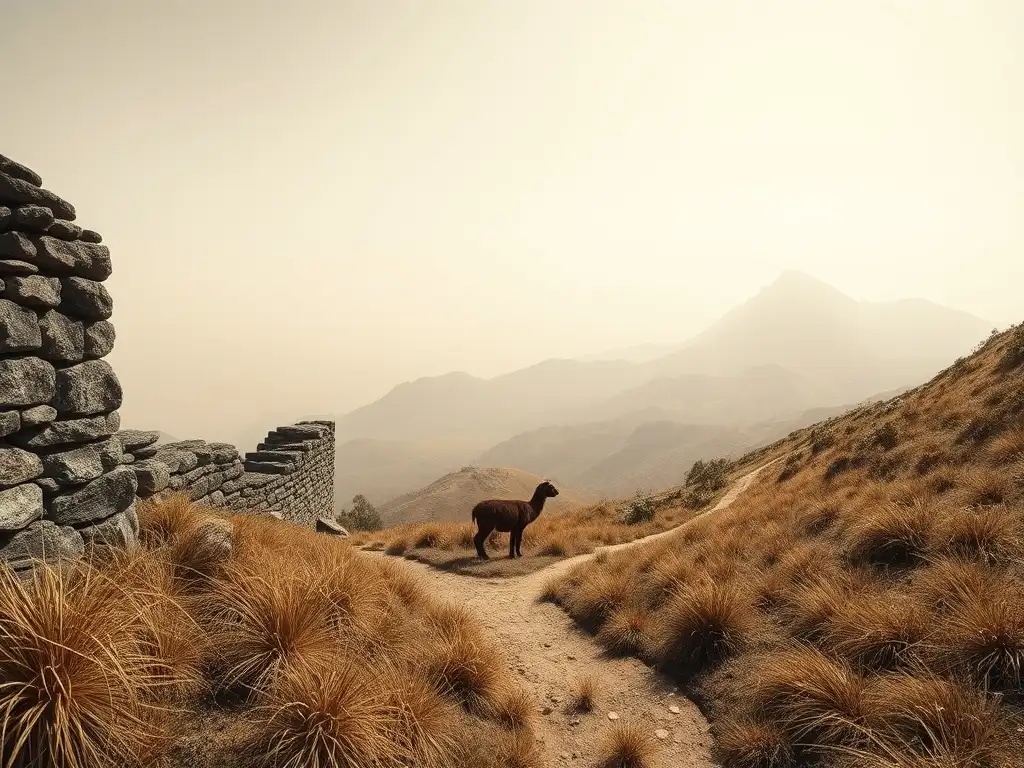
This section focuses on optimizing your Andean adventure by strategically combining visits to Pre-Inca sites with other captivating attractions. Understanding the geographical distribution of these archaeological marvels allows for efficient trip planning and a richer overall experience. Careful route planning can significantly reduce travel time and maximize your exposure to the diverse tapestry of Andean history and landscapes. Remember, the beauty of exploring Pre-Inca Andean civilizations lies not only in the sites themselves but also in the context they provide within the broader Andean narrative.
Integrating Inca Sites: Machu Picchu and the Sacred Valley
Many visitors focus solely on Machu Picchu, the iconic Inca citadel. However, integrating visits to Pre-Inca sites within the Sacred Valley significantly enhances understanding of the Inca's predecessors and their influence. Sites like Ollantaytambo, while showcasing impressive Inca architecture, also reveal underlying Pre-Inca foundations and terracing techniques.
Similarly, Pisac, with its stunning agricultural terraces carved into the mountainside, demonstrates the sophisticated agricultural practices that predate the Inca Empire. By exploring these locations, you gain a deeper appreciation for the continuity and evolution of Andean civilization, witnessing how the Inca built upon the achievements of earlier cultures. The agricultural ingenuity evident in these Pre-Inca terraces, for example, clearly influenced Inca agricultural practices, highlighting the interconnectedness of these societies.
Consider a multi-day trek that incorporates both Inca and Pre-Inca sites for a truly immersive experience. This approach allows for a comparative analysis of architectural styles, agricultural methods, and overall societal development, enriching your understanding of the Pre-Inca Andean civilizations and their legacy.
Exploring Colonial Cities: Cusco and Arequipa
While focused on Pre-Inca sites, your journey through the Andes shouldn't neglect the rich colonial heritage interwoven with the ancient past. Cusco, the former Inca capital, boasts a fascinating blend of Inca and Spanish colonial architecture, offering a tangible representation of the cultural fusion that shaped the region. Similarly, Arequipa, known for its stunning white volcanic stone architecture, provides a contrasting yet equally compelling glimpse into the colonial era.
By including Cusco and Arequipa in your itinerary, you'll gain a broader perspective on the evolution of Andean societies, from their Pre-Inca roots through the Inca Empire and into the colonial period. Consider visiting the Museo Inka in Cusco or the Museo Santuarios Andinos in Arequipa to further enhance your understanding of the interplay between these historical periods.
These museums house artifacts that illuminate the transition from Pre-Inca societies to the Inca Empire and beyond, enriching your understanding of the long and complex history of the region. This holistic approach transforms your trip from a simple sightseeing tour into a journey through time, allowing for a deeper comprehension of the Pre-Inca Andean civilizations within a larger historical context.
Experiencing the Natural Beauty of the Andes: Trekking and Hiking Options
The Andes mountains themselves are a crucial element of the Pre-Inca Andean civilizations story. The challenging terrain shaped the development of these societies, influencing their agricultural practices, settlement patterns, and even their spiritual beliefs. Incorporating trekking or hiking into your itinerary allows you to appreciate the natural environment that played such a significant role in shaping Andean history.
Many trekking routes pass near or even incorporate visits to Pre-Inca sites, providing a unique perspective on these ancient settlements within their original context. Imagine hiking through valleys once farmed by Pre-Inca communities, gazing upon terraces that still stand as testaments to their ingenuity. This immersive experience connects you directly with the landscape that nurtured these civilizations, bringing their story to life in a visceral and unforgettable way.
Remember to choose trails appropriate for your fitness level and to respect the fragility of the Andean ecosystem. A responsible approach ensures the preservation of these incredible landscapes for future generations to appreciate and learn from the enduring legacy of the Pre-Inca Andean civilizations.
Conclusion: Embracing the Rich Legacy of Pre-Inca Andean Cultures
This exploration of Pre-Inca Andean civilizations reveals a tapestry of ingenuity, resilience, and cultural depth that profoundly shaped the Andes' landscape and history. From the intricate Nazca Lines defying earthly explanation to the sophisticated irrigation systems of the Moche, the Pre-Inca period showcases remarkable achievements in engineering, agriculture, and artistic expression. Understanding these civilizations is crucial not only for appreciating the complexity of Andean history but also for recognizing the continuous cultural threads that connect the past to the present.
The legacy of these cultures extends beyond impressive ruins; it's woven into the fabric of modern Andean life, influencing traditions, beliefs, and artistic practices. The influence of these PreInca Andean civilizations is undeniable, laying the groundwork for the later Inca Empire and contributing significantly to the diverse cultural richness of the region. Their stories serve as a testament to human adaptability and the enduring power of human creativity.
The sophisticated understanding of astronomy, agriculture, and societal organization displayed by these cultures continues to inspire awe and wonder. Further research into these fascinating societies promises to unveil even more about their contributions to human history.
Reflecting on the Importance of Preserving Pre-Inca Heritage
The preservation of Pre-Inca heritage sites is paramount. These archaeological marvels are not merely relics of the past; they are living testaments to the ingenuity and cultural richness of Andean civilizations. However, the passage of time, environmental factors, and even human activity pose significant threats to their survival.
The deterioration of these sites represents an irreplaceable loss of knowledge and cultural understanding. Therefore, concerted efforts are needed to protect these invaluable resources for future generations. This includes implementing sustainable preservation techniques, combating looting and illegal trafficking of artifacts, and educating the public about the importance of protecting these sites.
Investing in archaeological research and conservation programs is crucial for understanding and safeguarding this irreplaceable heritage. Protecting these sites is not simply an academic pursuit; it is a responsibility we share to ensure that the stories of these remarkable civilizations continue to resonate for centuries to come. The detailed study of PreInca Andean civilizations helps us understand the evolution of Andean societies and their profound impact on the region.
Encouraging Responsible Tourism: Supporting Local Communities
Responsible tourism plays a crucial role in preserving Pre-Inca heritage while simultaneously benefiting local communities. By supporting locally owned businesses, tourists can contribute directly to the economic well-being of the communities that safeguard these historical sites. This includes patronizing local guides, restaurants, and accommodation providers, ensuring that the economic benefits of tourism are shared fairly.
Furthermore, responsible tourism encourages respect for local customs and traditions, fostering intercultural understanding and appreciation. Choosing tour operators committed to sustainable practices and environmental protection ensures the long-term preservation of these sites for future generations. Educating tourists about the importance of responsible behavior, such as avoiding damage to archaeological sites and respecting local customs, is essential.
By embracing responsible tourism practices, we can ensure that the exploration of PreInca Andean civilizations benefits both visitors and local communities alike, creating a sustainable model for preserving cultural heritage and promoting economic development. This approach ensures that the exploration of these remarkable sites contributes positively to the communities that call them home.
Frequently Asked Questions
What are some key Pre-Inca Andean civilizations?
The article highlights several important Pre-Inca civilizations, including the Moche, Nazca, and Tiahuanaco. These cultures flourished before the Inca Empire, each leaving behind a unique legacy.
How did the Pre-Inca civilizations differ from the Inca?
While the Inca are known for their extensive empire and advanced road system, Pre-Inca civilizations developed distinct artistic styles, agricultural techniques, and social structures. They laid the groundwork for later Andean societies.
What are some notable achievements of the Pre-Inca cultures?
Pre-Inca civilizations achieved remarkable feats, including the Nazca Lines, the Moche's sophisticated metalwork, and Tiahuanaco's massive stone structures. These accomplishments demonstrate advanced engineering and artistic skills.
How did the environment influence Pre-Inca societies?
The diverse Andean geography, including mountains, deserts, and coastlines, significantly impacted Pre-Inca development. They adapted their agriculture and urban planning to the unique challenges and resources of their environment.
What is the significance of studying Pre-Inca Andean civilizations?
Studying Pre-Inca civilizations provides crucial context for understanding the Inca Empire and the broader history of the Andes. It reveals the complex evolution of Andean societies and their lasting contributions to the region's culture.
Final Reflection: Echoes of the Andes: A Legacy Unfolding
The intricate tapestry woven by the Pre-Inca Andean civilizations continues to resonate today, a testament to human ingenuity and resilience in the face of challenging landscapes and shifting power dynamics. Their sophisticated agricultural techniques, innovative architectural marvels, and complex social structures offer invaluable lessons for understanding sustainable development and societal organization, even in our modern, technologically advanced world. The echoes of their achievements reverberate through the very fabric of Andean culture, reminding us of the enduring power of human creativity.
The profound impact of these pre-Inca societies extends far beyond the archaeological record; their influence permeates the cultural landscape of the Andes, shaping traditions, beliefs, and artistic expressions that persist to this day. Their legacy is a living testament to the interconnectedness of history and the present. The past is never dead. It's not even past.
– William Faulkner. This quote perfectly encapsulates the enduring relevance of understanding these civilizations, as their stories continue to inform and inspire. Their innovations in irrigation, for instance, still offer valuable insights for addressing modern challenges related to water management and sustainable agriculture.
Consider the ingenuity of these ancient societies, their ability to thrive in such a demanding environment. Reflect on their intricate social structures and the lessons they hold for building inclusive and equitable communities. You, the reader, are now part of this ongoing conversation.
By engaging with the history of the Pre-Inca Andean civilizations, you become a custodian of their legacy, carrying forward the understanding and appreciation of their remarkable achievements. Let their stories inspire you to explore the rich tapestry of human history and to seek innovative solutions to the challenges we face today, drawing inspiration from the wisdom of the past.
Unveil Your Journey into Pre-Inca History!
Thank you for exploring the rich tapestry of Pre-Inca civilizations! You've already uncovered valuable insights into the foundations of Andean culture. To further your exploration, consider these suggestions:
- Delve deeper into a specific culture: Choose a Pre-Inca civilization that particularly captivated you and research its unique contributions to Andean history. For example, the Moche's sophisticated metalworking or the Nazca's enigmatic geoglyphs offer fascinating avenues of study.
- Share your discoveries: Discuss your newfound knowledge with friends, family, or online communities. Spark conversations about the wonders of the Andean region and its enduring legacy.
- Connect with fellow enthusiasts: Join a local archaeological society or an online forum dedicated to Andean history. Sharing your passion with like-minded individuals fosters collaboration and expands your understanding.
What aspect of Pre-Inca life resonates most with you, and how do you see its influence on contemporary cultures?