
Irrigation Canals of the Moche: A Lifeline in the Arid Coast

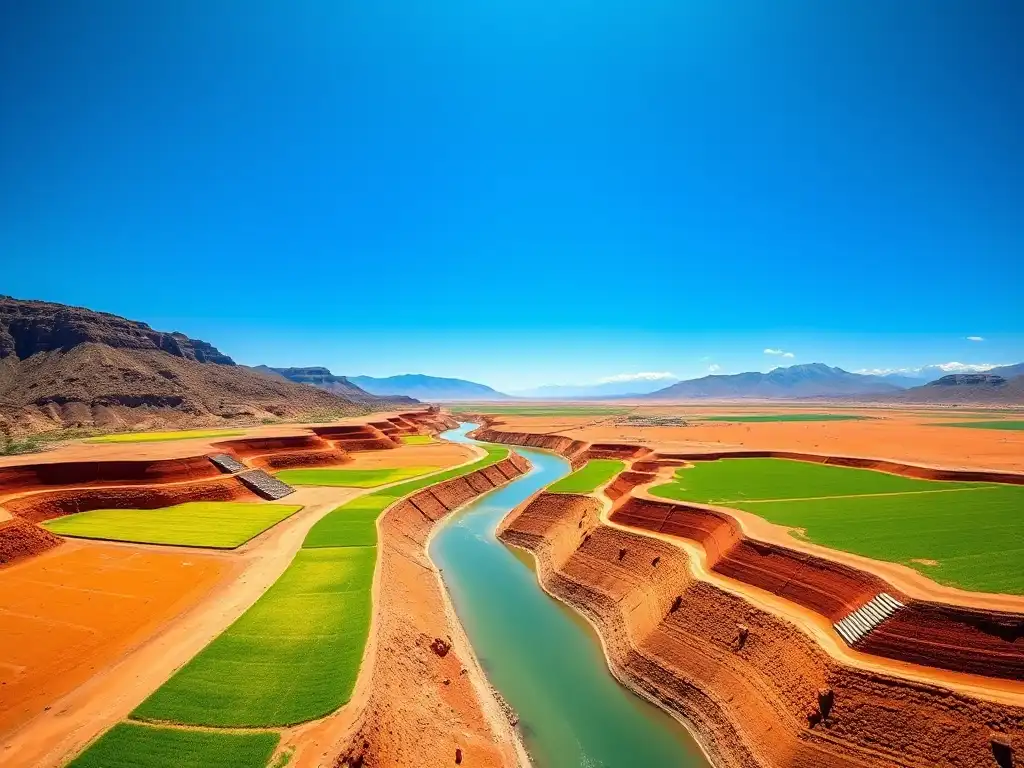
Step into a world lost to time, yet echoing with the ingenuity of a masterful civilization. Imagine a landscape sculpted not by nature alone, but by the hands of the Moche, a people who defied the harsh desert to flourish. Their mastery of water, particularly their remarkable Moche irrigation canal system, is a testament to their advanced engineering and unwavering resilience. Uncover the secrets of this ancient lifeline and delve into the fascinating story of how the Moche thrived against all odds. Prepare to be amazed.
- The Moche Irrigation Canal System: A Lifeline in the Arid Coast
- The Construction of Moche Irrigation Canals
- Functionality and Impact of the Moche Canal System
- The Legacy of Moche Water Engineering
- Moche Irrigation: A Testament to Adaptation and Innovation
- Frequently Asked Questions
- Final Reflection: The Enduring Legacy of Moche Ingenuity
- Unleash the Potential of Sustainable Irrigation!
The Moche Irrigation Canal System: A Lifeline in the Arid Coast
The arid coastal plains of northern Peru presented a formidable challenge to the ancient Moche civilization (circa 100-800 CE). This seemingly inhospitable environment, characterized by scarce rainfall and scorching sun, paradoxically became the cradle of a sophisticated and remarkably successful culture. The key to their prosperity?
A masterful understanding and manipulation of water resources, primarily through the construction of an extensive and ingenious irrigation canal system. This article delves into the intricacies of the Moche irrigation canal system, exploring its design, construction, and its crucial role in shaping the Moche's societal and agricultural achievements. We will examine how the Moche adapted to the harsh conditions of the Andean coastal desert, transforming a seemingly barren landscape into a flourishing agricultural powerhouse, solidifying their place among the most impressive civilizations of ancient South America.
Understanding their water management techniques offers valuable insights into their ingenuity and resilience, showcasing their remarkable ability to not only survive, but thrive in a challenging environment. This exploration of the Moche irrigation canal system will highlight the crucial role of engineering and societal organization in their success.
Understanding the Aridity of the Moche Coast
The Moche civilization flourished along a narrow coastal strip in northern Peru, an area characterized by an extremely arid climate. Rainfall is minimal, often insufficient to support agriculture. The coastal desert receives less than 50 mm of rainfall annually in many areas. This scarcity of rainfall is primarily due to the presence of the Humboldt Current, a cold ocean current that inhibits the formation of rain clouds.
The combination of low precipitation and high evaporation rates created an environment where survival without sophisticated water management was virtually impossible. The Moche, however, demonstrated remarkable ingenuity in overcoming these challenges, transforming the desert into fertile agricultural lands through their innovative irrigation systems. This success was not simply a matter of luck; it was the result of careful planning, sophisticated engineering, and a well-organized society capable of undertaking large-scale projects.
The evidence of their success is visible in the extensive remains of their canals, which still provide a glimpse into their remarkable achievements. The severity of the aridity is further underscored by the presence of fog, or camanchaca, which offered a secondary, albeit unpredictable, water source. The Moche, however, primarily relied on the water diverted from rivers flowing from the Andes Mountains.
The Ingenious Moche Water Management Techniques
The Moche irrigation system was a marvel of ancient engineering. It involved the construction of extensive networks of canals, some stretching for kilometers, diverting water from rivers originating in the Andes Mountains to irrigate their fields. These canals weren't simply dug trenches; they were carefully planned and constructed using sophisticated techniques. They incorporated features such as:
- Terracing: To maximize water use and prevent erosion on sloping land.
- Check dams: To control water flow and prevent flooding.
- Aqueducts: To transport water across valleys and other obstacles.
- Reservoirs: To store water for later use during dry periods.
The construction of these intricate systems required significant labor and organizational skills. The Moche society was highly stratified, with a powerful ruling elite capable of mobilizing large workforces for such ambitious projects. The canals themselves were not only functional but also served as vital arteries of the Moche social and economic life.
Their construction and maintenance fostered cooperation and community building, underscoring the importance of collective effort in their success. The precise methods used by the Moche in canal construction remain a subject of ongoing research, but evidence suggests the use of simple tools, a testament to their remarkable engineering prowess and adaptive capabilities. The impact of their ingenuity is evident in the flourishing agricultural production that sustained their civilization for centuries.
The Moche’s success in harnessing water resources stands as a powerful example of human adaptation to challenging environments and a testament to their remarkable understanding of hydraulic engineering. The legacy of their irrigation systems continues to inspire awe and admiration.
The Construction of Moche Irrigation Canals
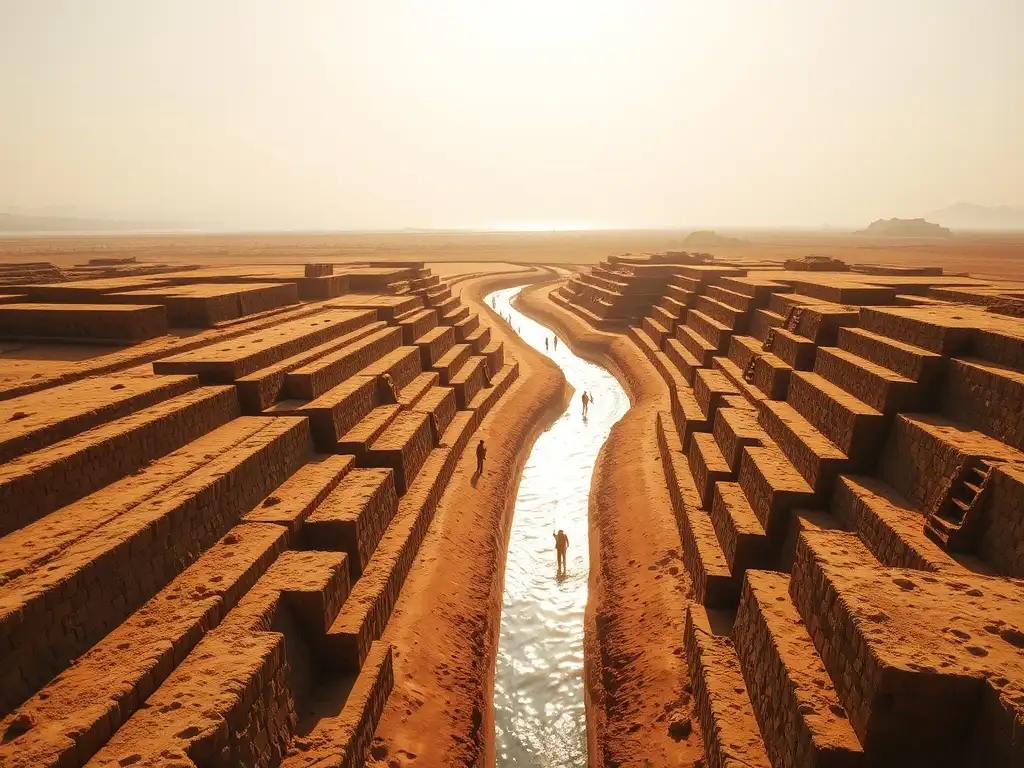
The Moche irrigation canal system, a marvel of ancient engineering, stands as a testament to the ingenuity and organizational prowess of the Moche civilization. Their success in cultivating the arid northern coast of Peru hinged entirely on their ability to harness scarce water resources. This section delves into the specifics of Moche canal construction, exploring the materials, labor practices, and overall design that allowed this remarkable system to flourish for centuries.
Understanding the intricacies of the Moche irrigation canal system provides crucial insight into their societal structure, technological advancements, and enduring legacy. The keyword "Moche irrigation canal system" is crucial to understanding this sophisticated network.
Materials and Engineering of Ancient Moche Canals
The Moche, lacking modern tools and machinery, relied on readily available materials and innovative techniques to build their extensive canal network. The primary material was clay, often mixed with sand and gravel for added strength and durability. This mixture, carefully prepared and compacted, formed the canal beds and walls.
Evidence suggests that the Moche employed a technique of layering the clay, potentially using different mixes for different sections of the canal, to optimize water retention and resist erosion. Larger canals, carrying substantial volumes of water, were often reinforced with stone, particularly in areas prone to flooding or significant erosion. The precision and scale of some of these stone-lined sections are particularly impressive, demonstrating a sophisticated understanding of hydraulics and construction.
Furthermore, the Moche incorporated sophisticated techniques like strategically placed spillways and sediment traps to manage water flow and prevent blockages. Analyzing the surviving remnants of these canals reveals a deep understanding of soil mechanics and water management, exceeding what many might expect from a pre-Columbian civilization. The ingenuity of the Moche in adapting readily available materials to create a functional and long-lasting irrigation system is a key aspect of their technological achievements.
The construction of the extensive Moche irrigation canal system was a monumental undertaking, requiring a significant and highly organized workforce. While the exact details of labor organization remain debated amongst scholars, evidence suggests a complex system involving both specialized labor and possibly communal participation. The scale of the projects implies a hierarchical structure, with skilled engineers and supervisors overseeing large teams of workers.
Archaeological evidence points to the possible use of specialized tools, albeit rudimentary, suggesting a degree of professionalization in canal construction. It is likely that the canal building was integrated into the Moche's social and economic systems, perhaps tied to religious rituals or as a form of tribute. The canals themselves may have been seen as symbols of power and prosperity, reflecting the Moche's ability to control and manage their environment.
Further research is needed to fully understand the social dynamics and labor practices involved in this remarkable feat of engineering. Understanding the social organization behind the Moche irrigation canal system is crucial for understanding their societal complexities. The system likely required a sophisticated form of social engineering to manage the workforce effectively.
The Design and Layout of the Moche Irrigation Network
The Moche irrigation network was not a haphazard collection of canals; rather, it was a meticulously planned and executed system designed to optimize water distribution across a vast area. The canals varied in size and complexity, with larger main canals branching into smaller, secondary canals that irrigated individual fields. The system incorporated gravity-fed channels, strategically designed to follow the contours of the landscape and minimize the need for pumping or other energy-intensive methods.
The canals were often built along elevated terraces, allowing for efficient water distribution and minimizing water loss through infiltration. The design also incorporated features like check dams and diversion structures to regulate water flow and prevent erosion. The layout of the network clearly demonstrates a deep understanding of topography and hydrology, showcasing the Moche's advanced knowledge of water management.
The efficiency of the Moche irrigation canal system is a testament to their mastery of hydraulic engineering. The long-term impact of this system on the Moche civilization's agricultural productivity and societal stability is undeniable. Analyzing the design showcases the sophisticated understanding of water dynamics and agricultural needs.
Functionality and Impact of the Moche Canal System
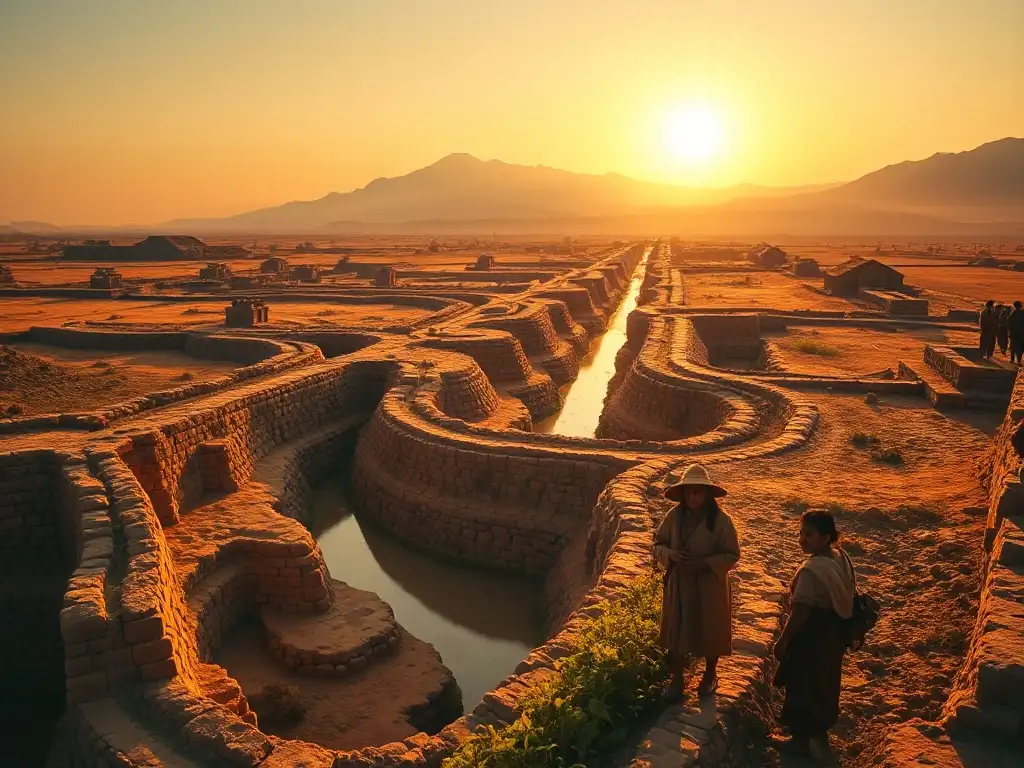
The Moche irrigation canal system, a marvel of pre-Columbian engineering, profoundly shaped the lives and society of the Moche civilization. Its functionality extended beyond simply providing water; it represented a sophisticated understanding of hydrology, societal organization, and resource management crucial for survival in the arid coastal desert of northern Peru. The system's impact reverberated through every aspect of Moche life, from agriculture and population growth to social stratification and political power.
Understanding this intricate network is key to comprehending the Moche's remarkable achievements and their lasting legacy. The ingenuity behind the Moche irrigation canal system lies not only in its scale but also in its adaptability to the challenging terrain and fluctuating water resources of the region.
Agricultural Practices Enabled by Moche Irrigation
The Moche irrigation canal system facilitated a diverse range of agricultural practices, far surpassing the limitations imposed by the naturally arid environment. The canals, meticulously designed and constructed, channeled water from rivers and streams, often over considerable distances and across varied landscapes, to irrigate vast expanses of land. This allowed the Moche to cultivate a variety of crops, including maize, beans, squash, cotton, and various fruits. Evidence suggests sophisticated techniques such as terracing were employed to maximize land usage and water efficiency on slopes.
The system's effectiveness is demonstrated by the scale of Moche agricultural production. Archaeological findings reveal extensive fields and storage facilities, indicating a surplus of food beyond immediate consumption needs. This surplus was vital for sustaining a large population and supporting specialized labor, contributing to the complexity of Moche society. The precision of the canals and their integration with the landscape indicate a deep understanding of water management principles. For example, the use of check dams and diversion channels allowed for controlled water distribution and prevented soil erosion, showcasing a level of technological sophistication rarely seen in other contemporary societies.
Sustaining Moche Population Through Advanced Agriculture
The Moche irrigation canal system played a pivotal role in supporting a large and relatively dense population in an otherwise inhospitable environment. By dramatically increasing agricultural productivity, the canals provided a reliable food supply, enabling population growth and the development of complex social structures. Without this sophisticated water management system, the sustenance of such a sizable population in the desert would have been practically impossible.
We can estimate the population supported by the Moche irrigation system by analyzing the extent of cultivated land and the yields of Moche crops. [Specific information pending: Data on cultivated land area and crop yields from archaeological studies]. However, it's clear that the system's efficiency allowed for a significant increase in food production compared to rain-fed agriculture, directly contributing to the Moche civilization's prosperity and longevity. The surplus food also allowed for specialization of labor, freeing individuals from constant agricultural work and allowing for the development of crafts, religious activities, and other specialized occupations.
The Moche irrigation canal system was not just a technological feat; it was intrinsically linked to the social and political organization of the civilization. The construction, maintenance, and management of such a complex system required significant coordination and labor, likely overseen by a centralized authority. This suggests a hierarchical society with specialized roles and responsibilities related to water distribution and agricultural production. The control over water resources, a crucial element for survival, likely conferred significant power upon the ruling elite.
The system's impact on social structures can be observed through the distribution of settlements and the evidence of centralized planning. The location of settlements near canals, and the presence of large public works projects, point to a degree of social organization and centralized control that was essential for the successful functioning of the irrigation system. Furthermore, the system likely contributed to the development of a stratified society, with elites controlling access to water and resources, while commoners worked to maintain the canals and cultivate the land.
The intricate network of canals, therefore, served not only as a lifeline but also as a foundation for the Moche's social and political order. The distribution of power and resources, inextricably linked to the control of the Moche irrigation canal system, shaped the very fabric of Moche society.
The Legacy of Moche Water Engineering
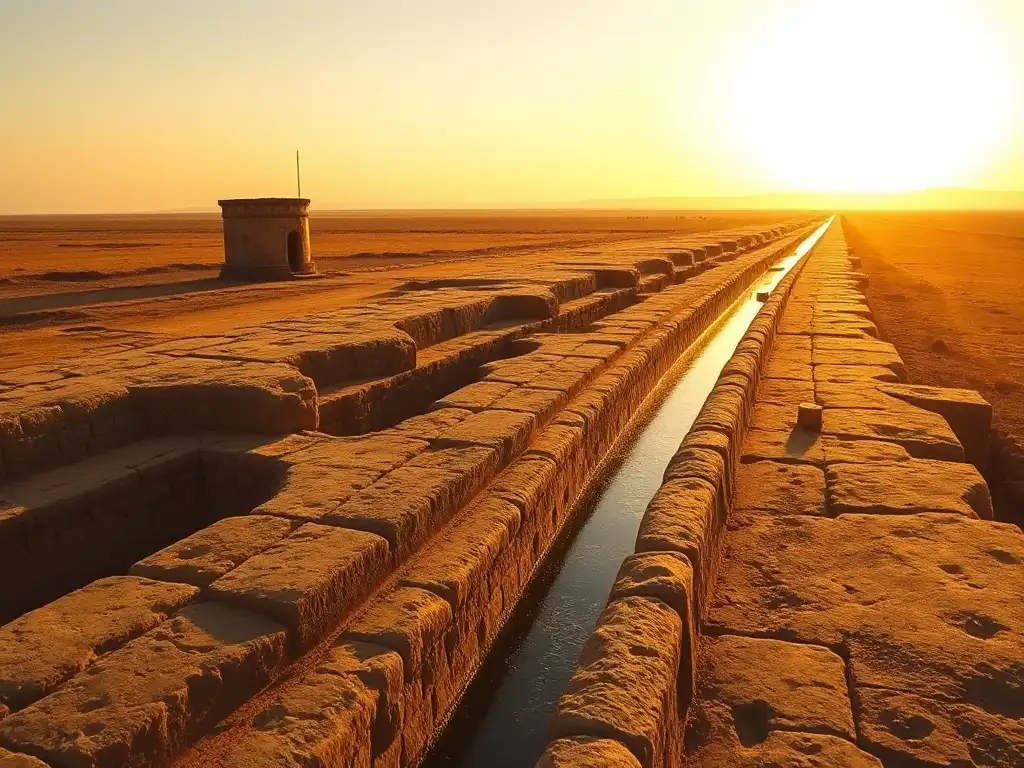
The Moche civilization (c. 100 – 800 CE), flourishing along the arid north coast of Peru, stands as a testament to human ingenuity and adaptation. Their remarkable success, particularly their impressive urban centers and sophisticated artistry, was fundamentally underpinned by a sophisticated and extensive Moche irrigation canal system. This wasn't merely a system of water conveyance; it was a complex social, economic, and political engine that shaped the very fabric of Moche society.
Understanding the Moche irrigation canals is key to understanding the civilization's rise and longevity in a challenging environment. Their engineering prowess allowed them to transform the seemingly inhospitable desert into a productive agricultural landscape, supporting a large and complex population. This legacy continues to resonate today, influencing modern irrigation practices and inspiring awe at the scale and sophistication of their achievements.
The ingenuity of their canal design, coupled with their understanding of hydrology and water management, represents a significant contribution to the history of Andean water engineering. Analysis of surviving canal remnants reveals a deep understanding of topography, soil types, and water flow dynamics, allowing them to optimize water distribution and minimize water loss. This sophisticated approach highlights the Moche's advanced knowledge and practical application of engineering principles.
The Importance of Moche Irrigation Canals in Andean History
The Moche irrigation canals represent a pivotal moment in Andean history. Before the arrival of the Moche, the arid coastal region likely supported only small, scattered settlements. The scale of the Moche irrigation projects, however, facilitated a dramatic increase in agricultural production. This surplus allowed for population growth, the development of complex social hierarchies, and the construction of impressive monumental architecture, such as the Huaca del Sol and Huaca de la Luna.
The canals weren't just about food production; they were integral to the Moche's religious beliefs and social organization. Water, a scarce and precious resource, was likely viewed as sacred, and control over its distribution may have been a key source of power for the elite. The system facilitated the growth of specialized labor, with individuals dedicated to canal construction, maintenance, and management.
This division of labor is a hallmark of complex societies, and the Moche irrigation system played a crucial role in its development. Further research into the social implications of the canal system is needed to fully understand its impact on Moche social structures and power dynamics. The precise mechanisms of water allocation and the role of community participation in canal maintenance remain areas of ongoing investigation.
The Moche Irrigation System and its Influence on Later Andean Civilizations
The impact of the Moche irrigation canal system extended far beyond their own civilization. Later Andean cultures, such as the Chimú and Inca, built upon the Moche's innovations, adapting and expanding upon their techniques. The Moche's mastery of water management provided a blueprint for subsequent civilizations facing similar environmental challenges.
Evidence suggests that the Chimú, known for their own extensive irrigation networks, may have directly inherited or adapted aspects of the Moche system. The Inca, with their vast empire spanning diverse ecological zones, also benefited from the accumulated knowledge of earlier Andean cultures concerning water management. Their sophisticated hydraulic engineering projects, while impressive in their scale, owe a debt to the groundwork laid by the Moche and other preceding civilizations.
Analyzing the similarities and differences between the Moche system and those of later cultures provides valuable insights into the evolution of Andean water management practices and technological transfer across different societies. This continuity highlights the enduring legacy of the Moche and their profound contribution to Andean civilization. The Moche's ingenuity in water management left an indelible mark on the landscape and the cultures that followed.
Preservation Efforts at the Moche Canal Sites
Preserving the remaining Moche irrigation canals is crucial for understanding this significant aspect of Andean history and for appreciating the engineering ingenuity of this remarkable civilization. Unfortunately, many canal sites are threatened by erosion, agricultural expansion, and urbanization. Current preservation efforts often involve a combination of archaeological investigation, community engagement, and sustainable development initiatives. Archaeologists meticulously document and analyze surviving canal sections, providing valuable data on construction techniques and water management strategies.
Community involvement is vital, as local populations often possess valuable traditional knowledge about the canals and their historical significance. Sustainable development projects aim to balance the needs of present-day communities with the preservation of the historical sites. This might include promoting alternative agricultural practices that minimize environmental impact or developing tourism strategies that generate economic benefits while protecting the canals.
Further research and funding are needed to ensure the long-term preservation of these irreplaceable cultural heritage sites. The task requires a multi-faceted approach that integrates archaeological research, community participation, and sustainable development strategies to safeguard this invaluable legacy for future generations. The continued degradation of these sites represents a significant loss not only to Peruvian heritage but also to our understanding of ancient engineering and societal development.
Moche Irrigation: A Testament to Adaptation and Innovation
The Moche irrigation canal system stands as a remarkable feat of engineering and a testament to the ingenuity of the Moche civilization. Flourishing along the arid north coast of Peru, between approximately 100 CE and 800 CE, the Moche faced the constant challenge of scarce water resources. Their solution – an extensive and sophisticated network of canals – allowed them to transform a seemingly inhospitable landscape into a thriving agricultural powerhouse.
This system wasn't merely a collection of ditches; it was a carefully planned and meticulously maintained infrastructure that underpinned their societal success. The complexity and scale of their water management demonstrate a deep understanding of hydrology, surveying, and collaborative labor organization, all crucial elements of the Moche irrigation canal system. Understanding their techniques provides valuable insights into their societal structure, technological capabilities, and overall resilience.
The Moche Civilization's Response to Environmental Challenges
The Moche civilization didn't passively accept the limitations of their environment. Instead, they actively engaged with it, developing innovative strategies to overcome the challenges posed by the arid coastal desert. The scarcity of rainfall necessitated a sophisticated approach to water management. Their solution wasn't simply to dig canals; they developed a comprehensive system encompassing several key elements:
- Canal Construction: The Moche meticulously surveyed the terrain, identifying sources of water like rivers and springs high in the Andes. They then constructed canals, often using sophisticated techniques involving stone lining and careful grading to minimize water loss through seepage and evaporation. Evidence suggests they utilized a variety of tools, including simple hand tools and potentially more advanced instruments for accurate surveying and leveling. The canals were not straight lines; they followed the contours of the land, demonstrating an understanding of gravity and hydraulic principles.
- Water Diversion: The Moche skillfully diverted water from rivers and streams, channeling it across the desert landscape to their agricultural fields. This required a deep understanding of water flow and the ability to control and regulate the water supply. They built intricate systems of reservoirs and dams to store water during periods of abundance and release it during dry spells.
- Community Involvement: The construction and maintenance of the Moche irrigation canal system were undoubtedly massive undertakings, requiring significant labor input. This suggests a high degree of societal organization and cooperation, likely involving communal labor efforts or specialized work groups dedicated to maintaining the infrastructure. The scale and complexity of the system point to a centralized authority capable of coordinating such large-scale projects.
The effectiveness of their response is evident in the flourishing agriculture that supported a large and complex society. The Moche were able to cultivate crops like maize, beans, squash, and cotton, fostering a surplus that fueled their social and political development. The ingenuity of their water management system is a powerful example of human adaptation and innovation in the face of environmental constraints.
Lessons from the Moche Water Management System
The Moche irrigation canal system offers valuable lessons for contemporary water management challenges. Their success stemmed from a holistic approach that integrated engineering, social organization, and environmental understanding. Key takeaways include:
- Sustainable Water Use: The Moche's system prioritized efficient water use, minimizing waste through careful canal design and water storage. This contrasts sharply with many modern systems that suffer from significant water loss. Their focus on sustainable practices offers valuable insights for managing water resources in arid and semi-arid regions today.
- Community Participation: The Moche's success highlights the importance of community involvement in water management. The collective effort required to build and maintain the canals fostered a sense of shared responsibility and ensured the long-term sustainability of the system. Modern water management projects could benefit from similar participatory approaches.
- Technological Innovation: The Moche's sophisticated engineering techniques demonstrate the power of technological innovation in overcoming environmental challenges. Their understanding of hydrology and hydraulics allowed them to create a system that effectively served their needs for centuries. This highlights the importance of investing in research and development to improve water management technologies.
The legacy of the Moche irrigation canal system continues to resonate today. Its innovative design and sustainable practices offer valuable lessons for addressing contemporary water management challenges, reminding us of the ingenuity and resilience of ancient civilizations and the importance of learning from their achievements.
The study of the Moche irrigation canal system, a vital part of the broader Moche irrigation canal system, continues to yield new insights into their remarkable adaptation to the Andean landscape. Further research into the specific materials used in construction, the methods of canal maintenance, and the social structures that supported the system's longevity would enrich our understanding of this remarkable achievement.
Frequently Asked Questions
What was the importance of the Moche irrigation canal system?
The Moche irrigation system was essential for their survival in the arid coastal region. It allowed them to cultivate crops and support a large population, fueling their advanced civilization. Without it, their society would have been impossible.
How did the Moche build their canals?
The Moche skillfully constructed their canals using stone, clay, and labor-intensive techniques. They channeled water from rivers and streams, often over long distances, demonstrating advanced engineering skills. Terracing was also a key part of their system.
What crops did the Moche grow thanks to their irrigation?
The Moche irrigation canals allowed them to cultivate a variety of crops including maize, beans, squash, and cotton. This diversified agriculture contributed to their economic prosperity and social stability.
How did the Moche irrigation system compare to other Andean civilizations?
While other Andean civilizations also developed sophisticated irrigation systems, the Moche system is particularly notable for its scale and complexity in the challenging desert environment. Their ingenuity in managing water resources was remarkable.
What evidence remains of the Moche irrigation canals today?
While some canals are ruined or buried, many sections remain visible, providing archaeological evidence of their sophisticated engineering. These ruins offer insights into the Moche's technological prowess and ability to adapt to a harsh landscape.
Final Reflection: The Enduring Legacy of Moche Ingenuity
The Moche irrigation canals, a testament to human ingenuity and adaptation, remain a powerful symbol of both past achievement and present-day challenges. Their sophisticated design, built centuries ago in a harsh desert environment, offers invaluable lessons for sustainable water management in a world increasingly grappling with drought and resource scarcity. The ingenuity of the Moche continues to inspire awe and serves as a stark reminder of our own responsibility to protect precious resources.
The impact of the Moche canal system extends far beyond its historical significance; it continues to shape the cultural and social landscape of the region. The very land we inhabit today bears the imprint of this ancient civilization, a testament to their profound understanding of their environment. Their ability to thrive in such a challenging climate offers a powerful counterpoint to modern narratives of environmental defeatism. The past is never dead. It's not even past.
– William Faulkner. This quote resonates deeply, highlighting how the Moche's legacy continues to inform our present and future approaches to water management and sustainable living.
Consider the ingenuity of the Moche, their ability to transform a seemingly barren landscape into a thriving civilization. You too possess the power to shape your own environment, to make conscious choices that promote sustainability and resilience. Let the story of the Moche canals inspire you to find innovative solutions to the challenges facing our world today, to embrace ingenuity and collaboration in the pursuit of a more sustainable future. What steps can you take, in your own life, to conserve water and promote responsible resource management? The legacy of the Moche awaits your contribution.
Unleash the Potential of Sustainable Irrigation!
Thank you for exploring the ingenuity of the Moche civilization and their remarkable irrigation canals. Their mastery of water management in the arid coastal region offers invaluable lessons for sustainable agriculture today. Now, let's put that knowledge to work!
- Start your own sustainable garden using water-wise irrigation techniques inspired by the Moche. Even a simple rainwater harvesting system can make a significant difference.
- Share your newfound knowledge with friends and family. Discuss the vital role of efficient irrigation in both ancient and modern agriculture.
- Support local conservation initiatives focused on sustainable water management. Get involved in community efforts to protect our precious water resources.
How can we creatively apply ancient wisdom to modern sustainability challenges?