
Beyond the Backpack: Essential Resources for Planning Your Andean Adventure

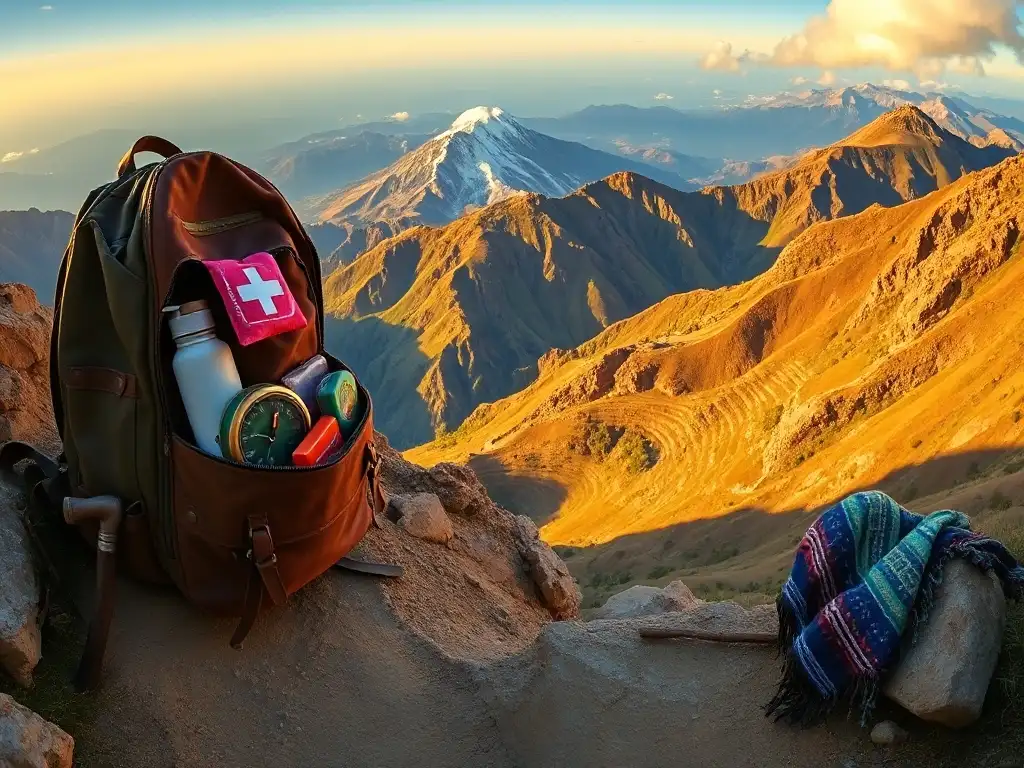
Dive into the captivating world of the Andean civilizations! From the breathtaking artistry of the Nazca Lines to the ingenious engineering of Machu Picchu, a journey through Andean history is an adventure unlike any other. But where do you begin? This website unlocks the secrets of these ancient societies, providing you with essential Andean civilization travel resources to plan your own unforgettable exploration. Discover the hidden pathways to a truly remarkable past – your Andean adventure awaits.
Embarking on a journey to explore the breathtaking landscapes and captivating history of the Andes requires meticulous planning. This isn't just about packing the right clothes and gear; it's about immersing yourself in the rich tapestry of Andean civilization. This guide delves into the essential resources you'll need to craft an unforgettable Andean adventure, ensuring a trip that's both enriching and respectful of the cultures you'll encounter.
We'll move beyond the typical travel checklist and focus on the resources that unlock a deeper understanding and appreciation for the Incas, Moche, Nazca, Tiahuanaco, and other fascinating Andean societies. From detailed historical accounts to practical travel advice, we'll equip you with the knowledge and tools to plan your ideal Andean expedition, maximizing your experience and minimizing potential setbacks.
This article serves as your comprehensive resource for navigating the planning phase, ensuring your Andean civilization travel is both rewarding and memorable. Prepare to delve into a world of ancient wonders!
Unveiling the Andean Wonders: A Guide to Essential Travel Resources
Planning a trip focused on Andean civilization requires more than just booking flights and accommodation. It necessitates a deep dive into readily available resources that bring the history, culture, and significance of these ancient societies to life. This section will outline key resources, categorized for easy navigation, to assist you in crafting a truly immersive and informative journey. We'll cover everything from reputable academic works to practical guides focusing on logistical aspects of your travel.
Essential Resource Categories:
- Academic Research & Historical Texts: These provide in-depth knowledge of the various Andean civilizations, their societal structures, religious beliefs, and technological advancements. Consider exploring works focusing on specific cultures (e.g., Inca, Nazca, Moche) to tailor your learning. Many university libraries offer online access to valuable research articles and books.
- Travel Guides & Practical Handbooks: These resources are crucial for the practical aspects of your trip. They offer invaluable information on transportation, accommodation, recommended itineraries, and potential challenges you may encounter while traveling in the Andes.
- Interactive Maps & Digital Resources: Utilizing interactive maps can significantly enhance your trip planning. These tools allow you to visualize your itinerary, pinpoint specific sites, and even explore the terrain virtually.
- Language Learning Resources: While Spanish is widely spoken in many Andean regions, learning some basic Quechua phrases can significantly enrich your interactions with local communities and enhance your overall experience. Apps and online courses provide accessible options for language learning.
- Cultural Sensitivity Guides & Ethical Travel Resources: Respecting local cultures and customs is paramount. Resources focused on ethical and responsible travel will ensure your trip minimizes negative impacts and maximizes positive contributions to the communities you visit. This includes information on appropriate behavior, respectful interaction with locals, and responsible souvenir purchasing.
The careful selection and utilization of these resources will significantly enhance your Andean adventure, transforming a simple trip into a truly enriching and memorable experience. Remember, understanding the context of your journey is as important as the journey itself. By utilizing these resources, you'll not only see the Andes, but you'll understand them.
- Flights: Finding Affordable Transportation to the Andes
- Accommodation: Choosing the Right Lodging for Your Needs
- Tours and Treks: Exploring the Andes with Expert Guides
- Travel Insurance: Protecting Your Trip Investment
- Booking Flights and Accommodation: Navigating Andean Logistics
- Local Guides and Tours: Enhancing Your Andean Experience
- What travel resources are essential for planning a trip to explore Andean civilizations?
- How can I best prepare for the altitude when visiting Andean sites?
- What are some must-see sites for exploring Andean culture and history?
- Are there any specific safety precautions I should take while traveling in the Andes?
- What are the best ways to support sustainable tourism while exploring Andean civilizations?
Planning Your Andean Civilization Trip: Key Considerations
This section focuses on crucial pre-trip planning for your Andean adventure, ensuring a safe and enriching experience exploring the remarkable Andean civilizations. We'll delve into key aspects often overlooked, transforming your trip from a simple journey into a truly immersive cultural experience. Remember, thorough preparation is the cornerstone of a successful Andean exploration. Mastering these key considerations will significantly enhance your understanding and appreciation of the ancient Andean world.
Understanding the Andean Climate and Terrain: Essential for Packing
The Andean region boasts incredible biodiversity, resulting in wildly diverse climates and terrains. Packing appropriately is paramount to your comfort and safety. Altitude sickness is a serious concern; acclimatization is crucial, and proper clothing is key to managing temperature fluctuations.
Understanding the distinct microclimates within the Andes is vital. You might experience scorching sun at low altitudes, followed by freezing temperatures at higher elevations within a single day. This necessitates layering your clothing. Think lightweight, breathable base layers, fleece mid-layers, and a waterproof, windproof outer shell. Don't forget sturdy hiking boots broken in well before your trip – blisters are the enemy of exploration!
Consider the specific regions you plan to visit. The coastal deserts of Peru (like those inhabited by the Nazca civilization) experience extreme dryness and intense sun. Conversely, the high Andes, home to Inca ruins like Machu Picchu, can be cold and windy, even during the summer months. Pack accordingly.
Here's a sample packing list to give you a better idea:
| Item Category | Specific Items | Notes |
|---|---|---|
| Base Layers | Thermal underwear (top & bottom), t-shirts | Opt for moisture-wicking materials. |
| Mid-Layers | Fleece jacket, lightweight sweater | Provides warmth without excessive bulk. |
| Outer Layers | Waterproof/windproof jacket, rain pants | Essential for unpredictable Andean weather. |
| Headwear | Hat, sunglasses, sunscreen | Protection from the intense sun is vital at all altitudes. |
| Footwear | Sturdy hiking boots, comfortable walking shoes | Break in your boots well before your trip! |
| Other Essentials | Backpack, water bottles, first-aid kit | Don't forget items for altitude sickness prevention (e.g., coca leaves). |
Remember to check the specific weather forecast for your chosen dates and locations before you depart. Planning for all weather eventualities is key to a successful Andean expedition.
Researching Andean Cultural Sites: Essential Guides and Maps
Before embarking on your Andean adventure, thorough research is critical to maximizing your experience and respecting the cultural heritage of these ancient civilizations. Investing time in understanding the historical significance of each site will elevate your journey from simple sightseeing to a deeply enriching cultural immersion.
Utilize reputable guidebooks and online resources to learn about the specific sites you plan to visit. Understanding the history, architecture, and significance of each location will enhance your appreciation. Look for books specializing in Andean archaeology and the specific civilizations that interest you – Inca, Moche, Nazca, Tiahuanaco, etc.
Detailed maps are essential, especially for navigating remote or less-developed areas. Consider purchasing topographic maps, or utilizing GPS devices and offline mapping apps for areas with limited or no cell service. Many sites are located in challenging terrain, so proper preparation is vital.
Consider guided tours for a deeper understanding. Local guides can provide invaluable insights into the history, culture, and significance of the sites, often sharing information not readily available in guidebooks. Many offer specialized tours focusing on specific aspects, such as Inca astronomy or Moche pottery.
Budgeting for Your Andean Exploration: Financial Planning Tips
Planning a trip to explore the Andean civilizations requires careful budgeting to accommodate diverse expenses. Costs can vary significantly depending on your travel style, the length of your trip, and the specific sites you plan to visit.
Accommodation costs range widely, from budget-friendly hostels to luxurious hotels. Food expenses also vary; you can find affordable local eateries or opt for more expensive restaurants. Entrance fees to archaeological sites and museums should also be factored into your budget. Internal travel, whether by bus, train, or domestic flights, will also contribute significantly to the overall cost.
To effectively budget, create a detailed itinerary outlining your planned activities and associated costs. Research the average prices for accommodation, food, transportation, and entrance fees in each location. Consider using budgeting apps or spreadsheets to track your expenses and ensure you stay within your allocated budget. Remember to factor in unexpected costs, such as medical emergencies or unforeseen travel delays. A contingency fund is always advisable. Enjoy your Andean adventure responsibly and within your means!
Essential Gear for Your Andean Adventure
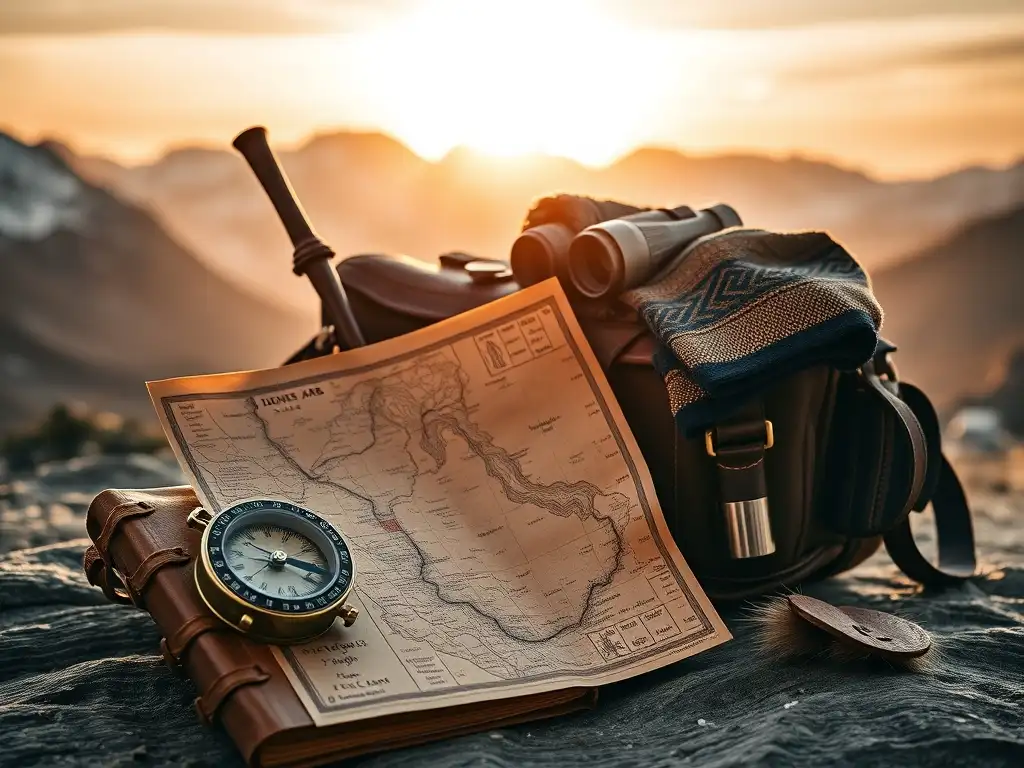
This section focuses on the crucial gear you'll need for a safe and enjoyable Andean adventure. Proper equipment is paramount when navigating the diverse landscapes and challenging climates of the Andes, ensuring a comfortable and memorable experience exploring the remnants of Andean civilization. Remember to prioritize quality over quantity – investing in durable, reliable gear will pay dividends throughout your journey.
Hiking Boots: Choosing the Right Footwear for Andean Trails
Choosing the right hiking boots is critical for your Andean expedition. The terrain varies drastically, from well-maintained Inca trails to rugged, uneven paths at high altitudes. Your boots need to provide excellent ankle support, grip, and protection against the elements.
Consider these factors when selecting your footwear:
- Ankle Support: Opt for boots with high-cut designs offering substantial ankle support to prevent sprains on uneven trails. This is especially crucial on steep ascents and descents common in Andean trekking.
- Waterproof Membranes: Andean weather can be unpredictable. Waterproof and breathable membranes, like Gore-Tex, will keep your feet dry and comfortable in rain or snow.
- Sole Grip: Look for boots with aggressive tread patterns designed for rocky and muddy trails. Vibram soles are a popular choice known for their durability and grip.
- Break-in Period: It's crucial to break in your boots before your trip. Avoid wearing brand new boots on the trail to prevent blisters and discomfort. Begin by wearing them around the house for short periods, gradually increasing the duration.
- Weight: While durability is important, heavier boots can lead to fatigue on longer treks. Strive for a balance between robust protection and manageable weight.
Here's a simple table summarizing ideal boot characteristics:
| Feature | Ideal Characteristics | Importance |
|---|---|---|
| Ankle Support | High-cut design, stiff shank | Prevents sprains, crucial for uneven terrain |
| Waterproofness | Waterproof and breathable membrane (e.g., Gore-Tex) | Protects feet from rain, snow, and moisture |
| Sole Grip | Aggressive tread pattern, Vibram soles preferred | Essential for traction on varied terrain |
| Weight | Lightweight yet durable | Reduces fatigue during long hikes |
Remember, proper footwear is your foundation for a successful Andean adventure. Investing in quality boots will significantly enhance your comfort and safety while exploring the fascinating sites of Andean civilization.
Backpacking Packs: Selecting the Perfect Carry-on for Your Journey
Your backpacking pack is your mobile home for the duration of your Andean trek. Choosing the right pack size and features is essential for comfortable carrying of your gear. Overpacking is a common mistake; carefully plan your packing list to minimize weight.
Factors to consider include:
- Pack Size: The ideal pack size depends on the length of your trip and the amount of gear you'll need. For shorter treks, a 50-60 liter pack might suffice. Longer expeditions may require a larger pack (65-75 liters).
- Weight: Lightweight packs are preferable, especially for longer treks. Look for packs made from durable yet lightweight materials.
- Fit: A proper fit is crucial for comfort and preventing back strain. Adjustable torso length and hip belts are essential features.
- Pockets and Compartments: Numerous pockets and compartments allow for organized packing and easy access to essential items.
- Durability: Choose a pack made from rugged, tear-resistant materials. Reinforced stitching in high-stress areas is also important.
Choosing the right pack is an investment in your comfort and enjoyment. A well-fitting pack will significantly reduce strain and allow you to fully appreciate the beauty of Andean civilization.
Clothing Layers: Preparing for Varying Andean Temperatures
The Andes' diverse geography and altitudes lead to drastic temperature fluctuations. Packing clothing in layers is essential to adapt to these changes. Think of it like an onion – you can add or remove layers as needed.
Your layering system should include:
- Base Layer: Moisture-wicking fabrics (synthetic or merino wool) are ideal for keeping you dry and comfortable against your skin.
- Mid Layer: Fleece jackets or lightweight down jackets provide insulation and warmth.
- Outer Layer: A waterproof and windproof shell jacket protects you from the elements.
- Hiking Pants: Durable, quick-drying pants are ideal for trekking. Convertible pants offer versatility.
- Warm Hat and Gloves: Even in warmer months, temperatures can drop significantly at higher altitudes.
- Sun Protection: A wide-brimmed hat and sunglasses protect you from the intense Andean sun.
Remember to pack clothing appropriate for both warm days and cold nights. Planning your clothing layers strategically will ensure your comfort and allow you to fully focus on exploring the wonders of Andean civilization. Don't forget to pack extra socks – dry feet are crucial for avoiding blisters!
Navigating the Andes can be challenging, even for experienced travelers. The terrain is often rugged and unpredictable, with sudden changes in elevation and weather. Reliable navigation tools are therefore absolutely crucial for a safe and enjoyable Andean adventure. Failing to plan for potential navigation issues can lead to delays, disorientation, and even dangerous situations. This section will highlight the essential navigation tools you should consider packing for your trip.
Beyond relying solely on digital maps, which may be unreliable in remote areas due to spotty cell service, investing in a good physical map is essential. Detailed topographic maps of the specific regions you plan to visit are invaluable. These maps will show elevation changes, trails, and potential obstacles, allowing you to plan your route effectively and anticipate challenges. Look for maps published by reputable cartographic agencies, ensuring they are up-to-date and accurate.
Remember to always carry a compass as a backup, especially in areas with limited visibility. Knowing how to use a compass effectively is a skill worth developing before your trip. Practice using it in various conditions to ensure you are comfortable with its operation.
A GPS device, while potentially susceptible to battery failure or signal loss, can be a valuable supplementary tool. Consider a device with pre-loaded maps to avoid reliance on cellular data. Ensure you have extra batteries and understand how to use the device's features, including waypoints and track recording. These features allow you to mark important locations and retrace your steps if needed.
Moreover, learning basic map and compass skills is highly recommended as a fail-safe. The combination of a physical map, a compass, and a GPS device provides a robust and reliable navigation system. Don’t solely depend on any single piece of technology; redundancy is key in the unpredictable Andean environment.
Finally, consider the benefits of a personal locator beacon (PLB). While not strictly a navigation tool, a PLB is a crucial safety device for remote areas. In case of an emergency, a PLB can send a distress signal to emergency services, potentially saving your life. This is particularly important for solo travelers or those venturing into more isolated regions of the Andes.
Always check the battery life and ensure the device is registered and ready for use before your trip. While expensive, investing in a PLB is a smart decision for those prioritizing safety in their Andean journey. Remember that preparedness is paramount when exploring the stunning, yet sometimes unforgiving, landscapes of the Andes.
Essential Resources for Andean Civilization Exploration

This section delves into the crucial resources you'll need to enrich your Andean adventure, moving beyond the practicalities of packing to embrace the cultural and historical depth of the region. Planning a trip focused on Andean civilization requires dedicated research and preparation to fully appreciate the incredible heritage you'll encounter. This guide offers a curated selection of resources to help you plan an unforgettable journey.
Travel Guides: In-Depth Information on Andean Sites
Choosing the right travel guide is paramount for a successful Andean exploration. Generic travel guides often lack the specific focus needed to truly understand the nuances of Andean civilization. Look for guides that specifically address archaeological sites, museums dedicated to pre-Columbian art and artifacts, and the cultural practices of the Andes. Many guides focus on specific regions or civilizations, such as the Inca Trail or the Nazca Lines, allowing for a deeper dive into a particular area of interest. For a comprehensive understanding, consider supplementing a general Andean guide with specialized books focusing on individual sites or themes.
Consider these key features when selecting your Andean civilization travel resources:
- Detailed Site Descriptions: Look for guides that provide more than just basic location information. They should offer insightful descriptions of the historical significance of each site, including architectural details, artistic styles, and the social context of their creation.
- High-Quality Maps: Clear and detailed maps are essential for navigating the sometimes challenging terrain and for understanding the spatial relationships between different sites. Guides with GPS coordinates are particularly helpful.
- Cultural Sensitivity Information: A responsible travel guide will emphasize the importance of respecting local customs and traditions. This includes information on appropriate attire, respectful behavior at sacred sites, and supporting local communities.
- Up-to-Date Information: Archaeological discoveries and interpretations are constantly evolving. Choose a recently published guide to ensure you have access to the latest research and information.
Language Learning Tools: Communicating with Locals
While English is spoken in tourist areas, learning some basic Quechua or Spanish will significantly enhance your Andean experience. Connecting with locals on a deeper level through their language opens doors to richer cultural interactions and a more authentic understanding of the Andean civilization.
Here's a breakdown of useful language learning tools:
- Language Learning Apps: Apps like Duolingo, Babbel, and Memrise offer interactive lessons and gamified learning experiences, making language acquisition more engaging and accessible. Focus on phrases relevant to travel, cultural interactions, and asking questions about history and archaeology.
- Phrasebooks: A good phrasebook provides a quick reference for essential phrases and vocabulary, useful for navigating everyday situations and interacting with locals. Look for phrasebooks specific to Quechua or the regional dialects of Spanish spoken in the Andes.
- Language Exchange Partners: Connecting with native speakers through language exchange platforms or local communities can provide invaluable opportunities for practical conversation and cultural immersion. This approach fosters genuine interactions and helps you learn conversational nuances.
Historical Books: Understanding Andean Civilizations
To truly appreciate your Andean adventure, supplementing your travel guides with historical books is essential. These resources provide the context necessary to understand the intricate tapestry of Andean civilizations, their achievements, and their lasting legacy.
When choosing historical books, consider these factors:
- Academic Rigor: While engaging narratives are important, ensure the books you choose are based on solid scholarly research and avoid overly speculative or sensationalized accounts.
- Diverse Perspectives: Seek books that present a balanced view of Andean civilizations, acknowledging diverse perspectives and avoiding Eurocentric biases. Look for works that incorporate the insights of Andean scholars and researchers.
- Specific Focus: You might choose to focus on a particular civilization (Inca, Moche, Nazca, etc. ), a specific period, or a particular aspect of Andean culture, such as their astronomical knowledge or agricultural techniques. This targeted approach allows for a deeper understanding of a specific topic.
- Visual Aids: Books with high-quality illustrations, maps, and photographs greatly enhance the learning experience, bringing the past to life and providing visual context for the historical narratives.
By utilizing these resources, you'll transform your Andean adventure from a simple sightseeing trip into a deeply enriching and intellectually stimulating journey through time. Remember, responsible and informed travel contributes to the preservation and appreciation of these incredible civilizations for future generations. 🌍
Photography Gear: Capturing the Beauty of the Andes
Planning a trip to explore the breathtaking landscapes and fascinating archaeological sites of Andean civilizations requires careful consideration of your photography equipment. The dramatic Andean scenery, from snow-capped peaks to vibrant valleys, presents unique photographic opportunities. However, the high altitude and diverse climates demand specific gear choices to ensure you capture those stunning images.
A high-quality DSLR or mirrorless camera is essential for capturing the detail and vibrancy of the Andes. Consider a camera with excellent low-light performance, as many sites are best explored during the golden hours of sunrise and sunset. A full-frame sensor will give you an advantage in low-light situations and offer superior image quality. Don't forget extra batteries! The cold Andean air can drain battery life faster than you might expect. Carrying at least two fully charged batteries is crucial, and even a portable charger could prove invaluable.
Choosing the right lenses is equally important. A wide-angle lens is a must-have for capturing expansive landscapes, showcasing the majesty of the mountains and the vastness of the valleys. A telephoto lens will allow you to zoom in on details, whether it's intricate carvings on ancient ruins or the soaring flight of the Andean condor.
A versatile zoom lens covering a wide range of focal lengths can be a practical alternative if you prefer to travel light. Consider a lens with image stabilization to compensate for any camera shake, especially at higher altitudes where you might be shooting from uneven terrain.
Protecting your equipment from the elements is paramount. Invest in a sturdy, waterproof camera bag that can withstand the rigors of travel in the Andes. Consider a rain cover for your camera and lenses, as sudden showers are common, especially in the rainy season. A lens cleaning kit is also essential for removing dust and debris that can accumulate quickly in the high-altitude environment. Remember, the Andean sun is intense, so using a UV filter on your lenses will protect your camera's sensor from damage. Consider a polarizing filter to cut glare and enhance color saturation in your landscapes.
Finally, don't forget the small but essential accessories. A sturdy tripod is crucial for sharp images, especially in low-light conditions or when using longer exposure times. Extra memory cards are vital to avoid running out of space mid-adventure, and a reliable external hard drive for backing up your precious photos is highly recommended. Proper planning of your photographic equipment will ensure you capture unforgettable memories of your Andean civilization adventure. The reward of capturing the beauty and history of these incredible sites will far outweigh the effort.
Booking Your Andean Adventure: Recommended Services
Planning a trip to explore the wonders of Andean civilization requires meticulous preparation. This section focuses on securing essential travel arrangements, ensuring a smooth and enriching experience amidst the breathtaking landscapes and captivating historical sites. We'll delve into the key aspects of booking flights, accommodations, and guided tours, providing you with the knowledge to confidently navigate the planning process. Remember, securing these elements in advance is crucial, particularly during peak tourist seasons, to guarantee availability and potentially secure better deals. This detailed guide will help you find the best "Andean civilization travel resources" for your needs.
Flights: Finding Affordable Transportation to the Andes
Securing affordable flights to South America is paramount for budget-conscious travelers interested in exploring Andean civilization. Several factors influence airfare costs, including the time of year, origin city, and booking platform utilized. Booking well in advance, often several months before your intended departure, can significantly reduce expenses. Consider flying into major international hubs such as Lima (LIM) in Peru or Santiago (SCL) in Chile, then using budget airlines or domestic flights for onward travel to smaller cities closer to specific Andean sites.
Flexibility in your travel dates can also prove beneficial. Mid-week flights and those avoiding peak seasons (like holidays and school breaks) often offer lower fares. Utilizing flight comparison websites that aggregate data from various airlines can be invaluable in identifying the best deals. Remember to factor in baggage fees, as these can add up quickly, especially if you're carrying specialized equipment for trekking or photography. Careful planning and comparison shopping can lead to significant savings, freeing up your budget to fully immerse yourself in the rich tapestry of Andean culture.
Accommodation: Choosing the Right Lodging for Your Needs
Your choice of accommodation directly impacts your overall Andean adventure. From budget-friendly hostels to luxurious hotels, a wide range of options caters to diverse preferences and budgets. Prioritizing location is crucial. Staying near major archaeological sites or transportation hubs can save time and money on transportation.
Consider the following factors when selecting your lodging:
- Proximity to attractions: Choose accommodations near the sites you plan to visit to minimize travel time and expense.
- Amenities: Assess your needs – do you require Wi-Fi, laundry facilities, or on-site restaurants?
- Reviews: Read online reviews from other travelers to gauge the quality of service and overall experience.
- Budget: Establish a realistic budget and stick to it. Numerous options exist at various price points.
For budget travelers, hostels offer a social and affordable option, while mid-range hotels provide a comfortable balance of comfort and cost. Luxury accommodations offer unparalleled comfort and amenities but come with a higher price tag. Booking in advance, especially during peak season, is highly recommended to secure your preferred lodging and avoid disappointment. Remember to check cancellation policies before confirming your booking.
Tours and Treks: Exploring the Andes with Expert Guides
Engaging a reputable tour operator or guide can significantly enhance your Andean experience. Guided tours offer invaluable insights into the history, culture, and ecology of the region, enriching your understanding beyond what you might glean independently. Choosing the right guide is crucial – look for those with expertise in Andean civilization, archaeology, or relevant fields.
When selecting a tour, consider:
| Feature | Description | Importance |
|---|---|---|
| Guide Expertise | Archaeological knowledge, fluency in your language, experience with similar treks. | Ensures a deeper understanding and a safer, more informative experience. |
| Group Size | Smaller groups offer a more personalized experience, while larger groups may be cheaper. | Balance cost with your preference for a more intimate or broader experience. |
| Itinerary | Clearly defined itinerary, outlining daily activities, transport, and accommodation. | Provides clarity and allows for better planning and realistic expectations. |
| Reviews and Ratings | Check online reviews to gauge the operator's reputation and client satisfaction. | Essential for avoiding potential issues and ensuring a positive experience. |
| Sustainability | Consider operators committed to sustainable tourism practices and community support. | Supports responsible travel and contributes to the preservation of Andean heritage. |
Choosing the right tour operator or guide is crucial for a safe, informative, and enjoyable Andean adventure. Thorough research and careful selection will ensure that your journey is not only memorable but also contributes to the preservation of this incredible cultural heritage. Remember to check for permits and necessary documentation well in advance to avoid any last-minute surprises. Enjoy your exploration of Andean civilization!
Travel Insurance: Protecting Your Trip Investment
Travel insurance is paramount when planning an Andean adventure. The unpredictable nature of mountain weather, potential altitude sickness, and the remote locations of many archaeological sites necessitate comprehensive coverage. A standard travel insurance policy might not suffice; you'll want a plan specifically designed for adventure travel or international trips to developing countries. Look for policies that cover medical emergencies, including evacuation (which can be incredibly expensive in the Andes), trip cancellations due to unforeseen circumstances (like sudden illness or natural disasters), lost or stolen luggage, and potential repatriation costs.
Consider the specific activities you'll be undertaking. Trekking in the Andes presents different risks than a city break in Cusco. If you plan on hiking challenging trails, ensure your policy covers search and rescue operations. Many policies offer varying levels of coverage; choosing a higher tier often provides peace of mind and broader protection against unexpected events. Before purchasing, carefully read the policy documents to understand the limitations and exclusions.
Don't hesitate to contact the insurance provider directly to clarify any ambiguities. Investing in robust travel insurance is not merely a precaution; it's a crucial safeguard for a smooth and worry-free Andean expedition. Remember, the cost of a good policy is a small price to pay compared to the potential financial burden of an unforeseen medical emergency or trip disruption in a remote region. It’s a vital component of responsible Andean civilization travel resources.
Planning your flights and accommodation requires careful consideration of your itinerary and budget. Flights to major Andean cities like Lima, Cusco, or Quito are readily available from many international hubs, but internal flights within the Andes can be more limited and potentially more expensive, especially during peak tourist seasons. Booking flights in advance is strongly recommended, particularly if traveling during holidays or popular trekking seasons. Consider exploring different airlines and comparing prices using flight comparison websites. Remember that the cost of flights can fluctuate significantly depending on the time of year and demand.
Accommodation options range from budget-friendly hostels to luxurious hotels, catering to a wide spectrum of traveler preferences and budgets. In popular tourist destinations like Cusco and Machu Picchu, booking accommodations well in advance is essential, especially if traveling during peak season. For more remote areas, availability might be more limited, so research and book ahead. Consider factors like location, amenities, and reviews when choosing your accommodation.
For a more immersive cultural experience, explore options such as staying in local communities or eco-lodges, which often provide unique insights into Andean life and support sustainable tourism. Remember to check reviews and compare prices before booking to ensure you find the best option for your needs and budget. These considerations are essential components of your Andean civilization travel resources.
Local Guides and Tours: Enhancing Your Andean Experience
Hiring a local guide significantly enhances the Andean experience. They possess invaluable knowledge of the region's history, culture, and ecology, offering insights that go beyond what you'd find in guidebooks. Local guides can also assist with navigating challenging terrain, ensuring your safety, and providing translations. When choosing a guide, look for someone with relevant certifications and experience.
Researching different tour operators and reading reviews can help you find a reputable and knowledgeable guide. Consider the type of tour you're interested in; options include hiking expeditions, cultural tours, archaeological site visits, or community-based tourism experiences. A knowledgeable guide can provide context and depth to your visit, transforming a simple sightseeing trip into a truly enriching cultural experience. Supporting local guides contributes directly to the local economy, making it a responsible and rewarding aspect of your Andean civilization travel resources.
Final Thoughts: Maximizing Your Andean Civilization Travel Experience
This section focuses on maximizing your Andean adventure by addressing crucial aspects often overlooked in typical travel guides. We'll delve into practical tips for acclimatization, ethical considerations for respectful travel, and essential safety precautions to ensure a smooth and enriching experience exploring the wonders of Andean civilization. Remember, responsible and well-planned travel enhances not only your personal journey but also the preservation of these invaluable cultural and historical sites for future generations. Proper preparation is key to unlocking a truly unforgettable Andean civilization travel experience.
Preparing for Altitude: Essential Tips for Acclimatization
Altitude sickness, or acute mountain sickness (AMS), is a real concern when traveling in the Andes. The higher you climb, the thinner the air becomes, leading to reduced oxygen levels. Symptoms can range from mild headaches and nausea to more severe conditions like high-altitude pulmonary edema (HAPE) and high-altitude cerebral edema (HACE). Therefore, acclimatization is paramount.
Here's a breakdown of essential steps to minimize your risk:
- Gradual Ascent: Avoid rapid ascents. Spend a few days at lower altitudes before heading to higher elevations. This allows your body to gradually adjust to the decreasing oxygen levels. A slow and steady climb is your best friend.
- Hydration is Key: Drink plenty of water throughout your journey. Dehydration exacerbates altitude sickness symptoms. Carry a reusable water bottle and refill it frequently.
- Rest and Avoid Overexertion: Don't push yourself too hard, especially in the initial days at higher altitudes. Listen to your body and rest when needed. Pace yourself during hikes and activities.
- Medication: Consult your doctor about altitude sickness medication, such as acetazolamide. This can be particularly helpful for individuals with a history of altitude sickness or those planning to ascend rapidly. However, always consult a medical professional before taking any medication.
- Monitor Symptoms: Pay close attention to any symptoms like headaches, nausea, dizziness, or shortness of breath. If symptoms worsen, descend immediately to a lower altitude and seek medical attention if necessary. Early intervention is crucial.
Respecting Local Cultures: Ethical Travel Practices
Engaging with Andean cultures responsibly is vital. Respect for local customs, traditions, and communities is not just polite; it's essential for sustainable tourism. Here are some key ethical practices to embrace during your Andean civilization journey:
- Learn Basic Quechua Phrases: Even a few basic greetings in Quechua, a language spoken by many Andean communities, can go a long way in showing respect and building connections.
- Support Local Businesses: Opt for locally owned hotels, restaurants, and tour operators whenever possible. This directly benefits the communities and helps preserve their cultural heritage.
- Respect Sacred Sites: Many sites hold deep spiritual significance for local communities. Dress modestly, avoid loud noises, and refrain from taking anything from these sacred places. Treat these locations with reverence.
- Obtain Permissions: If you plan on photographing individuals or engaging in activities near sacred sites, always ask for permission beforehand. Respect their privacy and cultural sensitivities.
- Leave No Trace: Pack out everything you pack in. Help preserve the beauty of the Andean landscape by leaving no trace of your visit. This includes properly disposing of waste and avoiding disturbing the natural environment.
Staying Safe in the Andes: Essential Precautions
Safety should always be a top priority when exploring the Andes. The region presents unique challenges, from altitude sickness to potential hazards in remote areas. Consider these precautions:
- Travel Insurance: Comprehensive travel insurance is crucial, covering medical emergencies, evacuations, and trip cancellations. Ensure your policy adequately covers high-altitude activities and remote areas.
- Inform Someone of Your Itinerary: Let a friend or family member know your detailed travel plans, including your itinerary, accommodation details, and expected return time.
- Pack Appropriately: Prepare for varying weather conditions, packing layers of clothing, waterproof gear, and sturdy footwear. The weather in the Andes can change rapidly.
- Be Aware of Your Surroundings: Be mindful of your surroundings, especially in less populated areas. Avoid hiking alone and stick to well-marked trails.
- Altitude Sickness Preparedness: As previously mentioned, understanding and preparing for altitude sickness is crucial for your safety. This includes gradual ascent, hydration, and monitoring your symptoms. Don’t underestimate the power of preparation.
Remember, responsible and informed travel allows you to fully appreciate the rich tapestry of Andean civilization while minimizing your impact and ensuring your own safety and well-being. Enjoy your adventure!
Frequently Asked Questions
What travel resources are essential for planning a trip to explore Andean civilizations?
Before you go, thorough research is key. Utilize online resources like academic journals, reputable travel blogs, and official tourism websites for up-to-date information on permits, accessibility, and local customs. Consider purchasing detailed guidebooks focusing on Andean history and culture.
How can I best prepare for the altitude when visiting Andean sites?
Altitude sickness is a real concern. Acclimatize gradually, perhaps spending a few days at lower elevations before reaching higher altitudes. Stay hydrated, avoid alcohol, and listen to your body; consult a doctor before your trip if you have concerns.
What are some must-see sites for exploring Andean culture and history?
Your itinerary should include iconic sites like Machu Picchu, the Nazca Lines, and Chan Chan. However, don't overlook smaller, less-visited sites that offer a more intimate experience of Andean life and history. Explore diverse regions to gain a fuller understanding.
Are there any specific safety precautions I should take while traveling in the Andes?
Safety is paramount. Be aware of your surroundings, especially in crowded areas. Inform someone of your itinerary, and consider travel insurance covering medical emergencies and evacuations. Respect local customs and traditions.
What are the best ways to support sustainable tourism while exploring Andean civilizations?
Support local communities by staying in locally-owned accommodations and eating at local restaurants. Choose tour operators committed to sustainable practices. Respect the environment by leaving no trace and avoiding the purchase of artifacts that may have been illegally obtained.
Final Reflection: Unpacking the Andes: A Legacy of Exploration and Responsibility
The allure of the Andes remains potent, drawing adventurers and scholars alike to explore its breathtaking landscapes and rich history. This journey into essential resources for planning your Andean adventure highlights not only the practicalities of travel but also the profound responsibility we bear as visitors to these ancient lands. The impact of tourism, both positive and negative, is undeniable, and understanding this dynamic is crucial for a truly enriching experience.
The Andes, a tapestry woven from millennia of human endeavor and natural wonder, continues to shape our understanding of civilization and resilience. Its influence extends far beyond the geographical boundaries of the mountain range, inspiring artists, scientists, and dreamers for generations. The mountains are calling, and I must go.
– John Muir. This sentiment, while romantic, underscores the powerful pull of the Andes, a pull that demands respect and mindful engagement. We must strive to be responsible travelers, preserving the cultural heritage and environmental integrity of this extraordinary region for future generations to appreciate.
Consider the impact of your journey. Will you leave a positive footprint? Will you support local communities and businesses? Will you engage respectfully with the indigenous cultures that call the Andes home? You have the power to shape your experience and, in doing so, contribute to the ongoing story of the Andes. Embrace the challenge of responsible travel, and let your Andean adventure be a testament to the transformative power of mindful exploration.
**Prepare for Your Andean Journey Today! **
Thank you for exploring our guide to planning your Andean adventure! You've gained valuable insights into navigating this breathtaking region, and now it's time to turn those insights into a real trip. Let's get started!
Here are a few immediate steps you can take:
- **Begin crafting your itinerary:** Use our suggestions for must-see sites to create a personalized travel plan.
- **Connect with our community:** Share your travel aspirations with fellow adventurers on social media or our forums to gather inspiration and advice.
- **Immerse yourself in the local culture:** Explore books and documentaries about Andean civilizations to deepen your understanding of the region before you go.
What aspect of Andean culture are you most looking forward to experiencing? Share your thoughts in the comments below!