
The Future of Tiahuanaco's Architectural Research: New Discoveries Await

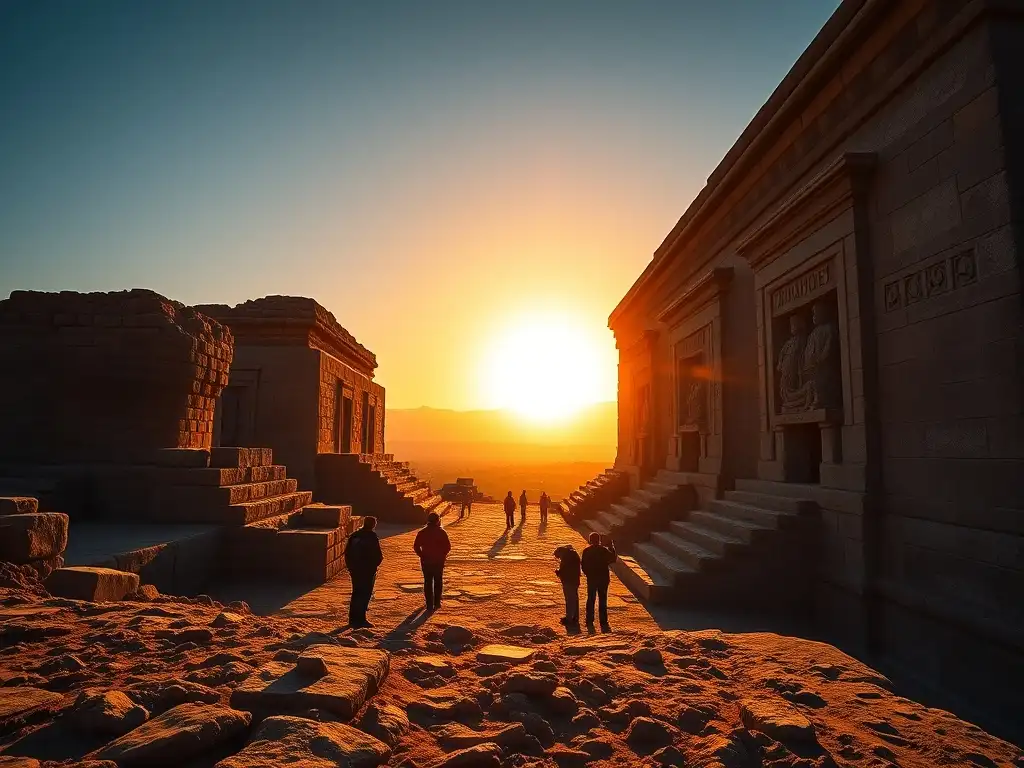
Welcome to Andean Civilizations, where the echoes of a lost world whisper secrets of ingenuity and power. Prepare to be captivated by the breathtaking artistry and advanced technology of ancient Andean cultures, from the Incas to the Nazca. But our journey begins with a tantalizing mystery: Tiahuanaco architectural research. What groundbreaking discoveries await us in the enigmatic ruins? Dive in and uncover the answers – the future of this incredible civilization's story is waiting to be written.
The ancient city of Tiahuanaco, located on the shores of Lake Titicaca in modern-day Bolivia, stands as a testament to the ingenuity and architectural prowess of a civilization that flourished between 300 and 1100 CE. Its monumental structures, intricate stonework, and sophisticated urban planning continue to captivate archaeologists and researchers worldwide. This article delves into the exciting future of Tiahuanaco architectural research, highlighting the potential for groundbreaking discoveries that will further illuminate the mysteries surrounding this remarkable civilization. We will explore ongoing projects, promising avenues of investigation, and the technological advancements shaping our understanding of Tiahuanaco's architectural achievements, specifically focusing on how these advancements are contributing to the field of Tiahuanaco architectural research. The sheer scale and complexity of the site, combined with ongoing technological advancements, ensures that the study of Tiahuanaco’s architecture remains a vibrant and evolving field. The potential for new discoveries is immense, promising to reshape our understanding of this pivotal Andean civilization.
Technological Advancements in Archaeological Surveying and Analysis
The application of cutting-edge technologies is revolutionizing our approach to Tiahuanaco's architectural research. Ground-penetrating radar (GPR), LiDAR (Light Detection and Ranging), and photogrammetry are providing unprecedented detail about the city's layout, revealing previously hidden structures and features beneath the surface. For instance, recent GPR surveys have hinted at the existence of extensive subterranean networks, potentially including canals, storage facilities, and even additional monumental buildings. These non-invasive techniques are minimizing the impact on the fragile archaeological site while maximizing the data gathered.
Furthermore, advanced 3D modeling software allows researchers to reconstruct virtual models of Tiahuanaco, facilitating detailed analysis of architectural design, construction techniques, and spatial relationships between different structures. This technology offers invaluable insights into the city’s complex urban planning and its social organization. The integration of these technologies promises to significantly accelerate the pace of discovery and deepen our understanding of Tiahuanaco's architectural complexity.
Uncovering the Secrets of Puma Punku: A Case Study
Puma Punku, one of Tiahuanaco's most enigmatic structures, presents a particularly rich area for future research. Its massive, precisely cut stone blocks, some weighing tens of tons, continue to puzzle researchers. The precise methods used to quarry, transport, and assemble these megaliths remain largely unknown. Future research will likely focus on:
- Detailed analysis of stone composition: Identifying the quarries from which the stones originated and understanding the techniques used to shape and finish them.
- Investigating construction techniques: Determining the methods used to lift and place the enormous blocks, as well as the use of any possible tools or machinery.
- Understanding the function of Puma Punku: Exploring the possible purposes of this monumental complex, whether it served as a ceremonial center, a storage facility, or a combination of both. The potential for uncovering further evidence within the site itself, through careful excavation and analysis, is significant.
The Role of Interdisciplinary Collaboration in Future Research
The complexity of Tiahuanaco demands a collaborative approach involving specialists from various fields. Future research will benefit significantly from the combined expertise of archaeologists, architects, engineers, geologists, anthropologists, and other scholars. This interdisciplinary approach will ensure a holistic understanding of Tiahuanaco’s architecture, encompassing its social, political, and environmental contexts. For example, geologists can contribute to understanding the sourcing of building materials and the environmental factors that influenced construction.
Anthropologists can provide insights into the social structures and beliefs that shaped the city's design. This collaborative effort is crucial for unlocking the full potential of Tiahuanaco's architectural legacy and ensuring the responsible preservation of this invaluable site. The integration of diverse perspectives promises a more comprehensive and nuanced understanding of this remarkable civilization.
Preservation and Public Engagement: Ensuring a Sustainable Future for Tiahuanaco
The preservation of Tiahuanaco's architectural heritage is paramount. Future research must be closely integrated with conservation efforts, ensuring that the site is protected from deterioration and damage. Furthermore, public engagement is crucial to fostering appreciation for Tiahuanaco's cultural significance.
Making research findings accessible to the public through museums, educational programs, and digital platforms will help to promote a greater understanding and appreciation of this important site. The responsible management of tourism, alongside educational initiatives, will play a vital role in securing the long-term preservation of Tiahuanaco for future generations. This commitment to preservation and public engagement is essential for ensuring the enduring legacy of Tiahuanaco's architectural marvels.
- Technological Advancements in Archaeological Surveying and Analysis
- Uncovering the Secrets of Puma Punku: A Case Study
- The Role of Interdisciplinary Collaboration in Future Research
- Preservation and Public Engagement: Ensuring a Sustainable Future for Tiahuanaco
- What is the focus of current Tiahuanaco architectural research?
- What new discoveries are researchers hoping to make?
- How are modern technologies aiding Tiahuanaco architectural research?
- What is the significance of Tiahuanaco's architecture in Andean history?
- Where can I find more information about Tiahuanaco architectural research?
Unveiling the Mysteries of Tiahuanaco Architecture
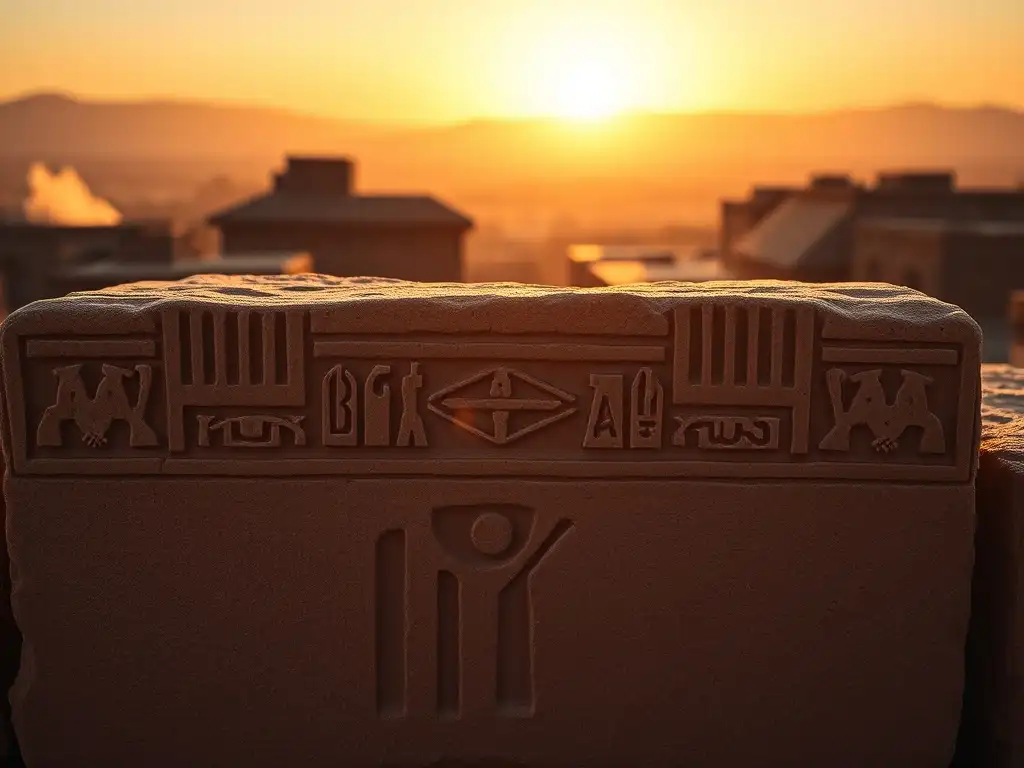
This section delves into the fascinating world of Tiahuanaco architectural research, exploring its current state, the challenges faced by researchers, and the promising avenues for future discoveries. The unique architectural style of Tiahuanaco, characterized by its massive stone structures, intricate carvings, and sophisticated engineering, continues to captivate archaeologists and historians alike. Understanding its construction techniques, societal organization, and symbolic meaning remains a crucial aspect of understanding this pivotal Andean civilization.
The ongoing research promises to significantly enhance our comprehension of Tiahuanaco's legacy and its place within the broader context of Andean history. This detailed exploration of Tiahuanaco architectural research will illuminate the complexities and rewards of this ongoing endeavor.
Current State of Tiahuanaco Architectural Studies
Current Tiahuanaco architectural studies utilize a multidisciplinary approach, combining archaeology, anthropology, architectural history, and engineering techniques. Researchers employ advanced technologies like LiDAR scanning to create detailed 3D models of the site, allowing for a more comprehensive analysis of its layout and construction methods. Ground-penetrating radar (GPR) is also used to identify subsurface features, potentially revealing hidden structures or evidence of past building phases. Detailed analysis of stone samples helps determine the quarries from which the massive blocks were sourced, shedding light on the logistical challenges involved in their transportation and placement.
Furthermore, meticulous documentation of existing structures—including precise measurements, photographic records, and detailed descriptions of carvings and other decorative elements—forms the basis of ongoing research. Scholars are increasingly focusing on the social and symbolic aspects of Tiahuanaco architecture, analyzing its spatial organization and iconography to understand the city's role as a religious and political center. The study of Tiahuanaco architecture is no longer solely focused on the physical structures; it now encompasses a broader understanding of the cultural and social context in which they were created.
This holistic approach is crucial for a complete understanding of Tiahuanaco's remarkable achievements. For example, recent studies have focused on the intricate water management systems, demonstrating a sophisticated understanding of hydraulic engineering far exceeding previous assumptions.
Challenges in Tiahuanaco Architectural Research
Despite significant advancements, several challenges hinder the progress of Tiahuanaco architectural research. The site's vastness and the deteriorated condition of many structures present significant logistical and preservation challenges. Many structures are fragmented, making it difficult to reconstruct their original forms and functions accurately. The harsh environmental conditions, including high altitude and fluctuating temperatures, accelerate deterioration, necessitating careful conservation efforts. Furthermore, limited funding and resources often constrain the scope and duration of research projects.
Another significant challenge lies in interpreting the symbolic meaning of the intricate carvings and decorative elements found throughout the site. While scholars have made considerable progress in deciphering some aspects of Tiahuanaco iconography, much remains enigmatic. The absence of a deciphered written language further complicates the interpretation of these symbolic representations. The lack of a comprehensive understanding of the Tiahuanaco language and societal structure hinders our ability to fully grasp the intended meaning and purpose of the architectural features.
This necessitates further interdisciplinary collaboration and the development of new research methodologies to overcome these obstacles and unlock the secrets embedded within the stones of Tiahuanaco. The future of Tiahuanaco architectural research hinges on addressing these challenges effectively. More funding, improved preservation techniques, and innovative research methods are all vital to unlocking the remaining mysteries of this remarkable civilization.
Emerging Technologies in Tiahuanaco Architectural Investigation
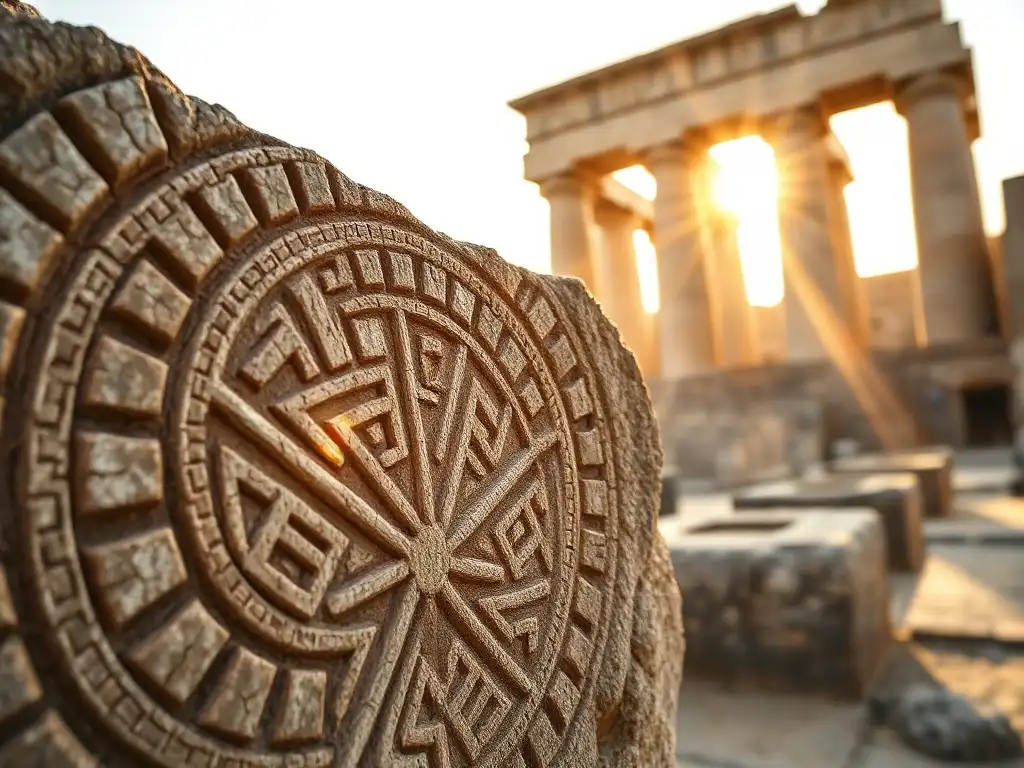
The field of Tiahuanaco architectural research is experiencing a renaissance, fueled by the application of cutting-edge technologies. These advancements are not only revealing new details about existing structures but also uncovering previously unknown features, significantly enhancing our understanding of this remarkable civilization. The integration of these technologies allows for a more comprehensive and nuanced approach to studying Tiahuanaco's architectural marvels, moving beyond traditional archaeological methods and embracing a more data-driven, multidisciplinary approach. This section will explore some of the most impactful technologies currently shaping the future of Tiahuanaco architectural research.
Advanced Imaging Techniques for Tiahuanaco Sites
Advanced imaging techniques are revolutionizing the way we investigate Tiahuanaco's architectural heritage. Techniques like ground-penetrating radar (GPR) are proving invaluable in identifying subsurface features, such as buried foundations, walls, and even potential chambers hidden beneath the existing structures. This non-invasive approach minimizes damage to the fragile archaeological context, while simultaneously maximizing the potential for discovery.
Furthermore, the use of multispectral and hyperspectral imaging allows researchers to analyze the chemical composition of building materials, revealing details about construction techniques and the sources of materials used in the construction of Tiahuanaco's monumental architecture. For example, recent studies using hyperspectral imaging have identified subtle variations in the pigment composition of wall paintings, suggesting a more complex and nuanced artistic process than previously understood.
This level of detail is impossible to achieve with traditional visual inspection alone. The application of these advanced imaging techniques promises to unearth a wealth of new information about the construction, function, and evolution of Tiahuanaco's city.
3D Modeling and Reconstruction of Tiahuanaco Structures
3D modeling and virtual reconstruction are transforming our understanding of Tiahuanaco's architectural complexity. By combining data from various sources, including traditional surveying, photogrammetry, and laser scanning, researchers can create highly accurate 3D models of existing structures. This allows for a detailed analysis of architectural features, spatial relationships, and construction techniques.
Moreover, 3D modeling facilitates the reconstruction of damaged or destroyed structures, offering a virtual glimpse into their original appearance. This is particularly useful for understanding the evolution of Tiahuanaco's architecture over time, as well as reconstructing the overall urban layout of the city. The ability to digitally manipulate and analyze these models provides invaluable insights that would be impossible to obtain through traditional methods alone.
The creation of interactive 3D models also offers significant potential for public engagement and educational outreach, making the complexities of Tiahuanaco's architecture accessible to a wider audience. Imagine exploring the Kalasasaya temple virtually, walking through its courtyards, and examining its intricate carvings from any angle! This is the power of 3D modeling in Tiahuanaco architectural research.
Remote Sensing and Geophysical Surveys at Tiahuanaco
Remote sensing techniques, such as aerial photography, satellite imagery, and LiDAR (Light Detection and Ranging), provide a broader perspective on the Tiahuanaco site and its surrounding landscape. These technologies allow researchers to map the extent of the city, identify previously unknown structures, and analyze the relationship between the urban fabric and its environment. LiDAR, in particular, is proving invaluable in penetrating the dense vegetation that covers much of the Tiahuanaco area, revealing subtle topographic features and underlying architectural remains that are otherwise invisible from the ground.
Geophysical surveys complement remote sensing data by providing subsurface information. Techniques like magnetometry and electrical resistivity tomography (ERT) can detect variations in the magnetic field and electrical conductivity of the soil, respectively, revealing buried structures and features. The combined use of remote sensing and geophysical surveys provides a comprehensive picture of the Tiahuanaco site, allowing researchers to develop more accurate and detailed interpretations of its layout, chronology, and overall significance.
This integrated approach is essential for understanding the broader context of Tiahuanaco's urban development and its relationship to the surrounding landscape. The potential for further discoveries using these methods remains significant, promising a more complete understanding of this enigmatic civilization.
New Perspectives on Tiahuanaco's Construction Techniques
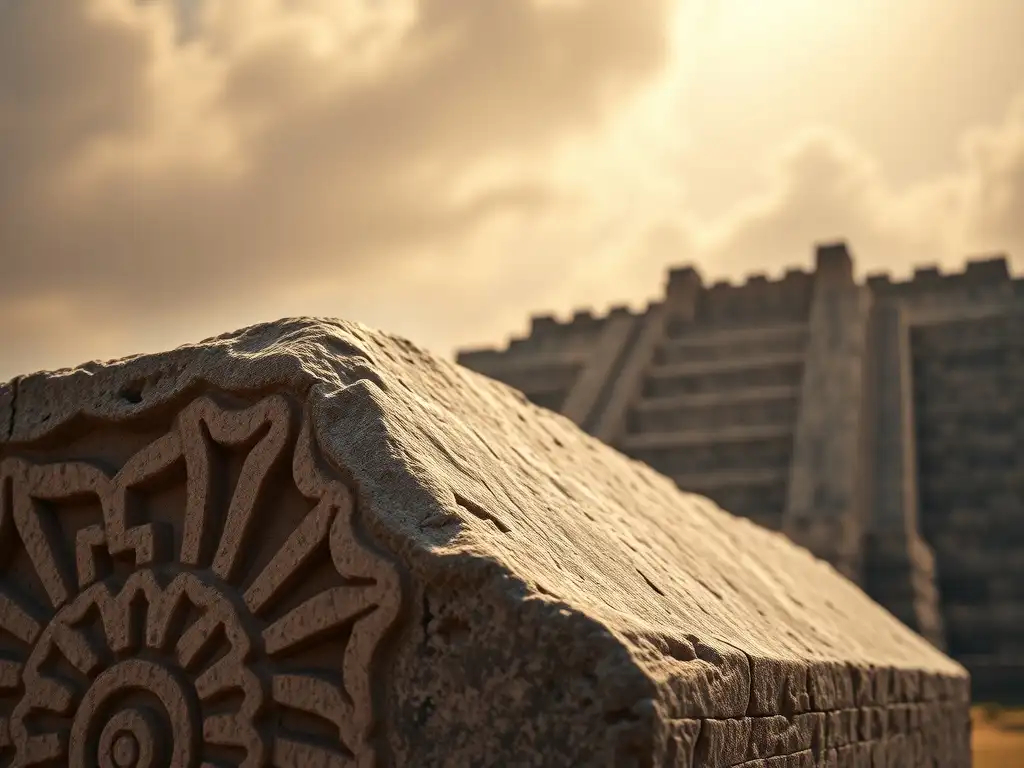
The study of Tiahuanaco's construction techniques offers a fascinating glimpse into the ingenuity of its builders. Recent research challenges long-held assumptions, revealing a more nuanced understanding of their mastery of stonework, hydraulics, and overall architectural planning. This section will delve into these advancements in Tiahuanaco architectural research, focusing on the innovative methods employed by the civilization.
The sheer scale and precision of Tiahuanaco's structures continue to inspire awe and fuel ongoing investigation into their construction methods. We'll explore the ongoing debate surrounding the use of specific tools and techniques, highlighting the ongoing efforts to reconcile archaeological findings with theoretical models. Understanding these techniques is crucial for accurately reconstructing the past and appreciating the sophisticated engineering capabilities of the Tiahuanaco culture.
Understanding Tiahuanaco's Stone Masonry
Tiahuanaco's stone masonry is renowned for its precision and scale. Massive blocks of andesite, some weighing many tons, were meticulously cut, transported, and fitted together with minimal mortar. The level of precision is astonishing; many blocks interlock so perfectly that a knife blade cannot be inserted between them. Recent research suggests that the Tiahuanaco people employed a combination of techniques, including:
- Precise Quarrying: Detailed analysis of quarries near Tiahuanaco reveals evidence of sophisticated quarrying techniques. Researchers believe that the builders used copper tools and possibly wedges to extract the stones with remarkable accuracy. This process minimized the need for extensive shaping after extraction.
- Advanced Shaping Techniques: While the exact methods remain debated, evidence suggests the use of both percussion and abrasion techniques to shape the stones. Some researchers propose the use of stone hammers and chisels, while others suggest the possible use of abrasive materials like sand and water to achieve the desired level of precision. Further research is needed to confirm these hypotheses.
- Transportation and Placement: Moving these massive stones across significant distances remains a mystery. Theories range from the use of ramps and rollers to the harnessing of human and animal power. The exact methods employed are still under investigation, with ongoing excavations providing new clues to the logistical challenges overcome by Tiahuanaco's builders.
The precision of Tiahuanaco's stone masonry is a testament to the advanced knowledge and skill of its artisans. Their mastery of stoneworking continues to inspire researchers and fascinate those who study Andean civilizations. Further analysis of the tools and techniques employed will undoubtedly reveal more about this remarkable feat of engineering.
The Engineering Behind Tiahuanaco's Monumental Structures
The monumental structures of Tiahuanaco, such as the Kalasasaya and the Akapana, represent remarkable feats of engineering. These structures were not simply impressive displays of power; they were carefully designed and constructed to withstand the elements and endure for centuries. Analyzing their engineering reveals:
- Foundation Systems: The foundations of Tiahuanaco's structures were built to withstand seismic activity and the harsh Andean climate. The use of deep foundations and carefully planned layouts minimized the risk of structural failure. Researchers are currently investigating the precise techniques used to create these foundations, analyzing the soil composition and the construction methods.
- Drainage Systems: Evidence suggests the sophisticated use of drainage systems to prevent water damage and erosion. Channels and conduits were integrated into the structures to divert water away from vulnerable areas. The design and implementation of these systems demonstrate a deep understanding of hydraulic engineering.
- Load-Bearing Capacity: The immense weight of the stone blocks required careful consideration of load-bearing capacity. The arrangement of the blocks and the construction methods were optimized to distribute the weight effectively. Ongoing research uses computational modeling to analyze the structural integrity of these monumental constructions.
The engineering prowess displayed in the construction of Tiahuanaco's monumental structures is undeniable. These structures stand as a testament to the sophisticated understanding of engineering principles possessed by the Tiahuanaco people. Continued research in this area will provide further insights into the challenges overcome and the innovative solutions employed.
Analyzing the Purpose of Specific Tiahuanaco Architectural Elements
Beyond the impressive scale and precision of its construction, the specific architectural elements of Tiahuanaco require further study to understand their function and significance. For example:
- The Kalasasaya's Gateway: The iconic Gateway of the Sun, located within the Kalasasaya complex, is heavily decorated with intricate carvings. The purpose of these carvings remains debated. Some researchers suggest they represent cosmological beliefs, while others propose a more practical function, such as marking significant events or passages. More detailed analysis of the carvings, including their iconography and symbolism, is needed to fully understand their significance.
- Akapana's Terraces: The Akapana pyramid's terraced structure is thought to have served multiple purposes. Some researchers believe the terraces were used for agricultural purposes, while others suggest a ceremonial or residential function. Further investigation is required to determine the precise use of these terraces and their relationship to other elements of the Akapana complex. Excavations and analysis of artifacts found within the terraces are essential for a more complete understanding.
- Underground Structures: Recent excavations have revealed complex underground structures beneath the main plazas and buildings of Tiahuanaco. The purpose of these structures remains unclear. Some researchers speculate they were used for storage or ritual purposes, while others suggest a more complex function related to water management or ceremonial activities. Further research and analysis of these structures are crucial to understanding their role within the broader Tiahuanaco urban landscape. This includes detailed mapping and the analysis of materials found within these underground spaces.
The study of Tiahuanaco's architecture offers a window into the beliefs, practices, and technological capabilities of this remarkable civilization. Continued research, using advanced techniques and interdisciplinary approaches, is essential to unravel the mysteries that still surround this ancient city. The future of Tiahuanaco architectural research promises exciting new discoveries and a deeper understanding of this fascinating culture.
Potential Future Discoveries in Tiahuanaco Architectural Research
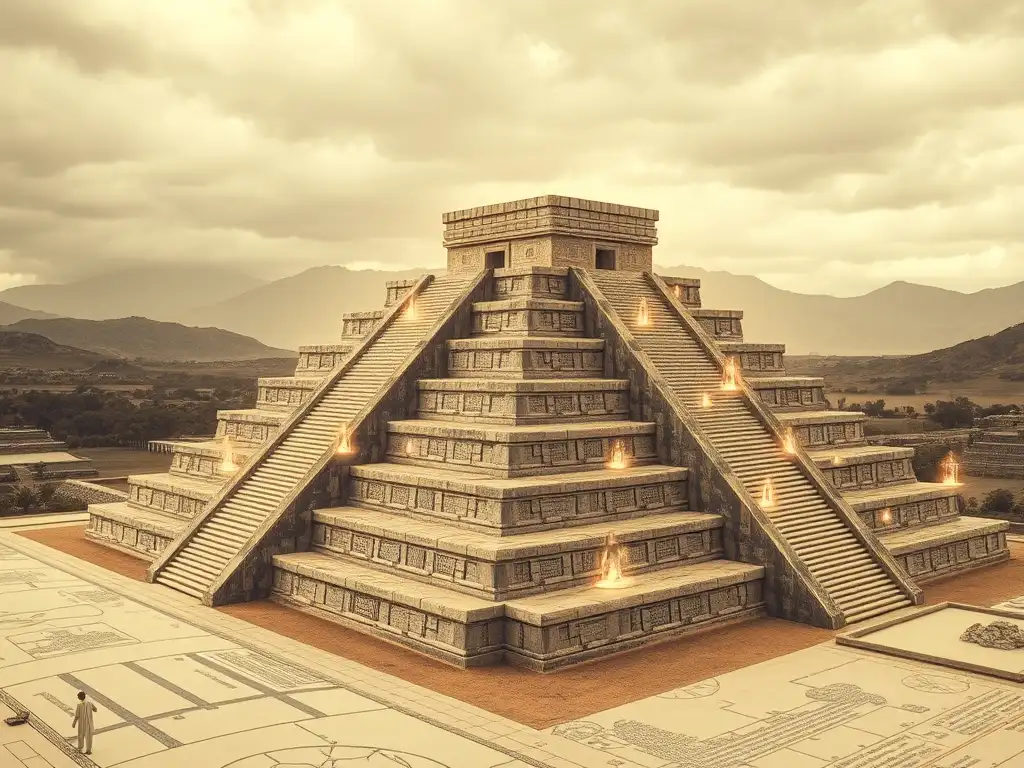
The field of Tiahuanaco architectural research is ripe for groundbreaking discoveries. Decades of research have unveiled magnificent structures, intricate carvings, and sophisticated engineering, but much remains hidden beneath the Bolivian altiplano. New technologies, combined with a renewed focus on unexplored areas and re-evaluation of existing structures, promise to dramatically expand our understanding of this enigmatic civilization.
This section will explore several avenues of promising future research, focusing on the potential for significant advancements in our knowledge of Tiahuanaco's architectural achievements. The sheer scale of the site, coupled with the limitations of past research methods, suggests that many secrets still await unveiling. The potential for new discoveries related to Tiahuanaco's architectural research is immense, promising a more complete picture of this fascinating civilization.
Unexplored Areas Within the Tiahuanaco Archaeological Site
A significant portion of the Tiahuanaco site remains unexplored. Geophysical surveys using ground-penetrating radar (GPR) and magnetometry could reveal subsurface structures and features currently hidden beneath the earth. These non-invasive techniques could identify potential locations for future excavations, minimizing damage to the existing site. For example, preliminary GPR surveys have hinted at the existence of extensive subterranean networks potentially related to water management or ritual practices.
Further investigation in these areas could uncover new temples, residential complexes, or even elaborate underground passages, significantly altering our understanding of Tiahuanaco's urban layout and societal structure. Detailed mapping of these unexplored areas is crucial for prioritizing future excavation efforts and protecting the integrity of the site. This systematic approach, combined with advanced imaging techniques, holds the key to unlocking many of Tiahuanaco's remaining mysteries. The potential to uncover new structures and gain insight into the daily lives of Tiahuanaco's inhabitants is considerable.
Tiahuanaco's urban planning displays a sophisticated understanding of geometry, astronomy, and hydrology. Future research could focus on deciphering the complex relationship between the city's layout and its environment. For instance, the precise alignment of structures with celestial events remains a subject of ongoing debate.
High-resolution satellite imagery and advanced astronomical modeling could provide new insights into the astronomical significance of Tiahuanaco's architecture. Further, analyzing the city's water management system – its canals, reservoirs, and aqueducts – could reveal a more nuanced understanding of their engineering prowess and their ability to adapt to the challenging high-altitude environment.
This could involve detailed hydrological modeling and analysis of sediment cores to understand the long-term impact of water management on the city's development and sustainability. The integration of these diverse data sets promises to illuminate the intricate relationship between Tiahuanaco's urban design and its environmental context, providing a deeper understanding of the city's sustainability and resilience.
Re-evaluating Existing Tiahuanaco Structures with Modern Tools
Many existing Tiahuanaco structures have been studied using outdated techniques. Re-examining these structures with modern tools, such as 3D laser scanning and photogrammetry, could reveal subtle details previously missed. This allows for the creation of highly accurate digital models, facilitating a more comprehensive analysis of the structures' construction methods, architectural features, and potential alterations over time.
For example, a re-evaluation of the Kalasasaya Temple using 3D modeling could reveal the precise orientation of its walls, the original height of its structures, and the exact nature of its decorative elements, providing clues about its function and symbolic meaning. Furthermore, advanced material analysis techniques could provide new insights into the construction materials used, their sources, and the techniques employed in their processing and shaping. This detailed analysis will bring a renewed perspective to the existing knowledge base, enriching our understanding of Tiahuanaco's architectural mastery.
The integration of these advanced techniques promises a significant leap forward in our understanding of this remarkable architectural heritage. The potential for new interpretations and discoveries is significant, potentially challenging long-held assumptions and revealing fascinating new details about Tiahuanaco's construction techniques and artistic achievements.
The Impact of Tiahuanaco Architectural Research on Andean Studies
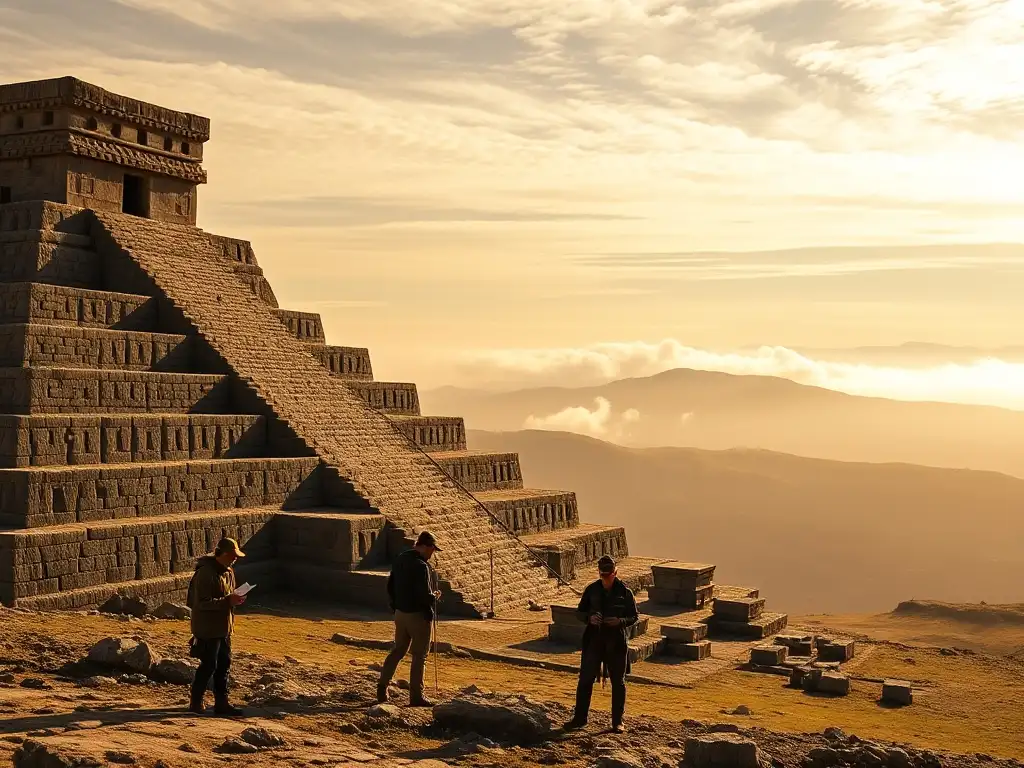
The study of Tiahuanaco's architecture has profoundly impacted our understanding of Andean civilizations as a whole. It's no longer viewed as an isolated phenomenon, but rather as a crucial link in the chain of architectural development across the Andes. Research into its sophisticated stonework, complex urban planning, and monumental structures has illuminated broader trends in Andean engineering, religious beliefs, and societal organization.
For example, the precise stone-fitting techniques employed at Tiahuanaco, showcasing remarkable mastery of lithic technology, have spurred investigations into similar techniques at other sites, revealing a wider network of skilled artisans and knowledge exchange across vast distances and different cultural groups. This research has challenged previous assumptions about the isolated development of Andean cultures, highlighting the interconnectedness and diffusion of ideas throughout the region. Furthermore, the scale and complexity of Tiahuanaco's structures have forced scholars to reconsider the capabilities and organizational prowess of pre-Columbian Andean societies, challenging simplistic narratives of "primitive" technologies.
The ongoing analysis of Tiahuanaco's architectural remains continues to reshape our understanding of Andean history and civilization, providing invaluable insights into the social, economic, and political dynamics of the region. The meticulous documentation and analysis of Tiahuanaco's architecture are essential for a comprehensive understanding of Andean civilization's complexity and sophistication.
Tiahuanaco's Influence on Later Andean Architecture
Tiahuanaco's architectural style and techniques demonstrably influenced subsequent Andean cultures. The iconic stepped platforms, characteristic of Tiahuanaco's monumental architecture, are echoed in later structures across the Andes, suggesting a continuation of architectural traditions and possibly even the migration of skilled builders. For example, certain features of Inca architecture, such as the precise stonework and the use of massive blocks, show clear similarities to Tiahuanaco’s building methods.
While the Incas undoubtedly developed their own unique architectural styles, the legacy of Tiahuanaco is evident in the meticulous craftsmanship and the monumental scale of some of their structures. Detailed comparative studies of stone carving techniques, building materials, and architectural layouts are providing increasingly convincing evidence of this connection. Furthermore, the sophisticated water management systems at Tiahuanaco, including intricate canals and reservoirs, influenced subsequent Andean civilizations' approach to irrigation and water resource management.
This influence is visible in the hydraulic engineering of later cultures, demonstrating the enduring impact of Tiahuanaco's technological innovations. This ongoing analysis of the architectural continuity between Tiahuanaco and later Andean societies continues to refine our understanding of cultural transmission and technological innovation in the region.
Tiahuanaco's Architectural Legacy and Cultural Significance
Beyond its technical achievements, Tiahuanaco's architecture holds immense cultural significance. The monumental structures, including the Kalasasaya and Akapana pyramids, likely served as important religious and ceremonial centers. The intricate carvings and symbolic representations found on these structures provide valuable insights into the cosmology, religious beliefs, and social organization of the Tiahuanaco culture.
Research into iconography and symbolism has revealed complex narratives and beliefs, expanding our understanding of Andean religious thought. The intricate designs, often featuring stylized figures and geometric patterns, reflect a sophisticated artistic sensibility and a deep understanding of the surrounding environment. These elements are not merely decorative; they encode profound cultural and cosmological meanings that are slowly being deciphered through meticulous analysis.
The scale and complexity of the structures themselves also suggest a highly organized society capable of mobilizing significant resources and labor for large-scale construction projects. This speaks volumes about the social and political power of the Tiahuanaco culture, its ability to coordinate vast numbers of people, and the deeply-held beliefs that motivated such monumental undertakings. Understanding this cultural context is crucial to appreciating the full significance of Tiahuanaco's architectural legacy.
Preserving Tiahuanaco's Architectural Heritage for Future Generations
The preservation of Tiahuanaco's architectural heritage is paramount. The site faces numerous challenges, including erosion, looting, and the impact of climate change. Effective preservation strategies require a multi-faceted approach that combines archaeological research with conservation efforts. This includes meticulous documentation of existing structures using advanced technologies like 3D scanning and photogrammetry to create detailed digital records.
These digital models not only aid in conservation efforts but also allow for wider access to the site for researchers and the public alike. Moreover, sustainable tourism practices are crucial to minimize the impact of visitor traffic on the fragile archaeological remains. Implementing strict regulations, providing educational programs for tourists, and investing in infrastructure that protects the site from environmental damage are all essential components of a comprehensive preservation plan. Furthermore, collaborative efforts between archaeologists, conservationists, local communities, and governmental agencies are vital for long-term preservation.
The collaborative approach ensures that preservation efforts are sustainable, culturally sensitive, and benefit the local communities. The future of Tiahuanaco's architectural research hinges on our ability to protect this invaluable heritage for generations to come. The preservation of Tiahuanaco is not merely a matter of protecting ancient stones; it is about preserving a vital part of humanity's shared heritage and ensuring that future generations can appreciate the remarkable achievements of this ancient Andean civilization.
The Role of Interdisciplinary Approaches in Tiahuanaco Architectural Studies
Understanding the complexities of Tiahuanaco's architecture demands a move beyond traditional archaeological methods. The sheer scale and sophistication of the site, coupled with the environmental challenges posed by the high-altitude Altiplano, necessitate a truly interdisciplinary approach. Successful Tiahuanaco architectural research hinges on the integration of diverse expertise, moving beyond isolated disciplines to create a holistic understanding of this remarkable civilization.
This integrated approach allows for a more nuanced interpretation of the available data, leading to more accurate and comprehensive conclusions about the construction techniques, societal organization, and symbolic meanings embedded within Tiahuanaco's monumental structures. This interdisciplinary approach is crucial for unlocking the remaining mysteries surrounding this incredible civilization. Ignoring this multifaceted nature risks a fragmented and ultimately incomplete understanding of Tiahuanaco's legacy.
Collaboration Between Archaeologists and Engineers in Tiahuanaco Research
Effective Tiahuanaco architectural research requires a close collaboration between archaeologists and engineers. Archaeologists bring their expertise in excavating, documenting, and interpreting the physical remains of structures, while engineers provide the technical knowledge necessary to understand the construction methods employed. For example, collaborative studies could involve using advanced 3D modeling techniques to reconstruct collapsed sections of the Kalasasaya Temple, allowing engineers to analyze the structural mechanics and assess the challenges faced by ancient builders in constructing such massive structures at high altitude. This combined approach can reveal insights into the logistical challenges of transporting massive stones, the use of specific construction techniques (e.g., the precise methods of joining stones without mortar), and the overall engineering prowess of the Tiahuanaco people. The integration of engineering principles with archaeological findings can significantly enhance our comprehension of Tiahuanaco's architectural achievements. This collaboration also helps to identify potential risks to the preservation of existing structures.
Integrating Historical and Ethnographic Data with Architectural Analysis
Architectural analysis of Tiahuanaco must not be confined to the physical remains. Integrating historical and ethnographic data—including accounts from later Andean cultures and studies of contemporary Andean building practices—provides crucial context. For instance, analyzing the iconography found on the structures and comparing it to similar motifs found in later Andean societies can shed light on the symbolic significance of certain architectural features.
Ethnographic research on contemporary Andean construction methods may offer parallels to ancient techniques, illuminating the potential tools and processes used in Tiahuanaco. This comparative approach can help us better understand the cultural and social meanings embedded within the physical architecture.
By connecting the physical evidence with the broader cultural and historical context, we can develop a more complete picture of the Tiahuanaco civilization and its architectural achievements. Furthermore, oral histories from local communities, if carefully verified and contextualized, could offer valuable insights into traditional knowledge and interpretations of the site.
The Importance of Community Involvement in Tiahuanaco Research Projects
The success of Tiahuanaco architectural research is inextricably linked to the involvement of the local community. Respectful engagement with descendants of the Aymara people, who have a deep historical connection to the site, is paramount. Their traditional knowledge, perspectives, and concerns must be incorporated into research projects.
This collaboration not only ensures ethical and culturally sensitive research but also provides access to invaluable local knowledge and perspectives that may be overlooked by outsiders. The community's participation can aid in identifying previously unknown sites, interpreting the symbolism and meaning of structures, and ensuring the long-term preservation of the archaeological heritage. Furthermore, community participation in research projects can foster a sense of ownership and pride in the site, promoting its continued protection and sustainable tourism.
This participatory approach is essential for ensuring that research benefits not only the academic community but also the local population. Ignoring local perspectives risks misinterpreting the site's significance and undermining its preservation for future generations.
Frequently Asked Questions
What is the focus of current Tiahuanaco architectural research?
Current research focuses on understanding construction techniques, the social organization behind the city's building, and the symbolism embedded within its architecture. New technologies are also being employed to better understand the site's layout and construction.
What new discoveries are researchers hoping to make?
Researchers hope to uncover more about Tiahuanaco's urban planning, the functions of specific structures, and the impact of environmental factors on its development and decline. They also seek to understand its relationship with other Andean cultures.
How are modern technologies aiding Tiahuanaco architectural research?
Advanced imaging techniques, like LiDAR and ground-penetrating radar, are revealing hidden structures and features. 3D modeling allows for detailed reconstructions of buildings and the city's overall layout. Digital analysis assists in interpreting the data.
What is the significance of Tiahuanaco's architecture in Andean history?
Tiahuanaco's architecture is highly significant because it demonstrates advanced engineering and urban planning for its time. It represents a powerful and influential culture that left a lasting legacy on the Andean region. Its unique style influenced subsequent cultures.
Where can I find more information about Tiahuanaco architectural research?
You can explore academic journals focusing on Andean archaeology and architecture, as well as museum websites and publications dedicated to Tiahuanaco and its history. Many research institutions actively publish their findings online.
Final Reflection: Echoes of Tiahuanaco, Whispers of the Future
The meticulous study of Tiahuanaco's architecture isn't just about deciphering ancient stones; it's about understanding the ingenuity of a civilization and its enduring legacy on our world. The intricate precision of its structures, the monumental scale of its constructions, and the enduring mysteries surrounding its purpose continue to challenge and inspire researchers today, demanding a renewed commitment to uncovering its secrets. This pursuit holds the key to understanding not only the past but also our own capacity for innovation and societal development.
The impact of Tiahuanaco's architectural marvels extends far beyond the altiplano. Its influence can be seen in subsequent Andean cultures, and its innovative techniques in stonework and city planning continue to fascinate architects and engineers. The past is never dead. It's not even past.
- William Faulkner. This quote resonates deeply with the ongoing relevance of Tiahuanaco; its story continues to unfold with each new discovery, reminding us that the past is a living entity, constantly shaping our present and future understanding. The more we learn, the more we appreciate the complexity and sophistication of this remarkable civilization.
Consider the implications of this research. What can we learn from Tiahuanaco's resource management, its societal structures, and its remarkable ability to overcome the challenges of its environment? You, the reader, are now part of this ongoing conversation. Engage with the ongoing research, explore the available resources, and consider how the lessons learned from Tiahuanaco can inform our own approach to sustainable development, innovative engineering, and the preservation of our cultural heritage. Let the echoes of Tiahuanaco inspire you to build a future worthy of its legacy.
Unveil the Secrets of Tiahuanaco's Past!
Thank you for exploring the fascinating world of Tiahuanaco with us! You've already uncovered valuable insights into its architectural wonders and rich history. Now, let's take that knowledge further and contribute to a deeper understanding of this ancient civilization.
- Deepen your research: Explore academic journals and documentaries on Tiahuanaco, and share your discoveries with friends, family, or on social media.
- Join a community of like-minded individuals: Participate in online forums or local history groups to connect with others who share your passion for Andean civilizations. You can learn from their expertise and share your own insights.
- Experience Tiahuanaco firsthand: Plan a visit to a museum showcasing Tiahuanaco artifacts, or, if possible, explore the site itself! This will provide an unparalleled understanding of the scale and impact of this remarkable civilization.
What aspect of Tiahuanaco's architecture captivates you most, and how do you believe future discoveries might reshape our understanding of ancient Andean societies?