
Unraveling the Mysteries of Andean Astronomy: Planning Your Celestial Observation Trip

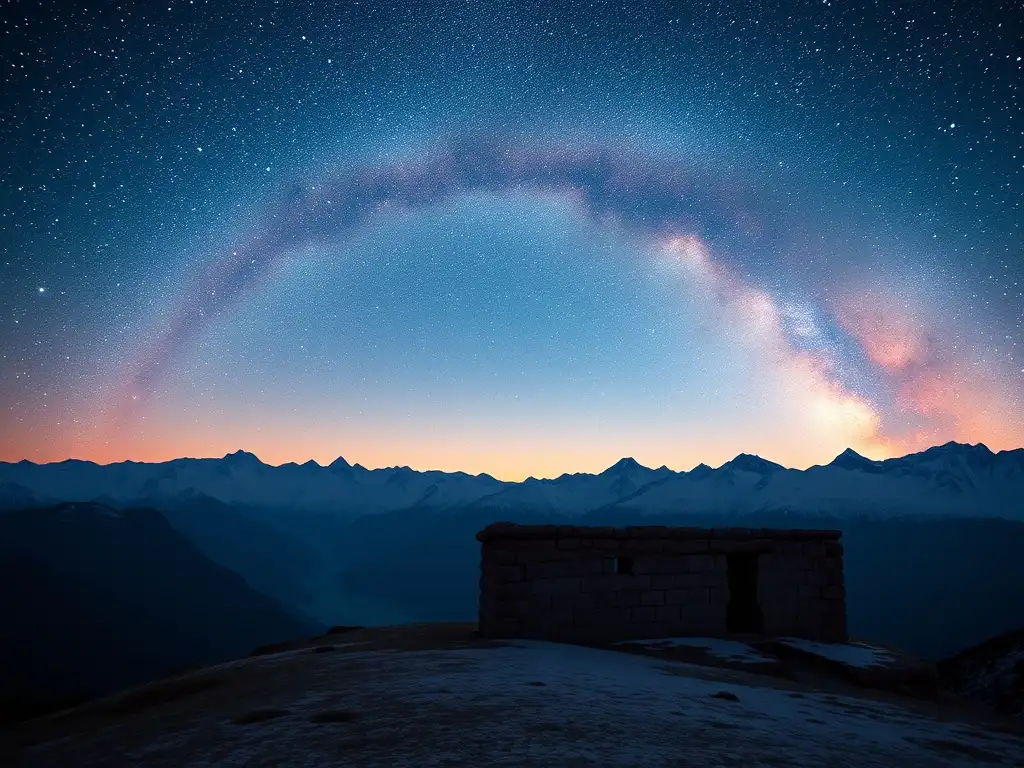
Prepare for a journey beyond imagination. Dive into the enigmatic world of Andean civilizations, where celestial observations weren't just science, but a deeply woven part of life. This website unlocks the secrets of the Incas, Moche, Nazca, and Tiahuanaco, revealing their breathtaking artistry and technological prowess. But our adventure begins with something truly special: our comprehensive Andean astronomy travel guide. Ready to chart a course through the stars? Let's explore the Andes – one constellation at a time.
- Andean Astronomy Travel Guide: Unveiling the Cosmos from Ancient Lands
- Understanding Andean Astronomy: A Glimpse into the Past
- Choosing the Perfect Andean Stargazing Location
- Essential Gear for Your Andean Stargazing Adventure
- Guided Tours and Expert Insights for your Andean Star Trek
- Maximizing Your Andean Astronomy Experience
- Booking Your Andean Astronomy Travel Package
- Frequently Asked Questions
- Final Reflection: Stargazing in the Andes: A Legacy Written in the Sky
- Ignite Your Passion for Celestial Wonders!
Andean Astronomy Travel Guide: Unveiling the Cosmos from Ancient Lands
The Andes Mountains, a spine of towering peaks stretching along the western coast of South America, are more than just a breathtaking landscape; they are a living testament to the profound connection between ancient civilizations and the celestial sphere. For centuries, Andean cultures—including the Inca, Moche, Nazca, and Tiahuanaco—developed sophisticated astronomical knowledge, integrating celestial observations into their daily lives, religious practices, and agricultural cycles.
This article serves as your comprehensive guide to planning a celestial observation trip to the Andes, allowing you to experience the same awe-inspiring night sky that captivated these ancient astronomers. We'll delve into the best locations for stargazing, optimal times to visit, essential equipment, and practical tips to ensure an unforgettable journey into the heart of Andean astronomy.
This guide aims to help you not only witness the stunning celestial spectacle but also to understand the rich cultural heritage woven into the very fabric of Andean stargazing. Prepare to unravel the mysteries of the cosmos and connect with the ancient wisdom embedded within the breathtaking Andean landscape.
Planning Your Celestial Observation Journey in the Andes
Planning a trip focused on Andean astronomy requires careful consideration of several factors to maximize your celestial viewing experience. The altitude, weather patterns, and light pollution levels significantly impact the visibility of celestial objects. Here's a breakdown of key planning elements:
Choosing Your Destination: Several locations in the Andes offer exceptional stargazing opportunities. The Atacama Desert in Chile, known for its incredibly dry and clear skies, is a popular choice. Other areas in the Peruvian Andes, particularly those at high altitudes and away from urban centers, also provide excellent viewing conditions. The specific location will depend on your interests and the specific celestial events you wish to observe. Consider factors such as accessibility, accommodation options, and proximity to archaeological sites relevant to Andean astronomy.
Determining the Best Time to Visit: The best time to visit for stargazing is generally during the dry season, which varies depending on the specific region. In many parts of the Andes, this corresponds to the months between May and October. This period offers clearer skies with minimal cloud cover, maximizing your chances of observing celestial phenomena. Additionally, research the specific celestial events you are interested in viewing—meteor showers, planetary alignments, or specific constellations—to time your trip accordingly. Remember to check for moon phases, as a full moon can wash out fainter stars and celestial objects.
Essential Equipment and Preparation: While not strictly necessary, bringing binoculars or a telescope can significantly enhance your stargazing experience. However, remember that high altitudes can affect equipment performance. A red-light flashlight is essential to preserve your night vision. Warm clothing is a must, as temperatures at high altitudes can drop dramatically, even during the day.
Appropriate sun protection, including sunscreen and a hat, is also crucial, even on cloudy days. Finally, consider bringing a star chart or a stargazing app to help you identify celestial objects. A good quality camera with a tripod can also allow you to capture stunning astrophotography.
Respecting the Environment and Local Cultures: Remember to be respectful of the environment and the local cultures. Avoid disturbing the natural landscape and follow Leave No Trace principles. Learn a few basic phrases in the local language to show respect and engage with the community. Some areas may require permits or guided tours, so research the regulations before your trip. Remember that you are a visitor in a sacred and fragile environment.
Safety Considerations: High altitude can pose some health risks. Acclimatize properly before undertaking strenuous activities. Be aware of potential hazards such as altitude sickness, extreme weather conditions, and wildlife. Travel with a companion and inform someone of your itinerary. Always prioritize your safety and the safety of others.
This detailed preparation will ensure a safe and unforgettable journey into the fascinating world of Andean astronomy, allowing you to connect with the ancient wisdom of the Andes while experiencing the breathtaking beauty of the night sky.
Understanding Andean Astronomy: A Glimpse into the Past
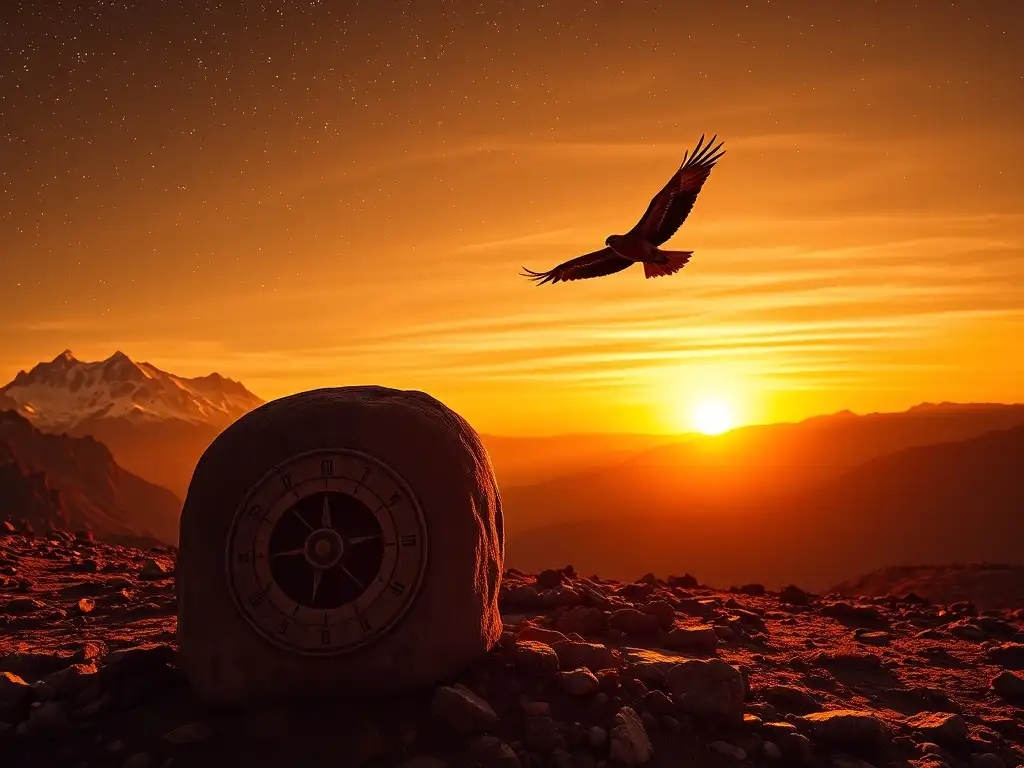
This section delves into the fascinating world of Andean astronomy, revealing how celestial observations shaped the lives and cultures of ancient Andean civilizations. We'll explore the deep-seated connection between the Andean people and the night sky, examining how astronomical knowledge influenced their agricultural practices, religious beliefs, and societal structures. Understanding this rich history is crucial for anyone planning a celestial observation trip to the Andes, enhancing the experience by providing context and deeper appreciation for the sites you'll visit. This Andean astronomy travel guide will equip you with the knowledge to better appreciate the legacy of these ancient stargazers.
The Significance of the Night Sky in Andean Cultures
For Andean cultures, the night sky wasn't just a backdrop; it was a living, breathing entity deeply intertwined with their worldview. The constellations weren't merely patterns of stars but powerful deities and ancestral spirits. Celestial events, like solstices and equinoxes, dictated the agricultural calendar, determining planting and harvesting times. This intricate relationship between the heavens and earthly life is evident in numerous archaeological sites, where structures were meticulously aligned with significant astronomical events.
For example, the precise orientation of many temples and ceremonial centers suggests a sophisticated understanding of solar and lunar cycles, highlighting the importance of astronomical observations in their daily lives. The Andean people's profound respect for the cosmos permeated every aspect of their existence, shaping their beliefs, rituals, and social organization. This reverence for the stars is a key element to understanding their rich legacy and is a vital part of any Andean astronomy travel guide.
Inca Astronomy: Sun Worship and Celestial Calendars
The Inca Empire, known for its impressive architectural and engineering feats, also possessed a remarkably advanced understanding of astronomy. Sun worship was central to Inca religion, with the sun god, Inti, holding paramount importance. The Inca calendar, intricately linked to astronomical observations, regulated agricultural practices and religious festivals.
Many Inca sites, such as Machu Picchu, are astronomically aligned, suggesting a purposeful integration of celestial events into their urban planning. Detailed records, though limited due to the Inca's lack of a written language, reveal a sophisticated system of tracking the movements of the sun, moon, and stars. Archaeological evidence, including sophisticated instruments like sundials and possibly even more complex devices [specific information pending], points to a detailed understanding of celestial mechanics.
This Inca astronomical knowledge forms a crucial part of any comprehensive Andean astronomy travel guide, enriching the visitor's understanding of this remarkable civilization. The precision of their observations and their integration into daily life is truly awe-inspiring.
Pre-Inca Astronomical Practices: Moche and Nazca Perspectives
Long before the Inca, other Andean cultures, like the Moche and Nazca, developed their own sophisticated astronomical systems. The Moche, known for their elaborate pottery depicting celestial scenes, likely used astronomical observations to guide their agriculture and religious practices. Their art provides valuable insights into their cosmological beliefs and astronomical knowledge.
The Nazca, famous for their enigmatic geoglyphs, also demonstrate a keen understanding of astronomy. While the precise purpose of the Nazca Lines remains a topic of debate, many scholars believe they have astronomical significance, potentially serving as a giant calendar or astronomical observatory. The alignment of certain lines with celestial events supports this hypothesis.
The complexity and precision of these geoglyphs, created centuries ago, highlight the advanced astronomical knowledge of the Nazca people. Understanding the astronomical aspects of Moche and Nazca cultures provides a richer perspective on the long and complex history of Andean astronomy, offering a crucial dimension to any Andean astronomy travel guide. The enduring mystery surrounding the Nazca Lines only adds to their allure and the fascination with Andean astronomical achievements.
Choosing the Perfect Andean Stargazing Location
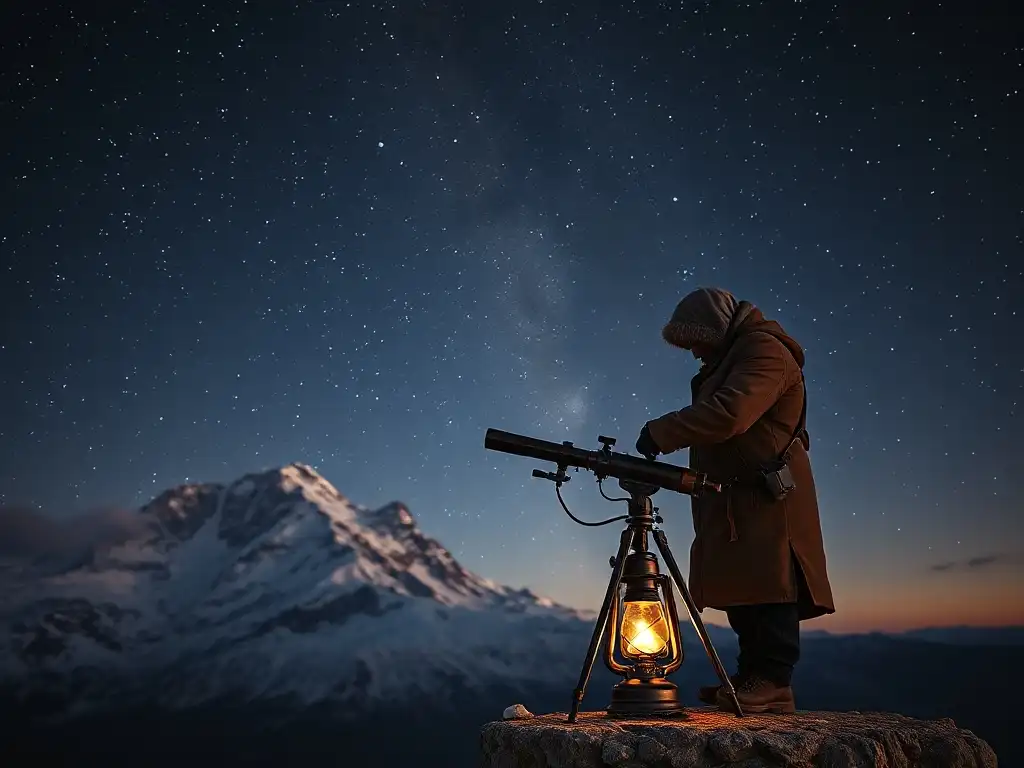
Planning your Andean astronomy adventure requires careful consideration of location. The Andes Mountains, with their high altitudes and clear skies, offer unparalleled opportunities for celestial observation, but choosing the right spot is crucial for an unforgettable experience. This section will guide you in selecting a location that maximizes your chances of witnessing the breathtaking beauty of the Andean night sky. Factors like altitude, light pollution, and accessibility all play vital roles in determining the quality of your stargazing experience. Remember, successful Andean astronomy travel requires meticulous planning.
High Altitude Observatories: Accessing Pristine Skies
High-altitude observatories, often situated at elevations exceeding 4,000 meters (13,123 feet), provide exceptional viewing conditions. The thin atmosphere at these heights significantly reduces atmospheric interference, resulting in crisper, clearer views of celestial objects. Many observatories offer public viewing nights or tours, allowing you to peer through powerful telescopes and learn from expert astronomers. These locations are ideal for serious amateur astronomers and those seeking a deeply scientific approach to Andean astronomy.
While access might be limited and require prior booking, the quality of the observation more than compensates for any logistical hurdles. Consider factors like accessibility via roads, accommodation options near the observatory, and the availability of guided tours when planning your trip. Remember to acclimatize to the altitude beforehand to avoid altitude sickness, which can severely impact your enjoyment and ability to participate in the observation. Observatories often provide information on altitude acclimatization strategies.
Sacred Sites with Astronomical Significance
Many Andean sacred sites are believed to have been strategically positioned based on astronomical alignments. These locations, rich in cultural and historical significance, offer a unique blend of astronomical observation and cultural immersion. For example, [Specific site name and details pending] is thought to have been used for solar and lunar observations by the Inca civilization. Exploring these sites at night offers a profound connection to the past, allowing you to imagine how ancient Andean people observed and interpreted the celestial events.
While light pollution might be a factor at some of these popular sites, careful planning—such as visiting during the new moon or choosing locations less frequented by tourists—can help mitigate this issue. The experience of connecting with the ancient Andean understanding of the cosmos while gazing at the stars is truly enriching. Remember to research the accessibility and any necessary permits for visiting these sacred sites.
Remote Locations for Minimal Light Pollution
For the ultimate dark-sky experience, venture into truly remote areas of the Andes. These locations, far from urban centers and light pollution, offer breathtaking views of the Milky Way and countless stars. However, accessibility is often a significant challenge in these areas. You might need a four-wheel-drive vehicle and be prepared for some rugged terrain.
The lack of infrastructure means that you will need to be self-sufficient and carry all your necessary equipment, including camping gear and food. This type of Andean astronomy travel is ideal for experienced adventurers seeking a truly immersive experience, offering the most pristine dark skies. Remember to prioritize safety and inform someone of your itinerary before embarking on your trip.
Thorough research and preparation are crucial for a successful and safe adventure in these remote locations. Consider consulting with local guides familiar with the area for added security and insights. The reward, however, is unparalleled: a celestial spectacle that leaves you awestruck.
Essential Gear for Your Andean Stargazing Adventure
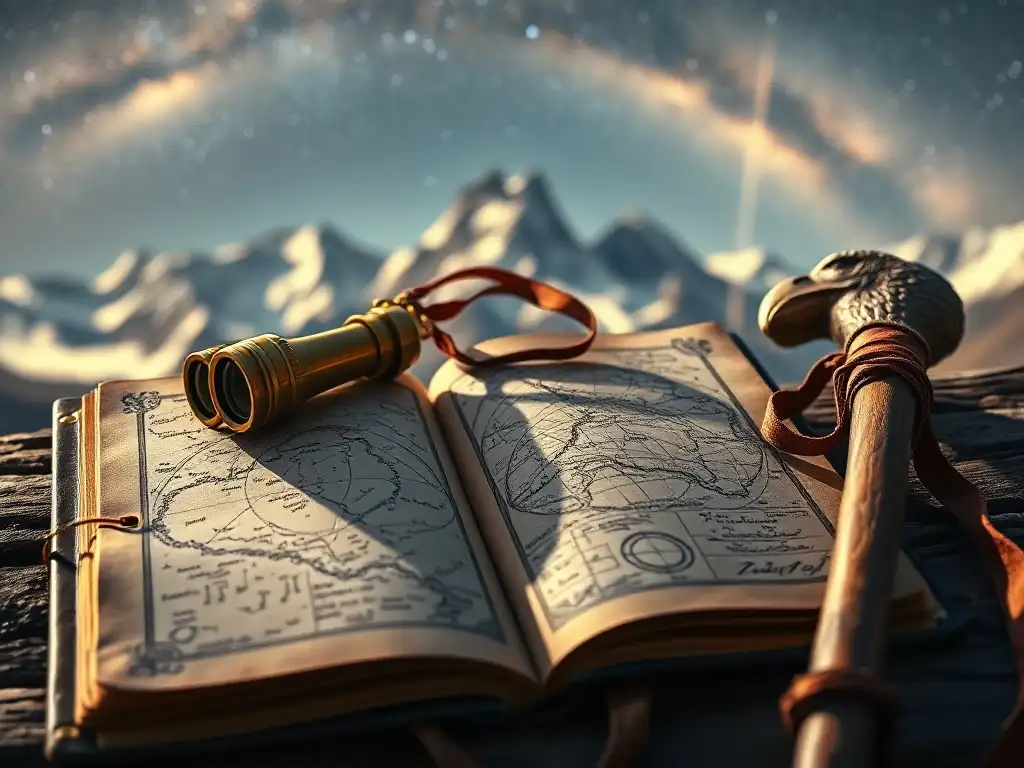
Planning a trip to witness the breathtaking Andean night sky requires careful consideration of the necessary equipment. The high altitude, unpredictable weather, and challenging terrain demand preparedness. This section focuses on the essential gear to ensure a safe and rewarding stargazing experience, maximizing your chances of observing celestial wonders and capturing stunning photographs. Choosing the right equipment is crucial for a successful Andean astronomy adventure. This guide will help you pack efficiently and effectively for your celestial observation trip.
Telescopes and Binoculars: Selecting the Right Equipment
Choosing the right optical equipment is paramount for Andean stargazing. The thin, dry air at high altitudes offers exceptional viewing conditions, but the altitude itself presents challenges. You need equipment that's both powerful enough to resolve celestial details and portable enough to manage in sometimes rugged conditions.
For beginners, a good pair of binoculars (7x50 or 10x50) offers a great balance of portability and magnification. They are ideal for sweeping across constellations, spotting bright nebulae, and enjoying wider views of the Milky Way. Remember that larger aperture binoculars (the second number, e.g., 50) gather more light, crucial in darker locations.
More experienced stargazers might consider bringing a telescope. However, portability becomes a significant factor at high altitudes. A smaller, lightweight refractor or a well-built Dobsonian reflector (under 8 inches) might be a better choice than a large, cumbersome instrument. Consider the telescope's weight and ease of setup and transport. Remember to check the altitude limits of your chosen equipment to ensure it is suitable for the specific locations you plan to visit. A sturdy carrying case is essential to protect your investment during transport.
Ultimately, the best equipment depends on your experience level and preferences. Prioritize ease of use and portability, especially at higher elevations. Consider practicing with your chosen equipment before your trip to ensure you're comfortable using it in the field.
Photography Equipment: Capturing the Andean Night Sky
Astrophotography in the Andes presents unique opportunities, but requires specialized equipment and techniques. The dark skies offer incredible detail, but the high altitude, cold temperatures, and potential for wind require careful preparation.
A digital single-lens reflex (DSLR) camera or a mirrorless camera with a wide-angle lens (e.g., 14mm to 35mm) is essential. A fast lens (low f-number, e.g., f/2.8 or faster) is ideal for capturing faint celestial objects. A sturdy tripod is absolutely necessary to prevent camera shake during long exposures. Consider a remote shutter release to minimize vibrations.
For capturing truly stunning images, a tracking mount is highly recommended. This will compensate for the Earth's rotation, allowing for longer exposure times without star trails. However, these mounts are more complex and add to the overall weight of your equipment.
Don't forget extra batteries! Cold temperatures significantly reduce battery life, and you'll need plenty of power for those long nights of shooting. Also, bring spare memory cards to accommodate the large file sizes of astrophotography images. Consider a portable power bank for additional charging capabilities. Finally, appropriate clothing for the cold and potentially windy conditions is crucial for both your comfort and the protection of your equipment.
Clothing and Accessories for High Altitude Conditions
High-altitude Andean stargazing requires specialized clothing to combat the cold, thin air, and potential for unpredictable weather. Even during summer months, temperatures can plummet significantly after sunset. Layers are key.
- Base layers: Thermal underwear made from merino wool or synthetic materials will wick away moisture and keep you warm.
- Mid-layers: Fleece jackets or lightweight down jackets provide additional insulation.
- Outer layer: A waterproof and windproof jacket is essential to protect you from the elements.
- Warm hat and gloves: These are crucial for keeping your extremities warm.
- Warm socks: Wool or synthetic socks are recommended to prevent cold feet.
- Sturdy hiking boots: These will provide ankle support and protection on potentially uneven terrain.
- Headlamp or flashlight: A red-light headlamp is preferred to preserve your night vision.
- Sunscreen and lip balm: Even at night, high-altitude sun exposure can be significant.
- Water bottle: Staying hydrated is crucial at high altitudes.
Remember to pack for all types of weather conditions, even if the forecast seems favorable. The Andean climate can change rapidly, and being prepared is essential for a safe and enjoyable stargazing experience. Proper clothing and accessories are vital for ensuring a comfortable and successful Andean astronomy travel experience.
Guided Tours and Expert Insights for your Andean Star Trek
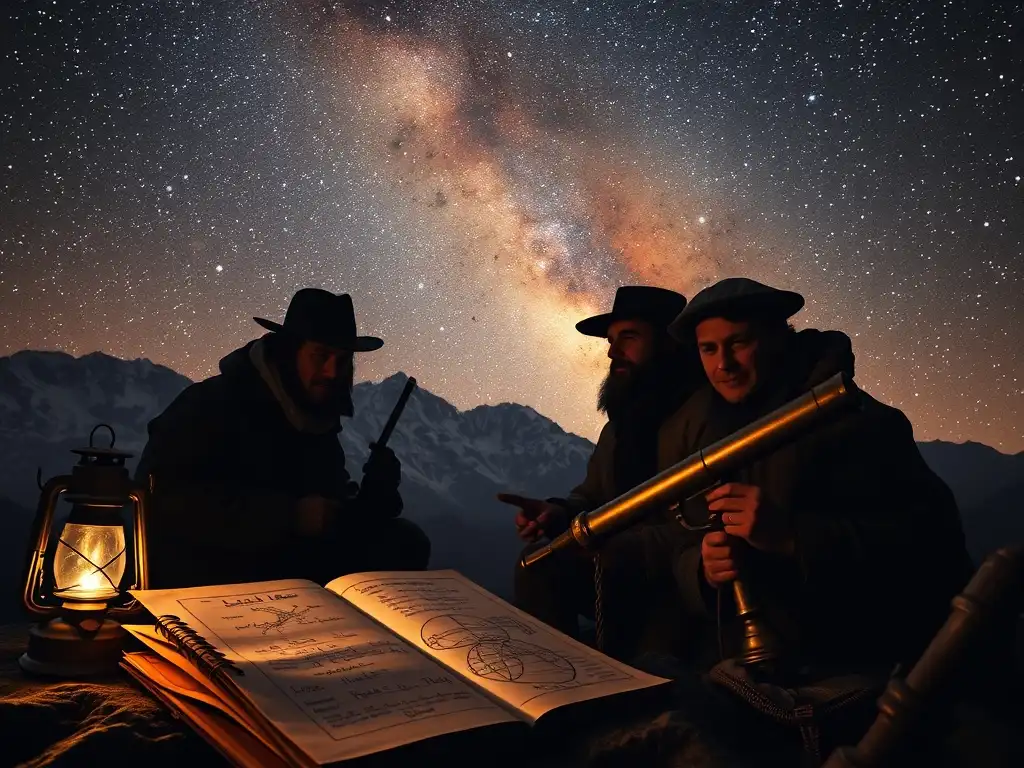
Planning a trip focused on Andean astronomy offers a unique and enriching experience, but maximizing your celestial observations requires careful planning. Navigating the vast Andean landscapes and understanding the intricacies of ancient astronomical practices is significantly enhanced with the guidance of local experts. This section explores the benefits of hiring a guide and how to find reputable tour operators to make your Andean star trek unforgettable.
Benefits of Hiring an Astronomy Guide
Embarking on an Andean astronomy journey with a knowledgeable guide offers several key advantages. Firstly, expert location knowledge is invaluable. The Andes boast numerous optimal viewing sites, often remote and challenging to access independently. A guide possesses the local expertise to lead you to locations with minimal light pollution, providing unparalleled views of the constellations.
Secondly, interpretative skills transform simple stargazing into a profound cultural experience. Guides can connect the celestial patterns you observe with the ancient Andean understanding of the cosmos, enriching your appreciation of their sophisticated astronomical knowledge. Imagine learning how the Inca used celestial events to predict agricultural cycles or understanding the significance of specific constellations in their mythology – this is the power of guided interpretation.
Furthermore, a guide can provide equipment support. While many travelers bring binoculars or small telescopes, a professional guide might have access to higher-powered equipment, enhancing your observation capabilities. They can also assist with setup and operation, ensuring you capture the best possible views. Finally, safety and logistical assistance are crucial in the sometimes-challenging Andean terrain.
A guide will handle transportation, accommodations, and emergency situations, ensuring a smooth and worry-free experience. The increased safety and convenience offered by a professional guide are invaluable, especially for solo travelers or those unfamiliar with the region. Ultimately, the investment in a guide translates to a more enriching, safe, and memorable Andean astronomy experience.
Finding Reputable Local Tour Operators
Choosing a reputable tour operator is paramount for a successful Andean astronomy trip. Look for operators with specific experience in astronomical tourism. Avoid general travel agencies; instead, seek companies explicitly advertising Andean astronomy tours. Read reviews carefully, paying attention to aspects like guide expertise, equipment quality, and overall customer satisfaction. Check for licensing and insurance: ensure the operator is legally operating and carries appropriate liability insurance to protect your investment and well-being.
Consider the size of the tour group. Smaller groups generally offer a more personalized and intimate experience, allowing for more individual attention from the guide. Investigate the itinerary thoroughly. Look for tours that offer a balance between observation time, cultural insights, and comfortable logistics. A well-structured itinerary ensures a fulfilling experience without feeling rushed or overwhelmed.
Finally, don't hesitate to contact multiple operators and compare their offerings. Ask detailed questions about their guides’ qualifications, equipment, and planned observation sites. This thorough research will ensure you select a reputable operator that aligns perfectly with your expectations for your Andean astronomy adventure. Don't forget to check for any specific permits or requirements needed for accessing certain observation sites.
Learning from Local Experts and Indigenous Communities
Engaging with local experts and indigenous communities adds an unparalleled dimension to your Andean astronomy experience. Many communities maintain a deep connection to traditional astronomical knowledge, passed down through generations. Participating in community-based tourism initiatives allows you to learn directly from these keepers of ancient wisdom. This interaction provides a more authentic and respectful approach to cultural exchange than simply observing from afar. You gain a unique perspective on how Andean cosmology has shaped their worldview and daily lives.
These interactions can take various forms, including attending traditional ceremonies related to celestial events, participating in workshops on Andean astronomy, or simply engaging in informal conversations with community members. Remember to approach these interactions with respect and sensitivity, recognizing the cultural significance of their knowledge. By actively seeking out these opportunities, you'll gain a deeper understanding of the enduring legacy of Andean astronomy and its relevance to contemporary Andean life.
Supporting community-based tourism initiatives also helps preserve this invaluable cultural heritage for future generations, making your trip a more meaningful contribution to the region's cultural sustainability. This immersive approach transforms a simple stargazing trip into a transformative cultural journey.
Maximizing Your Andean Astronomy Experience
This section focuses on optimizing your Andean stargazing adventure, ensuring a safe and culturally sensitive experience while maximizing your chances of witnessing breathtaking celestial events. Proper planning is crucial for a successful trip, blending the thrill of astronomical observation with respect for the Andean environment and its people. We'll cover key aspects to help you prepare for an unforgettable journey. Understanding the nuances of Andean astronomy travel will greatly enhance your appreciation for this unique cultural and natural phenomenon.
Best Times of Year for Stargazing in the Andes
The Andes offer exceptional stargazing opportunities due to their high altitude, minimal light pollution in many areas, and remarkably clear, dry air. However, the best time to visit significantly impacts your viewing experience. The dry season, typically from May to September, provides the clearest skies with minimal cloud cover. This period coincides with winter in the Southern Hemisphere, offering cooler temperatures, which, while requiring warmer clothing, results in sharper, more defined celestial views. During this time, the Milky Way appears particularly vibrant.
Conversely, the wet season ( October to April) brings increased cloud cover and humidity, significantly reducing visibility. While you might still catch glimpses of the night sky, the chances of consistently clear nights are considerably lower. Rainfall can also impact accessibility to certain observation points. Therefore, planning your trip during the dry season is highly recommended for optimal Andean astronomy viewing. Remember to always check specific weather forecasts closer to your travel dates for the most accurate predictions.
Understanding Altitude Sickness and Its Prevention
Altitude sickness, or acute mountain sickness (AMS), is a common concern when visiting the high Andes. The reduced atmospheric pressure at high altitudes can lead to headaches, nausea, fatigue, and shortness of breath. The severity varies depending on individual sensitivity and the rate of ascent. To mitigate the risk, gradual ascent is key. Avoid strenuous activity on your first day at high altitude and allow your body to acclimatize. Staying hydrated is crucial – drink plenty of water throughout your trip, even before you arrive in the Andes.
Furthermore, consider taking altitude sickness medication as prescribed by your doctor. These medications can help alleviate symptoms. Pace yourself during activities, allowing for rest periods, and be aware of the symptoms.
If you experience severe symptoms such as severe headache, dizziness, or difficulty breathing, descend to a lower altitude immediately and seek medical attention. Planning your itinerary with ample rest days and avoiding overly ambitious hikes, especially at higher altitudes, will significantly reduce your risk of experiencing altitude sickness and will help you fully enjoy your Andean astronomy adventure. Prioritizing your health ensures a safer and more enjoyable exploration of Andean astronomy.
Respecting Local Cultures and Sacred Sites
Andean astronomy is deeply intertwined with the indigenous cultures of the region. Many sites hold significant cultural and spiritual value, and respecting local traditions is paramount. Before visiting any site, research the local customs and etiquette. Dress modestly, avoid loud noises, and refrain from disturbing any archaeological remains or sacred objects. Many sites are considered sacred, and disrespectful behavior is deeply offensive to the local communities.
Furthermore, consider supporting local guides and communities. Hiring a local guide not only provides valuable insights into the history and astronomy of the region but also contributes directly to the local economy. Engage with the community respectfully and learn about their traditions and perspectives. Remember, you are a guest in their land, and demonstrating respect for their culture enhances your overall experience and contributes to the preservation of their heritage. This mindful approach ensures a richer and more meaningful exploration of Andean astronomy, fostering a positive and sustainable relationship between visitors and the local communities.
Capturing the Beauty of Andean Constellations
The Andean night sky, a canvas painted with stars unlike any other, offers a truly unique astronomical experience. Unlike the constellations familiar to those in the Northern Hemisphere, the southern sky boasts its own distinct celestial groupings, many imbued with rich mythological significance for the Andean cultures. To fully appreciate this breathtaking spectacle, you'll need more than just your eyes.
Consider bringing along binoculars or, even better, a telescope, to enhance your observation. A low-power telescope will reveal stunning detail in the Milky Way, allowing you to appreciate the vastness of our galaxy. Binoculars are excellent for pinpointing fainter stars and constellations, making them ideal for amateur astronomers.
Remember that light pollution significantly impacts stargazing. The darkest skies, offering the most spectacular views, are often found far from major cities. Planning your trip to coincide with a new moon will further enhance your experience, minimizing the interference from moonlight. Many remote Andean communities offer pristine viewing conditions, and engaging with local guides can add a cultural dimension to your celestial adventure. They can share traditional stories and interpretations of the constellations, enriching your understanding of Andean astronomy beyond the purely scientific.
Don't forget the practical aspects! Dress warmly; Andean nights can be surprisingly chilly, even in summer. A comfortable chair or blanket will allow you to spend hours comfortably observing the sky. A red-light flashlight is essential to preserve your night vision.
Traditional Andean astronomy relied heavily on observation, and by minimizing light pollution and using appropriate equipment, you can truly connect with the ancient Andean relationship with the cosmos. Taking detailed notes and sketches of what you see will further enhance your experience and help you recall the specific constellations and celestial events you witnessed. This personal record will be a treasured souvenir of your astronomical journey through the Andes. The celestial dance of the stars above the Andes is a sight to behold, and with careful planning and preparation, you can truly capture its beauty.
Booking Your Andean Astronomy Travel Package
Planning a trip focused on Andean astronomy requires careful consideration, especially if you're aiming for optimal stargazing experiences. This section will guide you through the process of booking a package tailored to your interests, ensuring a seamless and unforgettable journey. The best Andean astronomy travel packages often combine cultural immersion with celestial observation, offering a unique and enriching experience. Remember, the best time to visit for optimal viewing is during the dry season (typically May to September), when the skies are clearest.
Combining Historical Exploration with Stargazing
Many tour operators now offer specialized packages that blend visits to significant Andean historical sites with nighttime astronomical observations. These packages cleverly integrate the rich cultural heritage of the Andes with the wonders of the night sky. For example, you might spend the day exploring the impressive ruins of Sacsayhuamán near Cusco, learning about Inca architecture and engineering, and then spend the evening at a nearby high-altitude observatory, marveling at the constellations visible from the southern hemisphere.
These combined experiences offer a holistic perspective, enriching your understanding of the Andean civilizations' profound connection with the cosmos. Look for packages that include guided tours of both historical sites and observatories, ensuring you gain valuable insights from experts in both fields.
Consider your personal interests when selecting a package: are you more interested in Inca history, pre-Inca cultures like the Nazca, or perhaps the unique astronomical features of specific sites like Chankillo? Tailoring your package to these preferences will maximize your enjoyment.
Recommended Accommodation Options Near Observatories
Finding accommodation near observatories is crucial for maximizing your stargazing opportunities. Many observatories are located in remote, high-altitude areas, requiring careful planning. Options range from basic but comfortable mountain lodges to more luxurious hotels with dedicated astronomical viewing areas. Consider factors like altitude acclimatization – gradual acclimatization is recommended to avoid altitude sickness. Some establishments offer oxygen supplementation as an added measure of comfort and safety.
When researching, look for accommodations that minimize light pollution, ensuring darker skies for better viewing. Furthermore, the availability of amenities such as warm showers and comfortable beds should also be considered after a long day of exploring. Prioritize facilities that value sustainability and minimize their environmental impact, respecting the fragile Andean ecosystem. The level of comfort will significantly influence your overall experience, so choose wisely based on your budget and preferences.
Transportation Logistics for Remote Stargazing Locations
Accessing remote stargazing locations often necessitates careful planning of transportation. Many observatories are situated in areas with limited road access, requiring the use of four-wheel-drive vehicles or even guided hikes. Tour operators specializing in Andean astronomy frequently include transportation as part of their packages. However, if you're planning a more independent trip, thoroughly research transportation options beforehand. Consider hiring a local driver familiar with the terrain, especially if venturing to less-accessible locations.
Altitude and weather conditions can significantly impact travel times and safety, so be prepared for potential delays. Always inform someone of your itinerary, including planned departure and return times, especially when venturing to isolated areas. For those seeking a more adventurous approach, consider combining hiking with stargazing, incorporating the journey into the overall experience. Remember that safety should always be your top priority. Appropriate clothing, sturdy footwear, and emergency supplies are essential for navigating the challenging terrain.
Frequently Asked Questions
What makes Andean astronomy unique?
Andean astronomy is unique due to its deep integration with agriculture and cosmology. Unlike many other ancient systems, it was intimately tied to practical needs like planting and harvesting, reflecting a holistic worldview. The sites themselves are often breathtakingly beautiful and located in high-altitude settings.
Where are the best places to observe Andean astronomy?
Excellent locations for celestial observation include Machu Picchu, Sacsayhuamán (near Cusco), and Chankillo (on the coast). These sites offer not only stunning views but also ancient structures aligned with astronomical events. Consider the altitude and weather conditions when planning your trip.
What kind of astronomical knowledge did the Andean civilizations possess?
Andean civilizations possessed sophisticated knowledge of the solar and lunar cycles, constellations, and the Milky Way. They used this understanding to develop precise calendars and predict important agricultural events and religious ceremonies. Their knowledge was passed down through generations via oral traditions and practical application.
What kind of tours are available for Andean astronomy enthusiasts?
Many tours specifically focus on Andean astronomy, combining site visits with expert guided explanations. These tours can range from short day trips to multi-day expeditions exploring various significant sites. Look for tours that emphasize cultural context and astronomical interpretation.
What equipment do I need for stargazing in the Andes?
While many sites offer stunning naked-eye views, binoculars or a telescope can enhance your experience. Remember to dress warmly, as high-altitude locations can get extremely cold at night. A red light flashlight is recommended to preserve your night vision.
Final Reflection: Stargazing in the Andes: A Legacy Written in the Sky
The ancient wisdom encoded in the Andean constellations continues to resonate today, offering not just a glimpse into the past but a powerful connection to the cosmos. The breathtaking landscapes of the Andes, coupled with exceptionally clear night skies, provide an unparalleled opportunity to experience the celestial wonders that captivated civilizations for millennia. This unique blend of cultural heritage and astronomical spectacle makes Andean astronomy travel a truly transformative experience.
The enduring power of Andean astronomy lies not just in its scientific accuracy, but in its profound spiritual and cultural significance. It's a testament to humanity's innate curiosity and our enduring desire to understand our place in the universe. The intricate relationship between the Andean people and the night sky shaped their worldview, their agriculture, and their very understanding of time. The stars are not just points of light, but living beings, ancestors, and guides.
- (This would be replaced with a real quote from an Andean astronomer or cultural figure). This profound connection continues to inspire awe and wonder in those who seek it out, reminding us of the interconnectedness of all things.
Now, as you prepare your own celestial journey to the Andes, remember the weight of history and the immensity of the cosmos above. Let the ancient wisdom of the Andean astronomers guide your gaze, and allow the breathtaking beauty of the night sky to ignite your own sense of wonder. Embrace the opportunity to connect with a legacy that stretches back millennia, and let the stars illuminate your path to a deeper understanding of yourself and the universe.
Ignite Your Passion for Celestial Wonders!
Thank you for exploring the fascinating world of Andean astronomy with us! You've gained invaluable insights into the night sky and its importance to Andean civilizations. Now, let's put that knowledge to use!
Here are some exciting steps to begin your own celestial observation adventure:
- **Plan your stargazing expedition:** Choose a date and location in the Andes with clear skies. Be sure to check the weather forecast!
- **Gather your equipment:** Research and purchase a quality telescope or binoculars, and download a stargazing app to help identify constellations and celestial events.
- **Share your discoveries:** Connect with a local astronomy club or online community to share your findings and observations with fellow enthusiasts.
We'd love to hear from you! Which celestial event are you most eager to witness? Share your thoughts below!