
First Aid in the Andes: A Comprehensive Kit for Unexpected Challenges

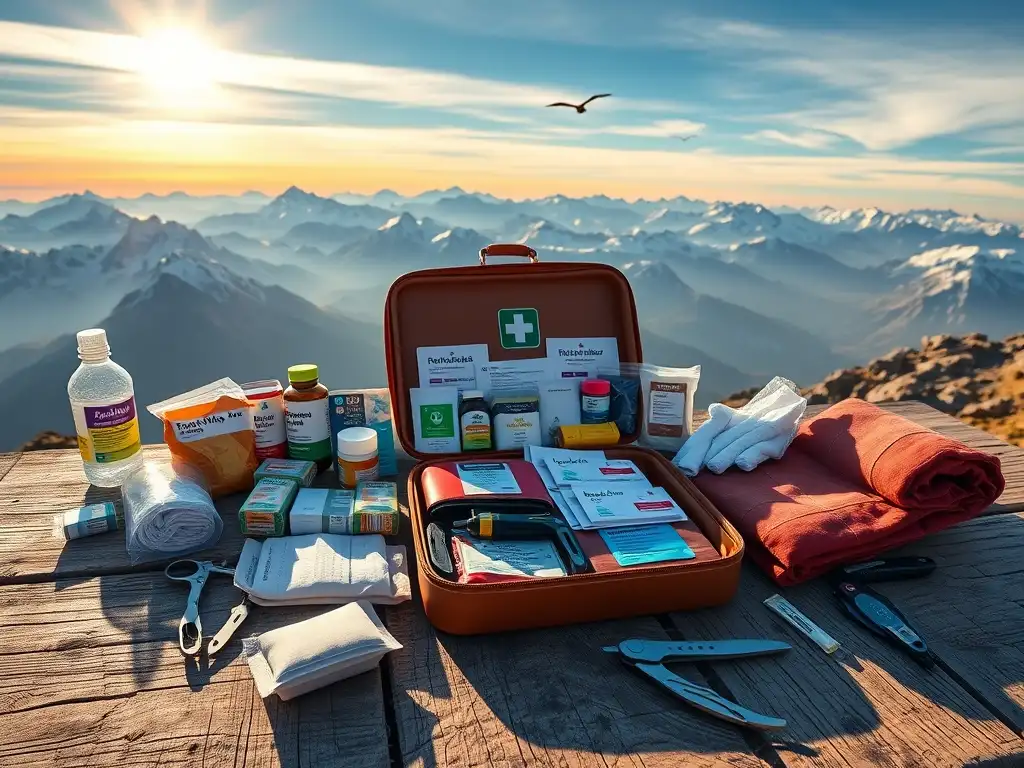
Step into a world lost in time, yet echoing with vibrant life. Imagine the ingenuity of the ancient Andean civilizations, masters of their environment, facing challenges with resourcefulness and resilience. This journey into their fascinating world begins with a closer look at something unexpected: the Andean first aid kit. Discover the secrets behind their surprisingly advanced medical practices and prepare to be amazed by the knowledge they possessed – knowledge that still holds relevance today. Uncover the mysteries and delve deeper into the fascinating story of survival and innovation in the heart of the Andes.
- Andean First Aid Kit: Your Essential Guide for High-Altitude Adventures
- Building Your Comprehensive Andean First Aid Kit
- Choosing the Right Andean First Aid Kit: Ready-Made vs. Custom
- Tips for Using Your Andean First Aid Kit Effectively
- Where to Buy Your Andean First Aid Supplies
- Investing in Your Safety: The Importance of a Comprehensive First Aid Kit
-
Frequently Asked Questions
- What should be included in an Andean first-aid kit for altitude sickness?
- What are some essential items for treating common injuries in the Andes?
- How do I prepare my Andean first-aid kit for potential environmental hazards?
- What specific considerations should I make for a multi-day trek in the Andes mountains?
- Where can I find a pre-made Andean first-aid kit?
- Final Reflection: Preparing for the Unexpected in the Andes
- **Equip Yourself for Adventure in the Andes! **
Andean First Aid Kit: Your Essential Guide for High-Altitude Adventures
Exploring the majestic Andes Mountains presents a unique set of challenges, demanding careful preparation and awareness. This article serves as your comprehensive guide to assembling a specialized first aid kit tailored to the specific needs of high-altitude Andean travel.
From the dizzying heights of the Altiplano to the lush valleys below, unexpected illnesses and injuries can occur, making a well-stocked and thoughtfully curated first aid kit an absolute necessity. We'll delve into the unique health risks associated with Andean travel and provide a detailed list of essential items to include in your kit, ensuring you're prepared for any eventuality and can confidently navigate the breathtaking landscapes of this incredible region.
This guide aims to empower you with the knowledge and resources to prioritize your safety and well-being while experiencing the rich cultural heritage and stunning beauty of the Andes. Remember, responsible and prepared travel is key to enjoying your Andean adventure to the fullest.
Why a Specialized First Aid Kit is Crucial for Andean Travel
A standard first aid kit simply won't suffice for the unique demands of Andean travel. The high altitude, unpredictable weather, and remote locations necessitate a more comprehensive and specialized approach. The thin air at high altitudes impacts oxygen levels, increasing the risk of altitude sickness and exacerbating pre-existing conditions. Furthermore, the rugged terrain increases the likelihood of injuries like sprains, fractures, and cuts.
Access to medical facilities can be limited, and evacuation can be challenging and expensive, making self-sufficiency crucial. A well-prepared Andean first aid kit acts as your lifeline, providing immediate care in emergencies and potentially preventing serious complications. It's an investment in your safety and peace of mind, allowing you to fully immerse yourself in the Andean experience without undue worry. Think of it as your personal safety net in a potentially challenging environment.
Understanding the Unique Health Challenges in the Andes
The Andes present a variety of health challenges not typically encountered in lower-altitude regions. These challenges stem from several factors, including:
- High Altitude: The reduced atmospheric pressure at high altitudes leads to hypoxia (lack of oxygen), increasing the risk of altitude sickness, which can manifest in various forms, from mild headaches to life-threatening high-altitude pulmonary edema (HAPE) and high-altitude cerebral edema (HACE).
- Extreme Weather: Sudden changes in weather, including extreme cold, strong winds, and intense sun exposure, can lead to hypothermia, frostbite, and sunburn.
- Limited Access to Medical Care: Many areas in the Andes have limited access to medical facilities and emergency services, making self-care crucial.
- Potential for Infections: Exposure to contaminated water and food can lead to gastrointestinal illnesses. Additionally, insect-borne diseases are a concern in certain regions.
- Wildlife Encounters: Encounters with wildlife, while rare, can lead to injuries that require immediate attention.
Altitude Sickness and its Impact on Andean Travelers
Altitude sickness, also known as acute mountain sickness (AMS), is a common ailment among travelers ascending to high altitudes rapidly. Symptoms can range from mild (headache, nausea, fatigue) to severe (HAPE, HACE). The severity of AMS is influenced by the rate of ascent, the altitude reached, and individual susceptibility. Recognizing the early symptoms of AMS is crucial for preventing its progression into more serious conditions.
Early descent is often the most effective treatment for severe cases. Therefore, a well-equipped first-aid kit, including medications for altitude sickness, and a preparedness plan for rapid descent, are vital components of safe Andean travel. Prevention is key; acclimatizing gradually to altitude by spending time at lower elevations before ascending to higher altitudes is highly recommended. Ignoring altitude sickness symptoms can have severe consequences; therefore, awareness and proactive measures are paramount.
Common Injuries and Illnesses Specific to the Andean Region
The Andean region presents unique challenges to health and well-being, demanding a first-aid kit tailored to its specific conditions. High altitude, extreme weather, and the potential for encounters with wildlife all contribute to a higher risk of certain injuries and illnesses. Understanding these risks is crucial for effective preparedness.
One of the most prevalent issues at high altitudes is altitude sickness, encompassing a spectrum of symptoms from mild headaches and nausea (acute mountain sickness or AMS) to potentially life-threatening conditions like high-altitude pulmonary edema (HAPE) and high-altitude cerebral edema (HACE). These conditions are caused by the body's reduced oxygen intake at higher elevations. Symptoms can develop gradually or suddenly, emphasizing the importance of acclimatization and careful monitoring. Early recognition and descent are key to treatment.
Beyond altitude sickness, the unpredictable Andean weather poses significant risks. Exposure to intense sun, cold, and rain can lead to hypothermia, sunburn, and frostbite. These conditions can develop rapidly, especially in unpredictable weather patterns common in the Andes. Proper layering, waterproof outerwear, and sun protection are essential preventative measures.
The rugged terrain of the Andes increases the likelihood of sprains, strains, and fractures. Uneven trails, steep inclines, and unpredictable footing can easily lead to falls and injuries. A well-stocked first-aid kit should include items for treating these injuries, including bandages, splints, and pain relievers.
Finally, while less common, encounters with wildlife can present unexpected health challenges. Insect bites and stings, particularly from venomous spiders or scorpions, can require immediate attention. Knowing how to identify and treat such bites or stings is crucial, as some can be life-threatening if left untreated. Insect repellent and antihistamines can be valuable additions to your Andean first-aid kit. Always be aware of your surroundings and avoid disturbing wildlife whenever possible.
This proactive approach will minimize the risk of such encounters. Remember, prevention is key when dealing with potential hazards in the Andes. An ounce of prevention is worth a pound of cure, especially at high altitudes. Proper preparation, including a comprehensive first-aid kit and knowledge of common Andean ailments, will significantly enhance your safety and enjoyment of this stunning region.
Building Your Comprehensive Andean First Aid Kit
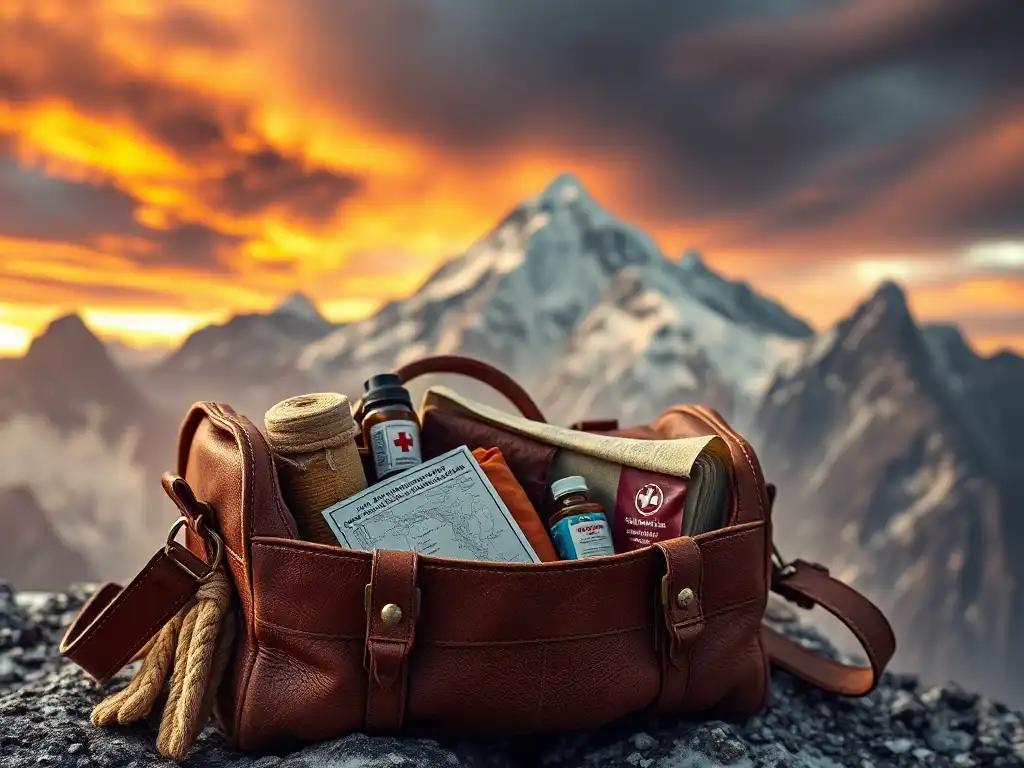
This section details the crucial components of a well-equipped Andean first aid kit, designed to address the unique challenges of high-altitude travel and the rugged Andean terrain. Remember, this is a supplement to any pre-existing medical knowledge and should not replace professional medical advice. Always consult your doctor before embarking on any high-altitude trek, and ensure your travel insurance covers medical emergencies in the Andes.
Adapting your kit to your specific needs and the duration of your trip is key. This guide focuses on building a comprehensive kit for a multi-day trek, but you can adjust it accordingly for shorter trips. Packing light yet effectively is crucial for comfortable Andean travel.
Essential Medications for Altitude and Travel in the Andes
Altitude sickness is a significant concern in the Andes, and proper medication is vital. Beyond altitude sickness, common travel ailments necessitate inclusion in your Andean first aid kit. Having readily available medication can significantly improve your experience and potentially save lives in remote locations.
Acetazolamide (Diamox) for Altitude Sickness Prevention and Treatment
Acetazolamide, commonly known as Diamox, is a powerful medication often prescribed for altitude sickness prevention and treatment. It helps your body adjust to the lower oxygen levels at high altitudes. It's crucial to consult your doctor before using Diamox, as it can have side effects, including tingling in the extremities and increased urination. Pack it with clear labeling and instructions on dosage. Remember to bring enough for the entire duration of your trip, plus a small buffer. Always follow the prescribed dosage carefully.
Pain Relievers: Ibuprofen and Acetaminophen for Headaches and Aches
Headaches, muscle aches, and other pains are common, especially at high altitudes. Including both ibuprofen (a nonsteroidal anti-inflammatory drug or NSAID) and acetaminophen (paracetamol) provides options for different types of pain. Ibuprofen can help with inflammation, while acetaminophen is effective for general pain relief. Remember to bring enough for the duration of your trip, bearing in mind that high altitude can increase the need for pain relief. Always check the expiration dates before your departure.
Anti-Diarrheal Medications: Loperamide and Bismuth Subsalicylate
Altitude sickness can sometimes manifest as gastrointestinal issues, and changes in diet and water quality can also cause diarrhea. Loperamide and bismuth subsalicylate (Pepto-Bismol) are effective anti-diarrheal medications. Loperamide slows down bowel movements, while bismuth subsalicylate also has antibacterial properties. Pack these in a separate, clearly labeled container to prevent accidental ingestion. Remember to stay hydrated even while using these medications.
Antihistamines for Allergies and Insect Bites
Allergies to pollen, plants, or insect bites can be problematic. Antihistamines, such as diphenhydramine (Benadryl) or cetirizine (Zyrtec), can alleviate symptoms like itching, swelling, and rash. Insect bites are common in the Andes, and antihistamines can help manage the discomfort. Always check the expiry date of your antihistamines and ensure you have enough for your entire journey.
Wound Care Essentials for the Rugged Terrain
The Andean terrain is often rough and unpredictable, increasing the risk of cuts, scrapes, and sprains. A well-stocked wound care section in your Andean first aid kit is therefore essential.
Antiseptic Wipes and Solution: Iodine or Chlorhexidine
Proper wound cleaning is paramount to prevent infection. Include both antiseptic wipes and a solution, such as iodine or chlorhexidine, for thorough cleaning. These are vital for sterilizing minor wounds and preventing infection, especially in less-sanitized environments. Make sure the packaging is sealed to maintain sterility.
Assorted Bandages and Gauze Pads
A variety of bandages and gauze pads in different sizes is essential for addressing various wound sizes and depths. Include adhesive bandages for minor cuts and scrapes, as well as larger gauze pads for more significant wounds. Consider bringing sterile gauze for more serious injuries.
Medical Tape and Elastic Bandage for Sprains
Medical tape is essential for securing bandages and gauze, while an elastic bandage can provide support for sprains and minor injuries. Elastic bandages offer compression and support, helping to reduce swelling and pain. Ensure the tape and bandage are not past their expiration dates.
Butterfly Closures for Minor Cuts
Butterfly closures (sterile strips) are useful for closing small, superficial cuts and preventing excessive bleeding and scarring. They are easy to apply and provide a clean closure for minor wounds. Always ensure proper cleaning of the wound before applying butterfly closures.
Specialized Equipment for Andean Expeditions
The unique challenges of the Andes necessitate a first-aid kit beyond the standard. Altitude sickness, extreme weather conditions, and the potential for isolated injuries demand specialized equipment. Packing light is crucial for trekking, but compromising on essential safety items is unacceptable. Your Andean first-aid kit should be tailored to the specific risks of your expedition. This section details some of the most crucial additions to consider.
Emergency Blanket for Hypothermia Prevention
Hypothermia is a serious risk at high altitudes, even on seemingly mild days. A lightweight, space-saving emergency blanket can be a lifesaver. These foil blankets reflect body heat, preventing further heat loss and providing vital warmth until professional medical help arrives. Choose a blanket that is durable enough to withstand the rugged terrain and weather conditions typical of Andean expeditions.
Remember to practice deploying the blanket before your trip to ensure you're familiar with its use in an emergency situation. Consider also adding hand and foot warmers to your kit for additional protection against the cold. Their small size and effectiveness make them a valuable addition for any Andean adventure.
Tweezers for Splinter Removal
While seemingly minor, splinters can become infected quickly at high altitudes where healing is slower. A good quality pair of tweezers is essential for removing splinters and thorns, minimizing the risk of infection. Opt for tweezers with a fine tip for precise removal, reducing the risk of further injury to the skin. Remember to clean the tweezers thoroughly before and after each use with an antiseptic wipe to maintain hygiene and prevent the spread of germs. This small but essential item can prevent a minor inconvenience from escalating into a more serious problem.
Small Scissors for Cutting Bandages
Sharp, small scissors are crucial for efficiently cutting bandages and other medical supplies. Avoid bulky scissors; opt for a compact pair that will fit easily into your kit. Blunt-ended scissors are also safer to carry and use, reducing the risk of accidental injury. Ensure the scissors are made of durable stainless steel to withstand the rigors of Andean travel and maintain their sharpness. Having readily accessible, sharp scissors can significantly improve your response time and effectiveness in treating injuries.
CPR Face Shield for Resuscitation
In the event of a cardiac arrest, a CPR face shield is a vital piece of equipment. These shields protect both the rescuer and the victim from the transmission of bodily fluids. They are lightweight and compact, making them ideal for inclusion in a first-aid kit designed for travel in remote areas.
The face shield is a crucial addition for maintaining hygiene and safety during emergency procedures. While it may not be used frequently, having a CPR face shield readily available is essential to ensure the safety and well-being of both the rescuer and the victim in a potentially life-threatening situation.
Sun Protection for the Intense Andean Sun
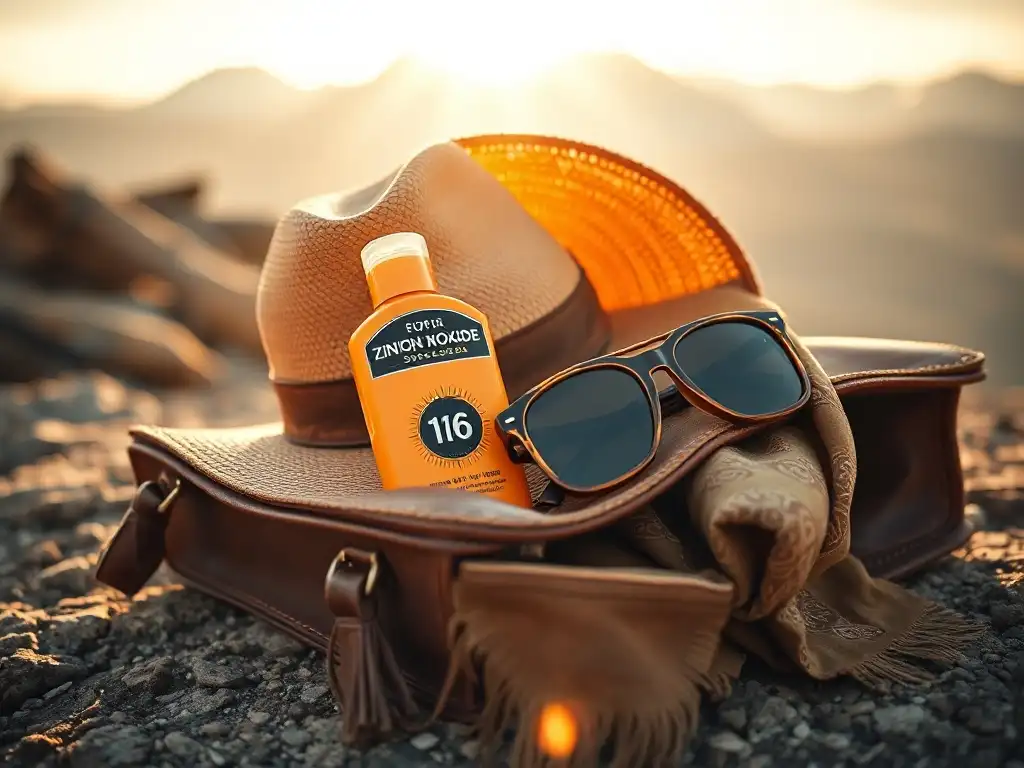
The high altitude and thin atmosphere in the Andes result in significantly increased exposure to ultraviolet (UV) radiation. Protecting your skin from the intense sun is crucial to prevent sunburn, sunstroke, and long-term skin damage. This section emphasizes the importance of comprehensive sun protection in your Andean first-aid kit.
High SPF Sunscreen (SPF 50+) with Broad Spectrum Protection
A high SPF sunscreen with broad-spectrum protection is non-negotiable for any Andean expedition. SPF 50+ offers superior protection against both UVA and UVB rays. Choose a sunscreen specifically designed for outdoor activities, ensuring it is water-resistant and sweat-resistant to maintain its effectiveness throughout the day, even during strenuous activities. Reapply sunscreen frequently, especially after sweating or swimming, to maintain optimal protection against the sun's harmful rays. Remember that even on cloudy days, the sun's rays can still cause significant damage.
Lip Balm with SPF
The lips are particularly vulnerable to sun damage at high altitudes. A lip balm with at least SPF 30 is crucial for preventing chapped, sunburnt lips. Opt for a lip balm that is moisturizing and provides long-lasting protection. Reapply the lip balm frequently throughout the day, especially after eating or drinking. Protecting your lips from the sun is just as important as protecting the rest of your skin. The combination of sun and wind at high altitudes can cause significant dryness and discomfort, making a good lip balm with SPF an essential part of your Andean first aid kit.
Hydration and Electrolyte Balance
Maintaining proper hydration and electrolyte balance is crucial in the challenging Andean environment. The high altitude, intense sun, and strenuous physical activity common during Andean exploration can quickly lead to dehydration and electrolyte depletion, resulting in altitude sickness, heat exhaustion, or even more serious complications. Your Andean first aid kit must therefore prioritize addressing these potential issues proactively. Ignoring hydration needs can significantly impact your trekking experience and even endanger your safety.
Remember, even on seemingly mild days, the thin air and intense sun can drain your fluids faster than you might expect. Staying ahead of dehydration is far easier than playing catch-up. Prioritizing regular water intake and replenishing lost electrolytes is paramount to a safe and enjoyable Andean adventure. Carrying sufficient water and electrolyte replacement options is non-negotiable.
Electrolyte Tablets or Powder
Electrolyte tablets or powder offer a convenient and effective way to replenish essential electrolytes lost through sweat. These readily available products contain vital minerals like sodium, potassium, and magnesium, crucial for maintaining proper fluid balance and muscle function. Opt for tablets or powder specifically formulated for hydration and electrolyte replenishment, rather than those primarily designed for sports drinks which may contain excess sugar. Excess sugar can actually hinder hydration, making a product focused on electrolyte replacement a more suitable choice for Andean trekking.
Consider the packaging carefully; individual packets are ideal for portion control and preventing moisture damage. Remember to check the expiration dates before embarking on your journey to ensure their effectiveness. Always follow the manufacturer's instructions for proper usage and dosage to avoid any adverse effects.
Water Purification Tablets or Filter Straw
Access to clean and safe drinking water isn't always guaranteed in the Andes. Therefore, including a reliable water purification method in your Andean first aid kit is non-negotiable. Water purification tablets are lightweight, compact, and effective at killing harmful bacteria and protozoa.
Choose tablets with a proven track record and follow the instructions carefully regarding dosage and contact time. Alternatively, a filter straw offers a more immediate solution, allowing you to drink directly from water sources after filtration. Filter straws are generally more expensive upfront but can be more convenient for repeated use throughout your trip.
Both options provide essential protection against waterborne illnesses, a significant concern in many Andean regions. Regardless of your choice, remember to always treat water before consumption, even if it appears clear and clean. A small investment in water purification can prevent serious health issues and significantly enhance the safety and enjoyment of your Andean expedition.
Choosing the Right Andean First Aid Kit: Ready-Made vs. Custom
Choosing the right first aid kit for an Andean adventure is crucial. The unique challenges of high altitude, varied terrain, and potential exposure to diverse elements necessitate a well-stocked and appropriate kit. You face a fundamental decision: opt for the convenience of a pre-assembled kit or invest the time to create a fully customized solution tailored to your specific needs and the duration of your trip.
Both options present advantages and disadvantages, and the best choice depends on your experience level, the nature of your expedition, and your personal preferences. This section will delve into the pros and cons of each approach, allowing you to make an informed decision regarding your Andean first aid kit.
Ready-Made First Aid Kits: Convenience and Limitations
Ready-made Andean first aid kits offer a convenient starting point, providing a pre-selected assortment of essential supplies. They save you the time and effort of sourcing individual items, ensuring you have at least a baseline level of preparedness. However, their pre-packaged nature can lead to limitations. Often, they contain items you may not need, while lacking others specifically relevant to Andean conditions.
The quantity of certain supplies might also be insufficient for longer expeditions or groups. Consider carefully the trade-offs between convenience and potential inadequacies before opting for a ready-made kit. The cost is also a factor; pre-assembled kits, while convenient, often come at a premium.
Adventure Medical Kits Ultralight/Watertight .7 Medical Kit: Advantages and Disadvantages
One example of a commercially available kit is the Adventure Medical Kits Ultralight/Watertight .7 Medical Kit. This particular kit boasts a lightweight design and waterproof packaging, essential features for Andean travel. Advantages include its compact size, making it ideal for backpacking, and its inclusion of basic necessities like bandages, antiseptic wipes, and pain relievers. However, a disadvantage might be the limited supply of certain items crucial for higher-altitude treks, such as blister treatment or altitude sickness medication.
Furthermore, the kit might not include specialized items that address specific concerns of the Andean region, such as snake bite kits or remedies for common local ailments. Always review the contents carefully to ensure they meet your individual needs. The kit’s suitability hinges on the specific nature of your trip; for short, less demanding treks it could suffice, but longer or more challenging expeditions may require supplementation.
Building Your Own Custom Andean First Aid Kit: Tailoring to Your Needs
Creating a custom Andean first aid kit allows for complete control over its contents, ensuring you have precisely what you need for your specific trip. This approach enables you to personalize the kit based on your experience level, the duration and intensity of your adventure, and any pre-existing medical conditions. This level of personalization is invaluable for addressing the unique challenges of the Andean environment, optimizing your preparedness for unexpected situations.
Building your own kit, while requiring more effort upfront, ultimately ensures a more comprehensive and tailored solution. The initial investment of time may seem daunting, but the peace of mind it provides is priceless.
Steps to Create a Personalized First Aid Kit
Creating a personalized Andean first aid kit involves several key steps:
- Assessment: Carefully consider the specific challenges of your planned trip. Will you be trekking at high altitude? Will you be exposed to extreme weather conditions? What is the duration of your trip? This assessment informs the selection of appropriate supplies.
- Research: Research common ailments and injuries associated with Andean travel. This includes altitude sickness, sunburns, blisters, cuts, and insect bites. Understanding these potential hazards allows you to include targeted remedies.
- Item Selection: Based on your assessment and research, select items accordingly. Include a diverse range of supplies, prioritizing quality and durability.
- Organization: Organize your kit logically, using waterproof bags or containers to protect items from the elements. Label everything clearly for easy access in an emergency.
- Testing: Before your trip, test your kit to ensure everything is functional and accessible.
Checklist of Essential Items for a Customized Kit
This checklist provides a starting point; adapt it to your specific needs:
- Wound care: Bandages (various sizes), antiseptic wipes, sterile gauze pads, adhesive tape, antibiotic ointment.
- Pain relief: Pain relievers (ibuprofen, paracetamol), anti-inflammatory medication.
- Altitude sickness medication: Consult your doctor for appropriate medication.
- Gastrointestinal issues: Oral rehydration salts, anti-diarrheal medication.
- Blister treatment: Blister plasters, moleskin.
- Sun protection: Sunscreen (high SPF), lip balm with SPF.
- Insect repellent: Effective repellent against mosquitoes and other insects.
- First-aid manual: A small, lightweight manual outlining basic first aid procedures.
- Personal medications: Any prescription medications you require, with sufficient supply for the duration of your trip.
- Emergency contact information: A list of emergency contacts and relevant medical information. Consider including a copy of your passport or identification.
Remember, proper preparation is key to a safe and enjoyable Andean adventure. A well-equipped Andean first aid kit is a vital component of that preparation. Whether you choose a ready-made or custom kit, ensure it meets your specific needs and provides the peace of mind you deserve while exploring the magnificent Andes.
Tips for Using Your Andean First Aid Kit Effectively
This section provides crucial advice on maximizing the effectiveness of your Andean first aid kit, ensuring you're prepared for various scenarios encountered while exploring the Andes. Proper use and timely intervention can significantly impact the outcome of medical emergencies at high altitudes. Remember, prevention is always better than cure, so familiarizing yourself with potential hazards before your journey is paramount.
Proper Storage and Maintenance of Your Kit
Maintaining your Andean first aid kit is vital. High altitude conditions, fluctuating temperatures, and potential exposure to moisture can degrade the quality and effectiveness of your supplies. Here's a detailed breakdown of proper storage and maintenance:
- Waterproof Container: Invest in a waterproof and airtight container to protect your kit from the elements. This is especially crucial during periods of rain or unexpected snowstorms common in the Andes. A hard-shell case is preferable to a soft bag.
- Regular Inventory: Conduct a thorough check of your kit's contents at least once a month. Check expiration dates on medications, inspect bandages for damage, and replace any depleted items immediately. A checklist can be helpful for this process.
- Altitude Considerations: The lower air pressure at high altitudes can affect some medications. Consult your physician regarding the stability of your specific medications at high altitude. Consider carrying medications in their original packaging to maintain accurate information.
- Organization is Key: Organize your kit logically. Categorize items (e.g., wound care, pain relief, altitude sickness medication) and label clearly. This will save valuable time in an emergency. Consider color-coding or using visual cues for quick identification.
- Environmental Protection: Keep your kit away from direct sunlight and extreme temperatures whenever possible. Prolonged exposure to harsh conditions can compromise the integrity of your supplies.
Knowing When to Seek Professional Medical Attention
While your Andean first aid kit equips you to handle minor injuries and ailments, recognizing when professional medical attention is necessary is crucial. Delaying treatment in serious situations can have severe consequences at high altitudes where access to healthcare may be limited.
Here are some indicators requiring immediate professional medical attention:
- Severe Altitude Sickness: Symptoms like severe headaches, shortness of breath, confusion, or loss of consciousness necessitate immediate descent and professional medical evaluation. Don't hesitate – this is a life-threatening condition.
- Serious Injuries: Any major injury, such as a broken bone, deep wound, or severe burn, requires prompt professional care. Even seemingly minor injuries can become complicated at high altitudes.
- Persistent Symptoms: If symptoms like nausea, vomiting, or diarrhea persist despite self-treatment, seek professional medical assistance. Dehydration is a significant concern at high altitudes, exacerbating existing conditions.
- Worsening Conditions: If any condition, regardless of its initial severity, worsens, seek immediate medical help. This includes seemingly minor conditions that show signs of progression. Your safety is paramount.
- Uncertainties: When in doubt, always err on the side of caution. Seeking professional medical advice is always preferable to risking a potentially serious complication.
Recognizing the Signs of Severe Altitude Sickness
Acute Mountain Sickness (AMS) is a common concern in the Andes, and understanding its symptoms is vital for your safety. While mild AMS may resolve with rest and descent, severe forms require immediate medical attention. Here's a breakdown of the signs to watch for:
- Severe Headache: A persistent and intense headache that doesn't respond to over-the-counter pain relievers is a significant warning sign. This headache is often described as throbbing and unrelenting.
- Shortness of Breath: Difficulty breathing at rest, even with minimal exertion, indicates a serious problem. This is often accompanied by a rapid heart rate.
- Confusion and Dizziness: Mental confusion, disorientation, or persistent dizziness are serious indicators of altitude sickness. These symptoms can quickly escalate.
- Loss of Coordination: Ataxia, or loss of coordination, signifies a severe and potentially life-threatening situation. This can manifest as stumbling, difficulty walking, or slurred speech.
- Coughing up Blood or Vomiting: These symptoms suggest a more severe form of altitude sickness and necessitate immediate descent and medical attention. They are often accompanied by other critical symptoms.
Remember, prevention is key. Acclimatization is crucial to minimize the risk of altitude sickness. Ascend gradually, stay hydrated, and listen to your body. A well-stocked Andean first aid kit, coupled with awareness and responsible travel practices, significantly enhances your safety and enjoyment of the Andes.
First Aid Techniques for Common Andean Injuries
The rugged terrain and unpredictable weather of the Andes present unique challenges, leading to specific types of injuries. Understanding how to address these common ailments is crucial for any Andean traveler. This section details first aid techniques for injuries frequently encountered in the high-altitude environment.
One prevalent injury is altitude sickness, manifesting as headaches, nausea, and dizziness. While not strictly an injury, it requires immediate attention. The first step is to descend to a lower altitude immediately if symptoms worsen. Rest is paramount, and hydration is key; sip water regularly to combat dehydration, a common exacerbating factor. Mild cases may respond to over-the-counter pain relievers like acetaminophen, but always check with your doctor beforehand about appropriate medications for altitude. Severe cases, however, demand immediate medical evacuation.
Another common injury is sprains and strains, often resulting from uneven trails and unexpected falls. The RICE protocol – Rest, Ice, Compression, Elevation – remains the cornerstone of treatment. Rest the affected limb completely, apply ice packs for 15-20 minutes at a time to reduce swelling, use a compression bandage to support the injured area and minimize swelling, and elevate the injured limb above the heart to promote blood flow.
Pain relievers can help manage discomfort, but severe sprains may require professional medical attention. Remember to pack appropriate bandages, and potentially a splint, depending on the severity of the injury.
Sunburn is another significant concern at high altitudes, where the thinner atmosphere offers less protection from the intense UV radiation. Treat sunburn with cool compresses, aloe vera gel, or moisturizing lotion to soothe the skin and prevent peeling. Pain relievers can help alleviate discomfort. Prevention is key, however; ensure you use a high SPF sunscreen, wear protective clothing, and seek shade during peak sun hours. Ignoring sunburn can lead to severe dehydration and even heatstroke in extreme cases.
Finally, hypothermia and frostbite are serious threats in the Andean mountains. Hypothermia presents with shivering, confusion, and slurred speech. The crucial first step is to get the victim into a warm, dry environment. Remove wet clothing, wrap them in warm blankets, and provide warm, sweet drinks if they are conscious. Frostbite, characterized by numbness and discoloration of the extremities, requires careful warming – never rub the affected area, as this can cause further damage. Slowly rewarm the affected area using warm water (around 40°C/104°F) and seek immediate medical attention. Prevention through proper layering and appropriate clothing is vital.
These are just some examples, and the specific techniques will vary depending on the injury. Always prioritize safety and seek professional medical attention when necessary. A well-stocked Andean first aid kit, combined with knowledge of appropriate first aid techniques, is an invaluable asset for a safe and enjoyable Andean adventure.
Where to Buy Your Andean First Aid Supplies
Preparing for a trip to the Andes requires meticulous planning, and a well-stocked first-aid kit is paramount. Knowing where to source high-quality supplies before your journey is crucial, as access to specialized medications or equipment might be limited in remote areas. This section details the best options for acquiring your Andean first aid kit components, ensuring you're prepared for any unforeseen circumstances. The availability of specific items can vary depending on the location within the Andes, so careful planning is key to assembling a comprehensive kit that meets your individual needs and the unique challenges of the Andean environment.
Recommended Online Retailers for Quality Medical Supplies
Purchasing certain items online offers convenience and access to a broader range of products than might be found in local pharmacies, especially for specialized first-aid needs. However, always ensure the retailer is reputable and the products meet international quality standards. Remember to check expiration dates meticulously before your trip. Below, we highlight a few options:
Amazon: Links to Relevant Products
[Specific information pending: Links to Amazon products relevant to an Andean first-aid kit, including water purification tablets, altitude sickness medication, antiseptic wipes, bandages of various sizes, pain relievers, anti-diarrheal medication, etc. Ideally, these would include links to specific products with positive reviews and clear descriptions.]
REI: Links to Relevant Products
[Specific information pending: Links to REI products relevant to an Andean first-aid kit, focusing on durable, lightweight, and practical items suitable for trekking and outdoor activities in the Andes. This might include items like a comprehensive first-aid kit specifically designed for backpacking, blister treatment, and other outdoor-specific supplies.]
Local Pharmacies in the Andes: Availability and Considerations
While online purchasing offers convenience, supplementing your kit with certain items from local pharmacies in the Andes can be beneficial. This allows for the acquisition of readily available over-the-counter medications that might be needed during your travels, and it also supports local businesses. However, be aware that the availability of specific items can vary widely depending on the location and size of the pharmacy.
It's crucial to:
- Check expiration dates carefully: This is especially important in regions with less regulated supply chains.
- Be familiar with Spanish medical terms: This will aid communication with pharmacists and ensure you obtain the correct medications.
- Consult a doctor before your trip: Discuss any pre-existing medical conditions and obtain necessary prescriptions before leaving home. This ensures you have sufficient medication for the duration of your trip.
- Consider altitude sickness medications: These are often readily available in Andean pharmacies but should be used under the guidance of a medical professional.
- Pack a Spanish-English medical dictionary: This small but powerful tool can prove invaluable in communicating your needs clearly and accurately.
Example of Local Pharmacy Considerations
For instance, a smaller pharmacy in a remote village might not stock the same range of products as a larger pharmacy in a city like Cusco. Understanding this variation in availability is vital for effective planning. Always allow for some flexibility in your kit preparations.
The careful planning and acquisition of your Andean first-aid kit are essential components of a safe and enjoyable journey. Remember, preparedness is key to navigating the unexpected challenges of the Andean environment. A well-stocked kit, combined with awareness of local resources, significantly enhances your chances of a successful and problem-free adventure. ⛰️
Investing in Your Safety: The Importance of a Comprehensive First Aid Kit
A well-stocked Andean first aid kit is not merely a suggestion; it's an absolute necessity for anyone venturing into the challenging yet rewarding landscapes of the Andes. The altitude, unpredictable weather, and remote locations inherent to Andean travel significantly increase the risk of various medical emergencies. From minor scrapes and sunburns to altitude sickness and more serious injuries, being prepared can mean the difference between a minor setback and a major crisis.
A comprehensive kit allows you to address immediate needs, providing crucial stabilization until professional medical help can be accessed – which might be hours or even days away in some areas. This proactive approach to safety allows you to fully immerse yourself in the breathtaking beauty of the Andes without the constant worry of unforeseen medical issues. Investing in your safety is investing in the enjoyment and success of your Andean adventure.
Peace of Mind and Preparedness on Your Andean Journey
The peace of mind that comes with knowing you have a well-equipped first aid kit is invaluable. Imagine twisting your ankle on a challenging trek – the pain and discomfort are amplified by the isolation and uncertainty. But with a comprehensive kit, you can immediately address the injury, minimizing swelling and pain with readily available supplies.
This preparedness extends beyond physical injuries. Altitude sickness, a common concern in the Andes, can be managed effectively with early intervention using the right medications and supplies found in a well-stocked kit. Furthermore, common ailments like diarrhea, headaches, and minor cuts and bruises can be quickly addressed, preventing minor issues from escalating into more serious problems.
A thoughtfully assembled Andean first aid kit is not just about treating injuries; it's about maintaining your well-being and ensuring you can continue to enjoy your journey. It empowers you to take control of your health and safety in potentially challenging situations.
Minimizing Risks and Maximizing Enjoyment of Your Trip
A robust Andean first aid kit directly contributes to minimizing risks and maximizing the enjoyment of your trip. By being prepared for common ailments and injuries, you significantly reduce the chances of your adventure being cut short. Consider the following scenario: a severe sunburn can quickly derail your plans, forcing you to spend valuable days recovering instead of exploring.
A well-stocked kit containing high SPF sunscreen, aloe vera gel, and pain relievers enables you to mitigate the impact of sunburn, allowing you to continue your travels. Similarly, the inclusion of altitude sickness medication, electrolyte drinks, and appropriate clothing can prevent altitude-related issues from hindering your exploration of breathtaking Andean peaks.
The investment in a comprehensive kit is a small price to pay for the peace of mind and enhanced enjoyment that comes with knowing you are prepared for whatever unexpected challenges the Andes may throw your way. It's an investment in your adventure, ensuring you can fully appreciate the stunning landscapes and rich culture of this remarkable region.
Recommended Resources for Further Information on Andean Health and Safety
While a well-equipped Andean first aid kit is crucial, it’s also important to supplement it with reliable information. Thorough pre-trip research is essential. Seek out information from reputable sources on altitude sickness prevention and treatment, common Andean illnesses, and recommended vaccinations. Understanding the local healthcare system and emergency contact information is also vital. Remember to consult your doctor or a travel clinic well in advance of your trip for personalized advice and necessary vaccinations.
They can provide tailored guidance based on your itinerary and health history. Remember, preparation is key to a safe and enjoyable Andean experience. Don't underestimate the importance of thorough research and professional medical advice in complementing your first aid kit and ensuring a truly enriching adventure. The information you gather will enhance your preparedness and contribute to a more confident and successful journey.
Frequently Asked Questions
What should be included in an Andean first-aid kit for altitude sickness?
An Andean first-aid kit for altitude sickness should include acetazolamide (Diamox) or other prescribed medication for altitude sickness, pain relievers like ibuprofen, and hydration tablets. Always consult your doctor before taking any medication.
What are some essential items for treating common injuries in the Andes?
Essential items include antiseptic wipes or solution, bandages of various sizes, gauze pads, adhesive tape, scissors, and pain relievers. Consider including blister treatment and insect repellent.
How do I prepare my Andean first-aid kit for potential environmental hazards?
Prepare for sunburn with high SPF sunscreen and lip balm. Pack insect repellent for mosquitoes and other biting insects. Include eye protection from the strong sun and dust.
What specific considerations should I make for a multi-day trek in the Andes mountains?
For multi-day treks, increase quantities of all items. Include a water purification system or plenty of bottled water. Pack a lightweight emergency blanket for warmth and protection from the elements.
Where can I find a pre-made Andean first-aid kit?
While pre-made kits specifically labeled "Andean first-aid kit" may be limited, you can purchase components individually and assemble your kit based on this guide. Many outdoor retailers offer comprehensive first-aid supplies.
Final Reflection: Preparing for the Unexpected in the Andes
The unforgiving beauty of the Andes demands preparedness; a well-stocked first-aid kit is not merely a suggestion, but a necessity for safe and responsible exploration. Ignoring this fundamental truth can transform a breathtaking adventure into a life-threatening ordeal. The information presented in this article, detailing the essential components of a comprehensive Andean first-aid kit, is more than just a list; it's a roadmap to mitigating risk and ensuring your well-being in a challenging environment.
The impact of proper preparation extends far beyond individual safety; it fosters a culture of responsible travel and respect for the delicate Andean ecosystem. We must remember that our actions have consequences, and being equipped to handle medical emergencies minimizes our reliance on potentially strained local resources. Leave no trace, and leave no one behind
– this principle should guide all our adventures, and a well-prepared first-aid kit is a crucial part of fulfilling that commitment.
Now, consider your own upcoming adventures. What steps will you take to ensure your safety and the safety of your companions? This article serves as a starting point; take the time to personalize your kit based on your specific needs and the duration and intensity of your planned activities. Don't just pack a kit; understand its contents and practice using the equipment. Your preparedness will not only enhance your enjoyment of the Andes' majestic landscapes but also ensure a safe return home, allowing you to share your incredible experiences with others for years to come.
**Equip Yourself for Adventure in the Andes! **
Thank you for reading our guide on assembling a comprehensive first-aid kit for your Andean adventures! We hope you feel confident and prepared to tackle any unforeseen challenges you might encounter in these stunning mountains.
Now, let's put that knowledge into action! Here are a few steps you can take today:
- **Assemble your first-aid kit:** Begin gathering the essential supplies detailed in the guide. Make it a fun family project, or invite adventurous friends to help!
- **Connect with local hiking groups:** Meet fellow adventurers in your area to exchange tips, experiences, and safe hiking practices in the Andes. Building a supportive community will enhance your experience and safety.
- **Enhance your first-aid skills:** Consider enrolling in a first-aid or CPR course to boost your confidence and preparedness in handling emergencies.
What steps will you take today to ensure a safe and successful Andean adventure?