
Insulated Comfort: Essential Layers for Andean Weather Changes

Unravel the mysteries of the Andes—a land sculpted by time and echoing with the legacies of the Incas, Moche, and more. Prepare for an adventure unlike any other as we delve into the vibrant tapestry of Andean civilizations. But first, consider this: conquering the breathtaking Andean heights requires more than just spirit—it demands the right gear.
Learn how strategic Andean hiking clothing layers can be the key to unlocking unparalleled comfort and safety on your journey. Discover the essential elements for mastering the unpredictable Andean weather, and prepare to be amazed by what awaits you in the heart of the Andes.
The Andes Mountains, a breathtaking tapestry of towering peaks and sprawling valleys, present a unique challenge for hikers and adventurers: unpredictable weather. From scorching sun to freezing nights, navigating the Andean climate requires careful planning and, most importantly, the right clothing. This article delves into the essential layering system for Andean hiking, ensuring your comfort and safety while exploring these magnificent landscapes.
We'll examine the crucial elements of effective Andean hiking clothing layers, focusing on the materials, functionalities, and benefits of each layer to optimize your experience while trekking through diverse Andean terrains. Understanding the nuances of layering will not only enhance your comfort but also contribute to a safer and more enjoyable journey through the Andes.
This guide will equip you with the knowledge to choose the appropriate clothing for your specific Andean adventure, regardless of whether you're tackling a challenging high-altitude trek or a more leisurely exploration of lower altitudes. Preparing for the drastic temperature fluctuations is key to a successful and enjoyable Andean expedition.
Introduction to Andean Hiking Clothing Layers
The Andean region is notorious for its rapid and extreme weather changes. Even during a single day, you might experience sunshine, rain, strong winds, and significant temperature drops. Therefore, relying on a single, heavy garment is ineffective and uncomfortable. The solution lies in the power of layering. The layering system allows you to adjust your clothing to match the changing conditions, ensuring you remain comfortable and protected throughout your trek.
This approach involves wearing several thin layers instead of one bulky garment. This strategy facilitates better temperature regulation, moisture management, and overall comfort. Proper layering is crucial for preventing hypothermia in cold conditions and overheating in warmer weather. This adaptable strategy is essential for any Andean hiking adventure. The key to successful layering is to choose garments made from breathable, moisture-wicking materials that trap heat effectively.
Understanding the Three Key Layers for Andean Treks
The cornerstone of effective Andean hiking clothing is the three-layer system: a base layer, a mid-layer, and an outer layer. Each layer serves a specific purpose, working together to maintain optimal body temperature and protection from the elements.
| Layer | Purpose | Material Examples |
|---|---|---|
| Base Layer | Wicks moisture away from the skin | Merino wool, synthetic fabrics (polypropylene) |
| Mid-Layer | Provides insulation and warmth | Fleece, down, synthetic insulation |
| Outer Layer | Protects from wind, rain, and snow | Waterproof and windproof jackets and pants |
This system allows for flexibility. On a sunny, warm day, you might only need the base and mid-layers. As the temperature drops or weather conditions worsen, you simply add the outer layer or an additional mid-layer for extra insulation. This adaptable system ensures you're always prepared for whatever the Andean weather throws your way. Ignoring this system can lead to discomfort and potential health risks.
Base Layers: The Foundation of Warmth and Moisture Management
The base layer is the closest layer to your skin. Its primary function is to wick moisture away from your body, keeping you dry and preventing chills. This is particularly crucial in the Andes, where sweating can quickly lead to discomfort and hypothermia if not managed properly. Avoid cotton, as it absorbs moisture and retains it, making you feel cold and clammy.
Instead, opt for merino wool or synthetic fabrics like polypropylene. Merino wool offers excellent thermal regulation, even when wet, while synthetics are lightweight, quick-drying, and relatively inexpensive. Choosing the right base layer is paramount for maintaining comfort and preventing the adverse effects of moisture buildup. Consider the activity level and expected temperatures when selecting your base layer; a lighter base layer is suitable for warmer conditions, whereas a heavier base layer is more appropriate for colder temperatures and strenuous activities.
Mid Layers: Insulating Against the Chill
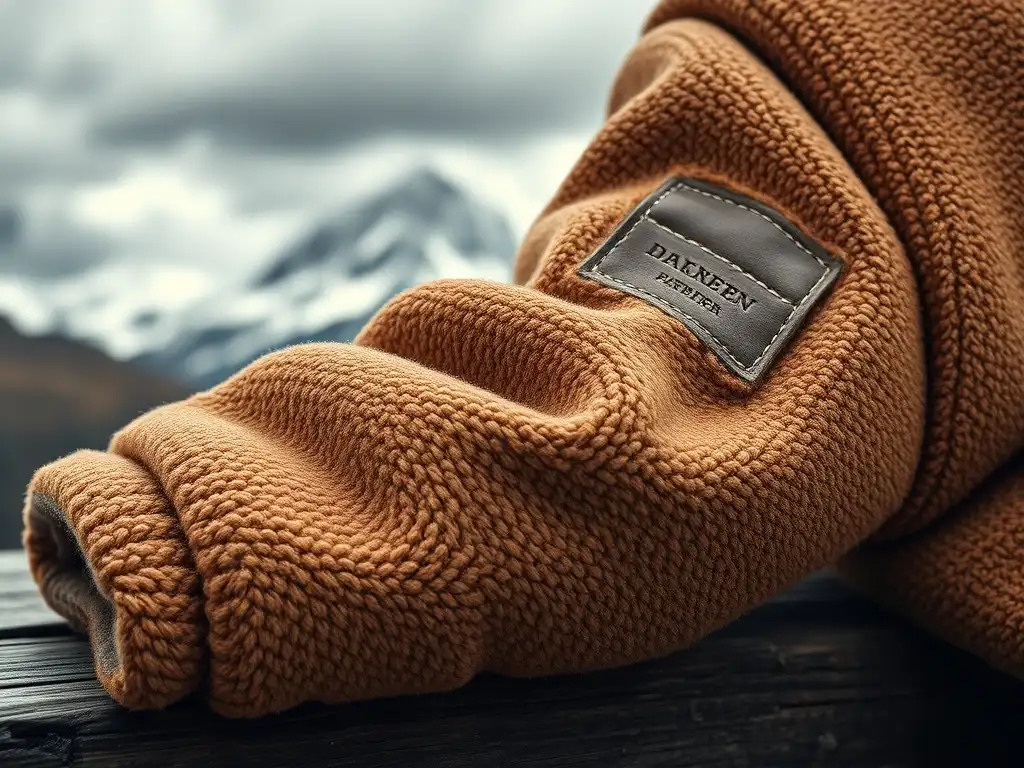
Choosing the right mid-layer for Andean hiking is crucial for maintaining warmth and comfort. The key is to select a layer that provides excellent insulation without adding excessive bulk or weight. This is where fleece jackets and sweaters excel. Look for materials like merino wool or synthetic fleece, both known for their exceptional warmth-to-weight ratio. Merino wool offers natural odor resistance and breathability, making it ideal for multi-day treks.
Synthetic fleeces, on the other hand, are generally more affordable and dry quickly, a significant advantage in unpredictable Andean weather. Consider the level of activity you anticipate. For high-intensity activities, a lightweight fleece will suffice, allowing for efficient moisture-wicking. However, for less strenuous hikes or during rest stops at higher altitudes, a thicker, more insulating fleece or a lightweight down jacket will be essential to prevent chilling. Remember, layering allows you to adjust your insulation as needed throughout the day, adapting to changing conditions and activity levels.
For example, a hiker might start with just a base layer and a lightweight fleece, adding a heavier fleece or down jacket as the day progresses and temperatures drop. Proper layering is key to preventing hypothermia, a serious risk in the Andean mountains. The selection of mid-layers should also consider factors like personal preference and budget. Different brands offer various features and technologies, such as moisture-wicking treatments or wind-resistant panels, enhancing the overall performance of the mid-layer. It's crucial to test your mid-layers before embarking on a significant Andean hiking trip to ensure they meet your specific needs and preferences.
Outer Layers: Protection from Wind and Rain
The outer layer of your Andean hiking clothing is your primary defense against the elements. This shell needs to be waterproof, windproof, and breathable to effectively protect you from the harsh Andean weather. A well-chosen outer shell will prevent rain and snow from penetrating, keeping you dry and comfortable even in heavy precipitation. Windproofness is equally critical, as wind chill significantly reduces your body's ability to retain heat at high altitudes. Breathability is another vital factor; a waterproof shell that traps moisture inside will leave you feeling clammy and uncomfortable. Look for jackets made from materials like Gore-Tex or other similar high-performance fabrics.
These materials utilize sophisticated membrane technologies to allow moisture vapor to escape while preventing water from entering. The features of your outer shell should also consider the intensity and duration of your hike. For shorter, less intense hikes, a lightweight waterproof jacket might suffice. However, for longer treks or in particularly harsh conditions, a more durable and robust shell with features like a hood, adjustable cuffs, and pit zips for ventilation will be necessary. Consider the overall weight and packability of the jacket, especially if you're backpacking. A lighter jacket will reduce your overall pack weight, while a heavier, more durable jacket will offer superior protection in extreme conditions.
The choice of color is also important. Brighter colors will improve visibility, a crucial safety consideration in mountainous terrain. Finally, remember that proper ventilation is key to preventing overheating and maintaining comfort. Adjustable hoods and pit zips allow you to regulate the airflow and prevent moisture buildup. Choosing the right outer layer is a crucial aspect of preparing for the unpredictable weather conditions found in the Andes, ensuring comfort and safety throughout your journey.
- Introduction to Andean Hiking Clothing Layers
- Understanding the Three Key Layers for Andean Treks
- Base Layers: The Foundation of Warmth and Moisture Management
- Mid Layers: Insulating Against the Chill
- Outer Layers: Protection from Wind and Rain
Layering Strategies for Different Andean Environments
The Andes Mountains present a diverse range of weather conditions, demanding careful consideration of your clothing choices. Successfully navigating these varying climates hinges on mastering the art of layering. Understanding how to adapt your clothing system to different altitudes and potential weather shifts is crucial for a comfortable and safe Andean hiking experience. This section explores layering strategies for various Andean environments, focusing on the key principles of Andean hiking clothing layers.
High Altitude Trekking: Layering for Extreme Cold
High-altitude trekking in the Andes often means facing sub-zero temperatures, intense sun, and potentially strong winds. Proper layering is paramount for survival and enjoyment. Your base layer should be moisture-wicking, made from merino wool or synthetic materials, to draw sweat away from your skin and prevent chilling. Avoid cotton at all costs, as it retains moisture and can lead to hypothermia.
Next, add a mid-layer for insulation. Fleece jackets are excellent options, providing warmth without excessive bulk. Down jackets offer superior insulation in extremely cold conditions, but are less effective when wet. Consider carrying both options for versatility.
Your outer layer should be windproof and waterproof, offering protection against the elements. A hard-shell jacket made from Gore-Tex or similar materials is ideal. This outer layer acts as a shield, keeping you dry and preventing heat loss.
Remember to pack extra socks, gloves, and a hat. These are crucial for maintaining warmth in exposed areas. Consider packing a neck gaiter or balaclava for added facial protection from the wind and cold. A good quality pair of waterproof hiking boots is also a non-negotiable aspect of your Andean hiking clothing layers strategy.
| Layer | Material | Purpose | Example |
|---|---|---|---|
| Base Layer | Merino wool/Synthetic | Moisture-wicking, next-to-skin comfort | Lightweight merino wool long underwear |
| Mid Layer | Fleece/Down | Insulation | Fleece jacket, down jacket |
| Outer Layer | Gore-Tex/Waterproof | Windproof, waterproof protection | Hard-shell jacket |
| Accessories | Wool/Synthetic | Extra warmth for extremities | Warm socks, gloves, hat |
Moderate Altitude Hiking: Adapting to Fluctuating Temperatures
Moderate altitude hikes present a different challenge: fluctuating temperatures throughout the day. You might experience cool mornings, warm afternoons, and chilly evenings. Layering allows you to adapt to these changes efficiently.
Start with a lightweight base layer, again opting for moisture-wicking materials. A mid-layer can be a lighter fleece or a down vest, providing adaptable insulation. For the outer layer, a lightweight windbreaker or softshell jacket offers sufficient protection against wind and light rain. This approach prioritizes versatility and adaptability, allowing you to easily add or remove layers as needed. The key is to anticipate temperature changes and adjust your Andean hiking clothing layers accordingly.
Remember to pay attention to the sun's intensity, especially at higher altitudes. Sun protection is crucial even on cooler days, so consider adding a wide-brimmed hat and sunglasses to your gear. Using sunscreen is also vital. This aspect is often overlooked in Andean hiking clothing layers discussions, but is crucial for safety.
Lower Altitude Hikes: Protecting Against Rain and Wind
While lower altitudes might experience milder temperatures, they're often susceptible to unpredictable rain and wind. Your layering system should prioritize protection from these elements.
A moisture-wicking base layer remains essential, even in warmer conditions. A light mid-layer, such as a lightweight fleece or a long-sleeved shirt, can provide extra warmth if needed. The focus here shifts to the outer layer: a waterproof and windproof jacket is crucial for staying dry and comfortable. Pack a pair of waterproof hiking pants if you anticipate heavy rainfall or extended periods of wet conditions. This is a critical aspect of Andean hiking clothing layers, especially in the more humid areas of the Andes.
Remember that even at lower altitudes, the sun can be intense. Sun protection remains important, so don't forget your hat, sunglasses, and sunscreen. Proper footwear is also essential; choose hiking boots with good traction for potentially muddy or slippery trails. This aspect of Andean hiking clothing layers is often overlooked but is crucial for a safe and enjoyable experience.
Maximizing Your Comfort and Safety with the Right Gear
The Andean region presents a dramatic range of weather conditions, even within a single day. Understanding how to dress in layers is crucial for both comfort and safety when hiking or exploring. The concept of layering allows you to adapt to fluctuating temperatures and weather events, preventing overheating and hypothermia. Successful Andean hiking clothing layers are all about adaptability. This means choosing garments that can be easily added or removed as conditions change. Think of it like building a personalized microclimate around your body.
Additional Tips for Choosing Andean Hiking Clothing
Choosing the right Andean hiking clothing layers goes beyond simply selecting warm fabrics. Consider these crucial factors:
- Moisture-wicking base layers: Opt for merino wool or synthetic materials that draw sweat away from your skin. Cotton should be avoided as it retains moisture, leading to chills. A good base layer is the foundation of your comfort system. Investing in high-quality base layers is a worthwhile investment for any Andean adventure.
- Insulating mid-layers: Fleece jackets or lightweight down jackets provide excellent insulation without adding excessive bulk. Look for packable options that can be easily stored in your backpack. Consider the level of insulation needed based on the anticipated temperatures and activities. For example, a heavier fleece might be ideal for high-altitude trekking, while a lighter fleece might suffice for lower-altitude hikes.
- Waterproof and windproof outer layers: A high-quality waterproof and windproof shell jacket is essential for protecting you from the elements. Look for jackets with breathable membranes to prevent overheating. Features like a hood and adjustable cuffs are valuable additions. Remember to check the water column rating (measured in millimeters) to gauge its waterproofing capabilities. A higher rating indicates better protection against heavy rain.
- Consider the altitude: Temperatures drop significantly with altitude. Plan your layers accordingly, taking into account the highest elevation you'll reach. It's always better to have more layers than you think you'll need.
- Choose durable fabrics: The Andean terrain can be rugged. Choose durable fabrics that can withstand wear and tear. Reinforced stitching in high-stress areas is a plus. Investing in quality materials means your clothing will last longer and provide better protection.
Where to Purchase Quality Andean Layering Systems
Finding reliable sources for Andean hiking clothing layers is key to ensuring you're equipped for the challenges of the region. Several options exist, each with its own advantages:
- Specialty Outdoor Retailers: These stores often carry a wide selection of high-quality outdoor apparel specifically designed for diverse weather conditions. Staff are usually knowledgeable and can provide expert advice on choosing the appropriate layering system for your specific trip.
- Online Retailers: Online retailers offer a vast selection of brands and prices. However, it's crucial to carefully review product descriptions and customer reviews to ensure the quality and suitability of the items. Be mindful of shipping times and return policies, especially if you're planning a trip soon.
- Local Markets (with caution): In some Andean towns, you might find locally made garments. However, be cautious about quality and durability. Thoroughly inspect any items before purchasing and be prepared for potential variations in sizing and construction. This option might be more suitable for supplementing your gear rather than relying on it entirely.
- Rentals: Renting gear can be a cost-effective option, particularly if you're only going on a short trip. However, ensure the rental gear is in good condition and properly cleaned before use. Check the rental policies carefully regarding damage and cleaning.
Remember to prioritize quality over price when selecting your Andean hiking clothing layers. Investing in high-quality gear will ensure your comfort, safety, and enjoyment during your Andean adventure. The right clothing is an essential part of a successful and memorable journey through this incredible region.
Frequently Asked Questions
What clothing layers are essential for Andean hiking?
The key is layering! Start with a moisture-wicking base layer, add a mid-layer fleece or lightweight down jacket for insulation, and finish with a waterproof and windproof outer shell. Adapt layers based on changing conditions.
How do I choose the right base layer for Andean hiking?
Select a base layer made from merino wool or synthetic materials that effectively wick away sweat and moisture, keeping you dry and comfortable even during strenuous activity. Avoid cotton.
What type of mid-layer is best for Andean weather?
A fleece jacket provides excellent warmth and breathability, while a lightweight down jacket offers superior insulation in extremely cold conditions. Choose based on expected temperatures and activity levels.
Is waterproof outerwear necessary for Andean hikes?
Absolutely! Andean weather can be unpredictable. A waterproof and windproof outer shell is crucial to protect you from rain, snow, and strong winds at higher altitudes.
How should I pack my Andean hiking clothing layers?
Pack layers in a lightweight and easily accessible backpack. Consider using compression sacks to save space and keep your clothing organized. Remember to bring extra socks!
Final Reflection: Weaving Resilience into the Andean Tapestry
The unpredictable nature of Andean weather demands preparedness, and understanding the essential layers of clothing is not merely a matter of comfort; it's a matter of safety and survival. Ignoring the power of proper layering can transform a breathtaking hike into a perilous ordeal. This article has explored the crucial role of each layer – base, mid, and outer – in mitigating the risks associated with rapidly changing Andean conditions.
The impact of climate change on the Andes is undeniable, making the careful selection of clothing layers even more critical. The delicate ecosystem of this region is increasingly vulnerable, and responsible travel, including appropriate attire, becomes a vital component of environmental stewardship. The mountains are calling, and I must go,
– John Muir. This sentiment, while romantic, must be tempered with a deep respect for the environment and a commitment to personal safety, both intrinsically linked to understanding the nuances of Andean weather and how to dress for it.
Now, consider your own adventures. Whether you're planning a trek through the towering peaks or a simple day hike, remember the lessons learned here. Invest in quality, versatile layers that will protect you from the elements and allow you to fully appreciate the stunning beauty of the Andes. Don't let unpredictable weather hinder your journey; instead, embrace the challenge with the knowledge and preparation that will ensure a safe and memorable experience. Let the mountains inspire you, but let preparedness guide your steps.
**Embrace the Elements: Gear Up for Andean Adventures! **
Thank you for exploring the vital topic of insulated clothing for unpredictable Andean weather! We hope you now feel confident and prepared to stay warm and stylish, regardless of the conditions.
Now, it’s time to put your knowledge into action and plan your next adventure! Here’s how you can get started:
- Assess Your Wardrobe: Carefully review your current cold-weather gear and identify any missing layers. Add essential insulated pieces appropriate for your planned activities.
- Experiment with Layering: Try different combinations of clothing for various weather scenarios. Don't be afraid to get creative and find stylish ways to stay warm!
- Share Your Journey: Join our Andean adventure community! Share your photos of your insulated outfits or any helpful tips on social media using #AndeanAdventures – let's inspire each other!
What unique layering techniques have you found most effective for staying both comfortable and stylish in unpredictable weather?