
Andean Rituals and the Cycles of Nature: A Deep Dive

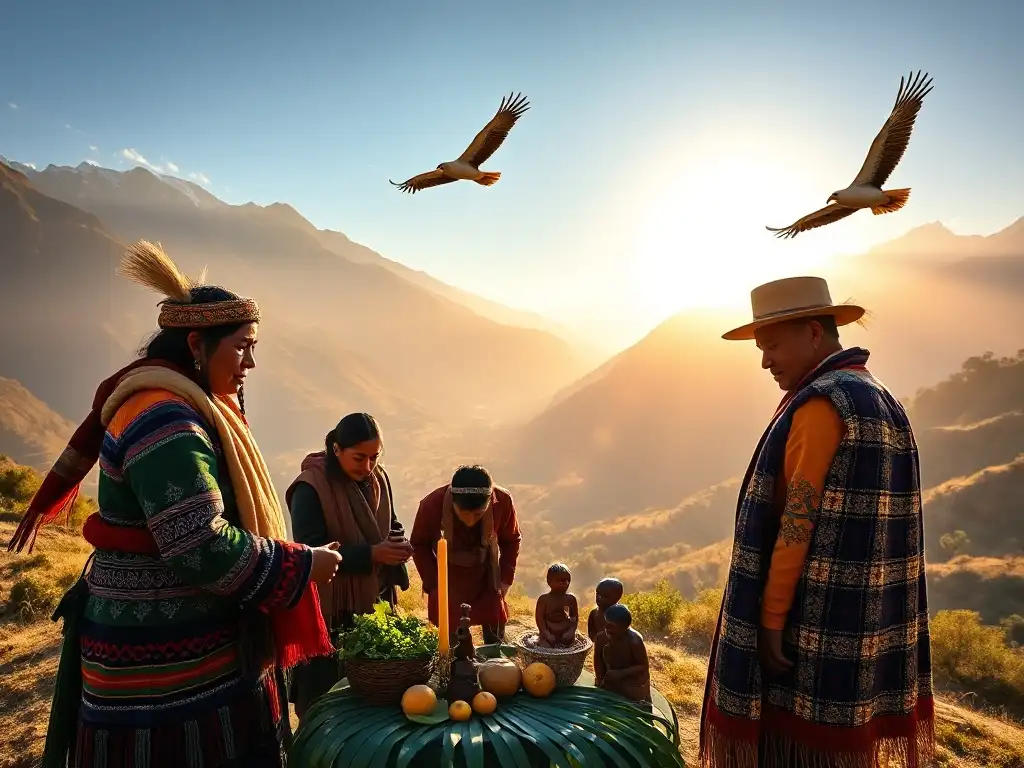
Unravel the mysteries of a world lost to time, yet echoing in the Andes today. Journey with us into the heart of the ancient Andean civilizations, where intricate rituals intertwined seamlessly with the rhythms of nature. Discover how the Incas, Moche, Nazca, and Tiahuanaco harnessed the power of the cosmos and the land. Prepare to be captivated by the profound connection between Andean civilization rituals and nature cycles – a story waiting to be unveiled. Dive in and explore!
The Andes Mountains, a spine of towering peaks and deep valleys stretching along the western coast of South America, presented both challenges and opportunities to the ancient civilizations that thrived there. Understanding the intricate relationship between these societies and their environment is key to comprehending their remarkable achievements. This article delves into the profound connection between Andean rituals and the natural cycles that shaped their lives, exploring how their spiritual beliefs and practices were deeply intertwined with the rhythms of the Andes – from the annual agricultural cycles to the celestial movements above.
We will examine how this understanding of nature influenced their daily lives, their social structures, and their remarkable capacity for adaptation in a challenging landscape. This exploration will encompass several key Andean cultures, highlighting the common threads and unique variations in their approaches to ritual and their relationship with the natural world.
Understanding this interconnectedness provides crucial insights into the resilience and ingenuity of Andean civilizations, offering a fresh perspective on their lasting legacy. The keyword "Andean civilization rituals nature cycles" will be explored throughout the article, examining how the cyclical nature of Andean life informed religious practices and vice versa.
The Inca's Relationship with the Pachamama
The Inca Empire, at its zenith, controlled a vast territory across the Andes. Their worldview was profoundly shaped by the concept of Pachamama, the Earth Mother. This powerful deity represented the fertile earth, the source of all life, and was the focus of numerous rituals throughout the agricultural year.
Inca farmers performed ceremonies to ensure bountiful harvests, appeasing Pachamama through offerings of coca leaves, chicha (fermented maize beverage), and other gifts. These rituals weren't merely superstitious acts; they were integral to the Inca's sophisticated agricultural techniques, reflecting a deep understanding of the land and its cycles. The Inca calendar, meticulously aligned with the agricultural seasons and celestial movements, dictated the timing of these crucial ceremonies, further emphasizing the importance of synchronicity between human actions and the natural world.
Failures to honor Pachamama were believed to result in crop failures and other misfortunes, demonstrating the profound influence of this deity on all aspects of Inca life. The intricate system of mit'a, a form of labor tribute, also played a vital role in maintaining the agricultural infrastructure crucial for the Inca’s survival, further highlighting the importance of a unified approach to working with the land.
Agricultural Cycles and Ritual Observances in Other Andean Cultures
Beyond the Inca, other Andean cultures developed sophisticated agricultural practices and associated rituals reflecting their unique environments and beliefs. The Moche civilization, known for their intricate irrigation systems and vibrant pottery depicting ritual scenes, performed ceremonies related to water and fertility. Their elaborate rituals, often depicted in their art, involved human sacrifice, highlighting the perceived importance of maintaining a balance between the human and supernatural worlds to ensure successful harvests.
Similarly, the Nazca culture, famous for their enigmatic geoglyphs, likely performed rituals connected to water management given the arid nature of their environment. While the precise nature of these rituals remains debated, the evidence suggests a deep connection between their survival and their understanding of the delicate balance of their ecosystem.
The Tiahuanaco culture, with its impressive monumental architecture, likely performed rituals related to water and agriculture, reflecting the importance of these resources in the high-altitude environment they inhabited. [Further research needed on specific Tiahuanaco rituals related to agricultural cycles].
Celestial Observation and Ritual Timing
The Andean civilizations possessed an advanced understanding of astronomy, using their observations of the sun, moon, and stars to regulate their agricultural practices and time their rituals. The precise alignment of many Andean structures with celestial events suggests a deliberate attempt to synchronize human activities with the cosmic order.
This sophisticated understanding of astronomy was not merely for scientific purposes; it was intricately woven into their religious beliefs and rituals. For example, the solstices and equinoxes marked significant moments in the agricultural calendar, triggering specific ceremonies designed to ensure the continued fertility of the land and the prosperity of the community.
The precise dates and methods of these observations vary across different cultures, but the underlying principle of aligning human actions with the celestial cycles remains a common thread. This synchronicity underscores the deep spiritual connection the Andean people had with the cosmos and their profound respect for the natural order.
The Legacy of Andean Rituals and Their Relevance Today
The legacy of Andean rituals and their deep connection to the cycles of nature continues to resonate today. Many Andean communities still maintain traditional practices, reflecting the enduring importance of these ancient beliefs. Understanding the intricate relationship between Andean civilizations and their environment offers valuable insights into sustainable living and the importance of respecting the delicate balance of ecosystems.
The sophisticated agricultural techniques and water management strategies employed by these societies provide valuable lessons for modern-day challenges related to climate change and resource scarcity. The study of Andean rituals, therefore, transcends the realm of historical archaeology, offering relevant perspectives on contemporary environmental concerns and the enduring power of spiritual connection to the natural world. 🌱
- The Inca's Relationship with the Pachamama
- Agricultural Cycles and Ritual Observances in Other Andean Cultures
- Celestial Observation and Ritual Timing
- The Legacy of Andean Rituals and Their Relevance Today
- How did Andean civilizations understand the relationship between humans and nature?
- What role did rituals play in the Andean relationship with nature?
- Can you give examples of rituals connected to the agricultural cycle?
- How did Andean cosmology influence their rituals?
- What evidence do we have for Andean rituals and their connection to nature?
The Intertwined Worldview of Andean Civilizations and Nature
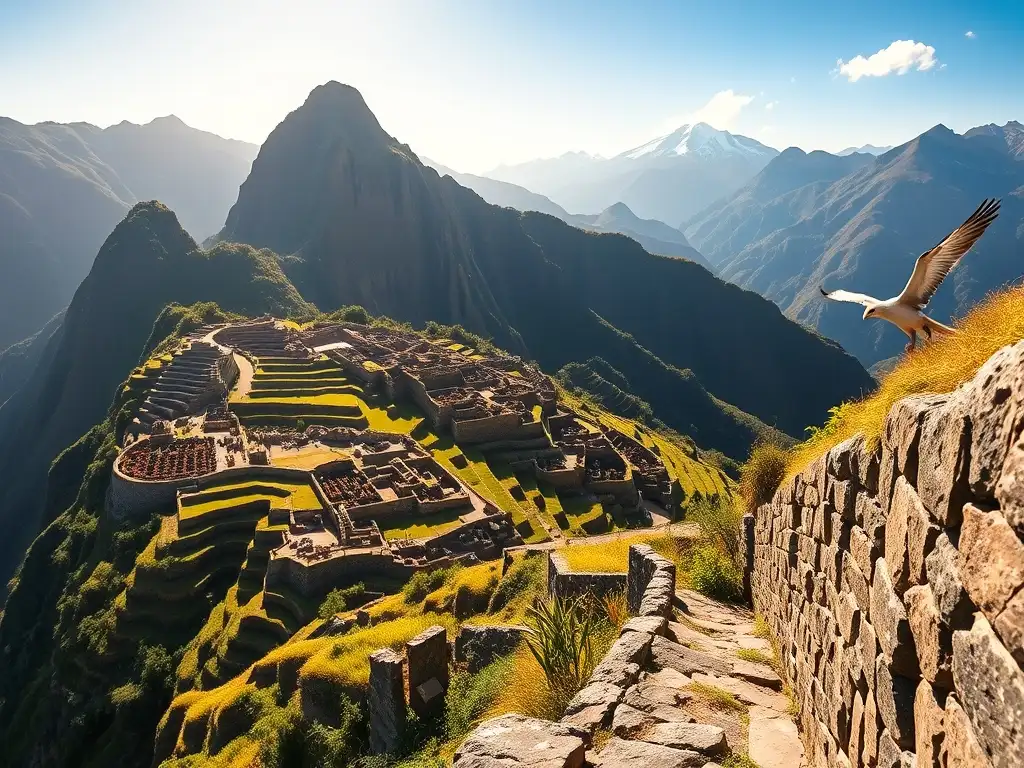
This section explores the deeply interconnected worldview of Andean civilizations, highlighting the inseparable bond between their societal structures, spiritual beliefs, and the natural environment. Understanding this intricate relationship is crucial to comprehending the significance of their rituals and their profound adaptation to the challenging Andean landscape. The Andean worldview wasn't simply a matter of humans existing within nature; it was a belief system where humans were an integral part of nature, participating in its rhythms and cycles.
This holistic perspective shaped every aspect of life, from agricultural practices to elaborate religious ceremonies. The concept of ayni, reciprocal exchange, permeated all interactions, emphasizing the balance and interdependence between humanity and the natural world. This principle extended beyond human relationships to encompass the reciprocal relationship between humans and the environment.
Ignoring this interconnectedness would be to fundamentally misunderstand the motivations and meanings behind Andean rituals. The very survival of these cultures depended on this harmonious relationship. The following sections will delve deeper into specific aspects of this fascinating connection.
The Significance of Natural Cycles in Andean Beliefs
Andean civilizations, including the Incas, Moche, Nazca, and Tiahuanaco, meticulously observed and incorporated natural cycles into their religious and social practices. The annual agricultural cycle, dictated by the predictable rhythms of the Andes—the wet and dry seasons, the solstices, and the equinoxes—formed the backbone of their calendar and rituals. These cycles weren't merely observed; they were actively participated in through elaborate ceremonies designed to ensure bountiful harvests and appease the forces of nature.
For example, the capacocha sacrifices, while controversial, were often linked to agricultural cycles and viewed as a way to maintain balance and ensure the fertility of the land. The timing of these rituals, often coinciding with specific astronomical events, underscores the importance placed on the precise alignment of human actions with the natural world. Careful observation of celestial bodies, such as the sun and stars, played a vital role in determining the optimal times for planting, harvesting, and conducting religious ceremonies.
This close observation and understanding of natural rhythms demonstrates a sophisticated level of knowledge and adaptation to the environmental challenges of the Andes. The meticulous tracking of these cycles wasn't merely a practical matter; it was deeply embedded within their spiritual understanding of the cosmos.
Andean Cosmovision: Connecting Rituals with the Environment
The Andean cosmovision, a complex system of beliefs encompassing the spiritual and physical realms, provides the framework for understanding the profound connection between their rituals and the environment. This worldview envisioned a layered cosmos, with the earthly realm interconnected with the celestial and underworldly spheres. Mountains, rivers, and other geographical features weren't simply geographical landmarks; they were considered sacred entities, inhabited by spirits and deities.
Rituals, therefore, were not just symbolic actions but direct interactions with these spiritual forces, aimed at maintaining harmony and balance within the entire cosmos. The intricate network of huacas, sacred sites, scattered throughout the landscape, served as focal points for these rituals, reinforcing the interconnectedness of the spiritual and physical worlds. The construction of these sites, often strategically located in relation to geographical features, further emphasizes the integration of the natural world into their religious practices.
The design and orientation of these sites, often aligned with astronomical events, reflect a sophisticated understanding of both the natural and spiritual realms. The k'apaq ñan, the extensive Inca road system, facilitated movement and communication, connecting communities and sacred sites across vast distances, further highlighting the importance of maintaining this interconnectedness.
Understanding the Relationship Between Andean Rituals and Pachamama
The concept of Pachamama, the Earth Mother, is central to understanding the relationship between Andean rituals and the environment. Pachamama is not simply the earth; she is a powerful deity, the source of life and fertility, demanding respect and reciprocity. Rituals aimed at appeasing Pachamama were crucial for ensuring the prosperity of the community and the fertility of the land. These rituals involved offerings of food, drink, coca leaves, and other items, presented as a form of thanks and a plea for continued abundance.
The act of offering itself was a symbolic representation of the reciprocal relationship between humans and the natural world, reflecting the principle of ayni. Failure to maintain this balance was believed to result in natural disasters, crop failures, and other misfortunes. The importance of Pachamama is evident in the prevalence of agricultural rituals throughout Andean cultures.
These rituals, often involving elaborate ceremonies and processions, highlight the deep spiritual connection between the people and the land, demonstrating a profound understanding of the interconnectedness of their lives and the natural world. The persistence of these beliefs and practices, even in contemporary Andean societies, underscores the enduring significance of Pachamama and the enduring link between Andean culture and the environment. The intricate relationship between Andean civilization rituals and the natural cycles remains a testament to their remarkable adaptability and profound spiritual understanding of the world around them.
Key Andean Rituals and Their Connection to Nature's Rhythms
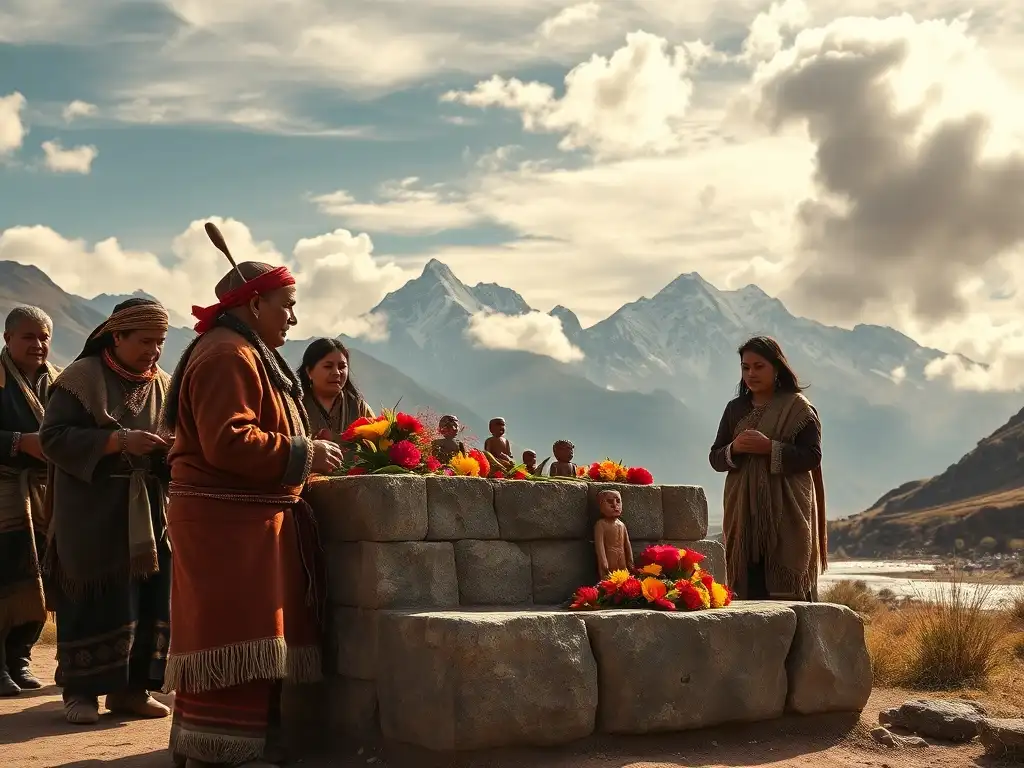
Andean civilizations, renowned for their ingenuity in adapting to the challenging Andean landscape, developed intricate religious and social systems deeply intertwined with the natural world. Their rituals weren't merely symbolic acts; they were practical strategies for ensuring successful harvests, managing water resources, and maintaining a harmonious relationship with the environment. This section explores some key rituals and their profound connection to the cycles of nature, highlighting the sophisticated understanding of Andean societies regarding ecological balance and sustainability. Understanding these practices provides crucial insight into the resilience and adaptability of Andean civilization rituals nature cycles.
The Inti Raymi Festival: Honoring the Sun God and the Harvest
The Inti Raymi, or "Festival of the Sun," was the most important annual celebration in the Inca Empire. Held on June 21st, the winter solstice in the Southern Hemisphere, it marked the shortest day of the year and the symbolic rebirth of the sun. This pivotal moment in the agricultural cycle was deeply significant, as the sun's strength directly impacted the success of the upcoming harvest. The festival wasn't merely a religious observance; it was a crucial societal event that reinforced the Inca's power and ensured the cooperation of all social strata in agricultural production.
The Inti Raymi involved elaborate ceremonies at the Sacsayhuamán fortress near Cusco. The Inca emperor, representing the sun god Inti, presided over the rituals, which included sacrifices (often llamas), offerings of food and drink, and vibrant processions. The festival's timing coincided with the beginning of the agricultural season, symbolizing the sun's renewed energy and its crucial role in the growth of crops.
The festivities included music, dance, and feasts, demonstrating the importance of communal celebration and reinforcing social bonds within the Inca empire, directly linked to the success of the agricultural cycle and the survival of the Andean civilization. The detailed planning and execution of Inti Raymi underscore the deep connection between religious belief, agricultural practices, and the societal structure of the Inca civilization.
Pachamama Rituals: Offerings and Gratitude to Mother Earth
Pachamama, or "Mother Earth," was a central deity in Andean cosmology. Representing the life-giving force of the earth, she was revered through a variety of rituals and offerings designed to maintain her favor and ensure fertile lands and bountiful harvests. These rituals weren't confined to a specific time of year; instead, they were performed throughout the agricultural calendar, reflecting the continuous interaction between humans and the natural world.
Offerings to Pachamama were diverse and varied depending on the specific need or occasion. These could include coca leaves (a sacred plant), chicha (a fermented corn beverage), food, and even small animals. The offerings weren't simply discarded; they were carefully placed in designated locations, such as cracks in the earth, mountaintops, or near water sources.
This act symbolized a reciprocal relationship: humans provided gifts to Pachamama, and in return, she provided sustenance. The practice of making offerings to Pachamama persisted across different Andean cultures, highlighting its enduring significance in shaping their relationship with the environment and their understanding of Andean civilization rituals nature cycles. Archaeological evidence consistently reveals evidence of these offerings, confirming their widespread practice and importance.
Water Rituals: Celebrating Life-Giving Water Sources
Water, a precious resource in the arid and high-altitude Andean environment, held immense spiritual and practical significance. Numerous rituals were dedicated to celebrating and honoring water sources, from mountain springs to rivers and lakes. These rituals, often performed by specialized priests or community leaders, aimed to ensure a continuous flow of water, vital for agriculture and human survival.
One common practice involved making offerings to water deities or spirits associated with specific water sources. These offerings, similar to those made to Pachamama, were often left at the source itself, expressing gratitude and seeking blessings for abundant water. The construction of intricate irrigation systems by Andean civilizations, coupled with their water rituals, demonstrates their sophisticated understanding of water management and their deep respect for this essential element.
The careful planning and engineering of these systems, along with the religious practices surrounding them, showcase the intricate interplay between technology, spirituality, and adaptation within Andean civilization rituals nature cycles. The preservation of water sources was not only a practical necessity but also a spiritual responsibility.
Rituals for the Agricultural Cycle: From Planting to Harvest
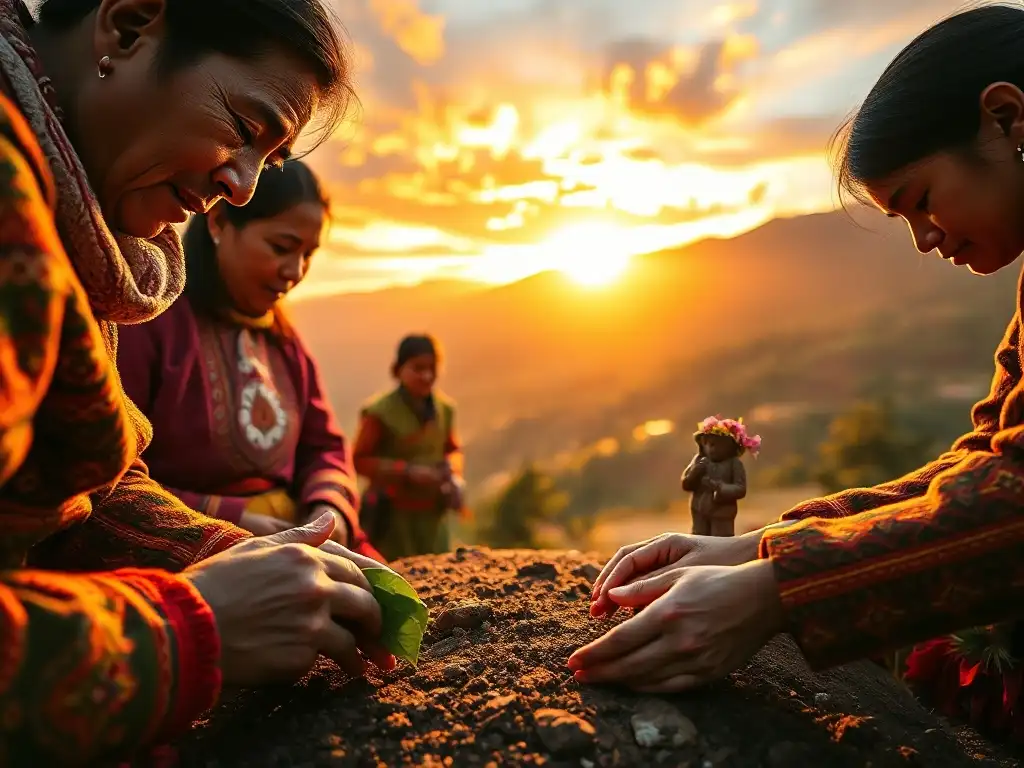
Andean civilizations, profoundly shaped by their environment, developed intricate rituals deeply intertwined with the agricultural cycle. Their survival depended on the success of their crops, primarily potatoes, maize, and quinoa, making agricultural rituals central to their worldview and social structure. These weren't simply superstitious practices; they were sophisticated systems of managing resources and ensuring community cohesion.
The planting season, often marked by specific celestial events or changes in weather patterns, was a time of great communal activity. Rituals involved offerings to the apus (mountain spirits), considered powerful deities influencing the fertility of the land. These offerings might include coca leaves, chicha (a fermented corn beverage), or even llama sacrifices in more significant ceremonies.
Prayers and chants were integral, invoking blessings for abundant harvests and protection from natural disasters like frost or drought. Specific rituals varied depending on the particular Andean culture; for example, the Inca might have performed elaborate ceremonies involving the capacocha (human sacrifice), while smaller communities might have relied on simpler, more localized practices.
The harvest, a time of celebration and gratitude, was marked by equally important rituals. Festivals often involved feasting, music, and dance, celebrating the bounty of the land and thanking the apus and other deities for their generosity. A portion of the harvest was typically set aside as an offering, ensuring continued prosperity in the coming year.
The intricate relationship between the Andean people and their agricultural practices is evident in the complex interplay between ritual, social organization, and environmental factors. The timing and specifics of these rituals demonstrated a profound understanding of agricultural cycles and a deep respect for the natural world. Archaeological evidence, including the discovery of ceremonial sites near agricultural fields and the depiction of agricultural rituals in pottery and textiles, provides compelling support for this understanding.
The Andean civilizations held a deep reverence for animals, recognizing their crucial role in their survival and integrating them significantly into their ritualistic practices. Llamas, alpacas, and vicuñas were not merely sources of food, wool, and transportation; they were considered sacred creatures, deeply intertwined with the spiritual world.
Animal-related rituals ranged from small-scale offerings of food and drink to large-scale sacrifices performed during important festivals or times of crisis. Llamas, in particular, held a prominent position in many rituals, often sacrificed to appease the apus or to ensure successful harvests. The sacrifice wasn't simply a brutal act; it was a complex ritual laden with symbolic meaning, representing a reciprocal relationship between humans and the spirit world.
The careful treatment of the animal's remains, often meticulously buried or displayed, underscores the respect afforded to these creatures. Furthermore, the selection of specific animals for sacrifice often held symbolic significance, reflecting the importance of maintaining balance within the ecosystem.
Beyond llamas, other animals played significant roles in Andean rituals. Birds, often associated with messages from the gods, featured prominently in ceremonies. Certain birds, like condors, were considered sacred and their feathers used in ceremonial attire. Similarly, specific animals might have been associated with particular deities or agricultural cycles, influencing the nature and timing of the rituals.
The integration of animals into Andean rituals reveals a holistic worldview where humans and animals coexisted within a complex spiritual and ecological system. The reverence shown to animals demonstrates a sophisticated understanding of the interconnectedness of life and the importance of maintaining harmony within the Andean landscape. The careful study of Andean iconography reveals the deep symbolic meaning attached to various animals and their roles in the diverse rituals of different Andean cultures.
The Role of Andean Priests and Shamans in Ritual Practices
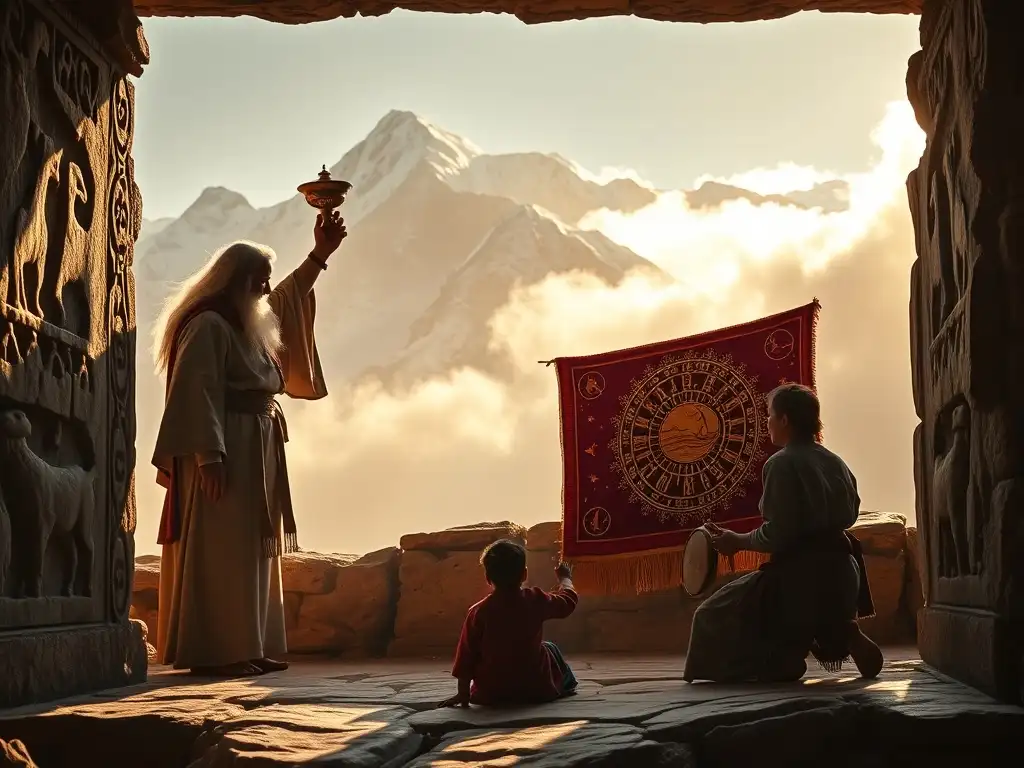
The intricate relationship between Andean civilizations and their environment is profoundly reflected in their ritual practices. These rituals, far from being mere ceremonies, were integral to the societies' survival and prosperity, deeply intertwined with the cyclical rhythms of nature. Central to these practices were the yachaq, or priests, and the paqos, or shamans, who acted as intermediaries between the human and spiritual realms, interpreting the will of the gods and ensuring the continuation of life-giving cycles.
Understanding their roles is crucial to understanding the profound connection between Andean civilization rituals and nature cycles. The effectiveness of these rituals depended heavily on the priests' and shamans' abilities to accurately perceive and interpret natural phenomena. A failed harvest, an unusual weather pattern, or a disease outbreak were all interpreted through a spiritual lens, requiring ritual intervention to restore balance.
The Connection Between Andean Priests and the Natural World
Andean priests weren't simply religious figures; they were deeply embedded in the natural world. Their knowledge extended far beyond theological doctrines; they were also skilled astronomers, agricultural experts, and healers. They meticulously observed celestial movements, correlating them with agricultural cycles and predicting weather patterns.
This intimate knowledge informed their rituals, ensuring the timing and efficacy of ceremonies aimed at guaranteeing bountiful harvests and warding off natural disasters. For example, the Inca calendar, a sophisticated system reflecting their understanding of solar and lunar cycles, guided the timing of agricultural rituals like the Capac Raymi, the most important festival dedicated to the sun god Inti. The priests' understanding of the intricate interplay between the sun, the moon, and the earth was paramount in their ability to interpret natural events and perform rituals to maintain harmony.
Their deep connection with the natural world wasn't merely symbolic; it was a practical necessity for the survival of their communities. Evidence suggests that priests held significant political power, often advising rulers on matters of state based on their interpretations of natural signs.
The Importance of Shamans in Andean Rituals
While priests held positions of authority within the established religious structure, shamans played a crucial, albeit different, role in Andean rituals. Shamans, often possessing specialized knowledge of medicinal plants and healing practices, acted as conduits to the spirit world, employing trance-inducing techniques and divination to communicate with supernatural beings. They played a critical role in healing ceremonies, often invoking the power of nature spirits to cure illnesses and restore balance within individuals and the community.
Their rituals frequently involved the use of hallucinogenic plants, such as ayahuasca or san pedro cactus, to induce altered states of consciousness, allowing them to access and interact with the spirit realm. The use of these plants wasn't recreational; they were considered sacred tools facilitating communication with the supernatural, providing insights into the causes of illness and offering guidance for healing.
The shaman's role was essential in bridging the gap between the physical and spiritual realms, offering a distinct approach to addressing the challenges posed by the environment and ensuring the well-being of the community. Their expertise was highly valued, further emphasizing the deep integration of spiritual beliefs and practical necessities in Andean life.
Interpreting Signs from Nature in Andean Ritual Practices
The interpretation of natural phenomena was central to Andean ritual practices. Unusual weather events, animal behavior, and even the patterns of plant growth were all meticulously observed and analyzed by both priests and shamans. These observations weren't viewed as mere coincidences; they were considered messages from the gods, requiring appropriate ritual responses.
For instance, a drought might be interpreted as a sign of displeasure from the gods, necessitating appeasement rituals to restore their favor and ensure the return of rain. Similarly, the appearance of certain celestial events could trigger rituals aimed at maximizing the benefits of the upcoming agricultural season. This constant attention to natural signs highlights the Andean civilizations' deep understanding of their environment and their sophisticated ability to integrate ecological knowledge into their spiritual practices.
The interpretation of these signs wasn't arbitrary; it was based on a complex system of beliefs and knowledge accumulated over generations, demonstrating the enduring link between Andean civilization rituals, nature cycles, and the survival of their communities. This nuanced approach underscores the holistic nature of their worldview, where the spiritual and the material were inextricably intertwined.
The following table summarizes the key differences between priests and shamans in Andean ritual practices:
| Feature | Andean Priests | Andean Shamans |
|---|---|---|
| Role | Intermediaries with the gods; maintain order and harmony | Healers; communicate with spirits; induce altered states of consciousness |
| Knowledge | Astronomy, agriculture, theology | Medicinal plants, divination, trance states |
| Ritual Focus | Large-scale community ceremonies; ensuring bountiful harvests and order | Individual and community healing; addressing imbalances |
| Methods | Observation of celestial events; offerings; prayers | Use of hallucinogenic plants; trance; divination |
This intricate interplay between the spiritual and the natural world shaped the very fabric of Andean life, offering a compelling example of how a civilization could thrive by harmoniously integrating its understanding of nature with its religious beliefs. The legacy of these practices continues to resonate today, highlighting the timeless wisdom embedded within the rituals of these ancient cultures.
The Continuing Legacy of Andean Rituals in Modern Times
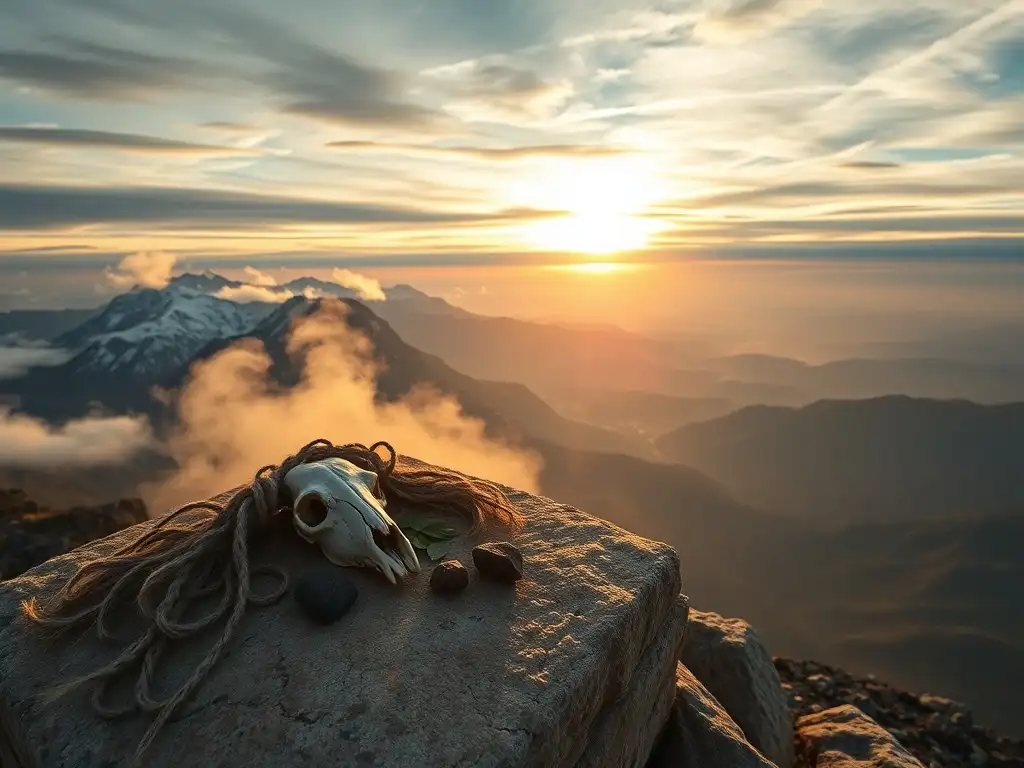
The intricate relationship between Andean civilizations and the natural world is profoundly reflected in their rituals, which continue to resonate in contemporary Andean communities. Understanding this enduring legacy requires examining how these practices have adapted, been preserved, and contribute to the maintenance of cultural identity. The cyclical nature of Andean life, deeply intertwined with agricultural cycles and celestial events, ensured the rituals weren't static traditions, but rather evolving systems reflecting changing realities while retaining core beliefs.
The very survival of these communities depended on a harmonious relationship with their environment, a relationship solidified and celebrated through ritual. This deep-seated connection explains the persistence of these practices despite the introduction of new religions and global influences. The Andean civilization rituals nature cycles continue to influence the daily life of the people today.
Modern Adaptations of Traditional Andean Rituals
Modern adaptations of Andean rituals demonstrate a remarkable ability to integrate ancient practices into contemporary life. While the precise forms and ceremonies might vary across different communities, the underlying principles remain consistent. For instance, the Pachamama offering – a ritualistic act of giving thanks to Mother Earth – continues to be practiced, albeit with some modifications.
In the past, these offerings might have involved elaborate sacrifices; today, they often involve simpler gestures like scattering coca leaves or pouring chicha (a fermented corn beverage) on the earth. This adaptation reflects a pragmatic response to changing socio-economic conditions without abandoning the core belief in reciprocal exchange with nature. Furthermore, the significance of Apus (mountain spirits) persists, although their veneration might now incorporate elements of Catholicism, demonstrating a syncretism that allows for the integration of different belief systems.
The continued use of traditional Andean instruments during religious celebrations and festivals further underscores this blend of old and new. The festivals themselves, while incorporating modern elements like music and dance, maintain their underlying focus on agricultural cycles and the veneration of nature's bounty.
The Preservation of Andean Rituals in Contemporary Communities
The preservation of Andean rituals is largely dependent on the active participation of community members, particularly elders who act as custodians of traditional knowledge. These individuals play a crucial role in transmitting knowledge and practices to younger generations, ensuring the continuity of these traditions. Oral transmission remains a primary method of preserving ritual knowledge, with stories, songs, and dances carrying the weight of centuries of tradition.
However, there is a growing recognition of the need for formal documentation and archiving of these practices to safeguard them against loss. Efforts are underway in various communities to document rituals through written accounts, audio recordings, and video documentation. This documentation not only helps preserve the rituals themselves but also provides valuable insights into the cultural beliefs and practices of the Andean civilizations.
This careful preservation is crucial for maintaining the unique cultural heritage of the Andean region, a heritage intimately bound with the cycles of nature. The active engagement in these preservation efforts demonstrates a conscious effort to ensure the continuity of Andean cultural identity for future generations, securing their understanding of the deep connection between their ancestors and the land.
The Significance of Rituals in Maintaining Andean Cultural Identity
Andean rituals play a vital role in reinforcing cultural identity and community cohesion. Participation in these rituals fosters a sense of belonging and shared history, strengthening social bonds within the community. The rituals themselves are not merely symbolic acts; they are active engagements with the natural world and a demonstration of respect for ancestral knowledge.
They provide a framework for understanding the community's place within the larger ecosystem and reinforce the importance of environmental stewardship. The continued practice of these rituals underscores a deep-seated connection to the land and a commitment to preserving traditional values and beliefs. Moreover, the transmission of these rituals across generations helps maintain a sense of continuity and cultural heritage, connecting contemporary communities to their rich past.
For example, the celebration of Inti Raymi (the Inca festival of the sun) serves not only as a vibrant cultural event but also as a powerful reminder of the Inca Empire's legacy and the enduring connection between the Andean people and their history. The survival and adaptation of these rituals are a testament to the resilience and cultural richness of the Andean civilizations. The enduring power of these rituals underscores their importance in shaping and maintaining Andean cultural identity in the face of modern challenges.
Analyzing the Impact of Andean Rituals on Environmental Sustainability
Andean civilization rituals nature cycles were deeply intertwined, reflecting a profound understanding of the environment and its rhythms. This wasn't merely a spiritual practice; it was a sophisticated system of resource management and ecological stewardship that ensured the long-term sustainability of their communities. The rituals weren't detached from daily life; instead, they permeated every aspect, from agriculture to water management, shaping a unique relationship between humans and nature.
This section will explore how these rituals contributed to the remarkable adaptability and resilience of Andean societies. Understanding these practices offers valuable insights for contemporary approaches to environmental sustainability. The integration of spiritual beliefs with practical actions resulted in a complex system that deserves careful examination.
The Ecological Wisdom Embedded in Andean Rituals
Many Andean rituals centered around the cyclical nature of the seasons and the agricultural calendar. The capacocha, for example, involved the sacrifice of children and animals, often interpreted as offerings to ensure good harvests and appease the mountain spirits controlling water sources. While the practice is undeniably controversial from a modern perspective, it highlights the deep connection between human actions and the perceived forces of nature.
The timing of these ceremonies was crucial, often coinciding with solstices and equinoxes, emphasizing the importance of aligning human activity with natural rhythms. Furthermore, the intricate ceremonies involved meticulous preparation and communal participation, reinforcing a shared responsibility towards environmental stewardship. Detailed ethnographic studies reveal the significant role of shamans and priests in interpreting natural phenomena and guiding agricultural practices.
Their deep knowledge of celestial cycles and ecological indicators informed the timing and nature of the rituals, ensuring the alignment of human actions with the natural world. This knowledge wasn't esoteric; it was fundamental to the survival and prosperity of the community.
Andean Practices as a Model for Sustainable Living
The Andean civilizations developed ingenious methods for adapting to the challenging Andean environment. These methods, often intertwined with their spiritual beliefs, offer valuable lessons for contemporary sustainable living. For example, their sophisticated water management systems, such as canals and irrigation terraces, not only provided water for agriculture but also mitigated the risks of floods and droughts. The integration of these systems with their spiritual beliefs, where water was often revered as a sacred element, reinforced responsible water usage. Similarly, their agricultural practices, including crop rotation and terracing, were environmentally conscious, maximizing yields while minimizing soil erosion. This holistic approach, combining practical knowledge with spiritual reverence for nature, resulted in a sustainable way of life that endured for centuries. Evidence suggests that the intensity of their agricultural practices was carefully calibrated to avoid overexploitation of resources. This highlights a nuanced understanding of carrying capacity and the long-term consequences of unsustainable practices.
The Use of Terracing and Crop Rotation in Andean Agriculture
The Andes' steep slopes presented a significant challenge to agriculture. However, the Andean people overcame this obstacle through the ingenious development of terracing. Terraces transformed steep hillsides into a series of level platforms, increasing arable land and reducing erosion. The construction of these terraces was a massive undertaking, requiring significant labor and coordination.
These weren't simply agricultural solutions; they were a testament to the community's ability to cooperate and adapt to environmental constraints. The meticulous design of the terraces, taking into account soil type, water availability, and sunlight exposure, demonstrates a sophisticated understanding of agroecology. Combined with crop rotation, which prevented soil depletion and pest infestations, this system ensured high agricultural yields over extended periods. Archaeological evidence shows the remarkable longevity and effectiveness of these systems, proving their sustainability over generations.
The precise techniques employed varied across different Andean cultures, reflecting adaptation to local environmental conditions. However, the underlying principle—harmonious integration with the natural environment—remained constant. This careful management of resources is a powerful example of sustainable agricultural practices.
Frequently Asked Questions
How did Andean civilizations understand the relationship between humans and nature?
Andean civilizations viewed nature as sacred and interconnected. Their worldview emphasized a deep harmony between the human and natural worlds, with rituals designed to maintain this balance. Reciprocity was key; humans offered to the gods and the earth, expecting a bountiful return.
What role did rituals play in the Andean relationship with nature?
Rituals were central to maintaining the balance between the human and spiritual realms. They involved offerings, ceremonies, and festivals connected to agricultural cycles, weather patterns, and the life cycle. These rituals aimed to ensure the continuation of life and prosperity.
Can you give examples of rituals connected to the agricultural cycle?
Many rituals focused on planting and harvesting. For example, the Incas held ceremonies to ensure a successful harvest, making offerings to the gods of agriculture and fertility. These were often accompanied by festivities and sacrifices, demonstrating their respect for the earth's bounty.
How did Andean cosmology influence their rituals?
Andean cosmology, with its emphasis on mountain spirits (apus), celestial bodies, and the underworld, strongly influenced their rituals. These spiritual elements were incorporated into ceremonies, reflecting their belief in a complex interconnected universe. Rituals aimed to appease and interact with these spiritual forces.
What evidence do we have for Andean rituals and their connection to nature?
Archaeological evidence, such as sacrificial sites, agricultural terraces, and depictions in pottery and textiles, provides insight into Andean rituals. These findings reveal the importance of nature worship, ancestor veneration, and the cyclical nature of life and death within their spiritual beliefs.
Final Reflection: Echoes of the Andes, Whispers of the Future
The intricate relationship between Andean civilizations and the natural world, explored throughout this article, remains profoundly relevant today. Our modern, increasingly disconnected existence urgently needs to re-evaluate its relationship with the environment, learning from the wisdom embedded in ancient practices. The cyclical understanding of life, death, and rebirth, so central to Andean cosmology, offers a powerful antidote to the linear, exploitative model that dominates much of contemporary society.
The enduring power of Andean rituals lies not just in their historical significance, but in their capacity to resonate with our deepest human needs – the need for connection, for meaning, and for a sense of belonging within a larger, interconnected web of life. These rituals, far from being relics of the past, offer a potent reminder of our inherent interdependence with nature. The earth does not belong to man; man belongs to the earth.
This sentiment, though not directly from an Andean source, perfectly encapsulates the profound respect for nature that underpins their worldview and should inform our own.
Consider the cyclical rhythms of the Andes – the changing seasons, the ebb and flow of life. These rhythms are not just external forces; they are woven into the very fabric of existence. You, too, are part of this cycle. Reflect on your own relationship with nature. How can you cultivate a deeper appreciation for the interconnectedness of all things? How can you integrate the wisdom of the Andes – their respect for the earth, their understanding of cyclical time – into your own life, creating a more sustainable and fulfilling future for yourself and generations to come?
Embrace the Andean Wisdom and Take Action Today!
Thank you for exploring the fascinating world of Andean rituals and their profound connection to nature's cycles. Your interest in this rich cultural heritage is a wonderful starting point for deeper understanding and appreciation. Now, let's put that interest into action!
- Learn more about Andean traditions. Consider joining a local workshop or online course to delve into the practices and philosophies. These experiences can foster a stronger connection to nature and its rhythms.
- Share your discoveries. Inspire others by discussing what you've learned with friends and family, or by creating a social media post about your newfound knowledge.
- Immerse yourself in Andean culture. Explore the landscape virtually or plan a visit to significant historical sites. Connecting with local communities that maintain these traditions can be incredibly enriching.
What aspect of Andean rituals resonates most with you, and how will you integrate it into your daily life?