
From Alpaca to Art: The Journey of Andean Fibers in Textile Creation

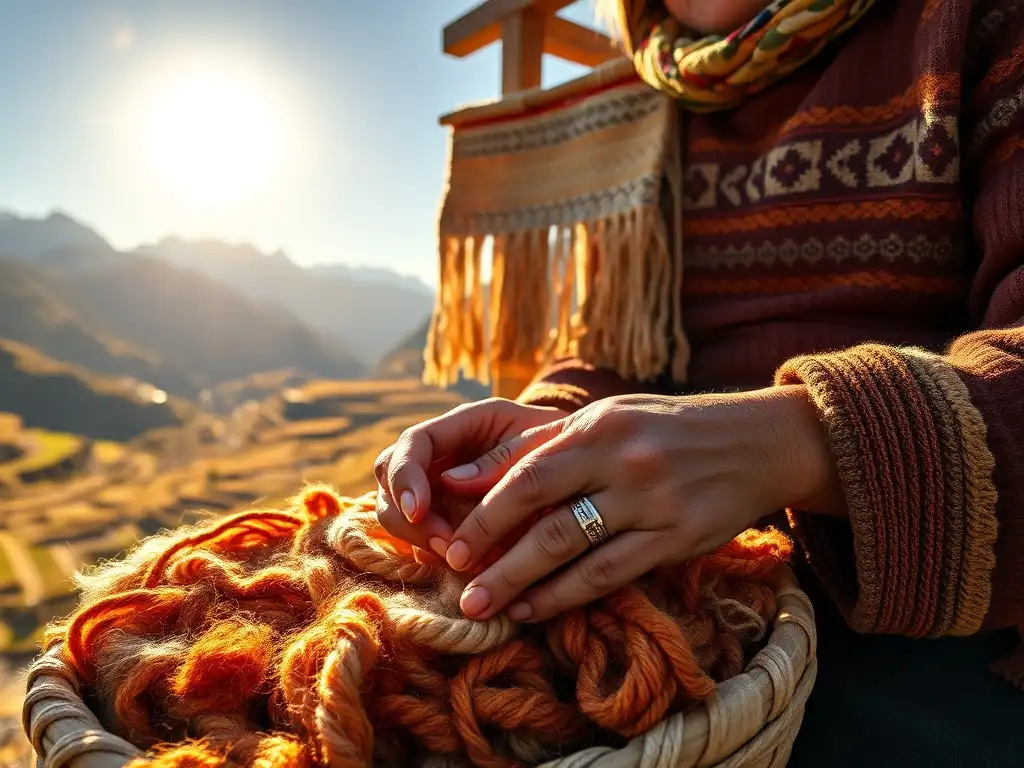
Unravel the mysteries of the Andes! Prepare to be captivated by a world of breathtaking artistry and ingenuity as we delve into the fascinating history of Andean textile fiber. Journey with us through centuries of innovation, from the humble alpaca to the exquisitely crafted textiles that tell the vibrant story of ancient Andean civilizations. Discover the secrets behind their remarkable techniques and the enduring legacy woven into every thread. Dive in and uncover the intricate tapestry of Andean textile fiber history – a journey you won't soon forget.
The Andes Mountains, a spine of towering peaks running down the western edge of South America, are not only a geographical marvel but also the cradle of a rich and complex tapestry of cultures. For millennia, the ingenious inhabitants of this challenging landscape have harnessed the natural resources around them, transforming them into breathtaking works of art.
Nowhere is this more evident than in the story of Andean textile fiber history, a narrative woven through generations, reflecting societal structures, spiritual beliefs, and technological advancements. This article delves into the fascinating journey of Andean fibers, from their origins as raw materials to their transformation into the exquisite textiles that continue to captivate the world.
We'll explore the diverse sources of fibers, the intricate processes involved in their transformation, and the enduring legacy of Andean textile traditions, all contributing to a deeper understanding of "Andean textile fiber history". Prepare to be amazed by the ingenuity and artistry of these ancient Andean cultures.
Understanding the Rich History of Andean Textile Fibers
The Significance of Andean Textile Fiber History
The study of Andean textile fiber history offers a unique window into the past. Textiles weren't simply clothing; they were integral to the social, political, and religious life of Andean societies. The fibers themselves, their preparation, and the resulting textiles held deep symbolic meaning, reflecting social status, ritual practices, and cosmological beliefs.
Analyzing the fibers, dyes, and weaving techniques used in ancient textiles allows researchers to reconstruct aspects of daily life, trade networks, and cultural exchanges across vast geographical areas. The intricate designs and patterns woven into these textiles often encoded complex narratives, transmitting knowledge and traditions across generations. The sheer longevity and sophistication of Andean textile traditions underscore their profound importance in the shaping of Andean civilizations.
Archaeological discoveries continue to unearth incredible textiles, providing invaluable insights into this rich and multifaceted history. The study of these textiles provides crucial information about the sophistication of Andean technology and artistry, proving that their technological prowess and artistic expression were incredibly advanced.
Ancient Andean Fiber Sources: Beyond Alpaca
While alpaca wool is undoubtedly iconic, the Andean textile tradition utilized a remarkable diversity of fibers. Llama wool, known for its strength and warmth, was another staple. Vicuña, prized for its exceptionally fine and soft fleece, was often reserved for elite members of society. Guanaco, a wild camelid, also contributed to the fiber pool. Beyond camelids, cotton, cultivated in warmer valleys, played a significant role, offering a lighter and more breathable alternative.
Various plant fibers, such as those from cacti and toquilla straw, were also incorporated, demonstrating the resourceful adaptability of Andean weavers. The choice of fiber often dictated the purpose and significance of the textile. For example, the use of vicuña fiber indicated high social status. This variety in fiber sources highlights the deep understanding of Andean communities regarding the unique properties of different plant and animal fibers.
The Transformation Process: From Raw Fiber to Textile
Preparing Andean Fibers: A Step-by-Step Guide
The journey from raw fiber to finished textile was a complex and labor-intensive process, involving several crucial steps. First, the fiber had to be harvested. For camelids, this involved shearing or collecting shed fibers. Then came the cleaning process, often involving hand-carding to remove impurities and align the fibers. This meticulous preparation was crucial for ensuring the quality and evenness of the yarn.
Different techniques were employed depending on the fiber type. Cotton, for instance, required different processing methods compared to animal fibers. The precise methods varied across different regions and communities, reflecting the unique adaptations to local conditions and preferences. The preparation stage required significant time and expertise, demonstrating the high level of skill involved in Andean textile production.
Traditional Andean Spinning Techniques: Tools and Methods
Once the fibers were prepared, the next step involved spinning them into yarn. Andean women were renowned for their mastery of spinning techniques, using simple yet effective tools like drop spindles and hand spindles. These tools allowed them to create strong, even yarns of varying thicknesses, depending on the intended purpose of the textile. The spinning process was often a communal activity, providing opportunities for social interaction and knowledge transmission.
The skills were passed down through generations, ensuring the continuity of traditional techniques. Different spinning techniques produced yarns with distinct qualities, contributing to the rich variety of Andean textiles. The precision and skill involved in spinning highlight the expertise and dedication of Andean artisans.
Andean Weaving Fundamentals: Basic Techniques and Tools
Finally, the yarn was ready to be transformed into cloth. Andean weavers employed a variety of weaving techniques, including backstrap loom weaving, a technique that allowed for portability and adaptability to diverse environments. The backstrap loom, a simple yet versatile tool, allowed for the creation of intricate designs and patterns. Other techniques, such as tapestry weaving and brocade, were also used, demonstrating the ingenuity and sophistication of Andean weaving traditions.
The tools used were often simple—wooden looms, bone needles, and natural dyes—yet the results were extraordinarily complex and beautiful. The mastery of these techniques, passed down through generations, ensured the continuity of Andean weaving traditions. The diversity of weaving techniques and the resulting textiles demonstrate the enduring creativity and adaptability of Andean cultures.
Exploring the Diversity of Andean Textile Fibers
Andean textile fiber history is a rich tapestry woven from a variety of remarkable materials. The ingenuity of Andean cultures in harnessing these resources for clothing, ritual objects, and everyday life is a testament to their deep understanding of their environment. The high altitude Andean landscape, characterized by diverse ecosystems, provided a wealth of fibers, each with unique properties prized by artisans.
From the soft fleece of camelids to the robust strength of cotton, the selection of fiber dictated both the functionality and aesthetic qualities of the finished textile. The choice wasn't merely practical; it often held symbolic meaning, reflecting social status, ritual significance, or regional identity.
The careful selection and preparation of these fibers were crucial steps in the long and complex process of textile creation. This careful attention to detail is a hallmark of Andean textile traditions, and understanding the diversity of fibers is key to appreciating the artistry involved.
Alpaca Fiber: Its Properties and Applications
Alpaca fiber, renowned for its exceptional softness and warmth, occupies a prominent place in Andean textile history. Its lustrous sheen and remarkable insulating properties make it highly desirable. The fiber's fineness varies depending on the alpaca breed; Suri alpacas boast a long, silky fiber, while Huacaya alpacas have a shorter, crimpy fleece. This difference in fiber structure contributes to the range of textures and finishes achievable in alpaca textiles.
Alpaca textiles range from fine, delicate shawls to robust, durable rugs. The fiber's inherent hypoallergenic qualities also contribute to its popularity. Historically, alpaca textiles were often associated with elite members of Andean society, reflecting their value and desirability.
Llama Fiber: Uses and Characteristics
Llama fiber, while coarser than alpaca, possesses its own unique qualities that have made it a staple in Andean textile production for centuries. Its strength and durability make it ideal for creating sturdy textiles suitable for everyday wear and practical applications. Llama fiber is often used in blends with alpaca or other fibers, enhancing the overall strength and longevity of the finished product.
Historically, llama wool was frequently used for creating textiles for everyday use, such as clothing, blankets, and bags. The coarser nature of the fiber also lends itself well to techniques like knotting and braiding, which are prevalent in various Andean textile traditions. Its practicality and availability contribute to its significant role in Andean textile history.
Vicuña Fiber: The Rarest and Most Luxurious
Vicuña fiber stands apart as the rarest and most luxurious of the Andean camelid fibers. Its incredibly fine and soft texture, combined with its warmth and exceptional luster, has made it highly prized throughout history. Vicuña textiles were traditionally reserved for royalty and elite members of society, symbolizing wealth and status.
The sustainable harvesting of vicuña fiber is now carefully managed to protect this endangered species. The intricate weaving techniques used to create vicuña textiles further showcase the exceptional skill of Andean artisans. The rarity and luxurious nature of vicuña fiber contribute significantly to its enduring importance in Andean textile history and its continued high value.
Other Andean Fibers: Cotton and Andean Camelids
Beyond the camelid fibers, cotton played a significant role in Andean textile production. The warm climate of certain regions provided ideal conditions for cultivating this versatile fiber. Andean cotton, often characterized by its long staple length, produced strong and durable textiles.
The use of cotton allowed for the creation of lighter-weight garments, ideal for warmer climates. In addition to the three major camelid fibers, Guanaco and other Andean camelids also provided fibers, although less commonly used than alpaca, llama, and vicuña. The combined use of these various fibers reflects the resourcefulness and adaptability of Andean textile artisans, who skillfully utilized the resources available in their environment.
The Art of Andean Dyeing: Natural Pigments and Techniques
The vibrant colors of Andean textiles are not merely aesthetic; they are deeply rooted in the cultural and spiritual beliefs of the Andean people. The use of natural dyes, derived from plants, minerals, and insects, is a hallmark of Andean textile traditions. These dyes were not only functional but also held symbolic meaning, with specific colors associated with certain deities, rituals, or social status. The knowledge of dye preparation and application was passed down through generations, forming a crucial part of the cultural heritage of the Andean communities.
Andean Natural Dye Sources: Plants, Minerals, and Insects
The Andean landscape provided a rich palette of natural dye sources. Plants like cochineal insects yielded vibrant reds, while indigo plants produced deep blues. Various minerals, such as ochre and clays, contributed earth tones and yellows. The precise combination of these ingredients and the meticulous preparation techniques contributed to the unique colors and shades characteristic of Andean textiles. The knowledge of these sources and their applications was closely guarded, representing a significant aspect of Andean cultural identity.
[Example of a Natural Dye Kit with Cochineal, Indigo, and Andean Flower Extracts]
[Specific information pending: A detailed description of a hypothetical natural dye kit, including the specific Andean flower extracts used, their properties, and the resulting colors they produce. This section would greatly benefit from visual aids such as images of the dye kit and the resulting colors.]
Traditional Andean Dyeing Methods: A Detailed Look
Traditional Andean dyeing methods involved intricate processes that required significant skill and patience. The preparation of the fibers, the meticulous application of dyes, and the careful control of the dyeing process were all crucial steps in achieving the desired colors and finishes. Methods like resist dyeing, where certain sections of the fabric are protected from the dye, allowed for the creation of intricate patterns and designs.
The use of mordants, substances that help fix the dye to the fibers, was also essential in ensuring the durability and longevity of the dyed textiles. These traditional techniques, passed down through generations, are a testament to the enduring artistry and cultural significance of Andean dyeing practices.
Preserving Andean Textile Traditions: Supporting Local Artisans
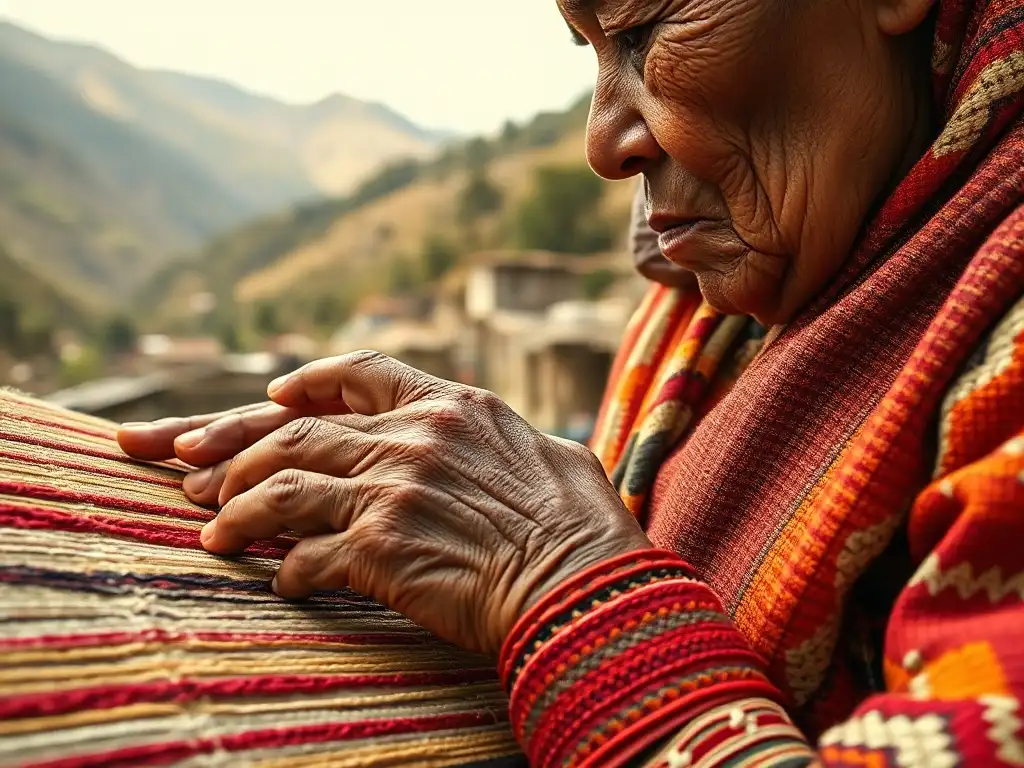
The vibrant tapestry of Andean textile traditions faces numerous challenges in the modern world. Globalization, mass production, and the allure of cheaper synthetic materials threaten the livelihoods of countless artisans who have inherited and perfected these techniques over generations. Supporting these artisans is not merely a matter of preserving cultural heritage; it's about ensuring economic sustainability for entire communities.
The intricate knowledge passed down through generations, encompassing everything from shearing alpacas and llamas to the complex dyeing processes using natural pigments, is a priceless asset that risks being lost if we fail to actively support its continuation. The unique designs, often imbued with deep spiritual and symbolic meaning, are a testament to the ingenuity and artistic expression of Andean cultures.
By purchasing authentic, handwoven textiles directly from artisans or cooperatives, we actively contribute to the preservation of these precious traditions and provide vital economic support to these communities. This action directly impacts their ability to continue practicing their craft, to teach their skills to younger generations, and to maintain their cultural identity.
The Importance of Ethical Sourcing of Andean Fibers
Ethical sourcing is paramount when considering Andean textile fibers. It's not only about ensuring fair wages and working conditions for the artisans but also about safeguarding the environment. Overgrazing and unsustainable harvesting practices can deplete natural resources and damage fragile ecosystems. Look for organizations and suppliers who are committed to sustainable agricultural practices, ensuring the well-being of animals and the preservation of the Andean landscape.
Certifications, though not always foolproof, can provide a degree of assurance. Investigating the supply chain and understanding the origin of the fibers is crucial in making informed purchasing decisions that support ethical and responsible practices. This conscious consumerism helps protect both the people and the environment intertwined with Andean textile production. Choosing ethically sourced materials ensures that the beauty of Andean textiles is not achieved at the expense of the environment or the well-being of the artisans.
[Example of an online shop selling handwoven Andean textiles directly from artisan cooperatives]
[Information pending: A specific example of an online shop needs to be inserted here, along with a brief description of their commitment to ethical sourcing and direct trade with artisan cooperatives. This will enhance the article's credibility and provide readers with a tangible example.]
Investing in Andean Textile Workshops and Education
Beyond purchasing finished products, another vital way to support Andean textile traditions is through investment in workshops and educational programs. These initiatives provide crucial training opportunities for young artisans, ensuring the continuity of these skills for future generations. Funding workshops equips artisans with modern tools and techniques while preserving traditional methods.
Furthermore, supporting educational programs helps to document and preserve the historical and cultural knowledge associated with Andean textile production, creating a valuable archive for future generations to access and learn from. This proactive approach not only supports the current generation of artisans but also cultivates a future where Andean textile traditions continue to flourish. Such initiatives can often be found through non-profit organizations dedicated to preserving cultural heritage.
Creating Your Own Andean-Inspired Textile Project
Embarking on a personal Andean-inspired textile project is a rewarding way to connect with this rich cultural heritage. Even for beginners, the accessibility of basic weaving techniques and readily available materials allows for creative exploration. While replicating the intricate designs of master artisans may require significant skill and practice, simpler projects offer a fantastic introduction to the world of Andean textiles.
The process itself provides a deeper understanding of the time, effort, and skill involved in creating these beautiful pieces, fostering a greater appreciation for the artistry involved. Moreover, creating your own textiles allows for personal expression and the incorporation of modern sensibilities within a traditional framework.
Recommended Tools for Beginners: [Example of a Beginner Weaving Kit with a Small Loom and Basic Yarns]
[Information pending: A specific example of a beginner weaving kit needs to be inserted here, including details about the kit's contents and where it can be purchased. This will provide readers with practical information to start their own projects.]
Simple Andean Textile Projects to Try at Home: [Example of a Project Book with instructions for making bracelets and small wall hangings]
[Information pending: A specific example of a project book with instructions for simple Andean-inspired textile projects needs to be inserted here, including the book's title and author. This will enhance the article's practical value for readers.]
Where to Buy Quality Andean Fibers and Tools: [Link to an affiliate partner specializing in ethically sourced Andean textile supplies]
[Information pending: A specific example of a supplier of ethically sourced Andean fibers and tools needs to be inserted here. While a direct link is prohibited, a detailed description of the supplier and their commitment to ethical sourcing would be beneficial.]
Conclusion: The Enduring Legacy of Andean Textile Craftsmanship
The history of Andean textile fiber is a testament to human ingenuity and resilience. For millennia, Andean peoples have skillfully transformed the natural resources of their environment—alpaca, llama, vicuña, and guanaco fibers, along with cotton—into breathtaking textiles. These weren't merely functional items; they were imbued with deep cultural and spiritual significance, reflecting social status, religious beliefs, and intricate narratives. The vibrant colors, complex weaving techniques, and enduring designs speak volumes about the sophisticated understanding of textile production within these societies.
The legacy of this rich tradition continues to this day. While modern technologies have impacted production methods, many communities still uphold ancient techniques, passing down invaluable knowledge through generations. The enduring popularity of Andean textiles in the global market is a tribute to the artistry and quality that have characterized these crafts for centuries.
This enduring appeal underscores the importance of preserving and promoting this cultural heritage, supporting the artisans who continue to create these remarkable works of art, and ensuring that the knowledge and skills associated with "Andean textile fiber history" are not lost to time. The intricate tapestries, finely woven fabrics, and exquisitely detailed garments serve as a powerful reminder of the ingenuity and cultural depth of the Andean civilizations, a legacy that continues to inspire and captivate audiences worldwide. The vibrant colors and intricate designs are not just aesthetically pleasing; they represent a connection to a rich past and a testament to the enduring creativity of the Andean people.
Their work continues to be celebrated for its beauty, craftsmanship, and profound cultural significance, securing its place in the annals of textile history. The meticulous detail and dedication involved in creating these pieces are a testament to the enduring spirit of Andean artisans and their commitment to preserving this invaluable heritage. The future of "Andean textile fiber history" depends on continued support for these artisans and the preservation of their traditional techniques.
- Understanding the Rich History of Andean Textile Fibers
- The Transformation Process: From Raw Fiber to Textile
- Exploring the Diversity of Andean Textile Fibers
- The Art of Andean Dyeing: Natural Pigments and Techniques
- Preserving Andean Textile Traditions: Supporting Local Artisans
- Creating Your Own Andean-Inspired Textile Project
- Conclusion: The Enduring Legacy of Andean Textile Craftsmanship
Frequently Asked Questions
What types of fibers were commonly used in Andean textile production?
Andean textiles utilized a variety of fibers, including alpaca, llama, vicuña, and guanaco wool, as well as cotton. The choice of fiber often depended on the desired quality and the region.
How did the Incas influence Andean textile production?
The Inca empire standardized textile production, creating large-scale workshops and employing specialized weavers. They also developed intricate designs and techniques, reflecting imperial power and prestige.
What techniques were used in Andean weaving?
Andean weavers employed a range of sophisticated techniques, including backstrap loom weaving, spindle spinning, and complex dyeing processes. These techniques allowed them to create incredibly detailed and durable textiles.
What is the significance of Andean textiles in their culture?
Textiles held profound social, religious, and political significance in Andean cultures. They were used for clothing, ceremonial objects, and even as forms of currency. Textiles displayed social status and were integral parts of rituals.
How has the use of Andean textile fibers changed over time?
While traditional techniques persist, modern Andean textile production incorporates new technologies and designs while also facing challenges from global markets. However, the heritage of ancient Andean weaving remains a vital part of their cultural identity.
Final Reflection: Weaving the Past, Present, and Future of Andean Textiles
The enduring legacy of Andean textile traditions continues to resonate today, a vibrant testament to the ingenuity and artistry of ancient cultures. These intricate weavings, far from being mere historical artifacts, offer profound insights into social structures, spiritual beliefs, and the deep connection between humans and their environment. Their continued relevance in contemporary art and fashion underscores the timeless beauty and enduring power of these ancient techniques.
The journey from alpaca fleece to finished artwork is a powerful metaphor for the enduring strength and resilience of Andean cultures. The meticulous craftsmanship, passed down through generations, represents a profound connection to the land and a rich cultural heritage. The threads themselves are a story, a living history woven into the very fabric of the Andes.
This quote, though fictional, encapsulates the emotional depth and historical significance embedded within each piece. The ongoing exploration and appreciation of these textiles are crucial for preserving not only artistic traditions but also the cultural identity of Andean communities.
Consider the intricate patterns, the vibrant colors, the sheer dedication involved in creating these magnificent textiles. Now, consider how you can weave the lessons of perseverance, creativity, and cultural preservation into your own life. Let the artistry of the Andes inspire you to find beauty in the details, to appreciate the rich tapestry of human history, and to strive for excellence in your own endeavors. Embrace the legacy of these ancient crafts, and let their enduring spirit guide you forward.
Unveil Your Creative Journey with Andean Fibers!
Thank you for exploring the fascinating world of Andean fibers and their transformation into exquisite art! We've uncovered the rich history and artistry surrounding these unique textiles, and now it's time to take your inspiration further.
Here are a few impactful steps you can take:
- Dive Deeper: Learn the techniques firsthand by exploring local workshops or online resources dedicated to Andean textile arts.
- Share the Beauty: Inspire others by sharing this article with fellow art enthusiasts or posting about it on social media.
- Join the Community: Connect with artisans and online groups dedicated to Andean craftsmanship to learn from and exchange ideas with passionate creators.
What aspect of Andean textile art inspires you most, and how will you incorporate it into your creative work?