
The Art of Packing Light: Smart Luggage Solutions for Andean Travel

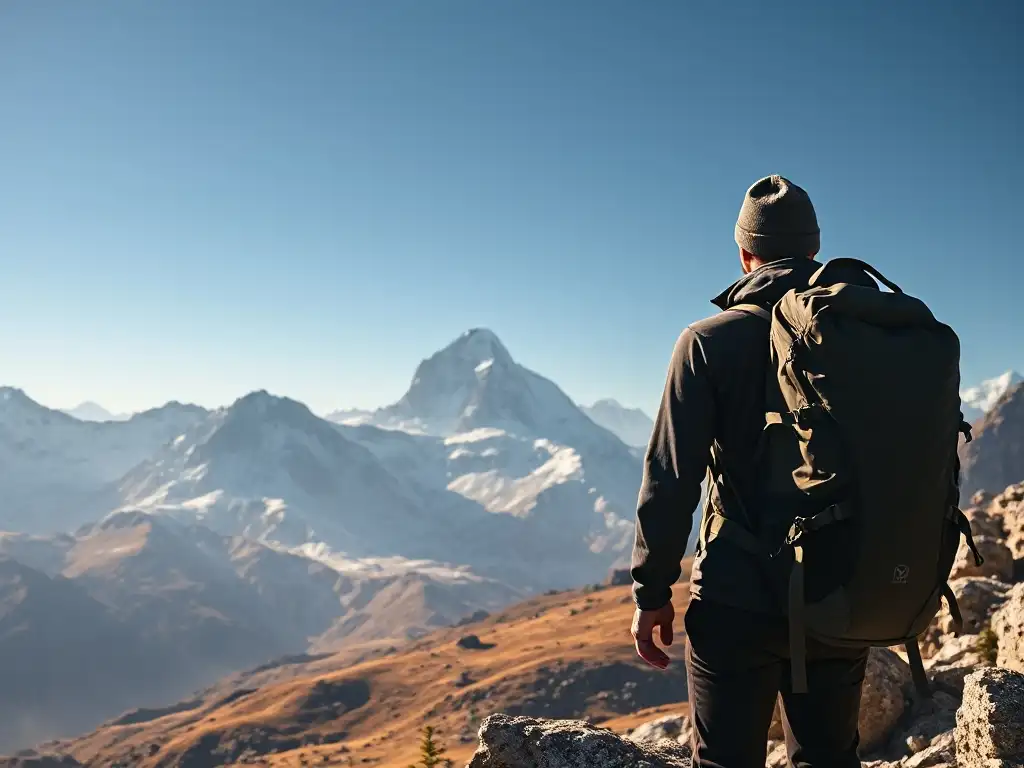
Uncover the secrets of the Andes, a land where ancient empires thrived and breathtaking landscapes still captivate. For centuries, intrepid travelers have journeyed through these majestic mountains, carrying with them only what's essential. But what truly constitutes essential gear when exploring such a remarkable region? Discover the art of packing light with our expert guide on Andean backpacking luggage, designed to help you navigate the heights and immerse yourself fully in the vibrant culture awaiting you in the heart of the Andes. Let your adventure begin!
Exploring the breathtaking landscapes and rich cultural heritage of the Andes requires careful planning, and a significant part of that preparation involves choosing the right luggage. This article delves into the art of packing light for Andean adventures, focusing specifically on selecting backpacking luggage that's both durable enough to withstand the challenges of the terrain and versatile enough to accommodate the varied climates and activities you'll encounter.
We'll examine the key considerations for choosing the optimal Andean backpacking luggage, ensuring your journey through the Inca Trail, the Nazca Lines, or the majestic peaks of the Andes is comfortable, efficient, and enjoyable. From lightweight backpacks to essential packing cubes, we’ll equip you with the knowledge to make informed decisions and optimize your packing strategy for an unforgettable Andean experience.
This guide is specifically designed for those seeking practical advice and solutions for managing their belongings effectively while backpacking through this remarkable region.
Why Choose the Right Andean Backpacking Luggage?
The Andes present unique challenges for travelers. The varied altitudes, ranging from lush valleys to towering peaks, mean you'll likely experience fluctuating temperatures and potentially unpredictable weather. Furthermore, the terrain itself can be rugged, demanding robust and comfortable luggage. Choosing the wrong backpack can lead to discomfort, injury, and even jeopardize your trip.
A well-chosen backpack, however, becomes an invaluable asset, allowing for comfortable carrying of essentials while leaving your hands free to appreciate the stunning scenery and engage with the local culture. The right Andean backpacking luggage isn't just about carrying your belongings; it's about enhancing your overall travel experience. Consider these points:
- Durability: The trails and transport in the Andes can be demanding. Your luggage needs to withstand wear and tear.
- Comfort: You'll likely be carrying your backpack for extended periods. Proper fit and weight distribution are crucial.
- Accessibility: Easy access to frequently needed items is essential, particularly during altitude changes.
- Water Resistance: Unexpected rain showers are common in the Andes. Water-resistant or waterproof materials are beneficial.
- Capacity: Balancing sufficient space for your needs with the importance of packing light is key.
Understanding the Demands of Andean Travel: A Packing Challenge
Andean travel demands a strategic approach to packing. You'll need clothing suitable for varying temperatures—from warm layers for high altitudes to lighter options for lower elevations. Appropriate footwear, including sturdy hiking boots, is non-negotiable. Don’t forget essentials like sunscreen, a hat, sunglasses, and insect repellent.
Furthermore, consider the cultural context: respectful clothing choices are important when visiting ancient sites and interacting with local communities. The challenge lies in balancing the necessity of these items with the desire to travel light and comfortably. Overpacking can quickly lead to fatigue and discomfort, hindering your ability to fully enjoy the experience. Careful planning and the selection of appropriate, high-quality Andean backpacking luggage are essential to overcoming this challenge.
Here’s a simplified packing list to illustrate the point:
| Item Category | Examples | Considerations |
|---|---|---|
| Clothing | Base layers, fleece, waterproof jacket, hiking pants, quick-drying shirts | Layerability is key for adapting to changing temperatures |
| Footwear | Hiking boots, sandals or lightweight walking shoes | Choose footwear appropriate for the terrain and activities |
| Toiletries | Biodegradable soap, sunscreen, insect repellent, first-aid kit | Pack travel-sized items to minimize weight and space |
| Documents & Electronics | Passport, visa, travel insurance, phone, charger | Keep important documents secure and readily accessible |
| Other Essentials | Water bottle, reusable bag, head lamp, map | Consider the specific needs of your itinerary |
Key Considerations When Selecting Backpacking Gear for the Andes
Choosing the right Andean backpacking luggage involves careful consideration of several factors. Firstly, the size and capacity of your backpack should align with the length and intensity of your trek. A smaller pack is ideal for shorter trips, while a larger pack might be necessary for longer expeditions. Secondly, the fit and comfort of the pack are paramount.
A poorly fitting backpack can lead to back pain and discomfort, negatively impacting your journey. Look for adjustable straps and a well-designed hip belt to ensure proper weight distribution. Thirdly, durability and weather resistance are crucial.
Choose a backpack made from high-quality, durable materials that can withstand the rigors of Andean travel, ideally with some level of water resistance. Finally, consider features such as multiple compartments, hydration systems, and trekking pole attachments, which can significantly enhance your experience. Remember, investing in quality Andean backpacking luggage is an investment in the comfort and success of your adventure.
- Why Choose the Right Andean Backpacking Luggage?
- Understanding the Demands of Andean Travel: A Packing Challenge
- Key Considerations When Selecting Backpacking Gear for the Andes
- The Osprey Atmos/Aura AG Series: A Top Contender for Andean Treks
- The Deuter Aircontact Lite Series: A Reliable Option for Andean Backpacking
- The Sea to Summit Duffel Bag: A Versatile Option for Multi-Modal Travel in the Andes
- The Gregory Baltoro/Deva Series: A Premium Option for Long-Distance Andean Hikes
- What type of luggage is best for Andean backpacking?
- What essential items should I pack for Andean backpacking?
- How can I minimize the weight of my Andean backpacking luggage?
- What are the best ways to protect my luggage during Andean travel?
- Where can I find reliable information about Andean backpacking routes and safety?
Choosing the Best Andean Backpacking Luggage: A Comprehensive Guide
This section focuses on selecting the optimal luggage for your Andean adventure, considering the unique challenges and rewards of trekking in this magnificent region. We'll explore the best options for carrying your essentials, ensuring a comfortable and efficient journey through diverse terrains and altitudes. Choosing the right Andean backpacking luggage is paramount for a successful trip.
Backpacks vs. Rolling Luggage: Which is Best for Andean Trails?
The Andean landscape presents a unique set of challenges for travelers. Steep inclines, uneven paths, and sometimes unpredictable weather conditions demand careful consideration of your luggage choice. While rolling luggage might seem convenient for flat surfaces, its practicality diminishes significantly in the Andean mountains.
The Advantages of a Durable Backpack for Andean Expeditions
A high-quality backpack offers unparalleled advantages for Andean trekking. Its adaptability to varied terrain is crucial. Consider these key benefits:
- Maneuverability: Backpacks allow for greater freedom of movement on uneven trails and steep ascents and descents. You'll be able to navigate challenging paths with ease, unlike rolling luggage which may get stuck or be difficult to manage.
- Weight Distribution: Properly packed backpacks distribute weight evenly across your back and shoulders, minimizing strain during long trekking days. This is crucial for preventing injuries and fatigue, especially at high altitudes where exertion is amplified.
- Durability: Andean trails can be tough on luggage. A durable backpack, made from robust materials like ripstop nylon or canvas, can withstand the wear and tear of rugged terrain. Look for reinforced stitching and strong zippers.
- Accessibility: Backpacks provide easy access to essential items without having to unpack the entire bag. This is essential for quick access to water, sunscreen, or a first-aid kit.
Investing in a well-made backpack is an investment in your comfort and the success of your Andean adventure.
When Rolling Luggage Might Be Suitable (and When It's Not)
While backpacks are generally recommended for Andean travel, there might be limited situations where rolling luggage could be considered. This is primarily applicable to:
- Airport Transfers and City Stays: If your Andean trip involves significant time in cities or airport transfers, rolling luggage can offer convenience for navigating paved surfaces and airport terminals. However, even then, a smaller backpack for day trips is still necessary.
- Organized Tours with Vehicle Transport: If you're on an organized tour with transportation provided for most of the journey, rolling luggage might be feasible, provided you don't have extended trekking segments.
However, rolling luggage is strongly discouraged for any significant trekking in the Andes. The uneven terrain, steep inclines, and unpaved trails make it impractical, even dangerous, to rely on wheeled luggage. Remember, you'll likely be carrying your luggage yourself for extended periods.
Size Matters: Selecting the Right Backpack Capacity for Your Andean Trip
Choosing the right backpack capacity is crucial for a comfortable and enjoyable Andean adventure. Overpacking leads to unnecessary weight and strain, while underpacking can leave you unprepared for the challenges of the Andes.
Understanding Liter Capacity for Andean Treks
Backpack capacity is measured in liters (L). A larger number indicates a greater volume. However, remember that a bigger backpack doesn't automatically mean better. A perfectly sized backpack is one that fits your needs and can be comfortably carried. Consider factors like the duration of your trip and the climate you'll be experiencing.
Recommended Backpack Sizes for Different Trip Durations
The following table provides guidelines for selecting a backpack size based on the duration of your Andean trip:
| Trip Duration | Recommended Backpack Size (Liters) | Notes |
|---|---|---|
| Weekend Trip | 30-40 L | Suitable for shorter trips with minimal gear. |
| 1-2 Week Trip | 50-65 L | Ideal for longer treks, allowing for more clothing and equipment. |
| 2-3 Week Trip | 65-75 L | Provides ample space for longer expeditions, including extra layers. |
| Longer Expeditions | 75+ L | Consider larger backpacks for extended treks requiring substantial gear. |
Remember to prioritize packing light! Even with a larger backpack, efficient packing is key to a comfortable Andean experience. Choose versatile clothing items that can be layered and avoid unnecessary items to reduce weight and improve your trekking experience. Enjoy your Andean adventure! 🎒
Material Matters: Durability and Weather Resistance in Andean Conditions
The Andean region presents unique challenges for travelers' luggage. High altitudes, unpredictable weather, and varied terrains demand durable and weather-resistant materials. Your backpack will be subjected to everything from scorching sun and torrential rain to dusty trails and potentially even snow. Choosing the right material is crucial for the longevity of your pack and the comfort of your journey. A poorly chosen material can lead to premature wear and tear, leaving you stranded with a damaged backpack mid-trek. This is especially critical for serious Andean backpacking luggage.
Exploring Different Backpack Materials: Nylon, Polyester, and More
Several materials compete for a spot in your Andean backpacking arsenal. Nylon is a popular choice due to its strength and lightweight nature. Ripstop nylon, in particular, is highly resistant to tears and abrasions, making it ideal for rugged trails. Polyester, another common material, offers similar durability but is often slightly less expensive.
However, both nylon and polyester can be susceptible to damage from prolonged exposure to harsh UV rays, so look for materials treated with UV protection. Consider also backpacks incorporating durable, water-resistant fabrics like Cordura, known for its exceptional abrasion resistance, or coated fabrics that offer additional protection against the elements. For truly extreme conditions, materials like canvas, while heavier, offer unmatched durability. The best material for you will depend on your budget, the duration of your trip, and the specific challenges you anticipate encountering.
Waterproofing and Water Resistance: Essential Considerations for Andean Backpacks
While a durable material is important, waterproofing or water resistance is paramount in the unpredictable Andean climate. A simple water-resistant coating can provide sufficient protection against light showers, but for heavier downpours or unexpected snow, a fully waterproof backpack is essential. Look for backpacks with a high waterproof rating (measured in millimeters of water pressure), ensuring your gear stays dry even in the most challenging conditions.
Consider also the importance of a waterproof rain cover as a supplementary layer of protection for your main pack. Investing in a high-quality, waterproof backpack is a critical aspect of preparing for Andean backpacking, protecting your valuable belongings from the elements and ensuring a smoother, drier adventure. Remember that even a waterproof backpack's zippers and seams can be vulnerable; sealing them with seam sealant can provide extra protection.
Comfort and Fit: Ensuring a Pleasant Andean Trek
Comfort is paramount when embarking on an Andean trek. Carrying a heavy pack over challenging terrain for extended periods can quickly become agonizing without the right equipment. An ill-fitting backpack can lead to discomfort, back pain, and even injuries, significantly impacting the enjoyment of your trip. Prioritizing comfort through proper pack selection and adjustment is crucial for a successful Andean backpacking experience.
Adjustable Straps, Hip Belts, and Load Distribution Systems
High-quality Andean backpacking luggage incorporates adjustable features designed to distribute weight evenly and comfortably. Adjustable shoulder straps allow for a customized fit, ensuring the pack sits comfortably on your shoulders. A well-padded and adjustable hip belt is crucial for transferring weight from your shoulders to your hips, significantly reducing strain on your back.
Look for packs with sternum straps to further stabilize the pack and prevent it from shifting during movement. Effective load-distribution systems, often incorporating internal frames or suspension systems, play a vital role in distributing the weight evenly across your body, minimizing pressure points and promoting comfort during long trekking days. Consider backpacks with multiple compression straps to secure your load and maintain balance.
Proper Backpack Fitting: A Guide to Preventing Back Pain
Proper fitting is crucial to avoid back pain and injuries. Before purchasing a backpack, try it on fully loaded with the weight you anticipate carrying. Adjust the straps to ensure the pack sits comfortably and evenly. The hip belt should sit snugly on your hips, transferring the majority of the weight. The shoulder straps should be adjusted to prevent the pack from pulling on your shoulders.
If the pack feels uncomfortable or unbalanced, even after adjustments, it's likely not the right fit. Consider visiting a specialty outdoor retailer where staff can assist you in finding the perfect fit. A well-fitting backpack is an investment in your comfort and well-being during your Andean adventure, preventing potential injuries and allowing you to fully appreciate the stunning landscapes. Ignoring proper fitting can significantly detract from your Andean backpacking experience.
Top Backpacking Luggage Recommendations for Andean Adventures
This section dives into specific backpacking luggage options ideal for navigating the diverse terrains and climates of the Andes. Choosing the right pack is crucial for a comfortable and successful Andean adventure, ensuring you can carry everything you need while minimizing weight and maximizing comfort. We'll focus on two leading brands known for their durability and suitability for challenging backpacking trips: Osprey and Deuter.
Remember, the best pack for you will depend on your individual needs and the specific type of Andean trek you're undertaking. Consider factors like trip length, climate, and the type of terrain you'll encounter when making your selection.
The Osprey Atmos/Aura AG Series: A Top Contender for Andean Treks
The Osprey Atmos (men's) and Aura (women's) AG series consistently ranks highly among experienced Andean backpackers. Its focus on comfort and functionality makes it a strong contender for long treks through varying altitudes and conditions. The "AG" stands for Anti-Gravity, a key feature that significantly impacts carrying comfort.
Features of the Osprey Atmos/Aura AG: Anti-Gravity Suspension and More
The Osprey Atmos/Aura AG boasts several features specifically designed for challenging treks:
- Anti-Gravity Suspension: This innovative suspension system uses a mesh back panel to allow for maximum ventilation, preventing sweat buildup even during strenuous ascents. The weight is distributed evenly across your hips and shoulders, reducing strain and fatigue.
- Adjustable Torso Length: Ensuring a proper fit is critical for comfort. The adjustable torso length allows you to customize the pack to your specific body size, optimizing weight distribution and preventing discomfort.
- Multiple Compartments and Pockets: Organized packing is key to efficient travel. The Atmos/Aura AG features various compartments and pockets for easy access to gear, including dedicated hydration sleeves, hip belt pockets, and a top lid pocket.
- Durable Materials: Built to withstand the rigors of Andean travel, these packs utilize high-quality, durable materials resistant to tears and abrasions. This longevity makes them a worthwhile investment for multiple backpacking trips.
- Integrated Rain Cover: Andean weather can be unpredictable. The integrated rain cover provides protection for your gear from sudden downpours.
Why it's Great for Long Treks in the Andes
The Osprey Atmos/Aura AG excels in Andean conditions due to its lightweight design coupled with robust construction. The Anti-Gravity suspension system is particularly beneficial for carrying heavy loads over long distances, minimizing back strain and allowing you to enjoy the stunning Andean landscapes without discomfort. The multiple compartments aid in organization, crucial when packing for diverse environments.
The integrated rain cover is a lifesaver during unexpected showers common at higher altitudes. Its overall durability ensures that it can handle the challenging Andean trails for years to come. This makes the Osprey Atmos/Aura AG a top choice for anyone planning an extended Andean backpacking adventure.
The Deuter Aircontact Lite Series: A Reliable Option for Andean Backpacking
Another excellent option for Andean backpacking is the Deuter Aircontact Lite series. While slightly less robust than the Osprey Atmos/Aura AG, it offers excellent ventilation and a comfortable carry, making it a strong contender for those prioritizing lightweight and breathability, especially in warmer Andean climates.
Features of the Deuter Aircontact Lite: Maximum Ventilation and Stability
The Deuter Aircontact Lite series focuses on ventilation and a comfortable fit:
- Aircontact System: This system utilizes a highly ventilated back panel, promoting airflow and reducing sweat buildup. This is particularly crucial in warmer Andean regions or during strenuous climbs.
- Vari Flex Hip Fins: These flexible hip fins provide a snug and secure fit, ensuring the pack moves with you and distributes weight effectively.
- Compression Straps: These straps allow you to compress the pack's volume, improving stability and reducing sway, especially when carrying lighter loads.
- Multiple Pockets and Compartments: Similar to the Osprey, the Deuter Aircontact Lite offers numerous pockets and compartments for organized packing and easy access to essentials.
- Lightweight Design: The Aircontact Lite prioritizes a lightweight design without sacrificing durability, making it a great option for longer treks where weight is a significant concern.
Why it's a Great Choice for Warm Andean Climates
The Deuter Aircontact Lite's superior ventilation makes it an excellent choice for warmer Andean climates. The Aircontact system significantly reduces sweat buildup, keeping you cooler and more comfortable during hikes in warmer valleys or lower altitudes. Its lightweight design is also an advantage, reducing the overall weight you're carrying, especially beneficial in warmer temperatures.
While perhaps not as robust as the Osprey for extremely rugged terrain, its comfort and breathability make it a superior choice for those prioritizing comfort in warmer Andean conditions. The combination of ventilation and a comfortable fit makes this pack a reliable companion for your Andean backpacking journey.
The Sea to Summit Duffel Bag: A Versatile Option for Multi-Modal Travel in the Andes
The Sea to Summit duffel bag presents a compelling alternative to traditional backpacks for Andean travel, particularly for those who anticipate a mix of trekking and city exploration. Its versatility shines in its ability to adapt to diverse travel scenarios, making it a practical choice for the intrepid Andean adventurer. Unlike rigid backpacks, a duffel bag's flexibility allows for easier storage in buses, trains, and even smaller boats, often encountered during Andean journeys.
This adaptability is crucial when navigating less-developed regions or relying on public transport. Furthermore, the duffel's shape allows for efficient packing, maximizing space and minimizing wasted volume compared to less malleable backpacks. Its lightweight design also minimizes the overall weight carried, a significant consideration when navigating challenging Andean terrain.
Finally, the duffel's relative ease of access makes it convenient for reaching items quickly without having to unpack the entire bag. This is especially helpful during frequent security checks or when needing to access essentials on the go.
Features of the Sea to Summit Duffel: Durable, Water-Resistant, and Compressible
The Sea to Summit duffel boasts several key features that make it ideal for Andean backpacking. Its durable construction, often utilizing ripstop nylon, ensures resilience against the rigors of travel, including potential scrapes against rocks or rough surfaces. The water-resistant coating provides crucial protection against unexpected rain showers, common in the high altitudes of the Andes.
This feature safeguards your belongings from dampness, a critical concern given the unpredictable weather in the region. The bag's compressibility is equally important. Once packed, the duffel can be significantly reduced in size, making storage and transport more manageable, a significant advantage when navigating crowded buses or smaller planes.
Many models also include compression straps, further enhancing this capability. These features, combined with often included internal organization pockets, offer a significant advantage over less-refined duffel bags. The combination of durability, water resistance, and compressibility makes the Sea to Summit duffel a reliable companion for Andean adventures.
When to Choose a Duffel Over a Backpack for Andean Journeys
While backpacks offer superior load distribution for extended trekking, a duffel bag proves more suitable for certain Andean travel scenarios. Consider a duffel if your journey involves significant travel by bus or other public transportation. The duffel's flexibility and ease of handling make it less cumbersome to manage in crowded conditions.
Similarly, if your itinerary includes a mix of urban exploration and trekking, a duffel bag offers greater adaptability. It can be easily checked as luggage on flights or stored securely in hostels. A duffel is also a solid choice for shorter treks or when weight is a primary concern, especially when paired with daypacks for carrying essentials during hikes.
Choosing between a duffel and a backpack often depends on the specifics of your trip. However, the Sea to Summit duffel deserves consideration for its versatility and adaptability to diverse Andean travel situations. Its ability to balance the needs of both trekking and urban exploration makes it a unique and attractive option for many Andean adventurers.
For serious Andean backpacking, especially long-distance treks, the Gregory Baltoro (men's) and Deva (women's) series represent a premium choice. These backpacks are engineered for comfort and durability, crucial factors when carrying heavy loads over challenging terrain. Their robust construction and advanced features ensure a comfortable and efficient carrying experience, even during extended periods of hiking. The design prioritizes proper weight distribution, reducing strain on the back and shoulders, a significant advantage when tackling arduous ascents and descents.
This makes the Gregory series a worthwhile investment for those planning ambitious hikes through the Andes. The ability to distribute weight effectively prevents fatigue and injuries, allowing for a more enjoyable and sustainable trekking experience. Moreover, the premium materials and construction result in a backpack that will likely withstand the rigors of multiple Andean expeditions.
Features of the Gregory Baltoro/Deva: Customizable Fit and Advanced Load Distribution
The Gregory Baltoro/Deva series stands out due to its exceptional adjustability. The torso length is easily adjustable, ensuring a personalized fit for a wide range of body types. This customized fit is vital for proper weight distribution and comfort, especially when carrying heavy loads. Furthermore, these backpacks feature advanced suspension systems designed to minimize strain on the back. These systems typically incorporate adjustable hip belts, load-lifting straps, and comfortable shoulder straps.
The design aims to transfer the weight to the hips, leaving the shoulders relatively free from strain. Many models include features like adjustable sternum straps, hydration reservoirs, and multiple pockets for organization. These features contribute to a comfortable and efficient carrying experience, allowing for longer days on the trail. The attention to detail in design and construction is evident, reflecting the commitment to providing a premium backpacking experience.
Why it's a Great Investment for Serious Andean Backpackers
Investing in a Gregory Baltoro/Deva backpack is a sound decision for those planning extensive Andean treks. The superior comfort and load distribution capabilities significantly enhance the trekking experience, reducing fatigue and potential injuries. The durable construction ensures the pack will withstand the challenges of the Andean terrain for many years to come. This longevity translates to a cost-effective investment in the long run.
The adjustable fit caters to individual needs, improving comfort and performance. While the initial cost may be higher than budget options, the long-term benefits of comfort, durability, and performance justify the investment for serious Andean backpackers who prioritize a positive and sustainable hiking experience. The improved comfort and load management offered by the Gregory Baltoro/Deva series can make a significant difference in the enjoyment and success of a challenging Andean journey. For those undertaking multiple treks or extended expeditions, the investment is readily justified.
Essential Accessories for Efficient Andean Packing
This section dives into the specifics of smart packing accessories designed to optimize your Andean backpacking experience. We'll explore how seemingly small items can drastically improve your comfort and efficiency while navigating the diverse landscapes of the Andes. Remember, efficient packing is key to enjoying your Andean adventure to the fullest, allowing you to focus on the breathtaking scenery and rich culture instead of wrestling with an overloaded backpack. Choosing the right gear is crucial for successful Andean backpacking luggage solutions.
Eagle Creek Packing Cubes: Organizing Your Andean Travel Gear
Packing cubes are a game-changer for organized travel, particularly crucial when backpacking through the Andes. These lightweight, compressible fabric containers help you compartmentalize your belongings, maximizing space and making it incredibly easy to find what you need, even in a crowded backpack. The ability to quickly locate items is invaluable, especially during altitude adjustments or unexpected weather changes common in Andean travel.
How Packing Cubes Maximize Space and Organization
The secret to packing cubes' effectiveness lies in their ability to compress clothing and other soft items. By removing air pockets and creating a more compact shape, you can fit significantly more into your backpack than with loose packing. This is especially beneficial when dealing with the varied climates of the Andes, where you might need to pack for both warm days and chilly nights.
Furthermore, the individual compartments provided by different-sized cubes allow for a highly organized packing system. Imagine easily locating your thermal underwear amidst your t-shirts without having to unpack your entire bag! This is a significant advantage for Andean backpacking luggage.
Recommended Packing Cube Sets for Andean Backpacking
Several sets cater specifically to backpackers' needs. Look for sets that include a variety of sizes – large cubes for bulky items like sweaters, medium cubes for shirts and pants, and small cubes for underwear and socks. Consider a set with a waterproof or water-resistant cube for sensitive electronics or documents. A good quality set will be durable enough to withstand the rigors of Andean travel and will last for multiple trips. Choosing a lightweight set is also important to maximize your carrying capacity. Remember, every ounce counts when you’re backpacking in the Andes!
Sea to Summit Compression Sacks: Reducing Bulk in Your Backpack
While packing cubes help organize your gear, compression sacks take space-saving to the next level. These sacks use a valve system to remove air, significantly reducing the volume of bulky items like sleeping bags, down jackets, or even clothing. This is a vital component of efficient Andean backpacking luggage.
Why Compression Sacks are Essential for Light Packing
Compression sacks are especially useful for bulky, compressible items that might otherwise take up a disproportionate amount of space in your backpack. For example, a down jacket, while essential for Andean nights, can be surprisingly voluminous. A compression sack will reduce its size by up to 50%, freeing up valuable space for other necessities. This is a huge advantage for anyone aiming for a lightweight Andean backpacking setup. Moreover, the compression process helps protect your gear from moisture and dirt, adding an extra layer of protection.
Recommended Compression Sacks for Andean Climates
When selecting compression sacks for Andean backpacking, prioritize durability and water resistance. Look for sacks made from ripstop nylon or similar robust materials. Consider the climate conditions you'll encounter; a waterproof or highly water-resistant sack is highly recommended to protect your belongings from unexpected rain or snow. Sea to Summit, for example, offers a wide range of options designed to withstand diverse weather conditions, making them ideal for Andean backpacking luggage strategies. Choose sacks in various sizes to accommodate different items, ensuring optimal packing efficiency. Remember to always leave some slack in the sack to avoid over-compressing delicate items.
PackTowl Ultralite Towel: Quick-Drying for Andean Adventures
The Andean region, with its unpredictable weather patterns and varying altitudes, demands gear that's both functional and lightweight. A bulky, slow-drying towel is a backpacking nightmare, taking up valuable space and potentially becoming a breeding ground for mildew. This is where the PackTowl Ultralite towel shines. Its microfiber construction allows for incredibly fast drying times, even in humid climates or after a chilly mountain stream dip.
This is crucial for Andean backpacking, where you'll likely be washing clothes and yourself in less-than-ideal conditions. The compact design means it packs down smaller than a grapefruit, freeing up space in your already-limited luggage for other essentials. The various sizes available cater to different needs, from a small hand towel for quick face washes to a larger towel suitable for a full shower after a long day of trekking.
The material is also incredibly soft against the skin, unlike some rougher microfiber options, adding to the comfort factor on your Andean adventure. Its durability is another key advantage; it can withstand repeated washes and rough handling, a must for any serious backpacker navigating challenging Andean terrains. Choosing a PackTowl Ultralite ensures you're always prepared for unexpected showers or refreshing plunges in mountain lakes, all while minimizing pack weight and maximizing your adventure.
Why a Microfiber Towel is Essential for Andean Travel
Microfiber towels represent a significant upgrade over traditional cotton towels for Andean travel. Traditional cotton towels are bulky, heavy, and take an extraordinarily long time to dry—a huge disadvantage in the Andes where unpredictable weather and limited access to drying facilities are common. A damp, heavy towel can quickly become a burden, weighing down your pack and potentially leading to mildew or unpleasant odors.
In contrast, microfiber towels are incredibly lightweight and compact, easily fitting into even the smallest backpack. Their quick-drying properties are invaluable in high-altitude regions where lower temperatures and higher humidity can slow down the drying process. This means you can pack lighter, move faster, and stay cleaner and drier throughout your Andean journey.
Furthermore, microfiber towels are often more absorbent than their cotton counterparts, meaning you'll need fewer swipes to dry yourself thoroughly. This efficiency translates into less time spent waiting for your towel to dry and more time exploring the stunning landscapes of the Andes. The superior hygiene afforded by quick-drying towels also contributes to a more comfortable and enjoyable trekking experience.
Recommended Lightweight Travel Towels
While the PackTowl Ultralite is a top contender, several other lightweight travel towels offer comparable benefits for Andean backpacking. Consider factors like absorbency, quick-drying capabilities, size, and weight when making your selection. Some brands, such as [Brand Name Pending] and [Brand Name Pending], offer similar microfiber options with slightly different features, such as integrated loops for hanging or various sizes to suit individual preferences.
Look for towels specifically designed for travel, as these are typically constructed from lightweight, quick-drying materials and are designed to pack down small. When comparing options, check customer reviews to get a sense of the towel's durability and overall performance in various conditions.
Remember, the right towel can make a significant difference in your overall Andean backpacking experience, so take the time to research and choose one that best suits your specific needs and preferences. Don't underestimate the importance of a good towel – it's a small detail that can significantly impact your comfort and enjoyment of the trip.
Tips for Packing Light for Your Andean Adventure
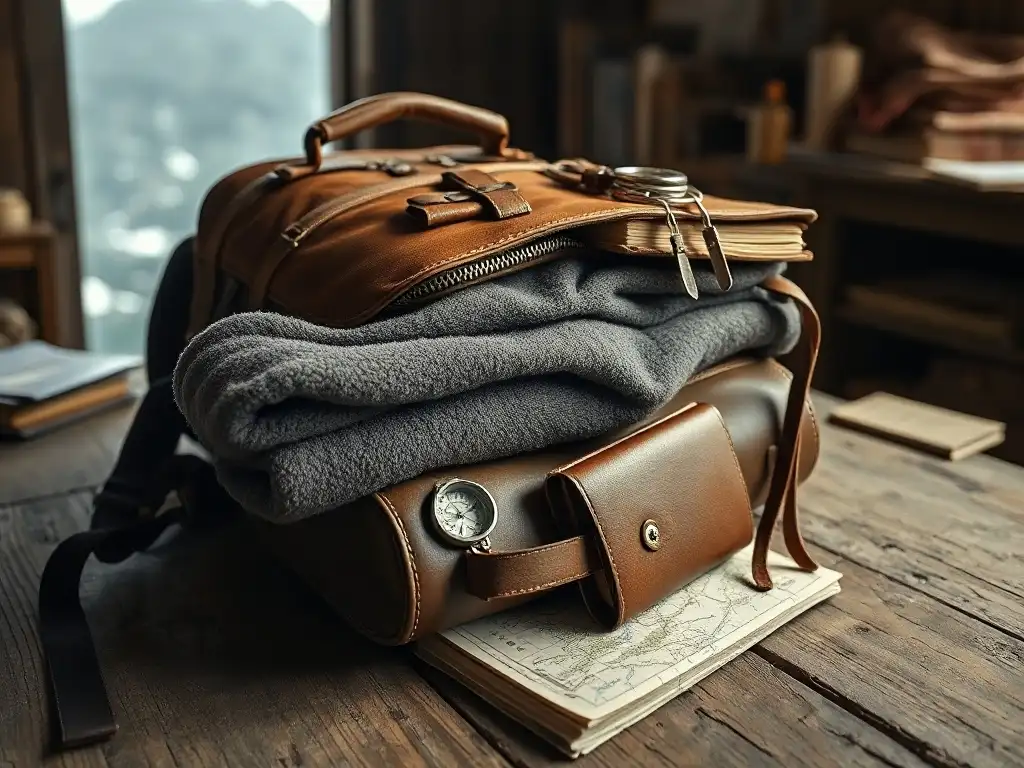
Embarking on an Andean adventure requires careful consideration of your luggage. The high altitudes, varied climates, and often challenging terrains demand a strategic packing approach. Successfully navigating the Andes as a backpacker hinges on carrying only the essentials. This section focuses on practical tips to minimize your pack weight while ensuring you're prepared for anything the Andes throws your way.
Remember, every ounce counts when you’re trekking through mountainous regions! Mastering the art of packing light for Andean backpacking luggage will enhance your overall experience, allowing you to enjoy the stunning landscapes and fascinating cultures without the burden of excessive weight. This is crucial for maximizing comfort and safety during your travels. We'll explore specific strategies to help you achieve this.
The Art of Layering: Clothing Strategies for Variable Andean Weather
Andean weather is notoriously unpredictable. One moment you might be basking in sunshine, and the next you could be caught in a sudden downpour or facing freezing temperatures at higher altitudes. The key to comfortable Andean backpacking is layering your clothing. Instead of packing bulky items for every possible scenario, focus on versatile garments that can be combined to adapt to changing conditions.
Think lightweight, quick-drying fabrics. Start with a thermal base layer (merino wool is excellent), followed by a fleece mid-layer for insulation. A waterproof and windproof outer shell is essential for protection against rain and strong winds. Pack a couple of lightweight, breathable shirts and a pair of convertible hiking pants that can be zipped off into shorts.
This layering system allows you to adjust your clothing to suit the temperature and activity level throughout the day. Don't forget a warm hat, gloves, and a scarf, even during warmer months, as temperatures can drop significantly at night and at higher altitudes. Remember, you'll be carrying this weight so choose wisely. The goal is to minimize the bulk while ensuring you have enough clothing for all eventualities.
Choosing Multi-Purpose Gear: Maximizing Space and Reducing Weight
Efficient packing for Andean backpacking luggage means selecting items that serve multiple purposes. A simple example is a bandana, which can be used as a sweatband, a scarf, a makeshift dust mask, or even as emergency first aid bandage. Similarly, a sturdy, lightweight hiking pole can be used for stability on uneven terrain, as a makeshift tent pole in an emergency, or even to hang your laundry.
Consider a multi-tool instead of carrying individual knives, screwdrivers, and pliers. A headlamp is much more versatile and space-saving than a bulky flashlight. Invest in a travel-sized water filter or purification tablets to avoid carrying heavy bottles of water. Choose versatile footwear; hiking boots suitable for both day hikes and exploring towns.
Packing cubes can help compress clothing and organize your belongings within your backpack, maximizing space and preventing items from shifting and causing discomfort. By adopting this "multi-purpose" mindset, you can significantly reduce the weight and volume of your Andean backpacking luggage. This strategy also minimizes the chance of leaving behind something vital.
The Importance of a Detailed Packing List for Andean Travel
Before you even begin packing, create a detailed packing list. This isn't just a simple jotting down of items; it's a meticulously planned inventory of everything you need. Categorize your items into essential needs, clothing, toiletries, electronics, and first aid. For each category, list specific items, including quantities. For example, instead of "shirts," write "2 quick-drying, lightweight shirts." This level of detail prevents overpacking and ensures you don't forget anything crucial.
Consider the duration of your trip and the activities you'll be undertaking when compiling your list. A shorter trek will require less gear than a multi-week expedition. Consult weather forecasts for your planned route and adjust your clothing accordingly. Remember to check weight restrictions for flights or buses if applicable. Once your list is complete, review it carefully, and eliminate anything non-essential. A well-prepared packing list is the foundation for successful and comfortable Andean backpacking. This is especially crucial for managing Andean backpacking luggage efficiently and effectively.
Conclusion: Finding Your Perfect Andean Backpacking Luggage
Choosing the right luggage for your Andean adventure is crucial for a comfortable and enjoyable trip. The diverse landscapes and varying climates of the Andes demand careful consideration of your packing needs. This isn't just about fitting everything in; it's about optimizing weight, durability, and accessibility for a seamless backpacking experience.
Remember, the goal is to balance carrying enough essential gear with the need to stay agile and comfortable while exploring breathtaking Inca trails, vibrant markets, and ancient ruins. Efficient packing is key to maximizing your Andean backpacking experience. This section will recap essential considerations and offer final recommendations to help you select the perfect Andean backpacking luggage.
Recap of Key Considerations for Choosing the Right Luggage
Before making your final decision, let's review the key factors we've discussed:
- Capacity: Determine the ideal pack size based on your trip length and planned activities. A 50-60 liter backpack is often suitable for longer treks, while a smaller 30-40 liter pack might suffice for shorter trips or city exploration. Consider the volume of clothing needed for varying weather conditions. Remember to account for souvenirs!
- Durability: The Andes present varied terrains – from high-altitude trails to cobblestone streets. Your pack must withstand rugged conditions. Look for durable materials like ripstop nylon or Cordura, reinforced stitching, and robust zippers. Consider a pack with a rain cover for unexpected showers.
- Weight: Every ounce counts, especially when trekking. Choose a lightweight backpack constructed from high-quality, yet lightweight materials. This will reduce strain on your back and shoulders, allowing you to fully enjoy the stunning Andean scenery.
- Comfort: A poorly fitting backpack can quickly ruin a trip. Invest in a pack with adjustable straps, hip belts, and chest straps for proper weight distribution. Consider trying on different packs before purchasing to find the perfect fit. Look for features such as breathable mesh back panels to prevent overheating.
- Accessibility: Easy access to essential items is important, particularly during hikes. Consider packs with multiple compartments, side pockets, or top-loading features. This allows quick access to water bottles, snacks, sunscreen, or cameras.
- Security: Protect your belongings with anti-theft features like lockable zippers or hidden compartments. This is particularly relevant in crowded areas.
The ideal Andean backpacking luggage balances these factors based on your individual needs and the specific nature of your journey.
Final Recommendations Based on Trip Duration and Activities
Here’s a more specific guide based on your travel plans:
| Trip Duration | Activities | Recommended Pack Size (liters) | Additional Considerations |
|---|---|---|---|
| Short Trip (1-2 weeks) | City exploration, short hikes | 30-40 | Daypack for excursions, focus on lightweight clothing |
| Medium Trip (2-4 weeks) | Hiking, some trekking, city exploration | 50-60 | Rain cover essential, consider trekking poles |
| Long Trip (4+ weeks) | Extensive trekking, remote areas | 65+ | Multiple compartments, durable materials are vital |
Remember that these are just guidelines. Consider your personal packing style and the specific demands of your itinerary. Packing cubes can be invaluable for organizing your belongings within any sized backpack.
Start Your Andean Adventure with the Right Gear
With the right Andean backpacking luggage, you’re well-prepared to embark on an unforgettable journey through the Andes. By carefully considering the factors discussed and choosing a pack that suits your individual needs and planned activities, you'll optimize your comfort, efficiency, and overall experience. So pack smart, explore freely, and create lasting memories in the heart of the Andes! Embrace the challenge, and enjoy the incredible beauty and culture that awaits you. Happy travels! 🎒🌎
Frequently Asked Questions
What type of luggage is best for Andean backpacking?
A lightweight backpack with a capacity of around 50-60 liters is ideal. Look for durable, water-resistant materials and a comfortable suspension system for carrying your gear over varied terrain. Consider a travel pack that can be easily converted to a daypack.
What essential items should I pack for Andean backpacking?
Pack layers of clothing suitable for fluctuating temperatures, sturdy hiking boots, rain gear, a first-aid kit, sunscreen, insect repellent, a headlamp, and a water filter or purification tablets. Don't forget a universal adapter for electronics.
How can I minimize the weight of my Andean backpacking luggage?
Choose lightweight clothing made from quick-drying materials. Opt for versatile items that can be mixed and matched. Leave behind unnecessary items, and consider using packing cubes to compress your clothes.
What are the best ways to protect my luggage during Andean travel?
Use waterproof bags or liners to protect your belongings from rain. Consider a lockable backpack to deter theft. Be mindful of the altitude and weather conditions when packing to prevent damage to your equipment.
Where can I find reliable information about Andean backpacking routes and safety?
Consult reputable travel guides and websites specializing in Andean trekking. Check for up-to-date information on trail conditions and safety concerns. Consider joining a guided tour for your first Andean backpacking trip.
Final Reflection: Unburdening the Soul: The Lasting Impact of Light Travel
The art of packing light isn't just about fitting more into a smaller space; it's about freeing yourself to truly experience the Andes. This journey, both literal and metaphorical, demands a lightness of being that mirrors the lightness of your pack. The weight you carry, both physically and emotionally, directly impacts the depth of your connection with the breathtaking landscapes and vibrant cultures of the Andean region.
The freedom that comes with minimalist packing transcends the practical. It allows for a deeper immersion in the present moment, unburdened by material possessions. Not what we have, but what we enjoy, constitutes our abundance.
This quote, though not specifically about travel, perfectly captures the essence of experiencing the Andes with a light heart and a lighter pack. The less you carry, the more you can truly appreciate the richness of the experience, from the stunning vistas to the unexpected encounters with local communities. This mindful approach to travel, born from necessity, becomes a powerful tool for self-discovery and a deeper appreciation for the simple joys life offers.
Consider, then, the weight you carry in your own life. What baggage, both literal and figurative, prevents you from fully embracing the adventures that await? This article has offered practical solutions for Andean backpacking, but the principles extend far beyond the mountains. Embrace the challenge of simplifying, of letting go of the unnecessary, and discover the profound freedom that comes with traveling light – both physically and spiritually. The Andes await, but so does a lighter, more fulfilling life.
Unleash Your Adventure: Master the Art of Packing Light!
Thank you for joining us on this journey to mastering light packing for your adventures! You've learned how the right luggage can transform your travel experience, making it effortless and enjoyable. Now, let's put that knowledge into practice!
- Choose a versatile carry-on: Select a lightweight, durable suitcase or stylish backpack that suits your travel style.
- Master efficient packing techniques: Rolling your clothes or using packing cubes will maximize space.
- Share your packing wisdom: Join our community of savvy travelers by sharing your tips and questions in the comments below!
What's your indispensable travel item, and why does it enhance your adventures? Let's inspire each other by sharing our packing essentials!