
Inca Communication System: Relay Runners and Imperial Messaging


Step into a world lost to time, yet echoing with the whispers of a sophisticated empire. Imagine a civilization that spanned a vast and challenging landscape, unified not by brute force, but by an ingenious system of communication. Discover the secrets of the Inca messenger system, a network of relay runners that kept the Inca Empire humming – a feat of engineering and organization that continues to baffle and amaze historians. Unravel the mysteries behind this remarkable achievement and delve deeper into the intricate workings of the Inca Empire. Prepare to be captivated.
-
The Inca Messenger System: Relay Runners and Imperial Communication
- The Crucial Role of Communication in the Inca Empire
- Chasquis: The Inca Relay Runners
- Training and Selection of Inca Messengers
- The Inca Roads: Infrastructure for Swift Messaging
- How the Inca Messenger System Worked
- The Speed and Efficiency of Inca Postal Service
- Types of Messages Carried by Chasquis
- The Quipu: An Inca System for Record Keeping
- Challenges and Limitations of the Inca Communication Network
- The Impact of the Inca Messenger System on Imperial Control
- The Legacy of the Inca Relay System
- Comparing Inca Communication with Other Ancient Methods
- The Importance of the Inca Postal System for Andean History Studies
-
Frequently Asked Questions
- How did the Inca Empire communicate over such vast distances?
- What role did the chasquis play in the Inca communication system?
- How fast could the Inca messenger system transmit messages?
- What types of messages were transmitted through the Inca messenger system?
- What was the importance of the Inca road system to their communication network?
- Final Reflection: Echoes of the Chaski: A Legacy of Swift Communication
- **Unleash Your Inner Messenger – Connect with the Inca Legacy! **
The Inca Messenger System: Relay Runners and Imperial Communication
The Inca Empire, a vast and complex civilization spanning the Andes Mountains, achieved remarkable feats of engineering, agriculture, and social organization. But how did they manage to control and administer such a sprawling territory, encompassing diverse terrains and populations? The answer lies in their incredibly efficient and sophisticated communication system, a network of relay runners known as chasquis that facilitated rapid transmission of information across thousands of miles.
This system was integral to the Inca Empire's success, enabling swift responses to emergencies, efficient tax collection, and the seamless flow of imperial decrees. Understanding the Inca messenger system provides crucial insight into the administrative prowess and organizational capabilities that underpinned the empire's power and longevity. This article delves into the intricacies of this remarkable system, exploring the role of the chasquis and the broader impact of communication on Inca governance.
We will examine the logistical challenges overcome, the organizational structure implemented, and the lasting legacy of this innovative approach to imperial messaging. The Inca messenger system, a testament to their ingenuity, serves as a fascinating case study in ancient communication technology and its influence on political power.
The Crucial Role of Communication in the Inca Empire
Effective communication was paramount to the Inca Empire's success. Unlike other empires that relied heavily on written language, the Inca utilized a sophisticated system of oral communication combined with a complex network of roads and relay runners. This system ensured that news, orders, and tributes could travel swiftly across the vast empire.
The speed and efficiency of the Inca communication network allowed for rapid responses to threats, rebellions, or natural disasters. For example, the timely transmission of information about an uprising in a distant province could allow for the swift deployment of troops and the suppression of the rebellion before it gained momentum. This capacity for rapid response was a crucial factor in maintaining the empire's stability and control.
Furthermore, the efficient transmission of imperial decrees and laws facilitated the standardization of practices and norms across the diverse regions of the empire, fostering a sense of unity and shared identity. The system wasn't just about conveying urgent messages; it also played a vital role in the empire’s economic management, allowing for the efficient collection of taxes and the distribution of resources. The seamless flow of information facilitated economic stability and contributed significantly to the overall prosperity of the Inca Empire.
Chasquis: The Inca Relay Runners
The backbone of the Inca communication system was the chasqui, a highly trained relay runner. These runners were strategically positioned at tambos (waystations) along the extensive Inca road network, spaced at optimal distances for efficient relay races. The chasquis were selected for their speed, endurance, and loyalty, undergoing rigorous physical training to maintain peak condition. They were not simply messengers; they were a highly organized and specialized corps, integral to the functioning of the empire. The selection process was meticulous, ensuring that only the most capable individuals were entrusted with this crucial role. Their training involved not only physical fitness but also memorization techniques to accurately relay complex messages across long distances.
The system's efficiency was remarkable. Messages could travel hundreds of miles in a single day, a feat that would have been impossible using other methods of communication at the time. This speed was critical in ensuring the timely delivery of important information, allowing the Inca government to respond effectively to a wide range of challenges. The chasquis weren't just carrying written messages; they also relayed oral messages, demonstrating the sophistication of their memory skills and the importance of oral tradition in Inca society. The organization and logistics required to maintain this vast network of runners across diverse and challenging terrain stands as a testament to the Inca's organizational skills and their understanding of efficient communication strategies. The use of relay runners and waystations enabled the Inca to overcome geographical obstacles and maintain communication throughout their extensive empire, solidifying their control and facilitating their administrative success.
Training and Selection of Inca Messengers
The Inca Empire's famed communication network relied heavily on the chasquis, its elite corps of relay runners. These weren't just any individuals; they underwent rigorous training and selection to ensure peak physical condition and unwavering loyalty. Selection often began in youth, with potential chasquis identified based on factors like stamina, speed, and unwavering dedication. They were subjected to intense physical training regimes, including long-distance running drills across varied terrains, mimicking the challenges of the actual messenger routes.
This training wasn't solely focused on physical prowess; it also encompassed mental fortitude and discipline. Chasquis needed to be able to withstand harsh weather conditions, navigate unfamiliar landscapes, and maintain absolute secrecy regarding the messages they carried. The Inca government invested significantly in their training, understanding that the efficiency of their communication system directly impacted the empire's stability and control. The rigorous selection process and training ensured only the most capable and trustworthy individuals served as messengers, contributing to the overall success of the Inca communication system.
Stories abound of chasquis completing incredibly challenging runs, demonstrating their exceptional endurance and commitment to the empire. Their dedication was a testament to the importance placed on efficient communication within the Inca state. Furthermore, successful chasquis often enjoyed elevated social status within their communities, reflecting the recognition of their crucial role in the empire.
The Inca Roads: Infrastructure for Swift Messaging
The Inca chasqui system wasn't just about the runners themselves; it was inextricably linked to the remarkable road network that crisscrossed the vast Inca Empire. This sophisticated infrastructure, a marvel of ancient engineering, was specifically designed to facilitate rapid communication. The Qhapaq Ñan, or Great Inca Road, was a complex system of highways, pathways, and bridges spanning thousands of miles, connecting distant corners of the empire.
These roads were meticulously constructed, often traversing challenging mountainous terrain and employing innovative engineering techniques, like suspension bridges and carefully graded pathways. The strategic placement of tambos, or waystations, along these routes provided crucial resting points for the chasquis. These waystations offered food, shelter, and supplies, allowing the messengers to replenish their energy and continue their journeys without significant delays.
The strategic placement of these tambos, often at regular intervals, ensured a seamless relay system, maximizing the speed of message delivery. The condition and maintenance of the roads were constantly monitored, reflecting the Inca government's understanding of the vital role the road system played in maintaining control and communication across the empire. The construction and maintenance of this extensive network is a testament to the Inca's advanced organizational skills and engineering capabilities, demonstrating their commitment to efficient communication as a cornerstone of imperial power.
How the Inca Messenger System Worked

The Inca messenger system, with its network of chasquis and strategically placed tambos, functioned as a remarkably efficient relay system. A message, typically written on a quipus (a system of knotted cords) or delivered orally, was passed from one chasqui to the next at each tambo. Each runner would cover a specific leg of the journey, before handing off the message to a fresh runner, ensuring speed and endurance. This relay system allowed messages to travel incredibly long distances in remarkably short periods.
Estimates suggest messages could travel hundreds of miles in a single day, a feat considered astonishing even by modern standards. The system's efficiency was enhanced by a sophisticated organizational structure, with designated officials overseeing the management of runners and the maintenance of the road network. These officials were responsible for scheduling runners, ensuring adequate supplies at tambos, and maintaining the overall efficiency of the system. The success of the Inca messenger system rested not only on the physical capabilities of the chasquis but also on the meticulous planning and organization of the entire network.
The system's effectiveness was crucial for maintaining control over the vast empire, enabling rapid response to emergencies, the efficient coordination of resources, and the swift dissemination of imperial decrees. This intricate system showcases the Inca's advanced understanding of logistics and communication, highlighting its importance in the empire's success and longevity. The speed and reliability of the system allowed for rapid responses to uprisings, enabled the efficient distribution of resources, and facilitated the spread of imperial decrees throughout the vast empire.
The Speed and Efficiency of Inca Postal Service
The Inca postal service, reliant on the chasquis relay runner network, was remarkably efficient for its time. Historians estimate that messages could travel hundreds of miles in a matter of days, a feat unparalleled in other contemporaneous civilizations. This speed wasn't simply a matter of individual runners' stamina; it was a testament to the sophisticated organization of the system. The strategically placed chasquis stations, often located at intervals of a day's run, ensured a seamless transfer of messages.
Fresh runners were always ready to take over, minimizing delays and maximizing speed. This efficiency was crucial for the effective governance of a vast empire, allowing the Inca rulers to maintain control and respond quickly to events across their far-flung territories. The system's effectiveness stemmed not only from the physical capabilities of the runners but also from the meticulous planning and logistical precision involved in its operation. The Inca's understanding of terrain and the establishment of well-maintained roads further contributed to the system's overall speed and reliability.
This impressive logistical achievement highlights the advanced organizational capabilities of the Inca Empire. We can only imagine the intricate planning and coordination required to manage such a widespread network effectively, a true testament to Inca ingenuity. The speed and efficiency of the Inca postal service are striking examples of their advanced administrative and logistical skills.
Types of Messages Carried by Chasquis
The chasquis weren't simply carrying mundane messages; the information relayed across the Inca Empire was diverse and crucial for its functioning. Urgent military reports detailing troop movements or potential threats were paramount. News of crop yields, harvests, and potential famines traveled swiftly, enabling the Inca government to implement necessary resource allocation strategies.
Royal decrees and administrative orders, vital for maintaining centralized control, were also transmitted through this network. Beyond official communications, the chasquis likely conveyed personal messages for the elite, although the extent of this is less well documented. The diversity of information carried underscores the importance of the chasquis network in all facets of Inca life, from military strategy to agricultural planning and the enforcement of imperial authority.
The ability to quickly disseminate diverse information was key to the Inca Empire's stability and longevity. Further research is needed to fully understand the range of messages carried, but existing evidence points to a broad spectrum of communication crucial for the empire's functioning. The speed and reliability of this system were critical for managing a vast and complex society.
The Quipu: An Inca System for Record Keeping
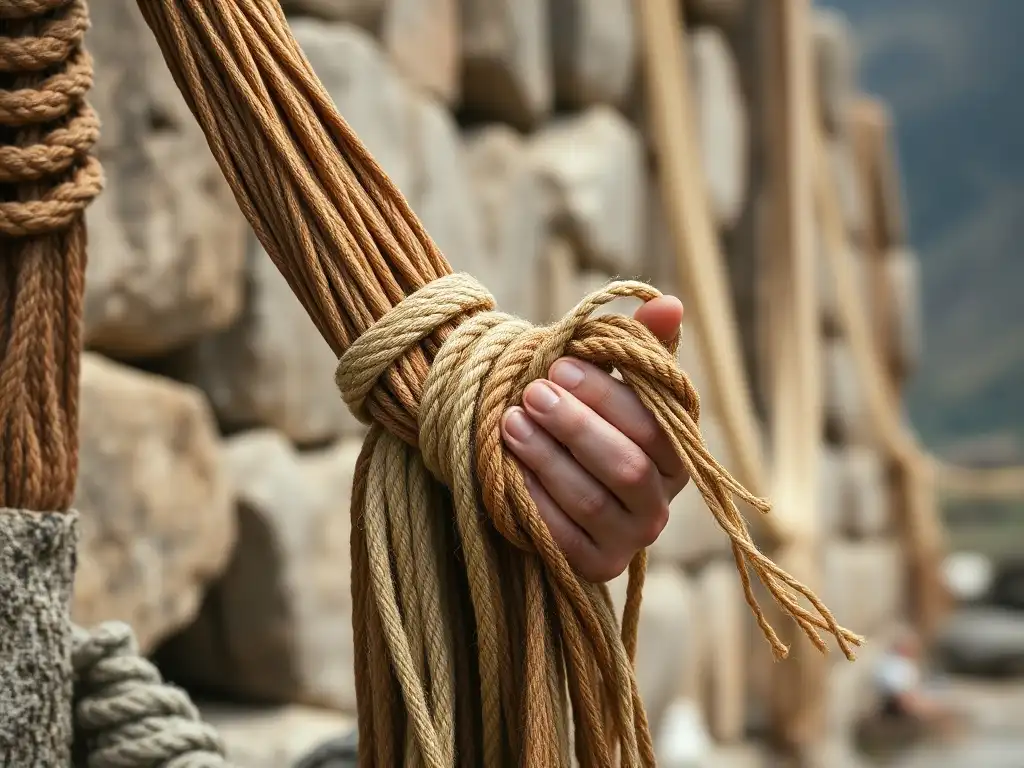
The quipu, a complex system of knotted strings, served as a vital tool for record-keeping within the Inca Empire. Far from being a simple mnemonic device, the quipu was a sophisticated system capable of representing numerical data, potentially even narrative information. Different colors, types of knots, and the spatial arrangement of strings all contributed to the complexity of the information encoded.
While the exact methods of interpreting quipus remain a subject of ongoing research and debate amongst scholars, it's clear that they played a significant role in Inca administration. The quipus likely recorded census data, tax records, and agricultural yields, providing the Inca government with essential information for resource management and planning. Their use in recording historical events and transmitting narratives is also a possibility, although this aspect requires further investigation.
The quipu's role in the Inca communication system was multifaceted, acting as a crucial tool for preserving and transmitting vital information. The impressive sophistication of the quipu system reflects the advanced mathematical and organizational capabilities of the Inca civilization. It stands as a testament to their innovative approach to record-keeping and information management.
Quipus as Memory Aids for Messengers
The quipu wasn't just a static record; it played a dynamic role in the chasquis system. While the runners themselves may not have been literate in the conventional sense, they could use quipus as memory aids, helping them remember the details of the messages they were carrying across vast distances. By using a visual system of knots and colors, the chasquis could encode and decode information, ensuring the accurate transmission of messages.
This suggests a close intertwining between the quipu system and the relay runner network, highlighting the Inca's innovative approach to combining different communication technologies. The use of quipus as memory aids allowed for the reliable transmission of complex information over long distances, further enhancing the efficiency of the Inca communication system. The integration of the quipu into the chasquis network demonstrates the Inca's practical and innovative approach to problem-solving.
The use of visual aids like quipus showcases the Inca's understanding of human memory and their ability to adapt existing technologies to new contexts. This symbiotic relationship between the quipu and the chasquis underscores the sophistication of the Inca communication system as a whole.
Challenges and Limitations of the Inca Communication Network
The Inca chasquis system, while remarkably efficient for its time, faced several inherent challenges. The mountainous terrain of the Andes presented a significant obstacle. Maintaining a network of well-maintained roads and trails across such diverse and challenging geography required constant upkeep and significant manpower. Landslides, floods, and earthquakes could disrupt communication lines, sometimes for extended periods.
This necessitated flexible rerouting strategies and redundant pathways, adding complexity to the system's management. Furthermore, the system's reliance on human runners meant that inclement weather, such as heavy snow or torrential rain, could severely impede delivery times and even endanger the chasquis themselves. The speed of transmission was also limited by human endurance; while incredibly fit, runners could only cover certain distances before requiring rest and relay.
Finally, while the system was highly organized, the potential for human error, message corruption, or intentional sabotage remained a constant concern requiring robust oversight and checks. The sheer scale of the empire and the vast distances messages needed to travel also contributed to the inherent limitations of the system. Imagine the logistical nightmare of coordinating thousands of runners across such a vast area!
The Impact of the Inca Messenger System on Imperial Control
The Inca messenger system was instrumental in maintaining the empire's centralized control. The rapid transmission of information allowed the Sapa Inca to effectively govern his vast domain. Tax collection, military mobilization, and the distribution of resources could be managed with unprecedented speed and efficiency.
Rebellions or uprisings could be swiftly quelled due to the timely arrival of reinforcements and the rapid dissemination of imperial decrees. This efficient communication network facilitated the imposition of Inca culture and language across conquered territories, fostering a sense of unity—or at least, obedience—within the diverse populations of the empire. The system's effectiveness in suppressing dissent and enforcing imperial authority was crucial to the empire's longevity and stability.
Without this rapid communication network, the Inca Empire's vast size would likely have proved impossible to manage effectively. The ability to quickly respond to crises and maintain consistent communication across the empire was a key factor in its success.
The Legacy of the Inca Relay System
The Inca relay system, though ultimately superseded by more advanced technologies, left a lasting legacy. Its ingenuity and efficiency continue to fascinate historians and engineers alike. The extensive road network built to support the chasquis system remains a testament to Inca engineering prowess and continues to influence modern infrastructure projects in the Andes.
The organizational skills and logistical expertise demonstrated by the Inca in managing this complex communication network are still studied today, offering valuable insights into effective management and communication strategies, even in the digital age. The story of the chasquis serves as a powerful example of human ingenuity and adaptation, showcasing how a civilization could overcome significant geographical challenges to create a remarkably effective communication system. Furthermore, the system's impact on the cultural and political landscape of the Andes is undeniable, shaping the region's history in profound ways.
The echo of the chasquis' tireless running can still be felt in the Andes today, a reminder of the empire's impressive reach and capabilities. The system's sophisticated organization and reliance on human resources offer valuable lessons for modern communication and logistics management.
Comparing Inca Communication with Other Ancient Methods
The Inca chaski relay runner system stands out amongst other ancient communication networks for its efficiency and scale. While other civilizations, such as the Persians with their advanced road systems and horse-mounted couriers, also boasted impressive communication networks, the Inca system possessed unique characteristics. The Persian system, for example, relied heavily on horseback riding, limiting its effectiveness in the mountainous terrain of the Andes.
The Inca system, conversely, adapted to the challenging geography, utilizing a network of strategically placed relay stations and runners acclimated to high altitudes. This allowed for rapid transmission of messages across vast distances, even surpassing the speed of the Roman cursus publicus in certain contexts, although direct comparisons are difficult due to variations in terrain and message urgency. The Roman system, while impressive in its organization and reach, lacked the same level of adaptability to diverse landscapes as the Inca system.
Furthermore, the Inca system's reliance on human runners, while seemingly less technologically advanced, proved remarkably resilient and adaptable to disruptions, unlike systems dependent on animal transport or more complex technologies which were vulnerable to breakdowns or sabotage. The sheer scale of the Inca network, spanning thousands of miles across diverse and challenging terrains, remains a testament to its ingenuity and effectiveness.
The Importance of the Inca Postal System for Andean History Studies
The Inca postal system, with its intricate network of chasquis and relay stations, provides invaluable insights for Andean history studies. The system's efficiency facilitated the rapid dissemination of imperial decrees, census data, and other crucial information, offering historians a window into the administrative capabilities of the Inca Empire. The organization and logistics of this system reveal much about Inca governance, revealing the level of centralized control and the empire's sophisticated administrative infrastructure. The physical remains of the chaski network, including the road systems and waystations, are important archaeological sites providing tangible evidence of Inca engineering prowess and societal organization.
Furthermore, the study of the Inca communication system helps us understand the social dynamics within the empire. The roles and responsibilities of the chasquis themselves, their selection process, and their integration into the broader Inca society, all contribute to a richer understanding of Inca social structures and labor organization. Analysis of the types of messages transmitted through the system, and the speed with which they were relayed, helps researchers reconstruct events and understand the empire's responses to challenges such as natural disasters or rebellions.
The Inca postal system, therefore, is not merely a logistical marvel; it's a crucial source of information that sheds light on various aspects of Inca civilization, offering an unparalleled glimpse into the functioning of a complex and powerful pre-Columbian empire. The study of this system is crucial for a comprehensive understanding of Inca history, administration, and the daily lives of its people. Without understanding the Inca messenger system, a complete picture of the Inca Empire remains elusive.
Frequently Asked Questions
How did the Inca Empire communicate over such vast distances?
The Inca utilized a sophisticated relay runner system, known as chasquis, to transmit messages rapidly across their empire. These runners passed messages along a network of roads, covering impressive distances in a short time.
What role did the chasquis play in the Inca communication system?
Chasquis were specially trained runners responsible for carrying messages across the Inca Empire. They formed a vital part of the empire's communication network, ensuring swift delivery of information.
How fast could the Inca messenger system transmit messages?
The speed of the Inca messenger system was remarkable. Messages could travel hundreds of miles in a single day, due to the network of relay runners and well-maintained roads.
What types of messages were transmitted through the Inca messenger system?
The Inca messenger system carried a variety of messages, including government decrees, military orders, and census data. It also facilitated the transmission of important news and cultural information.
What was the importance of the Inca road system to their communication network?
The extensive Inca road system was crucial to the success of their communication system. The roads provided a well-maintained pathway for the chasquis, enabling efficient and rapid message delivery across the vast empire.
Final Reflection: Echoes of the Chaski: A Legacy of Swift Communication
The Inca's sophisticated communication network, reliant on the tireless chaski runners, remains a potent symbol of ingenuity and the power of interconnectedness in a pre-industrial world. Its efficiency and reach, spanning thousands of miles across challenging terrain, stand in stark contrast to the often fragmented and slow communication methods of many modern societies, even in our age of instant digital messaging. This system wasn't just about speed; it was about the very fabric of imperial control and societal cohesion.
The enduring legacy of the chaski system extends far beyond its historical context. It serves as a powerful reminder of the human capacity for organization and collaboration, even in the face of seemingly insurmountable obstacles. The Inca road system was not merely a means of transportation; it was a living artery, pulsating with the lifeblood of the empire.
This quote highlights the vital role communication played in maintaining the vast Inca empire, a role that resonates even today as we grapple with the challenges of global interconnectedness and information flow. The chaski system's efficiency and resilience offer valuable lessons in effective communication strategies, even in our digitally-driven world.
Consider the implications of this ancient system for your own life. How can you improve your communication networks, both personally and professionally? How can you foster stronger connections with others, mirroring the dedication and efficiency of the chaski runners? Embrace the spirit of swift and reliable communication, learn from the ingenuity of the past, and build a more connected and informed future. The echoes of the chaski runners still call to us, urging us to strive for clarity, efficiency, and the enduring power of human connection.
**Unleash Your Inner Messenger – Connect with the Inca Legacy! **
Thank you for exploring the fascinating world of Inca communication! You've discovered how their relay runners revolutionized messaging and imperial control. Now, let's put that knowledge to practical use!
Here are some ways to further engage with this incredible legacy:
- **Delve deeper into Inca communication:** Explore our dedicated section on Andean communication methods to expand your understanding of ancient messaging systems.
- **Share your knowledge:** Inspire friends and family by discussing the Inca's impressive relay system and its impact on their civilization.
- **Get creative:** Design your own messaging system inspired by Inca methods, perhaps even organizing a modern relay race with friends!
Feeling inspired? What aspect of Inca communication most intrigues you, and how could you incorporate it into your life today? Share your thoughts below!