
The Inca Calendar: Organizing Time and Agricultural Cycles

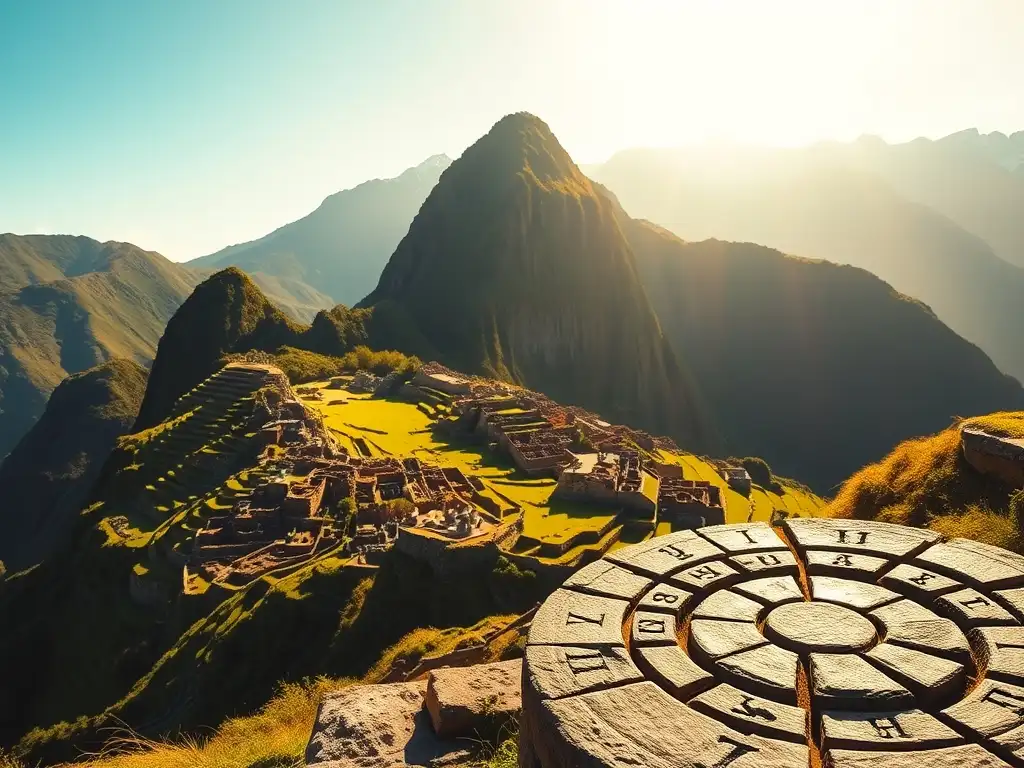
Unravel the mysteries of a civilization that harnessed the power of the Andes! Step into a world where celestial knowledge dictated daily life, and masterful engineering shaped the landscape. Discover how the Inca calendar meticulously organized agricultural cycles, a feat of ingenuity that allowed this empire to thrive. Prepare to be amazed by the intricate connection between astronomy, agriculture, and the vibrant tapestry of Inca life – a story waiting to be uncovered.
The Inca Empire, renowned for its sophisticated engineering and intricate social structures, possessed a remarkably advanced understanding of timekeeping. Unlike the rigid, written calendars of many other ancient civilizations, the Inca calendar was a complex system deeply interwoven with their agricultural practices and religious beliefs.
This intricate system, passed down through generations of oral tradition, allowed the Incas to precisely manage their agricultural cycles, plan their religious festivals, and maintain the stability of their vast empire. This article delves into the intricacies of the Inca calendar, focusing specifically on its crucial role in organizing and optimizing agricultural production, illustrating how a keen understanding of celestial events fueled their agricultural success and societal harmony.
We will explore the foundation of their timekeeping, the lunar calendar, and the detailed methods they used to observe and track the lunar phases, revealing the ingenuity behind this vital aspect of Inca civilization. Understanding the Inca calendar provides invaluable insight into the sophisticated organization and resourcefulness that underpinned the Inca Empire's remarkable achievements.
Understanding the Inca Timekeeping System
The Inca calendar wasn't a singular, monolithic entity like the Gregorian calendar we use today. Instead, it was a multifaceted system relying heavily on observations of the sun, moon, and stars. It wasn't written down but transmitted orally, making precise reconstruction challenging for modern scholars.
However, through meticulous analysis of archaeological findings, ethnohistorical accounts, and the study of surviving Andean cultures, a clearer picture emerges. The Inca system integrated both solar and lunar cycles, creating a complex interplay that guided their agricultural practices and religious rituals. This meant that the Inca calendar wasn't just about tracking days and months; it was about understanding the intricate relationship between the celestial bodies and the earth's productivity.
The system was remarkably accurate, allowing the Incas to predict seasonal changes with impressive precision, crucial for their agricultural success in the diverse Andean environments. This intricate understanding of time played a pivotal role in the Inca's ability to manage resources effectively, ensuring food security and societal stability across their vast empire.
The Inca Lunar Calendar: A Foundation for Time Measurement
The Inca lunar calendar formed the bedrock of their timekeeping system. Unlike the solar calendar, which tracks the Earth's revolution around the sun, the lunar calendar follows the phases of the moon. The Inca meticulously observed the moon's cycles, using them to mark the passage of time and regulate agricultural activities.
Each lunar month, approximately 29.5 days, was a significant unit within their calendar. These months were not necessarily of equal length, reflecting the natural variations in the lunar cycle. Evidence suggests the Incas used knotted cords, known as quipus, to record lunar cycles and other important temporal data.
These quipus acted as sophisticated memory aids, allowing the transmission of crucial information across generations. The lunar calendar provided a framework for the Inca's agricultural planning, allowing them to predict planting and harvesting times with considerable accuracy, ensuring optimal yields across their diverse agricultural regions. The precise length of their lunar months, when compared to modern astronomical calculations, points to a high level of observational skill.
How the Incas Tracked Lunar Phases
The Incas developed sophisticated methods for tracking lunar phases, relying on careful observation and the transmission of knowledge through oral tradition. They likely used a combination of techniques, including direct observation of the moon's appearance in the night sky and possibly the use of simple astronomical instruments. While physical remains of such instruments are scarce, the accuracy of their calendar suggests a level of observational sophistication beyond simple naked-eye observation.
The Inca priests, known as amautas, played a crucial role in observing and interpreting celestial events. They were responsible for tracking the lunar cycles and advising the rulers and communities on appropriate agricultural activities and religious ceremonies. Their deep understanding of the lunar calendar was crucial for maintaining the stability and prosperity of the Inca Empire.
The precise methods employed remain partially shrouded in mystery, but the accuracy of their agricultural practices, strongly tied to lunar cycles, undeniably points to a highly developed system of lunar phase tracking. Further research and archaeological discoveries may shed more light on the precise techniques used by the Inca to track the moon's phases and integrate this knowledge into their complex calendar system.
The Importance of Astronomy in Inca Society
The Inca calendar wasn't simply a way to track days and years; it was deeply intertwined with the Inca worldview, placing astronomy at its very core. The Inca people possessed an incredibly sophisticated understanding of celestial movements, recognizing the profound influence of the sun, moon, and stars on their agricultural practices and societal organization. Their keen observations weren't merely for intellectual curiosity; they were crucial for survival.
Precise knowledge of the solstices and equinoxes, for example, allowed them to predict the best times for planting and harvesting, maximizing crop yields and ensuring food security for their vast empire. This astronomical knowledge wasn't limited to a priestly class; it was likely disseminated throughout society, contributing to a shared understanding of time and the natural world. The Inca's ability to predict weather patterns, using astronomical cues, was a significant factor in their success in managing resources and sustaining their population.
This intimate connection between celestial events and daily life highlights the integral role of astronomy in Inca society, shaping everything from agricultural practices to religious ceremonies and social structures. Their sophisticated understanding of the cosmos served as the foundation for their remarkably efficient and organized civilization.
The Inca's astronomical prowess is evident in the precise orientation of many of their structures. Temples, agricultural terraces, and even entire cities were often aligned with significant celestial events, reflecting a deep understanding of the sun's path across the sky. This deliberate alignment wasn't accidental; it was a testament to their advanced knowledge and skill in astronomy.
For instance, the orientation of specific windows in certain buildings allowed for the observation of the solstices and equinoxes, marking the crucial turning points in the agricultural year. This meticulous planning demonstrates the importance of astronomical observations in their daily lives and their ability to integrate their cosmological beliefs into their physical environment.
The integration of astronomical knowledge into architecture underscores the fundamental role of astronomy in Inca culture and its impact on their societal development and agricultural success. The precision and purposefulness of these alignments are a striking example of their sophisticated astronomical understanding and its practical applications.
Furthermore, the Inca calendar likely played a significant role in their religious practices. Many of their festivals and ceremonies were timed to coincide with important astronomical events, further emphasizing the integral role of astronomy in their spiritual life. The precise timing of these events, based on their astronomical observations, suggests a well-established calendar system that was intricately linked to their religious beliefs and practices.
This close relationship between astronomy and religion reinforces the idea that the Inca calendar wasn't merely a practical tool but also a fundamental aspect of their cultural and spiritual identity. The synchronization of religious events with astronomical occurrences highlights the holistic nature of their society, where the natural world and the spiritual realm were inextricably linked. The Inca calendar, therefore, served as a bridge between the celestial and the terrestrial, providing a framework for both practical and spiritual life.
- Understanding the Inca Timekeeping System
- The Inca Lunar Calendar: A Foundation for Time Measurement
- How the Incas Tracked Lunar Phases
- The Importance of Astronomy in Inca Society
Inca Calendar and Agricultural Practices
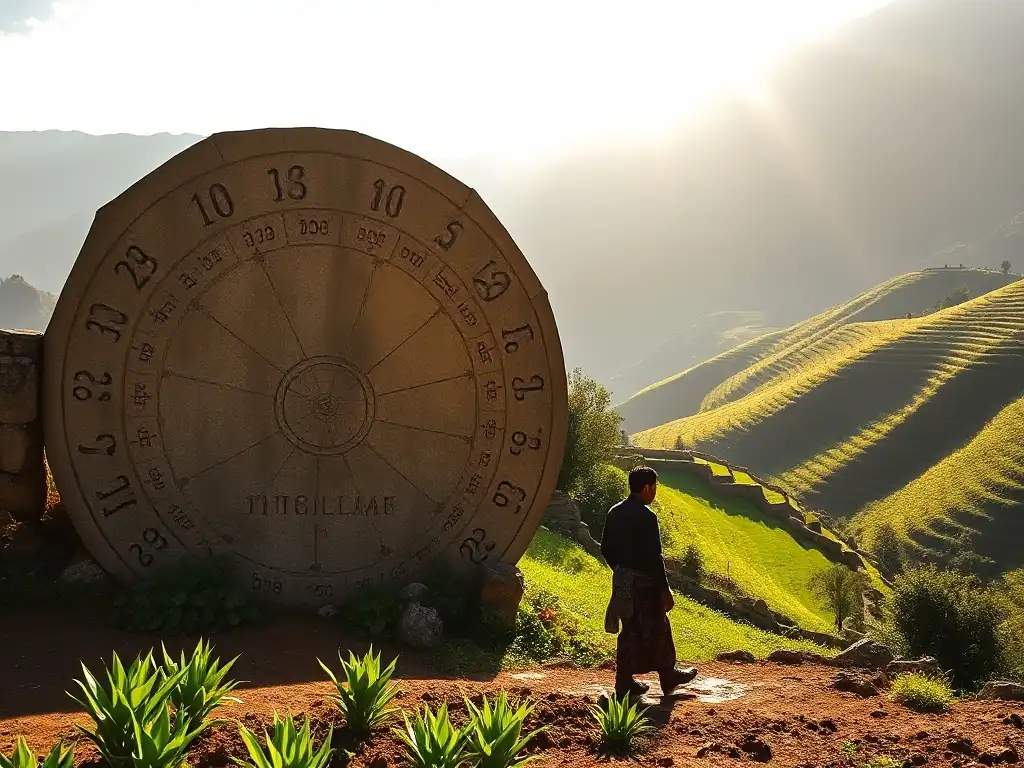
The Inca calendar, a sophisticated system for tracking time, wasn't merely a chronological tool; it was intricately woven into the fabric of Inca society, particularly their agricultural practices. Its accurate prediction of seasonal changes was crucial for the empire's survival, ensuring the timely planting, tending, and harvesting of crops that sustained millions.
Understanding the Inca calendar is key to understanding the Inca Empire's remarkable organizational prowess and its success in managing a vast, diverse agricultural landscape. The Inca calendar's precision allowed for optimized resource allocation, minimizing waste and maximizing yields, contributing significantly to the empire's economic stability and political power.
This intricate relationship between timekeeping and agriculture highlights the advanced level of societal organization within the Inca Empire. The system wasn't solely based on solar observations; it incorporated a deep understanding of local climates, microclimates within the Andes, and the specific needs of various crops cultivated throughout the empire's extensive territories.
The Connection Between the Calendar and Planting Seasons
The Inca calendar's influence on agricultural practices is undeniable. The precise determination of solstices and equinoxes, combined with detailed observations of celestial bodies and weather patterns, allowed Inca farmers to predict planting seasons with remarkable accuracy. This knowledge was crucial, as the Andean highlands are characterized by diverse microclimates and varying growing seasons depending on altitude and geographic location.
The Inca calendar, therefore, wasn't a single, uniform system; it likely incorporated regional variations to account for these localized differences. For instance, planting potatoes in higher altitudes required a different timing than planting maize in lower valleys. The calendar's accuracy ensured that seeds were sown at the optimal time for germination, maximizing yields and minimizing crop failure due to frost, drought, or other climatic factors.
This meticulous approach to timing underscores the deep connection between the Inca worldview, their understanding of the natural world, and their agricultural practices. The efficiency of their agricultural system, directly linked to their calendar, contributed significantly to the empire's ability to support a large and densely populated urban center like Cusco.
Inca Agricultural Cycles and the Calendar's Role
The Inca agricultural year was a complex cycle orchestrated by the calendar. It wasn't just about planting and harvesting; it involved a series of meticulously planned activities, each timed according to the calendar's predictions. These activities included land preparation, irrigation management, fertilization, pest control, and the storage of harvested crops for the dry season.
The calendar dictated the timing of capacocha, the ritual sacrifices offered to ensure bountiful harvests. Evidence suggests that the Inca calendar incorporated a system of predicting potential droughts or floods, allowing for proactive measures to mitigate their impact. The Inca's knowledge of astronomy and their sophisticated understanding of environmental factors allowed them to predict and adapt to these challenges effectively, something that is still relevant for modern Andean agricultural practices.
The ayllu, the community-based social and economic system, played a crucial role in implementing the calendar's dictates, ensuring collective action in agricultural activities. This organization and shared responsibility were essential for the success of Inca agriculture.
Key Dates in the Inca Agricultural Year
While precise dates are subject to ongoing scholarly debate due to limited written records, certain key periods in the Inca agricultural year are generally accepted based on archaeological evidence and ethnohistorical accounts. These key dates were directly correlated to the calendar's observations of solstices and equinoxes, as well as other celestial events.
| Season | Key Dates (Approximate) | Associated Activities | Significance |
|---|---|---|---|
| Planting Season | June – August (Southern Hemisphere) | Land preparation, sowing of seeds, irrigation | Crucial for ensuring successful crop growth |
| Growing Season | August – December | Weeding, pest control, irrigation management | Ensuring healthy growth and maximizing yields |
| Harvesting Season | December – February | Harvesting of crops, storage of surplus | Securing food supplies for the entire year |
| Dry Season | February – June | Maintenance of storage facilities, preparation for next planting season | Survival through the lean months; planning for next year |
The Inca calendar, deeply intertwined with their agricultural cycles, was more than a timekeeping device; it was a fundamental tool for managing the empire’s resources and ensuring the survival and prosperity of its population. Its sophisticated design and effective implementation reflect the advanced understanding of both astronomy and agriculture possessed by the Inca civilization. 📅 The precision and sophistication of this system highlight the Inca's remarkable capacity for societal organization and their profound connection to the natural world.
The Significance of Solstices and Equinoxes for Inca Farmers
The Inca calendar, intricately tied to agricultural practices, placed immense importance on solstices and equinoxes. These celestial events weren't merely astronomical occurrences; they served as crucial markers for the agricultural year, dictating planting, harvesting, and other essential farming activities. The precise timing of these events, observed through meticulous astronomical observations, allowed Inca farmers to maximize yields and ensure food security for their communities.
The Inca's understanding of the solar cycle was sophisticated, far beyond simple observation. They developed complex systems of terraces and irrigation, directly influenced by their knowledge of the solstices and equinoxes, to optimize water usage and sunlight exposure in different microclimates.
For example, the winter solstice, marking the shortest day of the year, likely signaled the beginning of the dry season in many regions of the Inca Empire. This knowledge would have prompted farmers to begin preparing for the next planting season, perhaps initiating soil preparation or irrigation system maintenance. Conversely, the summer solstice, the longest day, likely indicated the peak of the growing season, prompting the harvest of various crops.
The precise timing of these events varied slightly across the vast Inca Empire due to the diverse geographical landscape, necessitating localized adjustments to farming practices based on specific regional observations. This demonstrates the adaptability and sophistication of the Inca agricultural system, which wasn't a monolithic entity but rather a collection of regionally adapted methods all guided by the overarching principles derived from their calendar and celestial observations. The equinoxes, marking the transition between seasons, likely served as intermediate points for monitoring crop growth and making adjustments as needed.
This intricate understanding of seasonal changes, directly linked to their sophisticated calendar system, allowed for efficient resource management and a remarkable level of agricultural productivity. The Inca calendar, therefore, wasn't just a method of timekeeping; it was a vital tool for managing the agricultural heart of the empire.
The Inca Calendar: Beyond Agriculture
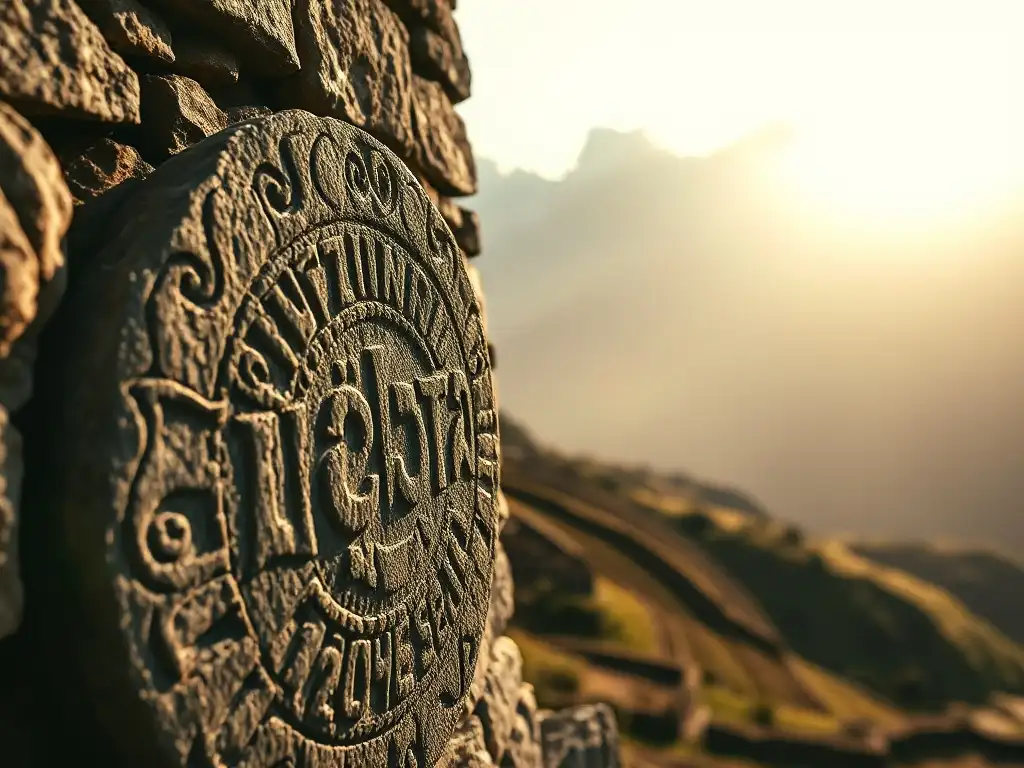
The Inca calendar, often studied primarily through its connection to agricultural cycles, was a far more complex system than simply a farming guide. Its intricate design facilitated not only the precise timing of planting and harvesting but also played a crucial role in religious practices, social organization, and the overall governance of the Inca Empire. While the precise mechanics of the Inca calendar remain debated by scholars, its impact on Inca life is undeniable.
Understanding the calendar's multifaceted nature reveals a sophisticated system that underpinned the empire's power and longevity. The Inca calendar's influence extended far beyond the practicalities of agriculture, deeply intertwining with the spiritual and social fabric of Inca society. This section delves into the calendar's significance beyond its agricultural applications, exploring its religious and social dimensions.
Religious Significance of the Inca Calendar
The Inca calendar was intimately linked to Inca religion. The cyclical nature of the calendar, reflecting the annual agricultural cycle and celestial movements, mirrored the Inca worldview, which emphasized the cyclical nature of life, death, and rebirth. Specific dates held profound religious significance, often associated with particular deities or events in Inca mythology.
For example, the Inti Raymi, the festival of the sun, was celebrated at the winter solstice, marking a crucial point in the agricultural cycle and a time of renewal and homage to Inti, the sun god. This festival was not merely a celebration of harvest but a deeply spiritual event that reinforced the Inca's cosmological beliefs and the emperor's divine authority. The calendar, therefore, acted as a sacred roadmap, guiding religious practices and reinforcing the Inca's connection to the cosmos.
The precise astronomical observations underpinning the calendar further cemented its importance in the religious sphere, highlighting the Inca's sophisticated understanding of the celestial bodies and their influence on earthly affairs. The alignment of structures like Machu Picchu with celestial events further emphasizes this connection between the calendar and the spiritual world.
Festivals and Ceremonies Linked to the Inca Calendar
The Inca calendar dictated the timing of numerous festivals and ceremonies, many of which were interwoven with agricultural practices. These events were not only religious observances but also served as crucial social gatherings, reinforcing community bonds and reinforcing the Inca's social hierarchy. The precise dates of these festivals varied regionally, reflecting the diverse agricultural cycles and local customs across the vast empire.
However, several key festivals were celebrated throughout the Inca territories, unifying the diverse populations under a common calendar-based framework. For instance, the Capac Raymi, celebrated in the month of December, honored the Inca ruler and symbolized the renewal of the empire's power. This event involved elaborate processions, sacrifices, and feasts, further highlighting the calendar's role in strengthening the social and political order.
Detailed records of these festivals, while scarce, provide glimpses into the vibrant ceremonial life governed by the Inca calendar. Further research into regional variations in festival celebrations could provide a deeper understanding of the calendar's adaptive nature and its role in forging a unified, yet diverse, Inca identity.
Beyond its agricultural and religious functions, the Inca calendar served as a powerful tool for social organization. The meticulous tracking of time enabled the Inca to manage their vast empire effectively. The calendar facilitated the organization of labor, the distribution of resources, and the mobilization of manpower for large-scale projects like road construction and irrigation systems.
The cyclical nature of the calendar allowed for predictable planning of these activities, ensuring the smooth functioning of the Inca state. The intricate system of quipu, a knotted-cord system used for record-keeping, likely played a significant role in recording and disseminating information related to the calendar and its associated activities. This sophisticated record-keeping system, combined with the calendar's structure, allowed for efficient administration across diverse regions and populations.
The Inca calendar, therefore, was not merely a tool for agricultural planning; it was an integral component of the Inca state's administrative machinery, facilitating the effective governance of a large and complex empire. Understanding the calendar's role in social organization offers insights into the impressive administrative capabilities of the Inca civilization. Further study of the quipu system and its relationship to the Inca calendar is crucial to fully comprehend the extent of the Inca's organizational prowess.
Components of the Inca Calendar System
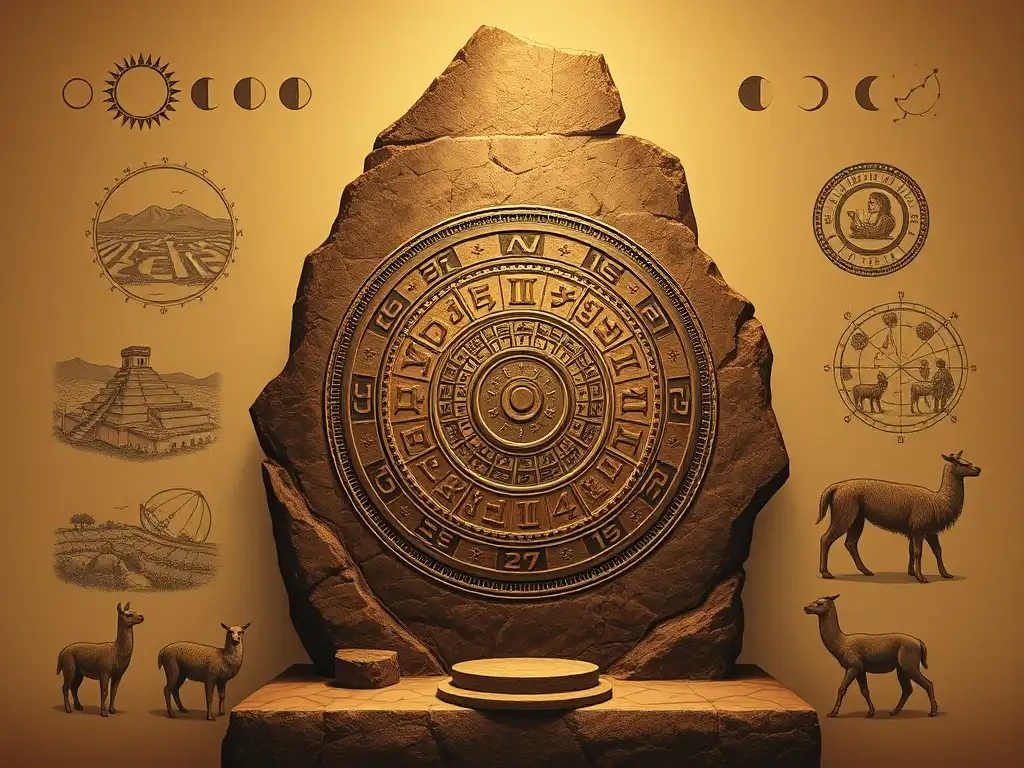
The Inca calendar, intricately woven into the fabric of their society, wasn't a single, monolithic system. Instead, it was a sophisticated interplay of astronomical observation, practical agricultural needs, and deeply ingrained religious beliefs. Understanding its components reveals the ingenuity and precision of Inca timekeeping, crucial for their highly organized empire.
This system, far from being merely a tool for scheduling, profoundly impacted every aspect of Inca life, from agricultural practices to religious festivals and societal organization. The Inca calendar's effectiveness in managing agricultural cycles was a key factor in their empire's success and longevity. Its influence extended beyond practicality, shaping their worldview and cultural identity.
The precise methods used for tracking time and aligning their activities with celestial events remain a subject of ongoing research, but the available evidence points to a remarkably accurate and complex system. This system directly supported the Inca government's ability to effectively manage resources and plan for large-scale projects.
The Role of the "Intihuatana" in Calendar Observation
The Intihuatana, often translated as "sun-tying post," played a pivotal role in Inca calendar observation. These structures, found at various significant sites throughout the Inca Empire, weren't merely decorative stones. They were sophisticated astronomical instruments used to track the sun's movement throughout the year.
The precise design and placement of the Intihuatana varied depending on the location and its specific purpose, highlighting the decentralized yet unified nature of Inca astronomical knowledge. Archaeological evidence suggests that these structures were carefully aligned with solstices and equinoxes, allowing Inca priests to pinpoint crucial dates for agricultural activities and religious ceremonies. For example, the Intihuatana at Machu Picchu is believed to have been used to mark the solstices, providing precise timing for planting and harvesting cycles.
The accuracy of these alignments, considering the available technology, is truly impressive and a testament to the advanced astronomical knowledge of the Inca civilization. Further research into the Intihuatana's design and its relationship to other astronomical markers is needed to fully understand the complexity of Inca timekeeping. The Inca calendar's agricultural cycles were directly managed using these insights.
Inca Time Units: Months and Years
The Inca calendar wasn't based on months and years in the same way as the Gregorian calendar we use today. Instead, their system was likely based on a combination of lunar and solar cycles. While the precise length of their "months" remains debated among scholars, evidence suggests a system of approximately 12 lunar months, with adjustments made to align with the solar year.
This system allowed for accurate prediction of seasonal changes crucial for the Inca calendar's agricultural cycles. The Inca year likely began around June, coinciding with the winter solstice in the Southern Hemisphere. The names of these months, if they existed in a formalized system, are largely lost to time, making reconstruction of the calendar challenging.
However, we can infer their existence from references in colonial-era accounts and through the analysis of agricultural practices. The Inca Empire's extensive agricultural output, a testament to their effective calendar system, relied heavily on the accurate prediction of seasonal changes, highlighting the importance of this system for managing their society. More research is needed to fully reconstruct the Inca's system of months and years, but existing evidence strongly suggests a sophisticated and functional calendar.
The Use of Pillars and Line-of-Sight Alignments
Beyond the Intihuatana, the Inca employed a network of pillars and strategically placed structures to track celestial events. These alignments, often involving lines of sight between distant mountains or peaks, were used to observe the rising and setting points of the sun and stars throughout the year. These observations were essential for the accurate prediction of solstices and equinoxes, pivotal points for the Inca calendar's agricultural cycles.
The precision of these alignments is remarkable, suggesting a deep understanding of astronomy and surveying techniques. The integration of these alignments into the landscape itself demonstrates the seamless connection between Inca astronomy and their environment. Examples of such alignments can be found at various sites throughout the Andes, emphasizing the widespread application of this method for timekeeping.
The development and maintenance of these alignments required significant coordination and expertise, reflecting the central role of astronomy in Inca society and its impact on the Inca calendar. These observations, combined with other methods, contributed significantly to the accuracy of the Inca calendar, ensuring the timely planting and harvesting of crops. Further study of these alignments could reveal more about the intricacies of Inca astronomical observations and their impact on the empire's agricultural success.
The Legacy of the Inca Calendar
The Inca calendar, a sophisticated system of timekeeping deeply intertwined with agricultural practices and societal organization, left an enduring legacy on Andean culture. Its influence extends far beyond the Inca Empire's demise, shaping the worldview and agricultural practices of subsequent Andean communities. While the precise mechanisms of the Inca calendar are still being researched, its fundamental principles – observation of celestial events and their correlation with agricultural cycles – remain central to the understanding of Andean life and its relationship with the environment.
The Inca calendar wasn't simply a tool for scheduling; it was a framework for understanding the cosmos and their place within it. This holistic approach to timekeeping profoundly impacted their social structure, religious beliefs, and economic activities.
The Inca calendar's influence can still be seen in contemporary Andean agricultural practices, where traditional methods often reflect the wisdom and knowledge embedded within this ancient system. Many modern Andean communities continue to use variations of the Inca calendar's principles for planning their planting and harvesting seasons, showcasing its long-lasting and profound impact.
The Inca Calendar's Influence on Andean Culture
The Inca calendar's influence permeated all aspects of Inca society. It dictated agricultural practices, religious ceremonies, and even the organization of the empire's vast workforce. The precise timing of planting and harvesting, crucial for survival in the challenging Andean environment, was directly determined by the calendar. This ensured optimal yields and minimized the risk of crop failure.
Furthermore, religious festivals and ceremonies were meticulously scheduled according to the calendar, reinforcing the Inca worldview that connected the celestial cycles with their daily lives. The calendar's intricate system of predicting weather patterns and seasonal changes also played a critical role in their resource management and infrastructure planning. For example, the construction of irrigation systems and storage facilities was likely planned based on the calendar's predictions of rainfall and drought patterns.
The calendar's influence extended even to the empire's administrative structure, with officials responsible for accurately tracking time and relaying this information throughout the empire. This ensured that agricultural activities and religious observances were synchronized across vast distances, highlighting the calendar's integral role in the Inca Empire's overall organization and efficiency. The Inca calendar was not merely a tool; it was the bedrock of their social and political structure.
Comparing the Inca Calendar with Other Ancient Calendars
Comparing the Inca calendar with other ancient calendars reveals both similarities and striking differences. While many ancient civilizations developed sophisticated systems for tracking time, the Inca approach possessed unique characteristics. Unlike the highly precise lunar or solar calendars of the Egyptians or Maya, the Inca calendar appears to have relied more on a combination of solar observations and practical agricultural knowledge.
For instance, the Inca calendar's agricultural cycles were closely tied to observable weather patterns and the growth stages of specific crops, a practical approach tailored to the specific Andean environment. This contrasts with calendars heavily based on precise astronomical calculations, such as those found in Mesoamerica. However, the Inca system shared similarities with other Andean cultures, indicating a shared understanding of celestial phenomena and their impact on agriculture.
The use of knotted strings, quipus, to record astronomical data and agricultural cycles also sets the Inca calendar apart. The quipu's ability to represent numerical information and potentially even symbolic data offers a unique perspective on how the Inca recorded and transmitted their knowledge of time. Further research is needed to fully understand the complexities of the Inca calendar and its relationship to other ancient systems, but it is clear that it occupied a unique position within the broader landscape of ancient timekeeping.
Preserving the Knowledge of the Inca Timekeeping System
Preserving the knowledge of the Inca timekeeping system presents a significant challenge. The Spanish conquest resulted in the destruction of many Inca records, and the oral traditions that carried this knowledge were suppressed. However, fragments of information remain, gleaned from archaeological discoveries, surviving colonial accounts, and the persistence of traditional Andean practices.
Archaeological excavations have unearthed evidence of astronomical observatories and structures aligned with celestial events, hinting at the sophistication of Inca astronomical knowledge. Ethnographic studies of contemporary Andean communities reveal the continued use of traditional agricultural calendars, often reflecting elements of the ancient Inca system. These traditions offer valuable insights into the Inca calendar's principles and practices, providing valuable clues for reconstructing this lost knowledge.
The preservation of these traditions is crucial for understanding the Inca calendar and its profound impact on Andean culture. Further research, combining archaeological, historical, and ethnographic approaches, is vital to continue piecing together the intricate puzzle of the Inca timekeeping system and understanding its lasting legacy. This effort requires a collaborative approach, involving archaeologists, historians, anthropologists, and the Andean communities themselves, to safeguard and interpret this invaluable cultural heritage.
Frequently Asked Questions
How did the Inca calendar influence agriculture?
The Inca calendar was intimately tied to their agricultural practices. It allowed them to precisely time planting and harvesting, maximizing crop yields and ensuring food security. This was crucial for their survival.
What were the key components of the Inca calendar system?
The Inca calendar system wasn't based on a single written calendar like those of the Europeans. Instead, it relied on a combination of celestial observations, seasonal changes, and a complex system of knotted strings (quipus) to record and track time.
How accurate was the Inca calendar in predicting agricultural cycles?
The Inca calendar was remarkably accurate, allowing for predictable harvests. Their understanding of astronomy and the environment enabled them to anticipate seasonal changes and adapt their agricultural practices accordingly. This contributed to their success.
Did all Andean civilizations use the same calendar system?
While the Inca calendar is well-known, other Andean civilizations, such as the Moche and Nazca, also had sophisticated systems for tracking time and agricultural cycles. However, these systems varied in their specific methods and details. They were distinct, yet shared similar goals.
How did the Inca calendar impact Inca society as a whole?
The Inca calendar was fundamental to Inca society, influencing not only agriculture but also religious ceremonies, social organization, and even state administration. It provided a framework for daily life and social order.
Final Reflection: Echoes of the Andes: The Inca Calendar's Enduring Legacy
The Inca calendar, far from being a relic of a bygone era, offers a powerful model for sustainable living in our increasingly climate-challenged world. Its intricate system of understanding and responding to agricultural cycles provides a vital lesson for modern societies grappling with food security and environmental stewardship. The precision and ingenuity of the Inca approach remain remarkably relevant today.
The Inca's deep connection to the land, reflected in their sophisticated calendar system, serves as a potent reminder of our own interconnectedness with the natural world. Their understanding of seasonal rhythms wasn't merely intellectual; it was deeply ingrained in their culture and spirituality. The earth is what we all have in common.
This simple statement, though not from Inca wisdom, encapsulates the profound truth at the heart of their calendar's purpose: a harmonious relationship between humanity and nature. The ongoing struggle to balance agricultural production with environmental sustainability echoes the challenges faced by the Inca, highlighting the timeless relevance of their approach.
Consider the intricate details of the Inca calendar, its predictive power, and its profound impact on their society. Now, consider your own relationship with the natural world. How can we, in the 21st century, learn from the Inca's wisdom to create more sustainable and resilient communities? Let the echoes of the Andes inspire you to cultivate a deeper understanding of the rhythms of the earth and to build a future where harmony with nature is not just an ideal, but a lived reality.
Embrace the Rhythm of Time – Start Your Inca Journey Today!
Thank you for exploring the fascinating world of the Inca calendar with us! We hope you've gained a deeper appreciation for how this ancient civilization structured its year and harmonized its agricultural practices with the natural world.
Now, let's delve deeper into this captivating aspect of Andean history. Here are some ways to continue your exploration:
- **Explore local farming techniques** inspired by traditional Inca methods. You might be surprised by the wisdom you discover in your own community!
- **Share your newfound knowledge** about the Inca calendar on social media. Spark conversations and engage with others who are interested in this rich history.
- **Connect with online communities** dedicated to ancient civilizations. Discuss and exchange ideas with fellow enthusiasts about the Inca's remarkable understanding of timekeeping.
Consider how understanding the Inca calendar might shift your perspective on time and agriculture in your own life. What new approaches might you adopt?