
Inca Festivals and Ceremonies: Rituals Celebrating Imperial Authority

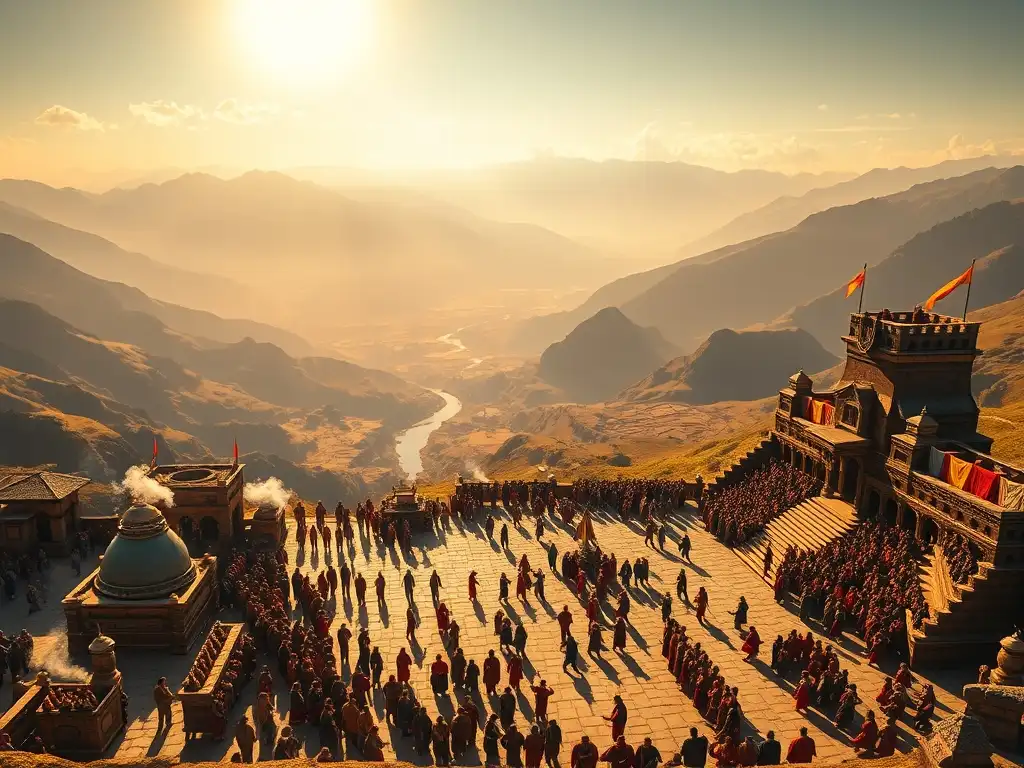
Unravel the mysteries of the Andes! Prepare to be captivated by the lost grandeur of the ancient Andean civilizations. From the breathtaking artistry of the Nazca lines to the sophisticated engineering of the Incas, this journey delves into a world of vibrant cultures and powerful empires. But our focus today? The Inca imperial rituals and ceremonies—a glimpse into the elaborate rituals that cemented their imperial authority and shaped their fascinating world. Dare to explore the secrets held within these ancient traditions… the full story awaits.
The Inca Empire, a vast and sophisticated civilization that flourished in the Andes Mountains, was not only a master of engineering and agriculture but also a society deeply rooted in religious belief and ritual practice. Imperial authority in the Inca world wasn't solely maintained through military might or political maneuvering; it was profoundly intertwined with elaborate festivals and ceremonies.
These weren't mere spectacles; they were powerful tools used to reinforce the Inca's divine right to rule, solidify social hierarchies, and ensure the continued prosperity of the empire. This article delves into the intricacies of Inca imperial rituals and ceremonies, examining their purpose, significance, and the role they played in upholding the power of the Sapa Inca, the emperor.
We will explore specific examples, highlighting the elaborate preparations, the symbolic actions, and the societal impact of these carefully orchestrated events. Understanding these rituals is crucial to grasping the full complexity and enduring legacy of the Inca Empire.
The Significance of Inti Raymi: The Festival of the Sun
Inti Raymi, the Festival of the Sun, was arguably the most important festival in the Inca calendar. Held annually during the solstice in June, it celebrated the Inca sun god, Inti, and reaffirmed the Sapa Inca's divine connection to this powerful deity. The festival was a spectacular display of power and religious devotion, involving thousands of participants and lasting for several days.
It included processions, sacrifices (often llamas or alpacas, sometimes even human sacrifices in exceptional circumstances), elaborate feasts, and theatrical performances. The Sapa Inca himself presided over the ceremony, further emphasizing his role as the intermediary between the divine and the human world.
The meticulous preparation that went into Inti Raymi, from the crafting of ornate garments and the selection of sacrificial animals to the organization of the massive processions, showcased the immense resources and organizational capabilities of the Inca state. This meticulous planning and execution also served as a powerful demonstration of the Inca's control and authority over their vast empire.
Capacocha: Human Sacrifice and Imperial Power
Capacocha, a less celebrated yet equally significant ritual, involved the sacrifice of chosen children and young adults. While the exact nature and frequency of Capacocha are still debated by scholars, it's widely accepted that these sacrifices were deeply symbolic, representing the offering of the empire's most precious resources to the gods. The selected individuals, often from the elite classes, were considered to be living embodiments of divine power.
Their sacrifice was seen as a way to maintain cosmic balance, appease the gods, and ensure the continued prosperity of the empire. The elaborate ceremonies surrounding Capacocha, including the adornment of the victims with precious artifacts and the meticulous preparation of their mummies, highlight the ritual's profound religious significance and its role in legitimizing Inca rule. The selection of victims from various regions of the empire also demonstrated the Sapa Inca's reach and control over the far-flung corners of his domain.
Other Important Inca Festivals and Ceremonies
Beyond Inti Raymi and Capacocha, numerous other festivals and ceremonies were observed throughout the Inca year. These included celebrations marking agricultural cycles, honoring specific deities, and commemorating important historical events. These rituals, though perhaps less grand in scale than Inti Raymi, played a vital role in reinforcing social cohesion, reinforcing the Inca worldview, and maintaining the emperor's authority. Many of these ceremonies involved communal participation, highlighting the interconnectedness of the Inca society and the shared belief system that bound them together. Further research is needed to fully understand the diversity and complexity of these lesser-known rituals. Detailed records are scarce, and archaeological evidence often requires careful interpretation. However, the surviving accounts and artifacts offer valuable glimpses into the rich tapestry of Inca religious life and their sophisticated system of imperial control.
The study of Inca imperial rituals and ceremonies provides a fascinating window into the worldview and power structures of this remarkable civilization. Their elaborate rituals were not simply religious observances; they were integral to the functioning of the Inca state, serving to maintain imperial authority, reinforce social order, and ensure the continued prosperity of the empire.
- The Significance of Inti Raymi: The Festival of the Sun
- Capacocha: Human Sacrifice and Imperial Power
- Other Important Inca Festivals and Ceremonies
The Significance of Inca Imperial Rituals and Ceremonies
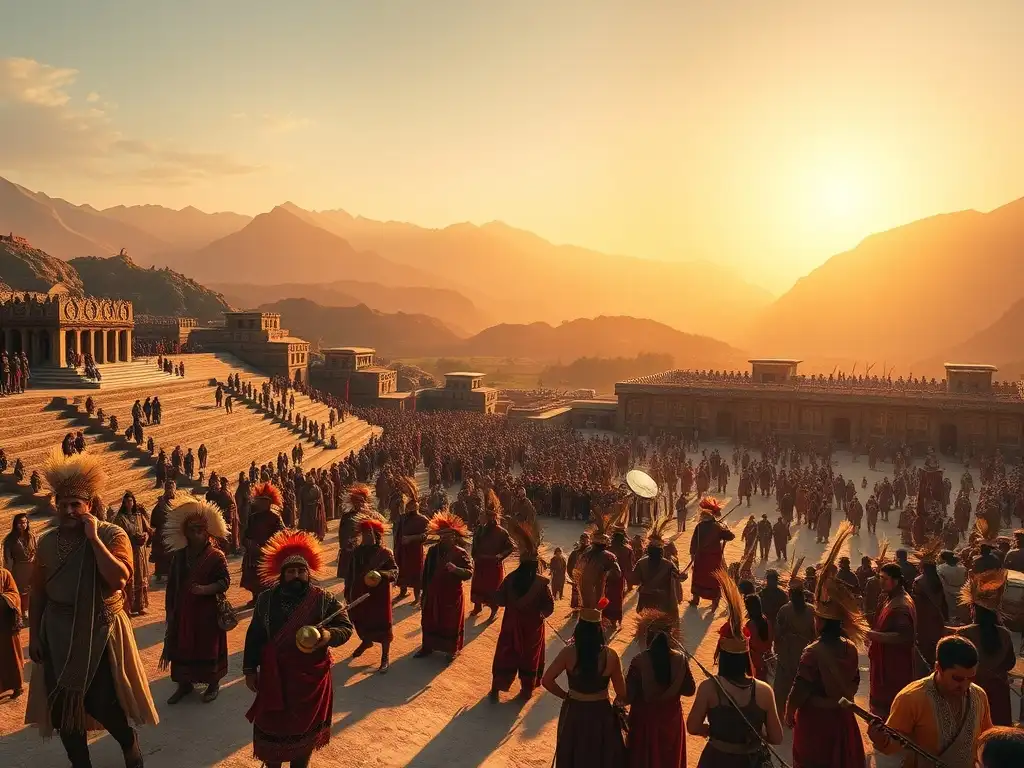
Inca imperial rituals and ceremonies were far more than mere celebrations; they were integral components of the empire's sophisticated system of governance and social control. These elaborate performances served to reinforce the Inca's divine authority, maintain social order, and solidify their control over the vast and diverse populations under their rule. The sheer scale and complexity of these events, often involving thousands of participants and meticulously planned logistics, underscore their importance within Inca society.
The Inca, through these meticulously orchestrated rituals, successfully projected an image of power, stability, and divine legitimacy that was crucial to the empire's longevity. Their effectiveness stemmed not only from their spectacular nature but also from their deep integration into the everyday lives of the subjects. The rituals were not isolated events but rather recurring affirmations of the Inca's power, subtly shaping beliefs and reinforcing societal norms.
Analysis of surviving accounts, archaeological evidence, and ethnohistorical data reveals a complex interplay of religious belief, political strategy, and social engineering that made these ceremonies a cornerstone of Inca imperial power. The meticulous organization and execution of these events also highlight the advanced administrative capabilities of the Inca state, capable of mobilizing vast resources and coordinating the actions of thousands of individuals.
The Role of Festivals in Inca Society
Festivals within Inca society weren't simply occasions for merriment; they were powerful tools for reinforcing the emperor's authority and maintaining social cohesion. These events, often tied to agricultural cycles and religious observances, served as crucial moments for the display of imperial power and the reaffirmation of Inca dominance. For example, the Capac Raymi, the most important Inca festival, celebrated the solstice and reinforced the emperor's role as a divine intermediary.
The festival involved elaborate processions, sacrifices, and feasts, showcasing the empire's wealth and the emperor's close relationship with the gods. Participants from across the empire would travel to Cusco, the capital, to witness the spectacle, fostering a sense of shared identity and loyalty to the Inca ruler. Smaller, localized festivals also played a critical role in maintaining order at a regional level.
These celebrations, often associated with local deities and agricultural cycles, reinforced the authority of local officials appointed by the Inca and ensured the smooth functioning of the empire's administrative system. The frequency and scale of these festivals, from grand imperial events to smaller regional celebrations, served as a constant reminder of the Inca's pervasive influence and the importance of maintaining order and loyalty to the empire. The detailed organization and the significant resources allocated to these celebrations further emphasize their pivotal role in Inca governance.
Understanding the Purpose of Inca Ceremonies
Inca ceremonies, distinct from festivals in their more focused and ritualistic nature, served a wide range of purposes, all contributing to the maintenance of imperial power. These ceremonies weren't merely symbolic; they were functional elements of the Inca state's elaborate system of control. Many ceremonies focused on maintaining ayllu (community) cohesion and loyalty. Rituals involving mamacocha (the mother of water) ensured the fertility of the land, crucial for agricultural success and thus social stability.
These ceremonies fostered a sense of shared destiny and reinforced the interdependence of different ayllus within the empire. Other ceremonies, such as those involving mummification and ancestor veneration, emphasized the continuity of Inca power and the legitimacy of the ruling lineage. The meticulous preservation of royal mummies and the elaborate rituals surrounding them served to connect the current Inca with their illustrious predecessors, reinforcing the idea of a divinely ordained and unbroken line of rulers. Finally, ceremonies played a key role in regulating the empire's complex economy.
Rituals associated with tribute collection, for example, reinforced the obligations of subordinate groups and ensured the continued flow of resources to the imperial center. The precise choreography and symbolic significance of these rituals were meticulously crafted to achieve specific political, economic, and social aims. The detailed nature of these ceremonies demonstrates a sophisticated understanding of power dynamics and the use of ritual to manage a vast and diverse empire. Evidence suggests a clear connection between the successful performance of these rituals and the continued stability and prosperity of the Inca Empire.
Key Inca Religious Festivals and Celebrations
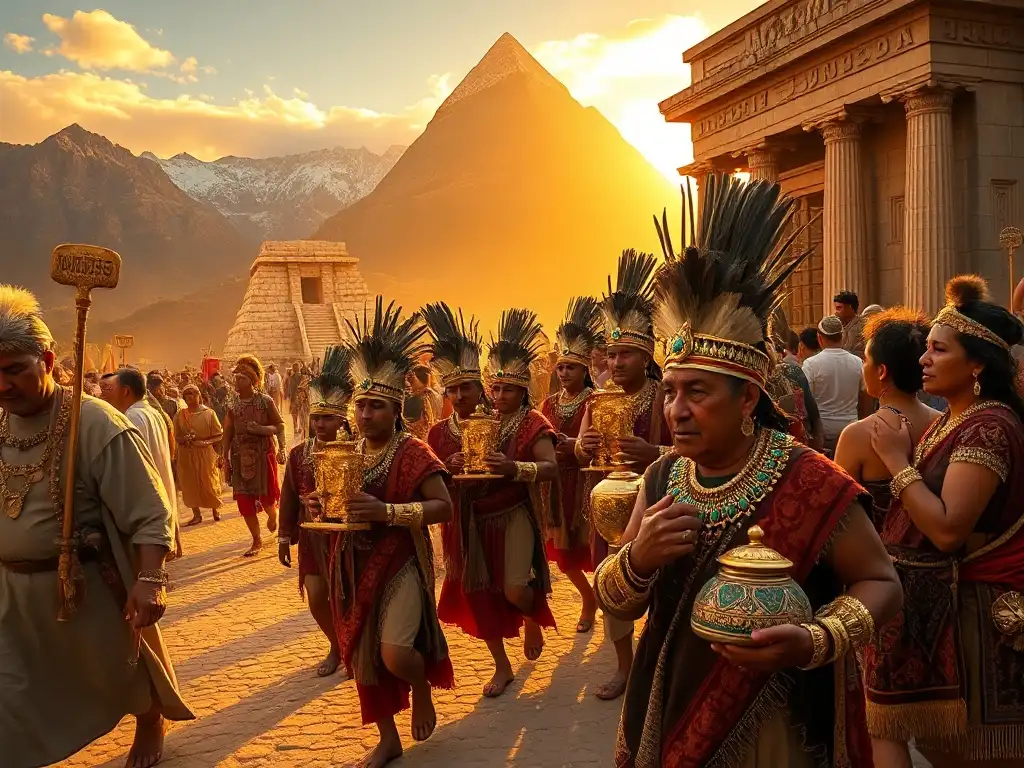
The Inca Empire, renowned for its sophisticated administrative system and impressive infrastructure, also possessed a complex religious framework that reinforced imperial authority. Inca imperial rituals and ceremonies weren't merely religious observances; they were powerful tools used to solidify the emperor's power, legitimize his rule, and maintain social order. These elaborate events served as crucial mechanisms for expressing and reinforcing the Inca worldview, binding together the vast empire through shared beliefs and practices. Key festivals, meticulously planned and executed, were central to this system.
Inti Raymi: The Festival of the Sun
Inti Raymi, meaning "Festival of the Sun," was arguably the most important Inca festival, a grand celebration honoring the sun god Inti, the supreme deity in the Inca pantheon. This event, held annually around the winter solstice (June 21st), was a spectacle of immense proportions, involving thousands of participants and lasting for several days. Its significance extended far beyond mere religious observance; it was a powerful display of imperial strength and divine legitimacy.
The Importance of the Sun God Inti
Inti wasn't just a deity; he was considered the ancestor of the Inca emperors, directly linking the Sapa Inca to the divine realm. The emperor's authority was believed to stem from his connection to Inti, making the sun god a cornerstone of Inca imperial ideology. The Inca worldview saw the emperor as a divine intermediary between the sun god and the people, responsible for maintaining cosmic order and ensuring agricultural prosperity.
This belief was meticulously reinforced through elaborate rituals and ceremonies like Inti Raymi. The success of the harvest, the health of the livestock, and even the stability of the empire were all attributed to the favor of Inti, mediated by the emperor. Depictions of Inti, often found in gold and other precious materials, further emphasized his importance and the emperor's close relationship with him.
Rituals and Performances during Inti Raymi
Inti Raymi was a multi-day event, starting with elaborate preparations involving the cleansing of temples and the selection of sacrificial animals. The central ritual involved the emperor performing sacrifices to Inti at the main temple in Cusco, the heart of the Inca Empire. These sacrifices, often including llamas and other animals, were believed to appease the sun god and ensure his continued favor.
The festival also featured elaborate processions, musical performances, and dramatic enactments that recounted Inca myths and legends, reinforcing the emperor's lineage and his divine right to rule. Thousands of people from across the empire participated, demonstrating the widespread recognition and acceptance of the emperor's authority. The sheer scale of the event itself served as a powerful symbol of imperial power and unity.
Detailed accounts from Spanish chroniclers, while potentially biased, provide valuable insights into the complexity and grandeur of Inti Raymi. Further research is needed to fully understand the specific rituals and their variations across different Inca regions.
Capac Raymi: Honoring Inca Nobility
While Inti Raymi focused on the sun god and the emperor's divine connection, Capac Raymi, also known as the "Festival of the Capac," honored the Inca nobility. This event, though less grand in scale than Inti Raymi, played a vital role in reinforcing the hierarchical structure of Inca society and consolidating the emperor's control over the elite. The festival served as a platform to display the power and prestige of the ruling class, while simultaneously reminding them of their allegiance to the emperor.
The Initiation Rites of Young Nobles
Capac Raymi included important initiation rites for young nobles. These ceremonies involved rigorous training and testing, preparing the future leaders for their roles in the Inca administration. The ceremonies involved physical challenges, religious instruction, and demonstrations of loyalty to the emperor.
Successful completion of these rites marked the transition from youth to adulthood, solidifying their status within the elite and reinforcing their commitment to the Inca imperial system. The rigorous nature of these rites symbolized the demanding responsibilities of leadership and the importance of loyalty to the emperor. These events were not merely symbolic; they were essential in shaping the character and loyalty of the future elite.
The Political Significance of Capac Raymi
Capac Raymi's significance lay not only in its symbolic representation of Inca nobility but also in its pragmatic political function. By bringing together the elite, the festival provided an opportunity for the emperor to directly interact with them, reaffirming alliances, resolving disputes, and reinforcing his authority. The distribution of rewards, honors, and privileges during the festival served as a powerful tool for maintaining social control and consolidating the emperor's power.
The event served as a reminder of the hierarchical structure of Inca society, with the emperor at its apex, and the nobility firmly under his control. The careful orchestration of these events ensured the continued stability and cohesion of the Inca Empire's ruling class. Further research into the specific rituals and political maneuvers during Capac Raymi would enhance our understanding of the subtle dynamics of Inca power.
Coya Raymi: Celebrating the Inca Queen
The Coya Raymi, a festival honoring the Inca queen (Coya), was a significant event in the Inca calendar. While less frequently documented than some other festivals, its importance stemmed directly from the crucial role of the Coya in Inca imperial power and legitimacy. The Coya wasn't merely a figurehead; she was a vital political and religious leader, acting as a conduit between the divine and the earthly realm, particularly in matters concerning fertility and prosperity.
The festival itself likely involved elaborate processions, offerings, and feasts, reflecting the queen's elevated status and the reverence afforded her. Specific details regarding the rituals and ceremonies performed during the Coya Raymi are scarce, however, highlighting the need for further archaeological research and textual analysis to fully understand its significance.
Scholars believe that the festival served to reinforce the Inca's divine right to rule, connecting the royal lineage to the gods and ensuring the continued prosperity of the empire. The careful preservation of royal mummies further suggests the enduring symbolic importance of the Inca royal family and, consequently, the Coya Raymi.
The Importance of Royal Women in Inca Society
Inca society, despite its patriarchal structure, placed significant importance on royal women. The Coya, as the wife of the Sapa Inca (emperor), held considerable power and influence. She was not just a consort; she was a political figure in her own right, acting as an advisor to the emperor and holding sway over certain aspects of the empire's administration.
She was often involved in religious ceremonies, serving as a mediator between the emperor and the deities. This suggests a complex interplay of gender roles within the Inca elite, where women, though not holding direct military power, held considerable soft power and religious authority.
The Coya's influence extended beyond the royal court; she played a key role in the social and economic life of the empire, overseeing various aspects of textile production and potentially influencing agricultural practices. The importance of the Coya is reflected in the elaborate funerary practices associated with her burial, further evidence of her significance within the Inca state.
Rituals Honoring the Coya
While precise details are lacking due to limited documentation, we can infer the nature of the rituals honoring the Coya based on accounts of other Inca ceremonies and the overall importance placed on royal women. These rituals likely involved elaborate offerings, including fine textiles, gold and silver ornaments, and food. The participation of high-ranking priests and priestesses, alongside noble women, would have been expected.
Processions through Cusco, the capital city, might have showcased the Coya's power and authority. The festival likely incorporated elements of music, dance, and dramatic performances, mirroring the grandeur of other Inca festivities.
Further research is needed to fully reconstruct the rituals of the Coya Raymi, but the surviving evidence hints at a spectacle designed to reinforce the queen’s authority and the legitimacy of the Inca empire. The Coya’s role in fertility rites suggests that the ceremonies included symbolic acts related to agricultural abundance and the prosperity of the empire.
Uma Raymi: The Festival of Water
Uma Raymi, translated as "Water Festival," was a crucial Inca celebration dedicated to the worship of water, a life-giving element deeply intertwined with Inca cosmology and agriculture. This festival, held during the rainy season, served as a vital ritual to ensure the abundance of water necessary for successful harvests and the overall well-being of the empire. The celebrations likely involved processions to sacred springs and rivers, accompanied by offerings and prayers to the water deities.
The timing of the festival suggests a close connection to the agricultural calendar, signifying the importance of water in the Inca economy and social structure. The success of agriculture was paramount to the stability of the Inca Empire; therefore, a festival dedicated to ensuring sufficient water supply was of utmost importance. This festival is a powerful example of how Inca religious practices were intrinsically linked to their practical needs and economic prosperity.
The Significance of Water in Inca Cosmology
Water held immense significance in Inca cosmology. It was viewed not merely as a resource but as a sacred element, imbued with spiritual power. Inca mythology often associated water with fertility, life, and the divine. Water sources, such as springs and rivers, were considered sacred sites, often associated with specific deities.
The control and management of water resources were crucial aspects of Inca imperial administration, reflecting the deep-seated belief in the spiritual and practical importance of water. The Inca's sophisticated irrigation systems are a testament to their understanding of the vital role of water in sustaining their vast empire. Their mastery of hydraulic engineering not only ensured agricultural productivity but also reinforced their control over the land and its resources. The reverence for water is evident in the architecture of Inca cities, which often incorporated water features into their design.
Offerings and Prayers for Abundant Water
The Uma Raymi involved a range of offerings and prayers intended to appease the water deities and ensure abundant rainfall. These offerings might have included coca leaves, chicha (fermented corn beer), and other agricultural products. Prayers were likely recited by priests and priestesses, accompanied by rituals designed to invoke the favor of the gods.
The specific nature of these rituals remains largely unknown, but we can infer their importance from the significance of water in Inca culture. The festival likely incorporated symbolic actions, such as the pouring of libations, to demonstrate the Inca's respect for the divine power of water. The successful completion of the festival was believed to guarantee a bountiful harvest, ensuring the empire's continued prosperity and stability.
The importance of these rituals highlights the close relationship between religion and agriculture in Inca society. The success of the Uma Raymi was seen as essential for the well-being of the entire empire.
Inca Ceremonial Practices and Their Meaning
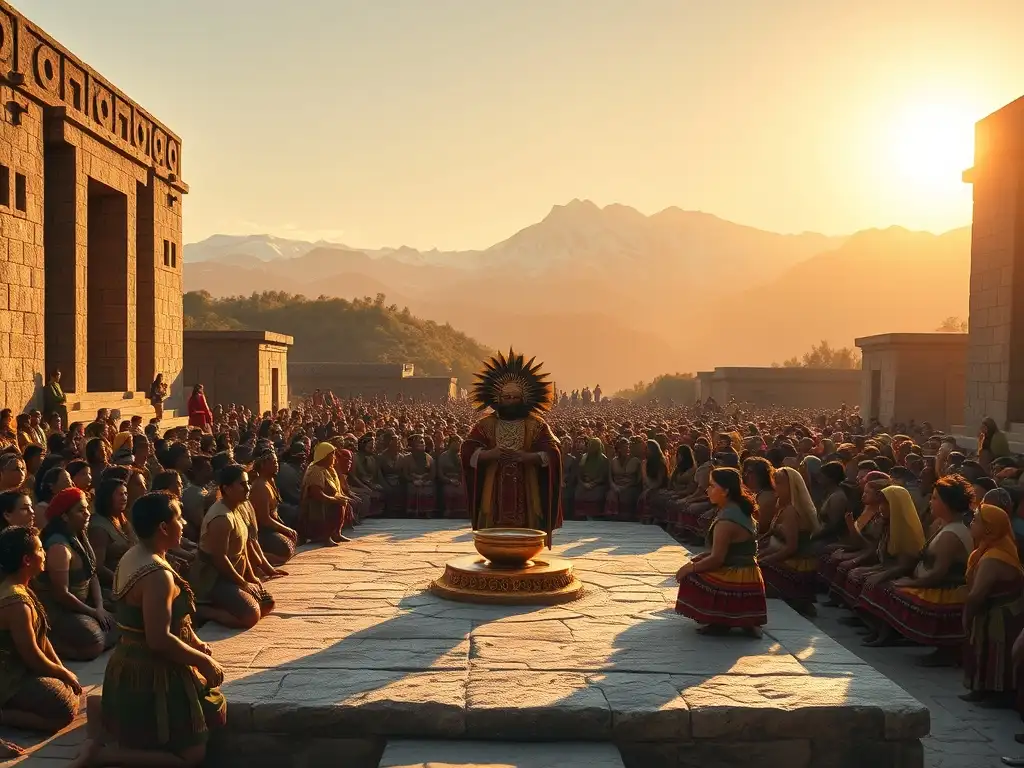
Inca imperial rituals and ceremonies were integral to the functioning of the empire, reinforcing the authority of the Sapa Inca and maintaining cosmic balance. These elaborate events, often involving vast numbers of participants, weren't merely spectacles; they were deeply symbolic acts that reaffirmed the Inca's divine right to rule and ensured the prosperity of the empire. The rituals were carefully choreographed, involving specific offerings, prayers, and processions, all meticulously planned to honor the gods and appease the spirits.
Understanding these practices provides crucial insight into the Inca worldview and the complex social structures that underpinned their civilization. The scale and complexity of these ceremonies underscore the importance placed upon religious observance within the Inca state.
Human Sacrifice: A Controversial Inca Ritual
Human sacrifice, a practice shrouded in both mystery and controversy, forms a significant, albeit disturbing, aspect of Inca imperial rituals and ceremonies. While not a commonplace occurrence, it was reserved for specific occasions of great importance, often tied to significant events like the death of a Sapa Inca or the inauguration of a new ruler.
The act was imbued with deep religious significance, viewed as a necessary offering to ensure the continued well-being of the empire and the appeasement of powerful deities. The chosen individuals were not randomly selected; their roles held symbolic weight within the complex tapestry of Inca beliefs.
Understanding the Context of Inca Sacrifices
Contrary to popular misconceptions, Inca human sacrifices weren't acts of random violence. Archaeological evidence suggests that sacrifices were often performed during times of crisis, such as droughts, earthquakes, or significant political upheavals. The sacrifice was believed to restore balance and appease the gods, ensuring the continuation of life and prosperity.
This belief system, deeply rooted in Inca cosmology, viewed the human sacrifice as a necessary exchange to maintain the delicate equilibrium between the human and spiritual realms. Further research is needed to fully understand the specific triggers for these sacrifices, as detailed records are limited. [Specific information pending on the precise correlation between environmental events and sacrificial practices.]
The Significance of Chosen Individuals
The individuals chosen for sacrifice were not always criminals or prisoners of war, as some historical accounts suggest. While some evidence points to the use of captives, there's also evidence suggesting that children and young adults, particularly those deemed to be physically perfect or of noble birth, were selected. This selection process points to a carefully considered ritual, emphasizing the symbolic importance of the offering.
The selection criteria, while not fully understood, likely involved astrological considerations and the individuals' perceived purity. The act of sacrifice, therefore, transcended simple appeasement; it was an offering of the most precious resource—human life—to ensure the survival and prosperity of the Inca Empire. [Further research is needed on the social standing and selection processes of sacrificial victims.]
Animal Sacrifices: Connecting with the Gods
Animal sacrifices constituted a more frequent and widespread aspect of Inca imperial rituals and ceremonies than human sacrifice. These offerings were integral to daily life, performed during religious festivals, agricultural cycles, and significant life events. The animals chosen varied depending on the occasion and the deity being honored, reflecting the diverse pantheon of Inca gods. The selection of animals wasn't arbitrary; it held symbolic meaning, and the ritual itself was meticulously planned and executed.
The Selection of Sacrificial Animals
Llamas, alpacas, and guinea pigs were among the most commonly sacrificed animals. Llamas, in particular, held significant symbolic value, representing wealth and status within Inca society. Their sacrifice reflected the Inca's deep connection to their livestock and the importance of these animals in their economy. The selection process likely involved considerations of the animal's health and age, ensuring that the offering was pure and worthy of the deity. [Detailed information on specific criteria for selecting sacrificial animals is pending further research.]
The Purpose of Animal Offerings
Animal sacrifices served multiple purposes within the Inca worldview. They were seen as a way to communicate with and appease the gods, ensuring their favor and protection. These offerings were also believed to influence the success of agricultural harvests and the overall prosperity of the community. The ritual itself served as a social bonding experience, uniting the community in a shared act of devotion.
The act of sacrifice, whether human or animal, solidified the Inca’s power and their connection to the divine. The careful selection and execution of these rituals reinforced the authority of the Sapa Inca and the stability of the Inca Empire. The rituals were not merely religious acts; they were powerful tools of governance and social control.
Offerings and Gifts to the Gods
The Inca religion was deeply intertwined with their imperial authority. Elaborate rituals and ceremonies, often involving significant offerings, served to reinforce the Inca's divine right to rule and maintain cosmic balance. These offerings weren't simply gifts; they were carefully chosen expressions of respect, supplication, and a desire to maintain the favor of the apus (mountain gods) and other deities.
The Inca worldview saw the emperor as a link between the human and divine realms, making these rituals a crucial aspect of his power. The scale and extravagance of these offerings often reflected the power and prestige of the Inca ruler and the empire itself.
The meticulous planning and execution of these ceremonies demonstrated the empire's sophisticated organizational capabilities, further solidifying the Inca's image as divinely appointed rulers. The sheer volume of resources devoted to these rituals highlighted the empire's wealth and power, reinforcing its authority not only within its borders but also among neighboring groups.
The Importance of Material Offerings
Material offerings formed a cornerstone of Inca religious practice. The selection of these offerings wasn't arbitrary; it was highly symbolic and carefully considered. The most valuable items, often including gold and silver artifacts, textiles of exceptional quality, and meticulously crafted ceramics, were reserved for the most important deities and occasions.
The sheer quantity of these offerings, sometimes involving enormous piles of coca leaves or massive quantities of maize, underscored the Inca's devotion and the significance of the event. The preparation of these offerings also involved a significant amount of labor, further emphasizing their importance and the commitment of the Inca to their religious beliefs.
This labor, often performed by specialized artisans and craftspeople, also served to highlight the empire's sophisticated economic and social structure, showcasing its ability to mobilize resources on a grand scale for religious purposes. We can infer the importance of these material offerings from the archaeological evidence found at numerous Inca sites, where caches of precious metals and elaborate artifacts have been discovered within sacred contexts.
The Symbolic Meaning of Different Offerings
Different offerings held distinct symbolic meanings within the complex Inca cosmology. For example, llamas, often sacrificed in large numbers, were associated with fertility and prosperity. Their fleece was highly valued and used in the creation of fine textiles, further reinforcing their symbolic significance. Gold, representing the sun’s brilliance and power, was frequently used in offerings to the sun god, Inti.
Silver, associated with the moon, was offered to the moon goddess, Mama Killa. Coca leaves, essential to daily Inca life, were offered to ensure good health and fortune. The use of maize, the staple crop of the Andean region, in offerings highlighted its importance in sustaining life and the Inca's dependence on a bountiful harvest. The specific choice of offerings often depended on the occasion and the deity being honored.
For instance, offerings made during agricultural festivals would heavily feature agricultural products, while those made to mountain deities might include items associated with the mountain environment. The meticulous detail in selecting and preparing these offerings demonstrates the sophisticated understanding of symbolism and ritual within Inca culture, linking their religious practices directly to their imperial authority and governance. The careful selection of offerings served not only as a demonstration of piety but also as a powerful tool for maintaining social order and reinforcing the Inca's control over the empire.
The Impact of Inca Rituals on Imperial Power
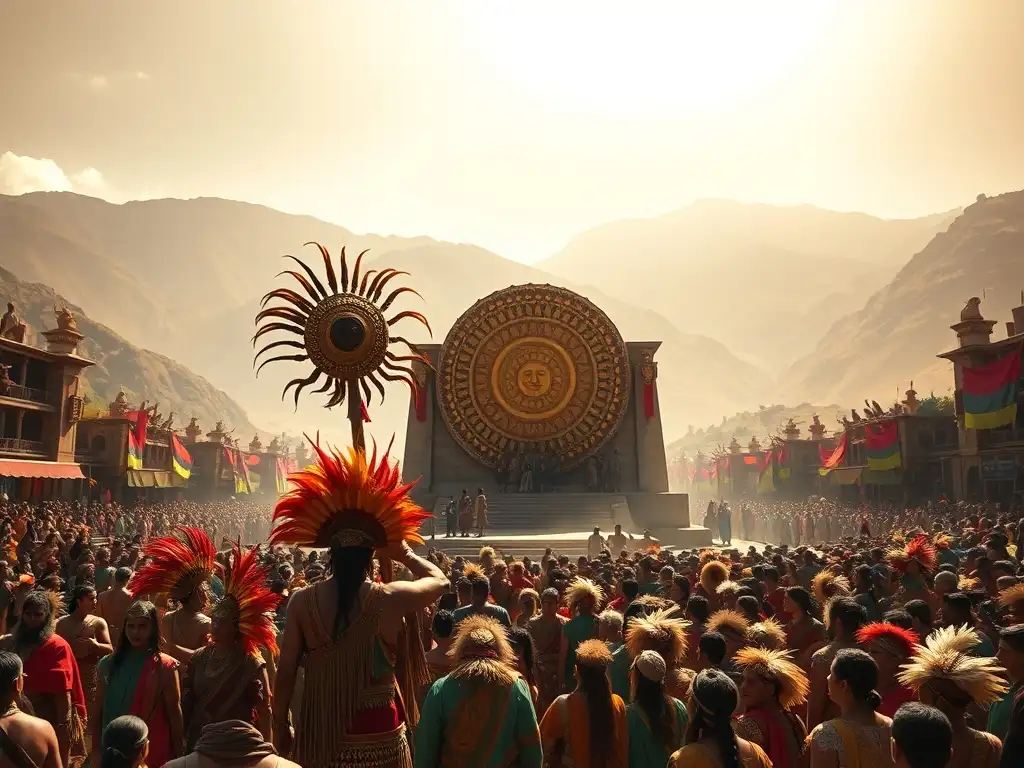
Inca imperial rituals and ceremonies weren't merely symbolic displays; they were meticulously crafted instruments of power, actively shaping and reinforcing the Inca Empire's authority. These elaborate performances served multiple crucial functions, from solidifying the social hierarchy to maintaining cosmic order, all contributing to the empire's stability and longevity. The sheer scale and complexity of these rituals, coupled with their deeply ingrained religious significance, instilled awe and obedience in the populace, bolstering the Inca emperor's divine right to rule. Understanding the intricate workings of these rituals provides crucial insight into the mechanisms of Inca imperial control.
How Rituals Strengthened Inca Authority
Inca rituals explicitly reinforced the rigid social hierarchy. Elaborate ceremonies, often featuring the emperor as the central figure, visually demonstrated the vast chasm between the ruling elite and the commoners. The exclusive access to certain rituals, specific clothing, and privileged seating arrangements served as potent symbols of power and social standing. For example, only members of the royal family could participate in certain capacocha sacrifices, highlighting their elevated status and divine connection.
The meticulous choreography of these events, with its precise movements and prescribed roles, mirrored the structured nature of Inca society itself, reinforcing social norms and expectations. The commoners' participation, even as passive observers, instilled a sense of order and acceptance of the existing power structure. This constant visual reinforcement of social hierarchy was a key element in maintaining the stability of the empire.
The Role of the Inca Emperor in Ceremonies
The Inca emperor, considered a divine intermediary between the gods and the people, played a central role in all major ceremonies. His presence was the focal point, symbolizing the unity and power of the empire. He participated in rituals such as the capac raymi, the most important Inca festival celebrating the solstice and the emperor's authority. His actions, from offering sacrifices to leading processions, were meticulously observed and interpreted as divine pronouncements.
The emperor's participation wasn't simply about showcasing his power; it was about legitimizing his rule through the performance of sacred duties. This active engagement with the religious sphere established him not just as a political leader, but as a spiritual guide, further solidifying his authority. The precise details of his participation, including the specific garments worn and the precise offerings made, were carefully documented, underscoring the ritual's importance in maintaining imperial control.
Maintaining Cosmic Order through Ceremonies
The Connection Between Rituals and the Natural World
Inca rituals were deeply intertwined with the natural world. The Inca worldview saw the emperor as responsible for maintaining the delicate balance between the cosmos and the earthly realm. Ceremonies were performed to ensure bountiful harvests, appease the gods, and prevent natural disasters. For instance, rituals related to water management, a critical aspect of Inca agriculture, were essential for the empire's survival and prosperity.
The successful execution of these rituals, often involving elaborate processions and offerings to mountain deities ( apus), was seen as directly impacting the fertility of the land and the well-being of the people. This close connection between ritual, nature, and imperial power highlighted the emperor's crucial role in maintaining the stability of the entire ecosystem. Failure to perform these rituals properly could be interpreted as a sign of divine displeasure, potentially leading to social unrest and challenging the emperor's authority.
Ensuring the Balance of the Inca Universe
The Inca believed that the maintenance of cosmic order was essential for the prosperity and stability of the empire. Rituals, therefore, played a vital role in ensuring this balance. These ceremonies involved a complex interplay of offerings, prayers, and symbolic actions aimed at appeasing the gods and maintaining harmony within the universe.
The capacocha sacrifices, while seemingly brutal, were considered essential for maintaining this balance, involving the offering of chosen individuals to the gods. The intricate details of these ceremonies, including the selection process of the sacrificial victims and the specific locations chosen for the ceremonies, highlight the meticulous planning and execution required to maintain cosmic order. The success of these rituals was seen as directly linked to the emperor's ability to govern effectively, further solidifying his power and legitimacy.
The very act of performing these complex rituals demonstrated the emperor's control over the spiritual realm, thereby reinforcing his earthly authority. The intricate system of Inca belief and ritual practice reveals a sophisticated understanding of the connection between the political and spiritual realms.
Conclusion: The Legacy of Inca Imperial Rituals
The intricate web of Inca imperial rituals and ceremonies, far from being mere spectacles, served as the very bedrock of their vast and sophisticated empire. These meticulously planned events weren't simply religious observances; they were powerful tools used to consolidate power, maintain social order, and reinforce the legitimacy of the Sapa Inca's rule. By meticulously orchestrating these elaborate displays of imperial authority, the Inca state effectively managed its diverse population, controlled resources, and projected an image of divine right and unwavering power.
The legacy of these rituals continues to resonate today, offering invaluable insights into the complexities of Andean society and the enduring power of symbolic action. Understanding these practices provides a deeper understanding of the Inca's sophisticated governance system and their remarkable ability to manage a sprawling empire.
The Importance of Studying Inca Ceremonies
Studying Inca ceremonies provides a unique window into the mindset and worldview of this remarkable civilization. Their rituals weren't isolated events; they were deeply interwoven with the fabric of daily life, influencing everything from agriculture and warfare to social hierarchy and economic practices. Analyzing the symbolism, choreography, and participants involved in these ceremonies allows us to decipher the complex social structures, beliefs, and values that governed Inca society.
For example, the Capac Raymi, the most important Inca festival celebrating the sun god Inti, reveals much about the Inca's cosmology and their relationship with the natural world. The meticulous planning and execution of the festival, involving thousands of participants and vast resources, underscores the centrality of religion in Inca imperial administration and its role in reinforcing the Sapa Inca’s authority.
Furthermore, the detailed accounts left by Spanish chroniclers, though often biased, provide crucial, albeit incomplete, data that, when analyzed critically alongside archaeological findings, can shed light on the true nature of these practices. Further research, particularly focusing on deciphering remaining iconography and conducting more thorough archaeological excavations of ceremonial sites, is crucial for a more complete understanding.
The Lasting Impact of Inca Ritual Practices
The impact of Inca imperial rituals extends far beyond the confines of the empire's historical existence. These practices left a lasting legacy on Andean culture, influencing subsequent traditions and beliefs. Many modern Andean communities still observe modified versions of ancient Inca festivals, demonstrating the enduring power of these rituals.
The vibrant traditions of Andean music, dance, and art often incorporate elements that can be traced back to Inca ceremonial practices. The emphasis on community, reciprocity, and respect for the natural world, deeply ingrained in Inca ideology and manifested through their rituals, continues to shape Andean societies today. Understanding these enduring influences allows us to appreciate the continuity of Andean culture across centuries and to recognize the profound impact of the Inca legacy on the region's identity.
Moreover, studying these rituals provides valuable insights into the dynamics of power, control, and social cohesion in pre-Columbian societies, offering lessons that remain relevant in the modern world. The sophisticated strategies employed by the Inca to manage their empire through ritualistic displays serve as a compelling case study for understanding the role of symbolism and ceremony in the construction and maintenance of political power.
Frequently Asked Questions
What were the most important Inca festivals and ceremonies?
Inca festivals and ceremonies revolved around agricultural cycles and imperial authority. Key events included Inti Raymi (the festival of the sun) and Capac Raymi (the festival celebrating the Inca emperor). These showcased Inca power and ensured agricultural success.
How did Inca rituals reflect their beliefs?
Inca rituals reflected their polytheistic beliefs, with ceremonies honoring various deities like the sun god Inti and the creator god Viracocha. These rituals aimed to maintain cosmic balance and ensure the prosperity of the empire. Human sacrifice was also practiced, albeit rarely.
What role did the Inca emperor play in these ceremonies?
The Inca emperor, or Sapa Inca, played a central role, acting as an intermediary between the gods and his people. He participated in all major rituals and his presence legitimized the empire's power. His actions were seen as divinely ordained.
How did Inca ceremonies impact daily life?
Inca ceremonies significantly impacted daily life, structuring the agricultural calendar and influencing social interactions. Participation in festivals fostered community cohesion and reinforced the empire's ideology. They were deeply embedded in the culture.
Where were the most significant Inca ceremonies performed?
Major Inca ceremonies were performed in sacred sites like Cusco, the imperial capital, and Machu Picchu, a significant religious center. These locations held religious and political significance, reinforcing the empire's control and authority. Temples and plazas hosted many events.
Final Reflection: Echoes of the Sun God in a Modern World
The vibrant tapestry of Inca festivals and ceremonies, meticulously woven with ritual and symbolism, continues to resonate in the modern world, reminding us of the enduring power of shared belief and the human need for connection. These weren't mere spectacles; they were the very lifeblood of the Inca Empire, reinforcing its authority and shaping the lives of millions. Understanding these rituals offers a profound insight into a sophisticated civilization and its complex relationship with the cosmos.
The legacy of Inca ceremonial practices extends far beyond the crumbling stones of Machu Picchu. Their influence can be seen in the enduring traditions of Andean communities, in the vibrant celebrations that still honor the ancient deities, and in the persistent fascination with their intricate cosmology. The Inca Empire was not merely a political entity, but a complex system of beliefs and practices that shaped every aspect of life.
This quote highlights the pervasive nature of these rituals, their impact extending far beyond the purely political. Their echoes reverberate in the cultural landscape, reminding us of the enduring power of tradition and the importance of understanding our shared human heritage.
Consider the intricate details of these ceremonies—the precise movements, the symbolic offerings, the carefully orchestrated processions. These weren't simply arbitrary actions; they were deliberate acts of creation, reinforcing social order and connecting the Inca people to their divine rulers and the natural world.
You too can find meaning in ritual, in the deliberate acts of connection and celebration that enrich your own life. Embrace the power of shared experience, find your own ways to connect with the world around you, and discover the enduring strength that comes from a sense of belonging and purpose, just as the Inca people did centuries ago.
Thank you for exploring the fascinating world of Inca festivals and ceremonies with us! We hope you've gained a deeper understanding of the rituals that shaped imperial authority and the vibrant cultural heritage of the Andes. Now, let's bring that knowledge to life!
Here are some ways to connect with this rich tradition:
- Host a small gathering inspired by Inca customs—invite friends to enjoy traditional Andean games, music, and food.
- Explore local cultural organizations that celebrate Andean heritage and participate in their events to experience these magnificent traditions firsthand.
- Share your newfound knowledge with others by writing a blog post or sharing your insights on social media. Let's keep the spirit of the Incas alive together!
As you reflect on these suggestions, consider this: **What aspect of Inca culture resonates most with you, and how can you integrate it into your daily life? **