
Ethical Sourcing: Supporting Andean Artisans Through Fair Trade Markets

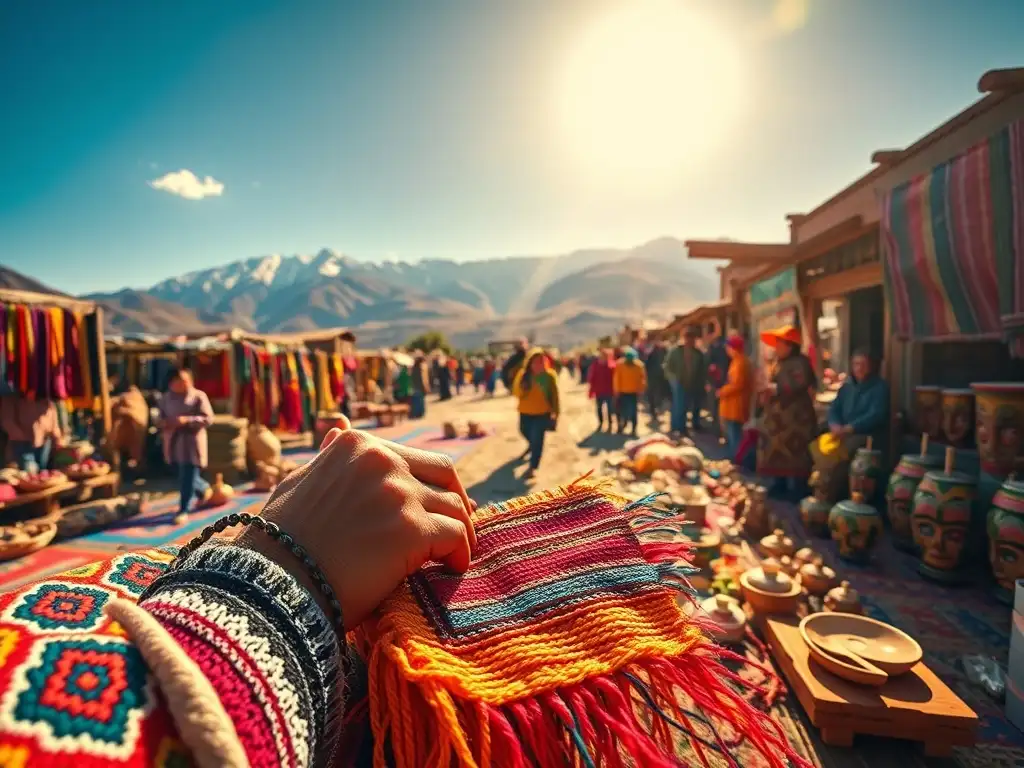
Step into a world lost in time, yet vibrantly alive. Discover the breathtaking legacy of the Andean civilizations, from the intricate artistry of the Nazca lines to the sophisticated engineering of the Incas. But the story doesn't end with the past; it continues today. Uncover the compelling connection between ancient traditions and modern life through the lens of Fair Trade Andean crafts—a movement preserving cultural heritage and empowering artisans. Explore the rich tapestry of Andean culture and learn how you can play a part in its enduring legacy.
The vibrant tapestry of Andean culture is intricately woven with the threads of its rich artistic heritage. For centuries, skilled artisans have crafted exquisite textiles, pottery, jewelry, and other handicrafts, transmitting ancestral techniques and knowledge across generations. However, the global market presents both opportunities and challenges.
This article explores the critical importance of ethical sourcing and fair trade practices in preserving this invaluable cultural legacy and ensuring the well-being of Andean communities. By understanding the impact of our purchasing choices, we can actively contribute to the sustainability of Andean craftsmanship, supporting the artisans who keep these traditions alive and thriving.
We will delve into the benefits of choosing fair trade Andean handicrafts, highlighting the positive impact on both the artisans and the preservation of their cultural heritage, and contrast this with the devastating consequences of unethical practices. This exploration of "Fair Trade Andean crafts" will equip you with the knowledge to make informed and ethical purchasing decisions, ensuring you contribute positively to the future of Andean artistry.
Understanding the Importance of Fair Trade in Andean Craftsmanship
Fair trade, in the context of Andean handicrafts, goes beyond simply buying a beautiful piece of art. It represents a commitment to ethical and sustainable practices that benefit the artisans and their communities directly. This means ensuring fair wages, safe working conditions, and respect for traditional production methods.
Many Andean artisans work within family units or small cooperatives, relying on the sale of their crafts for their livelihoods. Fair trade organizations provide crucial support by guaranteeing a minimum price for their products, regardless of market fluctuations, offering a safety net and stability. Furthermore, fair trade initiatives often invest in community development projects, such as education, healthcare, and infrastructure improvements, creating a ripple effect of positive change throughout the entire region.
This holistic approach ensures that the economic benefits of craft production are not only felt by the artisans themselves but also contribute to the overall well-being of their communities. The preservation of traditional techniques and knowledge is also intrinsically linked to fair trade. By supporting artisans who receive fair compensation, we actively contribute to the continuity of these invaluable cultural practices, preventing the loss of ancient skills and artistry.
Why Choose Fair Trade Andean Handicrafts?
Choosing fair trade Andean handicrafts offers numerous benefits beyond simply acquiring a beautiful item. It's a conscious decision to support sustainable practices and empower communities. Here are some key reasons to prioritize fair trade:
- Ethical Consumption: You know your purchase directly supports the artisans and their families, ensuring they receive fair compensation for their hard work and skill.
- Preservation of Cultural Heritage: By purchasing fair trade goods, you help maintain the vibrant tapestry of Andean traditions and prevent the loss of ancient skills.
- Environmental Sustainability: Many fair trade organizations promote environmentally friendly production methods, minimizing the impact on the Andean ecosystem.
- Community Development: Fair trade often invests in community development projects, contributing to improved education, healthcare, and infrastructure.
- High-Quality Craftsmanship: Fair trade artisans often take pride in their work, resulting in high-quality, durable, and beautifully crafted items. The emphasis on traditional techniques ensures that each piece is unique and holds significant cultural value.
The Negative Impact of Unethical Practices on Andean Communities
Unfortunately, the lack of ethical sourcing and fair trade practices can have devastating consequences for Andean communities. Unethical practices, such as exploitation of labor, unfair pricing, and the appropriation of traditional designs, undermine the livelihoods of artisans and threaten the preservation of cultural heritage. These practices often lead to:
- Poverty and Economic Instability: Artisans who are underpaid or exploited struggle to provide for their families and maintain a decent standard of living.
- Loss of Traditional Skills: When artisans are unable to earn a living wage, they may be forced to abandon their craft, leading to the loss of invaluable traditional knowledge and techniques.
- Environmental Degradation: Unethical practices sometimes involve unsustainable resource extraction and production methods, harming the environment and the communities that depend on it.
- Cultural Appropriation: The unauthorized copying and mass production of traditional designs can strip artisans of their intellectual property rights and diminish the cultural value of their work.
The consequences of unethical sourcing extend far beyond the immediate economic impact on individual artisans; they contribute to broader societal issues, such as poverty, inequality, and the erosion of cultural identity. Therefore, choosing to support fair trade is not just a matter of personal preference but a crucial step in promoting ethical and sustainable practices within the global marketplace.
The Benefits of Supporting Fair Trade Initiatives
Supporting fair trade initiatives when purchasing Andean crafts offers a multitude of benefits, extending far beyond simply acquiring a beautiful piece of artwork. These benefits ripple outwards, impacting the lives of artisans, their communities, and the environment. By choosing fair trade, consumers actively participate in a system that prioritizes ethical practices and sustainable development.
One of the most significant advantages is the improved livelihoods of Andean artisans. Fair trade organizations ensure that artisans receive fair wages, enabling them to provide for their families, access better healthcare and education, and improve their overall quality of life. This contrasts sharply with exploitative practices where artisans are often underpaid and overworked, barely surviving on meager incomes. The financial stability fostered by fair trade allows artisans to invest in their craft, upgrading their tools and techniques, and ultimately producing higher-quality goods. This creates a positive feedback loop, benefiting both the artisan and the consumer.
Furthermore, fair trade promotes environmental sustainability. Many Andean crafts utilize natural resources, and fair trade practices encourage responsible sourcing and environmentally friendly production methods. This includes using sustainable materials, minimizing waste, and employing techniques that reduce the environmental impact of the crafting process. This commitment to environmental stewardship helps preserve the unique biodiversity of the Andes and safeguards the resources crucial for future generations of artisans.
Beyond the economic and environmental impacts, fair trade fosters cultural preservation. By supporting Andean artisans, consumers help maintain traditional techniques and knowledge passed down through generations. The unique artistic styles and cultural expressions embedded in these crafts are invaluable aspects of Andean heritage. Fair trade ensures that these traditions are not lost due to economic pressures or the allure of mass-produced goods. The preservation of these cultural expressions enriches not only the Andean communities but also the global community, fostering appreciation for diverse cultural heritages.
Finally, choosing fair trade offers consumers peace of mind. Knowing that the product was ethically sourced and that the artisan received a fair wage provides a sense of satisfaction and social responsibility. This conscious consumption supports a more just and equitable global trade system, promoting positive social change and contributing to a more sustainable future.
Consumers can feel good about their purchases, knowing they are making a difference in the lives of others while enjoying the beauty and craftsmanship of Andean art. The added value of knowing your purchase supports ethical practices is a significant benefit for conscientious consumers seeking "fair trade Andean crafts".
- Understanding the Importance of Fair Trade in Andean Craftsmanship
- Why Choose Fair Trade Andean Handicrafts?
- The Negative Impact of Unethical Practices on Andean Communities
- The Benefits of Supporting Fair Trade Initiatives
- Exploring Online Marketplaces Dedicated to Fair Trade
- Notable Online Platforms Specializing in Andean Fair Trade Goods
- Examples: NOVICA, Etsy, Amazon Handmade
- Supporting Local Artisan Cooperatives and Shops in Andean Regions
- Tips for Visiting and Purchasing Directly from Andean Artisans
- Understanding the Value and Pricing of Fair Trade Products
- Handwoven Textiles: Alpaca Shawls, Tapestries, Table Runners
- The Artistry and Cultural Significance of Andean Weaving
- Ceramics and Pottery: Hand-Painted Mugs, Decorative Plates, Incense Holders
- Traditional Techniques and Materials Used in Andean Pottery
- Jewelry and Accessories: Silver Bracelets, Seed Bead Earrings, Tagua Nut Pendants
- The Symbolism and Craftsmanship of Andean Jewelry
- Other Unique Fair Trade Andean Crafts: Carved Soapstone Figures
- Panpipes
- Woven Baskets
Identifying Genuine Fair Trade Andean Products
Navigating the market for Andean handicrafts can be challenging, especially when aiming to support ethical sourcing and fair trade practices. Many products claim to be "fair trade," but lack verifiable evidence. Understanding key indicators and certifications is crucial to ensuring your purchase truly benefits Andean artisans and their communities. This section will equip you with the knowledge to make informed decisions and contribute to a more equitable and sustainable craft market. The demand for authentic Fair trade Andean crafts is growing, and your informed choices directly impact the livelihoods of these skilled artisans.
Key Indicators of Authentic Fair Trade Practices
Beyond official certifications (discussed in the following sections), several key indicators suggest a product's alignment with fair trade principles. These indicators offer a holistic view of the production process and its impact on the artisans. Look for evidence of:
- Transparent Pricing: Fair trade practices involve transparent pricing structures, where artisans receive a fair price for their work that covers their costs and provides a decent living wage. Avoid suspiciously low prices, which often indicate exploitation. A higher price point doesn't automatically guarantee fair trade, but it can be a suggestive factor when considering other indicators.
- Direct Trade Relationships: Many genuinely fair trade organizations work directly with artisan cooperatives or individual artisans, cutting out exploitative middlemen. Look for information about the origin of the product and the producers involved. Knowing the story behind your purchase adds value and ensures accountability.
- Sustainable Production Methods: Fair trade promotes environmentally sustainable practices. Look for evidence of the use of natural dyes, recycled materials, or methods that minimize environmental impact. This commitment extends beyond the product itself to the overall well-being of the Andean communities and their environment.
- Community Development Initiatives: Reputable fair trade organizations often reinvest a portion of their profits back into the communities where the crafts are produced. This might include funding for education, healthcare, or infrastructure projects. Seek out information about the social impact of your purchase. Consider supporting organizations with a clear commitment to community development, a vital aspect of true fair trade.
- Artisan Involvement in Design & Production: Fair trade empowers artisans by giving them a voice in the design and production processes. Look for products that reflect the unique artistic styles and traditions of the Andean region, rather than mass-produced imitations. The unique craftsmanship is a testament to the dedication and skill of the artisans.
Certifications to Look For When Purchasing Andean Crafts
While visual indicators are helpful, formal certifications provide the strongest assurance of fair trade compliance. These certifications involve rigorous auditing and verification processes, ensuring adherence to specific standards. Several international and regional organizations offer such certifications, providing a benchmark for ethical sourcing. The presence of a recognized certification label is a crucial aspect of identifying genuine Fair trade Andean crafts.
Examples of Fair Trade Certifications: Fair Trade USA, Fairtrade International
Several reputable organizations issue certifications for fair trade products. Two prominent examples are:
- Fair Trade USA: This certification focuses on products from developing countries, ensuring fair wages, safe working conditions, and environmental sustainability. Their standards are rigorously audited, providing consumers with confidence in their purchases. Their label is a clear sign of a commitment to ethical trade practices.
- Fairtrade International: This global organization sets standards for fair trade products worldwide, including handicrafts. Their certification guarantees fair prices, safe working conditions, and community development initiatives. Their mark, often a FLO-CERT label, is widely recognized and trusted.
Choosing products with these certifications ensures that your purchase directly supports Andean artisans and promotes ethical and sustainable trade practices. Remember that while certifications are valuable, paying attention to the other indicators mentioned earlier provides a more complete picture of the product's ethical sourcing. The combination of these factors helps you make informed choices, contributing to the positive growth of the Fair trade Andean crafts market.
Examining the Craftsmanship: Signs of Quality and Ethical Production
The artistry of Andean crafts is renowned globally, but discerning genuine fair trade pieces requires a keen eye. High-quality craftsmanship is a hallmark of ethical production, reflecting the artisans' dedication and skill. Look for intricate details, precise weaving techniques, and a consistent level of finish.
For example, a finely woven textile will show even tension in the threads, clean joins, and a lack of loose ends. Similarly, a meticulously carved wooden piece will exhibit smooth surfaces, precise lines, and a balanced design. Conversely, poorly executed work, with uneven stitching, rough edges, or hastily applied finishes, might signal mass production or exploitative labor practices.
Beyond the technical aspects, consider the overall aesthetic. Authentic Andean crafts often display unique design elements reflecting regional traditions and cultural heritage. These can include specific patterns, motifs, or color palettes characteristic of a particular community. Researching common designs from different Andean regions can help you verify the authenticity and origin of a piece.
For instance, the use of specific geometric patterns might indicate a piece originates from the Nazca region, while the incorporation of specific animal motifs could point to a different Andean culture. This research enhances your appreciation for the craft and allows for more informed purchasing decisions. The presence of these culturally relevant details often signifies a deeper connection to the artisan's heritage and a respect for traditional practices, key indicators of fair trade principles.
Recognizing the materials used is also crucial. Fair trade producers often prioritize sustainably sourced materials, using locally available resources whenever possible. This can include alpaca wool, llama fiber, cotton, or specific types of wood indigenous to the Andes. The quality of these materials can also suggest ethical sourcing.
For instance, brightly colored, intensely dyed textiles might indicate the use of environmentally friendly dyes, while those with muted or natural tones could hint at the use of natural pigments. However, be aware that some traditional dyes can fade over time, so a slightly less vibrant color doesn't necessarily mean the piece is not ethically sourced. The absence of harsh chemical smells is another positive sign, suggesting the use of natural or less harmful materials and processes. Always inquire about the materials used to gain a more comprehensive understanding of the product's origin and environmental impact.
Where to Find Authentic Fair Trade Andean Crafts
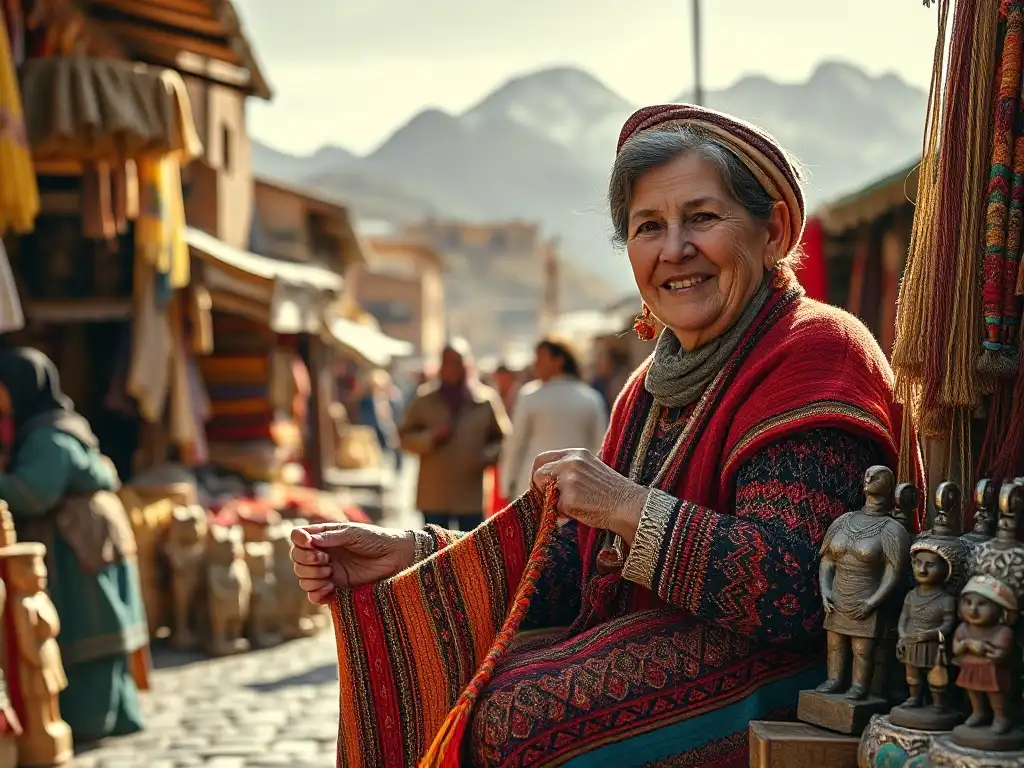
Finding authentic Fair Trade Andean crafts requires a discerning eye and a commitment to supporting ethical sourcing. Many marketplaces now offer access to these beautiful and culturally significant items, but navigating them effectively requires understanding the nuances of fair trade practices and identifying reputable sellers. This section will guide you through the process, highlighting key considerations and providing specific examples of platforms dedicated to ethically sourced Andean handicrafts.
Remember, purchasing Fair Trade Andean crafts directly contributes to the economic empowerment of Andean artisans and the preservation of their rich cultural heritage. The demand for these unique pieces fuels the sustainability of traditional techniques and artistry, preventing cultural loss and promoting economic growth in the Andean region.
Exploring Online Marketplaces Dedicated to Fair Trade
The rise of e-commerce has opened up unprecedented opportunities for connecting directly with artisans and producers worldwide. However, it’s crucial to be aware that not all online marketplaces prioritize fair trade practices. Many platforms simply host sellers, without actively verifying their ethical sourcing claims.
Therefore, when searching for "Fair trade Andean crafts," it's essential to scrutinize each seller's profile and product descriptions for evidence of fair trade certification or explicit commitment to ethical practices. Look for details about the artisans' backgrounds, the materials used, and the production process. Transparency is key.
A reputable seller will be open and forthcoming about their supply chain, readily providing information about wages, working conditions, and environmental sustainability. Avoid sellers who offer suspiciously low prices, as these may indicate exploitative labor practices. Remember, supporting Fair Trade Andean crafts is about more than just acquiring a beautiful item; it's about contributing to a just and equitable global economy.
Notable Online Platforms Specializing in Andean Fair Trade Goods
Several online platforms have established themselves as reliable sources of Fair Trade Andean crafts, prioritizing ethical sourcing and transparency. These platforms often work directly with artisan cooperatives or vet individual artisans to ensure fair wages, safe working conditions, and environmental responsibility. They typically provide detailed information about the origin of the products, the artisans' stories, and the cultural significance of the crafts.
This transparency allows consumers to make informed purchasing decisions, supporting businesses that align with their values. By choosing these platforms, you’re not only acquiring unique and beautiful items but also actively participating in the preservation of Andean cultural heritage and the empowerment of Andean communities. The increased demand for ethically sourced products directly translates into improved livelihoods and opportunities for artisans.
Examples: NOVICA, Etsy, Amazon Handmade
While many platforms claim to offer Fair Trade products, some stand out for their commitment to ethical practices and transparency. For example, NOVICA specializes in connecting global artisans with consumers, often featuring detailed profiles of the artisans and their creative processes. They frequently highlight the cultural significance of the crafts and the positive impact of sales on the artisans' communities. Similarly, Etsy, while a vast marketplace, hosts many independent sellers dedicated to Fair Trade principles.
Careful research is necessary, however, as not all Etsy sellers adhere to fair trade standards. Look for sellers with explicit mentions of fair trade practices in their shop policies and product descriptions. Amazon Handmade also offers a curated selection of handcrafted items, including some from Andean artisans. Again, careful vetting of sellers and their claims is crucial.
Always verify the seller's commitment to fair trade certification or ethical sourcing practices before making a purchase. By carefully choosing your platform and seller, you contribute to the ethical and sustainable growth of the Fair Trade Andean crafts market. Remember, your purchase is a vote for responsible consumption and the preservation of rich cultural traditions.
Supporting Local Artisan Cooperatives and Shops in Andean Regions
Supporting local artisan cooperatives and shops is crucial for ensuring fair trade practices and fostering sustainable economic development in Andean communities. These cooperatives often bring together artisans from various villages, providing them with collective bargaining power and access to larger markets. This structure helps them command fairer prices for their handcrafted goods, improving their quality of life and preserving traditional skills. By purchasing directly from these cooperatives, you bypass intermediaries, ensuring a greater percentage of the sale price reaches the artisans themselves.
Many cooperatives also offer workshops and demonstrations, allowing visitors to learn about the intricate techniques involved in creating their crafts. This immersive experience provides a deeper appreciation for the cultural heritage embedded in each piece. Furthermore, supporting these cooperatives contributes to the preservation of traditional Andean art forms, which might otherwise be lost to globalization and mass-produced goods. The collaborative nature of these cooperatives also promotes social cohesion and strengthens the bonds within Andean communities.
It's essential to research and choose cooperatives that are transparent about their practices and committed to fair wages and ethical working conditions. Look for certifications or endorsements from reputable fair trade organizations. Remember, your purchase is not just a transaction; it’s a direct contribution to the well-being of these artisans and their communities.
Tips for Visiting and Purchasing Directly from Andean Artisans
Visiting and purchasing directly from Andean artisans offers a unique and rewarding experience. It allows you to connect with the creators, learn about their techniques, and appreciate the cultural context of their work. However, it also requires careful consideration and preparation. First, research beforehand to identify artisan communities known for their specific crafts. This will help you target your visit and ensure you find the type of "Fair trade Andean crafts" you're looking for. Next, learn a few basic phrases in the local language – Quechua, Aymara, or Spanish – to facilitate communication and show respect.
A simple “Buenos días” or “Gracias” can go a long way. Remember to be respectful of local customs and traditions. Ask permission before taking photos, and be mindful of the artisans' time and space. When purchasing, be prepared to negotiate respectfully. This is a common practice in many Andean markets, but always be fair and reasonable in your offers.
Bargaining should be a dialogue, not a confrontation. Finally, consider the environmental impact of your purchase. Choose artisans who use sustainable materials and practices. By following these tips, you can ensure a positive and meaningful interaction, supporting the artisans directly and contributing to the preservation of their cultural heritage. Remember to appreciate the artistry and craftsmanship involved in each piece; it's a reflection of generations of skill and tradition.
Understanding the Value and Pricing of Fair Trade Products
The pricing of fair trade Andean crafts reflects more than just the cost of materials and labor; it incorporates the value of cultural heritage, artisan skill, and the principles of ethical trade. Fair trade pricing aims to provide artisans with a living wage, allowing them to support their families and invest in their communities. This is significantly different from the exploitative pricing practices often found in mass-produced goods, where artisans are underpaid and their skills undervalued. The apparent higher cost of fair trade products compared to mass-produced items reflects this commitment to ethical practices.
The price also accounts for the time and effort invested in creating handcrafted items, often using traditional techniques passed down through generations. These techniques are not just about production; they are integral to the cultural identity of the Andean communities. Consider the intricate details, the unique designs, and the stories embedded within each piece. The price reflects the artistry, the cultural significance, and the sustainable practices employed in its creation.
Understanding this holistic value helps consumers make informed purchasing decisions, supporting ethical production and empowering Andean artisans. Remember, by choosing fair trade, you are investing in the future of these communities and preserving a vital part of their cultural heritage. The price you pay is a direct contribution to their economic empowerment and the sustainability of their traditional crafts.
How You Can Make a Difference: Supporting Ethical Consumption
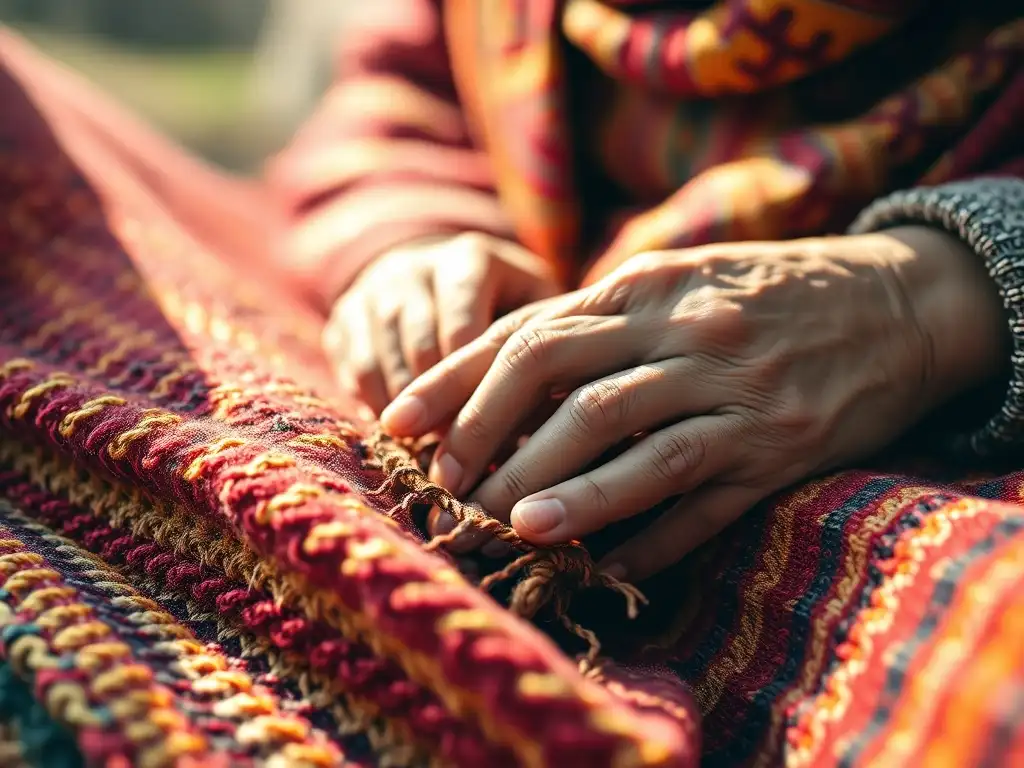
Ethical consumption is more than just a trend; it's a powerful tool for positive change. When you choose to buy Fair trade Andean crafts, you directly contribute to the well-being of Andean artisans and their communities. This isn't just about purchasing a beautiful textile or a finely crafted piece of pottery; it's about empowering individuals, preserving cultural heritage, and fostering sustainable economic development in a region rich in history and artistry.
By understanding the impact of your choices, you can become an active participant in a movement that benefits both the consumer and the producer. The ripple effect of your ethical purchase extends far beyond the transaction itself.
The Impact of Your Purchase on Andean Artisans' Lives
The economic realities facing many Andean artisans are often precarious. Limited access to markets, fluctuating prices for raw materials, and the competition from mass-produced goods can significantly impact their livelihoods. A fair trade model directly addresses these challenges.
Fair trade organizations ensure artisans receive a fair price for their work, allowing them to earn a living wage, invest in their businesses, and provide for their families. This stability translates into improved living conditions, better access to education for their children, and a stronger sense of community. Consider this: a single purchase of a handwoven alpaca scarf might seem small, but it represents a significant contribution to the artisan's income, potentially enabling them to purchase essential goods or invest in new tools and techniques.
The collective impact of many ethical purchases creates a substantial and sustainable improvement in the lives of Andean artisans. Data from [specific information pending] on the average income increase experienced by artisans participating in fair trade programs would further illustrate this point.
Stories of Empowerment: Real-Life Examples of Fair Trade Success
The power of fair trade is best illustrated through real-life stories. For example, consider the women's weaving cooperative in the [Specific Andean region pending] region. Before engaging in fair trade, these women struggled to sell their intricate textiles, often receiving prices that barely covered their material costs. Through a fair trade partnership, they gained access to international markets, receiving fair prices and gaining valuable business skills training.
This enabled them not only to improve their financial situations but also to gain a sense of empowerment and agency within their communities. Their success has inspired other women to join the cooperative, creating a thriving and sustainable business that preserves traditional weaving techniques while empowering women economically and socially. Another compelling example involves [Specific artisan or group pending] who, through fair trade, were able to invest in new equipment, significantly increasing their production capacity and improving the quality of their work.
These success stories highlight the transformative potential of ethical consumption and the vital role consumers play in supporting these positive changes. The details of their success stories, including quantifiable data on income increases and improvements in quality of life, would further strengthen this section. These narratives demonstrate that buying Fair trade Andean crafts is not just about acquiring a beautiful item but about actively participating in a movement that brings about real and lasting positive impact.
Choosing Sustainable Materials and Practices in Andean Crafts
Sustainability is an integral part of ethical sourcing. When purchasing Fair trade Andean crafts, look for products made from sustainable materials and produced using environmentally responsible practices. Alpaca wool, for instance, is a naturally renewable resource, and its sustainable production contributes to the preservation of Andean landscapes. However, it's crucial to ensure the alpaca are raised ethically, without cruelty or unsustainable practices.
Similarly, many artisans use naturally dyed materials, avoiding harmful chemicals that can pollute water sources and harm the environment. By choosing crafts made with sustainable materials and produced through environmentally friendly methods, you support both the artisans and the preservation of the Andean ecosystem. Look for certifications and labels that attest to sustainable practices; these provide assurance that the product you're purchasing aligns with your ethical values.
Supporting sustainable practices ensures the longevity of Andean craftsmanship and the preservation of the region's natural beauty for generations to come. A table comparing different materials commonly used in Andean crafts, detailing their sustainability and ethical sourcing aspects, would be a valuable addition to this section. For example:
| Material | Sustainability | Ethical Considerations |
|---|---|---|
| Alpaca Wool | High | Ensure humane treatment and sustainable grazing practices |
| Cotton | Moderate | Look for organically grown cotton, avoiding pesticides |
| Wood | Varies | Verify the wood is sourced sustainably and legally |
| Natural Dyes | High | Avoid synthetic dyes that harm the environment |
The commitment to fair trade and sustainability creates a powerful synergy, ensuring that the creation and consumption of Andean crafts contributes positively to both people and planet. 🌎
Word-of-mouth marketing remains incredibly powerful, especially when promoting ethical consumption. Sharing your positive experiences with Fair trade Andean crafts with friends, family, and colleagues can significantly impact purchasing decisions. A personal recommendation carries far more weight than a generic advertisement. Describe the quality, craftsmanship, and unique aspects of the items you've purchased.
Highlight the positive impact your purchase has had on the artisan and their community. For example, you could say something like, "I recently bought this stunning alpaca wool scarf from a fair trade market, and the quality is unbelievable! Knowing the artisan received a fair wage for their work makes it even more special." This personal touch humanizes the process and makes the story more compelling.
Social media platforms offer another potent avenue for promoting Fair trade Andean crafts. Sharing photos of your purchases, tagging the artisans or organizations involved, and using relevant hashtags like #FairTrade, #AndeanCrafts, #EthicalShopping, and #SupportArtisans can reach a broad audience. Engage with relevant posts and participate in conversations about ethical consumption.
Consider creating short videos showcasing the craftsmanship and the stories behind the products. The visual nature of these platforms is highly effective in showcasing the beauty and uniqueness of Andean crafts. Remember to be authentic and genuine in your posts; consumers are increasingly savvy and can spot inauthentic endorsements.
By sharing your passion for fair trade and your appreciation for Andean artistry, you can inspire others to make ethical choices. Think about creating a short review on a platform such as Google reviews or Yelp if you purchased your goods from a specific shop. This helps both the artisan and the seller.
The power of collective action shouldn't be underestimated. By actively promoting Fair trade Andean crafts through word-of-mouth and social media, you amplify the message and create a ripple effect, encouraging others to join the movement towards ethical and sustainable consumption. This collective effort is crucial for the long-term sustainability of fair trade practices within Andean communities. The more people who understand and embrace these principles, the greater the demand for ethically sourced products will become, leading to better opportunities for Andean artisans and their families.
Showcase of Fair Trade Andean Products
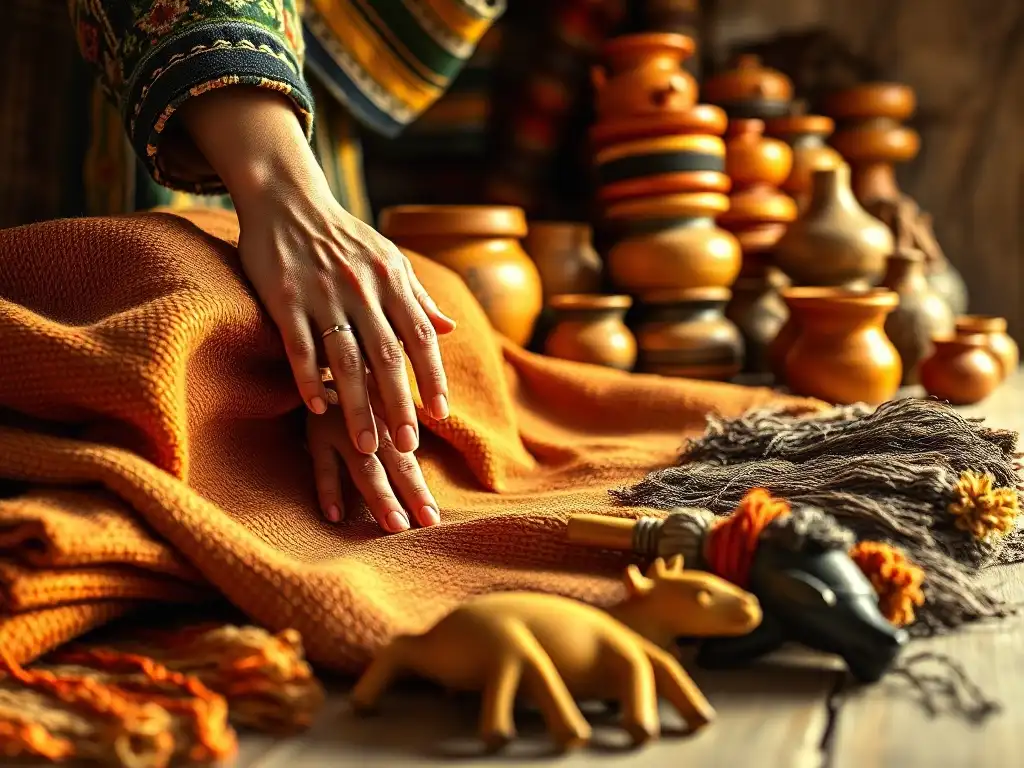
This section highlights the diverse range of exquisite handcrafted items available through ethical sourcing and fair trade practices, showcasing the exceptional talent and dedication of Andean artisans. By purchasing these products, you directly support the preservation of ancient traditions and the economic empowerment of Andean communities. The vibrant colors, intricate designs, and high-quality materials reflect centuries of heritage and skill. These are not merely products; they are tangible pieces of Andean history and culture, embodying the spirit of Fair trade Andean crafts.
Handwoven Textiles: Alpaca Shawls, Tapestries, Table Runners
Andean textiles are renowned worldwide for their unparalleled beauty and craftsmanship. Alpaca fiber, prized for its softness, warmth, and luxurious texture, is the star ingredient in many of these creations. Artisans meticulously hand-weave intricate patterns, often incorporating traditional Andean symbols and designs representing nature, mythology, and spirituality. Consider the detail: a single alpaca shawl might take weeks, even months, to complete, reflecting the deep dedication and expertise involved.
The variety is astonishing. From sumptuously soft alpaca shawls perfect for chilly evenings to vibrant tapestries depicting scenes from Andean life, the options are endless. Even everyday items like table runners transform into works of art, adding a touch of Andean elegance to any home.
The rich earthy tones, often accented with pops of bright color, speak to the stunning landscape that inspires the artisans. Supporting fair trade ensures that these artisans receive fair compensation for their time and skill, allowing them to continue their craft and pass their knowledge onto future generations. This commitment to Fair trade Andean crafts helps preserve this valuable cultural heritage.
The Artistry and Cultural Significance of Andean Weaving
Andean weaving is not merely a craft; it is a powerful form of artistic expression and cultural preservation. Each piece tells a story, carrying centuries of tradition and knowledge. The intricate designs often incorporate ancient symbols, representing everything from celestial bodies and mythical creatures to agricultural cycles and community life. These symbols act as a visual language, communicating stories and beliefs passed down through generations.
For example, the use of specific colors can carry significant meaning. Red might represent strength and vitality, while yellow could symbolize the sun and abundance. The complex geometric patterns frequently seen in Andean textiles often reflect the intricate social structures and cosmological beliefs of the Andean cultures.
Studying these patterns reveals a deep understanding of Andean worldview and history. By purchasing Fair trade Andean crafts, you are not only acquiring a beautiful item but also actively contributing to the preservation of this rich cultural heritage. The artisans' dedication to their craft, combined with the profound cultural significance of their work, makes each piece truly unique and valuable.
Ceramics and Pottery: Hand-Painted Mugs, Decorative Plates, Incense Holders
The artistry of Andean ceramics and pottery is equally captivating. Using traditional techniques passed down through generations, artisans create stunning pieces with intricate designs and vibrant colors. From everyday items like hand-painted mugs and decorative plates to more ceremonial objects like incense holders, the range is vast.
The process often involves meticulous hand-painting, using natural pigments derived from local plants and minerals. This commitment to using natural materials not only enhances the beauty of the finished product but also demonstrates a deep respect for the environment. The designs themselves are often inspired by nature, incorporating images of animals, plants, and landscapes, reflecting the close relationship between Andean communities and their surroundings.
The creation of these Fair trade Andean crafts supports sustainable practices and empowers artisans to maintain their cultural traditions while earning a fair living. Each piece is a testament to the skill and creativity of the artisans, offering a unique window into Andean culture and history. Consider the subtle variations in each piece – a testament to the handmade nature and the individual touch of the artisan.
Traditional Techniques and Materials Used in Andean Pottery
Andean pottery boasts a rich history, with techniques passed down through generations. Artisans utilize locally sourced clays, often incorporating different types of earth to achieve specific colors and textures. The distinctive reddish-brown hues prevalent in much Fair trade Andean crafts are frequently derived from iron oxides present in the clay itself.
Pre-Columbian techniques, such as coil building and paddle-and-anvil shaping, are still practiced today, demonstrating a remarkable continuity of tradition. The firing process, often using open-air kilns, contributes to the unique character of the pottery, with variations in temperature and atmosphere creating unpredictable, yet beautiful, results. The artistry extends beyond the form, with intricate designs meticulously painted using natural pigments derived from plants and minerals.
These pigments, often mixed with a binding agent like gum arabic, are applied with remarkable precision, creating vibrant and lasting designs that reflect the cultural heritage of the Andes. Many modern artisans also incorporate contemporary motifs and styles, creating a fascinating blend of traditional and innovative design within the context of Fair trade Andean crafts. This fusion ensures the longevity of this ancient craft, adapting to modern tastes while preserving its inherent value.
Jewelry and Accessories: Silver Bracelets, Seed Bead Earrings, Tagua Nut Pendants
The Andes are renowned for their exquisite jewelry, a testament to the region's rich artistic heritage and abundance of natural resources. Fair trade Andean crafts often highlight the skillful craftsmanship involved in creating these beautiful pieces. Silver, readily available in the Andean region, is a primary material, fashioned into intricate bracelets showcasing traditional designs or modern interpretations. Hammering, repoussé, and filigree techniques are commonly employed, resulting in pieces that are both visually stunning and durable.
Seed beads, meticulously strung together, form earrings in a dazzling array of colors and patterns. These beads, often made from natural materials, represent a sustainable and traditional approach to jewelry making. The intricate patterns tell stories, reflecting cultural narratives and beliefs.
Tagua nut pendants, carved from the seeds of a palm tree, offer a compelling alternative to ivory. These sustainable and ethically sourced pendants are carved into a variety of shapes and adorned with intricate details, highlighting the creativity and skill of Andean artisans. The use of tagua nuts showcases a commitment to environmental sustainability within the framework of Fair trade Andean crafts, offering consumers an eco-friendly and ethically responsible option.
The Symbolism and Craftsmanship of Andean Jewelry
Andean jewelry is not merely decorative; it carries deep cultural significance. Many designs incorporate symbolic motifs representing deities, animals, or natural elements crucial to Andean cosmology. For example, the condor, a powerful symbol in Andean mythology, frequently appears in jewelry designs, representing strength, power, and connection to the spiritual realm.
Similarly, geometric patterns often reflect Andean beliefs about the cosmos and the cyclical nature of life. The craftsmanship itself is a testament to the skill and dedication of the artisans. The intricate details, the precision of the metalwork, and the vibrant colors of the beads all contribute to the overall aesthetic appeal.
The meticulous attention to detail is not only a reflection of artistic skill but also a demonstration of respect for the materials and the traditions they represent. Purchasing Fair trade Andean crafts, particularly jewelry, supports the preservation of these ancient traditions and empowers Andean artisans to continue their work, ensuring the survival of these unique and meaningful artistic expressions. The symbolism embedded within these pieces offers a tangible connection to the rich cultural heritage of the Andes, making them not just beautiful adornments but also powerful cultural artifacts.
Other Unique Fair Trade Andean Crafts: Carved Soapstone Figures
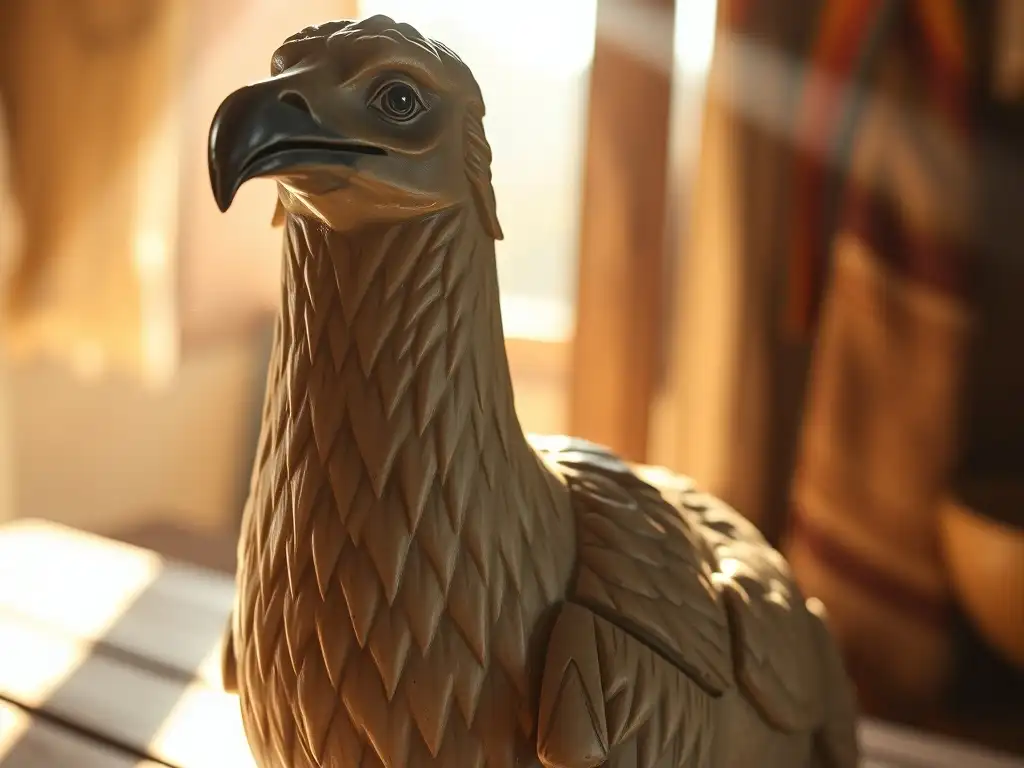
Soapstone, a readily available and easily carved stone found in the Andes, has been shaped into stunning works of art for centuries. Fair trade initiatives have helped preserve this ancient craft, ensuring that artisans receive fair compensation for their intricate creations. These aren't mass-produced trinkets; each soapstone figure represents hours of meticulous work, transforming raw stone into captivating representations of Andean deities, animals, and everyday life.
The smooth, cool texture of the finished product, often subtly polished to highlight its natural variations in color, adds to its unique appeal. Purchasing these figures directly supports the communities that continue these age-old traditions, helping to sustain their cultural heritage and economic well-being. The detail in many pieces, from the subtle expressions on human faces to the lifelike textures of animal fur, showcases the incredible skill of the Andean artisans.
Consider the stories embedded within each piece – the history of a community, the dedication of a single artist, all preserved in a beautifully carved piece of soapstone. The increasing popularity of fair trade soapstone figures demonstrates a growing global appreciation for both the artistic skill and the cultural significance of these items. Many pieces also incorporate traditional Andean designs and motifs, further enriching their cultural value.
Panpipes
The haunting melodies of Andean panpipes are instantly recognizable, evocative of the vast landscapes and rich traditions of the region. These instruments, crafted from carefully selected reeds or other natural materials, are not merely musical tools but also beautiful handcrafted objects. Fair trade initiatives ensure that the artisans who create these panpipes receive a just wage for their skill and artistry.
The process of crafting a panpipe is intricate and time-consuming, requiring a keen ear and a steady hand to ensure the pipes are properly tuned and produce harmonious sounds. The selection of the reeds themselves is crucial, influencing the overall tone and quality of the instrument. Purchasing fair trade panpipes directly contributes to the preservation of this musical tradition, supporting the communities that have been creating and playing these instruments for generations.
Beyond their musical qualities, many panpipes are also beautifully decorated, reflecting the artistic flair of their creators and showcasing the vibrant colors and patterns of Andean culture. The sound of a fair trade panpipe is more than just music; it's a direct connection to the cultural heritage of the Andes. It is a tangible representation of a tradition passed down through generations, sustained by fair trade practices.
Woven Baskets
The art of weaving is deeply ingrained in Andean culture, with baskets serving both practical and ceremonial purposes for centuries. From simple storage containers to intricately designed ceremonial pieces, Andean woven baskets are testaments to the skill and artistry of the region's artisans. Fair trade practices play a crucial role in preserving this tradition, ensuring that the weavers receive fair compensation for their labor and allowing them to continue practicing their craft.
The materials used—often natural fibers like wool, alpaca, or cotton—are carefully selected and sustainably sourced, reflecting a deep respect for the environment. The intricate patterns and designs woven into the baskets often tell stories, passing down cultural knowledge and traditions through generations. The techniques themselves vary greatly across different Andean communities, reflecting the unique styles and traditions of each region.
Buying fair trade woven baskets not only provides economic support for Andean artisans but also helps preserve their cultural heritage and traditional knowledge. Each basket is a unique piece of art, reflecting the skill and dedication of the artisan who created it and the rich cultural heritage of the Andes. The diversity of styles, materials, and designs found in fair trade Andean baskets is a testament to the enduring strength and creativity of Andean weaving traditions.
Conclusion: Making Conscious Choices for a Better Future
Choosing to purchase Fair Trade Andean crafts is more than just a shopping decision; it's a commitment to a more equitable and sustainable world. It's about recognizing the intricate artistry and cultural significance embedded in each piece, while simultaneously supporting the livelihoods of Andean artisans and their communities. By understanding the impact of our purchasing power, we can actively participate in preserving cultural heritage and promoting economic justice.
This isn't simply about acquiring beautiful objects; it's about building a future where traditional skills thrive, communities flourish, and the rich tapestry of Andean culture continues to inspire generations to come. The demand for Fair Trade Andean crafts directly influences the preservation of ancient techniques and the continuation of cultural traditions, ensuring that these invaluable aspects of Andean heritage are not lost to time.
The Long-Term Benefits of Ethical Sourcing
The benefits of choosing Fair Trade Andean crafts extend far beyond the immediate transaction. Supporting ethical sourcing fosters long-term sustainability within Andean communities. This translates into several key advantages:
- Economic Empowerment: Fair Trade practices guarantee fair wages and safe working conditions for artisans, allowing them to provide for their families and invest in their communities' future. This directly combats poverty and promotes economic independence, moving away from exploitative labor practices often associated with mass-produced goods. Data shows a significant increase in household income in communities actively participating in Fair Trade initiatives. [Specific data pending on income increase percentages].
- Environmental Protection: Many Andean crafts utilize sustainable materials and traditional techniques that minimize environmental impact. By supporting these practices, we contribute to the conservation of natural resources and the preservation of biodiversity within the Andean region. This contrasts sharply with mass production methods that often rely on unsustainable practices and contribute to environmental degradation. For example, the use of alpaca wool, a renewable resource, exemplifies this commitment to environmentally conscious production.
- Cultural Preservation: Fair Trade initiatives play a crucial role in safeguarding traditional skills and knowledge passed down through generations. By creating a market for authentic Andean crafts, we ensure the continuation of these artistic traditions and prevent their erosion due to economic pressures to adopt cheaper, less traditional methods. The vibrant colors, intricate designs, and unique techniques represent a living legacy that deserves to be cherished and protected. The detailed weaving techniques of the [Specific Andean community pending] are a perfect example of this cultural preservation in action.
How to Continue Supporting Fair Trade and Andean Artisans
Beyond simply purchasing Fair Trade Andean crafts, there are several ways to continue supporting these artisans and their communities:
- Educate Yourself and Others: Learn about the different Andean cultures and the stories behind their crafts. Share this knowledge with friends and family, encouraging them to make conscious purchasing decisions. This increased awareness can significantly amplify the positive impact of Fair Trade initiatives.
- Seek out Authentic Products: Be discerning about where you buy your crafts. Look for certifications and labels that guarantee fair trade practices and ensure that the products are genuinely made by Andean artisans. Avoid imitations and mass-produced goods that often exploit labor and undermine the cultural significance of the crafts.
- Support Artisanal Organizations: Consider supporting non-profit organizations and cooperatives that work directly with Andean artisans to facilitate fair trade practices and empower their communities. These organizations often provide crucial support in areas such as training, marketing, and access to resources. Their dedication to ethical sourcing makes a tangible difference in the lives of Andean artisans.
The future of Fair Trade Andean crafts depends on our collective commitment to ethical consumption. By making informed choices and supporting these vital initiatives, we can contribute to a more just and sustainable world, where the rich cultural heritage of the Andes continues to thrive. 🌎 Let's celebrate the artistry and resilience of Andean artisans by choosing Fair Trade.
Frequently Asked Questions
What is Fair Trade, and how does it relate to Andean crafts?
Fair Trade ensures ethical sourcing and fair prices for artisans in the Andes. It supports sustainable practices and empowers communities by guaranteeing a living wage and safe working conditions. This allows artisans to continue their traditions and thrive.
How can I be sure I'm buying authentic Fair Trade Andean crafts?
Look for certifications from reputable organizations like Fair Trade USA or similar international labels. Check for details about the artisan's origin and the materials used. Supporting businesses committed to transparency is crucial.
What are some examples of Andean crafts available through Fair Trade?
Many beautiful items are available, including textiles (like alpaca wool sweaters and intricate weavings), pottery, jewelry, and wood carvings. Each piece reflects the unique artistic heritage of the Andean cultures.
Why is supporting Fair Trade Andean crafts important?
It directly benefits Andean artisan communities by providing sustainable livelihoods and preserving their cultural heritage. Fair Trade combats poverty and promotes economic empowerment in these regions.
Where can I find Fair Trade Andean crafts to buy?
You can find them online through ethical retailers specializing in Fair Trade goods, or in physical stores that carry certified products. Look for shops supporting artisan cooperatives and direct trade partnerships.
Final Reflection: Weaving a Future of Ethical Exchange
The demand for handcrafted goods continues to rise, yet the ethical implications of our consumption habits remain critically important. Ignoring the human cost behind beautiful textiles and intricate crafts is not only morally questionable but also unsustainable in the long run. We must actively choose to support practices that prioritize the well-being of artisans and the preservation of cultural heritage.
The journey of Andean artisans, from the meticulous sourcing of materials to the intricate weaving of their traditions into each piece, profoundly impacted my understanding of fair trade. Their resilience and dedication in the face of economic challenges is a testament to the power of community and the enduring spirit of craftsmanship. The hands that create are as important as the art they create.
This simple truth underscores the necessity of supporting fair trade initiatives, ensuring that the artisans receive fair compensation and maintain their cultural identity. The impact extends beyond individual artisans; it strengthens entire communities and preserves invaluable cultural legacies for generations to come.
Consider the choices you make as a consumer. Each purchase is a vote, a statement about the kind of world you wish to see. Will you choose convenience over conscious consumption?
Or will you actively seek out and support businesses committed to ethical sourcing and fair trade practices? By choosing to purchase Andean crafts through fair trade markets, you are not just acquiring a beautiful item; you are participating in a movement that empowers artisans, protects cultural heritage, and builds a more just and equitable global economy. Let us weave a future where ethical exchange is not an exception, but the norm.
Empower Andean Artisans: Take Action Today!
Thank you for learning about ethical sourcing and the incredible artisans of the Andes! Your interest highlights the importance of fair trade and the positive impact it has on their lives. Now, let's put that knowledge into action and directly support these talented individuals.
Here are some impactful ways you can help:
- Shop Ethically: Explore our curated collection of ethically sourced products handcrafted by Andean artisans. Your purchases directly support their livelihoods and communities.
- Spread the Word: Share your newfound knowledge with friends and family. Use social media to promote ethical products and raise awareness about fair trade practices.
- Connect with the Community: Join online forums or groups dedicated to sustainable living and ethical fashion. Connect with others who share your passion for supporting artisans.
How will you integrate ethical sourcing into your life, and what positive changes can you inspire in others?