
The Sun Temple of Coricancha: An Architectural Masterpiece

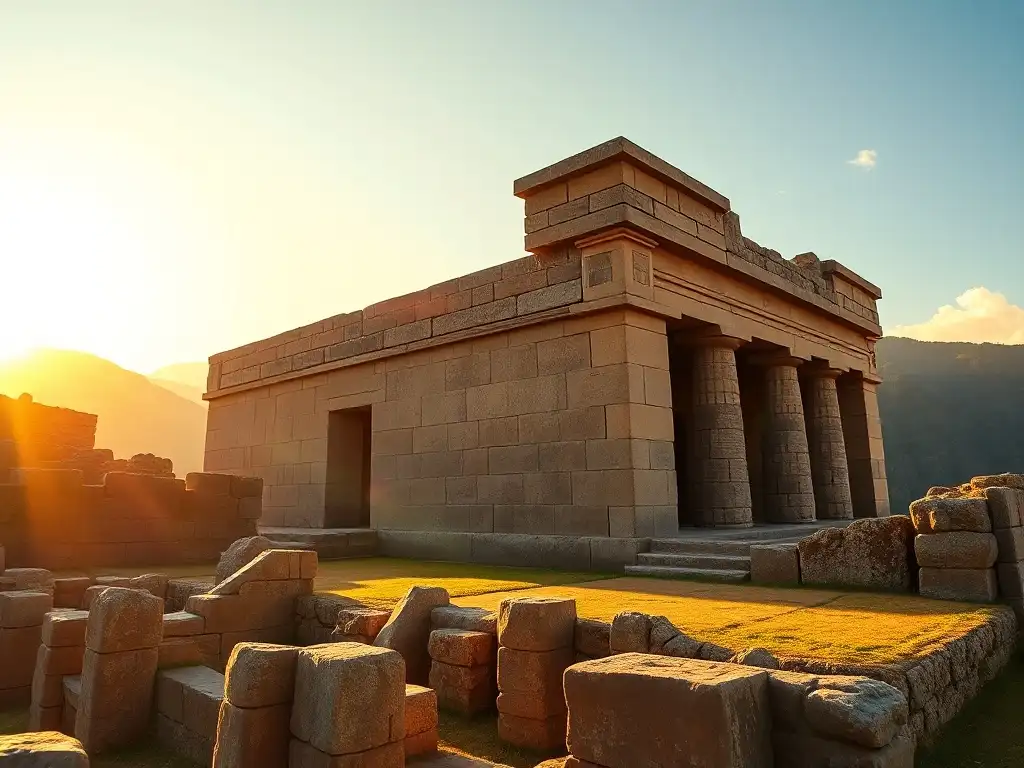
Step into a world lost to time, where the sun reigned supreme and architectural marvels defied gravity. Imagine the breathtaking grandeur of Coricancha Sun Temple, a testament to the ingenuity and spiritual devotion of the Inca Empire. Discover the secrets woven into its intricate architecture, a story of celestial worship and unparalleled craftsmanship that will leave you breathless. Unravel the mysteries of this magnificent structure and delve deeper into the fascinating world of Andean civilizations – your journey begins now.
- The Coricancha Sun Temple: A Masterpiece of Inca Architecture
- Architectural Design of the Coricancha Sun Temple
- The Golden Enclosure: Coricancha's Sacred Spaces
- Coricancha and the Inca Religious Practices
- Coricancha's Transformation: From Inca Temple to Colonial Convent
- Coricancha Today: A Legacy of Inca Engineering
- Frequently Asked Questions
- Final Reflection: Echoes of the Sun: Coricancha's Enduring Legacy
- Unveil the Wonders of Coricancha!
The Coricancha Sun Temple: A Masterpiece of Inca Architecture
The Coricancha, or "Golden Enclosure," stands as a testament to the architectural prowess and spiritual beliefs of the Inca Empire. This magnificent temple, located in present-day Cusco, Peru, was not merely a place of worship; it served as the symbolic heart of the Inca world, a dazzling display of gold, silver, and intricate stonework that reflected the Inca's profound connection to the sun god, Inti.
This article delves into the architectural marvels of Coricancha, exploring its historical significance, construction techniques, and the enduring legacy it holds within the tapestry of Inca civilization. We will uncover the secrets hidden within its stones, revealing the sophisticated engineering and artistic vision that made this Sun Temple a truly remarkable achievement.
Understanding Coricancha's architecture provides crucial insight into the Inca's worldview, their mastery of engineering, and their sophisticated understanding of cosmology and religious practices. Prepare to be amazed by the ingenuity and artistry of this iconic structure, a shining example of "Coricancha Sun Temple architecture."
Introduction to Coricancha: The Heart of the Inca Empire
Coricancha was far more than just a temple; it was the epicenter of Inca power and religious life. Built upon earlier structures, the Incas transformed it into a sprawling complex, a meticulously planned city within a city. Its walls, constructed from precisely cut stones fitted together without mortar, are a testament to the Inca's mastery of stonework.
The main temple, dedicated to the sun god Inti, was reportedly lavishly adorned with gold and silver, reflecting the sun's radiant power. Surrounding the main temple were smaller structures dedicated to other deities and important figures, creating a complex network of religious and administrative buildings. The sheer scale of the complex and the precision of its construction are breathtaking, showcasing the organizational capabilities and engineering skills of the Inca civilization.
Imagine the grandeur of the original structure, shimmering with gold under the Andean sun! Archaeological evidence suggests that the complex also included gardens, fountains, and living quarters for priests and officials, highlighting its multifaceted role within Inca society. This wasn't just a place of worship; it was a vibrant center of Inca life, a place where religion, politics, and daily life intertwined.
Coricancha Temple's Historical Significance
The historical significance of Coricancha extends beyond its architectural brilliance. The temple served as a powerful symbol of Inca imperial authority and religious ideology. Its location in Cusco, the capital of the Inca Empire, further reinforced its central role. The temple's wealth, symbolized by the extensive use of gold and silver, underscored the Inca's power and control over resources.
The precise alignment of the temple with the solstices and equinoxes demonstrates the Inca's sophisticated understanding of astronomy and their deep connection to the natural world. After the Spanish conquest, much of the original structure was destroyed, and a church was built on top of its ruins. However, the remaining walls still stand as a poignant reminder of the Inca Empire's grandeur and the enduring power of their beliefs. The surviving sections, though altered, still demonstrate the remarkable precision and skill of Inca stonemasons.
The careful placement of the stones, the minimal use of mortar, and the overall design of the surviving walls speak volumes about the advanced techniques employed by the Inca builders. Even today, Coricancha continues to serve as a powerful symbol, a reminder of a lost civilization and a beacon of architectural ingenuity. The meticulous stonework, the symbolic significance, and the sheer scale of the project leave a lasting impression on anyone who witnesses its enduring legacy. The story of Coricancha is a powerful reminder of the rich history and advanced civilization that once thrived in the Andes.
Architectural Design of the Coricancha Sun Temple
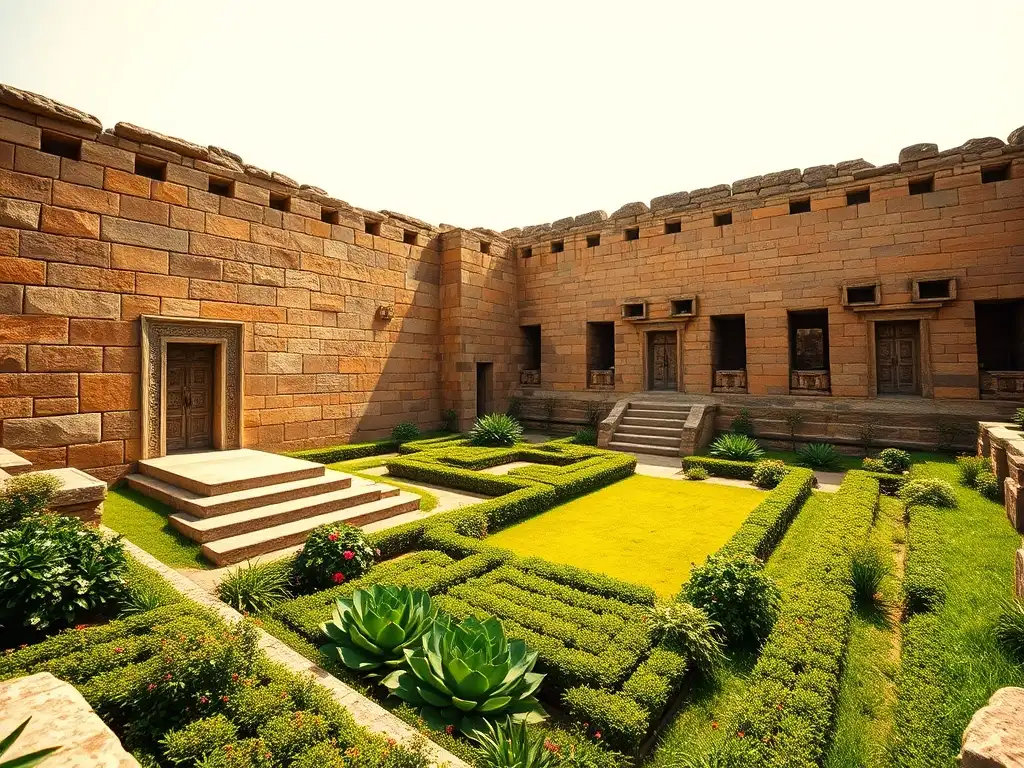
The Coricancha Sun Temple, also known as the Temple of the Sun, stands as a testament to the sophisticated architectural prowess of the Inca civilization. Its design, a masterful blend of functionality and symbolic representation, reflects the Inca worldview and their deep reverence for the sun god, Inti. Understanding the Coricancha's architecture requires examining its intricate details, from the meticulous stonework to its carefully planned spatial organization.
The temple wasn't merely a place of worship; it was a carefully constructed microcosm of the Inca cosmos, reflecting their understanding of the universe and their place within it. The strategic use of materials, the precision of construction, and the symbolic significance embedded in its layout all contribute to its enduring legacy as a pinnacle of Inca architectural achievement. This section delves into the key aspects of the Coricancha's design, exploring the techniques employed and the meaning imbued within its structure.
The surviving remnants, though damaged by subsequent colonial structures, still offer invaluable insights into the ingenuity and artistry of the Inca builders. The keyword "Coricancha Sun Temple architecture" is central to understanding this unique structure.
Inca Architectural Techniques in Coricancha
Inca masons employed remarkably advanced techniques in the construction of the Coricancha. Their mastery of ashlar masonry, a method of precisely cutting and fitting stones without mortar, is evident in the surviving walls. Stones were often shaped to fit together with such precision that a blade could not be inserted between them. This level of accuracy is astonishing, particularly considering the tools available to the Inca.
They likely used copper and bronze tools, along with stone hammers and chisels, to achieve this level of precision. The process involved meticulous planning, careful quarrying, and skillful shaping of the stones. Evidence suggests that the stones were likely transported from considerable distances, showcasing the Inca's organizational capabilities and their understanding of engineering principles.
The integration of these techniques resulted in structures of exceptional durability and aesthetic beauty, exemplified by the Coricancha's enduring legacy. Further research is needed to fully understand the specific techniques employed in transporting and shaping these massive stones. [Specific information pending: detailed analysis of Inca quarrying and transportation methods for Coricancha stones].
The Unique Stonework of Coricancha
The stonework of Coricancha is renowned for its exceptional quality. The stones themselves are a testament to Inca craftsmanship. Many are large, precisely cut blocks of andesite, a volcanic rock known for its strength and durability. The meticulous fitting of these stones, without the use of mortar, is a hallmark of Inca architecture.
The walls are not merely stacked; they are intricately interwoven, creating a seamless and incredibly strong structure. The precision of the cuts, the uniformity of the stone faces, and the near-perfect alignment of the blocks are a testament to the skill and dedication of the Inca masons. Furthermore, the use of different colored stones, strategically placed within the walls, may have held symbolic meaning, potentially representing the Andean landscape or celestial bodies.
The surviving sections reveal a stunning interplay of textures and colors, hinting at the original splendor of the complete temple. The exceptional quality of the stonework contributed significantly to the building's longevity and aesthetic impact. Analysis of the surviving stones indicates a high level of skill and planning in the selection and placement of each individual piece.
Coricancha's Layout and Spatial Organization
The Coricancha's layout was far from haphazard; it was meticulously planned to reflect the Inca worldview and their cosmological beliefs. The temple was not a single structure but a complex of interconnected buildings, each with its own specific purpose. The main temple, dedicated to the sun god Inti, likely occupied a central position. Surrounding this central structure were smaller temples and shrines dedicated to other deities and ancestors.
The layout may have been designed to mirror the cosmos, with the central temple representing the sun and the surrounding buildings representing other celestial bodies or sacred sites. The precise orientation of the building(s) relative to the solstices and equinoxes suggests a sophisticated understanding of astronomy. [Specific information pending: detailed mapping and analysis of the Coricancha's original layout and spatial organization]. Archaeological evidence, albeit fragmented, continues to shed light on this complex arrangement.
The overall spatial organization of the Coricancha underscores the Inca’s profound understanding of sacred geometry and their ability to translate their cosmological beliefs into physical structures. The meticulous planning and execution of the layout are a testament to their advanced architectural and engineering skills. The interplay between the buildings created a powerful and symbolic space, reflecting the Inca's profound connection to the natural and spiritual world.
Trapezoidal Doorways and Niches
The Coricancha's distinctive architectural style is immediately apparent in its use of trapezoidal doorways and niches. These geometric features, far from being mere decorative elements, were integral to the temple's design and likely held symbolic significance. The trapezoidal shape, subtly distorting perspective, is a recurring motif in Inca architecture, appearing in everything from windows and doorways to the overall layout of structures.
In the Coricancha, these trapezoids aren't randomly placed; their precise dimensions and placement were carefully calculated, suggesting a sophisticated understanding of geometry and its symbolic power. Some scholars believe the trapezoidal shape represented the mountains, a powerful symbol in Andean cosmology, while others suggest a connection to the celestial movements observed by Inca astronomers. The deviation from perfect rectangles creates a subtle visual effect, drawing the eye and adding a sense of dynamism to the otherwise austere stonework.
The niches, often found above and beside doorways, served a multifaceted purpose. While some may have housed religious artifacts or offerings, their function likely extended beyond simple storage. Their size and placement varied, suggesting a degree of specialization.
Larger niches could have held significant statues or ceremonial objects, while smaller ones might have been used for less prominent items. The precise arrangement and orientation of these niches are likely connected to the temple's overall ritualistic function, possibly aligning with specific constellations or representing particular deities. The meticulous craftsmanship evident in the construction of both the doorways and niches, with their precisely fitted stones and smooth surfaces, highlights the advanced skill of Inca masons and their dedication to creating a sacred space of exceptional quality.
The surviving remnants, despite the damage inflicted over centuries, continue to showcase the elegance and precision of Inca architectural techniques. Further research into the precise dimensions and arrangement of these features could reveal further insights into the temple's cosmological and religious significance. The trapezoidal forms, perfectly integrated into the overall design, contribute significantly to the Coricancha's aura of sacred geometry and architectural mastery, solidifying its place as a pinnacle of Inca engineering.
The Golden Enclosure: Coricancha's Sacred Spaces
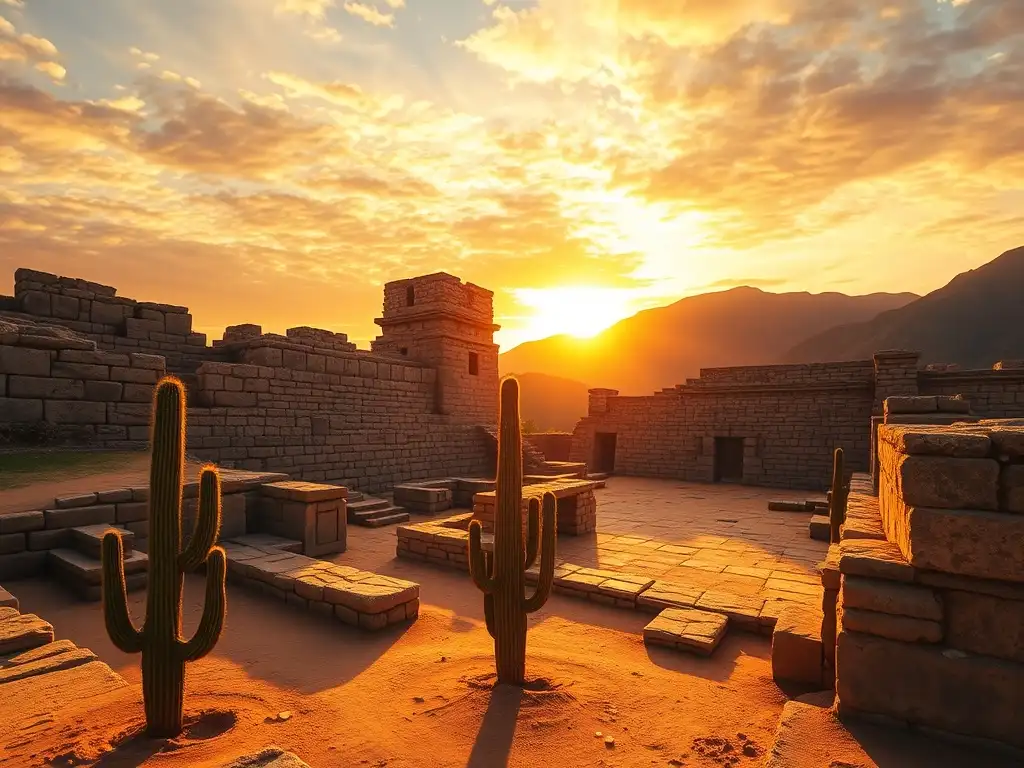
Coricancha, meaning "Golden Enclosure" in Quechua, was far more than just a temple; it was the heart of the Inca Empire's religious and political life. Its architecture, a testament to Inca ingenuity and artistry, reflected their profound connection to the cosmos and their sophisticated understanding of astronomy and engineering. The meticulous planning and execution of Coricancha's construction, using locally sourced materials such as meticulously cut andesite stones, showcases the Inca's mastery of stonework.
The sheer scale of the complex, combined with its intricate detailing, points to a highly organized and centralized society capable of mobilizing vast resources for ambitious building projects. The use of gold, silver, and precious stones throughout the complex further emphasized its sacred significance and the Inca's immense wealth and power. Understanding Coricancha's architecture requires appreciating not only the physical structure but also the symbolic and ritualistic significance embedded within its design.
The positioning of the buildings, the orientation of the walls, and the intricate carvings all point to a carefully constructed cosmology that integrated the earthly realm with the celestial. Analyzing the Coricancha Sun Temple architecture reveals a sophisticated understanding of geometry and spatial organization, reflecting a level of architectural sophistication rarely seen in other ancient civilizations.
The Temple of the Sun: Inti's Shrine
The Temple of the Sun, dedicated to Inti, the Inca sun god, was arguably the most important structure within Coricancha. It was likely situated at the heart of the complex, its walls adorned with massive sheets of gold, reflecting the sun's rays and symbolizing Inti's power and life-giving energy. Descriptions from Spanish chroniclers, while often exaggerated, reveal an opulent interior filled with golden idols, intricate carvings, and precious stones.
The temple's architecture likely incorporated astronomical alignments, reflecting the Inca's detailed knowledge of the sun's movements. Archaeological evidence, though limited due to the extensive destruction following the Spanish conquest, suggests a sophisticated use of astronomical observation techniques to mark solstices and equinoxes, further highlighting the astronomical significance of the Coricancha Sun Temple architecture.
The precise layout and orientation of this central shrine remain partially obscured, but evidence suggests a deliberate and carefully planned arrangement that enhanced its symbolic power. The use of gold, not merely for aesthetic purposes, but as a powerful symbol of the sun's energy, underscores the religious and cosmological importance of this sacred space.
The Temple of the Moon: Quilla's Sanctuary
Adjacent to the Temple of the Sun, the Temple of the Moon, dedicated to Quilla, the Inca moon goddess, likely held a complementary role in the complex’s religious functions. While less is known about its specific architecture compared to the Sun Temple, its very existence emphasizes the Inca's balanced view of the cosmos, recognizing the moon's equal importance in their cyclical understanding of time and nature.
It is likely that the Temple of the Moon's design incorporated lunar observations, perhaps aligning with key phases of the moon's cycle. The materials used in its construction likely mirrored the grandeur of the Sun Temple, albeit perhaps with a different palette of colors and materials that reflected the moon's silvery light.
Further research and excavation are necessary to fully understand the architectural features and symbolic significance of this important, yet less documented, structure within the Coricancha complex. The relationship between the Sun and Moon temples, their relative positions, and their architectural similarities and differences, warrant further investigation to fully grasp the Inca worldview reflected in the Coricancha Sun Temple architecture.
Temples of Venus, Stars and Rainbow
Beyond the main temples dedicated to the sun and moon, Coricancha also housed smaller shrines dedicated to other celestial bodies and natural phenomena. These included temples dedicated to Venus, the stars, and the rainbow, each with its own unique architectural features and symbolic significance. The precise layout of these smaller shrines is largely unknown, lost to the ravages of time and the Spanish conquest.
However, accounts from early chroniclers suggest a complex network of interconnected spaces, each dedicated to a specific deity or natural force. This suggests a sophisticated understanding of the cosmos, far beyond simple sun and moon worship. The presence of these smaller temples highlights the Inca's holistic worldview, where all aspects of the natural world, from the celestial bodies to the rainbow, held religious importance.
Furthermore, the existence of these additional structures within the Coricancha complex reveals a level of architectural planning and execution that supports the idea of a highly sophisticated and centralized society. The architectural style of these smaller shrines might have varied, reflecting the unique characteristics of the deities they honored. Further research and archaeological investigation are crucial to better understand the Coricancha Sun Temple architecture in its entirety, including these less-studied aspects of the complex.
Significance of the Inti and Quilla Temples
The Inti and Quilla temples, dedicated to the sun (Inti) and moon (Quilla), respectively, formed the heart of Coricancha's religious complex and held profound significance for the Inca worldview. These weren't merely structures; they were living embodiments of cosmic power, central to the Inca's sophisticated understanding of the universe and their place within it. The Inti temple, the larger and more prominent of the two, was oriented to receive the first rays of the rising sun, a daily spectacle that reinforced the Inca's veneration of Inti as the supreme deity.
Elaborate ceremonies, including sacrifices and offerings, were performed here throughout the year, particularly during the solstices and equinoxes, times when the sun's position held special cosmological meaning. These rituals aimed to ensure a bountiful harvest, successful military campaigns, and the continued well-being of the Inca empire.
The Quilla temple, though smaller, held equal importance as the celestial counterpart to the Inti temple. The moon, Quilla, represented fertility, femininity, and the cyclical nature of life and death. Its worship was equally significant, particularly for matters related to agriculture and the reproductive cycles of the land.
While less information survives regarding the exact nature of rituals performed in the Quilla temple, its presence within the sacred enclosure underscores the Inca's balanced understanding of the cosmic interplay between the sun and moon, male and female principles, and the forces of nature that sustained their civilization. The precise architectural features of these temples, while largely destroyed by the Spanish, are still being researched, with ongoing archaeological investigations revealing further details about their design and construction, contributing to a deeper understanding of Inca religious practices and beliefs.
The surviving foundations suggest sophisticated astronomical alignments, further emphasizing the temples’ role in observing and interpreting celestial events. The integration of these temples within the broader Coricancha complex highlights the Inca's holistic approach to religion, where the sun and moon were not isolated deities but integral parts of a vast, interconnected cosmic order.
Coricancha and the Inca Religious Practices
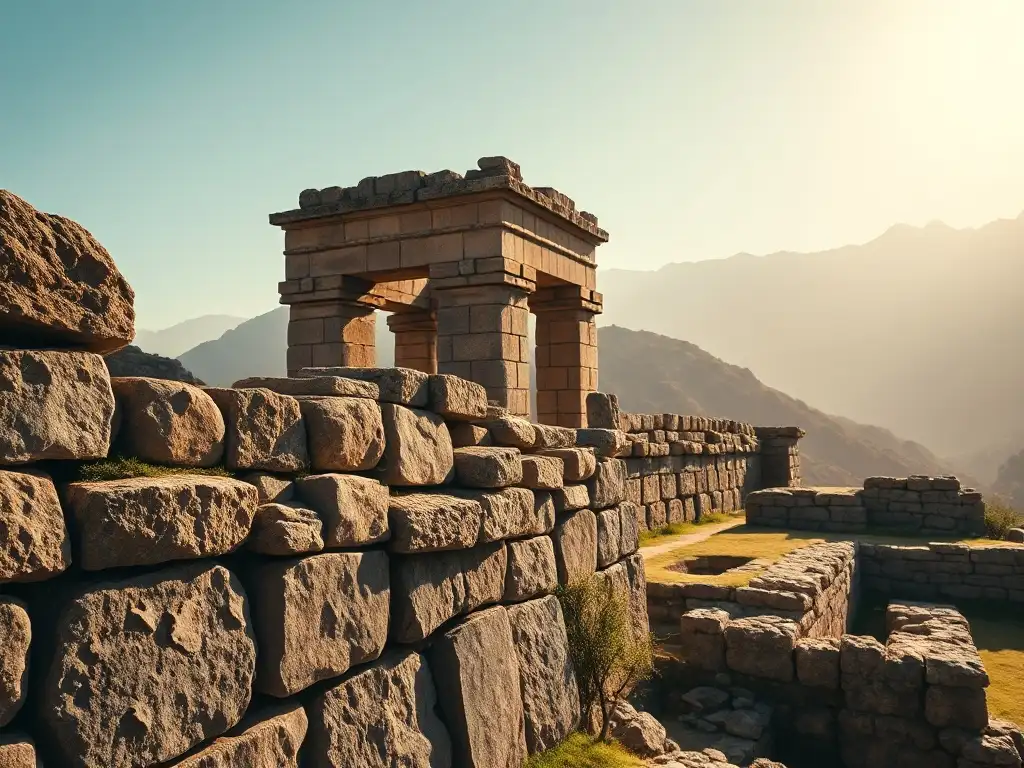
The Coricancha Sun Temple, a testament to Inca architectural prowess, served as much more than a mere structure; it was the very heart of the Inca religious system. Its design, construction, and function were deeply intertwined with Inca cosmology, religious rituals, and the powerful priestly class that oversaw these practices. Understanding the Coricancha requires appreciating its role within the broader context of Inca beliefs and practices.
The meticulous craftsmanship evident in the temple's architecture reflects the profound reverence the Incas held for the sun god, Inti, and the sacredness they attributed to the site. The very stones themselves, carefully selected and precisely fitted, speak to the dedication and devotion invested in creating this architectural marvel. This section delves into the intricate relationship between the Coricancha and the Inca religious world.
Coricancha as a Center of Inca Cosmology
The Coricancha wasn't just a temple; it was a microcosm of the Inca worldview. Inca cosmology viewed the world as a carefully ordered system, with the sun god, Inti, at its center. The temple's orientation, its meticulous layout, and the placement of its various structures all reflect this cosmology.
For example, the precise alignment of the temple with the solstices and equinoxes suggests a sophisticated understanding of astronomy and its integration into religious practice. The use of gold, a material deeply associated with the sun and divine power, further emphasizes the temple's central position within the Inca cosmic order. The temple's walls, initially adorned with vast sheets of gold, were believed to represent the sun's radiant energy, physically embodying the divine presence on earth.
This wasn't mere decoration; it was a powerful statement of the Incas' faith and their understanding of the universe. Further research is needed to fully understand the intricate astronomical calculations incorporated into the Coricancha's design, [specific astronomical data pending]. However, preliminary studies suggest a level of sophistication comparable to other advanced ancient civilizations.
Religious Rituals and Ceremonies at the Sun Temple
The Coricancha was the site of numerous elaborate religious rituals and ceremonies. These events, often involving the Inca emperor and the priestly class, were central to maintaining the cosmic order and ensuring the prosperity of the empire. Sacrifices, both animal and human (although the extent of human sacrifice remains a subject of ongoing debate), were offered to appease the gods and maintain their favor.
These rituals were not merely symbolic; they were believed to have a direct impact on the agricultural cycle, the weather patterns, and the overall well-being of the Inca people. The precise nature of many of these ceremonies remains shrouded in mystery, lost to the passage of time and the destruction of the Spanish conquest. However, accounts from Spanish chroniclers, albeit often biased, provide glimpses into the grandeur and importance of these religious events.
The annual Inti Raymi festival, celebrating the sun god, was likely one of the most significant events held at the Coricancha, drawing participants from across the vast Inca Empire. 📅 The sheer scale of these celebrations underscores the temple's central role in Inca religious life.
The Role of Priests and Priestesses in Coricancha
The Coricancha was not only a place of worship but also the residence and training ground for the Inca priesthood. These highly trained individuals, known for their knowledge of religious practices, astronomy, and medicine, held immense power and influence within Inca society. They were responsible for conducting rituals, interpreting omens, and advising the emperor on matters of state.
The priests and priestesses, often chosen for their lineage or perceived divine connection, lived a life of strict discipline and devotion. Their role extended beyond the purely religious; they served as custodians of Inca knowledge, tradition, and history. The hierarchy within the priesthood likely mirrored the imperial structure, with high-ranking priests holding significant power and authority.
👑 The influence of these religious leaders extended far beyond the walls of the Coricancha, shaping Inca society and culture in profound ways. Further research into the social structure and power dynamics within the Coricancha's priestly class is necessary to fully understand their complex role in Inca society. [Specific information on priestly hierarchy pending].
Coricancha's Transformation: From Inca Temple to Colonial Convent
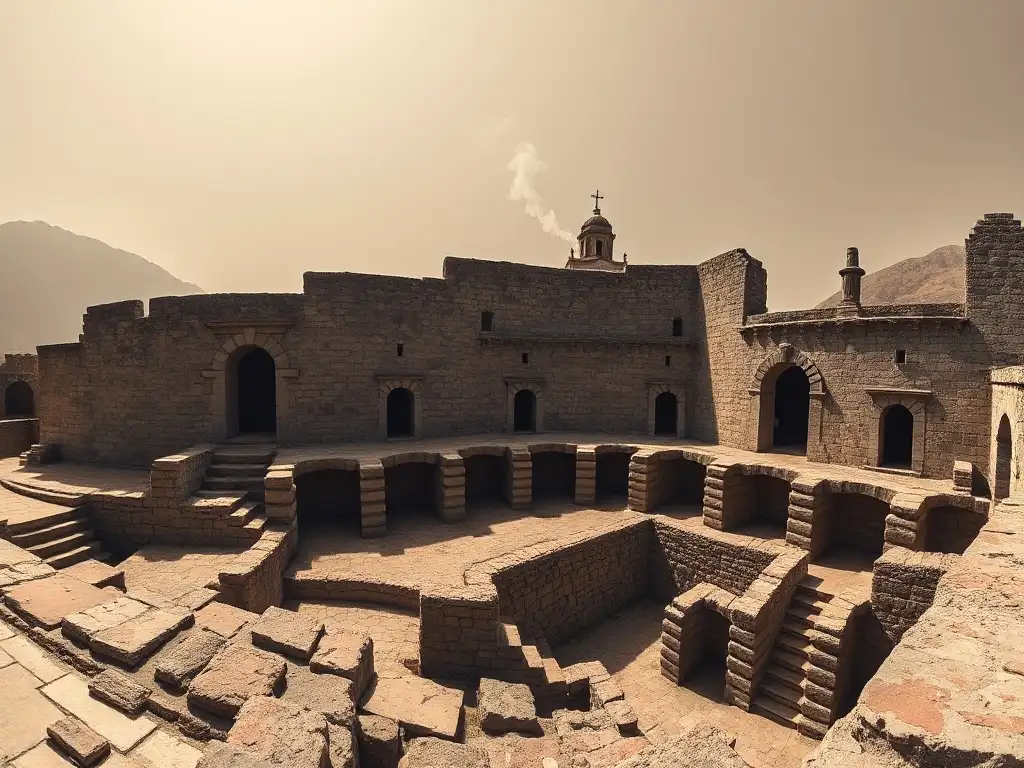
The Coricancha Sun Temple, a testament to Inca architectural prowess, underwent a dramatic transformation following the Spanish conquest in the 16th century. Its history after the Inca Empire is one of destruction, repurposing, and a fascinating fusion of architectural styles. Understanding this transformation is crucial to appreciating the site's layered history and the complex interplay of Inca and colonial legacies. The keyword "Coricancha Sun Temple architecture" is intrinsically linked to this evolution.
The Spanish Conquest and Coricancha's Destruction
The Spanish conquest of the Inca Empire marked a devastating turning point for Coricancha. Upon their arrival in Cusco, the Spanish conquistadors were immediately awestruck by the temple's grandeur. However, this awe quickly turned to avarice. Gold, the primary material used in Coricancha's intricate ornamentation, became a target for plunder.
Chroniclers describe the systematic dismantling of the temple, with its gold plates, statues, and other precious artifacts stripped away and melted down. The sheer scale of this destruction is difficult to fully comprehend. We know that the temple's walls, initially covered in sheets of gold, were systematically stripped bare, leaving behind the stone structures. This act of desecration not only robbed the site of its material wealth but also deeply wounded the spiritual heart of the Inca civilization.
The destruction wasn't limited to the gold; much of the temple's elaborate stonework was also damaged during this period, either deliberately or through neglect. The sheer scale of the destruction underscores the brutality and transformative impact of the Spanish conquest on Inca architecture and culture. The surviving structures today offer only a fragmented glimpse of the temple's former glory.
The Construction of the Santo Domingo Convent
Following the destruction of Coricancha, the Spanish decided to build a new structure on top of the ruins. The choice of location was far from arbitrary. The existing Inca foundations, renowned for their strength and durability, provided a perfect base for the construction of the Santo Domingo Convent.
This decision, born out of practicality, resulted in a unique architectural layering, where the imposing colonial structure effectively sits atop the remnants of the Inca temple. Construction began in the 16th century, utilizing some of the existing Inca stonework as a foundation. The convent's design reflects the architectural styles prevalent in colonial Spain, characterized by its imposing scale, thick walls, and austere aesthetic, a stark contrast to the sophisticated elegance of the original Inca structure.
The resulting building displays a fascinating juxtaposition: the solid, heavy presence of the Spanish convent contrasting against the subtle elegance of the underlying Inca walls. The construction of the convent effectively erased much of the original Inca temple from plain sight, although the Inca foundations remain a vital part of the structure's support.
Architectural Fusion of Inca and Spanish Styles
The juxtaposition of the Santo Domingo Convent and the remaining Inca walls of Coricancha presents a compelling example of architectural fusion. While the convent's design adheres to colonial Spanish architectural canons, the Inca foundations are undeniably present, visible in sections of the surviving walls. This fusion isn't merely a physical layering; it reflects a broader cultural and historical entanglement.
We can observe, for example, the remarkable precision of Inca stonework in contrast with the more regular, less intricate stonework of the colonial structure. These differences highlight the distinct approaches to construction and aesthetic sensibilities of the two cultures. The site itself thus becomes a tangible record of both the destruction wrought by colonization and the enduring resilience of Inca architectural principles.
The surviving Inca walls, often incorporated into the convent's structure, act as silent witnesses to the complex history of the site, a history reflected in the very fabric of the building. The resulting architectural hybrid serves as a powerful reminder of the lasting impact of the Spanish conquest on Inca culture and the remarkable survival of elements of Inca architecture. The Coricancha Sun Temple, in its current state, is a compelling example of how past and present can coexist, a powerful symbol of cultural continuity and change.
Coricancha Today: A Legacy of Inca Engineering
The Coricancha Sun Temple, despite the significant damage inflicted over centuries, remains a powerful testament to Inca architectural prowess and ingenuity. Its remnants stand as a compelling example of how the Inca civilization integrated sophisticated engineering principles with deeply held religious beliefs. The surviving structures, albeit altered and incorporated into later colonial constructions, still offer valuable insights into Inca building techniques and their understanding of astronomy and sacred geometry.
Analyzing the remaining foundations, walls, and even the orientation of the site allows us to partially reconstruct the original splendor of this once-glorious temple. The meticulous stonework, the precise angles, and the overall layout all speak to a level of planning and execution rarely seen in other ancient civilizations. Understanding Coricancha today requires appreciating not only its physical remains but also the layers of history that have accumulated upon it.
The site's current state is a complex interplay between Inca ingenuity, Spanish colonial impact, and ongoing efforts at preservation and archaeological study. This intricate history is what truly makes Coricancha a compelling subject for study and a significant cultural landmark.
The Archaeological Site of Coricancha
The archaeological site of Coricancha today is primarily located within the Santo Domingo Convent in Cusco, Peru. What remains of the original Inca structure is largely integrated into the colonial building, making it challenging to fully visualize its original form. However, significant portions of the original foundation walls, constructed using the characteristic Inca ashlar masonry technique, are still visible. These walls demonstrate the incredible precision of Inca stonemasons, with stones fitted together so tightly that a blade cannot be inserted between them.
Archaeological investigations continue to uncover further details about the temple's layout, revealing intricate systems of water management and potentially hidden chambers. The surviving sections reveal the use of different types of stone, possibly reflecting different phases of construction or the use of specific stones for their symbolic or practical properties. [Specific details on stone types and their analysis pending].
Detailed studies of the remaining structures are crucial for understanding the temple's original design and its relationship to the surrounding urban landscape. The careful examination of these remnants allows researchers to piece together a more complete picture of Inca engineering and architectural practices. The site itself is a living archive, constantly revealing new information about this significant Inca center.
Coricancha as a Tourist Destination
Coricancha, now partially integrated within the Santo Domingo Convent, is a major tourist attraction in Cusco. Thousands of visitors annually come to witness the unique blend of Inca and colonial architecture. The site attracts tourists interested in Inca history, archaeology, and religious practices. The juxtaposition of the Inca ruins with the colonial structures offers a compelling visual narrative of the transition of power and cultural influence.
While the sheer scale of the original temple is difficult to fully appreciate due to the later construction, the surviving sections, particularly the impressive walls, still evoke a sense of awe and wonder. The tourism industry surrounding Coricancha plays a complex role. While it provides economic benefits to the local community, it also presents challenges in terms of preservation and the potential for damage from large numbers of visitors.
Sustainable tourism practices are therefore crucial to ensure the long-term protection of this invaluable site. Managing visitor flow, providing informative signage, and implementing responsible conservation measures are essential aspects of managing Coricancha as a tourist destination. The site's significance as a tourist attraction highlights the importance of its continued preservation and the need for balanced development.
Preservation Efforts at the Coricancha Temple
Preservation efforts at Coricancha are ongoing and complex, given the site's integration with the Santo Domingo Convent. The challenge lies in balancing the preservation of the Inca remains with the respect for the historical significance of the colonial building. Efforts focus on stabilizing existing structures, preventing further deterioration, and conducting careful archaeological investigations.
This includes meticulous documentation of the remaining Inca structures, using advanced techniques like 3D scanning to create detailed records. [Specific examples of preservation techniques and technologies used pending]. The ongoing research also aims to understand the environmental factors that contribute to the deterioration of the site, such as seismic activity and the effects of weather.
Furthermore, educational initiatives are crucial in raising awareness about the importance of preserving Coricancha for future generations. The long-term goal is not just to preserve the physical structures but also to protect the cultural and historical significance of the site, ensuring that it remains a vital part of Peru's heritage for years to come. The delicate balance between preservation and accessibility remains a key challenge in safeguarding this exceptional example of Coricancha Sun Temple architecture.
Ongoing Research and Conservation of the Site
The Coricancha, despite its partial destruction, remains a site of intense archaeological and historical research. Ongoing efforts focus on several key areas. Firstly, meticulous excavation continues to uncover further remnants of the original structure.
Archaeologists employ non-invasive techniques like ground-penetrating radar (GPR) to map subsurface features and avoid damaging remaining walls. This painstaking process allows researchers to gradually piece together a more complete picture of the temple's original layout, revealing previously unknown details about its construction and function. For example, recent research has shed light on the intricate water management systems that once sustained the temple complex, revealing sophisticated Inca engineering practices.
Secondly, extensive conservation work is crucial to preserving the existing structures from further deterioration. This involves stabilizing the remaining walls, preventing erosion, and protecting the site from environmental factors like seismic activity and weathering. The use of traditional Andean building techniques, combined with modern conservation methods, aims to ensure the longevity of this invaluable historical treasure. Specialized teams of conservators carefully clean and repair the stonework, using materials and methods that are as historically accurate as possible. This meticulous approach ensures that interventions don't compromise the site's authenticity.
Finally, researchers are continually analyzing the artifacts discovered at Coricancha to gain a deeper understanding of Inca culture and religious practices. The analysis of ceramics, textiles, and other recovered objects provides valuable insights into the daily life, rituals, and beliefs of the Inca people associated with the temple. This interdisciplinary approach, incorporating expertise from archaeology, anthropology, and art history, contributes to a richer and more nuanced understanding of the Coricancha's significance within the broader context of Inca civilization.
The ongoing research and conservation efforts at Coricancha are not only preserving a remarkable architectural achievement but also enriching our understanding of one of the most fascinating civilizations of the Andes. The work is a testament to the enduring legacy of Inca engineering and the commitment to safeguarding their cultural heritage for future generations.
Frequently Asked Questions
What is Coricancha?
Coricancha, also known as the Temple of the Sun, was the most important religious and political center of the Inca Empire, located in Cusco, Peru. It was a massive complex dedicated to the sun god, Inti.
What makes Coricancha's architecture unique?
Its architecture is unique due to its precise stonework, intricate designs, and the integration of gold and silver into its construction. The temple showcased the Inca's mastery of stone crafting and their sophisticated understanding of astronomy.
What materials were used in building Coricancha?
The primary material was finely cut and fitted stone, showcasing the Inca's advanced masonry techniques. Gold and silver were also extensively used for ornate decorations and religious objects within the temple.
What is the current state of Coricancha?
Much of the original Coricancha was destroyed after the Spanish conquest. Today, the site is partially ruined, but its remaining structures, including the foundation walls, still stand as a testament to its grandeur. A church, Santo Domingo, now sits atop the ruins.
Why is Coricancha important to the study of Inca civilization?
Coricancha provides crucial insights into Inca religious beliefs, social structures, and architectural skills. The surviving structures and archaeological findings offer valuable information about the Inca worldview and their mastery of engineering.
Final Reflection: Echoes of the Sun: Coricancha's Enduring Legacy
The meticulous artistry of Coricancha, a testament to Inca ingenuity, resonates powerfully even in its fragmented state, reminding us of the breathtaking achievements of a civilization lost to time. Its sophisticated architectural techniques, the symbolic power embedded within its design, and the sheer scale of the undertaking continue to inspire awe and wonder, proving that the legacy of the Inca Empire remains profoundly relevant in our modern world. The meticulous planning and execution of Coricancha stand as a powerful counterpoint to the often-rushed and disposable nature of much of contemporary construction.
The enduring impact of Coricancha extends far beyond its physical remains; it speaks to the enduring power of human creativity and the profound connection between a people and their beliefs. The temple's destruction at the hands of the Spanish conquistadors serves as a stark reminder of the fragility of cultural heritage and the importance of preserving historical sites. The past is never dead. It's not even past.
– William Faulkner. This quote encapsulates the ongoing relevance of Coricancha, not just as a historical artifact, but as a living symbol of a rich and complex culture. Its story continues to be told, reinterpreted, and re-examined, ensuring its enduring presence in our collective consciousness.
Consider, for a moment, the intricate details of Coricancha's construction, the precision of its stonework, and the profound symbolism woven into its design. Let this inspire you to appreciate the artistry and ingenuity found in the world around you, whether it be in ancient ruins or modern marvels.
Embrace the power of human creativity and strive to leave your own mark on the world, a legacy as enduring and awe-inspiring as the Sun Temple of Coricancha. Let its story be a call to action, urging us to protect and celebrate the rich tapestry of human history and the remarkable achievements of civilizations past.
Unveil the Wonders of Coricancha!
Thank you for exploring the fascinating Sun Temple of Coricancha with us! We hope you've gained a deeper appreciation for this architectural marvel and its rich history. Let's delve even further!
Here are some ways to continue exploring and celebrating this incredible heritage:
- Plan a visit to Coricancha: Experience its beauty firsthand with a trip to Cusco, Peru. Consider hiring a local guide for a truly enriching experience.
- Share your discoveries: Discuss this article with friends, family, or colleagues, or share it on social media to inspire others to learn about this remarkable site and Andean architecture.
- Explore Andean culture further: Discover more fascinating articles on our site about other incredible sites and civilizations of this remarkable region.
What aspect of the Sun Temple most captivates you, and how will you share your newfound knowledge?