
Inca Social Stratification: Classes and Roles in Society

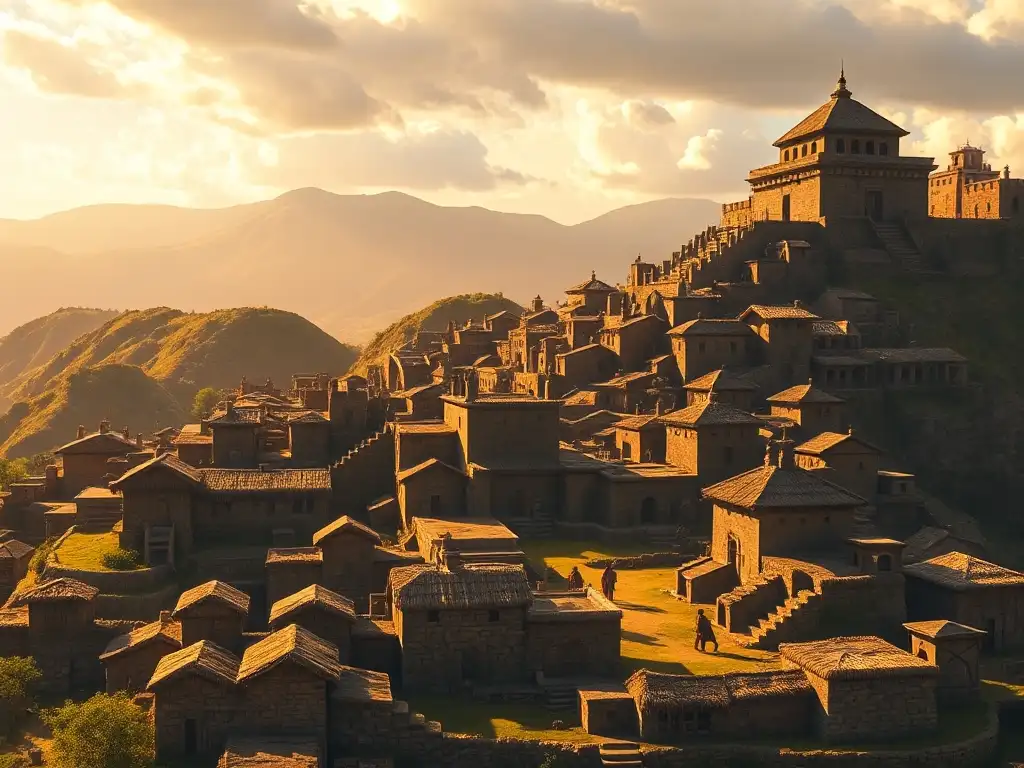
Step into a world lost to time, yet echoing with the whispers of a magnificent empire. Imagine a society meticulously structured, a complex tapestry woven with threads of power, privilege, and intricate social roles. Unravel the mysteries of Inca social classes and roles, a pivotal aspect of the Inca Empire's enduring legacy. Prepare to be captivated by a civilization whose sophisticated social structure remains a source of fascination and ongoing research. Discover the secrets behind their hierarchical system and the lives of those who shaped this remarkable Andean civilization.
The Inca Empire, a civilization that flourished in the Andes Mountains from roughly 1438 to 1533 CE, was characterized by a highly structured and hierarchical social system. Understanding the Inca social stratification is crucial to grasping the complexities of their political organization, economic practices, and cultural expressions. This article delves into the intricate web of Inca social classes and roles, exploring the privileges and responsibilities associated with each level of society.
We will examine how this hierarchical structure contributed to the empire's success and ultimately, its vulnerability to Spanish conquest. The Inca social system, while seemingly rigid, displayed a degree of fluidity and adaptation, reflecting the dynamic nature of the Andean environment and the empire's expansionist policies.
By exploring the various social strata, from the Sapa Inca at the apex to the commoners at the base, we gain a deeper appreciation for the sophisticated organization and social engineering that underpinned the Inca civilization. This analysis will specifically address the keyword "Inca social classes and roles" and its semantic variations, providing a comprehensive overview of this fascinating aspect of Inca society.
The Inca social structure was fundamentally based on kinship and service to the state. At the very top stood the Sapa Inca, the emperor, considered a divine figure, a descendant of the sun god Inti. He held absolute power, controlling all aspects of life within the empire. His authority was not merely political; it was deeply intertwined with religious beliefs.
The Sapa Inca was supported by a complex bureaucracy of nobles, priests, and officials, all of whom held specific roles and responsibilities within the hierarchical system. Below the elite, a stratified system of commoners existed, categorized by their roles and contributions to the empire. This hierarchy wasn't entirely static; individuals could gain influence and status through merit and service to the Sapa Inca, though upward mobility was limited.
The system ensured stability and efficient resource management, a critical factor in the empire's longevity and expansion. The intricate system of ayllus, kinship-based communities, further reinforced this social order, providing a framework for social organization and labor distribution. The ayllu system was vital to the Inca economy, ensuring the efficient allocation of resources and the fulfillment of labor obligations.
The Royal Family and Nobility ( Kurakas and Apus)
The Inca royal family, including the Sapa Inca's relatives and descendants, occupied the highest positions of power and privilege. Their lineage directly linked them to the divine, granting them immense authority and access to resources. Below the royal family were the nobility, comprised of regional governors ( Kurakas) and other high-ranking officials ( Apus).
These individuals, often descendants of conquered rulers, were responsible for administering their respective provinces, collecting taxes, and maintaining order. They were granted land and privileges in exchange for their loyalty and service to the Sapa Inca. The Kurakas played a crucial role in integrating conquered populations into the empire, often maintaining a degree of local autonomy while simultaneously serving the central government's interests.
The balance of power between the central government and regional nobility was a critical aspect of Inca governance, ensuring both stability and the efficient administration of a vast and diverse empire. Their influence extended beyond the purely administrative; they often played significant roles in religious ceremonies and public works projects.
Commoners and Specialized Workers ( Yanaconas and Mitimaes)
The vast majority of the Inca population belonged to the commoner class. These individuals were organized into ayllus, and their lives were largely dictated by the demands of agricultural production and public works projects. They were responsible for cultivating the land, contributing to the mita labor system, and fulfilling their obligations to the ayllu and the state.
Within this group, however, there were specialized workers, such as artisans, builders, and priests, who enjoyed a slightly higher status due to their specialized skills. The Yanaconas, a group of specialized workers often attached to the estates of nobles, represent a unique segment of the commoner class. They were not slaves, but rather served as skilled laborers, often enjoying a degree of autonomy within their specialized roles.
Similarly, Mitimaes, individuals relocated by the Inca government to newly conquered territories, played a vital role in consolidating Inca control and spreading Inca culture and agricultural practices. Their strategic placement contributed to the empire's stability and growth.
Religion played a pivotal role in reinforcing the Inca social hierarchy. The Sapa Inca, as a descendant of the sun god, held ultimate religious authority, further solidifying his position at the apex of the social structure. Priests and priestesses, who held significant influence within the religious sphere, also occupied relatively high positions within the social hierarchy. Their knowledge of religious rituals and their access to the Sapa Inca gave them considerable power and prestige. Religious beliefs and practices served to legitimize the existing social order, reinforcing the authority of the ruling class and the obligations of the commoners. The intricate relationship between religion and social structure was a fundamental aspect of Inca society, shaping individual roles and responsibilities within the wider context of the empire. The elaborate religious festivals and ceremonies served not only religious purposes but also to strengthen social bonds and reinforce the hierarchical structure of Inca society.
- Understanding the Inca Social Hierarchy
- The Royal Family and Nobility ( Kurakas and Apus)
- Commoners and Specialized Workers ( Yanaconas and Mitimaes)
- The Role of Religion in Social Stratification
The Elite Class: Power and Privilege in Inca Society
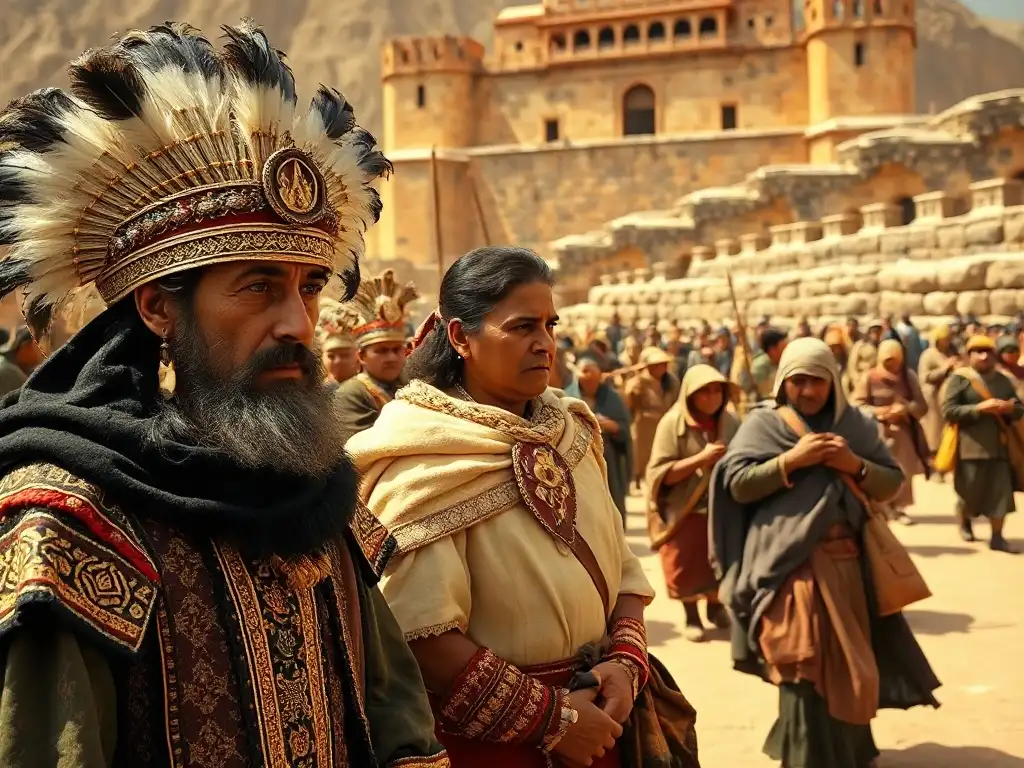
The Inca Empire's sophisticated social structure was fundamentally hierarchical, with a clearly defined elite class wielding significant power and enjoying unparalleled privileges. Understanding the Inca social classes and roles within this elite is crucial to comprehending the empire's organization and longevity. This elite wasn't simply a group of wealthy individuals; it was a complex network of interconnected roles and responsibilities, all contributing to the maintenance of imperial power and the smooth functioning of the vast Inca state.
The system was based on kinship, religious authority, and military prowess, creating a robust, if sometimes rigid, social order. This section will delve into the specific roles and responsibilities of this powerful stratum of Inca society.
The apex of the Inca social hierarchy was occupied by the Sapa Inca, the emperor. More than just a political leader, the Sapa Inca was considered a divine figure, a descendant of the sun god Inti. This divine status imbued him with absolute authority, controlling all aspects of Inca life, from religious ceremonies and military campaigns to economic production and social organization. His word was law, and his decisions were rarely, if ever, questioned.
The Sapa Inca's power wasn't merely symbolic; it was enforced through a vast bureaucracy and a loyal army. He controlled the vast resources of the empire, including land, labor, and precious metals. He appointed governors, oversaw infrastructure projects (like the impressive road system), and commanded the military.
His authority was further reinforced through elaborate rituals and ceremonies that emphasized his divine lineage and unique position within Inca society. Succession to the Sapa Inca's position was a complex process often involving political maneuvering and even violence, ensuring the most capable and powerful candidate inherited the throne. Historical accounts suggest that the Sapa Inca's power was absolute, but the extent of his direct involvement in day-to-day governance remains a subject of ongoing scholarly debate.
The Royal Family and the Inca Nobility
Below the Sapa Inca resided the royal family and the Inca nobility, a group of individuals closely related to the emperor or holding high positions within the imperial administration. This group enjoyed considerable privilege, including access to the best lands, food, and clothing. They held significant power and influence, often serving as governors, military commanders, or high priests. Their roles were essential in maintaining the empire's stability and expanding its reach.
The Inca nobility’s influence extended beyond their individual positions. They formed a powerful network of alliances and patronage, ensuring the Sapa Inca's policies were implemented effectively across the vast empire. Their wealth and social standing were often hereditary, passed down through generations, solidifying their position within the elite.
The size and composition of this group varied over time, depending on the Sapa Inca’s policies and the empire's political landscape. Further research is needed to fully understand the dynamics and complexities within this powerful segment of Inca society. For instance, [specific information pending] on the precise number of individuals comprising the Inca nobility at any given time.
Roles and Responsibilities of the Inca Elite
The Inca elite’s roles and responsibilities were multifaceted and interconnected. Their primary function was to maintain the empire's social order and ensure the continued prosperity of the Inca state. This involved a variety of tasks, including:
- Governance: Governing provinces, collecting taxes, and administering justice.
- Military: Leading armies in conquest and defense.
- Religious leadership: Performing religious ceremonies and maintaining temples.
- Infrastructure development: Overseeing the construction of roads, irrigation systems, and other public works.
- Economic management: Managing resources and distributing goods.
The elite’s responsibilities weren't strictly divided; many individuals held multiple positions, creating a complex web of power and influence. This overlapping of roles ensured accountability and prevented the concentration of power in any single individual or group, aside from the Sapa Inca himself. The system, while hierarchical, demonstrated a sophisticated understanding of the need for checks and balances within the ruling class. The effective functioning of this elite class was paramount to the Inca Empire's remarkable success and longevity.
The intricate interplay of these roles ensured the smooth operation of the vast empire, highlighting the sophisticated nature of Inca governance and social organization. Further investigation into the specific responsibilities of individual elite members could provide a more nuanced understanding of Inca social stratification. For example, [specific information pending] regarding the precise division of labor within the elite class.
The Commoners: The Backbone of the Inca Empire
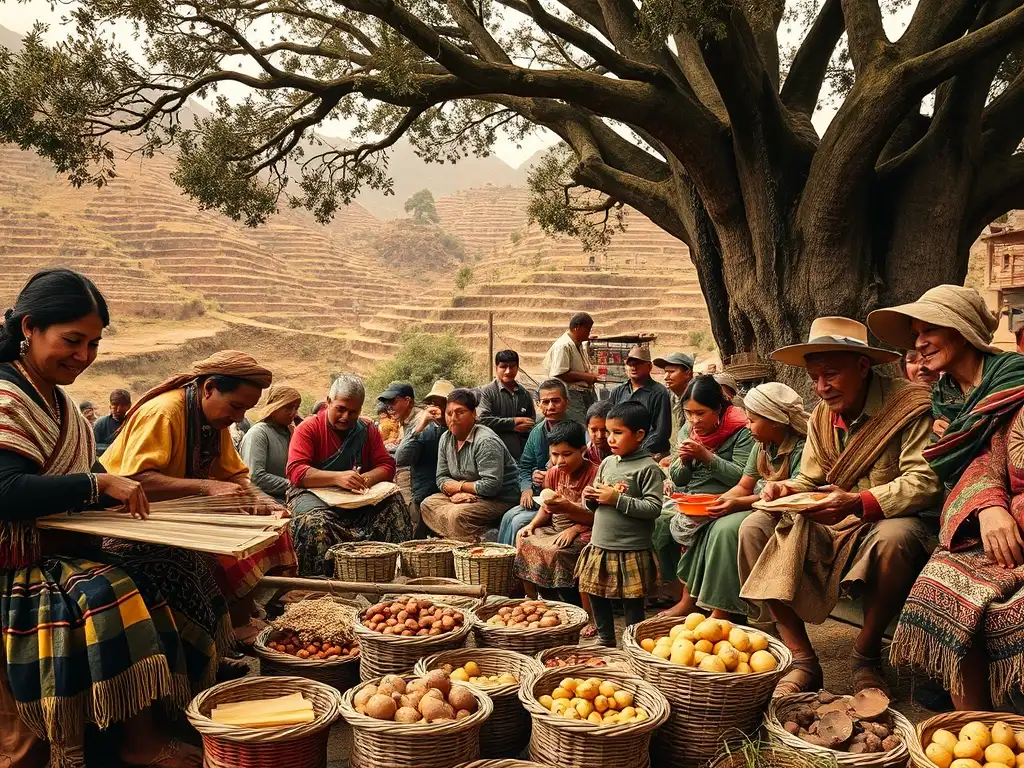
The vast majority of the Inca population belonged to the commoner class, known as hatun runa. Their lives revolved around agriculture, community obligations, and the mita system. Understanding their roles is crucial to grasping the functioning of the Inca Empire's intricate social structure and its remarkable achievements in infrastructure and resource management.
The Inca social classes and roles were rigidly defined, yet the system offered a degree of social mobility, albeit limited. This section delves into the specifics of the commoner class, highlighting their diverse contributions to the empire's success. The Inca social hierarchy was not simply a matter of power; it was a finely tuned mechanism designed to ensure the stability and prosperity of the state.
The Hatun Runa: Agricultural Labor and Community Obligations
The hatun runa, or commoners, formed the agricultural backbone of the Inca Empire. Their primary responsibility was cultivating the land, primarily using the terracing technique to maximize arable space in the challenging Andean terrain. They were organized into ayllus, kinship-based communities that collectively worked the land and shared resources. This communal structure ensured food security and social support.
Individual plots were assigned, yet the harvest often involved communal effort, reflecting the Inca emphasis on cooperation and reciprocity. Beyond agriculture, hatun runa also participated in other essential activities like herding llamas, fishing (in coastal regions), and crafting basic necessities for their families and communities. Their contributions were not limited to material production; they also participated in religious ceremonies and community projects, demonstrating a strong sense of collective identity and social responsibility.
The success of the Inca Empire hinged on the productivity and loyalty of these commoners. Records suggest that agricultural surplus, managed through the warehouses of the Inca state, was used to support the elite, fund public works, and provide assistance during times of scarcity. This system, while demanding, offered a degree of security and social stability for the hatun runa.
The Mit'a System: Labor Service for Public Works
The mita system was a crucial element of Inca social organization and a significant obligation for the hatun runa. It wasn't simply a tax; it was a form of compulsory labor service rendered to the state. While it impacted all commoners, the frequency and type of service varied. Some individuals might be selected for agricultural projects, others for road construction, or even for specialized tasks in the Inca's extensive network of mines.
The mita system was instrumental in the construction of the impressive Inca road network, monumental structures like Machu Picchu, and the development of irrigation systems vital for agriculture. The system, while demanding, provided opportunities for some individuals to acquire specialized skills and knowledge. Moreover, it reinforced a sense of collective responsibility towards the empire's well-being. While some historians criticize it as exploitative, others argue that it was a fair system that ensured the empire's development and provided a social safety net in times of need.
The precise details of its administration and its impact on different regions require further research, and the extent of its benefits and burdens remain a topic of scholarly debate. Specific data on the duration of mita service and the types of projects assigned remain incomplete. [Specific information pending]
Yanaconas: Specialized Servants and Artisans
Within the commoner class, a distinct group existed: the yanaconas. Unlike the typical hatun runa, yanaconas held a somewhat ambiguous position. They were often attached to specific individuals or institutions, serving as specialized servants, artisans, or administrators. Some were assigned to the Inca elite, while others worked in temples or state workshops.
Their status was hereditary, passed down through generations. While technically commoners, their specialized skills and close association with power structures gave them a degree of privilege and relative comfort compared to other hatun runa. They were essential for the functioning of the Inca state, providing specialized goods and services ranging from textiles and metalwork to administrative support.
They represent a nuanced aspect of Inca social stratification, highlighting the complexities and internal variations within the commoner class itself. The degree of autonomy and social mobility available to yanaconas remains an area for further investigation, and more research is needed to fully understand their role within the Inca social structure. [Specific information pending on the extent of their social mobility and economic independence].
The rigid hierarchical structure of Inca society, often described as a meritocracy, presents a complex picture when examining social mobility. While the system wasn't entirely static, opportunities for significant upward movement were limited, primarily confined to specific avenues of advancement. The concept of "Inca social classes and roles" is best understood through this lens of carefully controlled mobility.
The vast majority of individuals remained within the social stratum into which they were born, their lives largely predetermined by their ayllu (community) and lineage. This section delves into the specifics of this limited mobility, highlighting the pathways that, while narrow, offered a chance to improve one's social standing.
The Inca Empire's social structure was based on a hierarchical system with the Sapa Inca at its apex. Below him were the nobility (the curacas), priests, and other high-ranking officials. The vast majority of the population belonged to the commoner class, organized into ayllus. Movement between these broad classes was exceptionally rare.
While individuals could gain influence and prestige within their ayllu, transitioning to a higher social echelon was highly improbable. This wasn't simply due to rigid social barriers, but also to the Inca's sophisticated system of record-keeping and lineage tracking. Each individual's position and responsibilities were meticulously documented, making it difficult to falsify one's origins or claim a higher social standing.
The mita system, a form of obligatory labor, further reinforced this limited mobility. While not inherently oppressive, the mita assigned individuals tasks based on their social standing and ayllu affiliation. This system, while providing essential labor for the empire's infrastructure projects and agricultural production, also served to maintain the existing social order. It's crucial to note that this wasn’t a system of absolute immobility; some limited internal mobility existed within ayllus, with individuals gaining recognition for their skills or contributions. However, such advancements rarely translated into a change in the overall social class.
Consider the example of a skilled artisan within a commoner ayllu. While they might achieve considerable respect and even a higher standard of living within their community, they would unlikely ever become a member of the nobility. Their skills and contributions were valued, but their social standing remained largely defined by their birth. This aspect of Inca social organization underscores the importance of inherited status and the relative inflexibility of the system, despite the presence of a meritocratic ideal.
Advancement Through Military Service and Religious Devotion
Despite the generally limited social mobility, there were two primary avenues for upward mobility within Inca society: distinguished military service and exceptional religious devotion. These provided exceptional opportunities, though they remained highly competitive and depended on demonstrating exceptional capabilities.
Military prowess was highly valued within the Inca Empire. Successful commanders, those who demonstrated bravery, strategic skill, and loyalty to the Sapa Inca, could achieve significant social advancement. This advancement wasn't automatic; it required consistent demonstration of skill and unwavering loyalty. Promotion within the military ranks often led to increased social standing and even the bestowal of land and privileges, effectively elevating the individual and their family to a higher social stratum. This system, however, was highly selective, with only a small fraction of soldiers attaining such heights.
Similarly, exceptional religious devotion offered a path to social elevation. Individuals displaying profound dedication and expertise in religious matters, particularly those demonstrating a deep understanding of Inca cosmology and rituals, could rise through the ranks of the priesthood. High-ranking priests held considerable power and influence, enjoying a privileged social standing comparable to that of the nobility. However, this path, like military advancement, was exceptionally challenging, requiring years of dedicated study, unwavering piety, and the favor of the ruling elite.
The selection process was rigorous, with only the most gifted and dedicated individuals eventually reaching the higher echelons of the priestly class. Therefore, while the possibility of social climbing existed, it was a narrow path, accessible only to a select few who excelled in these specific areas. This clearly defined the dynamics of "Inca social classes and roles" within the rigid, yet subtly flexible, social structure of the Inca empire.
The Role of Women in Inca Society
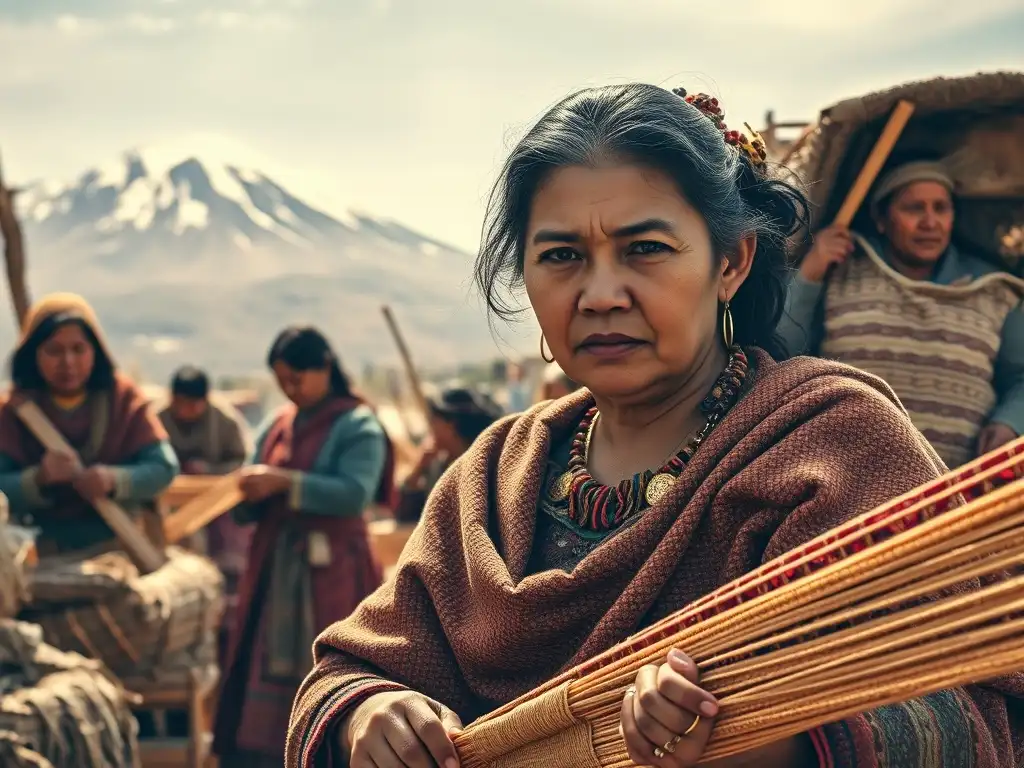
The Inca social structure, while hierarchical and rigidly defined for men, offered women a surprisingly diverse range of roles and responsibilities, defying the often-perceived patriarchal limitations of many ancient societies. Understanding the intricacies of Inca social classes and roles necessitates a detailed examination of women's contributions, which extended far beyond the domestic sphere. Their influence permeated various aspects of Inca life, from high-ranking nobility to the commoner class, impacting everything from agriculture and textile production to religious practices and political power dynamics. The keyword "Inca social classes and roles" is central to understanding this complex social fabric.
Women's Roles in the Inca Nobility
Women of the Inca nobility occupied positions of significant power and influence, a stark contrast to the limited opportunities often afforded women in other ancient civilizations. While the Sapa Inca (emperor) held ultimate authority, female members of the royal family wielded considerable political and religious sway. They often held positions as Mamaconas, priestesses dedicated to the service of the sun god Inti and other deities. These women were highly educated, receiving training in religious rituals, textile arts, and administration.
Their influence extended beyond religious ceremonies; they advised the Sapa Inca on matters of state and played a crucial role in maintaining social order and stability within the Inca empire. Evidence suggests they held significant land ownership and controlled resources, further solidifying their economic power. Their lives were marked by privilege and status, but also by significant responsibilities in maintaining the social hierarchy and the empire's religious integrity.
Women's Roles in the Commoner Class
While noble women enjoyed significant privileges, the lives of commoner women were largely defined by their contributions to the ayllu, the communal social and economic unit. Their daily lives revolved around agriculture, weaving, and childcare. However, this does not diminish their importance within the Inca social structure.
Women were essential to agricultural production, cultivating crops like potatoes, maize, and quinoa, crucial to the sustenance of the empire. Their expertise in weaving was equally vital, producing textiles not only for clothing but also for religious ceremonies and trade. In addition to their agricultural and textile contributions, commoner women were responsible for food preparation, household management, and raising children.
Their roles, while seemingly less glamorous than those of noblewomen, were essential to the functioning of the Inca society. Their contributions were fundamental to the stability and prosperity of the ayllu and, by extension, the empire itself. This highlights the vital, albeit often overlooked, role of women in the broader context of "Inca social classes and roles".
Women's Contributions to Agriculture and Weaving
The mastery of agricultural techniques and textile production was paramount to the Inca civilization's success. Women played a central role in both these areas, showcasing their expertise and contributing significantly to the empire's economic prosperity. In agriculture, women were responsible for planting, tending, and harvesting crops. Their knowledge of soil conditions, irrigation techniques, and crop rotation methods ensured high yields, essential for feeding the large population.
Their skills were not merely practical; they were imbued with religious significance, with rituals and ceremonies accompanying the agricultural cycle. Similarly, women's mastery of weaving was remarkable. They produced textiles of exceptional quality, using intricate techniques and vibrant colours.
These textiles served not only as clothing but also as religious objects, ceremonial adornments, and valuable trade goods. The complex designs often incorporated symbolic representations of religious beliefs and social structures, demonstrating the deep cultural significance of their work. The intricate techniques and designs showcase the high level of skill and artistry possessed by Inca women, contributing significantly to the overall understanding of "Inca social classes and roles" and the empire's economic and cultural achievements.
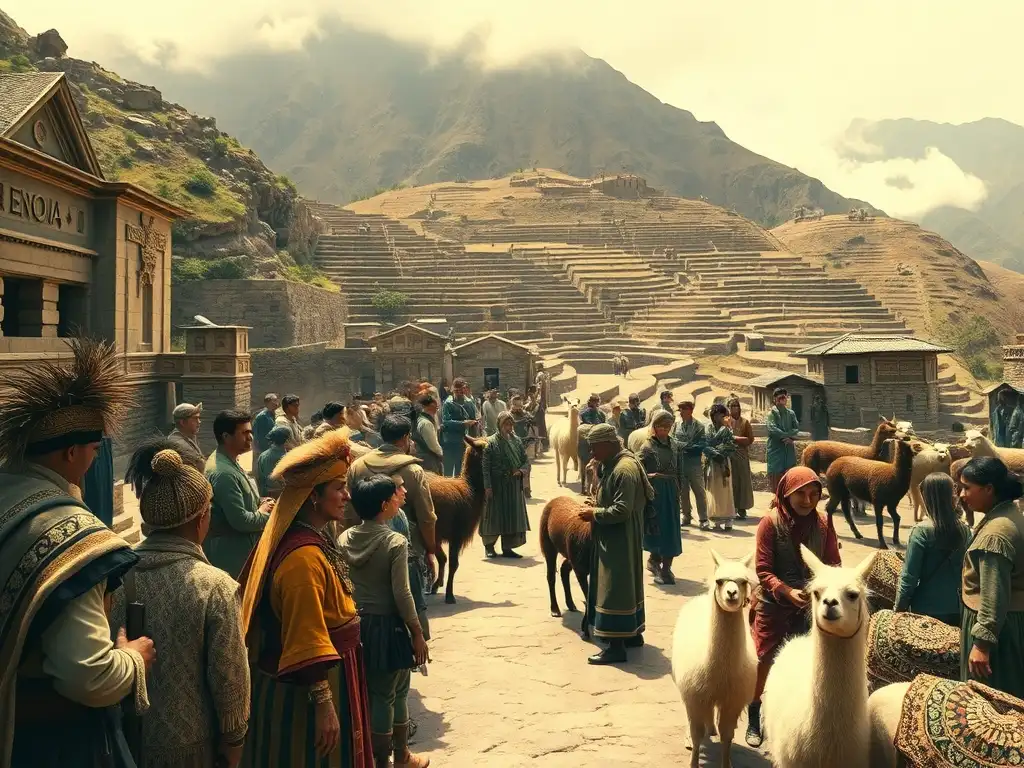
The Inca Empire's sophisticated social organization wasn't solely based on a rigid class system; it was deeply intertwined with the ayllu, a fundamental social and economic unit. Understanding the ayllu is crucial to grasping the complexities of Inca social stratification and roles, going beyond a simple hierarchical model. The Inca social classes and roles weren't just defined by titles or wealth, but also by kinship, reciprocal obligations, and participation within the ayllu structure.
This intricate system ensured social cohesion and efficient resource management across the vast empire. The concept of the ayllu, a collective unit based on kinship ties, significantly impacted the distribution of resources, labor organization, and social mobility within Inca society. It provided a framework that went beyond individual achievement, emphasizing communal responsibility and shared destiny.
The Ayllu as the Fundamental Kinship Unit
The ayllu functioned as an extended family unit, encompassing multiple generations and often including individuals related through blood or marriage. Members shared a common ancestor and a collective identity, bound by strong kinship ties and mutual obligations. This kinship network was not just a matter of lineage; it dictated access to resources, land allocation, and participation in communal activities. The strength of these kinship ties ensured the stability and cohesion of the ayllu, fostering a sense of belonging and mutual support.
Within the ayllu, individuals held specific roles and responsibilities based on age, gender, and skills. Elderly members often held positions of authority, guiding the younger generation and making decisions concerning the ayllu's welfare. Women played crucial roles in agriculture, textile production, and household management, while men were primarily involved in farming, herding, and warfare. This division of labor was not rigid, however, with flexibility based on individual skills and needs.
The ayllu's organization facilitated cooperation and mutual assistance, ensuring the survival and prosperity of its members. This system of collective responsibility was essential to the Inca Empire's success in managing its resources and maintaining social order. The ayllu also acted as a crucial social safety net, providing support to members during times of hardship or crisis. The Inca social classes and roles were, therefore, deeply embedded in this communal framework.
Land Ownership and Collective Work
Land ownership in the Inca Empire was not individualistic; it was vested in the ayllu as a collective. The Inca state allocated land to each ayllu based on its size and needs, ensuring equitable distribution of resources among its members. This collective ownership fostered cooperation and prevented the accumulation of wealth in the hands of a few. The Inca social classes and roles were therefore strongly tied to access to land and participation in its collective cultivation.
Farming was a communal activity, with ayllu members working together to cultivate the land and harvest crops. The mita, a system of compulsory labor, was implemented within this context, demanding contributions from each able-bodied member to public works projects and state activities. However, the mita was not exploitative in its nature; instead, it was viewed as a communal obligation contributing to the well-being of the entire ayllu and the empire. The system ensured that everyone contributed to the society's collective prosperity.
This collective approach to land ownership and labor resulted in a relatively equitable distribution of resources and a strong sense of communal responsibility. The Inca social classes and roles, therefore, were defined not only by hierarchical status but also by participation in the collective work of the ayllu. This system minimized social inequalities and maintained social harmony across the vast and diverse Inca Empire.
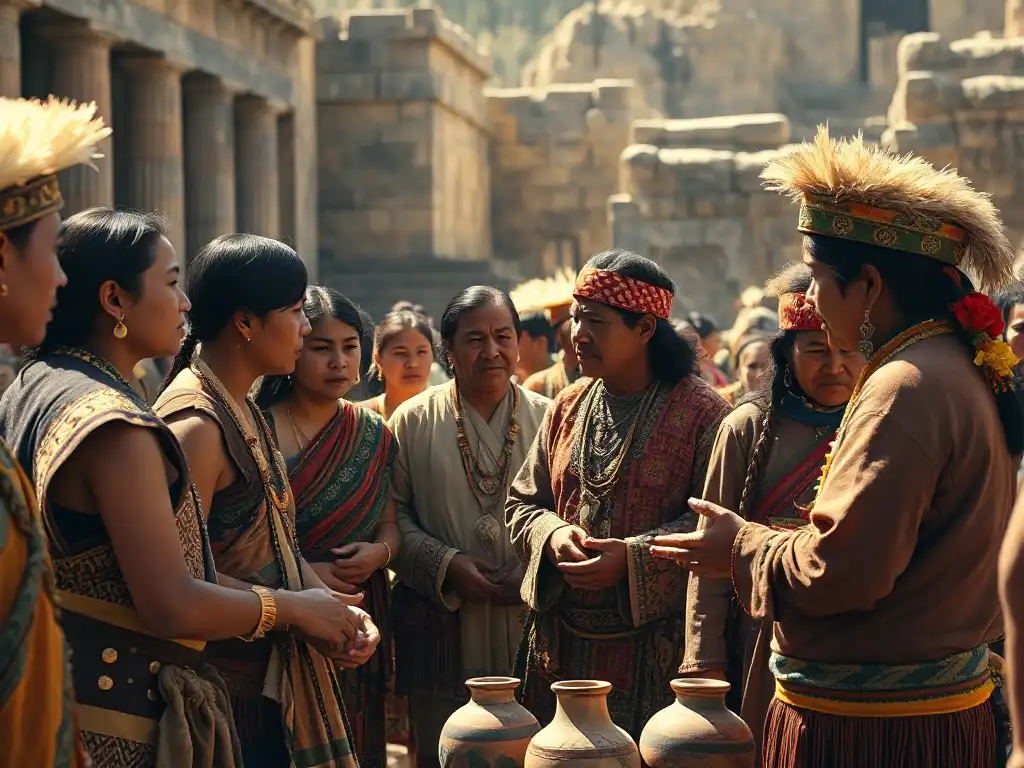
The Inca Empire, renowned for its sophisticated infrastructure and administrative prowess, maintained its vast territory and complex social structure through a robust system of social control and justice. This wasn't solely reliant on military might; rather, it was interwoven with the fabric of Inca society, deeply embedded in their laws, customs, and the principle of ayni (reciprocity). Understanding Inca social control requires examining both the formal mechanisms of justice and the informal, yet powerful, influence of social norms and expectations.
The effectiveness of this system stemmed from its integration into daily life, ensuring compliance not through brute force alone, but through a combination of fear, respect, and ingrained social responsibility. The keyword "Inca social classes and roles" is intrinsically linked to this system, as each social stratum had specific responsibilities and was subject to different levels of scrutiny and accountability.
Inca law, though not codified in a written form as we understand it, was meticulously defined and enforced. It was a complex system based on oral tradition, passed down through generations of amautas (wise men) and enforced by officials at various levels of the empire. These laws encompassed a wide range of social interactions, from agricultural practices and tribute obligations to marriage customs and criminal offenses.
Specific punishments varied depending on the severity of the infraction and the social standing of the individual involved. For example, minor offenses might result in community service or fines, while serious crimes like theft or rebellion could lead to exile, imprisonment, or even death. The death penalty, however, was rarely applied except in cases of treason or particularly heinous crimes.
The concept of hamaw (shame) played a significant role in maintaining social order. Public shaming and social ostracism were powerful deterrents, often more effective than formal punishment. The strong communal nature of Inca society meant that individuals were constantly under the scrutiny of their peers, fostering a sense of collective responsibility and discouraging deviant behavior.
This system of informal social control worked in conjunction with the formal legal mechanisms, creating a powerful and pervasive system of social regulation. Data regarding the specific details of Inca laws remains incomplete, with much of our knowledge derived from post-conquest accounts and archaeological findings. Further research is needed to fully elucidate the nuances and complexities of this system.
The principle of ayni, reciprocal exchange of goods and services, was fundamental to Inca social organization and served as a cornerstone of social control. This system of mutual obligation fostered interdependence and solidarity within communities. Everyone had a role to play, and fulfilling one's responsibilities contributed to the overall well-being of the community. Failure to participate in ayni could lead to social isolation and marginalization, serving as a powerful incentive for compliance. The Inca government actively facilitated and monitored ayni, ensuring its equitable distribution and preventing exploitation.
Furthermore, the Inca system of mit'a (labor service) contributed to social control by requiring all able-bodied citizens to contribute to public works projects. This not only provided the workforce for the construction of impressive infrastructure but also instilled a sense of collective identity and purpose.
Participation in mit'a also served as a mechanism for social surveillance, as individuals were required to work alongside members of their community, under the watchful eye of officials. This integrated approach, combining formal legal structures with deeply ingrained social norms and reciprocal obligations, ensured the effective governance and social stability of the vast Inca Empire.
The success of this intricate system of social control is a testament to the Inca's sophisticated understanding of human behavior and their ability to harness social forces to achieve their political and economic goals. Understanding the interconnectedness of ayni, mit'a, and the formal justice system provides crucial insight into the "Inca social classes and roles" and how they functioned within the broader imperial structure.
The rigid social stratification of the Inca Empire left an enduring legacy on the Andean region, profoundly shaping its political, economic, and social landscapes for centuries after the Spanish conquest. Understanding this legacy requires examining how the Inca system influenced subsequent power structures and societal organization, as well as its lingering impact on modern Andean communities. The Inca social structure, with its clearly defined classes and roles, wasn't simply dismantled; its echoes resonate even today.
The hierarchical system, while modified and adapted, continues to inform social dynamics and power relationships in various ways. Analyzing this legacy unveils a complex interplay between continuity and change, illustrating the resilience of Inca societal structures.
Impact on Political and Economic Organization
The Inca's highly centralized political system, directly tied to their social hierarchy, influenced subsequent colonial and republican administrations. The ayllu, the fundamental socio-economic unit of Inca society, although altered, continued to play a significant role in land tenure and community organization. The Spanish colonial authorities, while attempting to dismantle the Inca system, found it difficult to completely eradicate the existing social structures. They often co-opted existing leadership roles and adapted the ayllu system for their own purposes, resulting in a hybrid system that blended Inca traditions with colonial policies.
This led to a complex interplay of power, where indigenous elites often negotiated their position within the colonial framework. The economic organization, too, bore the mark of the Inca system. The mita, a labor tax system, though exploited by the Spanish, had deep roots in the Inca's reciprocal system of labor and resource distribution. The legacy of this system is visible in the continued importance of communal labor and resource management in many Andean communities.
Even today, the concept of reciprocal obligations and community-based work persists, reflecting a direct lineage to Inca practices. The Inca's emphasis on centralized control over resources and labor significantly shaped the economic landscape of the region long after the empire's fall. The impact of this control can be seen in the continued struggle for equitable resource distribution and land ownership in many Andean countries.
Influences on Modern Andean Communities
The legacy of Inca social stratification is visible in contemporary Andean communities in subtle but significant ways. While the rigid class distinctions of the Inca Empire no longer exist in their original form, the emphasis on kinship ties, community obligations, and hierarchical structures remains. Many Andean communities continue to organize themselves around kinship groups, reflecting the importance of the ayllu in Inca society. Furthermore, the concept of reciprocal obligations, a cornerstone of Inca social life, continues to inform social interactions and economic exchanges.
This translates into a strong sense of community responsibility and mutual support, where individuals contribute to the collective well-being. However, the legacy is not without its complexities. The historical inequalities embedded in the Inca system have contributed to ongoing social disparities in access to resources and opportunities. The legacy of the mita system, for example, continues to raise questions about the equitable distribution of labor and the potential for exploitation.
While modern Andean societies have evolved significantly, the underlying social structures, influenced by the Inca's hierarchical system, continue to shape social relations, economic practices, and political dynamics. Understanding this complex interplay between the past and the present provides crucial insights into the enduring impact of Inca social stratification on the Andean world. The enduring influence of Inca social structures highlights the need for a nuanced understanding of the historical roots of contemporary Andean societies.
Frequently Asked Questions
The Inca social hierarchy was primarily based on kinship and service to the Inca emperor. Those closest to the emperor held the highest positions, while commoners fulfilled essential roles in agriculture and other sectors. Loyalty and productivity were key factors determining social standing.
While the system was complex, Inca society is generally categorized into four main classes: the royal family (nobility), the priests and officials, the commoners, and finally the yanaconas (servants). Each class had specific roles and responsibilities.
What was the role of the Inca emperor in society?
The Inca emperor, or Sapa Inca, was considered divine and held absolute power. He was the supreme religious and political authority, controlling all aspects of Inca life, from land distribution to religious ceremonies. His word was law.
What were the roles of commoners in Inca society?
Inca commoners formed the vast majority of the population. Their roles were primarily focused on agriculture, textile production, and construction, contributing to the empire's overall economic and infrastructural development. They also served in the army when needed.
The mita system, a form of mandatory labor, impacted all social classes, though its burden fell most heavily on commoners. While it contributed to large-scale public works, it also ensured the emperor's control and the organization of the empire's workforce.
The intricate social hierarchy of the Inca Empire, far from being a relic of the past, offers a powerful lens through which to examine contemporary issues of power, inequality, and social mobility. Understanding the complexities of the ayllu system and the roles of the emperor, nobility, and commoners provides crucial insights into how societies organize themselves and allocate resources, even in vastly different contexts. The echoes of this ancient system resonate in modern discussions about social justice and equitable distribution of wealth.
The Inca's sophisticated system of social engineering, while undeniably hierarchical, also provided a degree of social security and communal support rarely seen in other pre-industrial societies. This balance between order and welfare is a fascinating paradox that continues to spark debate among historians and social scientists. The Inca state was not simply a mechanism of oppression, but also a system of social organization that provided for the needs of its people.
This quote highlights the nuanced reality of Inca society, a complexity often overlooked in simplified narratives. The legacy of their approach to community and resource management remains a relevant topic for discussion in our own time, particularly in the face of growing global inequalities.
Consider the ways in which social structures impact your own life. How do the systems of power and privilege around you shape your opportunities and experiences? Take a moment to reflect on the parallels between the Inca social hierarchy and the social structures you encounter daily.
By understanding the past, we can gain a deeper appreciation for the present and work towards a more just and equitable future. Let the legacy of the Inca inspire you to examine your own place within the complex social fabric of our world, and to strive for a society where the benefits and burdens are shared more fairly.
**Embrace the Legacy of Inca Society! **
Thank you for exploring the fascinating world of Inca social stratification! Your investigation into the classes and roles that shaped their civilization provides valuable insight into the profound influence of social structures on culture and community. Now, let's delve even deeper!
Here are some suggestions to further enrich your understanding:
- Expand your knowledge: Research Andean civilization history through reputable sources to uncover more about the Inca way of life. Consider exploring academic journals, museum websites, or well-regarded documentaries.
- Share your discoveries: Discuss your thoughts and findings with friends, family, or online communities using the hashtag #IncaInsights. Help spark wider interest in these remarkable ancient practices.
- Connect with history firsthand: Visit a local museum or cultural center featuring Inca artifacts. Experiencing these tangible pieces of history can significantly enhance your understanding.
Which aspect of Inca social stratification most captivates you, and how do you see parallels between Inca society and our own?