
Cracking the Code of Inca Bureaucracy: How the Empire Maintained Order

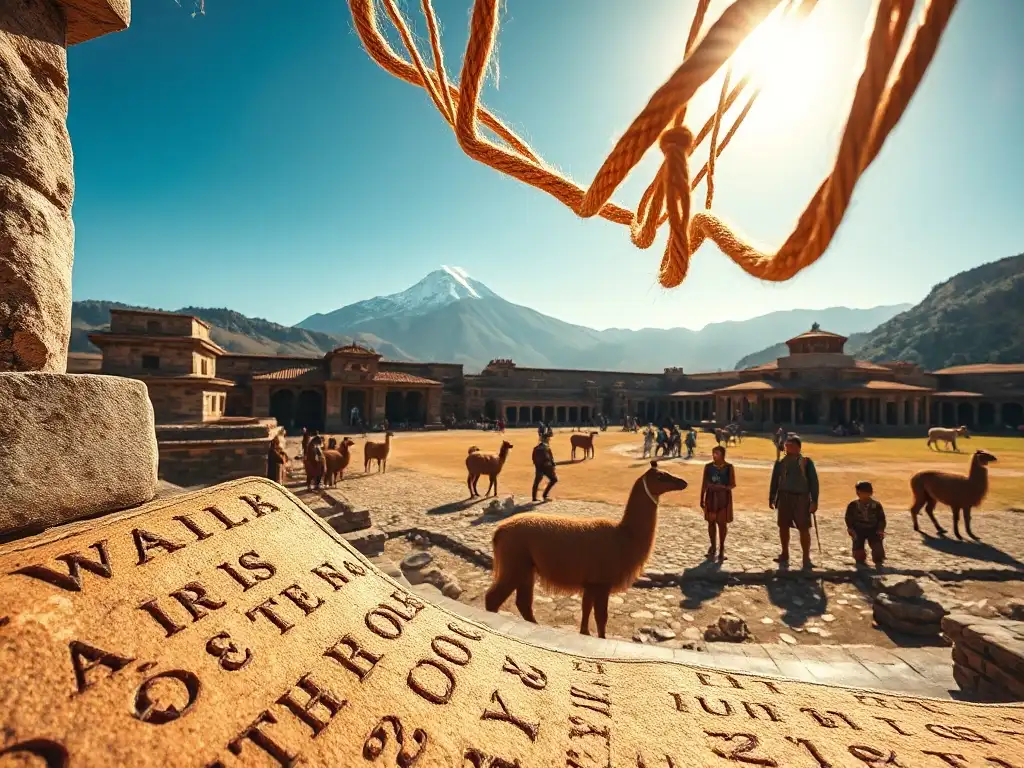
Uncover the secrets of a vanished world. For centuries, the Andean Civilizations have captivated imaginations with their breathtaking achievements. But how did the mighty Inca empire manage its vast territories and complex society? Delve into the intricacies of the Inca empire bureaucratic system—a sophisticated mechanism of power that ensured order and prosperity across a sprawling empire. Prepare to be amazed by the ingenuity and complexity of this lost civilization and discover the answers you've been searching for.
-
The Inca Empire's Bureaucratic System: Maintaining Order and Control
- The Foundations of Inca Governance: Centralization and Hierarchy
- The Role of the Sapa Inca in the Imperial Administration
- Key Components of the Inca Empire Bureaucratic System
- Inca Infrastructure and its Contribution to the Bureaucracy
- The Mit'a System: Obligatory Labor and Its Impact on the Empire
- The Inca Legal System and its Enforcement Mechanisms
- The Effectiveness of the Inca Empire's Bureaucratic System
- The Legacy of the Inca Bureaucracy on Andean Societies
- Conclusion: Understanding the Intricacies of Inca Administration
- Frequently Asked Questions
- Final Reflection: The Enduring Legacy of Inca Administration
- **Unlock the Secrets of the Andean Legacy! **
The Inca Empire's Bureaucratic System: Maintaining Order and Control
The Inca Empire, at its zenith, controlled a vast and diverse territory spanning thousands of miles along the Andes Mountains. Such a geographically expansive and culturally complex realm couldn't have functioned without an incredibly efficient and sophisticated bureaucratic system. This article delves into the intricacies of Inca administration, exploring how this remarkable civilization maintained order, collected resources, and managed its population with remarkable precision.
We will examine the foundational principles of Inca governance, the crucial role of the Sapa Inca (emperor), and the intricate network of officials and systems that underpinned the empire's power and longevity. Understanding the Inca empire's bureaucratic system provides crucial insight into their remarkable achievements and offers valuable lessons in effective governance, even by today's standards.
The Inca's success in managing such a large and diverse empire remains a testament to their organizational prowess and insightful administrative strategies, making the study of their system particularly relevant for understanding large-scale governance. This exploration of the Inca empire bureaucratic system will reveal a complex and fascinating system that stands as a remarkable achievement in ancient civilization.
The Foundations of Inca Governance: Centralization and Hierarchy
The Inca bureaucratic system was built upon two fundamental pillars: centralization and hierarchy. Power flowed directly from the Sapa Inca, the emperor, who was considered a divine figure, down through a meticulously structured chain of command. This hierarchical structure ensured clear lines of authority and responsibility, minimizing conflict and maximizing efficiency.
The empire was divided into four main suyus (quarters), each governed by a tukuy rikuq (governor), who reported directly to the Sapa Inca. Further subdivisions, down to local communities, ensured that even the most remote regions were integrated into the imperial administration. This highly centralized system enabled the Inca to effectively manage resources, control labor, and maintain social order across their vast domain.
The effectiveness of this system is evidenced by the empire's ability to mobilize massive labor forces for large-scale construction projects, such as the impressive road network and agricultural terraces. The system also facilitated the efficient distribution of goods and the collection of tribute, crucial for sustaining the imperial power structure. The intricate network of officials and the clear lines of authority created a system that was remarkably resilient and effective.
The Role of the Sapa Inca in the Imperial Administration
The Sapa Inca stood at the apex of the Inca bureaucratic system, holding absolute authority over all aspects of imperial life. His decisions were final, and his word was law. This absolute power, however, was not arbitrary. The Sapa Inca was expected to rule justly and wisely, ensuring the prosperity and well-being of his subjects.
His role extended far beyond mere leadership; he was also the supreme religious authority, the embodiment of Inca cosmology and tradition. This dual role—political and religious—reinforced his authority and ensured the legitimacy of his rule. The Sapa Inca's power was not simply inherited; it was actively cultivated through elaborate rituals, ceremonies, and a carefully constructed image of divine authority.
The Sapa Inca's Authority and Decision-Making Power
The Sapa Inca's authority extended to every facet of imperial life. He controlled the allocation of resources, oversaw major infrastructure projects, appointed officials, and judged legal disputes. His decisions, often made in consultation with his advisors, were binding throughout the empire. While the Sapa Inca held ultimate power, the decision-making process was not entirely solitary.
He relied on a network of advisors and officials to provide information and recommendations, ensuring that his decisions were well-informed and considered. Maintaining this balance between absolute authority and informed counsel was crucial to the empire's effective functioning. The efficient transmission of information and the prompt execution of orders were key elements in the success of the Inca administrative system. The speed and efficiency with which decisions were made and implemented across such a vast territory is a testament to the effectiveness of their communication networks and the loyalty of their officials.
The Inca Emperor's Council and Advisors
The Sapa Inca did not rule in isolation. He was assisted by a council of advisors, comprising high-ranking officials and religious leaders. This council provided crucial input on matters of state, offering expert advice and helping to ensure that imperial decisions were well-considered and aligned with the best interests of the empire.
The composition of this council likely varied over time, depending on the specific needs and challenges facing the empire. This council served as a vital check on the Sapa Inca's power, preventing arbitrary decisions and promoting a more collaborative approach to governance.
The presence of this council highlights the sophisticated and nuanced nature of Inca governance, demonstrating that even with absolute authority, the Sapa Inca relied on the expertise and counsel of his advisors to effectively manage the empire. The precise structure and membership of this council remain areas of ongoing scholarly investigation, highlighting the richness and complexity yet to be fully uncovered within the Inca empire's administrative history.
Key Components of the Inca Empire Bureaucratic System
The Inca empire's bureaucratic system, a marvel of pre-Columbian administration, relied on several interconnected components working in harmony to maintain order across a vast and diverse territory. Its effectiveness stemmed from a sophisticated blend of centralized control and localized governance, facilitated by advanced record-keeping techniques and an impressive infrastructure. The system wasn't merely about collecting taxes; it was a comprehensive mechanism for resource management, population control, and the smooth functioning of the empire.
This intricate network ensured the efficient distribution of goods, the mobilization of labor, and the swift transmission of information across immense distances, ultimately contributing to the empire's remarkable longevity and expansion. Understanding these components reveals the ingenuity and organizational prowess of the Inca civilization.
The system's success highlights the crucial role of communication, logistics, and a clearly defined hierarchy in managing a large, complex state. The Inca's achievement in administrative organization stands as a testament to their understanding of efficient governance, far surpassing many contemporary European systems.
The Decimal System and its Application in Inca Administration
The Inca administrative system was fundamentally based on a decimal system. This wasn't simply a matter of counting; it was deeply ingrained in their social and political structure. Populations were organized into groups of ten, one hundred, one thousand, and ten thousand, mirroring a hierarchical administrative structure.
Each level had designated officials responsible for overseeing the groups below them. This system facilitated efficient resource allocation, labor mobilization, and tax collection. For instance, a group of ten families might be responsible for a specific agricultural task, while a group of one hundred families might be responsible for a larger project, such as road construction or the building of a temple.
This hierarchical structure, rooted in the decimal system, allowed for a highly organized and efficient administration of the empire's vast resources and manpower. The decimal framework provided a scalable and adaptable system capable of managing both small communities and large-scale projects. Its consistent application across the empire ensured uniformity and predictability in administrative tasks.
The Importance of the Quipu in Record-Keeping
The quipu, a complex system of knotted strings, served as the Inca's primary method of record-keeping. Far from being a simple mnemonic device, the quipu was capable of representing numerical data, storing information about population censuses, tax records, and agricultural yields. The color, length, and type of knot, as well as the arrangement of the strings, all conveyed specific information. While the exact method of interpreting quipu remains a subject of ongoing research, archaeological evidence and surviving examples demonstrate their sophisticated nature.
The quipu allowed for the meticulous tracking of resources and the efficient management of the empire's vast economic activities. This sophisticated record-keeping system was essential for the smooth functioning of the Inca bureaucracy, providing the data necessary for decision-making at all levels of government. Without the quipu, the Inca empire's complex administrative system would have been impossible to maintain.
The Role of Curacas in Local Governance and Taxation
The curacas were local chiefs who played a vital role in the Inca administrative system. They were responsible for collecting taxes, organizing labor, and ensuring the compliance of their communities with imperial decrees. While they were ultimately subordinate to the Inca emperor, the curacas retained significant local authority and influence.
This system of decentralized administration, with local chiefs acting as intermediaries between the central government and the population, allowed for a more effective governance of the diverse regions within the empire. The curacas acted as tax collectors, ensuring that tribute, often in the form of labor or goods, reached the central government. They also played a key role in resolving local disputes and maintaining order within their communities.
Their involvement in the system was critical to its success, demonstrating the Inca's ability to integrate local power structures into their centralized administration. The balance between centralized authority and localized governance was a key factor in the empire's stability.
Inca Infrastructure and its Contribution to the Bureaucracy
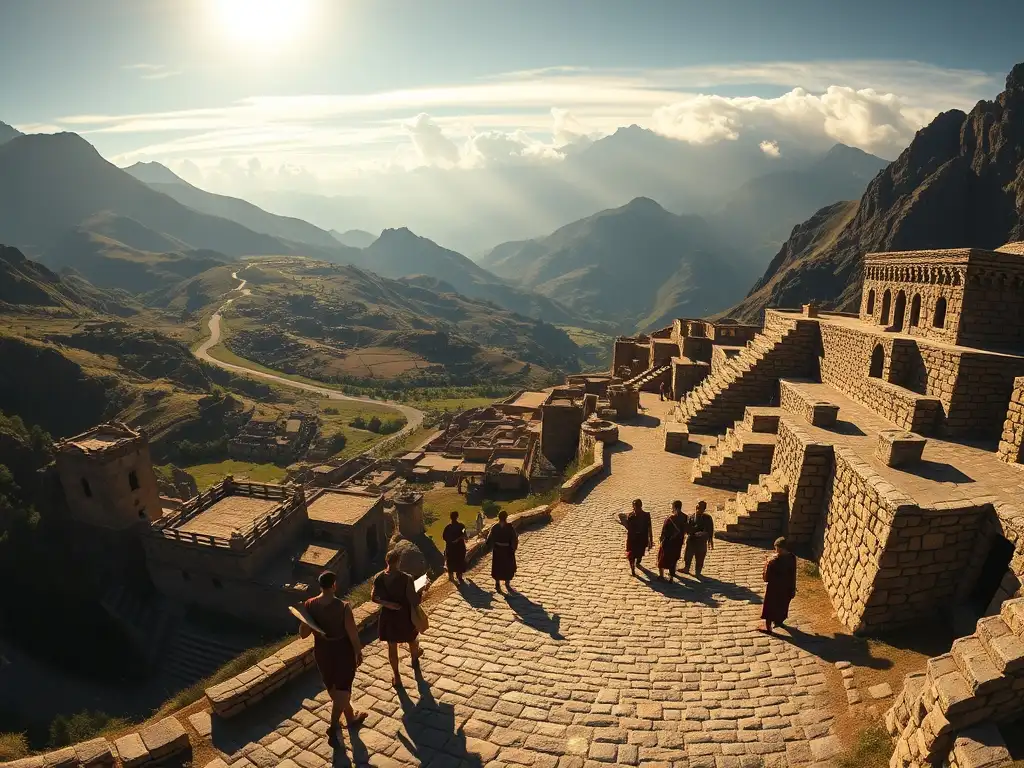
The Inca empire's impressive infrastructure was intrinsically linked to its efficient bureaucratic system. The sophisticated network of roads, storage facilities, and irrigation systems facilitated communication, resource management, and control across the empire. This infrastructure wasn't simply a byproduct of imperial power; it was a deliberate and essential component of the administrative apparatus. The integration of infrastructure and bureaucratic systems showcases the Inca's forward-thinking approach to governance and resource management. The seamless interplay between these two elements ensured the smooth operation of the state.
The Inca Road System: Facilitating Communication and Control
The Inca road system, one of the most remarkable feats of ancient engineering, was crucial to the empire's administrative efficiency. This extensive network of roads, spanning thousands of miles, allowed for the rapid movement of troops, messengers, and goods. The roads connected distant regions, facilitating communication and control across the vast empire.
The strategic placement of waystations along the routes provided resting places for travelers and ensured that messages reached their destinations quickly. This efficient communication network was essential for the smooth functioning of the bureaucracy, allowing for the timely transmission of imperial decrees and the collection of vital information from across the empire. The road system also facilitated the movement of resources and the deployment of labor for large-scale projects.
Storage Facilities and the Redistribution of Resources
The Inca’s extensive network of storage facilities, known as qollqas, was another crucial aspect of their bureaucratic system. These strategically located warehouses served as central repositories for agricultural surpluses, ensuring food security during times of scarcity. The system of storage and redistribution allowed the Inca to manage resources effectively, mitigating the risk of famine and maintaining social stability.
The qollqas were not simply storage facilities; they were integral to the empire's economic policy, allowing for the redistribution of resources to support the population and fund large-scale public works. The meticulous record-keeping, likely facilitated by the quipu, ensured the efficient management of these resources, highlighting the integration of record-keeping and logistical infrastructure in the Inca administrative system. The ability to store and redistribute resources efficiently was a key factor in the empire's stability and longevity.
The Mit'a System: Obligatory Labor and Its Impact on the Empire
The mit'a system was a cornerstone of Inca imperial administration, a form of obligatory labor service that significantly shaped the empire's infrastructure, agricultural production, and overall societal structure. Unlike forced labor in other empires, the mit'a wasn't solely based on coercion. It was a reciprocal system; in exchange for their labor, individuals received access to land for their own use, protection from the state, and participation in communal activities.
The system ensured a readily available workforce for large-scale projects crucial to the empire’s maintenance and expansion. However, the mit'a's effectiveness was not without its drawbacks. While it facilitated impressive achievements in construction and agriculture, it also posed challenges, particularly regarding potential abuses of power by local officials and the strain placed on individuals and communities.
The Inca government attempted to mitigate these issues through a structured system of oversight and rotation, but imbalances and injustices undoubtedly occurred, especially in periods of intense labor demands. The mit'a system, therefore, represents a complex interplay of cooperation, coercion, and state control, a crucial aspect of understanding the Inca empire's bureaucratic prowess and its inherent limitations. The system's success demonstrates the Inca's ability to organize and manage vast numbers of people for collective goals, but also highlights the difficulties in balancing imperial demands with the needs of individual communities.
How the Mit'a Supported Inca Public Works and Infrastructure
The mit'a system was instrumental in the construction and maintenance of the Inca empire's impressive infrastructure. The vast network of roads, bridges, and irrigation systems that crisscrossed the Andes Mountains are testaments to the organized labor provided by the mit'a. Thousands of workers, organized into groups and supervised by officials, were mobilized to build these structures.
The construction of the extensive road system, for example, required the coordinated efforts of numerous mit'a workers across diverse terrains. This included quarrying stones, transporting materials, and constructing the roads themselves. Similarly, the intricate irrigation canals, vital for agriculture in the arid regions of the empire, were built and maintained through the mit'a, demonstrating the system's capacity to tackle complex engineering projects.
The organization of the workforce, the efficient allocation of resources, and the effective supervision by appointed officials all contributed to the empire's remarkable achievements in public works. The scale and ambition of these projects underscore the crucial role of the mit'a in shaping the physical landscape of the Inca empire and its lasting legacy.
The Organization of Labor and the Role of Officials
The mit'a system was not a chaotic mobilization of labor; it was meticulously organized. The Inca government meticulously assigned individuals to specific tasks based on their skills and the needs of the project. Specialized workers, such as stonemasons, carpenters, and metalworkers, were assigned to tasks that required their expertise.
This specialized division of labor optimized efficiency and ensured high-quality workmanship. Furthermore, a hierarchical system of officials oversaw the entire process, ensuring compliance and fair distribution of labor demands. Local officials, responsible for mobilizing and supervising workers in their communities, reported to higher-level authorities who in turn answered to the central government.
This multi-tiered structure of authority prevented widespread abuse and ensured that the mit'a functioned as intended. Regular inspections and accountability mechanisms were implemented to monitor the work and address any issues of unfair treatment or negligence. The complex organizational structure of the mit'a system highlights the sophistication of Inca bureaucracy and its ability to coordinate vast human resources for the benefit of the empire.
The Inca Legal System and its Enforcement Mechanisms
The Inca empire, despite its lack of a written legal code in the way we understand it today, possessed a sophisticated system of laws and regulations that governed all aspects of life. These laws, transmitted orally through generations and reinforced by tradition and custom, were highly effective in maintaining social order and resolving disputes. The system focused on maintaining harmony and balance within the community, often prioritizing restorative justice over punitive measures. While the specific details of these laws are not fully documented, archaeological findings and accounts from Spanish chroniclers provide glimpses into their nature.
The emphasis was on communal well-being and the adherence to established social norms. The Inca legal system was deeply intertwined with their religious beliefs and worldview, which further reinforced its authority and influence throughout the empire. This system, though unwritten, was robust enough to maintain order and stability across a vast and diverse empire.
Laws and Regulations in the Inca Empire
Inca law encompassed a wide range of social and economic regulations. Rules governed agricultural practices, ensuring equitable distribution of land and resources. Regulations existed concerning marriage, family structures, and inheritance. Criminal offenses were also addressed, with punishments ranging from community service to exile, depending on the severity of the crime.
Importantly, Inca law emphasized collective responsibility, holding entire communities accountable for the actions of their members. This system, while appearing harsh from a modern perspective, aimed to prevent crime and maintain social cohesion. The absence of written laws doesn't imply a lack of legal framework; instead, it reflects a different approach to lawmaking and enforcement, one deeply rooted in oral tradition and community participation. Oral transmission, coupled with the strong influence of religious beliefs and the hierarchical structure of the empire, ensured the effective dissemination and enforcement of these regulations.
How Justice was Administered and Disputes Resolved
Dispute resolution in the Inca empire was primarily handled at the local level, with community leaders and officials acting as mediators. Emphasis was placed on reconciliation and restoring harmony rather than imposing harsh punishments. However, serious crimes or disputes that couldn't be resolved locally were escalated to higher authorities.
These higher officials, often appointed by the Inca emperor himself, had the authority to make final decisions and enforce judgments. The system aimed to provide a fair and accessible means of resolving conflicts, minimizing social unrest and maintaining stability within the empire. While specific procedures might vary across different regions, the overall aim remained consistent: to address disputes fairly, swiftly, and in a manner that prioritized the well-being of the community.
The effectiveness of this system, combined with the strong social control mechanisms of the Inca empire, contributed significantly to the empire's relative stability and longevity. The integration of justice mechanisms with the broader bureaucratic system ensured a relatively harmonious society, despite the vast size and diversity of the Inca empire.
The Effectiveness of the Inca Empire's Bureaucratic System

The Inca empire's bureaucratic system, while undeniably complex, proved remarkably effective in managing a vast and diverse territory. Its success stemmed from a combination of factors, including a highly centralized government, efficient communication networks, and a sophisticated system of record-keeping using quipus (knotted strings). This allowed for the seamless flow of information, resources, and manpower across the empire, facilitating the implementation of policies and the maintenance of order.
The system's effectiveness is evident in the empire's impressive infrastructure projects, such as roads, irrigation systems, and monumental architecture, all meticulously planned and executed across vast distances. The consistent application of standardized administrative practices ensured uniformity and predictability in governance, minimizing regional discrepancies and fostering a sense of unity amongst the diverse populations under Inca rule.
This centralized control, coupled with the efficient distribution of resources, contributed significantly to the empire's longevity and stability. The system wasn't without its flaws, as we'll see later, but its overall effectiveness is undeniable in light of the empire's scale and achievements.
The Inca Bureaucracy's Role in Expansion and Integration
The Inca bureaucratic system played a crucial role in the empire's expansion and integration of conquered territories. The meticulous record-keeping facilitated the efficient mobilization of troops and resources during military campaigns. Following conquest, the administrative system swiftly incorporated new populations and territories into the imperial structure.
This involved the implementation of standardized administrative practices, the establishment of new settlements, and the redistribution of land and resources. The mit'a system, a form of mandatory labor service, was effectively managed through the bureaucracy to undertake large-scale public works projects, further solidifying Inca control and integrating conquered populations into the imperial economy. The systematic relocation of conquered populations to new settlements helped to diffuse potential resistance and fostered a degree of cultural exchange and integration.
This blend of military might and administrative efficiency enabled the Inca empire to expand its reach and maintain control over an incredibly diverse and geographically challenging landscape. The efficient assimilation of new territories into the existing administrative framework was a key factor in the empire's remarkable growth.
Challenges and Limitations of the Inca Administrative Model
Despite its apparent effectiveness, the Inca administrative model faced significant challenges and limitations. The reliance on a highly centralized system made the empire vulnerable to disruptions in communication and control, particularly in remote regions. Rebellions and uprisings, though infrequent, could quickly escalate due to the difficulty in swiftly deploying troops and resources across such a large area.
The quipus system, while innovative, had limitations in terms of its capacity to store and process large amounts of complex information. Furthermore, the system's rigid structure and reliance on a hierarchical chain of command could stifle local initiative and adaptability. The imposition of Inca culture and practices on conquered populations, while contributing to a degree of unity, also led to resistance and resentment in some regions.
The lack of a written language also presented challenges in preserving historical records and ensuring the continuity of administrative practices across generations. These limitations highlight the inherent fragility of even the most efficient administrative systems when faced with the complexities of managing a vast and diverse empire.
The Legacy of the Inca Bureaucracy on Andean Societies
The legacy of the Inca bureaucracy on Andean societies is profound and enduring. Even after the Spanish conquest, aspects of the Inca administrative system persisted, influencing the organization of colonial society. The mit'a system, though modified and exploited by the Spanish, continued to be utilized for labor purposes. The Inca system of road construction and infrastructure maintenance served as a foundation for subsequent transportation networks.
The Inca's emphasis on record-keeping and data management, although adapted to new technologies, influenced subsequent Andean administrative practices. The hierarchical structure of Inca society, while modified, continued to shape social relations and power dynamics in the Andes. The impact of Inca administrative practices on the organization of communities, resource management, and governance continues to resonate in contemporary Andean societies. Many current administrative structures and practices can be traced back, in some way, to the Inca legacy.
Lessons Learned from Inca Administrative Practices
The Inca empire’s bureaucratic system offers valuable lessons for modern administrative practices. Its emphasis on centralized planning and coordination, coupled with efficient communication networks, highlights the importance of clear communication and streamlined processes in large-scale organizations. The Inca's use of standardized procedures and metrics underscores the value of consistency and transparency in governance. The mit'a system, while controversial, demonstrates the potential of collective labor for large-scale public works projects.
However, the system's limitations also provide cautionary tales: the dangers of over-centralization, the need for adaptability and local autonomy, and the importance of cultural sensitivity in governance. These lessons, gleaned from the successes and failures of the Inca system, offer valuable insights for improving efficiency, equity, and sustainability in modern administrative systems. The Inca experience provides a case study in the complexities of large-scale organization and governance.
Modern Relevance of the Inca System
The Inca empire's bureaucratic system retains surprising relevance in the modern world. Its emphasis on data collection and analysis resonates strongly in today's data-driven environment. The system's capacity for managing vast resources and implementing large-scale projects provides a model for contemporary infrastructure development and resource management.
The Inca's focus on regional integration offers valuable lessons for managing diverse populations and promoting social cohesion in a globalized world. While the specifics of the quipus system may be outdated, the underlying principles of efficient record-keeping and data management remain crucial. The Inca experience serves as a reminder of the importance of adapting systems to specific contexts, while recognizing the inherent challenges of maintaining control and promoting equity within large-scale organizations.
Studying the Inca system helps us to understand the enduring challenges of governance and administration, regardless of time or place. The ingenuity and complexity of the Inca system continue to inspire and inform modern approaches to management and organization.
Conclusion: Understanding the Intricacies of Inca Administration
The Inca empire's bureaucratic system, a marvel of its time, stands as a testament to the empire's sophisticated organizational capabilities. Its effectiveness stemmed not only from its hierarchical structure and intricate network of officials, but also from its deep integration with the social fabric of Andean society. The system's success in managing vast territories, diverse populations, and complex economic activities highlights the importance of adaptable governance structures in achieving imperial stability. Understanding the intricacies of Inca administration provides valuable insights into the dynamics of pre-Columbian societies and offers lessons on effective governance, even in modern contexts.
The sophisticated use of quipu, alongside a highly developed system of communication and record-keeping, allowed for efficient resource allocation, accurate census data, and effective tax collection – all crucial for maintaining order and control across such a geographically diverse and extensive empire. The Inca's ability to integrate their bureaucratic system with their religious beliefs and social structures further cemented its effectiveness and longevity. The system wasn't merely a top-down imposition; it was a dynamic interplay between central authority and local participation, ensuring a level of stability and cooperation rarely seen in similarly large empires. While challenges undoubtedly existed, the resilience and effectiveness of the Inca bureaucratic system underscore its significance in shaping the trajectory of the Inca empire and its enduring legacy.
Further research into the nuances of local administration and the daily lives of officials could shed even more light on this fascinating aspect of Inca civilization. The Inca empire's bureaucratic system serves as a compelling case study for understanding the complexities of large-scale governance in pre-industrial societies and its impact on social organization and economic development. Analyzing the Inca's approach to administration can offer valuable lessons for contemporary governance challenges. The Inca's success in balancing centralized authority with localized administration remains a significant achievement in the history of empires.
Frequently Asked Questions
How did the Inca Empire maintain such a vast territory?
The Inca Empire's extensive road network and efficient communication system, coupled with a highly organized bureaucratic system, allowed for effective control and administration over a large and diverse population. This facilitated the movement of troops, goods, and messages.
What role did quipu play in Inca administration?
Quipu, a system of knotted strings, served as a crucial tool for record-keeping. They were used to record census data, tax information, and other vital statistics, demonstrating the sophistication of Inca record-keeping. Numerical and possibly textual information was encoded in the knots.
How was the Inca bureaucracy structured?
The Inca bureaucracy was hierarchical, with the Sapa Inca at its apex. Below him were governors, officials, and specialists managing different aspects of the empire, from agriculture to construction to religious affairs. Provincial governors oversaw regional administration.
What was the importance of the mita system in the Inca Empire?
The mita system was a labor tax where citizens were required to work for the state on projects like agriculture, infrastructure, or mining. This provided the Inca with a large workforce for their vast building projects and ensured the functioning of the empire.
How did the Inca system compare to other ancient bureaucratic systems?
While other empires also had complex bureaucracies, the Inca system stands out for its decentralized yet tightly controlled nature. The integration of record-keeping (quipu) and labor organization (mita) was particularly effective in managing resources across a diverse landscape.
Final Reflection: The Enduring Legacy of Inca Administration
The sophisticated bureaucratic system of the Inca Empire remains a compelling case study in effective governance, offering valuable lessons for modern societies grappling with complex challenges of organization and resource management. Its intricate network of officials, record-keeping, and infrastructure, though centuries old, continues to inspire awe and provoke questions about the limits and possibilities of centralized power.
The Inca's ability to maintain order and prosperity across such a vast and diverse empire underscores the importance of well-defined structures and efficient communication. Their system, while undeniably authoritarian, achieved remarkable feats of engineering and social welfare, a testament to the power of organized human endeavor. The Inca state was not simply a political entity; it was a vast, integrated system designed to manage resources and people with remarkable efficiency.
This quote highlights the holistic nature of their approach, a perspective we can still learn from today as we navigate the complexities of global interconnectedness.
Consider the implications of the Inca's achievements. How can we apply their principles of meticulous record-keeping and strategic resource allocation to address contemporary issues like sustainable development or equitable distribution of resources? You, the reader, are now equipped with a deeper understanding of this fascinating system; use this knowledge to critically examine the structures of power and organization in your own world. Let the legacy of Inca bureaucracy inspire you to seek innovative and effective solutions to the challenges facing our society.
**Unlock the Secrets of the Andean Legacy! **
Thank you for exploring the intricacies of Inca bureaucracy with us! We hope you gained valuable insights into how this remarkable civilization maintained order and unity across its vast empire. Now, let's delve even deeper into the spirit of exploration.
Here are some ways to further engage with the incredible legacy of the Incas:
- **Expand Your Knowledge:** Explore our extensive archives for more articles on Andean cultures and their sophisticated administrative systems. You'll find a wealth of information on various aspects of their civilization.
- **Share Your Discoveries:** Join our community by sharing this article with friends and engaging in discussions about the relevance of Inca governance to modern societies. Your insights are valuable!
- **Get Creative:** Consider writing a blog post or creating a social media piece reflecting on the lessons learned from Inca bureaucracy and their surprising applicability to today's challenges.
Which aspects of Inca governance do you find most relevant to contemporary society? We'd love to hear your thoughts!